




A 57-year-old man was camping during a raft trip on the Colorado River when he woke up with a sudden pain in his forehead. Several hours later he demonstrated a 7th cranial nerve palsy (Figure 1).

What is the Diagnosis and How Should it be Treated?
Scorpion Envenomation
This scorpion envenomation occurred in Arizona while camping during a raft trip on the Colorado River. Because of the location and prevalence of the Centruroides exilicauda (sculpturatus) scorpion in the area, we assumed this was the culprit (Figure 2). The envenomation occurs through stinging, not biting. This sting occurred on the forehead and produced pain and paresthesias for nearly 18 hours. No wound was seen and there was minimal edema near the punctured area. Systemic symptoms can develop such as restlessness, nausea, vomiting, excessive salivation, sweating, blurred vision, hypertension, and syncope; none of these occurred in this case. Treatment is primarily symptomatic and most scorpion stings resolve without specific treatment, although small children and infants are at greater risk for systemic symptoms.1,2
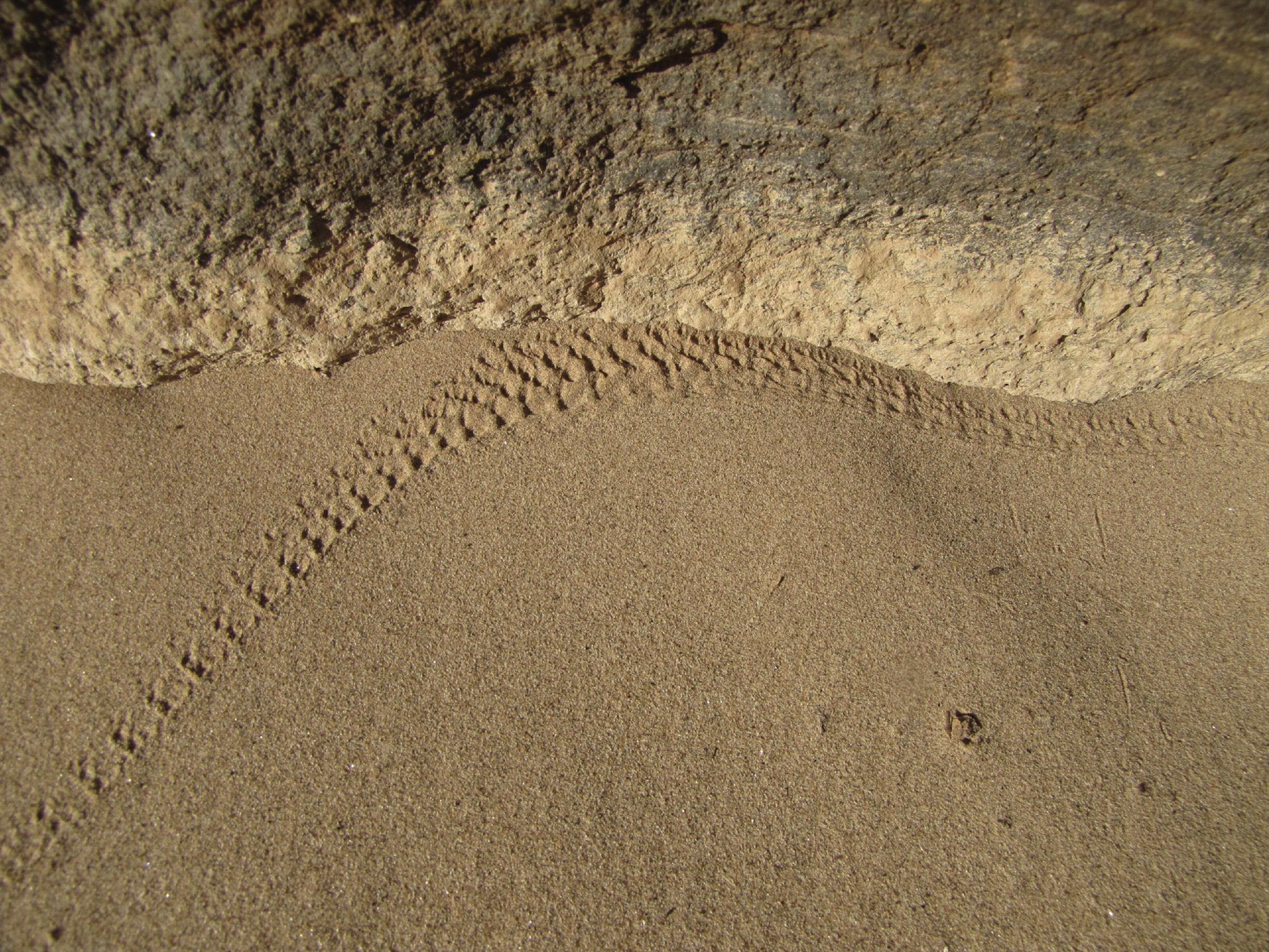
Scorpion tracks in the sand near the campsite.
Scorpion venoms are complex mixtures containing mucopolysaccharides, hyaluronidase, phospholipase, acetylcholinesterase, serotonin, histamine, protease inhibitors, histamine releasers, and neurotoxins.
In neuronal membranes, the neurotoxins cause incomplete inactivation of sodium channels during depolarization that result in a slow inward sodium current. This action causes membrane hyperexcitability, and leads to repetitive uncontrolled firing of axons. As a consequence, release of neurotransmitters at synapses and the neuromuscular junction is enhanced and can lead to excessive neuromuscular activity and autonomic dysfunction. In this case the neurotoxin affected the upper branch of the 7th cranial nerve producing paralysis of the forehead muscles.
The patient in this case was treated with acetaminophen and observed until symptoms resolved.