




Abstract
During the COVID-19 pandemic, the Mashpee Wampanoag Tribe of southeastern Massachusetts requested US federal government assistance. The tribe collaborated successfully with many partners in response to the COVID-19 pandemic. In this case study, the authors describe the tribe's collaboration with a team from the Centers for Disease Control and Prevention who assisted with epidemiology, case investigation and contact tracing, infection prevention and control, community prevention measures, and vaccination. Collaborative efforts resulted in over 200 public service announcements and videos produced, 55 tribal staff trained, 222 people followed up for contact tracing, 80% of tribal members vaccinated, and 5 COVID-19 response plans written. Deployment response teams learned elements essential to partnering with a Native American tribe. This successful partnership during a rapidly evolving pandemic suggests the US federal government and tribal nations can work together effectively to build response capacity for future infectious disease threats.
Introduction
The US Department of Health and Human Services declared COVID-19 a public health emergency on January 31, 2020. 1 On March 11, 2020, the World Health Organization declared COVID-19 a pandemic. 2 COVID-19 cases expanded rapidly across the United States and the world. In the United States, indigenous communities were known early in the pandemic to be disproportionately affected. 3
The Mashpee Wampanoag Tribe (MWT) in Cape Cod, Massachusetts, includes 2,934 tribal members and their households. With 2 full-time staff and occasional volunteers, the MWT Emergency Management Department (EMD) serves up to 6 million visitors to the historic lands of MWT each year. 4 MWT also hosts an Indian Health Service (IHS) clinic, the Mashpee Wampanoag (MW) Health Service Unit, whose primary role is providing medical and dental services to tribal members. In early 2020, the COVID-19 pandemic led to a greatly expanded scope of work for MWT EMD and the MW Health Service Unit. The MWT community was especially vulnerable to severe outcomes due to the high percentage of community members with comorbidities, limited staff at the tribal EMD and Health Service Unit, and a lack of formal pandemic response training among incident management team members, although they were experienced in mitigating severe weather and maritime emergencies.
MWT EMD collaborated successfully with many partners to expand its COVID-19 response. Two key partnerships were MWT's collaboration with the Centers for Disease Control and Prevention (CDC) and the Federal Emergency Management Agency (FEMA). In this case study, we describe MWT's collaboration with the CDC in response to the COVID-19 pandemic.
Methods
On March 20, 2020, the CDC COVID-19 response team created a State, Tribal, Local, and Territorial Task Force that included a Tribal Support Section to provide technical assistance to tribal nations. The CDC recognizes that tribes are sovereign nations with a government-to-government relationship with the US federal government. In addition, tribal members are residents of the state of Massachusetts as well as local towns, such as Mashpee, Barnstable, and Sandwich, and counties, such as Plymouth and Bristol. Therefore, MWT maintains close working relationships with state and local governments through regular calls, meetings, and emails. Tribal nations have inherent public health jurisdiction and authority to enact measures to manage public health emergencies. Various tribal nations requested and received CDC deployments over the course of the COVID-19 pandemic. 5
The CDC's Tribal Support Section initially engaged with tribal entities upon request from tribes or tribal organizations, IHS, or outreach based on rising case numbers. If indicated, tribal leadership sends a letter of invitation to the CDC, which initiates a deployment to the field or remote assistance. CDC deployment teams are matched by the subject matter expertise requested by the tribal nations and as necessary for the specific response.
The majority of MWT's 2,934 tribal members and their households live in a 5-county health service delivery area including Barnstable, Plymouth, Bristol, Norfolk, and Suffolk counties in southeastern Massachusetts. Similar to American Indian and Alaska Native populations broadly, many tribal members have medical comorbidities.6,7 Approximately 20% of MWT members are considered elders (aged 55 years or older).
MWT EMD collaborated with many partners that provided support (Table 1). On June 2, 2020, the CDC received an invitation letter from MWT to assist in the tribe's COVID-19 response. The CDC deployed staff in June-July 2020, August-September 2020, and November-December 2021 to assist with the tribe's COVID-19 response. At the time of the CDC's initial deployment, MWT EMD and the MW Health Service Unit were already busy implementing COVID-19 disease control measures and caring for the sick. CDC deployers with expertise in clinical medicine, emergency management, infection prevention and control, and communication provided additional technical assistance within an incident command structure, while being cognizant that the tribe possessed limited personnel and data sources. This activity was reviewed by the CDC and was conducted in accordance with applicable federal law and CDC policy.8-12
Mashpee Wampanoag Tribe COVID-19 Key Collaborating Partners, 2020-2021
Abbreviations: CDC: Centers for Disease Control and Prevention; EMD, Emergency Management Department; MDPH, Massachusetts Department of Public Health; MWT, Mashpee Wampanoag Tribe.
Results
The CDC supported the following deployment mission and priorities in collaboration with MWT EMD and the MW Health Service Unit: epidemiology, contact tracing and investigation, infection control prevention, community prevention measures, and vaccination (Box 1). Three sets of 2-person teams were deployed in 2020 and 2021, with a returning deployer to provide continuity in 2021. The teams focused on emergency preparedness and response in 2020 and vaccination in 2021 when vaccines were available. They had access to CDC headquarters via liaison officers and subject matter experts through daily and biweekly calls and situational reports. In addition, CDC teams assisted the tribe with the development of scientifically accurate health information and helped in identifying various modes of communications such as multimedia outreach (eg, social media, videos, radio, flyers, tribe website) (Table 2). MWT EMD and the MW Health Service Unit, in turn, helped the CDC understand how to tailor messaging to their community in a way that was culturally appropriate. Health communications activities were embedded in other mission priorities (eg, community prevention measures, vaccination) and are discussed in the context of those activities.
Mashpee Wampanoag Tribe COVID-19 Response Metrics, 2020-2021
The Mashpee Wampanoag Health Service Unit providers determined the need for testing, collected nasopharyngeal swabs at a drive-through site, and reported positive test results to the Massachusetts Department of Public Health.
The Centers for Disease Control and Prevention (CDC) deployers created tools for tracking COVID-19 testing (daily counts) and inventory of personal protective equipment logs and data tables for COVID-19 quality improvement project reports for decisionmaking.
CDC deployers reviewed the tribal contact tracing system to ensure these efforts were integrated with the Massachusetts Department of Public Health, while maintaining tribal sovereignty.
The CDC Text Illness Monitoring system was introduced to monitor illness among tribe members.
CDC supported training of tribal staff regarding specific clinical scenarios and infection prevention control.
The Mashpee Wampanoag Tribe helped CDC learn about cultural ceremonies and rituals, and deployers were able to work together to determine how to safely observe these activities.
At the start of the pandemic, the Mashpee Wampanoag Tribe closed tribal facilities and paused tribal activities. The tribe elected to take a cautious approach in a phased reopening and transition to normal tribal operations.
Rapidly changing COVID-19 prevention measures guidelines presented a challenge. CDC deployers assisted in practical adjustments to regular operations in the government center, schools, and community venues.
CDC recognized that the Mashpee Wampanoag Tribe Emergency Management Department would need to plan an efficient and safe delivery of vaccines, account for priority groups, project vaccine supplies, ensure timeliness and availability, and promote public awareness.
Vaccine hesitancy and misinformation were important issues in the tribal community. Many tribal members expressed concern for family members or friends above concerns for their own health. For them, the primary reason for seeking vaccination was to protect others.
Epidemiology
CDC deployers recognized that tracking basic case counts and coordinating with local, county, and state health departments is critical. In addition, tribes with smaller populations like MWT may face challenges in developing and maintaining advanced epidemiologic capabilities. MW Health Service Unit providers determined the need for testing, collected nasopharyngeal swabs at a drive-through site, and maintained all COVID-19 testing in a separate log in the MW Health Service Unit clinic laboratory. Providers reported positive test results daily to the Massachusetts Department of Public Health (MDPH), which entered the results into a state database.
CDC deployers augmented this activity by creating inexpensive tools for tracking COVID-19 testing (daily counts) and inventory of personal protective equipment (PPE) logs and updating the weekly MWT situation reports with MWT activities of interest, case counts, reported deaths, and test numbers. The team also assisted the MW Health Service Unit in developing and revising data tables for COVID-19 quality improvement project reports for decisionmaking.
Case Investigation and Contact Tracing
In addition to assisting with basic epidemiology, CDC deployers supported the fundamental activities of case investigation and contact tracing. This involved working with and monitoring individuals diagnosed with COVID-19 and identifying and providing support to contacts of infected persons (Table 2). CDC deployers reviewed the tribal contact tracing methodology, provided additional training in contact tracing, and worked to ensure that these efforts were integrated with the MDPH, while maintaining tribal sovereignty. The CDC Text Illness Monitoring system was later used by MWT EMD to monitor illness among tribe members. CDC teams also helped MWT to prepare for scale-up of case investigation and contact tracing should the need for surge capacity arise. This involved specifying job tasks for designated staff and identifying external support resources.
During the initial assessment, CDC deployers identified 3 main issues:
If you have tested positive at a testing site other than the Mashpee Wampanoag Indian Health Service Unit (IHS), then please consider sharing your test results with IHS at […], so that the tribe is able to better understand the outbreak in our community as it compares to the overall state testing numbers.
The message was disseminated through a digital tribal newsletter, Nashauonk Mittark, and partners including the Visiting Nurses Association of Cape Cod (VNA) and the COVID-19 Community Tracing Collaborative (CTC).
To improve the coordination of case ascertainment, the CDC and MWT EMD engaged in calls with numerous implementing partners, working partners, colleagues, and contributors, including the Barnstable County Department of Health and Environment, Massachusetts Emergency Management Agency, MDPH, Town of Mashpee Health Agent, VNA, and Partners In Health. The CDC reviewed provider case reporting via the MDPH Massachusetts Virtual Epidemiologic Network (MAVEN), a statewide database of epidemiological, clinical, laboratory, and case management data for approximately 90 reportable infectious diseases.
Using line lists obtained from MWT, VNA, and CTC, a crosswalk of MWT data was conducted by the CDC and MWT EMD on towns and counties where tribal members live compared with data reported by VNA and CTC. The CDC team found that cases followed by the MW Health Service Unit, VNA, CTC, towns of Mashpee, Barnstable, and Sandwich, and counties of Plymouth and Bristol captured the vast majority of MWT members. This was reassuring as it indicated that cases were not being lost to follow-up, which could have contributed to ongoing transmission. At worst, some individuals might have been contacted twice, by tribal and state channels, which could have reinforced reminders to stay home while sick. If substantial gaps had been identified, more intensive follow-up efforts would likely have been required to ensure that no cases were missed.
In addition to follow-up of positive cases and possible contacts by the MW Health Service Unit clinic staff, MAVEN notifies the local board of health of positive results from their area residents. The local board of health can then choose to conduct contact tracing themselves, delegate it to VNA, which was contracted to handle contact tracing for 17 nearby communities, or delegate it to CTC. The MDPH had contracted with the nonprofit Partners In Health to create the CTC, which utilized 1,000 staff and volunteer contact tracers from schools of public health, colleges, and universities. 14 CTC provides surge contact tracing support to the MDPH when needed. In addition, CDC deployers connected both MWT EMD and the MW Health Service Unit with the Learning Collaborative, “an open partnership between PIH [Partners In Health] and US public health entities aimed at sharing lessons, developing custom frameworks, and rapidly mounting contact tracing efforts and effective public health responses to fight the COVID-19 pandemic, focusing on the needs of the most vulnerable.” 15 MWT EMD and the MW Health Service Unit also connected with VNA to further improve coordination.
Infection Prevention and Control
The FEMA Region 1 warehouse shipped PPE to MWT, which consisted of approximately 13,000 cloth face coverings, 6,000 procedural masks, 26,000 nitrile gloves, 5,000 bottles of hand sanitizer, 8,330 N95 respirator masks, and 5,370 KN95 respirator masks. 13 The CDC supported training of tribal staff in infection prevention strategies, including technical assistance to the MW Health Service Unit regarding specific clinical scenarios and infection prevention control considerations in those instances. The CDC also conducted informal question-and-answer sessions for other healthcare staff, such as dental hygienists. In addition, the CDC worked with the IHS safety officer and Transportation Unit on safety protocols and best practices, such as safe non-EMS medical transport for those with or suspected of having COVID-19, and the proper decontamination of all types of facilities and non-EMS transport vehicles. This training was also provided to MWT Transportation Department staff. The team provided trainings for MWT Indian Child Welfare Act staff on topics such as the use of PPE, meal preparation, and caring for individuals with COVID-19 who are isolating in the household. Planning included infection prevention control for the general tribal community including consultations on the effectiveness of types of face coverings and masks. MWT and the CDC worked together to determine how to safely engage in cultural ceremonies and rituals with the tribe, community, and visitors.
Community Prevention Measures
The CDC team provided technical assistance for community prevention measures within the tribal community, aligning activities with the MDPH efforts while maintaining tribal sovereignty. At the start of the pandemic, MWT EMD closed tribal facilities and paused tribal activities. MWT EMD elected to take a cautious approach in a phased reopening and transition to normal tribal operations. CDC deployers reviewed the MWT EMD phased COVID-19 plan for reopening, which summarized returning to the workplace, and assisted with steps in the implementation process (Table 3). For example, the July 2020 Phase 2C reopening of the MWT Community and Government Center involved several prevention measures including staggering shifts, maximizing remote work, rotating staff schedules to maintain physical distancing, and leveraging technology to minimize in-person contact. Vulnerable employees continued to work remotely, council meetings were held virtually or via conference calls, and nonessential services remained on hold. Key leaders were allowed to designate 2 staff members to reenter by appointment 2 days per week. Essential vendors, such as building and maintenance crew, could also enter by appointment only for a limited time in buildings, in conjunction with temperature checks, mandatory use of facemasks, facilities being sanitized periodically, and staff distancing at least 6 feet apart. Custodial staff were onsite to clean and disinfect building spaces. The CDC deployment team developed and implemented a COVID-19 screening tool and sticker system for use by the MWT Community and Government Center staff to be used by all staff and visitors, with plans to transition from a paper format to an electronic version. The subsequent CDC deployment team provided technical assistance for the implementation of an electronic version of the screening tool.
Mashpee Wampanoag Tribe Phased COVID-19 Plan for Reopening, 2020-2021
Abbreviations: EMD, Emergency Management Department; MWT, Mashpee Wampanoag Tribe.
Careful consideration was given to the reopening of tribal schools and courts. After discussions with the school and tribal court staff, the CDC team updated the inventory list of items needed for the classroom and courtroom spaces and included instructions for cleaning and disinfecting. CDC deployers assisted MWT EMD with drafting public service announcements (Figure) before the 2020 Labor Day holiday, provided content material and language for the tribal newsletter, and assisted with communications to tribal council members. For example, when an official MWT pow wow event,* originally scheduled for July 4, 2020, was canceled, MWT EMD received word that an unofficial pow wow was being planned. MWT took a proactive approach by rapidly posting a public service announcement on COVID-19 prevention measures through the Nashauonk Mittark newsletter, text messages, e-blasts, and posting on the tribe's Facebook page (Box 2). In addition, an internal document, Tribal Court Reopening Considerations and Recommendations, was developed for use by the MWT EMD director and tribal court staff. The CDC deployment team and MWT EMD also provided technical assistance and discussed reopening with staff of the Wôpanâak Language Reclamation Project. This project is a collaborative effort of the Assonet Band of Wampanoag, MWT, the Wampanoag Tribe of Aquinnah, and the Herring Pond Band of Wampanoag. Students of the language school are immersed in Wampanoag language and culture with the goal of fostering academic excellence, leadership skills, and a strong sense of personal, community, and cultural pride. 18
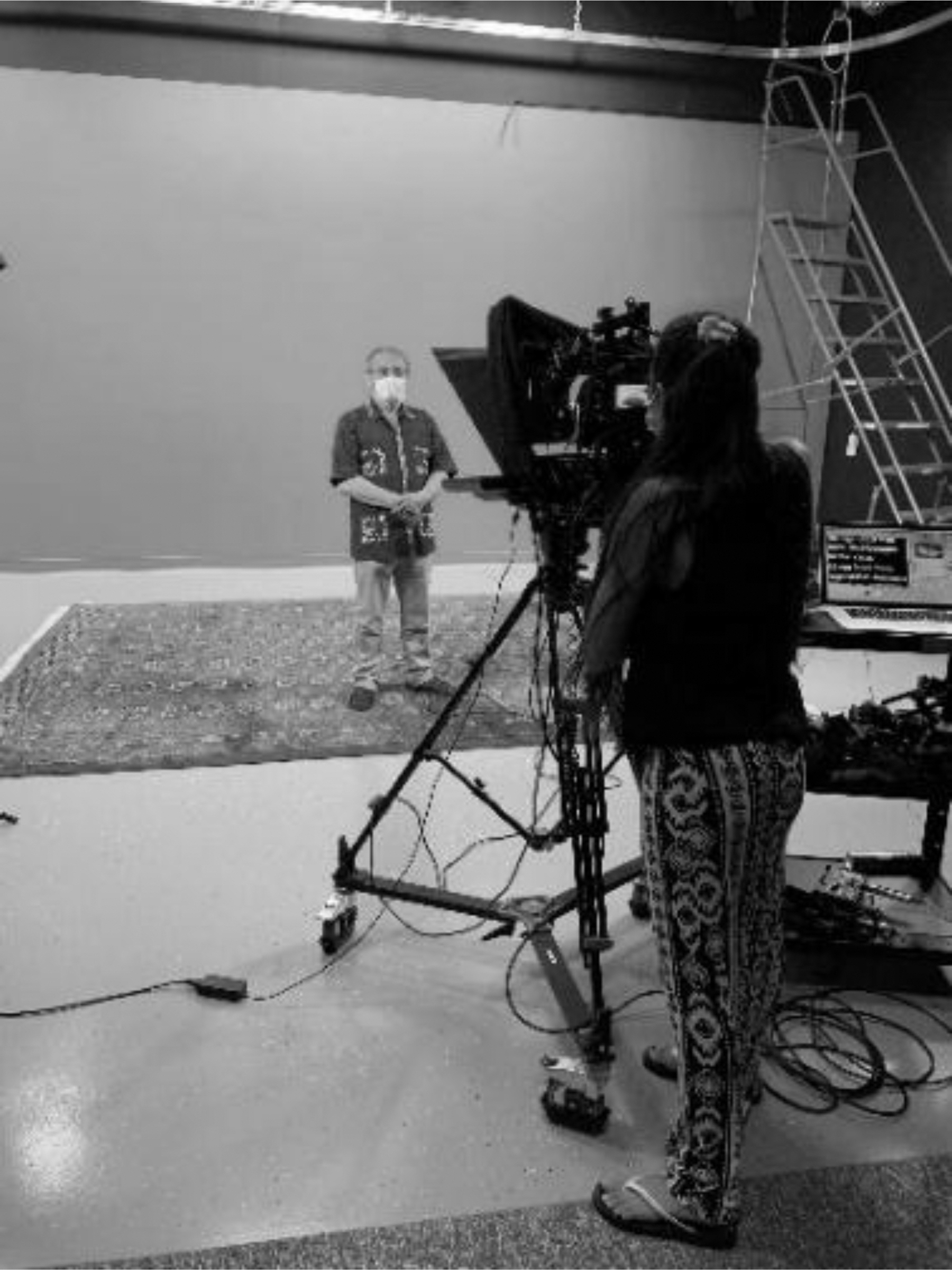
Mashpee Wampanoag Tribe Public Service Announcement, COVID-19 Response, 2020-2021. The Centers for Disease Control and Prevention team provided technical assistance to the local public station, MashpeeTV, using principles from the evidence-based stages of change model to inform public service announcements and educational videos. They accompanied Mashpee Wampanoag Health Service Unit Medical Director Dr. Jose Molinar.
Rapidly changing guidelines on COVID-19 prevention measures presented challenges. CDC deployers assisted with practical adjustments to regular operations in the Community and Government Center, schools, and community venues. For example, deployers created actionable checklists for rapid response actions, updated data collection and management methods, and implemented new avenues for public health communication. During a tribal elder's funeral, the team set up hand sanitizer stations, supplied masks and hand sanitizer bottles, set up air purifiers, placed retractable belt barriers to limit crowds and keep the traffic flow moving (eg, one direction for incoming and another direction for outgoing), and set up speakers for those who preferred to remain outside the building.
“4th of July Safety Guidance During the COVID-19 Pandemic. COVID-19 is still with us and various regions within the U.S. currently have high case counts. It is important to adopt prevention measures to protect yourself, help protect our elders, and to reduce the spread of COVID-19. Interacting with more people, being in a group with people who aren't physically distancing or wearing cloth face coverings and engaging with new people who don't live with you can all raise your risk of infection. If you decide to cook out or celebrate this weekend, we recommend sticking to small groups of family or friends, wearing masks or cloth face coverings, and practicing physical distancing and good hand hygiene. Stay safe and have an enjoyable Holiday Weekend.”
Note: Posted on the Mashpee Wampanoag Tribe - Emergency Preparedness Facebook page on July 3, 2020. https://www.facebook.com/mwteprep
Vaccination
Prior to vaccine availability, much advance planning was needed. For the large-scale vaccination effort, MWT EMD coordinated with the MW Health Service Unit and other healthcare partners to plan efficient and safe vaccine delivery. Some vaccines must be maintained within a certain temperature range, or they lose their effectiveness and cannot be used. Vaccine temperatures therefore had to be maintained during transport and confirmed upon arrival, with the vaccine properly stored at the receiving site. This process requires well-trained staff, reliable storage and temperature monitoring equipment, and accurate vaccine inventory management. Similarly, a plan for large-scale distribution must be in place, including coordination with local, state, and federal partners. The plan also needs to determine how the tribe would receive the vaccine, the type of storage needed to receive the shipment, the MW Health Service Unit back-up plans for generator power, fuel, and maintenance for vehicles, as well as crowd control and security. Plans for mass vaccination would need to account for priority groups, projected vaccine supplies, timeliness, and availability, and public education to familiarize people with the safety profile and benefits of vaccination. The response also needed a plan to report and investigate adverse events in conjunction with the Vaccine Adverse Event Reporting System 20 ; a call-back system to inform vaccinated persons of the need for a second and booster vaccinations, tracking of vaccine supply and distribution, and data collection.
Tribal Councilman Brian Weeden observed that “many tribal members are uncertain about getting the vaccine. They are skeptical, not just because the vaccine is in its early stages of distribution, but also because the federal government has a long history of badly treating Native Americans and other minorities.” Councilman Weeden further stated: “Other tribes across the country feel hesitant about taking the vaccines, but at the same time, COVID-19 is hitting them hard. That's why we were one of the first ones to receive it. Because it's affecting minorities and Indian Country.” 19
The CDC and MWT EMD worked together on community COVID-19 vaccine information sessions to dispel misinformation and misunderstandings. One such misconception was that the vaccine would transmit live virus and result in an active infection. Another common misconception was that vaccination would be unnecessary for those who had previously been infected with the virus. Some tribal community members noted that they were waiting to get vaccinated after getting sick with COVID-19. CDC personnel assured them that vaccination is intended to reduce the severity of outcomes for those who do contract the virus, and to slow transmission of the virus throughout the community (Box 3). Many tribal members expressed more concern for the health of family members or friends than for their own health. For them, the primary reason for seeking vaccination was to protect others.
Discussion
With assistance from the CDC and other partners, MWT successfully mitigated many impacts of the COVID-19 pandemic. With the help of MWT EMD, CDC deployers adjusted their procedures after learning about the local culture, which improved the quality and acceptance of their work overall. The CDC collected several lessons learned, which may translate to other tribal settings as well as small nontribal rural towns and municipalities.
First, MWT EMD benefited greatly from having senior tribal personnel with experience in emergency management and public health, including the MWT EMD director who had experience in emergency management with FEMA. Although his job experience was in disaster relief, during the COVID-19 pandemic he was able to pivot to public health matters. As a trusted member of the community, tribal members felt confident reaching out to him. Other tribes might identify opportunities for tribal members to gain experience through training or working with agencies like FEMA or the CDC (eg, Ferguson RISE Fellowship). 25
The Centers for Disease Control and Prevention (CDC) deployment team and the Mashpee Wampanoag Tribe (MWT) Emergency Management Department (EMD) worked together to plan a virtual community COVID-19 vaccine information session starting on November 29, 2020, followed by a vaccination event on December 1, 2020. Communication with community members required multiple avenues and media. Announcements were made through community newsletters, group email lists, postings in government buildings, and physical signage. The CDC team provided resources for official guidance as well as web resources and videos. The CDC team also secured donated COVID-19 handwashing topic-focused coloring books, crayons, Eagle Books, 21 and Star Collection Books 22 for a CDC story time event, and for handing out to children in the community. In addition to these communications and materials, messages were displayed on the monitors at the MWT Community and Government Center. The center staff volunteered to be featured on the monitors located in the foyer of the building. These staff members provided a photo and brief vaccination testimonial. The CDC team assisted with the development of a school flyer and provided regular event announcements and updates. The flyer was sent to the superintendent of schools for the children to sign up for their pediatric COVID-19 vaccine with the Mashpee Wampanoag Health Service Unit and Indian Health Service.
Prior to the vaccination event, a public COVID-19 fall/winter Q&A meeting was held on Zoom. Discussion topics included booster shots, COVID-19 doses and vaccination options, and recommendations for children and pregnant women. Several participants asked questions and shared their own experiences. Personnel from CDC and the Indian Health Service answered general questions or arranged to discuss personal questions privately.
The vaccination event was staged as a multiple-tent drive-through process where adults received their second dose or booster shot, which took place during the afternoon. Pediatric vaccination took place during the late afternoon and evening inside the clinic after the adult event. The visibility of the event encouraged many others to attend, who may not have known about it. Participants received a customized tribal participation sticker created by CDC staff that stated: “I Got My COVID-19 Vaccine.”
A deployer supported the post-vaccination and monitoring of attendees at the Mashpee Wampanoag Health Service Unit/Indian Health Service and distributed donated items to participants. A second virtual COVID-19 informational session took place on January 4, 2021, where CDC personnel were on hand to answer questions. This virtual meeting was intended to encourage children, teens, and adults to get their second COVID-19 vaccine dose and other vaccinations including influenza.
Second, MWT looks for opportunities to share with other tribes, particularly tribes with smaller populations and who are not federally recognized. MWT EMD staff have presented at numerous local, national, and international organizations, such as the Pukúu Wellness Event, BBC World News, National Congress of American Indians, and the United South and Eastern Tribes, on preparedness activities such as setting up an emergency management department, writing grants, and securing COVID-19 supplies. As a result, the tribe's network of peers has expanded. Other tribes with emergency response experience might look for opportunities and forums to share experience and materials with one another. 5
Third, while adhering to overall mission parameters is essential, there is also a need for CDC deployers to be flexible and able to adapt in the field to an evolving response. The initial CDC mission objectives were limited to community prevention measures, epidemiology and surveillance support, health and risk communications, and protocol review. However, during the deployments, MWT leaders proposed additional activities to prevent the spread of COVID-19. For example, the CDC team assisted MWT EMD in distributing PPE supplies to tribal elders. While distributing PPE was not explicitly stated in mission objectives, it was consistent with public health practice, demonstrated commitment to the wellbeing of tribal members, and was of practical benefit because MWT EMD was very short-staffed. CDC deployment teams maintained close contact with CDC headquarters, typically meeting virtually every day or several times per week. This helped to ensure that activities could be adapted but still aligned with overall mission parameters and CDC goals. While CDC deployers were able to provide technical expertise, it was also essential to have a professional and culturally sensitive attitude and be willing to learn about the tribe's values. It is also important for federal deployers to be onsite with the community, engage and interact with community members, and demonstrate interest in the tribe's work, health, and wellbeing, and how COVID-19 has impacted them. As discussed earlier, a CDC deployer evaluated and advised on modifications to the facility where a tribal elder's funeral was held to reduce the potential for transmission according to CDC guidelines. This helped build rapport and trust with tribal members.
Last, the COVID-19 pandemic has shown that every jurisdiction must be ready and prepared to respond to a new or existing infectious disease threat. The CDC's Division of Preparedness and Emerging Infections, Emergency Preparedness and Response Branch, has proposed a pilot program to work with tribal health departments to strengthen response capacity for future pandemics and infectious disease outbreaks. Activities may involve developing or updating preparedness plans, conducting exercises to test response plans, and increasing collaboration between public health and law enforcement in response to intentional biological threats. As the MWT EMD director, Nelson Andrews Jr., stated: “Having the leaders in public health at our tribe available to assist in our efforts, while in the midst of this very serious and on-going pandemic, has been a major blessing and helps to provide hope and professional guidance.” 26
Conclusion
This successful partnership during a rapidly evolving pandemic suggests the US federal government and tribal nations can work together effectively to build response capacity for future infectious disease threats.
Footnotes
Acknowledgments
The authors thank Rita Gonsalvas, Dr. Kelsey Simm, Dr. Jose Molinar, Dr. Neil Borja, Dr. Edward Avant, Talia Landry, Vaira Harik, Rachel Fleck, Liz Foley, Sean O'Brien, Chrystal LaPine, Lesley McKeen, Dr. Nitana Greendeer, Elaine Sargent-Crooks, Dr. Tempestt Evans, Desire Hendricks-Moreno, Glen Harrington, Meg Payne, John Welch, Katie Bollbach, Elissa Lopez, NeKeisha Peters, Darlene Scott, Dr. Paul Park, Brittany Sunshine, LT Amy Pullman, Kay Hogue, Kellie White, Rebecca Albert, Dr. Seh Welch, Pasha Diallo, Courtney Emerson, Jovanni Reyes, Dr. Dawn Satterfield. We would also like to thank the following collaborating partners: Indian Health Service (IHS), Federal Emergency Management Agency (FEMA), AmeriCorps, Barnstable County Department of Health and Environment, Barnstable County Schools, Massachusetts Department of Public Health, Partners In Health, United South and Eastern Tribes (USET), The Mashpee Wampanoag Emergency Management Department, The Mashpee Wampanoag Health Service Unit, The Mashpee Wampanoag Tribal Court, The Mashpee Wampanoag Food Pantry, The Mashpee Wampanoag Tribal Transportation Program, The Wôpanâak Language (Wampanoag Language) Reclamation Project, The Nashauonk Mittark, MashpeeTV. The findings and conclusions in this article are those of the authors and do not necessarily represent the official position of the Centers for Disease Control and Prevention.