




Abstract
Objectives:
Despite the recognized importance of phagocytes in the maintenance and recovery of health, the influence of meditation on their functions is not properly established. This investigation aimed at evaluating the influence of pranic meditation on the functions of phagocytes, and on the levels of hormones that influence them.
Design:
A pre–post design was adopted.
Setting:
The investigation was carried out at a university research laboratory.
Subjects and methods:
Twenty-nine (29) healthy individuals of both sexes, 24–67 years old (median 45), with no previous experience in meditation, received 3-hour-duration weekly training on pranic meditation during 10 weeks and agreed to engage in daily home practice for 20 minutes. Pranic meditation is a novel method of meditation, based on the Vedic tradition, which uses techniques of breathing and visualization for quieting the mind, and for capturing and intentionally directing prana (“vital energy”) wherever necessary. For assessing phagocytosis, the production of hydrogen peroxide and nitric oxide by monocytes, and the concentrations of corticotrophin and cortisol, blood was collected at the beginning (week 1), at the middle (week 5), and by the end (week 10) of the practice period. At the same intervals, melatonin concentrations were evaluated in the saliva.
Results:
Those who meditated for more than 980 minutes showed increased phagocytosis, their monocytes produced higher concentrations of hydrogen peroxide, and their plasma levels of corticotrophin were reduced. The production of nitric oxide by monocytes, and the levels of cortisol and melatonin were not modified by meditation.
Conclusions:
This is the first study to show that a short program of pranic meditation practice was able to upregulate the function and metabolism of phagocytes, in parallel with the reduction of the plasma levels of corticotrophin. The results of this study point to a possible causal effect between these events, and indicate that pranic meditation could be useful for stimulating the function and metabolism of phagocytes.
Introduction
Courses for training on pranic meditation have been regularly offered to the community and, as a complementary therapy, to individuals with cancer and other chronic diseases, since 2007 in Brazilian health and academic institutions. The now over 600 practitioners have often received a great deal of benefits on their physical, mental/emotional, interpersonal and spiritual health, together with an increased feeling of vigor, serenity, intuition, and compassion. These very favorable results prompted the authors to investigate the possible mechanisms involved in the health-promoting effects of pranic meditation, including those associated with phagocyte functions, and the levels of hormones involved in the control of the activity of these cells.
Phagocytes are recognized as major components of the immune system due to their ability to detect, ingest, and destroy potentially dangerous elements such as infectious agents and cancer cells, to present them as antigens to lymphocytes, and to induce and regulate the immune response. 21,22 Deficiency of phagocyte functions may result in increased susceptibility to infections and cancer. 23,24 Phagocytes also act as a link between immune and neuroendocrine systems, 25,26 and influence and are influenced by the hypothalamic–pituitary–adrenal (HPA) axis. 27,28 Corticotrophin and cortisol hormones released from an activated HPA axis are reported to downmodulate the immune response, 29 and therefore, to disrupt homeostasis and increase the susceptibility to diseases. Melatonin, the hormone produced by the pineal gland, on the other hand, has been considered to upmodulate the immune system, stimulate phagocytosis, 30 and affect the production of cytokines by human monocytes. 31
The present investigation aimed at establishing the possible role of pranic meditation on the function of blood phagocytes and on the levels of the hormones capable of influencing them.
Materials and Methods
Subjects
A total of 29 healthy individuals of both sexes, 24–67 years old (median 45), who attended a 10-week training course on pranic meditation volunteered to participate in the investigation. They had no previous experience with meditation, and were not taking any drug capable of affecting the immune or the endocrine systems.
This investigation was previously approved by the Committee on Ethics of Human Experiments of the Faculty of Medicine, University of Brasilia, and informed consents were obtained from all participants.
Pranic meditation training
The participants of the research were submitted to a training course on pranic meditation of 3-hour weekly classes consisting of an exposition on the theoretical grounds of the method, followed by collective meditation practice. The practitioners were encouraged to engage in daily individual practices of 20 minutes at home, and to fill a “practice diary” noting down the frequency, duration, and feelings associated with the meditation practices.
The following subjects were discussed during the 10-week training course by a qualified instructor, with over 20 years of practice experience: (1) What is meditation; (2) The healing power of meditation; (3) Pranic meditation; (4) Prana and pranayama; (5) The chakra system: anatomy and physiology; (6) The chakra system: pathology; (7) Mantra; (8) Obstacles and risks of meditation; (9) Pranic meditation: health and equilibrium; (10) Meditation and transcendence. The practices consisted of the following exercises: (1) Visualization of the blue wave of peace: a visualization technique for quieting the mind and relaxing body; (2) Pranayama 1: a technique of conscious breathing aimed at quieting the mind and capturing prana; (3) Pranayama 2: a technique of conscious breathing with prolonged interruptions of the air flow for prana capture and absorption; (4) Pranification of the chakras: a visualization technique in which each one of the seven main chakras are activated by directing prana and mantra to them, following by prana circulation throughout the chakra system; (5) Pranic vitalization: a visualization technique for directing prana wherever necessary in the body; (6) Pranic emission: a visualization technique for directing prana to someone else; (7) Deep meditation: a technique of thorough quieting of the mind for attaining transcendence.
Experimental design
On the 1st, 5th, and 10th weeks of pranic meditation practice blood samples were collected from the volunteers to assess phagocytosis, production of hydrogen peroxide and nitric oxide by monocytes, and to evaluate the concentrations of corticotrophin and cortisol. At the same time intervals, saliva samples were collected for the quantification of melatonin. The study group was stratified according to the time dedicated to meditation throughout the 10 weeks of training into “higher practitioners” (higher than 980 minutes of meditation, n=22) and “lower practitioners” (980 minutes or less of meditation, n=7).
Blood and saliva samples
Venous blood samples were collected from the practitioners at the research laboratory between 8:00 and 8:30
Salivary samples were collected by the volunteers at home into sterile plastic tubes using a straw at 3:00
Isolation of blood mononuclear cells
Mononuclear cells were collected by centrifugation through a cushion of Percoll, density 1.077 g/mL at 750g, twice washed by centrifugation in cold RPMI 1640 medium, pH 7.2, supplemented with 20 mmol/L HEPES, 2 mmol/L glutamine, and 2.5 mg/dL gentamicin. Afterwards, cell suspensions were prepared in RPMI 1640 medium for the evaluation of the production of hydrogen peroxidase and nitric oxide by monocytes.
Assessment of hydrogen peroxide production by monocytes
Hydrogen peroxide production by monocytes was assessed according to the method described by Pick. 32 In brief, triplicate samples of 1.5×10⁵ mononuclear cells in RPMI 1640 medium were distributed into 96-well plastic microplates and incubated with a solution containing phenol red and horseradish peroxidase type I, with or without stimulation with phorbol myristate acetate. After 60 minutes incubation at 37°C in a wet chamber with a mixture of atmospheric air plus 15% CO2, absorbance was read on a microplate spectrophotometer (Spectramax Plus) at 620 nm.
Assessment of nitric oxide production by monocytes
Nitric oxide production by monocytes was assessed according to the method described by Green et al. 33 In brief, triplicate samples of 1.5×10⁵ mononuclear cells in RPMI 1640 medium were distributed into 96-well plastic microplates and incubated for 24 hours at 37°C, with or without lipopolysaccharide of Escherichia coli 055:b5, in a wet chamber with a mixture of atmospheric air plus 15% CO2. Supernatants were transferred to another microplate and Greiss reagent (0.2% N-(1-naphthyl) ethylene diamine plus 2% sulphanilamide solution in RPMI 1640 medium) was added. The absorbance was read on a microplate spectrophotometer (Spectramax Plus) at 590 nm.
Assessment of phagocytosis
The phagocytic capacity of blood phagocytes (neutrophils+monocytes) was assessed by an adaptation of the technique previously described by Muniz-Junqueira et al. 34 In brief, samples of whole blood were distributed on round glass coverslips (13-mm diameter) placed into the wells of 24-well microplates. After incubation at 37°C for 45 minutes, coverslips were rinsed with 0.15 mol/L phosphate-buffered saline, pH 7.2, and the adherent phagocytes were incubated for 30 minutes with a suspension of yeast cells (Saccharomyces cerevisiae) at 37°C in a wet chamber with a mixture of atmospheric air plus 15% CO2. Afterwards, coverslips were rinsed with 0.15 mol/L phosphate-buffered saline pH 7.2, stained with Giemsa solution, and blindly evaluated by microscopy. The phagocytic index was calculated by the percentage of phagocytes involved in phagocytosis×the mean of yeast cells ingested per phagocyte.
Determination of plasma concentrations of corticotrophin and cortisol
Corticotrophin and cortisol levels were determined by a competitive chemoluminescence immunometric solid-phase assay, using the Immulite Immunoassay System 2000 (Siemens, USA). The samples were processed according to the manufacturer's instructions.
Determination of the salivary concentrations of melatonin
Melatonin concentrations were determined by radioimmunoassay using the kit of Melatonin Research RIA KIPL 3900 (BioSource, Nivelles, Belgium). The samples were processed according to the manufacturer's instructions.
Statistical analysis
The Prism Graph Pad software package, version 5.0, for Windows was used for performing the statistical analyses and preparing the graphics. Data were analyzed by the Friedman's test, followed by the Dunn's method for multiple comparisons.
Results
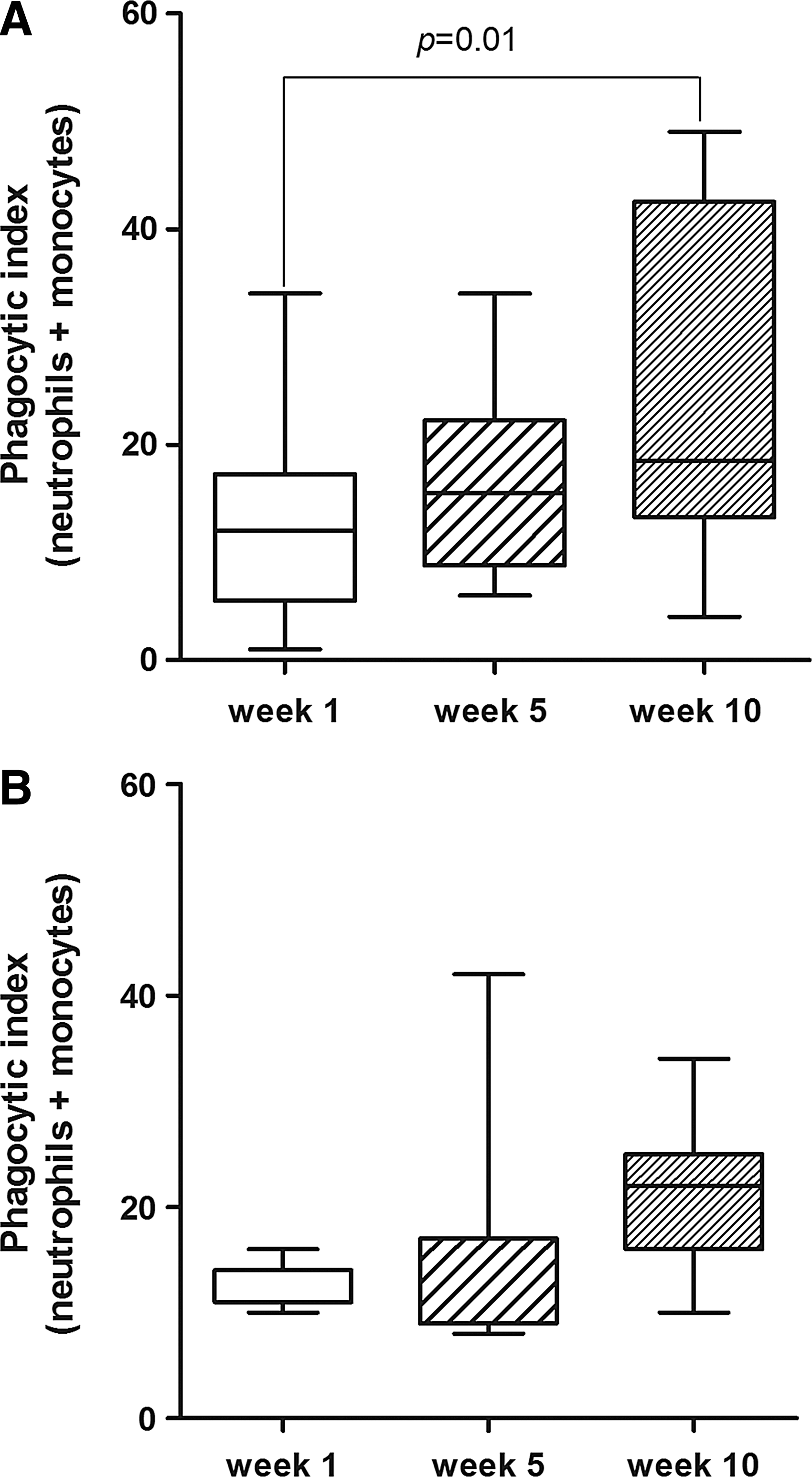
The data showed that pranic meditation increased phagocytosis by blood neutrophils and monocytes in “higher practitioners” (higher than 980 minutes of meditation; p=0.01) (Fig. 1A), but not in “lower practitioners” (980 minutes or less of meditation; p=0.08) (Fig. 1B).
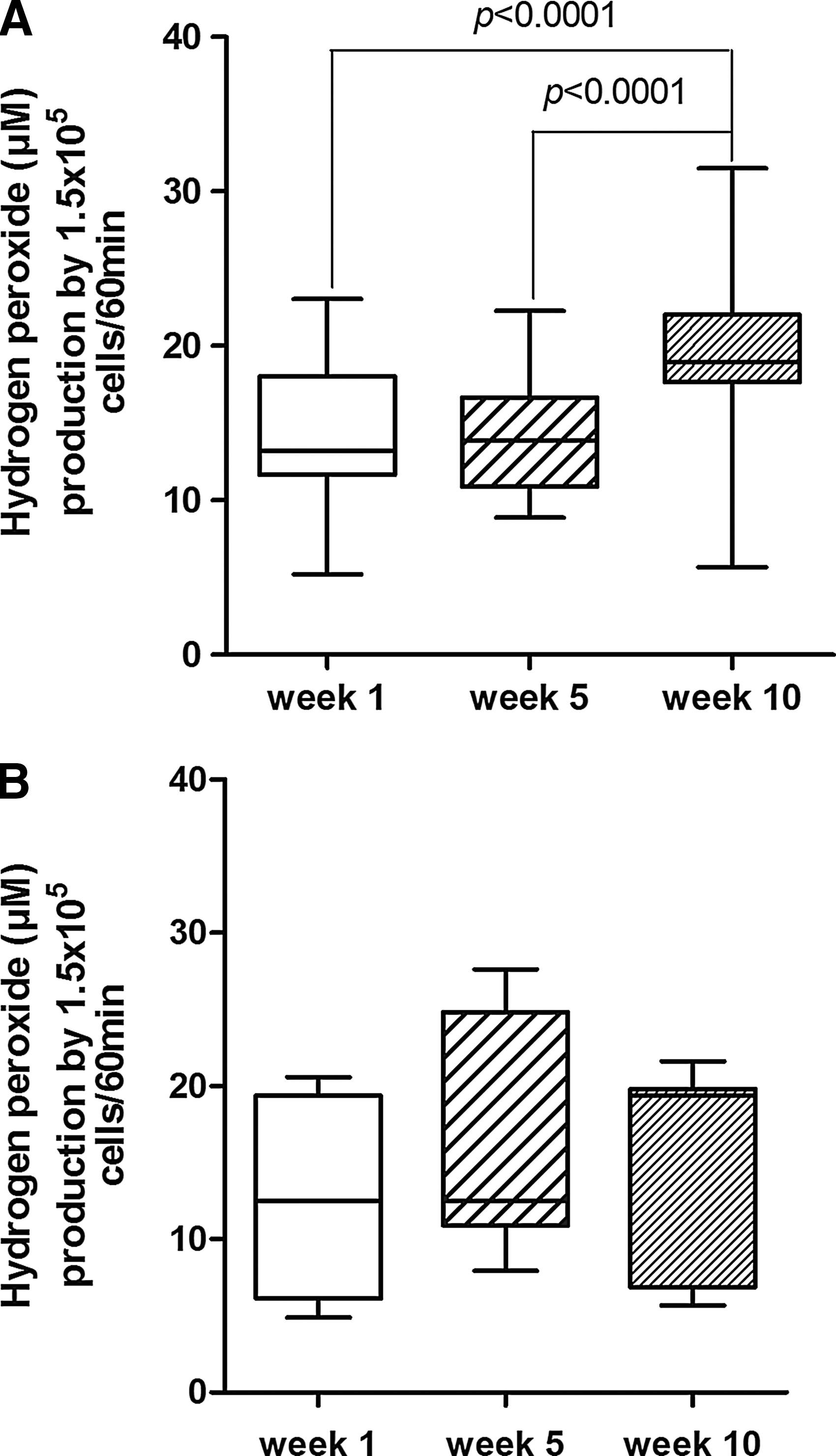
The increase of phagocytosis paralleled the rise of the oxidative metabolism of monocytes. The production of hydrogen peroxide by monocytes, an important step in the processing of ingested materials by phagocytes, was increased in the higher (p<0.0001) (Fig. 2A), but not in the lower practitioners (p=0.48) (Fig. 2B).
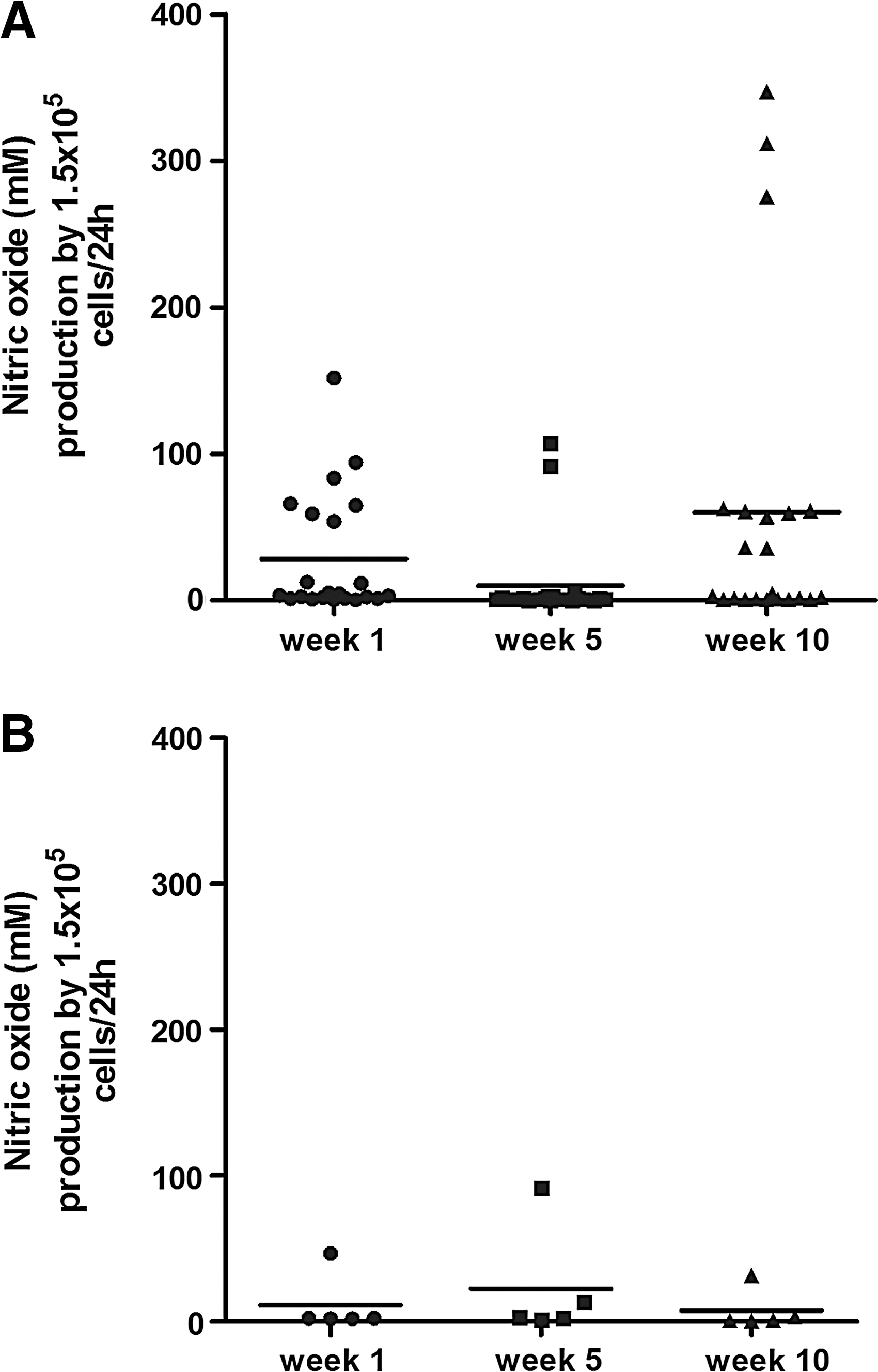
The production of nitric oxide, a second oxidative metabolite of monocytes that also takes part in the process of phagocytosis, showed no modification both in the higher practitioners (p=0.24) (Fig. 3A), and in the lower practitioners (p=0.36) (Fig. 3B).
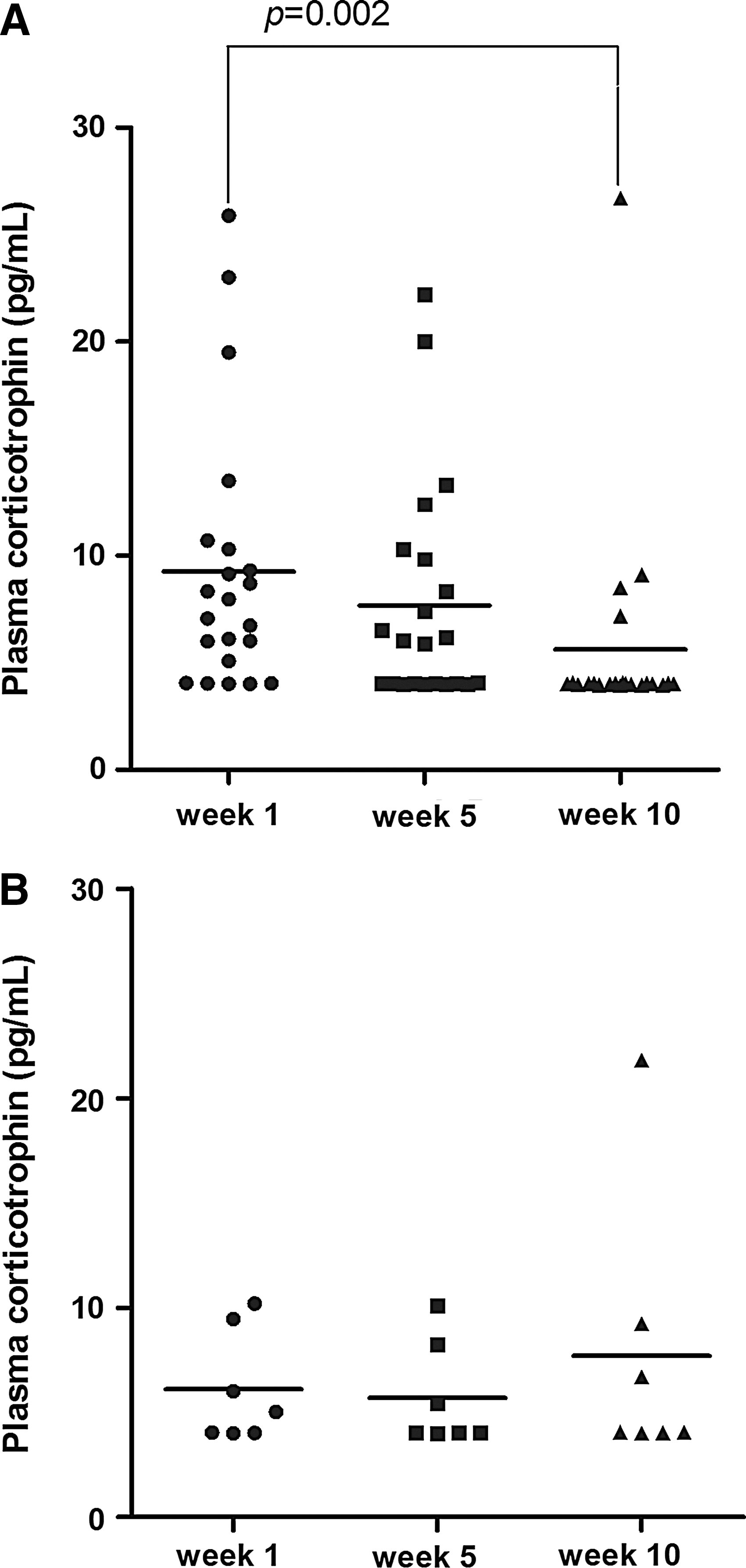
Corticotrophin, the hormone produced by the pituitary gland that induces the production of adrenal cortisol, had its blood level decreased in the higher practitioners (p=0.002) (Fig. 4A), but not in the lower practitioners (p=0.76) (Fig. 4B).
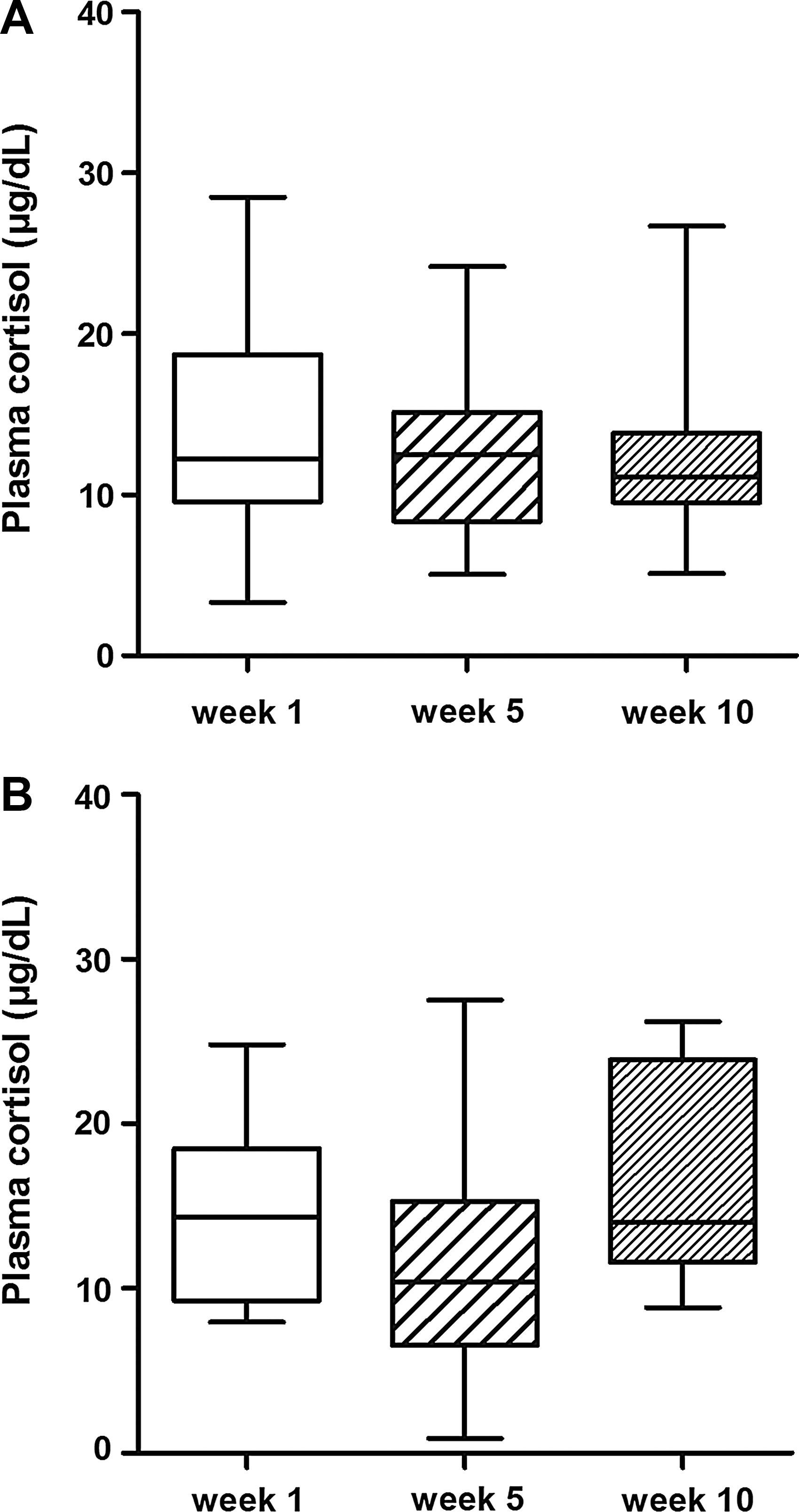
No statistical difference between the pre- and postintervention levels of cortisol was detected both in the higher practitioners (p=0.95) (Fig. 5A) and in the lower practitioners (p=0.77) (Fig. 5B).
The levels of salivary melatonin were not modified by pranic meditation, due to the great individual variation of the hormone levels observed (p=0.54) (Fig 6).
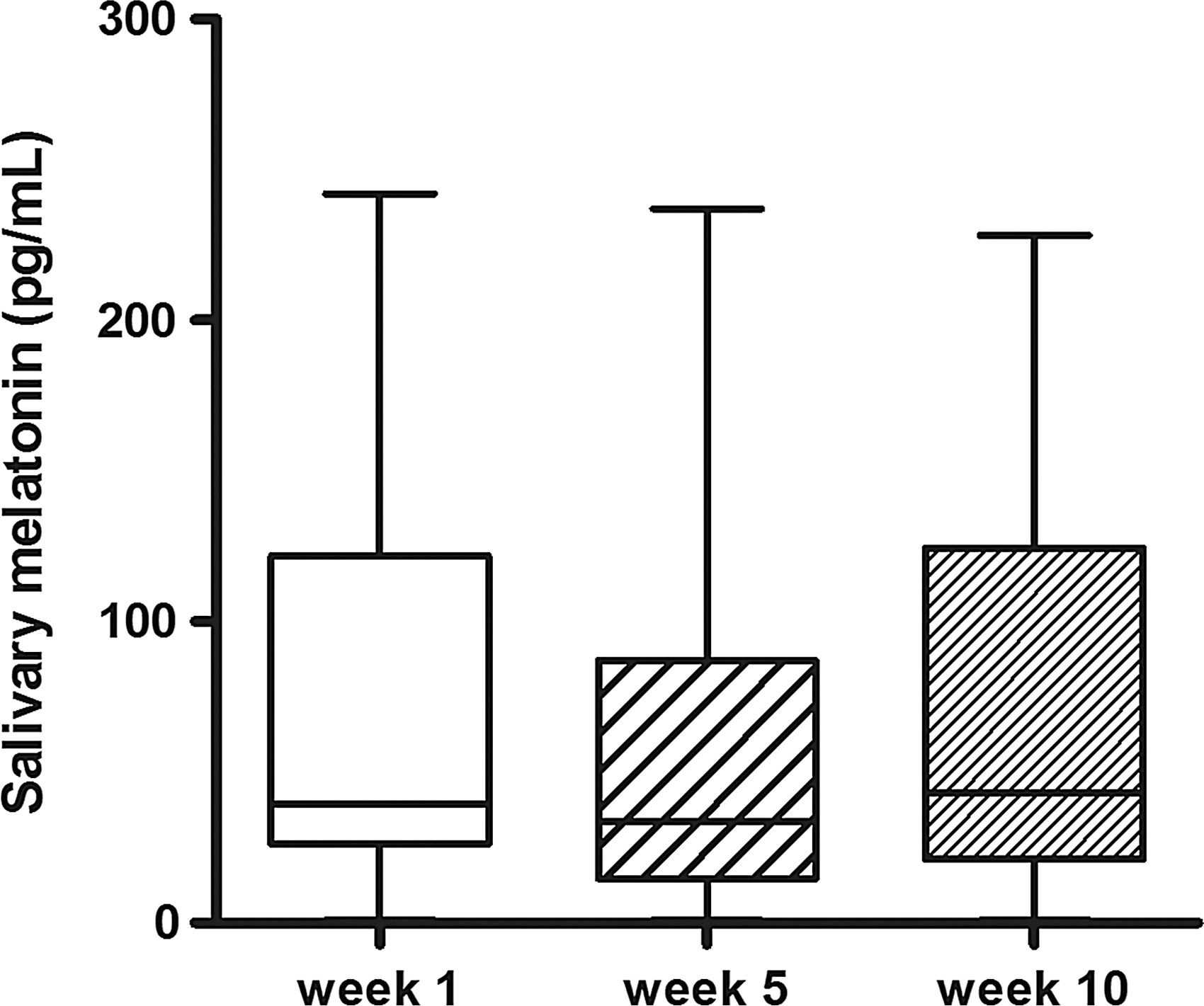
Effects of pranic meditation on the salivary levels of melatonin of healthy “higher practitioners” (higher than 980 minutes of practice) (n=22). The data are expressed as median (solid line in each box), quartiles (the tops and bottoms of each box), and minimum and maximum values (bars). No significant change in melatonin was detected when pre- and postintervention values were compared (p=0.54, Friedman's test followed by Dunn's method for multiple comparisons).
Discussion
The present investigation is the first to demonstrate that a 10-week program of pranic meditation practices was capable of affecting the immune and the endocrine systems of recent practitioners with no previous meditation experience. These data showed a significant stimulatory effect of meditation on phagocytosis and hydrogen peroxide production by blood monocytes when pre- and postintervention levels were compared. It was also observed that the plasma levels of corticotrophin of the higher practitioners were reduced by the end of the training period, suggesting a possible effect of meditation on the downmodulation of the hypothalamic–pituitary–adrenal axis activity. No statistical differences between the pre- and postintervention levels of cortisol and melatonin as well as of the nitric oxide production by monocytes were detected, probably due to the intense individual variation.
The crucial role played by phagocytes in the detection and destruction of infectious agents, 35 apoptotic cells, 36 and cancer cells 37 as well as in the regulation of inflammation 38 and the neuroendocrine system 39 has been well recognized. In spite of this relevance, little attention has been addressed to the effect of meditation on phagocyte functions. Some data are available on the effect of qigong. This modality, originated from the ancient Traditional Chinese Medicine, consists basically of practices of physical movements, breathing exercises, and meditation aimed at improving self-regulation and health. 40 In common with pranic meditation, qigong practices involve techniques of capture and distribution of metenergy (see Introduction). It has been reported that qigong practitioners present an increase of neutrophil phagocytosis 41 as well as of production of superoxide anion (O2 -), a microbicidal reactive oxygen intermediate, by neutrophils. 42
It has been considered that meditation downmodulates the hypothalamic–pituitary–adrenal axis 43 and, therefore, decreases the levels of corticotrophin 44 and cortisol. 45 The data in the present study suggest that this could also be the case for pranic meditation, since it was found that the group of higher practitioners, but not the lower ones, showed reduced plasma levels of corticotrophin, although the levels of cortisol were not significantly modified. The lack of a complete association between the concentrations of the two hormones, considering that corticotrophin stimulates the production of cortisol and cortisol inhibits the production of the former, has also been reported in practitioners of transcendental meditation. 46 The fact that not all corticotrophin pulses are followed by a comparable rise in plasma cortisol 47 and the possibility that the pituitary and adrenal glands are under different regulatory mechanisms 48 could explain the apparent “dissociation” between the levels of these hormones in practitioners of meditation. As it is well established that both corticotrophin and cortisol exert an inhibitory effect on monocyte/macrophage functions and differentiation, 49,50 it is plausible to expect that the reduction of blood concentrations of these hormones could be accompanied by activation of phagocytosis and production of hydrogen peroxide by monocytes, as observed in the present study.
Although a stimulatory effect on monocytes/macrophages is attributed to melatonin, 51 –54 the activation of phagocytosis and the increased production of hydrogen peroxide that the present study demonstrated in the higher practitioners were probably not due to the action of this hormone because its levels remained stable even after the period of meditation training.
The mechanisms whereby meditation exerts its beneficial effects are not completely elucidated. Since the majority of modalities of meditation include a stage of mind quieting and relaxation, it is conceivable that at least part of their effects are due to the reduction of sympathetic activation 55 (and/or to the increase of the parasympathetic tonus 56 ), and to a possible reduction in the activation of the hypothalamic–pituitary–adrenal axis. 57 However, pranic meditation as well as qigong may also act by means of the metenergy captured and distributed through the exercises of pranayama and visualization. Indeed, it has been shown that metenergy is capable of influencing the functions, proliferation, and differentiation of cells, 58 –60 probably by acting on their enzymatic system. 61,62 The possibility that the raised production of hydrogen peroxide by monocytes that the authors found in the group of higher practitioners was due, at least in part, to this mechanism cannot be ruled out.
Some features concerning the experimental design of the present investigation deserve to be commented on. The relatively reduced number of subjects studied (n=29) was an intrinsic limitation of the adopted methodology. To assure the reliability of the functional analyses of phagocytes, the cells have to be processed and analyzed immediately after their collection. Moreover, in order to avoid the variability between observers, all experimental procedures involving the assessment of phagocyte functions were carried out by the same investigator. These facts limit the number of experimental samples capable to be collected and processed at each time point of the experiment (1st, 5th, and 10th weeks) and therefore, the number of subjects of the research.
Some concerns have been raised about the absence of a control group in scientific experiments, as is the case of the present investigation. It is said that this possible limitation would weaken the impact of the conclusions, since it is not possible to rule out a possible placebo effect. Several arguments for not using a control group in the present experiment could be presented: (1) the group under investigation was composed of healthy people from the community, therefore, no “expectation to improve” would be anticipated; even if this was the case, it seems implausible to expect a modification of cell functions or hormone levels; (2) the use of internal controls (the same individual at different time points), rather than external ones, reduces the high interindividual variations frequently found in biologic parameters, and therefore increases the possibility of finding associations that would be ignored otherwise; (3) the pre–post experimental design is frequently adopted in studies on the effects of meditation 63 and, due to the peculiarities of this strategy, has been considered as the most suitable way to assess the effects of meditation and allied processes. 64
Conclusions
The present investigation is the first to show that a short program of pranic meditation was able to upregulate the function and metabolism of phagocytes, in parallel with the reduction of the plasma levels of corticotrophin. This study's results point to a possible causal effect between these events, and indicate that pranic meditation could be useful for upregulating the function and metabolism of monocytes.
Footnotes
Acknowledgments
We are grateful to Drs. Imaculada Junqueira and Selma Kückelhaus for helpful advice, and to Érica Rocha, Nelson Pelet, José Siqueira, Shirley Couto, Marthina Gomes, and Rafael Guimarães for technical help.
Disclosure Statement
No competing financial interests exist.