




Abstract

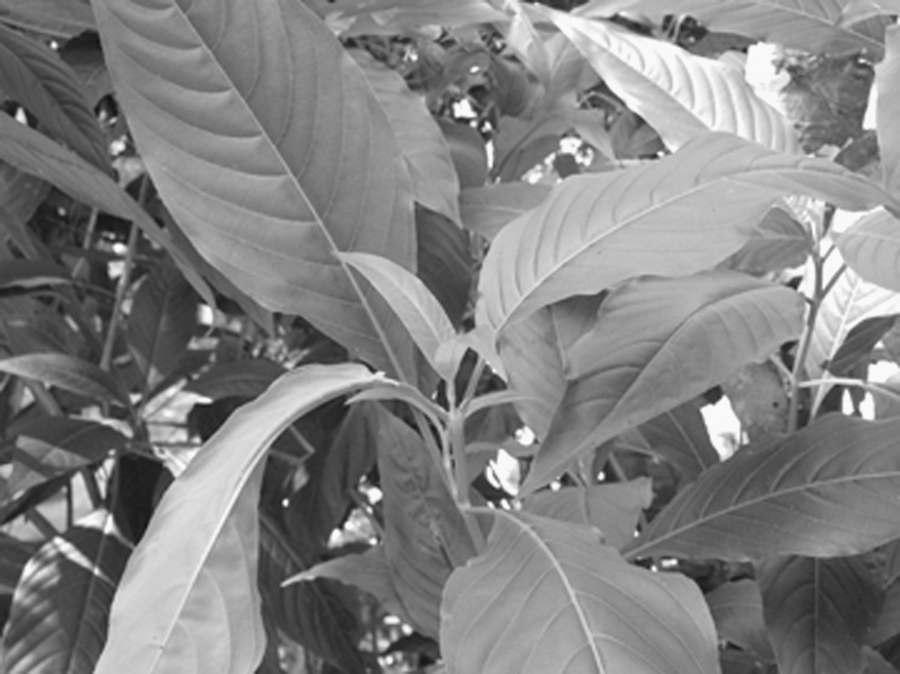
Justicia adhatoda.
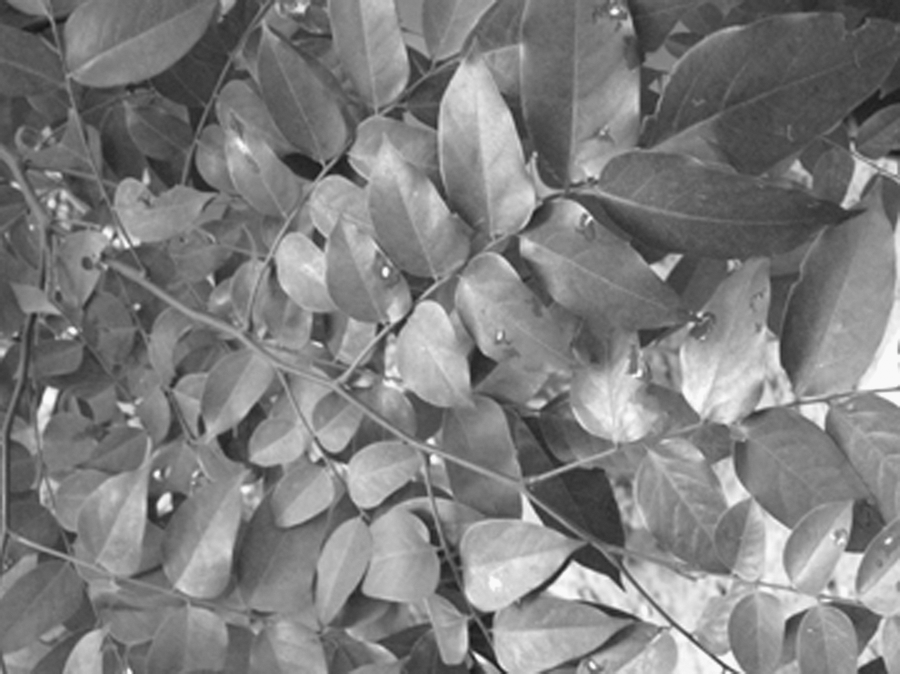
Averrhoa carambola.
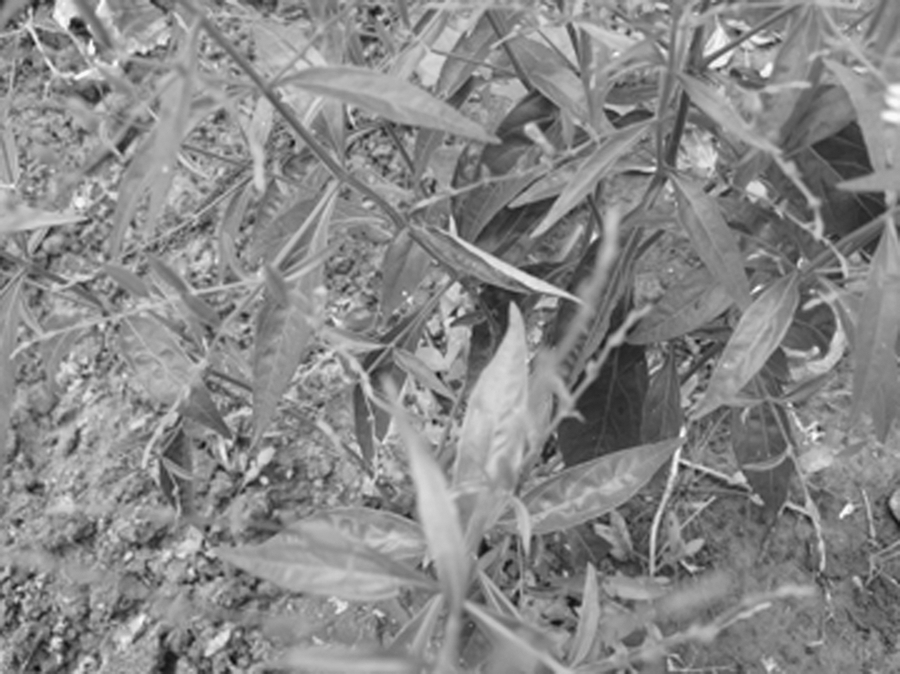
Andrographis paniculata.
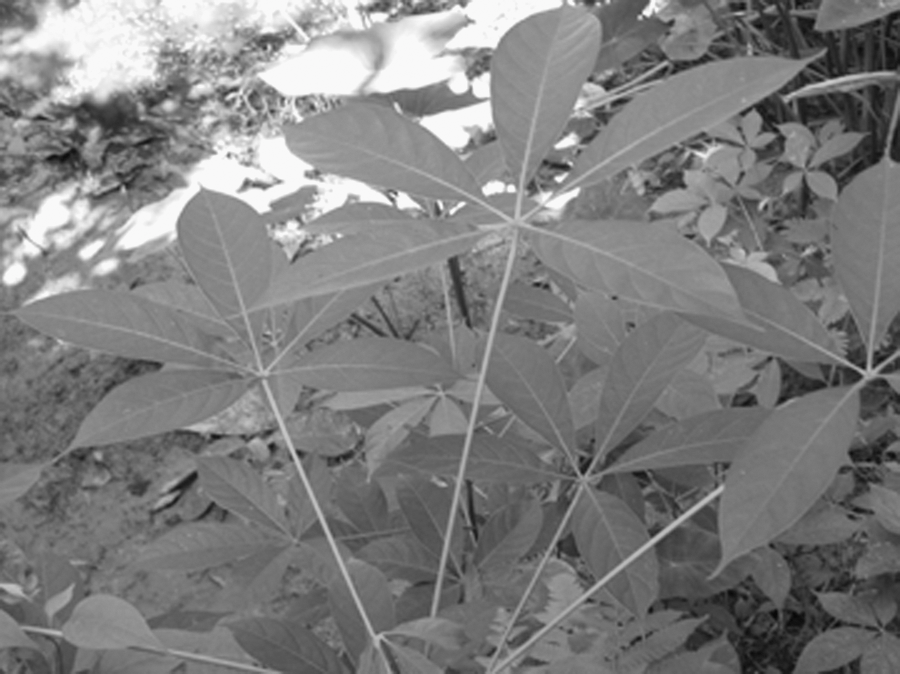
Bombax ceiba.
Introduction
T
The plant kingdom has been and still forms a reservoir for discovery of newer and more efficacious drugs, and no better way can be found to explore the plant kingdom for possible new drugs than observing the practices of tribal healers. 2,3 Tribal healers are the most knowledgeable about the medicinal properties of plants around their vicinity, and this knowledge is transmitted and enriched from generation to generation.
Aims
Tribal medicinal practices need to be documented before they can be worked upon in a scientific laboratory. Toward achieving that objective, for the last few years, we had been systematically conducting ethnomedicinal surveys among various large and small tribes of Bangladesh. 4 –11 The Patro tribe is one of the smallest tribes of Bangladesh, with their present population not exceeding 2000. They are presently localized in several small villages, namely, Fatehpur, Khadimnagar, Jaintapur, Saheb Bazar, Ramnagar, Alaibahar, and Kushirgul of Sylhet district in the country. Our preliminary survey indicated that they are divided among 16 clans (rois), some of which are Langtu roi, Tongraba roi, Kelang roi, and Chekla roi. The objective of the present study was to conduct an ethnomedicinal survey among the tribal medicinal practitioners (TMPs) of the Chekla clan of the Patro tribe, who reside in Fatehpur and Jaintapur villages of Sylhet district in the northeastern part of Bangladesh.
Methods
The present survey period lasted from April 2011 until February 2012. Monthly visits from Dhaka were made to the Chekla clan of the Patro tribe (Fig. 1), each visit lasting from 3 to 10 days. Three (3) objectives were aimed for during these periodic visits: to build up a close rapport with the TMPs, tribal Headman, and the tribal population; to collect plants as well as plant parts mentioned by the TMPs (for instance, various plants were seasonal, and both plant and plant parts such as flowers or fruits can only be obtained during a certain period; note that our visits covered nearly a year, and collection of all plant parts was made to enable a complete identification of the plant species); and to collect as much information as possible from the TMPs. The clan had three TMPs, namely, Sukumar Patro, Jogendra Patro, and Upendra Patro, Patro being the title carried by every male of the clan. Informed consent was obtained from the TMPs and the Headman to publish their names and any other given information both nationally and internationally. Permission was further obtained from the Headman to photograph and collect plants and plant parts. Interviews were done with the help of a semistructured questionnaire and the guided field-walk method of Martin 12 and Maundu. 13 It was observed that the Patro tribe was quite conversant in Bengali, the language spoken by the interviewers, and all interviews were carried out in that language. Plant specimens were brought to Dhaka and identified at the Bangladesh National Herbarium. Voucher specimens were deposited with the Medicinal Plant Collection Wing of the University of Development Alternative, where plant identification was doubly checked by a trained botanist from the University. At their request, the three TMPs were interviewed as a group. In fact, apart from two formulations, all TMPs gave similar formulations of medicinal plants, suggesting a great deal of identical opinion and knowledge of medicinal plants among the TMPs.
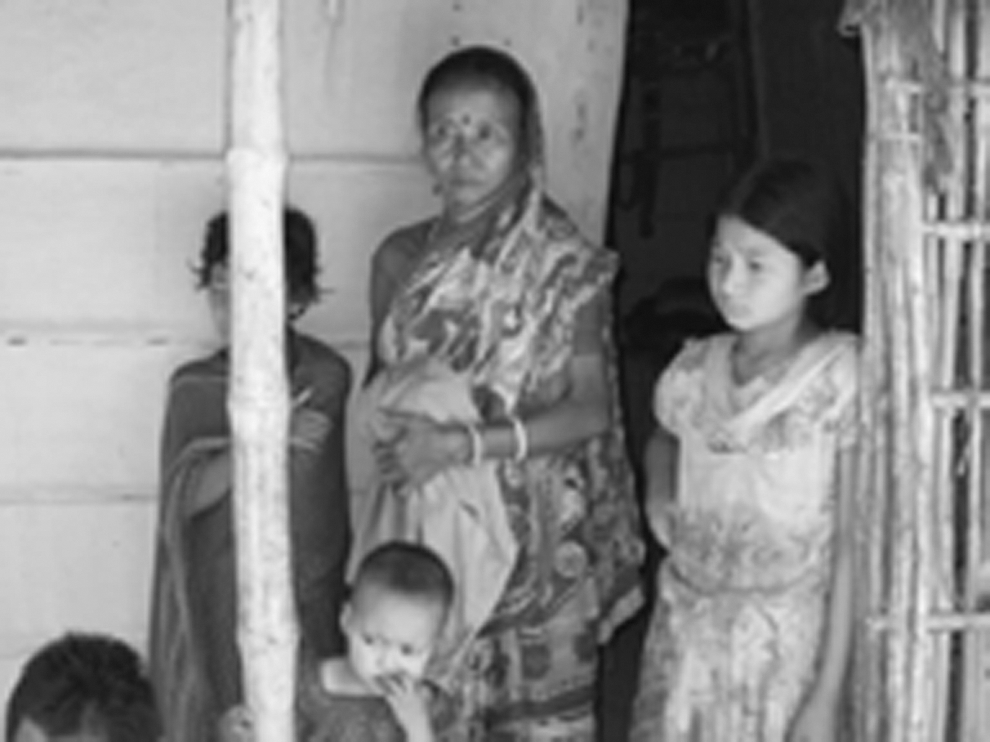
Patro women and children.
The Patro population (Chekla clan) numbered about 500 in the two villages surveyed. This was observed to be quite a large clan by Patro standards, considering that the other 15 clans among themselves were estimated to have about 1500 individuals in total. In appearance, they had distinct Mongoloid features. However, they could not tell us where they originated from except that they were here in their present habitats from as long as they can remember. They told us that they were originally animistic in religious practices but have now converted to the Hindu religion. They used to worship Khemu Laram (House God) as their chief God, but now like the Hindus, they worship Narayan, Kali, and Durga, but they do not create idols like the Hindus. Also unlike the Hindus, they bury their dead instead of cremating. They told us that their society is patriarchal. Their main food consists of rice, fish, pork, and vegetables. They mostly work as agricultural laborers in the adjacent fields of the mainstream Bengali-speaking population. Apart from this work-related contact with the mainstream population, they keep mostly to themselves. They visit their TMPs for treatment and do not visit allopathic doctors or clinics, which are also absent in their villages.
Results
The Patro TMPs used a total of 67 plants distributed into 39 families in their various formulations. The Asteraceae and Zingiberaceae families were the major families used by the healers, contributing six plant species per family. The results are shown in Table 1. The ailments treated were most often simple such as fever, pain, respiratory tract disorders (coughs, asthma), jaundice, urinary problems, ear infections, bleeding from cuts and wounds, vomiting tendency, rheumatism, bone fracture, burns, puerperal fever, dandruff, helminthiasis, chicken pox, and skin disorders. However, fever was distinguished between ordinary fever (simple rise in body temperature, see Serial Number 1), or shannik jor (fever with trembling, see Serial Number 31), or bath jor (fever with trembling and pain, see Serial Number 51). We have used the TMP terms for several diseases, because of the difficulty in identifying the actual disease. For instance, while bath jor symptoms resemble malaria, the TMPs mentioned that it was not malaria. They knew the term malaria but did not have any plants for treatment. Bath locally means rheumatism, and jor means fever, so the disease could be rheumatic fever, the symptoms of which disease include fever, pain, and uncontrollable body movements. It is also interesting that while malaria is prevalent in Sylhet district, the TMPs did not treat this disease. This is similar to what has been observed with another tribe of Sylhet district, namely, the Khasias (M. Rahmatullah, unpublished observations).
Similarly to their ability to distinguish various types of fever, the TMPs could distinguish between different forms of helminthiasis such as tapeworm, hookworm, and roundworm infestations. Apparently, distinctions were made on the basis of certain symptoms and analysis such as distended abdomen, anemia, blood in stool, stomachache, and any presence of worms in feces. All sorts of worms could be treated with a single plant, Mikania cordata (Serial Number 18); roundworms, hookworms, and tapeworms were also observed to be treated separately with different plant species (Serial Numbers 22, 41, and 60). Some diseases for which TMP terms have been used in Table 1 could be easily identified because in these instances, the Patro term for the disease(s) was the same as the Bengali term. For instance, diabetes is referred to both by Bengali and Patro TMPs as bohu (much) mutro (urine) (Serial Number 9). Gatae (joint) bath (rheumatism, Serial Numbers 10 and 11) in Bengali means rheumatism. Nimno rokto chap (low blood pressure, Serial Number 28) is the same term used by Bengali and Patro TMPs to denote hypotension, while sutika rogh (Serial Numbers 15 and 43) is a common term used in Bangladesh to denote puerperal fever. On the other hand, tatrangi (Serial Number 2) was used by the Patro TMPs to denote burning sensations during urination of females, which could be due to a variety of causes. The same applies to dhatu rogh (Serial Numbers 21 and 58), denoting whitish discharge in urine of men or women. This can also be due to a variety of causes, including leukorrhea in women and presence of semen in urine of men. In such cases, where the actual disease was not possible to identify properly, the Patro TMP terms have been maintained. It is to be noted that most of the Patro TMP names and symptoms for diseases treated also have similar names in the Ayurvedic traditional system of medicine (which is also practiced in Bangladesh). As such, an Ayurvedic medicinal practitioner (also titled a doctor in Bangladesh, and who has knowledge of both Ayurvedic and allopathic medical terms), who has graduated from the Ayurvedic College of Medicine in Dhaka, Bangladesh was also consulted to convert Patro TMPs' names of diseases to allopathic terminology and maintain accuracy of allopathic medical terms used in the present instance. The Ayurvedic system of medicine is believed to be practiced in the Indian subcontinent (including Bangladesh) for over the last 5000 years, and so it is quite possible that there may have been exchanges between Patro healers and Ayurvedic practitioners, who, like the Patros, reside and practice mostly in villages (i.e., rural areas).
Five formulations were used for treatment of respiratory tract disorders, seven for gastrointestinal disorders, and four for helminthiasis. Under the unhygienic living conditions by the Patros because of poor income status, and lack of proper sanitation systems and quality drinking water, these types of disorders are prevalent in almost all rural areas of Bangladesh. Nineteen (19) formulations were used for various types of pain treatment. Agricultural labor is back-breaking work and is done under hot and humid conditions or under torrential downpours and involves frequent bending of the body to sow or harvest crops. The Patro women also have heavy household duties involving collecting firewood, cooking, washing, and taking care of the children. Thus, it is not surprising that the abovementioned disorders, particularly pain, were the most common ailments affecting the Patro people. The hard labor ages men and women quickly, which may be one of the reasons for prevalence of rheumatism.
Most of the formulations were simple, involving one or, at the best, two plants. However, one formulation was exceedingly complex (Serial Number 2) involving plant parts of Cyathula prostrata, Melia sempervirens, Syzygium formosanum, Mangifera indica, Combretum pilosum, Mikania cordata, Clerodendrum viscosum, Justicia adhatoda, Phyllanthus emblica, and Leucas indica. This formulation was used for treatment of a variety of disorders including jaundice, passing of blood with urine of males, tatrangi, and loss of appetite as well as a blood purifier. Among the 67 plants used by the Patro TMPs, Azadirachta indica had the most diverse uses, being used for treatment of toothache, gum swellings, helminthiasis, eczema, scabies, chicken pox, and diabetes (Serial Number 41). Rhizomes or juice obtained from macerated rhizomes of Zingiber officinale was the most used plant part in combination with other plants (Serial Number 67), but was not observed to be used alone. When asked about this, the TMPs mentioned that rhizome juice of this plant potentiates therapeutic properties of other plants.
The Patro TMPs were mostly unanimous in their selection of various plant-based formulations for treatment of ailments. Two exceptions were observed (Serial Numbers 22 and 25). In the first case, one Patro healer used the plant, namely, Combretum pilosum, for treatment of roundworms; a second healer used it for treatment of hookworms, while a third healer used it for gastritis treatment. In the second case, one healer used unripe fruits of Terminalia citrina to increase brightness of skin, while a second healer used seeds of the plant for treatment of toothache and gumache, as an appetite stimulant, and as a blood purifier.
Discussion
It is a common assumption in most mainstream as well as tribal traditional healers that a number of ailments are due to poisoning of blood as a result of accumulation of “toxins” in blood. The toxins are believed to be created from undigested food materials in the intestine from where they enter blood (and eventually other organs of the body) because of improper emptying of bowels. There may be various types of toxins, each of which can result in different diseases or symptoms following accumulation. From the viewpoint of the healers, plants are used, which through long-term experiences have proven themselves to get rid of or neutralize the accumulated toxins and so cure the body from the resulting disease. However, according to the healers, not all diseases can be attributed to accumulation of toxins. Other causes for diseases include aging (which is more associated with rheumatism), as well as coming in contact with “evil wind” or “evil spirits” (which is sometimes associated with shannik jor). In these latter cases, plants can also prove useful either through delaying the aging process, or through repelling “evil spirits.”
The various plants mentioned by the Patro healers could prove interesting for scientific research, leading to discovery of better drugs. We are most interested in the plants used for analgesic purposes by the healers. These plants include Andrographis paniculata, Justicia adhatoda, Sansevieria hyacinthoides, Dieffenbachia maculata, Homalomena aromatica, Lasia aculeata, Dischidia bengalensis, Asplenium finlaysonianum, Mikania cordata, Terminalia belerica, Terminalia citrina, Azadirachta indica, Rhynchostylis retusa, Plumbago indica, Drynaria quercifolia, Datura metel, Centella asiatica, Clerodendrum viscosum, and Alpinia conchigera. Some of the plants used by the Patro TMPs against pain have already been shown in scientific studies to be effective against pain. To cite a few examples, antinociceptive activity has been reported for andrographolide isolated from A. paniculata. 14 Antinociceptive activity has been reported for A. indica extracts in mice. 15 An analgesic sesquiterpene dilactone has been reported from M. cordata. 16 Crude extract of T. belerica has been reported to have analgesic activities. 17 Methanolic leaf extract of R. retusa reportedly exhibited analgesic activity in acetic acid-induced writhing models in mice. 18 Extract of D. quercifolia has been shown to exhibit anti-inflammatory and analgesic properties. 19
About one third of the population of Bangladesh lives under the poverty level and have to perform hard physical labor to maintain their daily existence. This is also true for countless other peoples from all over the world, particularly the developing countries. These people, because of their workload, suffer from pain arising from a multitude of causes, including hard labor. Even affluent people can suffer from pain arising out of mental or physical stress or a variety of diseases. Common pain-killing drugs such as aspirin or paracetamol, when taken over prolonged periods, can lead, respectively, to ulceration and hepatotoxicity. As such, the discovery of a new and safer drug from the medicinal plants used by the Patro TMPs for pain treatment can be a boon for humankind. In our laboratory, we have begun systematic screening of the medicinal plants of the Patros for their analgesic activities against acetic acid–induced pain in murine models. Also important will be the discovery of an efficacious drug from the Patro medicinal plants against diabetes, which is reaching almost endemic proportions because of changes in lifestyle and eating habits of people in virtually all countries of the world.
Footnotes
Acknowledgments
Grants/financial support were provided by internal funding from the University of Development Alternative.
Disclosure Statement
No competing financial interests exist.