




Abstract
Many herbs and herbal formulas are effective for migraine sufferers, both as acute treatment and for prevention, particularly when coupled with the identification and elimination of migraine triggers. The natural products discussed here include Zingiber officinale (ginger) for migraine treatment and Cannabis sativa (cannabis), intranasal Capsicum annuum (cayenne), and Lavandula stoechas (Spanish lavender) volatile oil for treatment and prevention. The many agents discussed for migraine prevention primarily include Petasites hybridus (butterbur) root, Curcuma longa (turmeric)+fish oil, Citrus medica (citron) fruit, Tanacetum parthenium (feverfew), Tanacetum parthenium (feverfew)+Salix alba (white willow), Ginkgo biloba (ginkgo), and Lippia alba (bushy matgrass), though the latter three have little published evidence of efficacy. The Chinese herbal formulas Zhèng Tiān Wán (Rectify Heaven Pill) and Wú Zhū Yú Tāng (Evodia Decoction, goshuyutō) have fairly strong evidence supporting their efficacy for migraine prophylaxis. Dosing and safety information are provided for all herbs discussed.
Introduction
Migraines are incredibly common, affecting more than 1 in 10 people worldwide by many estimates. 1 The preceding aura (sometimes), head and eye pain, and other symptoms they cause (commonly nausea, vomiting, phonophobia, and photophobia among others) can be debilitating and cause significant loss of time at work and school. 2 While many effective medications exist for prevention and treatment of migraine, there is growing awareness of the phenomenon of medication overuse headache (particularly associated with nonsteroidal anti-inflammatory drugs and opioids). 3 While medications may alleviate symptoms during acute attacks—a worthwhile goal, to be sure—and may prevent attacks, they do not cure migraine and require long-term use. 4 Even with triptan medications, one of the most specific treatments for acute migraines, <50% of patients are pain-free within two hours of taking them, and approximately 30% have a recurrent migraine headache within 24 hours. 5,6 Therefore, there is plenty of room for herbal and other natural therapies in treatment of migraine.
The pathophysiology of migraine is complex and has several implications in terms of how herbal treatment works. 7 –9 The process of migraine headache commences in large part in the blood vessels of the meninges, particularly dural arteries, as well as the meninges themselves. In fact, the only way yet found to induce migraine experimentally is via irritation of the dural vasculature. While vasodilation of these vessels was long believed to be the key initiating event for migraine headache, it is now clear that this usually does not occur, but instead neurogenic inflammation involving the trigeminal nerve and inhibition of 5-HT1B/1D receptors are the main sources of the problem. Additional information from the skin and muscles of the head are also relayed via the trigeminal nerve to central brain structures and contribute to migraine development and progression. Many vasoactive neuropeptides are key regulators of the neurogenic inflammation, platelet activation/aggregation, and mast-cell degranulation observed in migraine, including serotonin, calcitonin gene-related peptide (CGRP), pituitary adenylate cyclase-activating peptide (PACAP), histamine, substance P, neurokinin A, bradykinin, and prostaglandins. The brain stem, hypothalamus, thalamus, and cerebral cortex are critical brain areas that modulate migraine pain and aura. Of particular note is the phenomenon of cortical spreading depression, a wave of neural changes that sweeps over the cerebral cortex, creating a hypersensitive state throughout the neural networks that, in turn, contribute to migraine. Finally, circadian patterns of activity in various brain areas means that there is variable migraine susceptibility over the course of 24 hours, and thus exposure to environmental triggers does not always have the same effect.
While this article will focus on herbal prevention and treatment of migraine, it is important to note that other natural therapies can be crucial for these purposes as well. It is most important to identify and eliminate triggers of migraines, if possible, and thereby potentially cure the patient's problem without the need for any drug or herbal treatments. It is fairly common that migraine patients are triggered by various foods or food components such as vasoactive amines, tannins, salicylates, food additives, monosodium glutamate, caffeine, aspartame, nitrites, and alcohol. 10 –12 It is imperative, therefore, to start most patients on an elimination-challenge diet as soon as possible to identify these food triggers as clearly as possible. It is particularly important to note that use of blood antibody tests for food reactivity is not recommended in this setting, as there are many non-immunologic reactions to food that these tests cannot detect, and will thus deliver false-negative results far too often. One of the most rigorous randomized trials found only a dubious, short-lived benefit from serum antibody-guided elimination at best. 13 Other triggers that may need to be addressed include regulating the menstrual cycle, managing stress, sleeping on a regular cycle and for enough time, and eating regularly (as fasting is frequently reported as a trigger). While patients work with their practitioner to identify and eliminate triggers, however, herbal medicines may provide symptomatic relief and help calm reactions by neurovascular processes that trigger migraine, thus potentially contributing to prevention of attacks.
Zingiberaceae Herbs and Migraine
One of the most clinically effective herbs for preventing and treating migraine is Zingiber officinale (ginger) rhizome, from the Zingiberaceae family. 14 It is native to southern and southeastern Asia. It has a long history of use for rheumatic pain, headache, indigestion, and motion sickness, all of which have been confirmed to varying degrees in modern clinical trials. 15 Here, the efficacy, safety, and mechanisms of action of ginger in migraine will be reviewed in more depth.
The most recent double-blind clinical trial of ginger for migraine randomized 100 Iranian patients to take either ginger powder 250 mg or sumatriptan 50 mg at the onset of migraine for one month. 16 There was no difference between the groups in terms of the percentage that achieved ≥90% headache pain relief within two hours of taking their assigned treatment (64% for ginger, and 70% for sumatriptan) or in terms of satisfaction with treatment (88% for ginger and 86% for sumatriptan in terms of having high or superior satisfaction). The therapeutic equivalence between the two treatments was particularly notable, given the low dose of ginger used. Those who took sumatriptan were significantly more likely to report adverse effects than those who took ginger, with upset stomach being the only adverse effect reported for ginger. Other trials using a combination of ginger and feverfew are discussed later, but together this all supports the use of this extremely common, inexpensive, and safe treatment as a first-line treatment for acute migraine headache.
Numerous constituents in ginger have been shown to have actions that would explain its beneficial effect in migraine. Zerumbone, a sesquiterpene lactone found in ginger as well as other members of the Zingiberaceae family, has been shown to be an agonist of 5-HT1A/B. 17 This reduces neuropathic pain in mice. Aromatic phenylpropanoid derivatives such as [6]-gingerol and various shogaols mainly appear to inhibit 5-HT3, which is clearly part of their antinauseal action and which may help offset digestive symptoms that commonly co-occur with migraine headache. 18 Crude ginger extracts have been experimentally shown to inhibit CGRP and calcium channels, both of which are crucial to migraine pathophysiology. 19,20
The usual recommended dose of ginger is 1,000 mg of crude powder in capsule, 1–2 mL of tincture, or 2–3 mL of glycerite, or one cup of tea (made from 2–3 g of rhizome) at the onset of a migraine. A second dose should be taken after two hours if there are still symptoms. Doses should be reduced with subsequent use if heartburn or gastric irritation occur with the stated doses. The sooner treatment is initiated, the better it works generally. Patients who feel cold, who have migraine aura, and who have nausea are most likely to respond favorably to ginger. Other substitutes used at very similar doses in the Zingiberaceae family include Alpinia galanga (greater galangal), A. officarinum (lesser galangal), Curcuma zedoaria (white turmeric), and Kaempferia galanga (sand ginger) rhizomes or Aframomum melegueta (grains of paradise) or Elettaria cardamomum (cardmomum) fruit.
Other Zingiberaceae family plants show promise for migraine patients as well, most prominently Curcuma longa (turmeric) rhizome. Among other potentially beneficial mechanisms, particularly inflammation modulation, studies in humans with other conditions consistently show that oral curcuminoids reduce CGRP levels. 21,22 One randomized trial of 74 Iranian migraine patients found that a combination of a formulation of curcumin using nanotechnology with fish oil significantly reduced frequency of migraine attacks compared to either treatment by itself. 23 Further research is needed to confirm this, but it presents a potentially very useful and safe way to prevent migraine recurrence. A usual dose of crude turmeric is 3–5 g b.i.d. with food, or of curcumin, 1 g b.i.d.–t.i.d. with food.
Feverfew
Tanacetum parthenium (feverfew) is perhaps the best known herb today for migraine prophylaxis and treatment. This humble member of the Asteraceae family is native to central Eurasia but is now widely cultivated in North America as well. Clinical trials regarding using the leaf to prevent migraines started to appear in the 1980s. 24 Previously, it was little known in the general Western herbal world, but may have had uses as an antirheumatic and, as the common name suggests, a febrifuge in traditional medicine. In a meta-analysis of five clinical trials, feverfew was not effective for preventing migraines. 25 There are many explanations for this, including variability between the extracts tested, but it could be that it is simply not that effective. There is also extensive evidence that different parts of feverfew (leaf, flower, or both) from different regions have quite variable chemistry, which may have also contributed to differences in efficacy between trials and in different clinical preparations. 26,27 One additional randomized, double-blind trial (published after the meta-analysis noted above) of a supercritical carbon dioxide extract of feverfew in 170 German migraine patients found it was more effective than placebo at preventing migraine attacks with no increased adverse effects. 28 Clinically, the author has also only very rarely seen feverfew help patients prevent migraines, and so it is not recommended for use unless other treatments fail.
Combinations of feverfew and other natural products have also been studied, with mixed results. An open trial of 12 French migraine patients used a combination of 300 mg of feverfew and Salix alba (white willow) bark twice daily and found it significantly reduced frequency and severity of migraine headaches compared to baseline. 29 A combination of feverfew 100 mg, riboflavin 400 mg, and magnesium 300 mg was no better than riboflavin 25 mg at reducing migraine frequency in a double-blind, randomized trial in 49 American migraine patients. 30 Both products allowed 42–44% of patients to achieve a ≥50% reduction in migraine frequency. This fits with prior research showing that high-dose riboflavin by itself is effective at preventing migraine recurrence, though not all trials have reached the same conclusion. 31 –33 Given the incredible safety of riboflavin and its extremely low cost, it is still worth considering adding this to protocols for migraine prevention.
Many lines of experimental evidence suggest a range of anti-migraine actions for feverfew. The transient receptor potential A1 (TRPA1) or ankyrin 1 receptor is integrally involved in stimulating CGRP release from neurons in response to a wide range of migraine-initiating stimuli, and the sesquiterpene lactone known as parthenolide from feverfew has been shown to block this receptor experimentally. 34 Feverfew extracts, related in part to their parthenolide content, have also been shown to inhibit serotonin release from platelets, a known problem in many migraine sufferers. 35 Crude feverfew powder (and, less potently, feverfew extracts or isolated parthenolide) block neuronal serotonin release, and the crude powder inhibited 5-HT2A/2B receptors in rats, degrading parthenolide content in extracts by >10%, with heat exposure dramatically abrogated such activity. 36
Butterbur
Petasites spp. (butterbur; Figure 1) are native in a ring around the Northern Hemisphere and are in the Asteraceae family. Though sometimes called coltsfoot, this common name is better applied to Tussilago farfara, a similar-appearing Asteraceae family plant but with completely different actions. This name confusion is also important because Petasites contains far more dangerous unsaturated pyrrolizidine alkaloids (uPA) than Tussilago, and some cases of supposed Tussilago-induced hepatotoxicity were actually due to Petasites. 37 This also means that only butterbur that has been processed to remove the uPAshould be used long term. Use of such extracts has been shown to be safe. 38 Combination of butterbur with Glycyrrhiza glabra (licorice) may also reduce risk from any lingering uPA, as this herb's constituent glycyrrhizin has repeatedly been shown to offset the toxicity of uPAs in rodents. 39,40
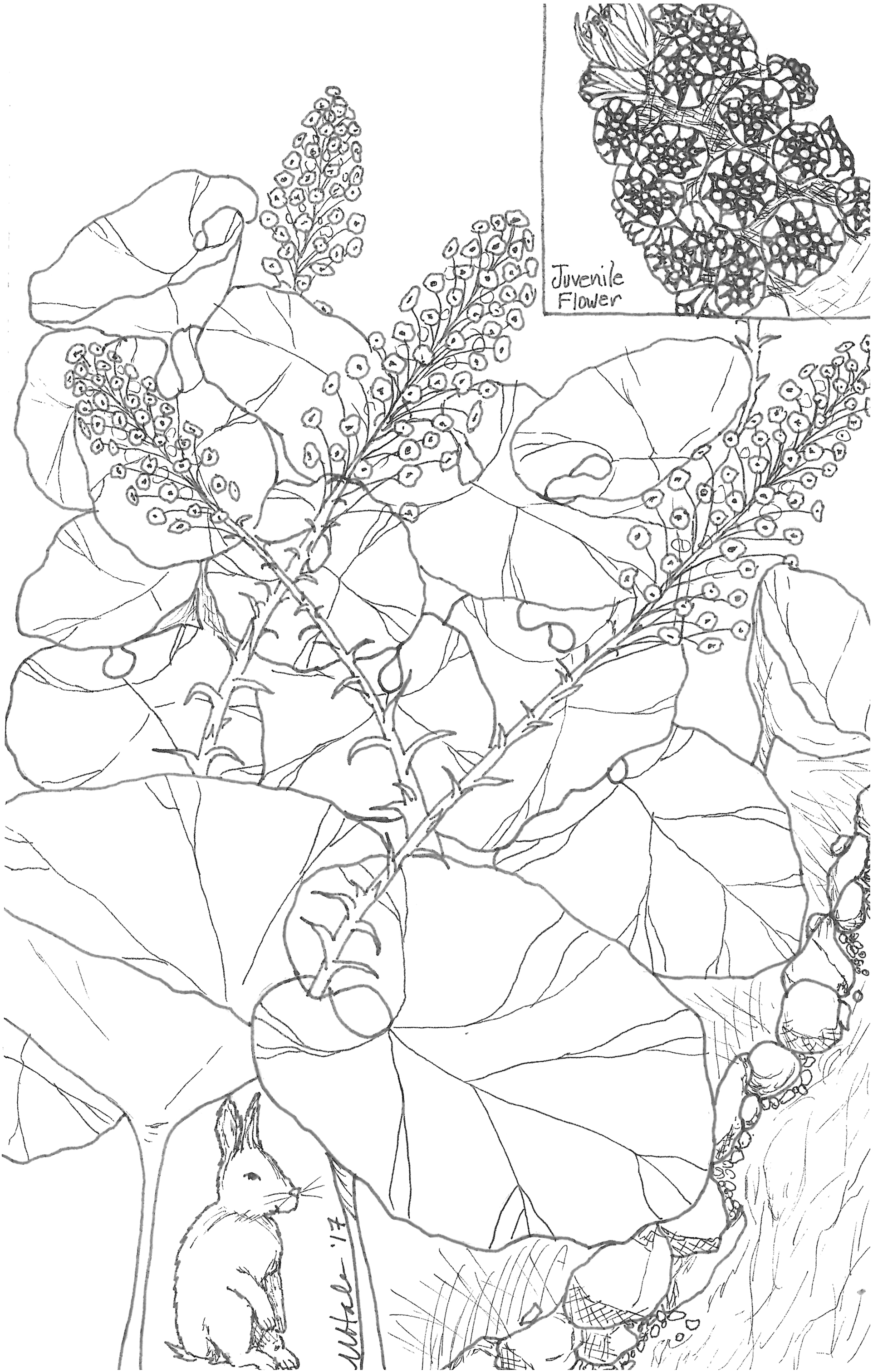
A meta-analysis of two randomized clinical trials of a uPA-free butterbur extract at a dose of 50 mg b.i.d.–t.i.d found they reduced frequency of migraine compared to placebo. 41 However, the data from the trials could not be combined due to heterogeneity. A total of 293 subjects were involved in the trials, which lasted 12–16 weeks. Since this meta-analysis was published, a preliminary, randomized, double-blind trial in 58 German children with migraines was published that compared the same butterbur extract, music therapy, and placebo. 42 Only music therapy reduced migraine attack frequency compared to placebo eight weeks after the end of the 12-week treatment period, but both butterbur and music therapy reduced migraine frequency compared to placebo six months after the end of treatment. Clearly, more research is needed, but this provides some preliminary support for using butterbur extracts to prevent migraine.
Ergot: From Herb to Drug
Claviceps purpurea (ergot of rye, though it also infests wheat, triticale, and barley) and other species of this genus of fungus are a fascinating study of an ancient herbal medicine and also a major cause of disease. Eventually, it gave rise to a whole class of extremely useful, multifunctional medicines, including the natural alkaloids ergotamine and ergometrine (ergonovine) and the synthetic derivatives methylergometrine (methylergonovine), dihydroergotamine, ergoloid mesylates, methysergide, cabergoline, pergolide, and bromocriptine.
Ergot of rye was recognized in ancient times (in writing, at least as early as 600 BCE) as a contaminant of grains. 43 Failure to understand the toxicity of eating too much ergot led to periodical epidemics of what was almost certainly ergotism, based on symptomatic descriptions that are very close to this disease. This includes epidemic outbreaks throughout the Middle Ages of gangrene, nausea, vomiting, and burning pain in the limbs, or convulsions and hallucinations, which often led to death. 44 Such problems were exacerbated by famines and wars when poor people were forced to eat low-quality rye without removing the ergot. The role of ergot in causing epidemic ergotism was not recognized until 1630, though epidemics still occurred after this time. 45
Ergot was also recognized since ancient times as a method of inducing abortion early in pregnancy, stopping postpartum hemorrhage, and inducing labor. 46 Unfortunately, dosing of crude ergot was a tricky business: use too little and it wouldn't work; use too much and it could cause severe toxicity or kill. It was also a problem as ergot lost its potency after just two to three months. In 1822, David Hosack (1769–1835), a Scottish-American physician and botanist, published an influential paper describing a precipitous rise in stillborn children in New York that he linked to the widespread use of ergot. 47 However, its use continued to rise, and it was entered into many national pharmacopoeias in the 19th century.
The first descriptions of using ergot to treat migraine also appeared in the 1800s, perhaps starting with Edward Woakes (1837–1912), a British physician, in 1868, and more clearly by Albert Eulenburg (1840–1917), a German neurologist, in 1883. 48 Ergotamine was isolated in 1818 by Arthur Stoll (1887–1971), a Swiss biochemist, and came into wide use as an acute migraine treatment in 1926. It is now known that ergotamine is a 5-HT1 agonist very similar to triptans, though being less specific to 5-HT1B/1D receptors (which are found predominantly in the central nervous system and meningeal blood vessels compared to other receptors in the family), and is more likely than triptans to cause nausea, vomiting, and peripheral vasoconstriction, potentially leading even to intermittent claudication or gangrene. Furthermore, oral ergotamine is very poorly absorbed, though this is improved by its combination with caffeine. Therefore, it is mainly used as a either a suppository, tablet, or sublingual tablet in a dose of 1–2 mg combined with 100 mg of caffeine, which is taken at the first sign of aura or migraine pain.
Despite the fact that ergotamine is very inexpensive, as a generic medicine, and around 100 times more potent than most triptans, its adverse effects generally have limited its use compared to triptan drugs. 48 At least one double-blind trial found that eletriptan 40 and 80 mg were more effective than ergotamine 1 mg and caffeine 100 mg with no significant difference in adverse effects. 49 There is also concerning evidence that long-term use of ergot derivatives can cause pleuropulmonary and retroperitoneal fibrosis. 50 All this has contributed to a decline in the use of ergot derivatives in migraine. 51
Cannabis: What Was Old Is New
Cannabis sativa (cannabis, marijuana) is an ancient medicine and entheogen in the Cannabaceae family. Of course, it is hugely controversial with a complicated, contradictory legal status in various parts of the world. However, as it becomes increasingly legalized and the ability to research its effects grows stronger, migraine is one indication for which it will likely receive increased attention, given its strong historical reputation. Ancient reports suggest cannabis is helpful for migraine, and the pre-eminent Canadian-American physician William Osler (1849–1919) described cannabis as “…probably the most satisfactory remedy” for migraine in his magnum opus, The Principles and Practice of Medicine. 52,53 Perhaps even more amazingly, the highly conservative and anti-natural medicine American physician and editor of the Journal of the American Association of Medicine, Morris Fishbein (1889–1976), argued that cannabis was a very effective treatment for menstrual migraines. 54
Research on cannabis for migraine has been limited for legal and political reasons into the present time. As has been noted for many years in the medical literature and as it is still true today, there are no randomized, double-blind trials on the use of cannabis for migraine. This has often been used as an excuse (lack of prior supportive data) to forbid conducting such trials, an impossible “catch-22.” 55 A retrospective case analysis of 121 adults in Colorado with migraine attending cannabis clinics after legalization found migraine headache frequency declined by >50% with use of medical cannabis of any form. 56 A total of 40% of the group reported benefits from cannabis. Only 12% reported it could completely abort an acute headache. Somnolence and difficulty managing cannabis's effects (presumably as doses are variable) were the main adverse effects. This provides some of the needed data supporting the idea that cannabis may be helpful for migraine patients and highlights the need for better dose forms. Worryingly, a double-blind, randomized trial of a metered dose inhaler delivering pure tetrahydrocannabinol (THC, dronabinol) for acute migraine patients was completed in 2007, but no results of the trial were ever published, suggesting it was not helpful. 57 Of course, isolated constituents are not the same things as complex herbs, and so future research should probably focus on more complete extracts and not purified THC.
In vitro, THC has been demonstrated to block serotonin release from platelets in the plasma of patients taken while they were having acute migraines. 58 More recently, cannabidiol, a non-psychoactive constituent of cannabis, has been shown to be a moderate agonist of 5-HT1A receptors in vitro. 59 THC was not active in this model. These receptors have also definitively been shown to be involved in brain-stem changes that occur during acute migraine. 60 Cannabinoids do not appear to affect CGRP in preclinical models. 61 It is likely cannabinoids and cannabis have multiple mechanisms of action that will help some patients prevent and treat migraine, but the details are not yet clear.
Based on limited existing published data and clinical reports, most patients find inhaled cannabis more effective than oral dosing for treating and preventing migraine. Cannabis-naïve patients should start low and go slow with dosing to avoid adverse effects. Generally, products that contain 1 mg of THC and 1–2 mg of CBD per dose are recommended to start in such patients. This amount can be increased per migraine attack (for acute use) or weekly (for prevention) until efficacy is achieved or adverse effects become intolerable. Use of crude but characterized extracts in a vaporizer is strongly encouraged for inhalational use as opposed to smoking to mitigate any harmful effects to the lungs. This is not the same thing as using refined extracts with potentially hazardous, usually undisclosed additives in an electronic cigarette.
Choose Your Pain
Capsicum annuum (cayenne) is a well-known member of the Solanaceae family because of its widespread use as a culinary spice. Its extremely pungent constituent capsaicin was instrumental in unlocking the existence of the transient receptor potential vanilloid (TRPV) receptors, also known as capsaicin receptors. Overactivity of TRPV1 has increasingly been shown to play a role in the pathophysiology of migraine. 62 Capsaicin is a TRPV1 superagonist, activating the channel and essentially overwhelming the small fiber pain-sending neurons on which it is most abundant to the point that it actually transiently renders such nerve endings nonfunctional or even destroys them. 63 This interferes with production of CGRP and other mediators of migraine pain.
After reports started to appear in 1989 that intranasal capsaicin could abort cluster headaches, interest rose in this application for migraine sufferers. 64 An emulsion of capsaicin 300 μg in saline, paraffin oil, and polysorbate 80 previously used successfully in a double-blind trial for cluster headache was studied in eight Italian chronic migraine patients. 65 The migraine trial was double-blind and randomized, with subjects applying the capsaicin emulsion or placebo to both nostrils once daily for seven days. 66 The placebo emulsion contained citric acid concentrations sufficient to induce a burning sensation upon application. There was a significant improvement in migraines with capsaicin compared to placebo, with all those treated with capsaicin reporting a 50–80% reduction in pain. Transient (lasting approximately 10 minutes) nasal burning was tolerated by all subjects in this small trial. Many patients experience lachrymation due to the intense burning, but this passes and because the migraine pain is reduced, it is worth the tribulation for most patients.
Civamide or zucapsaicin is the cis-isomer of capsaicin and has also been assessed for intranasal treatment of migraine. A group of 34 American migraineurs were randomized to a single dose of civamide 20 or 150 μg intranasally (in each nostril) at the onset of a migrane. 67 Both doses decreased pain severity at two hours compared to baseline. By four hours, 73% of participants had pain alleviation in both groups, and 33% were pain free. No statistical analysis was provided. Photophobia, phonophobia, nausea, and vomiting were also reduced dramaticaly from baseline. Transient, non-serious nasal burning, lachrymation, rhinorrhea, and throat irritation were common and anticipated adverse effects.
In a more recent case series, a group of 13 headache patients. including six with migraine without aura, used capsaicin. 68 Each subject applied capsaicin 50 μL in the ipsilateral nostril as the migraine pain began. There was significant, rapid relief of pain accompanied by nasal burning, lachrymation, and sneezing that lasted at most 10 minutes in all but one subject. Only one patient refused repeat use because of low efficacy.
Intranasal capsaicin sprays are available commercially, and a single spray in each nostril should be applied at the onset of a migraine. Optionally, a cotton swab can be moistened with cayenne tincture then applied to the mucosal membrane. Of course, the patient will experience intense local burning, but this is transient. This is a potential first-line treatment, given its extremely low cost and safety, to abort an acute migraine, or as an add-on to reduce acute migraine pain further. It can also be used daily for migraine prophylaxis.
Up-and-Coming Herbs
Several herbs have been studied in the past 10 years for migraine and show promise, though they do not always have a clear traditional basis for use. Lavandula angustifolia (true lavender) and its hybrid cousin Lavandula x intermedia (lavandin) in the Lamiaceae family are widely used to make steam-distilled volatile oil and have been studied for migraine patients, though there is no clear evidence of it being a traditional treatment for migraine. In a single-blind trial, 47 Iranian migraine patients were randomized to apply two to three drops of either a lavender (species not identified) volatile oil or a paraffin placebo to their upper lip at the first sign of a headache. 69 Given the lack of odor with paraffin, it is very difficult to see how any kind of blinding was maintained in this trial. Lavender oil significantly reduced headache severity compared to placebo when followed over six migraine episodes per patient. Of the 129 migraines in which patients randomized to lavender used the medicine, 92 (71%) responded at least partially to treatment. Associated symptoms such as nausea, vomiting, and photophobia were also significantly decreased by lavender compared to placebo. Adverse effects were not mentioned. This provides initial evidence that lavender oil may help relieve acute migraines, though a more robust double-blind trial (difficult given the strong, distinct odor of lavender) would be needed to confirm this.
A group of 60 Iranian adults with migraine were randomized into a trial comparing lavender spirits 10 gtt to placebo in water once per night for three months. 70 L. stoechas (Spanish lavender) volatile oil was mixed with 80% ethanol in a 1:3 ratio to make the spirits, and was standardized to contain 0.6% linalyl acetate and 0.4% linalool. All patients simultaneously took propranolol 40 mg daily. The number of migraines fell significantly more in the Spanish lavender group than the placebo group. Severity of migraines that did occur was also significantly reduced in the Spanish lavender group compared to placebo. There were no adverse effects. This provides strong but still preliminary evidence for use of Spanish lavender spirits to help prevent migraine.
Ginkgo biloba (ginkgo) leaf is a well-known neuroprotective/restorative and cardiovascular herb in the Ginkgoaceae family, but has no history of use before the 20th century. Ginkgolide B (Figure 2) is a terpene lactone known to come only from ginkgo. In an initial open trial, 45 Italian adults with migraine were treated with a combination of a ginkgo terpene phytosome 60 mg (apparently containing multiple terpene lactones, not just ginkgolide B), coenzyme Q10 (CoQ10) 11 mg, and riboflavin 8.2 mg b.i.d. for four months. 71 The participants were not taking prophylactic drugs during the trial. Migraine attack frequency declined significantly compared to baseline with the treatment. By the end of the trial, 42% of participants were migraine free, and 11% had no improvement. There were no serious adverse effects.

Another open trial in 119 Italian school children with migraine without aura used the same product (though it mentioned the addition of an unspecified amount of magnesium) twice daily for prevention of headache. 72 Treatment was for three months, and none of the subjects took prophylactic medication. Headache frequency decreased by more than half compared to baseline, a significant difference. No mention of adverse effects was made. A third open trial in 30 Italian school children with migraine used a similar product stated to contain gingkolide B 80 mg, CoQ10 20 mg, riboflavin 1.6 mg, and magnesium 300 mg. 73 This was dosed twice daily for three months with meals. As before, headache frequency was significantly reduced at three months compared to baseline, and the use of acute migraine medication was similarly reduced. Treatment was discontinued, and 23 of the children were followed for an additional one year; the remaining seven did not return for follow-up visits. Headache frequency and rescue medication use dropped even more dramatically at the end of this one-year period. These trials provide initial support for use of the product mentioned for children with migraine, but robust double-blind, randomized trials are needed to verify the results. Given how safe and inexpensive this combination is, second-line clinical use for prophylaxis could be considered now, particularly in patients who do not respond to medication.
Lippia alba (bushy matgrass, hierba negra, or pitiona) is a Verbenaceae family plant native to Central and South America. It has a long history of use for many problems, including nausea, respiratory infections, and headaches. 74 Two open trials have been conducted suggesting it has anti-migraine properties. In the first, 60 Brazilian adults with migraine were treated with bushy matgrass chemotype geranial/carvenone tincture and assessed retrospectively. 75 Median duration of treatment was 54 days. The dose administered was 1.5 gtt/kg body weight (median 90 drops or 3 mL) twice daily. Headache frequency and intensity (with 80% of participants reporting at least a 50% reduction in pain) were significantly reduced compared to baseline, with an average of 11 days needed for clinical response. All but five patients improved. Twenty-two patients were assessed with a median of 135 days follow-up and had a further decrease in headache frequency, with some patients having no headaches or aura since the trial began. No adverse effects occurred. A second, prospective open trial involved 21 Brazilian women with migraine who used the same extract at the same dose for two months. 76 Migraine severity and frequency decreased significantly compared to baseline, also without adverse effects. Lippia is clearly worth studying further and, given its safety, may also be considered a second-line migraine prophylactic.
Citrus medica (citron) is an ancient type of citrus (family Rutaceae) native to Southeast Asia that is mostly white rind with little pulp and juice. There is evidence of traditional use of citron for treatment of headache in ancient Persian medicine. 77 A double-blind trial randomized 90 Iranian adults with migraine to citron syrup 15 mL, placebo syrup, or propranolol 20 mg t.i.d. with meals for one month. 78 Citron syrup did not reduce frequency of migraine compared to placebo, while propranolol did. However, it did significantly reduce intensity and duration of headaches compared to placebo, with no difference compared to propranolol. Use of rescue medication was similarly curtailed by use of propranolol and citron syrup, and both were significantly superior to placebo in this outcome. There were no adverse effects, except one case of nausea related to citron syrup. This is very promising and needs more confirmation, but should be considered as an add-on to existing prophylactic therapy if patients are still having symptoms and have not gotten to total migraine prevention. It has the added benefit of being delicious.
Chinese Herbal Formulas
Zhèng Tiān Wán (Rectify Heaven Pill) is a modern Chinese herbal formula (apparently originating in the 1980s) that is widely used in Asia for treatment of migraine (see Table 1 for its ingredients). The amounts of each ingredient in the formula have not been disclosed. An earlier trial found this formula more effective than another Chinese herbal formula for preventing migraine, though details could not be obtained. 79 A double-blind, randomized trial in 219 Chinese migraine patients compared Rectify Heaven Pill 6 g t.i.d. to placebo for preventing attacks over three months. 80 The frequency, duration, and severity of migraine headaches were all significantly reduced compared to placebo starting two to four weeks into treatment. Mild adverse effects such as digestive upset were common and not different between the groups. While the results of this trial need to be verified, Rectify Heaven Pill formula looks very promising as a safe approach to migraine prophylaxis.
Rectify Heaven Pill has been shown to downregulate TRPV1 channels in a rat model of migraine. 81 Senkyunolide I is a component of the lead herb of this formula, Ligusticum chuanxiong (Szechuan lovage, chuān xiōng), that has been shown to have a variety of anti-migraine actions in rodents. 82 This herb, along with the closely related Angelica dahurica (angelica, bái zhǐ), have been shown to affect CGRP, serotonin, norepinephrine, and dopamine levels beneficially in the brains of rats with induced migraines, as well as reduce neurogenic inflammation. 83 Imperatorin, a prenylated furanocoumarin found in both of these herbs, has been shown to be as potent a 5-HT1D agonist as sumatriptan in vitro. 84
Wú Zhū Yú Tāng (Evodia Decoction, goshuyutō in Japanese) is a traditional Chinese herbal formula first recorded in the famous Chinese herbal known as the Shāng Hán Lùn (Treatise on Cold Damage Disorders) by Zhāng Zhòng-Jǐng, written around 220 CE. The components of this formula are reviewed in Table 2. Most of the modern research on this formula has been done in Japan on their version of the formula. In an open, crossover trial, 14 Japanese migraine patients took either goshuyutō granulation 2.5 g t.i.d. or the calcium channel blocker lomerizine 5 mg b.i.d. for 28 days each. 85 Migraine frequency and severity were significantly decreased during treatment with goshuyutō compared to lomerizine. There were no adverse effects with goshuyutō, while two patients taking lomerizine experienced sleepiness.
In a more recent and unique trial, 91 Japanese migraine patients were treated with goshuyutō for four weeks, and then 53 of the 60 who responded were then entered into a double-blind trial and randomized to take either goshuyutō 2.5 g t.i.d. or placebo for three months. 86 There were fewer headaches in the goshuyutō group compared to placebo, with no difference in use of acute medications. Nausea, photophobia, and phonophobia were reduced in >50% of the goshuyutō group. The idea of the trial was to identify patients who were energetically likely to respond rather than using a completely random treatment group. Evodia fruit has been shown to be a 5-HT1D/2A agonist and alpha1-adrenergic antagonist in vitro, in significant part due to its constituent synephrine, which would explain some of goshuyutō's anti-migraine activity. 87
Conclusion
Numerous herbs, herbal constituents, and herbal formulas have been shown to have varying degrees of benefit for preventing or treating migraine (see Table 3). For patients with relatively mild migraines, ginger (most clinically effective), cannabis, intranasal cayenne (best evidence), or Spanish lavender volatile oil could all be considered for initial treatment, particularly by patients who prefer to avoid pharmaceuticals. While triggers are being identified and eliminated if possible, a large number of herbs could be tried for prevention, but butterbur, Spanish lavender volatile oil, turmeric and fish oil, goshuyutō, citron, or Rectify Heaven Formula could all be tried for mild migraines. Feverfew (with or without willow), ginkgo, and bushy matgrass are less well supported for prevention. All these same treatments could be used in patients with more severe migraines, but they are probably best used in combination with pharmaceutical agents. Patients who have not responded, or who have responded poorly, to multiple medications are another group who could find real benefit in these very different treatment options. Often it requires trying one or more natural products along with trigger elimination to achieve good clinical results. The safety and low cost of the natural products recommended here are other strong reasons to consider their clinical use.
A, multiple supportive clinical trials (no negative trials); B, single supportive clinical trial (no negative trials); C, mixed results from multiple clinical trials; D, traditional use and/or open clinical trial(s).
Illegal in some jurisdictions.