




Abstract

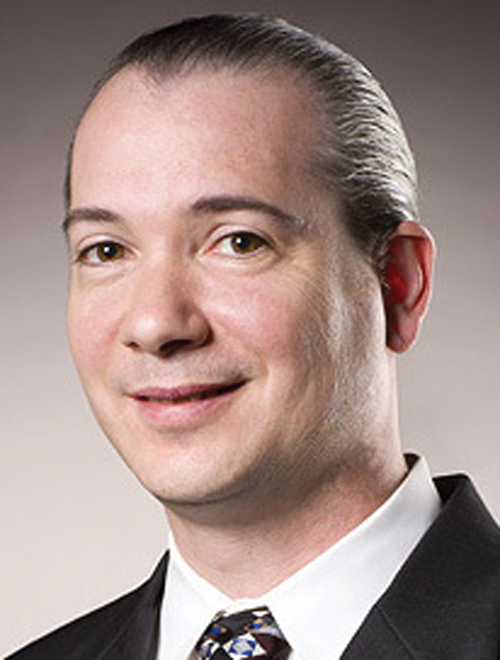
Dr. Ken Valenzano is Vice President, Pharmacology & Biology, at Amicus Therapeutics in Cranbury, NJ. Amicus is a late-stage development company focused on pharmacological chaperones to treat human genetic diseases, with a primary interest in lysosomal storage disorders. Dr. Valenzano received his Ph.D. in 1996 from the Pharmacology Department at Rutgers University/University of Medicine and Dentistry of New Jersey. His research was conducted under the guidance of Dr. Peter Lobel and focused on the lysosomal enzyme targeting pathway and its cross-over as a clearance mechanism for insulin-like growth factor II. He conducted his postdoctoral training in the laboratory of Dr. Marc Caron at Duke University where he studied the regulation of G protein–coupled receptors, specifically the D2 dopamine and vasopressin receptors. In 1998, Dr. Valenzano joined the central New Jersey–based biotech company Pharmacopeia as a Research Scientist, with a focus on the identification and characterization of small molecule agonists for the follicle-stimulating hormone and melanocortin 4 receptors using high-throughput screening and various in vitro pharmacological assays. In 1999, Dr. Valenzano accepted a Senior Scientist position with Purdue Pharma to aid in the establishment of the Molecular Pharmacology department and their small molecule drug discovery capabilities. Dr. Valenzano then joined Amicus Therapeutics as the Director of Pharmacology, where he currently has oversight of preclinical biological research, including identification of pharmacological chaperones, their in vitro and in vivo characterization, and early stage translation to a clinical setting.
Dr. Valenzano, what is driving the growing interest in the biotech and pharma industries in hereditary and rare diseases?
Two major drivers come to mind, the first being the significant unmet medical need. According to the National Organization of Rare Diseases, there are an estimated 6000 to 8000 rare diseases that affect about 30 million people in the United States alone. About the same number is believed to be affected in the European Union, and obviously millions more worldwide. While these diseases affect a large number of patients, in less than 10% is the underlying disease actually addressed with current therapies. In some cases, it is only the symptoms of these diseases that are currently managed.
The second driver is the opportunity, created by the combination of this large collective patient base and the fact that there is now proven commercial viability—look at companies such as Genzyme, Biomarin, Shire, and others. The companies developing therapies for some of these diseases have become extremely successful. These diseases provide a large untapped market that is now spurring interest by the large pharmaceutical companies. In addition, there are tax incentives from the federal government, 7-year exclusivity from the Orphan Drug Act for companies that pursue these avenues, and, even more importantly from a big pharma perspective, once you have a therapeutic for these rare diseases, there is opportunity to explore broader use in some cases. That is being done now with a number of molecules that were identified to treat orphan diseases.
Furthermore, big pharma has been largely focused on opportunities with large patient bases, such as cancer and cardiovascular and metabolic diseases. There continues to be a lot of competition in those areas, they have already been mined quite well, and many of the drugs that have been used to treat these diseases are nearing the end of their patent life. I believe it is a combination of all of these factors that is driving the interest in the rare and hereditary disease space.
Is there a somewhat simplified development path, particularly during the later stages of development, since the patients are readily identifiable and the disease mechanisms are fairly clear?
You would think that would be the case. These diseases tend to be genetic in origin and are usually monogenic with known molecular targets, so you might think that would make these diseases a bit “less complex.” In many cases however, these diseases have not gotten a lot of attention, and little concerted effort has gone into understanding the fundamental pathologies. Even for Gaucher disease, usually considered the most common lysosomal storage disorder, the actual cellular pathophysiology is not well understood. It is not known, for example, why the deficiency in the affected enzyme, acid β-glucosidase (GCase), and the accumulation of its substrate, glucosylceramide (GlcCer), lead to the particular disease manifestations that you see in patients with Gaucher disease.
What are the main opportunities and challenges associated with drug discovery in these areas?
With so many rare diseases, one of the many challenges is how to prioritize your research and resources. You want to target your efforts where you think you can best address the underlying disease and have a benefit for the patient, but that is not necessarily an easy thing to do. More research is needed to gain a better fundamental understanding of the underlying disease mechanisms.
Are the clinical trials “easier”; the answer is sort of yes and sort of no. Finding patients is not trivial, because they tend to be few and far between. Any one of these diseases may only have a few hundred to a few thousand patients spread across the world, and identifying suitable patients that are eligible and willing to enroll in a study is not straightforward. Also, from a regulatory perspective, complex, long, and traditionally designed clinical trials are still required and are a major burden and important source of delay for the companies developing these therapies and the patients awaiting them.
Furthermore, it can take years to diagnose correctly a patient with a rare disease, and for some, once the patient reaches a certain point, disease symptoms may not be reversible. So, how early do you need to start treatment, and do you treat prophylactically? These are difficult questions to answer. Also, a prophylactic treatment may not be reimbursed by insurance, so you might need to wait until there are symptoms to begin treatment. That is often true in patients with Fabry or Gaucher disease, for example, even if you can show that the genetic disorder is there. Then you have the question of what is the best approach: small molecules, biologics, gene therapy? There are a lot of different ways to get at some of these diseases. You don't know upfront what will work best.
I think pharma is trying to get around some of these challenges by partnering with biotechs that have a focused presence in this area. Biotechs also tend to work closely with clinical and scientific experts in the field. With pharma now starting to tap into that, we will hopefully see things moving more quickly. You see that happening, for example, with Shire, which bought TKT [Transkaryotic Therapies] in 2005 and developed Replagal® [agalsidase alfa] for Fabry disease. Pfizer now has a partnership with Protalix to develop another enzyme replacement therapy (ERT) for Gaucher disease. They also recently bought FoldRx, which again is focused on hereditary and rare diseases such as cystic fibrosis and TTR amyloid polyneuropathy and cardiomyopathy, which are caused by a mutation in the ttr gene that leads to amyloidogenic protein deposition in the central and peripheral nervous systems.
We are in a similar situation at Amicus, with the recent partnership with GlaxoSmithKline on our Fabry program. This is a very good trend, because the challenges are significant—it still takes a long time to bring these drugs to market. When Amigal™ (1-deoxygalactornojirimycin, DGJ, migalastat) is eventually launched, it will have taken about 10 years from the time that it entered development. It is also important to realize that new products in development may have to compete with treatments already on the market with respect to enrollment in clinical trials, further reducing the number of eligible and willing participants.
What is the history behind the interest in “pharmacological chaperones,” and how would you describe this concept for our readers? In what context were pharmacological chaperones first recognized as an approach for treating disease?
My perspective may be a bit biased. My understanding of their discovery goes back to Jim Fan, who was one of the founders of Amicus. In collaboration with Satoshi Ishii, Naoki Asano, and Yoshiyuki Suzuki, he published a paper in Nature Medicine in 1999 that showed that a small molecule iminosugar, now called Amigal, could partially correct the enzyme deficiency that results from mutations in the lysosomal enzyme α-galactosidase A (α-Gal A), the enzyme that is mutated in Fabry disease. This was accomplished using fibroblasts isolated from Fabry patients, which were incubated with DGJ for several days, and then shown to have a significant increase in the amount of functional enzyme that could be recovered from the cells. It was a paradoxical finding because this small molecule substrate mimic is actually a competitive inhibitor of α-Gal A, but can increase enzyme activity in cells. He then extended this work to mice and showed that when the drug was administered orally, increased levels of the enzyme were seen in various tissues. So a combination of the effects seen in cell culture, and the in vivo effects seen following oral administration to mice, including the broad tissue distribution and pharmacodynamic effect in multiple tissues, really helped drive this idea at an early stage to where it is now.
A year later, Michel Bouvier at the University of Montreal published a paper on something similar, only his work involved a G-protein–coupled receptor (GPCR), the vasopressin V2 receptor. This receptor is deficient or mutated in a disease called nephrogenic diabetes insipidus (NDI), and is characterized by an inability of the patient to concentrate urine. Affected patients tend to go through repeated bouts of dehydration, which is typically managed through water intake and diet. But Michel showed that you could use a small molecule to restore trafficking of the mutated receptors to the cell surface where they are able to interact with their endogenous agonist (arginine vasopressin). This results in increased intracellular signaling that is very similar to what is seen with a wild-type receptor.
In both cases, the work in Fabry and in NDI, the results were extended to the clinic not long after. In the case of Fabry, the molecule that Jim Fan identified was not quite ready for human trials. Instead, galactose, which is the terminal residue of the substrate that is metabolized by α-Gal A, and which can bind to the enzyme, though not very well, was used in a small clinical study. When galactose was infused at high doses multiple times a week into a Fabry patient, within months the patient's heart returned to near normal size and he was able to return to work. This was maintained for several years and was the first indication that stabilizing these mutated enzymes in a human may actually have a clinical benefit. Michel Bouvier did a similar thing in collaboration with Daniel Bichet in Montreal. They took a small molecule V2 receptor antagonist and used it to treat patients with NDI. They showed that after multiple days of administration, the patient's ability to concentrate urine was partially restored and the volume of urine significantly reduced. These two cases were quite important for building clinical proof-of-concept for this therapeutic approach.
In terms of the disease mechanism, both of these disorders result from a mutation in a particular gene for a particular protein. In many cases these mutations result in the expression of a protein that has a single amino acid substitution, referred to as a missense mutation. Because of that single amino acid change, the resultant proteins are often unstable or may not fold in the way that the normal protein would. This folding takes place in the cellular compartment called the endoplasmic reticulum (ER), where folding is monitored by a number of other proteins involved in proteostasis. These other proteins, called molecular chaperones, monitor how other proteins fold, facilitate their folding, and if the proteins are unstable or misfolded, direct them to the proteasome for degradation. The small molecule drugs that act as pharmacological chaperones bind to the mutated proteins in the ER where they are synthesized, resulting in increased physical stabilization. In so doing, the pharmacological chaperones help to make the mutant proteins look more like a wild-type protein, thereby allowing them to pass through the quality control mechanisms in the ER, traffic through the Golgi complex for additional posttranslational modifications, and ultimately to be delivered to their intended destination, which in the case of lysosomal enyzmes, is the lysosome. Once the enzymes are in the lysosome, the small molecule drug dissociates and diffuses from this cellular compartment, allowing the enzyme to function and turn over the accumulated substrate.
So this is a very different strategy than enzyme replacement therapy?
Yes, very different. ERT is meant to add back the enzyme that is deficient, whereas pharmacological chaperones help fix the enzyme that is already made in the body of a person with the disease. In many cases, once in the lysosome, these mutated enzymes can function normally. One challenge to this approach is that not all mutant enzymes are created equally. In the case of Fabry disease, there are more than 650 mutations in the gene for α-Gal A that can lead to the disease. At Amicus, we are primarily focused on the missense mutations, of which we have characterized more than 450 thus far. Of those 450, about 60% are catalytically competent and able to bind DGJ. That does not mean that all of those mutant enzyme forms can be corrected to the extent that they will offer clinical benefit. We are now trying to understand how to determine which of those 60% can bind our drug at a therapeutically relevant dose, and how much correction is necessary to see a clinical benefit. We are working through these questions both in the lab and in our clinical trials.
You need to select your patient population carefully then, based on the genetic presentation of the disease. Is that correct?
Yes, we are trying to gain a clearer understanding of the pharmacogenetics of Amigal, so that we know very well its effects on every known Fabry disease–causing missense mutation. We express all of the mutant forms of α-Gal A in cells and measure what our drug does to them. What we do not know fully just yet is how that translates clinically.
We are also investigating ways to treat all Fabry patients by extending the utility of our pharmacological chaperones. We talked about ERT earlier; we are now investigating the use of our molecules (which can also bind and stabilize exogenous wild-type proteins) in combination with ERT, to make ERT better. The concept is that the infused enzyme can perform better in patients who are not able to benefit from our drug as a monotherapy. We have preclinical data showing this capability, and we are now initiating a clinical trial to investigate its utility in patients.
What is the distinction between ERT and substrate-reduction therapy (SRT)?
The goal in treating patients with deficient lysosomal enzymes is to reduce the substrate load in the patients' cells and tissues. ERT does this by directly infusing into patients large amounts of the enzyme that is missing. SRT does this by preventing the synthesis of the substrate for which the metabolizing enzyme is deficient. Currently, there is only one SRT drug on the market, called Zavesca® (miglustat), which is marketed by Actelion. This molecule binds and inhibits GlcCer synthase, the enzyme that is required to synthesize GlcCer in the body. This substrate is normally degraded by GCase, which is deficient in Gaucher disease and leads to the accumulation of GlcCer. Instead of adding the enzyme that is missing, SRT is designed to block the enzyme that makes the substrate, so the substrate does not accumulate in patients' cells and tissues.
There is also an SRT molecule in development by Genzyme, which looks promising based on the published Phase 2 data. Unfortunately, this molecule does not seem to get into the central nervous system (CNS), also one of the key limitations of ERT. That is not to say this cannot be achieved, but the molecule currently in development does not attain significant levels in the CNS.
Zavesca has also been investigated in another lysosomal storage disease called Niemann-Pick type C, which is characterized by cholesterol accumulation. The drug has shown some utility there as well and has recently been approved in the European Union and several other countries as a treatment for the progressive neurological manifestations associated with this disease.
What are the various mechanisms by which the enzymes used in ERT can be taken up by cells? Is the mechanism of uptake cell-type specific?
The design of ERT for lysosomal storage disorders is based on the mechanism of lysosomal enzyme trafficking. These enzymes have a unique oligosaccharide (sugar) tag, typically composed of multiple mannose-6-phosphate residues. When the enzymes are processed in the Golgi, this tag is recognized by the mannose-6-phosphate receptor, a protein that cycles between the endosomal compartments and the Golgi network and that identifies proteins that contain mannose-6-phosphate. The receptor binds the sugar and transports the newly synthesized lysosomal enzymes to late endosomal/early lysosomal compartments, which are acidified, causing release of the enzyme and ultimate delivery to mature lysosomes.
Importantly, the mannose-6-phosphate receptor also cycles to the cell surface, where it can bind extracellular proteins that contain mannose-6-phosphate. These proteins are then internalized and trafficked to the lysosomes. That is the mechanism for the cellular uptake of ERT and is how most of the ERTs on the market are delivered to the lysosome. There are a couple of exceptions, such as Cerezyme® (imiglucerase), which is recognized by mannose receptors, primarily on macrophages, which bind and internalize these enzymes.
What are the main limitations of ERT and what advantages do small molecule approaches offer?
ERT is intended to restore, or at least partially mitigate, the deficient enzyme activity. The drugs are enzymes, typically recombinant proteins manufactured in Chinese hamster ovary cells or some other kind of host cell, and then purified. They are not orally available, so are typically given by infusion on a biweekly basis, often in a hospital setting. Additionally, the biodistribution of different ERTs can be insufficient for effective treatment of the disease. For instance, ERT enzymes do not cross the blood–brain barrier. Unfortunately, many lysosomal storage disorders have CNS manifestations that are not treated by current ERTs. Intrathecal administration is now being investigated to address this limitation.
Furthermore, even in the periphery, ERTs may not be delivered and taken up into the tissues where they are most needed. For example, in Gaucher disease, many patients present with bone pain, osteoporosis, and other bone-related symptoms. It has been shown that ERT, and Cerezyme in particular, is not taken up into bone very well at therapeutic doses, and the enzyme that does get into bone tends to take a very long time to have a clinical benefit. When the dose is escalated, better efficacy has been seen.
A similar scenario exists for Fabrazyme® (agalsidase beta), one of the enzymes used to treat Fabry disease. One of the key organs affected in Fabry disease is the kidney, with a particular cell type called the podocyte often being severely affected. ERT is not taken up well into podocytes. Similar limitations have been seen with Fabrazyme uptake into cardiac myocytes. By contrast, we have evidence that our small molecule pharmacological chaperones have broad biodistribution, including the CNS, and seem to penetrate all of the tissues we have examined following oral administration of the drug. This is evident through restored enzyme activity and reduced substrate levels.
Lastly, because ERT is administered regularly, and patients often do not make endogenous enzyme, the replacement enzymes can be immunogenic, limiting tolerability and efficacy because of antibody formation.
Why did Amicus Therapeutics choose to focus on the development of therapeutic agents for lysosomal storage diseases, a class of rare disorders that result from mutated lysosomal enzymes?
Jim Fan helped found Amicus Therapeutics in 2002 based on the paradoxical discovery that I mentioned earlier. Using an inhibitor to an enzyme that is deficient in a disease to elevate mutant enzyme levels in the cells of affected patients was a remarkable finding. Amicus was granted patents for this discovery, and the company was formed based on this intellectual property base. Amigal, which is what the first pharmacological chaperone is now called, is in Phase 3 clinical trials for Fabry disease. On its heels are pharmacological chaperones for two other lysosomal storage disorders: one for Gaucher disease and one for Pompe disease. The clinical development of these molecules has not been as straightforward as what we have seen thus far with Amigal, probably due to some degree to the properties of the molecules themselves, as well as the characteristics of these diseases.
Furthermore, former Amicus CEO John Crowley built significant momentum for the company in the rare and hereditary disease space. His family has been personally affected by Pompe disease, and he has been dedicated over the past decade to identifying and bringing to market new treatment options for patients with these devastating genetic diseases and, primarily, the lysosomal storage diseases. He pushed very hard, both within the company and in Washington, to advance the research and to improve the development path for experimental treatment options in the rare disease space.
How does the therapeutic strategy Amicus is pursuing compare to that of other companies active in this area?
In addition to the companies working on ERTs and SRTs, there are other companies also working on pharmacological chaperones, but in some cases taking somewhat different approaches to that of Amicus. I mentioned FoldRx earlier. This company is developing small molecules that would in some cases be considered chaperones (which I define as molecules that help a protein traffic from one place in a cell to another), for instance, to correct the trafficking of the protein that is defective in cystic fibrosis. However, FoldRx also has a small molecule that appears to prevent the dissociation of TTR tetramers, the monomeric forms of which can be amyloidogenic. In this case, it is not so much a cellular trafficking problem that is being addressed, but rather the prevention of aggregation that can occur with monomeric TTR in certain cases.
Another company is PTC Therapeutics, which is attempting to correct transcription from genes that have nonsense mutations that result in premature stop codons. The proteins formed from these genes are not synthesized to their full length, are degraded, and hence do not reach their intended intracellular location. PTC has developed a small molecule that helps the transcriptional machinery in the cell read through these nonsense codons, allowing the cell to synthesize a full-length protein. They are investigating this strategy in diseases such as cystic fibrosis, in which about 10% of the patients have nonsense mutations, and in Duchenne muscular dystrophy.
One other company that comes to mind is Proteostasis Therapeutics, which is looking at all of the cellular machinery in the ER, and perhaps even in the Golgi, that is involved in protein folding and maintenance of cellular proteostasis. They are trying to understand the differences in the proteostasis network in a disease state versus a normal state, with a goal to generate small molecules that can help restore some of the deficiencies associated with proteostasis in the disease state.
Are there other organelle-based disorders (e.g., mitochondrial diseases) that might be good targets for a pharmacological chaperone strategy?
I mentioned some of the work being done by Michel Bouvier on NDI and the vasopressin V2 receptor, and there are many other mutated GPCRs involved in human disease for which the potential benefit of pharmacological chaperones has been demonstrated, at least preclinically. We collaborated with Michel on chaperones for the melanocortin-4 receptor, for instance, which is involved in human obesity. Mutations in the gene for this protein, which is intimately involved in energy homeostasis and food intake, lead to genetic obesity. Even in the heterozygous state, a mutation in this gene results in early-onset obesity; if homozygous, the result is often even earlier-onset morbid obesity. We have shown in preclinical studies that incubation with a pharmacological chaperone can restore cell surface expression, and in many cases function, for some of these mutant receptors. Michel is now taking this further by developing mutant mice to determine if correction can be achieved in animals. There has also been significant effort to investigate the effects of pharmacological chaperones on mutant gonadotropin-releasing hormone receptor, as well as a number of other GPCRs.
As far as other types of metabolic disorders, a recently published example involves the enzyme aldehyde dehydrogenase (ADH), which is involved in the metabolism of ethanol. This is a mitochondrial enzyme that metabolizes toxic biogenic and environmental aldehydes. About 1 billion people have a mutation in the gene for ADH that results in its inactivation, which in turn results in the accumulation of acetaldehyde following ethanol consumption. These mutations are very common in Asian populations. There is a small molecule called Alda-1 that works as a pharmacological chaperone to restore function to mutated ADH. This is more of a functional defect than a trafficking defect, but binding of the small molecule stabilizes the structure of the impaired enzyme, restores its ability to form its normal tetrameric structure, and restores its activity. The small molecule binds somewhere near the catalytic site of the enzyme, restoring its catalytic activity. Importantly, the substrate for this enzyme can bind simultaneously with the small molecule chaperone, eliminating the conundrum of having to remove the chaperone before the substrate can bind and be metabolized. The fact that the chaperone binds near, and not in, the active site is an advantage that we can discuss in more detail later.
What types of assay technologies is Amicus using to identify and characterize new pharmacological chaperones? Is the discovery of novel agents limited by the current technology?
Amicus is taking a very straightforward and pragmatic approach to pharmacological chaperone candidate identification and characterization. We do not use high-throughput screening to identify new leads; instead we use rational design based on known inhibitors or substrates for the enzymes of interest. This often involves a medicinal chemistry effort around the sugar molecules that are part of the substrate because many of the enzymes in which we are interested have substrates that are comprised of sugars or oligosaccharides. We have also used computer-assisted design to develop new leads and to try to identify pharmacological chaperones that do not act at the active site of the enzyme, by looking at other potential binding pockets on crystallized protein structures.
However, we spend most of our time trying to understand how best to use the chaperones we have developed. For the lysosomal storage disorders, the assays are fairly straightforward. We would like to know their binding affinity at neutral pH (because that mimics the ER) and what their affinity is at the acidic pH of the lysosome. We try to find molecules that have a lower affinity in an acidic environment and a higher affinity in a neutral environment, thereby favoring dissociation once the molecules are delivered to the lysosome. We also try to understand how much of these molecules get into a lysosome and how long they stay there. This information is important for dosing considerations to avoid accumulation of the chaperones in the lysosome, which could be inhibitory. Cell-based profiling is used extensively to understand which mutant forms of the enzymes are amenable to binding and stabilization by our chaperones. We also spend quite a bit of time working with animal models to optimize dosing regimens so that we can achieve good enzyme elevation and substrate reduction—that is the key.
While we also use standard confocal microscopy, we have not done high-content screening, primarily because we have not needed that level of throughput. We are not screening a large number of molecules; rather, we are focusing on a more targeted set of molecules and profiling them in as many different assays as possible to help us understand how each works and how best to use them in a clinical setting. After all, Amicus is primarily a drug development company; we want to translate what we have developed in the lab to the clinic as quickly as possible.
In your view, what advances are needed to accelerate progress in the discovery and development of pharmacological chaperones?
More effort in structural biology could be very beneficial to identify pharmacological chaperones that bind either to the active site or outside the active site. More efficient ways to crystallize proteins to yield structural information would be helpful. The mutant forms of these proteins are typically very difficult to work with because they are not stable; hence, they are difficult to purify and to crystallize, which is often hard enough to do even with a wild-type protein. Once identified, nonactive site pharmacological chaperones would need to be investigated for their ability to stabilize the mutant protein of interest and for their off-target activities. All of this requires significant effort, as each protein has to be studied individually.
Are there examples of currently prescribed drugs that may function through unanticipated “chaperone” or stabilization-type mechanisms?
Yes, I believe there are, and I can give two examples. I am more confident that the first example—a treatment for phenylketonuria, or PKU—involves a chaperone-type mechanism. PKU is an inherited metabolic disorder that is characterized by a deficiency in phenylalanine hydroxylase, the enzyme that metabolizes phenylalanine into tyrosine. When this enzyme is deficient, phenylalanine accumulates, as do some of its byproducts, such as phenylpyruvate, which are neurotoxins. The disease is managed primarily through dietary restriction. However, many years ago it was discovered that the enzyme requires a cofactor called tetrahydrobiopterin, or BH4. Administration of high doses of this cofactor was shown to reduce the level of phenylalanine in some patients, who are described as BH4-responsive. Up to about 50% of patients will respond to high doses of this oral cofactor. The company Biomarin developed a synthetic preparation of the cofactor that they market as Kuvan® to treat BH4-responsive patients. Much effort has been invested to discover other molecules that can act as chaperones to increase mutant phenylalanine hydroxylase activity in PKU.
The other example is homocysteinurea, another inherited disorder that is characterized by insufficient metabolism of methionine. It involves a deficiency in cystathionine beta synthase (CBS), which leads to increased levels of homocysteine in the serum and urine and affects connective tissue, muscle, the CNS, and the cardiovascular system. Treatment involves high doses of vitamin B6, which is a cofactor for the enzyme; again, up to about 50% of patients respond to this treatment. While I don't know that vitamin B6 has been shown to act as a pharmacological chaperone via direct binding and stabilization of CBS, I suspect that increased levels of the cofactor are required to bind to mutated forms of the enzyme because of reduced affinity. Importantly, it is known that mutated forms of the enzyme are retained in the ER, so I believe that the cofactor may be doing more than just binding. I believe it binds and stabilizes the enzyme, allowing it to leave the ER, thereby restoring function.
Are there any other key features of pharmacological chaperones and your work at Amicus that we have not yet talked about?
Mainly the work we are doing to extend the application of pharmacological chaperones. One example that I had mentioned is the development of these molecules initially in the rare and hereditary disease space and then expanding the scope of applications by taking the successful molecules out into a broader population. We are currently thinking about this approach in the context of neurodegenerative diseases. For instance, it is known that carriers of Gaucher disease have an approximately 5-fold higher likelihood of developing Parkinson's disease, and that Gaucher patients have an approximately 20-fold higher likelihood, than the general population. So there is a clear link between a deficiency in this enzyme and Parkinson's disease. We are exploring whether a pharmacological chaperone that can restore activity to the mutated enzyme in Gaucher disease can have benefits in Parkinson's disease. While we plan initially to look at patients and carriers of the genetic mutation for Gaucher disease, we are also considering a possible role for increasing GCase activity in idiopathic Parkinson's disease as well.
I have also alluded to the possibility of combination therapies. ERTs are not very stable enzymes, especially at 37°C and at the neutral pH of the blood. When infused into the blood they have very short circulating half-lives, typically less than 1 hour, and in some cases less than 20 minutes. We are trying to improve the half-lives of exogenous ERT enzymes by co-administering our small molecule pharmacological chaperones, to produce a better pharmaceutical profile. We have preclinical proof-of-concept for this idea in both Fabry and Pompe disease models, and we are starting to explore this in Gaucher disease models. By stabilizing these enzymes we hope to improve their potency, which might allow for reductions in dose or infusion frequency, but it is possible that the dose would remain the same and the patient would get increased efficacy, and perhaps better safety, from the currently administered dose.
Do these small molecule chaperones have any inherent toxicity?
In any small molecule drug development program you need to look at the toxicity of the molecules on an individual basis. We run traditional selectivity screens and toxicology screens in rodents and monkeys and, so far, the three drugs we have put into humans have passed all of those hurdles. Furthermore, Amigal now has an accumulated 80+ patient years from previous and ongoing clinical trials that speak to its safety profile.
On a personal note, how did your background and career path take you from graduate studies of lysosomal enzyme trafficking, to a focus on GPCRs, cell biology, and neurobiology during your post-doc, to drug discovery for GPCRs in metabolic diseases, to drug discovery for new pain medications via GPCR/ion channel targets, and finally back to the lysosomal disease space, drawing on your GPCR/small molecule discovery expertise accrued from your earlier experiences?
Working in the rare and hereditary disease space, in the industrial sector, came as a complete surprise to me. My career path began in graduate school at Rutgers University when I was trying to determine in which lab I wanted to do my thesis research. It turned out that Peter Lobel's lab, which focused on lysosomal enzyme targeting, was the most interesting to me. I worked with him for 5 years. My project did not involve lysosomal enzyme trafficking; instead, I was working with the mannose-6-phosphate receptor and trying to understand its binding properties to a particular ligand, insulin-like growth factor-2 (IGF-2). We had identified a number of high molecular weight forms of IGF-2 that co-purified with this receptor, and my project focused on understanding the biological relevance of these IGF-2 variants.
Other work in the lab was focused on lysosomal enzyme trafficking, the motifs responsible for moving the receptor from the Golgi to the lysosome and plasma membrane, and other ligands that might bind to the receptor. This was all very interesting to me, but I never thought it would have any therapeutic utility, and I always had a desire to go into the pharmaceutical industry. So when I left Peter's lab I thought I should focus on something closer to what I wanted to do long term, and that involved getting a background in GPCR biology. That brought me to Duke University to work with Marc Caron to understand the molecular mechanisms involved in GPCR signaling, desensitization, and resensitization.
I believe it was because of that experience that I was able to get my foot in the door in the pharmaceutical industry. My first job was at Pharmacopeia. I worked there for about a year on the melanocortin-4 receptor and obesity. It was my first foray into assay development and high-throughput screening in a commercial setting, and working with teams of people. Not too long after I got there, an opportunity presented itself to do this type of work from scratch at a fairly large company called Purdue Pharma, which was focused on pain therapeutics. The company was starting its own internal drug discovery program in 1998–1999, and was looking for in vitro molecular pharmacologists to set up assays and high-throughput screening efforts in collaboration with its chemistry department. Up until that time, the compounds Purdue was developing had been acquired through in-licensing and reformulation. I worked there for about 6 years, during which time I was also exposed to ion channel pharmacology as well as to animal models for efficacy testing and pharmacokinetic/pharmacodynamic interactions. I then moved to Amicus, where I became involved with the characterization and development of pharmacological chaperones. At the time, they were exploring chaperones for both lysosomal enzymes and GPCRs, so my background was a very good fit. This move also provided me the opportunity to get reacquainted with colleagues from my graduate school days who were still working in the area of lysosomal storage disorders. Furthermore, it has also provided me the opportunity to get closer to the drug development side of things, in a setting that allows closer interaction with patients, and the ability to see the translation of our science to the clinic first-hand.