




Abstract
The human pathogen Candida albicans can grow as a biofilm on host tissues and on the surfaces of different prosthetic devices in a patient's body. Various studies have reported that biofilms formed by C. albicans are resistant to most of the currently used antibiotics including the widely prescribed drug, fluconazole. As such, novel strategies for the treatment of drug-resistant biofilms are required. Drug repositioning or the use of drugs outside their unique indication has the potential to radically change drug development. We have tested 16 anticancer drugs for their activities against C. albicans. For the first time, we are reporting repositioning of anticancer drugs as potential antibiofilm agents in C. albicans. Nine categories of drugs with different chemical modes of action effectively inhibited biofilms at a concentration range of 0.25–4 mg/mL, establishing their potential for the inhibition of biofilms. Human genes targeted by these drugs show significant identity with their homologous genes in C. albicans at the amino acid as well as nucleotide levels. This study indicates that anticancer drugs could be potential candidates for repositioning as anti-Candida biofilm agents.
Introduction
Candida albicans is a component of the microbiome of healthy humans. 1 Under immunocompromised conditions, this commensal can cause a variety of infections collectively referred as candidiasis. 2 Candidiasis can cause infections that range from superficial skin infections of the skin to life-threatening systemic infections. 3 Esophageal candidiasis is widely found in immunocompromised patients with esophageal carcinoma. Some of the case studies have indicated that chronic esophageal candidiasis may lead to carcinomas. 2,4 It is suggested that production of nitrosamines by C. albicans may cause esophageal carcinoma. 2,5 C. albicans cause significant morbidity and mortality as well as increased cost of treatment in cancer patients. 6,7 Limited number of antifungal agents are available as chemotherapeutics against candidiasis. 8,9 The emergence of resistance against the drugs and development of drug-resistant biofilms on biotic as well as abiotic surfaces in a patient's body pose a serious clinical challenge. 10 Growth of C. albicans on various prosthetic devices such as catheters, artificial heart valves, and pacemakers is widely reported. 11 –13 The colonized devices may not function properly and may also act as a recurrent source of infection. 12,14 No biofilm-specific drugs exist for the treatment of biofilm-based microbial infections, making treatment of these infections problematic. 15 Enhancement of the dosages of antifungals is not an ideal strategy to combat biofilm-borne infections because of the side effects. 16
There is a necessity to find alternatives to the available antibiotics to meet the threat of candidiasis caused by drug-tolerant C. albicans biofilms. 17,18 Molecules of natural origin against biofilm forms of C. albicans are considered by various workers. 10,19 Repositioning of various drugs is also reported. 20,21 Interestingly, a variety of drugs have been found as in vitro inhibitors of C. albicans growth. These include NSAIDs, antibacterial antibiotics, anticancer drugs, and antihypertensives. 22,23 The anti-Candida potential of an antihypertensive drug, amlodipine besylate (AB), is reported. 24 Tramadol, an μ-opioid receptor agonist in humans, effectively inhibited adhesion, early and mature biofilms (MBFs) formed by C. albicans. 25 Routh et al. reported the potential of 32 anticancer drugs against the growth of planktonic form of C. albicans. Most of the studies report the potential of drugs against planktonic growth forms of C. albicans. 8 Surprisingly, most of the workers have neglected repositioning of drugs against drug-resistant biofilm forms, which may be >200-fold resistant to conventional drugs. In this study, we report repositioning of anticancer drugs as inhibitors of drug-resistant biofilm forms at various stages of biofilm development for the first time.
Materials and Methods
Culture, Culture Conditions, Media, and Chemicals
A standard strain of C. albicans ATCC 90028 was procured from the Institute of Microbial Technology (Chandigarh, India) and GMC-03 strain was collected from Shri Guru Govind Singhji Memorial Hospital, Nanded, of the Maharashtra state of India. Cultures were preserved on YPDA (yeast extract 1%, peptone 2%, dextrose 2%, and agar 2.5%) slants at 4°C. Activation of culture was done a single colony from YPD plate was inoculated in 50 mL of YPD and incubated at 30°C for 24 h at 120 rpm. After 24 h, cells were harvested by centrifugation for 5 min at 2,000 rpm speed, washed thrice, and resuspended in phosphate-buffered saline (PBS; pH 7.4). Cell density was determined by hemocytometer count.
Various concentrations of anticancer drugs were prepared in RPMI-1640 medium by double dilution. Various drugs, namely, vincristine, vinblastine, paclitaxel, docetaxel, doxorubicin, oxaliplatin, carboplatin, cisplatin, gemcitabine, bleomycin, 5-fluorouracil, decarbazine, mitoxantrone, etoposide, folinic acid, and irinotecan were obtained from the local market. XTT [2,3-bis (2-methoxy-4-nitro-sulfophenyl)-2H-tetrazolium-5-carboxanilide] and menadione were purchased from Hi Media (Mumbai, India).
Biofilm Formation
The effect of anticancer drugs on the growth of biofilm of C. albicans was studied in 96-well polystyrene plates as per standard methodologies. 10,21 One hundred microliters of cell suspension (1 × 10⁷ cells/mL) was inoculated in PBS and plated, then incubated at 37°C at 100 rpm for 90 min for adhesion of cells. Nonadhered cells were removed by washing two to three times with sterile PBS. To observe drug effects, the final volume of the RPMI-1640 medium in each well was brought to 200 μL and maintained to allow biofilm formation. After incubation, wells were washed two times with PBS to remove cells, and biofilms were observed under an inverted light microscope (Metzer).
Biofilm Quantitation by XTT Assay
Biofilm formation was quantitated using XTT (Sigma-Aldrich]. In brief, XTT solution was prepared by mixing 1 mg/mL XTT salt in PBS and stored at −20°C. Before use, menadione solution was prepared in acetone (Sigma-Aldrich) and added to XTT to a final concentration of 4 μM. The wells containing biofilms were washed with PBS to remove nonadherent cells and incubated for 5 h in 100 μL of XTT menadione solution in darkness, at 37°C at 100 rpm. The color formation by water-soluble formazan product was measured at 450 nm using a microplate reader (Multiskan EX; Thermo Electron Corp.). Wells without drugs were used as control. 21,23
Statistical Analysis
The mean minimum inhibitory concentration (MIC) values are presented as the mean of triplicate observations (±standard deviation). Values in the control and treatment groups for various drugs as well as the results obtained in XTT assays were compared using the Student's t-test along with two strains. 6
Scanning Electron Microscopy of C. albicans Biofilms
Candida biofilms were developed by oropharyngeal mouth catheters disk in 12-well plates with 2 mL of standardized cell suspension of 1 × 10⁷ cells/mL. The plates were incubated at 37°C at 50 rpm for 90 min. Nonadherent cells were removed by washing the disks with PBS two times. RPMI-1640 medium along with drug and one control without drug was added to each well. The final volume in each well was kept at 2 mL. The plates were incubated at 37°C for 24 h to allow biofilm formation. After incubation, disks were washed; samples were fixed in 2.5% of glutaraldehyde in 0.1 M in PBS (pH 7.2) for 24 h at 4°C. Samples were fixed in a 2% aqueous solution of osmium tetraoxide for 4 h, then dehydrated in a series of graded alcohols and finally dried with a critical point dryer unit. The samples were mounted on stubs and the gold coating was performed by an automated gold coater for 3 min. Pictures were taken under a scanning electron microscope (HITACHI Model No. S-3700N). 22
Retrieval of Amino Acid Sequences and Parameters of BLAST Used for Sequence Similarity Studies
Protein and nucleotide sequences were retrieved from a reference sequence database at NCBI (
Results
Antimicrotubule Agents Show Inhibitory Effect Against Developing Biofilm and MBF of C. albicans
The antimicrotubule agents vincristine, vinblastine, paclitaxel, and docetaxel inhibited formation of developing biofilm (DBF) by two strains of C. albicans in a concentration-dependent manner. Inhibition of DBF was achieved at 0.25 mg/mL concentration of vincristine and vinblastine. Paclitaxel and docetaxel caused inhibition of DBF at 2 mg/mL. Out of the four, vincristine and vinblastine were the most effective. The antimicrotubule agents caused dose-dependent inhibition of MBF. Vincristine showed inhibition of MBF at 1 mg/mL. Vinblastine at that concentration caused only 30% inhibition. Vincristine and vinblastine caused about >50% inhibition of DBF at 4 mg/mL concentration. In general, MBF was less sensitive to vincristine and vinblastine that DBF (Figs. 1 and 2).

Scanning electron microscope photographs of Candida albicans biofilm.
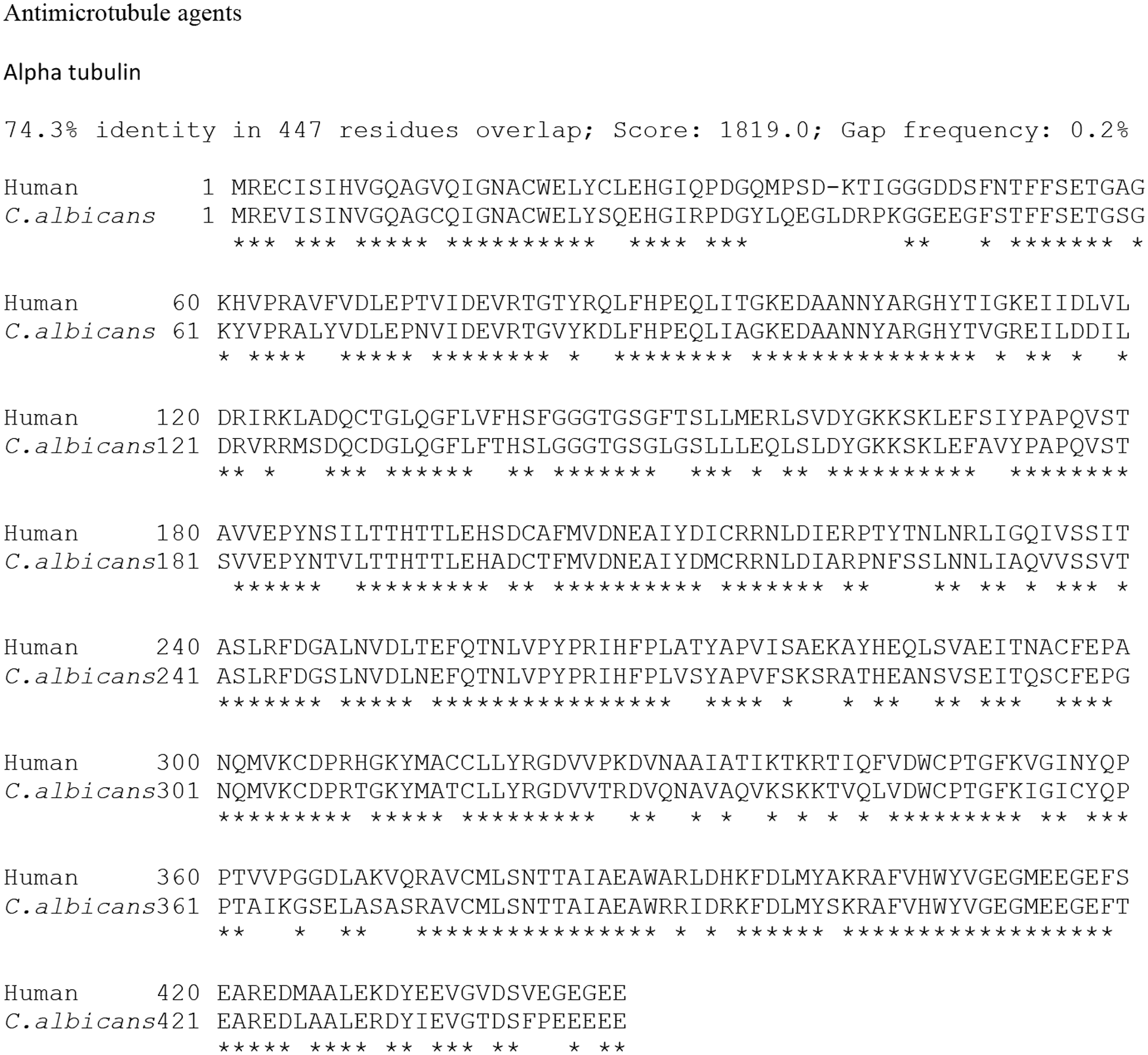
Pairwise sequence alignment of human alpha tubulin with that of C. albicans. Amino acid sequence identity was 74.3% with an overlap of 447 residues.
Carboplatin and Cisplatin Were the Most Efficient Among Platinum Analogue Agents
Three platinum analogue anticancer agents inhibited both DBF and MBF in two isolates of C. albicans in a concentration-dependent manner. Among the three, cisplatin and carboplatin were the most effective inhibiting DBF at 0.5 mg/mL concentration. MBF needed higher concentration for inhibition (oxaliplatin 2 mg/mL and carboplatin and cisplatin 1 mg/mL; Figs. 3 and 4).
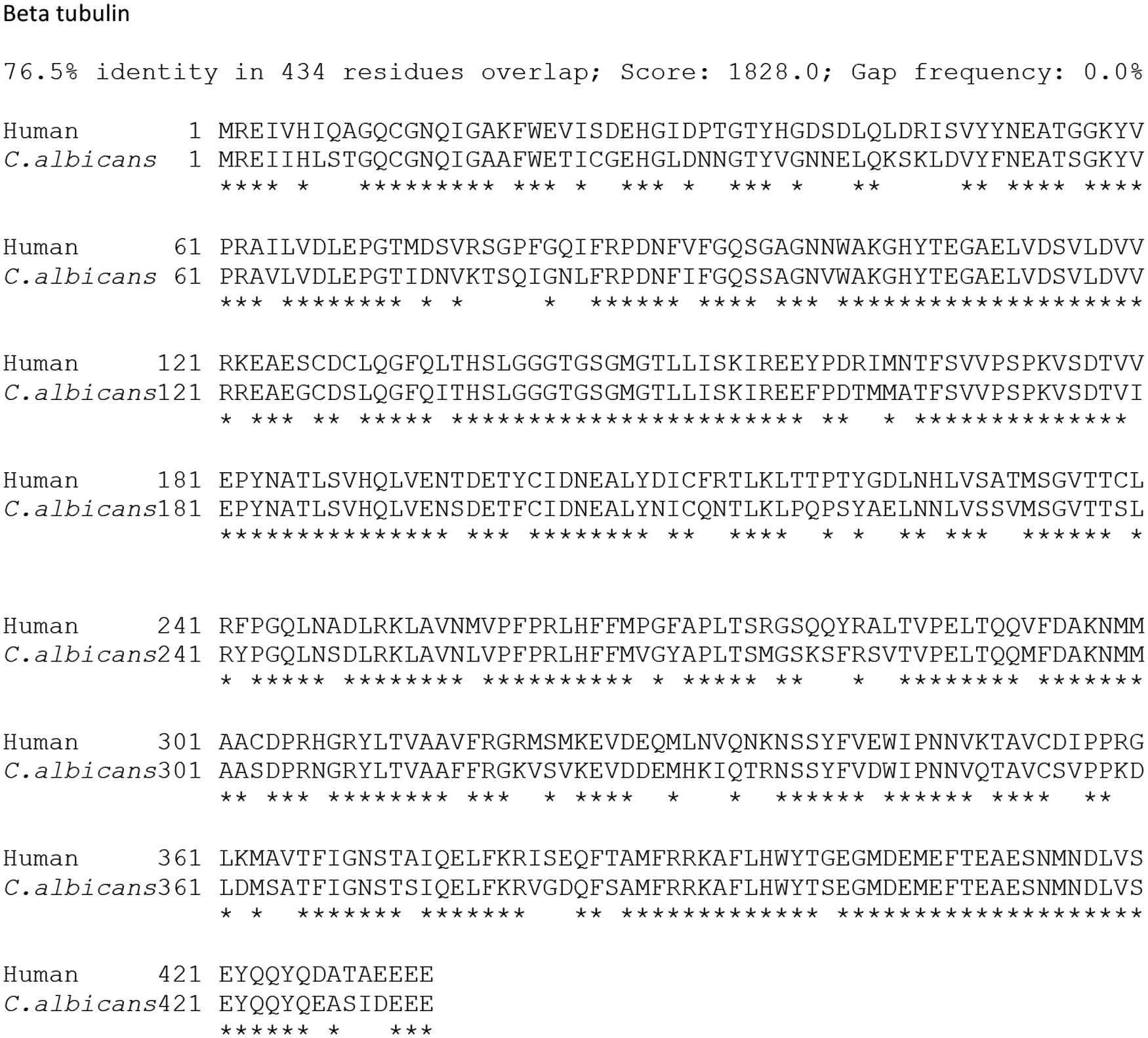
Pairwise sequence alignment of human beta tubulin with that of C. albicans. Amino acid sequence identity was 76.5% and 434 residues overlap.
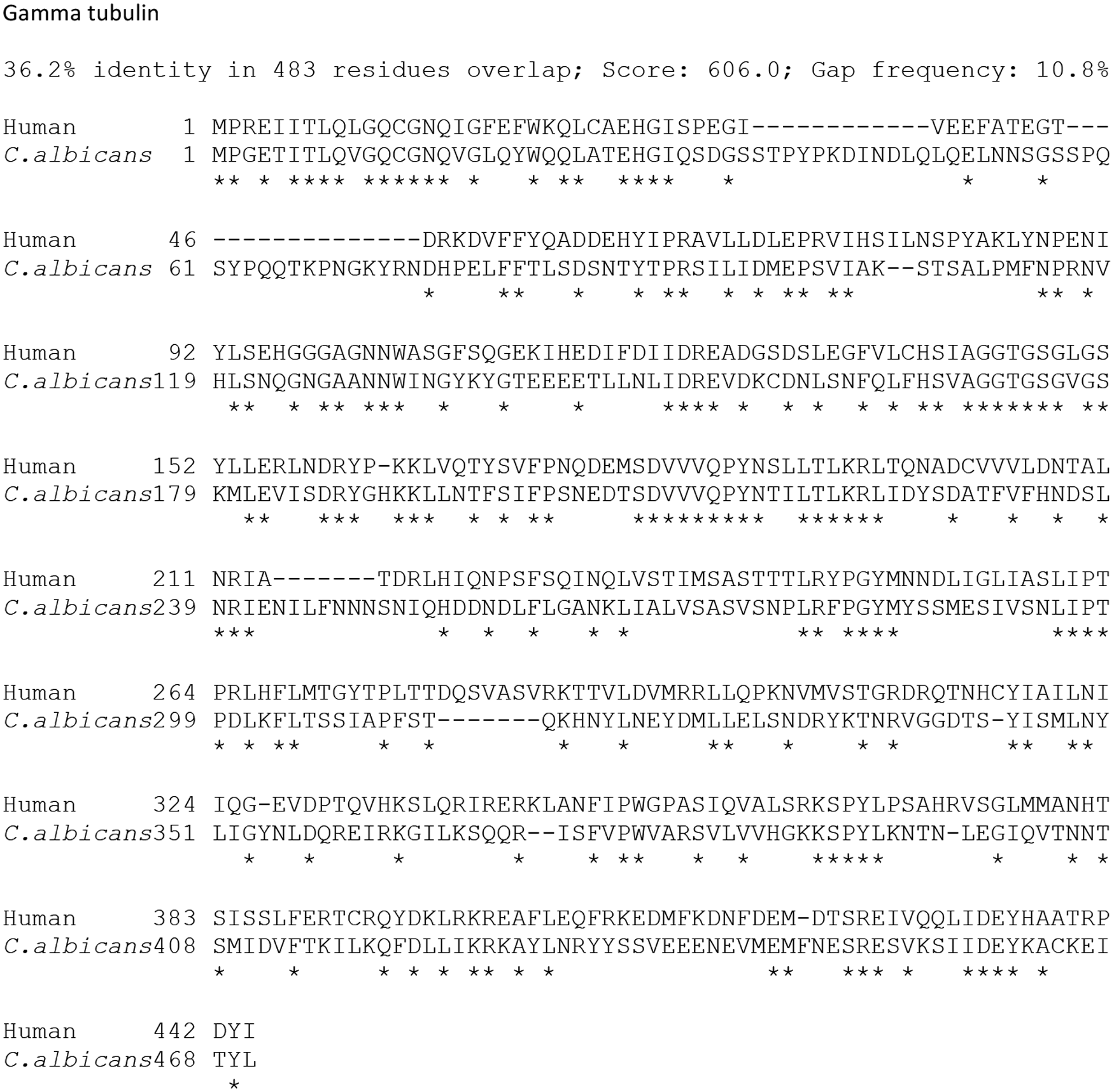
Pairwise sequence alignment of human gamma tubulin with that of C. albicans. Amino acid sequence identity was 36.2% and 483 residues.
Anti-Candida Activity of Antitumor Antibiotics
The antitumor antibiotics, doxorubicin, bleomycin, and 5-flurouracil, inhibited DBF formation in a dose-dependent manner. Fifty percent inhibition of DBF formation was achieved at 1 mg/mL concentration of doxorubicin and bleomycin. 5-Flurouracil caused 50% inhibition of DBF at 0.25 mg/mL. The antitumor antibiotics caused dose-dependent inhibition of MBF. Doxorubicin showed 50% inhibition of MBF at 1 mg/mL (Figs. 5 and 6).
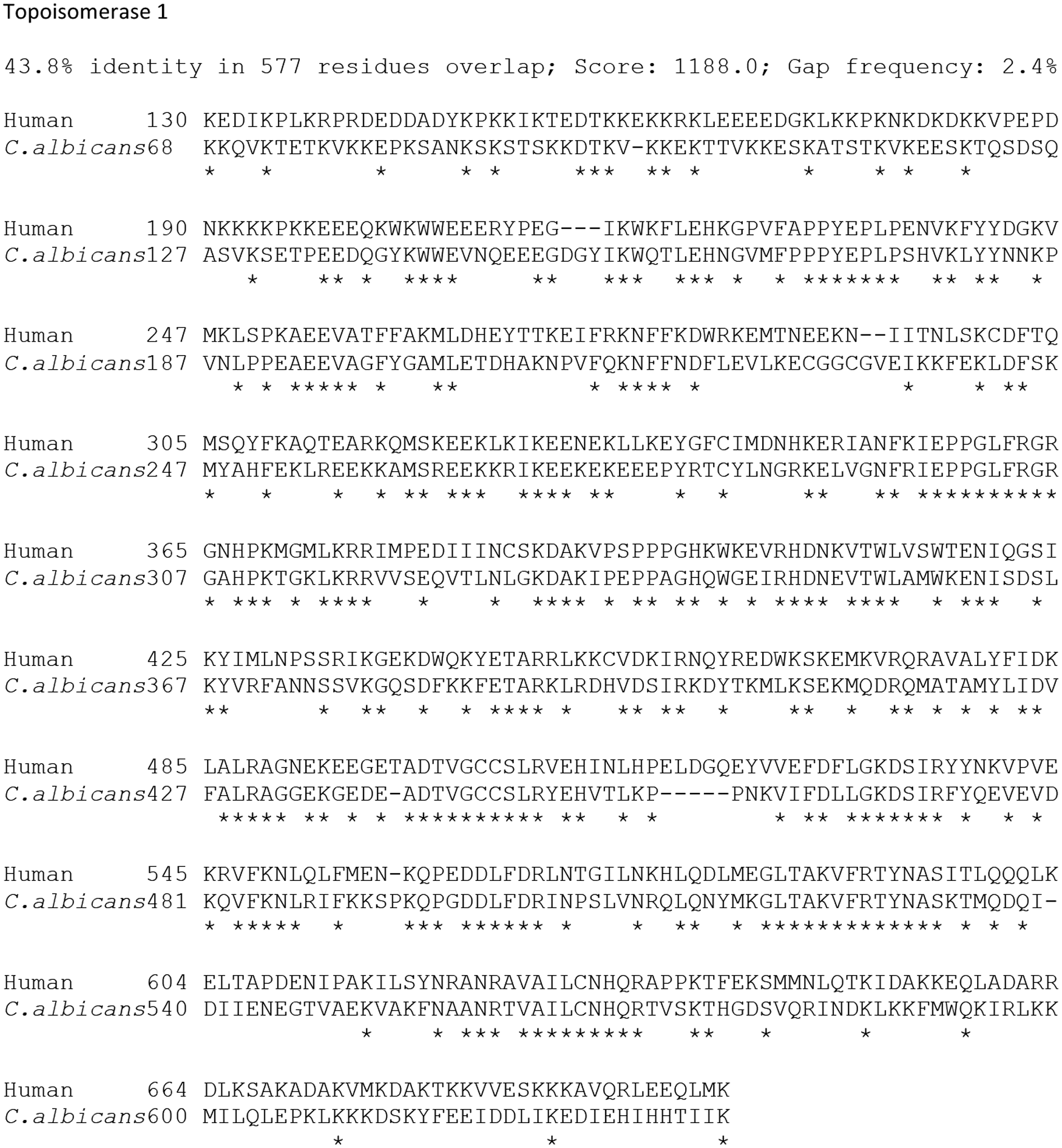
Pairwise sequence alignment of human topoisomerase I with that of C. albicans. Amino acid sequence identity was 43.8% and 577 residues.

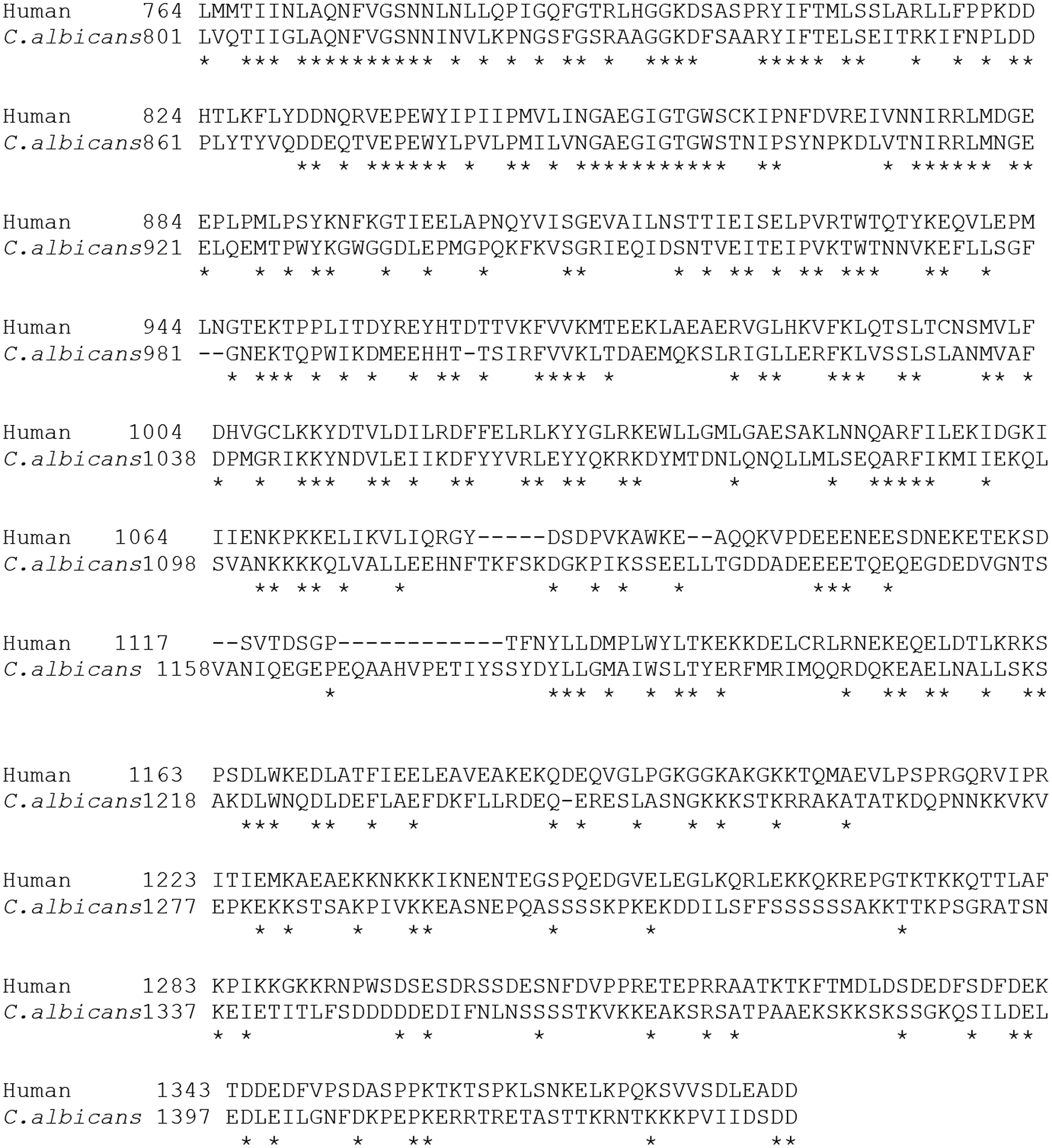
Pairwise sequence alignment of human alpha topoisomerase 2 with that of C. albicans. Amino acid sequence identity was 43.5% and 1,421 residues.
Topoisomerase I Inhibitor: Irinotecan
Irinotecan that is an active topoisomerase I inhibited both DBF and MBF, exhibited an MIC of 1 mg/mL against growth of both strains of C. albicans. MBF needed higher concentration for inhibition (Table 1 and Fig. 5).
Minimum Inhibitory Concentration of 16 Cancer Drugs Against Biofilm Formation in Candida albicans Strains ATCC 90028 GMC-03 (mg/mL)
MIC, minimum inhibitory concentration.
Other Anticancer Agents
Gemcitabine, which is an antimetabolite, exhibited an MIC of 2 mg/mL toward DBF and 4 mg/mL against MBF of C. albicans. The nonclassic alkylating anticancer agent, dacarbazine, showed significant inhibition of DBF at 0.25 mg/mL, at 4 mg/mL it inhibited MBF. Etoposide, tamoxifen, leucovorin, and irinotecan significantly inhibited both DBF and MBF at 1 mg/mL against C. albicans (Figs. 7 and 8).
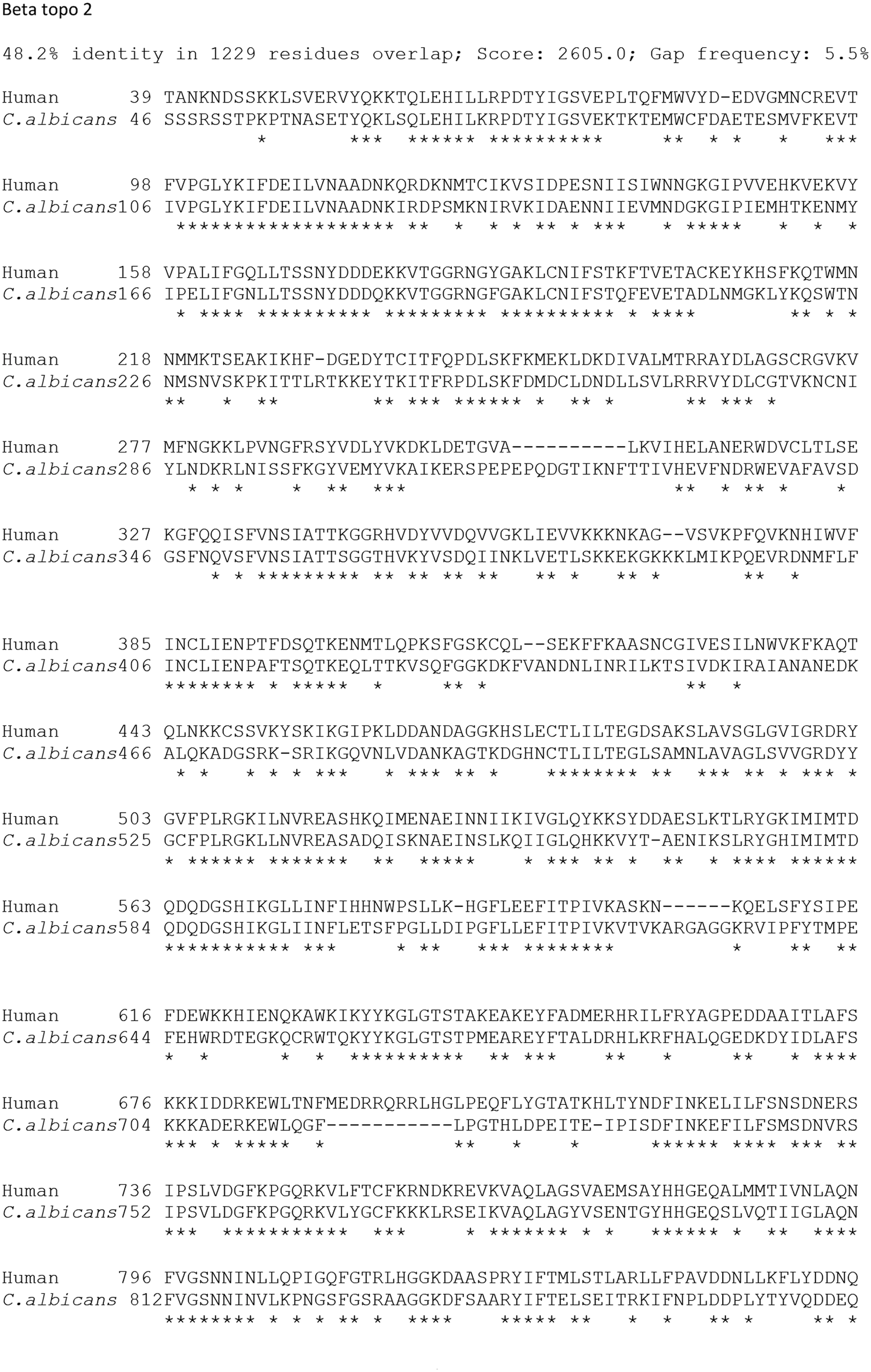
Pairwise sequence alignment of human beta topoisomerase 2 with that of C. albicans. Amino acid sequence identity was 48.2% and 1,229 residues.

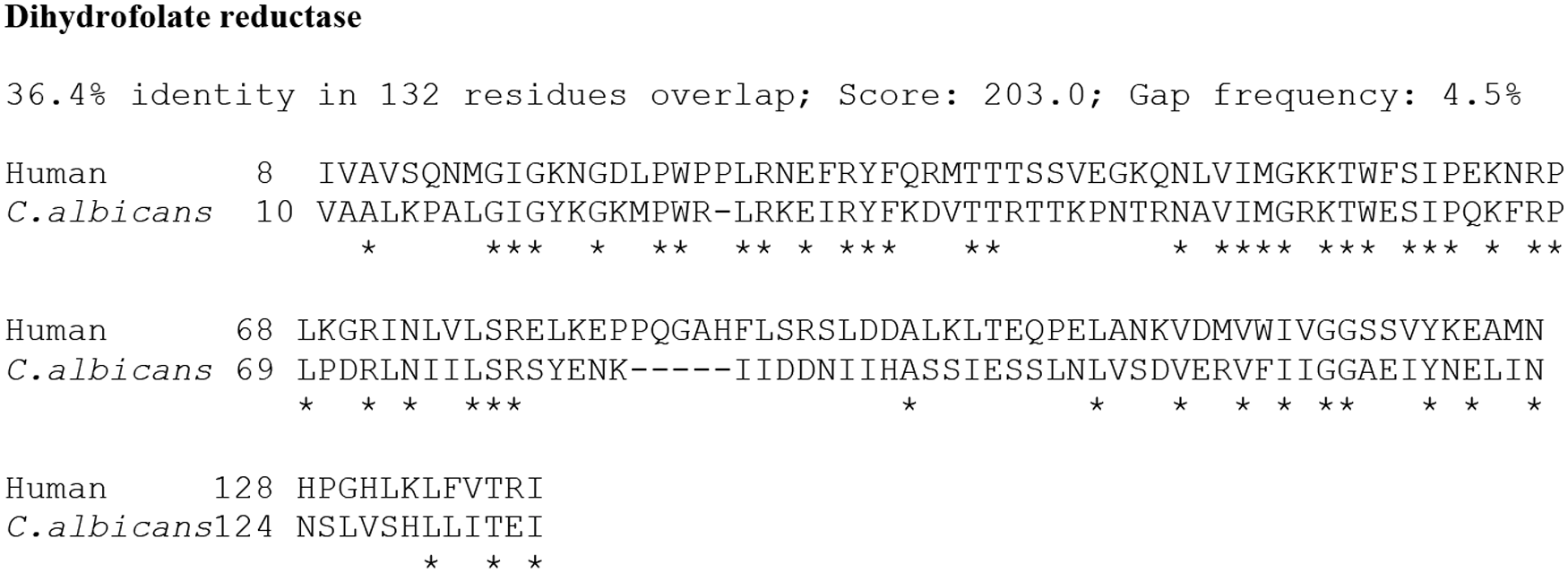
Pairwise sequence alignment of human dihydrofolate reductase with that of C. albicans. Amino acid sequence identity was 36.4% and 132 residues overlap.
Percentage Identity of Anticancer Drug Target Genes in Humans and Their Homologues in C. albicans
Tubulin proteins
The targets of antimicrotubule drugs, alpha-tubulin, beta-tubulin, and gamma-tubulin proteins in humans, shared considerable identity with their homologues in C. albicans at the amino acid as well as at the nucleotide levels. For example, alpha and beta tubulin of humans were >70% identical to that of C. albicans alpha tubulin (447 residues overlap) at the amino acid level and 83% identity with 24 overlap residues at the nucleotide level. Beta tubulin of humans was 64% identical with that of C. albicans (434 residues overlap) at the amino acid level and nucleotide level (820 overlaps). Gamma tubulin of humans shared only 36% identity (483 residues overlap) with that of C. albicans at the amino acid level and 94% identity at the nucleotide level (with 16 residues overlap) (Fig. 4).
Target of the antimetabolite, gemcitabine: thymidine synthase
Thymidine synthase gene of humans shared 36% identity with that of C. albicans (132 residues overlap) at the amino acid level, and at the nucleotide level humans thymine synthase gene shared 100% identity with that of C. albicans (13 residues overlap) (Table 2).
The Percentage Identity of Anticancer Drug Targets in Humans and Its Homologues in Candida albicans
Topoisomerase alpha and beta of humans are similar to that in C. albicans
Alpha topoisomerase of humans shared 43% identity with that of C. albicans at the amino acid level (1,421 residues overlap) and 43% identity at the nucleotide level (78 residues overlap). Human beta topoisomerase exhibited 48% (1,229 nucleotides overlap) and 75% (93 residues overlap) at the nucleotide and amino acid level, respectively.
Topoisomerase I inhibitor: irinotecan
The targets of topoisomerase drugs, topoisomerase I in humans, shared considerable identity with their homologues in C. albicans at the amino acid as well as nucleotide levels. Humans shared44% identity with that of C. albicans (577 residues overlap) at the amino acid level and 100% identity with 16 overlap residues at the nucleotide level (Table 2).
Targets of alkylating agents: decarbazine methylase
Alkylating agent decarbazine, which acts on human methylase, shared 33.8% identity with that of C. albicans (293 residues overlap) at the amino acid level, and at the nucleotide level, there was no significant identity with that of C. albicans (Table 2).
Target of leucovorin/folinic acid: dihydrofolate reductase
Dihydrofolate reductase gene of humans shared 36% identity with that of C. albicans (132 residues overlap) at the amino acid level. There was no significant similarity at the nucleotide level (Table 2).
Discussion
For the first time, the efficacy of a variety of anticancer drugs as inhibitors of MBF and DBF formation in C. albicans is presented here. Their MIC values are established (Table 1). Interestingly, most of the drugs tested were very effective agents against early biofilm formation and MBF, which are recalcitrant to conventional antifungal antibiotics.
We have studied the percentage identity for six classes of anticancer drug target genes in humans and their homologues in C. albicans. The efficacy of anticancer drugs against the fungal pathogen C. albicans underlines the similarity of the drug targets in C. albicans and humans. C. albicans being a eukaryote may share many of the human targets, which are involved in microtubule synthesis, DNA replication, cell cycle, etc. 8,22,28
When we compared the target genes of the human microtubulin targeting drugs, it was found that the tubulin genes of C. albicans share considerable identity with the corresponding tubulin genes in humans. The human tubulin genes α, β, and γ shared identity with the corresponding genes in C. albicans. Vincristine, vinblastine, paclitaxel, and docetaxel may interact with the tubulins of C. albicans. Seventy-four percent identity was seen at the amino acid level, when the human α tubulin was compared with that of C. albicans. A docking study on tubulin poisons to tubulins of C. albicans may provide further evidence (Table 2).
Gemcitabine acts as a thymidylate synthetase inhibitor, leading to the inhibition of DNA synthesis and cell death. It shows DBF and MBF inhibitory activity against C. albicans (Tables 1 and 2). Thymidylate synthetase gene of humans shows 36% identity with that of C. albicans at the amino acid level. The drugs were effective inhibitors of C. albicans. The actual target of gemcitabine in C. albicans is not clear (Table 1 and Fig. 9).
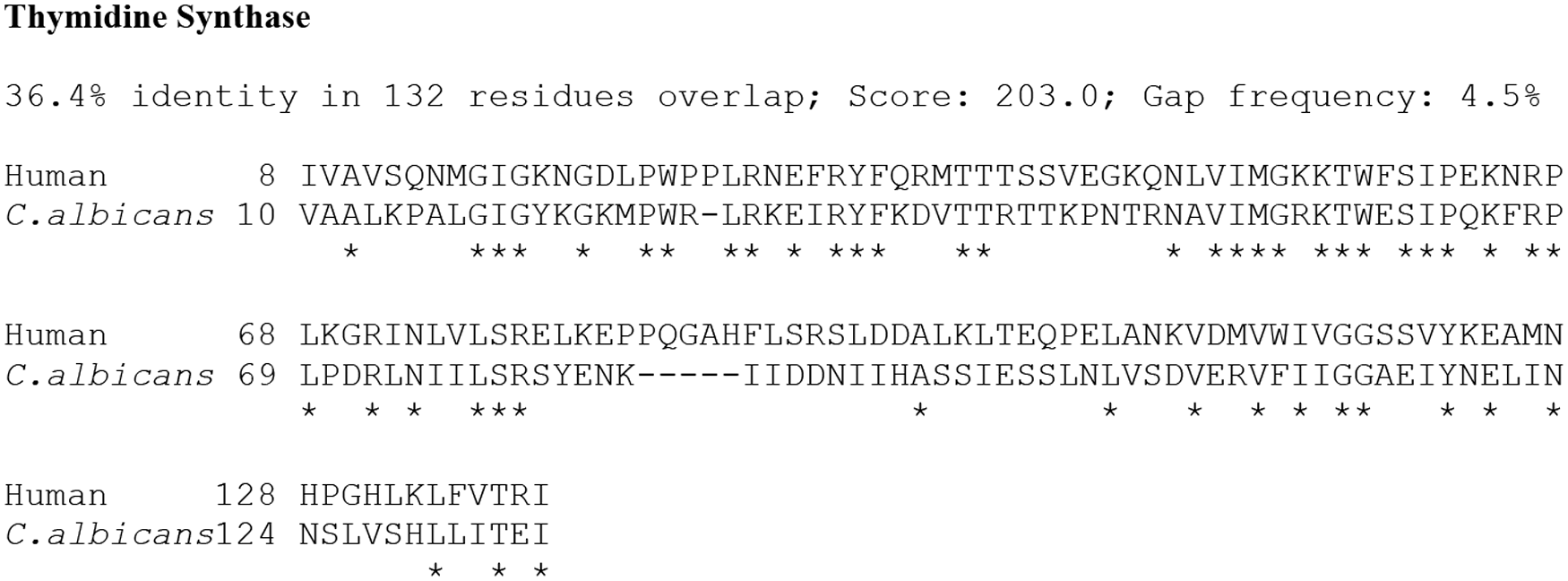
Pairwise sequence alignment of human thymidine synthase with that of C. albicans. Amino acid sequence identity was 36.4% and 132 residues overlap.
The antineoplastic topoisomerase II inhibitors, doxorubicin and etoposide, exhibited good antifungal activity against C. albicans with MICs at 1 and 4 mg/mL, respectively. Doxorubicin forms complexes with DNA by intercalation between base pairs and inhibits topoisomerase II activity by stabilizing the DNA topoisomerase II complex. 29 Etoposide inhibits topo II. It is cell dependent and phase specific, affecting mainly the S and G2 phases of cell division. 29 –31 The fact that topoisomerase II is essential in Candida makes it a potentially important target for the development of future selective inhibitors and possibly new antifungal drugs. DNA topoisomerase of C. albicans when compared with that of humans exhibited identity at both nucleotide and amino acid levels (Table 2). Human DNA topoisomerase may target C. albicans topoisomerase at both amino acid and nucleotide levels, causing inhibition of growth and virulence factors.
The nonclassic alkylating agent, decarbazine, showed inhibitory activity against C. albicans. Decarbazine may methylate DNA in C. albicans, resulting in growth arrest and cell death (Tables 1 and 2). It showed activity against DBF and MBF of C. albicans. Decarbazine drug may target Candida decarbazine methylase at the amino acid level (Table 2 and Fig. 10).
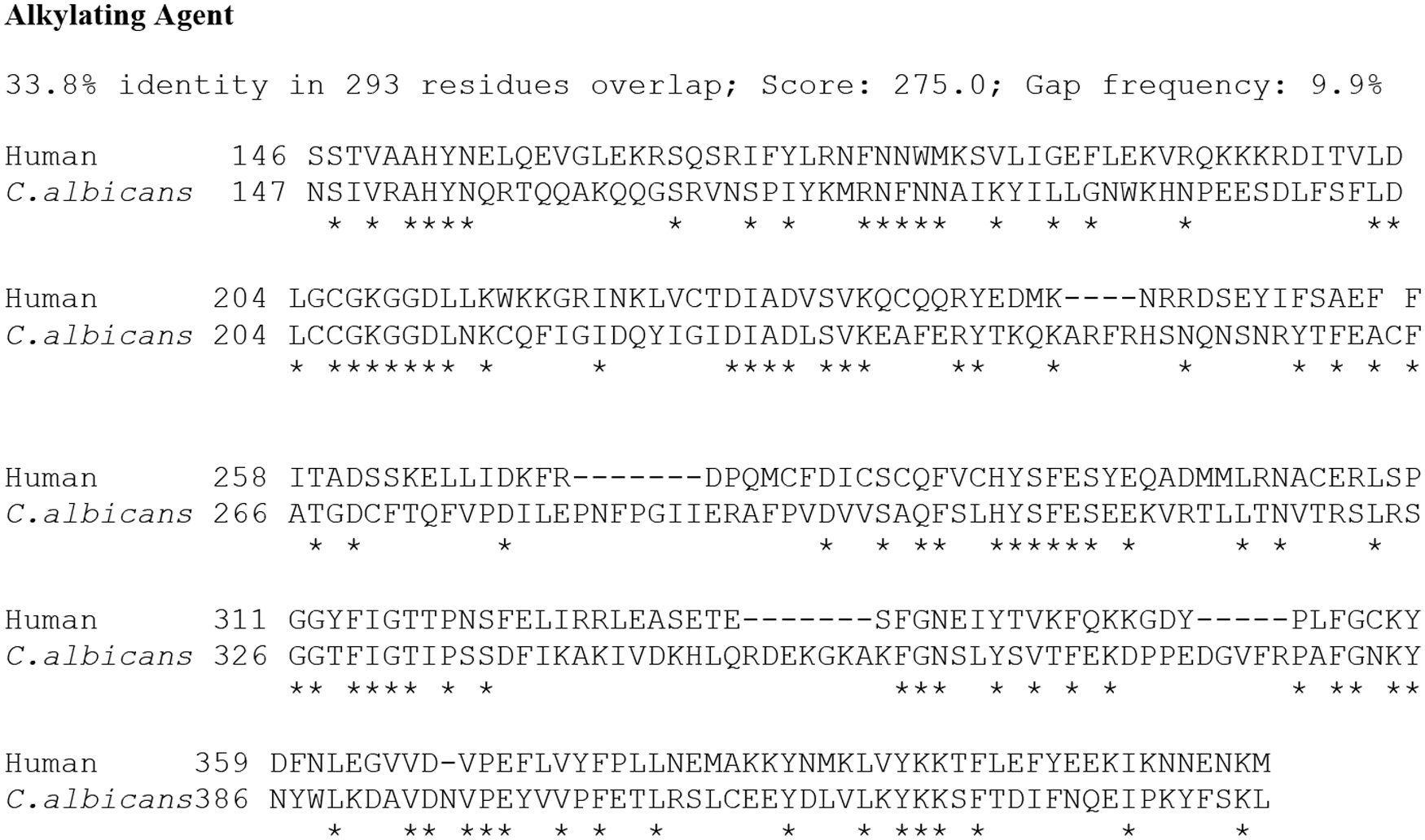
Pairwise sequence alignment of human methylase gene with that of C. albicans. Amino acid sequence identity was 33.8% and 293 residues overlap.
Leucovorin is a reducing agent and is a derivative of folic acid; it shows activity against the enzyme, thymidylate synthetase, in humans. It inhibits the activity of DBF and MBF of C. albicans at 1 mg/mL. Human thymidylate synthetase shares negligible identity with that of C. albicans. The target of these drugs needs to be investigated in C. albicans (Tables 1 and 2).
Tamoxifen is an estrogen receptor antagonist that is used to treat breast cancer and possesses anti-Candida activities. In vitro susceptibility testing has shown that tamoxifen is active against C. albicans and Cryptococcus neoformans. 32,33 It showed activity against C. albicans DBF and MBF at 1 and 2 mg/mL (Tables 1 and 2).
The antitumor antibiotic, 5-flurouracil, showed inhibitory activity against DBF and MBF at 0.25 and 1 mg/mL, respectively. In humans, it acts as an inhibitor of formation of thymidylate from uracil, which can lead to the inhibition of DNA and RNA synthesis and cell death. 34 C. albicans is associated with cancers such as esophageal cancer. There is even a case study that suggests that chronic esophageal candidiasis may be one of the reasons of esophageal cancer. 4,22 There is a possibility that cancer drugs such as 5-fluorouracil and 5-aminolaevulic acid could be useful for topical application for skin infections caused by C. albicans. 24
Based on this study, we are proposing repositioning of anticancer drugs as antibiofilm agents in C. albicans. It is hypothesized that patients under chemotherapy with the mentioned drugs may not require additional administration of antibiofilm antibiotics, since most of the widely used anticancer drugs are good inhibitors of biofilms of C. albicans at various stages of development (Table 1). The anticancer drugs could be of use for topical application, especially in the case of esophageal candidiasis and skin cancer. In addition, the cancer drugs may function as scaffolds for developing novel anti-C. albicans agents. The anticancer drugs could be dual-purpose agents targeting both cancer growth and C. albicans biofilm. However, this hypothesis needs to be tested in in vivo models.
Footnotes
Acknowledgments
The authors are thankful to Prof. Pandit Vidyasagar, Hon'ble Vice Chancellor, SRTM University, for his kind support. The authors are also thankful to UGC and DST New Delhi for support under the UGC-SAP DRS II and DST-FIST program, respectively.
Disclosure Statement
The authors declare no conflict of interest.