




Abstract
Introduction:
Artificial Intelligence (AI) has emerged as a transformative tool in Precision Oncology (PO), offering advanced capabilities in personalized medicine, drug delivery, and treatment planning. The integration of AI in PO allows for the customization of therapies based on an individual patient’s genetic makeup, optimizing treatment efficacy while minimizing toxicity. However, despite these promising advancements, AI’s application in oncology also raises significant ethical and regulatory challenges. Patient privacy, autonomy, algorithmic bias, and equitable access to AI-driven healthcare remain pressing concerns. Additionally, regulatory frameworks struggle to keep pace with the rapid advancements in AI technologies. This paper explores the ethical implications and considerations associated with AI in PO, emphasizing the need for a balanced approach to technological innovation and ethical responsibility.
Materials and Methods:
This study reviews existing literature on AI applications in PO, focusing on ethical considerations and challenges. The methodology involves a comprehensive analysis of current AI-driven PO systems, including their benefits, risks, and ethical dilemmas. Various sources, including academic publications, ethical guidelines and case studies, were examined to provide an in-depth understanding of AI’s role in PO. The study categorizes ethical concerns into key areas such as patient privacy, data security, informed consent, algorithmic bias, and equitable access. Additionally, the research investigates regulatory frameworks across different countries, highlighting discrepancies and areas needing improvement.
Results:
The findings indicate that while AI has significantly enhanced diagnostic accuracy, treatment personalization, and clinical decision-making in PO, numerous ethical and challenges persist. Key results include: Patient Privacy and Data Security, AI-driven PO relies on extensive patient data, raising concerns about confidentiality and unauthorized access. Robust encryption and stringent data-sharing policies are necessary to mitigate risks. Algorithmic Bias, AI models trained on non-diverse datasets may lead to biased treatment recommendations, disproportionately affecting underrepresented populations. Informed Consent and Autonomy, Patients often lack awareness of how AI systems make treatment decisions, necessitating transparent consent procedures.
Conclusion:
AI presents a ground breaking opportunity to revolutionize PO by enabling more precise and effective treatments. However, ethical considerations must be addressed to ensure that AI-driven solutions uphold patient rights, prevent biases, and promote equitable healthcare access. Future advancements should prioritize patient-centric approaches, interdisciplinary collaboration, and proactive ethical adaptations. Strengthening ethical frameworks and standardizing AI governance can enhance the responsible use of AI in PO, ultimately improving cancer treatment outcomes while safeguarding patient welfare.
Introduction
Recent advances in cancer treatment have opened up new possibilities for more personalized and precise therapies, with Artificial Intelligence (AI) playing a key role in this transformation. To ensure patients have timely and safe access to these innovations, an adaptable and secure ethical framework is essential for the adoption of AI-driven treatments. Figure 1 shows an image of AI algorithms are increasingly being used to tailor medications and cell therapies to individual patients, improving therapeutic outcomes, optimizing dosage, minimizing toxicity, and creating combination treatments based on molecular profiles. Furthermore, preclinical cell therapies are being customized to fit specific patient needs, which holds significant promise for the future of treatment. The role of AI in health care is expanding rapidly, with applications such as patient-specific pharmaceutical companion apps and personalized medical solutions. One exciting development is the use of “Digital Twins”—virtual representations of a patient’s clinical and physiological data. These Digital Twins can simulate a range of personalized treatment options, enhancing diagnosis and therapy planning.1,2

Artificial intelligence in medical field.
In the field of PO, AI has shown great potential for improving diagnosis, treatment planning, and overall outcomes. However, like any emerging technology, it brings forward complex ethical challenges. This study explores how ethical and legal frameworks can be adapted to support the use of AI-powered personalized medicine, particularly in the context of cancer drugs and Advanced Therapy Medicinal Products (ATMPs). While a significant portion of ATMPs is designed for cancer therapy, the approval process remains slow, especially in the United States and the European Union. As technological advancements in pharmacological and cell-based therapies accelerate, these delays are expected to grow. 3 While AI offers great promise, it also presents significant ethical concerns that complicate the approval of new treatments. Digital Twins, for example, allow for highly personalized simulations that assist health care professionals in making better-informed decisions, potentially leading to improved closed-loop therapies.4,5
Various Aspects for Consideration in the Ethical AI in PO
India has made notable strides in establishing ethical guidelines for the application of AI in health care. The “Ethical Guidelines for the Application of Artificial Intelligence in Healthcare,” published by the Indian Council of Medical Research, offers a comprehensive framework for the responsible research and implementation of AI. Effective collaboration among a wide range of stakeholders—including researchers, legislators, and health care practitioners—is crucial to ensuring the ethical use of AI in PO in India. This cooperation helps address emerging ethical challenges, develop best practices, and promote responsible AI deployment in health care.6,7
While AI presents great potential for advancing PO, it also raises significant ethical concerns in India, including patient privacy, data security, and algorithmic fairness. These issues need to be carefully addressed to ensure that AI technologies are used responsibly, with respect for individual rights and equitable outcomes for all patients. Figure 2 shows the various important moral considerations that include the following.
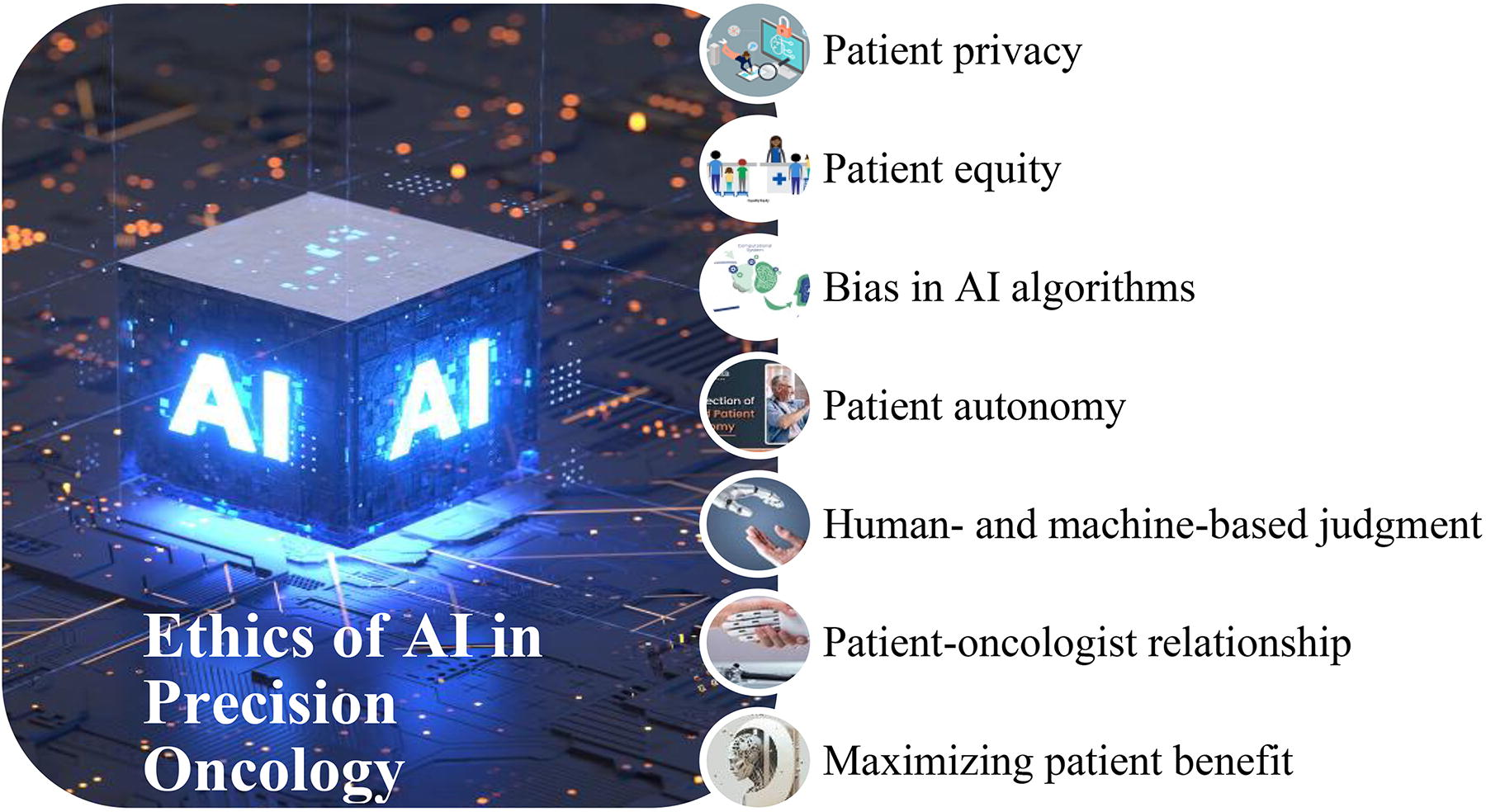
Ethics of AI in precision oncology. AI, artificial intelligence.
Patient privacy
Patient privacy is an important ethical consideration in the development and application of AI in PO. Its relevance is demonstrated by the key ethical considerations stated below. 7
Privacy and data protection
When applying AI in PO, patient privacy and confidentiality must be maintained at all times. To safeguard sensitive patient information from abuse, unlawful access, and breaches, health care businesses and AI developers must adhere to strict data security rules.
To comply with data security regulations, health care organizations and AI developers must adopt strong security measures, including the following:
Encrypting patient data both during transmission and while stored. Enforcing access controls, such as multifactor authentication and role-based permissions. Conducting regular audits and risk assessments to identify and mitigate vulnerabilities. Training employees on best practices for maintaining data security and handling sensitive information. Establishing incident response plans to effectively address and mitigate the impact of data breaches.
8
Patients should have control over how their data are used, which may be achieved by explicit authorization processes and tools that allow them to opt not to share their data with other parties.
Informed consent
Patients should be thoroughly informed about how AI-powered PO applications will use their data. This includes understanding the privacy issues and precautions put in place to secure their data. Procedures for getting informed permission should be open and transparent, with patients being able to deny data sharing if they have privacy concerns.
Data security and confidentiality
AI systems used in PO rely mostly on massive datasets containing private patient data such as genetic information, medical records, and treatment outcomes. As a result, it is critical to implement strong security measures to safeguard patient data from misuse, illegal access, and breaches. AI developers and health care organizations should take the procedures listed below to ensure data security and confidentiality. Using encryption, encrypting sensitive data during transport and storage reduces the risk of unauthorized access or interception. Using controls for access, strict access control implementation reduces the risk of data breaches by ensuring that only authorized individuals have access to patient data. Using anonymization of data, while preserving patient privacy, data anonymization techniques may be used to de-identify patient data such that AI algorithms can still analyze the data meaningfully.
Representation in data
The quality and diversity of data used to train AI systems in PO significantly influence their performance. However, biases in health care data, such as the underrepresentation of specific demographic groups, can exacerbate disparities in cancer care and lead to inconsistencies in AI outcomes. To ensure diversified and representative datasets, AI developers must collaborate with health care centers that provide real-time data for analysis.9,10
Risk of re-identification
Data anonymization attempts do not eliminate the risk of re-identification, particularly when combining multiple datasets or utilizing advanced AI techniques. Re-identification could potentially lead to the exposure of sensitive health information and undermine patient privacy. Therefore, ongoing monitoring and risk assessment are essential to identify and address vulnerabilities in data security protocols.
Anonymization and de-identification
To address privacy concerns, health care providers and AI developers should include approaches such as data anonymization and de-identification. To do this, personally identifiable information must be deleted or encrypted from datasets used for AI analysis, yet critical clinical data required for effective treatment planning must remain intact. However, it is vital to understand that complete anonymization is not always achievable, particularly with genetic data, which might contain unique identifiers.
Beneficence and patient care
AI tools in PO offer the potential to enhance patient outcomes by enabling more precise diagnosis, personalized treatment regimens, and predictive insights. Ethical use of AI should prioritize the beneficence principle, ensuring that these technologies are deployed in ways that maximize benefits for patients, such as improving survival rates, reducing treatment side effects, and enhancing quality of life.
Autonomy and informed decision-making
Respect for patient autonomy is fundamental in PO. Patients have the right to be fully informed about AI-driven treatment options, including potential risks, benefits, and uncertainties. Health care providers must facilitate shared decision-making processes that empower patients to make informed choices about their care, taking into account their values, preferences, and personal circumstances.
Access to AI technologies
Ensuring equitable access to AI-driven PO technologies is essential. Disparities in access to health care services, including advanced AI tools, can exacerbate existing inequalities in cancer treatment. Regardless of financial status, region, or other factors, efforts should be directed toward ensuring equitable access to AI-powered diagnostic, treatment planning, and decision support tools for a wide range of people.
Patient equity
When considering AI in PO, patient equity is a crucial ethical consideration. Here are some important issues to consider.
Transparency and accountability
AI algorithms used in PO can function as “black boxes,” making it impossible to grasp the logic behind their decisions. Ensuring transparency in AI systems is critical for fostering trust among patients, health care providers, and regulatory agencies. AI developers should prioritize transparency and accountability while developing algorithms. They should offer detailed documentation outlining the data sources, algorithms, and decision-making procedures.
Bias and fairness
Health care data often contain inherent biases, which AI algorithms can amplify, leading to disparities in diagnosis, treatment, and outcomes. Addressing these biases is essential to ensuring equity and fairness in PO. Biases in data can arise from various factors, including repetitive questions in survey methods, hyperparameter tuning, and inadequate testing of AI systems. To mitigate algorithmic bias, it is crucial to focus on curating high-quality training data, implementing rigorous testing protocols, and continuously monitoring AI systems to identify and address any emerging biases. 12
Professional responsibility
Health care providers bear a professional responsibility to integrate AI technologies ethically and responsibly into clinical practice. This entails maintaining an up-to-date understanding of AI’s capabilities and limitations in PO, cautiously adopting AI tools, and prioritizing patient welfare in every decision. To navigate the ethical challenges posed by AI, continuous education and training are indispensable. Key areas for training include the following:
Applications of AI in health care to enhance clinical workflows. Ethical frameworks governing AI technologies. Effective collaboration between human professionals and AI systems. Ensuring high data quality to mitigate bias and inaccuracies. Developing patient-centered AI solutions to improve care delivery. Fostering shared decision-making to strengthen the patient–provider relationship.
This comprehensive approach ensures that health care professionals are well-prepared to use AI responsibly and to its fullest potential in advancing patient care.
Equity and access
Ensuring equitable access to AI-driven PO technologies is essential to address disparities in cancer care. Efforts should be made to minimize barriers to access, such as cost, geographic location, and socioeconomic status. Policymakers and health care organizations must prioritize the needs of disadvantaged populations and ensure that all patients, regardless of demography, may use AI technology.
Cultural sensitivity and awareness
Cultural factors can influence patient preferences, beliefs, and health care-seeking behaviors. AI-driven PO initiatives should take into account cultural diversity and sensitivity, when developing algorithms and treatment recommendations. AI technology should be used in a culturally competent manner by health care staff, which have been trained to detect and resolve cultural differences.
Health literacy and patient empowerment
AI technology holds the potential to empower patients by providing personalized information and treatment options. However, disparities in health literacy and digital literacy can pose barriers to patient engagement with AI-driven tools in PO, especially among underserved populations. To promote equity in cancer care, efforts must be focused on improving health literacy and educating patients about AI technologies. This can be achieved by providing multilingual support, utilizing visual aids and multimedia to simplify complex information, and conducting advocacy campaigns to raise awareness about AI’s role in health care. 13
Financial considerations
Some patients may find it difficult to access AI-driven PO technology due to the high costs, particularly if they lack adequate insurance or funds. Health care organizations, policymakers, and insurers should explore strategies to make AI technologies more affordable and accessible to all patients. This can include subsidies, reimbursement policies, and cost-sharing arrangements for low-income patients. In addition, efforts should focus on establishing interoperability standards in digital infrastructure to support AI adoption in underserved areas and developing AI-powered solutions that can be used in low-resource settings by health care organizations. 14
Ethical allocation of resources
In resource-constrained health care settings, ethical considerations arise regarding the allocation of AI-driven PO resources. Health care providers and policymakers must prioritize the equitable distribution of resources to ensure that AI technologies benefit underserved communities and populations with the greatest need. 15
Community engagement and participation
To ensure that AI-driven PO programs are attentive to the needs and preferences of various patient groups, local communities and stakeholders must be involved. Community involvement can help identify barriers to access, build trust, and codesign interventions that promote patient equity in cancer care.
In summary, promoting patient equity in AI-driven PO requires a multifaceted approach that addresses access to technology, representation in data, cultural sensitivity, health literacy, financial considerations, resource allocation, and community engagement. By prioritizing equity in the development and implementation of AI technologies, health care organizations can work toward reducing disparities in cancer care and improving outcomes for all patients.
Patient autonomy
Patient autonomy is a cornerstone of medical ethics, and this is especially true in the context of AI in PO. This intersection emphasizes the importance of protecting patients’ right to make health care decisions. 10
Informed decision-making
Patient autonomy necessitates the freedom to choose how they wish to be treated based on relevant information. In PO, AI can provide patients with personalized treatment options and prognostic insights based on their unique genetic profile and medical history. Patients must be given detailed information on the role AI plays in developing therapeutic recommendations, as well as an awareness of the potential benefits, limitations, and unpredictability associated with AI-powered techniques. This allows patients to actively participate in shared decision-making processes and make choices that align with their values and preferences.
Respecting preferences and values
AI in PO can assist health care providers in tailoring treatment plans to align with patient’s preferences, values, and goals of care. For example, AI-driven decision support tools can help identify treatment options that prioritize quality of life or minimize treatment-related side effects, in accordance with patients’ stated preferences. By respecting patients’ autonomy to make choices that reflect their values and priorities, AI can enhance patient-centered care and promote individualized treatment approaches.
Informed consent
Informed consent is a fundamental aspect of patient autonomy. Patients have the right to understand how their data will be used in AI-driven PO initiatives and to provide voluntary consent for participation. Health care providers must ensure that patients receive clear and understandable information about the purposes of AI applications, the potential risks to privacy, and their rights regarding data sharing and participation. By providing this information, patients are made aware of the risks and benefits of AI-based treatments. This includes a clear explanation of the role of AI in treatment, such as treatment options, outcomes, and the analysis of genomic data. In addition, patients should be informed of their right to protect their data at any point during treatment, including the ability to delete their data at any time. 16
Shared decision-making
PO based on AI has the ability to improve collaborative decision-making by giving personalized suggestions and evidence-based information to patients and health care practitioners. Patients should be actively involved in discussions about their treatment options, with opportunities to ask questions, express concerns, and voice their preferences. Health care practitioners should include AI-generated insights into collaborative decision-making procedures, allowing patients to actively influence the treatment plans that are established for them.
Respecting individual choices
Patient autonomy also encompasses the right to refuse or discontinue AI-driven interventions or recommendations. While AI can provide valuable insights and guidance in PO, patients ultimately retain the autonomy to accept or reject recommended treatments based on their own values, beliefs, and priorities. Health care providers must respect patients’ decisions and ensure that AI technologies are used to support, rather than override, patients’ autonomy.
To recapitulate, the concept of patient autonomy guides the ethical application of AI in PO. By promoting informed decision-making, respecting patients’ preferences and values, obtaining voluntary informed consent, facilitating shared decision-making processes, and respecting individual choices, AI has the potential to empower patients by allowing them to actively engage in their treatment and make decisions that are tailored to their own needs and preferences.
Bias in AI algorithms
Bias in AI algorithms is a serious ethical issue in PO since it has the potential to cause variations in patient outcomes, therapeutic recommendations, and diagnosis. Here is how bias in AI algorithms intersects with ethical considerations in PO. 11
Impact on patient care
Bias in AI algorithms can lead to inaccurate or skewed predictions and recommendations, resulting in suboptimal patient care. The dataset plays a crucial role in training AI systems, and if the data are biased, the training remains incomplete, leading to incorrect predictions. This bias can also exacerbate disparities in cancer diagnosis, treatment, and outcomes, potentially harming patients who are already marginalized or underserved. 17
Fairness and equity
Ethical principles of fairness and equity require that AI algorithms be free from bias and discrimination. In PO, it is essential to ensure that AI-driven decision support tools provide equitable recommendations for all patients, regardless of race, ethnicity, gender, socioeconomic status, or other demographic factors. To identify and remove bias in AI systems, it is necessary to carefully pick training data, promote algorithmic transparency, and conduct continual monitoring and assessment methods.
Data bias and representation
Bias in AI algorithms often originates from biases in the data used to train them. In PO, health care datasets may reflect existing disparities in health care access, diagnosis rates, and treatment outcomes. For example, if certain demographic groups are underrepresented in cancer registries or clinical trials, AI algorithms trained on these datasets may produce biased predictions or recommendations.
To address this issue, efforts should focus on collecting diverse and representative data that accurately reflect the full range of patient populations and clinical scenarios. Diversification of data should include contributions from different racial, ethnic, socioeconomic, and geographic backgrounds, as well as from patients with varying cancer types, stages, and treatment histories. These data can be obtained from community health centers, hospitals serving underserved populations, and electronic health records. By gathering such diverse data, AI algorithms can be trained to become more accurate, generalizable, and effective in improving patient outcomes across various populations. 18
Algorithmic transparency
The identification and mitigation of bias in AI algorithms rely on transparency. Ensuring that AI algorithms are accessible and understandable should be a primary concern for health care providers and AI developers. AI developers must validate their models using real-world health care data. Once the model is validated, incorporating domain knowledge from health care experts is essential to ensure accurate predictions. In addition, AI developers can create health care visualization tools to help clinicians interpret complex AI inferences and models. These tools will assist stakeholders in detecting potential sources of bias and understanding the decision-making process. Transparent AI solutions allow medical practitioners to objectively evaluate AI-generated recommendations, assess their validity, and take appropriate actions to ensure patient safety and equity.
Accountability and responsibility
Health care organizations and AI developers have a responsibility to address bias in AI algorithms and mitigate its impact on patient care. This includes implementing bias detection and mitigation techniques during algorithm development, conducting regular audits and evaluations to assess algorithmic fairness, and taking corrective action when bias is identified. Promoting the ethical and responsible use of AI in PO necessitates keeping stakeholders accountable for reducing bias in AI systems.
In summary, bias in AI algorithms presents ethical challenges in PO that must be addressed to ensure fair and equitable patient care. Interested parties may collaborate to decrease bias and foster moral use of AI in PO by promoting equity, clarity, transparency, and responsibility in the advancement and use of AI technology.
Human and machine-based judgment
The combination of human and machine-based judgment in PO presents several ethical concerns. Here is an analysis of these moral issues. 18
Clinical decision-making
Health care providers traditionally rely on their clinical judgment, experience, and expertise to make treatment decisions for cancer patients. With the advent of AI technologies in PO, there is a shift toward incorporating machine-based judgment, driven by algorithms that analyze complex datasets to generate treatment recommendations. Ethical considerations arise in determining the appropriate balance between human and machine-based decision-making, ensuring that AI complements rather than replaces clinical judgment. Health care providers must retain autonomy in decision-making, critically evaluating AI-generated recommendations and considering patient-specific factors, preferences, and values.
Accuracy and reliability
Ethical concerns arise when considering the accuracy and reliability of machine-based judgment in PO. It is critical to note that AI algorithms are not flawless and may have biases, flaws, and limitations, even while they can analyze massive quantities of data and identify patterns that human therapists might miss. Health care providers have an ethical responsibility to critically evaluate the accuracy and reliability of AI-generated recommendations, considering factors such as algorithm performance, data quality, and clinical relevance. To maintain accountability and dependability, openness in AI algorithms and the decision-making processes that drive them is essential.
Informed consent and patient autonomy
Patients have the right to participate in collaborative decision-making on their care and to be fully informed about the role AI will play in the treatment planning process. When applying AI technology in PO, it is critical to obtain informed permission from patients to ensure that they are aware of the potential benefits, risks, and limitations of AI-driven therapy. Patients should have autonomy in deciding whether to accept or reject AI-generated recommendations, with health care providers facilitating open dialog and respecting patient preferences.
Equity and access
Ethical concerns arise regarding equity and access to AI-driven PO technologies. Inequalities in digital literacy, technological infrastructure, and health care service accessibility may exacerbate inequities in cancer care by restricting the use of AI-driven solutions to certain patient populations. Prioritizing equitable access to AI technology is critical for health care institutions and governments to guarantee that all patients may benefit from PO, regardless of socioeconomic status, region, or demographics.
Professional responsibility and accountability
Health care providers have a professional responsibility to use AI technologies ethically and responsibly in PO. This includes staying informed about the capabilities and limitations of AI, integrating AI tools into clinical practice judiciously, and advocating for the best interests of patients. AI developers and health care organizations are also exposed to ethical concerns since it is their responsibility to ensure the transparency, accountability, and equity of AI algorithms and how they are integrated into clinical settings.
Finally, the combination of human and machine-based judgment in PO raises a slew of ethical concerns, including clinical decision-making, accuracy and reliability, informed consent, patient autonomy, equity and access, and professional accountability. Stakeholders may use AI technology to enhance cancer therapy while adhering to ethical norms and promoting patient well-being by addressing these ethical challenges carefully and proactively.
Patient–oncologist relationship
The application of AI in PO introduces new dynamics to the patient–oncologist interaction, raising a variety of ethical concerns.19,20
Trust and communication
The patient–oncologist relationship is built on trust, open communication, and shared decision-making. The introduction of AI technologies may influence these dynamics, as patients may perceive AI-generated recommendations as more objective or authoritative than those made by their oncologists. Ethical considerations arise in maintaining trust and effective communication between patients and oncologists, ensuring that AI is used to complement rather than replace the human elements of care. Oncologists must clearly communicate the role of AI in treatment planning, provide context for AI-generated recommendations, and engage patients in shared decision-making processes.
Informed consent and autonomy
Patients have the right to be fully informed about the use of AI in their care and to participate in shared decision-making regarding their treatment options. Ethical considerations arise in obtaining informed consent from patients for the use of AI technologies in PO, ensuring that patients understand the potential benefits, risks, and limitations of AI-driven interventions. Patients should have autonomy in deciding whether to accept or reject AI-generated recommendations, with oncologists facilitating open dialog and respecting patient preferences.
Individualization of care
PO aims to provide patients with tailored treatment recommendations based on their unique genetic composition, tumor features, and clinical history. AI technologies are critical for interpreting complicated data and determining personalized treatment plans. Balancing the advantages of AI-powered individualized care with the need to provide patients with comprehensive integrated treatment that covers their physical, emotional, and psychological needs presents ethical concerns. Oncologists must use AI-generated insights to deliver patient-centered care that considers not just the medical aspects of cancer but also the patient’s values, preferences, and quality of life.
Equity and access
Concerns regarding fairness and access to AI-powered PO technologies stem from ethical considerations. Disparities in digital literacy, technological infrastructure, and health care service accessibility may hinder the deployment of AI-powered solutions by specific patient populations. Oncologists have a commitment to encourage equitable access to AI technology so that all patients may benefit from PO, regardless of socioeconomic status, location, or demographic features. 21
Continuity of care
The integration of AI technologies into clinical practice raises considerations regarding continuity of care and the maintenance of long-term patient–oncologist relationships. Ethical concerns may arise if patients perceive a loss of continuity or personalized care as a result of increased reliance on AI-driven decision support tools. Oncologists must maintain ongoing relationships with patients, providing reassurance, support, and guidance throughout the treatment process, while leveraging AI to enhance the quality and efficiency of care delivery.
In summary, the integration of AI in PO introduces ethical considerations related to trust, communication, informed consent, autonomy, individualization of care, equity and access, and continuity of care within the patient–oncologist relationship. By addressing these ethical considerations thoughtfully and proactively, oncologists can harness the potential of AI technologies to improve cancer care while upholding ethical standards and preserving the essential elements of the patient–oncologist relationship.22,23
Maximizing patient benefit while avoiding harm
Maximizing patient benefit while avoiding harm is a fundamental ethical principle in the application of AI in PO. Here is how this principle is upheld and navigated ethically. 24
Beneficence
Beneficence refers to the obligation to promote the well-being of patients. In PO, AI can enhance patient benefit by providing personalized treatment recommendations, identifying novel therapeutic targets, and predicting treatment responses more accurately. Ensuring that AI technologies be used to maximize patient benefit—that is, to enhance treatment outcomes, decrease side effects, and improve quality of life—raises ethical concerns. Health care practitioners must carefully evaluate the evidence that underpins AI-generated recommendations and prioritize actions that have the best possibility of improving patient outcomes.
Risk–benefit assessment
Ethical decision-making in PO involves a careful assessment of the risks and benefits associated with AI-driven interventions. While AI technologies hold promise for improving cancer care, they also present potential risks, such as algorithmic bias, data security breaches, and overreliance on technology at the expense of human judgment. Health care providers must weigh these risks against the anticipated benefits of AI-driven PO initiatives, considering factors such as patient preferences, clinical context, and the availability of alternative treatments.
Informed consent
Informed consent is essential for ensuring that patients understand the potential risks and benefits of AI-driven interventions and can make autonomous decisions about their care. Health care providers must provide clear and understandable information to patients about the role of AI in PO, including the purpose of AI-driven interventions, the potential benefits and limitations, and any associated risks. Patients should be able to ask questions, voice concerns, and engage in joint decision-making procedures so that they may make decisions that are consistent with their beliefs and preferences.
Individualized treatment
PO aims to provide individualized treatment approaches tailored to each patient’s unique characteristics and needs. AI techniques are critical for understanding complex information and selecting a personalized course of treatment. Making sure AI-powered solutions are deployed in a way that respects patient autonomy and fosters personalized treatment presents ethical concerns. Health care providers must integrate AI-generated insights into a patient-centered approach to care, considering not only the biological aspects of cancer but also the patient’s values, preferences, and quality of life.
Monitoring and evaluation
Continuous monitoring and assessment of AI-driven therapies is critical to ensure patient safety and for enhancing therapy outcomes. Health care providers must regularly assess the performance, accuracy, and reliability of AI algorithms, as well as their impact on patient care. Ethical considerations arise in identifying and addressing any unintended consequences or adverse effects associated with AI-driven PO initiatives, ensuring that patient benefit is maximized while minimizing the risk of harm.
To conclude, the use of AI in PO is guided by the ethical principle of maximizing patient benefit while minimizing harm. By prioritizing beneficence, conducting risk–benefit assessments, obtaining informed consent, promoting individualized treatment approaches, and monitoring AI-driven interventions closely, health care providers can navigate ethical challenges and ensure that AI technologies contribute to improved cancer care outcomes while upholding patient safety and well-being.
Trade-offs between competing ethical goals
In the context of AI in PO, there can be trade-offs between competing ethical goals. Here are some common scenarios where such trade-offs may occur and how they can be addressed. 25
Privacy versus data sharing
There is a trade-off between protecting patient privacy and facilitating data sharing for research and clinical purposes. Strict data privacy measures may limit access to valuable datasets needed to train AI algorithms and advance PO research. To address this trade-off, health care organizations can implement privacy-preserving techniques such as data anonymization and encryption while establishing transparent consent processes that allow patients to opt in to data sharing for specific purposes.
Autonomy versus beneficence
Balancing patient autonomy with the goal of maximizing patient benefit can present ethical dilemmas. For example, a patient may refuse a recommended treatment based on personal preferences, even if it significantly increases their chances of survival. Health care providers must respect patient autonomy while also considering beneficence and the duty to act in the patient’s best interests. Shared decision-making approaches that involve patients in treatment discussions can help reconcile these competing goals.
Equity versus access
Ensuring equitable access to AI-driven PO technologies may conflict with the goal of promoting widespread access and adoption. For example, providing specialized AI tools in resource-constrained health care settings may divert resources away from other essential services. To address this trade-off, policymakers and health care organizations can prioritize efforts to improve access to AI technologies while also addressing underlying disparities in health care infrastructure and resources.
Transparency versus intellectual property
There may be tension between promoting transparency in AI algorithms and protecting intellectual property rights. AI developers may be hesitant to disclose proprietary algorithms and datasets, which can hinder independent evaluation and validation of AI technologies. To mitigate this trade-off, stakeholders can advocate for greater transparency in AI development processes while also respecting the need for intellectual property protection. Collaborative initiatives that promote open science and data sharing can facilitate transparency without compromising innovation.
Accuracy versus explainability
There is often a trade-off between the accuracy of AI algorithms and their explainability or interpretability. Complex AI models may achieve high levels of predictive accuracy but lack transparency in how they arrive at their decisions. Health care providers may face challenges in trusting and interpreting AI-generated recommendations without understanding the underlying decision-making process. To address this trade-off, AI developers can prioritize the development of interpretable AI models that balance accuracy with explainability, enabling health care providers to understand and trust AI-driven insights while maintaining high levels of predictive performance.
Short-term versus long-term benefits
Ethical decision-making in PO may involve trade-offs between short-term benefits for individual patients and long-term benefits for society as a whole. For example, prioritizing immediate access to experimental treatments may offer potential benefits for individual patients but could undermine efforts to generate robust evidence and ensure patient safety through rigorous clinical trials. When selecting whether to administer therapy, health care professionals and governments must consider the long- and short-term consequences, finding a balance between the need to ensure patient welfare and scientific development while also delivering timely interventions.
When deciding between competing ethical goals in AI-driven PO, rigorous consideration of values, objectives, and potential consequences is required. By engaging in transparent and inclusive decision-making processes, stakeholders can navigate ethical dilemmas and strive to achieve a balance that maximizes benefits while minimizing risks for patients and society. In PO, AI can enhance diagnosis, therapy planning, and treatment outcomes. However, the application of AI in this field raises other 26 significant ethical considerations for AI, as shown in Figure 3.
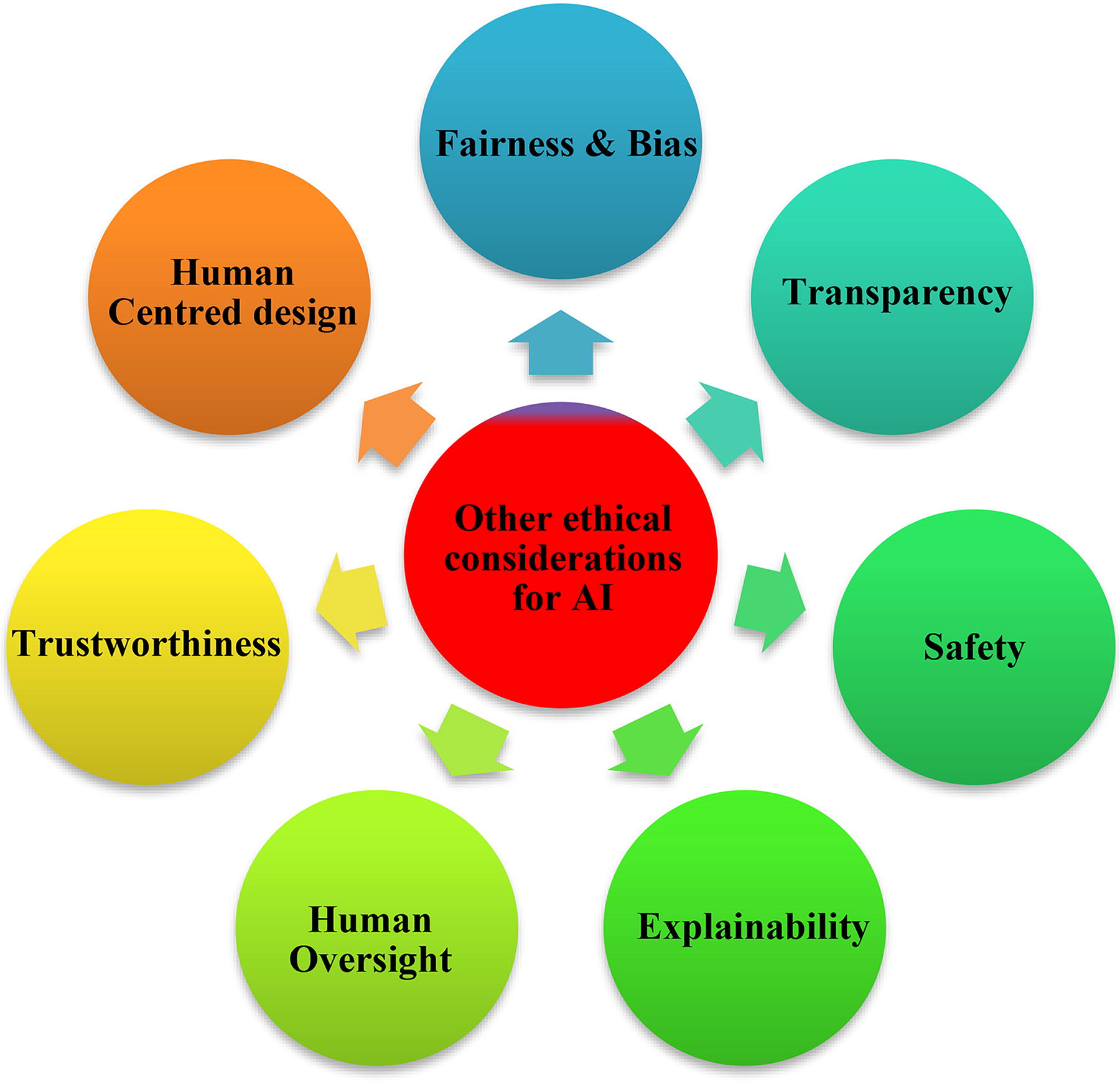
Other ethical considerations for AI.
In reality, AI outperforms humans in deciphering massive volumes of data relevant to complex diseases such as cancer. For example, the Food and Drug Administration has authorized the first medical device powered by AI to assist clinicians in identifying the most frequent kinds of skin cancer in patients. In summary, ethical considerations in AI-driven PO encompass a wide range of principles, including beneficence, autonomy, privacy, equity, transparency, fairness, and professional responsibility. By addressing these ethical considerations thoughtfully and proactively, stakeholders can harness the potential of AI to advance cancer care while upholding ethical standards and promoting patient well-being.
Some Existing Usage and Places of AI in PO
Figure 4 gives a complete real-time example of PO using AI. The target group of women getting screening mammography is initially determined using a visual representation of a mammography AI tool. This group is then treated to digital mammography. After being trained on a dataset of pathology-verified true positives and true negatives, the AI algorithm analyzes billions of data points from each mammogram to discover minute connections.

Representation of mammography with the help of AI tool.
The AI technology uses deep learning techniques such as neural networks, which simulate the networked structure of the human brain, to identify suspicious areas that may suggest cancer.
These techniques enable the AI technology to detect characteristics like density, position, shape, and calcifications across several pictures. After that, this instrument may be used in a clinical environment to guide treatment recommendations, provide a prognosis score, and identify lesions in newly acquired mammography pictures. 27 The Apollo Cancer Centre in Bengaluru has established India’s first AI-Precision Oncology Centre (POC), a groundbreaking effort that is intended to the quality of cancer treatment is enhanced by the Apollo cancer canter, Bengaluru. This unique effort takes advantage of AI’s vast potential to help doctors, patients, and caregivers obtain the best possible results quickly. The AI-POC’s extensive variety of professional medical services ensures accurate diagnosis, quick insights, cancer risk assessment, treatment protocol development, and seamless continuity of care. This hospital ushers in a new era in India’s cancer care, with cutting-edge services never before seen in the country. At its core, the AI-POC provides highly customized patient care. It assesses whether patients are eligible for immunotherapy and targeted treatment as part of the diagnostic and planning process. Conversational AI promotes patient engagement and support along the process by teaching patients and their families about diagnostic and treatment FAQs, as well as linking them to support groups.
Conclusion
Precision cancer therapies, which offer personalized treatments based on patient characteristics, represent a promising new frontier in the battle against cancer. 28 However, the implementation of these advances in patient care is delayed by a backlog in the regulatory approval process. Patients are concerned that authorities are unduly hindering access to life-saving therapies, which has resulted in this delay. AI technologies have the potential to transform cancer therapy due to their remarkable technological capabilities and particular legal risk profile. Oncologists should be aware of the following elements, which are discussed in this article. The failure of courts and regulatory agencies to adapt has resulted in an uncertain environment regarding the correct evaluation, clinical deployment, and risk reduction of AI technology. Changes in policy exacerbate the uncertainty in this dynamic environment. Professional organizations have the ability and responsibility to address legislative gaps, ensuring uniformity across specialties while stressing patient safety. In the next few years, as AI technologies are increasingly licensed for clinical use, the American Society of Clinical Oncology should publish precise AI-specific practice guidelines for its members, in addition to providing ongoing research funding, training programs, and policy actions.
Footnotes
Authors’ Contributions
All the literature work, field work, discussions and convergence by both of the authors and there is no conflict of interest.
Author Disclosure Statement
No competing financial interests exist.
Funding Information
No funding was received for this article.