




Abstract

O
In my selection of the subjects covered in this Forum and invited contributors, I followed three guiding principles: a relative novelty of matters at hand and scarcity of reviews on the subject, while ensuring the best available presenters of the former (Fig. 1). The investigations on the subject of redox imbalance and the kidney stand apart from the rest of the field because they explore not only the sources of oxidative stress in the kidney but also its multitude of actions on various nephron structures and cells, which explains multifaceted functional derangements, some short lived, others protracted. Another peculiarity of redox imbalance in the kidney consists in systemic consequences such as water and electrolyte homeostasis, regulation of macroautophagy or β-oxidation of very long fatty acid chains, longevity, cardiorenal axis and metabolic syndrome, among others. In essence, the contributions collected in this Forum of the journal shed light on those subjects.
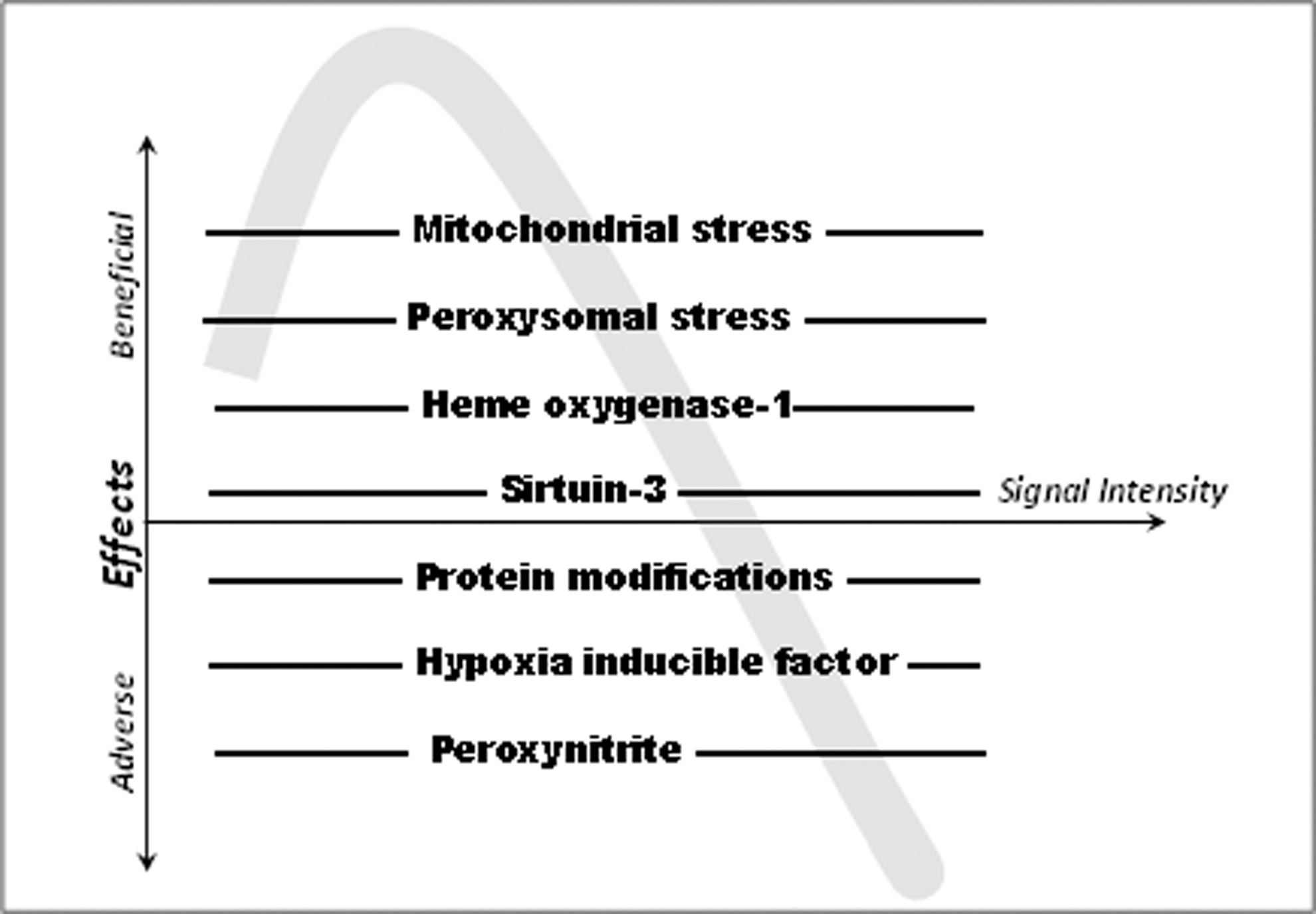
The opening review (Ratliff et al.) provides a panoramic view on redox balance and its perturbations in a variety of renal diseases, reiterates the involvement of diverse oxidant and antioxidant systems, and sketches the mechanisms of oxidant action. This is followed by an in-depth treatment of the subject of heme oxygenase-1, its role in autophagy, renal fibrosis, and infiltration of the kidney with macrophages (Lever et al.). The subject of peroxysomes, their contribution to cellular redox balance, and perturbations during renal injury is presented by Dr. R. Vasko. Drs. G. Tamma and G. Valenti paint a broad picture of oxidative stress and focus on the role played by S-glutathyonylation and “cysteine switches” in renal health and disease. Two reviews focus on mitochondrial metabolism in renal disease. Benigni et al. describe the contribution of sirtuin 3 to renal pathology and aging, whereas Drs. K. Doi and E. Noiri elaborate on mitochondrial dysfunction in cardiorenal syndrome. Dr. Kumar Sharma reviews the role of redox imbalance in the pathogenesis of obesity and diabetic kidney disease.
Undoubtedly, the element of subjectivity in selecting topics and contributors is unavoidable. Also, I have no reservations that the final selection may be incomplete. It is especially true for the actively developing field of knowledge, such as the one at hand. For instance, during the “incubation period” of this Forum, a remarkable new mouse model expressing mitochondria-targeted fluorescent reporter resistant to lysosomal proteases, mt-Keima mouse, has been created, thus boosting the research on in vivo monitoring of mitochondrial fate in diseases and aging (5). By the same token, another review on the role of oxidative stress in metabolic syndrome has been published by this journal (4). Indeed, in the environment where clinical trials of different antioxidants are failing or show equivocal results (i.e., N-acetylcysteine, vitamin E) and new antioxidants are constantly introduced, any state-of-the-art snapshot fades ever so slightly already by the time of publication. Therefore, although it is impossible to guarantee the “al fresco” state of each review, surely the best intent to achieve it has been made by all contributors. I hope that the reader will appreciate these contributions focusing on diverse renal diseases.