




Abstract
The martian surface has been continuously exposed to galactic cosmic radiation. Since organic compounds are degraded by ionizing radiation, knowledge of their decay constants is fundamental to predicting their stability on the martian surface. In this study, we report the radiolysis constant for the destruction of soil organic compounds at a starting concentration of ∼2011 μg C/gsoil from the Mojave Desert. The soils were exposed to gamma irradiation with absorbed doses of up to 19 MGy at room temperature, representing ∼250 million years of exposure to galactic cosmic rays. The destruction of total soil organic carbon and the formation of gases were investigated by a sequential on-line analytical array coupled to gas chromatography-mass spectrometry. Soil inorganic and organic carbon were degraded exponentially with a radiolysis constant 0.3 MGy-1(30%) producing mostly carbon dioxide (93.2%), carbon monoxide (6.2%), and methane (0.6%). Using the dose rate measured by the Radiation Assessment Detector on board the Curiosity rover, we make predictions on the survival of organic compounds in the cold martian subsurface. It is estimated that soil organic compounds with initial concentrations as those found today at the Mojave Desert would have been destroyed to levels <1 ppb at 0.1 m in depth in ∼2000 Myr. Pristine organic compounds are expected to be present at a depth of ∼1.5 m. These results are relevant for the search of organic compounds in past, present, and future missions to Mars. In particular, we predict that the upcoming ExoMars will encounter pristine organic compounds at this depth.
1. Introduction
The search for surface organic compounds has been a key goal in the exploration of Mars in the past (Biemann et al., 1976, 1977; Boynton et al., 2009; Navarro-González et al., 2010; Guzman et al., 2018), at the present (Glavin et al., 2013; Leshin et al., 2013; Ming et al., 2014; Freissinet et al., 2015; Millan et al., 2016; Eigenbrode et al., 2018; Szopa et al., 2020), and for future missions (Abbey et al., 2017; Goesmann et al., 2017). However, their detection has been challenging because oxidants formed by photolysis and radiolysis in the atmosphere–surface interface have degraded organic compounds over time (Lasnea et al., 2016; Liu and Kounaves, 2019). Laboratory studies suggest that the interaction of ultraviolet radiation with surface organic compounds leads to their destruction over the course of a few years (ten Kate et al., 2005; Stalport et al., 2009; Poch et al., 2013, 2014). The presence of surface minerals, however, would have shielded organic compounds against UV radiation at depths ≥2000 μm (Ertem et al., 2017; Carrier et al., 2019). In contrast, ionizing radiation from Solar energetic particles and galactic cosmic rays is expected to penetrate the martian surface down to 2 m in depth and result in the destruction of martian surface organic compounds (Kminek and Bada, 2006; Dartnell et al., 2007a, 2007b; Pavlov et al., 2012; Hassler et al., 2014).
The NASA Mars Science Laboratory's Curiosity rover has measured for the first time the energetic particle radiation environment at the martian surface with the Radiation Assessment Detector (RAD) (Ehresmann et al., 2014). The average galactic cosmic ray dose rate at Gale crater was found to be 0.21 ± 0.04 MGy/day during the 300-day period of the mission coinciding with near the maximum of the solar cycle (Hassler et al., 2014). An additional contribution to the dose rate is expected from ionizing radiation released from the decay of potassium (40K), thorium (232Th), and uranium (235U and 238U) in the martian crust (Kminek and Bada, 2006).
The radiation chemistry of organic compounds has been extensively investigated with regard to the effects of ionizing radiation on living organisms (Swallow, 1960; Milinchuk and Tupikov et al., 1989) and organic molecules, such as hydrocarbons (Williams, 1963; Lemotais and Jonah, 1989), carboxylic acids (Negron-Mendoza and Ponnamperuma, 1976; Negron-Mendoza and Navarro-Gonzalez, 1990), amino acids (Simic, 1978; Sagstuen et al., 2004), and nucleobases (Visscher et al., 1988; Faraggi et al., 1996). In addition, a number of studies have been conducted to evaluate the direct effect of ionizing radiation on the degradation of biosignatures in the martian surface by using amino acids (Kminek and Bada, 2006; Gerakines and Hudson, 2015; Góbi et al., 2016a), nucleobases (Ertem et al., 2017; Góbi et al., 2017), and macromolecular organic material (e.g., kerogen) (Fox et al., 2019). Other studies have examined the indirect degradation of martian organic compounds by their reaction with oxidizing species generated by the radiolysis of inorganic salts (Quinn et al., 2013; Góbi et al., 2016b; Georgiou et al., 2017). The destruction rate of martian organic molecules by ionizing irradiation in the top layer of martian surface rocks has been examined theoretically while taking into account different parameters, such as moisture, presence of ice, rock composition, density, and atmospheric pressure (Dartnell et al., 2007a, 2007b; Pavlov et al., 2012). The survival of ancient complex organic molecules in a shallow subsurface outcrop (∼10 cm depth) is highly unlikely for an exposure age ≥300 Myr. Surprisingly, smaller organic molecules (≤100 amu) are expected to have a higher survival rate from energetic particle radiation than larger organic compounds (Pavlov et al., 2012).
The goal of this study was to quantify the rate of degradation of soil organic compounds from the Mojave Desert by 60Co gamma rays with the intent to track the time of disappearance of ancient martian surface organic compounds by galactic cosmic rays. The Mojave Desert was selected as a case study because it is a hot arid region with annual precipitation ranging from 34 to 310 mm/year (Hereford et al., 2004) and hosts a rich microbial biodiversity (Navarro-González et al., 2003; Mogul et al., 2017) and moderate levels of soil organic compounds (Tang et al., 2016). Soil samples were subjected to gamma radiation under vacuum in closed Pyrex tubes with an accumulated absorbed dose from 4 to 19 MGy, which represents up to ∼250 million years of exposure to galactic cosmic rays on the martian surface (Hassler et al., 2014). The degradation of the soil carbon was quantified from the gases formed and that which remained after irradiation by gas chromatography coupled to mass spectrometry (GC-MS). Using the experimental results, we estimated the destruction rate of martian organic molecules by ionizing irradiation.
2. Materials and Methods
2.1. Field site
Mojave is a rain shadow desert and represents the driest region of North America. It occupies 152,000 km2 that extends over a large portion of southeastern California, southern Nevada, and portions of southwestern Utah and northwestern Arizona in the United States. The region is delimited by a series of mountain ranges, some rising to 2000 m or more, which are separated by intermontane valleys or basins. Because of its topography, major climatic and vegetational changes occur in relatively short distances (Amundson et al., 1989).
For this study, soil samples were collected in March 2007 in the Mojave Desert at 35.12°N, 118.32°W at 1212 m above sea level near Sand Canyon Rd, Tehachapi, CA, during the Third Spaceward Bound Expedition organized by NASA Ames Research Center. The sampling site is referred to as MD0307-15. The region is characterized by the presence of patchy regions that are rich in vegetation with a precipitation of ≥134 mm/year. Four sterile polyethylene (Whirlpak™) bags, each containing ∼500 g of a composite of soil from the upper 10 cm of six individual nearby sites (∼2 m in radius), were collected with sterile polyethylene scoops (Fig. 1). The soil used for the study was devoid of vegetation. Samples were freeze-dried after arrival in the laboratory and kept in a dark room at ambient temperature.
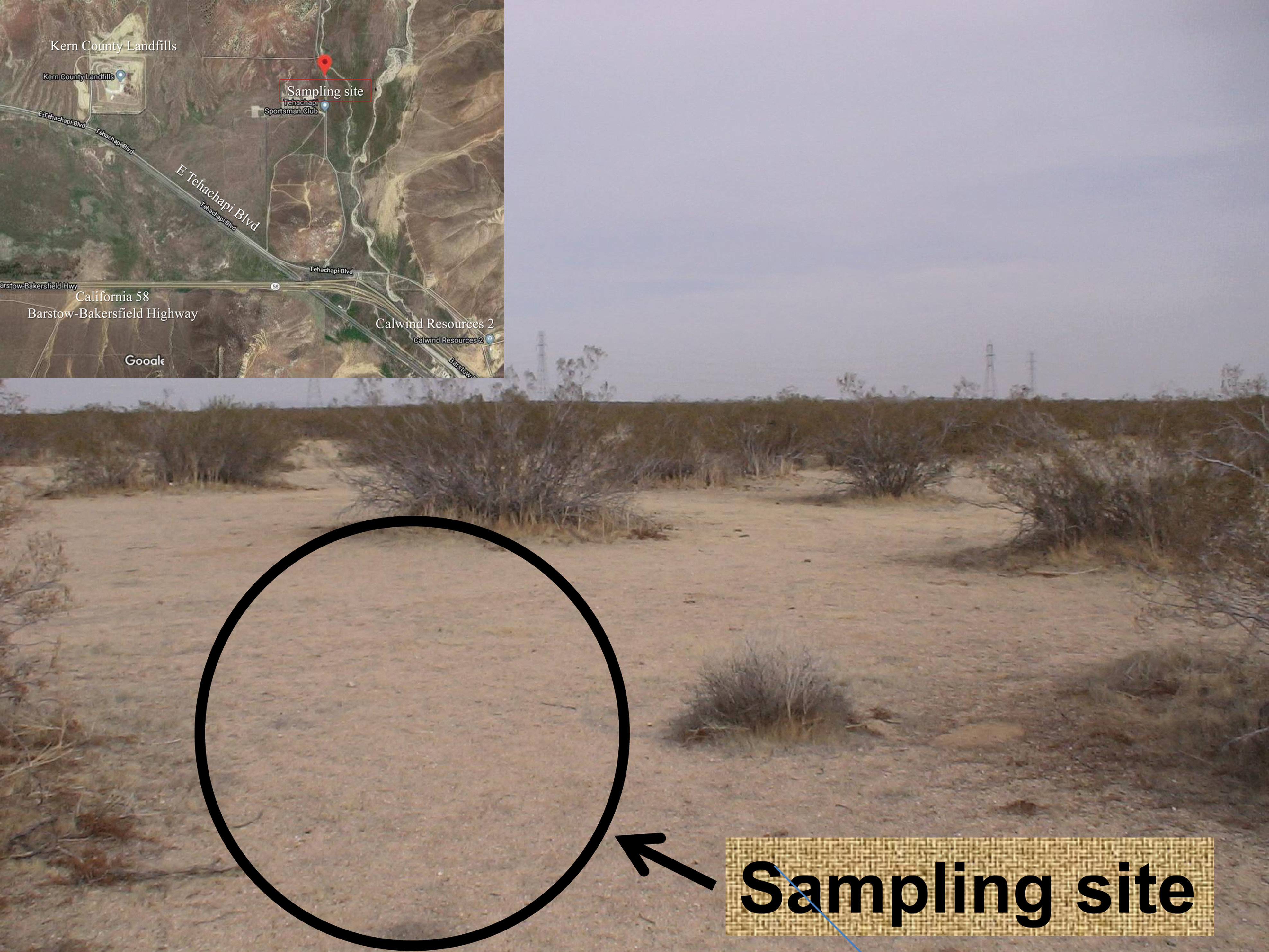
Photograph of the area where the MD0307-15 sample was collected in the Mojave Desert at 35.12°N, 118.32°W. The inset on the top left shows the location of the sampling site. Color images are available online.
2.2. Soil texture
The soil samples were separated by particle size fractions: sand (2–0.05 mm) by sieving, silt (0.05–0.002 mm), and clay by gravity sedimentation with previous destruction of microaggregating agents: carbonates (treatment with diluted 10% HCl), humus (10% H2O2), and iron oxides (dithionite–citrate–bicarbonate).
2.3. Micromorphology of desert soil
Undisturbed blocks of surface soil horizons were collected in the field and stored on 16.0 cm × 16.0 cm × 9.0 cm Tupperware storage containers. On arrival at the laboratory, the undisturbed blocks were impregnated with the resin Cristal MC-40 and allowed to solidify and dry for 48 h at room temperature. Thin sections were prepared from the solidified soil horizons and examined under an Olympus petrographic microscope. Descriptions of the soil horizons followed the terminology of Bullock et al. (1985).
2.4. Soil preparation for irradiation
A total of 30 g of soil from MD0307-15 were introduced into a 100 mL Pyrex test tube type reactor fused to a T-shaped Pyrex glass pipe fitting (Fig. 2). The horizontal pipe had a custom-made internal glass partition in the center made by a glass bubble, which provided a vacuum seal during sample preparation and irradiation. This end of the pipe connected to the gas sampling manifold of the injection port of the GC-MS system for the analysis of the gases produced by radiolysis. The vertical pipeline serves first to load the soil sample and then to connect the reactor into the vacuum manifold for pumping out the internal air. The reactor was heated to 90°C for 12 h with heating tape under a constant vacuum pressure of 10−3 mbar to remove any absorbed gases and moisture. At the end of the procedure, the top pipeline was sealed under vacuum by melting the Pyrex pipeline with a blow torch. Control experiments underwent the same analytical protocol except that they were not subjected to gamma irradiation, and they were labeled as 0 MGy.
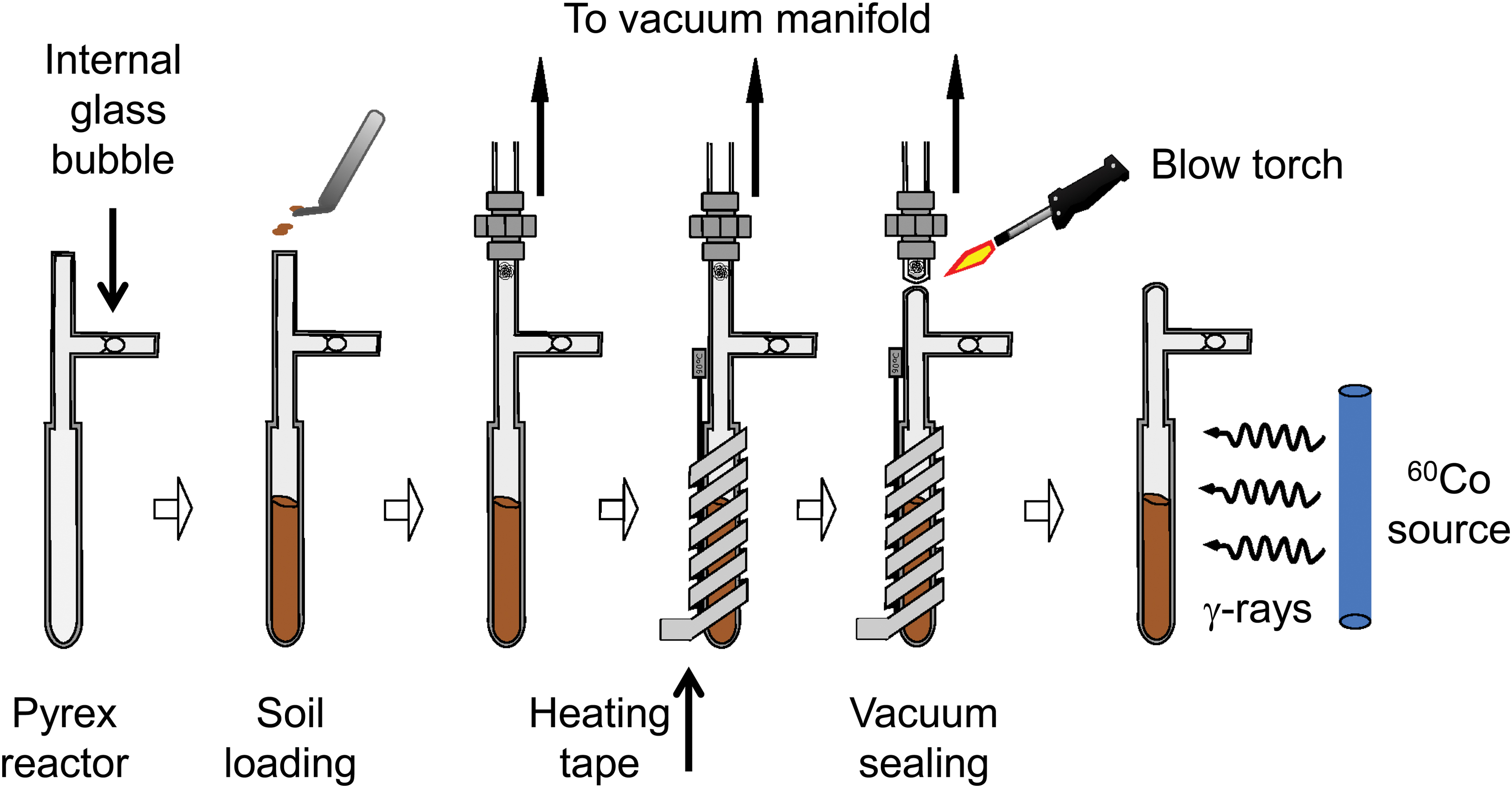
Schematic diagram for loading the soil and glass blow sealing the Pyrex reactor under vacuum for gamma irradiation. Color images are available online.
2.5. Gamma irradiation
The spatial distribution of radicals produced by the interaction of ionizing radiation with matter and the efficiency of radical–radical and radical–solute reactions depend on the type of radiation and its energy, more specifically on the radiation linear energy transfer (LET) (Draganić and Draganić, 1971). Protons account for ∼87% of the total flux of galactic cosmic rays with kinetic energies spanning from 0.2 to 160 GeV (Simonsen et al., 2020). The main flux of protons corresponds to a kinetic energy of 1 GeV, which is characterized by an LET value of 0.22 keV/μm (Case et al., 2013). This LET is similar to gamma rays from 60Co with a value of 0.23 keV/μm (Draganić and Draganić, 1971). Therefore, gamma ray irradiation could be a suitable energy source in the laboratory for the simulation of galactic cosmic rays.
The samples were irradiated at room temperature with a 60Co γ-ray source (Gammabeam 651 PT; Nordion International, Inc.) located at the Radiation Safety Unit of the Institute of Nuclear Sciences of the Universidad Nacional Autónoma de México. The irradiations had to be conducted during working hours, and only two reactors were irradiated at a given time. The irradiation dose varied from 0 to 19 MGy with a dose rate of 8 kGy/hr. The absorption of radiation by the soil resulted in heating of the sample to a temperature of ∼30°C. The length of the irradiation for a single sample spanned from 3 to 15 months depending on the absorbed dose. Consequently, it was not possible to conduct the experiment under cryogenic conditions that simulate the present martian surface temperature. The Fricke dosimeter was used to determine absorbed dose rate under the experimental conditions used.
2.6. Analysis of radiolytically evolved gases by GC-MS
After irradiation, the reactor was connected from the horizontal pipeline into the injection port of the gas sampling manifold of the GC-MS system as shown in Figure 3. The reactor was heated for 12 h at 90°C before the injection of the gases to enhance desorption from the soil of the radiolytic formed gases. Then the gas sampling manifold was pumped down to a pressure of 10−3 mbar, and the vacuum line was closed. The glass partition inside the horizontal pipeline was broken with a special stainless steel quick connect plunger tool that allowed the radiolytic gases to enter into the gas sampling manifold for injection into the GC-MS system. The highest error in the measurement was associated with the transfer of the radiolytic gases from the reactor to the gas sampling manifold. The overall uncertainty was ∼30%. The details of the analysis were described in the study of Navarro-González et al. (2019).
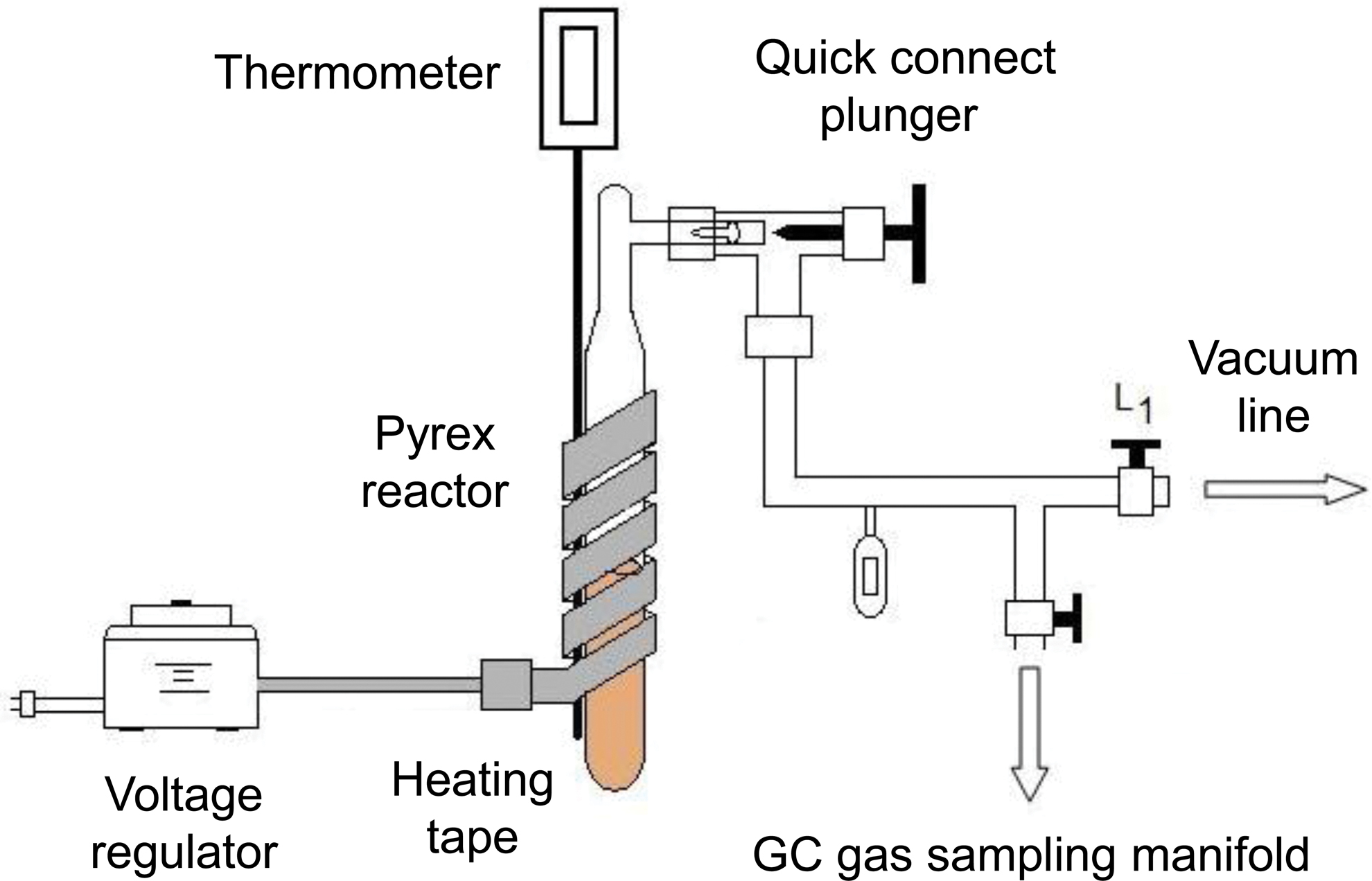
Injection of gases produced by radiolysis of Mojave Desert soils into the gas sampling manifold of the GC-MS system. GC-MS, gas chromatography-mass spectrometry. Color images are available online.
2.7. Calibration curve for carbon dioxide
A calibration curve was constructed from the analysis of six gas mixtures of carbon dioxide (CO2 with 99.998% purity) at concentrations of 0.8%, 1.2%, 2.2%, 4.2%, 6.2%, and 10.2% in nitrogen (N2 with 99.999% purity). The calibration mixtures were prepared by using a computerized gas-blending system that was described in the study of Navarro et al. (2020).
2.8. Sequential on-line separation of inorganic and organic carbon by wet reactions and analyses by GC-MS
Inorganic and organic carbon in soil were quantified by the sequential on-line separation of CO2 from the decomposition of carbonates in acid medium followed by the oxidation of organic compounds by permanganate, respectively (Fig. 4). The experimental setup consisted of a reactor with two valves (V1 and V2) for the insertion of the reagents contained in closed capsules, a condenser operating at −2°C to prevent the escape of water vapor, two U-traps (U1 and U2) inside Dewer flasks to capture evolved CO2 in liquid nitrogen, all connected online to a vacuum manifold. One gram of grounded and homogenized soil was added into the reactor, and the system was pumped down to 10−3 mbar keeping V1 amd V2 closed and U1 and U2 open. Then liquid nitrogen was added to trap U1, and V1 was opened to allow the insertion of 10 mL of degassed 30% sulfuric acid solution into the reactor. The solution was stirred and maintained at 50°C for 15 min to allow the decomposition of soil carbonates, and the evolved CO2 was captured in trap U1 while the system was pumped down and maintained at 10−2 mbar. Liquid nitrogen was then added to traps U1 and U2, and V2 was opened to allow the insertion of 10 mL of a degassed saturated solution of potassium permanganate. The solution was stirred and maintained at 90°C for 15 min to allow the oxidation of soil organic compounds, and the evolved CO2 was captured in trap U2. In the end, both traps (U1 and U2) were closed, removed from the vacuum line, and connected to the injection port of the GC-MS system described in the study of Navarro-González et al. (2019). The chromatographic separation of CO2 was carried out by using an isotherm at 30°C for 15 min, and the MS detection was carried out by using selective ion monitoring mode and m/z 44 at 70 eV. Recovery tests were carried out with known solid aliquots of calcium carbonate and mellitic, oxalic, and stearic acids to demonstrate the validity of the analytical procedure. CO2 was quantified by using calibration curves as described in Section 2.6. The error in the measurement was determined to be ∼20%.
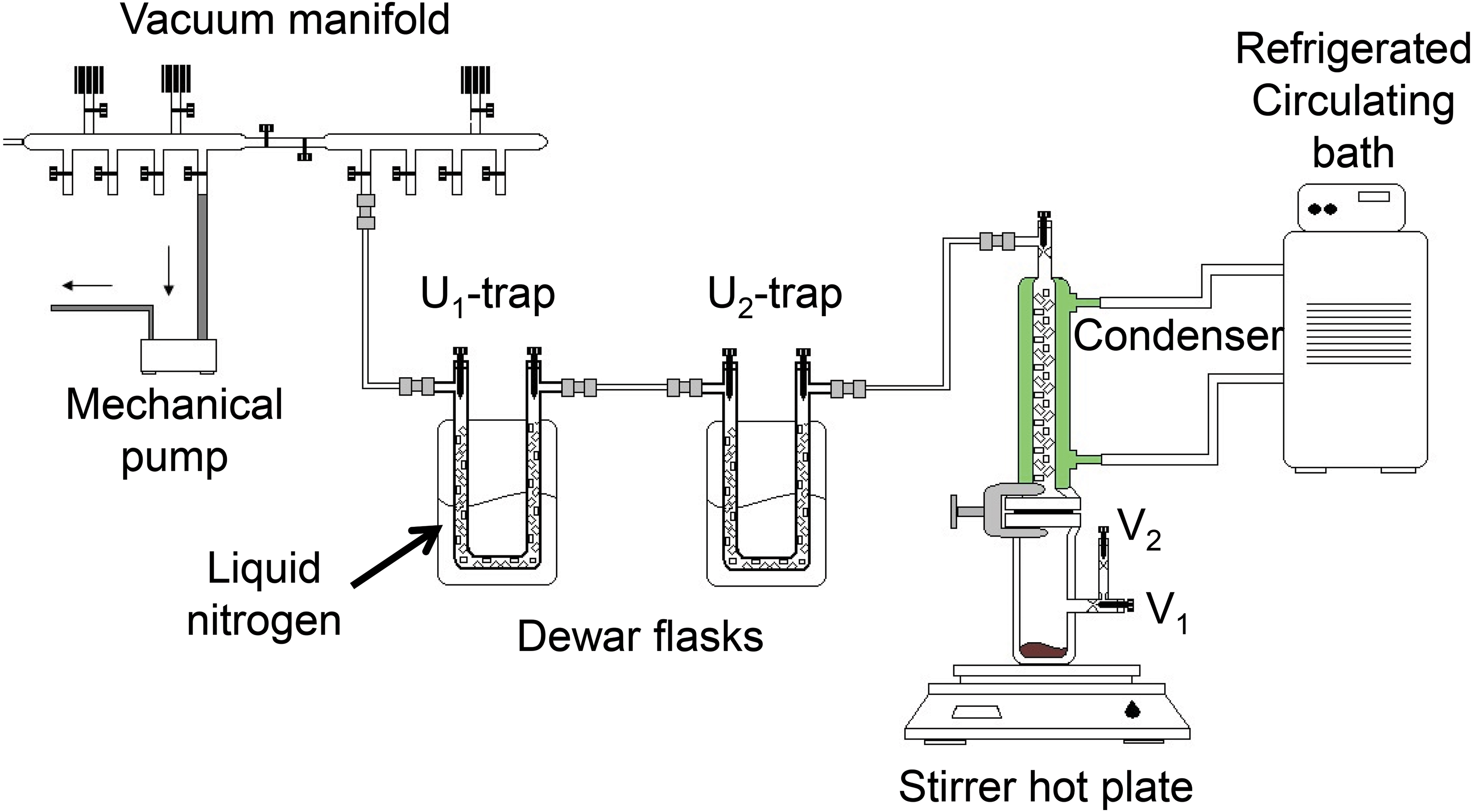
Sequential online separation of CO2 from the decomposition of carbonates in acid medium and the oxidation of organic compounds by permanganate from acidification and oxide reduction reactions. CO2, carbon dioxide. Color images are available online.
2.9. Elemental soil analysis
The elemental analyses of soil samples were performed with a model EA1108 analyzer (Fisions, Loughborough, United Kingdom) at 1200°C. The C/N ratio was measured in untreated and HCl-treated soil samples to remove the contribution from carbonates.
3. Results
3.1. Texture and micromorphology of the Mojave Desert MD0307-15 soil
The soil texture was classified as sandy loam based on the particle size distribution, which was dominated by 54.2% sand (2.0–0.06 mm) and 25.2% silt (0.06–0.002 mm) but contained 20.6% clay (<0.002 mm) that provided protection to organic compounds in the soil against the effects of ionizing radiation.
The presence of a dominant and heterogeneous coarse material in the soil was confirmed by examination of thin film soil sections under the microscope (Fig. 5). Fine gravel, sand, and silt were mostly present as angular or subangular grains. Within the gravel and coarse sand, there were fragments of different types of rocks: granite, extrusive volcanic rocks [often containing glass (Fig. 5a), carbonate (Fig. 5b), and chloritic (Fig. 5c) particles]. Primary (i.e., inherited from parent material) carbonates were frequent in all coarse fractions; there were also detrital calcite grains of fine sand and silt size. Some biotite and chlorite grains had weathering features (change of color and fracturing). Fine material contained clay, humus, and minor amounts of secondary microcrystalline carbonates (secondary pedogenic carbonates constituted much less in quantity in comparison with primary lithogenic carbonates). The fine material constituted less than the coarse components; however, there was enough to serve as a “glue” to form a well-developed granular microstructure (Fig. 5c). Part of the granular aggregates could have been mesofauna excrements. Fragments of plant tissue with different grades of decomposition are common (Fig. 5d).
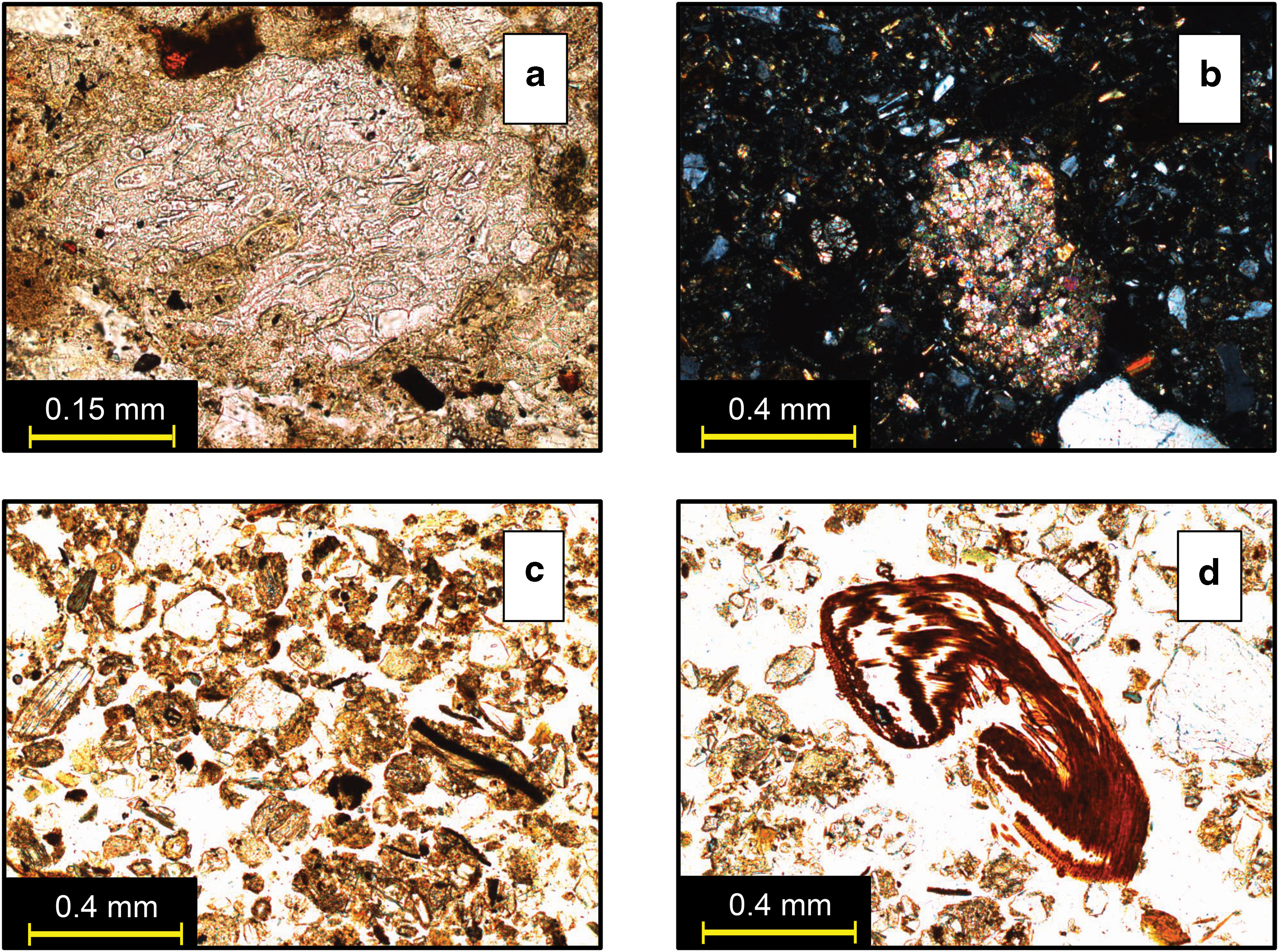
Thin-section micromorphology images of coarse particles present in the soil:
Textural heterogeneity and angular shapes of coarse material are interpreted to indicate that the material was transported on small distances by colluvial or impulsive short-term fluvial processes from different parent rocks. The material was affected by pedological and biological processes: structure development (probably partly coprogenic), and accumulation of organic material—plant detritus and humus. The clay component of fine material could be of sedimentary origin; however, weathering of primary phyllosilicates (biotite and chlorite) could have also contributed. Although some weak carbonate neoformation is possible, in general carbonate dissolution, migration, and recrystallization were weak as evidenced by domination of lithogenic carbonates versus pedogenic.
3.2. Radiolytically evolved gases
Figure 6 shows a typical extracted ion-extracted gas chromatogram after 10 MGy of gamma irradiation. Nine compounds were identified among the gases and volatiles released during the gamma irradiation of Mojave Desert soil. The chemical species detected were N2, oxygen (O2), carbon monoxide (CO), CO2, and simple hydrocarbons, such as methane (CH4), ethane (C2H6), propane (C3H8), methylpropane (CH3-C3H7), and butane (C4H10). At doses >13 MGy, other gaseous products were identified, such as acetaldehyde (CH3CHO), pentane (C5H12), benzene (C6H6), and benzonitrile (C6H5-CN). Molecular hydrogen was a likely product, but it was not detected because the lowest mass limit of the MS detector was 10 m/z. The identification of the product was carried out based on their correlation with retention times and mass spectra fragmentation patterns using standards and/or the NIST MS library.
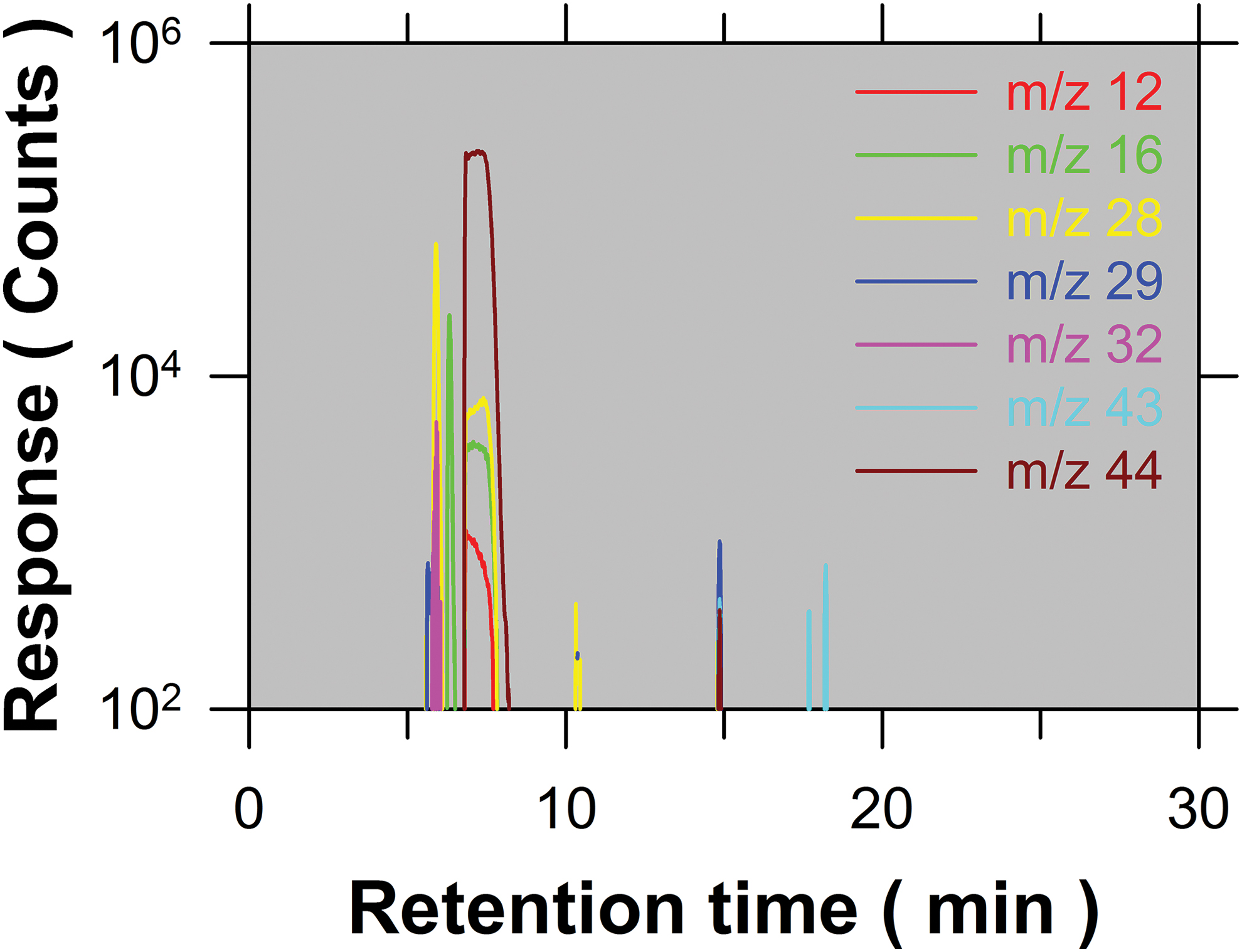
Extracted ion gas chromatogram of gases generated from gamma irradiation of a Mojave Desert soil that was exposed to 10 MGy: 1. nitrogen; 2. oxygen; 3. carbon monoxide; 4. methane; 5. CO2; 6. ethane; 7. propane; 8. 2 methylpropane; and 9. butane. Color images are available online.
CO2 was the major gas produced in the radiolysis of soil samples. Its concentration was derived from a calibration curve of CO2 constructed from different gas mixtures in the concentration range from 0.8% to 10.2% CO2 in N2. Other gases were quantified by using this calibration curve after correcting the molecular ion intensities with their ionization cross sections relative to CO2. Figure 7 shows the yield of gases and volatiles formed by the gamma radiolysis of Mojave Desert soils as a function of absorbed dose. Data points with MS counts below the confidence detection values for CO2 were not included in Fig. 7. The gases formed in decreasing prominence were CO2, CO, N2, O2, CH4, C2H6, C3H8, C4H10, and CH3-C3H7. Their yields rapidly reached steady values at ≥4 MGy, which suggests that organic compounds and carbonates had been drastically degraded by radiolysis.

Yield of gases and volatiles released from Mojave Desert soils exposed to γ-radiolysis of as a function of absorbed dose. Color images are available online.
3.3. Radiolytic degradation of soil carbon
The total content of soil carbon in the Mojave Desert MD0307-15 sample was determined to be ∼3265 μg C/gsoil by using the sequential on-line separation method described in Section 2.7. This was confirmed by elemental analysis of the soil. The carbon was mainly organic, representing ∼62%, and the rest was inorganic in the form of carbonate. The C/N ratio varied from 8.4 in the presence of both inorganic and organic carbon to 10.4 when carbonates were removed by HCl treatment. This value was consistent with previous studies for soil organic compounds from the Mojave Desert (Navarro-González et al., 2006).
Figure 8 shows the destruction of soil carbon when exposed to the effects of gamma radiation. Figure 8a and b shows the decay of organic and inorganic carbon present in the soil. Both forms of soil carbon were degraded exponentially under the influence of gamma radiation, and there was no interconversion between these two forms of carbon that were catalyzed by ionizing radiation. Instead, the degradation of soil organic carbon resulted in the formation of gases and volatiles (Fig. 7), of which CO2, CO, and CH4 were the main products. The degradation of inorganic soil carbon also resulted in the formation of CO2. The CO2/CH4 yield ratio was found to be ∼150.
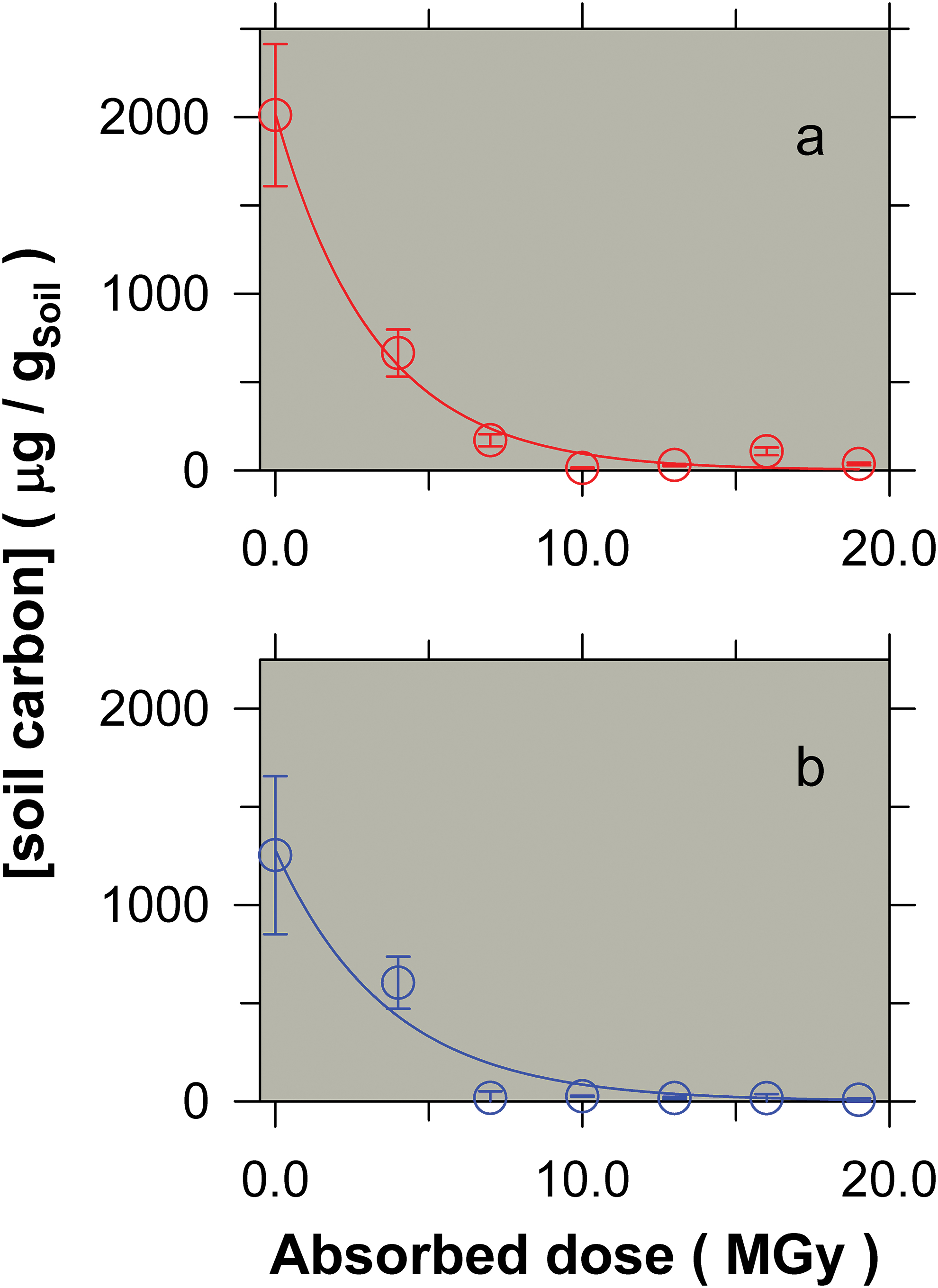
Destruction of soil carbon from the Mojave Desert exposed to γ-radiolysis of as a function of absorbed dose:
4. Discussion
4.1. Radiolysis constants and radiation chemical yields
The radiolytic decomposition of soil carbon follows a simple exponential function, Equation 1:
where C is the soil carbon abundance after exposure to gamma radiation, Co is the initial soil carbon content before radiation, k D is the radiolysis constant of decomposition in MGy−1, and D is the absorbed dose in MGy. The radiolysis constants for the organic and inorganic soil carbon were obtained from the slope of a semi-log plot of C/Co versus D. Table 1 gives the experimental radiolysis constants for the decomposition of soil organic compounds. Although inorganic carbon was present in lower abundance than organic carbon, the k D constants were similar, which suggests similar stabilities.
Radiolysis Constants (k) and Initial Radiation Chemical Yields (G°) of the Destruction of Carbon and the Production of Gas Carbon Species
The uncertainties in the values reported are ∼30%.
Because the soil samples were irradiated in closed systems, the rate of formation of all carbon species in the gas phase should be equal to the rate of destruction of soil carbon. The radiation chemical yield, or G value, is the standard unit used in radiation chemistry to determine the efficiency of a chemical process under the effect of ionizing radiation. A G = 1 indicates that one molecule was formed or destroyed per 100 eV of energy absorbed in the system. The G values were calculated according to Equation 2:
where M C is the mass of carbon formed or destroyed in μg C/gsoil.
The initial G values, referred as G°, were obtained from the intercept on the y-axis at D = 0 MGy from a linear plot of G versus D for the destruction soil carbon or formation of carbon gases. Table 1 summarizes the G° values for the decomposition of soil carbon. Although k
D was similar for both types of soil carbon, G
D
° was ∼65 times greater for organic than for inorganic carbon, and the higher G
F
° was for CO2. The G° values for the destruction of soil carbon were roughly equal to the G° values for the formation of carbon gases, considering that the errors in the measurements were ∼30% (Eq. 3):
The C/N ratio estimated from the G° values was ∼7.5 for the total soil carbon, which is also consistent with elemental analysis.
k D is a constant usually used in chemical kinetics and astrobiology studies, whereas G D° is a constant used in radiation chemistry studies.
4.2. Comparison with previous studies
The irradiation of soils has been studied as a possible application for their remediation from organic pollutants (Cooper et al., 1998) and for the sterilization of bacteria and fungus (Salonius et al., 1967). However, the degradation of total soil organic carbon by ionizing radiation has not yet been investigated. Moura et al. (2017) studied the cleavage of soil organic carbon and the quantity of carbon that became soluble after gamma radiation in organic-rich soils. The soils contained high levels of organic compounds, from 4.8 to 29.200 g C/gsoil, and were collected from the semiarid region of northeast Brazil. The soil samples were subjected to gamma irradiation in the dose range from 0 to 60 kGy. The radiolysis constants were calculated according to Equation 1 from the data reported in the study of Moura et al. (2017) and were found to vary from 0.10 to 0.24/MGy for the cleavage of soil carbon (Table 1). These values did not take into account the conversion of soil organic carbon to CO2; consequently, they underestimated the net degradation of soil organic compounds by gamma irradiation.
Previous estimates for the degradation of surface organic compounds by ionizing radiation on the martian surface have taken into account a theoretical estimate of the number of chemical bonds that can be broken by radiation (N) according to Equation 4, as in the study of Pavlov et al. (2002):
where G is radiation chemical yield in molecules × 100 eV, M is molecular mass in atomic units, and D is the dose in Gy. For a pure macromolecular organic material, G can be taken to be equal to 3 (Table 1). This value was used by Pavlov et al. (2002) to predict the effect of cosmic radiation on the degradation of martian organic compounds. However, Dartnell et al. (2007b) argued that the radiolysis of biopolymers, such as proteins, does not depend on their molecular mass but rather on their three-dimensional structure, where folded peptide regions are less susceptible to radiolytic cleavage compared with linear regions.
Kminek and Bada (2006) studied the preservation of a biomarker signal by ionizing radiation on Mars using amino acids. Powders of pure amino acids were exposed to gamma irradiation in the dose range from 0 to 5.4 MGy in a nitrogen atmosphere. The radiolysis constants for the degradation of amino acids varied from 0.07 to 0.17 and had a linear relationship with molecular weight (Kminek and Bada, 2006). These constants only take into account the deamination or decarboxylation cleavage that resulted in the loss of the biomarker signal and do not take into account the loss of total carbon. These constants have been used to study the degradation rate of organic compounds on Mars as a function of depth by cosmic radiation (Kminek and Bada, 2006; Pavlov et al., 2012). It is predicted that severe degradation of organic compounds occurs in the top surface layer (0–0.2 m). Furthermore, Pavlov et al. (2012) predicted that organic molecules with molecular masses >200 amu would have been destroyed preferentially. These calculations should be taken as conservative because the radiolysis constants used were derived from irradiation of pure amino acids that did not take into account polymerization or crosslinking processes, which could reform originally destroyed amino acids (Pavlov et al., 2012). In addition, the mineral matrix of the soil likely induced secondary oxidation processes for the degradation of organic molecules by ionization vicinity of organic matter (Pavlov et al., 2012).
4.3. Caveats
Ionizing radiation can cause changes in the structure and properties of soil organic compounds via free-radical reactions (Landais, 1996; Spirakis, 1996; Court et al., 2006; Ortaboy and Atun, 2014). These alterations have been documented in natural terrestrial sediments that have been exposed to alpha particle radiation from the decay of 235U and its daughters in uranium ores over geologic time (Zhang et al., 2019). The major chemical changes detected include (1) cracking of polymeric material leading to low-molecular weight aliphatic and aromatic hydrocarbons, (2) loss of aliphaticity, (3) increase of aromaticity, (4) decline in the H/C ratio, (5) increase in the O/C ratio, (6) loss of alkylation of polycyclic aromatic hydrocarbons, and (7) crosslinking (Court et al., 2006; Zhang et al., 2019). In this study, we did not investigate the chemical alterations produced by gamma radiation on the soils from the Mojave Desert. Thus, a caveat is that any highly refractory and crosslink polymeric material could have partially survived the permanganate treatment used to quantify the organic content of the irradiated soil. We tested that the analytical protocol used to oxidize organic compounds was appropriate to combust from short (oxalic) to long chain (stearic) including refractory (mellitic) carboxylic acids. Permanganate is a mild oxidizer under alkaline conditions that is capable of oxidizing coal to carbonate and carboxylic acids (Benner et al., 2000), and to cracking kerogen into their monomeric constituents (Bajc et al., 2004; Khaddor et al., 2008). Under acid conditions, as those used in this study, permanganate is a fairly strong oxidizing agent with great affinity for destroying organic compounds (Frimmel and Abbt-Braun, 2011; Speight, 2018). However, the radiolysis constant and radiation chemical yields reported here could be somewhat overestimated if highly crosslinked polymeric material was not quantitatively oxidized during the incubation period used.
The martian surface could contain from 60 to 500 μg C/g of organic compounds delivered from meteoric sources (Benner et al., 2000; Steininger et al., 2012). The Viking Lander detected chlorohydrocarbons in the martian surface by pyrolysis-GC-MS analyses at levels from 15 to 40 ng C/g that were originally thought to be from organic solvents used to clean the analytical instruments (Biemann et al., 1977). Reanalysis of the Viking data suggested that these chlorinated organic compounds formed by the oxidation of soil organic compounds by the destruction of perchlorate in the Viking oven (Navarro-González et al., 2010). The predicted concentration of martian organic compounds was estimated to be from 1 to 7 μg C/g. The Curiosity rover has detected the presence of aliphatic and aromatic chlorohyrocarbons (Glavin et al., 2013; Leshin et al., 2013; Ming et al., 2014; Freissinet et al., 2015; Millan et al., 2016; Szopa et al., 2020) and thiophenes in soils and rocks at levels ranging from 0.1 to 10 μg C/g. The concentration of organic compounds present in the soils investigated from the Mojave Desert is significantly higher than is found on Mars by 105 to 107. This substantial difference is an important caveat, and other soils with lower organic content should be investigated from the core regions from the Mojave and Atacama Deserts. However, it is expected that the radiolysis constant for destruction of soil organic carbon by ionizing radiation is independent of the initial concentration of organic compounds based on experimental results from the radiation chemistry of amino acids (Bonner and Lemmon, 1981; Bonner et al., 1985).
The present study was conducted in the absence of soil moisture under vacuum in a closed system. The degradation of soil organic compounds is caused by direct cleavage of the carbon-carbon bond by ionizing radiation. The presence of soil moisture does not enhance the radiolytic damage on the organic molecular structure, but due to the improved mobility of the organic free radicals in the presence of liquid water, the net result is an augmented degradation of soil organic compounds with increasing soil moisture until a maximum value is reached at ∼50 wt% water content (Hillarides et al., 1994a, 1994b). This effect is pronounced at low absorbed doses (≤0.15 MGy) where the degradation of soil organic compounds can increase up to one order of magnitude from 0% to 50% water content but levels off at high absorbed doses (≥0.45 MGy), reaching a maximum enhancement by only a factor ∼1.5 (Hillarides et al., 1994b). The martian surface has remained cold and hyperarid for the last 3 billion years. Exposed or shallow water in the form of ice is abundantly present at high latitudes (Boynton et al., 2002; Bibring et al., 2004; Plaut et al., 2007, 2009). At latitudes as low as 35°N/45°S, shallow water ice is widely distributed in the subsurface with a high ice depth variability (Piqueux et al., 2019). However, water ice is not stable from the equator to mid latitudes (±30°) (Mellon and Jakosky, 1993), and subsurface water is expected to be in the form of hydrated minerals (Feldman et al., 2002; Wilson et al., 2018). The water content in rocks and soils at Gale crater is ∼2.6 ± 0.7 wt% (Nikiforov et al., 2020). Such low water content is not expected to have significantly enhanced the degradation of soil organic compounds by ionizing radiation. Furthermore, the presence of water ice is not expected to increase the radiolytic damage of organic compounds because its presence does not enhance the mobility of organic free radicals as discussed hereunder.
The presence of clay minerals in the soils and/or rocks can provide protection against ionizing radiation of the absorbed organic compounds in the interlayers. For instance, ∼98% of leucine is more protected by the interlayers of kaolin or bentonite from gamma radiation damage than when it is exposed on the surface of silica minerals (Bonner et al., 1985). The clay content of the soil used in this study was 20.6%. Consequently, the radiolysis constant derived here for the degradation of soil organic compounds could vary depending on the chemical nature of the soil or rock. The mudstones and sandstones studied with the Curiosity rover in Gale crater have clay mineral abundances that vary between 5% and 30% (Ming et al., 2014; McAdam et al., 2020). Therefore, it is important to extend this study to soils that contain different clay content.
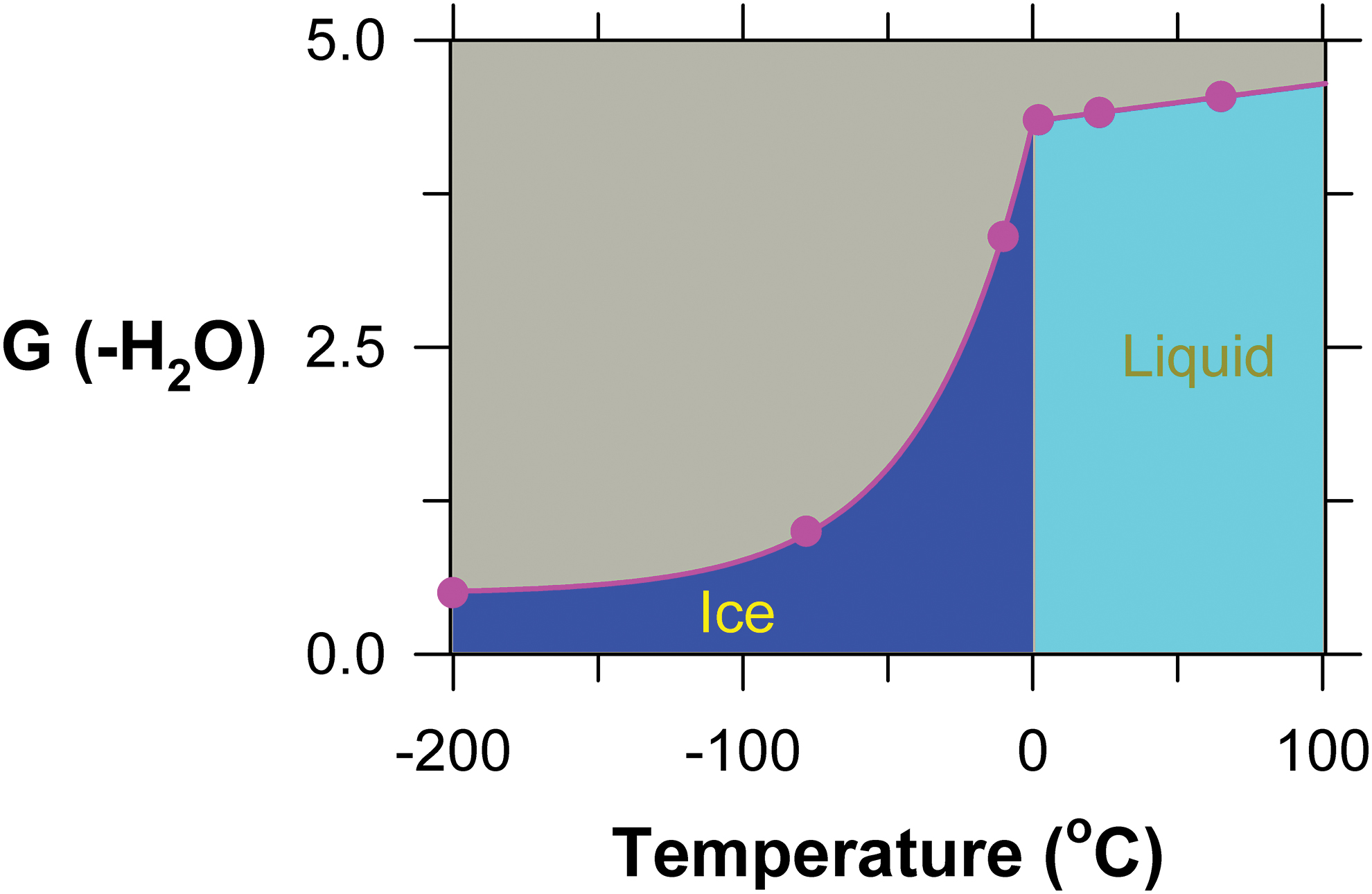
Another caveat is that the irradiation of the samples was not conducted at the martian surface temperature. The formation of free radicals from bond cleavage caused by ionizing radiation does not depend on temperature (Laverne and Pimblott, 1993). However, the radiolysis constant and radiation chemical yields vary with temperature (Draganić and Draganić, 1971; Elliot et al., 1990) because the free radicals produced by the irradiation process diffuse away from the site of origin into the surroundings and react following an Arrhenius-type behavior with increasing temperature (Laverne and Pimblott, 1993). There are no previous studies on the radiolysis of soils as a function of temperature, and consequently it is not straightforward to scale the radiolysis constant for the destruction of soil carbon to low temperatures that are relevant to Mars. The radiolysis of water and aqueous solutions has been thoroughly investigated in the field of radiation chemistry because of their relevance to the understanding of the radiation effects in living systems (Allen, 1961; Draganić and Draganić, 1971; Ershov and Gordeev, 2008). This chemical system has been studied over a wide temperature range from −200°C to 61°C (Fig. 9; Navarro-González et al., 1991). In the liquid phase, the decomposition of water G(-H2O) linearly increases at a rate of 0.7% per 10°C; in the ice phase, G(-H2O) decreases exponentially at a rate ≤20% per 10°C. G(-H2O) drops from 4.4 at 25°C to 1.1 at Mars' surface average temperature (∼ −63°C), which represents a decline by a factor ∼0.3. The radiolysis constant reported here for the degradation of soil organic compounds was reduced by this factor to provide a better assessment for the destruction of organic compounds by cosmic radiation in the martian surface.
4.4. Implications for the survival of martian surface organic compounds due to galactic cosmic rays
The radiation environment of the martian surface has been estimated in modeling studies. Dartnell et al. (2007a, 2007b) calculated an absorbed dose of ∼150 MGy/year at the martian surface, whereas Pavlov et al. (2002, 2012) estimated a value of ∼50 MGy/year. Therefore, the martian surface has been exposed to an enormous flux of Solar and galactic cosmic rays that likely altered or destroyed organic compounds that were exogenously delivered, endogenously synthesized, and/or produced by putative life. It is estimated that a billion-year old outcrop has accumulated a radiation dose of 500 MGy in the top 0–0.02 m and 50 MGy at 0.05–0.1 m depths from the exposure to solar and galactic cosmic rays (Pavlov et al., 2012). At depths ≥0.02 m, the contribution from solar particles is significantly attenuated by the martian rocks. The actual radiation absorbed dose has been measured on the martian surface by the RAD on the Mars Science Laboratory's Curiosity rover (Hassler et al., 2014). When using surface measurements coupled to modeling studies, the dose rate was estimated down to 3 m in depth (Hassler et al., 2014). We used these values to estimate the degradation rate of soil organic compounds with a high initial concentration of ∼2.0 × 10⁶ ppb as that found in the Mojave Desert at site MD0307-15 (Fig. 10). It is predicted that soil organic compounds would have been destroyed to levels <1 ppb at 0.1 m in <1700 Myr and 1 m in <4300 Myr. Only at a depth of ≥2 m would soil organic compounds have been protected from galactic cosmic rays. The organic detection limits for Viking (Biemann et al., 1977), Curiosity (Mahaffy et al., 2012), and ExoMars (Goesmann et al., 2017) missions are ∼1 ppb. Therefore, these results suggest that the organic compounds present in the soils and rocks collected at a depth of <0.1 m by the Viking Landers and the Curiosity rover were severely degraded by galactic cosmic rays if the outcrops were exhumed after 2000 Myr. The ExoMars rover will have a unique opportunity to investigate a depth profile in the martian surface of down to 2 m (Goesmann et al., 2017). The preferred landing site is Oxia Planum, a plain located near 18.275°N, 335.368°E that exhibits the largest exposures of clay-bearing rocks formed around 3900 Myr. Our results suggest that ExoMars is likely to encounter rocks with pristine organic compounds at ≥1.5 m depth. The preservation of organic compounds at lower depths would be possible if they are of a younger age and were transported and deposited after rock formations.
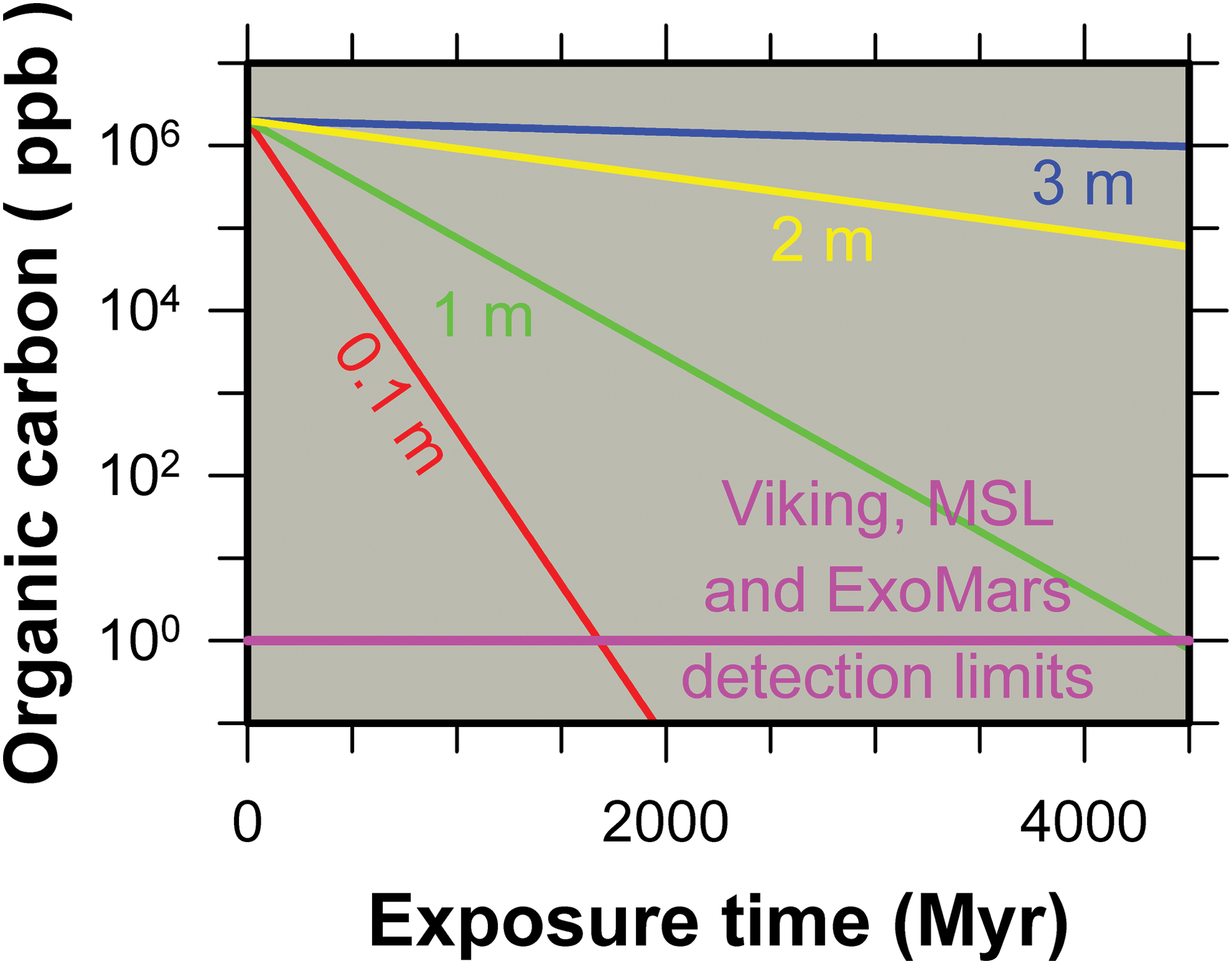
Predicted degradation rates of soil organic compounds from the Mojave Desert due to galactic cosmic rays on the martian surface at various depths using an initial organic concentration of 2011 μg C/gsoil and the experimental kD that was corrected (0.09/MGy) for the present surface temperature. The galactic cosmic dose rates used were 96.0, 36.4, 8.7, and 1.8 MGy/year at depths of 0.1, 1, 2, and 3 m, respectively (Hassler et al., 2014). Color images are available online.
5. Conclusions
The radiolysis constant for the destruction of soil organic compounds was experimentally derived by exposing Mojave Desert soils to gamma irradiation. The site investigated was dominated by 54.2% sand, 25.2% silt, and 20.6% clay, and contained relatively high levels of soil organic compounds, ∼2011 μg C/gsoil. Using the radiation doses measured by Curiosity rover on the surface and those predicted for the subsurface, we have made extrapolations for the survival of martian organic compounds. Our results predict that galactic cosmic rays have significantly altered and degraded martian organic compounds down to levels of 1 ppb for outcrops that were exhumed or exposed down to 0.1 m for >2000 Myr. ExoMars is expected to find pristine organic compounds at a depth ≥1.5 m. Further work is required to investigate the dependence of the radiolysis constant with other soil parameters, such as initial organic concentration and abundance of clay minerals.
Footnotes
Acknowledgments
J.A.R.V. is grateful for a PhD fellowship from the National Council of Science and Technology of Mexico (CONACyT No. 588911).
Author Disclosure Statement
The authors declare that they have no known competing financial interests or personal relationships that could have appeared to influence the study reported in this article.
Funding Information
We thank the Universidad Nacional Autónoma de México (UNAM: PAPIIT IN111619 and PAPIME PE102319) for financial support.
Abbreviations Used
Associate Editor: Lewis Dartnell