




Abstract
Background:
Research suggests that autistic adults experience poorer quality of life (QoL) than their non-autistic peers. However, most research to date has examined QoL in autistic adults through a neurotypical lens. Qualitatively examining QoL factors from the perspectives of autistic individuals themselves is necessary to provide more accurate insights into the nature and measurement of QoL for autistic adults.
Methods:
We explored factors influencing QoL from the perspective of 15 autistic adults using a participatory photovoice methodology. Participants provided 289 photos capturing the factors influencing their QoL, discussing the meaning of these photos in focus groups and interviews. A steering group of four autistic adults worked in partnership with the research team through the project, co-producing the results.
Results:
A thematic analysis of photographs, focus groups, and interviews captured five themes: Activities, Environment, Emotions and Experiences, Individual Identity, and Needs. These themes intersected with one another, influencing other components of QoL. Within these themes and subthemes, autistic adults discussed factors such as passions, identity, and sensory experiences that impact their QoL.
Conclusion:
Using photovoice, autistic individuals captured factors influencing their QoL, illuminating the factors that could be included in QoL measurement tools to help measure autistic adults’ QoL.
Community Brief
Why is this an important issue?
The autistic community has highlighted quality of life (QoL) as an under-researched priority area. Existing research assumes that the factors contributing to QoL are the same for everyone, but few studies have sought to understand QoL from the perspective of autistic adults. Understanding what factors support autistic adults’ QoL is important for ensuring accurate assessment and providing more effective support to enhance autistic adults’ QoL.
What was the purpose of this study?
We aimed to understand what factors influence autistic adults’ QoL.
What did the researchers do?
Working with a steering group that included four autistic adults, we recruited 15 autistic adults who provided and discussed photos depicting their QoL. Participants discussed the meaning behind their photos. Participants then identified themes portrayed in their photos in a focus group or interview.
What were the results of the study?
Alongside steering group members, we analyzed the photos and interviews. We grouped them into the following themes: autistic adults’ activities, the impacts of the environment, emotions and experiences, individual identity, and needs. Factors that may play a role in the QoL of autistic adults include passions, autistic identity, and sensory sensitivities.
What do these findings add to what was already known?
These findings add to the understanding of factors influencing the QoL of autistic individuals. Many of the factors identified by autistic people are similar to those identified in recent QoL research in autism. However, some factors, such as the importance of needs like financial stability and health and disability support, were also identified. This research also helps to confirm that identity influences autistic adults’ QoL.
What are the potential weaknesses of this study?
The potential weakness of this study is that participants may have had difficulty capturing the factors influencing their QoL in photos. However, this method was selected to allow participants to express or demonstrate these factors beyond spoken communication. Most participants were also interviewed in a previous study before collecting photos for this study, potentially influencing the factors they highlighted or limiting the array of perspectives represented. Participants were highly educated, used spoken language as their primary communication method, and did not report an intellectual disability. Therefore, these participants are not representative of the overall autistic adult population.
How will these findings help autistic adults now or in the future?
These findings help us to understand the factors influencing autistic adults’ QoL. Understanding these factors helps us to determine what factors should be represented and rated in measurement tools of QoL in autistic adults, enhancing the accuracy of these measurements.
Background
Autism research and practice have historically focused on intervening to promote neurotypical characteristics among autistic individuals, emphasizing the achievement of neurotypically defined standards of a “good life.” 1 Today, however, autistic voices are increasingly included in research, contributing to a shift toward embracing neurodiversity and acknowledging the variety of ways in which individuals function and live.1,2 As a result of this shift, autism research and practice are now beginning to focus on neurodiversity-affirming supports, aiming to target outcomes identified as important by autistic individuals themselves. 3
One such outcome of importance to the autistic community is quality of life (QoL), which the World Health Organization (WHO) defines as “an individual’s perception of their position in life, in the context of the culture and values system in which they live, and in relation to their goals, expectations, standards, and concerns.” 4 The WHO’s model of QoL comprises four domains: physical health, psychological, social relationship, and environment QoL. 5 According to this model, QoL is underpinned by the same factors important for all people, based on the perception of individual needs, choices, and control. 6
Many quantitative studies have examined QoL among autistic individuals, generally finding that autistic adults have poorer QoL than their neurotypical peers. 7 A range of factors, including employment status, education, poor mental health, stress, loneliness, and bullying, have been identified as contributing to these poor QoL outcomes among autistic people.7–10 However, these studies have used measures developed for the general population, operating on the assumption that there would be negligible differences in factors influencing QoL between neurotypical and autistic individuals. Considering autistic individuals’ strengths and difficulties, this assumption may not hold. For example, monotropic thinking styles (more directed attention and intense interests), 11 autism identity, 12 sensory experiences, and varying support needs 13 represent areas where autistic experiences diverge from the neurotypical. As autism represents a divergence from neurotypical development, 14 underpinned by different experiences,2,15 strengths, 16 and challenges, it is possible that factors impacting the QoL of autistic individuals may differ from those identified in literature capturing the QoL of the general population.
Few studies have examined autistic adults’ perspectives on factors influencing their QoL. However, there is a breadth of research examining similar constructs, including autistic people’s well-being, flourishing, and life experiences. These studies have identified factors such as individual growth, connection to others, self-expression, interests, autonomy, and a good person–environment fit as important factors for a satisfying, happy, and successful life for autistic people.17,18 Additionally, these studies have reported that autistic adults’ well-being and flourishing can be negatively influenced by challenges with social connections and a focus on total independence without consideration of typical human interdependence.18,19 While research into these similar constructs in autism is useful in understanding the experiences of autistic people, they do not provide information that frames autistic adults’ lives in their entirety.
Despite similarities between QoL and terms such as well-being and flourishing, and the interchangeable use of these terms in some literature, these constructs differ. Well-being is primarily concerned with life satisfaction and contentedness, while flourishing highlights notions of personal growth, fulfillment, and achievement. 20 While important constructs, they examine a narrower scope, focused primarily on more internal factors. Though there is some consideration of external factors, they are primarily limited to social relationships. 20 On the contrary, QoL more broadly and holistically encompasses both internal and external influences on an individual’s life. Research examining these neighboring constructs is thus informative but may not capture the entirety of factors influencing an individual’s life experiences. The few studies that have qualitatively explored QoL in autism highlight that autistic people’s QoL is influenced by factors such as passions, sensory experiences, relationships, and autism identity.21,22 While there may be common factors influencing QoL in the autistic and general population, the experience of being autistic may alter the way these factors influence QoL. Additionally, QoL factors in autism can influence one another, compounding influences on QoL. 21
Understanding autistic adults’ QOL has become important in the Australian context of the National Disability Insurance Scheme (NDIS), which funds therapies and supports to maximize participation and QoL for individuals experiencing disabilities, including autistic individuals. 23 Health professionals may use QoL measures with autistic adults to make decisions about therapies and support that maximize autistic QoL. Such measures can also be used to support goal setting for funding applications. While McConachie and colleagues 22 have adapted the commonly used World Health Organization Quality of Life assessment, to include a subset of autism-specific questions, there remains no QoL tool developed in its entirety from the perspective of autistic adults following qualitative enquiry into their QoL.
Given that the factors influencing autistic adults’ QoL may differ from those of neurotypical individuals based on divergent life experiences, there is a need to examine these from the perspective of autistic adults. In this study, we therefore aimed to understand the factors contributing to the QoL of autistic people, from their perspective to determine factors to consider in the measurement of autistic adult’s QoL.
Methods
Research design
Using a participatory approach
Participatory approaches are increasingly used in autism research given the benefits to both the research and community. 24 Engaging in a participatory approach improves research quality, increases research impact, and empowers the community through power sharing and keeping researchers accountable. 25 These approaches ensure that research questions are relevant to the community’s concerns and enable communities to seek resolutions to their concerns while promoting shared learning.25–27
This study was part of a larger project examining QoL in autistic individuals, which emphasized autistic community involvement in all elements of the research process. Autistic people provided input regarding topic generation, funding application, project planning, data collection, data analysis, and dissemination of research findings as per current best practice guidelines. 28 Two autistic researchers provided consultation, supporting the development of the research project, including topic generation and method selection.
Additionally, a steering committee of four autistic adults was involved in this study. The steering group members had a breadth of experiences, including backgrounds in psychology, experience in photography, and interests in advocating for autistic perspectives. This group was established at the outset of the larger project, with autistic adults over 18 years of age based in Australia recruited to join the committee. The group consulted on all stages of the larger project. This group informed the development of the methodology, with one member (S.P.) with a background in photography working closely with the first author (R.K.) to adapt the photovoice methodology outlined below. S.P. was also involved in data collection at one focus group. The steering committee also contributed to data analysis, assisting with the coding of transcripts and participant-identified “themes” that became codes. The group met again following the completion of coding by R.K. to develop the themes presented in this article.
Photovoice
Studies investigating autistic experiences and perceptions traditionally use qualitative research methods such as interviews and focus groups.29–31 Autistic adults may, however, experience challenges participating in these methods given their differences in social communication. 32 Utilizing research methods that enable autistic individuals to express their views is imperative when seeking to understand autistic adults’ perspectives and experiences. 32 One method that can enable people with differing communication needs to communicate their views is photovoice. 33 This method has previously been used with autistic people to understand children’s experiences at school and to explore physical activity and the transition to adulthood.34–36 Photovoice provides autistic participants with an outlet, a form of self-expression, and an opportunity to share their ideas and experiences through a tangible medium.34,36
Photovoice is a participatory qualitative research method that gives participants a voice, enabling them to share their perspectives and experiences through photos.37,38 It involves participants capturing images pertaining to the research question and discussing these with researchers. Typically, discussions take place in a group with other participating community members and/or in individual interviews. 39 This method empowers participants within a community to discuss issues that are important to them.38,40 Photovoice also provides participants with the option of sharing their photos and experiences publicly to inform the community and policymakers about issues.26,37,40
In our study, autistic adults’ QoL experiences and factors contributing to their QoL were captured through photovoice. Participants shared their perceptions, experiences, and meanings using various modes of expression, including visual images, focus groups, and in-depth interviews.38,40,41 A selection of photos representing experiences described in this study were shared with the broader community in an online gallery. 42
Project initiation and participant recruitment
Autistic adults with a self-reported diagnosis of autism as classified by the Diagnostic and Statistical Manual of Mental Disorders, Fourth and Fifth Editions,15,43 who reported they understood English, lived in Australia, and were between 18 and 55 years of age, were eligible to participate in this study. Participants were recruited using convenience sampling. 44 Participants were primarily recruited (n = 14) from a QoL interview study already being conducted as part of the broader project in which they expressed interest in other QoL research. 21 An additional participant was recruited through advertising on social media, autism community organizations, and therapy providers. This photovoice study was seen as complementary to the previously mentioned interview study, as it asked participants to identify factors influencing their QoL in discussion with researchers rather than answering researchers’ questions about their QoL. An email with an attached participant information sheet and written consent form was sent to participants, who signed and returned it via email. Participants could also choose if they were interested in displaying their photos in a gallery exhibit. A total of 15 participants from across Australia took part in this research (see Table 1).
Participant Demographics
Technical and Further Education.
Summary of Themes and Subthemes
QoL, quality of life.
Photovoice process
We used an adapted version of Wang and Burris’ 38 procedure, co-developed with the steering group and an autistic researcher. The photovoice process was guided by constructivist theory, the basis of most participatory research, 45 to understand how autistic adults themselves constructed their experiences of QoL. 45 The photovoice process described below provided an opportunity for participants to construct the meaning of each photo and co-construct the interpretation of each photo with the researchers.
In this adapted photovoice method, participants had up to 3 months to take and provide a maximum of 20 photographs of anything they felt contributed to their QoL. An instructional video produced with an autistic photographer (S.P.) was sent to participants at the commencement of their photo-taking period. This video explained the photovoice procedure and provided information about using their phone camera to capture photos, photography ethics (including when to ask permission to capture or use a photo of someone), and safety information with examples of what participants could say should someone approach them to ask about their photo taking. The WHO definition of QoL that was used throughout this study and an explanation that photos could capture factors positively or negatively influencing their QoL were also provided to participants. If participants were unable to capture a photo of something impacting their QoL during the photo-taking period, they were encouraged to provide an existing photo from the past 5 years (e.g., skiing when photo taking occurred during summer). Participants were then invited to share the meaning of some of their photos in a focus group. As autistic adults can find such groups uncomfortable, this was optional, with most participants choosing not to participate in a focus group. All participants took part in an individual interview to share the meaning of their photos with the researchers. This methodology was informed by the steering group who raised that autistic adults may experience increased anxiety in a focus group setting. The optional focus groups provided opportunities for participants to develop shared meanings and provide enriched data while interviews allowed participants to comfortably share the meaning behind their photos with the research team. All photos were gathered over an 8-month period with a total of 289 photos collected. Participants provided between 13 and 20 photos each (mean = 19.27 photos).
Focus groups
All participants were invited to attend a focus group to discuss three of their photos with other participants. Six of the 15 participants attended a focus group (focus group 1 [n = 4], focus group 2 [n = 2]). Given that participants were from various Australian states and geographically dispersed, participants attended either in person or via video call (Webex or Zoom). All participants could attend with or without their video camera turned on. Both groups were facilitated by R.K. with support from a colleague (first and second groups) and a steering group member (second group). During the focus groups, each participant provided a title, description, and a list of themes for each of the three photos shared with the group. Once participants had identified the themes in their photos, the group collectively discussed their interpretations, to further understand the meanings. Focus groups lasted between 1 and 2 hours. To support data analysis, all photos were imported into NVivo and annotated with the title, description, and themes identified by the participants during the focus groups. 46
Interviews
All participants engaged in an individual interview, sharing up to 20 photos they felt were related to their QoL. If a participant had taken part in a focus group, they only shared up to 17 photos. Interviews lasted between 1 and 2 hours per participant, following the same procedure as the focus groups, where the researcher displayed a photo shared by the participant, who then explained the photo. Participants described the meaning of each photo, gave each photo a title, and identified themes they felt were represented in each photo. Participants had the option to take part via face-to-face interview (n = 4), video call (n = 6), phone call (n = 5), or instant messaging. During phone interviews, in which R.K. could not show the photo on her screen to the participant, a photo order document was created. This was sent to the participant prior to the interview. Both R.K. and the participant used this document to ensure they were discussing the same photo, with R.K. describing the content of the photo to the participant (e.g., the next photo includes a picture of a horse). R.K. took notes for each photo using NVivo software. 46
Data analysis
All interviews and focus group discussions were transcribed verbatim and, along with field notes and photos, were imported into NVivo 46 in preparation for analysis. A thematic analysis synthesized the descriptions and meanings of the data. 47 R.K. read all interview and focus group transcripts in parallel with audio recordings with the goal of familiarizing herself with the data. R.K. coded parts of the transcripts to codes identified by participants during their interviews and/or focus groups while referring to field notes for each photo. This first round of coding represented only participant-identified codes. The second round of coding captured additional meanings and nuances presented by the participants that were not identified during the focus groups and interviews.
R.K. linked interview excerpts with the photos, presenting the initial codes and interpretations to the project steering group. Steering group members subsequently commented on these interpretations, categorizing them further into themes. R.K. refined these themes and re-presented them to the steering group, finalizing the themes together. Themes were member-checked with the participants via email. Three participants responded confirming they had no suggested changes to the themes.
During data collection, participants identified themes represented in their photos to support trustworthiness. Credibility was established via prolonged engagement with the participants and data, member-checking of the final themes, and triangulation involving participants, researchers, and the steering group in coding and theme generation. 48 Providing a thick description of the method in this article also establishes the transferability of the findings, further demonstrating the trustworthiness of this study. 48 Dependability was also established through peer-debriefing with the steering group and the co-authors throughout the project, particularly during data analysis. 48 R.K. also maintained reflexive notes and reflections of personal thoughts and feelings, to support the identification of possible biases and interpretations of the data. 49
R.K., the first author and PhD student involved in all data collection and analysis, is a non-autistic adult with a background in occupational therapy. R.K. was conscious that as a researcher, her role was to provide a suitable, comfortable, and neutral environment to enable data collection. She recognized the importance of creating a conducive environment to support participants’ engagement in the research process, considering the environmental setup, making environmental adjustments, and conducting interviews in locations and via modes chosen by participants. R.K. was mindful of maintaining her role as a researcher. This meant she needed to consider the impact of her clinical experience on her interpretation of participants’ experiences. During data collection, her previous experience of interviewing participants in a prior study about QoL was also considered. Each interview began with the question, “Tell me about this photo” to allow participants to direct the topic of conversation. This limited the influence of R.K.’s knowledge of previous discussions with participants about QoL, allowing them to openly share what they had captured and what the photo meant to them. This limited opportunities to influence or lead the meanings described. While R.K.’s prior experience of interviewing participants in an earlier QoL study could have influenced her understanding of participants’ QoL and the factors influencing their QoL, her existing rapport with participants could also have enabled them to openly share their personal experiences contributing to their QoL beyond those discussed in the previous study.
Ethics
Human research ethics was obtained from the Curtin University Human Research Ethics Committee (HRE2017-0865). Participants were not provided with a gift voucher or any other form of compensation, which was communicated in the participant information. Participants willing to have their photos used for research presentations and the gallery signed a talent release form, permitting the use of their photos. Participants helped to select their photos for inclusion in the online gallery, and some also recorded the descriptions of their photos. Steering group members involved in the meetings related to this study were provided with an honorarium of $30 per hour of time involved. One steering group member made such substantial contributions to the study that they have been included as an author (S.P.).
Results
Five themes summarizing influential components of QoL in autism, including Activities, Impact of the Environment, Emotions and Experiences, Individual Identity, and Needs, were developed. All 15 participants discussed topics described within each theme. These themes are interconnected with autistic adults’ discussing how they collectively influence their QoL. Participants described how factors influenced their QoL, positively, negatively, or both. Positive impacts are those benefiting participant QoL, with negative impacts having a detrimental impact. See Table 2 for a summary of themes and subthemes. All names used are pseudonyms.
Activities
Participants’ photos provided examples of a range of activities and roles they engaged in that influenced their QoL. Activities portrayed in the photos included socialization, passions (historically referred to as special interests), interests, hobbies, employment, education, parenting, caring, relaxation, and routines.
Impact of socialization
Socialization was commonly captured, with participants discussing their strong desire to engage in social interactions with others. Socializing was also embedded in other activities such as employment, education, hobbies (including team sports), groups centering around common interests, and daily activities such as walking the dog. Participants described having opportunities to socialize as key in supporting their QoL. Those who had limited opportunities to engage in these activities expressed a desire for more socialization. Participants highlighted that the level of enjoyment they experienced in socializing was significantly influenced by the “way” in which they were able to socialize and the context. Socializing in noisy environments commonly resulted in the experience of sensory overload or high anxiety.
Happy Hour sounds like a positive quality of life thing perhaps. But to me it is- expresses everything I fear and hate about socializing. Pubs are the worst places…I don’t understand them. I don’t understand the rituals of them. Jason (See Fig. 1.)
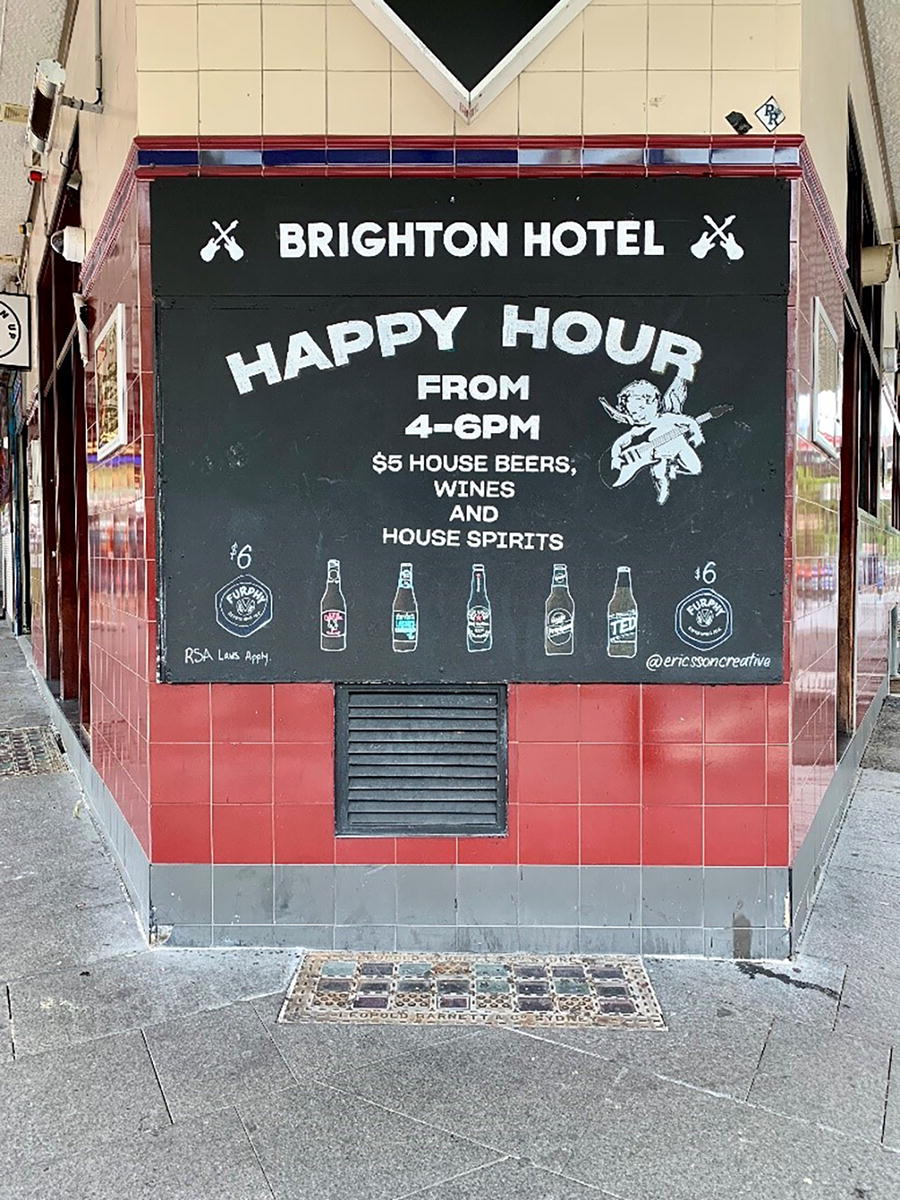
Socializing. This photo has been reproduced with permission from the photographer and the Autism CRC. From My quality of life: Autistic adults share what impacts on their quality of life. A photovoice gallery. Online: Cooperative Research Centre for Living with Autism; 2020.
Socializing with others was also difficult when communication preferences varied between autistic adults and the people they were communicating with. Communication preferences included writing a letter, instant messaging, or sending photos as opposed to talking in person through spoken language.
Socializing was also discussed in the context of interacting with pets, with many participants noting that pets provided the affection and connection they sought from social experiences. Some participants described their pets as understanding them better than some people, as their interactions with pets allowed the “space” they sought in social interactions, positively impacting their QoL.
Engaging in passions and interests
Engaging in interests and passions was described as positively influencing participants’ QoL. Passions describe topics that drew participant’s attention and were of intense personal interest, such as those referred to as “special interests” by some. Passions were a priority activity for participants, while interests were less intense than passions and were not seen as high-priority activities. Participants discussed passions such as animals, art, history, technology, stationery, and advocacy activities. Passions played a key role in helping participants manage their anxiety and regulating their sensory input. For some participants, engaging in passions with others enabled them to form relationships and promoted social opportunities, in turn, promoting QoL.
I tell myself that these are tools of creativity. These are the things with which I’ll write, and I don’t write with them [laughter]…they’re more about that pure, special interest thing…It’s about having them and knowing everything about them. Jason (See Fig. 2.)
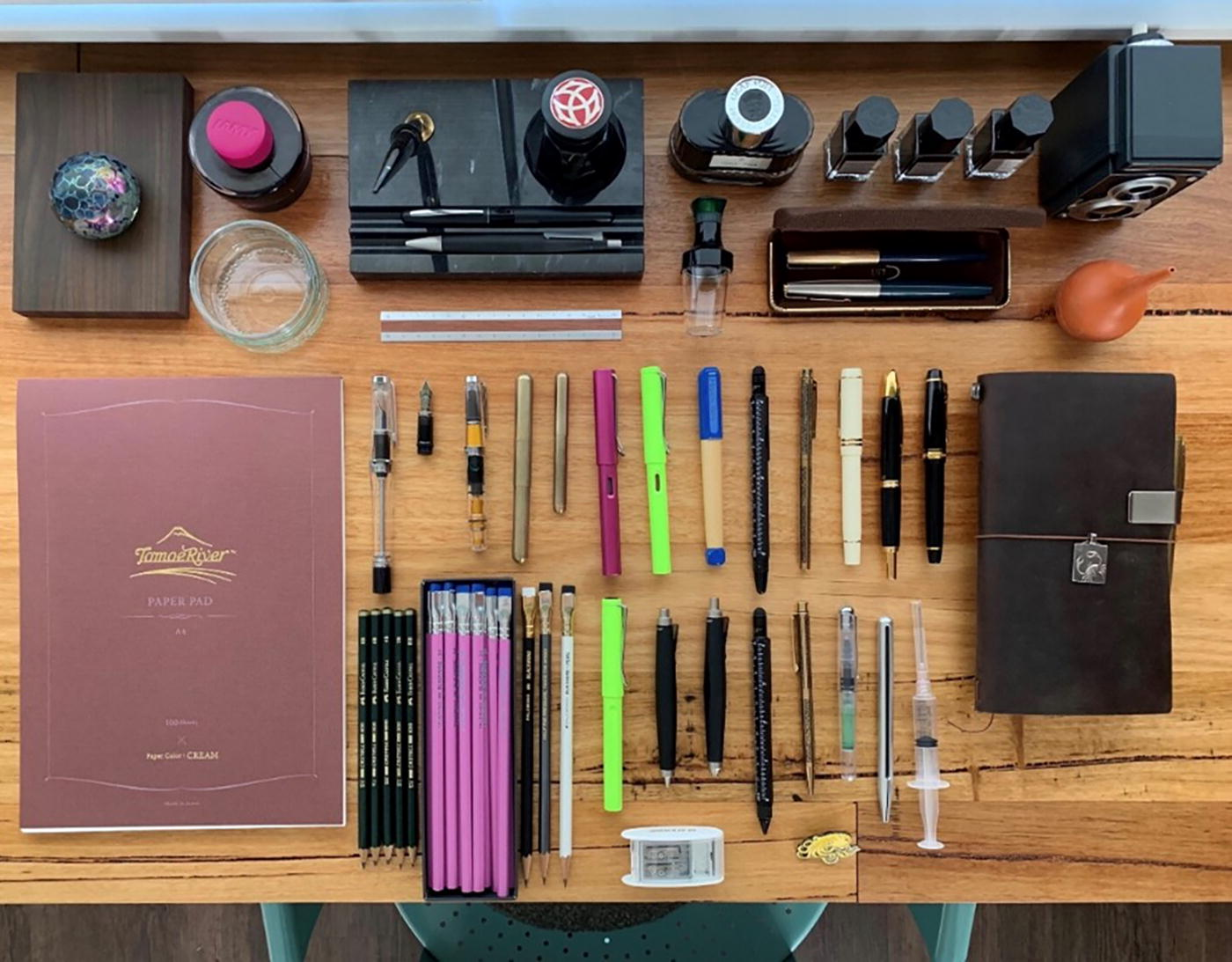
Stationary. This photo has been reproduced with permission from the photographer and the Autism CRC. From My quality of life: Autistic adults share what impacts on their quality of life. A photovoice gallery. Online: Cooperative Research Centre for Living with Autism; 2020.
Engaging in employment
Autistic adults described engaging in employment as positively influencing their QoL. Participants highly valued employment, for its sense of purpose and resulting financial benefits. Employed participants talked about their jobs with “pride,” noting that having a job was a “confidence booster.” Some participants described becoming friends with their work colleagues, while others actively engaged in promoting inclusivity in the workplace by increasing autism awareness.
That’s my desk for work…That’s basically where I live at work and my teammates all sit around me in an open office. It’s part of my routine. It’s where I get my source of income…so I can pay my bills, live my life, and all that sort of adult stuff…I love what I do. Clyde (See Fig. 3.)
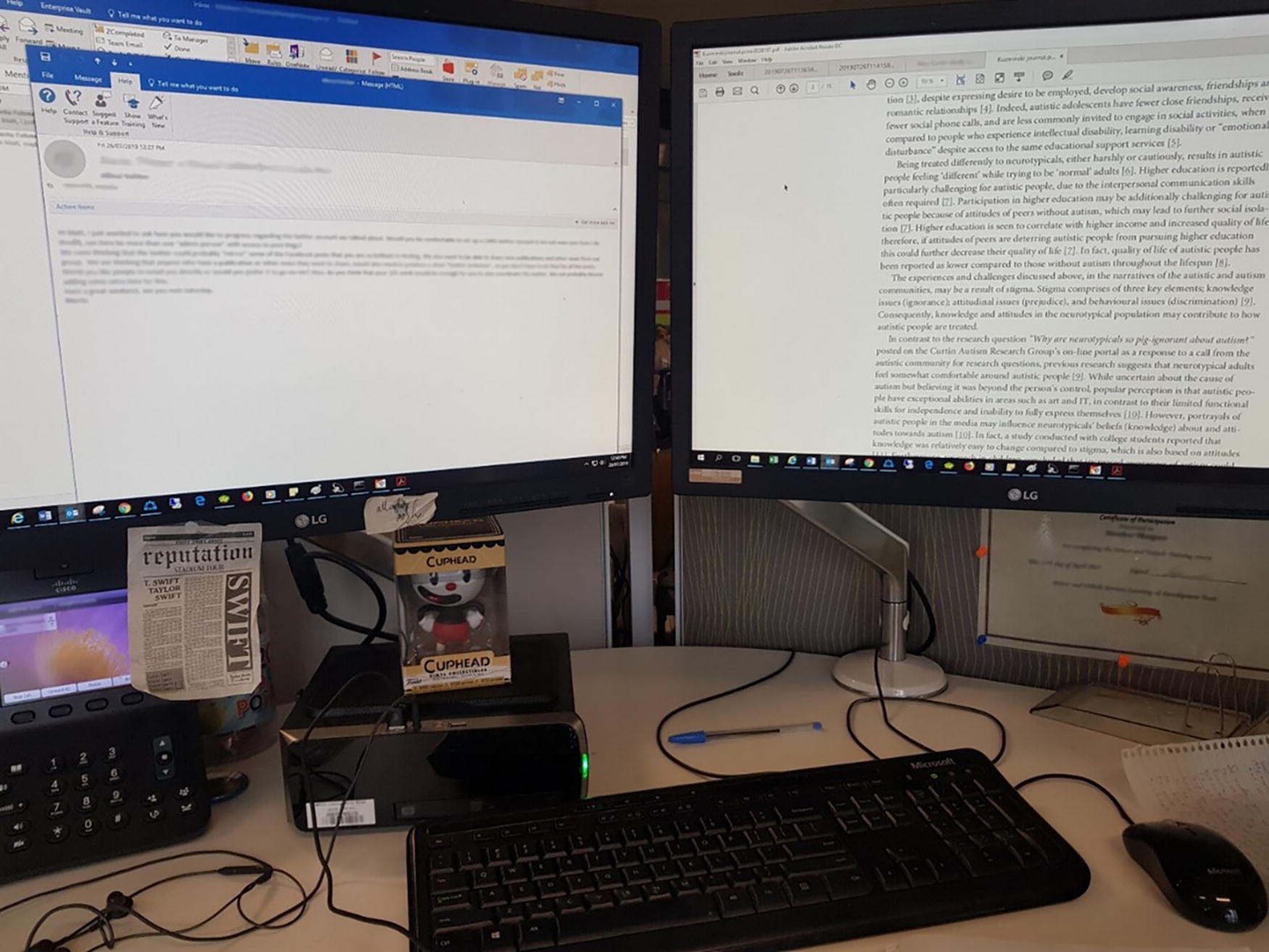
The daily grind. This photo has been reproduced with permission from the photographer and the Autism CRC. From My quality of life: Autistic adults share what impacts on their quality of life. A photovoice gallery. Online: Cooperative Research Centre for Living with Autism; 2020.
Participants also discussed that workplace interactions and systems could be challenging to navigate. This could be frustrating, negatively impacting participants’ QoL.
Value of education
Multiple participants discussed how education contributed to their QoL. Education played a key role in improving participants’ employment prospects, with many pursuing educational courses that aligned with one of their passions. Participants also considered their interests when making decisions about their job prospects and educational pathways after completing school. Participants discussed the courses they had taken after school with pride, with some feeling like “experts” in their fields.
I have gone out of my way to increase my education, increase my knowledge on how to look after wounds…So, I actually have most of the people at work, including people who technically outrank me in the workplace, asking me what my opinion on the wound is and what dressings we should use because I have that knowledge. So, I’m very happy. Frank
In contrast, other participants described the negative impact of feeling “the pressure of having to achieve” in tertiary education settings on their QoL. Despite this, participants felt rewarded for their hard work when they achieved good grades.
Supporting others
Participants who had children, were responsible for supporting other family members or taking care of pets reported that caring and parenting influenced their QoL. For participants with children, parenting was generally described as positively impacting their QoL, despite challenging experiences such as looking after sick children or advocating for their child’s needs. Caring was described as an act of mutual care between participants and their loved ones and pets and included providing food, shelter, and love. Participants described caring as intrinsically rewarding, caring for people and receiving affection in return.
Time for self
Hobbies, relaxation, and leisure activities were all described as important to autistic adults’ QoL, providing time for them to take care of themselves. Participants captured various activities they engaged in for leisure and relaxation, including walking or getting out into natural environments, playing board games or video games, playing musical instruments, reading, spending time with their pets, drinking a warm beverage, cooking, baking, going out to eat their favorite food, playing a sport, or meeting with community groups focused on a common interest. These all positively contributed to participants’ QoL, with them describing these activities as something they “enjoyed” that helped them to “regulate” and “relax.”
Impact of the environment
This theme summarizes the impact of environmental factors on participants’ QoL. Aspects of the material, natural, built, and social environment were described as key to this theme.
Importance of relationships
The social environment, including relationships with family, friends, significant others, colleagues, pets, support, and the larger community, was described as influential to QoL. Participants described relationships with family, friends, romantic partners, and pets as important to QoL, positively impacting their QoL by providing emotional support.
He’s my carer. He’s a very close friend of mine…he basically drives me places and makes appointments for me and talks to me when I’m having a hard time. And because we are close friends as well if he is having a hard time I talk to him as well. He is probably the closest person in my life. So, he is pretty important to me. Elena
However, fractured or difficult relationships negatively impacted participants’ QoL. Participants recognized that relationships were central to their QoL and yearned to develop more relationships, seeking a deeper connection with others.
This is my gaming shelf…I have these boxes and this gigantic table. A place to play but no one’s there. Games to play but no one’s there…So, it’s about having a group of friends. Even with another family who- to share that activity with my family. Adelyn
Impact of the physical environment
Autistic adults’ mental health and QoL were impacted by aspects of the physical environment impacting participants’ senses. Built environments, such as shopping centers, resulted in the experience of sensory overload that negatively influenced participants’ QoL.
Yep, all the noisy horrible sensory places that I really don’t enjoy going. It’s just my local shops and going in for milk or whatever it’s just like ah, alright. I don’t like shopping at all, it’s just get in grab stuff get out. And it’s kind of a wall of noise and visual overload the whole time. And so many people. Elena (See Fig. 4.)
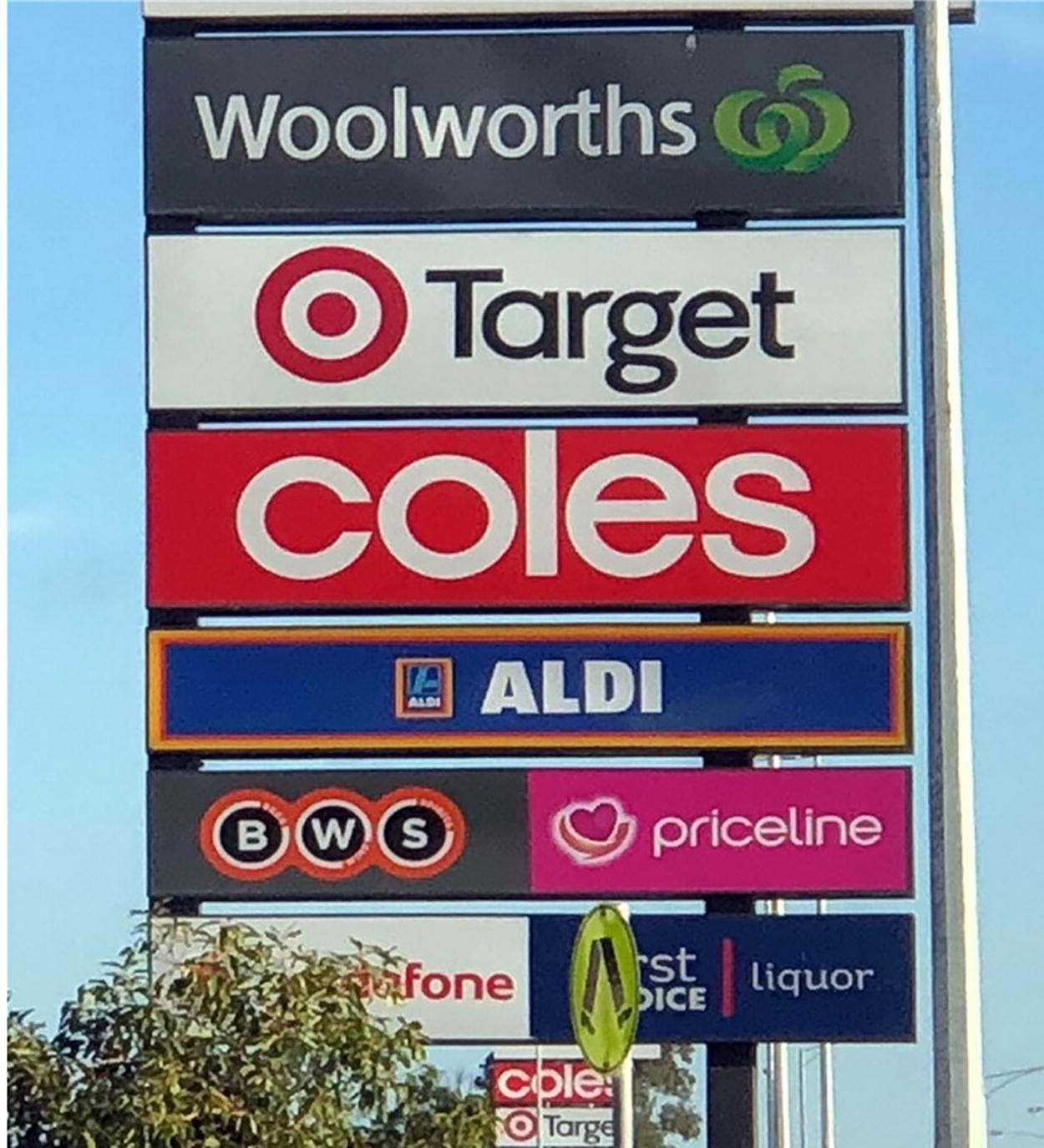
Sensory overload. This photo has been reproduced with permission from the photographer and the Autism CRC. From My quality of life: Autistic adults share what impacts on their quality of life. A photovoice gallery. Online: Cooperative Research Centre for Living with Autism; 2020.
Other built environments, particularly those within participants’ homes that they could alter, positively impacted their QoL. These environments include spaces with low levels of sensory stimuli, such as art galleries as well as their homes. Participants discussed experiencing a sense of calm when in natural environments, describing them as more “sensory friendly” than built environments. These natural environments were places where participants could “find their perspective again,” and be inspired by the “resilience” of nature, recovering after severe weather events. Participants also described feeling “peaceful” or “calm” in nature, enjoying the “quiet.” Overall, autistic adults’ QoL was positively impacted by natural environments.
This is my town, and this is literally in the main part of town, right. And it’s just, it’s green, it’s beautiful, it’s relaxing, there’s fresh air. I’ve just walked out of a really busy regional hospital, and that’s what I see within a minute of walking out. So, it’s part of my way of life. Lynn (See Fig. 5.)
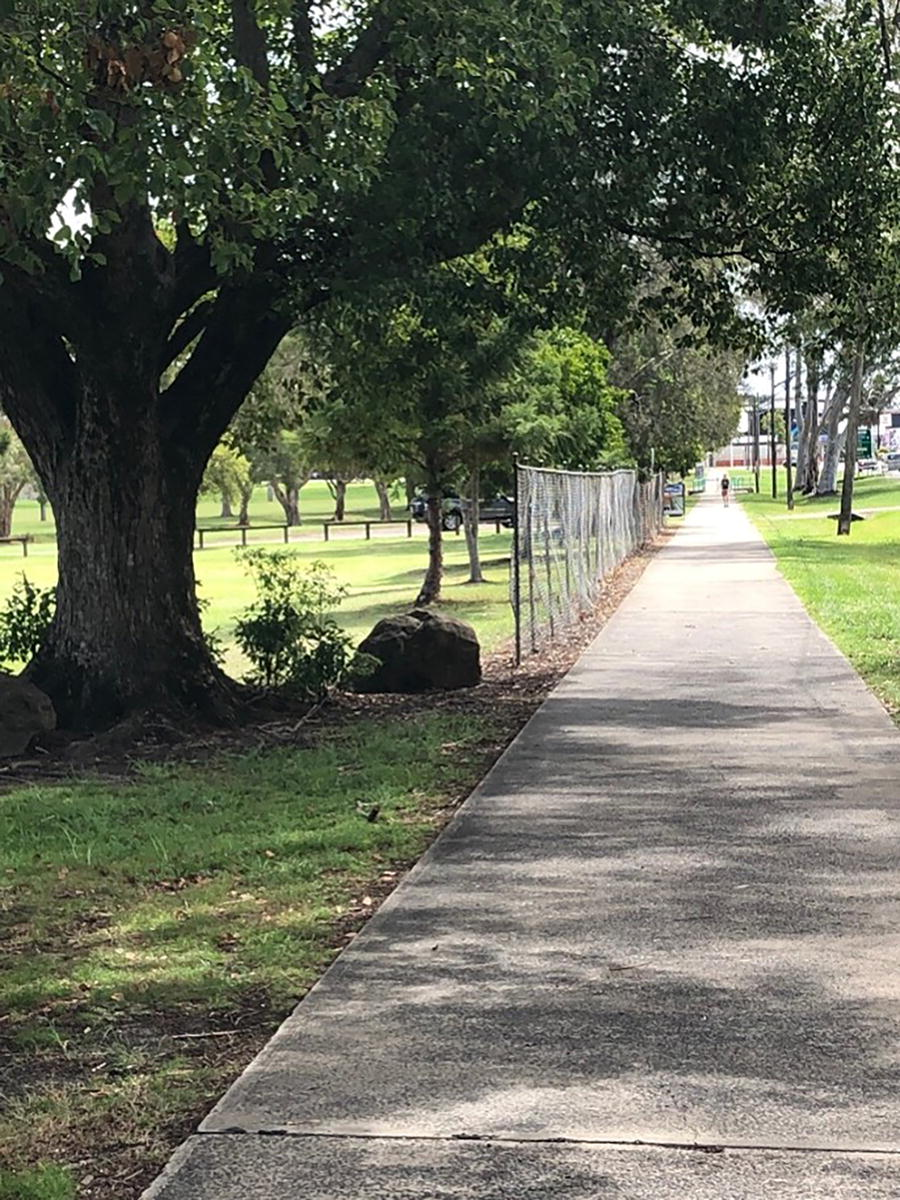
Open space. This photo has been reproduced with permission from the photographer and the Autism CRC. From My quality of life: Autistic adults share what impacts on their quality of life. A photovoice gallery. Online: Cooperative Research Centre for Living with Autism; 2020.
Sensory experiences were depicted in multiple participants’ photos and expanded upon in their interviews. These depictions included overwhelming sensory environments, such as in shopping centers, as well as strategies that participants use to support their engagement in activities within environments with high sensory demands. Some participants described highly stimulating environments as overwhelming, with these environments causing them to be “practically deaf” or feel “faint.” These experiences negatively impact autistic adults’ QoL. In these overwhelming environments, participants employed strategies such as wearing sunglasses or other light-reducing glasses inside, or wearing headphones to reduce noise. These strategies were, in turn, described as benefiting autistic adults’ QoL.
FL41 filtered lenses…[they’re] like a light filter so that it reduces the fluorescent light that comes into your eye…I was getting migraines on a regular basis just from the over-stimulation of the florescent environment…Trying these out…this remarkably improved my ability to cope with the environment and to be able to think and see better. Piper (See Fig. 6.)
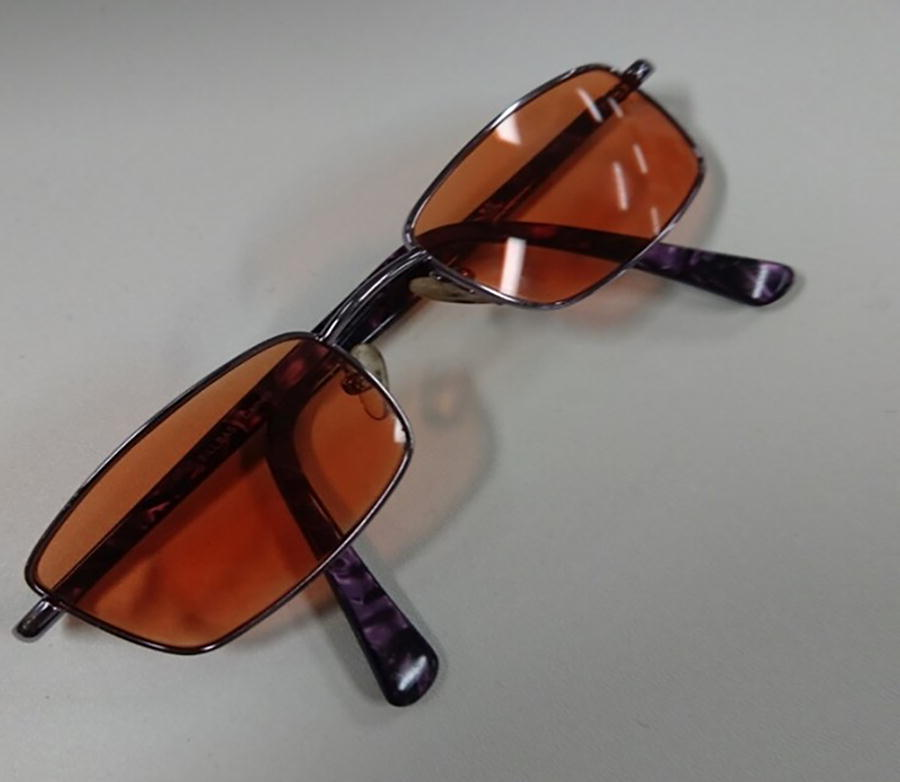
Rose-colored glasses. This photo has been reproduced with permission from the photographer and the Autism CRC. From My quality of life: Autistic adults share what impacts on their quality of life. A photovoice gallery. Online: Cooperative Research Centre for Living with Autism; 2020.
Experiences and emotions
This theme captures the way that elements of life influence an autistic person’s emotions and, in turn, their QoL. Participants discussed how their images portrayed happiness, stress, fear, belonging, challenges, loneliness, isolation, freedom, comfort, pride, trust, stress, companionship, and emotional regulation among other emotions or individual experiences. Emotional experiences were discussed in relation to participants’ activities, relationships, or environments.
Positive emotional experiences
Positive emotions and experiences were identified more often than negative emotions and experiences. Positive experiences included happiness, connectedness, love, acceptance, and belonging. Connectedness was associated with relationships and socialization opportunities resulting from engaging in activities or interests and was important to autistic adults QoL.
[Video games] also help me relate…to other people…a lot of my clients play all of the same kind of video games that I play… Bronwyn (See Fig. 7.)
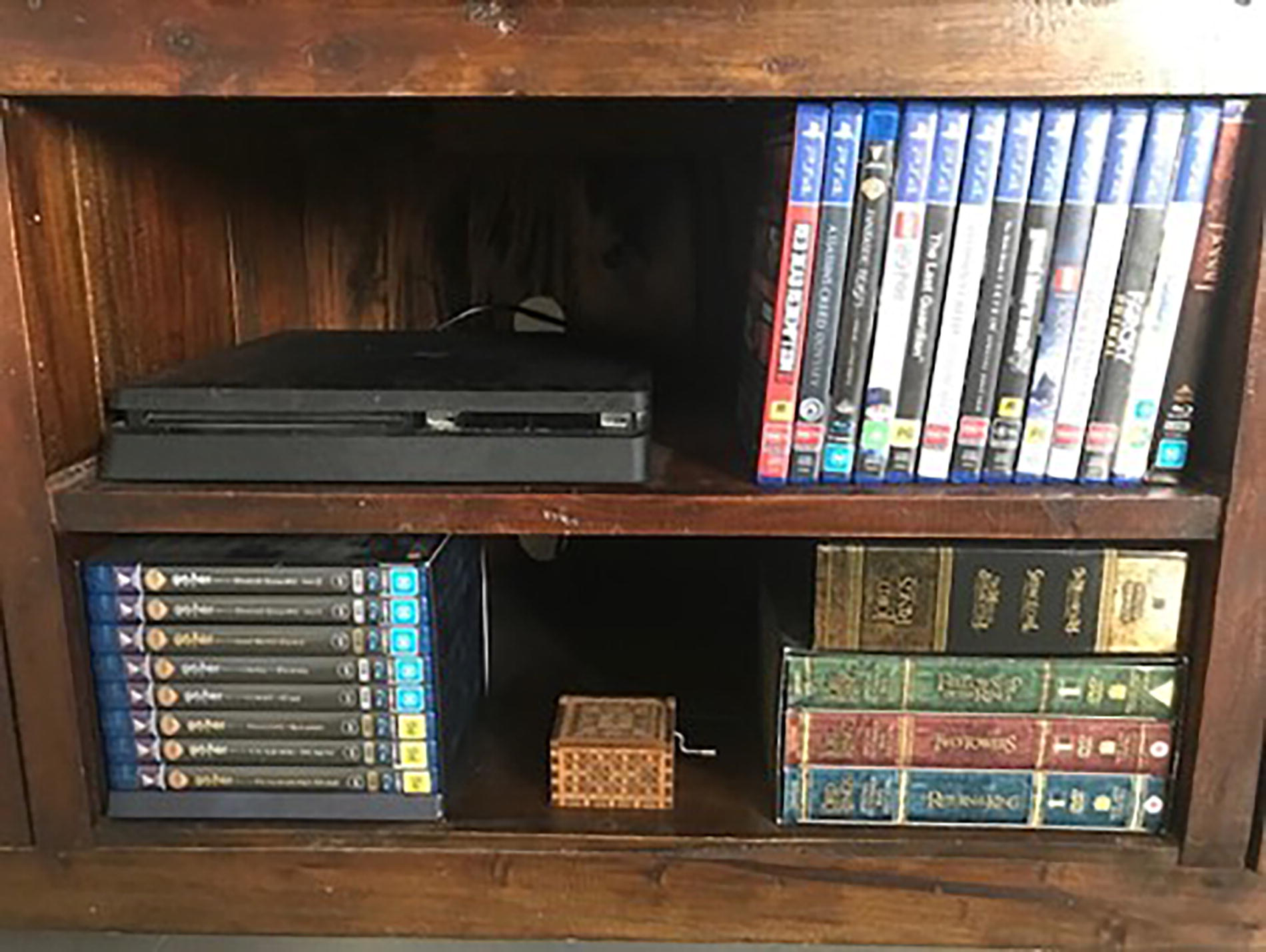
Virtual world. Photo used with permission.
Connectedness was also associated with places where participants had memories of important people in their lives. Additionally, acceptance was important to autistic adults’ QoL and was often associated with interactions with others, including family members, friends, colleagues, and other social groups or communities. Acceptance and belonging were often associated with identity as well.
This particular place is…one place that I often felt drawn to. So, I’ve been there many times over the years. If I’m driving through, I’ll stop, it doesn’t matter whether it’s three o’clock in the morning or lunchtime, and just spend five minutes because I feel grounded. Lynn (See Fig. 8.)

Belonging. Photo used with permission.
This is [a] picture of me wearing a pride jumper, smiling down at [my cat] on the badge…wearing things that make me happy. Charlie (See Fig. 9.)

Smiling at Kitty. Photo used with permission.
Participants discussed love as another positive emotional experience often mentioned in conjunction with relationships with family, friends, romantic partners, and pets. All these experiences positively impacted autistic adults’ QoL.
I love my family. When I see that I just feel like, yeah! That’s the perfect family setting. Natalie
Negative emotional experiences
Despite positive emotions having a greater focus, the severity of the negative emotions and experiences discussed by the participants should not be diminished. Participants described their lives as being negatively impacted by experiences such as loneliness and stress. Many participants experienced stress because of employment, challenges in relationships, or situations such as going through airport security or before a stage performance. Participants also described experiencing stress in response to social situations with high levels of unpredictability in strangers’ social behavior, such as setting likes bars. This stress at times had a physiological impact culminating for some in “vomiting,” or resulting in behaviors such as taking extreme care in ensuring adherence to security rules in airports. Collectively, participants agreed that the experience of stress negatively impacted their QoL. One participant described their experience of loneliness, and their desire for more social opportunities and acceptance, expressing they “…had no one to talk with.” This negatively impacted their QoL.
Individual identity
Participants detailed how elements of identity, skills, and strengths contributed to their QoL. Throughout the interviews and focus groups, participants discussed elements of themselves and their lives that defined them. Participants discussed neurodiversity and their autistic identity, as well as gender identity and sexuality, as being influential upon their QoL.
Acceptance of identity
Many participants reported that their QoL improved following their autism diagnosis in adulthood, which confirmed their autism identity. Participants’ acceptance of their autism identity and acceptance by family, friends, and communities also had a positive impact on QoL. Some participants also reported that they felt they were accepted and belonged within their respective communities, such as within the autistic community or within the lesbian, gay, bisexual, transgender, queer or questioning, intersex, asexual plus communities. Personal, community, and societal acceptance of their identity benefited participants QoL.
This is a window on Oxford Street…it’s leftover from Mardi Gras where it was…specifically built for you to stand in front of and take selfies. And to me, the whole point was, therefore, pride…You’re explicitly making a statement when you stand in front of this to take a selfie…there’s a lot of pride in this photo. Jason (See Fig. 10.)
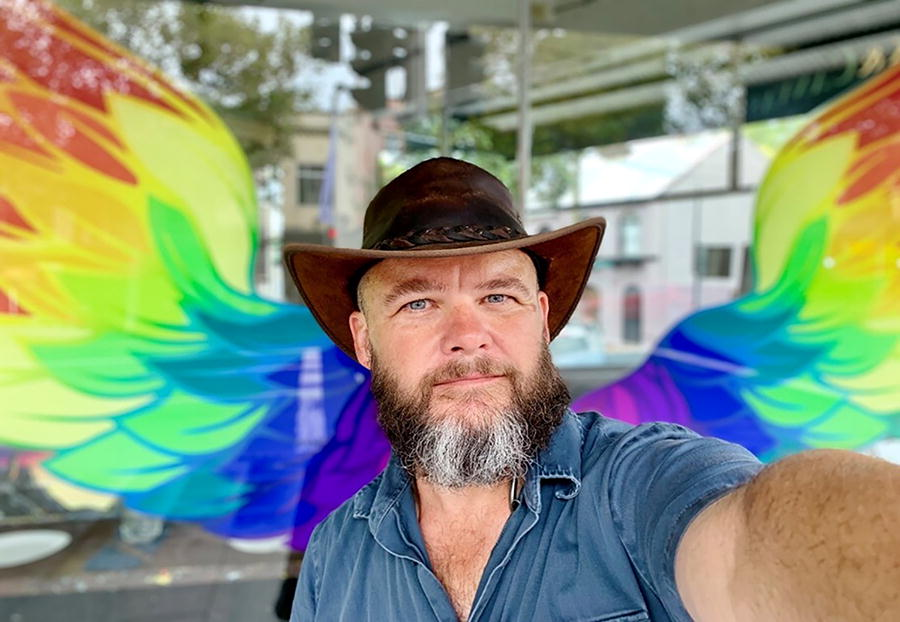
Sexuality and community. This photo has been reproduced with permission from the photographer and the Autism CRC. From My quality of life: Autistic adults share what impacts on their quality of life. A photovoice gallery. Online: Cooperative Research Centre for Living with Autism; 2020. Photo used with permission.
I chose this because the day was taken was significant. It was the day I got diagnosed autistic…Since that day, it’s just changed my whole outlook on life. Definitely improved quality of life… Carla (See Fig. 11.)
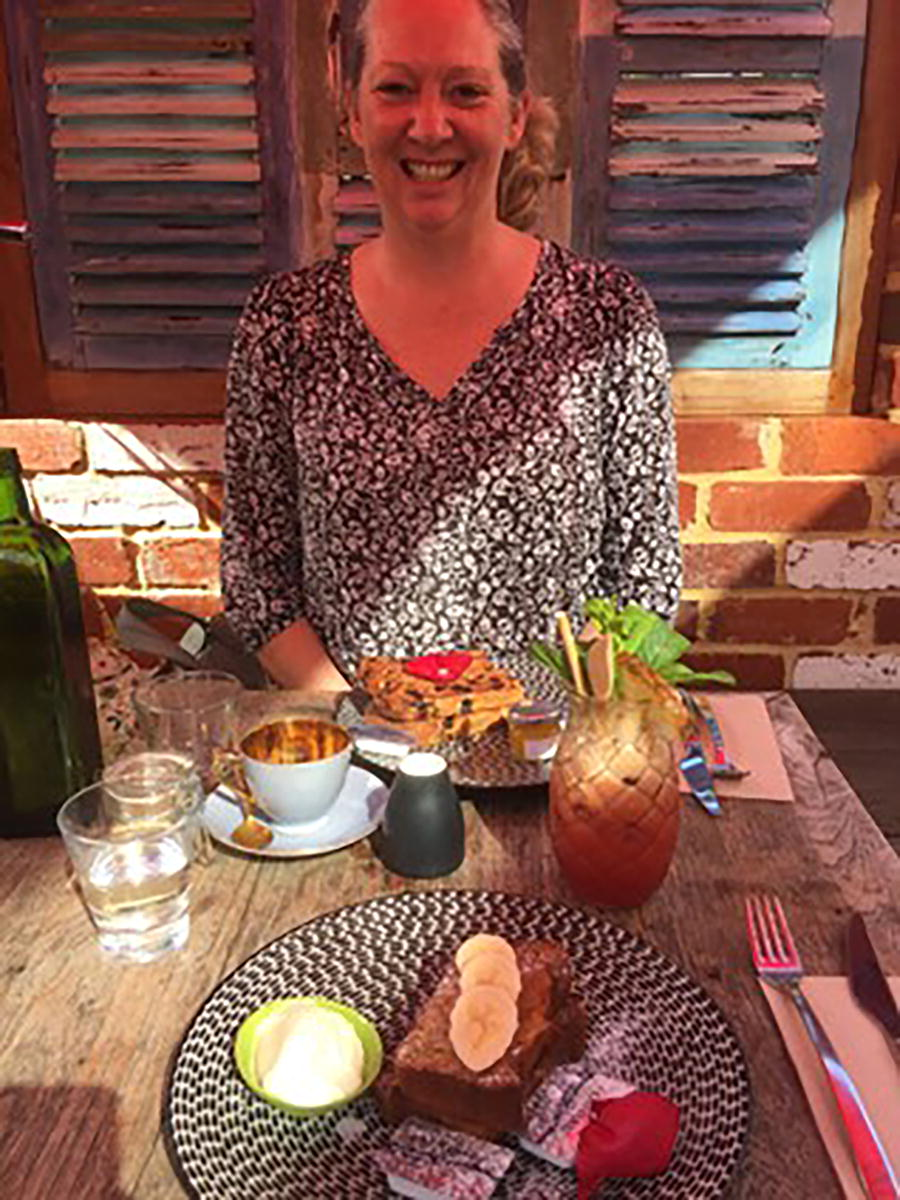
Diagnosis day. This photo has been reproduced with permission from the photographer and the Autism CRC. From My quality of life: Autistic adults share what impacts on their quality of life. A photovoice gallery. Online: Cooperative Research Centre for Living with Autism; 2020. Photo used with permission.
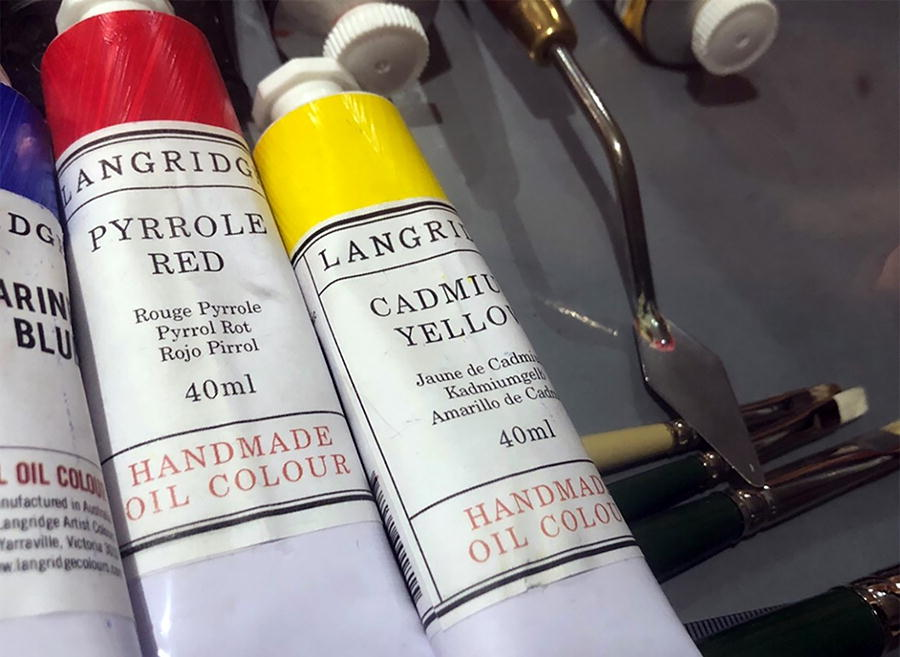
Creativity. This photo has been reproduced with permission from the photographer and the Autism CRC. From My quality of life: Autistic adults share what impacts on their quality of life. A photovoice gallery. Online: Cooperative Research Centre for Living with Autism; 2020.
Recognizing individual strengths and skills
Participants also explained the importance of strengths and skills and their role in shaping their individual identity. These strengths and skills were often discussed alongside employment or education, and generally had a positive impact on participants’ QoL. Strengths and skills led to a sense of “pride” and feelings of “accomplishment” and “fulfillment.”
…this is just my co-author, and they are signing the contract for…my [next]…published book. This book is for autistic tweens and teens to help them build their sense of autistic pride and self-knowledge. Writing books is one of the most affirming things I do. I love writing… Charlie
Participants also discussed how they used their strengths, such as writing, to support themselves with their challenges, such as social communication.
I feel I can write to people much better than I can talk to people. And people seem to appreciate what I say, what I’ve communicated properly…rather than the guilt behind not contacting people by phone I should take advantage of that [writing] and communicate with them the way—I’m best at. But with that personal touch of the thing [being] hand-written. Jason
Autistic adults also described their desire to further develop their skills in areas they found challenging to improve their QoL. Strengths and skills were also linked to passions, which were fundamental to individual identity (shown in Fig. 12), and varied between individuals. Overall, participants’ strengths and skills promote QoL.
Needs
This theme consists of essential components of life described as important to participants’ QoL. Health, both physical and mental, safety, food, income, financial support, access, and accommodation had either a positive or a negative impact on QoL, depending on their presence or absence in each participants’ life.
Health
Participants expressed that health was key, including aspects of physical health, personal fitness, medication, and mental health.
Some home-cooked food I put as improving quality of life because it smells delicious and also having the adequate nutrition helps you feel better… Piper (See Fig. 13.)
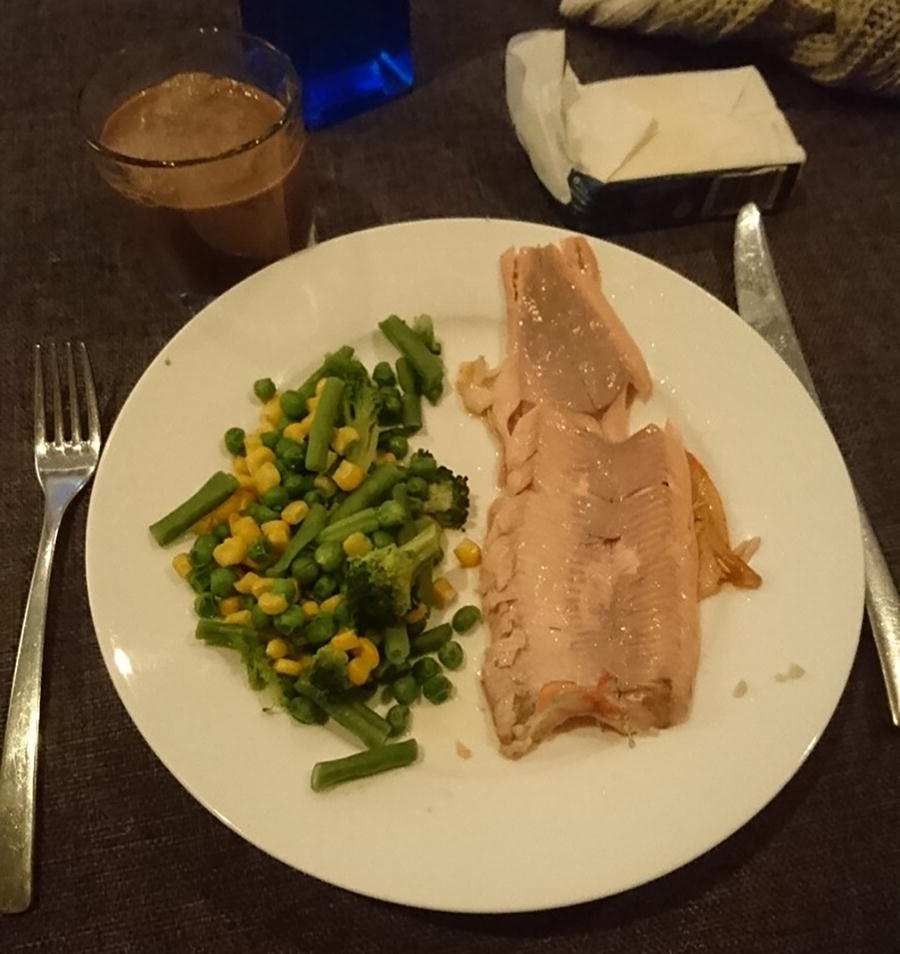
Home-cooked food. Photo used with permission.
While the importance of physical health was made clear, the importance of mental health was also highlighted. This included discussions about self-harm, anxiety, and depression. Participants reported that mental health challenges had a negative impact on their QoL, especially when participants had trouble finding health professionals who understood both autism and mental health. Coping strategies, including the use of weighted blankets, supported emotional regulation and sleep.
When I’m distressed…I just go into bed and go under it [weighted blanket] for a bit, do some mindfulness under it for a bit and I usually wake up feeling a bit better. Carla (See Fig. 14.)
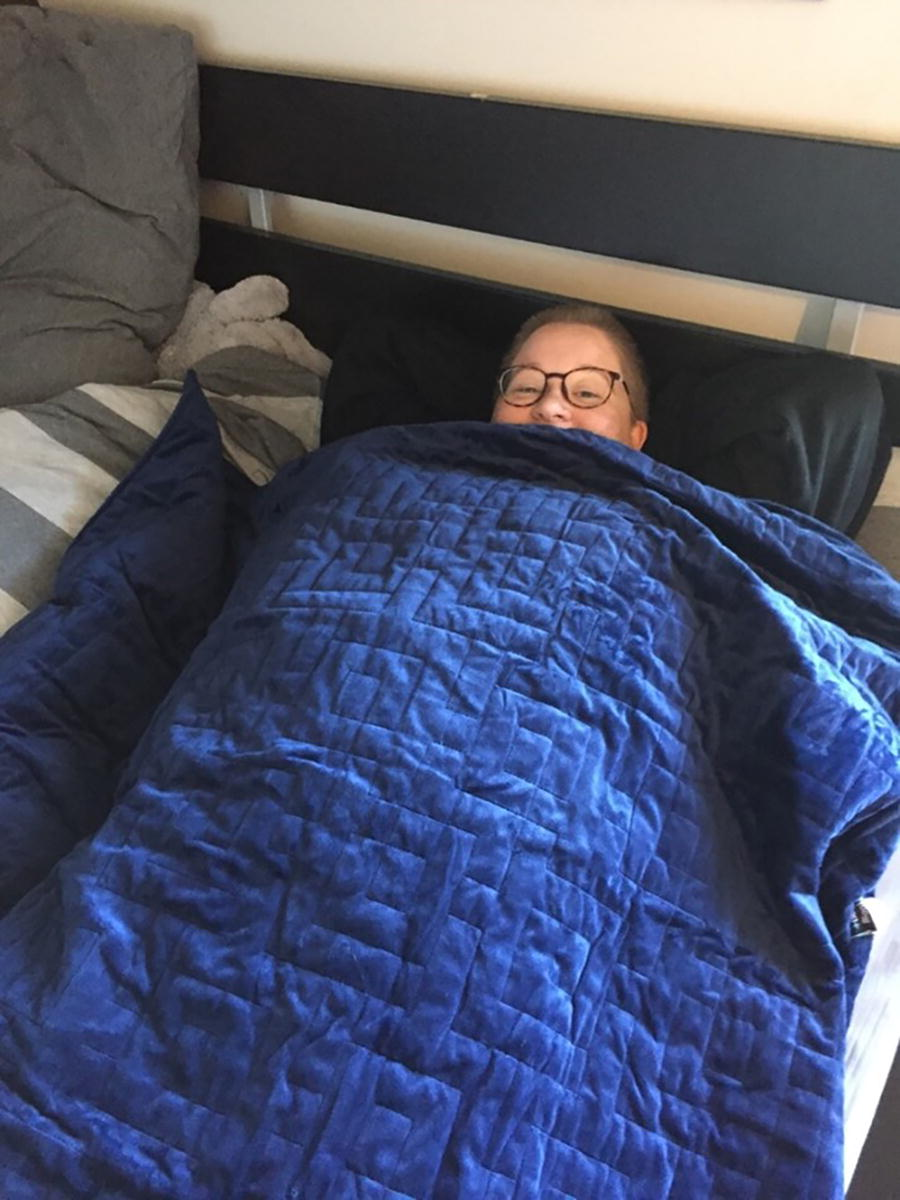
Weighted blanket. Photo used with permission.
Additionally, medications were another important factor influencing autistic adults’ QoL, with participants reporting that medications could be “life savers” due to the positive impact they could have on mental health and sleep.
I think a lot of people would look at that [medication] and go oh big pharma evil, but I see it as life-changing…it’s definitely a positive that big pharma does exist and I can access it…I can actually afford this stuff. Because I am on disability [pension], I have a health care card so I can get most of that for like six bucks… Iris (see Fig. 15).
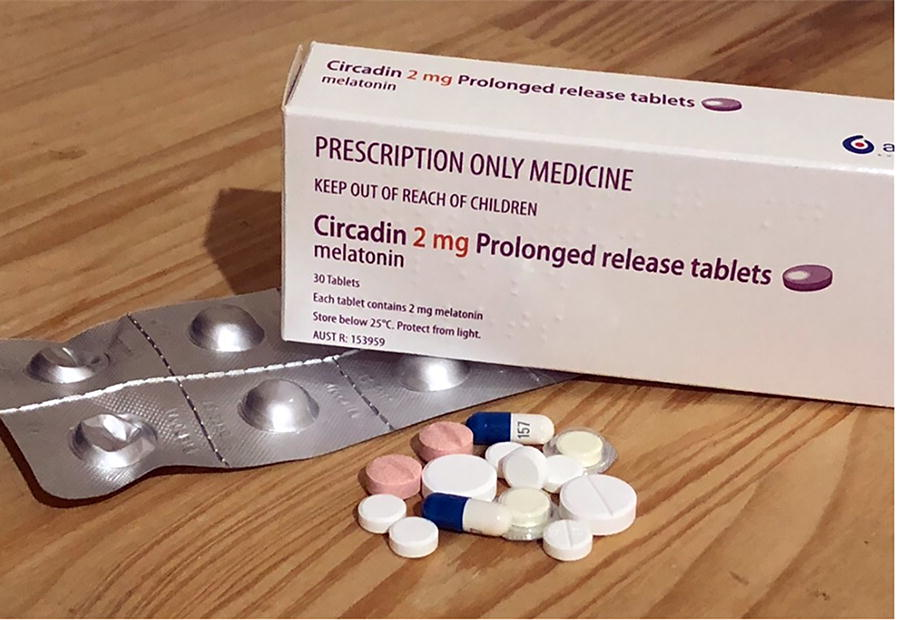
Life savers. This photo has been reproduced with permission from the photographer and the Autism CRC. From My quality of life: Autistic adults share what impacts on their quality of life. A photovoice gallery. Online: Cooperative Research Centre for Living with Autism; 2020.
Financial stability
Participants involved in the workforce discussed how they could be financially independent and how their financial situation better positioned them to access support and resources to live a happy and healthy life. Unemployed participants discussed the urgent need for living support and raised the importance of the national health care, disability, and welfare systems in providing access to support services, medication, health professionals, safe accommodation, and food.
I had a meeting with DAADA (Disability in the Arts, Disadvantage in the Arts Australia)…So I was going to them, at the beginning of the year…When the funding changed I stopped going because there were fees…but also the therapy…that’s another thing…I got approved for DSP (disability support pension)…which is going to just improve [QoL]. Carla
Having financial security either through employment or through national support services was extremely important to autistic adults’ QoL. Regardless of financial independence from government services, financial security positively influenced autistic adults’ QoL. Government support and financial stability could both influence access to services that were viewed as needs, such as access to health care, therapy services, clothing, and exercise equipment, all of which promoted health and QoL. Participants who were financially independent reported the positive influence this had on their QoL. Conversely, participants who had experienced financial instability during their life reported that this impacted their access to food, health care, and accommodation, in turn, negatively impacting their QoL until supports were established.
Safety
Autistic adults described both physical and emotional safety as important to their QoL, with feeling safe positively impacting QoL. This was specifically highlighted by participants who had experienced times where they did not felt safe. These participants reported that this negatively impacted their QoL. Physical safety related to accommodation and was particularly important for those who had experienced financial instability and homelessness.
This [home] is kind of my safe place. It’s where I come to reset and recharge my batteries. And this is where I feel safe. Bronwyn
Participants also described the importance of physical safety during social events and when out in public. Some highlighted particular feelings of vulnerability when experiencing sensory overload leading to shutdown. Autistic adults also discussed emotional safety with regard to relationships, such as with family and partners. Participants who had close family relationships, supportive romantic partners, and pets discussed how these relationships made them feel emotionally safe. These relationships lead to feeling emotionally supported during challenging times.
Discussion
Despite examination of QoL in autism in multiple studies, 50 there appears to be a lack of qualitative enquiry into autistic adults’ QoL. Our study utilized a participatory photovoice methodology with co-creation to develop an understanding of the factors influencing QoL as identified and articulated by autistic individuals themselves. This method may have enabled more unique and nuanced insights into the factors influencing QoL than other more traditionally used methods. Our findings highlight five co-produced themes: Activities, Impact of the Environment, Emotions and Experiences, Individual Identity, and Needs. Some aspects of these themes may be more typically autistic, while others appear to be commonly shared with the non-autistic experiences of QoL. 5 Our findings highlight the importance of considering those additional factors influencing autistic adults’ QoL, particularly regarding measurement and developing interventions.
Socialization and relationships were important autistic adults’ QoL, despite previous research identifying that autistic people have less social desire than non-autistic people across the lifespan.51,52 Participants reported that the presence of social relationships had a positive impact on their QoL. Participants received emotional and task-based support from friends, family, pets, and romantic partners. This is reflected in the findings of previous research demonstrating that being in a relationship and receiving support predict more positive QoL for autistic adults. 8 While pets provide important support to many individuals, autistic individuals are more likely to see their pets as a substitute for human companionship than non-autistic people. 53 The strong connection to pets reported in this study could be linked to autistic adults’ empathy, with research finding that autistic people can find it easier to understand animals, particularly mammal pets, compared with other people. 54 Autistic adults in the current study who were not satisfied with the number of social relationships they had reported a decrease in happiness and mental health as well as feelings of loneliness. Autistic people more frequently experience loneliness than non-autistic people, with loneliness linked with depression and distress among autistic adults.51,55 These findings suggest that developing social relationships is important in increasing the QoL of autistic adults as well as supporting positive mental health outcomes. Though social relationships are also reported as important to neurotypical people’s QoL and are not an autism-specific factor,4,56 the way in which social relationships are sought after and desired by autistic individuals may vary from non-autistic individuals. It is thus important to consider this when examining it as a factor influencing QoL in autism. Neurotypical social relationship standards should not be used for comparison or when seeking to understand the influence of relationships on autistic adults’ QoL. Instead, each autistic individual’s satisfaction with their social relationships should be uniquely considered.
Passions were a key factor influencing autistic adults’ QoL. Past research focusing on autistic individuals has focused on the repetitive nature of engaging in passions (special interests) as symptomology that should be moderated through intervention. 57 The findings from this study challenge this historical view of passions as restrictive, 15 and align with modern perspectives, highlighting the importance of passions and interests in positively influencing QoL. Autistic adults described using their passions as a means of balancing the demands of other tasks during the day and as a key strategy in preventing burnout. Engaging in passions as a strategy for balancing occupations has emerged in previous research with autistic adults, highlighting the role of passions in relaxing, and escaping reality. 58 Passions were also reported to have a positive influence on mental health, as well as being linked to strengths. 59 In the current study, the link between passions and strengths led to enjoyment, employment opportunities, and influenced relationships with peers. The positive contribution of passions to QoL among autistic adults is also reflected in previous research. 8 These findings support the therapeutic value and benefits of engaging in passions, which should be endorsed by health professionals working with autistic individuals with the aim of improving QoL outcomes.
Identity has been found to be key in influencing QoL of different populations.60,61 We similarly found that identity was an important factor influencing autistic adults’ QoL. Participants discussed how self-acceptance and pride in their autism identity positively influenced their QoL. This self-acceptance has been seen in other qualitative studies examining the personal process of receiving confirmation of their autistic identity, with people reporting feelings of relief and an understanding of why they had felt different.62,63 Autistic identity also positively influenced personal self-esteem and psychological well-being of autistic adults. 64 This could result from increased acceptance of the neurodiversity movement in society and the sense of belonging that comes with being part of a community. 12 This insight into autistic identity acceptance suggests that this process can be positive for some autistic adults, particularly for those who have experienced acceptance by their family and friends as well. The experience of autism identity is unique to autistic people. Considering both self and societal acceptance is key when seeking to understand autistic adults’ QoL.
Needs were described as important to autistic adults’ QoL and, when met, had a positive impact on QoL. While these needs are not dissimilar to those of the general population, 5 subtle nuances demonstrate autistic individuals’ experiences of these needs. Participants highlighted the importance of their physical and mental health. While mental health is important for the general population, autistic adults experience higher levels of anxiety and depression compared with the general population. 65 Additionally, participants reported challenges finding health professionals who understood their mental health experiences as autistic individuals. This lack of understanding from health professionals has been reported in other studies, finding that some autistic individuals felt their mental health conditions were misdiagnosed. 66 Therefore, mental health is particularly impactful on autistic adults’ QoL. The need for safe housing and financial stability is also not unique to autism. 5 However, due to the challenges some autistic adults experience securing employment, autistic adults experience complex challenges with financial instability that can impact on housing security, food, and nutrition, all of which are influential upon QoL. Consideration of financial and accommodation supports, as well as financial independence and access to health care, is vital in supporting autistic adults’ QoL.
Similar qualitative studies have been conducted with autistic adult populations to understand topics such as well-being and flourishing. These terms are sometimes used interchangeably with QoL. While we take the theoretical stance that these topics should not be used interchangeably, it is worth considering how closely related these topics and study findings in these areas are. Many similarities can be seen across the concepts of flourishing and QoL, such as the importance of socialization and the detrimental impacts of socialization being dictated by neurotypical norms. 18 The importance of having close relationships, bonding with pets, feeling a sense of connection to community, engaging in hobbies and interests, and individual identity have also been identified as important factors for well-being and QoL.17,19 Our study provides additional insights into the concept of QoL, offering a broader and more holistic perspective than the constructs of well-being and flourishing. 67 Additional factors identified in this study include those described in the Needs theme, including financial stability and safety. Additionally, this study provides details about the influence of several activities and roles, including employment, education, and caring for others.
The importance of health care and disability support are also important factors contributing to QoL identified in this study. This has not been a focus in similar QoL or well-being studies. This finding could result from the health and disability care context within Australia. Australia has both a national health care system (Medicare) and a national disability system (NDIS). The NDIS, established in 2013, specifically aims to support people with disabilities in Australia by providing funding for reasonable and necessary supports. 23 Following funding allocation, participants choose which disability service provider they would like to provide access to their support. 23 Within the NDIS, autism is the most highly represented diagnosis, with 36% of participants reporting autism as their primary diagnosis. 68 Therefore, many autistic people who are NDIS participants have access to therapeutic and daily living support they otherwise may struggle to afford. For some adults in this study, these supports were a recent addition that substantially benefited their QoL. In countries without similar systems to the NDIS, the importance of such support may go unreported due to differences in how, or if autistic adults access support.
The sensory environment was reported to influence the QoL of autistic adults, with many participants capturing images depicting exposure to sensory stimuli and the ways they cope with overwhelming sensory experiences. These sensory experiences could have a positive or negative impact on QoL overall, depending on the sensory preferences of each individual. Few studies have documented the influence of the sensory environment and consequential sensory experiences on autistic adults’ QoL. However, sensory experiences lead to lower QoL outcomes, specifically in relation to physical health. 69 While there is little documentation of sensory experiences and QoL within current literature, sensory sensitivities are result from a mismatch between the sensory aspects of the environment and autistic individuals’ sensory preferences. 70 Additionally, there is evidence for the link between mental health, particularly anxiety, and sensory experiences. 71 This connection can aid in understanding the implications of sensory overstimulation on QoL as this is seen to increase anxiety, which has been documented to negatively impact on QoL along with other mental health conditions. 8 Due to the connections between sensory sensitivity, mental health, and QoL in autistic adults, it is imperative that sensory sensitivities are considered as influential upon QoL in autism.
Many of the findings in this study can be associated with the monotropic cognitive style of autistic people. 11 Monotropism is a proposed cognitive style where autistic individuals may demonstrate a greater intensity of focus and motivation to a singular topic or activity, as compared with the polytropic cognitive style of neurotypicals, who may distribute their attention and focus across a range of areas with lower intensity. Participants described how their passions underpinned various aspects of their lives such as education, employment, strengths, and social relationships. These experiences demonstrate that monotropism can have a beneficial impact on autistic adults’ QoL, especially when embraced. Additionally, monotropism could lead to difficulties in using multiple senses at once, potentially contributing to sensory experiences being described as challenging participants’ QoL as reported in this study. 11 These insights demonstrate how the monotropic cognitive style of autistic adults influences their QoL, highlighting the importance of measuring autistic adults’ QoL with tools that consider factors unique to autistic people. As monotropism is an autism-related experience, it is important that the influence of monotropism is considered in the measurement of autistic adults’ QoL.
Reflecting on the photovoice methodology, we believe that it was useful in capturing detailed information about participant-identified factors influential to QoL, enabling participants to elicit topics on their own in their daily lives. Participants who were artistic or more visual reported enjoying the photovoice process. Many participants enjoyed the process so much that they chose to be involved in the creation of an online gallery, which featured selected photos from participants. The utility of this method has been demonstrated by the many photovoice studies conducted with autistic people.34–36,39,72 This method is highly suitable for use with autistic people and should be considered in future qualitative research with the autistic community.
Limitations
There are several limitations to this study. First, we included participants only from Australia, a higher-income, developed country. The factors identified within this context may not be applicable in other sociopolitical contexts. No participants in this sample reported a diagnosis of intellectual disability, and all participants used spoken language to communicate. Participants in this study are also highly educated; therefore, this sample is not representative of the entire autistic population.
We included no comparators, that is non-autistic people, in this study. This means we cannot conclude if the factors impacting QoL of autistic adults that have not been identified in general population QoL research are therefore unique to autistic adults. It is also important to consider that existing measures of QoL have been designed for heterogeneous population use. Therefore, homogenous groups, like our sample population, may identify factors more important to their QoL that vary from factors included in measures given their personal circumstances and experiences.
The themes described within this study were co-produced with a steering group of autistic adults, autistic and non-autistic researchers, and the participants themselves. While there is agreement among participants and the authorship team that the themes identified are representative of the data, there could be additional areas related to QoL identified if this research were to be replicated with a different sample population. Despite allowing time for rapport building and providing as much choice about how participants took part in the research as possible (e.g., interview or focus group conducted face-to-face or via video call, phone call, or instant messaging), 73 participants may not have felt comfortable to share some negative experiences and emotions within their photos, or they may have found it challenging to represent these in photographs. This may have biased the data, although the results demonstrate both positive and negative aspects of QoL.
Finally, of the 15 participants involved in our study, 14 had participated in a previous interview study. This means that most participants already had some experience discussing their QoL before this study. This may increase the risk of participant bias as participants could have drawn ideas of topics to capture and discuss from their involvement in the previous study. Despite this potential for bias, having most participants already familiar with the definition of QoL and the concept may have enabled them to capture additional factors they had not discussed in the previous interview study.
Conclusion
While some factors contributing to autistic adults’ QoL overlap with the priorities of the non-autistic population, the influence of factors such as passions, identity, and sensory experiences is important in understanding autistic adults’ QoL. Using the unique participatory photovoice methodology enables a comprehensive and more nuanced understanding of QoL through the lens of autistic adults. Including these topics in QoL measurement tools to use with autistic adults is important to enhance the validity and reliability of the measures in this community.
Footnotes
Acknowledgments
Thank you to all the autistic adults involved in this research who shared their perspectives and photographs in this study. Special thanks to the steering group members for their consultation throughout this project. This research will be used by the first author toward obtaining a Doctor of Philosophy (Occupational Therapy).
Authorship Confirmation Statement
R.K. led the investigation, design, and analysis and wrote the original draft for inclusion in her PhD thesis. S.P. contributed to the design and analysis of this study. R.K. was supervised by B.M., S.G., W.L., M.F., M.H.B., and S.B. All authors contributed to conceptualization, methodology, and editing of the final article. The final version of this article was approved by all contributing authors. The article has been submitted solely to Autism in Adulthood.
Author Disclosure Statement
S.B. discloses that he has in the last 3 years acted as an author, consultant, or lecturer for Medice, Roche, and Linus Biotechnology. He receives royalties for textbooks and diagnostic tools from Hogrefe, UTB, Ernst Reinhardt, Kohlhammer, and Liber. S.B. is partner of NeuroSupportSolutions International AB. The remaining authors report no conflicts of interest.
Funding Information
This research was supported through an Australian Government Research Training Program Scholarship. The authors acknowledge the financial support of Autism CRC established under the Australian government’s Cooperative Research Centres Program. Autism CRC Grant 3.068.