




Abstract

Introduction
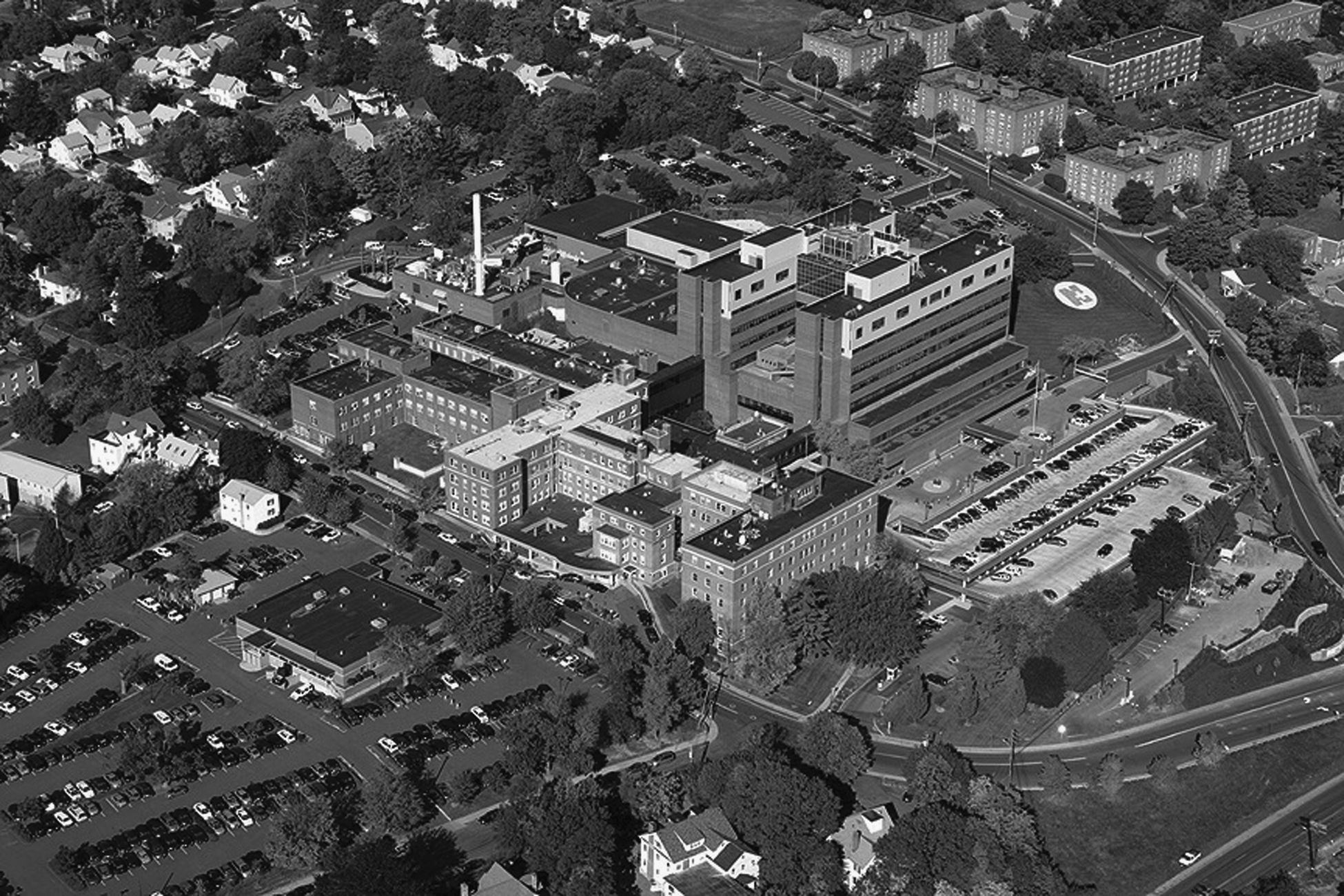
Although the hospital is in Norwalk, its catchment area includes a population of 250,000 in lower Fairfield County. Long a leader in Connecticut and nationally, Norwalk Hospital was among the first in the region to implement computerized physician order entry. Its use of information technology is nationally recognized by Hospitals and Health Networks magazine. The hospital serves as a teaching facility for Yale University School of Medicine in New Haven.
An Incredible Partnership
Neil and Craig Floch maintain offices of their practice, called Fairfield County Bariatrics and Surgical Specialists P.C. (www.endtheweight.com), not only in Norwalk, but also in Fairfield and Stamford. Last fiscal year, the Norwalk program had 145 surgeries performed, 111 of which were bands and the remainder bypasses. Plans call for gastric sleeves to be done in the near future.
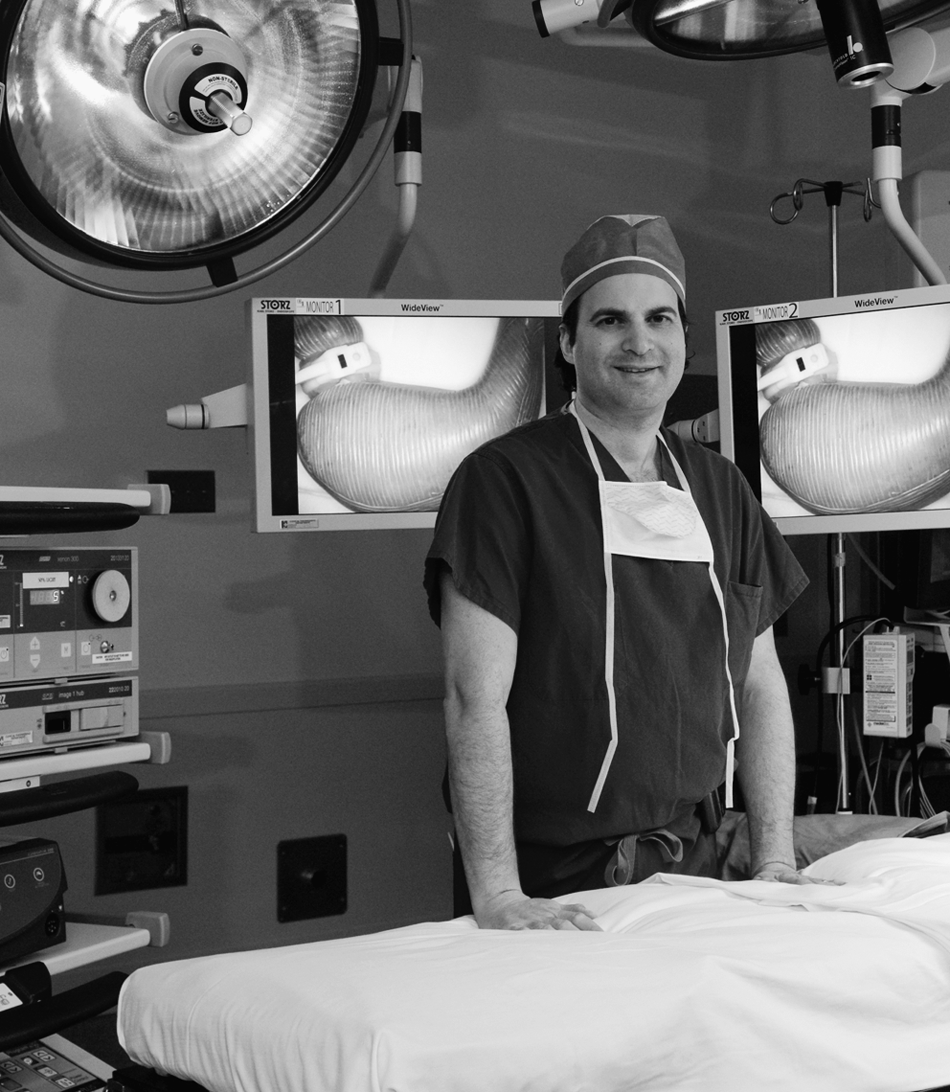
Both surgeon brothers (along with a third surgeon who has since left the practice) have performed more than 2,500 laparoscopic bariatric procedures. Dr. Neil Floch is one of the most experienced bariatric surgeons and the first fellowship-trained advanced laparoscopic surgeon in Fairfield County. In addition to serving as director of bariatric surgery at Norwalk, he is also their director of minimally invasive surgery, a position he has held since 2002. In this role, he personally designed the first two advanced minimally invasive operating rooms in Fairfield County, and was instrumental in getting Norwalk Hospital its Center of Excellence designation. He recently wrote several chapters on weight-loss surgery in Netter's Gastroenterology. 1 His record of low complication rates makes him highly sought after, not only by the general public but also by physicians, nurses, and other healthcare professionals who wish to undergo a bariatric surgery procedure. “Nobody likes to boast about their complication rates,” he remarks. “I'm a very careful surgeon. It's important that you check and double-check things. I am not the type that speeds up an operation—that's when you get complications.” In addition to being an expert in bariatric surgery, Dr. Neil Floch is also a nationally recognized leader in laparoscopic Nissen fundoplication and paraesophageal hernia repair.
Neil Floch, MD, FACS
On Call
Norwalk Hospital Surgical Weight Loss Center Norwalk, Connecticut Phone: (203) 852-3100, (203) 852-3257 Website: www.norwalkhealth.org. www.goodbyebmi.org
Team Members
Neil Floch, MD, FACS
Director, Minimally-Invasive and Bariatric Surgery
Craig Floch, MD, FACS
Bariatric Surgeon
Bridget Peterson PA-C
Physician Assistant
Brad Ledzian PA-C
Physician Assistant
Pamela Carola, RD, MHA
Bariatric Program Coordinator
Amy Carroll, RN
Patient Care Manager, 6 West
Anne Mata, LCSW
Psychiatric Social Worker
Peter McKnight, RD
Dietitian
Mary Ziller, LCSW
Psychiatric Social Worker
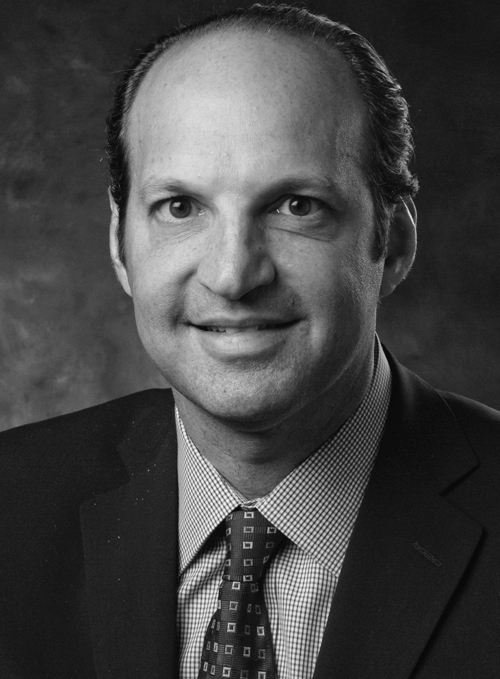
His brother, Craig Floch, MD, FACS, obtains similar recognition: he is also an advanced laparoscopic bariatric surgeon and the founder of the practice. Like his brother, Dr. Craig Floch is extensively trained in bariatric surgery and anti-reflux procedures, as well as colonic, hernia, and ventral hernia surgeries. Long associated with Yale University, he is an award-winning instructor in the surgical physicians' assistant program jointly sponsored by Yale and Norwalk Hospital.
Craig Floch, MD, FACS
Dr. Neil Floch has a particular passion for revisional surgeries. “My real thing is helping people who've had surgery and run into problems,” he says. “I like to be the fixer. We take patients on that other doctors are unwilling to do.” Band patients may need to have a bypass later on, while bypass patients may need a band. Lately, he has been pioneering the Stomaphyx®, an endoscopic procedure that helps former bypass patients tighten up their loosened stomach pouches. Currently, Norwalk Hospital is the only facility in Connecticut to offer the new technique. After entering the patient's mouth with an endoscope, Dr. Neil Floch uses a tube device that sucks in the tissue stretched between the stomach and small intestine. “Once the tissue is bunched up, the instrument fires a stitch across to tighten things up,” he explains. In addition to being done endoscopically, Dr. Neil Floch likes the fact that this type of revision requires less post-operative protocols and virtually no complications. “All they have is a little bit of jaw pain from the endoscope,” he points out. “Although they are expected to go home the same day, we keep them overnight.” Following the surgery, patients only require a clear liquid diet for a short period of time. The only major complications that can occur are bleeding or injury to the stomach, but according to Dr. Neil Floch, these are extremely unlikely.
It All Starts with a Seminar
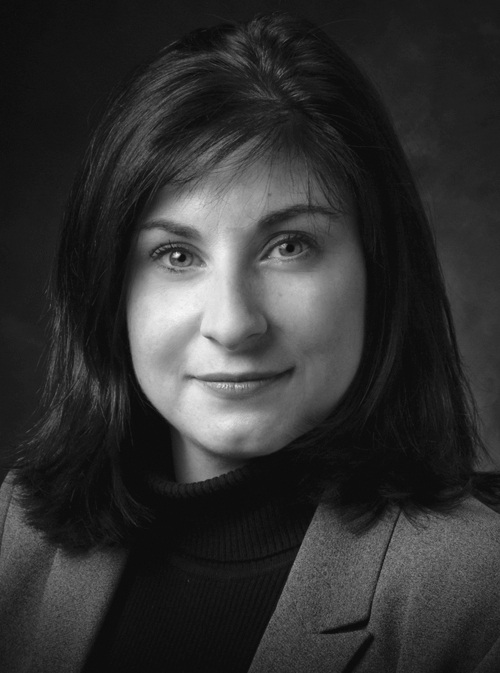
Pamela Carola is the first and main point of contact for people interested in having weight loss surgery at Norwalk Hospital. Prior to her appointment as the bariatric program coordinator, Carola worked as a registered dietitian for the hospital and counseled many overweight and obese patients. Her expanded role now allows her to continue the dedication she has to the bariatric population.
Every individual interested in the Norwalk program first attends an information seminar coordinated by Carola. “We have five introductory sessions a month,” she explains. “These are conducted not only in the hospital but also out in the community at various locations.” Carola continues to be amazed at the number of attendees each month, a testament to the high interest and demand for these services. “In 2009, we had 337 people attend our seminars,” she points out. “Of these, 145 went on to have surgery. That's a 44 percent conversion rate.”
Whether they call or register online (www.goodbyebmi.org), all prospective patients must first attend a seminar, where they learn about the program, fill out various forms, and receive an extensive information packet. One of these forms is a five-page health questionnaire, which must be filled out prior to their first visit with the surgeon. Carola sometimes finds that patients change their minds about the procedure they want after attending one of these information sessions. “I can't tell how many people call me and say, ‘I want to come in and talk about the band,’ ” she says. “At the seminar, we talk about both procedures and have former patients come and share their experiences. By the end of the evening, they may switch their minds in terms of the surgery they want to have.”
Pamela Carola, RD, MHA
Once a patient's insurance has been verified, they come in to see the surgeon and his physician's assistant, who talks about what needs to be done before surgery, including a letter from the patient's primary care physician. As part of an extensive pre-operative education component, patients also schedule meetings with the dietitian and one of two psychiatric social workers who are licensed psychotherapists. Carola notes that if a patient is already taking any psychotropic medications, a separate psychiatric evaluation is performed by a Norwalk Hospital psychiatrist. Unlike some other programs, all patients undergo a sleep study. Other testing is performed as needed.
According to Carola, patients can be readied for surgery in two to three months or take up to 6 months or longer. Those needing to take more time often have to fulfill the medically supervised weight loss requirement set forth by their insurance company. “Currently, around two-thirds of the insurers in Connecticut want six months of weight loss prior to surgery,” she says. The program has dietitians located at the hospital and in Stamford to serve those patients who need to lose weight.
A Standout in Staff Sensitivity
Patients usually have their surgeries on a Monday, Wednesday, or Thursday. All go to 6 West, the hospital's inpatient surgical floor. With all private rooms, the unit accommodates bypass patients who stay an average of 2 days. Although some insurance companies in the area want band patients to go home the same day, the Norwalk team prefers to keep them overnight whenever possible. Amy Carroll, RN, the unit's patient care manager, is ready for these patients, thanks to equipment availability and retrofits. “We bring in a bariatric bed as needed,” she explains, “and all of the toilets on the floor are bracketed. Our extensive equipment includes bariatric commodes, wheelchairs, walkers, and cardiac chairs.” Most bariatric patients are already ambulatory prior to surgery, so lifting problems are seldom encountered. A Hover® lift is available throughout the hospital when needed.
Amy Carroll, RN

Although Carroll and her staff have the standard critical pathways, she believes there is something equally, if not more, important that makes the care on 6 West outstanding. “What really makes us stand out is the level of staff sensitivity,” she proudly points out. “Our nurses really enjoy taking care of these patients.” The floor is constantly visited by former patients who come back to share their progress with the staff. “They are usually very eager to embark on this new part of their life,” remarks Carroll. “Our patients are usually young and healthy people that you can have a conversation with easily.”
The congenial atmosphere may very well be due to the sensitivity training conducted at regular intervals. There is a commitment to such education not only on the floor but also hospital wide, because all employees are exposed to sensitivity seminars. Nurses working on 6 West undergo an annual competency training plus topic-specific courses two to four times each year. New hires learn by mentoring with a seasoned staff member. In addition to caring for bariatric patients during their training, new nurses have a binder on the unit that they review whenever they feel it is needed.
All patients see the surgeon for follow-up one week after their procedure. Bypass patients are then seen one month later, then six months, one year, and then annually thereafter. Band patients come in more frequently, at least once a month for fills and adjustments. Of course, patients can see their surgeons and the team anytime they feel the need. Dr. Neil Floch believes such close follow-up is important, although sometimes he wonders what medical specialty he is practicing during some of these visits. “Sometimes, I feel like I'm more of a psychiatrist or psychologist,” he says. “Helping the patient to succeed with their diet and exercise programs after surgery is one of the most rewarding aspects of my job.” He is committed to the total care and success of his patients and actively works with them in getting them to exercise and eat right. They are the most important aspects of obesity care.
After surgery, patients are encouraged to attend one or more support groups designed especially for them. One group, held on the first Tuesday of each month, helps patients who are dealing with their first year following surgery. A second group, held on the last Tuesday of the month, is for more experienced patients who are already past their one-year anniversary. Both groups are facilitated by the team's psychiatric social workers. Finally, a third group covers nutritional issues. Held on the third Tuesday every other month, any patient may attend regardless of when he or she had their surgery.
Conclusion
What most patients have to say about Norwalk Hospital's program isn't about the surgery, but rather about the compassion and empathy they receive from the surgeons and the entire team. For them, it is about truly being understood. That was the experience of one patient, who went to see Dr. Neil Floch after his wife had a good outcome from her surgery. “I couldn't have asked for a better doctor,” Mike says. “He was with me the whole way, and I'm happy the way things turned out.” Mike should be. After having his band surgery in October 2007, he has lost a total of 227 pounds and all of his obesity-related health issues have resolved.
The Norwalk Hospital Campus
“The bottom line is, patients need to be compliant with the program,” says Dr. Neil Floch. “If the patient isn't cooperating, then we need to put more effort into their care.” He believes the surgical experience, combined with the diversity of Norwalk's clinical team, allows the program to provide superior care to bariatric patients. Such advantages give everyone the chance to maintain an individual approach that is sensitive to nutritional, physical, and emotional needs as well. “Our program shows that our commitment is not to begin medical relationships, but to continue them for a lifetime,” says Dr. Neil Floch.
Of course, sometimes it helps to have a doctor who has “been there, done that,” so to speak. Dr. Neil Floch knows what it's like to be a patient. and spent a month in the hospital. “I almost died,” he remembers. “I don't know what it's like to be a bariatric patient, but I do know what it's like to be a patient.” His experience as a prior patient helps him as a surgeon understand what people are going through. Recently, he had a patient who needed a nasogastric tube. “Doctor, you don't know what it's like to have one,” said the patient because Dr. Neil Floch is now very healthy. “Oh, yes I do know,” quipped back Dr. Neil Floch. “I had one and it stinks! But, you still need one anyway.” Now, that's understanding a patient.