




Abstract

For people who have been working in the field of cancer biobanking for a long time, like the two co-chairpersons of this course, the need for common discussion on some specific and as-yet unresolved aspects of biobanking activity is evident. It can be perceived as urgent when looking at the potential contribution biobanking can make toward innovation and improvement of daily cancer patient care.
First, the need to compare different management models for these disease-oriented hospital biobanks seems imperative; the biobanks are located in different environments such as private ad hoc companies, general hospitals, comprehensive cancer centers, etc.; they utilize different languages and taxonomy; they are networked in different ways, at regional, national, and international (continental) levels. Moreover, they have to face ethical and legal problems mainly based on local culture or law and sometimes even religious backgrounds.
These variously painted scenarios occur in a timeframe in which scientists from emerging countries, who are interested in the best biobanking models to be adopted in the near future in their environment, have high expectations.
Of course, this delicate development includes the need to educate and train people to be involved in the emerging field of cancer biobanking for diagnostic and research purposes.
The meeting held in Bari wanted to gather together all these aspects through the involvement of the main international scientific societies interested in these topics. It was born from an idea of European School of Oncology (ESO) 3 and the Education and Training Workgroup of OECI 4 led by Angelo Paradiso from Bari (Fig. 1), both convinced of the need to have an updated discussion on the important topic of cancer biobanks. They firmly believe that the increasing relevance that cancer biobanks are having in the process of the road map for development of networking activities 5 and in translational research at a European and world-wide level requires us to explore this topic more deeply.

Angelo Paradiso.
The ESO, founded by Umberto Veronesi and Laudomia Del Drago in 1982, is a leading world-wide organization in the oncology education field, which aims to improve the skills of all health professionals dealing with cancer patients, thus shortening the length of time needed to transfer knowledge from research centers to daily practice, and combines advanced technology with humanism in care. For this reason, ESO was interested in approaching the appealing biobank topic together with institutions that are directly involved in management and cancer biobanks.
From this point of view, OECI represented one of the ideal partners for an educational activity of this kind. OECI is a continuously developing network, which currently brings together 67 of the most important comprehensive cancer centers in the EU. In particular, the OECI Working Group active in education and training is aimed at implementing and coordinating the educational activities of cancer institutes by stimulating tighter relationships among members and better connections with external bodies. The working groups involved in the organization of the meeting are considered to play a crucial role at an international level, particularly the OECI Biobank Working Group 6 led by Peter Riegman (Fig. 2), a man with great experience in the field and currently acting as coordinator of the Tuba-Frost Project of OECI, 7 as ISBER 8 President, and as chair of the OECI European Cancer Biobanks Working Group closely working together with the Pathobiology Working Group 9 led by Antonio Llombart-Bosch from Valencia.
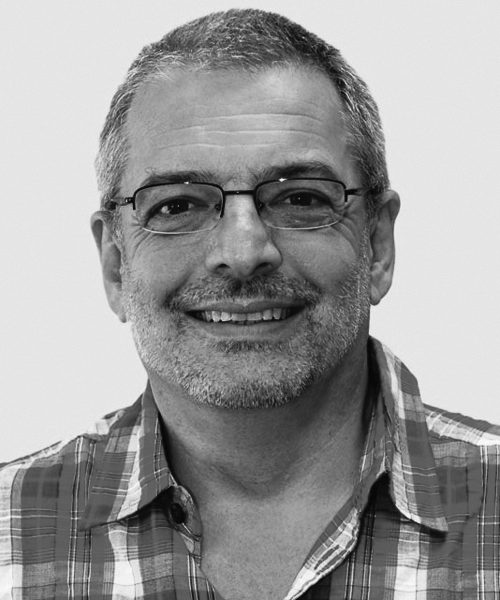
Peter Riegman.
The idea of the meeting in Bari met with the enthusiastic interest of EORTC, too. As a matter of fact, EORTC was directly involved, thanks to Maria Grazia Daidone (Fig. 3), chairman of the Pathobiology Working Group, and guaranteed a great contribution to the event with Jacqueline Hall presenting the EORTC “Biobanking” Policy, the aims of the EORTC Translational Research Advisory Committee (TRAC), and the aims of the EORTC Translational Research Division (TRD).
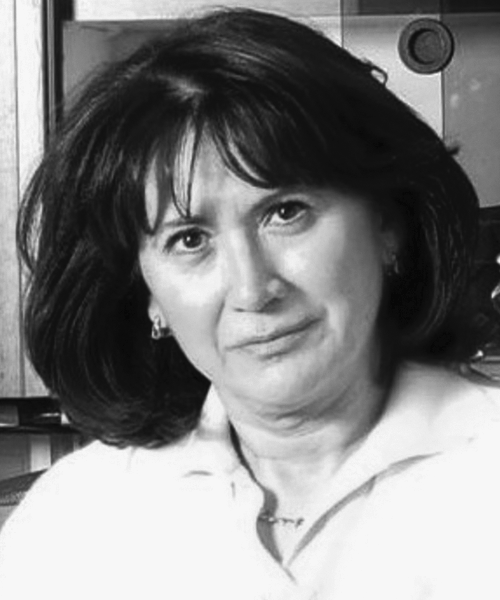
Maria Grazia Daidone.
Moreover, the Bari meeting was financially supported by The Alliance Against Cancer (ACC), 10 a nonprofit organization founded in 2002 by the Italian Ministry of Health, which networks all comprehensive cancer centers in Italy. ACC contributed to the event also from a scientific point of view by looking at the experience of the Italian Network of Cancer Biobanks (RIBBO), 11 which have been developed to answer the growing demand for human cancer tissues and to promote the harmonization of procedures all over the country, thus permitting its connection with the European Biobanking and Biomolecular Resources Research Infrastructure (BBMRI). 12
Last but not least, the meeting was conducted under endorsement of The International Society for Biological and Environmental Repositories (ISBER), which was aware of the initiative in Bari and the relevance this kind of program could have in the advancement of biobanking and biorepository culture development.
The course was made up of 3 sessions, during which the main European experiences in this field were discussed and compared. The first session discussed different models for biobanks tailored to regional, national, and international needs. The second session focused on regulatory and technical aspects, which were relevant to the daily practice of biobanks. The program was then concluded by a pathologist session, which perfectly closed the circle by discussing the potentiality from the molecular pathology point of view of such a biological resource.
Footnotes
Author Disclosure Statement
No competing financial interests exist.