




Abstract
Objectives:
Neurofeedback (NF) based on brain–computer interface (BCI) is an important direction in adjunctive interventions for post-traumatic stress disorder (PTSD). However, existing research lacks comprehensive methodologies and experimental designs. There are concerns in the field regarding the effectiveness and mechanistic interpretability of NF, prompting this study to conduct a systematic analysis of primary NF techniques and research outcomes in PTSD modulation. The study aims to explore reasons behind these concerns and propose directions for addressing them.
Methods:
A search conducted in the Web of Science database up to December 1, 2023, yielded 111 English articles, of which 80 were excluded based on predetermined criteria irrelevant to this study. The remaining 31 original studies were included in the literature review. A checklist was developed to assess the robustness and credibility of these 31 studies. Subsequently, these original studies were classified into electroencephalogram-based NF (EEG-NF) and functional magnetic resonance imaging-based NF (fMRI-NF) based on BCI type. Data regarding target brain regions, target signals, modulation protocols, control group types, assessment methods, data processing strategies, and reported outcomes were extracted and synthesized. Consensus theories from existing research and directions for future improvements in related studies were distilled.
Results:
Analysis of all included studies revealed that the average sample size of PTSD patients in EEG and fMRI NF studies was 17.4 (SD 7.13) and 14.6 (SD 6.37), respectively. Due to sample and neurofeedback training protocol constraints, 93% of EEG-NF studies and 87.5% of fMRI-NF studies used traditional statistical methods, with minimal utilization of basic machine learning (ML) methods and no studies utilizing deep learning (DL) methods. Apart from approximately 25% of fMRI NF studies supporting exploratory psychoregulatory strategies, the remaining EEG and fMRI studies lacked explicit NF modulation guidance. Only 13% of studies evaluated NF effectiveness methods involving signal classification, decoding during the NF process, and lacking in process monitoring and assessment means.
Conclusion:
In summary, NF holds promise as an adjunctive intervention technique for PTSD, potentially aiding in symptom alleviation for PTSD patients. However, improvements are necessary in the process evaluation mechanisms for PTSD-NF, clarity in NF modulation guidance, and development of ML/DL methods suitable for PTSD-NF with small sample sizes. To address these challenges, it is crucial to adopt more rigorous methodologies for monitoring NF, and future research should focus on the integration of advanced data analysis techniques to enhance the effectiveness and precision of PTSD-NF interventions.
Impact Statement
The implications of this study are to address the limited application of Neurofeedback training (NFT) in post-traumatic stress disorder (PTSD) research, where a significant portion of the approaches, foundational research, and conclusions lack consensus. There is a notable absence of retrospective statistical analyses on NFT interventions for PTSD. This study provides a comprehensive statistical analysis and discussion of existing research, offering valuable insights for future studies. The findings hold significance for researchers, clinicians, and practitioners in the field, providing a foundation for informed, evidence-based interventions for PTSD treatment.
Introduction
Post-traumatic stress disorder (PTSD) refers to a mental health disorder that occurs after an individual directly experiences or witnesses one or more traumatic events, such as life-threatening illnesses, sudden disasters, or developmental-inappropriate sexual experiences (Ho et al., 2021). Current treatments for PTSD include psychotherapy, pharmacotherapy, and physical interventions (Grey et al., 2014; Levin, 2015; FOA et al., 2008; Erickson et al., 2014; Cloitre, 2014; Post et al., 2021). However, these methods face significant limitations. Psychotherapy requires a high level of therapeutic expertise, has long treatment durations, lacks convenience, and lacks an objective quantitative assessment system, greatly restricting its widespread clinical application. Pharmacotherapy, on the other hand, suffers from delayed onset of action, high dropout rates, and side effects such as dependency (Friedman, 2013); Regarding physical interventions, further research is needed for precise stimulation parameter adjustment and accurate target localization in PTSD patients (Post et al., 2021). In summary, the existing treatment systems mentioned above all have room for improvement.
Compared with existing treatment methods, neurofeedback (NF) is a form of biofeedback that utilizes various forms of feedback (visual, auditory, or tactile) to provide real-time information about central nervous system activity (such as brain activity collected through functional magnetic resonance imaging [fMRI], electroencephalogram [EEG], functional near-infrared spectroscopy [fNIRS], etc.) to users. It operates on the principles of operant conditioning, allowing users to learn to voluntarily enhance or inhibit neural activity with the goal of improving corresponding brain function or behavioral performance. Numerous studies have demonstrated the neuroplasticity effects of NF on the brain (Collura, 2014).
Currently, NF has become an important noninvasive neuromodulation technique, showing unique advantages in enhancing cognitive and behavioral performance and intervening in neurological or psychiatric disorders, particularly for cognitive and psychological impairments (Collura, 2014). In addition, NF represents one of the earliest applications of brain–computer interfaces (BCIs) (Van der Kolk et al., 2016), playing a crucial role as both a component and key technology of BCI systems (Hull, 2002). It enables users to learn to control their brain activity to generate and strengthen brain signal features that drive BCI systems (Curran and Stokes, 2003).
Currently, there is existing research utilizing neurofeedback training (NFT) interventions for PTSD (Nicholson et al., 2020; Van der Kolk et al., 2016; Leem et al., 2020; Fine et al., 2023; Askovic et al., 2017; Leem et al., 2021; Nooripour, 2017; Shaw et al., 2023; Askovic et al., 2020; Nicholson et al., 2016; Kluetsch et al., 2014; Gapen et al., 2016; Du Bois et al., 2021; Ros et al., 2017; Nicholson et al., 2023; Weaver et al., 2020; Zweerings J et al., 2018; Nicholson et al., 2022; Gerin et al., 2016; Zotev et al., 2018; Lieberman et al., 2023; Zhao et al., 2023; Fruchtman-Steinbok et al., 2021; Misaki et al., 2021; Misaki et al., 2019; Nicholson et al., 2018; Nicholson et al., 2017; Goel et al., 2023; Zweerings et al., 2020; Misaki et al., 2018; Zweerings et al., 2021; Schönenberg et al., 2017; Fruchter et al., 2024; Gurevitch et al., 2024; Choi et al., 2024), yet the efficacy and methodologies of NFT interventions remain contentious (Schönenberg et al., 2017; Cortese et al., 2016). Key points of contention include the neural feedback mechanisms affecting patients and whether the NF process is transparent, along with the certainty of its effectiveness. Therefore, to advance the research on PTSD-NFT further, this study conducted a literature review and statistical analysis of the primary research on NF interventions for PTSD, distilled key techniques, and explored the origins of these controversies to propose avenues for improvement.
Methods
Study selection
As shown in Figure 1, the Sci database was searched comprehensively up to April 1, 2025, using the keywords “Neurofeedback” and “post-traumatic stress disorder (PTSD),” yielding a total of 119 entries. An additional search combining “PTSD” with “BCI,” “EEG,” “fNIRS,” or “fMRI” identified an additional 8 potential studies (n = 8).

The inclusion and exclusion process of review.
Inclusion criteria comprised the following: (1) studies using a broad BCI approach, specifically those utilizing fMRI/EEG/fNIRS systems or paradigms for characterizing and modulating brain signals in PTSD patients; studies focusing on noncentral nervous system signals were excluded; and (2) studies involving autonomous regulation of brain signals in PTSD patients during experimental procedures. It is crucial to note that, for the sake of focus, this review defines PTSD-NF as the subjective modification of current brain activity/state by the participants themselves. Therefore, studies investigating natural recovery/change in PTSD patients’ brain states, implicit/exogenous regulation, and follow-up/signal analysis were excluded from this review. In the literature selection process for this study, we included only peer-reviewed journal articles. Although preprints and gray literature may contain valuable information, we opted to include only peer-reviewed publications to ensure the quality and reliability of the research. This selection criterion helps maintain the rigor and reproducibility of the study’s findings.
The study independently screened the titles and abstracts generated from the search based on the inclusion criteria. After removing duplicates, 122 English articles were identified. A total of 87 articles were excluded, including 9 conference articles, 12 dissertations, 37 reviews, 9 case reports, 18 preprints, 1 secondary analysis of data already included in the study, and 1 preliminary study on new regulatory targets for NFT.
The remaining 35 studies underwent full-text screening. Any uncertainties regarding the eligibility of articles were discussed with other reviewers. Through this process, an additional study that did not meet both inclusion criteria was excluded. This study did not primarily focus on NF intervention for PTSD despite mentioning NF in their abstracts or texts (e.g., Dehghani et al., 2023; Cortese et al., 2016), instead emphasizing emotion regulation and stimuli. The final repository consists of 34 original studies.
Statistics and examinations included in the study
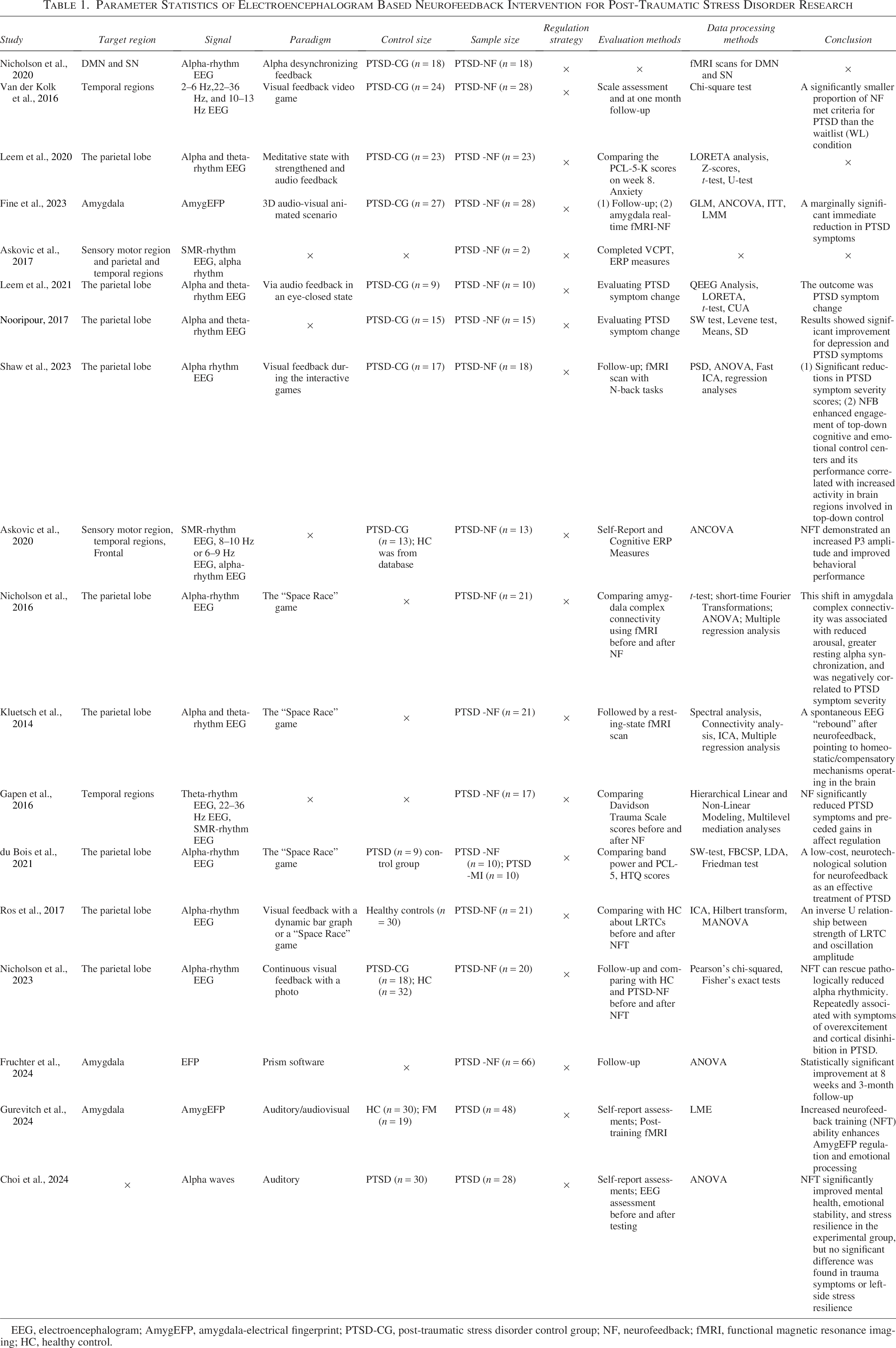
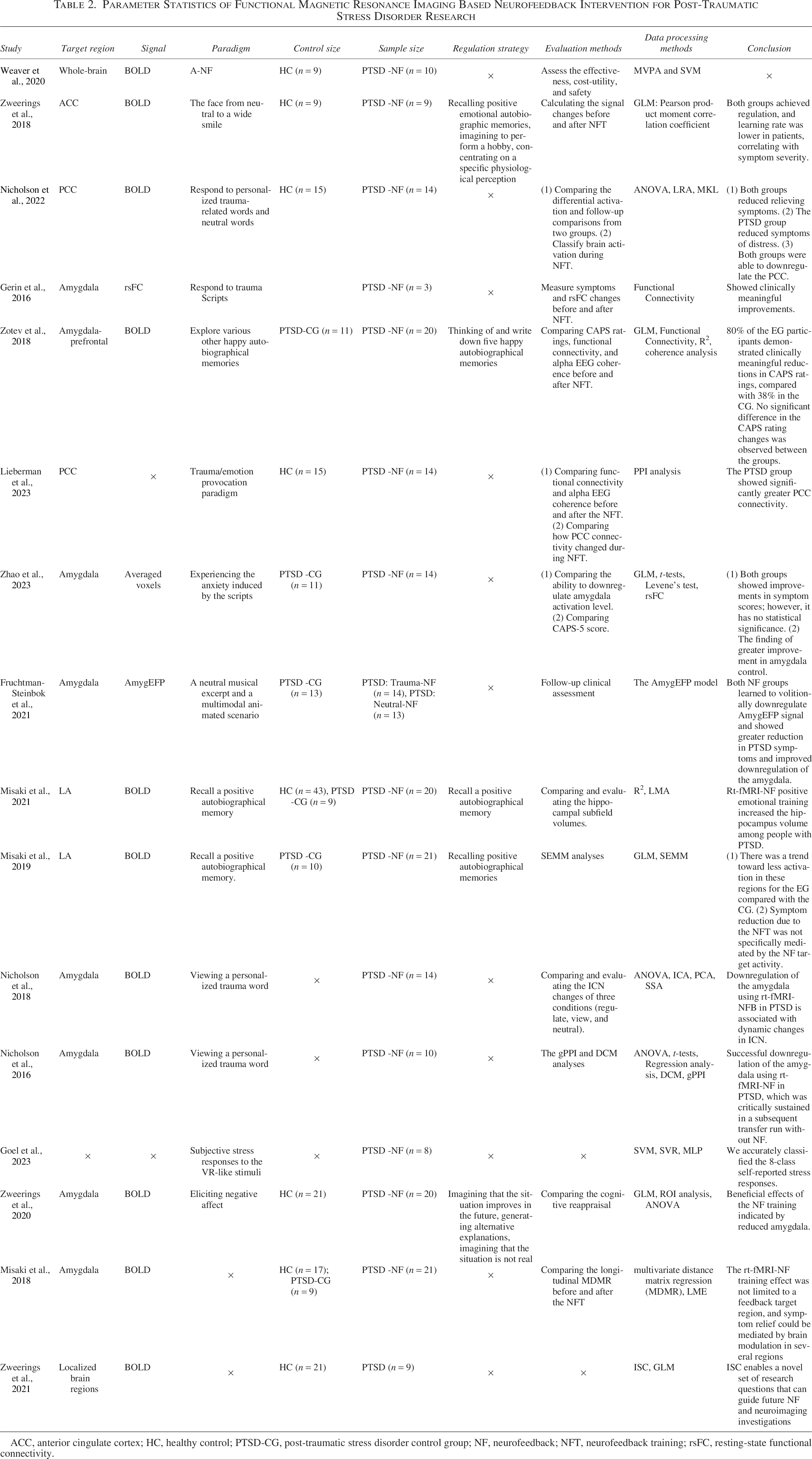
The included studies were categorized into EEG-based and fMRI-based NFT interventions. Their key parameters—including target brain regions, signals, paradigms, control conditions, strategies, assessment methods, data processing approaches, and main conclusions—are summarized in Tables 1 and 2. To assess potential methodological issues and design flaws in the included studies, statistical analyses were conducted on extracted parameters. Chi-square goodness-of-fit tests were applied to categorical variables—such as target brain regions, NF paradigms, and control conditions—to evaluate whether their distributions deviated significantly from a uniform or theoretically expected pattern, thereby identifying possible biases or over-represented elements in existing research. In addition, independent-samples t-tests were performed on continuous variables (e.g., number of participants, baseline scores) between experimental and control groups, aiming to examine the appropriateness and balance of sample allocation. These statistical assessments were intended to provide insights into the methodological rigor and potential limitations of current NF intervention studies.
Parameter Statistics of Electroencephalogram Based Neurofeedback Intervention for Post-Traumatic Stress Disorder Research
EEG, electroencephalogram; AmygEFP, amygdala-electrical fingerprint; PTSD-CG, post-traumatic stress disorder control group; NF, neurofeedback; fMRI, functional magnetic resonance imaging; HC, healthy control.
Parameter Statistics of Functional Magnetic Resonance Imaging Based Neurofeedback Intervention for Post-Traumatic Stress Disorder Research
ACC, anterior cingulate cortex; HC, healthy control; PTSD-CG, post-traumatic stress disorder control group; NF, neurofeedback; NFT, neurofeedback training; rsFC, resting-state functional connectivity.
In addition, this study provides a checklist (Table 3) for evaluating the credibility and robustness of the included research and assesses each study against these criteria. Evaluation indicators include whether the study presents a clear theoretical foundation, whether the sample size meets the estimated value required for statistical power, and if not, how the sample size was determined. Specifically, the sample size was estimated based on the expected effect size, desired statistical power (e.g., 80%), and significance level (e.g., 0.05), using specific software/tool [e.g., G*Power (Faul et al., 2007)]. The formula for sample size estimation is shown below:

Where
Comparison of Classification Results
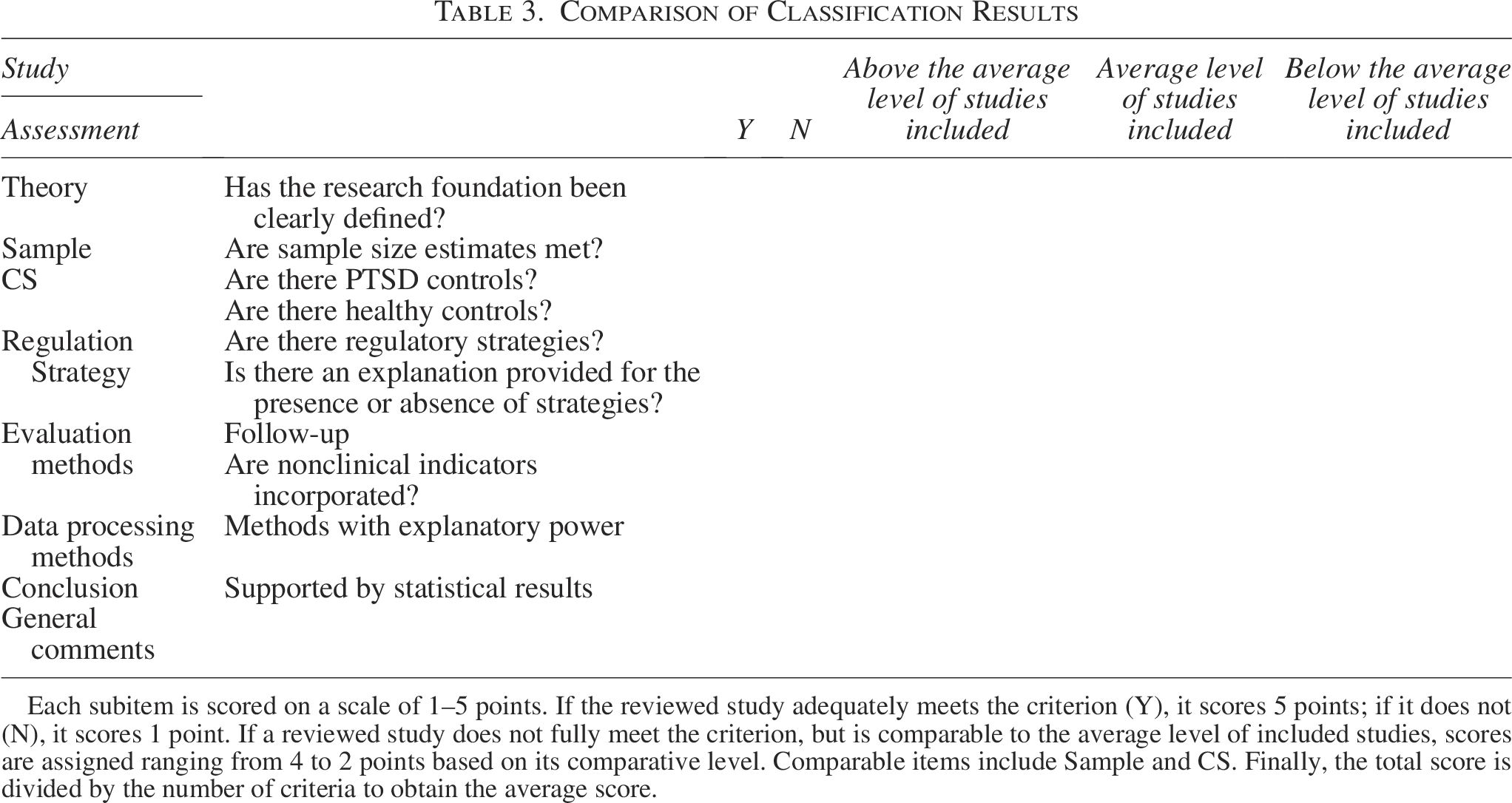
Each subitem is scored on a scale of 1–5 points. If the reviewed study adequately meets the criterion (Y), it scores 5 points; if it does not (N), it scores 1 point. If a reviewed study does not fully meet the criterion, but is comparable to the average level of included studies, scores are assigned ranging from 4 to 2 points based on its comparative level. Comparable items include Sample and CS. Finally, the total score is divided by the number of criteria to obtain the average score.
In cases where the estimated sample size was not met, this study compares the included studies horizontally by comparing them to the average sample size of the studies in the review. Furthermore, evaluation criteria include the selection of control groups, guidance on regulation strategies, rigor of assessment methods, interpretability of data processing methods, credibility of conclusions, and finally, an overall assessment based on the completion of the checklist.
It should be noted that certain studies (Leem et al., 2020; Gerin et al., 2016) were included in the study despite some prominent issues such as severely inadequate sample sizes or unclear conclusions. This inclusion was based on noteworthy aspects of their methods or research processes that warrant discussion.
Results
Summary of parameters for included studies
Following the criteria and checklist established by this study, the parameters of included studies in EEG-based and fMRI-based NFT groups are summarized in Tables 1 and 2. There are 18 studies included in EEG-NFT research and 16 in fMRI-NFT research. In EEG-NFT studies, four studies did not clearly report conclusive findings and one study reported negative results (no statistically significant difference between the NFT group and the control group). In fMRI-NFT studies, two studies reported negative results. The remaining studies (79.4% of the total) concluded on the effectiveness of NFT intervention for PTSD across various aspects. In addition, recent reviews have further underscored the effectiveness of NF in addressing both psychological and physical conditions, such as chronic pain, highlighting its broader therapeutic potential (Diotaiuti et al., 2024a).
Target brain areas, target signals, and experimental paradigm statistics
As shown in Figure 2, we conducted a statistical analysis of the target brain areas and target signals in the included studies, categorized into EEG-based and fMRI-based NFT groups. The statistical results indicate that for the EEG-NFT group, 5.6% of studies targeted the default mode network (DMN) and salience network (SN), whereas 55.6% targeted the parietal lobe. In addition, 16.7% targeted the Amygdala, and 11.1% targeted the sensory motor region. In terms of temporal regions, 22.2% of studies focused on them, and 5.6% targeted the frontal region. A chi-square goodness-of-fit test revealed a significant difference in the distribution of target brain regions (χ2 = 16.429, p = 0.006), suggesting that current studies exhibit a nonuniform selection of target areas. Standardized residuals further indicated a notable preference for the parietal lobe (residual = 3.47), highlighting a potential bias toward targeting this region in EEG-based NFT studies.
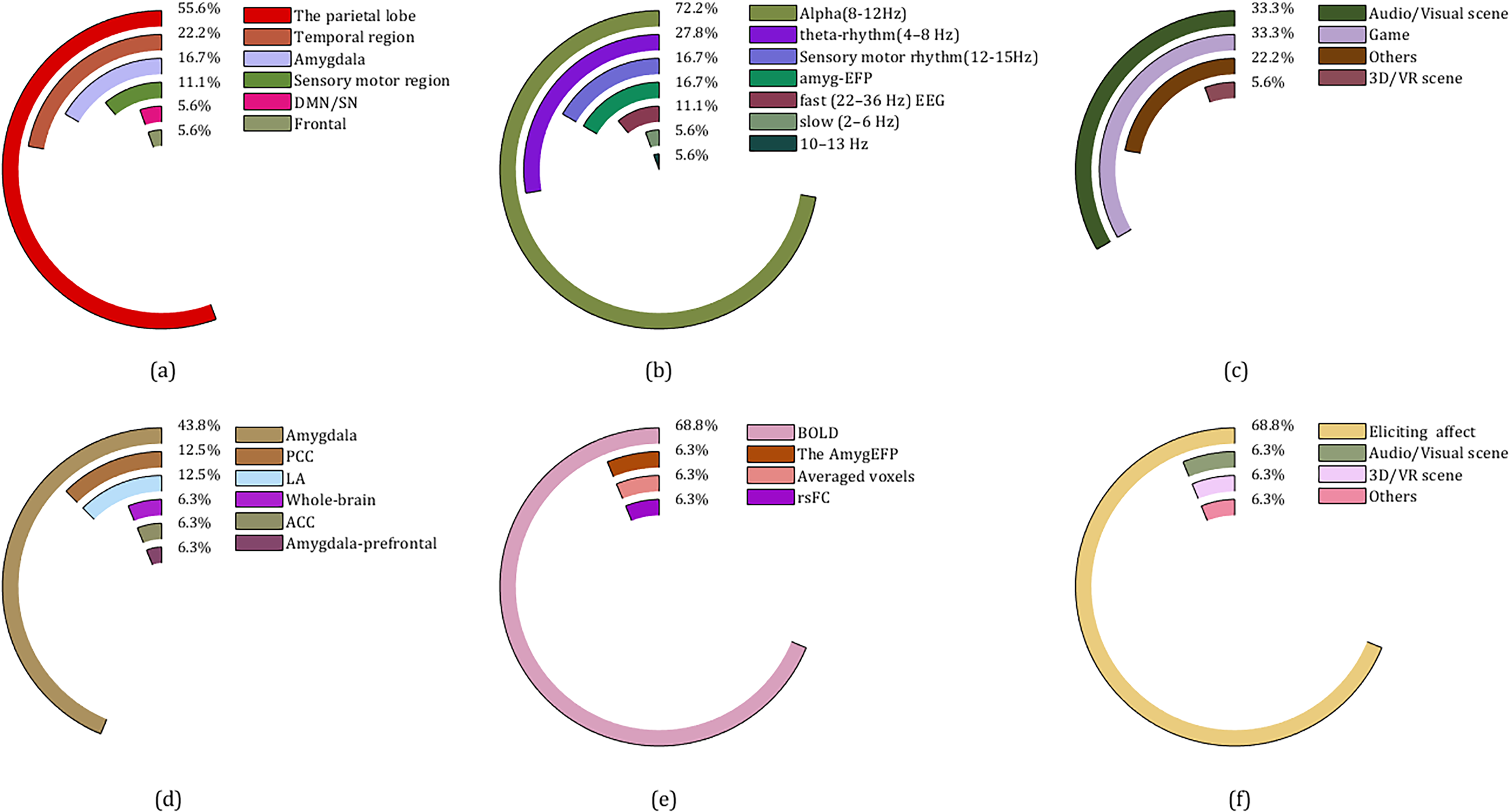
Target brain areas, target signals, and experimental paradigm statistics.
Regarding the main regulatory signals in the included studies, the majority were segmented by EEG signal rhythms, with 72.2% involving Alpha (8–12Hz) rhythms. Other studies included low-frequency (2–6Hz) EEG signals (5.6%), high-frequency (22–36 Hz) EEG signals (11.1%), and theta-rhythm (4–8 Hz), sensory motor rhythm (12–15Hz), and 10–13 Hz signals, accounting for 27.8%, 16.7%, and 5.6%, respectively. Furthermore, 16.7% of studies focused on the amygdala-electrical fingerprint (AmygEFP) signal model (Fine et al., 2023). A chi-square goodness-of-fit test revealed a significant deviation in the distribution of regulatory signal types (χ2 = 26.500, p < 0.001). Notably, the standardized residual for the Alpha rhythm was 4.50, suggesting a substantial overrepresentation of this signal type, indicating a marked bias toward Alpha rhythm regulation in current EEG-based NF research.
For the fMRI-NFT group, the distribution of targeted brain regions in the included studies is as follows: Whole brain, anterior cingulate cortex (ACC), and Amygdala-prefrontal, each accounting for 6.3%. Studies involving regulation of the posterior cingulate cortex (PCC) and lateral amygdala (LA) regions each constitute 12.5% of the included studies. Amygdala regulation is reported in 43.8% of the included studies. A chi-square goodness-of-fit test indicated a significant difference in the selection frequency of targeted brain regions (χ2 = 11.714, p = 0.039), with standardized residuals revealing that the Amygdala was notably overrepresented (residual = 3.06), suggesting a marked tendency to target this region in fMRI-based NFT studies. Regarding the main regulatory signals in the included studies, BOLD signals account for 68.8%, whereas studies involving the AmygEFP, Averaged voxels, and resting-state functional connectivity each constitute 6.3%. A separate chi-square test on the distribution of signal types also showed a significant deviation from uniformity (χ2 = 21.429, p < 0.001). The standardized residual for the BOLD signal was 4.01, indicating a strong tendency toward using BOLD signals in current fMRI-NFT research.
For the types of NFT paradigms in the EEG-NFT group, paradigms were categorized into Audio/Visual scene and Game groups. They constituted 33.3% and 33% of the included studies, respectively. In anticipation of the potential of VR technology, a 3D/VR scene group was included, accounting for 5.6% of the studies. The remaining paradigms were categorized as Other, including meditation paradigms, and accounted for 22.2% of the included studies. A chi-square goodness-of-fit test showed no significant deviation in the distribution of NFT paradigms (χ2 = 3.941, p = 0.268), with standardized residuals revealing a slight underrepresentation of the 3D/VR scene category (residual = −1.58) and a slight overrepresentation of the Audio/Visual scene and Game categories (residual = 0.85). This suggests that the selection of paradigms across studies is relatively balanced, with no marked preference for any specific type.
In the fMRI-NFT group, paradigms primarily belonged to the Eliciting effect category, which constituted 68.8% of the included studies. Audio/Visual scene, Game, and Other groups each accounted for 6.3% of the included studies. A chi-square goodness-of-fit test revealed a significant deviation in the distribution of NFT paradigms (χ2 = 21.429, p < 0.001). Standardized residuals showed a marked overrepresentation of the Eliciting effect paradigm (residual = 4.01), suggesting a strong preference for this type of paradigm in fMRI-based NFT studies. In contrast, the Audio/Visual scene, 3D/VR scene, and Other categories were underrepresented (residuals = −1.34).
Statistical analysis of study parameters
As shown in Figure 3., we conducted a statistical analysis of the included studies categorized into EEG-based and fMRI-based NFT research. The statistical results indicate that for the EEG-NFT group, approximately 77.8% of the studies included a control group. Among these, 22.2% used healthy controls, 61.1% used PTSD patient controls, 5.6% had dual experimental groups, and 16.7% had dual control groups. The average number of participants in the PTSD control groups was 18.5 (SEM = 6.93) and in the NFT experimental groups, it was 22.7 (SEM = 14.99). There was no significant statistical difference between the PTSD control and NFT experimental groups (p = 0.3882), suggesting that the control group setups in the included studies are reasonable.
Due to the limited use of healthy control samples and the inclusion of studies (such as Mirjana Askovic [Askovic et al., 2020]) using matched data from databases, this study provides only a reference value of approximately 31 individuals for healthy controls. Among the studies included, none provided detailed regulatory strategies for PTSD-NFT processes. About one-third of the studies provided reasons (Fine et al., 2023; Nicholson et al., 2016; Kluetsch et al., 2014; Ros et al., 2017; Shaw et al., 2023), which were similar, aiming to prevent demand characteristics from influencing training. These studies did not provide specific regulatory strategy instructions to participants, encouraging a psychological strategy of free exploration.
Using the chi-square test statistic to examine the parameters related to the evaluation standards and methods of the EEG-NF group (χ2 = 39, p < 0.001), the following results were obtained: Specific NFT regulation paradigms were provided in 61.1% of the studies. Data processing in 94.4% of the studies used traditional statistical methods, whereas only 16.7% involved simple machine learning (ML) methods such as independent component analysis (ICA) and linear discriminant analysis (LDA) (Weaver et al., 2020; Ros et al., 2017). No studies utilized deep learning (DL) methods. All included studies used pre–post-test comparative assessments to verify the effectiveness of NFT. Among EEG-NFT studies, process evaluations were not used in any study, whereas 38.9% used follow-ups and algorithms or physiological indicators beyond clinical scales, such as long-range temporal correlations (LRTCs), event-related potentials (ERP), and fMRI measures (Ros et al., 2017; Askovic et al., 2017; Fine et al., 2023). Standardized residuals indicated that traditional statistical methods (residual = 2.67) and pre–post assessments (residual = 3.00) were significantly overrepresented, whereas guidance strategies and process evaluations were notably underrepresented (residuals = −3.00). The use of ML/DL methods also appeared underutilized (residual = −2.00), suggesting a general tendency in current EEG-NFT studies to rely on conventional analytical approaches and outcome assessments, with limited integration of more dynamic or process-based evaluations.
In the fMRI-NFT group, 75% of the included studies included a control group, with 12.5% having dual control groups and 6.3% having dual experimental groups. Half of the studies used healthy controls, whereas 37.5% used PTSD patient controls. The average number of participants in the NFT experimental groups was 14.6 (SD 6.37) and 10.5 (SD 1.52) for the PTSD patient control groups and 18.8 (SD 10.82) for the healthy control groups. Independent samples t-tests showed no significant statistical differences among the three groups as follows: between NFT experimental groups and PTSD patient control groups (p = 0.0913), between NFT experimental groups and healthy control groups (p = 0.1372), and between PTSD patient control groups and healthy control groups (p = 0.2495), indicating that the control group setups in the included studies are reasonable.
Among the studies included, 25% provided detailed regulatory strategies for NFT processes, and 87.5% specified NFT regulation paradigms. In terms of data processing, 87.5% of the studies used traditional statistical methods, whereas 25% utilized simple ML methods. No studies involved DL methods. All studies used pre–post-test comparative assessment methods to validate the effectiveness of NFT. Statistically, for the included fMRI-NFT studies, 13% included process evaluations (Nicholson et al., 2022), and 31% used algorithms or physiological indicators beyond clinical scales in data processing, such as gPPI and alpha EEG coherence (Nicholson et al., 2017; Zotev et al., 2018). A chi-square goodness-of-fit test revealed a significant deviation in the distribution of evaluation-related parameters among fMRI-NFT studies (χ2 = 26.625, p < 0.001). Standardized residuals suggested that the use of clear experimental paradigms (residual = 2.12), traditional statistical methods (residual = 2.12), and pre–post assessments (residual = 2.83) was notably more frequent than expected, whereas process evaluations were underrepresented (residual = −2.12). The use of guidance strategies and ML/DL methods also appeared relatively limited (residuals = −1.41), indicating a preference for conventional and outcome-based evaluation strategies over dynamic or process-focused approaches.
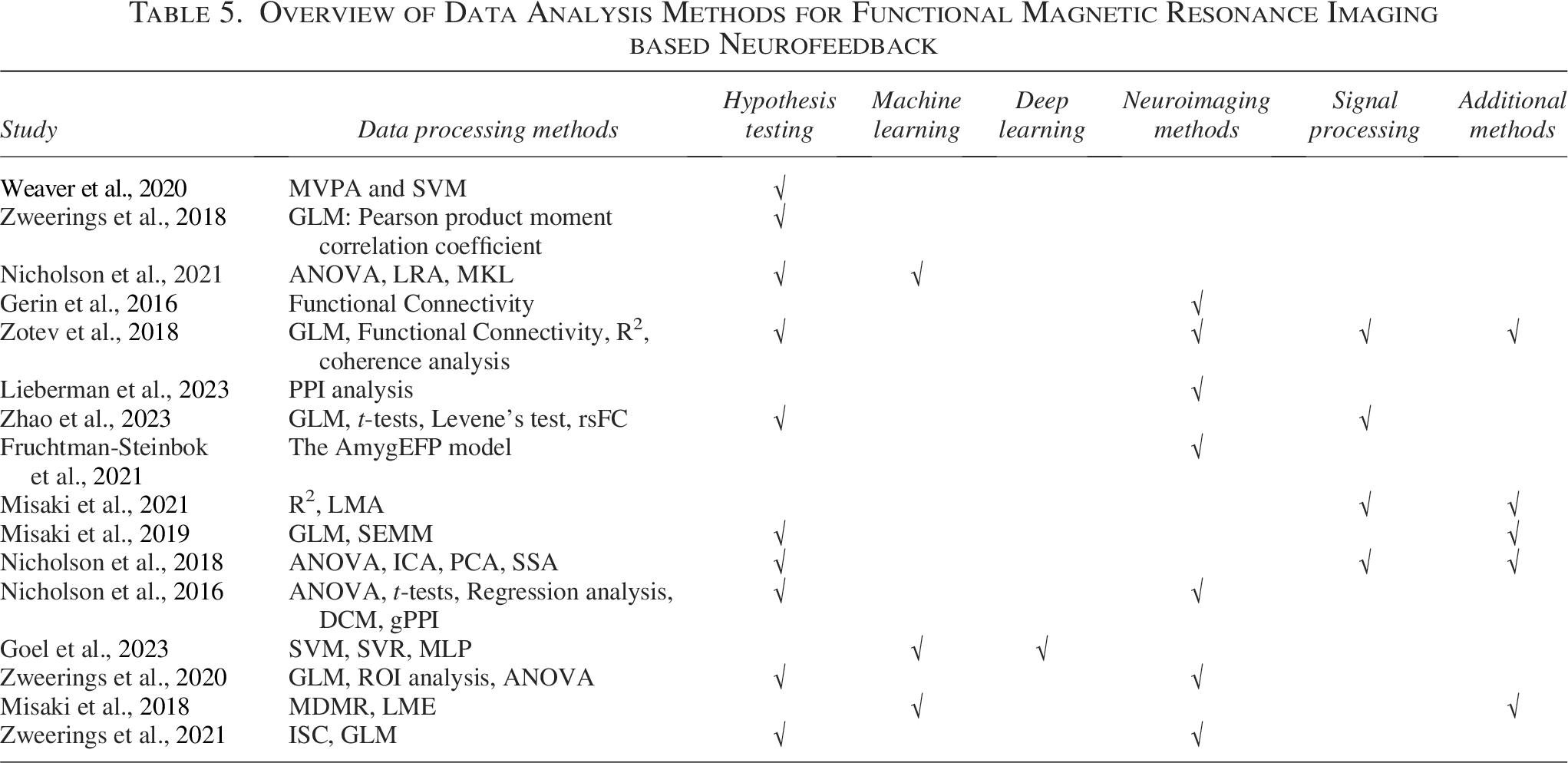
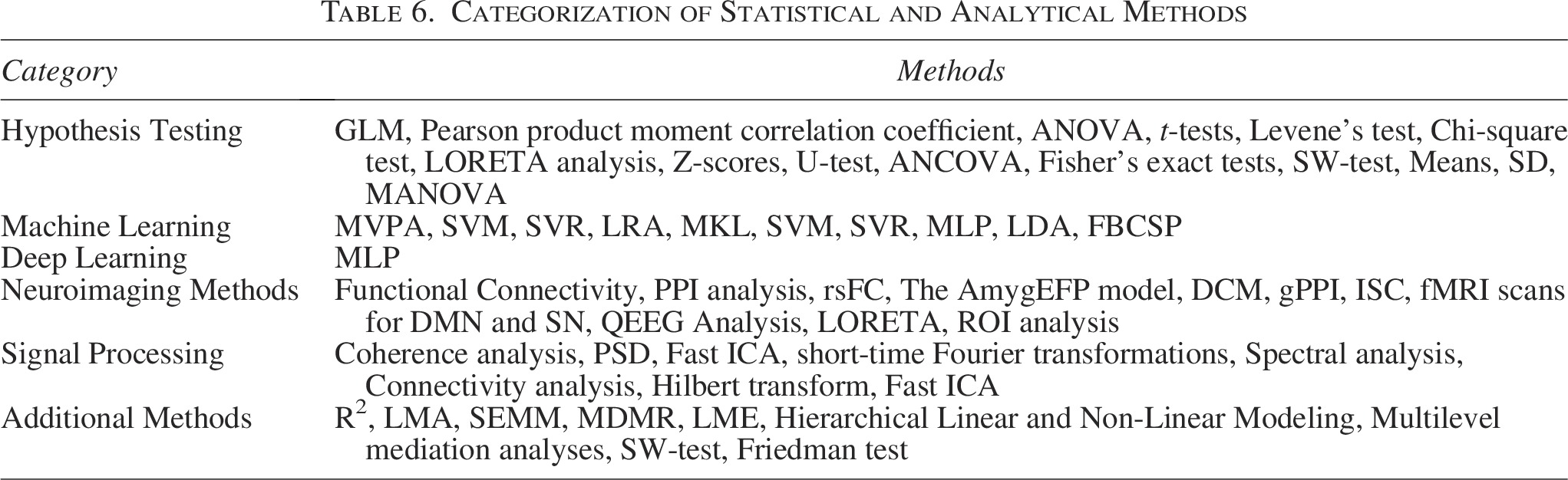
To improve the clarity and organization of the statistical techniques used in the included studies, we have summarized the methods in Table 4–6. The studies are categorized according to the statistical approaches used, including hypothesis testing, ML, DL, neuroimaging methods, signal processing, and additional methods. This categorization allows for a clearer understanding of the variety of statistical methods applied in the included studies.
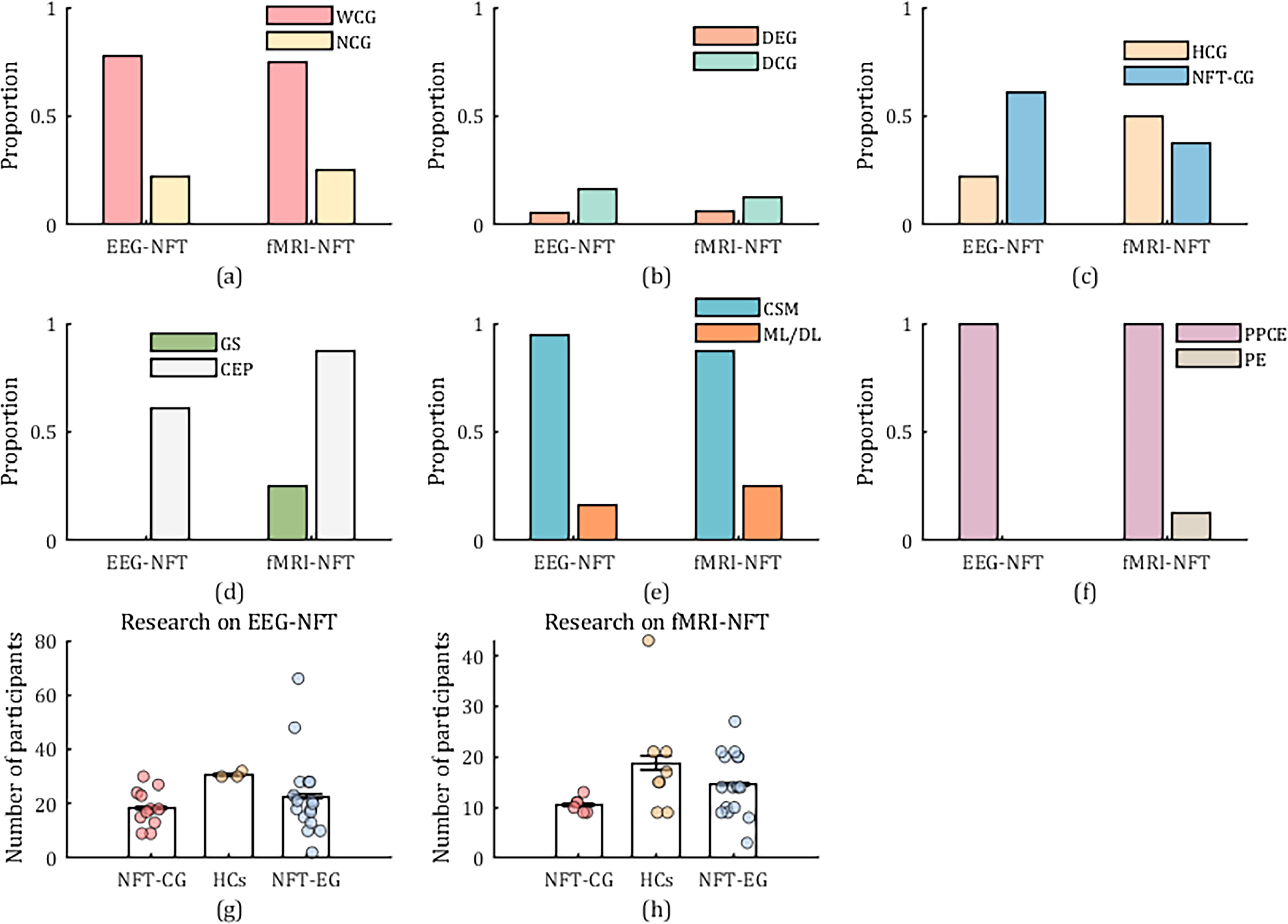
Statistical Analysis of Study Parameters.
Overview of Data Analysis Methods for Electroencephalogram-based Neurofeedback
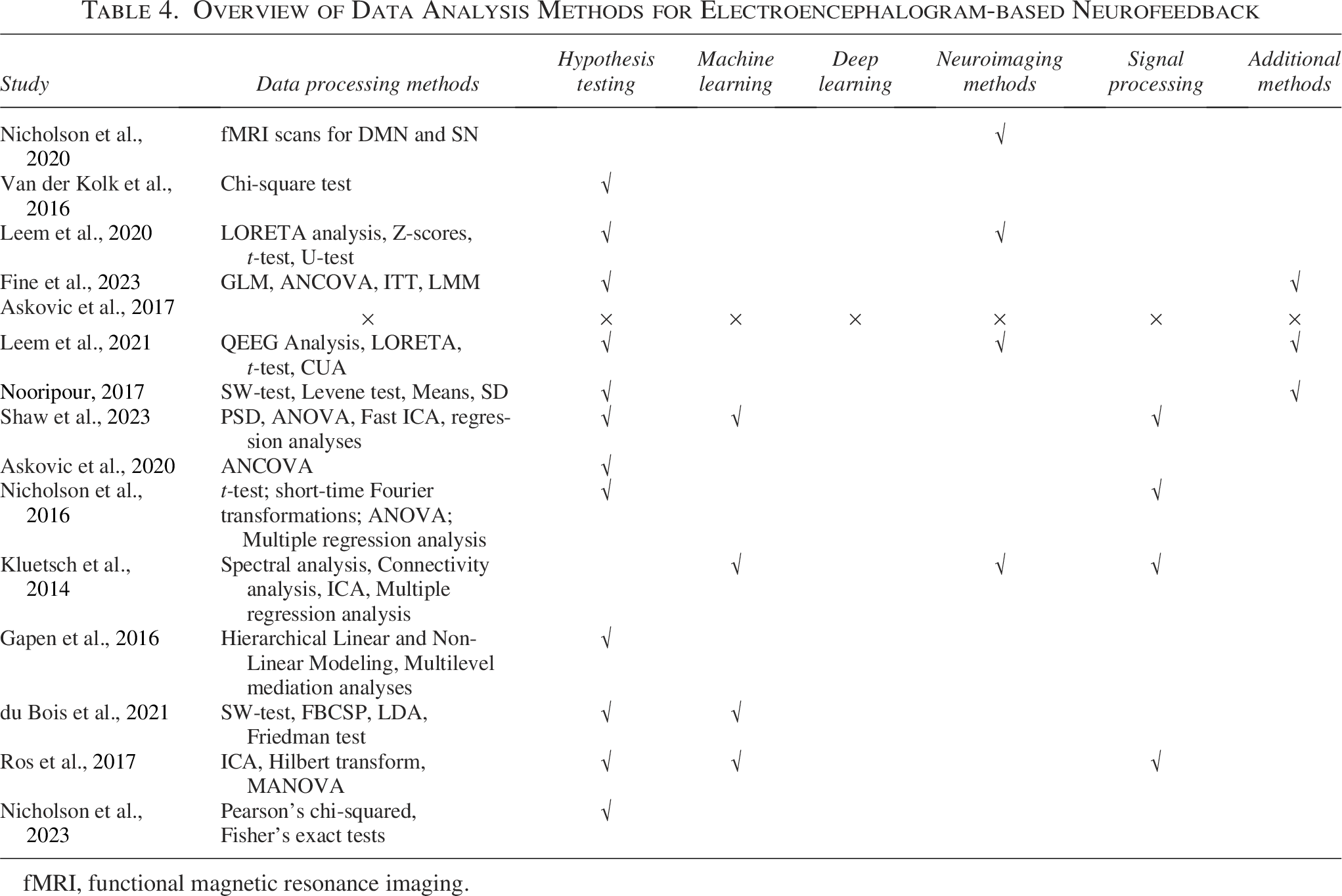
fMRI, functional magnetic resonance imaging.
Overview of Data Analysis Methods for Functional Magnetic Resonance Imaging based Neurofeedback
Categorization of Statistical and Analytical Methods
Discussion
This study screened, examined, and statistically analyzed existing research in the PTSD-NFT field, integrating study designs and various indicators related to PTSD-NFT studies, and presented statistical findings. Based on the current statistical results, this study summarizes key technical issues and suggests the need for further research in the following areas. To visually illustrate the key technical issues and research gaps identified in this study, Figure 4 presents an overview of the interrelationships between ML/DL methods, process evaluation, regulatory strategies, and paradigm innovation in the context of PTSD-NFT research. The figure highlights the current shortcomings in existing studies across these areas and serves as a foundation for the following discussion, which delves deeper into the specific challenges and research needs that need to be addressed for future advancements in the field.
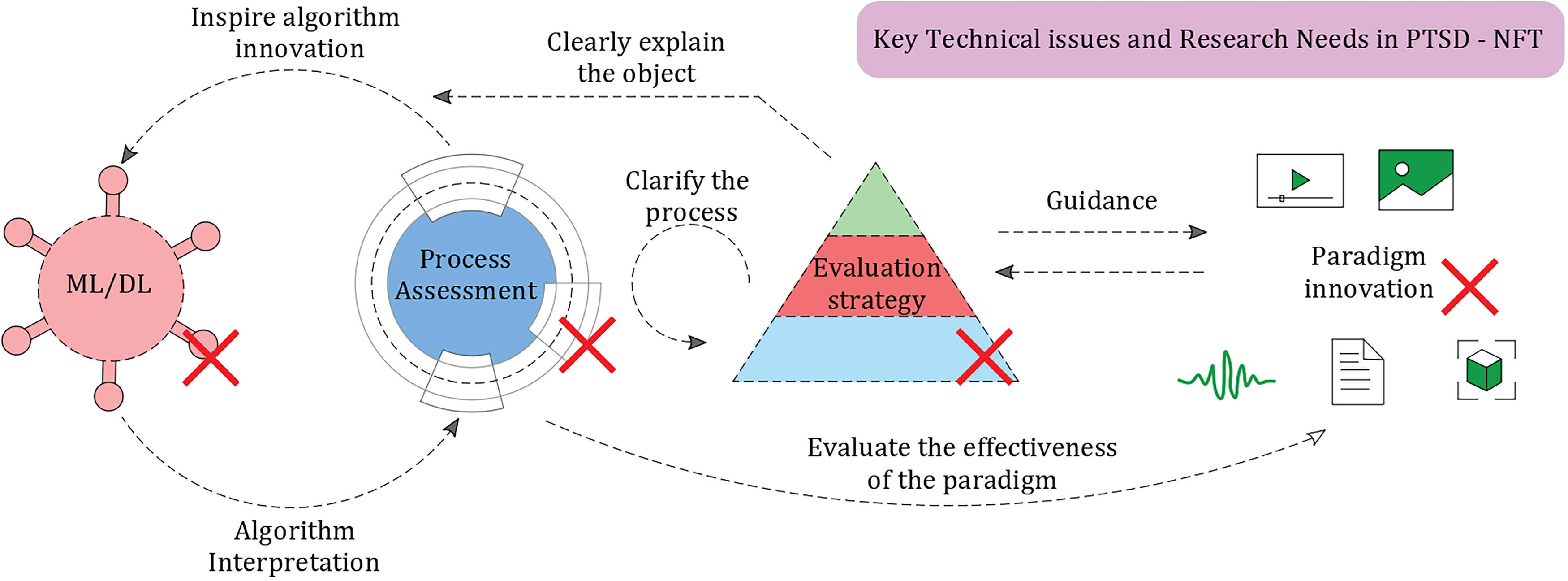
Key Technical issues and Research Needs in PTSD-NFT. PTSD, post-traumatic stress disorder; NFT, neurofeedback training.
The value of fNIRS technology in target brain regions, target signals, and experimental paradigms for NFT
Existing research has demonstrated that the pathogenesis of PTSD involves disruptions in the central nervous system’s memory processes related to stress information, leading to difficulties in inhibiting conditioned fear responses or excessive suppression thereof. PET studies (Bremner et al., 2003) have shown severe reductions in regional cerebral blood flow in PTSD patients, including the orbitofrontal cortex, anterior cingulate gyrus, anterior medial frontal cortex (Brodmann’s areas 2, 9), fusiform gyrus/temporal subcortex, and increased activation in the posterior cingulate gyrus, left subcortical areas, and motor cortex, which are associated with memory circuits. PET and functional MRI confirm heightened reactivity of the amygdala and anterior insular cortex to traumatic stimuli, whereas reduced reactivity is observed in the ACC and prefrontal regions.
In addition, EEG studies (Jokic-Begic and Begic, 2003) indicate that PTSD patients exhibit decreased alpha waves and increased beta waves. Increased beta I excitations extend beyond the medial frontal cortex plane and left parietal regions, whereas beta II excitations manifest in the frontal lobe. Theta wave abnormalities extend beyond the medial frontal cortex, suggesting cortical overexcitation and prolonged arousal, indicative of dysregulation in frontal lobe activation.
Statistical analysis of existing PTSD-NFT studies reveals that these NFT paradigms, target regions, and target signals indeed strictly adhere to the neurophysiological findings mentioned above. Due to the amygdala’s deep location in the brain, fMRI-NFT studies focus on regulating the amygdala by downregulating it to attenuate its and the anterior insular cortex’s heightened response to traumatic stimuli. In contrast, EEG-NFT studies concentrate on modulating alpha waves and theta activity.
However, it is crucial to note that the frontal lobe plays a significant role in the pathogenesis of PTSD, making it an important target for regulation. Yet statistical analysis of included studies suggests that there is relatively less focus on regulating the frontal lobe in current research. One possible reason is that in fMRI-NFT studies, the amygdala is often prioritized, whereas in EEG-NFT studies, alpha waves are typically targeted from the parietal lobe and theta waves from the temporal areas, thus making the frontal lobe not a primary area for regulation.
Introducing another noninvasive BCI technology—fNIRS BCI, statistical analysis of included studies shows very few PTSD-NFT studies based on fNIRS. However, for regulation of the frontal lobe, hemodynamic responses are excellent target signals for fNIRS, and given the depth of measurement of fNIRS, the frontal region is highly suitable. In fact, in other areas of PTSD research, studies using fNIRS BCI technology have been conducted. For example, Balters et al. (Balters et al., 2021) utilized the NimStim dataset to construct neutral/fearful facial expression recognition tasks, activating the frontal-amygdala circuit in PTS. Thus, based on fNIRS, regulating the hemodynamic response in the frontal lobe appears to be an expandable option for PTSD-NFT.
Nevertheless, it is important to acknowledge why this promising technology has not yet seen widespread adoption. One key limitation is the current lack of well-established NF markers that can guide individuals in voluntarily modulating frontal lobe activity through fNIRS. Unlike EEG, which offers relatively direct and intuitive feedback targets such as alpha or theta rhythms, the hemodynamic signals recorded by fNIRS are less straightforward for real-time self-regulation. Moreover, the mechanisms involved in regulating cerebral blood oxygenation differ fundamentally from those of neural electrical activity and remain less understood. These limitations present challenges in protocol design and user feedback effectiveness, necessitating further research to optimize fNIRS-based NF strategies.
The assessment of NF processes as a crucial link in the evidence chain of PTSD-NFT studies
The inability to clearly define assessment methods for NFT processes and participant regulation strategies has created a black box in the broader control system of NFT. This also makes it challenging for PTSD-NFT research to adopt controlled scientific methods to explain and model the PTSD-NFT process. Even though some included studies attempt to use fMRI technology to compare brain states before and after NFT sessions, while this is highly valuable for demonstrating the efficacy of NFT in treating PTSD, it still does not explain how NFT achieves these effects.
In simpler terms, researchers cannot explain what exactly patients do during NFT to cause changes in brain states that lead to final experimental results. Moreover, the underlying neurophysiological mechanisms of this process or the mathematical and physical processes from a control engineering perspective remain unclear. However, there is a lack of improvement in the monitoring and evaluation system of neural feedback processes in existing research, which may be the reason for the insufficient evidence chain.
The necessity of clear regulation guidance: Worth considering
Statistical analysis of included studies indicates that current PTSD-NFT research provides limited guidance on regulation strategies. While free exploration aligns with core NF principles, studies suggest that clear strategy guidance may enhance intervention outcomes (Chen et al., 2022). Furthermore, this lack of guidance not only limits the participant’s ability to engage meaningfully in the task but also hinders the development of reliable evaluation methods. This lack of guidance ultimately reinforces the challenge of interpreting the NF process. Similar concerns have been raised in broader NF and biofeedback applications, where integrated methodological frameworks have been proposed to improve protocol clarity (Tosti et al., 2024).
The critical role of clear regulation strategies and improved process evaluation methods in data processing approaches
Existing PTSD-NFT studies rely heavily on pre–post statistical comparisons to evaluate outcomes; yet, these methods often fail to capture the underlying regulation dynamics. Despite the significant utility and potential demonstrated by ML and DL in the interdisciplinary field of medical engineering, statistical analysis of included studies indicates that their adoption in current PTSD-NFT research is minimal. In other populations, such as university students, studies have demonstrated that well-structured NF protocols can significantly enhance cognitive functions like working memory while reducing anxiety, supporting the value of precise evaluation approaches (Diotaiuti et al., 2024b). It appears that these methods fail to fully leverage the capabilities of ML and DL.
One possible reason, as discussed in the previous section, could be the unclear nature of exploratory tasks in the NFT process. This implies that most experimental signals collected during research lack precise semantic labels. Whether using data-driven DL methods or model-driven ML theories, it becomes challenging to design a stable model capable of processing such data effectively. Therefore, the primary opinion of this study is to advance process evaluation approaches for PTSD-related NFT by introducing algorithmic tools that complement traditional pre–post assessments. Although this process inherently involves a certain level of mechanistic interpretation, the focus remains on improving the methodological framework for evaluating NF procedures in a more continuous and dynamic manner.
To achieve this, future studies could incorporate time window-based feature extraction strategies, coupled with adaptive filtering algorithms, to dynamically model neural feedback signals and uncover regulation patterns. In addition, adopting a “semi-guided regulation” approach could help provide participants with structured strategy references (e.g., focusing attention or emotional association) while preserving the essence of self-regulation. Moreover, integrating interpretable ML models, such as decision trees or Shapley-based XGBoost, would enable identification of meaningful patterns in neural changes, thus supporting individualized interventions and enhancing clinical outcomes.
Limitations and challenges
The studies included in this review were primarily based on literature retrieved from specific databases within a defined time frame, which may introduce selection bias and limit the comprehensiveness of the review’s findings, potentially overlooking certain perspectives and discoveries in the field. Furthermore, the criteria and process for selecting studies could affect the representativeness of the included literature. While efforts were made to control for these differences during the review process, it is important to acknowledge that these factors may have a potential impact on the results of the study.
Conclusion
This study conducted a literature review and statistical analysis of research in the PTSD-NFT field. Statistical synthesis of included studies suggests that controversies in PTSD-NFT research likely stem from the following two main issues within existing NFT assessment frameworks: the lack of designed process evaluations and the absence of clear evidence regarding the effectiveness of regulation strategies. Through statistical analysis of experimental outcomes and regulated brain regions, this study highlights that fNIRS-NFT may be a valuable avenue for further research.
The perspectives presented in this study are grounded in interpretations of statistical findings from included studies, aiming to contribute to the development of the PTSD-NFT field.
Authors’ Contributions
Conceptualization, P.D.; methodology, P.D., A.G., W.N., and Y.F.; software, P.D.; validation, P.D., L.T., and H.P.; formal analysis, P.D.; investigation, L.T.; data curation, P.D., L.T., and H.P.; writing—original draft preparation, P.D.; writing—review and editing, P.D.; visualization, P.D.; supervision, A.G., W.N., and Y.F.; project administration, Y.F.; and funding acquisition, Y.F. All authors have read and agreed to the published version of the article.
Footnotes
Author Disclosure Statement
The authors declare no conflicts of interest.
Funding Information
This research was funded by the National Natural Science Foundation of China (82172058).