




Abstract
Single-photon emission computed tomography has become a significant imaging modality with huge potential to visualize and provide information of anatomic dysfunctions that are predictive of future diseases. This imaging tool is complimented by radiopharmaceuticals/radiosubstrates that help in imaging specific physiological aspects of the human body. The present study was undertaken to explore the utility of technetium-99m (99mTc)–labeled glutamate conjugates for tumor scintigraphy. As part of our efforts to further utilize the application of chelating agents, glutamic acid was conjugated with a multidentate ligand, diethylenetriaminepentaacetic acid (DTPA). The DTPA–glutamate conjugate [DTPA-bis(Glu)] was well characterized by IR, NMR, and mass spectroscopy. The biological activity of glutamic acid was compared with its DTPA conjugate by radiocomplexation with 99mTc (labeling efficiency ≥98%). In vivo studies of both the radiolabeled complexes 99mTc-Glu and 99mTc-DTPA-bis(Glu) were then carried out, followed by gamma scintigraphy in New Zealand albino rabbits. Improved serum stability of 99mTc-labeled DTPA conjugate indicated that 99mTc remained bound to the conjugate up to 24 hours. Blood clearance showed a relatively slow washout of the DTPA conjugate when compared with the labeled glutamate. Biodistribution characteristics of the conjugate in Balb/c mice revealed that DTPA conjugation of glutamic acid favors less accumulation in the liver and bone and rapid renal clearance. Tumor scintigraphy in mice showed increasing tumor accumulation, stable up to 4 hours. These preliminary studies show that 99mTc-DTPA-bis(Glu) can be a useful radiopharmaceutical for diagnostic applications in single-photon emission computed tomography imaging.
Introduction
Radiolabeled peptides are an emerging class of radiopharmaceuticals that are contributing significantly to molecular imaging. 1 Of these, the technetium-99m (99mTc)–labeled peptides have found a prominent place in both research and clinical practice, 2 –5 because 99mTc possesses the best characteristics for scintigraphic imaging among the currently available radionuclides. Its short half-life of 6.02 hours and lack of particulate emissions generally result in a low absorbed radiation dose to patients. Technitium-99m can be easily made to react with a wide variety of hydrophilic compounds, which include N4 compounds (e.g., tetraazacyclododecane), N2S2 compounds (e.g., ethylenedicysteine diethylester), O4 compounds (e.g., diethylenetriaminepentaacetic acid [DTPA]), and hydrazinenicotinamide chelates. 6,7 DTPA is an efficient chelating agent known to form stable complexes with radionuclides such as 111In, 90Y, and 99mTc. 1 DTPA can be conveniently conjugated to other molecules by conversion of the carboxylic groups into a carboxamide via DTPA bisanhydride. Owing to its chemical stability, the amide bond is the preferred route to prepare conjugates containing metal complexes, which have to be administered in vivo.
Amino acid uptake is generally increased in rapidly growing tumor cells when compared with normal cells. 8,9 Also, amino acid transport is enhanced in malignant transformation because of the high rate of protein metabolism and cell division in tumors, specifically, lysine, glutamic acid, and methionine, which are also very well exploited with tracer techniques. 10,11 Tumors assimilate nitrogen, not only from the diet but also from the host proteins, raising the concept of tumors as “nitrogen traps,” actively competing with the host for nitrogen compounds. 12 Increased protein metabolism therefore becomes a significant target for metabolic tumor imaging for which radiolabeled amino acids can be used. Several amino acids such as leucine, methionine, and tyrosine have been used in the past in nuclear medicine for tumor imaging. 13,14
Glutamic acid is one of the nonessential amino acids present in the human body. Because it has a carboxylic moiety on the side chain, glutamic acid is one of the only two amino acids that has a net negative charge at physiological pH. It is the most abundant swift excitatory neurotransmitter in the mammalian nervous system and also plays an important role in the body's disposal of excess or waste nitrogen. It picks up excess ammonia, which inhibits brain functioning, and converts it into glutamine. When aminated, glutamic acid forms the important amino acid glutamine, the most abundant amino acid in the body, and thus also serves as a glutamine precursor.
As a general rule, malignant cells transport glutamine across their plasma membranes at a faster rate than their nonmalignant counterparts. 15 –17 Because glutamine is the most abundant free amino acid in the human body and the main vehicle for circulation of ammonia in a nontoxic form, 17 some authors consider that tumors behave as “glutamine traps.” 18 Tumors elicit a specific response in the host nitrogen metabolism, that is, to mobilize and augment circulating glutamine. 19 There is a net flux of glutamine from host to tumor, which is possibly due to a net production of glutamine by host tissues as a result of an increase in the glutamine synthetase/glutaminase ratio. 20 Considering these biological properties of this amino acid it was thought worthwhile to label it with 99mTc and study its possible applications in tumor scintigraphy.
Also, DTPA-bis(amide) derivatives with several amino acids have been successfully used as target-specific radiopharmaceuticals. 21,22 Therefore, it was envisaged that an effective radiopharmaceutical for imaging could be obtained by conjugating glutamic acid to the well-known radiotracer, 99mTc-DTPA, which could exhibit the properties of the native amino acid and, at the same time, show strong binding affinity toward different metal ions (Gd, Eu, 99mTc, 111In).
In the present work, we have described the synthesis of DTPA-bis(Glu) conjugate, complete chemical characterization, as well as evaluation of its biological activity. Here, we present a one-step method to radiolabel glutamic acid and the synthesized DTPA-bis(Glu) conjugate and report their utility for tumor visualization in a murine model.
Materials and Methods
Chemicals
Acetonitrile, acetic anhydride,
Instrumentation
1 H NMR spectra were recorded on a Bruker Avance 400 MHz spectrometer. Infrared spectra were recorded by the KBr pellet method in the range of 4000–400 cm−1 on a Perkin Elmer Spectrum BX-II spectrometer. ESI mass spectra were recorded on an Agilent Technologies 6310 Ion-Trap LCMS. Radioactivity counts were measured in a well-type gamma-ray counter (type CRS23C; ECIL). Radioimaging and biodistribution studies were carried out using a planar gamma camera fitted with parallel collimator (ECIL).
Animal models
All animal studies were carried out under the guidelines compiled by CPCSEA (Committee for the Purpose of Control and Supervision of Experiments on Animals), Ministry of Culture, Govt. of India, and all the study protocols were approved by the Institutional Animal Ethics Committee. Healthy, albino New Zealand rabbits having body weight between 2.5 and 3 kg and Balb/c mice (weighing between 25 and 30 g), with no prior drug treatment, were employed for all blood kinetics, imaging, and biodistribution studies. Mice and rabbits were housed under conditions of controlled temperature of 22°C ± 2°C and preserved on standard diet and water. All possible steps were taken to minimize the suffering of the animals at each stage of the experiment.
Experimental
Synthesis of DTPA–glutamate conjugate
DTPA–glutamate conjugate [DTPA-bis(Glu)] was synthesized from DTPA-bis(anhydride). DTPA-bis(anhydride) was prepared according to a literature procedure. 23 Briefly, acetic anhydride (8 mL) was added to a stirring solution of DTPA (diethylenetriamine pentaacetic acid) (7.86 g, 20 mmol) in dry pyridine (10 mL). The mixture was stirred for 24 hours at 60°C–65°C under nitrogen atmosphere (Fig. 1). Subsequently, the solid was filtered and washed twice with anhydrous acetonitrile and ether. The residue thus obtained was dried under vacuum to give DTPA-bis(anhydride) as a white powder.

Scheme for synthesis of DTPA-bis(Glu) from DTPA-bis(anhydride). DTPA, diethylenetriaminepentaacetic acid; DTPA-bis(Glu), DTPA–glutamate conjugate.
To prepare the glutamate conjugate of DTPA [DTPA-bis(Glu)],
Radiochemical synthesis of 99mTc-DTPA-bis(Glu)
Both glutamic acid and its DTPA–conjugate were labeled with 99mTc by direct labeling method, using stannous chloride dihydrate (SnCl2·2H2O) as a reducing agent. Briefly, 100 μL of sterile sodium pertechnetate (∼74–110 MBq of 99mTcO4 − obtained by solvent extraction method from molybdenum) was mixed with 50 μL of stannous chloride solution (2 μg/μL in 10% glacial acetic acid solution) to reduce the technetium. The pH of the solution was adjusted to 6.5–7.0 using 0.5 M sodium bicarbonate solution. This mixture was passed through a 0.22-μm membrane filter (Millipore Corporation) into a sterile vial. A solution of glutamic acid and DTPA-bis(Glu) (10 and 5 mg/mL, respectively) was added to this mixture separately and, after thorough mixing, incubated for 15 minutes at room temperature.
Radiolabeling efficiency
The labeling efficiency of the percentage of 99mTc-labeled glutamic acid (99mTc-Glu) and DTPA–glutamic conjugate [99mTc-DTPA-bis(Glu)] was determined by ascending instant thin layer chromatography (ITLC) using silica gel-coated fiber glass sheets (Gelman Sciences, Inc.) as the stationary phase. Acetone (100%) was used as the mobile phase to determine the percentage of radiolabeled complex, and pyridine:acetic acid:water (PAW, 3:5:1.5) and saline were used to determine the percentage of reduced/hydrolyzed colloids. The distribution of radioactivity on chromatographic strips was measured by cutting the strips into 1-cm segments and taking their counts in a cell-type gamma-ray counter. In the previous case, the free pertechnetate moved with the solvent front (R
f = 0.9–1.0) and the radiolabeled complex stayed at the point of application of the spot together with the reduced/hydrolyzed colloids. When PAW was used as the mobile phase, both free pertechnetate as well as the labeled complex moved up with the solvent front (R
f = 0.9–1.0) and only the reduced/hydrolyzed colloids remained at the point of application. Labeling efficiency was calculated using the following equation:
where T and B are the counts at the top and bottom of the strip, respectively. The difference in labeling efficiency obtained by using two different mobile phases gave the percentage of the labeled glutamate and DTPA–glutamate formed, respectively. ITLC, using the above procedure, was performed at different time intervals, up to 24 hours, to assess the stability of the complex. By this method the percentage of free pertechnetate, Na99mTcO4, reduced/hydrolyzed 99mTc and the radiolabeled complex formed between 99mTc and glutamic acid conjugate could be ascertained.
In vitro serum stability
The in vitro stability of the complex in human serum was ascertained chromatographically by estimating the labeling efficiency of the complex at different time intervals, up to 24 hours. Human serum was prepared by allowing blood collected from healthy human volunteers to clot for 1 hour at 37°C in a humidified incubator maintained at 5% carbon dioxide and 95% air. The samples were then centrifuged at 400 g and the serum was filtered through a 0.22-μL filter into sterile plastic culture tubes. One hundred microliters of radiolabeled DTPA–glutamate and glutamic acid were incubated, respectively, in 900 μL of this serum at 37°C and analyzed to check for any dissociation of the complex by ITLC (as described in the previous section). The change in labeling efficiency was monitored over a period of 24 hours by ITLC.
Cysteine challenge tests
To check the binding strength of our compounds with 99mTc, the radiolabeled compounds were challenged with 25–100 mM solutions of cysteine. Five hundred microliters of the labeled preparation was treated with varying concentrations (25–100 mM) of cysteine and incubated for 1 hour at 37°C. Five hundred microliters of saline served as control. The effect of cysteine on the labeling efficiency of the complexes was measured by ITLC-silica gel strips using PBS buffer (0.1 M, pH 7) as the mobile phase. In this system, 99mTc-Glu and 99mTc-DTPA-bis(Glu) remain at the base (R f = 0) while pertechnetate and 99mTc-cysteine migrate upward (R f = 0.9–1.0). After developing, each paper strip was cut into two halves, the top and bottom half, and radioactivity in each half was counted in a gamma-ray spectrometer.
Cytotoxicity studies
Cytotoxicity was determined using the MTT (3-(4,5-dimethylthiazole-2-yl)-2,5-diphenyl-2H-tetrazolium bromide) assay. Exponentially growing cells were plated in a 96-well microtiter plate at a uniform cell density of 10,000 cells/well, 24 hours prior to treatment. Cells were treated with varying concentrations of the DTPA conjugate, DTPA-bis(Glu) (μM range), and native DTPA and MTT assays were performed. At the end of the treatment, negative control and treated cells were incubated with MTT at a final concentration of 0.05 mg/mL for 2 hours at 37°C and the medium was removed. The cells were lysed and the formazan crystals were dissolved using 150 μL of DMSO. Optical density was measured on 150 μL extracts at 570 nm (reference filter: 630 nm). Mitochondrial activity was expressed as IC50 values.
Blood clearance and plasma protein binding
Blood clearance of 99mTc-Glu and 99mTc-DTPA-bis(Glu) was studied in New Zealand albino rabbits. Three hundred microliters of the radiolabeled complexes (10 MBq) was administered intravenously through the dorsal ear vein. Blood samples were withdrawn from the other ear vein at different time intervals ranging from 5 minutes to 24 hours. Persistence of activity in the circulation was calculated as percentage of injected dose per whole blood, assuming total blood volume as 7% of the body weight.
Using the above blood samples, plasma was separated out by centrifugation, and the plasma proteins were precipitated by addition of 10% trichloroacetic acid. The radioactivity of the precipitate and supernatant was measured in a well-type gamma spectrometer.
Lipophilicity
The lipophilicity of the labeled complexes was measured by determining the partition coefficients between the organic and aqueous phases. 25 A 0.1 mL solution of the radiolabeled compounds was added respectively to a biphasic mixture of 1.9 mL of physiological saline and 2 mL of dichloromethane. This mixture was shaken well and the two layers were allowed to settle for at least 15 minutes. Equal aliquots of both the phases were collected separately and their radioactivity was measured. The lipophilicity was expressed as the percentage of fraction of total radioactivity in the organic phase. Radioactivity was measured in a well-type gamma counter (Nuclear Enterprises, Isoflow I) calibrated for 99mTc energy.
Biodistribution
In vivo distribution of 99mTc-Glu and 99mTc-DTPA-bis(Glu) was examined in 2–3-month-old Balb/c mice. One hundred microliters (3.7 MBq) of the labeled complexes was administered to 3 mice in each group through the tail vein. The mice were humanely sacrificed, 3 at a time, at 15 minutes, 30 minutes, 2 hours, and 4 hours postinjection. Blood was collected by cardiac puncture and all the different organs, namely the heart, lung, liver, spleen, kidneys, stomach, intestines and bone were removed and washed with normal saline to clear the organs of surface blood and debris. The blood and organs were collected in preweighed tubes. The remnant radioactivity in each organ was measured using a gamma counter calibrated for 99mTc energy. Uptake of the radiotracer in each organ was calculated and expressed as percentage of injected dose per gram of the organ (% ID/g).
Whole-body imaging
A dose of 18.5 MBq of 99mTc-Glu and 99mTc-DTPA-bis(Glu) was intravenously administered to healthy rabbits weighing about 2–3 kg, through the ear vein. The rabbits were fixed on a board in posterior–anterior position, and imaging was performed at different time intervals with the help of a planar gamma camera equipped with a collimator.
Scintigraphy in tumor-bearing mice
Normal Balb/c mice, each weighing about 25 g, were inoculated with Ehrlich ascites tumor (EAT). The EAT cells were maintained in the ascites form by serial weekly passage. Exponentially growing cells were harvested and (10–15) × 106 cells were injected subcutaneously in the right hind leg of the mice. After 7–10 days, a palpable tumor in the volume range of 0.9 ± 0.1 cm3 was observed. The mice were administered 100 μL (3.7 MBq) of 99mTc-Glu and 99mTc-DTPA-bis(Glu) respectively by i.v. injection through the tail vein and imaging was performed at different time intervals using a planar γ camera.
Results
Synthesis of DTPA–glutamate
Diethylene triamine pentaacetic acid–glutamate conjugate was prepared by reacting
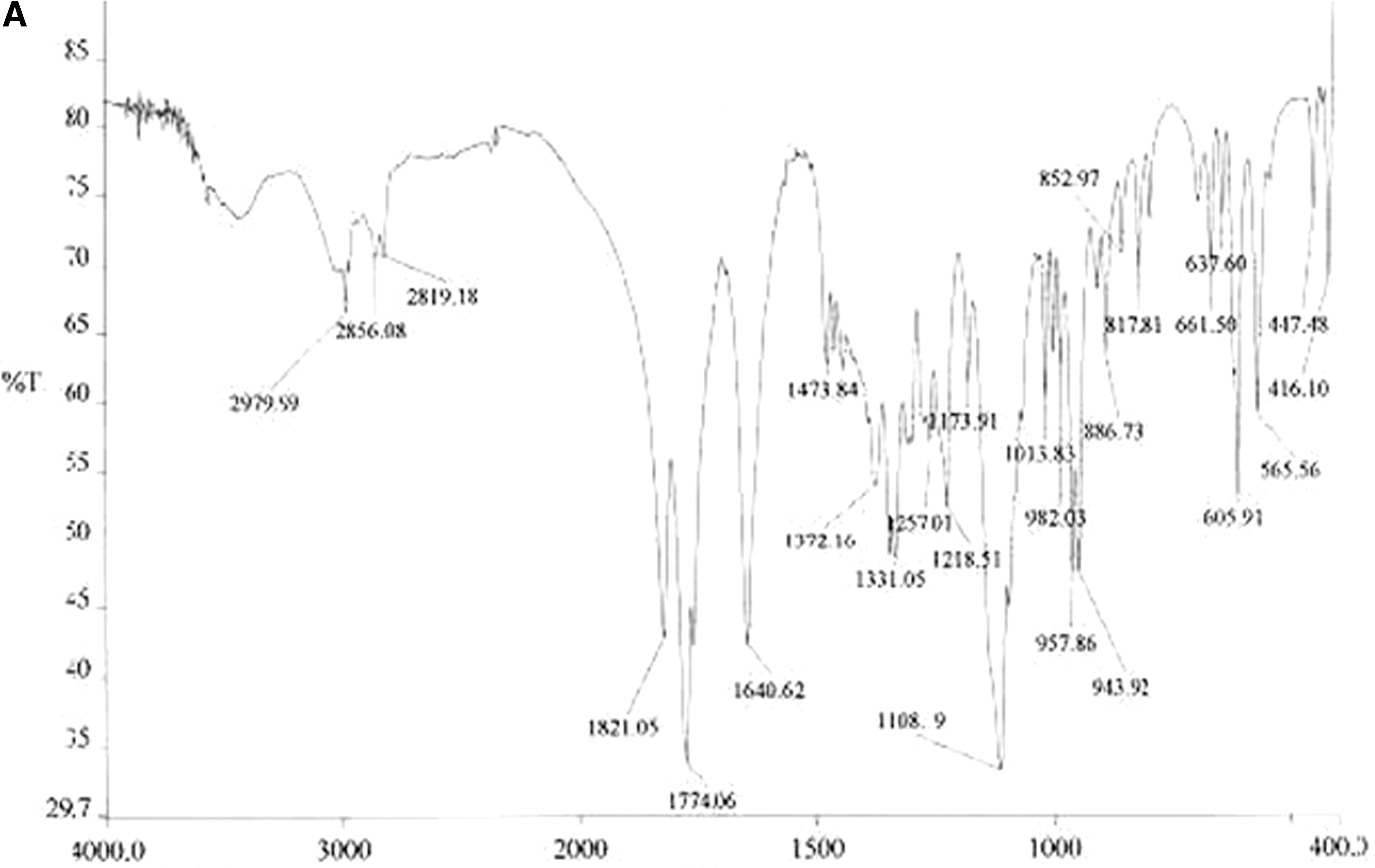
1HNMR spectra of
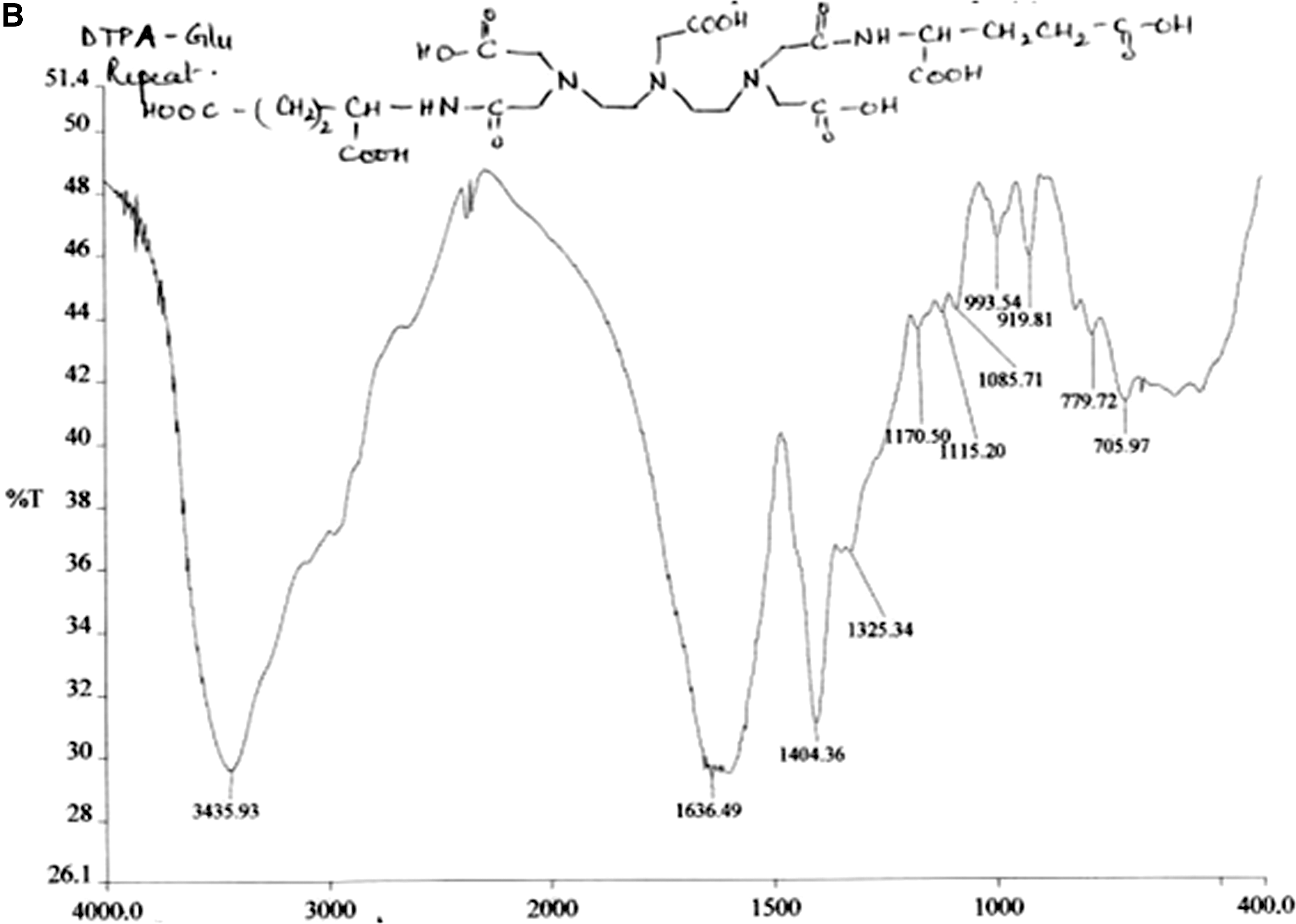

1H NMR spectrum of
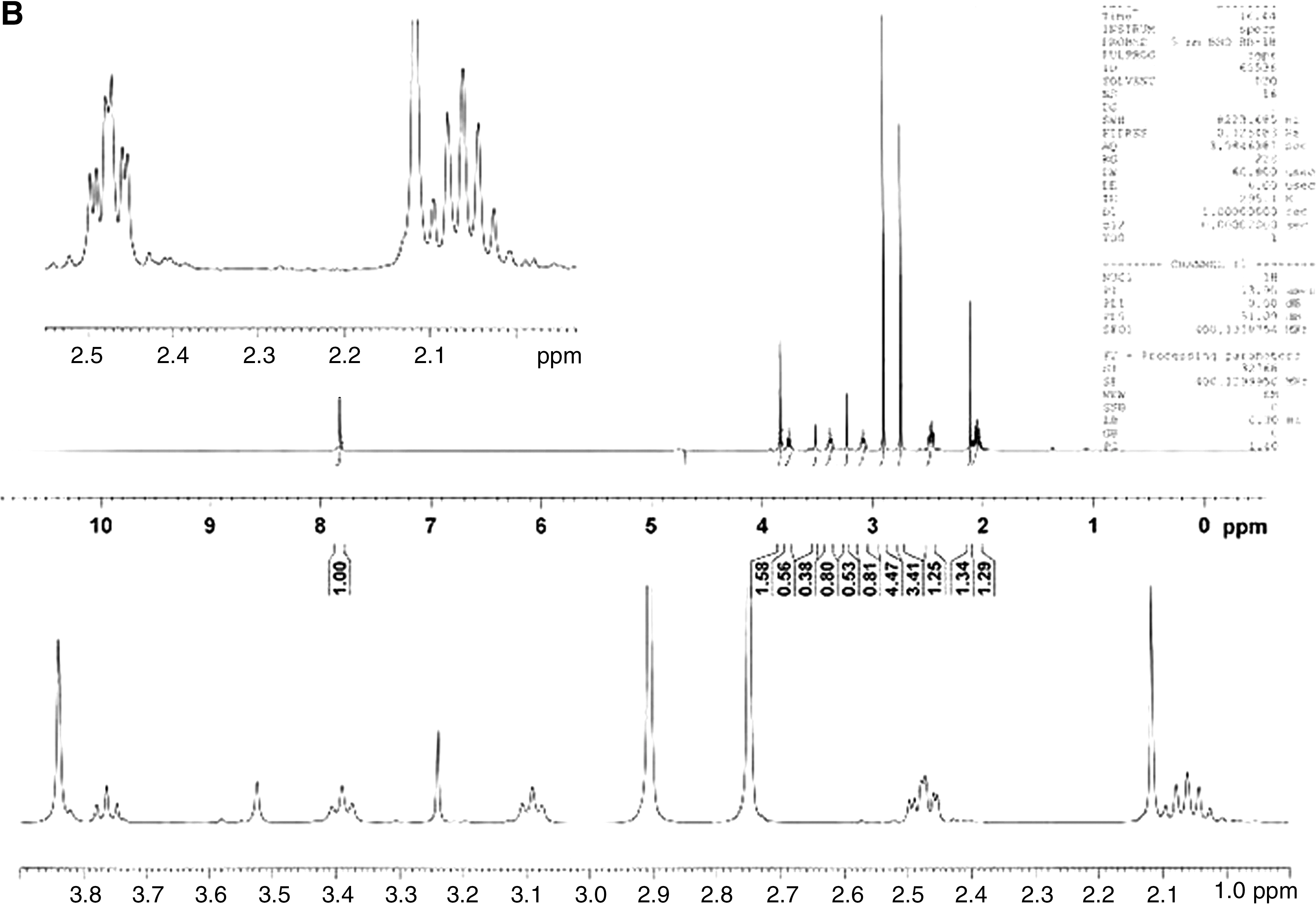
Quality control of radiolabeled compounds
The purity of the radiolabeled 99mTc-Glu and 99mTc-DTPA-bis(Glu) was estimated chromatographically using ITLC-SG strips as the stationary phase and 100% acetone as the mobile phase. The free pertechnetate (99mTcO4 −) moved with the solvent front (R f = 0.9–1.0) and the radiolabeled complex remained at the point of application of the spot, together with the reduced/hydrolyzed colloids. When PAW was used as the mobile phase, both the free pertechnetate as well as the labeled complex moved with the solvent front and only the reduced/hydrolyzed colloids remained at the point of application. The difference in the counts obtained when acetone and PAW were used gave the percentage of the 99mTc-labeled glutamate and DTPA-bis(Glu) complexes formed. Both the complexes had an appreciable labeling yield greater than 98% at pH 6.5.
Stability studies
Incubation of 99mTc-labeled Glu and 99mTc-DTPA-bis(Glu) in 0.9% saline and in human serum for 24 hours revealed that the labeled complexes were extremely stable (Fig. 4). Prior to in vivo distribution study of the radiopharmaceutical in question, various factors were considered, particularly the stability of the complex in serum, which depends on parameters such as pH of the medium and the presence of binding proteins. To achieve optimum labeling efficiency, the pH of the reaction mixture was varied from 3.5 to 7.5, whereas the rest of the factors were kept constant (Fig. 5). At pH 6.5, the percentages of both 99mTc-Glu and 99mTc-DTPA-bis(Glu) were very high when compared with that at pH 5.5 and 7.5. Protein binding studies showed a significant difference in the plasma protein binding of 99mTc-Glu when compared with its DTPA complex (Table 1). Binding of 99mTc-DTPA-bis(Glu) to plasma proteins was only 65%, whereas it was 90% in the case of 99mTc-Glu. The high in vivo stability of 99mTc-DTPA-bis(Glu) than 99mTc-Glu confirmed that no trans-chelation of the metal occurred in the physiological environment as also substantiated by the cysteine challenge tests (Fig. 4). More trans-chelation of 99mTc to cysteine was observed for unmodified glutamic acid (3%–9%), whereas DTPA-bis(Glu) showed only 1%–2% trans-chelation with 25 mM cysteine. The radiolabeled complexes thus prepared were found to be sufficiently stable in vitro as only 4% (approximately) of the radiolabeled complex dissociated in 24 hours (Fig. 6).
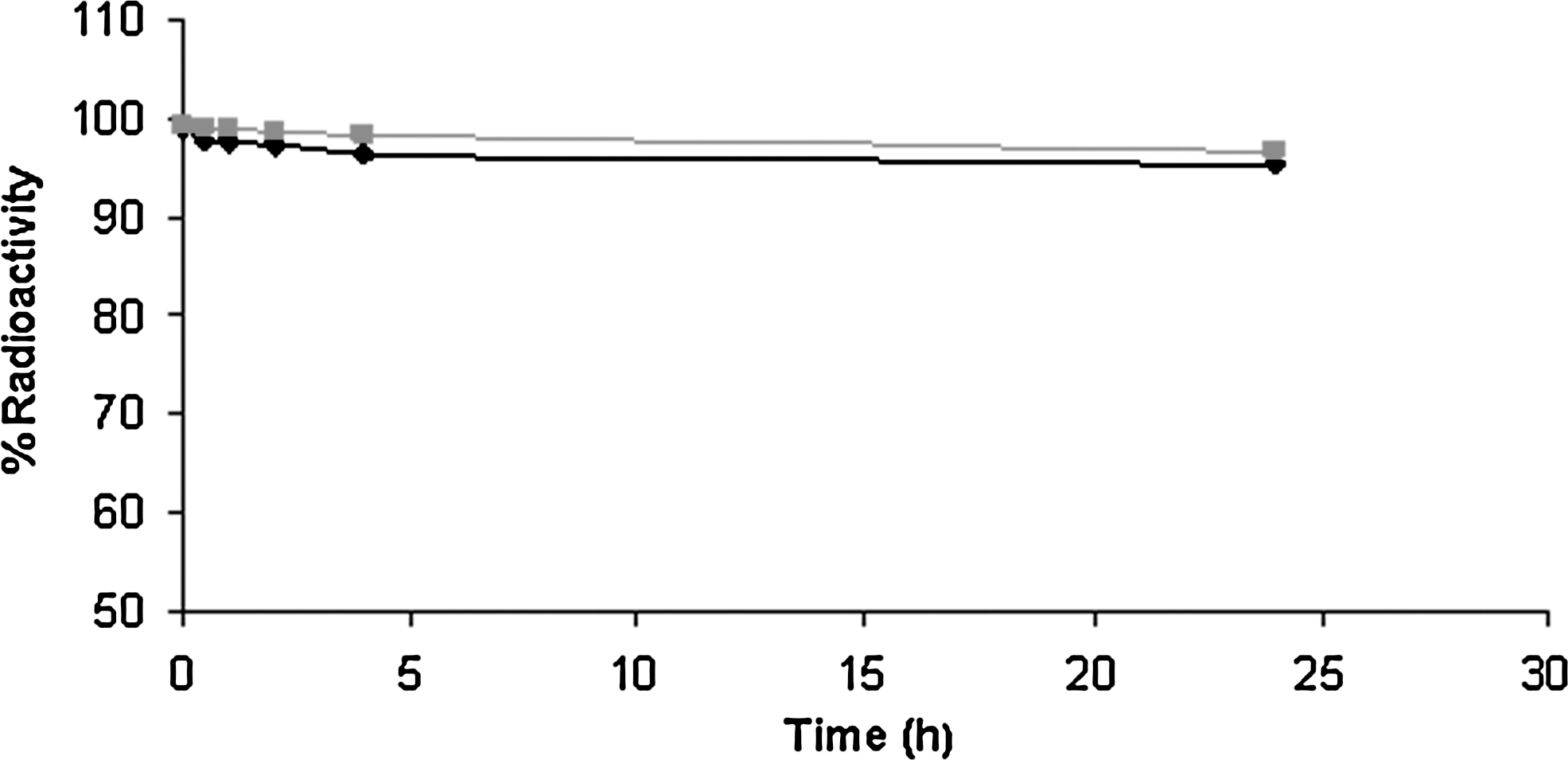
In vitro human serum stability studies of 99mTc-DTPA-bis(Glu) and 99mTc-Glu, under physiological conditions. 99mTc, technetium-99m.
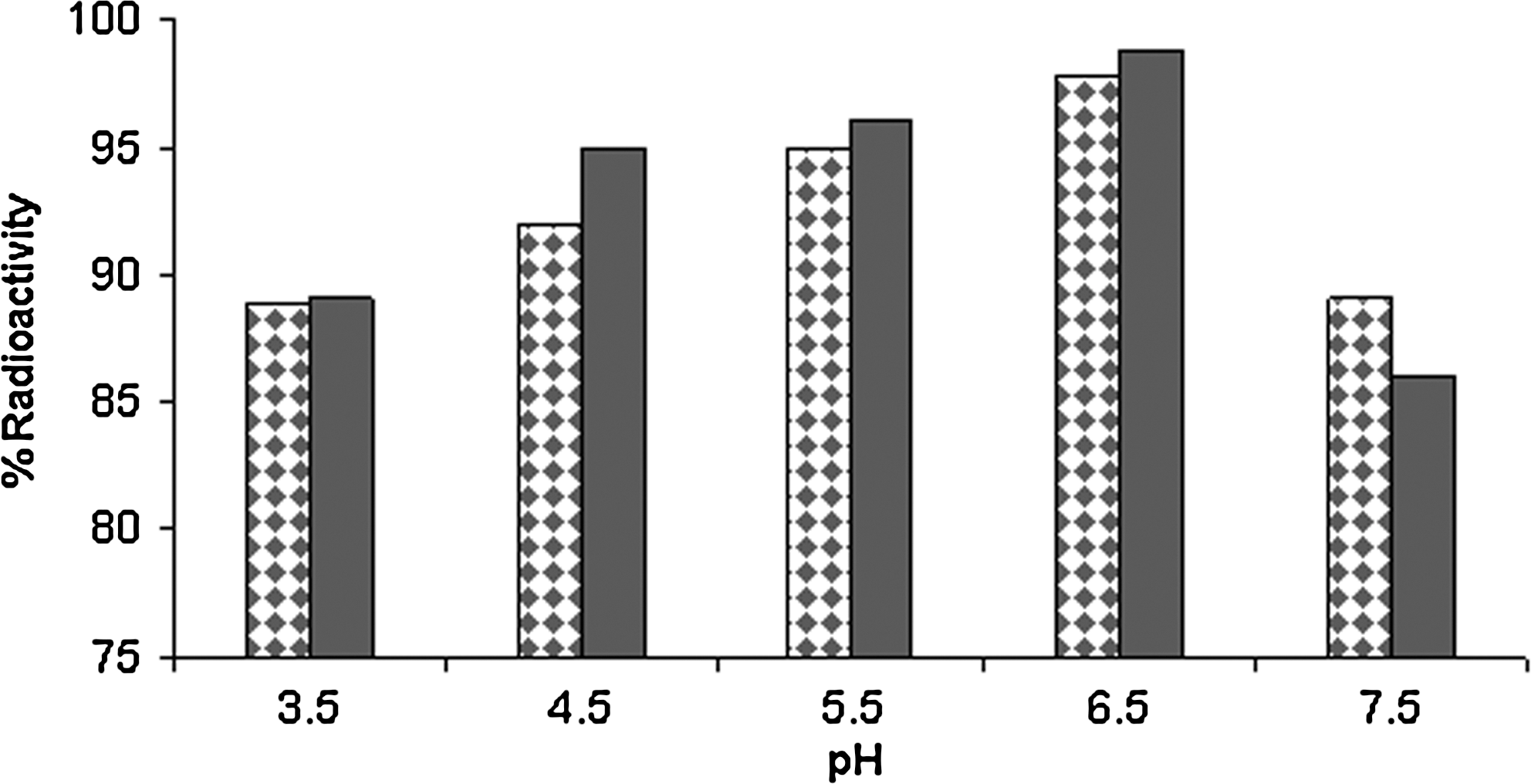
Influence of pH on the labeling efficiency of 99mTc-Glu and 99mTc-DTPA-bis(Glu).
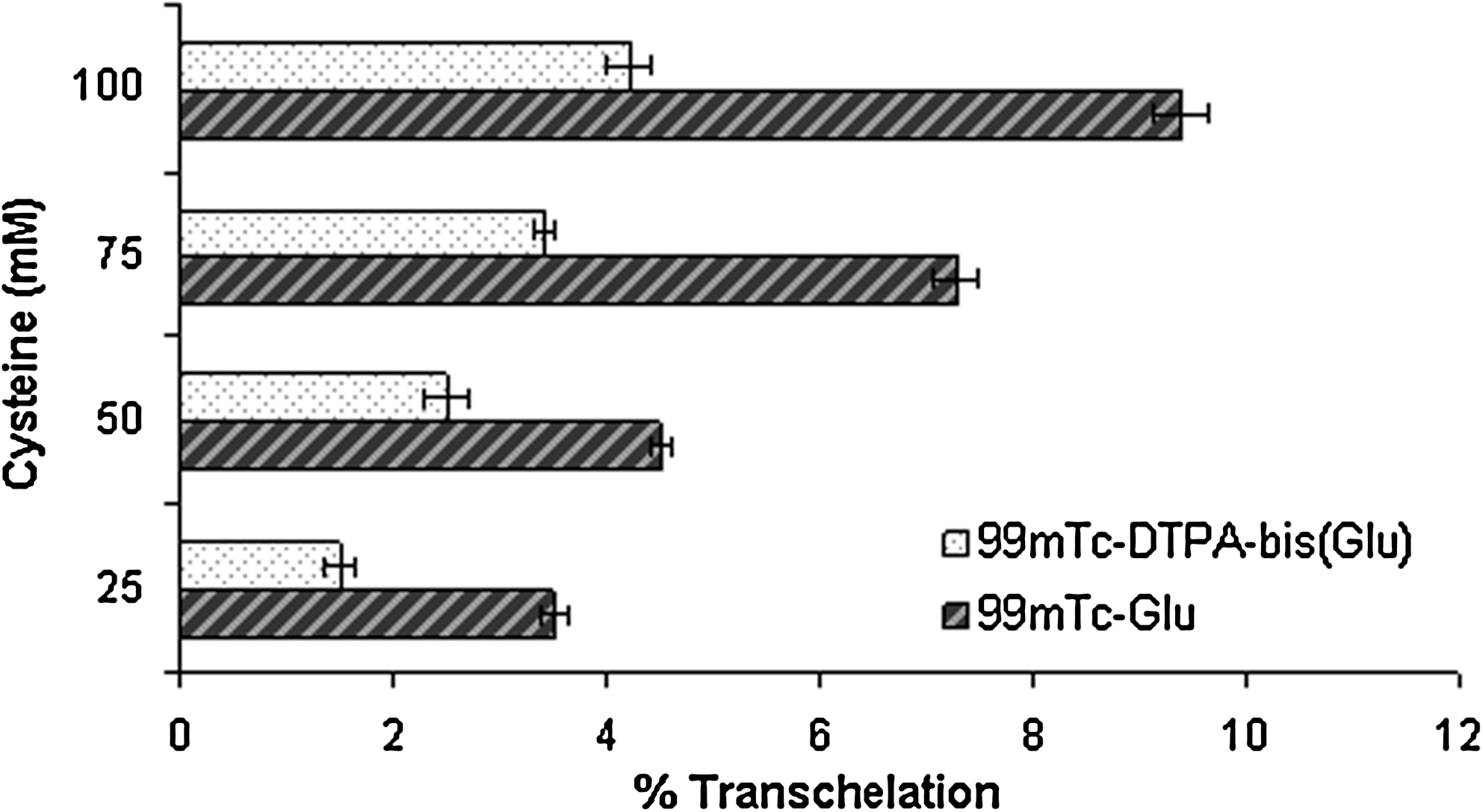
Effect of cysteine on transchelation of 99mTc-labeled glutamic acid and DTPA-bis(Glu) complexes. Each value is the mean of three experiments (n = 3).
Data are expressed as percentage of radioactivity bound to proteins (each value is an average of three experiments).
DTPA-bis(Glu), diethylenetriaminepentaacetic acid–glutamate conjugate.
Cytotoxicity of DTPA-bis(Glu)
MCF-7 cells were treated with increasing concentrations of DTPA and DTPA-bis(Glu) (μM range) and the loss of viability was assessed by MTT assay based on the IC50 values. The IC50 values represent concentrations that reduce cell viability by 50%. Analyzing the MTT assay data at different concentrations, it was found that loss of cell proliferation occurs initially with increasing concentration, but at later stages it shows a variable pattern. In MCF-7 cells, DTPA was about fivefold more toxic than the conjugate (Table 2).
n = 3 ± standard deviation.
Blood kinetics
The blood clearance in rabbits after intravenous injection of 10 MBq of 99mTc-Glu and 99mTc-DTPA-bis(Glu) exhibited slow and biphasic clearance (Fig. 7). At 1 hour postadministration, only 11% of the injected radiolabeled DTPA complex was present in blood when compared with 19% of 99mTc-Glu, which reduced to 0.02% and 3.6%, respectively, by 24 hours. The half life of 99mTc-DTPA-bis(Glu) and 99mTc-Glu was found to be 31 minutes (t ½ fast), 220 minutes (t ½ slow) and 40 minutes (t ½ fast), 880 minutes (t ½ slow), respectively.
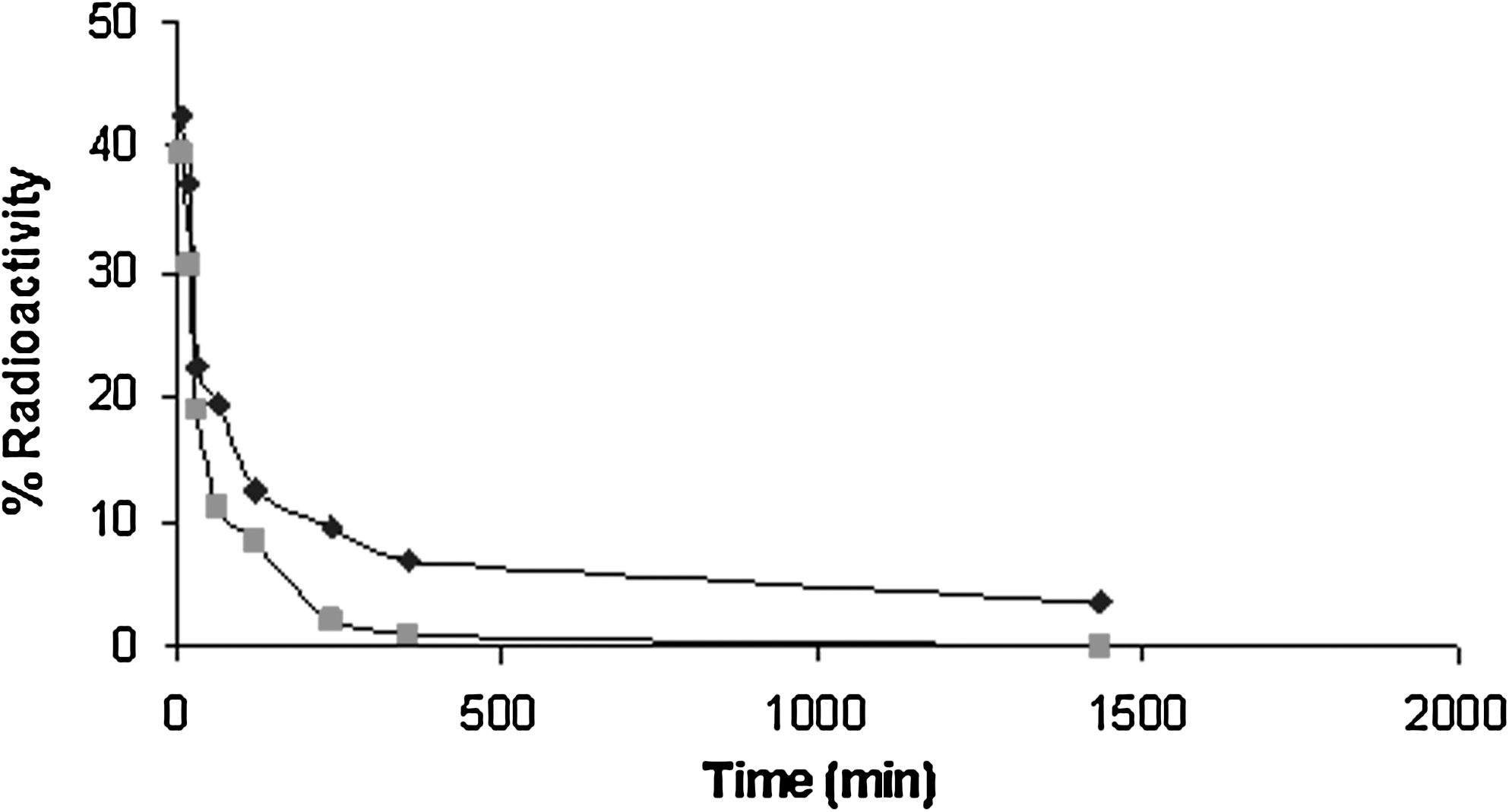
Blood clearance of 99mTc-DTPA-bis(Glu) and 99mTc-Glu in normal rabbits after intravenous injection through the dorsal ear vein.
Imaging and biodistribution studies
The results of the biodistribution studies are shown in Table 3A and B. The percentage of dose per gram of tissue taken up in different organs at different time intervals is given. Both the labeled complexes showed high initial activity in blood, lungs, and kidneys and cleared rapidly from the circulation. 99mTc-Glu excreted through both the hepatobiliary and renal routes, leading to high accumulation of activity in liver and kidneys (25.8% of ID and 8.26% of ID after 15 minutes and 6.58% ID and 2.98% ID after 4 hours postinjection in liver and kidneys, respectively). This was supported by the concomitant high activity found in spleen (23% of ID at 15 minutes and 4.71% of ID at 4 hours post-i.v. injection).
Data are expressed as mean % ID/g of tissue ± standard deviation of 3 animals.
Data are expressed as mean % ID/g of tissue ± standard deviation of 3 animals.
On the contrary, the technetium-labeled DTPA complex of glutamate, 99mTc-DTPA-bis(Glu), primarily showed the preferred renal route of clearance from the body. After 15 minutes of administration, 10% of ID was found in kidneys and only 1.68% of ID was left after 4 hours postinjection. In contrast to the labeled Glu, there was very little accumulation of 99mTc-DTPA-bis(Glu) in the liver, reaching a maximum of 2.85% at 2 hours postinjection. This was substantiated by the low uptake of the DTPA complex in spleen, only 0.9% ID at 15 minutes and only 0.1% remaining at 4 hours after administration. In addition, there was an increase in the accumulation of activity in the urinary bladder with the passage of time. The uptake of 99mTc-DTPA-bis(Glu) in stomach, an organ that accumulates free technetium, was also quite low. These interesting observations are clearly elucidated in the whole-body scintigraphic images (Fig. 8A, B).
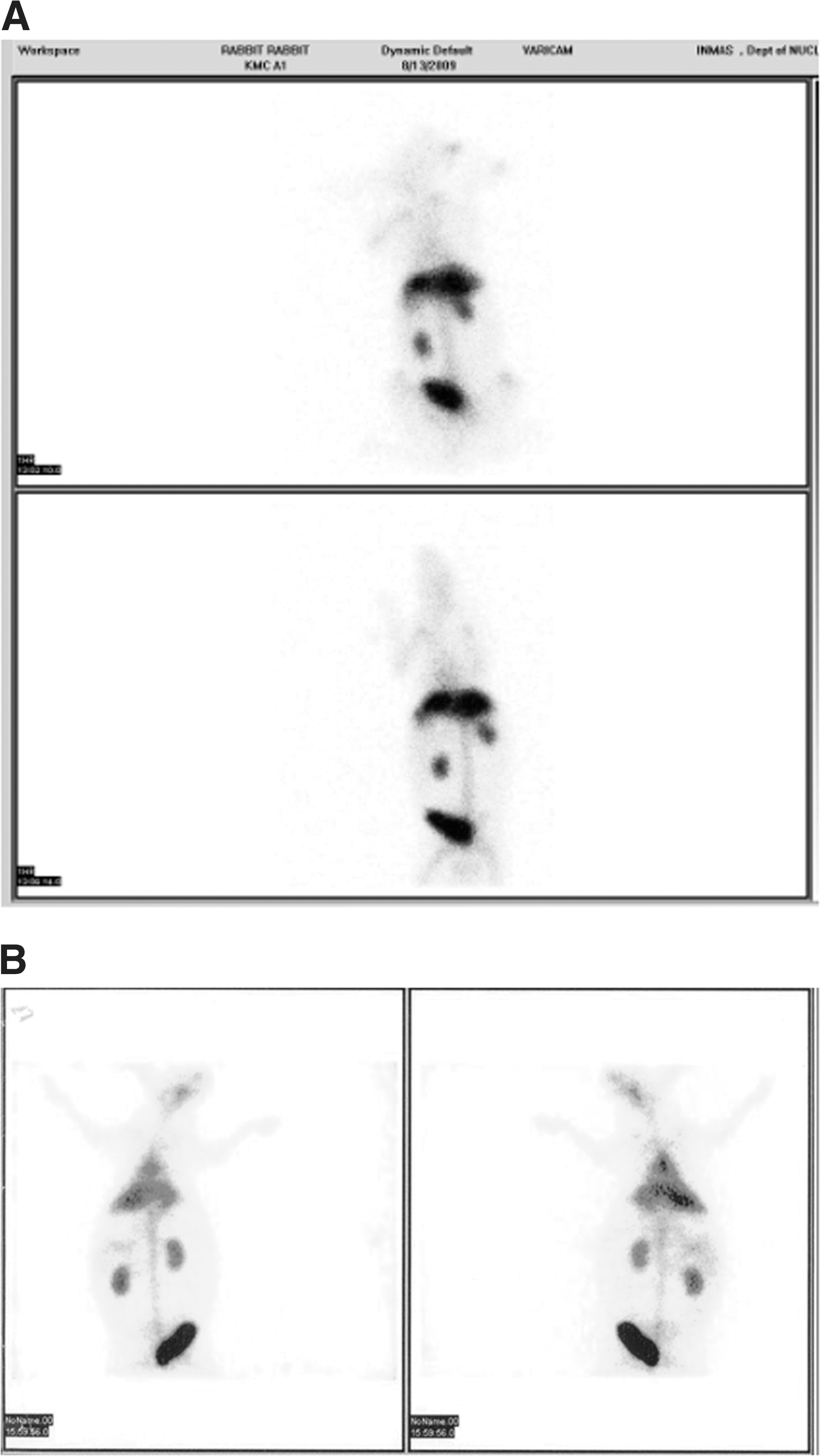
Scintigraphy in tumor-bearing mice
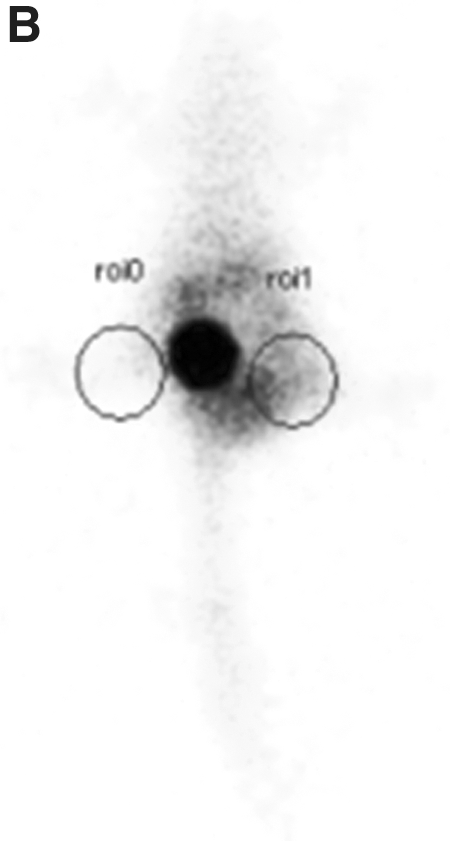
Tumor imaging was performed in EAT-bearing mice after administering the labeled compounds intravenously. Serial images of the mice at different time points showed a beginning of accumulation of DTPA-bis(Glu) conjugate activity in tumor at 30 minutes, which reached a maximum at 1 hour and remained almost stable for 4 hours, with a tumor-to-muscle ratio of 4.9 (Figs. 9 and 10).

Distribution of 99mTc-Glu and 99mTc-DTPA-bis(Glu) in muscle and tumor of EAT-bearing mice after i.v. injection. EAT, Ehrlich ascites tumor.

γ-scintigraphic image of EAT-bearing mice (implanted in right hind limb) after 2 hours of i.v. injection of
Discussion
99mTc-labeled peptides have undergone extensive clinical studies in the recent past and are promising radiopharmaceuticals for clinical practice.
26,27
Covalent conjugation of amino acids with a multidentate ligand such as bifunctional DTPA has been proven to provide thermodynamically stable compounds suitable for clinical trials.
21,28
Moreover,
Behavior of both the 99mTc-labeled tracers was investigated particularly for their labeling efficiency, kinetic stability, and organ uptake specificity in Balb/c mice before scintigraphic evaluation in EAT model in mice. An ideal radiopharmaceutical should have a radiolabeling efficiency of more than 95%. The synthesized conjugate, DTPA-bis(Glu), showed an appreciable labeling yield (>95%) with 99mTc using stannous chloride as reductant at neutral pH, owing to the presence of a defined multidentate chelating system. Radiolabeling at pH 6.5 ensured that microcolloid formation was prevented. The use of two solvent systems was found to be a very accurate method to clearly distinguish and quantify the relative amount of free and reduced/hydrolyzed 99mTc and the labeled complexes.
The stability of a radiolabeled compound is of great significance in formulating a radiopharmaceutical. In vivo breakdown of a radiopharmaceutical results in undesirable biodistribution of radioactivity. The complex formed by chelation of 99mTc with the synthesized DTPA derivative was found to be very strong as suggested by the in vitro serum stability and cysteine challenge tests.
Both DTPA and DTPA-bis(Glu) were tested for their loss of viability in cancer cells (MCF-7) using an assay of mitochondrial activity (MTT assay). From this study it can be seen that inhibition of cell proliferation induced by these compounds was dependent on concentration and the cytotoxicity of the synthesized conjugate was found to be fivefold less when compared with the native chelating agent, DTPA.
Retention of a compound in the blood of an animal is characteristic of its pharmacological and physicochemical properties. Blood clearance of both the radiotracers in rabbits followed a biphasic trend with a rapidly clearing initial phase and a slower second phase. However, the plasma clearance of 99mTc-DTPA-bis(Glu) was comparatively faster than that of 99mTc-Glu. This difference helps the DTPA complex to reach the target organs faster, thus giving a better target-to-nontarget ratio than its glutamate counterpart.
Biodistribution studies of the radiolabeled complexes as depicted in Table 3 clearly show a rapid accumulation of 99mTc-Glu in the liver and spleen, which may be due to normal liver being the primary site for its biotransformation. The continued increase in activity in the intestines suggested that the major route of excretion of 99mTc-Glu is hepatobiliary. Liver accumulation of glutamate decreased drastically on conjugation with DTPA, resulting in a lesser uptake of 99mTc-DTPA-bis(Glu) by the liver and spleen and, hence, lesser radiation exposure to the organ under evaluation. 99mTc-DTPA-bis(Glu) is primarily excreted by the renal route and its biodistribution suggests that it is eliminated more rapidly than 99mTc-Glu from most tissues. The in vivo stability of the labeled DTPA complex is evident from the lack of affinity of 99mTc-DTPA-bis(Glu) for stomach, which is the target organ for free 99mTc. On conjugation with DTPA, the bone uptake of glutamate decreased significantly(less than 50% of the technetium-labeled glutamic acid) and the bone retention gradually decreases over a period of 4 hours.
Tumor scintigraphy images clearly demonstrated that both 99mTc-Glu and of 99mTc-DTPA-bis(Glu) localize in tumor with good tumor-to-background ratio. Although DTPA–amino acid and DTPA–deoxyglucose have been shown earlier for tumor applications, the DTPA-bis(Glu) conjugate now prepared is showing much higher tumor uptake. 30,31 The early uptake of 99mTc-DTPA-bis(Glu) by the tumor at 30 minutes postadministration and high tumor-to-muscle ratio postadministration prove that this DTPA conjugate of glutamic acid can be a potentially valuable agent for imaging tumors using the SPECT technique. In large tumors (approximately 2 cm3) with potential necrosis and hypoxia, early (30 minutes and 1 hour) scans showed only faint localization, which disappeared in the delayed images (4 hours).
Conclusions
It is evident from the in vivo studies that 99mTc-DTPA-bis(Glu) is taken up by the bone and liver in a comparatively better way than glutamate alone. Besides the advantages of significantly low liver uptake, the labeled DTPA-bis(Glu) conjugate showed positive aspects such as fast renal clearance and low stomach uptake, thus reducing the possibility of radiation exposure to the body. Owing to these highly favorable attributes together with a simple and easy synthesis and labeling procedure, 99mTc-DTPA-bis(Glu) conjugate promises to be a potential tumor imaging agent using scintigraphic imaging or SPECT.
The reported imaging results with mice tumor model support the conclusion that 99mTc-DTPA-bis(Glu) appears to be a promising agent for tumor-selective radionuclide delivery in vivo. Because of its highly favorable ratio of tumor to blood and other organs, which allows tumor delineation away from the abdominal organs, it can prove to be a potential radiopharmaceutical for imaging tumors. Scintigraphy using 99mTc-DTPA-bis(Glu) could have immense potential as a predictive assay in oncology because of its cost effectiveness and ease of access in comparison to the much expensive and remotely accessible PET scanning. However, before accepting it for clinical use, several other parameters such as intratumoral distribution, dependence of accumulation on the tumor volume, optimum time scheduling for the best image, specificity, and selectivity of the tumor uptake over infections or inflammatory lesions require detailed investigations. These important factors for clinical acceptance will be part of our future studies on these compounds.
Footnotes
Acknowledgments
The authors are highly indebted to Dr. R.P. Tripathi, Director of the Institute, for providing all the requisite infrastructure and facilities for this work. This work was funded by DRDO Project INM-311.
Disclosure Statement
There is no conflict of interest between all the authors of this work.