




Abstract

iStock / defun
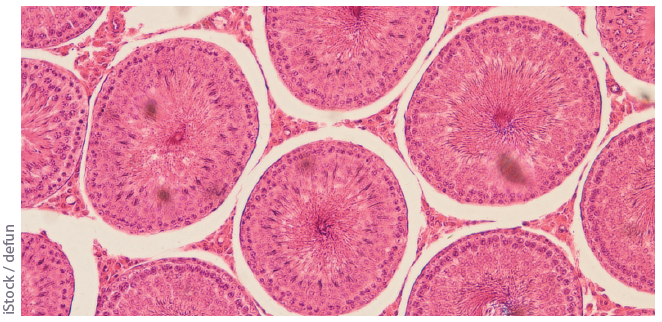
The idea that every cell in the body is genomically identical has at least a couple of exceptions. Cells differ at the level of the epigenome, the level of gene expression, accounting for cellular differences from tissue to tissue. Also, cells may differ depending on whether they are healthy or genomically deranged, as they are in cancer, for example.
All genomic differences are potentially instructive, both those that point to problems in specific tissues or organs, as well as those that point to molecular pathways that are not necessarily tissue- or organ-specific. As two recent studies demonstrate, genomic differences of both types may be assessed, thanks to continuing developments in genomic testing.
Curiously, one study focuses on the testing of tumor specimens to generate information about underlying signaling pathway changes responsible for cell regulation, or rather dysregulation. The other study focuses on liquid biopsy samples to generate information that is capable of inferring cell death in specific tissues. That is, testing material that is from a specific site can yield general information, and testing material that is in general circulation can yield specific information.
A study out of the Rutgers Cancer Institute shows that in difficult-to-treat tumors, it is possible to find alterations in a signaling pathway that may respond to targeted therapy regardless of where the tumors originated in the body. The study's findings are to be presented at the annual meeting of the American Association for Cancer Research (AACR), which will take place this month in New Orleans.
A preview is available online at the AACR website, where an abstract (“Targeting mTOR pathway in rare and recalcitrant tumors”) is posted. The abstract notes that genomic alterations affecting the P13K/AKT/mTOR pathway are commonly seen among various cancer types. It also describes how the Rutgers researchers investigated these alterations more thoroughly, by means of comprehensive genomic profiling.
Utilizing tumors from a genomic analysis clinical trial at Rutgers Cancer Institute examining rare cancers and those that respond poorly to standard care, 97 tumors with the P13K/AKT/mTOR pathway were profiled. Genomic alterations were reviewed by the Institute's molecular tumor board and recommendations for patient treatment options were made regarding genomically targeted therapies either already approved or used investigationally—including clinical trials.
Out of the 97 cases, 33 adult patients received therapy targeting the P13K/AKT/mTOR pathway. Tumors tested included gynecologic, renal, sarcomas, pancreatic, melanoma, T-cell lymphoma, bladder and adrenal. Outcomes were available for 19 of the 33 cases. A clinical benefit or improved patient outcome of three to eight months was seen in seven of the 19 patients (37%) who received drugs targeting this pathway. The response was not specific to tumor type.
“We are redefining cancer classification,” noted Rutgers Cancer Institute Precision Medicine Director Lorna Rodriguez, M.D., Ph.D., who is the senior investigator of the work. “Instead of focusing on where the cancer first originated, we now have an ability to drill down and further examine and identify potentially actionable genomic features within the tumor.”
A very different study was undertaken by scientists based at the Hebrew University of Jerusalem. In a series of experiments involving 320 patients and controls, these scientists developed a blood test that can detect multiple pathologies, including diabetes, cancer, traumatic injury, and neurodegeneration. The test can infer cell death in specific tissue from the methylation patterns of circulating DNA that is released by dying cells.
The findings are reported in a paper published in the Proceedings of National Academy of Sciences, entitled, “Identification of tissue specific cell death using methylation patterns of circulating DNA.” The article describes a blood test that exploits two principles: (i) dying cells release fragmented DNA to the circulation, and (ii) each cell type has a unique DNA methylation pattern. Methylation patterns of DNA account for the identity of cells (the genes that they express), are similar among different cells of the same type and among individuals, and are stable in healthy and disease conditions. For example, the DNA methylation pattern of pancreatic cells differs from the pattern of all other cell types in the body.
“We have identified tissue-specific DNA methylation markers and developed a method for sensitive detection of these markers in plasma or serum,” wrote the article's authors. “We demonstrate the utility of the method for identification of pancreatic β-cell death in type 1 diabetes, oligodendrocyte death in relapsing multiple sclerosis, brain cell death in patients after traumatic or ischemic brain damage, and exocrine pancreas cell death in pancreatic cancer or pancreatitis.”
The approach described in this article can be adapted to identify cfDNA derived from any cell type in the body, offering a minimally invasive window for monitoring and diagnosis of a broad spectrum of human pathologies, as well as better understanding of normal tissue dynamics.
“Our work demonstrates that the tissue origins of circulating DNA can be measured in humans,” said Ruth Shemer, Ph.D., a researcher at the Hebrew University, a DNA methylation expert, and one of the lead authors of the study. “This represents a new method for sensitive detection of cell death in specific tissues, and an exciting approach for diagnostic medicine.”