




Abstract

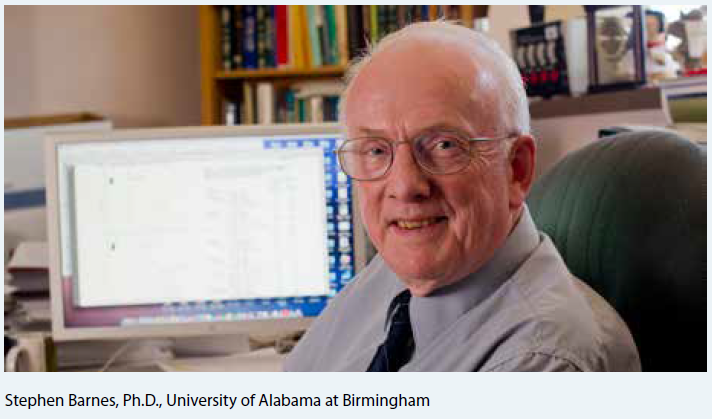
Stephen Barnes, Ph.D., University of Alabama at Birmingham
Despite the trove of challenges in the metabolomics field, knowledge gained from metabolomic studies are beginning to translate to the clinic. It is an exciting prospect, given that compared to the other omics, metabolomics is considered to be most closely tied to phenotype.
“With metabolomics, it’s really the only [omic] where you can effectively take the molecules that you’re analyzing and put them back into the system and demonstrate that you can use these molecules to modulate the phenotype,” said Gary Siuzdak, Ph.D., senior director of the Scripps Center for Metabolomics. In contrast, he said, the primary utility of genomics and proteomics has traditionally been in the identification of biomarkers and elucidation of mechanistic information.
A flurry of studies over the past year have shown how introducing a metabolite back into the system, whether in vitro or in vivo models, modulates phenotype. Examples include, preclinical studies showing how taurine mediates multiple sclerosis response to therapy, or how succinate protects against diet-induced obesity. One of the most notable studies was a Phase III clinical trial that showed oral supplementation of L-glutamine alleviated pain response caused by disease among children and adults who had sickle cell anemia.
Beyond the newest research, clinicians are starting to recognize the importance of metabolomics in human health. For example, some doctors might recommend coenzyme Q10 (CoQ10) supplementation for certain patients who are taking statins to lower cholesterol levels. Because one of the side effects of statins is inhibition of CoQ10 production—which manifests as muscle soreness—CoQ10 supplementation can help counteract the muscle soreness.
“Many clinical situations are now being investigated, and investigated thoroughly,” said Stephen Barnes, Ph.D., director of the Targeted Metabolomics and Proteomics Laboratory at the University of Alabama at Birmingham. While the prospect of identifying all human metabolites is a daunting task, “in the end, for clinical medicine, we may not need to know every metabolite,” Barnes noted.