




Abstract

MR.Cole_Photographer / Getty Images
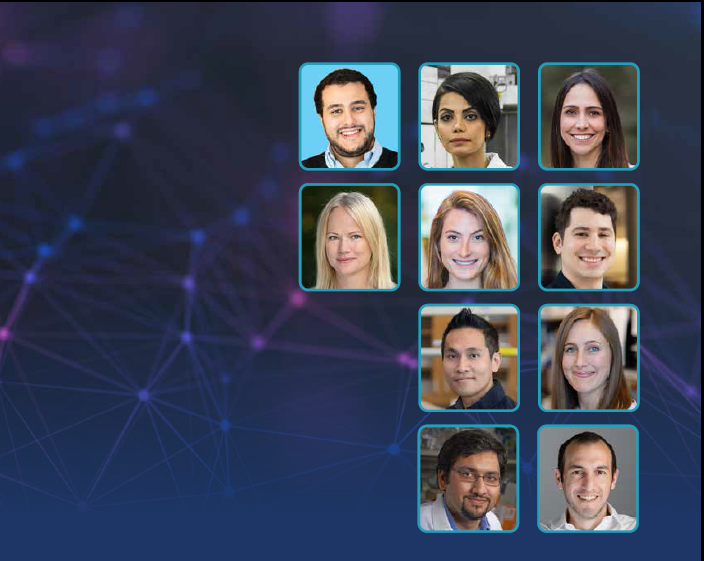
It is with great pleasure that we introduce to you our 2020 selections of 10 Under 40—scientists under the age of 40 who are making significant contributions in their areas of research. While there are undoubtedly scores of other researchers and scientist not on this list that could qualify—the Broad's Feng Zhang immediately comes to mind—our intention was not necessarily to highlight the biggest stars in the field, rather to shine a light on the efforts of some that have may have flown under the radar.
Choosen via nominations from our editorial advisory board and in-house editors, that's not to say our roster of five women and five men lacks star power. McGovern Institute fellows, CRISPR pioneers and Sherlock Biosciences co-founders Jonathan Gootenberg and Omar Abudayyeh, themselves products of the Zhang lab are certainly stars in their own right, as is Emma Lundberg's work mapping human cells and an innovator using gaming technology, and our youngest entry Erica Barnell—only 29 years old—who, in the midst of a demanding M.D./Ph.D program at Washington University School of Medicine, somehow found time to launch the molecular diagnostics company Geneoscopy last year.
OMAR ABUDAYYEH, PH.D., Fellow, McGovern Institute, MIT; Co-founder Sherlock Biosciences
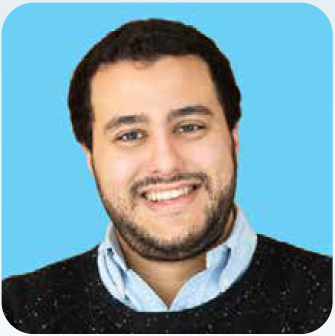
“I'm inspired by the recent success of engineering and synthetic biology to generate programmable medicines capable of engineering cells to attack cancer or treat disease precisely at the genetic level,” said
“It is a remarkable time where design and engineering principles can scale and transform biology and I'm excited to be generating molecular tools that can help drive this revolution,” he noted.
Abudayyeh was recognized as 2018 Forbes 30 under 30, Business Insider 30 under 30, and received a 2013 Paul and Daisy Soros Fellowship. Abudayyeh graduated from MIT in 2012 with a B.S. in mechanical engineering and biological engineering, where he was a Henry Ford II Scholar and a Barry M. Goldwater Scholar.
KIANA ARAN, PH.D., Assistant Professor, Medical Diagnostics and Therapeutics, Keck Graduate Institute; Co-founder, Nanosens Innovations; Co-founder and Chief Scientific Officer, Cardea Bio
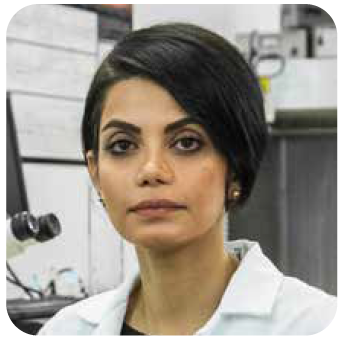
She is the inventor and developer of the first CRISPR-powered transistor, called CRISPR-Chip. It is capable of searching for non-amplified target sequences of the genome in real-time using CRISPR as the search engine, and ultra-sensitive graphene transistors to detect and subsequently report this search result. Aran has filed several patent applications covering multiple digital detection platforms. She obtained her Ph.D. at Rutgers University and completed postdoctoral work at the University of California, Berkeley and the Buck Institute for Research on Aging.
Aran credits her mother, who was an educator, among her greatest influences. “She instilled in me the mindset of having a clear vision and working toward my vision with passion and perseverance,” she said. “My vision is to leverage biology, modern nanoelectronics, and big data analytics to accelerate our understanding of biology and develop tools to enhance human lives.”
ERICA BARNELL, PH.D., Chief Science Officer, Geneoscopy

Barnell is the co-founder and chief science officer of Geneoscopy, a startup diagnostic company. In January, the company received a breakthrough device designation from the FDA for its lead diagnostic, a noninvasive screening assay for the detection of colorectal cancer and advanced adenomas. To date, the company has raised over $8M in funding, filed for three utility patents.
She credits her father as a lynchpin and a direct influence on her career choice. “My work is directly influenced by my father Michael Barnell. At a young age, my father motivated me to pursue a career in science and provided guidance on the most difficult decisions I have had to make,” Barnell said. “My father has a dedicated commitment to life-long learning and has instilled in me discipline, which has brought me success in my career. It is my hope that every girl who chases a dream has someone like my dad to elevate her.”
Barnell has received Scholar in Training awards from both the American Association for Cancer Research and the Cancer Genomics Consortium. In addition to her academic pursuits, she was recently named 30 Under 30 by Forbes Magazine in the area of healthcare.
LIVIA SCHIAVINATO EBERLIN, PH.D., Assistant Professor, Departments of Chemistry, Oncology and Diagnostic Medicine The University of Texas at Austin, Department of Surgery, Baylor College of Medicine

“Graham Cooks, had a really big influence on my career. He helped me to define what I was really passionate about,” she said. “A lot of my work is influenced by him, and I try to carry on his vision by challenging my team to think creatively.”
Eberlin did her postdoctoral research in the Department of Chemistry at Stanford University under the mentorship of Prof. Richard N. Zare, and in 2016 started her role as an assistant professor in the Department of Chemistry at The University of Texas at Austin. Her research program centers around the development and application of ambient ionization mass spectrometry technologies in health-related research, with a particular focus on disease detection and diagnosis to improve patient care and clinical outcomes.
She is the recipient of an NIH/NCI K99/R00 Pathway to Independence Award, a Moore Inventor Fellowship, and a MacArthur Fellowship.
JONATHAN GOOTENBERG, PH.D., Fellow, McGovern Institute at MIT Co-founder, Sherlock Biosciences
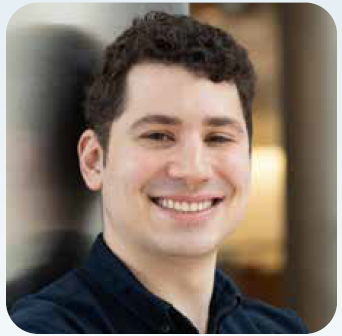
Gootenberg says he draws inspiration in his work by the “staggering diversity and creativity of nature—both because of the direct role that natural proteins have in my research for the engineering of molecular tools, but also because the miraculous assortment of mechanisms at all scales.”
He draws from fundamental microbiology to engineer new molecular tools. These tools, including the genome editing system CRISPR, allow for unprecedented manipulation and profiling of cellular states in the body, and have multiple applications in basic science, diagnostics, and therapeutics. Gootenberg uses gene editing, gene delivery, and cellular profiling methods to understand the changes that occur in the brain and other organs during aging, with the goal of generating new therapies for degenerative disease.
Gootenberg is a co-founder of Sherlock Biosciences, a diagnostics company translating the SHERLOCK platform for detecting and combating infectious disease. He is one of the first members of the McGovern Institute Fellows program, which supports the transition to independent research for exceptional recent Ph.D. graduates.
KU-LUNG (KEN) HSU, PH.D., Assistant Professor, Deaprtment of Chemistry, University of Virginia
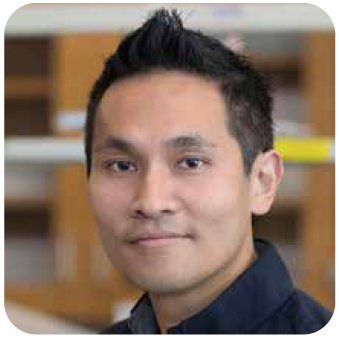
“My enthusiasm for translationally focused research began prior to graduate school working closely with surgical oncologists and researchers at a cancer clinic to develop peptide vaccines for treatment of cancer,” Hsu said. “These early experiences illustrated the therapeutic potential of the immune system in cancer and inspired me to seek additional training.”
Hsu's research has garnered him awards including the highly competitive NIH K99/R00 Pathway to Independence Award, Department of Defense CDMRP Career Development Award, Melanoma Research Alliance Young Investigator Award, and he recently received a $681,000 National Science Foundation Early Career Development Program Award, which support junior faculty members who perform outstanding research and are regarded as exceptional teachers.
“In the next five years, I will apply our chemistry and technologies toward deeper understanding of lipid biology and metabolism in physiologically relevant models,” Hsu said.
ASHLEY LAUGHNEY, PH.D., Assistant Professor, Institute for Computational Biomedicine, Weill Cornell Medicine
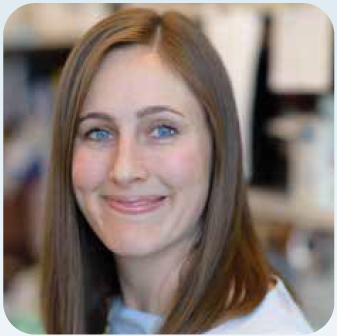
In 2019, she joined the Weill Cornell Medicine faculty. The Laughney lab uses high-throughput single-cell sequencing and quantitative imaging technologies, as well as mouse models of metastasis, to mechanistically dissect tumor cell heterogeneity through the lens of tissue regeneration and repair.
“My work and interests have been most shaped by my family and environment at nearly every stage of my education and research career. I remember when calculators were introduced in middle school, my Dad refused to let me use one and taught me long division by hand,” Laughney said.
Today, she is influenced by her husband Samuel Bakhoum, M.D., Ph.D., who runs a research program of his own, studying chromosomal instability in tumor evolution at MSKCC. “Our distinct ways of thinking and approaching scientific questions are extremely complementary, and thus we collaborate on projects frequently,” Laughney said. “While the academic career path can be competitive, full of negative results, and sometimes isolating, we operate as a unit in a way that allows us to support one another and advance scientific discovery in a way and at a rate that we simply could not achieve as individuals.”
EMMA LUNDBERG, PH.D., Professor, cell biology proteomics, KTH Royal Institute of Technology, Sweden and Director, Cell Atlas, of the Human Protein Atlas Program
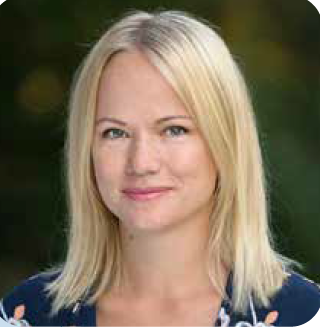
Initially, Lundberg didn't think a career in academia awaited her. “During most of my Ph.D., I was convinced that academia was not for me. I had gotten the false impression that it was a somewhat stale, slow and lonely world,” Lundberg said. “During the second half of my Ph.D. a new professor (Helene Svahn, Ph.D.) was recruited to the department. By then, she was the youngest professor in Sweden and helped me see science and academia from a different perspective. She made me appreciate the creativity and freedom of the job, and realize that it is what you shape it to be.”
Lundberg is an advocate for open science and has a keen interest in citizen science. One example of this is her effort that engaged more than 300,000 gamers to help her research through a trailblazing massively multiplayer online citizen science computer game. That experience inspired her to think of ways to use mobile games in health applications, and to launch her own company, Mindforce Game Lab, which develops games as medical devices to help people onboard to new medication schemes.
MUHAMMED MURTAZA, M.B.B.S., PH.D., Associate Professor, Translational Genomics Research Institute (TGen)
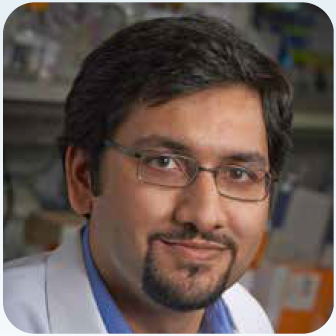
Prior to his current role,
At TGen, he leads a research group focused on the development of methods and diagnostic applications for minimally invasive cancer genomics. In particular, his research has led to advances in liquid biopsies and circulating tumor DNA analysis to improve diagnostics and outcomes for advanced and early-stage cancer patients. Murtaza's current research is funded by the National Cancer Institute, The Ben and Catherine Ivy Foundation, and The Flinn Foundation.
Murtaza credits a number of different experiences over the years that have influenced his current work. “I have been lucky to have not just one but a series of experiences, environments, and mentors, who have instilled the ethos and reinforced the belief that persistent and dedicated effort can crack the most challenging of problems in medicine,” he noted. “Whether it is my time at Aga Khan University, at the University of Cambridge in Nitzan Rosenfeld's lab, or my faculty career so far at TGen, a common theme has been the relentless pursuit of innovative ideas and solutions to improve the lives of our patients. I am grateful to these institutions, their leadership and my mentors and collaborators for giving me the opportunity to learn and work in such empowering environments.”
As a rising star in his field, Murtaza has received multiple research awards including the Bisgrove Scholar Award from Science Foundation Arizona, the V Scholar Award from The V Foundation for Cancer Research and the Phil A. Sharp Innovation in Collaboration Award from Stand Up To Cancer.
ALI TORKAMANI, PH.D., Director of Genomics and Genome Informatics, Scripps Research Translational Institute and Associate Professor, Integrative Structural and Computational Biology, Scripps Research
Torkamani attributes his research drive to a life-long natural curiosity of the world around him. “As far as I can remember, I've always been interested in understanding how the universe works at a basic level and most interested in what the implications are for human life. Genetics is especially interesting in that regard as it drives many of our characteristics as humans,” Torkamani said. “From there, my biggest influences were Dr. Nik Schork, my Ph.D. mentor, from whom I learned how to think from a quantitative genetics and systems biology perspective, and Dr. Eric Topol, from whom I have learned, and am learning, applications to medicine, health, and real-world application and dissemination.”
Torkamani has authored more than 100 peer-reviewed publications as well as numerous book chapters and Medscape references, and his research has been highlighted in the popular press. His overall vision is to decipher the genome in order to understand and predict interventions that restore diseased individuals to their personal health baseline.