




Abstract

Researchers at the University of California, Riverside (UCR) have completed research that describes how the gut microbiome helps people resist cholera, which can kill within hours if left untreated, and sickens as many as four million people a year.
UCR microbiologist Ansel Hsiao's team examined the gut microbiomes from people in Bangladesh, where many suffer from cholera as a result of contaminated food, water, and poor sanitation infrastructure. His team wanted to see whether prior infections or other stresses, like malnutrition, make people more vulnerable as compared to Americans who don't face these same pressures.
CHRISTOPH BURGSTEDT / SCIENCE PHOTO LIBRARY / Getty Images
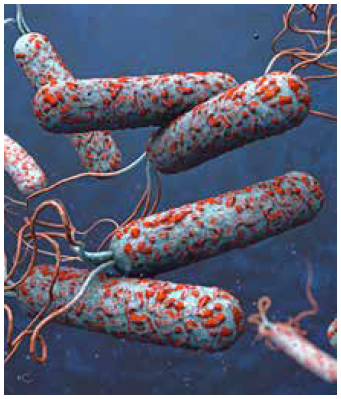
The findings surprised the group, which expected stressed Bangladeshi microbiomes would allow for higher rates of infection. Instead, they saw infection rates varied greatly among individuals in both populations, suggesting susceptibility is based on a person's unique microbiome composition, not the place they're from.
“These findings suggest new targets for individualized preventative strategies of V. cholerae infection through modulating the structure and function of the gut microbiome,” the researchers write.