




Abstract

ndrew Bret Wallis / Getty Images
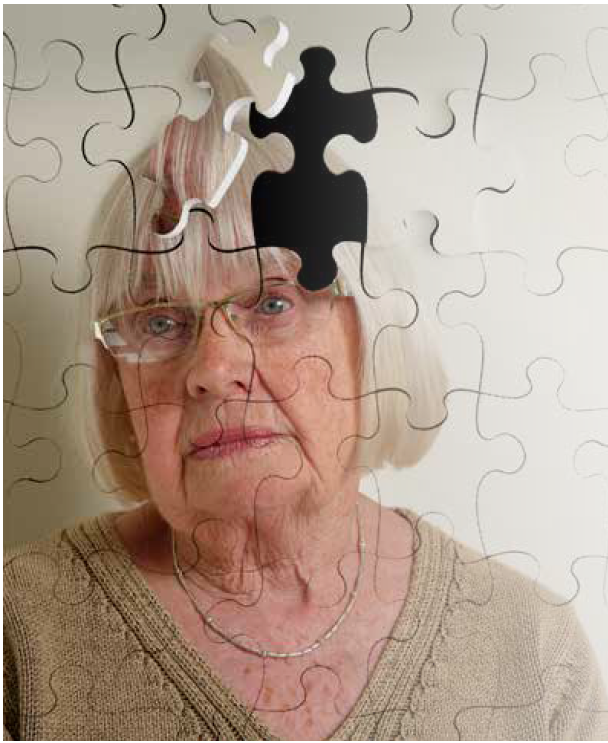
The discovery of a rare genetic form of dementia by a team of researchers at the University of Pennsylvania School of Medicine sheds light on a new pathway that leads to protein buildup in the brain that could be targeted for new therapies.
The researchers examined tissue samples from a human brain donor with an unknown neurodegenerative disease and in doing so, they linked a novel mutation in the Valosin-containing protein (VCP) gene (p.Asp395Gly) to the phenotype of a buildup of tau proteins in areas that were degenerating, and neurons with vacuoles.
The team named the newly discovered neurodegenerative disease Vacuolar Tauopathy, which is now characterized by the accumulation of neuronal vacuoles and tau protein aggregates.
The researchers noted that the tau protein they observed building up looked very similar to the tau protein aggregates seen in Alzheimer's disease. With these similarities, they aimed to uncover how this VCP mutation is causing this new disease—to aid in finding treatments for this disease and others.