




Abstract

artpartner-images / Getty Images

Molecular diagnostic tests—which are designed to detect genetic mutations, gene expression patterns and the presence or activity of specific disease-related proteins have significantly advanced treatments and outcomes for a broad array of patients, including patients with cancer, genetic disorders and infectious diseases, and those who have undergone organ transplants. In many cases, molecular diagnostic tests used to detect changes that occur at the DNA, RNA, or protein level can be assessed before the onset of physical or physiologic symptoms. This can allow intervention to be taken early in the disease process, when excellent outcomes are more likely to be achieved. For example, molecular diagnostic tests can be used to monitor patients who have received an organ transplant for early signs of transplant rejection, allowing the use of immunosuppressive drug regimens that can prevent damage to the transplanted organ.
COVID-related challenges in access to and administration of molecular diagnostics
The COVID-19 pandemic has disrupted multiple aspects of healthcare, including the administration of molecular diagnostics. Many patients undergoing molecular diagnostic testing, including organ transplant recipients and patients with cancer and other serious diseases, have underlying conditions that put them at higher risk for SARS-CoV-2 infection and poor COVID-19 outcomes. Undergoing testing outside of the home increases these individuals' risk of exposure to SARS-CoV-2 infection. Additionally, these individuals' ability to travel to the site of molecular diagnostic testing may be compromised if those they rely upon for transportation or physical assistance are themselves in isolation. Furthermore, many clinical sites and physicians' offices may have limitations on access to their facilities, which can create additional barriers to undergoing molecular diagnostic testing.
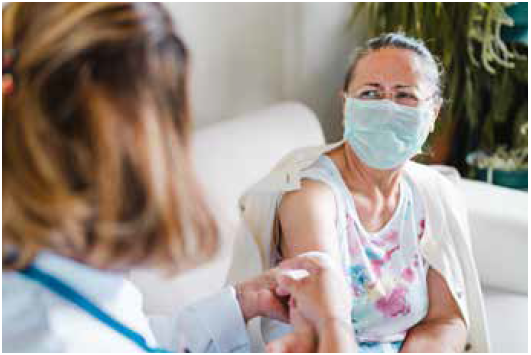
During the pandemic, at-home visits can help collect the blood samples needed for molecular testing.
Kemal Yildirim / Getty Images
Fortunately, the successful development of molecular diagnostics requires top notch problem-solving skills. By definition, molecular diagnostic tests are designed to provide detailed information about a patient's disease status in order to guide and optimize therapy. The challenge ahead of those in the field is to identify new strategies that enable guidance and optimization to take place in the context of COVID-19 related constraints on patients, caregivers, and sites of care.
Taking the test to the patient
One way to simultaneously protect patients from unnecessary exposure to SARS-CoV-2 and overcome the limitations on access to healthcare facilities is to take the test to the patient. Simply put, if having patients visit a physician's office or clinical center for testing creates health risks for the patient or is incompatible with facilities' access policies, don't have the patient come in for testing. While this may not be a feasible or practical approach for all molecular diagnostics, such as those that require biopsy or tissue samples that must be collected in surgically, it can be relatively straightforward for other types of test. For example, a phlebotomist could be sent to the patient's home to collect blood samples for blood-based molecular diagnostic tests, including tests that can detect early signs of organ transplant rejection.
Similarly, mobile technicians can be used to collect blood or other samples and to administer a variety of surveillance and monitoring tests in transplant patients' own homes. As an example, transplant patients participating in the Remo-Trac program have a complete test kit shipped to their homes, which includes the materials for a blood-based test to assess transplant organ health, as well as the vials and reagents to collect samples for a broader suite of health assessments including a complete blood count, immunosuppressant levels, a comprehensive metabolic panel, and PCR tests to detect viruses for which transplant patients are at high risk. The mobile technician delivers the samples to a laboratory and the test results are automatically sent to the patient's physician.
Education is critical for protecting and improving patient health…
In addition to removing COVID-related barriers that can limit access to molecular diagnostic testing, physicians, patient advocacy groups, and companies that develop these tests need to work collaboratively to educate patients about their options. Patients may receive contradictory information about the importance of staying socially distanced and the need for diagnostic testing. Patient advocacy groups can play a critical role in developing materials that physicians can share with their patients to help them understand newly available options (at home testing, telehealth visits with care providers, etc.) and make informed decisions about their healthcare. These groups are also important conduits for reaching patients with information that can help them initiate conversations with their physicians and help them achieve an appropriate balance between social distancing and accessing care.
Companies in the molecular diagnostic testing space may consider organizing webinars and other virtual events that bring physicians, patients, and advocacy organizations together to share information and provide a forum in which patients can have their questions answered. My company has established collaborations with National Kidney Foundation, Transplant Recipients International Organization, and the American Association of Kidney Patients to develop a series of virtual patient events focused on the changing transplant landscape in response to the coronavirus. We have also provided grants to the American Society of Transplant Surgeons, the American Society of Transplantation and the National Kidney Foundation to support these organizations' effort to develop COVID-related educational programming.
… and for expanding our understanding of COVID-19 in specific patient populations
Another critical component of ensuring excellent health outcomes in the COVID-19 era is collecting data that expand our understanding of COVID-19 in specific patient populations. As an example, data gathered from transplant patients throughout the first few months of the COVID-19 pandemic have already identified several subgroups of individuals at increased risk for SARS-CoV-2 infection and/or poor COVID-19 outcomes.
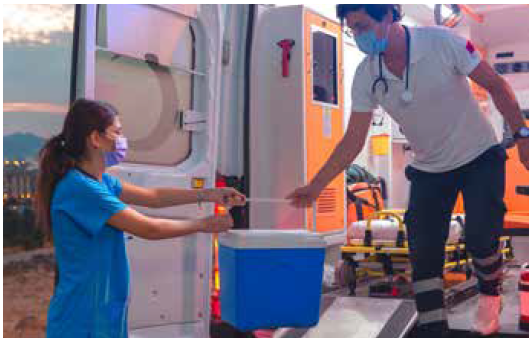
The COVID-19 pandemic has affected all levels of patient care, including molecular testing that helps to better manage a patient's transplant care.
aydinmutlu / Getty Images
Unfortunately, at the moment, less data are available for subsets of patients who typically undergo molecular diagnostic testing. Companies in the molecular diagnostic testing space may consider establishing registries, on their own or in collaboration with physician groups, disease societies, or patient advocacy organizations, to collect COVID-19 related information for specific subsets of patients (i.e. organ transplant recipients, cancer patients, etc.), including information that will allow analyses based on treatment regimens, immunosuppressive regimens, organ involved, and the like.
The Transplant COVID-19 Registry (C19TxR.org) an international observational registry for transplant patients established as a collaboration among more than a dozen leading health organizations including the U.S. National Institutes of the Health, the U.K. National Health Service Blood and Transplant service, and the United Network for Organ Sharing, is a secure web-based registry for assessing transplant patient COVID-19 caseloads in integrated care settings. Its goal is to track clinical outcomes for COVID-19 transplant patients in order to support systematics assessments with the potential to improve transplant population health. Additional registries in other disease indications will be critical for advancing patient care and improving outcomes in other patient subgroups.
Turning near-term challenges into long-term opportunities
The COVID-19 pandemic has also impacted multiple aspects of corporate operations. While initial responses were, by necessity, designed to address immediate constraints on having employees work on site or make in-person sales calls or technical support visits, they offer an opportunity to re-think the business of molecular diagnostic testing for the long-term. Companies developing molecular diagnostic tests may wish to consider new and innovative strategies for maintaining contact and community with employees when you aren't physically together. These could include a variety of virtual community-building activities, including coffee with the CEO, game/trivia nights, monthly birthday celebrations, and happy hours. At my company, we've started “Mocha with Maag”, which is a virtual event that allows everyone to have time to connect in a casual and relaxed environment. These types of interactions happened in the hallway or the lunchroom before the pandemic, but they are hard to engage in work-related video conferences. It's also important to make sure that there are clear routes of communication for employees who have questions, need support to effectively work off-site, or have suggestions about new programs and initiatives that could improve morale, productivity, or costs.
We are innovative by design
Almost by definition, companies active in the molecular diagnostic testing arena are innovative. Meeting our corporate and patient-centered goals demands that we leverage the innovative thinking that is usually focused on our products to reimagine all aspects of our business–where we work, how we work, how we support customers and patients.
Change is difficult, but if we gather the data we need to diagnose what is no longer working effectively, we will have the information we need to write the prescription for our continued success.