




Abstract

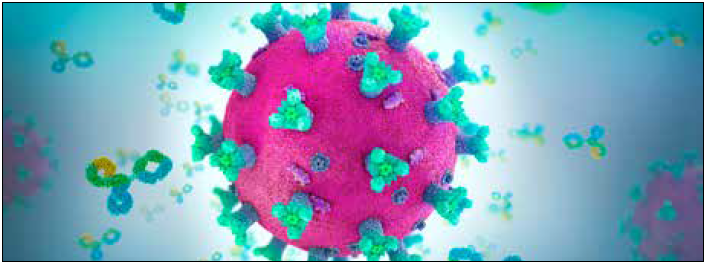
A new study finds that nearly a year after recovering from COVID-19, the body's bone marrow plasma cells (BMPCs) still make active antibodies against the virus.
The findings, published in Nature from researchers at Washington University School of Medicine in St. Louis, appear to suggest that antibody production does not wane over time to the point of offering no protection.
Some studies have reported that anti-SARS-CoV-2 serum antibodies decay rapidly in the first few months after infection, raising concerns that long-lived BMPCs may not be generated and that over time they will no longer contribute to humoral immunity through antibody production against this virus.
In this study, the research team showed that in COVID-19 patients who experienced mild infections (n=77), serum anti-SARS-CoV-2 spike (S) antibodies decline rapidly in the first 4 months after infection and then more gradually over the following 7 months, remaining detectable at least 11 months after infection. Their study shows that SARS-CoV-2 infection induces a robust antigen-specific, long-lived humoral immune response.
The research team is now studying whether vaccination also induces long-lived antibody-producing cells.