




Abstract

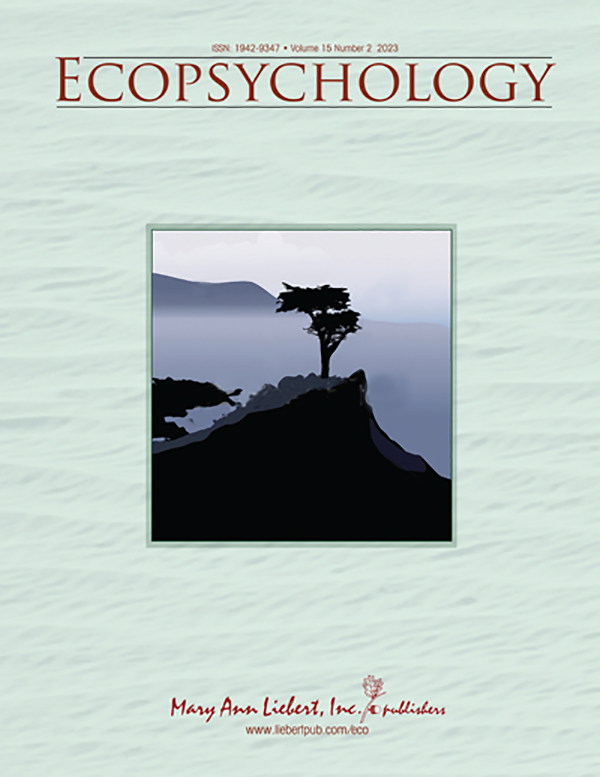
The
Over the past few decades, a growing body of research has shown the plethora of health benefits related to spending time in nature. However, many people in the modern world currently spend little time in natural environments. In this special issue, we are especially keen to publish papers that specifically address interventions to improve health through increased time in nature. Interventions may occur on any of the rungs of the social–ecological model including individual and interpersonal-based approaches, institutional-level interventions, community-design and urban planning, and policy-based approaches. Experimental designs are encouraged where appropriate and should have either a health or behavioral-related outcome. Papers addressing populations across the lifespan, including children and older adults as well as special populations including people living with disabilities, active-duty military and veterans, lower income, rural, and indigenous communities, and a broad range of people for racial and ethnic groups across the globe, are highly encouraged.
Potential interventions may include but are not limited to:
Prescription programs
Nature-based solutions
Green schoolyards
Nature therapy
Greening and rewilding initiatives
Natural experiments
Theory-driven interventions
Outdoor classrooms
Green exercise
Park-based programs
Your contribution should be no longer than 5000 words (excluding references) and submitted no later than December 22, 2023. Early submissions are welcomed. Please submit using the journal's online submission portal:
www.liebertpub.com/forauthors/ecopsychology/300/
Upon manuscript submission, choose the article type:
For questions, please contact Editor-in-Chief of the Ecopsychology journal, Peter Kahn at pkahn@uw.edu, or guest editors, Nooshin Razini at nooshin.razani@ucsf.edu, or Jay Maddock at maddock@tamu.edu.