




Abstract
Abstract
Ferrate has recently been used to reduce waste-activated sludge (WAS), but solid potassium ferrate is costly. Hence, the lower cost composite ferrate solution (CFS), which contains Fe6+, ClO−, and OH−, was prepared to disintegrate WAS in this study. Effect and mechanism of sludge disintegration treated by CFS were investigated. Results showed that CFS could effectively destroy the sludge flocs and extracellular polymeric substances, resulting in the reduction of the median particle size and the release of proteins, polysaccharides, and metal cations such as Ca2+, Mg2+, and Zn2+. Sludge cell structure had been completely disrupted, and the intracellular material released, which led to the increase in the concentrations of the soluble chemical oxygen demand, total phosphorus (TP), soluble phosphorus (SP), total nitrogen (TN), nitrate nitrogen (NO3-N), and ammonia nitrogen (NH3-N). As a result, the mixed liquor suspended solids (MLSS) and mixed liquor volatile suspended solids (MLVSS) decreased, and the sludge settleability improved. At an optimum ferrate dosage of 50 mg Fe/g SS, the MLSS and MLVSS were reduced by 59% and 73%, respectively; the sludge settleability was improved by ∼72% setting velocity to 79% sludge volume index. TP and SP were transformed into a solid form with Fe(III) formed in situ at higher CFS dosages. During the process, part of the nitrogen escaped from the system as volatile-free ammonia.
Introduction
A
At the same time, the conventional methods for sludge disposal (e.g., landfill, incineration, and agricultural use) are all incurring high costs (Batstone et al., 2011) and facing an increasing challenge because of the more stringent regulations as well as the social concerns for the environment (Yang et al., 2015b). Hence, many sludge reduction technologies have been developed, including mechanical, thermal, chemical, electrical, and biological methods (Zhang et al., 2015; Hiroyuki et al., 2017; Xiao et al., 2017; Fall et al., 2018; Svensson et al., 2018). Most technologies are designed to disrupt the sludge flocs and cells, cause intracellular organic matter release, and reduce sludge solids. Among these, the chemical methods are considered to be effective and practical (Qiang et al., 2013). It has been reported that the use of ozone, chlorine, chlorine dioxide, and Fenton reagents all can achieve an effective sludge reduction (Wang et al., 2017), resulting in sludge disintegration, cell destruction, as well as solubilization and mineralization of the particulate and soluble compounds.
Potassium ferrate, the oxyanion FeO42− containing iron in the +6 oxidation state, is an environmentally friendly oxidant commonly applied in water and wastewater treatment due to its dual functions as an oxidant and a subsequent coagulant/precipitant by forming ferric hydroxide, and no noxious or polluting byproducts are formed (Zheng et al., 2016; Talaiekhozani et al., 2017; Liu et al., 2018; Wang et al., 2018). Recently, Fe(VI) has been applied in sludge treatment (Ye et al., 2012a, 2012b; Zhang et al., 2012, 2016; He et al., 2018a). Ye et al. (2012a, 2012b) reported that ferrate could effectively destroy the extracellular polymeric substances (EPSs), and disintegrate the sludge cells to enhance the filterability and dewaterability of sludge. The sludge dewaterability was improved by lowering the pH level, and the dewaterability reached a maximum when the pH was 3 (Zhang et al., 2012, 2016). Liu et al. (2016) reported that ferrate could improve the sludge settleability and dewaterability by 55.1% and 7%, respectively. During the ferrate pretreatment, the organic matter in the EPS and cells is released, which contributes to the sludge reduction. In addition, the released organic substances could be used as internal carbon sources to promote denitrification (An et al., 2017).
However, it is known that Fe(VI) has a relatively low stability, especially in WAS. The complicated constituent nature of the WAS could cause Fe(VI) to become feeble and result in pointless consumption during treatment. For this case, it is useless to further increase the purity of the solid ferrate, which will not only require a tedious purification process but will also greatly increase the cost of preparation. Hence, a composite ferrate solution (CFS) was prepared without precipitation and purification processes in this study. The stability of Fe(VI) had been greatly improved due to the existence of ClO− and at alkaline conditions (Xu et al., 2009). The alkaline concentration in the CFS was ∼5–6 mol/L, which was much lower than that prepared by electrolysis (usually with a concentration as high as 14 mol/L NaOH or higher) (Sun et al., 2016, 2018). The lower alkalinity could reduce the amount of acid needed for neutralization after the sludge treatment, and thereby save money. Therefore, it is of interest to study the effect of the CFS on WAS reduction.
The aim of this study is thus to test the performance of the CFS to disintegrate WAS and also to illuminate the process of sludge disintegration. The sludge reduction effect (mixed liquor suspended solids [MLSS] and mixed liquor volatile suspended solids [MLVSS]) and the change in the characteristics of the sludge supernatant, such as the soluble chemical oxygen demand (SCOD), total phosphorus (TP), soluble phosphorus (SP), total nitrogen (TN), nitrate nitrogen (NO3-N), nitrite nitrogen (NO2-N), ammonia nitrogen (NH3-N), particle size, concentration of cations, protein and polysaccharide content, were all measured during the CFS treatment. Any structural changes in the sludge floc were analyzed by electron microscopy. The mechanism of sludge disintegration when treated by CFS was analyzed.
Materials and Methods
Activated sludge samples
Sludge samples were taken from the aerated basin of the Beichen East WWTP in Tianjin, China. The Tianjin WWTP uses a conventional anaerobic–anoxic–oxic wastewater treatment process. The sludge samples were brought back to the laboratory and cultivated using the SBR-activated sludge system for further use. This was mainly to avoid the change of the sludge characteristics while being stored. The sludge was first washed several times to remove the organic matter and other substances in the supernatant with tap water to avoid affecting the quantity of intracellular organic matter released from the sludge. The treated sludge characteristics were determined and are shown in Table 1.
Characteristics of Waste-Activated Sludge
MLSS, mixed liquor suspended solids; MLVSS, mixed liquor volatile suspended solids; NO3-N, nitrate nitrogen; NO2-N, nitrite nitrogen; NH3-N, ammonia nitrogen; SCOD, soluble chemical oxygen demand; SP, soluble phosphorus; SPN, soluble protein; SV, setting velocity; SVI, sludge volume index; TN, total nitrogen; TP, total phosphorus; TPN, total protein.
Preparation of CFS
A CFS was prepared by the modified chemical oxidation method: Fe(NO3)3·9H2O reacted with NaClO in a 6.0 mol/L KOH medium at 65°C for 40 min, then was placed in an ice-water bath for 10 min; CFS with a higher Fe(VI) concentration and improved Fe(VI) stability was obtained. The CFS was filtered by a funnel (G4) and stored in a polyethylene plastic bottle at 4°C. In the CFS solution, the concentrations of Fe(VI), ClO−, and OH− were 0.16, 0.75, and 5.31 mol/L, respectively.
Sludge disintegration treated with CFS
Sludge samples (200 mL) in 500 mL conical flasks were rapidly mixed (SHA-BA, China) with ∼10–60 mg Fe/g SS CFS in an oscillator at a speed of 150 r/min for 0–24 h. At each sampling time, a sulfuric acid solution (H2SO4, 6 and 4 mol/L) was added immediately to the sample to adjust the pH value to 6–7, to terminate any further reactions. These samples were centrifuged (TDL-40B; Anting, China) for 25 min at a speed of 4,000 r/min, and then filtered by a medium speed quantitative filter paper before analysis. All tests were carried out at ambient temperature (25°C ± 1°C). Each test was performed in triplicate.
Analytical methods
Concentration of Fe(VI) in the aqueous solution was determined by UV-Vis spectroscopy (UV-5800PC; Metash, China); the solution had a distinctive UV-Vis spectrum with a maximum absorbance at 510 nm (ɛ510 = 1,150 M−1/cm). The physicochemical characteristics of the WAS, including MLSS, MLVSS, SCOD, TN, NO3-N, NO2-N, NH3-N, TP, and SP, were all measured by Standard Methods (APHA, 2015). The COD and TP of the filtrate after the 0.45 μm membrane were referred to as the SCOD and SP. The total protein (TPN) and soluble protein (SPN) were determined by the Coomassie Brilliant Blue G-250 method (Marion, 1976), using casein as the standard. The polysaccharide content was measured by the anthrone method (Riesz et al., 1985) using glucose as the standard. All analyses were performed in triplicate.
Particle size analysis was carried out using a Laser Particle Size Analyzer (LS-POP(6); OMEC, China). For each sample, the sludge suspension was mixed completely, and a 15 mL sample was taken to measure the particle size. Each sample was measured five times. The scattered light was detected using a detector that converted the signal to a size based on the volume. The average size of the flocs was given as the mean based on the volume-equivalent diameter. For the microscopic analysis, the sample mixture was filtered through a filter paper, and the solid remnant on the paper was rinsed with a 20 mM phosphate-buffered saline solution (pH = 7.0) three times. The buffered remnant was fixed with 5% (w/v) glutaric aldehyde and dehydrated with ethanol for 20–30 min. The dehydrated samples were dried super critically and sputter coated with gold for SEM observation using a Nova Nano SEM450 scanning electron microscope (FEI, America) at 20,000 × magnification. For the cation analysis, the sample supernatants were diluted 50 times and analyzed by inductively coupled plasma-atomic emission spectrometry (ICPS, Optima 7300 V, Perkin-Elmer, America).
Results and Discussion
Effect of CFS on change in MLSS and MLVSS
The MLSS is an important parameter for evaluating the sludge reduction. However, the MLVSS can better reflect the disintegration of sludge cells than the MLSS. Therefore, the variations of the MLSS and MLVSS with different CFS dosages and reaction times were both studied, and the results are shown in Fig. 1. Figure 1 shows that MLSS and MLVSS decreased continually with increasing CFS dosage and reaction time. The optimum CFS dosage was 50 mg Fe/g SS. At an optimum CFS dosage and when reacted for 24 h, the MLSS and MLVSS decreased by 4112.5 and 4542.5 mg/L, respectively, compared with the original values, and the corresponding sludge reductions were 59% and 73%, respectively. The values reported were much higher than those of other reports. Ye et al. (2012a) found that the TSS content was reduced by 31% with potassium ferrate oxidation treatment alone. This was because the Fe(VI) in the CFS had a stronger stability than potassium ferrate, so it could effectively react with the WAS. On the contrary, the CFS contained ClO− and OH−, both of which could disintegrate the sludge. The ClO− could oxidize the sludge and improve sludge disintegration (Zuriaga-Agustí et al., 2012; Zhang et al., 2018), and OH− could also contribute to the sludge disintegration through alkaline hydrolysis (Zhang et al., 2018).
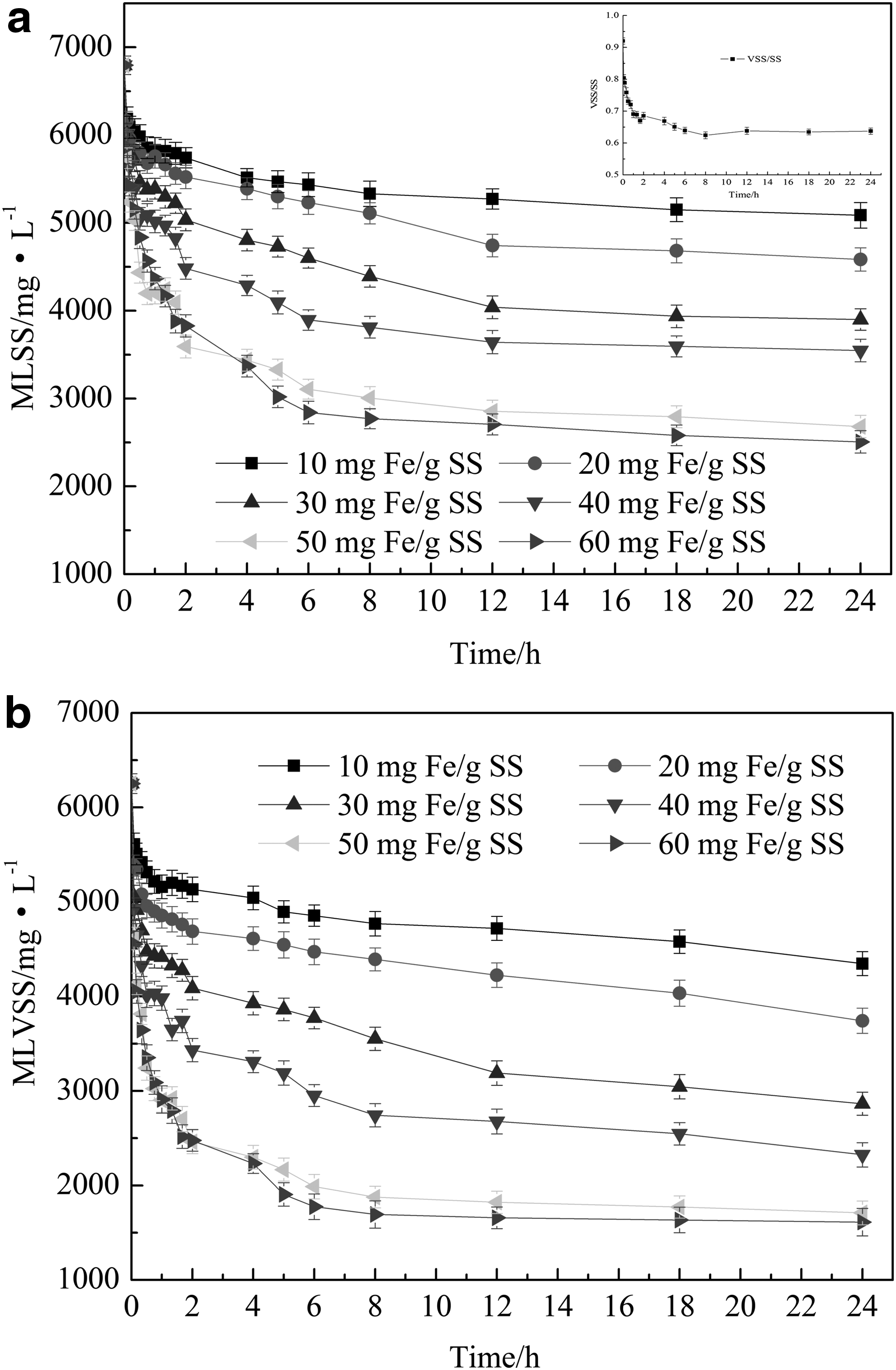
Changes in MLSS
Figure 1a also shows that the value of VSS/SS decreased from 0.92 to 0.63 at a 50 mg Fe/g SS CFS dosage when reacted for 24 h. This indicated that the MLSS reduction was mainly caused by the reduction in the MLVSS. The MLVSS, as the organic component in the sludge, could be effectively disrupted by CFS, leading to sludge reduction.
Effect of CFS on sludge settleability
SV and SVI were measured to evaluate the settling performance of the sludge treated by CFS, and the results are shown in Fig. 2. The SV and SVI sharply decreased during the first 5 min, and then declined gradually to 19.2% and 21.5 mL/g, respectively, at 24 h. However, at 40 min, the SV and SVI increased slightly. This may have been due to the large amount of EPS released into the aqueous phase, which deteriorated the sludge settleability (Zhang et al., 2016). The sludge settleability improved after 40 min maybe due to the reflocculation as produced by the coagulant, Fe(III) (Yang et al., 2018). After treatment with CFS, the sludge settleability was improved by ∼72% (SV) to 79% (SVI). The obtained results were comparative with other findings. Ye et al. (2012a) found that the SVI was enhanced by 17% with potassium ferrate oxidation treatment. Liu et al. (2016) found that the sludge settleability (SV) had improved to 55.1% after treatment with alkaline ferrate.
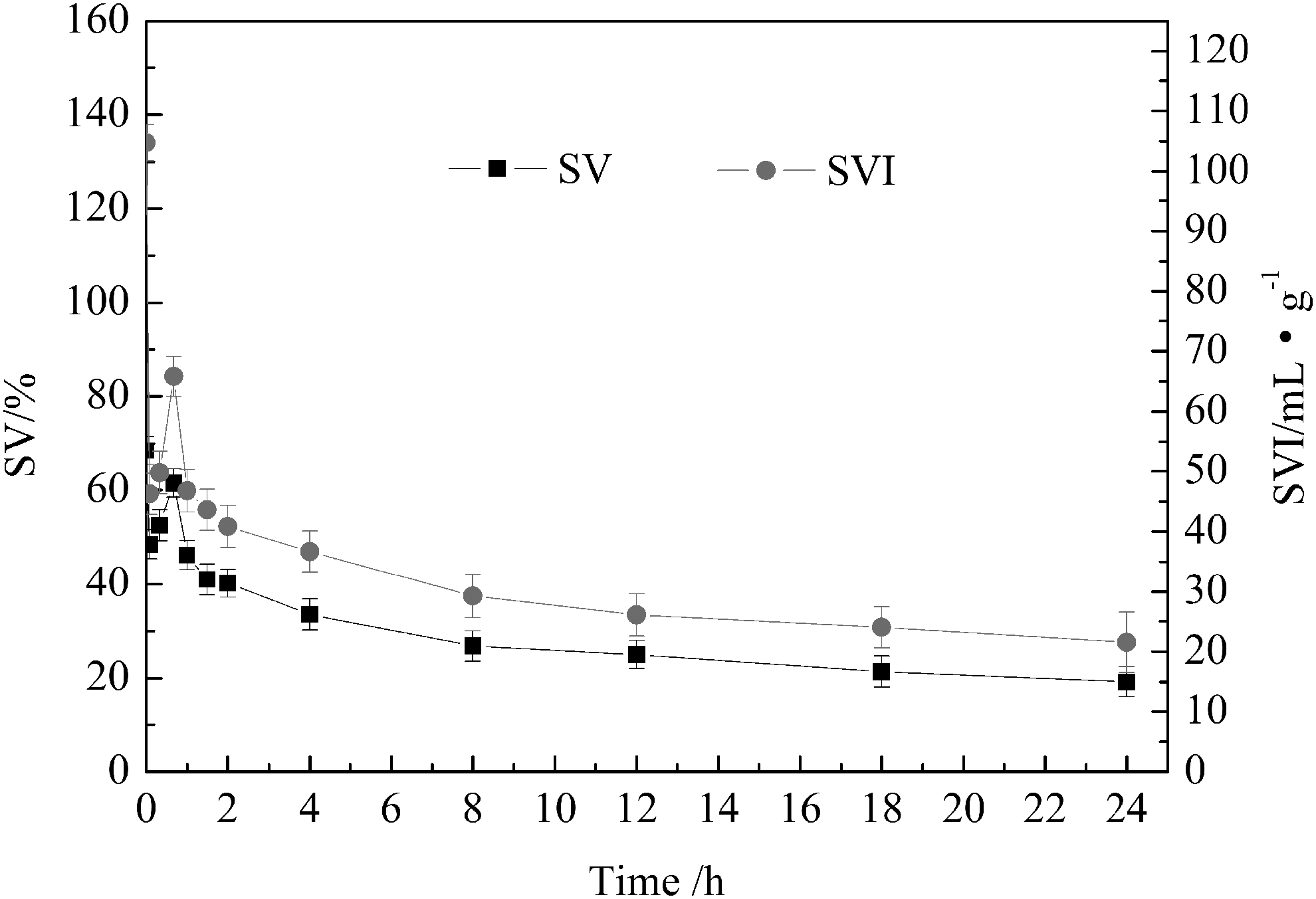
Effect of CFS on SV and SVI with reaction time (CFS = 50 mg Fe/g SS).
Effect of CFS on change in protein and polysaccharide content in supernatant
The EPS, presumed to be the predominant polysaccharides and proteins, is regarded as an important component of sludge flocs (Ye et al., 2012b; Zhang et al., 2014; He et al., 2018(b)). When the sludge was treated with CFS, large quantities of EPS were released into the aqueous phase, causing an increase in the concentrations of polysaccharide, TPN, and SPN (Fig. 3). Figure 3 shows that the polysaccharide, TPN and SPN content increased with increasing reaction time. After a reaction for 24 h, the polysaccharide, TPN and SPN content increased from the original levels of 0.1, 13.3, and 4.8 mg/L to 123.7, 182.0, and 70.7 mg/L, respectively. This result indicated that CFS could effectively destroy the outermost EPS wrapped around the cells, and could cause protein and polysaccharide dissolution quickly. On the contrary, CFS could also oxidize proteins and polysaccharides into small molecules, such as volatile fatty acids, H2O, and CO2, or hydrolyze proteins into peptides, amino acids, and so on under alkaline conditions (Talaiekhozani et al., 2017). All of these factors resulted in the increased rate of protein and polysaccharide slowed down.
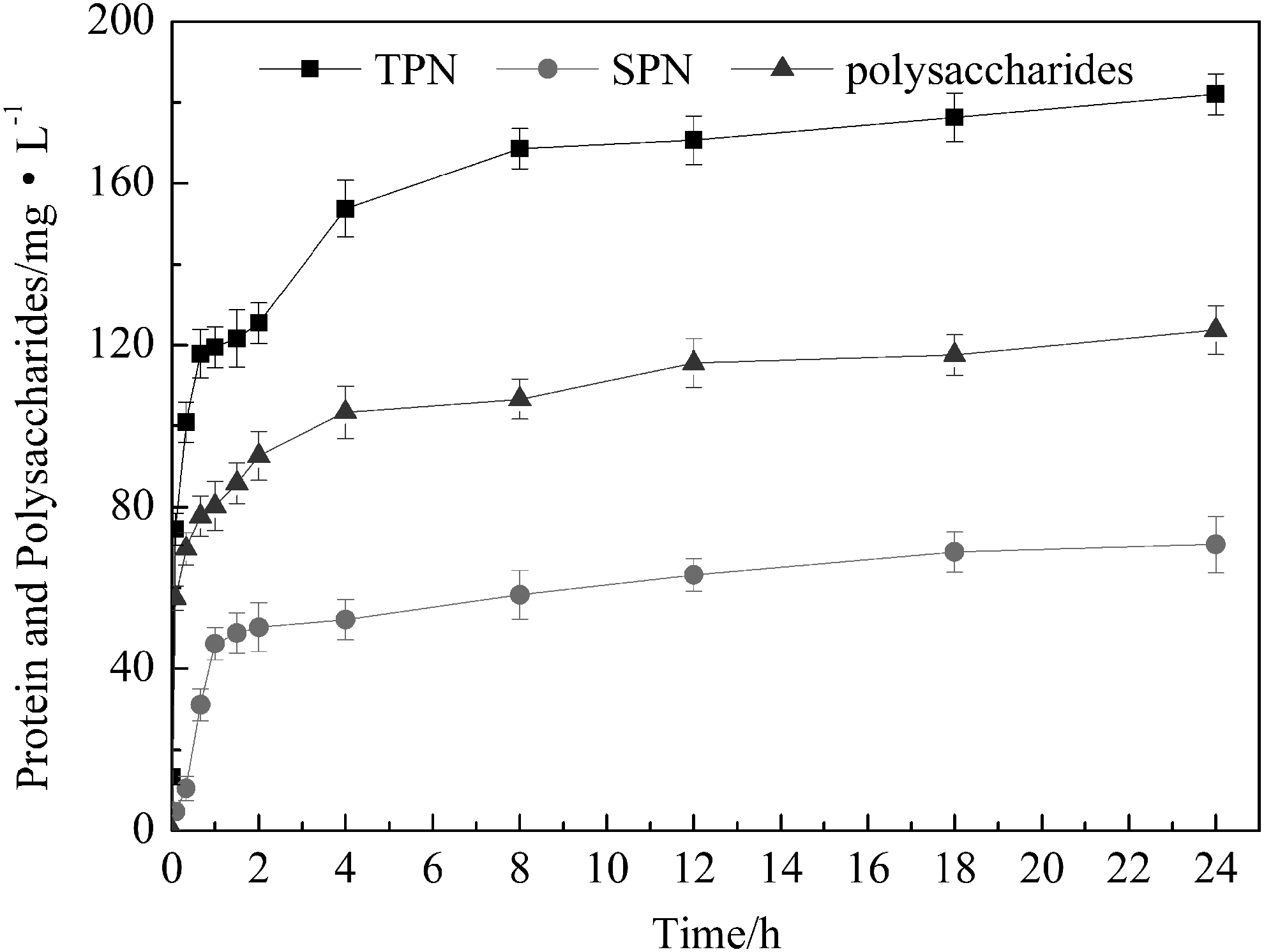
Changes in the protein and polysaccharide concentrations in the supernatant with different reaction times (CFS = 50 mg Fe/g SS).
Effect of CFS on changes in cation concentration in supernatant
Cations are an important part of the sludge flocculation skeleton. In the formation of sludge flocs, the effect of the high-valent cations is more significant than that of the monovalent cations (Zhou et al., 2007). Therefore, the changes in the concentrations of Ca2+, Mg2+, Zn2+, and Fe3+ were investigated, as shown in Fig. 4. Figure 4 shows that when the reaction lasted 0.08 h, the concentrations of Ca2+, Mg2+, and Zn2+ increased by 63.59, 33.02, and 17.44 mg/L, respectively, when compared with the original values. This was because the EPS of the sludge was disrupted and released the cations quickly under the function of the CFS. When the reaction time was further extended, the concentrations of Ca2+, Mg2+, and Zn2+ decreased slightly, but they remained at a certain level. This may have been mainly due to the following reasons: on the one hand, with the sludge flocs being destroyed, a large number of small particles appeared (as shown in Fig. 5), which had a larger surface area and a negative charge; part of the cations would get adsorbed on these particles causing decrease in the cation concentration. Compared with the other cations, Ca2+ was more easily adsorbed onto these small particles, so the reduced amplitude of Ca2+ was greater than that of the other cations. On the other hand, the PO43−-P released from the intracellular matter could be precipitated with Ca2+ and Mg2+ in the solution to reduce their contents. However, the components in the solution had less effect on Zn2+, so its concentration changed less than that of the previous two. The iron was added to the system, so its concentration was higher than that at the initial stage (0–0.08 h), at 70.85 mg/L. However, after 2 h of reaction, the concentration of Fe3+ was reduced to its minimum value. This was caused by the adsorption onto the sludge flocs, or by the precipitation of Fe(OH)3 and FePO4 with the OH− and PO43−-P in the system. However, the concentration of Fe3+ would increase again as the reaction time was further extended for the alkalinization.

Changes in cation concentration in supernatant with different reaction times (CFS = 50 mg Fe/g SS).
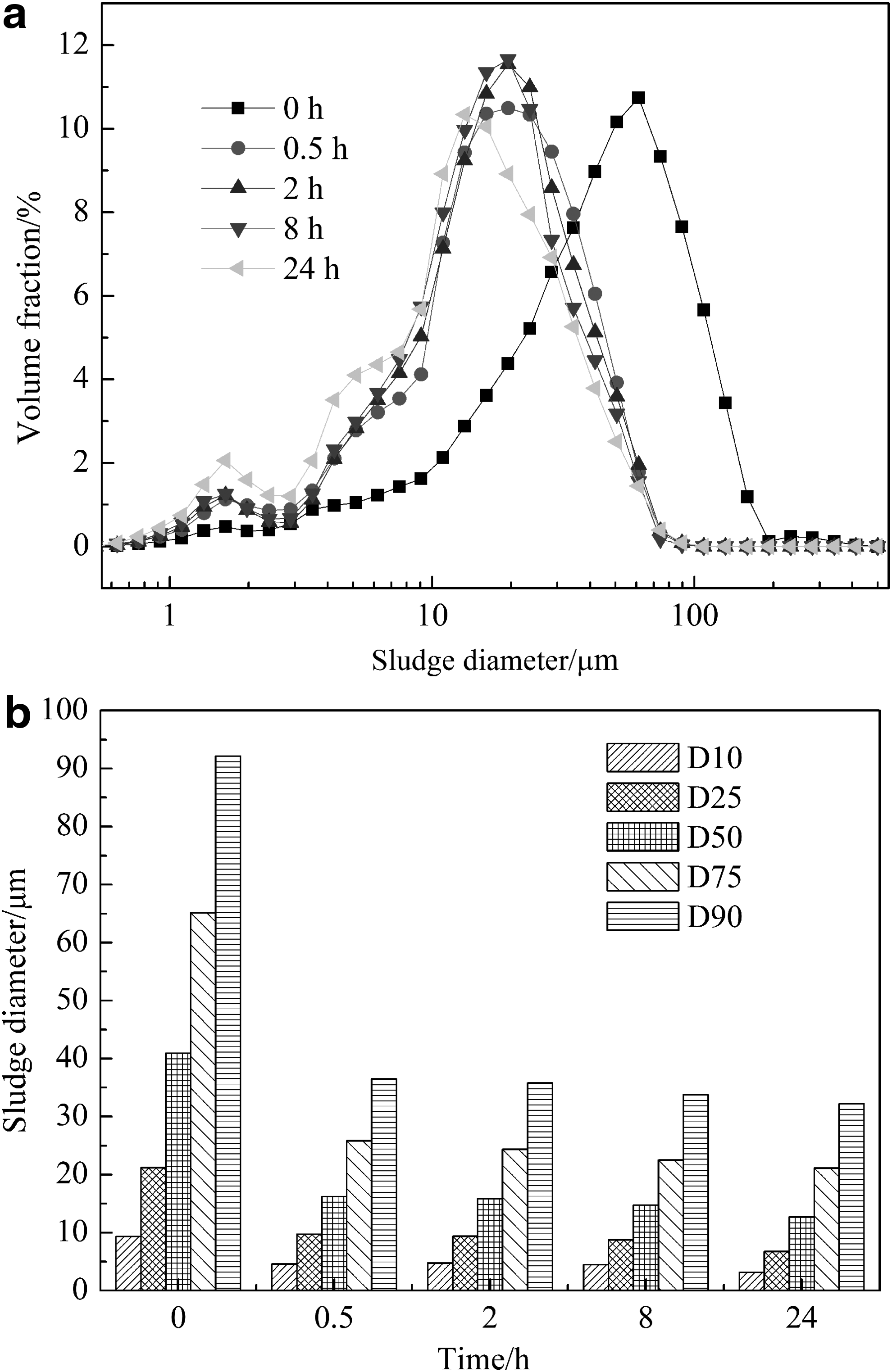
Changes in sludge particle size
Effect of CFS on the particle size distribution
Particle size distribution of the sludge flocs treated by the CFS is illustrated in Fig. 5. Figure 5 shows that the particle size distribution of the sludge flocs tended to be small and dispersed with prolonged reaction time. The size of the raw sludge flocs ranged from 0.2 to 413 μm. The volume distribution was centered at 10–130 μm size intervals. After treatment with the CFS, the sludge particles were concentrated in the range of ∼7–70 μm. The number of small-sized sludge particles of ∼1–5 μm increased rapidly with increasing reaction time, and the volume occupied by small particles increased. This result indicated that the strong oxidation of the CFS could effectively destroy the sludge aggregates in a short time and disrupt the structure of the EPS in the sludge, leading to disintegration of the sludge flocs; and the sludge particles were of small size. The sludge particle size distributions were basically the same within 8 h. However, when the reaction lasted 24 h, the sludge flocs were sustainably destroyed under the action of alkali hydrolysis, and the sludge particle size was reduced from the original 50 to ∼10.5 μm. As shown in Fig. 5b, the median particle size (d50) of the raw sludge was 40.95 μm, and the d50 of the sludge treated for 0.5, 2, 8, and 24 h was 16.22, 15.84, 14.78, and 12.7 μm, respectively. The change in the d50 was consistent with that of the d10, d25, d75, and d90. Similar observations have been reported in previous studies (Xu et al., 2010; Pei et al., 2015; He et al., 2018(b)). Clearly, the stability of the sludge flocs was greatly destroyed, which was favorable for the subsequent disintegration of the sludge cells.
Effect of CFS on the change in SCOD concentration in supernatant
When the sludge flocs were destroyed, the CFS attacked the sludge cells directly and caused intracellular organic matter release, leading to an increase in the SCOD. The variations of the SCOD in the supernatant with different CFS dosages and reaction times are depicted in Fig. 6a. It was observed that the SCOD increased rapidly in the initial stage and then gradually slowed down, finally remained stable. This was because, on the one hand, the oxidants [such as Fe(VI) and ClO−] in the CFS were gradually consumed; on the other hand, the oxidants had no selectivity, and they could oxidize the dissolved organics, reducing the effective oxidation of the sludge. However, the SCOD still presented a slow increasing trend after 8 h, which was due to the effect of alkaline hydrolysis of OH− in the CFS. The increase in the SCOD was consistent with the decrease in the content of the MLSS and MLVSS. Figure 6b further shows the rate of the SCOD generated from a unit of MLVSS. The MLVSS reduction and SCOD increase were linearly fitted, and the SCOD yield was 0.9924 g SCOD/g MLVSS. This value was less than the theoretical value of 1.42 g SCOD/g MLVSS according to the study of Lesslie and Grady (1999). This result suggested that mineralization of the SCOD occurred during the reaction. The change in the SCOD was similar to the results of Ye et al. (2012a), Wu et al. (2015), and Liu et al. (2016). In their studies, the SCOD increased as the ferrate pretreatment continued and finally reached a maximum.
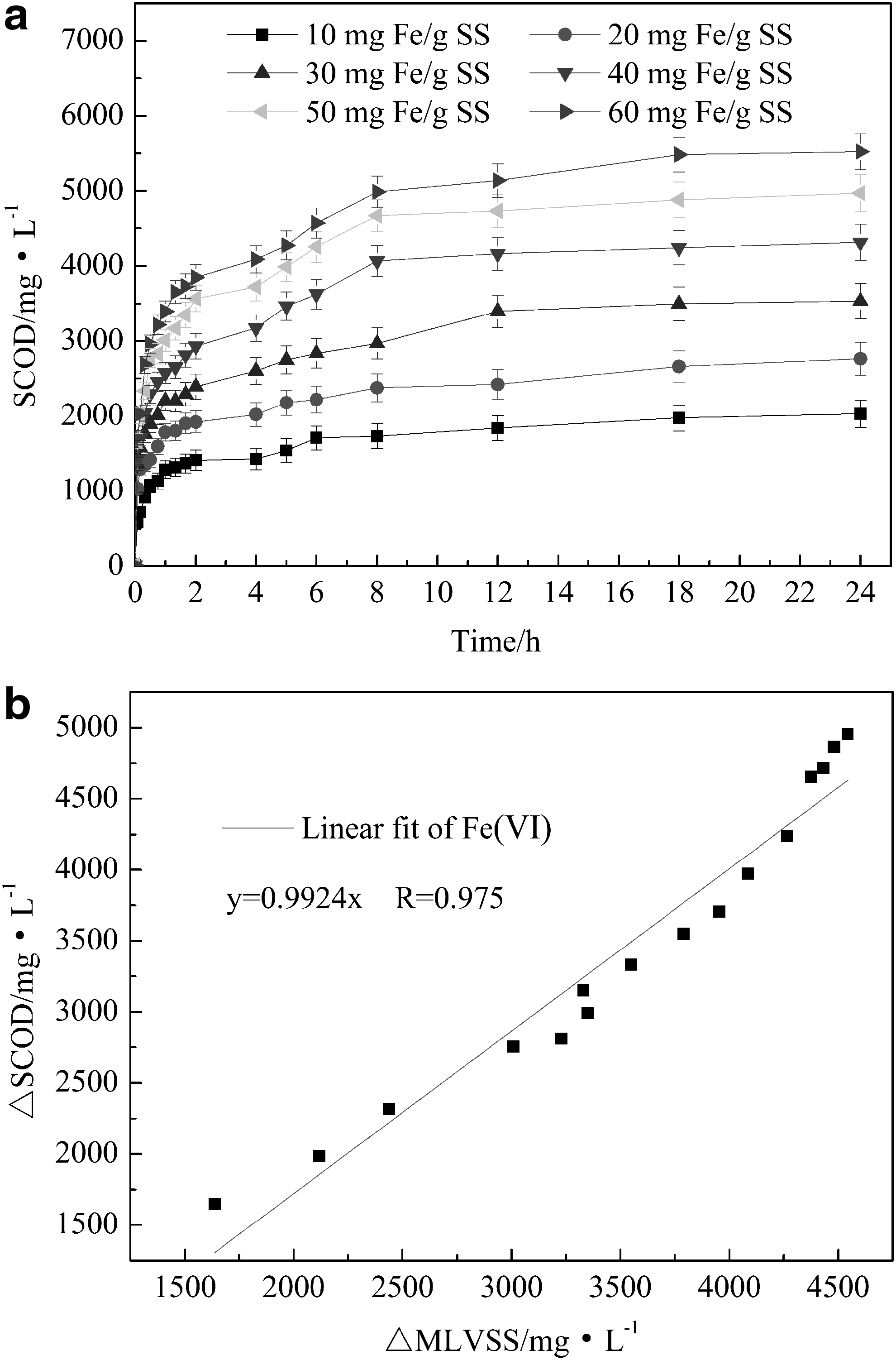
Changes in
Effect of CFS on change in phosphorus concentration in supernatant
During sludge disintegration, phosphorus, mainly in the cell membrane and cytoplasm, was released, and its content in the supernatant was increased. Figure 7 shows the variations of the TP and SP with the CFS dosage and reaction time. Figure 7 shows that the changes in the TP and SP were similar to that of the SCOD. The concentrations of TP and SP increased with increasing CFS dosage. However, when the dosage of CFS was >50 mg Fe/g SS, the concentrations of TP and SP declined. This may be due to Fe(III), generated from Fe(VI) reduction, reacting with the dissolved phosphate to form a solid iron phosphate precipitate, or the phosphate was adsorbed by Fe(III) flocs to form a solid (Lee et al., 2009; Wilfert et al., 2015; Li et al., 2018; Yang et al., 2018), which is confirmed by Fig. 4. In addition, the released Ca2+ and Mg2+ could react with the phosphate by forming the corresponding phosphate precipitates. The SP accounted for ∼80% of the TP after sludge disintegration, which indicated that the organic phosphorus released from the cells was oxidized by the CFS to become soluble phosphate. As the phosphorus concentrations were still high in the supernatant, if the supernatant was reused as a carbon source, the phosphorus should be recycled first.
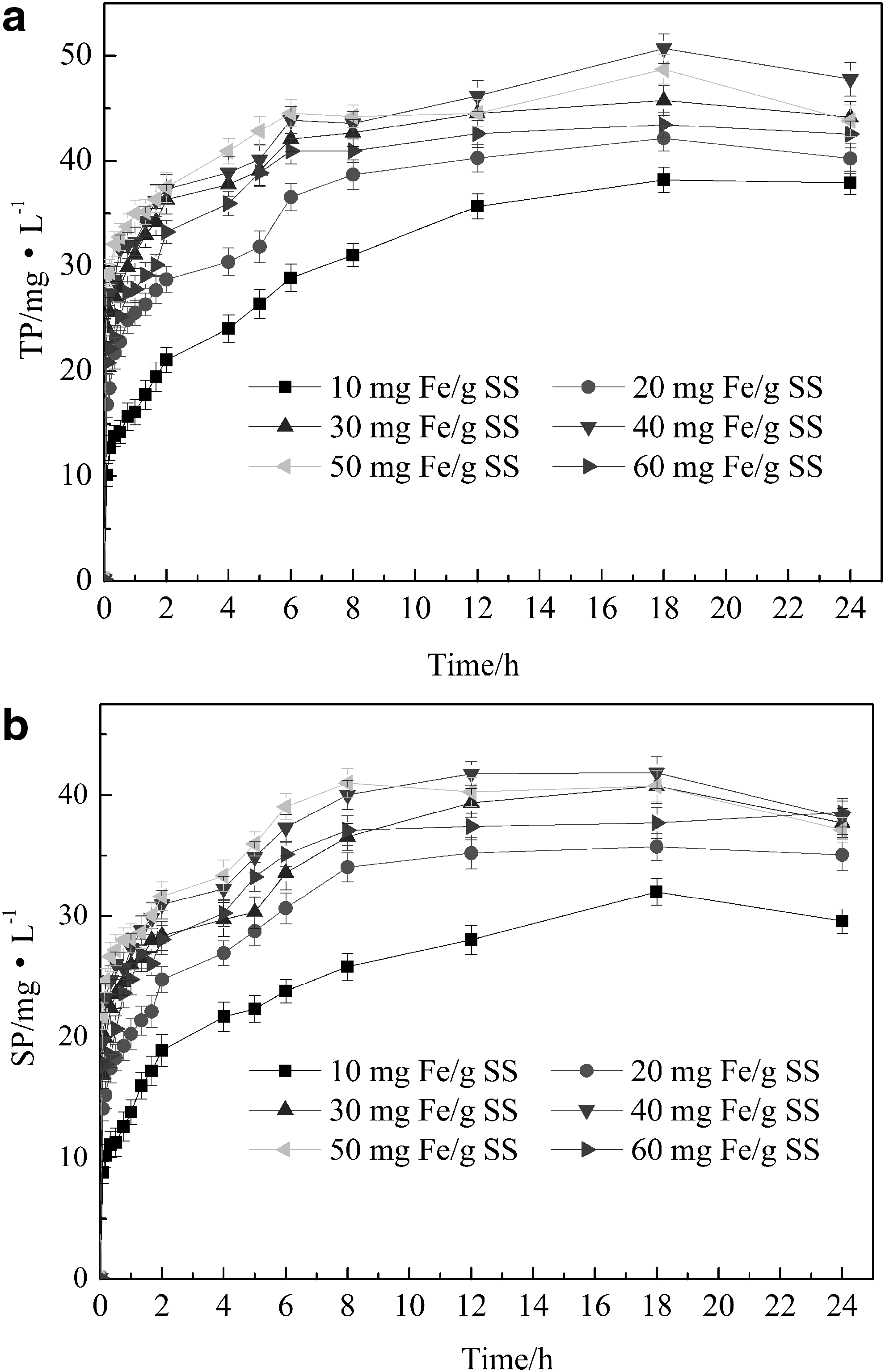
Changes in TP
Effect of CFS on variation of nitrogen concentration in supernatant
Nitrogen can exist in the form of NH3-N, NO2-N, NO3-N, and organic nitrogen in solution, and these forms could be transformed from the reduction state to the oxidation state under the function of CFS. Variations in the TN, NO3-N, NO2-N, and NH3-N content were observed, and the results are shown in Fig. 8.
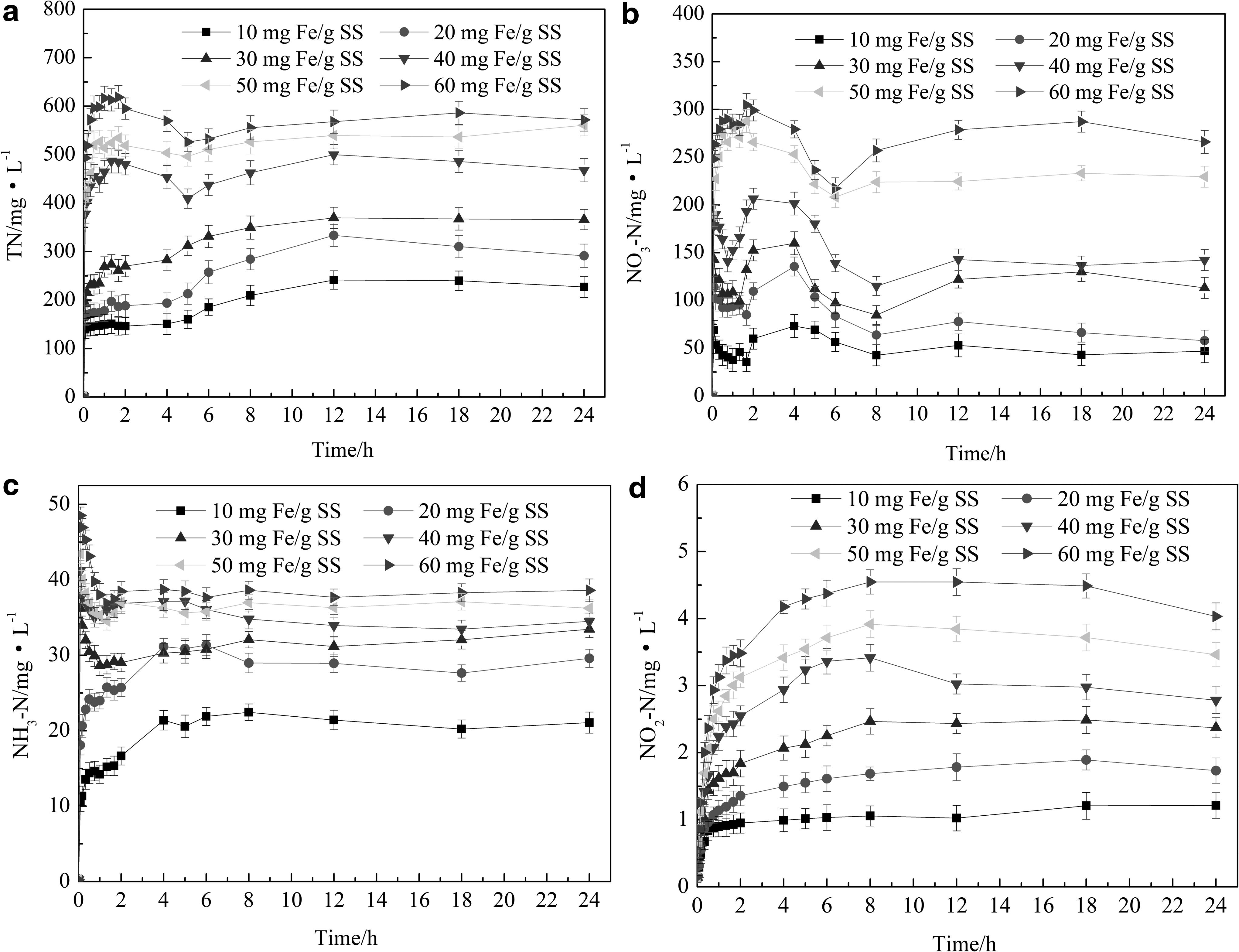
Changes in TN
Figure 8 shows that abundant nitrogen was released when treated with CFS, which caused increases in the concentrations of TN, NO3-N, NH3-N, and NO2-N. At higher CFS dosages, the variations of the TN and NO3-N content were different from those at lower CFS dosages. They both had lowest point. This result may be due to the electrostatic adsorption of Fe(III), which was formed from Fe(VI). When the reaction time was prolonged, part of the Fe(III) returned to the supernatant (as shown in Fig. 4), and the TN and NO3-N content increased again. Figure 8b also shows an opposite trend for the NO3-N content at the first reaction time with a lower CFS dosage. This may be because the sludge floc fragments, caused by CFS oxidation, suddenly increased, and part of the NO3-N was instantaneously adsorbed. Figure 8c shows that at higher CFS dosages, the ammonia nitrogen concentration decreased sharply within 1.33 h. This result was because the alkalinity of the solution was enhanced at higher CFS dosages, and the ionic ammonia nitrogen could react with OH− easily to generate volatile-free ammonia and escape from the system, resulting in the loss of NH3-N (He et al., 2018(b)). NH3-N could also be directly oxidized by CFS into NO3-N (Sharma, 2011; Carolina et al., 2016; Talaiekhozani et al., 2017). This caused increase in the NO3-N content at the first reaction time with a higher CFS dosage. The NO2-N was at the middle oxidation state, which was unstable and could be oxidized into NO3-N quickly. NO2-N had a lower concentration, <5 mg/L, as shown in Fig. 8d.
UV-Vis scanning spectrogram of sludge supernatant
UV-Vis scanning spectrogram of the sludge supernatant diluted 50 times was determined at different reaction times, and the results are shown in Fig. 9. It is known that Fe(VI) has an absorption peak at 510 nm. Figure 9 shows that, due to the strong oxidizing capacity of Fe(VI), the absorption peak at 510 nm decreased rapidly and disappeared within 10 min. However, after 10 min, the oxidation continued in the solution (as shown in Fig. 1). This result indicated that Fe(VI) was further reduced to oxidizing intermediates such as Fe(V) or Fe(IV) by the reducing organics or groups during oxidation (Krachevska et al., 2016). On the contrary, the ClO− and OH− in the CFS also contributed to sludge disintegration. Both oxidants and alkali caused the sludge to be disrupted quickly. Figure 9 further shows that the raw sludge had no obvious absorption peak in the range of ∼200–800 nm, but the sludge supernatant treated by the CFS had strong adsorption in the ultraviolet region and had an absorption platform at ∼260 and 300 nm. This result suggested that the released macromolecules had been oxidized or hydrolyzed into small molecules of organic matter or aromatic C = C conjugated double bond structured material (Chen, 2002). In addition, the NO3− in the solution had a strong absorption in the ultraviolet region, which had a certain influence on the absorption in the ultraviolet region. Therefore, the reaction during sludge disintegration treated with CFS can be described in Equations (1)–(5) (Sharma, 2002; Deborde and Gunten, 2008):
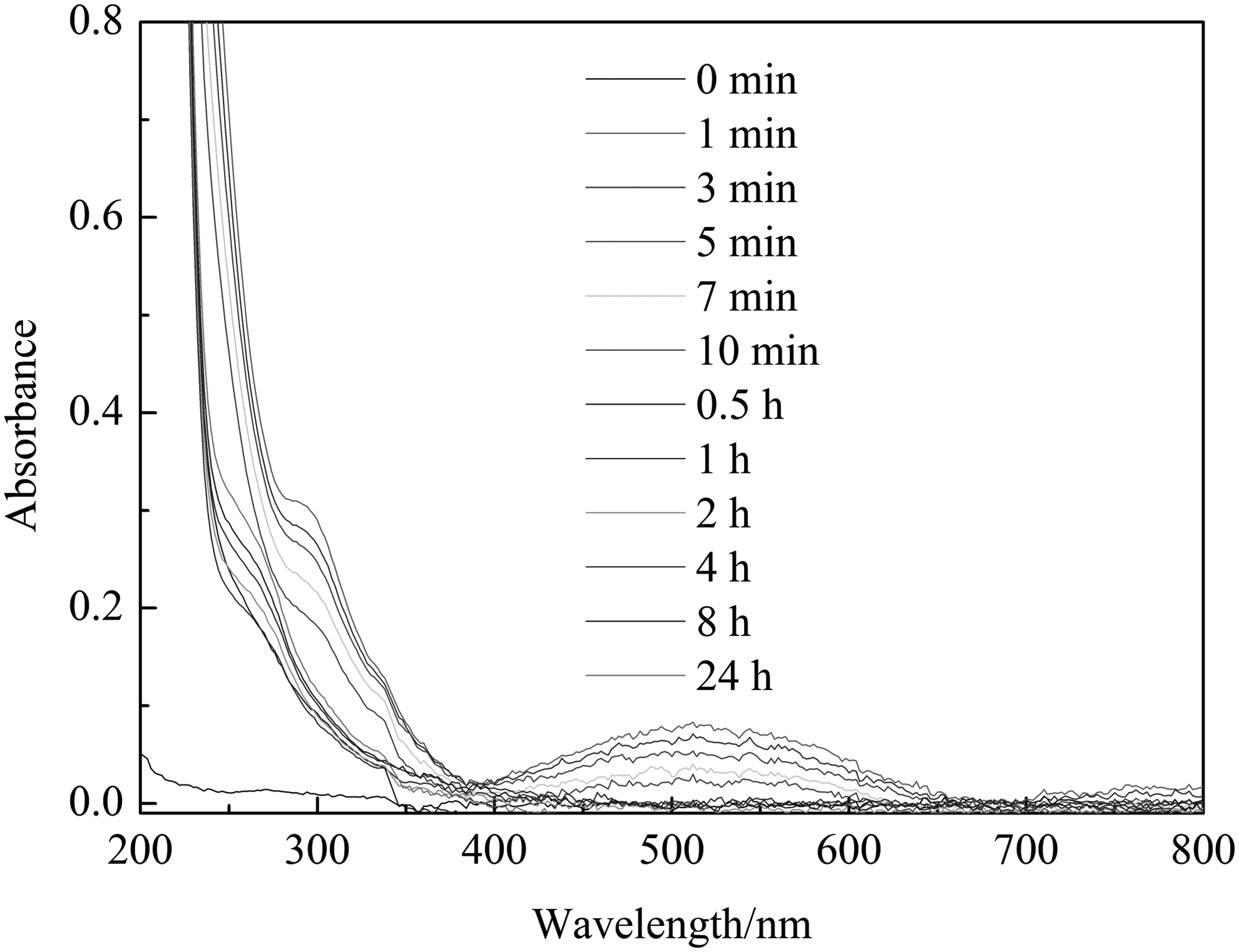
UV-Vis scanning spectrogram of sludge supernatant (diluted 50 times).
Effect of CFS on SEM images
Figure 10 shows the SEM images (magnified 20,000 times) of the raw sludge and the sludge treated by CFS for 5 min, 2 h, and 24 h. The original sludge had a large number of completely spherical microbial cells, which were ∼0.5–1.5 μm, as shown in Fig. 10a. In contrast, it is observed in Fig. 10b that the sludge cells had collapsed and obviously been plasmolyzed after treatment with the CFS for 5 min, then the individual cell walls and cell membranes ruptured, rendering a hole state, and the cellular structure was no longer complete. When the reaction lasted 2 h, most of the cellular structure was completely destroyed and could not be observed in the original morphology. When the reaction time continued to be extended to 24 h, the sludge cell structure could not completely be discerned, was thoroughly broken, and a layer of mucus-like substance was on the surface of the broken cells, which may be the protein biopolymer in the sludge supernatant.
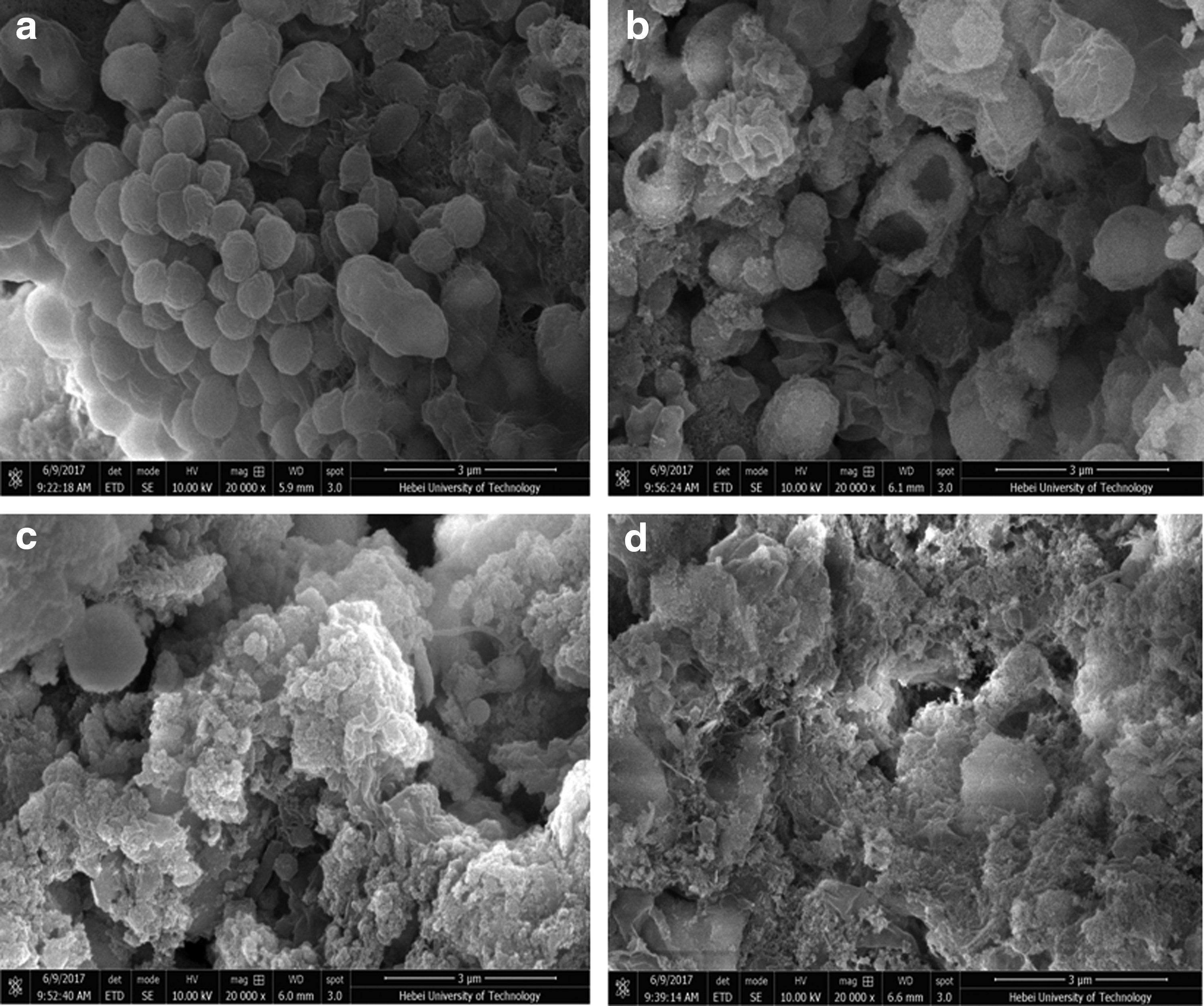
Scanning electron microscope images of sludge treated by the CFS with the reaction time ( × 20,000 times): raw sludge
Mechanism of sludge disintegration treated by CFS
According to the above analysis, during the sludge disintegration, the EPSs that were wrapped around the sludge cell surface were destroyed by the CFS, the floc structure was broken, the particle size decreased, and the proteins and polysaccharides that made up the EPS dissolved into the supernatant. At the same time, Ca2+, Mg2+, and Zn2+, which constituted the skeleton of the sludge flocs, had been dissolved. The sludge cells were in a bare state after losing their protective barrier. The CFS further attacked the cell walls and cell membranes, causing cell rupture and collapse, and the intracellular organic matter was released, resulting in the content of the SCOD, TN, TP, NH3-N, NO3-N, NO2-N, and other substances in the sludge liquid phase to rapidly increase, accompanied by sludge reduction. In the end, the sludge cells were thoroughly cracked. The process of sludge disintegration treated by CFS is shown in Fig. 11.
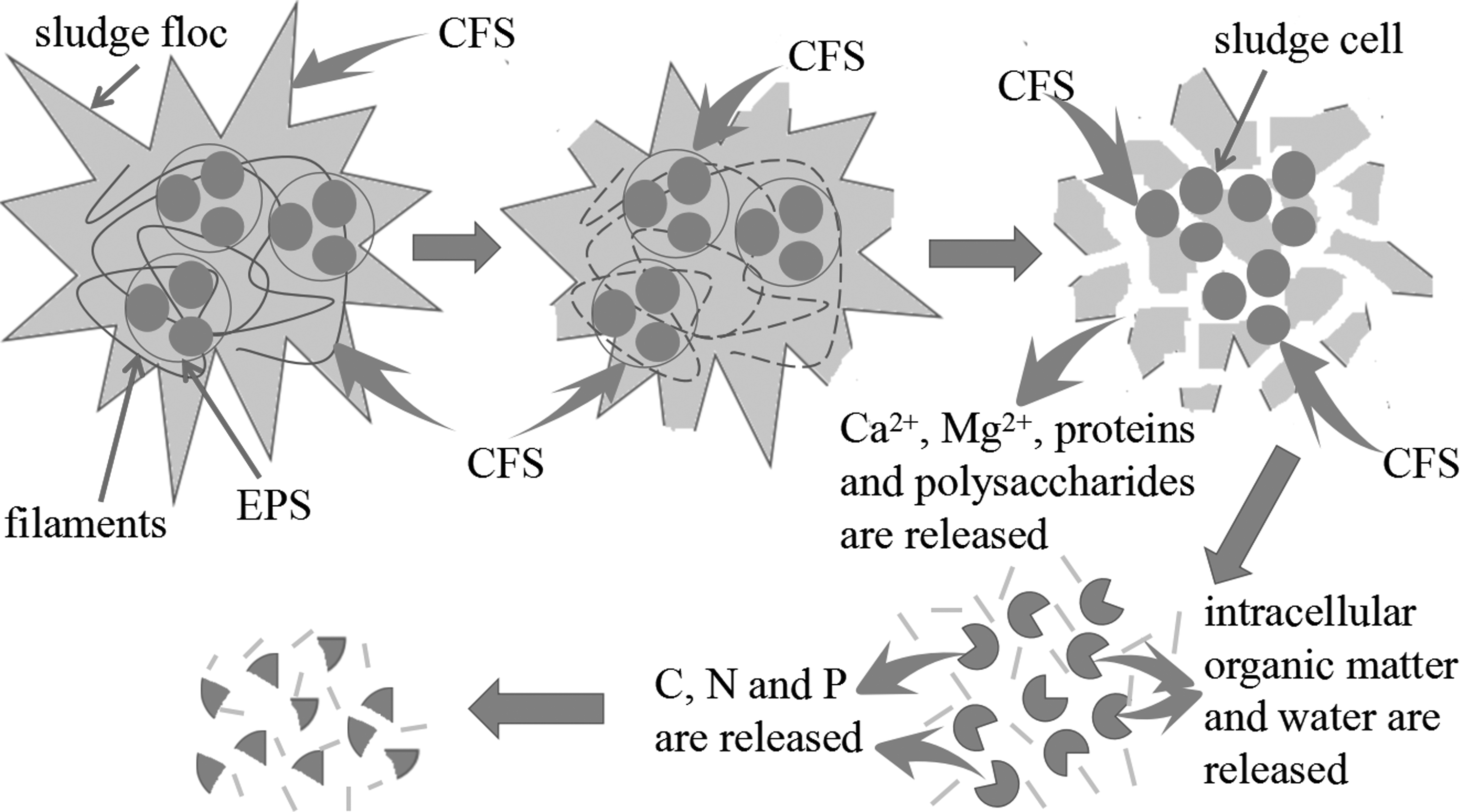
Sketch map of process of sludge disintegration treated by CFS.
Conclusions
In this study, a CFS was used to treat WAS. The findings suggested that the CFS could effectively enhance sludge disintegration. After treatment with CFS, the sludge flocs were broken, the cells were cracked, and the median particle size was reduced. The MLSS and MLVSS had decreased, the sludge settleability had improved, and the EPS and intracellular organic material were released, which led to increases in the concentrations of the SCOD, TP, SP, TN, NO3-N, and NH3-N. Under the optimum conditions, MLSS and MLVSS decreased by 59% and 73%, respectively. When the dosage of CFS was >50 mg Fe/g SS, the content of TP and SP in the supernatant decreased due to the formation of iron phosphate precipitates with Fe(III) formed in situ or be adsorbed by Fe(III) to transfer into solid forms. During the process, part of nitrogen escaped from the system as volatile-free ammonia.
Footnotes
Acknowledgments
This work was supported by the National Natural Science Foundation of China (Grant number 51608166). We specially acknowledge Muhammad Usman Haider for his language editing.
Author Disclosure Statement
No competing financial interests exist.