



Abstract

H Seo, S Shin, N Jung, S Kim, W Kwon, K Jeong, S Lee
Republic of Korea
G Hui, L Faping, W Kaixuan, L Erpeng, H Yuchuan
China (People's Republic)
S Yalcin, Y Kibar, E Gezginci, A Gunal, YI Ozgok, A Gozen
Turkey
K Wang, S Liu, E Liu, Y Hou
China (People's Republic)
Z Xiaofeng
China (People's Republic)
Z Xiaofeng
China (People's Republic)
W Akhter, I Sahibzada, A Sharpe, G Hellawell
United Kingdom
H Alenezi, L De Young, G Brock, S Pautler
Canada
J Damasceno‐Ferreira, L Abreu, M Pereira‐Sampaio, W Costa, F Sampaio, DB De Souza
Brazil
J Damasceno‐Ferreira, L Abreu, M Pereira‐Sampaio, W Costa, F Sampaio, DB De Souza
Brazil
R Haider, F Massa, S Clavel, M Durand, D Ambrosetti, F Bost
France
P Mota, A Cordeiro, J Torres, N Morais, E Dias, E Lima
Portugal
Y Chiu, C Huang, AW Chiu
Taiwan (Republic of China)
X Cheng, L Liu, X Zu, Y Li, X Hu, Y Cui, J Chen, C Li
China (People's Republic)
E Parkhomenko, D Paulucci, K Badani, B Reddy, J Sfakianos, M Gupta
United States
J Klein, O Jordan, E Doelker, C Iselin
Switzerland
M Elnagar
Egypt
M Elnagar, E Elsobky, A Harraz, S Mehta, B Ali‐El‐Dein
Egypt
E White, S Ahmad, J Clark, R Walker, T Nitkunan
United Kingdom
SL Vernez, Z Okhunov, J Wikenheiser, C Khoyilar, R Yoon, R Dutta, K Osann, K Kaler, R Youssef, T Lee, J Landman
United States
S Wang, X Huang, Q Xu, B Xiao, X Zhang, W Hu, S Chen, J Li
China (People's Republic)
K Wang, Y Tian, R Gao, H Li, B Liao
China (People's Republic)
Y Lee, D Lee, H Lee, S Jeon
Republic of Korea
P Kallidonis, W Kamal, M Ozsoy, I Kyriazis, P Ntasiotis, D Kotsiris, E Liatsikos
Greece
SK Lildal, R Norregaard, LF Obro, KH Andreassen, FE Christiansen, H Jung, MR Pedersen, PJ Osther
Denmark
L Abreu, J Damasceno‐Ferreira, M Pereira‐Sampaio, W Costa, F Sampaio, DB De Souza
Brazil
M Usawachintachit, DW Fadrosh, S Lynch, T Chi
United States
D Killilea, B Sherer, R Hsi, J Nguyen, G Guzman, R Shiraki, M Mellema, JA Larsen, A Kahn, P Kapahi, T Chi, J Westropp, M Stoller
United States
S Ho, B Sherer, R Hsi, S Djomehri, S Webb, M Stoller
United States
S Ho, B Sherer, R Hsi, L Chen, S You, D Killilea, K Ramaswamy, J Chang, T Chi, M Stoller
United States
Z Xiaofeng
China (People's Republic)
NB Cunha, IB Silva, MA Callegari, R Guerra, PR Kawano, HA Yamamoto, JL Amaro
Brazil
J Gu, Y Zhang, J Li, Q Zhao
China (People's Republic)
Z Okhunov, TO Tailly, G Patruno, SL Vernez, JW Martin, S Fukawa, H Garland, S Juncal, R Yoon, R Youssef, EM McDougall, M Jordan, R Clayman, J Landman
United States
H Atalay, F Altunrende, V Ülker, I Alkan, H Canat
Turkey
A Aydin, K Ahmed, A Al‐Jabir, N Raison, M Iqbal, H Aya, J Brewin, C McIlhenny, J McCabe, NJ Rukin, JM Patterson, H Marsh, A Khan, S Khan, R DasGupta, S Brown, A Samsuddin, M Khan, P Dasgupta
United Kingdom
A Al‐Jabir, A Aydin, M Khan, P Dasgupta, K Ahmed
United Kingdom
R Frati, M Yamaki, J Cruz, S Reis, A Miranda, RF Ivanovic, M Srougi, CC Passerotti
Brazil
K Nast, S Marietti, G Chiang, K Swords
United States
PO Owegie
United Kingdom
E Altobelli, R Papalia, G Simone, R Mastroianni, G Muto, A Giacobbe, A Salerno, C Falavolti, G Muto
Italy
NL Shah, RG Laungani, M Sand
United States
A Karagozlu Akgul, D Unal, M Demirbas, S Oner, M Ucar, K Akgul, M Guzelsoy
Turkey
M Shah, A Aydin, A Moran, M Khan, P Dasgupta, K Ahmed
United Kingdom
D Beiko, A Akers, J Barling
Canada
D Deligiannis, I Adamakis, I Anastasiou, D Mitropoulos
Greece
ZA Montgomery, KR Ghani
United States
DW Harry, SS Kommu, G Watson
United Kingdom
N Kavoussi, I Sorokin, S Mathur, J Gahan
United States
C Yoon, M Gong, J Han, D Kang, M Kim, W Jung, Y Kang, W Jang, Y Choi
Republic of Korea
S Tadtayev, X Cheng, S Ionnidis, MG Tran, F Mumtaz, G Webster, M Al‐Akraa, S El‐Sheikh, A Goode, M Aitchison
United Kingdom
A Kasraeian, JA Cesaretti, J Yellin, B Noell, A Kasraeian
United States
A Kasraeian, JA Cesaretti, J Yellin, B Noell, A Kasraeian
United States
S Puliatti, L Bevilacqua, E Martorana, S Micali, G Bianchi, GM Pirola
Italy
B Franco, F Di Loro, A Macchiarella, M Mencarini, A Del Grasso, M Spurio, C Dattilo, F Rubino, C Dattilo
Italy
KE Chan, T Mahesan, J Golding, P James, E Simpson, T Larner
United Kingdom
KE Chan, J Golding, T Mahesan, E Simpson, C Coker
United Kingdom
J Fiuk, B Schwartz
United States
E Altobelli, R Papalia, E Faiella, R Mastroianni, G Muto, A Giacobbe, G Muto
Italy
E Altobelli, R Papalia, R Mastroianni, G Muto, A Giacobbe, G Muto
Italy
M Ferriero, A Giacobbe, D Collura, R Papalia, S Guaglianone, G Muto, M Gallucci, G Simone
Italy
OB Argun, C Obek, MB Tuna, T Doganca, I Tufek, MS Keskin, E Karaarslan, AR Kural
Turkey
N Canvasser, F Kay, Y Xi, D Pinho, D Costa, A Diaz de Leon, G Khatri, J Leyendecker, T Yokoo, A Lay, N Kavoussi, E Koseoglu, J Cadeddu, I Pedrosa
United States
J Nettleton, AI Ahmad, M Hotston
United Kingdom
H Xu, G Nabi, J divyananda
United Kingdom
J Jo, S Park, Y Kim, S Jeong
Republic of Korea
P Song, Y Ha, J Choi, Y Ko, K Moon, H Jung, J Kim
Republic of Korea
Z Okhunov, A Drysch, A Yang, JW Martin, C Khoyilar, M Bozoghlanian, H Kim, M Helmy, R Clayman, J Landman
United States
GS Gaunay, V Patel, P Shah, DM Moreira, L Richstone, M Vira
United States
GS Gaunay, V Patel, P Shah, DM Moreira, L Richstone
United States
T Oh, I Seo, J Lee, S Park, H Jeong
Republic of Korea
SL Vernez, Z Okhunov, K Kaler, R Youssef, R Dutta, A George, DM Moreira, P Shah, K Osann, L Kavoussi, J Landman
United States
M Qiu
China (People's Republic)
X Fan, Y Qin, S Wang, X Yan, C Wang
China (People's Republic)
N Simforoosh, M Razzaghi Azar, M Soltani, M Salimi, M Nourbakhash, G Rezaeetalab
Iran
K Omae, T Kondo, T Takagi, J Iizuka, H Kobayashi, Y Hashimoto, K Tanabe
Japan
SS Chen, AW Chiu
Taiwan (Republic of China)
D Ishii, K Yoshida, M Hagiwara, M Kawamura, A Sugita, T Hirayama, K Tabata, T Fujita, M Iwamura
Japan
Y Heloury, M Nightingale, A Bouty, M Sullivan, M Campbell
Australia
J Cho, K Moon, H Cho, J Kang, T Yoo
Republic of Korea
J Kim, I Gong, T Kim, B Jeong, H Choi
Republic of Korea
Y Endo, J Akatsuka, H Takeda, I Matsuzawa, T Hamasaki, G Kimura, Y Kondo
Japan
A Kurien, G George, N P, A Sathya
India
A Reekhaye, S Madaan
United Kingdom
Y Kono, H Takamori, R Sagehashi, T Uemura, K Ito, K Kato, H Uetsuki, H Kawanishi, K Okumura
Japan
R Mangat, R Tiwari, NA Zam
Singapore
T Abou Youssif, H Badawy, A Assem, A Bakr, S Shaaban
Egypt
R Duarte, F Denes, L Cristofani, V Odone‐Filho, M Srougi
Brazil
J Vyas, HG Thummar
India
J Vyas
India
H Park, S Paick, J Park, W Choi, H Kim
Republic of Korea
JH Wicht
South Africa
J Shen, M Keheila, P Yang, L Ji, I Wahjudi, S Abourbih, S Cheriyan, N Khater, D Baldwin
United States
KE Chan, S Khadhouri, H Stewart, B Parsons, I Daniels, J McGrath
United Kingdom
L Mendel, T Yandza, L Albano, J Jourdan, X Carpentier, h Quintens, B Tibi, M Durand, J Amiel, D Chevallier
France
A Vissing, S Kheyfets, V Maniar, JA Cochrane, T Shelton, K Spellman, C Shum, J Powelson, W Goggins, CD Bahler, CP Sundaram
United States
V Jain, S Jain
India
P Treacy, L Imbert de la Phalecque, I Bentellis, P Regnier, Y Bodokh, F Roustan, R Haider, R Prader, J Amiel, D Chevallier, B Tibi, M Durand, L Mendel
France
A Bouty, A Faure, M O'brien, J Kearsley, Y Heloury
Australia
AC Mithani, K Alfarouk, AH Bashir
Sudan
H Alenezi, B Alharbi, S Munir, D Bos, G Chan, A Goransky, S Athreya, J Amann, A Islam, N Power, A Sener, J Izawa, A Kapoor, S Pautler
Canada
S Uğuz, R Demirci, Z Demirer, BF Alp, M Kilinc, A Ozcan, I Yildirim
Turkey
DK Agarwal, BR Viers, ME Rivera, DA Nienow, AA Bursiek, AF DeLano, I Frank, MK Tollefson, MT Gettman
United States
GL Lloyd, AS Chung, S Steinberg, M Sawyer, D Williams, D Overbey
United States
H Guo, S Liu, F Li, K Wang, E Liu, Y Hou
China (People's Republic)
M Cynk
United Kingdom
C Netsch, B Becker, TR Herrmann, AJ Gross
Germany
C Netsch, B Becker, A Orywal, TR Herrmann, AJ Gross
Germany
C Netsch, S Buttice, L Macchione, C Magno, B Becker, AJ Gross
Germany
C Netsch, B Becker, F Schott, TR Herrmann, AJ Gross
Germany
B Becker, A Orywal, T Hausmann, AJ Gross, C Netsch
Germany
B Becker, A Orywal, AJ Gross, C Netsch
Germany
C Johans, T Haden, N Pokala
United States
RK Chaturvedi
India
T Kwon, S Park, S Park, KH Moon
Republic of Korea
J Kim, D Yoo, M Kim, S Park, H Jeong, J Noh, D Lim
Republic of Korea
K Stern, M Tyson, MR Humphreys, S McAdams
United States
S McAdams, R Nunez‐Nateras, S Cha, MR Humphreys
United States
P Kallidonis, W Kamal, T Herman, I Kyriazis, P Ntasiotis, D Kotsiris, E Liatsikos
Greece
R Kapoor, P Biswas
India
R Kapoor
India
J Oh, S Oh
South Korea
A Selim, N York, C Dauw, M Borofsky, R Boris, J Lingeman
United States
I Grunberger, I Colon, B Yanke, E Zoltan, G Jibara
United States
Y Seo, S Kwon, K Lee, T Kwon
Republic of Korea
SS Kommu, S Saad, P Rouse, S Perera, RJ Urry, I Bourghli, SH Garnett, RA Persad, CG Eden, PD Rimington
United Kingdom
SS Kommu, S Perera, RJ Urry, P Rouse, S Saad, I Bourghli, SH Garnett, RA Persad, CG Eden, PD Rimington
United Kingdom
N Raison, K Ahmed, P Dasgupta, H Van Der Poel
United Kingdom
N Raison, K Ahmed, N Fossati, N Buffi, W Brinkman, A Mottrie, P Dasgupta, H Van Der Poel
United Kingdom
N Raison, K Ahmed, T Abe, G Novara, N Buffi, A Gavazzi, H Van Der Poel, P Dasgupta
United Kingdom
T Ross, N Raison, T Wood, L Wallace, C Lovegrove, H Van Der Poel, P Dasgupta, K Ahmed
United Kingdom
K Takayasu, K Yoshida, H Kinoshita, T Matsuda
Japan
J Hoogenes, N Wong, K Kim, B Al‐Harbi, S Vij, E Bolognone, M Quantz, B Shayegan, ED Matsumoto
Canada
C Bojanic, N Raison, G Whittaker, P Dasgupta, K Ahmed
United Kingdom
B Chung, J Shen, P Yang, M Keheila, S Abourbih, N Khater, P Hogue, A Wong, A Erskine, A Kutzner, C Ritchie, S Cheriyan, M Pierce, H Ruckle, D Baldwin
United States
L Wallace, N Raison, T Ross, T Wood, F Hafiz, T Abe, A Moran, C Brown, M Khan, M Sheriff, K Ahmed, P Dasgupta
United Kingdom
L Wallace, N Raison, T Ross, T Wood, F Hafiz, T Abe, A Moran, C Brown, M Khan, M Sheriff, K Ahmed, P Dasgupta
United Kingdom
H Son, M Gamo, J Seo, J Kim, H Kim, H Kim, J Kim
Republic of Korea
M Sorensen, B Dunmire, M Bailey, B Cunitz, P May, Y Haider, M Bruce, J Thiel, A Maxwell, J Harper
United States
I Metzler, M Mogadassi, R Wang, M Stoller, R Smith‐Bindman, T Chi
United States
JW Martin, B Uribe, R Dutta, K Spradling, Z Okhunov, K Kaler, C Lall, J Landman
United States
R Dutta, K Kaler, A Vyas, SL Vernez, Z Okhunov, R Youssef, K Nelson, J Landman
United States
D Bayne, R Hsi, I Metzler, M Stoller
United States
A Gallioli, M Delor, L Boeri, S Zanetti, M Catellani, F Longo, A Del Nero, E Montanari
Italy
A Brown, A Downey, C Gregory, R Karia, S Venugopal
United Kingdom
HG Thummar, P Suthar, N Thummar
India
HG Thummar, P Suthar, N Thummar, J Vyas, K Thummar
India
HG Thummar, P Suthar, K Thummar, N Thummar, J Vyas
India
U Rompsaithong
Thailand
B Al‐Harbi, J Hoogenes, A Kapoor, K Kim, Y Wang, B Shayegan, ED Matsumoto
Canada
A Di Benedetto, L Durner, S Fan, A Patel
United Kingdom
M Omar, H Chaparala, A Kahn, L Kahn, S Sivalingam
United States
R Papalia, E Altobelli, E Faiella, G Muto, R Mastroianni, G Muto
Italy
M Usawachintachit, J Mongan, S Weinstein, T Chi
United States
H Wells, D Muller, BK Somani
United Kingdom
S Venugopal, S Kennish, J Patterson
United Kingdom
T Bryant, I Wilson, BK Somani, FJ New, S Rob
United Kingdom
L Kaestner, SG De Jager, SA Salukazana
South Africa
M Qiu
China (People's Republic)
T Oh, I Seo, J Lee, S Park, H Jeong
Republic of Korea
M Qiu
China (People's Republic)
J Kim, J Kim, J Yu, S Ahn, J Choi
Republic of Korea
C Toutziaris, D Kikidakis, S Kampantais, K Gkagkalidis, P Dimou, E Poulios, I Anagnostou
Greece
S Jain, B Saltzman, A Miller, G Ortiz, M Rees, J Nofziger
United States
M Nishi, D Ishii, M Tsuchida, M Ikeda, D Matsuda, K Tabata, K Matsumoto, M Iwamura
Japan
C Demirdag, S Citgez, A Gurbuz
Turkey
C Demirdag, S Citgez
Turkey
A Kumar, G Kumar, N Kumar, M Patel, P Gupta
India
M Vijayakumar, A Jairath, A Ganpule, R Sabnis, M Desai
India
A N, T Javali, N HK
India
M Williams, M Vannahme, A Timoney, F Keeley
United Kingdom
B Guliev, B Komyakov, R Aliev
Russia
B Komyakov, B Guliev, V Ochelenko
Russia
JA Cochrane, S Kissel, CP Sundaram, CD Bahler
United States
W LEE, T Kim, D Shin, J Lee, M Chung
Republic of Korea
R Mohsin, A Hasan, A Hashmi, A Rizvi
Pakistan
R Mohsin, A Hasan, B Ali, Z Sophie
Pakistan
R Mohsin, A Hasan, B Ali, A Rizvi
Pakistan
F Hirasaki, M Arap, R Duarte, H Andrade, M Mello, V Srougi, E Miranda, F Denes, A Mitre, M Srougi
Brazil
HG Thummar, M D
India
S Cho, M Choo, D Lee, W Bang, K Ko, K Koo, H Kim, J Park, M Cho, H Jeong, H Son
Republic of Korea
G Astroza, M Catalán, A Majerson, D Barrera
Chile
F Chen, S Zhong, J Shi
China (People's Republic)
A Danilovic, T Ferreira, I Wei, FC Vicentini, S Reis, F Torricelli, G Marchini, A Brito, E Mazzucchi, M Srougi
Brazil
A Ujmajuridze, G Khavadagiani, G Managadze, L Varshanidze, K Tevzadze, G Managadze, L Managadze, P Alken, CG Chaussy
Georgia
A Wong, S Abourbih, W Kelln, D Boskovic, I Kelly, A Erskine, A Kutzner, C Ritchie, B Chung, S Cheriyan, J Shen, P Yang, M Keheila, D Baldwin
United States
B Shah, T Juwono, L Uichanco, J Fisher, T Epps, J Beilan, B McCormick, L Wiegand, D Hernandez, J Lockhart, T Patel
United States
R Jalil, T El‐Husseiny, M Kondjin‐Smith, S Watts, M Hanna, R DasGupta
United Kingdom
M Mariappan, T Amer, D Pugh, A Carrera, AM Tasleem, DG Clark, O Aboumarzouk, G Jones
United Kingdom
A Alruwaily, S Ambani, S Kronick, G Faerber, JM Hollingsworth, W Roberts, J Wolf
United States
AK Bhuvanagiri, PM Kowalski, AB Patel, J Kelleher, S Kannan, W Coomer, K Alexandrou, E Ahiaku, JD Walker
United Kingdom
M Finkelstein, KH Bilal, MA Palese
United States
K Subramonian, M Darrad, S Yallappa, J Chiran, M Agyei
United Kingdom
R Multescu, R Satalan, D Georgescu, B Geavlete, P Geavlete
Romania
B Su, W Hu, X Zhang, B Xiao, S Chen, J Li
China (People's Republic)
DT Tzou, M Usawachintachit, C Chu, HC Chang, R Hsi, M Stoller, T Chi
United States
S Lee, J Nam, S Park, Y Choi, J Han, M Chung, J Chung, S Lee, D Lee
Republic of Korea
M Elshazly, M Aziz
Egypt
SL Moore, P Cook, BK Somani
United Kingdom
SL Moore, P Cook, BK Somani
United Kingdom
SL Moore, P Cook, BK Somani
United Kingdom
P Singh, A Kumar
India
AA Alotay, O Sarhan, A Elhelaly, K Bedaiwi, M Alghanbar, ZM Nakshabandi, A Obeid
Saudi Arabia
A Hossam, HM ElFayoumy, A Emran, T Orban, H Badawy
Egypt
N Acharya, S Priyank, K Vamshi, R Muvva
India
A Khalique, M Hussain, A Hashmi, M Lal, Z Hussain, A Rizvi
Pakistan
S Kim, J Huh, Y Kim, K Park, J Son
Republic of Korea
S Piesche, H Keller
Germany
R Haider, F Roustan, P Regnier, P Treacy, A Marsaud, B Tibi, J Loeffler Mc Neill, D Chevallier, J Amiel, M Durand
France
P Regnier, B Tibi, A Marsaud, R Prader, F Roustan, R Haider, P Treacy, Y Bodokh, D Chevallier, M Durand
France
B Geavlete, C Bulai, C Moldoveanu, M Jecu, F Stanescu, C Ene, G Balan, P Geavlete
Romania
J Beilan, B Hyler, B Shah, M Bickell, J Parker, D Hernandez, R Carrion
United States
B Shah, K Tayon, S Madiraju, R Carrion, P Perito
United States
P Jones, B Rai, O Aboumarzouk, BK Somani
United Kingdom
S Hulligan, E Johnson, R Mistry, H Gana, J McCabe
United Kingdom
Z Xiaofeng
China (People's Republic)
C Demirdag, B Tunc, S Citgez, F Simsekoglu, B Önal
Turkey
VK Mishra, D Mishra
India
FM Manalaysay, GN Mercado, SG Yrastorza
Philippines
B Cakiroglu, ĠHazar, O Sinanoglu, E Arda, S Ekici
Turkey
M Park, S Park, C Oh, J Chung, S Park, S Kim
Republic of Korea
A Elshal, M Laymon, FK Ghobrial, N El‐Tabey, A Shokeir
Egypt
A Rane, T McNicholas, H Woo, C Roehrborn
United Kingdom
AK Sokhal, V Singh, R Sinha
India
F Colomb, L Joyce, B Tibi, P Treacy, D Chevallier, J Amiel, M Carles, M Durand
France
B Becker, AJ Gross, TR Herrmann, C Netsch
Germany
DK Agarwal, AE Krambeck
United States
TE Ahlering, A Gordon, B Morales, L Huynh, D Skarecky
United States
KR Ghani, A Aly, J Peabody, R Sarle, R Abaza, DD Eun, J Hu, M Fumo, B Lane, J Montgomery, B Comstock, G Wilding, D Miller, K Guru
United States
C Oh, M Park, S Park, S Kim, J Chung, S Park, W Kim
Republic of Korea
OB Argun, MB Tuna, T Doganca, I Tufek, P Mourmouris, C Obek, AR Kural
Turkey
Y Mona, S Yu, R Cockrell, A Lee, K Monahan, A McGill, DI Lee
United States
Y Mona, S Yu, A Lee, R Cockrell, A McGill, K Monahan, DI Lee
United States
T Hakariya, Y Shida, K Ohba, H Sakai
Japan
S Suzuki
Japan
T Matsuoka, I Suzuki, R Suzuki, A Fukunaga, T Yano, Y Sugino, K Inoue, M Kawakita
Japan
Y Lee, D Lee, H Lee, S Jeon
Republic of Korea
L Tunc, C Guneri, A Dikmen, S Yalcin, E Ak, O Acikgoz, E Gazel
Turkey
W Lam, S Smit, R Nair, R Issa, J Lazarus, CJ Anderson
United Kingdom
G Portman, G Sivarajan, R Dutta, M Degen, R Munver
United States
Y Saglican, OB Argun, C Obek, I Tufek, MB Tuna, T Doganca, P Mourmouris, MS Keskin, U Ince, AR Kural
Turkey
S Permpongkosol, S Phongkitkarun
Thailand
B Alharbi, H Alenezi, S Munir, G Chan, D Bos, A Goransky, J Amann, A Islam, S Athreya, N Power, A Sener, J Izawa, S Pautler, A Kapoor
Canada
G Portman, R Dutta, G Sivarajan, M Degen, R Munver
United States
W Xiong, J Lv, Y Du, F Chen, S Zhong, P Guo, K Dou, Q Ran
China (People's Republic)
B Anderson, A Potretzke, B Cheng, K Du, J Vetter, R Figenshau
United States
K Blum, E Parkhomenko, D Paulucci, K Badani, M Gupta, T Tran
United States
E Parkhomenko, D Rosen, D Paulucci, B Reddy, K Badani, M Gupta
United States
E Parkhomenko, F Husain, D Rosen, D Paulucci, K Badani, M Gupta
United States
E Parkhomenko, B Reddy, D Paulucci, K Badani, M Gupta
United States
E Parkhomenko, K Blum, D Paulucci, K Badani, M Gupta
United States
E Parkhomenko, K Blum, D Paulucci, B Reddy, D Rosen, K Badani, M Gupta
United States
T Yoshida, S Kageyama, M Narita, A Kawauchi
Japan
Z Hamilton, B Ristau, S Berquist, H Abd‐elrahman, C Dufour, F Wan, J Proudfoot, C Tobert, B Lane, H Lee, R Uzzo, IH Derweesh
United States
J Lee, J Oh, I Lee, T Kim, J Kim, B Song, S Byun, S Lee, W Na, S Hong
Republic of Korea
JC Delto, J Lopez, A Sidhu, R Yanes, AM Nieder, A Bhandari
United States
JC Delto, J Lopez, A Sidhu, R Yanes, AM Nieder, A Bhandari
United States
JC Delto, J Lopez, A Sidhu, R Yanes, AM Nieder, A Bhandari
United States
S Weprin, L Baumgarten, JR Kaplan, F Ramsey, A Kamenko, B Waldorf, Z Lee, DD Eun
United States
CD Bahler, WR Kitley, CP Sundaram
United States
S Isotani, H Shimoyama, Y Noma, T China, K Kitamura, M Nagata, Y Wakumoto, S Horie
Japan
MW Salkini, A Lamoshi
United States
J Gu, Y Zhang, J Li, Q Zhao
China (People's Republic)
H Weng, C Ou, W Yang
Taiwan (Republic of China)
M Qiu
China (People's Republic)
J Kim, Y Park, Y Kim, S Kang, S Byun, S Hong
Republic of Korea
M Qiu
China (People's Republic)
K Ohba, T Matsuo, Y Miyata, H Sakai
Japan
T Kim, I Gong, J Kim, B Hong, H Seo, S Kang, J Ku, B Jeong
Republic of Korea
Z Xiaofeng
China (People's Republic)
A Kumar, G Kumar, N Kumar, M Patel, P Gupta
India
A Srivastava, U Singh, A Mandhani, S Sureka
India
Y Bodokh, B Tibi, I Bentellis, P Treacy, P Regnier, F Roustan, R Haider, L Mendel, A Mbeutcha, R Prader, J Amiel, D Chevallier, M Durand
France
S Zhang, L Ma, L Lei, Y Tian
China (People's Republic)
S Zhang, L Ma, L Lei, Y Tian
China (People's Republic)
M Phull, W Lam, S Smit, M Kulkani, R McArthur, PJ Le Roux, J Lazarus, CJ Anderson
United Kingdom
R Brandina, KR Leite, E Gregorio, M Srougi
Brazil
G Vitagliano, PN Contreras, F López, J Guglielmi, M Mieggi, C Ameri
Argentina
B Komyakov, B Guliev
Russia
T Kim, S Kang, P Kang, H Rhew
Republic of Korea
S Erdem, A Boyuk, T Tefik, S Verep, F Ozcan, I Nane, O Sanli
Turkey
R Mangat, K Chen, W Lau
Singapore
G Sivarajan, G Portman, M Degen, R Munver
United States
A Hasan, A Hashmi, R Mohsin, G Sultan
Pakistan
H Choi, B Jeon, N Kim, J Bae, J Park
Republic of Korea
Y Dylan Gua Liang, C Kong, G Lee
United Kingdom
M Aslzare, M Darabi, A Asadpour, A Akhavan, A Khakbaz, M Housamy rudsary, M Farzin
Iran
F Legrand, A Ruffion, A Celia, F Djouhri, G Musi, I Desriac, T Roumeguere, T Saussez
Belgium
Y Choi, S Choi, Y Park, W Bae, U Ha, S Hong, J Lee, S Kim, J Kim, H Cho
KH Bilal, M Finkelstein, MA Palese
United States
B Guliev, B Komyakov, A Zagazezhev
Russia
M Keheila, C Chan, S Cheriyan, P Yang, S Abourbih, N Khater, J Shen, M Pierce, D Baldwin, I Kelly
United States
PN Contreras, L Rico, G Vitagliano, J Guglielmi, M Mieggi, C Ameri
Argentina
J Beilan, B Shah, A Baumgarten, A Boyle, D Hernandez, T Patel
United States
LE Watson, L Forster, A Di Benedetto, C Tanabalan, C Mosli‐Lynch, N Chari, A Almushatat, S Graham, A Patel, P Patki
United Kingdom
B Shah, V Flores, A Boyle, J Beilan, A Baumgarten, B McCormick, PE Spiess, J Lockhart
United States
J Bell, NM Streeper, SL Best, KL Penniston, SY Nakada
United States
J Lee, J Oh, I Lee, T Kim, B Song, J Kim, S Byun, S Lee, W Na, S Hong
Republic of Korea
J Jo, S Park, Y Kim, J Kim, S Lee, J Choi, J Seo
Republic of Korea
JB Ziemba, L Ruiz, E Carvalhal, BR Matlaga
United States
KA Healy, J Steward, SH Hubosky, DH Bagley
United States
A Chetwood, H Ni Raghallaigh, S Agrawal, R Kulkarni
United Kingdom
H Weng, Y Ou, C Ou
Taiwan (Republic of China)
S Saad, SS Kommu, J Buyungo, S Perera, G Watson, S Mackie
United Kingdom
J Foreman, B Wilson, J Riley
United States
MK Sut, MG Tran, JF Collie, D Couturier, S Hayek, J Armitage, OJ Wiseman
United Kingdom
D Bayne, C Harris, T Chi, A Odisho
United States
D Beiko, RD Honey, KT Pace, JD Denstedt, H Razvi, J Wilson
Canada
JB Finkelstein, W Sui, MV Silva, JS Rosoff, GM Badalato, P Casale, O Shah
United States
W Hu, HC Chang, DT Tzou, M Usawachintachit, M Stoller, J Li, T Chi
China (People's Republic)
JE Abbott, JH Masterson, CJ Phillips, CJ Javier, J L'Esperrance, RL Sur
United States
J Bell, B Johnson, KL Penniston, SY Nakada
United States
A Raja, F Wood, H Joshi
United Kingdom
KH Bilal, M Finkelstein, MA Palese
United States
T Chi, DT Tzou, M Usawachintachit, HC Chang, B Duty, J Harper, R Hsi, M Sorensen, RL Sur, M Stoller
United States
FJ New, BK Somani
United Kingdom
M Omar, M Elshazly, M Aziz
Egypt
W Wang, J Li, Z Wang, Y Tian
China (People's Republic)
M Hussain, M Lal, M Khalique, H Askari, A Rizvi
Pakistan
Y Lee, J Jung, S Bae, B Park, S Kang, C Han
Republic of Korea
MN Ragab, MG Tran, JF Collie, S Al‐Hayek, J Armitage, OJ Wiseman
United Kingdom
H Ni Raghallaigh, A Chetwood, T Smith, S Agrawal, N Arumainayagam, S Sellaturay, R Kulkarni, K Haq
United Kingdom
HG Taan, IZ Kafka, S Sprauer, SV Jackman, TD Averch, MJ Semins
United States
VG Bird, JA Antonelli, DP Viprakasit, TD Averch, S Sivalingam, VM Pais, RL Sur, BH Chew, SY Nakada, KL Penniston
United States
E Cone, B Hammill, J Routh, M Lipkin, GM Preminger, K Schmader, CD Scales
United States
J Gu, Y Zhang, J Li, Q Zhao
China (People's Republic)
JM Patterson, A Samsudin, S Graham, NJ Rukin, BK Somani, D Smith, OJ Wiseman
United Kingdom
J Harper, M Sorensen, B Cunitz, A Maxwell, B Dunmire, B MacConaghy, D Corl, O Levy, P May, M Bailey
United States
P Geavlete, D Georgescu, V Mirciulescu, B Geavlete
Romania
D Isaacson, M Usawachintachit, R Hsi, M Stoller, T Chi
United States
K Yamaguchi, T Inoue, T Habuchi, J Inokuchi, A Yokomizo, M Eto, H Kanayama
Japan
T Chi, M Stoller, H Abrahams, VG Bird, M Dunn, G Giusti, KA Healy, SH Hubosky, D Isaacson, F Keeley, R Munver, S Proietti, O Traxer, M Talso, OJ Wiseman, M Usawachintachit, B Eisner
United States
J Bell, KL Penniston, SL Best, SY Nakada
United States
K Wang, Y Chen, B Liao, R Gao, S Feng, H Li
China (People's Republic)
JE Abbott, A DiMatteo, RL Sur
United States
JE Abbott, A DiMatteo, RL Sur
United States
J Li, W Hu, B Xiao, X Zhang, S Chen
China (People's Republic)
C Kong, Y Dylan Gua Liang, G Lee
United Kingdom
HR Gandhi, K Chong, J Ng, A Goh, Y Tan
Singapore
J Withington, W Finch, S Fowler, J Armitage, S Irving, N Burgess, J Glass, OJ Wiseman
United Kingdom
S Irving, OJ Wiseman, S Fowler, N Burgess, J Armitage, W Finch, J Withington
United Kingdom
F Torricelli, M Monga, V Dall'Aqua, GS Marchini, FC Vicentini, A Danilovic, E Mazzucchi
Brazil
R Gupta, G Garg
India
A Park, A Potretzke, B Anderson, J Vetter, R Figenshau, R Venkatesh, B Benway, A Desai
United States
C Batagello, FC Vicentini, GS Marchini, M Srougi, E Mazzucchi
Brazil
TO Tailly, BR Nadeau, D Mikhail, D Olvera‐Posada, PD Violette, J Amann, JD Denstedt, H Razvi
Belgium
N Muruve, T Osumah, K Muruve, F Cabrera
United States
A Srivastava, A Raj, S Sureka, M Ansari, R Kapoor
India
B Pullar, J Withington, J Armitage, S Fowler, W Finch, S Irving, J Glass, N Burgess, OJ Wiseman
United Kingdom
J Fiuk, J Ring, B Schwartz
United States
R Haider, P Regnier, F Roustan, F Severac, P Treacy, L Mendel, Y Bodokh, B Tibi, R Prader, D Chevallier, J Amiel, M Durand
France
P Jones, B Rai, O Aboumarzouk, BK Somani
United Kingdom
A Lay, N Canvasser, S De, A Satyanarayan, E Kolitz, M Pearle, JA Antonelli
United States
CA Dauw, M Borofsky, N York, J Lingeman
United States
J Armitage, S Fowler, J Withington, N Burgess, W Finch, S Irving, J Glass, OJ Wiseman
United Kingdom
A Adam, A Bhattu, H Patel
South Africa
T Tran, G Pareek
United States
O Özman, F Erdal, S Yener, E Kirli, A Erözenci, B Önal
Turkey
M Abdel‐Wahed, AM Shouman, AA Mosharafa, A Morsy, HM ElFayoumy
Egypt
D Lomas, AE Krambeck, D Patterson, MT Gettman, CF Granberg
United States
S Yalcin, E Kaya, T Ebiloglu, M Zor, E Coguplugil, S Bedir
Turkey
J Kim, Y Moon, J Kim, J Yu, J Kim, S Ahn, B Chi
Republic of Korea
N Raison, O Brunckhorst, K Ahmed, P Dasgupta
United Kingdom
K Sarica, A Kafkasli, F Narter, O Ozturk, O Yazici, B Hamarat, C Sahin, B Eryildirim
Turkey
BR Matlaga, A Amir, JB Ziemba, S Sheikh
United States
HG Taan, IZ Kafka, B Kadow, SV Jackman, TD Averch
United States
S Seo, H Kang, S Lee, Y Kim
Republic of Korea
JM Hollingsworth, B Canales, M Rogers, S Sukumar, P Yan, G Kuntz, P Dahm
United States
J Bell, SL Best, KL Penniston, SY Nakada
United States
E Parkhomenko, K Blum, K Kan, D Paulucci, M Gupta, T Tran
United States
H Park, S Paick, J Park, W Choi, H Kim
Republic of Korea
VY Bird, R Sutkowski, R Chastain‐Gross, VG Bird
United States
S Uguz, R Demirci, H Tomruk, B Topuz, H Irkilata, S Bedir
Turkey
T Amer, M Mariappan, A Gupta, A Johnston, F Keeley, B Somani, G Jones, O Aboumarzouk
United Kingdom
NP Ivin, S Hayek, A Winterbottom, N Hilliard
United Kingdom
S Mehrabi
Iran
M Borofsky, S Kissel, V Maniar, C Dauw, N York, J Lingeman
United States
D Bos, J Hoogenes, K Kim, S Lambe, B Shayegan, ED Matsumoto
Canada
KD Wood, RP Holmes, J Knight, DG Assimos
United States
RP Nobrega, P Brousil, A Coscione, R MacArthur, A Udayam, W Lam, B Ayres, R Singh, PJ Le Roux, M Lynch, K Anson, S Sandhu, B Tinwell, CJ Anderson
United Kingdom
H Smith, A Carter, H Smith, J Class, C Keel, A Singh
United States
D Wollin, N Donin, W Meeks, S Gulig, LC Zhao, W Huang, J Wysock, M Bjurlin
United States
A Reekhaye, I Promponas, S Madaan
United Kingdom
EI Liem, J Baard, E Cauberg, MT Bus, DM de Bruin, M Laguna Pes, JJ de la Rosette, TM de Reijke
Netherlands
E Parkhomenko, D Paulucci, J Sfakianos, K Badani, M Gupta
United States
E Yakut
Turkey
J Fiuk, J Ring, B Schwartz
United States
P Hsiao, C Chang, H Wu, C Yang
Taiwan (Republic of China)
H Yoon, Y Kim, K Kim, H Yoon, W Chung, B Shim, D Lee
Republic of Korea
NL Shah, A Al Ansari, K Al Rumaihi, M Abdelkareem, O Haider
United States
KE Chan, T Larner
United Kingdom
KE Chan, E Chedgy, KJ Turner
United Kingdom
R Patel, N Dharmadhikari, K Radadia, P Modi, SE Elsamra
United States
T Tan, K Chong, S Chia
Singapore
A Dikmen, S Yalcin, C Guneri, S Esengen
Turkey
G Hui, L Faping, L Shukun, L Erpeng, H Yuchuan
China (People's Republic)
D Rabah
Saudi Arabia
A Lee, S Chia, J Lim, G Xiao, L Lizhen
Singapore
O Teodorovich, S Naryshkin, G Borisenko, E Rasschupkina, K Dolomanov, D Kochiev
Russia
B Tibi, E Vincens, M Durand, L Joyce, D Salet‐Lize, G Pierre, A Kane, F Severac, F Colomb, D Chevallier, J Amiel, R Villet
France
S Choi, S Lee, S Jeh, J Hwa, D Seo, C Lee, S Kam, K Chung, J Hyun
South Korea
AK Sokhal, S Sankhwar, A Geol
India
J Kim, Y Moon, J Kim, J Yu, J Kim, S Ahn, B Chi
Republic of Korea
J Kim, Y Moon, J Kim, J Yu, J Kim, S Ahn, B Chi
Republic of Korea
T Bach, C Brunken, AJ Gross, S Tauber, C Wülfing, F Wölbling
Germany
I Surer
Turkey
A Dikmen, S Yalcin, C Guneri
Turkey
A Dikmen, S Yalcin, C Guneri, O Acikgoz, E Ak, C Yuceturk
Turkey
A Bouty, L Harper, E Dobremez
Australia
H Lee, H Kim, J Kim, J Seo
Republic of Korea
M Shim, C Oh, W Bang, J Cho
Republic of Korea
J Jo, S Park, Y Kim, S Jeong
Republic of Korea
A Kumar, G Kumar, N Kumar, M Patel, P Gupta
India
S Popov, I Orlov, E Galliamov, P Vyazovtsev, D Chernysheva
Russia
H Lee, A Lee, K Foo
Singapore
G Mantica, M Pacella, P Traverso, M Justich, M Monticone, A De Rose, C Terrone
Italy
T Lin
Taiwan (Republic of China)
J Park, S Kang, H Kim
South Korea
H Morinaka, Y Miyaji, T Nakatsuka, K Hirata, S Kin, M Fujita, S Ohira, K Fukumoto, S Shimizu, S Tsukimori, M Kaifu, R Hara, T Fujii, A Nagai
Japan
A Ismail, H Lo, M Lo
Malaysia
M Zhang, M Borofsky, MM El Tayeb, C Dauw, N York, KR Wagner, P Lowry, ET Bird, AF Navetta, T Hudson, J Lingeman
United States
A Aasem, HM ElFayoumy, AS Moussa, A Lotfy, M ElGammal
Egypt
JB Howlett, L Kaestner, J Lazarus
South Africa
Y Zhan, Y Zhang, K Wang, X Ou, M Liu, Z Chen, Z Ye
China (People's Republic)
VV De Guzman, E Lorenzo, JR Bardelosa, EL Reyes, NA Patron
Philippines
A Li, H Wang, W Li, S Liu, H Lu, B Zhang, W Fang
China (People's Republic)
B Shin, J Shen, M Keheila, P Yang, S Cheriyan, S Abourbih, N Khater, I Kelly, D Baldwin, M Pierce
United States
W Zhang, G Cheng, S Qing, J Xu, G Xiao, T Zhou
China (People's Republic)
A Boyle, B Shah, J Beilan, B Allen, L Wiegand, D Hernandez, J Lockhart, R Carrion
United States
M Omar, S Sivalingam, L Kahn
United States
A Adam, C Mathye, M Khalil
South Africa
T Oh, I Seo, J Lee, S Park, H Jeong
Republic of Korea
M Akand, L Civcik, A Buyukaslan, E Kocer, E Altintas, M Koplay, T Erdogru
Turkey
S Choi, S Lee, S Jeh, J Hwa, D Seo, C Lee, S Kam, K Chung, J Hyun
South Korea
H Atalay, F Altunrende, V Ülker, I Alkan, H Canat
Turkey
Y Liu, S Chen, X Zhang, W Hu, B Xiao, J Li
China (People's Republic)
S Yalcin, E Kaya, T Ebiloglu, M Zor, B Topuz
Turkey
B Lojanapiwat, C Treewattanakul
Thailand
FC Vicentini, F Serzedello, K Thomas, GS Marchini, F Torricelli, M Srougi, E Mazzucchi
Brazil
MS Agrawal, D Mishra
India
H Wells, BK Somani, R Oliver
United Kingdom
M Hussain, H Askari, B Ali, M Lal, A Hashmi, Z Hussain, A Naqvi, A Rizvi
Pakistan
M Abdelhafez, E Elganainy, HA Aboulella, A Stenzl, DA Schilling
Egypt
A Lay, N Canvasser, E Kolitz, JA Antonelli, M Pearle
United States
W Zhang, P Lu
China (People's Republic)
S Popov, I Orlov, M Borychev, S Basok, S Malevich
Russia
R Patel, K Radadia, EO Olweny, SE Elsamra
United States
M Gülten, Y Özlülerden, àTuncay, C Toktaş
Turkey
B Pullar, J Withington, J Armitage, S Fowler, W Finch, S Irving, J Glass, N Burgess, OJ Wiseman
United Kingdom
E Pelit, G Atis, B Kati, Y Akin, H Ciftci, M Culpan, E Yeni, T Caskurlu
Turkey
J Yang, X Huang
China (People's Republic)
R Kapoor, P Bhagwat
India
J Withington, W Finch, S Fowler, J Armitage, J Glass, S Irving, N Burgess, OJ Wiseman
United Kingdom
MA Farcas, D Ghiculete, RD Honey
Canada
A Xhafa, B Bimbashi, A Hodo, A Cara, h Perk
Albania
F Ozgor, A Tepeler, I Basibuyuk, O Kucuktopcu, Y Kayali, O Sarilar, M Binbay
Turkey
F Ozgor, O Kucuktopcu, B Ucpinar, M Demirci, F Yanaral, O Sarilar, M Baykal, M Binbay
Turkey
JG Davalos, JE Abbott
United States
K Putri, F Rizaldi, T Djojodimejo, S Hardjowijoto
Indonesia
HG Thummar, M D
India
M Saraogi, BK Somani, P Cook
United Kingdom
Y Lu, A Yuwono, K Sundaram, W Chan, S Chia
Singapore
M Borofsky, JC Williams, C Dauw, N York, A Evan, J Lingeman
United States
M Borofsky, C Dauw, N York, C Terry, J Lingeman
United States
M Borofsky, A Cohen, C Dauw, B Anderson, G Gerber, E Worcester, F Coe, J Lingeman
United States
M Nadjafi‐Semnani, A Nadjafi‐Semnani, F Nadjafi‐Semnani, N Ghanbarzadeh, H Gholamrezaie
Iran
P Sundaram, T Chong
Singapore
S McAdams, S Batie, MR Humphreys
United States
NM Streeper, D Conroy
United States
K Subramonian
United Kingdom
SL Moore, BK Somani, P Cook
United Kingdom
KM Theisen, O Ayyash, M Ferroni, K Rycyna, HG Taan, J Riley, TD Averch, MJ Semins
United States
A Khambati, R Matulewicz, D Oberlin, R Nadler
United States
P Magal, S Sivalingam
United States
O Ayyash, HG Taan, TD Averch, MJ Semins
United States
SL Best, K Maciolek, L John, KL Penniston
United States
KL Penniston, KF Wojciechowski, SY Nakada
United States
KL Penniston, KF Wojciechowski, SY Nakada
United States
JA Antonelli, N Passoni, E Kolitz, A Lay, N Maalouf, M Pearle
United States
R Kiser, C Slayden, J Riley
United States
IB Silva, NB Cunha, MA Callegari, R Guerra, PR Kawano, HA Yamamoto, JL Amaro
Brazil
S Yalcin, A Dikmen, C Guneri, O Acikgoz, E Ak
Turkey
M Fu
China (People's Republic)
F Kapasi, P Macneal, G Demetriou
United Kingdom
F Berardinelli, P De Francesco, M Marchioni, N Cera, S Proietti, D Hennessy, O Dalpiaz, C Cracco, C Scoffone, L Schips, G Giusti, L Cindolo
Italy
JR Michalak, JT Funk, J Walker, C Twiss, M Gretzer
United States
L Nee, Y Phan, S Segaran, A Khot, P Shah, P Papikinos, J Henderson, R Jackson, K Knox, A Rane
United Kingdom
J Kwok, S Koh, Y Yeow, D Lye, Y Chong
Singapore
AK Bhuvanagiri, AB Patel, PM Kowalski, J Kelleher, W Coomer, S Kannan, K Alexandrou, E Ahiaku, JD Walker
United Kingdom
B Nanjappa, SS Gupta, M R, S Appannanavar, S Kalabhavi, R Kulkarni
India
M RM, G Samiyappan, V P
India
GA Pinto, S Salukazana, S Jaumdally, F Cassim, S Sinha
South Africa
S Tadtayev, D Manson‐Bahr, B Musaddaq, E Cardiff, F Mumtaz, P Patki, MG Tran, M Al‐Akraa, G Webster, I Balakrishnan, M Aitchison
United Kingdom
A Danilovic, T Ferreira, I Wei, FC Vicentini, S Reis, F Torricelli, G Marchini, A Brito, E Mazzucchi, M Srougi
Brazil
E Fernandes, M Mustafa
India
E Fernandes, M Mustafa
India
S Lee, W Bang, K Koo, J Nam, S Park, D Lee
South Korea
T Saika, K Edamura, S Ebara, H Nakajima
Japan
SG De Jager, G Bruwer
South Africa
SG De Jager, G Bruwer
South Africa
JJ Lee, JS Pak, KH Bilal, M Finkelstein, MA Palese
United States
JJ Lee, JS Pak, KH Bilal, M Finkelstein, MA Palese
United States
V Sundaram, N Singla, I Sorokin, C Roehrborn, J Gahan
United States
W Jang, C Yoon, Y Kang, M Kim, W Jung, D Kang, W Ham, Y Choi
Republic of Korea
H Lee, C Li, H Ke, C Huang, Y Chou, W Wu
Taiwan (Republic of China)
D Lee, S Lee, W Bang, K Koo, J Nam, S Park
South Korea
M Suleman, N Khan, O Elhage, W Kim, A Chandra, P Dasgupta
United Kingdom
MS Keskin, OB Argun, I Tufek, T Doganca, MB Tuna, C Obek, AR Kural
Turkey
LF Savio, RF Ivanovic, F Alves Mota Filho, R Sakata, C Vuolo, M Srougi, CC Passerotti
United States
T Yoneyama, M Oikawa, A Imai, S Hatakeyama, Y Hashimoto, T Koie, C Ohyama
Japan
K Hishiki, K Yoshimura, K Sugiyama, Y Muro, Y Nakashima, N Kohei, Y Nishio
Japan
H Bi
China, Peoples Rep
J Ku, C Lee, K Lee, K Kim, S Baek, J Park, D Shin, J Lee, H Ha
South Korea
S Altinova, M Ozcan, E Asil, K Ener, M Keske, S Cakmak, M Arslan
Turkey
SL Best, S Khanna, T Ziemlewicz, S Wells, M Klapperich, T Wittmann, F Lee, M Lubner, JL Hinshaw, SY Nakada, EJ Abel
United States
B Becker, F Bonk, M Zeile, J Höltje, AJ Gross, R Brüning, C Netsch
Germany
SS Kommu, R Nair, A Emara, R McArthur, NJ Barber, PJ Le Roux, CJ Anderson
United Kingdom
N Canvasser, A Lay, I Sorokin, M Morgan, A Ozayar, C Trimmer, J Cadeddu
United States
I Tufek, P Mourmouris, T Doganca, C Obek, OB Argun, MB Tuna, MS Keskin, AR Kural
Turkey
T Kjaergaard Nielsen, B W. Lagerveld, F Keeley, G Lughezzani, S Sriprasad, NJ Barber, L Hansen, G Guazzoni, J van der Zee, M Ismail, K Farrag, A Emara, L Lund, àØstraat, M Borre
Denmark
J Choi, S Choi, Y Park, W Bae, H Cho, U Ha, S Hong, S Kim, J Kim, J Lee, H Kim, H Jeong
Republic of Korea
A Lorber, N Goldberg, O Gofrit, D Pode, V Yutkin, I Gielchinsky, M Duvdevani, E Landau, G Hidas, L Appelbaum
Israel
JW Martin, Z Okhunov, R Dutta, J Landman, D Vajgrt, R Clayman
United States
A Makki, àØstraat, S Høyer, O Graumann, T Kjaergaard Nielsen
Denmark
O Khan, H Mostafa, H Elsamaloty, S Jain, K Shahrour
United States
K Rimar, A Khambati, R Nadler
United States
P Brousil, W Lam, S Smit, R McArthur, S Sandhu, PJ Le Roux, G Munneke, M Gonsalves, U Patel, CJ Anderson
United Kingdom
S Kheyfets, S Cai, JA Cochrane, C Shum, CD Bahler, R Bihrle, CP Sundaram
United States
F Roustan, M Durand, C Patrick, L Mendel, J Amiel, D Chevallier
France
A Beksac, ND Patel, G Rivera‐Sanfeliz, C Dufour, U Nseyo, Z Hamilton, S Berquist, H Abd‐elrahman, O Raheem, R Wake, R Gold, IH Derweesh
United States
J Yang, X Huang
China (People's Republic)
A Khan, E Holman, MA Salah, C Tóth
Pakistan
M Keheila, S Abourbih, P Yang, S Cheriyan, J Shen, M Pierce, I Kelly, A Erskine, P Nookala, N Khater, T Elnady, B Escobar‐Poni, D Farley, D Baldwin
United States
S HS, A Madan, N M
India
J Chiran, A Dhanasekharan, K Subramonian, S Natarajan, P Isherwood
United Kingdom
M Hudnall, M Usawachintachit, I Metzler, B Harrison, E Lobo, T Chi
United States
S Abourbih, M Keheila, P Yang, M Alsyouf, J Smith, B Mattison, N Khater, J Shen, S Cheriyan, D Baldwin
United States
S Oner, A Karagozlu Akgul, M Demirbas, A Erdogan, M Aydos, H Üstün, E Onen, M Kilic
Turkey
K Blum, M Rothberg, S Gupta, E Parkhomenko, M Gupta, T Tran
United States
J Li, W Hu, B Xiao, X Zhang, S Chen
China (People's Republic)
A Chhajed
India
K Ajib, I Matta, J Zgheib, ME Jabbour
Lebanon
Y Tang, HC Chang, W Hu, X Zhang, S Chen, B Xiao, T Chi, J Li
China (People's Republic)
S Lee, D Lee, J Han, J Nam, Y Choi, S Park, M Chung
Republic of Korea
M Usawachintachit, DT Tzou, T Chi
United States
N Burgess, S Irving, W Finch, J Armitage, J Withington, J Glass, S Fowler, OJ Wiseman
United Kingdom
K Wada, A Takamoto, R Tanimoto, Y Kobayashi, K Sasaki, M Araki, T Watanabe, Y Nasu, H Kumon
Japan
R Chugh, J Capodice, T Tran, M Gupta, E Parkhomenko
United States
D Lai, Y He
China (People's Republic)
D Yong, S Koh, Y Tan
Singapore
B Xiao, J Li, W Hu, S Chen, X Zhang
China (People's Republic)
S Yalcin, M Zor, T Ebiloglu, E Kaya, H Tomruk, S Yilmaz, S Bedir
Turkey
HG Taan, IZ Kafka, O Ayyash, S Sprauer, SV Jackman, TD Averch
United States
T Koie, C Ohyama, A Imai, S Hatakeyama, T Yoneyama, Y Hashimoto, T Yoneyama
Japan
C Ohyama, T Koie, Y Hashimoto, T Yoneyama, S Hatakeyama, A Imai
Japan
T Haden, C Johans, A Franklin, N Pokala
United States
G Simone, L Misuraca, G Tuderti, M Ferriero, G Romeo, F Minisola, S Guaglianone, M Gallucci
Italy
G Simone, M Ferriero, G Tuderti, L Misuraca, G Romeo, F Minisola, S Guaglianone, M Gallucci
Italy
M Ferriero, G Simone, R Papalia, M Riccardo, F Minisola, S Guaglianone, M Gallucci
Italy
M Ferriero, G Simone, R Papalia, M Riccardo, F Minisola, S Guaglianone, M Gallucci
Italy
M Ferriero, G Simone, R Papalia, L Misuraca, F Minisola, M Riccardo, G Tuderti, S Guaglianone, M Gallucci
Italy
J Choi, S Choi, Y Park, W Bae, H Cho, U Ha, S Hong, S Kim, J Kim, J Lee, H Jeong
Republic of Korea
H Tsuruta, M Saito, T Inoue, N Shintaro, A Maeno, K Numakura, T Habuchi
Japan
G Pini, N Suardi, G Passaretti, M Grillo, F Gaboardi
Italy
M Elashi, B Saltzman, S Jain
United States
N Srivastava, B Nayak, P Dogra, P Singh
India
BE O'Bryan, A Rogman, J Messer
United States
S Dason, J Hoogenes, A Adili, J DiGiovanni, E Kolesar, B Shayegan
Canada
HH Tavukcu, O Aytac, C Balci, H Kulaksizoglu, F Atug
Turkey
HO Weiss, N Charalampogiannis, M Fiedler, J Klein, A Goezen, M Bayramova, J Rassweiler
Germany
J Hoogenes, L Patterson, ED Matsumoto, B Shayegan
Canada
Y Choi, S Lee, M Cha, D Lee, J Nam, M Chung, S Park
Republic of Korea
N Canvasser, A Lay, I Sorokin, E Koseoglu, M Morgan, J Cadeddu
United States
Y Mona, S Yu, B Katz, D Maas, A Lee, R Cockrell, A McGill, K Monahan, DI Lee
United States
Y Mona, S Yu, A Lee, R Cockrell, A McGill, K Monahan, DI Lee
United States
DM Kakiashvili, T Aro, M Mullerad, V Shabataev, S Badaan, R Almog, GE Amiel
Israel
DM Kakiashvili, T Aro, M Mullerad, V Shabataev, S Badaan, R Almog, GE Amiel
Israel
A Imai, S Hatakeyama, T Yoneyama, Y Hashimoto, T Koie, C Ohyama
Japan
T China, K Kitamura, M Nagata, R Yamaguchi, S Horie
Japan
R Yamaguchi, K Yuen, S Muto, H Ide, T Tokairin, F Kondo, S Horie
Japan
S Abourbih, M Chau, N Khater, M Keheila, S Cheriyan, P Yang, J Shen, D Ruckle, M Pierce, D Baldwin
United States
M H Iqbal, A Aydin, K Ahmed
United Kingdom
M Keheila, J Shen, P Yang, S Cheriyan, M Hill, N Khater, S Abourbih, D Baldwin, I Kelly
United States
A Alruwaily, I McLaren, R Swearingen, J Rohde, L Garneys, G Palapattu, KR Ghani
United States
C Cheung, C Jun, D Petrisor, B Trock, D Stoianovici, M Han
United States
S Aykan, Y Akin, E Pelit, H Gulmez, M Tuken, A Colakerol, A Semercioz, A Muslumanoglu
Turkey
G Sivarajan, C Chang, G Portman, M Degen, R Munver
United States
E Fram, A Keehn, M Garg, P Maria
United States
R Yoon, Z Okhunov, B Dolan, M Schwartz, P Shah, A Gamboa, H Bierwiler, K Kaler, R Clayman, J Landman
United States
C Dixon, CD Cabanas, R Rodriguez, T Larson
United States
R Tiwari, W Yu, H Huang, P Tan, H Ho
Singapore
M Buijs, P Wagstaff, DM de Bruin, P Zondervan, C Savci Heijink, O van Delden, T van Leeuwen, R van Moorselaar, JJ de la Rosette, M Laguna Pes
Netherlands
J Ha, W Jung, B Kim, C Park, C Kim
Republic of Korea
H Huang, X Fan, T Lin, K Li, J Han, K Xu, C Jiang, W Dong, H Liu, J Huang
China (People's Republic)
DG Moreno, C Pereira, Q Nomelini, RK Sant Ana, RU Azevedo, LF Savio, RF Ivanovic, S Delijaicov, M Srougi, HT Nguyen, CC Passerotti
Brazil
N Canvasser, A Lay, I Sorokin, E Koseoglu, N Kavoussi, J Gahan, E Lucas, J Cadeddu
United States
A Lee, J Hing, A Sim
Singapore
Z Okhunov, R Yoon, K Spradling, JW Martin, A Lusch, C Hwang, K Osann, J Huang, J Landman
United States
Z Okhunov, T Lee, V Huynh, L Kavoussi, J Landman
United States
A Chen, W Lee, P Pfizenmayer, J Tam, W Berg, HL Adler
United States
P Zhao, GS Gaunay, N Patel, L Richstone, R Weiss
United States
JB Ziemba, R Gurnani, BR Matlaga, EF Boss
United States
W Kwon, H Seo, B Min, T Oh, J Lee, S Park, H Jeong, I Seo
Republic of Korea
M Barnard, A van der Merwe
South Africa
Y Phan, S Segaran, P Shah, A Rane
United Kingdom
AA Mikhail, SA Poon, LJ Maynes, W Sohn, JR Gomez, SG Williams
United States
Z Liu, H Zhang, Y Lee, Y Tan
Singapore
A Campbell, R Issa, R Nair, CJ Anderson, M Perry
United Kingdom
K Hagiwara, A Imai, S Hatakeyama, T Yoneyama, Y Hashimoto, T Koie, C Ohyama, N Tanaka, K Fujimoto
Japan
A Johnston, T Amer, D Pugh, A Malik, S Gray, R Anderson
United Kingdom
D Pugh, A Johnston, T Amer
United Kingdom
M Finkelstein, KH Bilal, MA Palese
United States
S Cheriyan, J Shen, I Kelly, G Stier, K Myklak, R Belay, R Li, D Baldwin, H Ruckle
United States
C Paterson, S McLuckie, C Yew‐Fung, T Anbarasan, B Tang, J Stolzenburg, G Nabi
United Kingdom
R Jalil, M Hanna, T El‐Husseiny, M Kondjin‐Smith, S Watts, R DasGupta
United Kingdom
Z Demirer, I Karademir, A Gürağaç, S Uğuz, Y Aksu
Turkey
Z Demirer, I Karademir, A Gürağaç, S Uğuz, Y Aksu
Turkey
H Amin, T Austin, S Keoghane
United Kingdom
A Downey, S Venugopal, M Phillips, S Kennish, F Salim, JM Patterson
United Kingdom
A Tamimi, E Kord, Y Rapaport, A Cooper, R Abu Hamad, S Efrati, A Zisman, Y Siegel
Israel
M Elnagar, E Elsobky
Egypt
A Xhafa, B Bimbashi
Albania
A Khambati, Y Bhanji, C Morrison, K Perry, R Nadler
United States
M Elshazly, M Aziz, M Gawish, O Ragab
Egypt
D Olvera‐Posada, T Dayarathna, M Dion, H Alenezi, A Sener, JD Denstedt, S Pautler, H Razvi
Mexico
J Gutierrez, J Machan, M Cancian, G Pareek
United States
M Cancian, L Aguiar, A Caldamone, G Pareek
United States
P Dogra, P Shrivastava, R Nayyar
India
T Inoue, M Saito, N Shintaro, H Tsuruta, A Maeno, K Numakura, S Satoh, T Habuchi
Japan
Z Xiaofeng
China (People's Republic)
Z Xiaofeng
China (People's Republic)
Z Xiaofeng
China (People's Republic)
Z Xiaofeng
China (People's Republic)
Z Xiaofeng
China (People's Republic)
Z Xiaofeng
China (People's Republic)
Z Xiaofeng
China (People's Republic)
Z Xiaofeng
China (People's Republic)
Z Xiaofeng
China (People's Republic)
Z Xiaofeng
China (People's Republic)
Z Xiaofeng
China (People's Republic)
Z Xiaofeng
China (People's Republic)
Z Xiaofeng
China (People's Republic)
Z Xiaofeng
China (People's Republic)
Z Xiaofeng
China (People's Republic)
ND Patel, Z Hamilton, M McDonald, H Lee, IH Derweesh
United States
K Kim, S Yoon, H Jung, T Kim, K Kim, J Oh, K Chung, C Kim
Republic of Korea
M Roslan, M Przudzik, M Borowik, M Łesiów
Poland
M Roslan, M Przudzik, M Borowik, R Łesiów
Poland
A Kutzner, J Shen, P Yang, C Ritchie, A Erskine, S Abourbih, N Khater, M Keheila, S Cheriyan, M Pierce, D Baldwin
United States
P Hajiyev, O Telli, M Gokce, M Ozkidik, A Akinci, T Soygur, B Burgu
Turkey
A Abolyosr
Egypt
P Ntasiotis, P Kallidonis, K Sarica, F Sanguedolce, T Knoll
Greece
R Multescu, O Ginghina, R Satalan, D Georgescu, P Geavlete
Romania
B Hamilton, K Du, A Southwick
United States
M RM, G Samiyappan, S Dhanapal, S T
India
GL Machen, L Tsai, MM El Tayeb
United States
S Kim, W Cho
Republic of Korea
V Gauhar, R Goh, S Biligere, C Heng
Singapore
B Shah, T Juwono, L Uichanco, J Fisher, T Patel, R Carrion
United States
MS Keskin, V Simsek, MD, OB Argun, I Tufek, AR Kural
Turkey
W Jung, J Ha, B Kim, C Park, C Kim
Republic of Korea
S Yeow, A Yeap, M Eng, C Teo
Singapore
J Li, Z Wang, Y Tian, J Li, W Wang, W Wang
China (People's Republic)
SL Kirecci, M Ilgi, C Kutsal, S Cakmak
Turkey
J Ingimarsson, M Westerman, J Scales, V Sharma, D Gearman, AE Krambeck
United States
E Galal, A Abdelhamid, A Anwar, TK Fathelbab
Egypt
T Ürge, P Běhounek, V Janda, V Eret, Z Chudáček, M Hora
Czech Republic
A Nevo, J Baniel, L David, R Gilad
X Fan, Y Qin, F Lu, H Zhang, C Wang
China (People's Republic)
P Geavlete, V Mirciulescu, B Geavlete, E Alexandrescu, R Multescu, D Georgescu
Romania
S Guven, A Basiri, A Varshney, I Aridogan, H Miura, M White, M Kilinc, JJ de la Rosette
United States
Y Hong, D Park, K Choi, K Park
Republic of Korea
J Bloom, C Fox, S Fullerton, G Matthews, J Phillips
United States
D Lai, X Li, Y He, G Xu
China (People's Republic)
F Colomb, L Joyce, B Tibi, P Treacy, D Chevallier, J Amiel, M Durand
France
C Johans, W Smelser, J Campbell, C Deroche, J Cummings, N Pokala
United States
AD Santoso, W Prasetyawan, DM Soebadi
Indonesia
F Berardinelli, L Cindolo, P De Francesco, S Proietti, D Hennessy, O Dalpiaz, C Cracco, F Pellegrini, C Scoffone, L Schips, G Giusti
Italy
A Lay, N Canvasser, E Kolitz, JA Antonelli, M Pearle
United States
A Lay, K Jong, N Canvasser, E Kolitz, M Pearle, JA Antonelli
United States
JB Ziemba, W Ludwig, BR Matlaga
United States
M Ilgi, SL Kirecci
Turkey
S Rabani, S Rabani
Iran
R Goh, S Biligere, C Heng, V Gauhar
Singapore
V Jain, S Jain, S P, D Bhirud, K MAdhavan
India
M Fujita, Y Miyaji, H Morinaka, T Nakatsuka, K Hirata, S Tsukimori, M Kaifu, R Hara, T Fujii, A Nagai
Japan
AA Elderwy, AS Safwat, AA Shahat, A Kurkar, HA Aboulella, A Abdelateef
Egypt
S De, S Gupta, R Chugh, H Bell, M Gupta, T Tran, E Parkhomenko
United States
V Woranisarakul, E Chotikawanich, C Nualyong, T Taweemonkongsap, T Amornvesukit, K Phinthusophon, S Jitpraphai, C Suk‐ouichai
Thailand
D Thum, A Afshar, J Houman, D Patel, A Hannemann, GJ Fuchs
United States
C Kim, K Kim, J Oh, K Chung, T Kim, H Jung, S Yoon, K Kim
Republic of Korea
A Gallioli, F Longo, I Oliva, L Boeri, S Zanetti, M Delor, M Catellani, A Del Nero, E Montanari
Italy
K Scotland, SH Hubosky, KA Healy, DH Bagley
United States
D You, M Kim, S Song, H Park, B Hong
Republic of Korea
SH Hubosky, KA Healy, A Margules, DH Bagley, M Bibbo, V Giri
United States
S Nissar, S McLuckie, T Anbarasan, C Biyani, G Nabi
United Kingdom
J Fiuk, B Schwartz
United States
R Prader, B Debroca, D Chevallier, J Amiel, M Durand
France
W Choi, W Nam, J Han, S Park, K Kim, J Park, S Song, K Kim
Republic of Korea
P Brousil, RP Nobrega, W Lam, R Fok, A Udayam, R McArthur, M Lynch, R Singh, K Anson, CJ Anderson
United Kingdom
A Li, W Fang, W Li, H Lu, S Liu, H Wang, B Zhang
China (People's Republic)
A Takamoto, Y Kobayashi, K Wada, M Sugimoto, K Sasaki, M Araki, T Watanabe, Y Nasu
Japan
S Puliatti, L Bevilacqua, T Bocchialini, S Micali, G Bianchi
Italy
N Desai, M Yazbek Hanna, C Devlin, P Smith, M Elmussareh, B Zelhof, K Hall
United Kingdom
E Chan, J Teoh, S Yip, H Tam, P Chiu, C Yee, H Wong, C Chan, S Hou, C Ng
Hong Kong
K Nast, S Marietti, G Kaplan, K Swords
United States
W Kamal, P Kallidonis, P Kitrou, D Karnabatidis, I Kyriazis, P Ntasiotis, E Liatsikos, D Kotsiris
Greece
M Hussain, A Jafri, A Khalique, A Rizvi
Pakistan
K Alotaibi
Saudi Arabia
S Chen
China (People's Republic)
D Lai, X Li, Y He
China (People's Republic)
P Geavlete, D Georgescu, R Multescu, V Mirciulescu, B Geavlete
Romania
R Giulianelli, B Gentile, L Albanesi, G Mirabile, P Tariciotti, G Rizzo
Italy
S Kim, J Joung, J Chung, K Lee, H Seo
Republic of Korea
A Breda, A Territo, JM Gaya, J Palou, H Villavicencio
Italy
J Vandenberghe, P Dekuyper, P Dierickx, P Verdonck, F Ameye, AA Van Baelen
Belgium
W Kamal, P Kallidonis, I Kyriazis, E Liatsikos, D Kotsiris, V Panagopoulos, P Ntasiotis
Greece
K Joo, C Park, J Jeong, Y Cho, H Park, C Kwon
Republic of Korea
E Emiliani, M Talso, M Baghdadi, S Cho, S Mahmoud, H Pinheiro, O Traxer
France
W Finch, NJ Rukin, P Kumar, M Bultitude, JM Patterson, OJ Wiseman
United Kingdom
TS Yecies, A Fombona, HG Taan, MJ Semins
United States
R Sabnis, A Ganpule, M Desai
India
R Jalil, S Watts, M Hanna, T El‐Husseiny
United Kingdom
C Ritchie, P Yang, B Peplinski, S Cheriyan, S Abourbih, M Pierce, D Baldwin
United States
K Wang, T Wei, B Liao, R Gao, H Li
China (People's Republic)
S Kim, W Cho
Republic of Korea
B Geavlete, R Saglam, D Georgescu, R Multescu, V Iordache, A Kabakcı, C Ene, P Geavlete
Romania
B Geavlete, R Saglam, D Georgescu, R Multescu, V Iordache, A Kabakcı, C Ene, P Geavlete
Romania
B Geavlete, R Saglam, D Georgescu, R Multescu, V Iordache, A Kabakcı, C Ene, P Geavlete
Romania
R Multescu, D Georgescu, R Satalan, P Geavlete, B Geavlete
Romania
J Bell, J Philip, A Rane, SY Nakada
United States
LB Dragos, L Daminescu, S Martis, S Proietti, S Buttice, L Villa, G Pupca, R Minciu, P Boiborean, M Botoca
Romania
LB Dragos, S Proietti, S Buttice, T Sener, T Tefik, E Emiliani, M Talso, O Traxer
Romania
I Grunberger, I Colon, E Zoltan, B Yanke
United States
B Young, D Wollin, A Kaplan, D Radvak, J Dale, GM Preminger, W Simmons, M Lipkin
United States
W Kuo, J Tsai, C Yu
Taiwan (Republic of China)
Rn Joshi
India
WR Lai, JC Wang, R Thomas
United States
WR Lai, CA Stewart, R Thomas
United States
WR Lai, EJ Shaw, R Thomas
United States
R Talwar, G Sivarajan, G Portman, M Degen, R Munver
United States
J Renard, C Iselin
Switzerland
J Bondad, C Gkikas, P Pathirathna, M Nuttall
United Kingdom
S Yalcin, Y Kibar, B Kopru, E Kaya, T Ebiloglu, H Tomruk
Turkey
H Smith
United States
GL Machen, KR Wagner, MM El Tayeb
United States
CP Ross
United States
J Scales, CF Granberg, P Gargollo
United States
CC Passerotti, C Vuolo, LF Savio, M Srougi, RF Ivanovic
Brazil
V Tugcu, S Sahin, A Yavuzsan, S Kirecci, F Akbay, S Apaydin
Turkey
A Breda, L Gausa, A Territo, O Rodríguez‐Faba, J Caffaratti, J Ponce‐de Leon, L Guirado, H Villavicencio
Italy
Y Hong, Y Yu, D Park, K Choi, K Park
Republic of Korea
CF Granberg, P Gargollo, C Villanueva
United States
MW Salkini
United States
Z Lee, E Cho, JR Kaplan, L Giusto, B Waldorf, JC Liu, M Metro, DD Eun
United States
PH Noh, AC Strine, M Schulte, BA VanderBrink, WR DeFoor, E Minevich, CA Sheldon, PP Reddy
United States
PH Noh, AC Strine, M Schulte, BA VanderBrink, WR DeFoor, E Minevich, CA Sheldon, PP Reddy
United States
Z Lee, Z Liss, K Corbyons, M Schulte, R DeFoor, BA VanderBrink, E Minevich, PP Reddy, PH Noh
United States
Z Lee, M Schulte, R DeFoor, BA VanderBrink, E Minevich, PP Reddy, PH Noh
United States
AY Muslumanoglu, S Fuglsig, A Frattini, G Labate, R Nadler, AG Martov, C Wong, JJ de la Rosette
Turkey
S Yalcin, T Ebiloglu, E Kaya, M Zor, S Bedir, B Kopru, H Tomruk
Turkey
MH Mohamed, A Zayed, W Ghoneima, M Shemy, A Al Dessoukey, A Abdelbary, H Nour, A Elmarakbi
Saudi Arabia
R Hashemi, F Mashayekhi
Iran
TK Fathelbab, E Galal, A Abdelhamid, A Issam
Egypt
M Vijayakumar, A Ganpule, R Sabnis, M Desai
India
B Shah, L Uichanco, T Juwono, J Fisher, J Beilan, B McCormick, D Hernandez, T Patel
United States
SK Lildal, LF Obro, KH Andreassen, H Jung, FE Christiansen, MR Pedersen, PJ Osther
Denmark
SK Lildal, KH Andreassen, H Jung, MR Pedersen, LF Obro, PJ Osther
Denmark
Z Tokatlı, K Sarica, A Kabakcı, R Saglam
Turkey
Y Kim, Y Jeong, Y Shin
Republic of Korea
X Kefeng, H Jiansheng
China (People's Republic)
A Oratis, N Hernandez, J Subasic, J Bird, B Eisner
United States
D Thum, A Afshar, D Patel, J Houman, A Hannemann, GJ Fuchs
United States
E Fernandes, G Gauns, S Gupte
India
MA Farcas, D Ghiculete, K Barrett, RJ Sowerby, KT Pace, RD Honey
Canada
S Sinha, F Cassim, JH Wicht, S Salukazana, S Jaumdally
South Africa
LB Dragos, L Daminescu, S Martis, S Proietti, G Kamphuis, A Ploumidis, G Pupca, R Minciu, P Boiborean, M Botoca
Romania
G Astroza, M Catalán, J Salvadó, L Consigliere, T Selman, FJ Rubilar
Chile
G Portman, C White, S Cumarasamy, G Sivarajan, R Munver
United States
P Geavlete, R Multescu, B Geavlete, D Georgescu, V Mirciulescu
Romania
AE Krambeck, N Wijnstok, P Olbert, G Mitroi, S Bariol, H Shah, A El‐Abd, B Önal, JJ de la Rosette
United States
A Patel, Z Tokatlı, A Parmaksız, M Basdogan, E Bulur, G İnal, A Kabakcı, R Saglam
United Kingdom
K Sarica, Z Tokatlı, R Saglam, G İnal, Y Yilmaz, A Patel
Turkey
D Lai
China (People's Republic)
M Ilgi, SL Kirecci
Turkey
Y Cho, B Shin, H Chung, E Hwang, S Kim, K OH, S Jung, T Kang, D Kwon, K Park
Republic of Korea
SL Kirecci, M Ilgi
Turkey
T Tran, H Natalia, A Kambadakone, B Eisner, G Pareek
United States
M Pahwa, R Kaswan, A Sharma, S Chadha
India
I Lee, T Kim, J Lee, J Kim, K Han, S Lee, S Jeong, S Hong, S Byun, S Lee, J Oh
South Korea
R Saglam, K Sarica, Z Tokatlı, A Kabakcı, A Patel
Turkey
P Hsiao, Y Chang, G Chen, C Huang, C Chang, W Chen, C Yeh
Taiwan (Republic of China)
GL Machen, P Milburn, MM El Tayeb
United States
O Kwon, J Park, H Son, H Jeong, M Cho, K Ko, D Lee, H Kim, M Choo, W Bang, S Cho
South Korea
HG Thummar, K Thummar, J Vyas, M D, A Patel
India
M Elnagar, E Elsobky
Egypt
HG Thummar, N Thummar, J Vyas, J Ghevaria, M D, R Patel
India
A Hamid, R Bichoo, R Khawaja, S Malik, S Wani
India
P Maseshwari, A Hasan, A Hashmi, B Ali, G Sultan
Pakistan
F Torricelli, M Monga, GS Marchini, FC Vicentini, A Danilovic, M Srougi, WC Nahas, E Mazzucchi
Brazil
E Parkhomenko, K Blum, M Gupta, T Tran
United States
B Otto, F Lutfi, M Gupta, R Terry, VG Bird
United States
C Sahin, U Can, B Eryildirim, K Sarica
Turkey
HG Thummar, N Thummar, J Vyas
India
Rn Joshi
India
A Srivastava, S Sureka
India
A Khan, E Holman, MA Salah, C Tóth
Pakistan
VK Mishra, D Mishra
India
A Adam, A Bhattu, C Sello, H Patel
South Africa
A Nevo, E Schreter, R Holland, J Baniel, L David, R Gilad
W Finch, J Withington, N Burgess, J Armitage, J Glass, S Irving, OJ Wiseman
United Kingdom
M Shim, J Park, H Park
Republic of Korea
R Sabnis, A Ganpule, M Desai
India
S Yalcin, T Ebiloglu, E Kaya, M Zor, B Kopru, S Bedir
Turkey
P Song, Y Ko, J Choi, Y Ha, K Moon, H Jung
Republic of Korea
X Li, D Lai, Y He
China (People's Republic)
B Becker, A Orywal, AJ Gross, C Netsch
Germany
P Zhao, GS Gaunay, DM Hoenig, AD Smith, Z Okeke
United States
MS Agrawal, D Mishra
India
C Molinari
Italy
AA Elderwy, AS Saad, MA Sayed, MA Shalaby
Egypt
A Lorber, S Sfoungaristos, A Isid, O Gofrit, D Pode, V Yutkin, E Landau, G Hidas, M Duvdevani
Israel
C Sahin, B Eryildirim, K Sarica
Turkey
T Tefik, S Erdem, T Kocak, T Oktar, O Sanli, F Ozcan, H Ander, M Akinci, I Nane
Turkey
Y Zhang, D Wollin, I Nault, S Mitran, E Iversen, K Adam, M Lipkin, GM Preminger, P Zhong, CD Scales
United States
T Mahesan, C Phillips, T Smith, KE Chan, A Symes
United Kingdom
T Mahesan, C Phillips, T Smith, KE Chan, A Symes
United Kingdom
O Aboumarzouk, R Hasan, AM Tasleem, M Mariappan, R Hutton, J Fitzpatrick, L Beatty, G Jones, T Amer, A Carrera
United Kingdom
RJ Sowerby, D Ghiculete, A Hong, MA Farcas, K Barrett, M Ordon, KT Pace, RD Honey, J Lee
Canada
RD Honey, D Ghiculete, MA Farcas, KT Pace
Canada
RD Honey, D Ghiculete, MA Farcas, KT Pace
Canada
A Pérez‐Lanzac, O Ana, P Patricia, Z Okhunov, R Jesús, L Cristina, M Manolo, àJose Luis
Spain
A Abolyosr
Egypt
R Gilad, G Creiderman, R Holland, Y Ehrlich, L David
Israel
M Khalique, M Lal, M Hussain, A Naqvi, A Rizvi
Pakistan
A N, N HK
India
C Fernando, S Raquel, G Lucía, A Ana, A Luis, P Manuel, P Juan
Spain
A Ganpule, S Balaji, A Elatreisy, R Sabnis, M Desai
India
S Chang
Republic of Korea
P Rieker, J Klein, J Rassweiler
Germany
UM Haroon, R Siddiqui, T Kelly, SQ Jaffry
Ireland
E Gezginci, E Iyigun, S Yalcin, S Bedir, YI Ozgok
Turkey
P Singh, A Kumar
India
E Kaya, T Ebiloglu, G Ergin, B Kopru, B Topuz, H Irkılata, Y Kibar
Turkey
D Rabah
Saudi Arabia
D Kang, S Lee, W Ham, J Kwon, Y Choi, J Lee
Republic of Korea
D Kang, K Cho, S Lee, W Ham, Y Choi, J Lee
Republic of Korea
MW Salkini, C Hubsher
United States
T Kondo, T Takagi, S Morita, K Omae, H Kobayashi, J Iizuka, K Yoshida, H Tachibana, K Tanabe
Japan
OB Argun, I Tufek, P Mourmouris, MB Tuna, T Doganca, C Obek, MS Keskin, AR Kural
Turkey
CD Bahler, CP Sundaram, T Kondo
United States
G Simone, L Misuraca, G Tuderti, M Ferriero, F Minisola, G Romeo, M Costantini, S Guaglianone, M Gallucci
Italy
S Kheyfets, A Vissing, JA Cochrane, M Weintrab, K Jaqua, C Shum, CD Bahler, A Shalhav, S Shichman, B Lee, L Su, A Hemal, CP Sundaram
United States
I Gong, S Seo, J Kim, B Jeong, H Choi, T Kim
Republic of Korea
JS Pak, JJ Lee, KH Bilal, M Finkelstein, MA Palese
United States
ND Patel, Z Hamilton, M McDonald, S Berquist, H Abd‐elrahman, A Bloch, C Field, J Woo, H Lee, IH Derweesh
United States
J Jamal
United States
R Talwar, G Sivarajan, J Sheng, G Portman, M Degen, K Basralian, R Munver
United States
KG Stravodimos, S Skoufias, E Fragkiadis, T Fillipidis
Greece
D Miller, S Kheyfets, JA Cochrane, C Shum, CD Bahler, CP Sundaram
United States
M Patel, A Hemal
United States
M Patel, A Hemal
United States
M Patel, A Hemal
United States
R Giulianelli, B Gentile, L Albanesi, G Mirabile, P Tariciotti, G Rizzo
Italy
MS Agrawal, D Mishra
India
T Bach, N Filippow, A Juerss, A Shabayev
Germany
S Bedir, M Zor, E Kaya, B Topuz, H Tomruk, S Uğuz
Turkey
C Netsch, B Becker, AJ Gross
Germany
VK Mishra, D Mishra
India
J Ingimarsson, DK Agarwal, AE Krambeck
United States
A Chakrabarty, A Kumar, N Kumar, N Le
India
N York, C Dauw, M Borofsky, J Lingeman
United States
AF Navetta, ET Bird, MM El Tayeb
United States
AF Navetta, ET Bird, KR Wagner, MM El Tayeb
United States
AF Navetta, JD Bourque, MM El Tayeb
United States
AF Navetta, KM Doersch, MM El Tayeb
United States
A Al‐zarooni, T Bach
B Franco, F Di Loro, A Macchiarella, M Mencarini, A Del Grasso, M Spurio, C Dattilo, F Rubino
Italy
B Franco, F Di Loro, A Macchiarella, M Mencarini, A Del Grasso, M Spurio, C Dattilo, F Rubino
Italy
S McAdams, MR Humphreys
United States
A Pérez‐Lanzac, P Patricia, L Cristina, O Ana, R Jesús, F Cristina, M Manolo, S Juan, L Maria José, àJose Luis
Spain
J Bell, B Johnson, J McDermott, P Dalvie, SY Nakada
United States
L Defidio, M De Dominicis, F D'Amato, A Calarco
Italy
P Yang, S Abourbih, P Wai, M De Vera, I Kelly, M Keheila, D Baldwin
United States
J Jo, S Park, H Park, Y Kim, J Choi, J Seo
Republic of Korea
S Derisavifard, GS Gaunay, P Motamedinia, Z Okeke, AD Smith
United States
M Talso, E Emiliani, M Haddad, S Mahmoud, L Berthe, M Baghdadi, E Montanari, O Traxer
Italy
V Vasudevan, AD Smith, Z Okeke, N Gupta, GS Gaunay, DM Hoenig
United States
Y Yoon, J Han, S Lee, W Ham, K Rha, J Seo, W Han
Republic of Korea
P Singh, A Kumar
India
E Kaya, S Bedir, B Topuz, H Tomruk, T Ebiloglu, M Zor, S Yalcın
B Topuz, S Bedir, H Tomruk, E Kaya, M Zor, E Coguplugil
Turkey
S Proietti, M Rosso, E Kinzikeeva, G Gadda, G Saitta, P Bellinzoni, F Gaboardi, G Giusti
Italy
A Breda, A Territo, I Schwartzmann, JM Gaya, J Palou, H Villavicencio
Italy
GS Gaunay, P Zhao, B Morganstern, L Richstone
United States
K Chen, J Lu, H Tiong
Singapore
A Kumar, G Kumar, H Singh, N Kumar, M Patel
India
A Kumar, H Singh, G Kumar, N Kumar, M Patel
India
M Ramalingam, A Murugesan, K Senthil, M Pai
India
M Ramalingam, K Senthil, A Murugesan, M Pai
India
V Agarwal
India
DG Moreno, LF Savio, RK Sant Ana, RU Azevedo, M Srougi, HT Nguyen, CC Passerotti
Brazil
D Perlin, I Aleksandrov, V Zipunnikov, I Dymkov, O Shevchenko
Russia
D Perlin, I Aleksandrov, V Zipunnikov, I Dymkov, O Shevchenko
Russia
E Ozden, YK Yakupoglu, S Oner, M Dilek, Y Bostanci, S Sarikaya
Turkey
S Oner, E Ozden, A Acikgoz, H Ozturk, Y Bostanci, YK Yakupoglu, S Sarikaya
Turkey
F Dursun, Z Aktaş, S Basal, O Bakal, F Ates, T Senkul
Turkey
Z Aktaş, F Dursun, S Basal, O Bakal, F Ates, T Senkul
Turkey
J Thomas, N Khater, S Abourbih, M Keheila, S Cheriyan, P Yang, J Shen, M Pierce, D Baldwin
United States
D Ruckle, S Abourbih, M Chau, N Khater, M Keheila, S Cheriyan, P Yang, J Shen, M Pierce, D Baldwin
United States
R Nayyar
India
H Pakmanesh
Iran
J Yu
China (People's Republic)
GS Gaunay, P Zhao, L Richstone
United States
L Curcio, J Renteria, A Ahouagi
Brazil
R Mastroianni, R Papalia, G Muto, E Altobelli, G Muto
Italy
VK Mishra, D Mishra
India
I Chen, J Lin, J Tsai, C Yu, T Wu
Taiwan (Republic of China)
Z Aktaş, F Dursun, S Basal, O Bakal, F Ates, T Senkul
Turkey
F Dursun, Z Aktaş, S Basal, O Bakal, F Ates, T Senkul
Turkey
F Dursun, Z Aktaş, S Basal, O Bakal, F Ates, T Senkul
Turkey
F Dursun, Z Aktaş, S Basal, O Bakal, F Ates, T Senkul
Turkey
A Xhafa, F Dogan, B Bimbashi
Albania
F Dogan, A Xhafa, B Bimbashi
Albania
RC Wu, VC Lin
Taiwan (Republic of China)
F Dogan, A Xhafa, B Bimbashi
Albania
J Nagayama
Japan
D Silva neto, V Espinheira, R Fernandes, L Toledo, M Pagan, F Saliba, J Vetorazzo, H Cavalcante, J Rewin, A Santana, T Tagliari, A Sato, M Perez, C Fuhro, S Pires
Brazil
P Kallidonis, D Kotsiris, P Ntasiotis, W Kamal, I Kyriazis, E Liatsikos
Greece
F Dursun, Z Aktaş, S Basal, O Bakal, F Ates, T Senkul
Turkey
Z Aktaş, F Dursun, S Basal, O Bakal, F Ates, T Senkul
Turkey
B Petrut, V Schitcu, V Munteanu
Romania
S Cai, K Marley, S Kheyfets, C Shum, CD Bahler, CP Sundaram
United States
I Orlov, P Vyazovtsev, D Chernysheva, R Guseynov, S Popov
Russia
SQ Jaffry, N Nusrat, A Aslam
Ireland
GL Lloyd
United States
B Herszage, L Curcio
Brazil
Z Zhang, K Yang
China (People's Republic)
B Topuz, M Zor, S Uğuz, BF Alp, I Yildirim
Turkey
J Yu, L Liu
China (People's Republic)
W Huang
Taiwan (Republic of China)
A Kumar, G Kumar, N Kumar, M Patel, P Gupta
India
A Kumar, G Kumar, N Kumar, M Patel, P Gupta
India
M Ramalingam, K Senthil, A Murugesan, M Pai
India
M Ramalingam, A Murugesan, K Senthil, M Pai
India
M Ramalingam, A Murugesan, K Senthil, M Pai
India
K Araki, A Fujimoto, M Kanesaka, K Hou, T Suyama, H Masuda, S Kojima
H Abdul‐Muhsin, A Kawashima, A Silva, M Stanton, S McAdams, M Gianni, E Castle, P Andrews, MR Humphreys
United States
E Ozden, S Oner, YK Yakupoglu, Y Bostanci, A Yilmaz, S Sarikaya
Turkey
P Zhao, GS Gaunay, P Samson, DM Hoenig, AD Smith, Z Okeke
United States
R Sabnis, A Ganpule, M Desai
India
R Sabnis, A Ganpule, M Desai
India
N York, M Borofsky, C Dauw, J Mandeville, J Lingeman
United States
E Emiliani, M Talso, M Baghdadi, O Traxer
France
M Usawachintachit, DT Tzou, SL Washington, W Hu, J Li, T Chi
United States
VK Mishra, D Mishra
India
M Aslzare, M Darabi, A Akhavan, H Djaladat, A Khakbaz, P Saeidi
Iran
F Sepulveda, D Almeida e Silva, R Braganca, V de Melo, M Santos Neto
Brazil
F Dogan, A Xhafa, B Bimbashi
Albania
A Pérez‐Lanzac, P Patricia, R Jesús, L Cristina, Z Okhunov, O Ana, F Cristina, L Maria José, àJose Luis
Spain
P Mota, E Dias, A Cordeiro, J Torres, N Morais, E Lima
Portugal
S Oner, E Ozden, A Acikgoz, H Ozturk, Y Bostanci, YK Yakupoglu, S Sarikaya
Turkey
Z Aktaş, F Dursun, S Basal, O Bakal, F Ates, T Senkul
Turkey
F Dursun, Z Aktaş, S Basal, O Bakal, F Ates, T Senkul
Turkey
C Cheng, Y Tsai
Taiwan (Republic of China)
L Bevilacqua, S Puliatti, T Bocchialini, S Micali, G Bianchi
Italy
E Huang, Y Chang, A Lin, K Chen
Taiwan (Republic of China)
V Gauhar, S Biligere, R Goh, C Heng
B Petrut, V Schitcu, V Munteanu
Romania
B Petrut, V Schitcu, V Munteanu, D Feflea
Romania
L Tsai, G Chen, P Hsiao, Y Chang, C Chang
Taiwan (Republic of China)
K Chen, H Ho, A Sim, C Schwentner
Singapore
T Rude, Y Yamaguchi, K Khurana, G Felder, LC Zhao, J Alukal
United States
SH Hubosky, DH Bagley, KA Healy, K Scotland
United States
J Park, H Choi, B Jeon, H Park, J Bae
Republic of Korea
A Patel, Z Tokatlı, K Sarica, S Bedir, A Kabakcı, A Imamoglu, A Ayyildiz, R Saglam
United Kingdom
GS Gaunay, P Shah, N Gupta, L Kavoussi, L Richstone
United States
P Dogra, P Singh, N Rao, P Desai, R Nayyar
India
J Lin, C Wang, C Yu, T Wu
Taiwan (Republic of China)
A Ganpule, V Kore, R Sabnis, M Desai
India
LF Savio, RF Ivanovic, HT Nguyen, C Vuolo, KR Leite, M Srougi, CC Passerotti
Brazil
LF Savio, R Sakata, F Alves Mota Filho, RF Ivanovic, M Srougi, CC Passerotti
Brazil
M Vijayakumar, J Chhabra, A Ganpule, R Sabnis, M Desai, M Desai
India
H Smith
United States
Y Kibar, H Tomruk, S Yilmaz, E Kaya
Turkey
D Shi, JJ Lee, M Sirohi, MA Palese, J Pereira
United States
BE Weiss, MD Stifelman
United States
Y Mona, R Cockrell, S Yu, A Kabbariti, A McGill, K Monahan, DI Lee
United States
A Russo, E Kinzikeeva, T Maga, A Losa, G Lista, P Giovannalberto, G Cardone, A Briganti, A Salonia, F Montorsi, N Suardi, F Gaboardi
Italy
OB Argun, I Tufek, MB Tuna, T Doganca, P Mourmouris, C Obek, MS Keskin, AR Kural
Turkey
JC Delto, AM Nieder, A Bhandari
United States
D Lankford, G Lovallo, M Ahmed
United States
K Stern, C Chen, K Gross, G Grimbsy, T Ho, E Castle
United States
Y Kwon, N Farber, B Friel, M Bock, P Modi, I Faiena, EA Singer, SE Elsamra
United States
YI Ozgok, Y Akin, S Yalcin
Turkey
R Giulianelli, B Gentile, L Albanesi, G Mirabile, G Rizzo, P Tariciotti
Italy
J Joseph
United States
Y Kwon, R Patel, B Friel, M Bock, EA Singer, SE Elsamra
United States
Y Mona, S Yu, R Cockrell, M Hockenberry, A McGill, K Monahan, DI Lee
United States
BE O'Bryan, A Rogman, J Messer
United States
D Silva neto, G Cardoso guimaraes, R Fernandes, R Oliveira, R Favaretto, T Santana, I Feitosa, W Costa, L Szutan, V Espinheira, J Guerios, L Toledo, S Zequi, R Colombo, A Soares
Brazil
J Class
United States
G Pini, G Passaretti, S Salvatore, E Kinzikeva, M Grillo, N Suardi, F Gaboardi
Italy
H Akp#x0131;nar, C Basatac, O Tanriverdi, F Altunrende
Turkey
R Talwar, R Bonitz, G Desai, C Wright, M Ahmed
United States
P Whelan, W Tan, L Deane
United States
K T A, V Raveendran, R M K
India
W Kim, J Kim, C Oh
Republic of Korea
R Patel, EO Olweny
United States
Z Demirer, A Gürağaç, BF Alp, S Basal, I Yildirim
Turkey
A Ganpule, S Balaji, R Sabnis, M Desai, I Gill, M Desai
India
A Ganpule, S Jai, A Singh, R Sabnis, M Desai
India
N Doumerc, J Beauval, M Roumiguie, M Soulie, P Rischmann, N Kamar, F Sallusto
France
S Golan, C Nottingham, A Shalhav
United States
S Uğuz, R Demirci, BF Alp, H Tomruk, I Yıldırım
Turkey
A Breda, L Gausa, A Territo, I Schwartzmann, O Rodríguez‐Faba, J Caffaratti, J Ponce‐de Leon, L Guirado, H Villavicencio
Italy
V Tugcu, S Sahin, A Yavuzsan, F Akbay, S Apaydin
Turkey
V Tugcu, S Sahin, A Yavuzsan, F Akbay, S Apaydin
Turkey
S Jain, K Shahrour
United States
J Chin, M Billia, I Popeneciu, T Kuru, J Relle, J Hafron, M Roethke, M Mueller‐Wolf, C Romagnoli, M Burtnyk, H Schlemmer, S Pahernik
Canada
H Akpınar, C Basatac, O Tanriverdi
Turkey
M Piecuch, C Carpenter, G Lovallo, M Esposito, M Ahmed
United States
Z Hamilton, M McDonald, IH Derweesh
United States
G Simone, L Misuraca, G Tuderti, M Ferriero, F Minisola, G Romeo, M Costantini, S Guaglianone, M Gallucci
Italy
Y Yoon, J Han, S Lee, W Ham, K Rha, Y Choi, J Seo, W Han, H Lee
Republic of Korea
CD Bahler, V Maniar, K Marley, S Kheyfets, CP Sundaram
United States
Y Choi, S Lee, M Cha, D Lee, J Nam, M Chung, S Park
Republic of Korea
M Ferriero, G Simone, P Rocco, M Riccardo, F Minisola, S Guaglianone, M Gallucci
Italy
Z Lee, JR Kaplan, CW Concodora, DD Eun
United States
Z Lee, JR Kaplan, E Cho, B Waldorf, DD Eun
United States
M Bock, B Friel, Y Kwon, SE Elsamra, EA Singer
United States
C Johans, N Pokala, P Probst
United States
C Johans, C Snyder, N Pokala
United States
K Stern, K Gross, H Abdul‐Muhsin, N Katariya, E Castle
United States
JC Delto, M Garcia‐Gil, AM Nieder, A Bhandari
United States
G Simone, L Misuraca, G Tuderti, M Ferriero, F Minisola, G Romeo, M Costantini, S Guaglianone, M Gallucci
Italy
M Vijayakumar, A Ganpule, R Sabnis, I Gill, M Desai
India
V Maniar, K Marley, S Kheyfets, C Shum, CD Bahler, CP Sundaram
United States
K Marley, CD Bahler, T Shelton, V Maniar, S Kheyfets, CP Sundaram
United States
G Wang, B Fu, W Liu, C Zhang, X Zhou
China (People's Republic)
M Ferretti, M Ahmed
United States
W Chen, E Huang, T Lin, K Chen
Taiwan (Republic of China)
G Sivarajan, M Piecuch, D Wollin, MD Stifelman
United States
O Aytac, HH Tavukcu, H Kulaksizoglu, F Atug
Turkey
F Alves Mota Filho, LF Savio, R Sakata, RF Ivanovic, M Srougi, CC Passerotti
Brazil
JC Wang, IR McCaslin, EJ Shaw, WR Lai, R Thomas
United States
JC Wang, MK Powers, WR Lai, R Thomas
United States
N Douaihy, M Mengin, D Benamran, C Iselin
Switzerland
Y Miyaji, H Morinaka, M Fujita, T Nakatsuka, K Hirata, S Kin, S Ohira, K Fukumoto, S Shimizu, S Tsukimori, M Kaifu, R Hara, T Fujii, A Nagai
Japan
T Rude, K Khurana, J Levine, LC Zhao
United States
T Rude, Y Yamaguchi, M Bjurlin, MD Stifelman, LC Zhao
United States
T Rude, K Khurana, W Huang, LC Zhao
United States
T Rude, K Khurana, J Levine, LC Zhao
United States
S Yalcin, S Yilmaz, Y Kibar, H Tomruk, E Kaya
Turkey
S Yalcin, Y Kibar, S Yilmaz, H Tomruk, E Kaya
Turkey
D Shi, JJ Lee, J Pereira, MA Palese
United States
M Piecuch, A Bhalodi, G Lovallo, M Esposito, M Ahmed
United States
BL Norris, MD Stifelman
United States
D Volkin, K Khurana, M Bjurlin, MD Stifelman, LC Zhao
United States
J Pereira, K Coutinho, B Le Grand, D Shi, JJ Lee, MA Palese
United States
S McAdams, V Davila, H Abdul‐Muhsin, S Money, S Naidu, E Castle
United States
MP1: Basic Research – Oncology
The establishment of growth-controllable orthotopic bladder cancer model through the down-regulation of c-myc expression
For orthotopic bladder cancer models, eight-week-old female C3H/He mice were anesthetized with 1.75% isoflurane. For the pre-treatment, 50 μL of 0.1 μg/ml poly-L-lysine (Sigma-Aldrich) was instilled for 15 minutes and then the bladder was voided. The MBT2.Luc cells suspension of 2 × 10⁶ cells in 50 μL of PBS were instilled into the bladder and the purstring suture was tied down for 2 hr. Animals were confirmed whether to have tumor in bladder by luminescence. The same method was used with MBT2.cMYCshRNA cells.
For the in vivo MRI studies, the animals were anesthetized with isoflurane. To visualize the tumor lesion by MRI, a rapid MRI examination was performed, which involved the acquisition of 12 axial slices of the bladder with the T2-weighted rapid acquisition with relaxation enhancement (RARE) sequence. Acquisition parameters used were repetition time (TR) = 2500 ms, echo time (TE) = 35 ms, 256*256 matrix, field of view (FOV) = 2*2 cm, slice thickness = 0.7 mm, and RARE factor = 8. All MRI images were acquired with a 7 T BioSpec spectrometer (Bruker, Germany).
Prolonged retention and improved efficacy of 10-hydroxycamptothecin via polycation-decorated nanoparticle toward an orthotopic model of bladder cancer
Is Self Anchoring Suture Technology Safe? In-Vivo Comparison with Conventional Sutures In Regard to Inflammation-Fibrosis, Migration, Adhesion and Stone Formation
Modulating Autophagy to Influence Apoptosis Induced by Dihydroartemisinin in Bladder Cancer Cell Lines in Vitro
A Golgi-specific protein PAQR3 is closely associated with the progression, metastasis and prognosis of human clear cell renal cell carcinoma
High Expression of Siah2 Defines Poor Prognosis in Non–Muscle-Invasive Bladder Cancer and in Patients with Invasive Bladder Cancer Undergoing Radical Cystectomy
Can we safely manage low grade prostate cancer on active surveillance? An experience in a district general hospital, London, UK


We aimed to evaluate our practice regarding the progress & outcome of prostate cancer patients on active surveillance.
Water jet dissection of the cavernous nerves: the effects on postoperative erectile function in a rat model
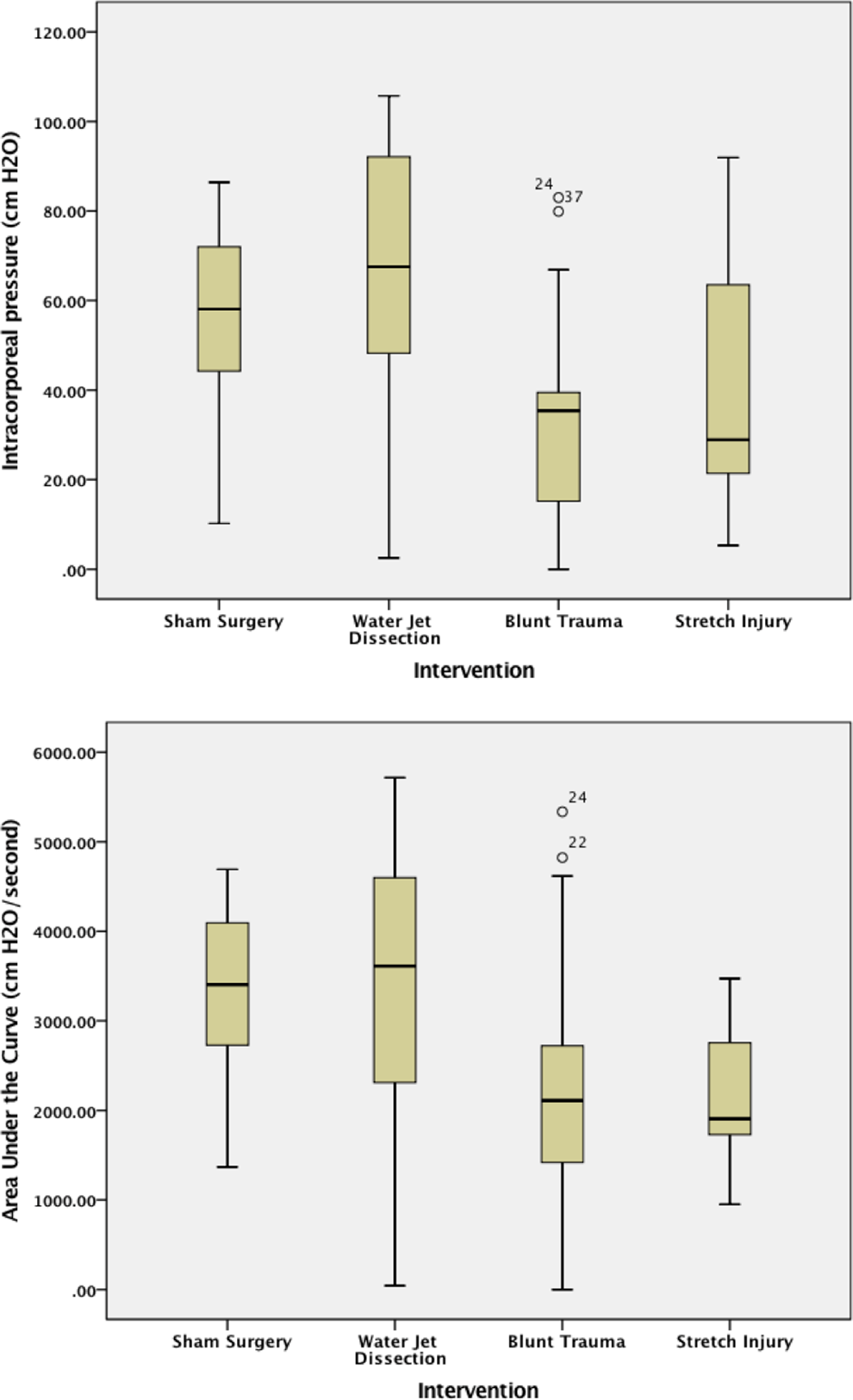
Quantitative assessment of nephron loss during warm ischemia
Mannitol prevents neprhon number reduction after warm renal ischemia
Sirtuin 7 overexpression in prostate adenocarcinomas: a new promising potential biomarker?

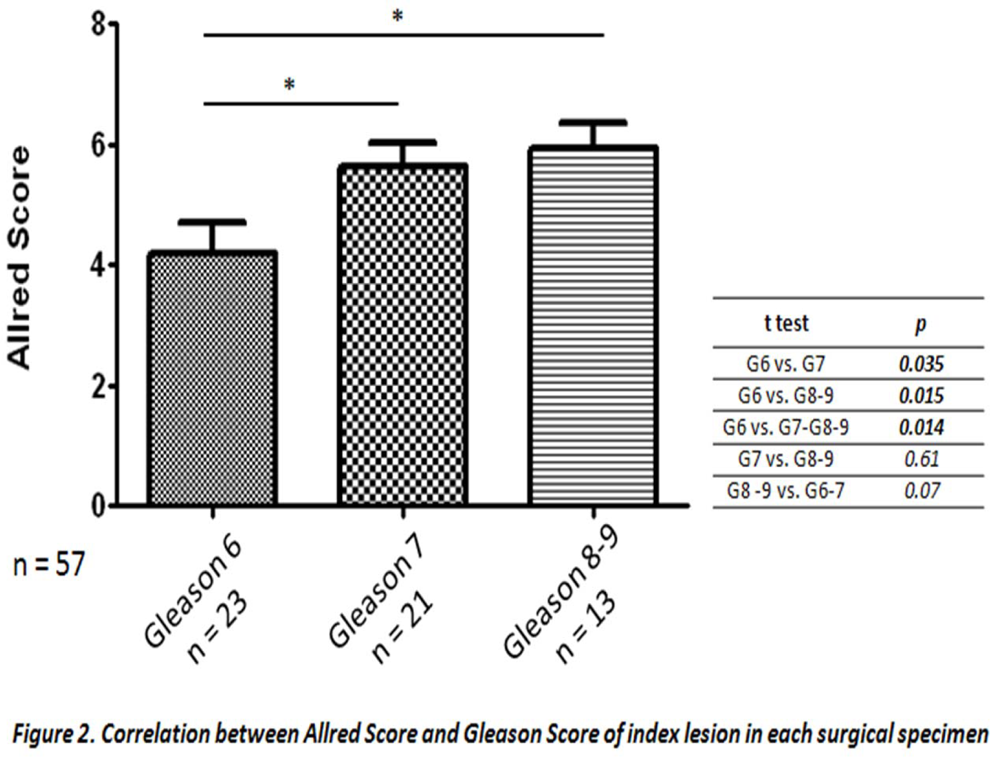
Different energies different results? The balance between hemostasis and oncologic control: who is the best scissor?


To Detect Urothelial Carcinoma with Surface Enhanced Raman Spectroscopy
Histopathological analysis of T1 renal tumor pseudocapsule after standard partial nephrectomy


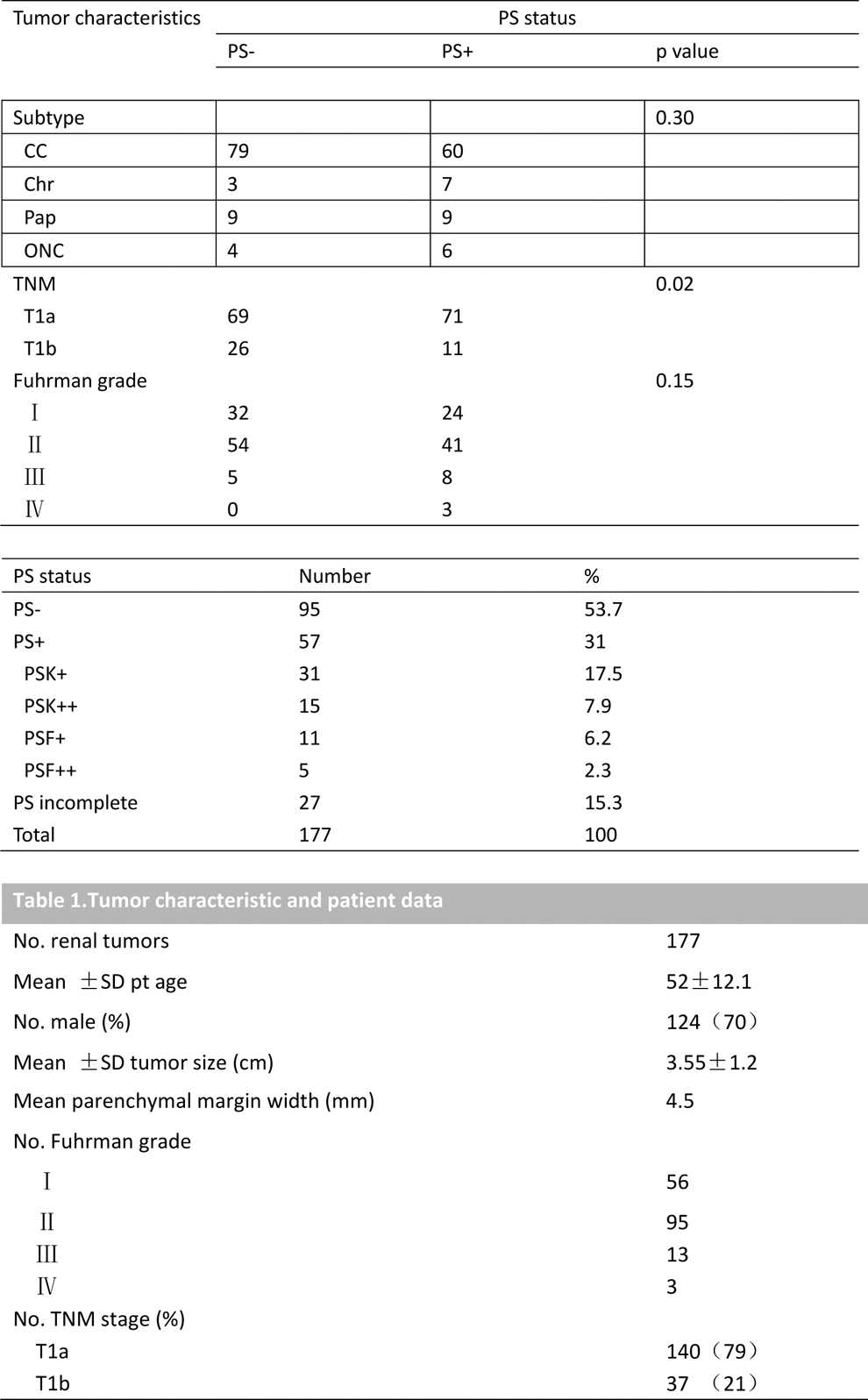
Genomic Differences Between Males and Females with High Grade Urothelial Bladder Cancer
MP2: Basic Research - Urolithiasis/Benign Urology
Long term in vivo evaluation of two novel formulations for the treatment of stress urinary incontinence
Biochemical structure and micro-elemental composition of the urinary stones from tropics
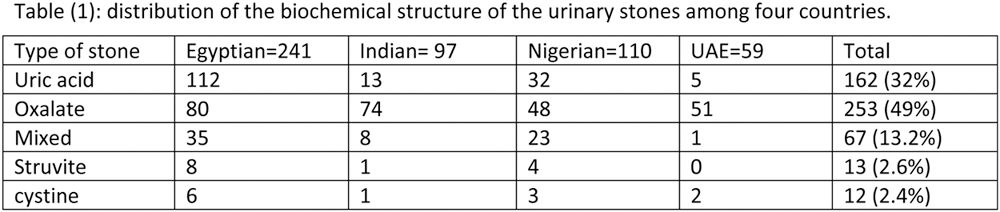
Calcium phosphate stones contained 11 heavy metals and trace elements (B, Ba, Cd, Mg, Na, P, Pb, S, Se, Sr and Zn) with variable concentrations. Calcium oxalate contained high Fe and Cd. Uric acid stones had two elements; S and Cu. Egyptian stones had three metals; Mn, Pb, and S. Nigerian stones contained K, Mg, and Zn. Indian stones had many heavy metals and trace elements (Cu, Na, P, S, and Sr). Urinary stones from UAE had 11 HTME (Al, As, B, Ba, Ca, Cd, Co, Cr, Fe, Ni and Mo).
Crystalline composition and matrix material component of the urinary stones: a report on 5000 stones
Urinary tract infections in the intradetrusor Botox® population
Coliform species was the most common organism cultured accounting for 88% of infections. The percentage of all organisms sensitive to Trimethoprim was 43%. The antibiotic agents found to have the highest susceptibility against all isolates were Gentamicin, Nitrofurantoin and Co-Amoxiclav, with sensitivities at 87%, 84% and 83% respectively.
Precise Characterization And Three-Dimensional Reconstruction Of The Autonomic Nerve Distribution Of The Human Ureter
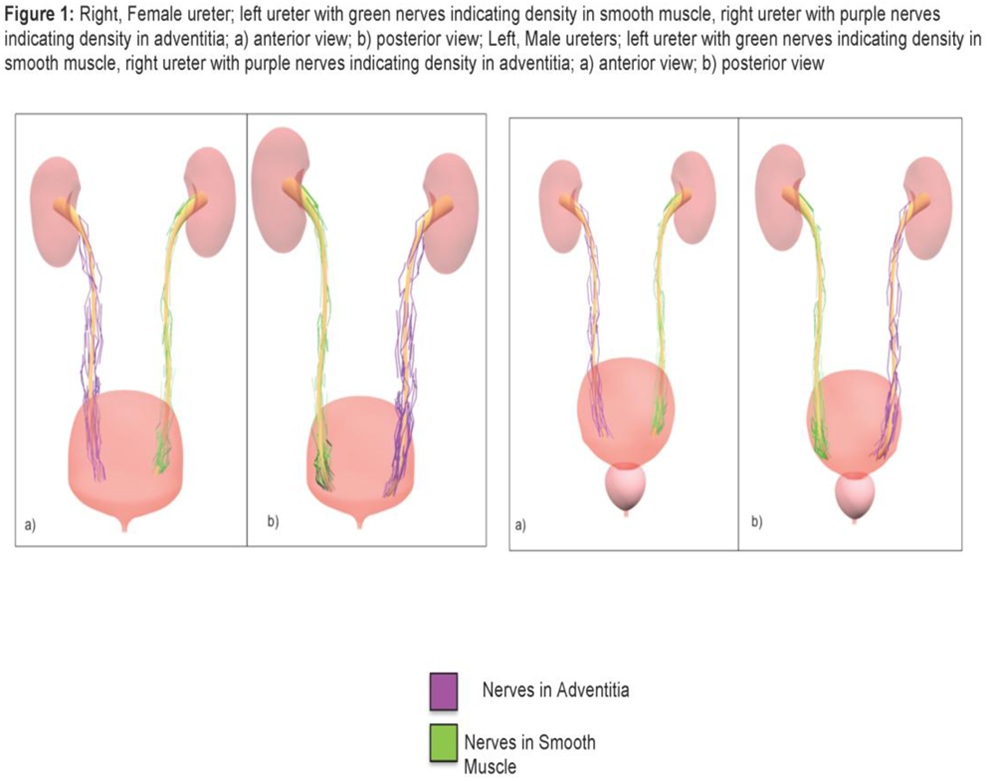
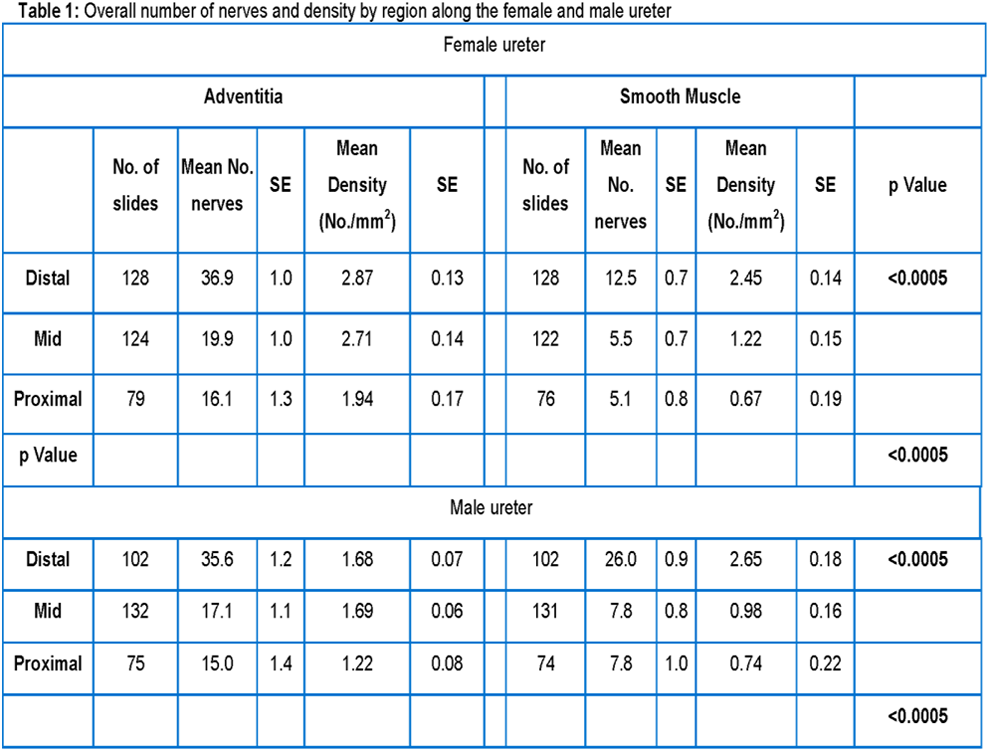
The research of rat model of ceftriaxone associated urolithiasis and its mechanism
Ceftriaxone is a third generation cephalosporin with broad-spectrum antibiotic activity, which is widely used to treat various infections. It has been long considered safe, especially in children. However, more and more cases about ceftriaxone-induced nephrolithiasis as a rare side effect have been reported. The mechanism of its formation has not been clear yet. We established a rat model of ceftriaxone associated urolithiasis and investigate the possible mechanism.
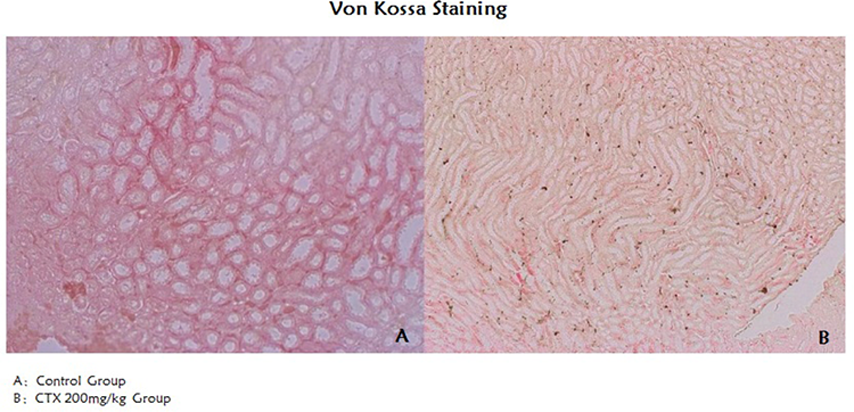
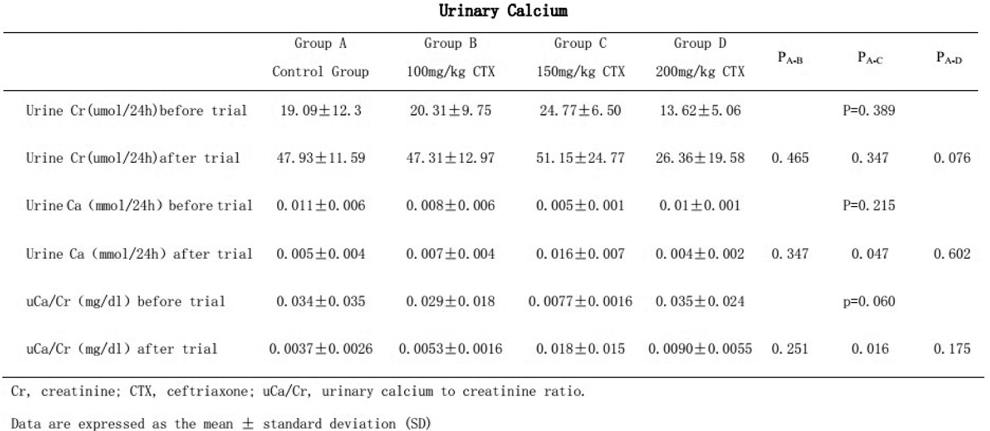
Antimicrobial Activity Study of Triclosan Loaded Degradable Polyurethane on Escherichia coli in Vitro
Polymorphisms in SRD5A1 and SRD5A2 genes do not affect prostatic enlargement in Korean population
Ureteral damage associated with use of ureteral access sheath: an experimental study in porcine model
Pro-inflammatory mediators COX-2 and TNF-α are increased in the ureteral wall after ureteral access sheath usage
Evaluation of glomerular morphology after kidney radio-frequency ablation or warm ischemia
The upper urinary tract microbiome is modulated by stone type and patient age in urinary stone disease: A pilot study
Comparative Metallomics on Calcium Oxalate Stones in Humans and Animal Models of Stone Disease
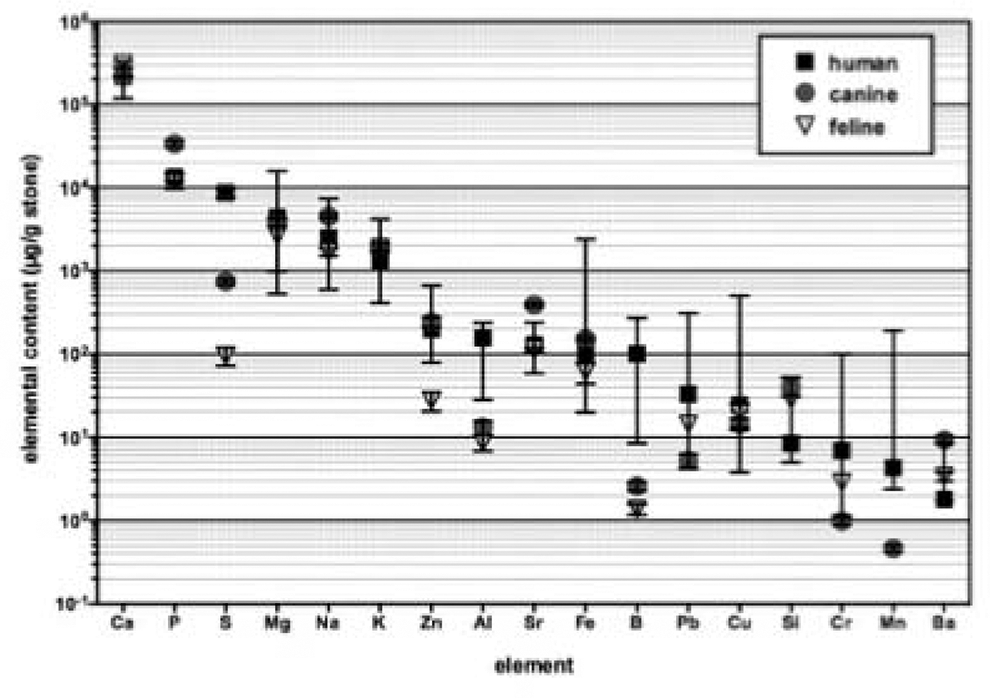
Spatial Distribution and Concentration of Elements within Liesegang-like Rings in Apatite-based Kidney Stones
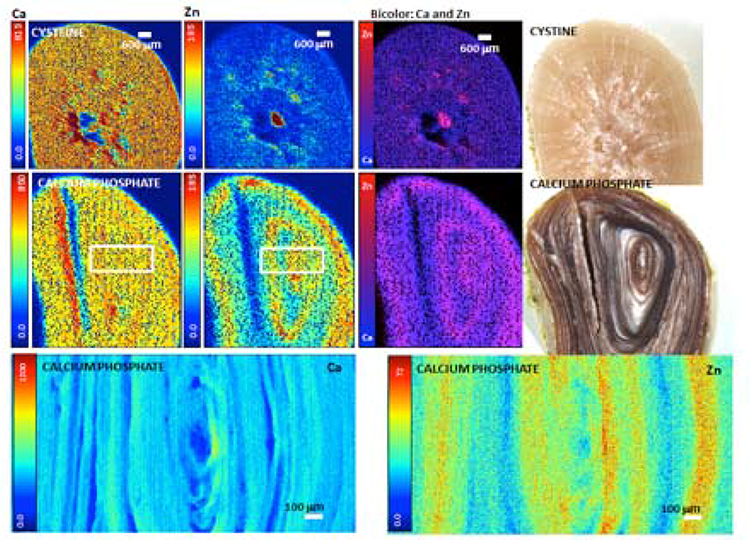
Kidney Stones Compared to Dental Calculi and Salivary Stones: Comparative Analyses of Mineral Density and Ultrastructure
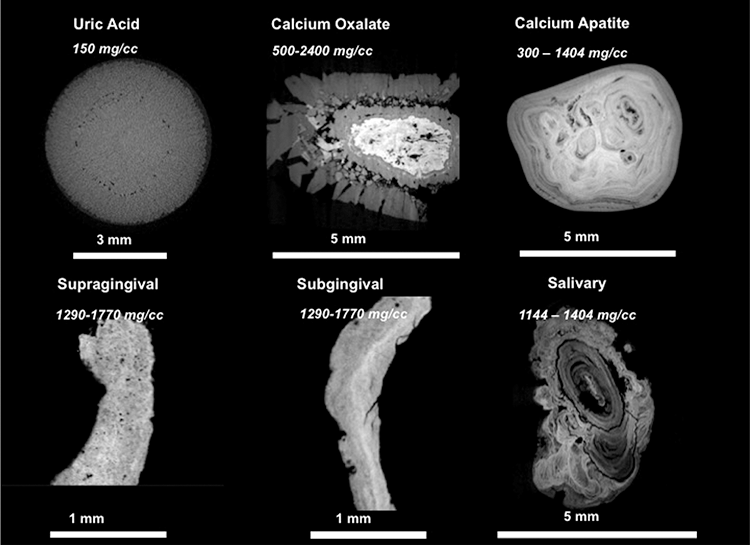
The initial investigation of association between rare earth and the formation of urolithiasis in Gannan
Role of pyridoxine in the prevention of hyperoxaluria-induced nephrocalcinosis in rats

Micro-anatomic distribution of peri-arterial renal sympathetic nerves

MP3: Endoscopic Education/ Simulation (I)
Evaluation of Global Continental Urology Residency Training Programs: Discrepancies and Perceived Resident Competencies
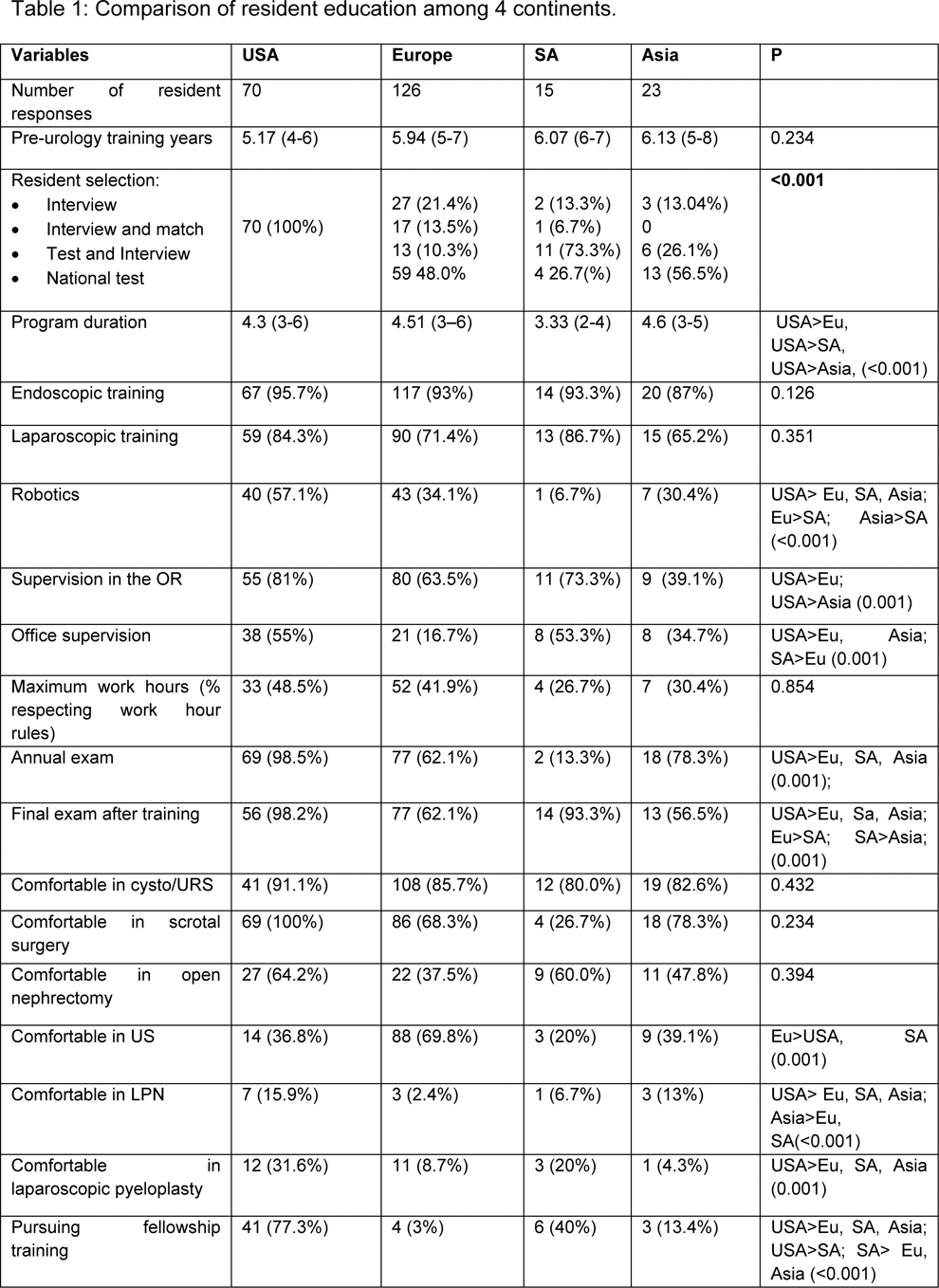
Impact of Three-Dimensional (3D) Printed Pelvicalyceal System Models on Resident Education in Percutaneous Nephrolithotripsy Surgery: A Pilot Study

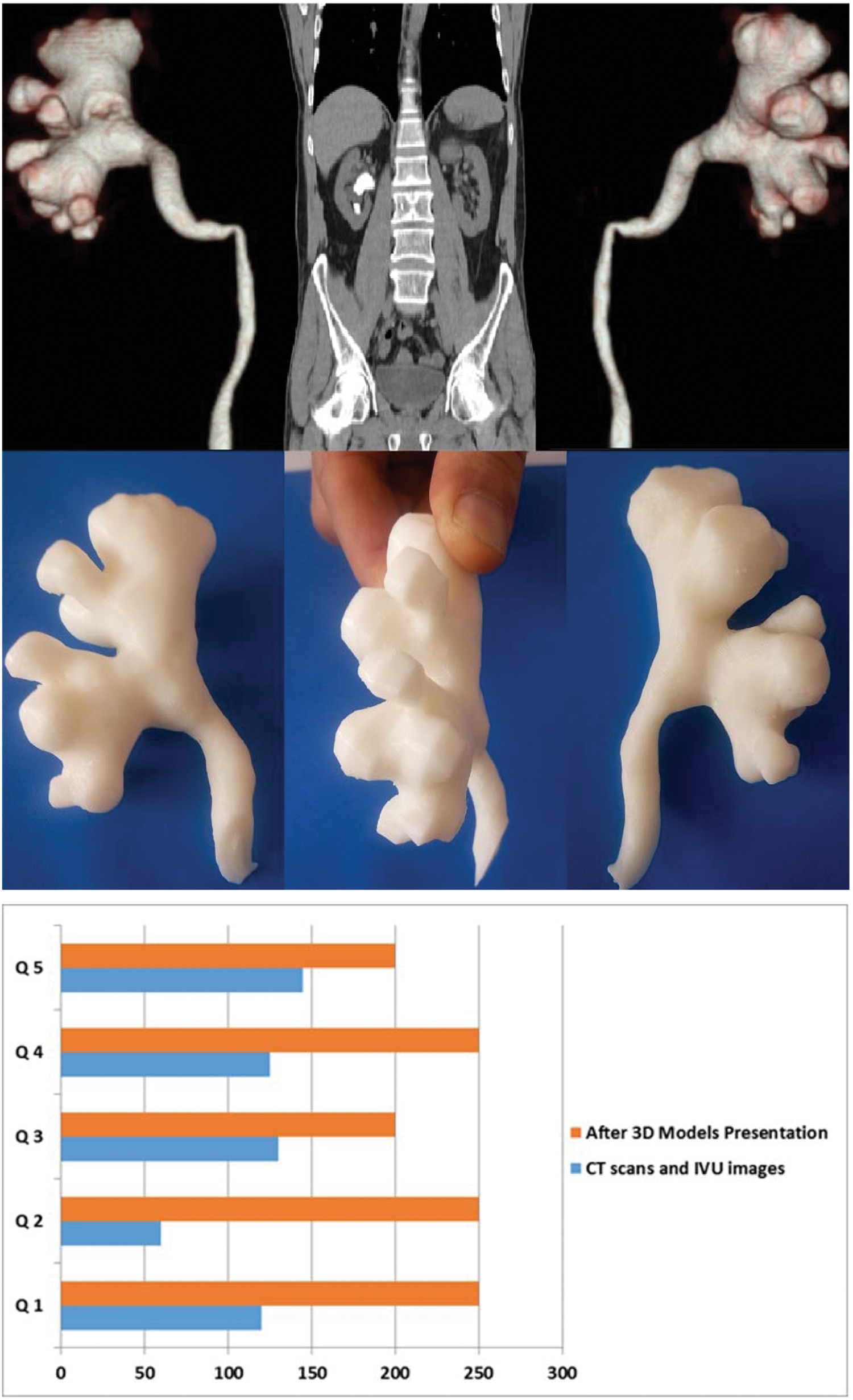
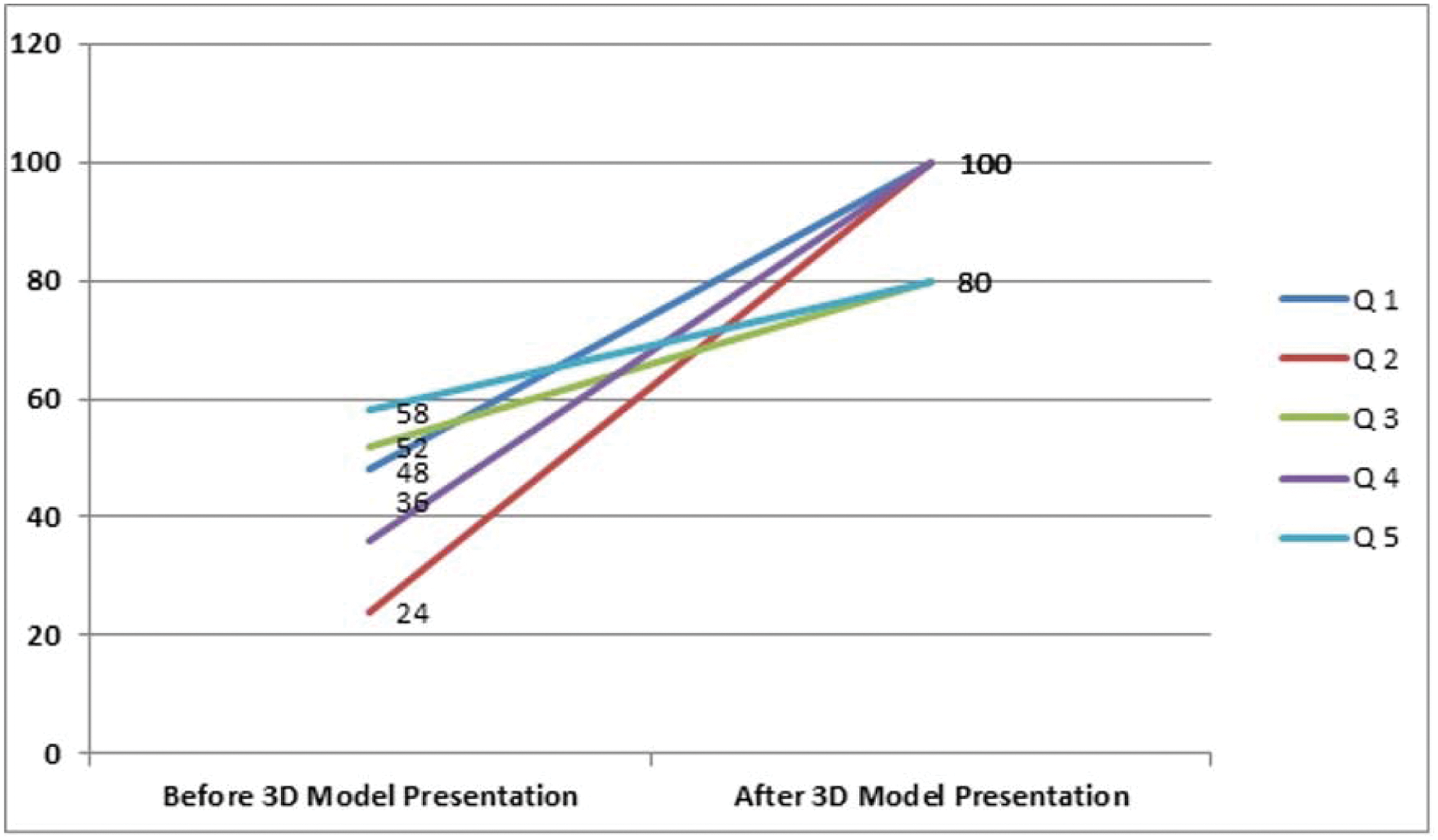
Initial Concurrent and Predictive Validation of the SIMULATE Ureterorenoscopy Training Curriculum: UK Results
Validation of the Advanced Scope Trainer for Flexible Ureterorenoscopy Training

Predictors of surgical ability: is the innate ability of an individual related with his surgical performance?
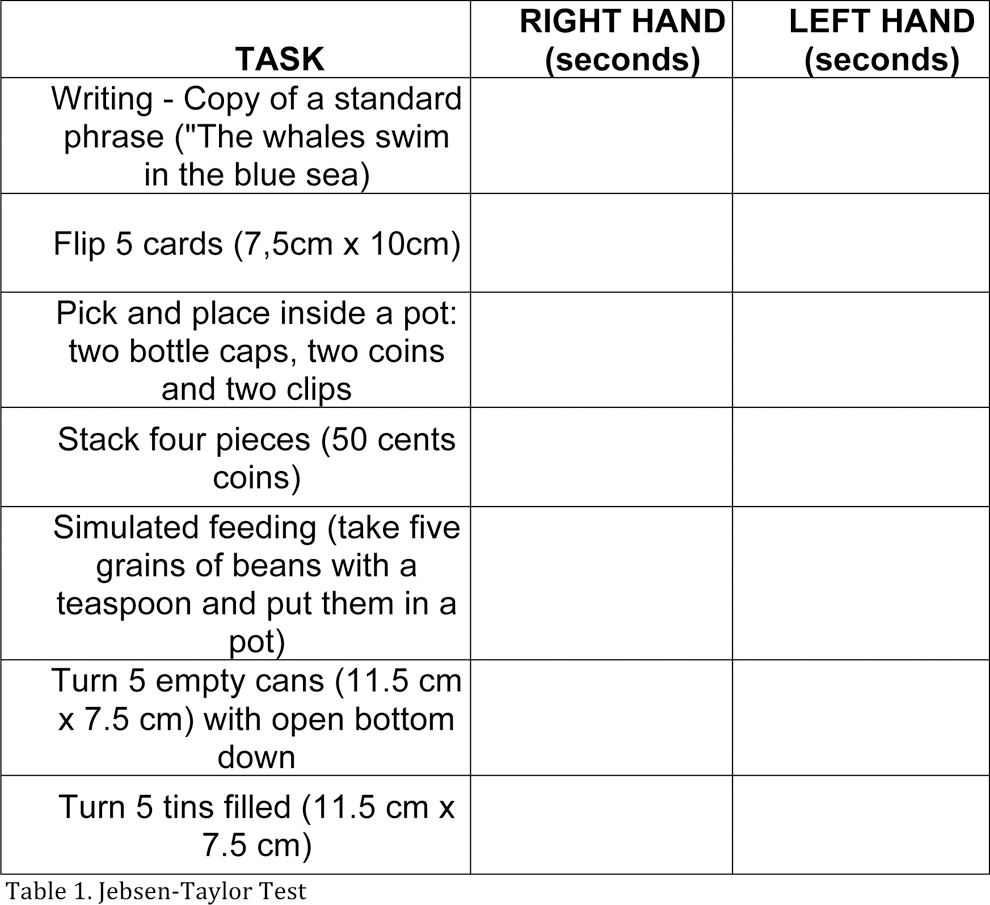
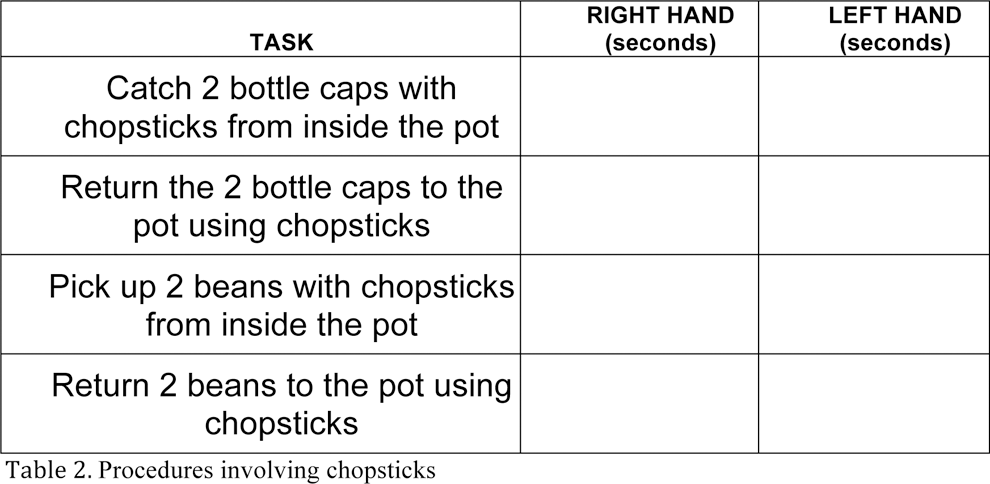
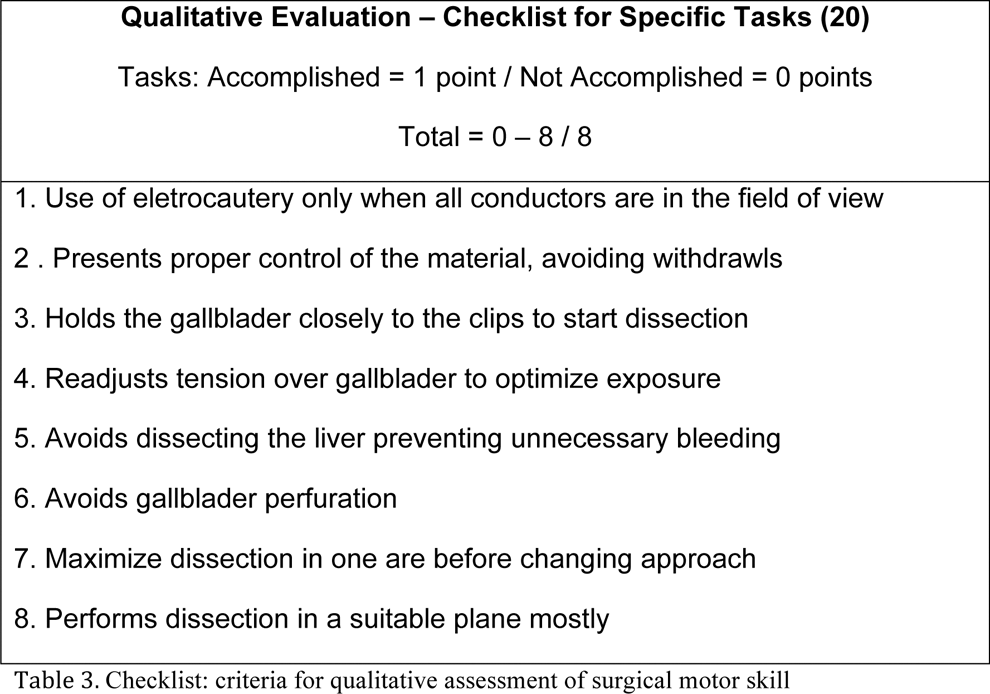


Mic-Key Vesicostomy Button: Endoscopic insertion is superior
Stress and surgical performance: a systematic review
Thulium laser en-block resection versus TURB: a step ahead in the management of bladder cancer?
Laser en-bloc resection showed a better preservation of tumor architecture ensuring greater accuracy in the diagnosis and staging.
Endoscopic Injection of Placental Based Cryopreserved Amniotic Allograft for Treatment of Recurrent Bladder Neck Contracture
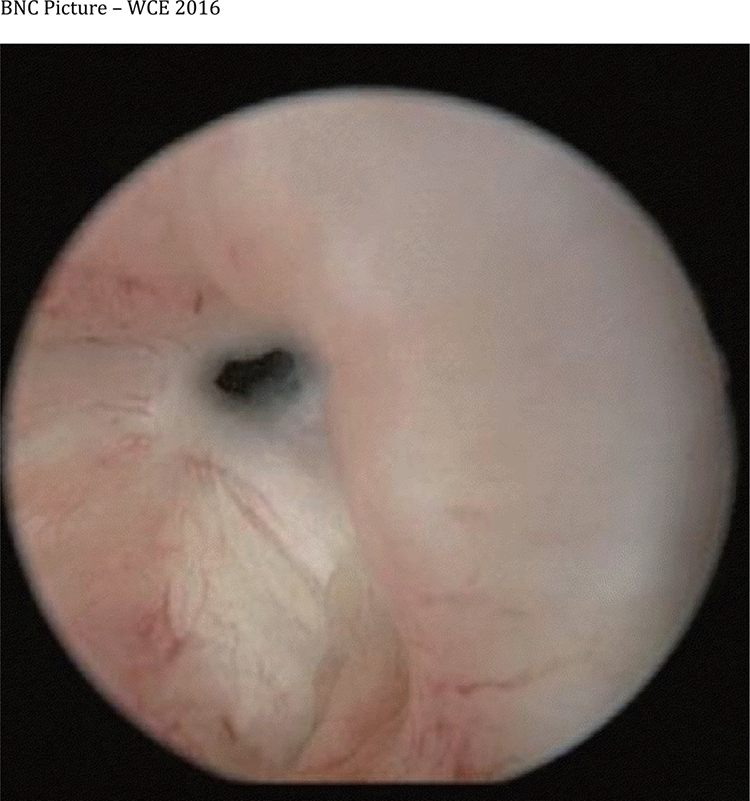
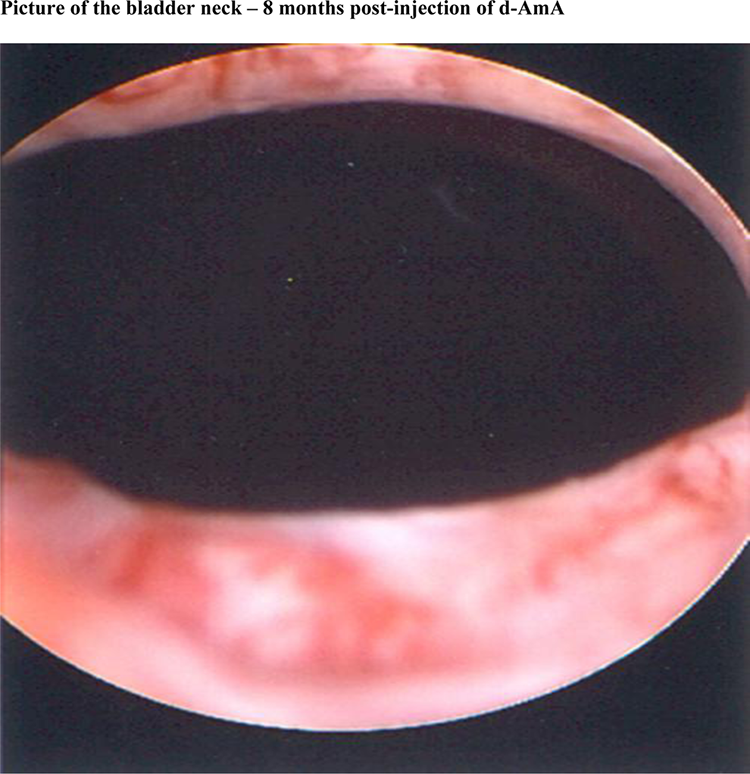
A simple, non-biological model for percutaneous renal access training

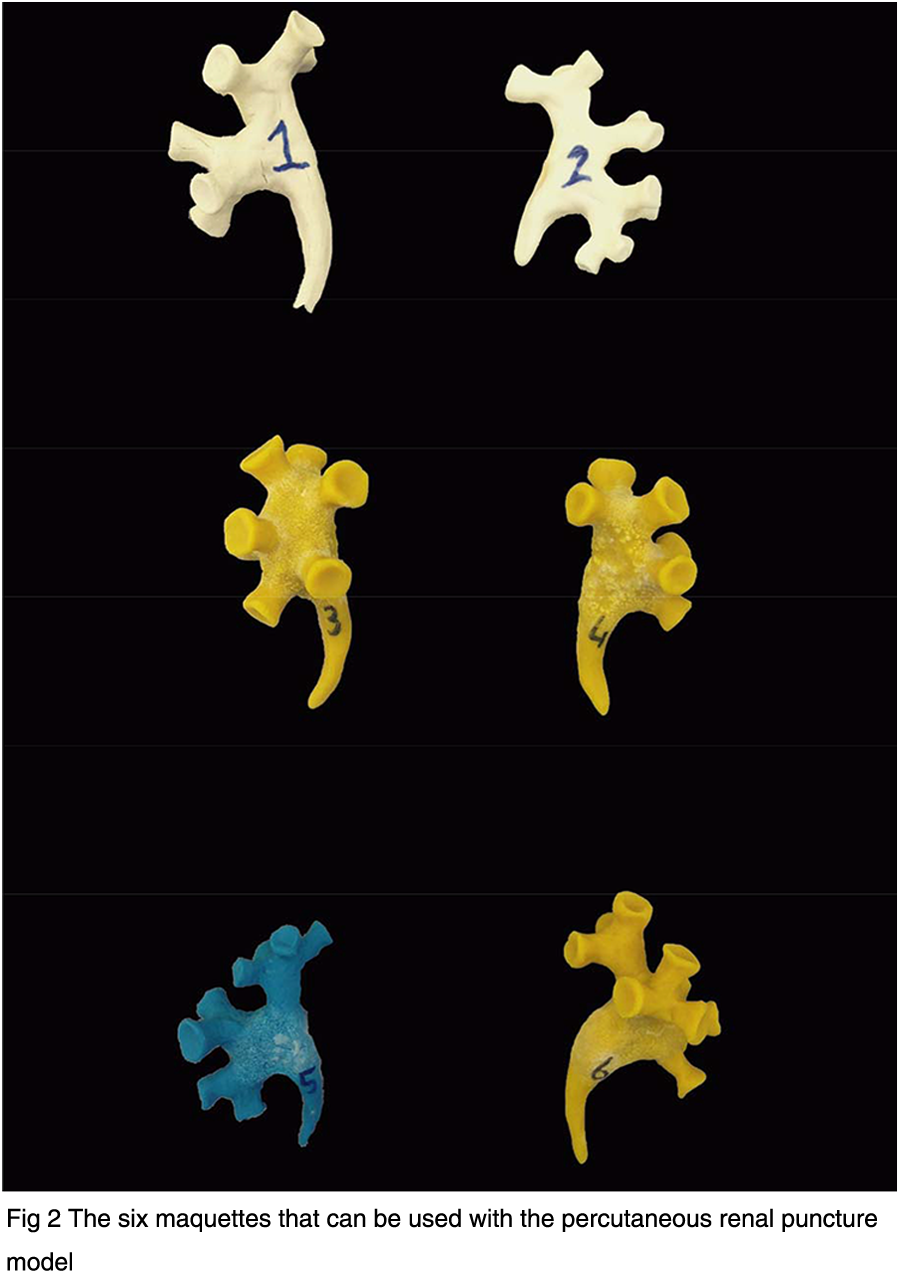

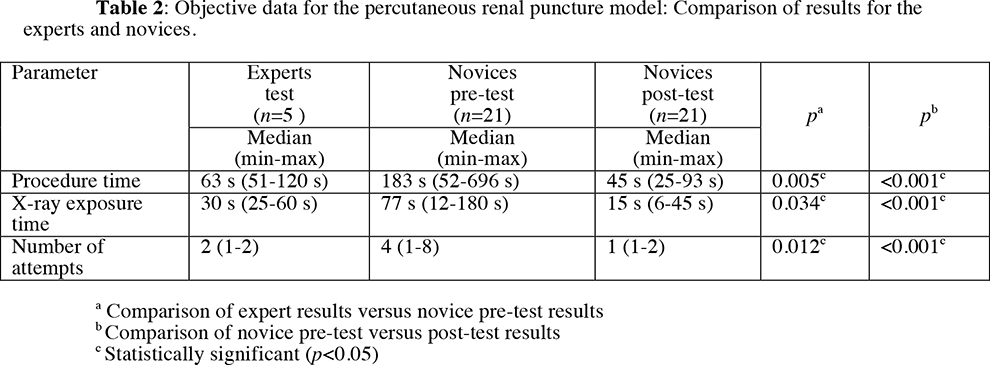
The Role of Cognitive Training in Endourology: A Randomised Controlled Trial
The Impact of Positive and Negative Intraoperative Surgeons' Leadership Behaviours on Surgical Team Performance
Face, content, and construct validity of the TURPSim™ simulator of transurethral prostatectomy
Role of video review to assess surgical performance: A systematic review of where we stand today
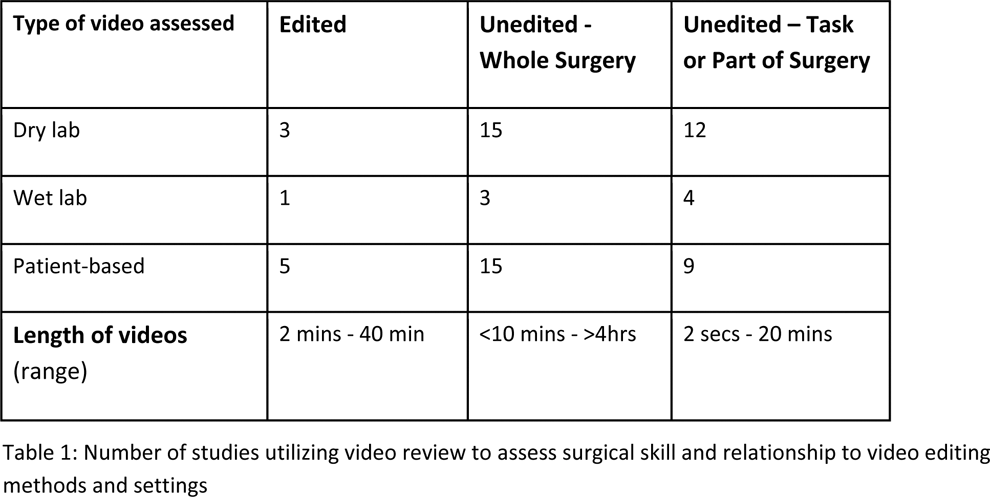
Ex-Vivo Training Platform for 3D Spatial Orientation in Calyceal Targeting in Percutaneous Nephrolithotomy (PCNL)
The Development of a Web-Based Video Platform to Enhance the Surgical Training of Resident Physicians

MP4: Imaging: Oncology (I)
Optimal ellipsoid volume formula (EVF) for the estimation of prostate volume in magnetic resonance images
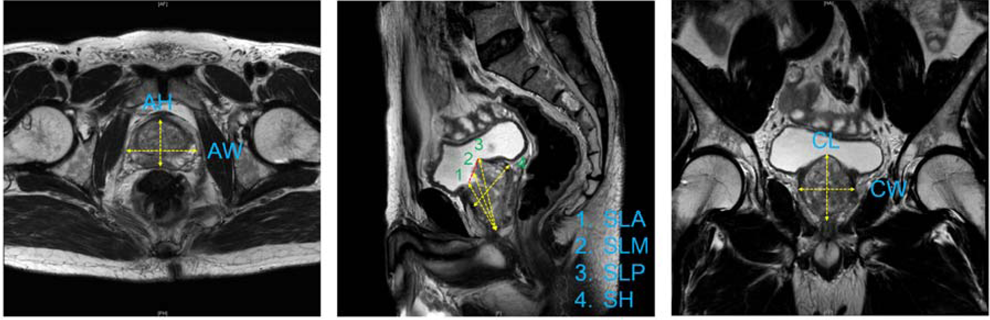
The Small Renal Mass - changing the treatment paradigm


In terms of treatment decision 62 (55%) patients did not undergo RALPN. 23 patients (20%) with benign disease, 39 with low grade tumours of whom 25 opted for cryotherapy and 14 for surveillance. Having a biopsy had no significant impact on surgical outcomes of the partial nephrectomy as compared to 29 patients who underwent partial nephrectomy without the biopsy in the same time period (median operation time 210 min, warm ischaemia 25.5 min, blood loss 100 mls vs 240 min, 24 min and 100 mls respectively).
Targeted MRI/US Fusion Prostate Biopsy: The First 206 Patients - A Single Urologist's Experience in a Small Private Community Urology Practice
In the first 30 patients, 12/30 (40%), 9/30 (30%) and 7/30 (23.3%) were found to have PCA using tMRI/US FP-14Bx, tMRI/US FPB and 14Bx alone, respectively. Among the most recent 30 patients, 19/30 (63.3%), 17/30 (56.7%) and 13/30 (43.3%) were diagnosed using tMRI/US FP-14Bx, tMRI/US FPB and 14Bx alone, respectively (p = 0.08, 0.067 and 0.17). When comparing the detection rate of both IR and HR PCA between the first 30 and last 30 patients, 20% vs 43% (p = 0.095), 10% vs 33% (p = 0.058) and 13% vs 33% (p = 0.13) were detected using tMRI/US FP-14Bx, tMRI/US FPB and 14Bx alone, respectively.
Of the 40 patients with a history of LR PCA on AS, 30/40 (75%), 27/40 (68%) and 26/40 (65%) were found to have PCA on tMRI/US FP-14Bx, tMRI/US FPB and 14Bx alone, respectively. Sixteen of 40 (40%), 11/40 (28%) and 13/40 (33%) were found to have a Gleason 7 or higher PCA on rebiopsy using tMRI/US FP-14Bx, tMRI/US FPB and 14Bx alone, respectively.
Targeted MRI/US Fusion Prostate Biopsy: The First 166 Patients Without a Prior History of Prostate Cancer - A Single Urologist's Experience in a Small Private Community Urology Practice
Reliability of target biopsies for the diagnosis of prostate cancer: Our Experience
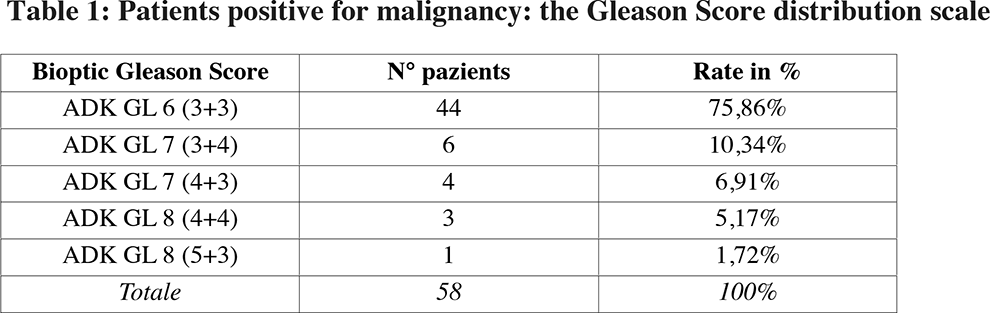
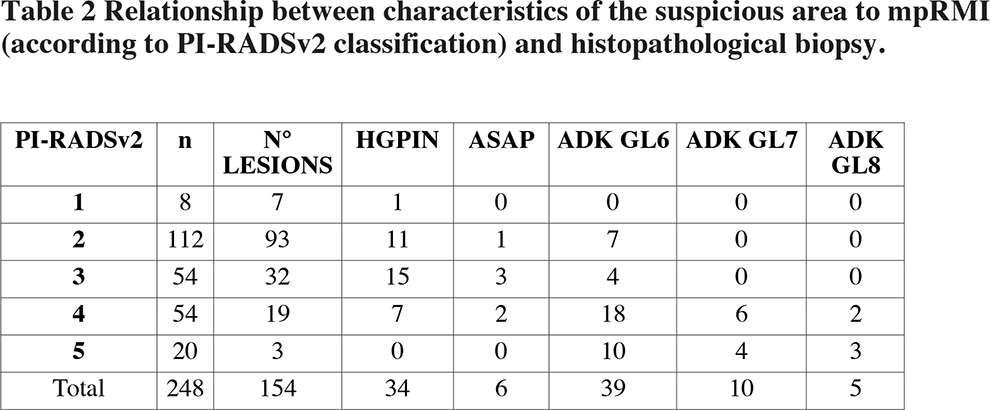

TRANS PERINEAL STEREOTACTIC BIOPSY MRI-TRUS GUIDED AND WATSON® FUSION PROCESSED: our esperience
Contrast enhanced ultrasound in indeterminate renal masses can increase diagnosis and reduce the burden of ongoing surveillance
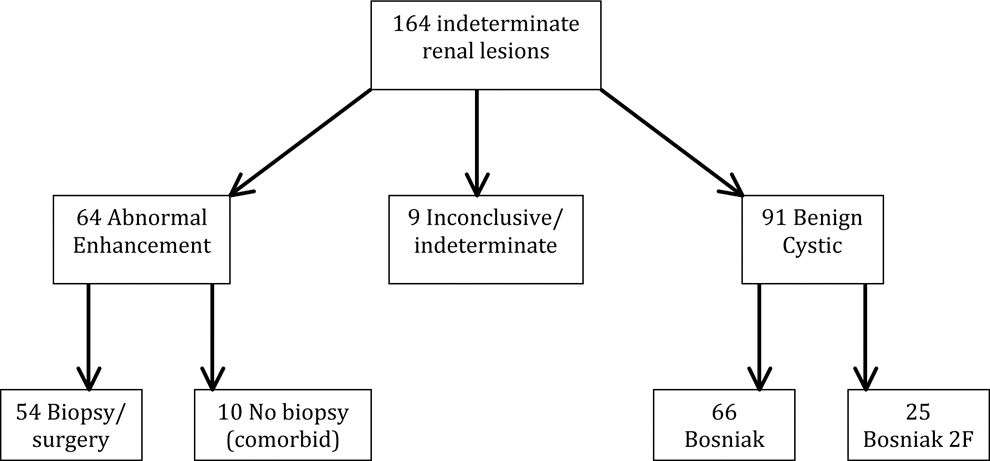
Contrast enhanced ultrasound in small indeterminate testicular lesions can aid diagnosis and reduces the burden of surveillance and need for orchidectomy
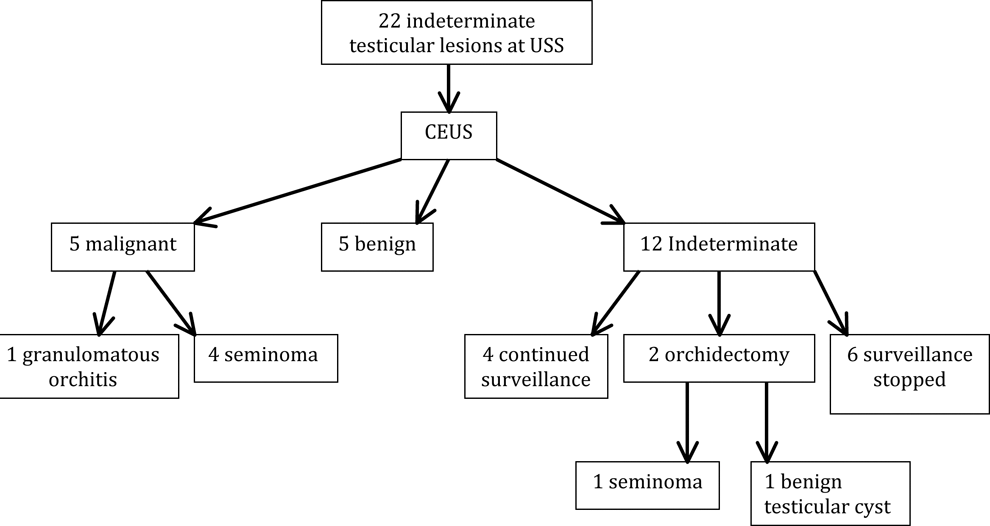
Novel Use of Dual Energy CT in Guiding Treatment of Complex Renal Cysts
Impact of quality of prostate mpMRI on the detection rate of targeted mpMRI/US fusion biopsies
Indication to mpMRI/US biopsy was established for pi-rads ≥3. Biopsy template was for 12 extended-cores protocol plus 2–3 targeted cores on the mpMRI target lesion. The UroStation™ (Koelis, France) and a V10 ultrasound system with an end-fire 3D TRUS transducer were used for the fusion images procedure.
Prostate cancer was diagnosed in 44 patients (53%). Of these, 35 patients (80%) had a cancer positive biopsy with a positive target, whereas 9 patients (20%) had a cancer positive biopsy with a negative target. G6 (3 + 3) was diagnosed in 24 patients (55%), G7 (3 + 4) or (4 + 3) in 14 patients (32%), G8 (4 + 4) in 6 patients (13%). Men diagnosed with clinically significant cancer were 20 (45%).
Of the 39 patients with a negative biopsy, 28 patients (72%) had an mpMRI performed by a naïve radiologist with probably an over estimation of the pi-rads score.
mpMRI/US fusion biopsies improved the diagnosis of clinically significant prostate cancer optimizing the indications to prostate biopsy. mpMRI quality is essential to reduce over indications to prostate biopsy and overdiagnosis of indolent cancers.
Impact of learning curve on the detection rate of targeted mpMRI/US fusion biopsies
Diagnostic performance of multiparametric MRI in prostate cancer: per core analysis of two prospective ultrasound/MRI fusion biopsy datasets
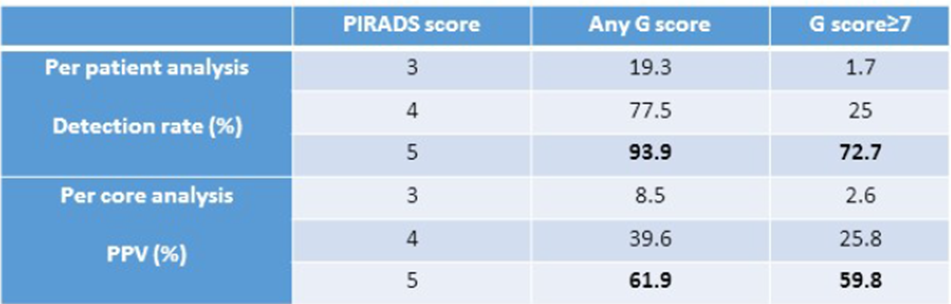
MRI Guided TRUS Fusion Prostate Biopsy: The Turkish Experience
Performance of Multiparametric Magnetic Resonance Imaging to Identify Clear Cell Renal Cell Carcinoma in cT1a Renal Masses
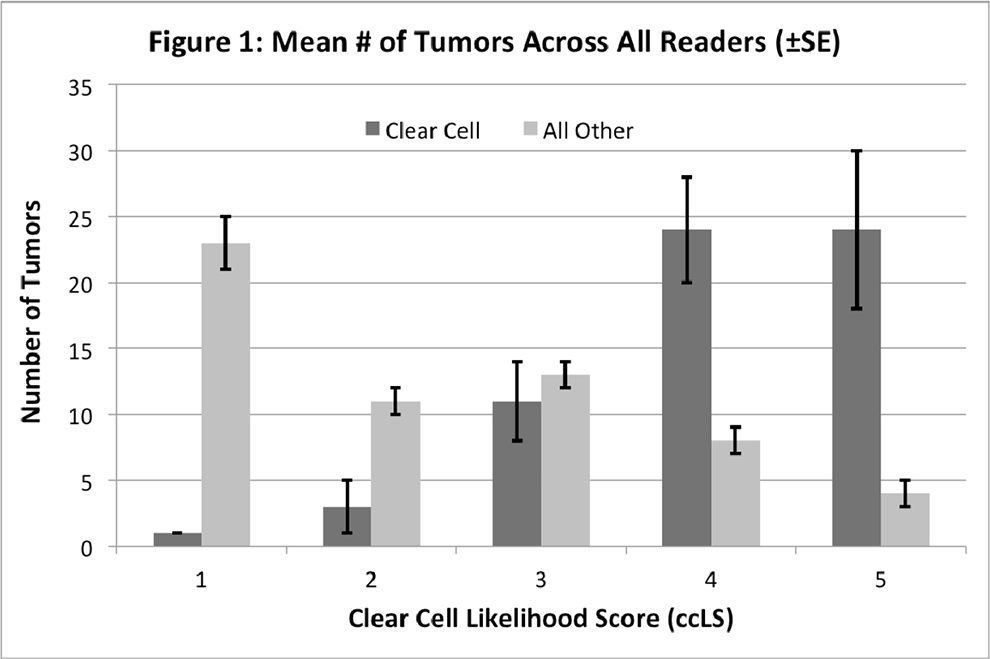
Prevalence of incidental urinary tract findings, including renal tumours, in 1891 patients undergoing Computer tomography colonography (CTC)
Multimodality image fusion method for guiding minimally invasive surgery in prostate cancer
Do additional cores from cancer-suspicious lesions on transrectal ultrasound improve prostate cancer detection including index tumors over 12-core systematic biopsy?
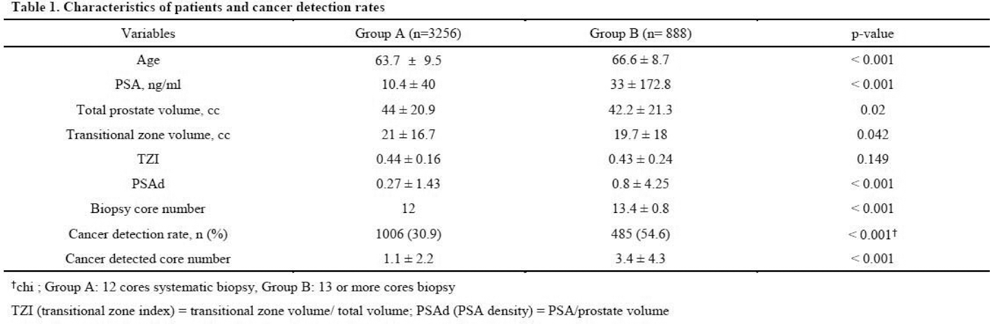

Lateral decubitus position vs. lithotomy position: which is the best way to minimize patient's pain perception during transrectal prostate biopsy?
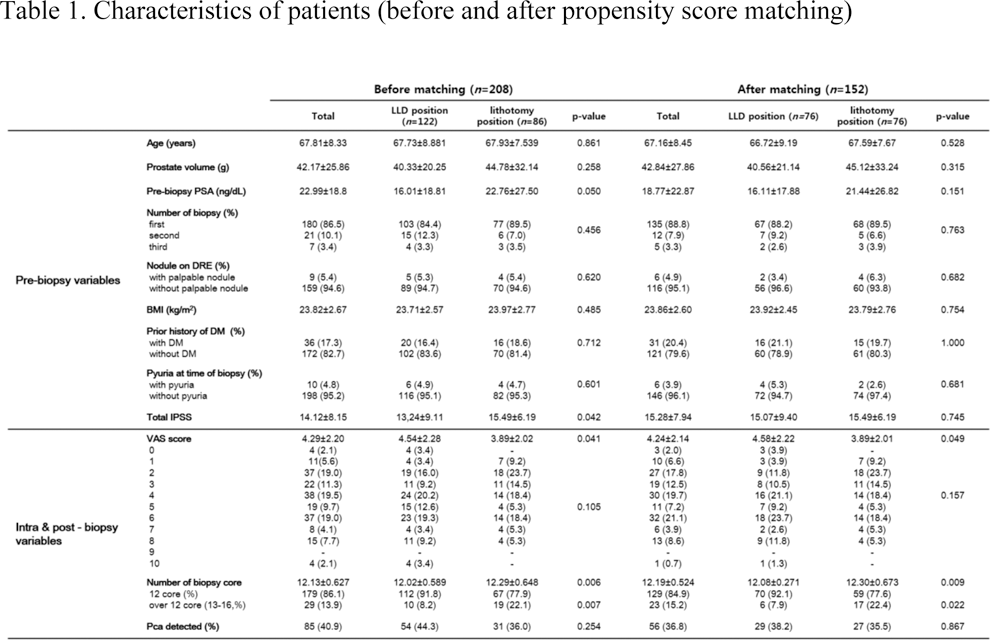
Three-Dimensional Evaluation of Perirenal Adipose Tissue Volume in the Patient with the cT1a Renal Mass: Is It Predictive of Histopathology?

Multiparametric MRI of the Prostate: Factors Predicting Extracapsular Extension at the Time of Radical Prostatectomy
Additional mpMRI characteristics predictive of pathologic ECE were MRI evidence of SVI (p = 0.001), overall study suspicion score (p = 0.003), primary lesion size (p < 0.001) and laterality (left>right, mid; p = 0.007), T2 PI-RADS score (p = 0.009), overall primary lesion suspicion score (p < 0.001), and secondary lesion apparent diffusion coeffecient (ADC) (p = 0.028).
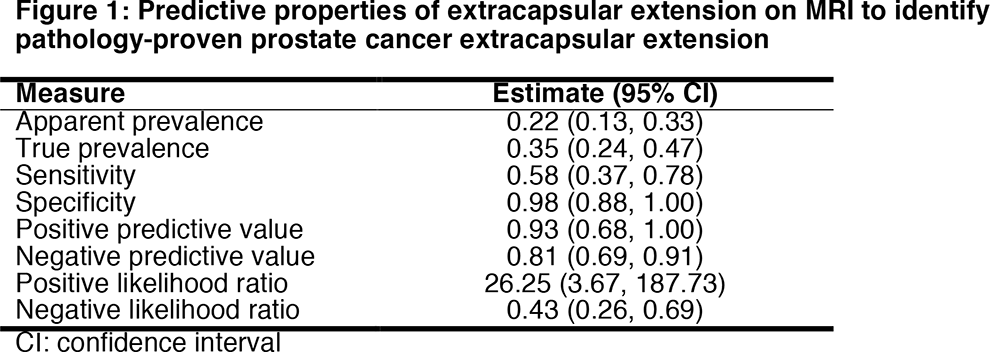
Role of multi-parametric MRI of the prostate for screening and staging
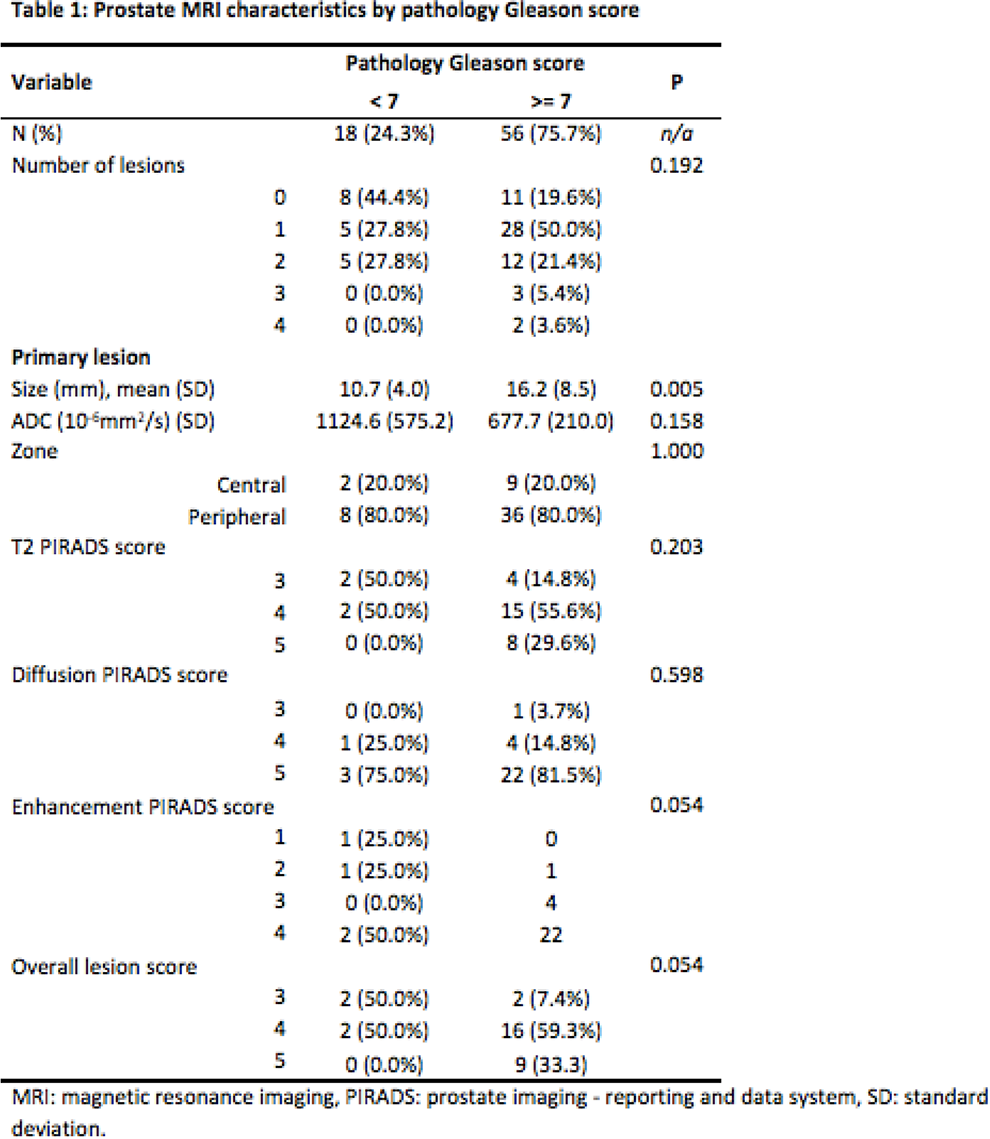
The role of Bosniak classification in malignant tumor diagnosis in Korea: Preliminary study
Skin-To-Tumor Distance Predicts Recurrence Of T1a Renal Cell Carcinoma Following Percutaneous Cryoablation
MP5: Laparoscopy: Adrenal and Miscellaneous
Clinical analysis of laparoscopic surgery for treatment of ectopic adrenal cortical adenoma in renal hilum
Bilateral malignant mixed epithelial and stromal tumor of the kidney:A rare case report and literature review
Bilateral laparoscopic adrenalectomy for infantile ACTH-independent Cushing's syndrome
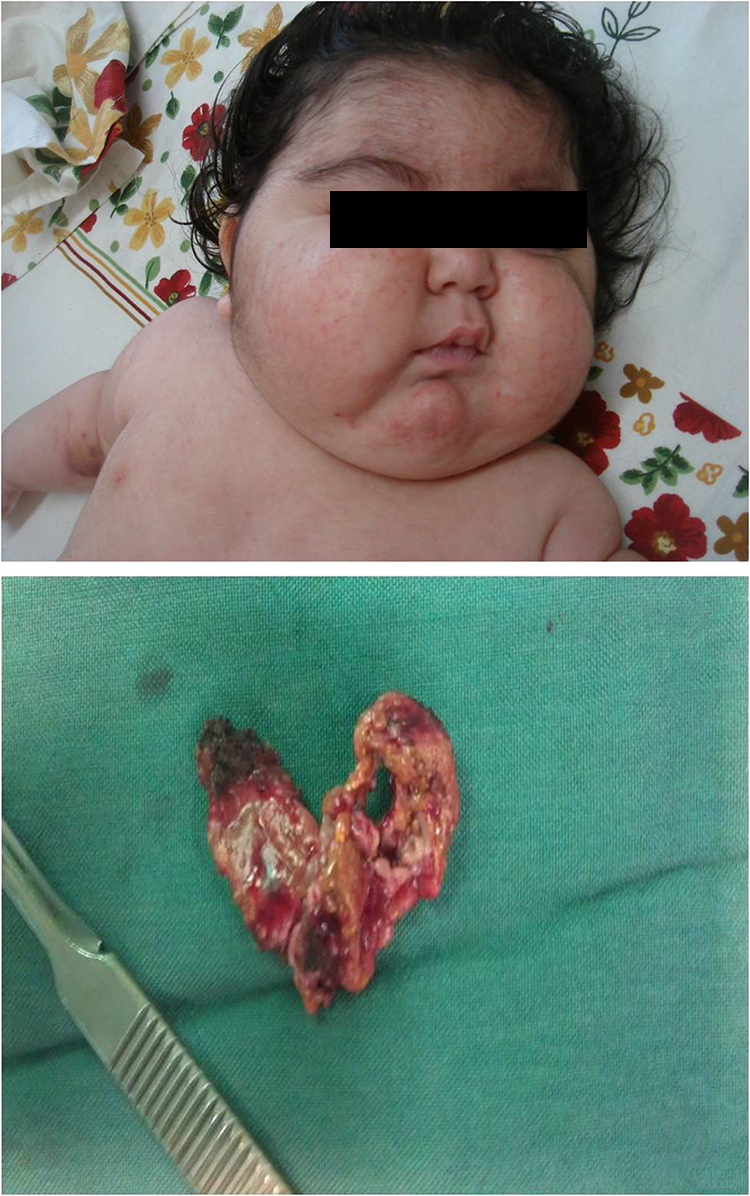

Comparison of Surgical and Oncologic Outcomes Between Long-term and Short-term Dialysis Patients Undergoing Laparoscopic Radical Nephrectomy for Non-metastatic Renal Cancer
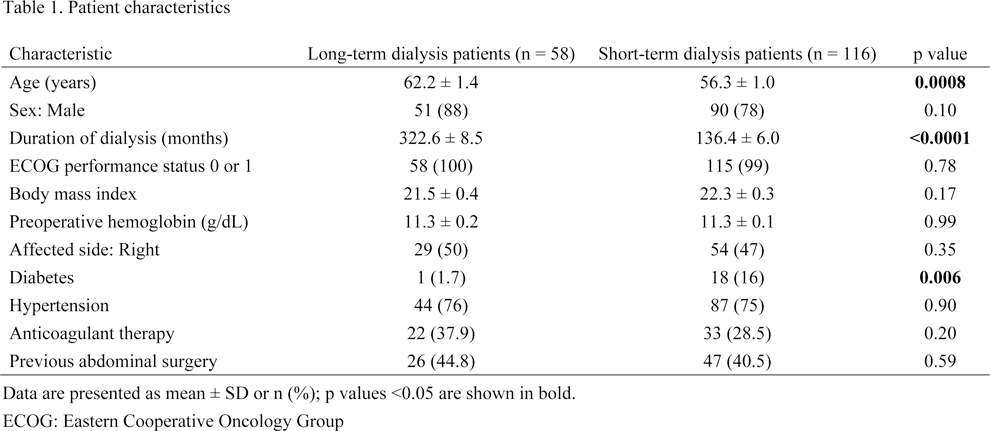
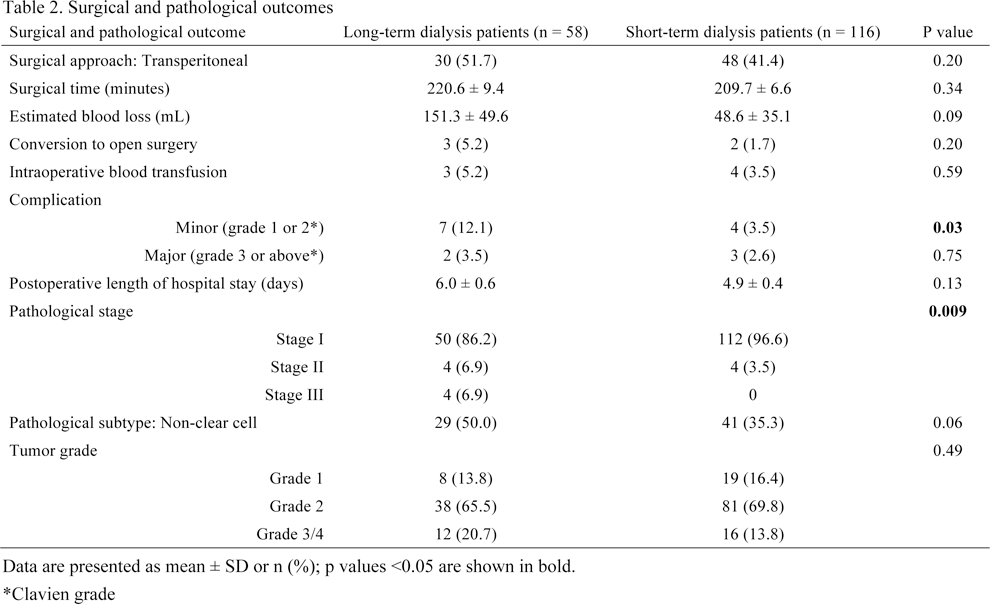
The correlation of ultrasonographic parameters of the spermatic vein and clinical outcome in normospermic patients with left painful varicocele after laparoscopic varicocelectomy
Metachronous laparoscopic nephrectomy for bilateral RCC in hemodialysis patients
What is the place of laparoscopy in the surgical management of Wilms tumour: a monocentric experience
Is the laparoscopic Palomo varicocelectomy safe and effective ?
Laparoscopic adrenalectomy for Subclinical Cushing Syndrome in Adrenal Incidentalomas: clinical outcomes
Efficacy of laparoscopic surgery with transurethral cutting for bladder endometriosis
Minimally invasive management of Benign Neuroendocrine Tumours in the Urinary Bladder
Laparoscopic transperitoneal bladder diverticulectomy: surgical technique
We report our technique of laparoscopic transperitoneal bladder diverticulectomy assisted by cystoscopic transillumination on a 33-year old male patient who presented to our department with recurrent UTIs and voiding-type lower urinary tract symptoms (LUTS). He was found to have a large bladder diverticulum of about 8 centimetres in diameter.
Retroperitoneoscopic Adrenalectomy in a Patient with Lumbo-peritoneal Shunt: A Case Report and Literature Review
The surgical and functional outcomes of laparoscopic adrenalectomies
Indication for surgery was functioning adenomas in 57 patients (68.6%) and adenomas larger than 40 mm in 16 patients (19.3%). Among the functional adenomas, Conn's (61%) was the predominant pathology. 17 (30%) had pheochromocytoma, 3 (5%) had Cushing's syndrome and 2 (4%) patients had adrenal hyperplasia. Of the 36 patients with aldosterone producing adenomas, 24 (66.7%) underwent pre-operative adrenal vein sampling for lateralization. The mean size of functional adenomas was 28.4 mm (8–112 mm) and the mean size of non-functional adenomas was 48.7 mm (15–190 mm). Surgical approach was laparoscopic at onset for 83 (97.6%) cases, of which 2 (2.4%) were converted to open. Mean tumour size was 30.5 mm (8–90 mm). 2 cases were converted to open due to size of mass (80 mm) and intraoperative bleeding respectively 3 (3.6%) patients had post-operative complications where 2 patients required blood transfusions (Clavian-Dindo Grade 2) and the other 1 had a chest tube inserted for pneumothorax (Grade 3a). 11 (13%) patients were transferred to SICU post operatively for blood pressure monitoring.
There were no mortalities. 53 patients had pre-operative hypertension. Of these, 37 (69.8%) were normotensive upon discharge. All 19 patients with Conns syndrome and hypokalaemia preoperatively were normokalaemic post adrenalectomy (mean potassium 3.94).
Posterior Retroperitoneoscopic Approach versus Transperitoneal Laparoscopic Approach in Management of Adrenal Tumors: A Randomized Comparative Study
Pediatric laparoscopic nephrectomy for Wilms tumor: impact in quality of life
Transperitoneal Laparosocpic excision of the right sided 7 cm adrenal ganglioneuroma
MP6: Miscellaneous
A very rare right paratesticular tumor - liposarcoma
Wound complications related to the hand-port site was rare in hand-assisted laparoscopic renal surgeries: 310 cases, single surgeon's experience
Renal Transplant Survey
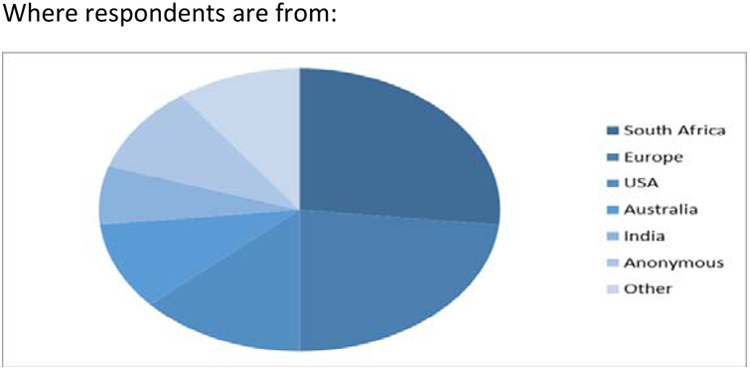
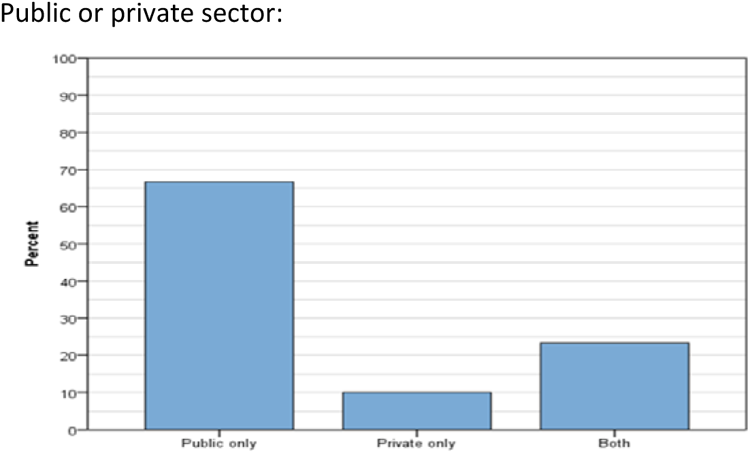
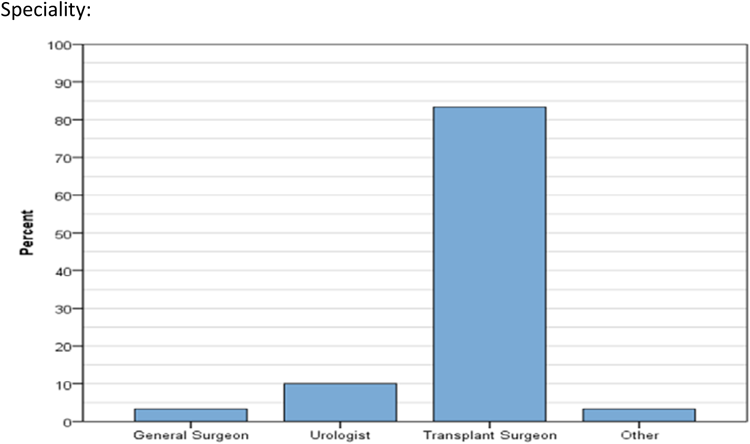
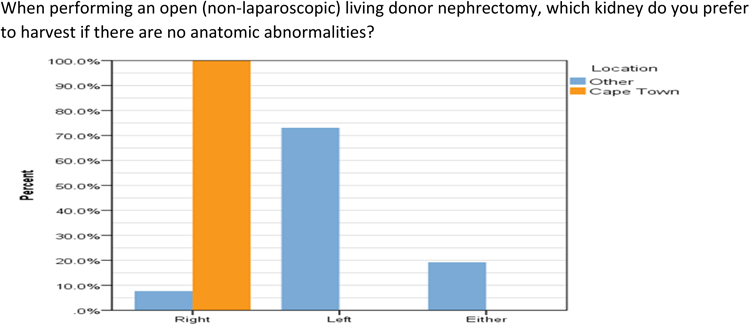
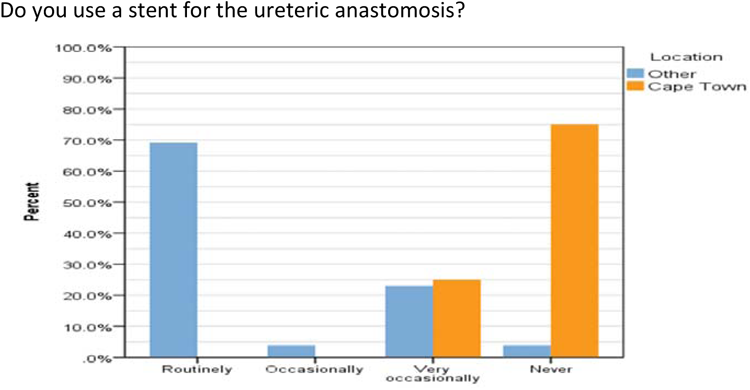
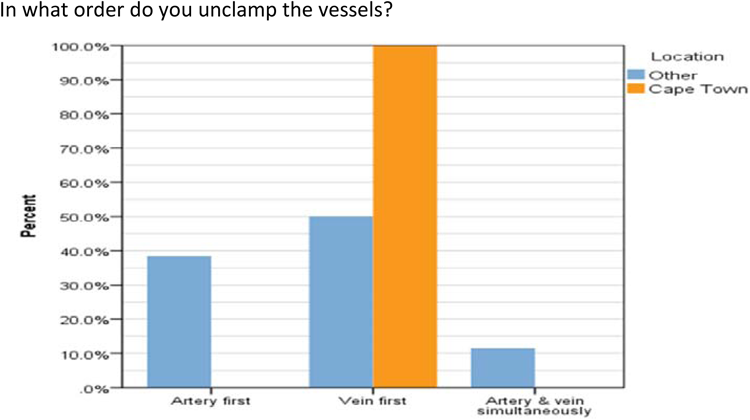
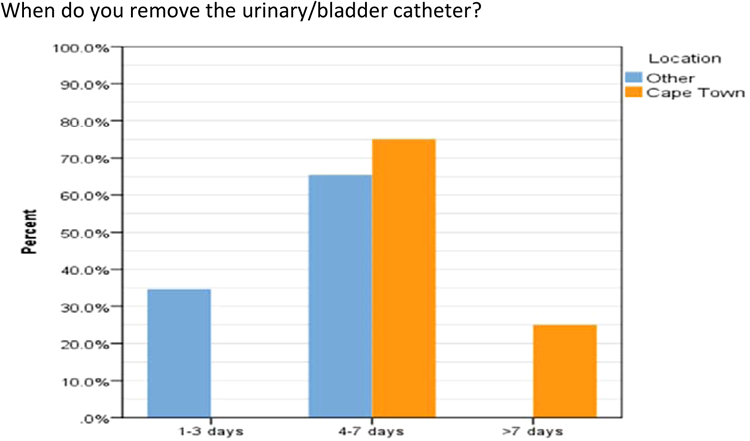
Subclinical Rhabdomyolysis: An Under-Recognized Contributor to Postoperative Acute Kidney Injury in Patients Undergoing Minimally Invasive Urologic Surgery
Herniation of the Prostate - The Challenging Surgical Management of a Giant Inguino-Scrotal Hernia
The management of giant hernias can be extremely challenging both due to the surgical complexity and the physiological demands of the patient. We present an unusual case of a giant hernia containing bladder, ureters and prostate causing acute renal failure.

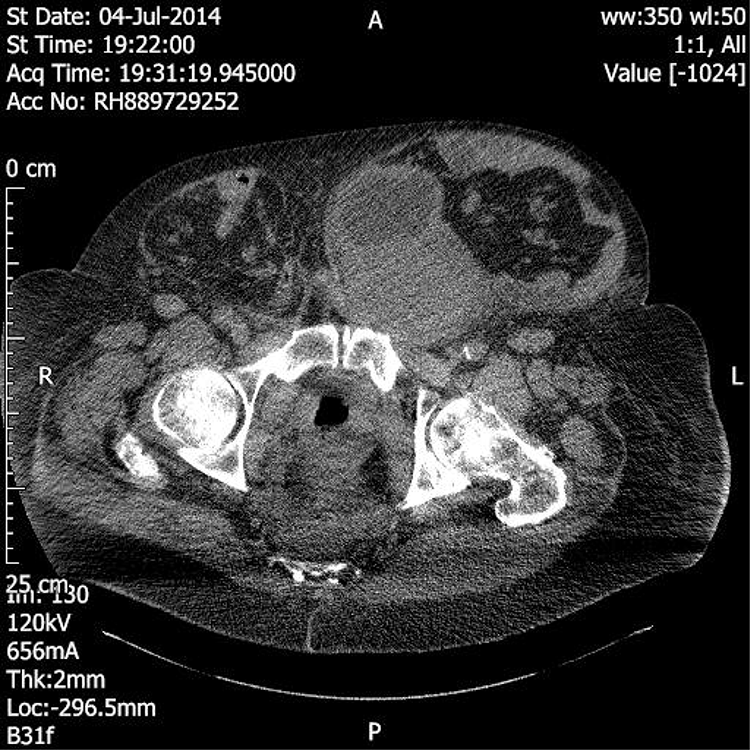
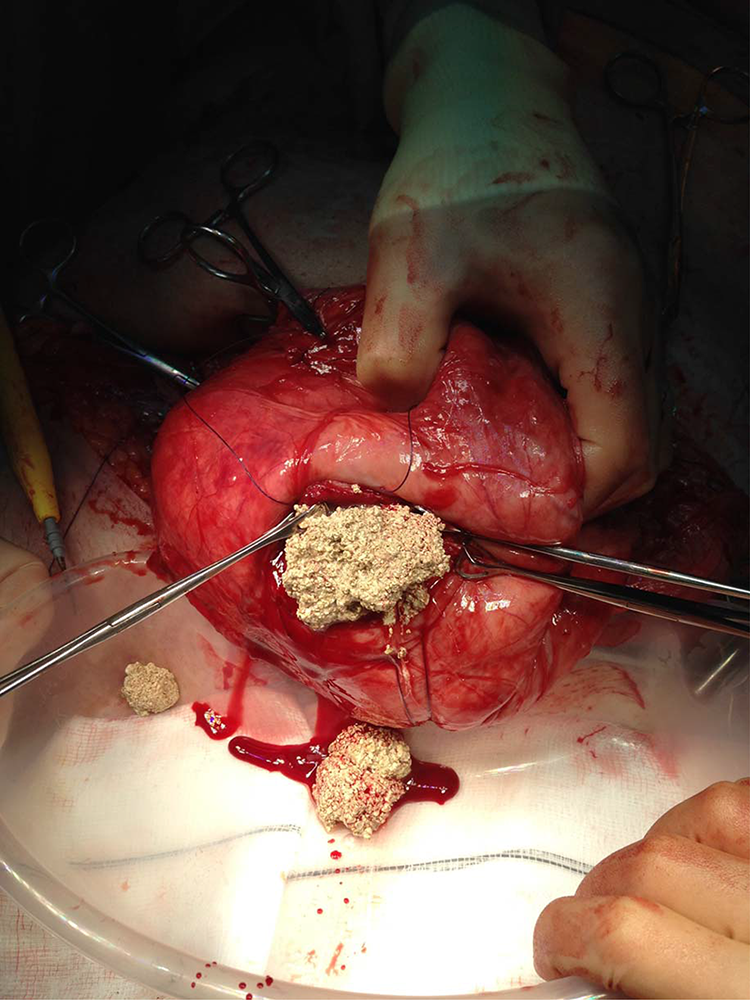
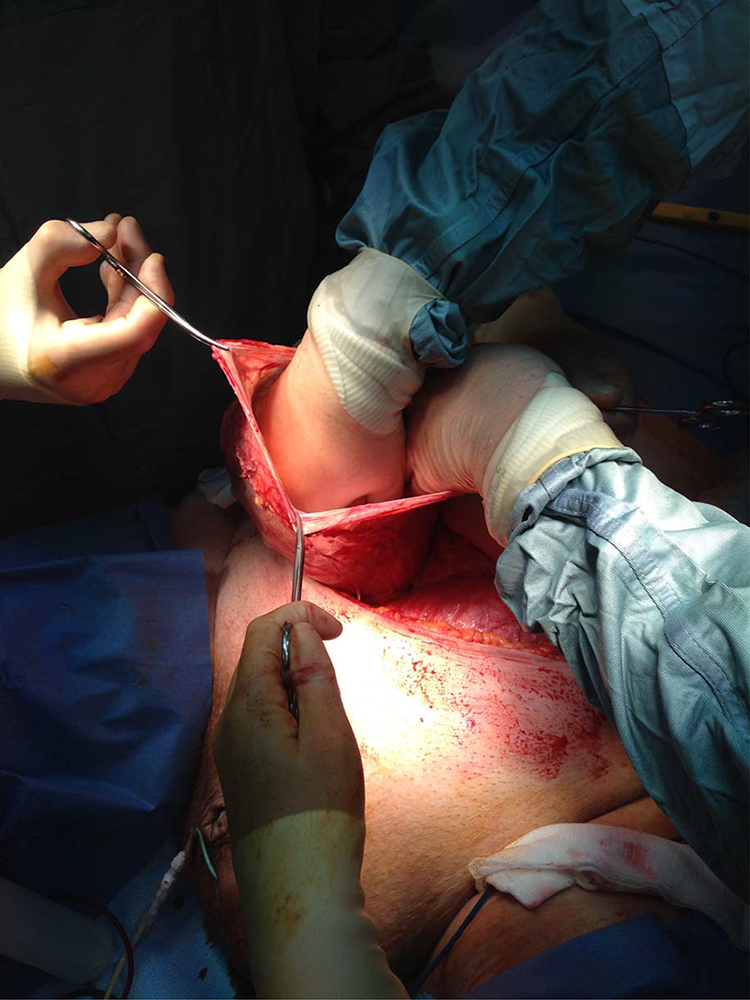
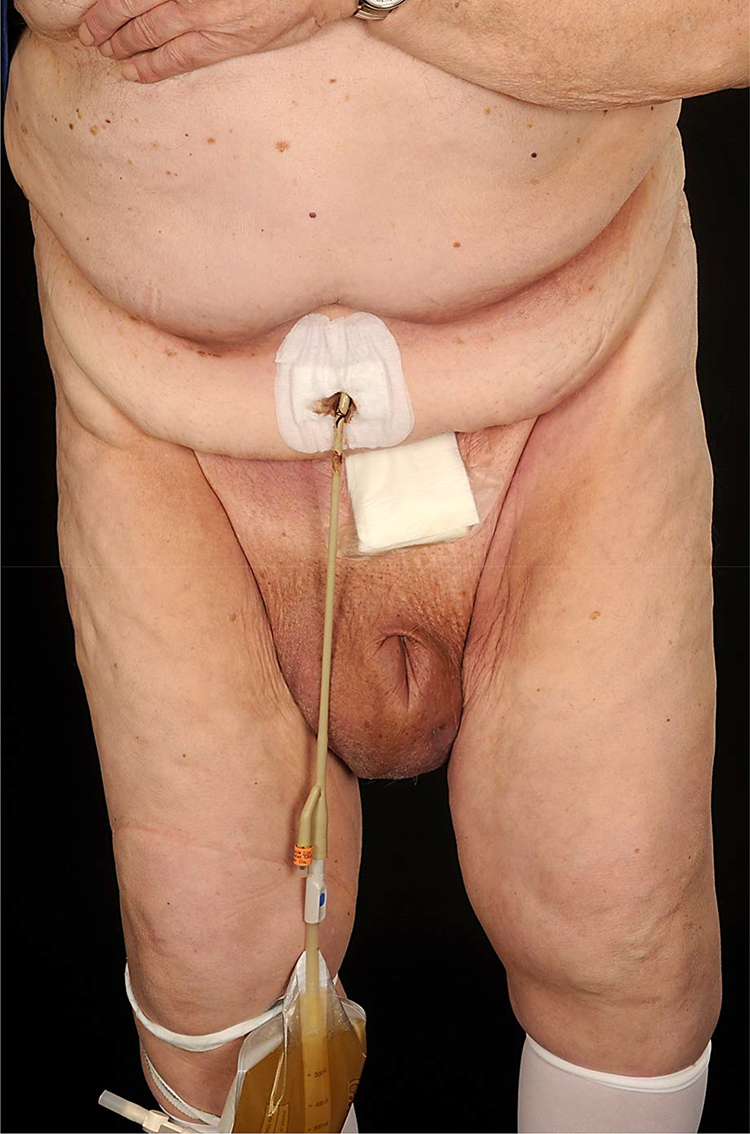
Dual kidney transplantation could challenge Single kidney transplantation from Expanded criteria donors in recipients of 65 years old or more : a 39 patients cohort


Predicting Renal Graft Failure After Laparoscopic Donor Nephrectomy: An Analysis of 336 Donor:Recipient Pairs at a Single Institution
Genitourinary gossypiboma revisited: three different presentations and their management in the present era of minimally invasive urology
Does nighttime renal graft increases the risk of post-operative complications?
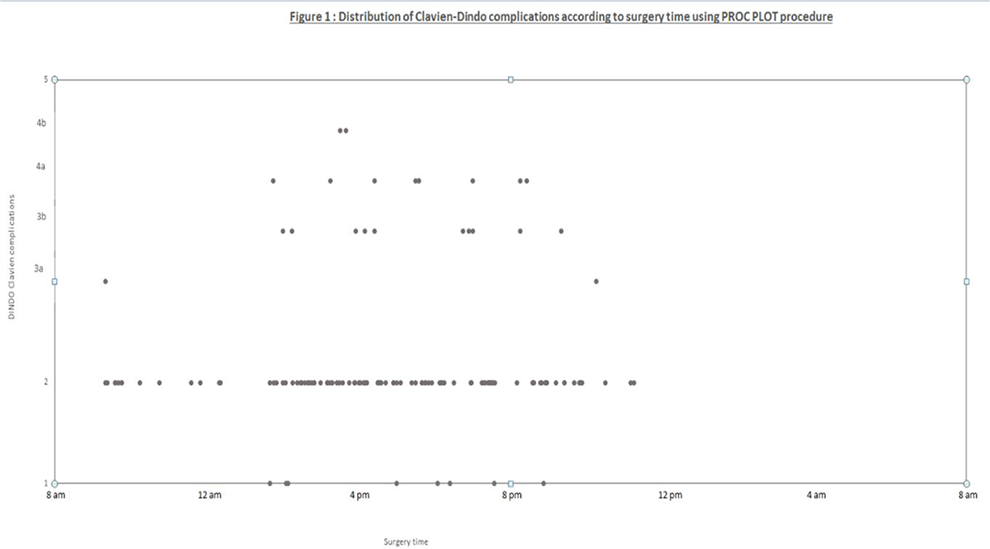
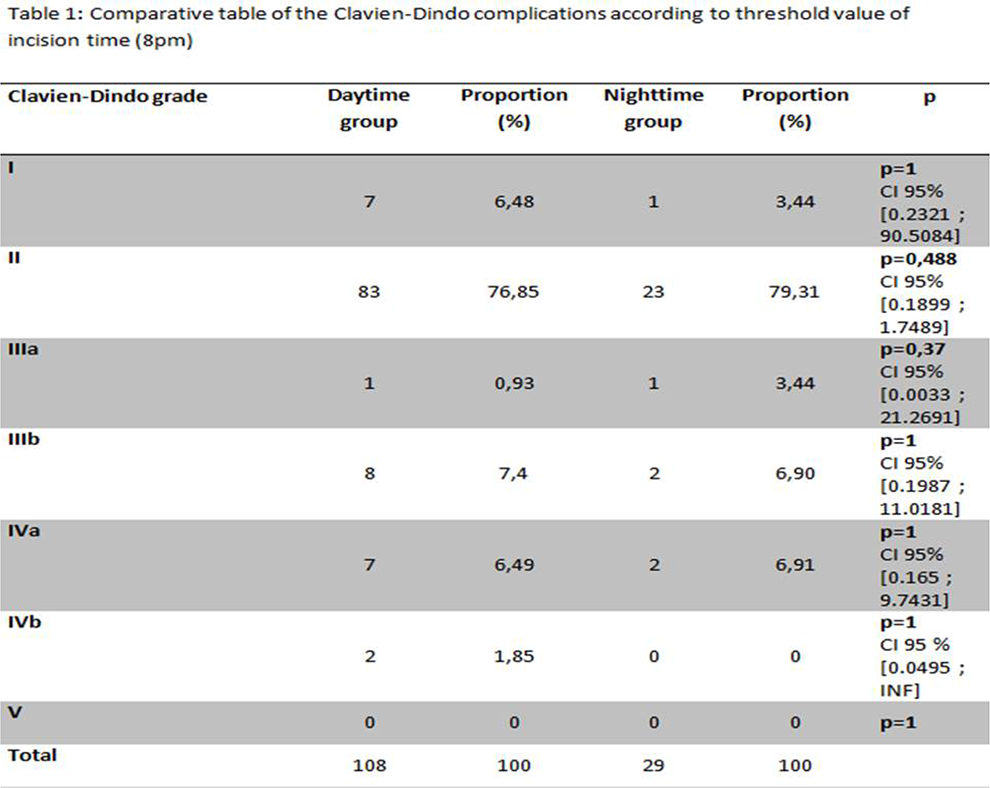
Misleading diagnosis of calyceal diverticulum in an adolescent
The patient born in Australia, to Vietnamese parents as per the Australian vaccination schedule had not received BCG vaccination. She last travelled to Vietnam more than 2 years prior to the onset of symptoms. There were signs of chronic tuberculosis on chest X-Ray but no evidence of active disease. She had no other organ involvement. Despite 8 months of multi-drug treatment for resistant tuberculosis, serial ultrasound scans indicated a poor response or probable progression. Repeat renography (DMSA) showed a drop in relative renal function to 4% on the right side and retroperitoneoscopic nephroureterectomy is scheduled.
Male Genital Lichen Sclerosis with Mutilated Urethra
Penile LS usually is preceded by pruritus, but may present with sudden phimosis of previously retractable foreskin; urinary obstruction can result. Extragenital LS may be asymptomatic or may itch, although itching is uncommon. Vulvar LS usually presents with progressive pruritus, dyspareunia, dysuria, or genital bleeding.
• Pertinent physical findings are limited to the skin.
• Skin primary lesion
○ LS usually begin as white, polygonal papules that coalesce into plaques. Evenly spaced dells or comedy like plugs correspond to obliterated appendiceal ostia. With time, the plugs and dells will disappear and leave a smooth, porcelain-white plaque. The size may vary widely from a few millimeters resembling lichen nitidus to the entire upper trunk. Male genital lesions usually are confined to the glans penis and the prepuce or foreskin remnants. Penile shaft involvement is much less common, and scrotal involvement is rare. The initial manifestation may be a sclerotic ring at the prepuce edge. Dermatoscopy may be helpful in making the diagnosisn[8].
○ Vulvar LS may progress to gradual obliteration of the labia minora and stenosis of the introitus. The most common variation occurs when the inflammation is intense enough to cause separation of a large area of the epidermis, creating blisters or large, occasionally hemorrhagic, bullae.


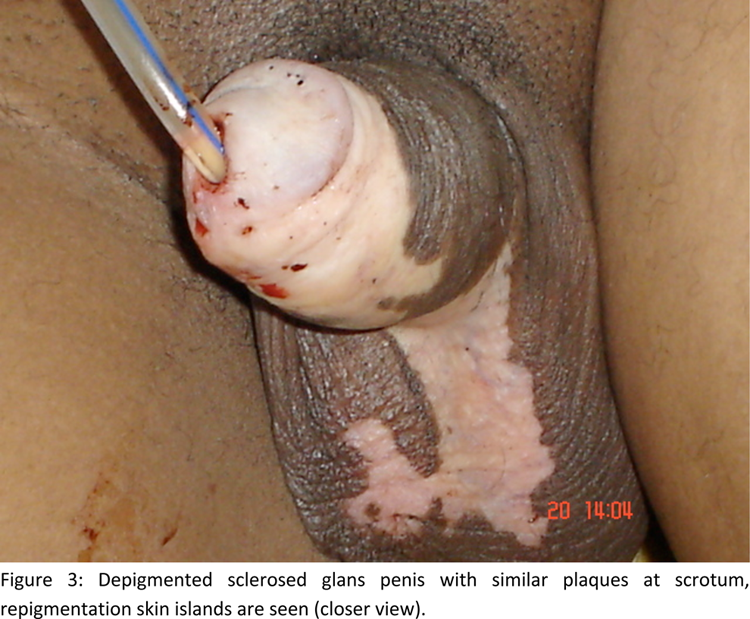
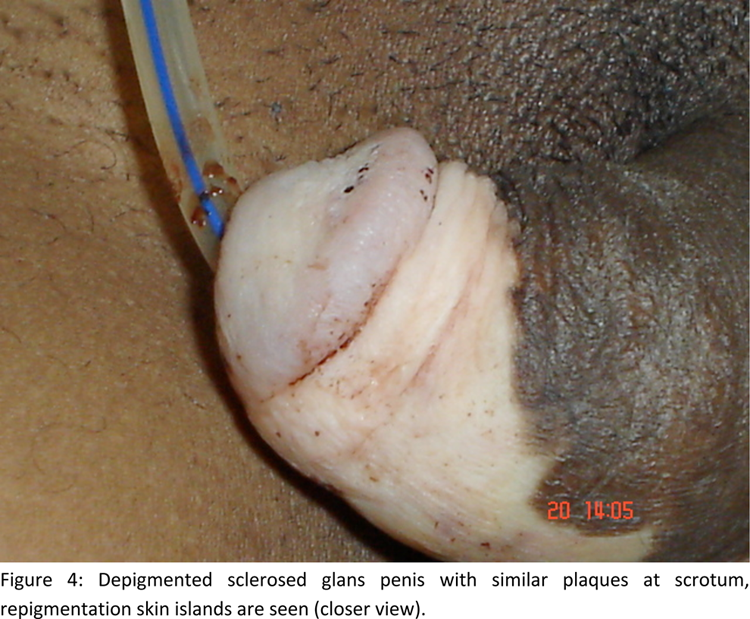


Often, an hourglass, butterfly, or figure-8 pattern involves the perivaginal and perianal areas, with minimal involvement of the perineum in between.

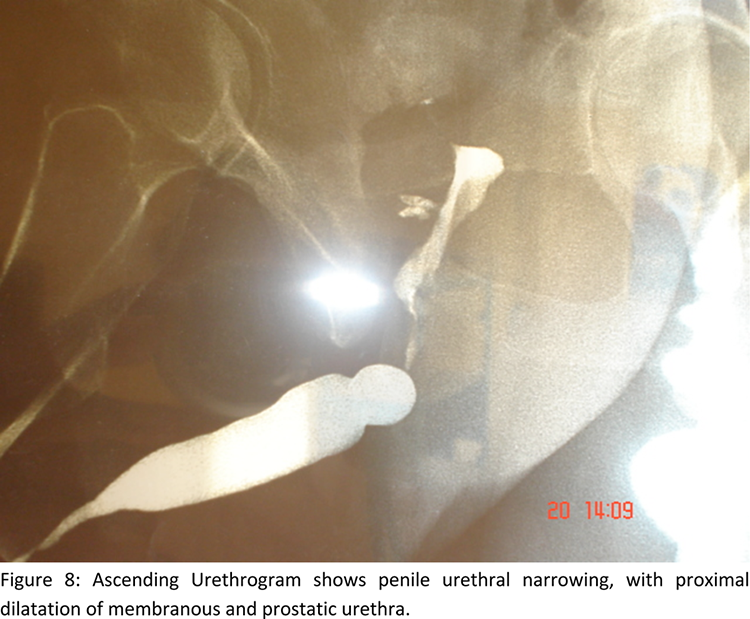


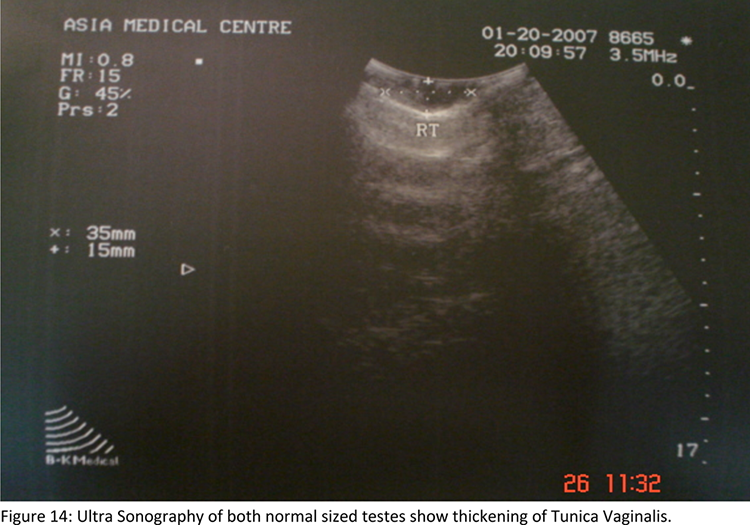


○ Genital mucosal disease; rare cases reported are usually seen in patients with widespread, generalized LS.
○ Extragenital lesions may occur anywhere on the body although the back and shoulders are reported most commonly.
○ The isomorphic (Koebner) phenomenon may occur in this condition. Distribution of LS along the lines of Blaschko was described in an extragenital case.
• Skin color is white, often with a shiny porcelain appearance. Telangiectases and follicular plugs may be seen.
•
•
A variety of destructive procedures has been reported to be of benefit. Not just tissue-vaporizing carbon dioxide
•
•
• Extragenital:
• Prognosis is good for more acute genital cases, especially for those in the pediatric age group that may resolve spontaneously.
• Prognosis for improvement is poor for extragenital cases and chronic atrophic genital disease.
Can sarcopenia affect the outcomes of partial nephrectomy?

Isolated Bladder Neurofibroma: A Rare Case Report

Physical Activity Monitors Can Be Successfully Implemented In Perioperative Care of Urology Patients
Is your Career Hurting You? The Ergonomic Consequences of Surgery in 701 Urologists Worldwide

We surveyed urologists to seek correlations between the type, volume and duration of surgical work performed, surgeon habits and characteristics, and the prevalence of musculoskeletal complaint and injury across career from training to retirement.


Urological complications after radiation therapy for cervical carcinoma-clinical research from single center
MP7: BPH/LUTS (I)
Holmium Laser Enucleation of the Prostate is More Efficient with More Laser Power
When laser efficiency was calculated, the median weight of tissue removed per minute was higher for group 2 (0.82 g/min, range 0.36–2.00) compared with group 1 (0.67 g/min, range 0.07–1.77, P = 0.04, Mann Whitney U test). The median energy per gram of tissue removed was lower for group 2 (3.57 kJ/g, range 2.72–41.0) compared with group 1 (4.98 kJ/g, range 2.0–69.0, P = 0.02).
A prospective-randomized trial comparing thulium with holmium laser enucleation of the prostate for the treatment of symptomatic benign prostatic obstruction: early safety and efficacy results of the ThuHo study
Sufficient PSA-reduction and micturition improvement 5-years after Thulium VapoEnucleation of the prostate for symptomatic benign prostatic obstruction
Thulium VapoResection of the Prostate and Thulium VapoEnucleation of the Prostate: a retrospective bicentric matched-paired comparison with 24-month follow-up
Long-term outcomes of erectile function after thulium vapoenucleation of the prostate: a 4-year follow-up study
A prospective-randomized trial comparing disposable with re-usable blades for a morcellator device
Thulium VapoEnucleation of the prostate for persistent lower urinary tract symptoms after prior benign prostatic hyperplasia surgery
Comparative Analysis of Outcome Following Laser Vaporization and Laser Enucleation with Morcellation-A National Database Analysis
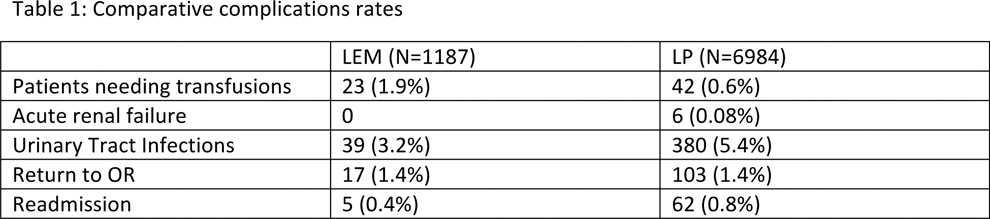
Current status of Transurethral Resection of Prostate (TURP) Vs Holmium Laser Enucleation of Prostate (HOLEP) in INDIA
Efficacy of holmium laser enucleation of the prostate in patients with a small prostate (≤30 mL)
First post-void residual urine volume following holmium laser enucleation of the prostate: Predictor of de novo urinary incontinence
Holmium Laser Enucleation of the Prostate: A Median Lobe-Only Technique
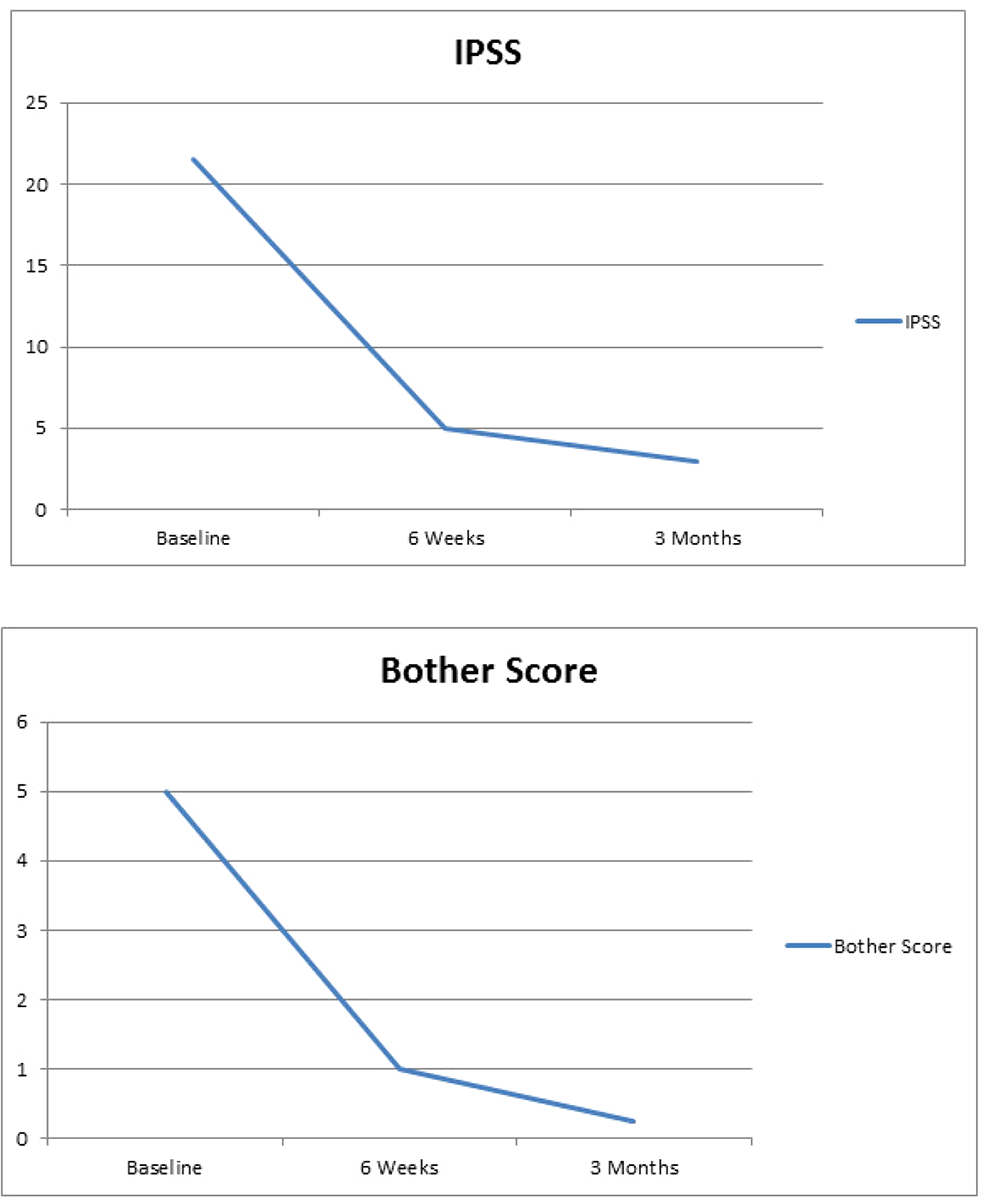
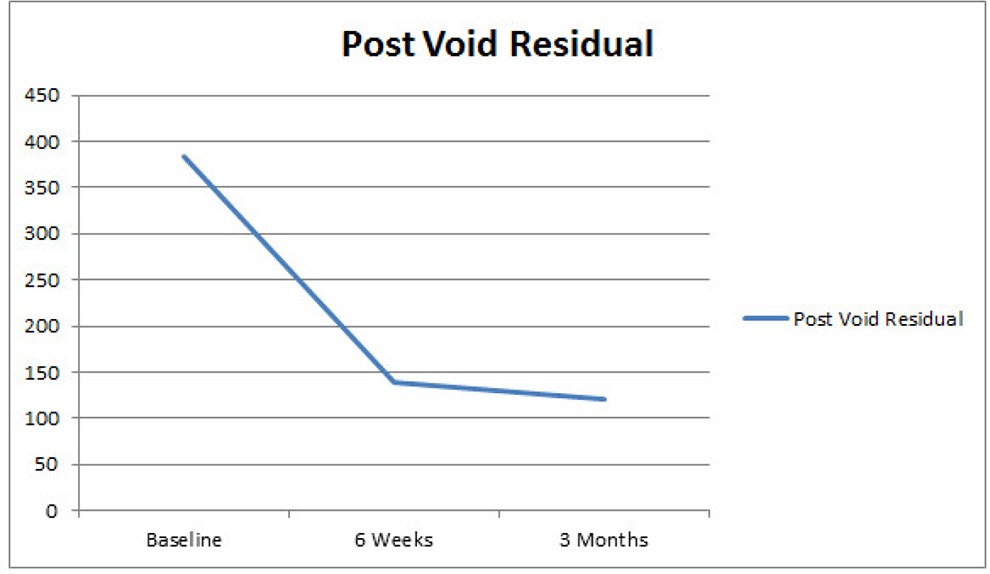
Morcellation Efficiency in Holmium Laser Enucleation of the Prostate: Wolf Piranha Outperforms Lumenis VersaCut with no Apparent Learning Curve
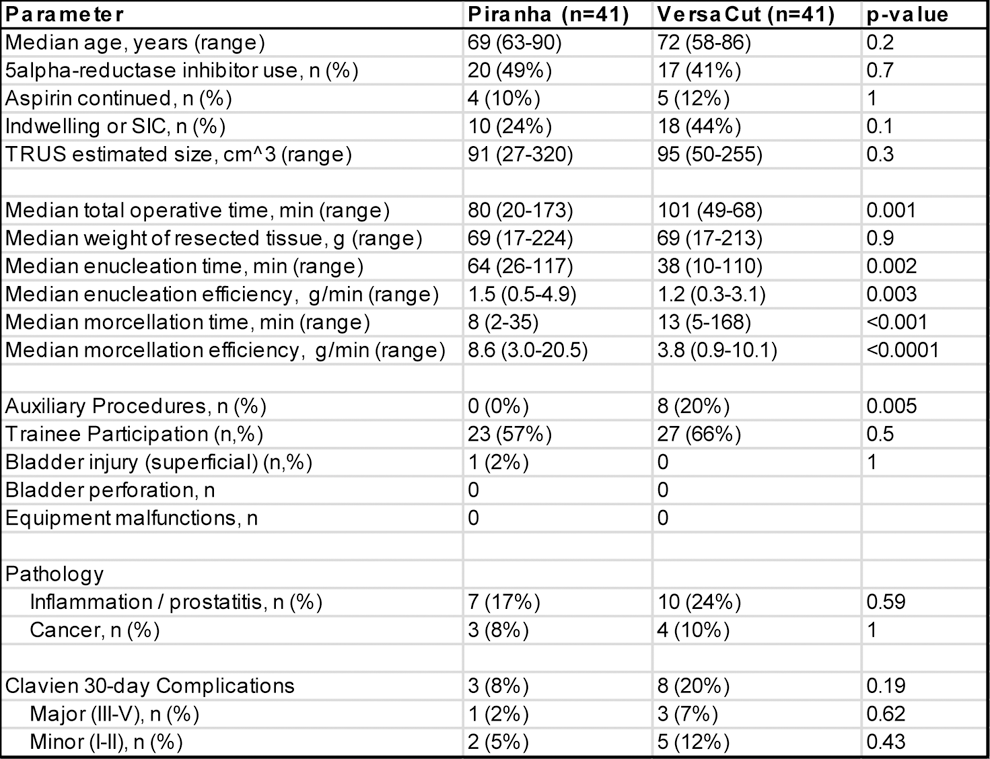
Surgeons' self-assessed learning curve for Thulium assisted Laser Prostatectomy: Evaluation of a nationwide Survey
Post HoLEP Transient urinary incontinence: Its incidence and impact of pelvic floor muscle training on outcome
Modifying Enucleation Technique To Make Morcellation Safer, Easier And Faster:-Comparing Two Techniques During Holep
The Comparison of Various Approaches of Measuring Change of Prostate Size After Holmium Laser Enucleation of the Prostate: a Prospective Study
Holmium laser enucleation of the prostate (HoLEP) in Jehovah's Witness patients
Transurethral Holmium Laser Vaporization of the Prostate (HoLVP): What to Expect on Initial Experience
Holmium laser enucleation versus transurethral resection for surgical management of intermediate sized benign prostatic hyperplasia in patients with detrusor underactivity
MP8: Endoscopic Education/Simulation (ii)
Hostile Environment Platform using a Wearable Head Mounted Device for Targeted Skill Acquisition using the da Vinci Skills Simulator - Preliminary findings using Robotic Prostatectomy Model
Predictive Video Training in Robotic Pelvic Uro-oncological Surgery: The Next Step Approach in Targeted Skills Acquisition
Competency Based Training for Virtual Reality Simulation in Robotic Surgery

Content Validation of a Competency Based Curriculum for Virtual Reality Simulation in Robotic Surgery
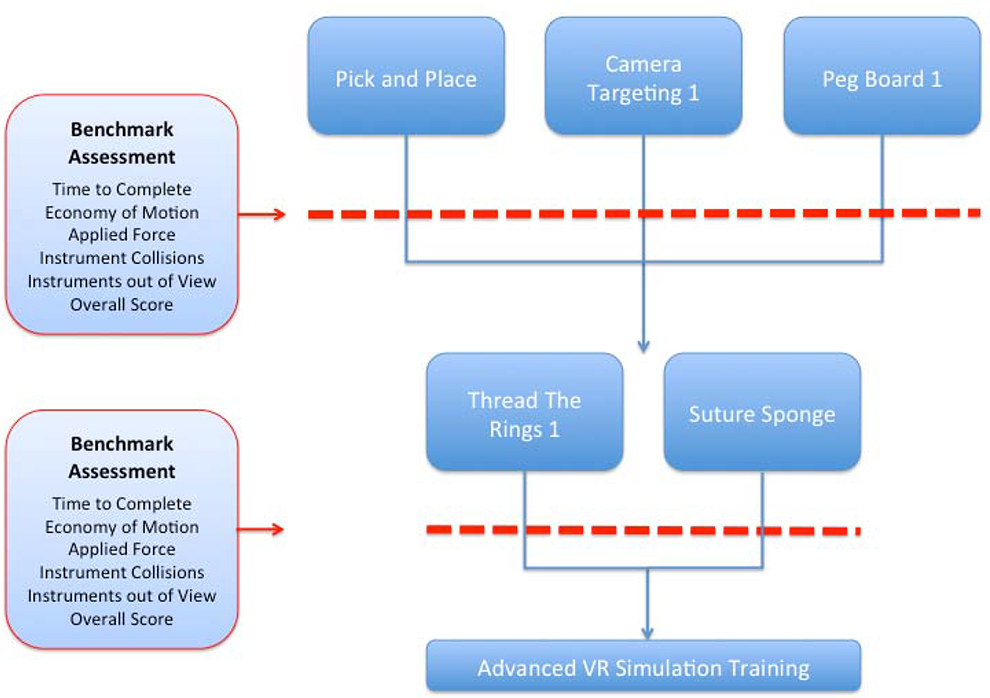
A Randomised Controlled Trial into Cognitive Training for Technical Skills in Robotic Surgery
Robot-assisted Surgery - Expert Performance in Full Immersion Simulation, Setting the Benchmark (Concurrent Validity)

Analysis of tractive force direction on a knot by force measurement during laparoscopic knot tying

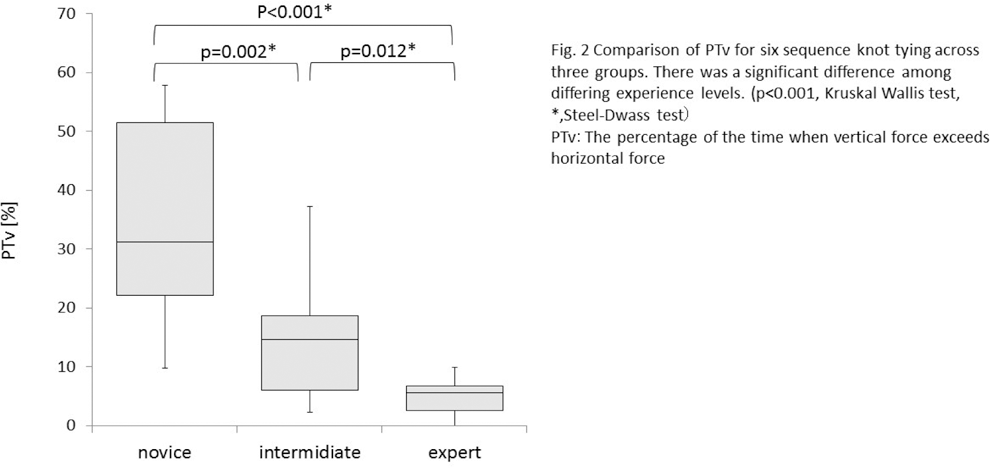
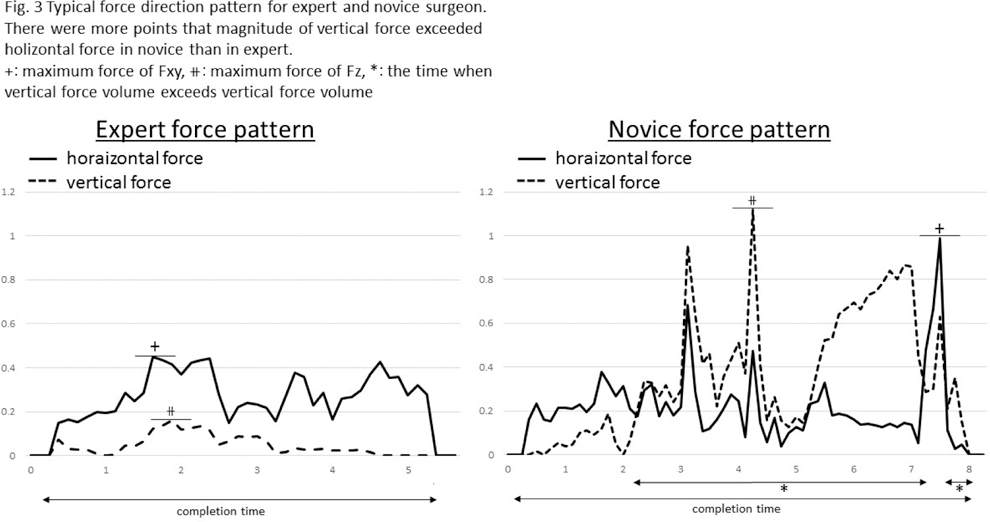

Robotic surgical skill acquisition in trainees: a randomized comparison of robotic simulation training and the transfer of skills to a simulated robotic surgical task in the operating room using a 3D printed model
Can Spatial Visualization Ability Predict Robotic Surgical Skill?
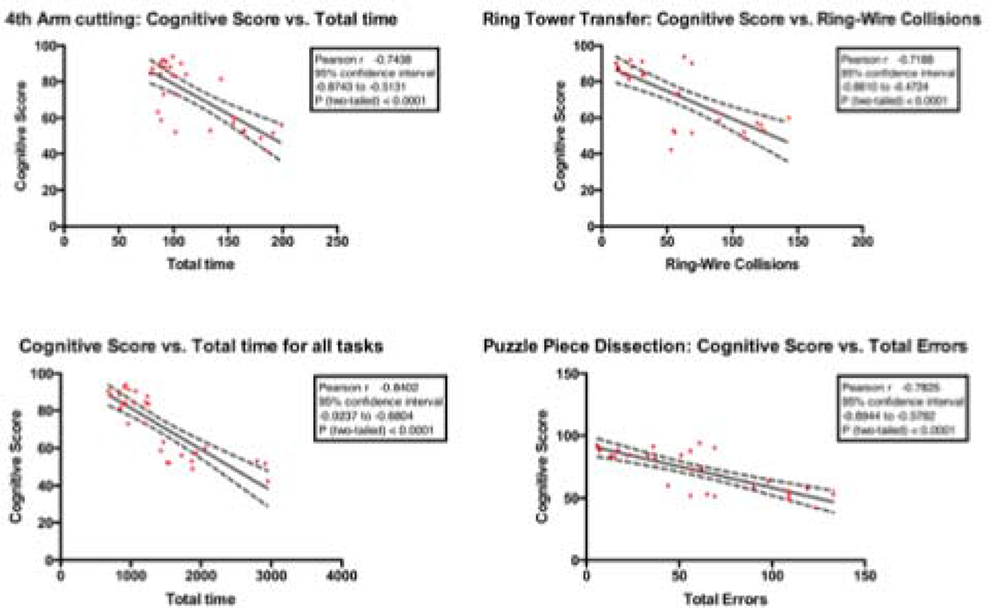
Comparison of Three Different Auditory Environments and Their Effect Upon Training in Novice Robotic Surgeons
Design and Development of a Cognitive Training Tool for Minimally Invasive Surgery
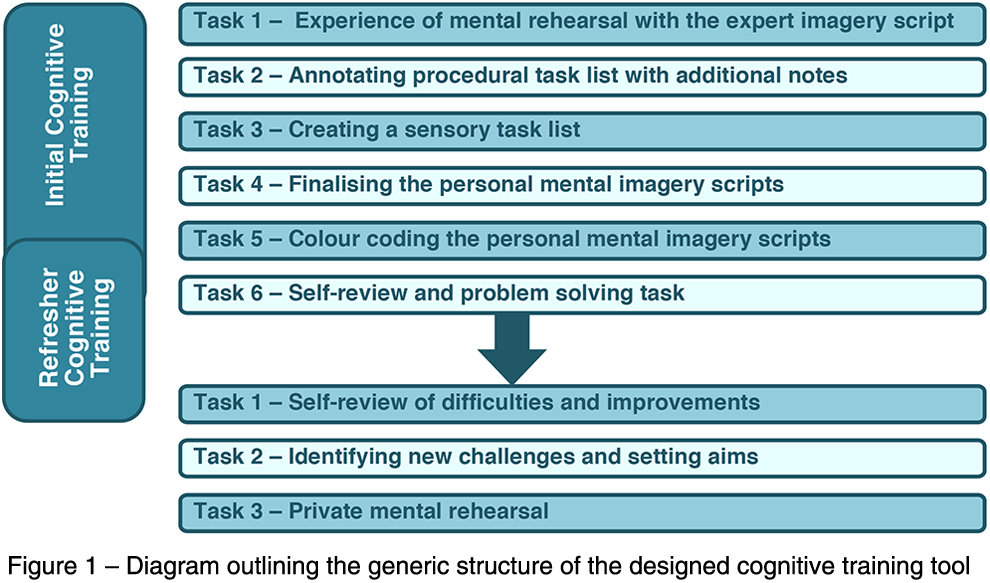
Validation of a Cognitive Training Tool for Surgical Skills in Minimally Invasive Surgery
MP9: Imaging: Urolithiasis and Benign Urology (ii)
Changes in renal ultrasound findings after ureteral stent placement in patients with ureteral obstruction; a prospective study in correlation of renal function

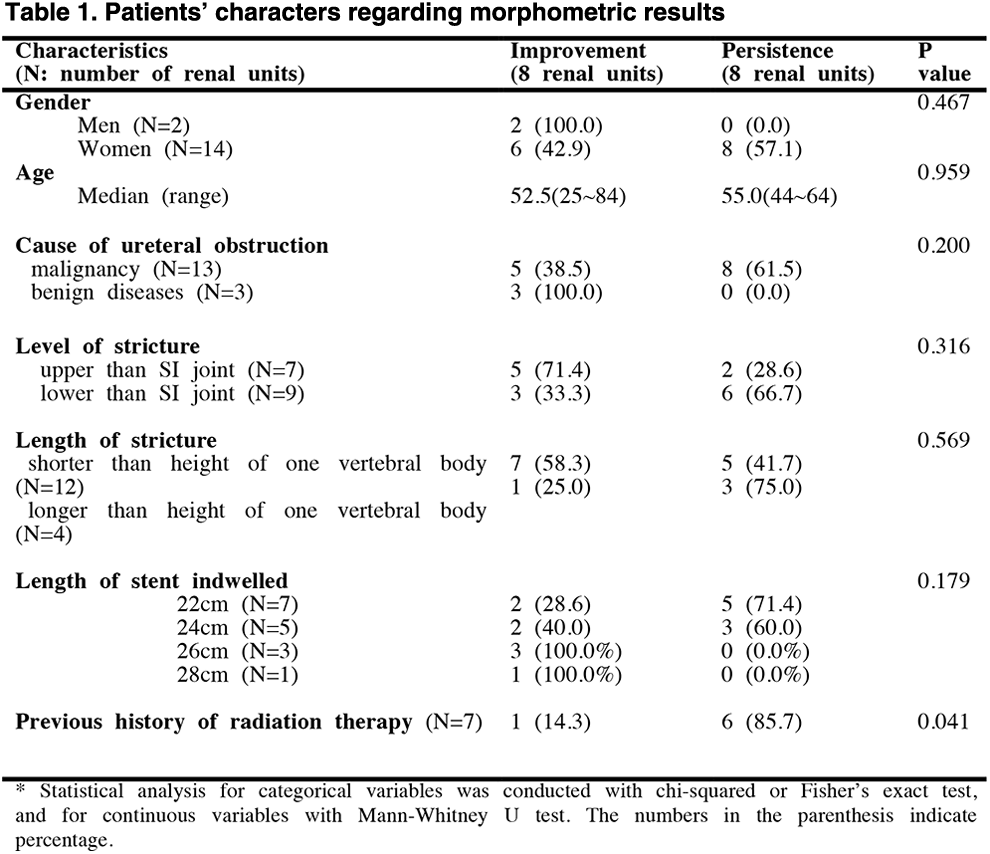
Stones Are Brighter with Greater Signal Contrast Using Stone Specific Ultrasound Imaging in Human Subjects

Emergency Department Imaging Modality Effect on Surgical Management of Nephrolithiasis: A Prospective Multi-Center Randomized Clinical Trial

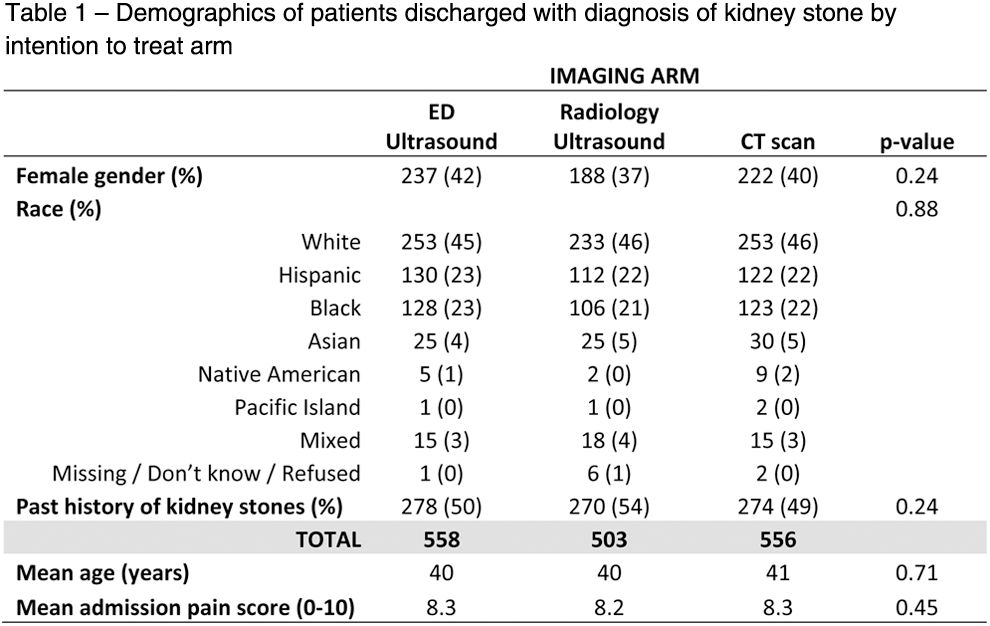
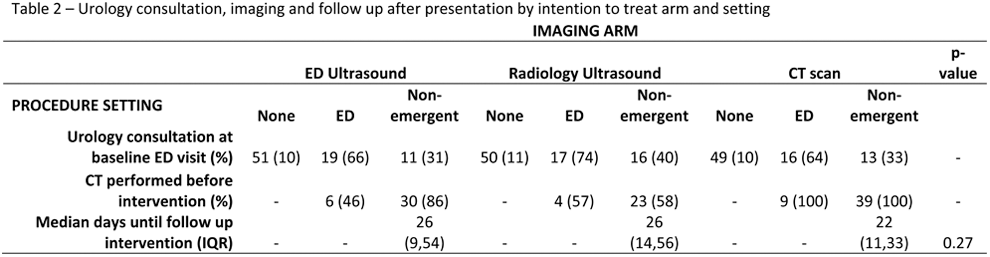
Evaluation of Radiation Shielding Protocols For Patients Undergoing Computed Tomography: A Nationwide Survey
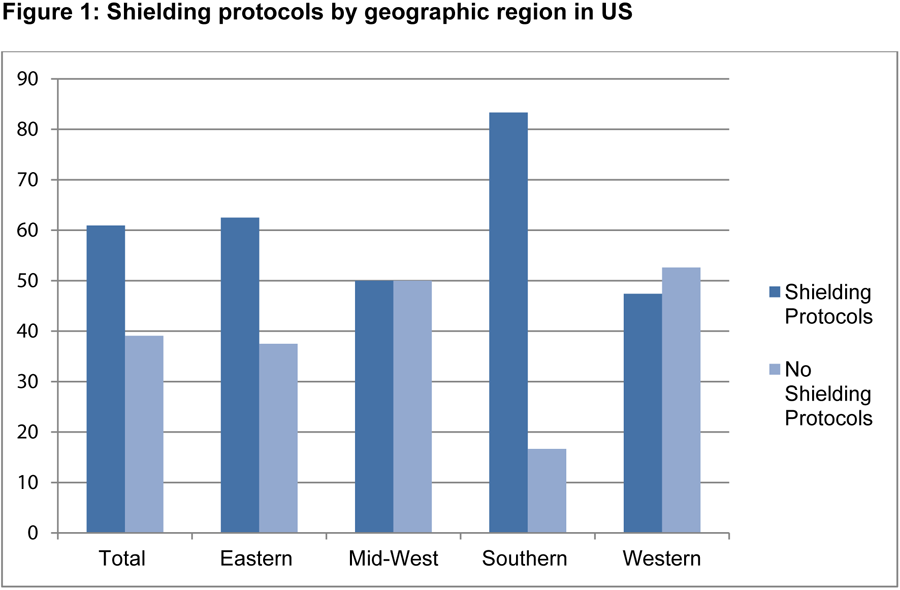
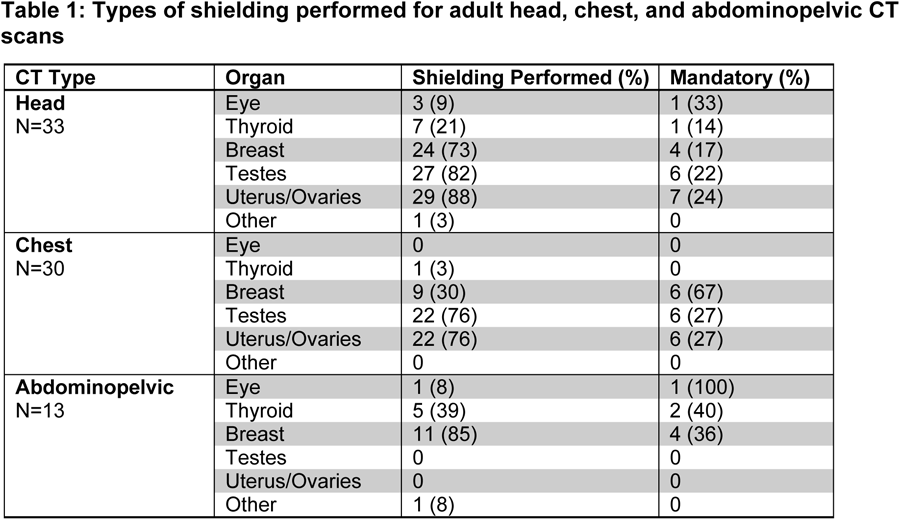
Comparison of Radiation Dosages between Computed Tomography-Guided and Ultrasound-Facilitated Computed Tomography-Guided Percutaneous Cryoablation of Small Renal Cortical Neoplasms
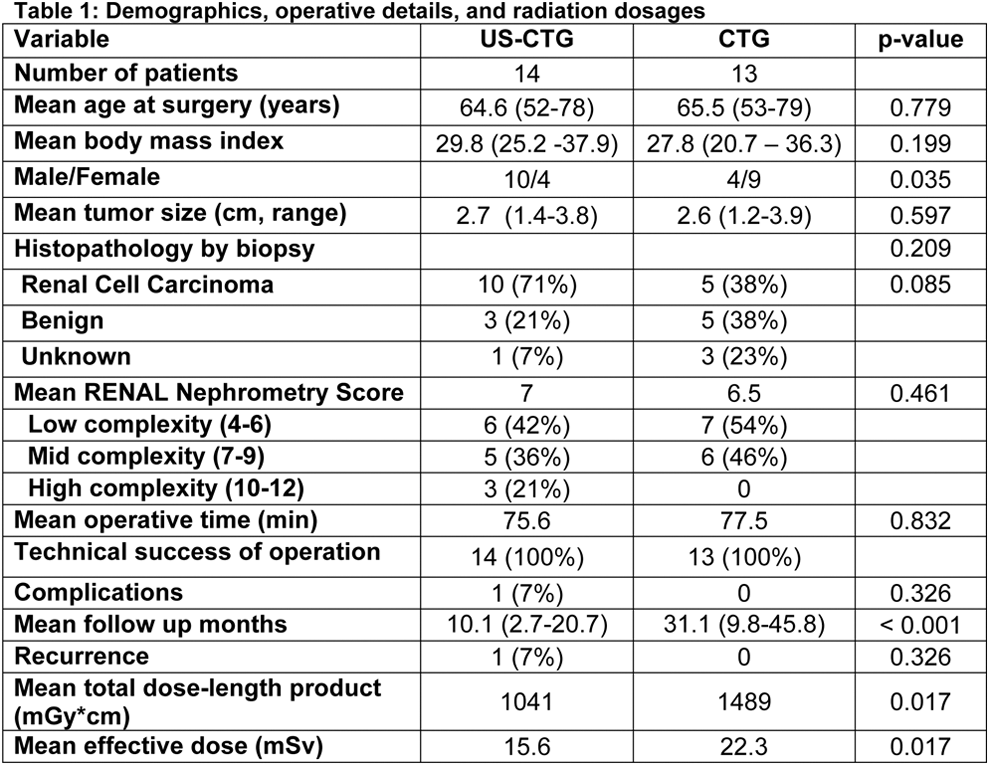
Accuracy of urinary tract stone ultrasonography sizing using acoustic shadow width in human stone formers
Characterization of urolithiasis using CT analysis with abdomen and bone window
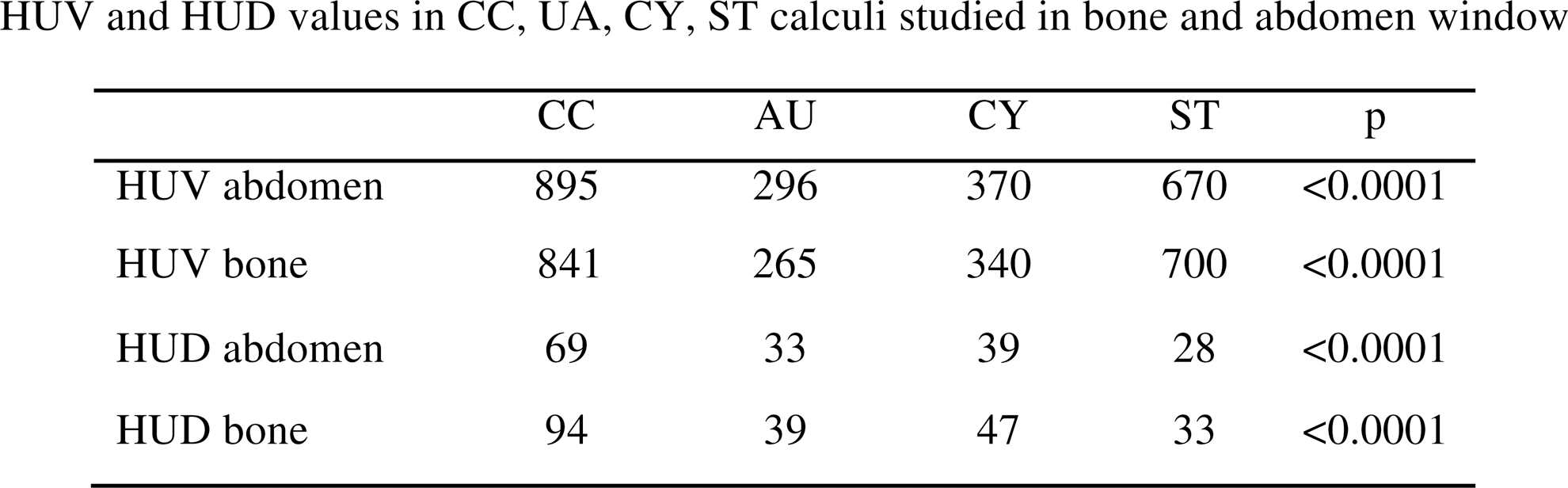
ROC curves' cut-offs for these parameters were 625 HU for HUV in both windows (sensitivity 91% vs 91%, specificity 87% vs 83% for abdomen and bone windows, respectively) while HUD's cut-offs were 44.5 HU/mm in abdomen (sensitivity 80%, specificity 80%) and 53.5 HU/mm (sensitivity 87%, specificity 72%) in bone window.
Use of CT Scout Topogram Film in the Diagnosis of Ureteric Calculi
Look at Images…not only report…How Important is it for Endourologists to Look at Films Prior to Decision-making?
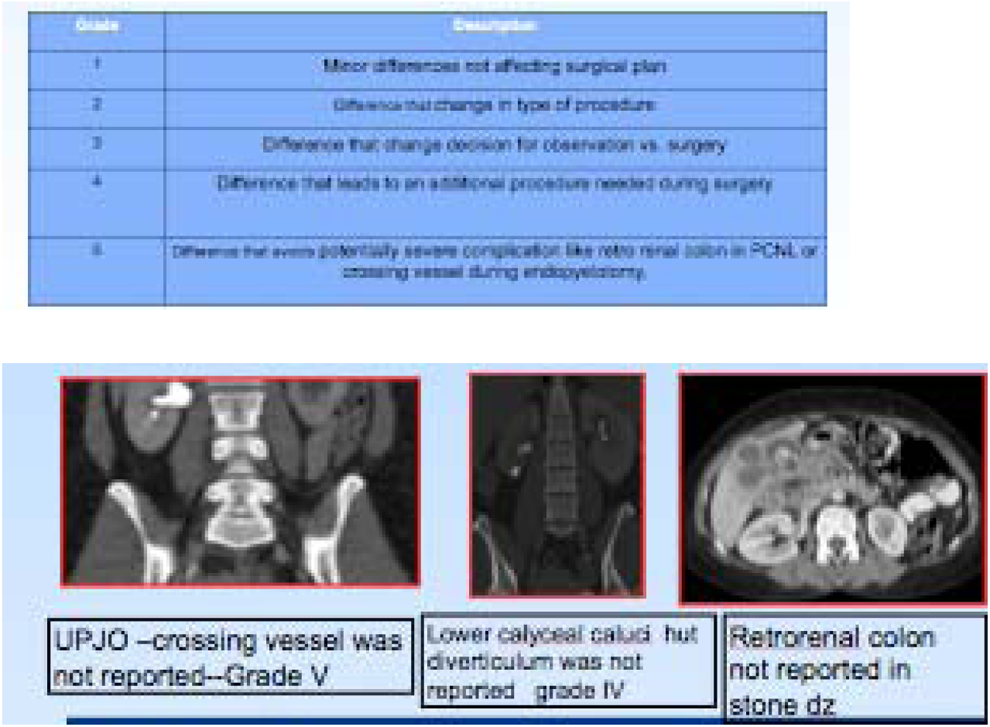
Office urology Ultrasound-Patients' perspective - urologist operated Ultrasound in outpatient Endourology
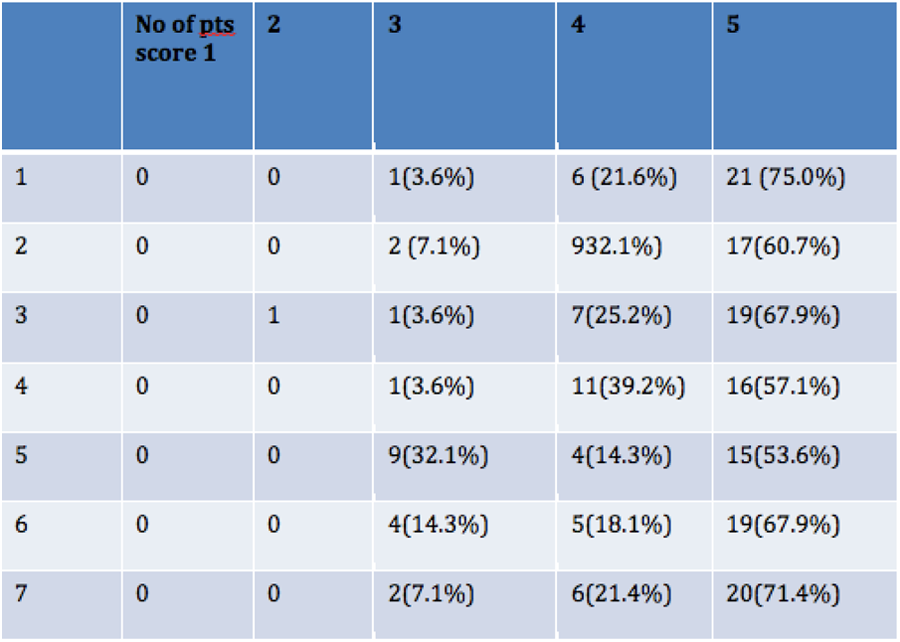
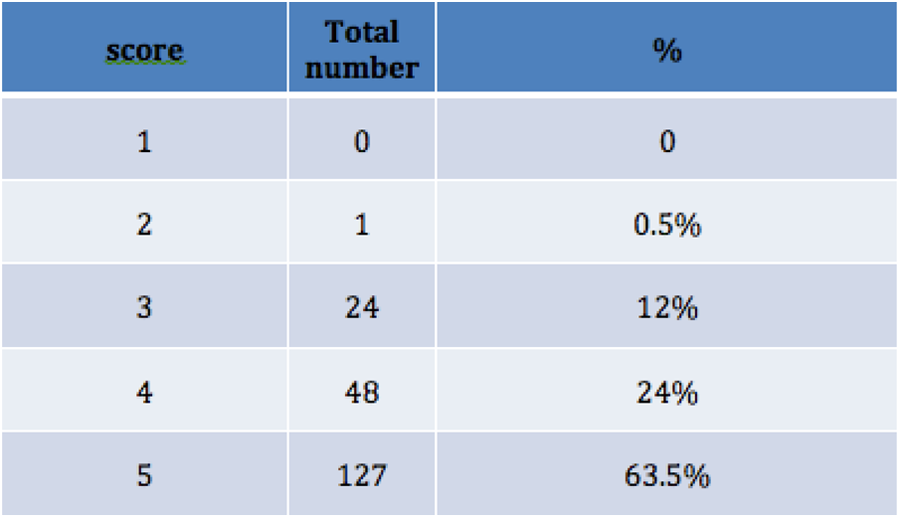
Imaging of Urolithiasis – Which way to go? Noncontract Computerized Tomography(NCCT) Vs. Ultrasonography (USG) & X-ray KUB

Characterization of Renal Stone Composition with Fast Kilovoltage Switching Dual-energy Computed Tomography Compared with Laboratory Stone Analysis: A Pilot Study
Association of visceral adipose tissue measured by computed tomography with nephrolithiasis
Histogram Circle Hounsfield Unit Stone Composition Assessment Compared to Conventional Method - A New Gold Standard?
How accurate are we in measuring stone volume? A comparison of the ellipsoid formula, water displacement and a CT based software tool
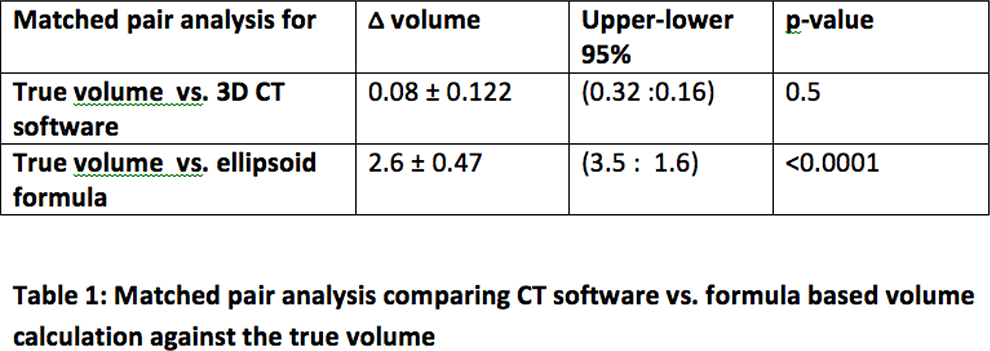
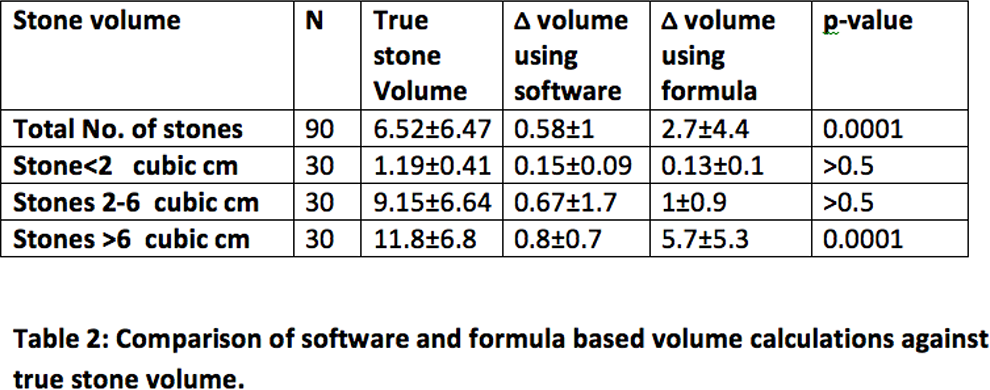
Preoperative MRI pseudocapsule morphometry for a tailored renal surgery
Feasibility of antegrade contrast-enhanced ultrasound nephrostograms

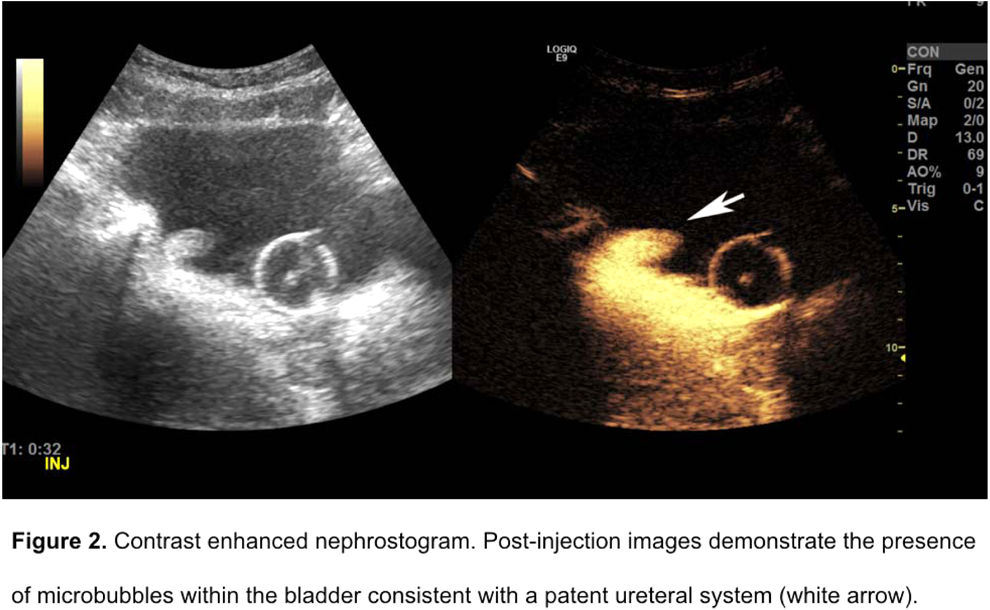
Non-contrast CT scan (CTKUB) for acute renal colic: Comparative regional outcomes between primary and secondary care over similar time period
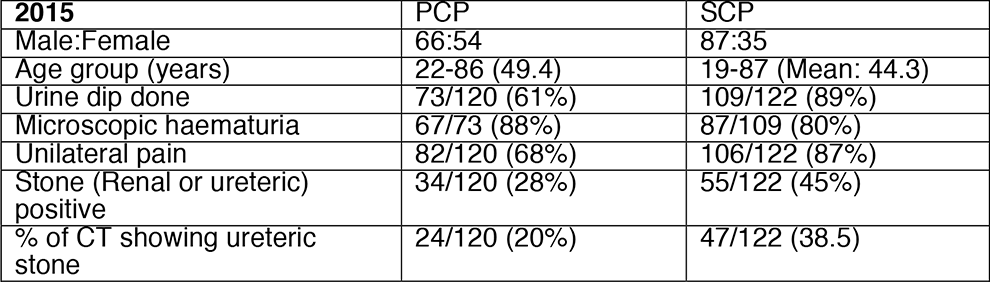
Imaging characterisation of Cystine Stones
‘Ultra low dose, low dose and standard dose CTKUB: Is there a difference?’ Results from a systematic review of literature
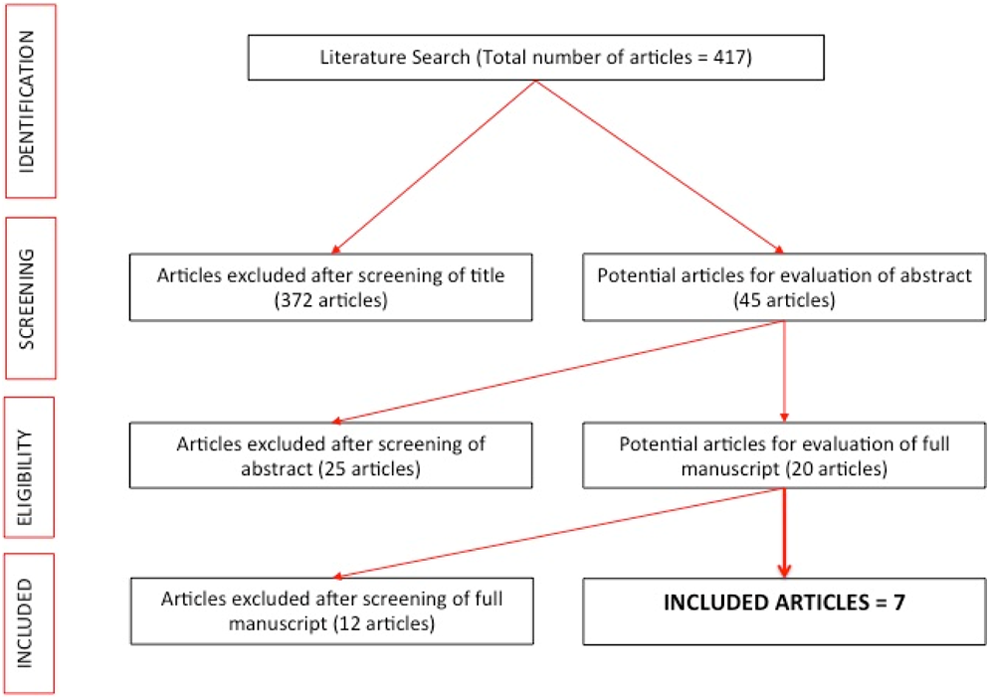
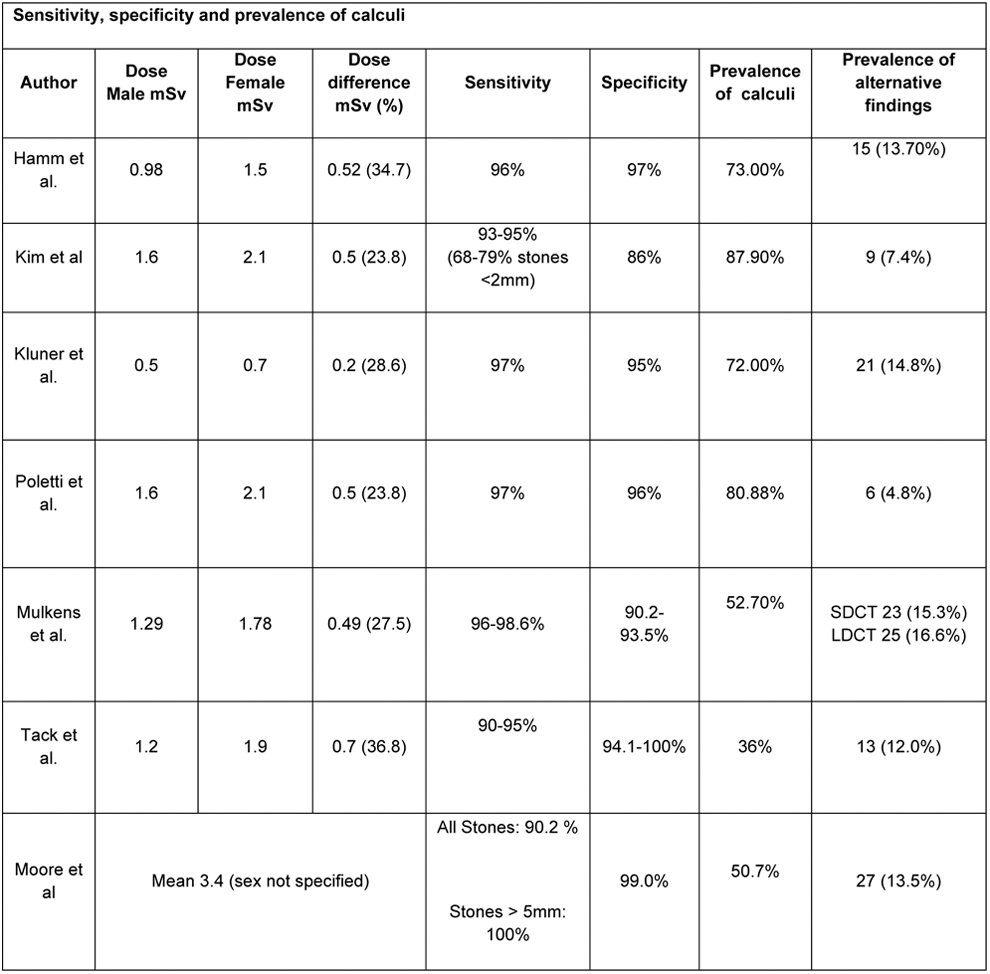
Radiation exposure during follow-up at a tertiary level stone clinic
MP10: Laparoscopy: Upper and Lower Tract – Benign
The experience and skills of retroperitoneal laparoscopic nephron-sparing sugery for giant mushroom-like renal angiomyolipoma
Intraperitoneal instillation of Ropivacaine reduces post-laparoscopic pain after laparoscopic nephrectomy
One stage retroperitoneal laparoscopic pyeloplasty and partial nephrectomy for Secondary intrarenal sinus UPJO afterureteroscope lithotripsy combined withAML in left kidney
A Prospective Comparative Study of Percutaneous Aspiration and Sclerotherapy versus Laparoscopic Marsupialization for Symptomatic Simple Renal Cysts
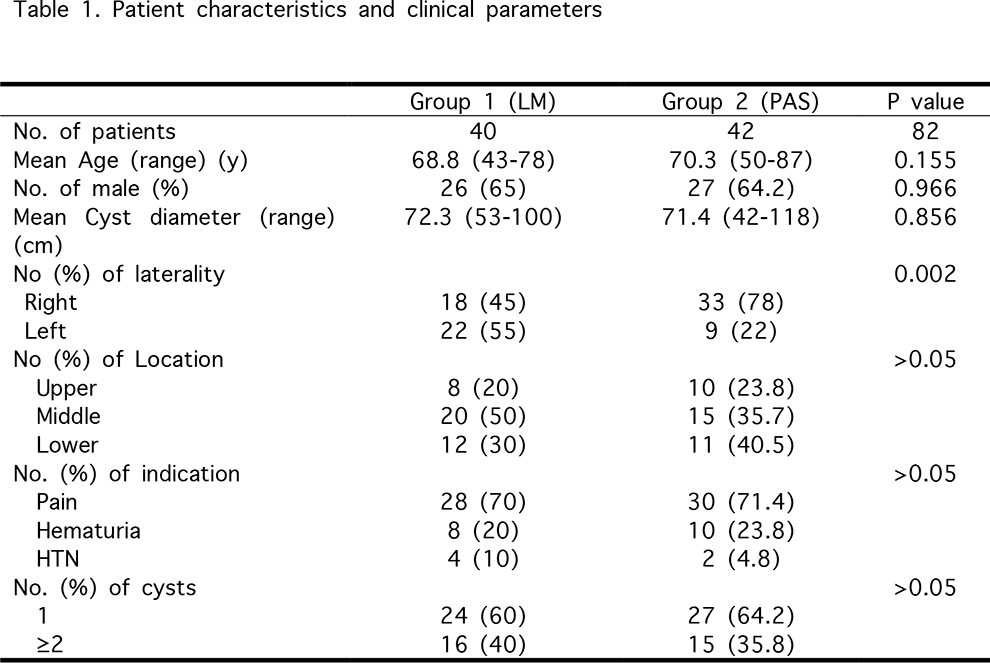

Comparison of the laparoscopic learning curve in upper and lower urinary tract system. The experience of a single medium volume institution
Same Day Discharge for Laparoscopic Donor Nephrectomy Patients is safe and feasible: Results of a single institution pilot study
Laparoscopic pyeloplasty for Ureteropelvic Junction Obstruction with failed prior surgical interventions
Laparoscopic treatment for the management of hydatid renal disease at an endemic region: Is it feasible or not?
Giant Hydronephrosis: Treatment with Laparoscopic Nephrectomy
Transperitoneal laparoscopic management of Pelvi-ureteric junction obstruction with associated congenital anomalies and secondary calculi:our technique and experience
Prospective Randomised study evaluating the effect of intraperitoneal Bupivacaine after laparoscopic donor nephrectomy
• Laparoscopic Live Donor Nephrectomy (LLDN) is now the preferred method for kidney harvestation in Renal Transplant surgery due to reduced postoperative complications with an early return to work. Pain in laparoscopy - due to visceral, somatic and shoulder pain (secondary to diaphragmatic irritation). The peritoneal origin of the pain advocates that analgesia delivered locally to the peritoneal cavity may be of benefit postoperatively in reducing pain. Intraperitoneal instillation of local anesthetics for reduction of pain has already been studied after gynecologic laparoscopy* and laparoscopic cholecystectomy*.
•
○
○ Prospective, randomized, double blinded, placebo-controlled study conducted in the Department of urology and transplant surgery, Muljibhai Patel Urological Hospital, NADIAD.
○ A total of hundred live Kidney donors, of either sex belonging to ASA grade I and II from Nov’13 to April’15 were included.
○
○
○ In both groups, after completion of nephrectomy and just before removal of trocar 10 mL of the drug onto renal bed, 5 mL onto Hepatodiaphragmatic area, 5 mL onto space between diaphragm and spleen (under direct vision by the surgeon who was unaware of the nature of the study drug). Postoperatively patients were assessed based on VAS and requirement of rescue analgesic (pentozocine given when VAS >3), hemodynamic parameters and presence of any adverse effects.
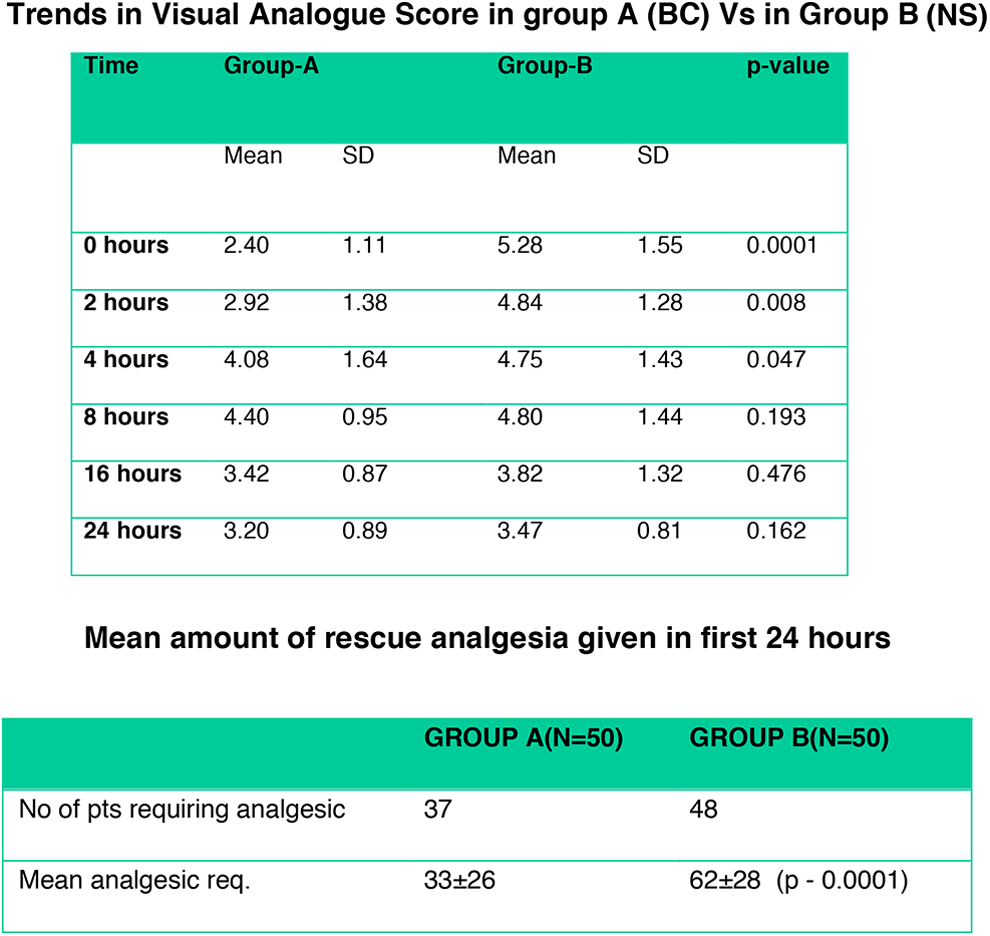
Laparoscopic Ureterolysis for Retroperitoneal fibrosis – Our experience
To assess the effectiveness and clinical outcomes of laparoscopic uretrolysis for retropertitoneal fibrosis at our institution a prospective study between 2012 and June 2015 of 21 patients with retroperitoneal fibrosis was considered. All patients underwent laparoscopic uretrolysis. Laparoscopic Ureterolysis is a safe and less morbid procedure for the treatment of retroperitoneal fibrosis.
Revision laparoscopic pyeloplasty should be the preferred management for post-pyeloplasty secondary pelvi-ureteric junction obstruction
All patients had a transperitoneal, dismembered pyeloplasty. Mean operative time was 215 mins. Median Length of stay was 2 days (1–11). Post-operative complication (Clavien Dindo 3≤) was observed in 2/22 (9.1%) patients. No patient required conversion.
Median follow up was 50.5 months (13–91). 18/22 (Success rate 82%) patients did not require any further intervention. Those patients who required further intervention were more likely to have an intra-renal pelvis. Median time for failure following revision laparoscopic pyeloplasty was 10.5 months (3–22).
Laparoscopic dismembered pyeloplasty in a horseshoe kidney
Laparoscopic intracorporeal replacement of ureter by ileum
Life-time risk and prognostic factors of end stage renal disease after nephrectomy
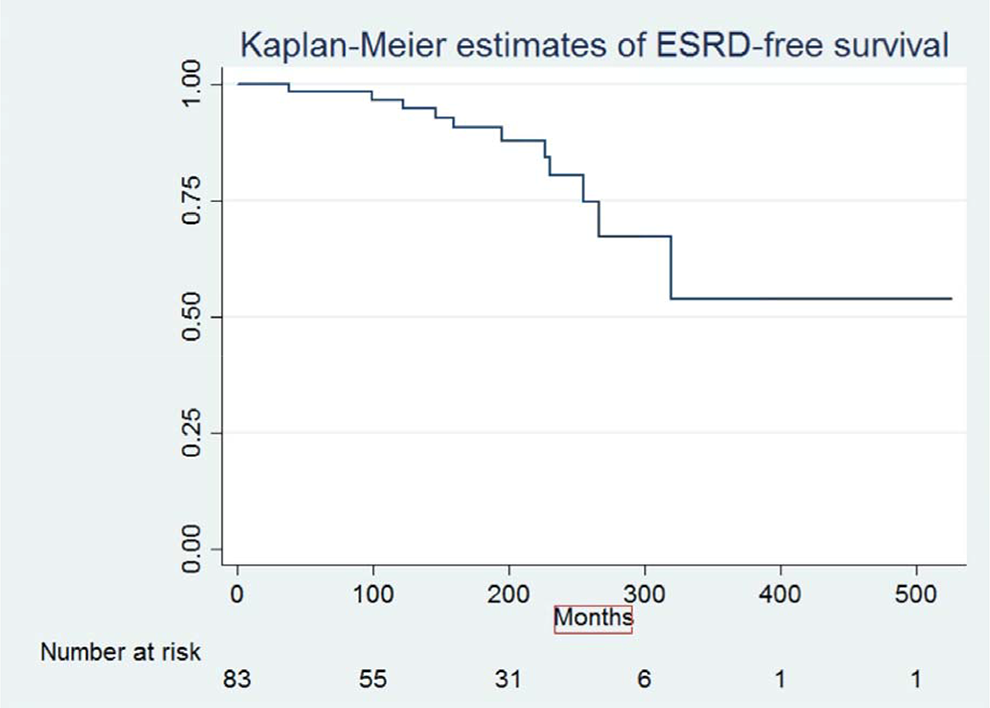
Laparoscopic ureteral repair for iatrogenic ureteral injury: retrospective multicenter study of mid-term results
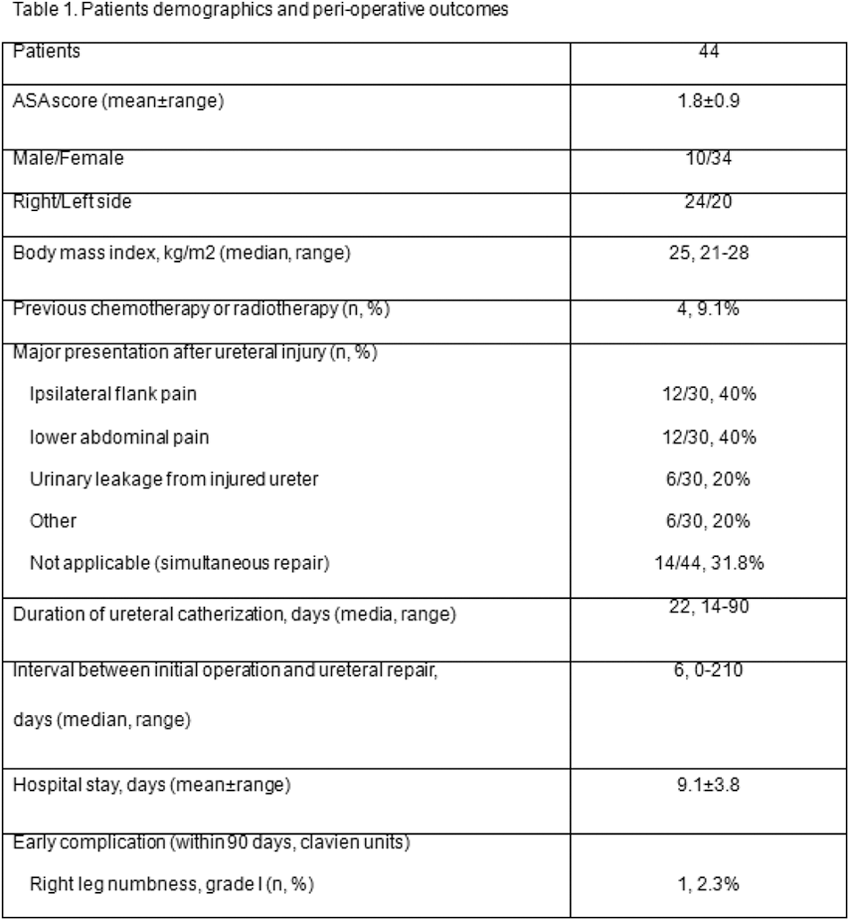
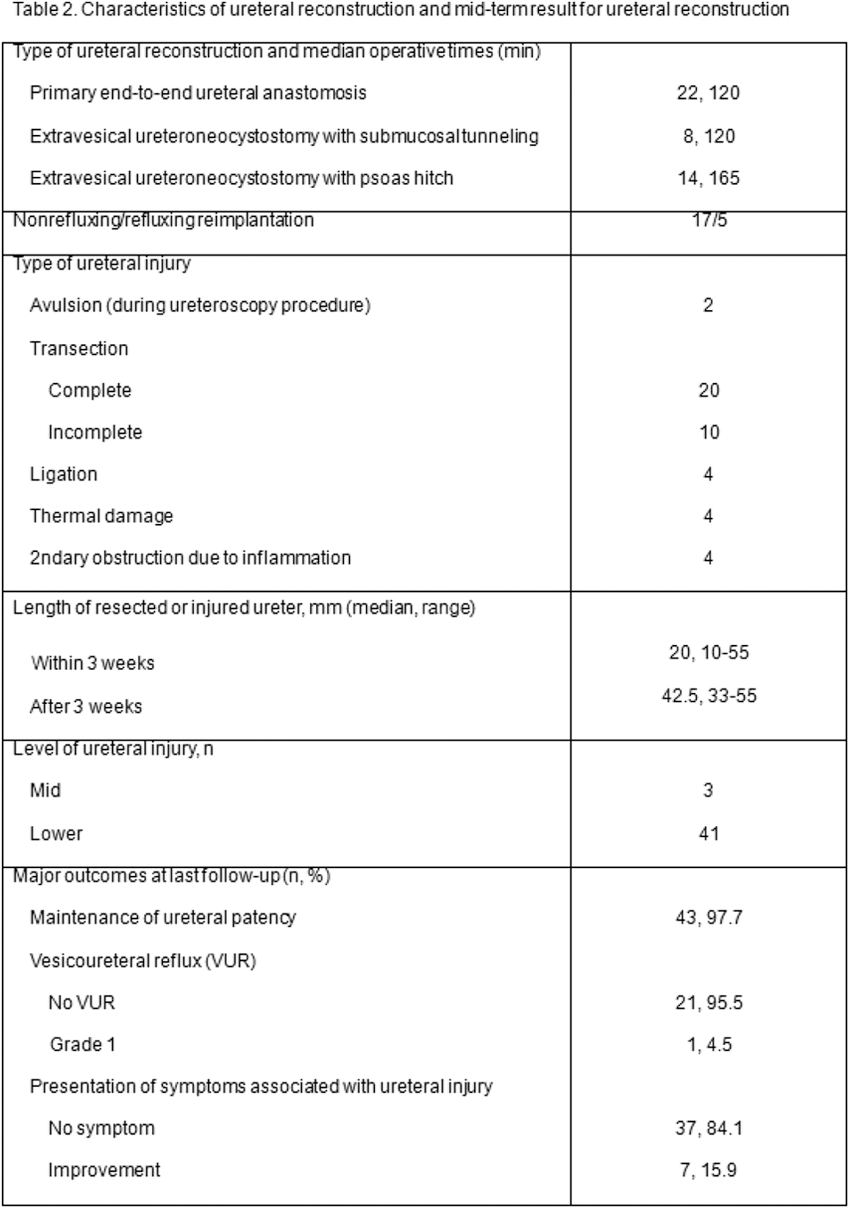
Laparoscopic Live Donor Nephrectomy: A single centre experience
Outcomes of laparoscopic donor nephrectomy in the presence of double renal arteries-Early experience in a developing Country
Right sided laproscopic donor nephrectomy-an apprehension overcome successfully
Laparoscopic Ureterocalicostomy: Experience of 11 Cases in a Single Institution
MP11: Urolithiasis: Miscellaneous
Renal stone and renal insufficiency – Outcome after definitive treatment

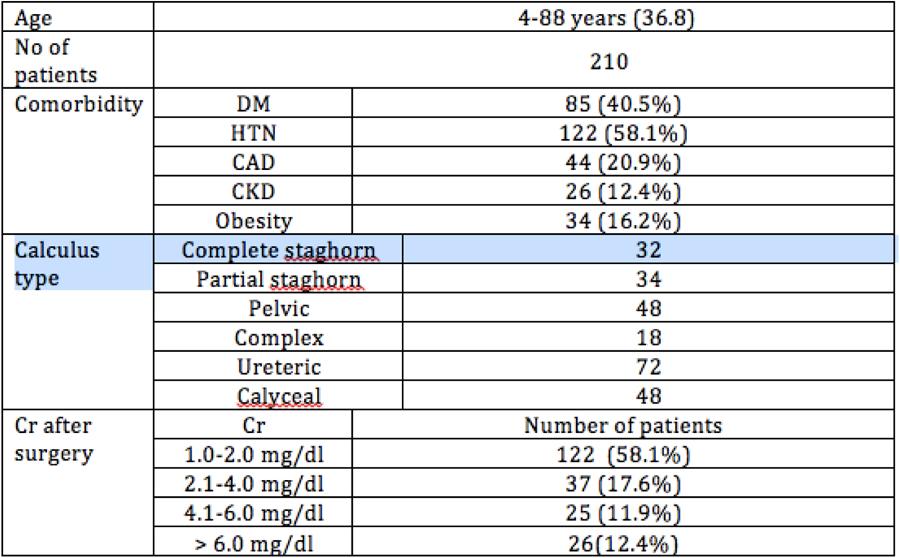
A prospective, observational study to investigate change of separate renal function in patients who underwent minimally invasive renal stone surgery according to the preoperative functional deterioration
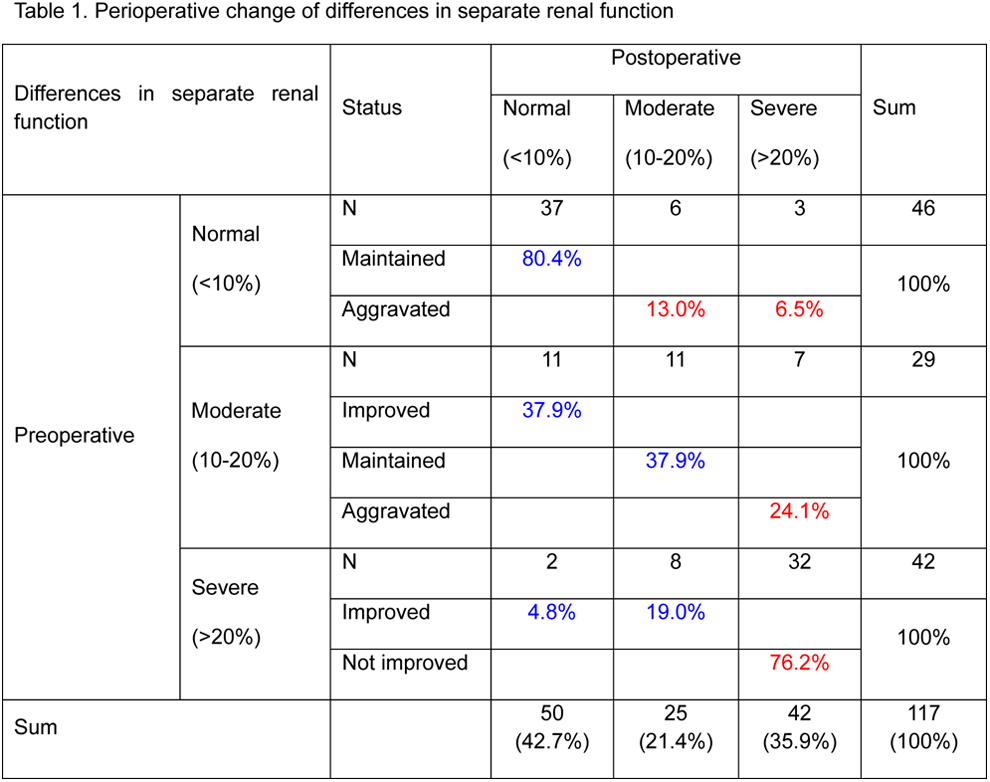
Early versus delayed treatment of ureteral calculi in patients admitted for urosepsis: a prospective cohort study
Exploring a surgerry with laparoscopic nephrec-lithotomy for the entired renal staghorn stone except PCNL for avoiding the uroseptic shock
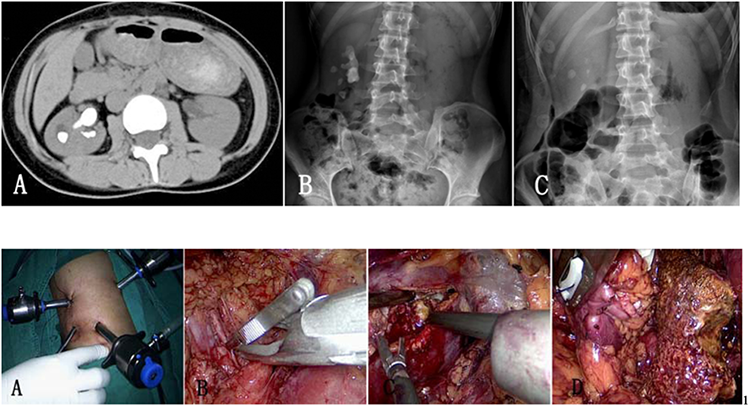
Complications of Nephrectomy for Pyonephrosis Based on Clavien Score

Comparative analysis of cost-effectiveness of kidney stone treatment procedures PCNL, RIRS and ESWL - Single center data
Teflon: A Foreign Body and Nidus for Stone Formation Following Guidewire Use
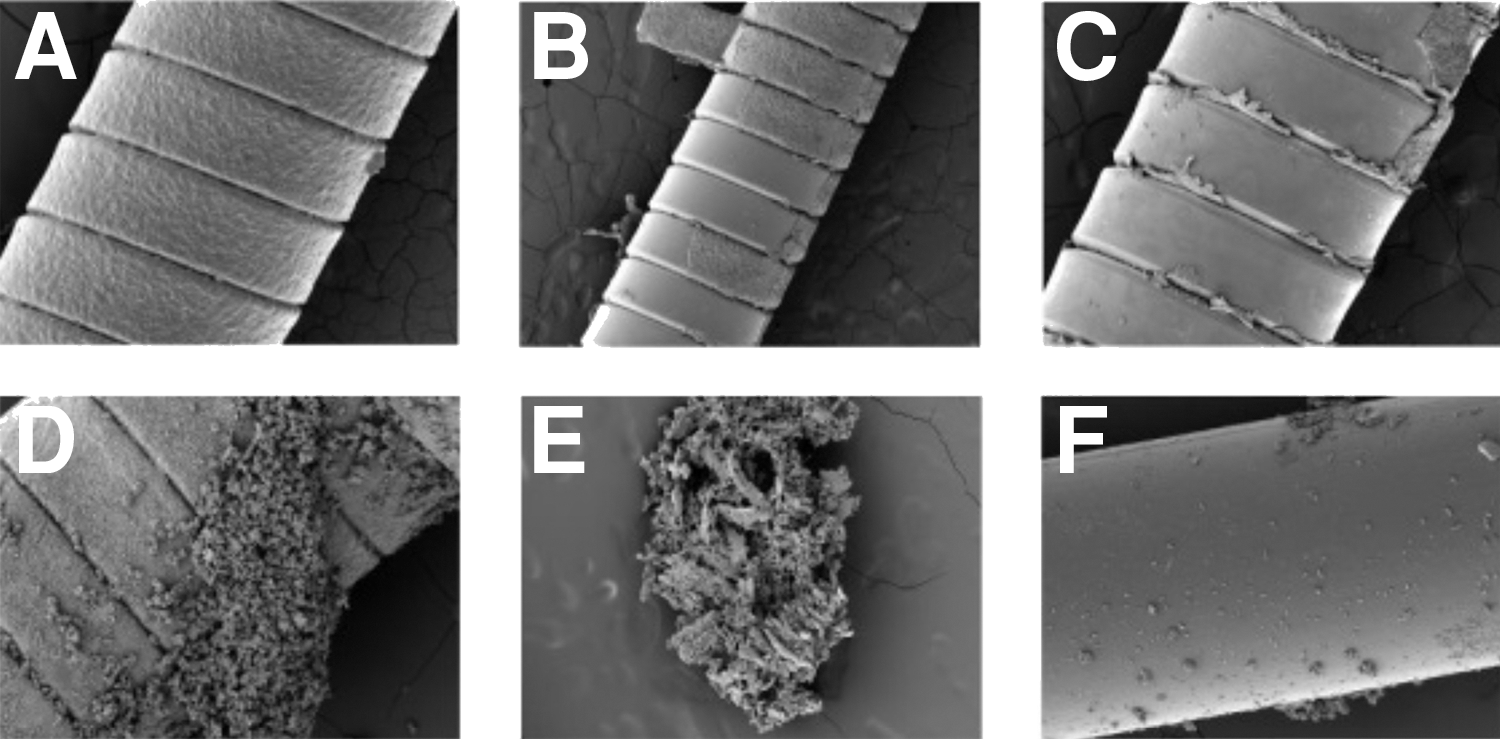
Impact of Nephrectomy in Patients with Recurrent Nephrolithiasis
Cost analysis of a newly introduced ureteric colic virtual clinic
The aim of this study was to analyse and compare the cost and time delay associated with referring patients who present to emergency department with acute onset of stone symptoms between the traditional pathway of referring to the out-patient department versus our newly established ureteric colic virtual clinic
We calculated the cost and the time delay associated with the traditional pathway (pathway1) with that of our VC (Pathway.2 above). Costs were calculated using the 2014–2015 National Cost Reference (upper Quartile).

Since the VC is associated with a significantly shorter ED to urologist review, it leads to a shorter time to intervention if required, a less ED re-attendances and subsequently less need to an emergency procedure that costs the health economy more.
Conservative management of staghorn stones – a systematic review
Innovation in Ureteral Stone Care Delivery after Emergency Department (ED) Visit: Matched Controlled Study
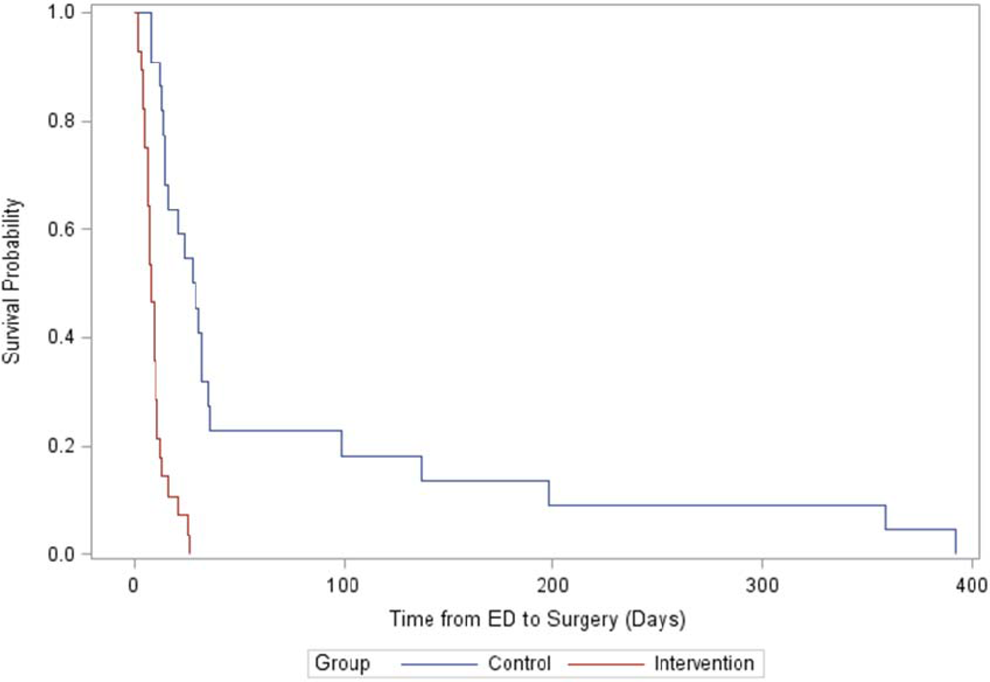
Association between WCC, CRP, Serum Creatinine and urinary tract calculi
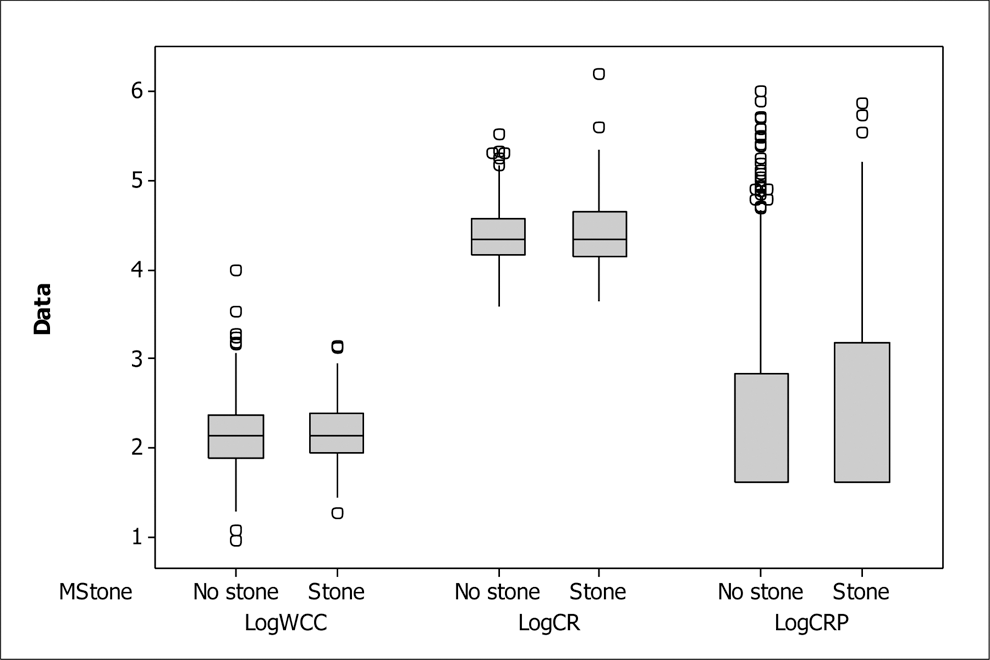

Identifying the need for a second procedure after initial surgical management in first-time adult stone-formers
Asymptomatic Renal Stones: Long term follow up from a tertiary hospital
There was no statistically significant difference between need for intervention between patients with multiple or solitary stones. Similarly, location of stone did not seem to affect stone passage or intervention rates. However, stone growth and increased stone growth velocity were both factors that did significantly lead to the patient requiring intervention (p = < 0.05).
Difficulties in the management of a case with complete pyelo-ureteral duplication with ectopic ureteral orifice
Does Metabolic syndrome and hyperuricemia effect the preoperative midstream urine culture and outcome of percutaneous nephrolithotomy and retrograde intrarenal surgery ?
Hydronephrosis and the Absence of Renal Colic: Results from ReSKU - The Registry for Stones of the Kidney and Ureter
Characteristics and Comparison of Treatment Methods of Single Ureteral Stones With or Without Pain: A Single Center Experience
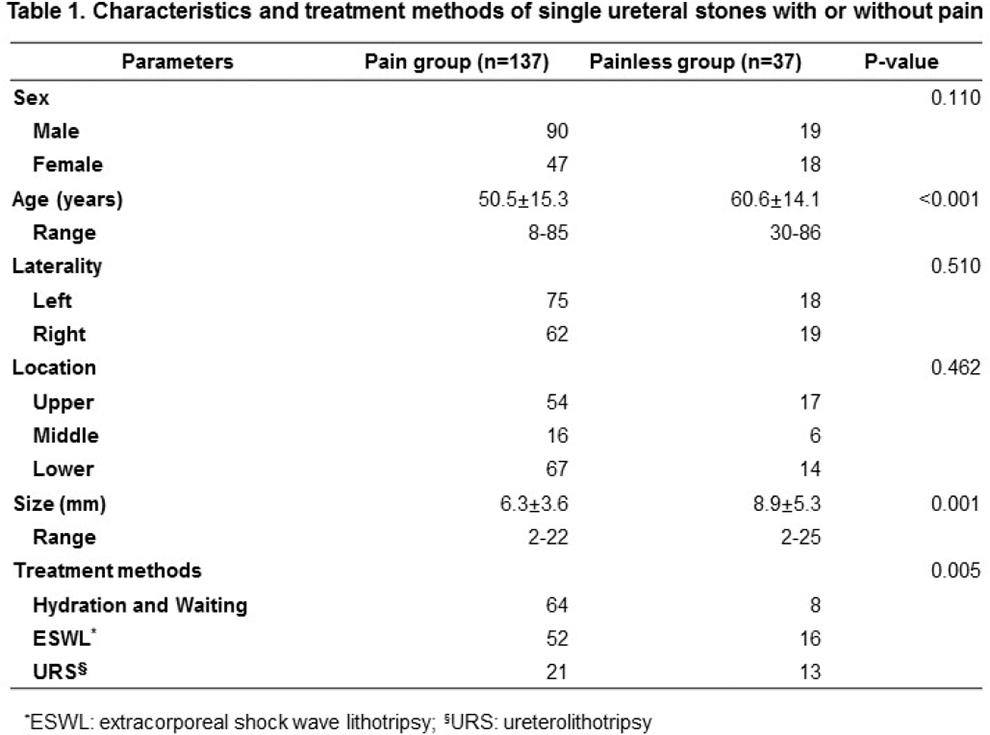
Medial deviation of the ureter is a new reliable sign of stone impaction


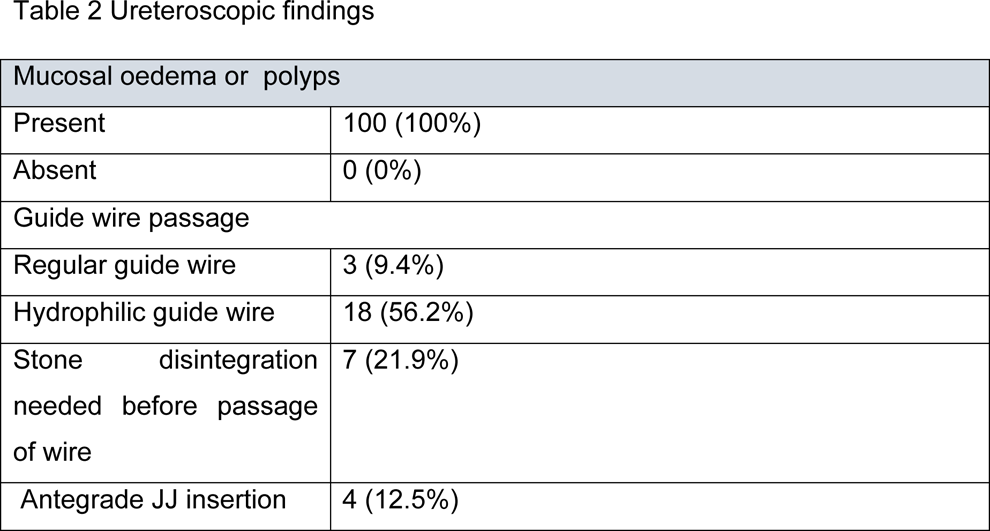
Stone and Fragments Entirely Removed (SaFER); the necessary minimum standard for cystine stone formers? Outcomes from a University Teaching hospital

What is the optimal management and follow-up of struvite stone patients? Outcomes from our University teaching hospital

Association between deprivation index and infection stones: 7-year results from a University teaching hospital
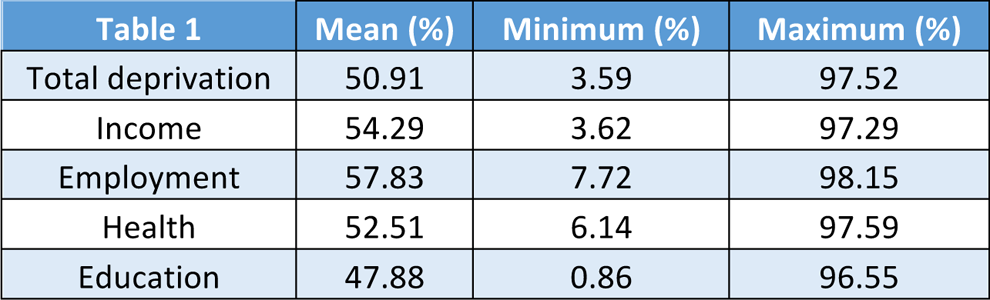

Outcomes of Post renal stone surgery hematuria: A tertiary care center experience
Horseshoe kidney stones, different management options, single center experience
MP12: BPH/LUTS (ii)
Bipolar transurethral resection of prostate safety and efficacy in large glands >80 gms
Comparision of safety, efficacy, outcome and early peri-operative complications between Thulium Laser prostatectomy and conventional TURP
1) changes in serum electrolyte in postoperative period.
2) change in haemoglobin and hematocrit in postoperative period.
3) occurence of any postoperative complication as TUR syndrome, hematuria, need for blood transfusion, clot retention
4) duration of catheterization and hospitalization time
1) age,prostatoic volume, pre-op Hb, PCV and pre-operaive serum osmolality
2) operative time, weight of prostate resected, drop in Hb, drop in osmolality, cathetrisation time and hospitalisation period were noted.
3) Early post-operative complications like infection, recatheterisation, bleeding, clot retention.
Outcome and complications of bipolar transurethral resection in Saline (TURIS) in 285 BPH patients with retention of urine
How I do choose for treatment option of laser prostatectomy in patients with large size prostate over 50 g?
In vitro “real life” morcellator simulation comparing the reference with a new prototype
To compare a new rotation morcellator prototype for prostate morcellation (Jena Surgical GmbH, Germany) (JS) with the reference model (Piranha, Richard Wolf GmbH, Germany) using a “quasi real life” in vitro simulation. With the highest average morcellation speed, lowest consumption of irrigation fluid and lowest number of piece-losses due to the direct suction and new blade design, the results for the new morcellator prototype are promising. Nevertheless in vivo results are pending.
Photoselective vaporization of the prostate with the GreenLight 180 W laser for benign prostate hyperplasia allows it a precocious urinary catheter removal ?

Risk factors of reoperation after 180 W GreenLight laser photoselective vaporization of the prostate in the treatment of benign prostatic hyperplasia
Bipolar plasma enucleation versus standard prostatectomy – a long term clinical comparison in cases of high volume benign prostatic obstruction
Prostatic Urethral Lift: A Minimally Invasive Procedure for Benign Prostatic Hyperplasia Without Sexual Function Compromise
Prostatic Urethral Lift: Does Size Matter?
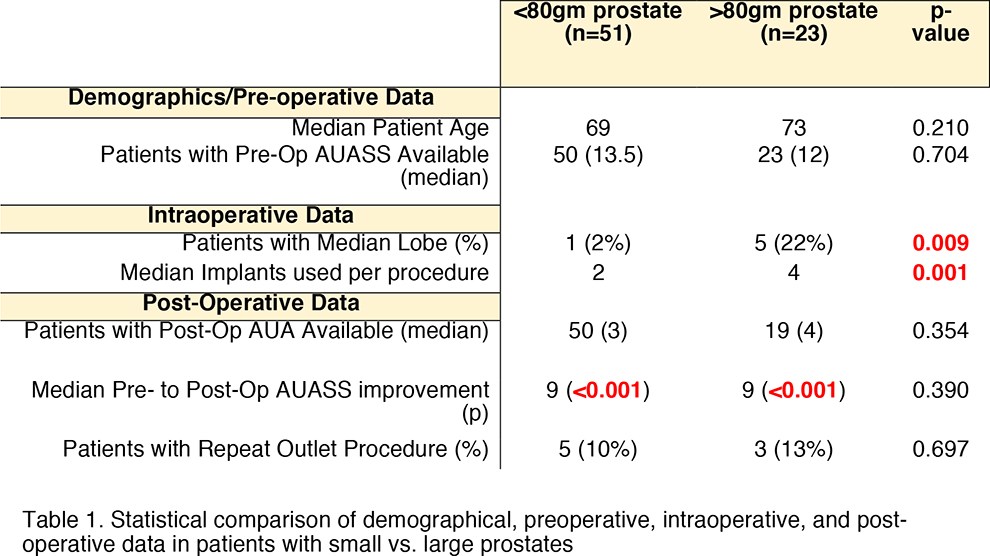
Medium term outcomes of Urolift (minimum 12 months follow-up): Evidence from a systematic review
Initial experience of Prostatic Urethral Lift (Urolift); a minimally invasive treatment for symptomatic benign prostatic hyperplasia
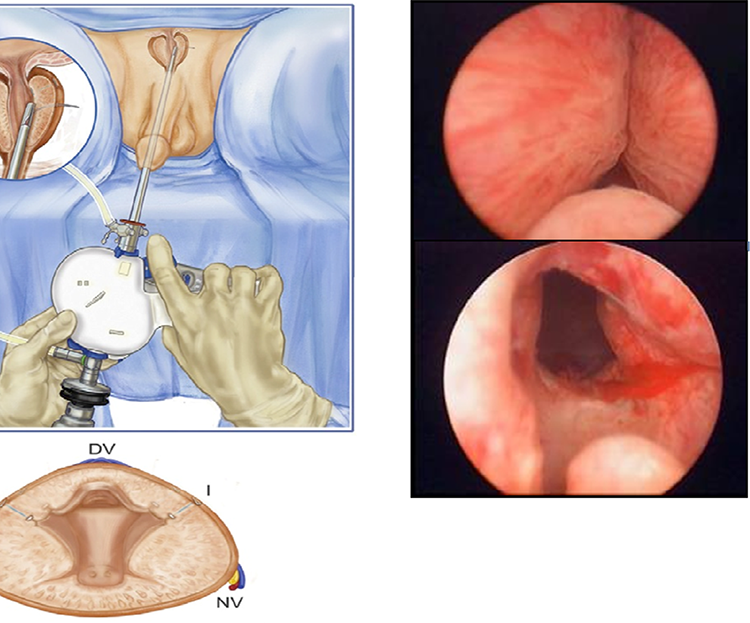

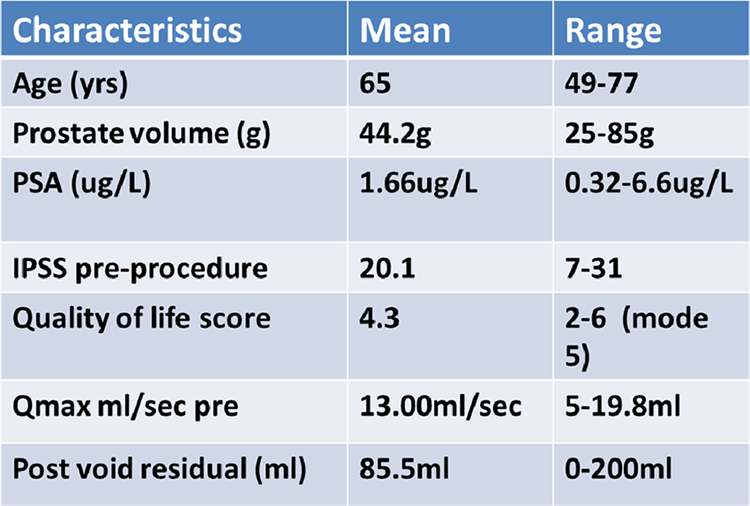
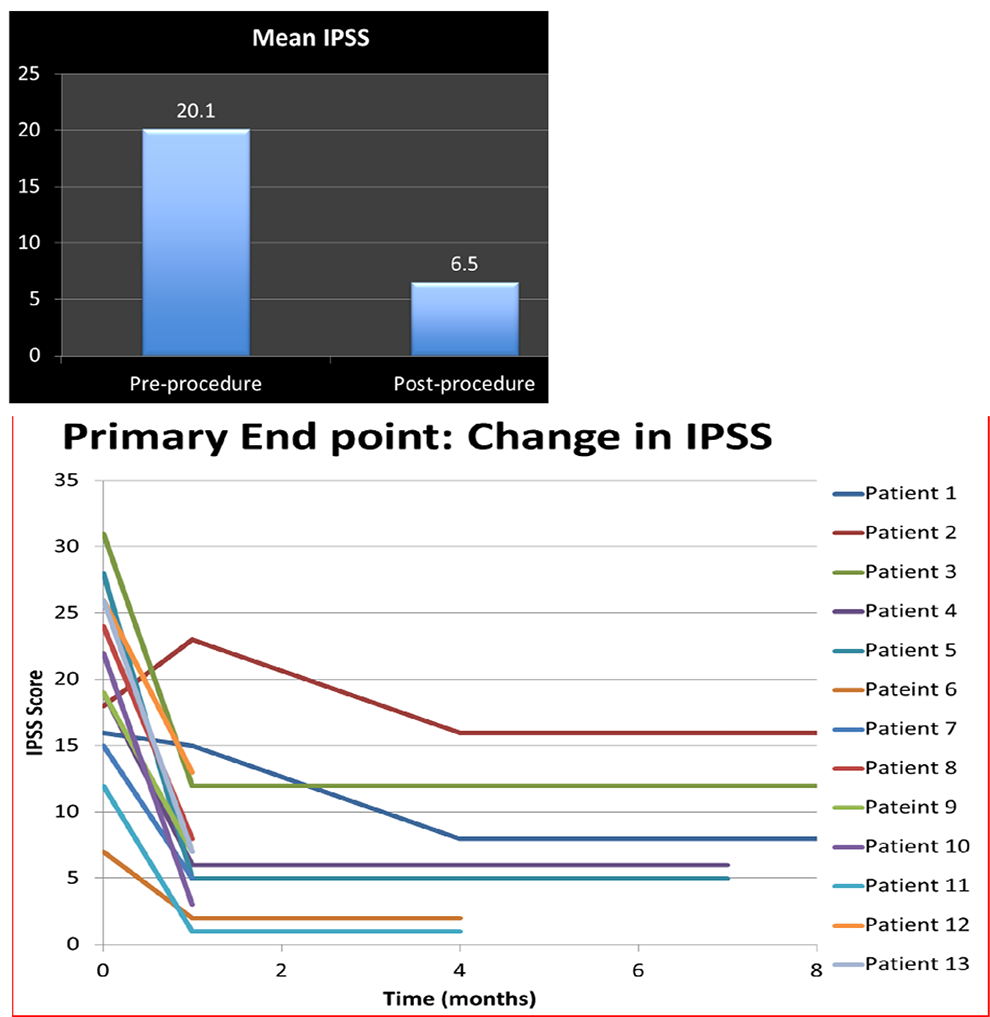

A Prospective, Randomised Trial Comparing Holmium Laser enucleation of the prostate (HoLEP) to Standard Transurethral Resection of the Prostate for Symptomatic Benign Prostatic Hyperplasia: Two-year Follow-up Results
The clinical effectiveness of bipolar and monopolar transurethral resection of the prostate over 60 milliters
Transurethral resection of Prostate- lessons learnt
In the immediate postop period there was significant drop in TUR syndrome and clot evacuation (p > 0.01) in group B. In the late complications there is significant drop in the incidence of meatitis, meatal stenosis, stricture urethra & bladder neck stenosis (p > 0.001) in group B.
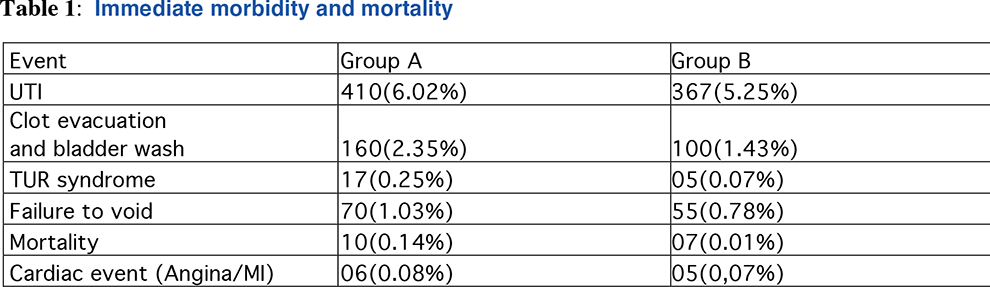
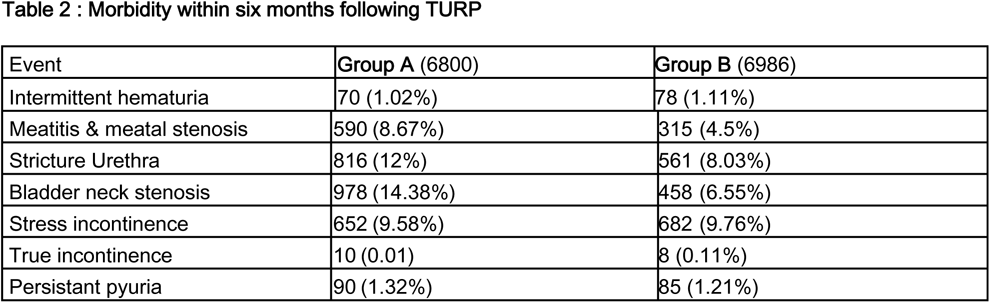
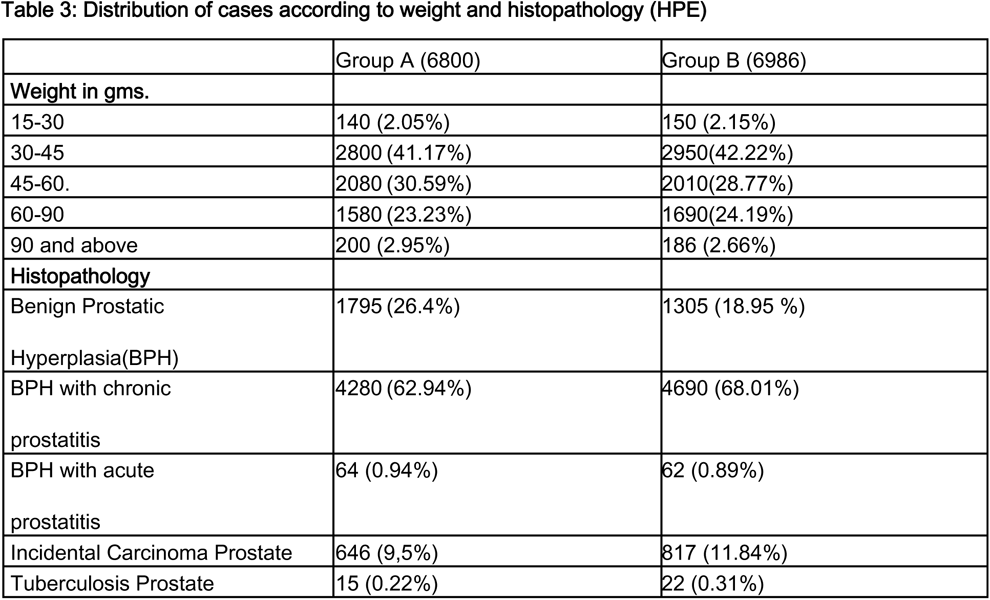
Erythrocyte Sedimentation Rate As A Predictor Of Success Of Trial Voiding Without Catheter After Transurethral Electrosurgical Resection Of Benign Prostatic Hyperplasia
Transurethral electrosurgical Resection of the Prostate (TURP) is the current gold standard for management of patients with Benign Prostatic Hyperplasia presenting with moderate to severe lower urinary tract symptoms. The success of operation is determined when after resection of the prostate following removal of indwelling Foley catheter several days post-operative, the patient is able to void freely without catheter. Several factors are enumerated in different articles that may affect trial voiding without catheter (TWOC). McKinnon et al. cited that factors such as prostate weight, clot retention, urinary tract infection and acute urinary retention prior to surgery influenced success of TWOC after TURP. In the study by Lodh et al., age, transition zone volume, Transition Zone Index, residual urine volume, and intravesical prostatic protrusion are identified as important independent predictors of unsuccessful trial voiding without catheter or TWOC. It has never been mentioned whether the edema of the post-operative site or the persistent inflammation of the prostate after resection may cause the failure of TWOC. Extensive online review yielded no study investigating the use of laboratory tests for inflammation, such as ESR, as tools in predicting successful voiding after TURP. The primary objective of this study therefore is to determine if ESR can be a reliable predictor of success of TWOC in patients who will undergo TURP for Benign Prostatic Hyperplasia (BPH) and to explore the different factors that may affect success rate of TWOC.
Comparison of transurethral incision and silodosin in LUTS patients in terms of retrograde ejaculation
The efficacy and safety of conventional TURP in the old aged patients with large volume of prostate


Greenlight laser (XPSTM) 180 W Photoselective vaporization of the prostate (PVP) for treatment of Benign Prostate Hyperplasia in patients with chronic liver disease
4 Year Results of the Randomized, Controlled, Blinded, Multi-center Study for the Prostatic Urethral Lift: the L.I.F.T. study
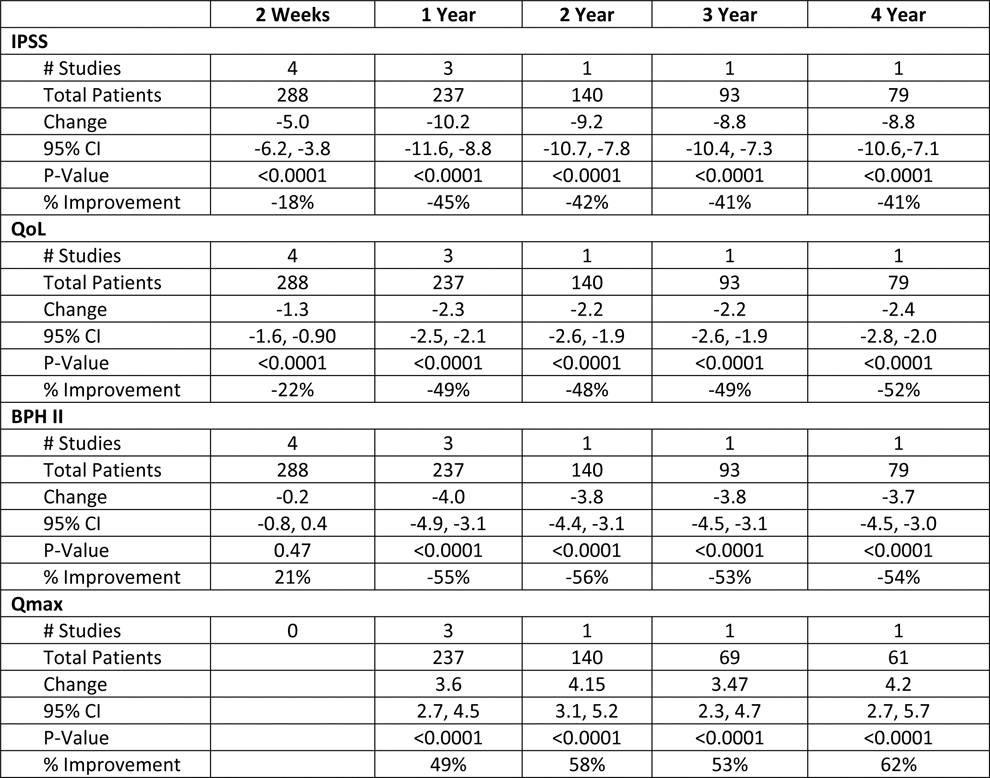
Transurethral resection of prostate in benign prostatic enlargement with hypocontractile bladder- a retrospective outcome analysis

Photoselective vaporization of the prostate using GreenLight Laser can reduce the post operative urinary catheter lenght of time
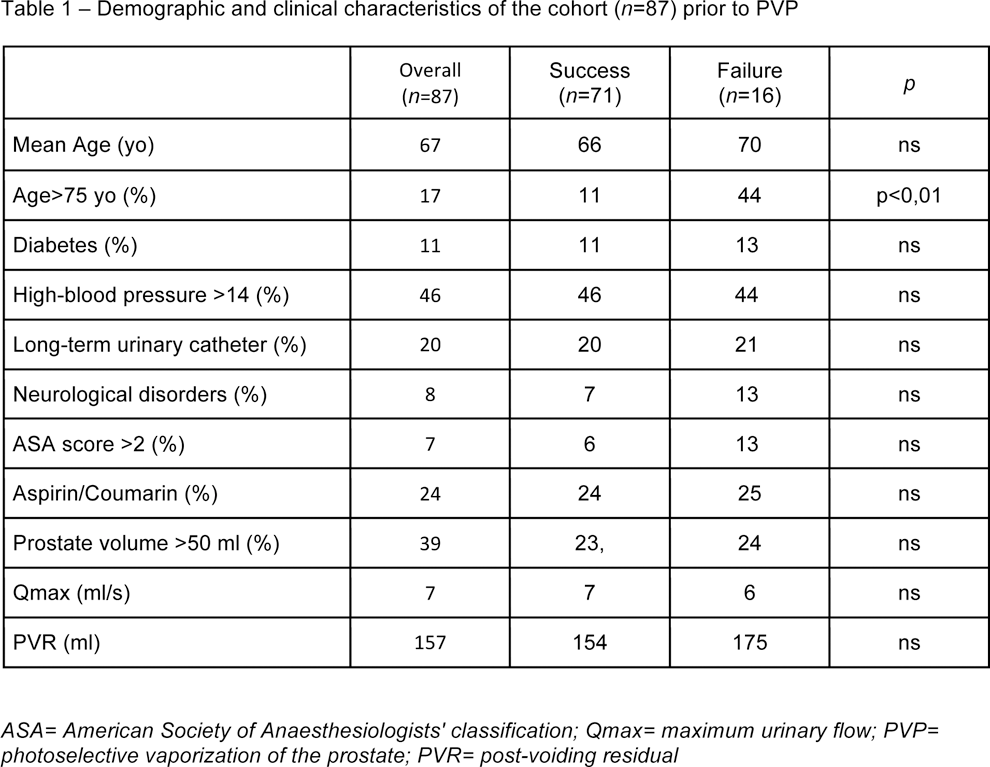
Current transurethral treatment strategies of benign prostatic obstruction in patients on oral anticoagulation
Holmium Laser Enucleation of the Prostate is an Effective Treatment in Patients with Concomitant Bladder Diverticula and Outlet Obstruction
MP13: Robotic/Laparoscopic Surgery: Lower Tract - Malignant Prostate (I)
Prospective non-randomized comparison of ’Touch” Cautery versus Athermal dissection of the Neurovascular bundles (NVB) during RARP

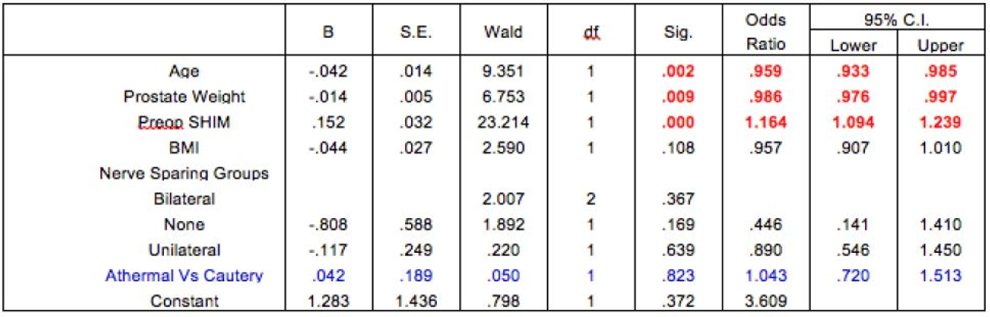
Development and Validation of an Objective Scoring Tool for Robot-Assisted Radical Prostatectomy: Prostatectomy Assessment and Competency Evaluation (PACE)

Retzius-sparing Robot-assisted Laparoscopic Radical Prostatectomy (RS RALP): initial experience of single surgeon
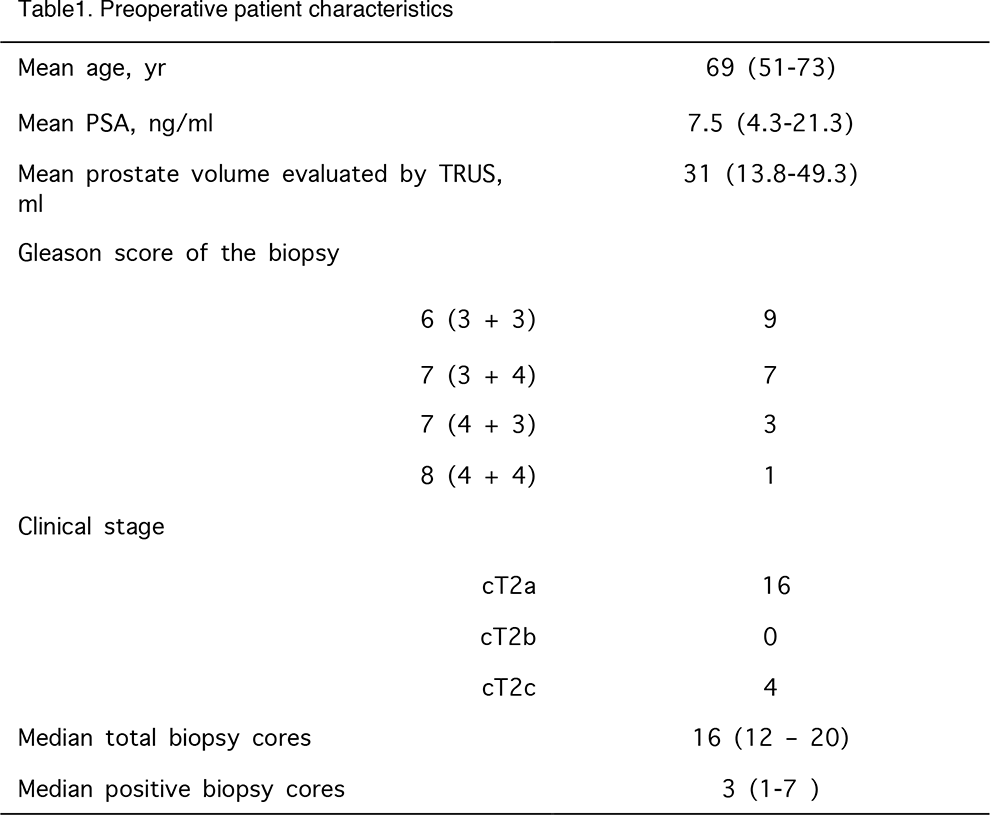
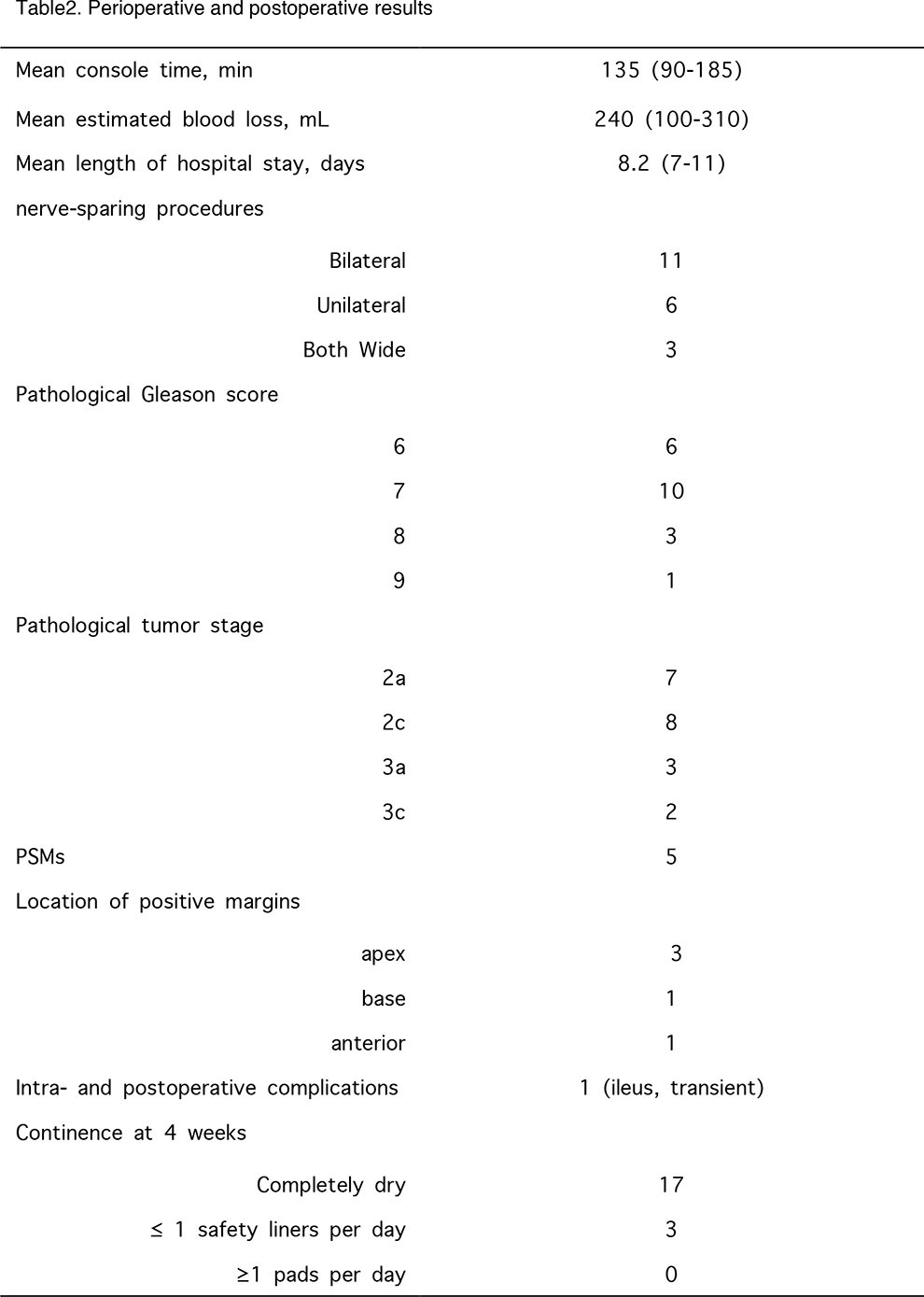
A Modified Urethrovesical Anastomosis Technique During Robot Assisted Radical Prostatectomy Improves Early Continence Rates
Improved Functional Outcomes with Incremental Nerve-sparing after RARP
Improved Outcomes Utilizing Airseal Technology during Robotic Prostatectomy
The efficacy of lateral approach of bladder neck dissection during robot-assisted radical prostatectomy
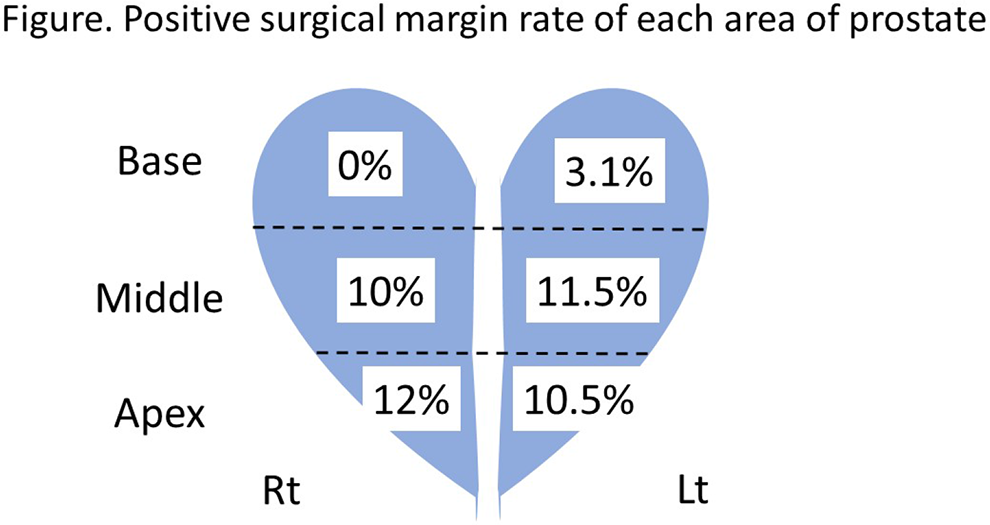
Initial experience of 140 cases of robot-assisted laparoscopic prostatectomy in Oita Japan
Extended pelvic lymph node dissection at the time of laparoscopic radical prostatectomy improves biochemical free survival for intermediate risk prostate cancer
Impact of Robot Assisted Laparoscopic Radical Prostatectomy on Voiding Improvement in Patients with Lower Urinary Tract Sympotms
Establishing the Standard for Preserving the Bladder Neck During Robot-Assisted Laparoscopic Radical Prostatectomy: Challenging Results
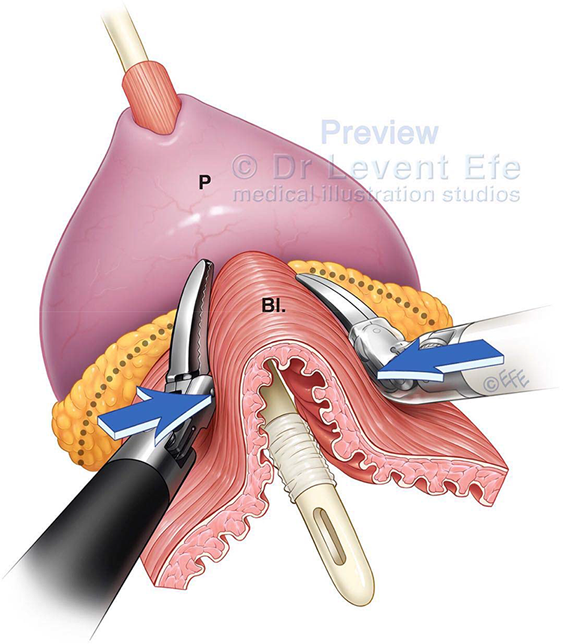


Extraperitoneal robot-assisted radical prostatectomy: a prospective cohort analysis at a single institution of over 500 patients
Interobserver Variability Between Pathologists During Microscopic Evaluation Of Pelvic Lymph Nodes During Robot-Assisted Radical Prostatectomy
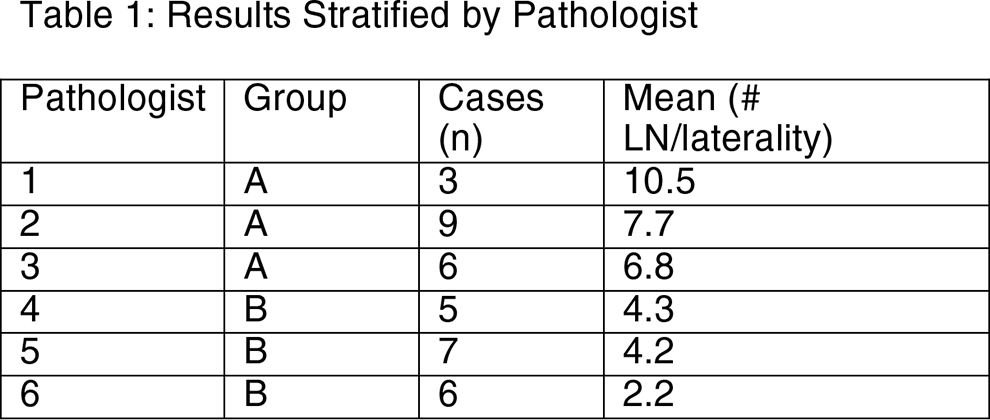
Intra-Surgical Total and Re-Constructible Pathological Prostate Examination for Safer Margins and Nerve Preservation: ISTANBUL Preserve
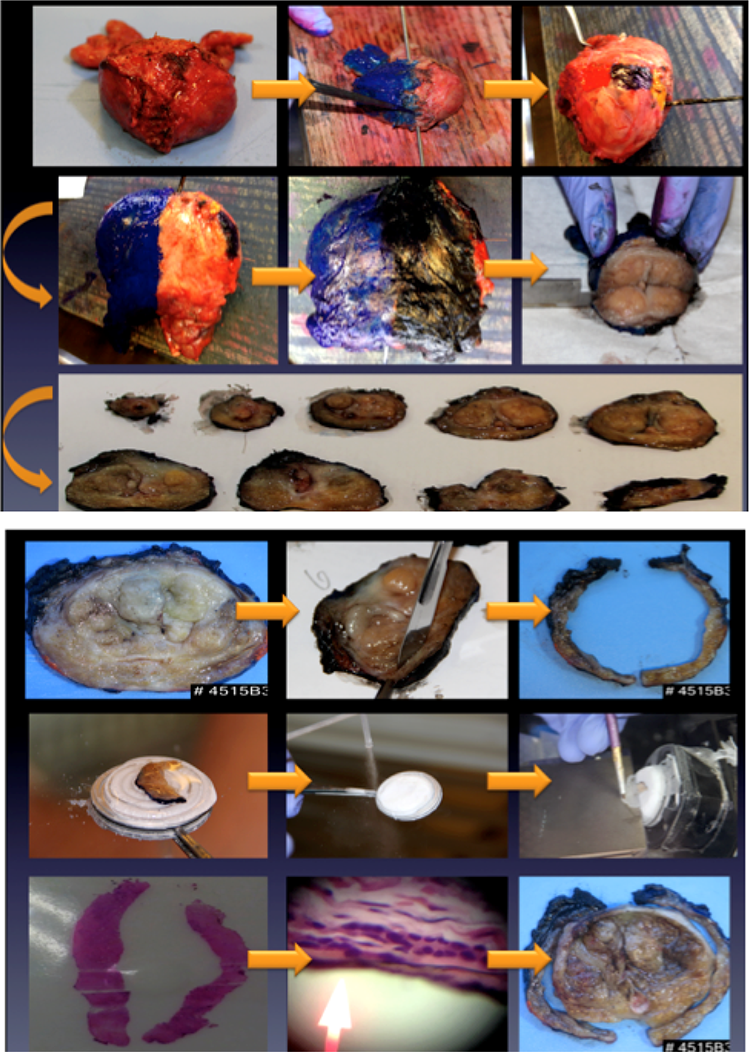
The association between the outcomes of extraperitoneal laparoscopic radical prostatectomy and the anthropometric measurements of the endorectal coil magnetic resonance imaging
MP14: Robotic Surgery: Upper Tract - Malignant (I)
External Validation of the DAP score in predicting post partial nephrectomy outcomes and comparison to RENAL score
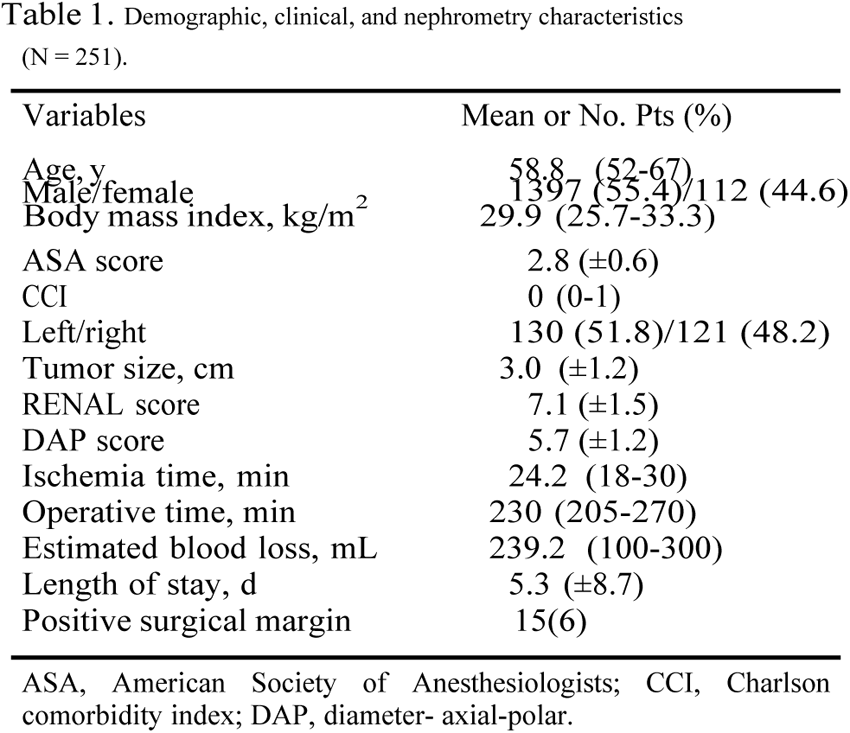
Safety And Efficacy Of Laparoscopic And Robot-Assisted Renal Surgery In The Extremely Obese (BMI >40 kg/m2) And Beyond (BMI >50 kg/m2)
Robotic anatrophic kidney split for nephron sparing surgery for complete intrasinus renal tumor: two cases report
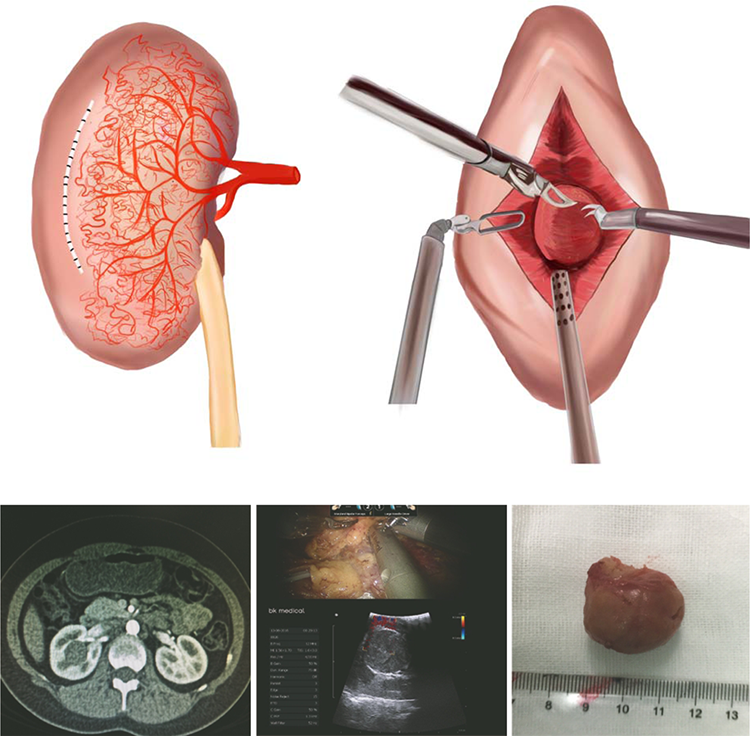
Off-Clamp Robot-Assisted Partial Nephrectomy Does Not Benefit Short-Term Renal Functional Outcomes
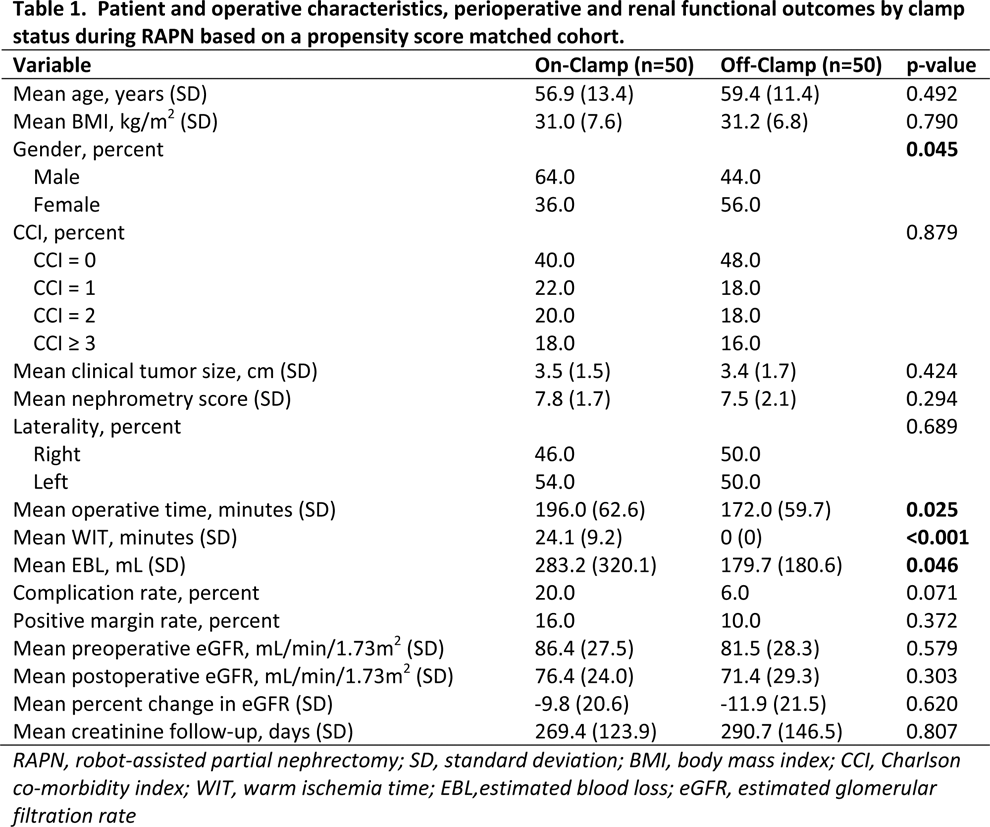
Feasibility and Outcomes of Robotic Nephroureterectomy (RNU) in Patients with Multiple Prior Percutaneous or Endourological Interventions
R.E.N.A.L. Nephrometry Score > = 9 Predicts Prolonged Warm Ischemia Time (>25 minutes) During Robotic Partial Nephrectomy
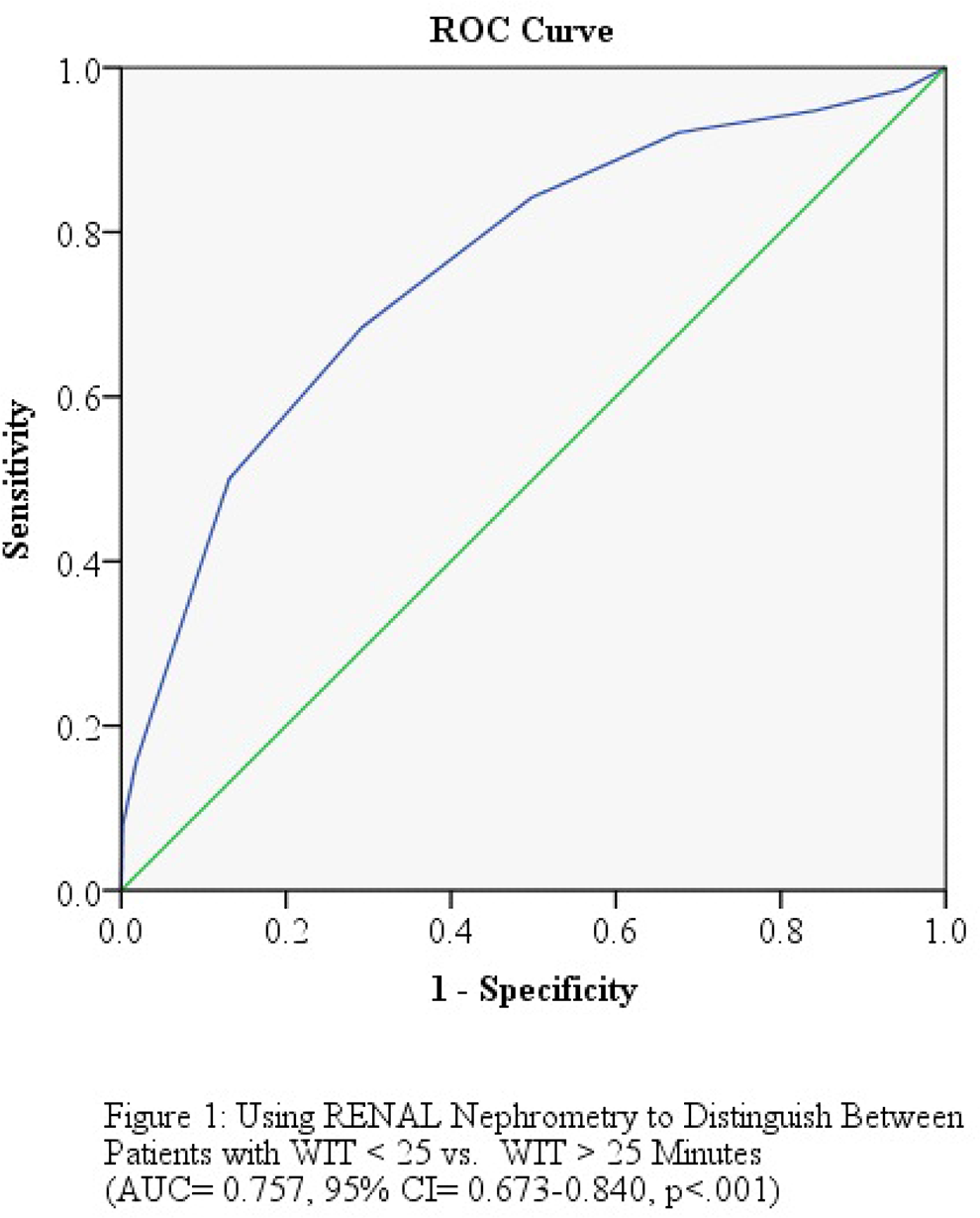
R.E.N.A.L. Nephrometry Score Predicts Pathologic Non-Neoplastic Parenchymal Volume Removed and Subsequent Decline in Renal Function

Anatomical Tumor Location and Robotic Partial Nephrectomy Outcomes
Main Renal Artery Clamping with or without Renal Vein Clamping During Robotic Partial Nephrectomy for Clinical T1 Renal Masses
A Multi-Institutional Review of Post-Operative Complications in 1,248 Patients Undergoing Robotic Partial Nephrectomy
Safety and feasibility of off-clamp robot-assisted laparoscopic partial nephrectomy with soft coagulation
Robotic vs Open Partial Nephrectomy for Patients with Pre-Existing Chronic Kidney Disease
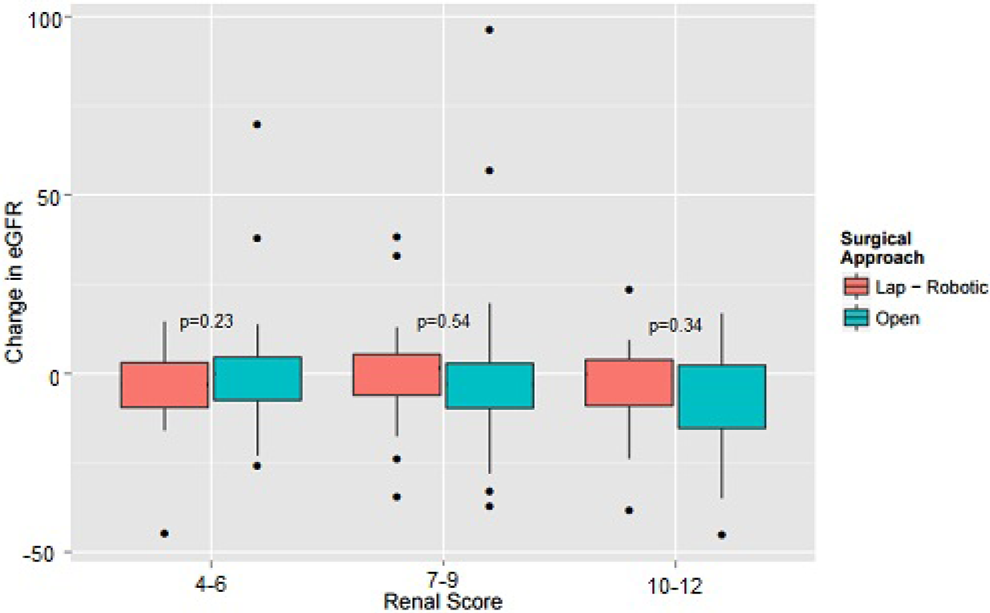
Comparison of the width of peritumoral surgical margin in open and robotic partial nephrectomy: a propensity score matched analysis

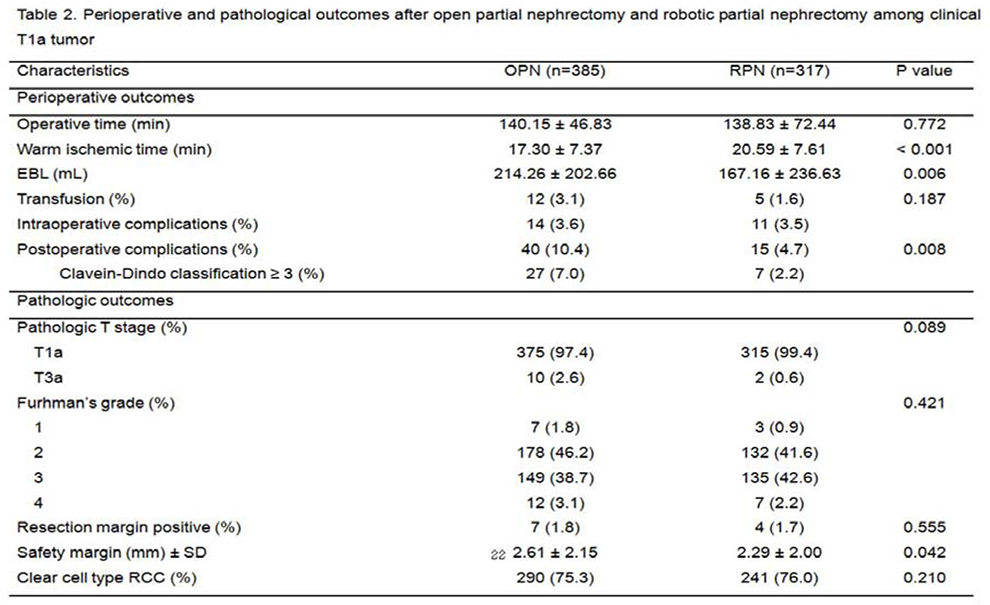

Single Digit Warm Ischemia Time - Is There a Benefit?

Warm Ischemia Time – Does Size Matter?


Modified Running V-loc Technique Minimizes Warm Ischemia Time
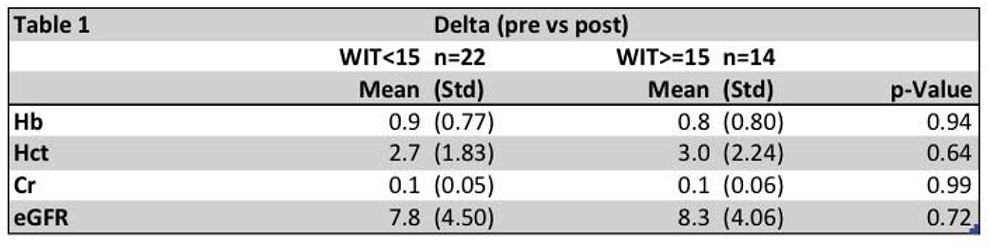
Withdrawn
RENAL Nephrometry Score May be Used as a Surrogate for Complexity of Partial Nephrectomy
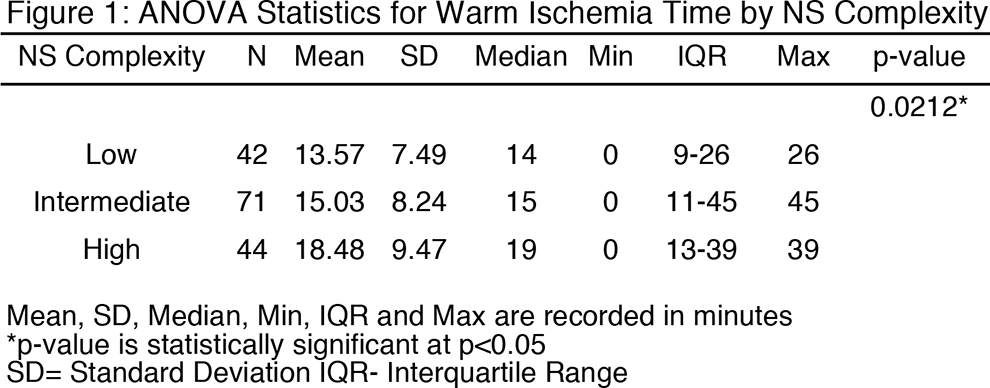
Treatment trends and long-term survival associated with cryotherapy and partial nephrectomy for small renal masses in the National Cancer Database: A propensity score matched analysis
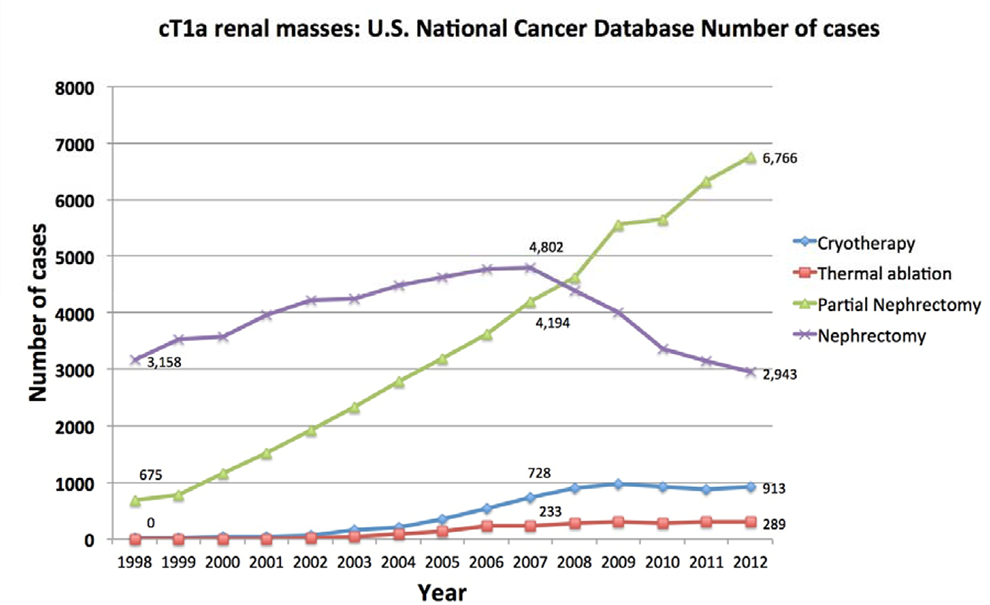
The functional benefit of Robotic Partial Nephrectomy based on renal volumetric and anatomical analysis
The Impact of Warm Ischemia On Robotic Partial Nephrectomy
MP15: Laparoscopy: Upper Tract – Malignant
Impact of Adherent Perirenal Fat on Retroperitoneal Laparoscopic Partial Nephrectomy
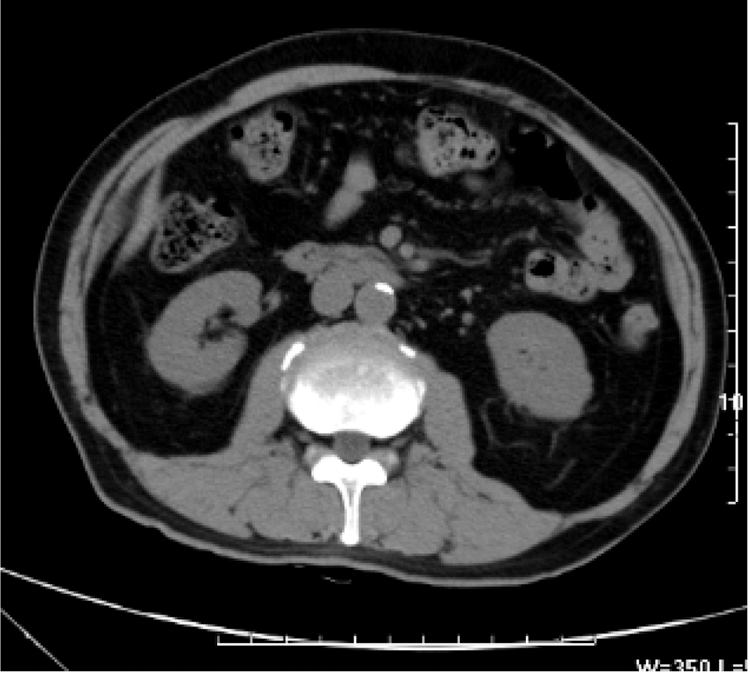

Early reinstatement of continuous ambulatory peritoneal dialysis after retroperitoneoscopic nephroureterectomy
Retroperitoneal laparoscopy and transperitoneal laparoscopy treatment for left renal carcinoma with inferior vena cava tumor thrombus
Is there a difference in clinicopathological outcomes of renal tumor between young and old patients?
The safety of retroperitoneal laparoscopic nephron-sparing sugery for clear cell tubulopapillary renal cell carcinoma
Analysis of renal preservation essential for trifecta outcome of laparoscopic partial nephrectomy
Oncologic outcomes in patients with radical nephroureterectomy for the treatment of upper tract urothelial carcinoma: Comparison between open and laparoscopic approaches
The Innovation and Development of Laparoscopic nephroureterectomy: The experience of our center
A prospective evaluation of laparoscopic transperitoneal radical nephrectomy for large renal tumors(clinical T2N0M0): A single centre, single surgeon experience
Modified approach of laparoscopic radical nephrectomy in large (T2) right sided renal tumors
One may argue that in such tumor the entire procedure could have been carried out retroperito-neoscopically itself, but in view of the limited space with large tumor in situ, it is difficult to proceed further after clipping the renal artery. It is worth mentioning that it is also very tricky to tackle the adrenal gland by RP approach especially in cases of upper polar tumor.
Open bladder cuff excision during laparoscopic radical nephroureterectomy results in less local recurrences
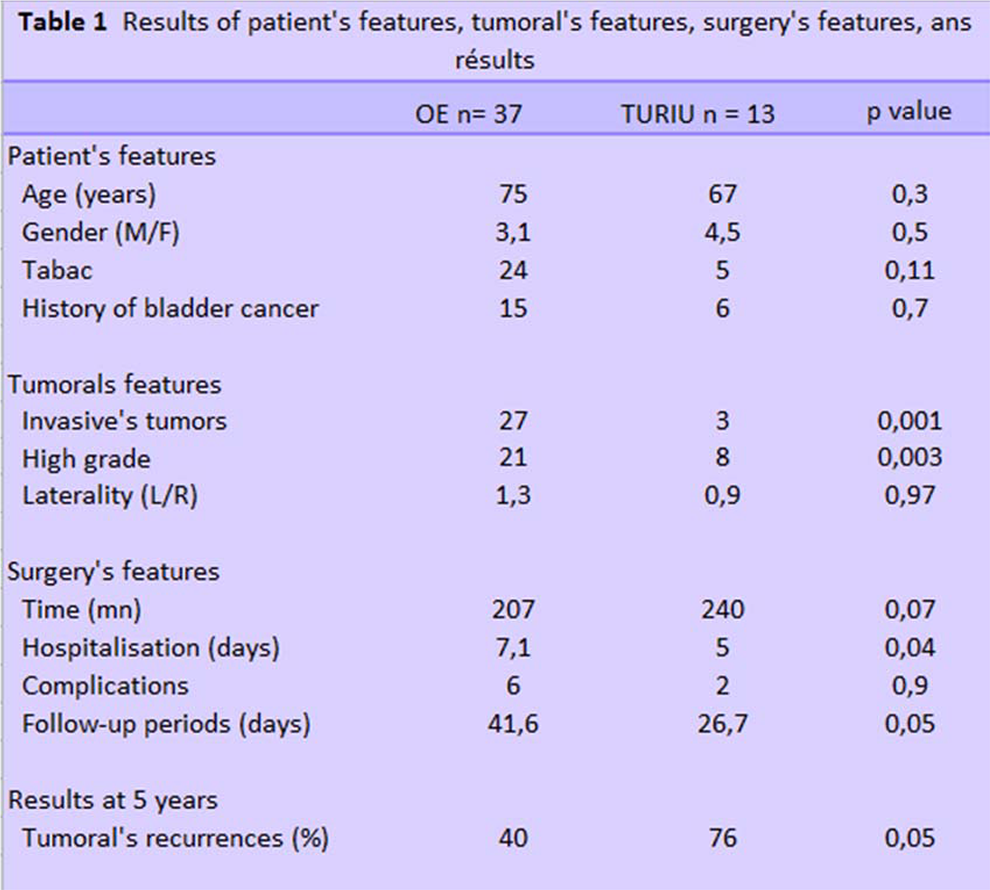
Totally retroperitoneal laparoscopic radical nephrectomy with Inferior Vena Cava Thrombectomy (Mayo I-III)
A novel “3S+f” Nephrometry score system to evaluate the technical complexity of laparoscopic nephron-sparing surgery

Is Hand-Assisted Laparoscopic Nephrectomy (HAL-N) a feasible minimally-invasive approach to tackle complex renal surgery?
Histologic abnormalities in non-neoplasic renal parenchyma and the risk of chronic kidney disease following radical nephrectomy

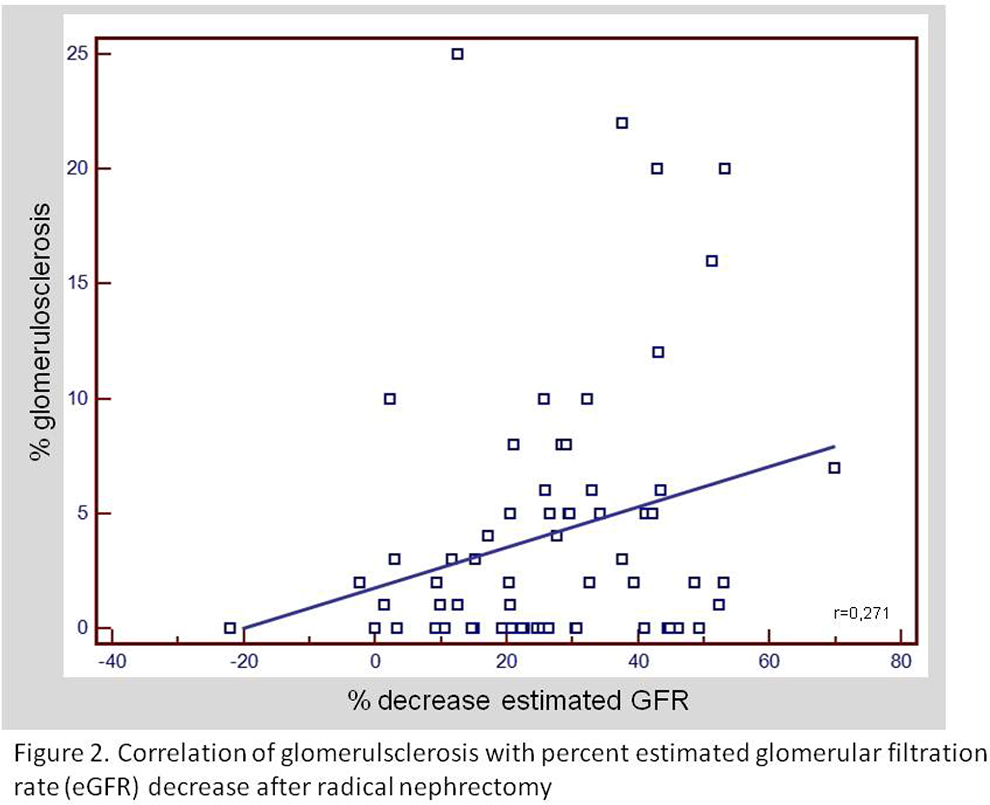


Synthetic Renal Capsule Tailoring (SYRCT): A Novel Renoraphy Technique after Subcapsular Dissection of Renal Tumors with Severe Adherent Perirenal Fat During Laparoscopic Partial Nephrectomy
Laparoscopic partial nephrectomy with segmental renal artery clamping
Comparative study of off-clamp, laparoscopic partial nephrectomy (OC-LPN) and conventional hilar control laparoscopic partial nephrectomy (HC-LPN) for renal tumors; intermediate - term results of renal function change
Postoperative renal functional loss recovers during intermediate term follow-up in elective laparoscopic partial nephrectomy with extended warm ischemia application

Preoperative neutrophil-lymphocyte ratio predicts more aggressive pathology and poorer survival among patients with localised renal cell carcinoma undergoing nephrectomy
Laparoscopic Radical Nephrectomy For Renal Cell Carcinoma In A 38 cm Renal Specimen
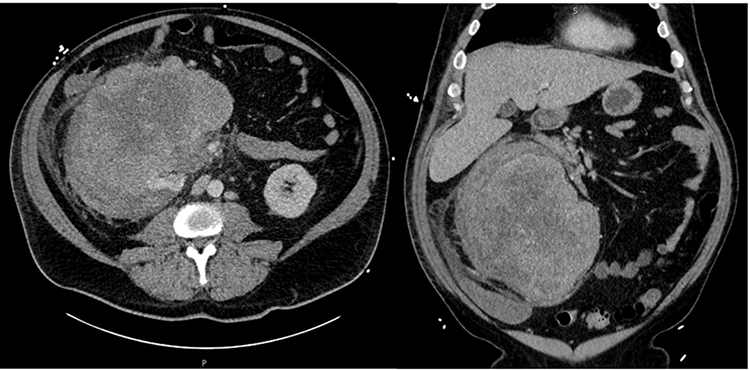
Laproscopic Radical Tumor Nephrectomy - SIUT Experience
Initial experiences of hand-assisted laparoscopic “Zero Ischemia” partial nephrectomy
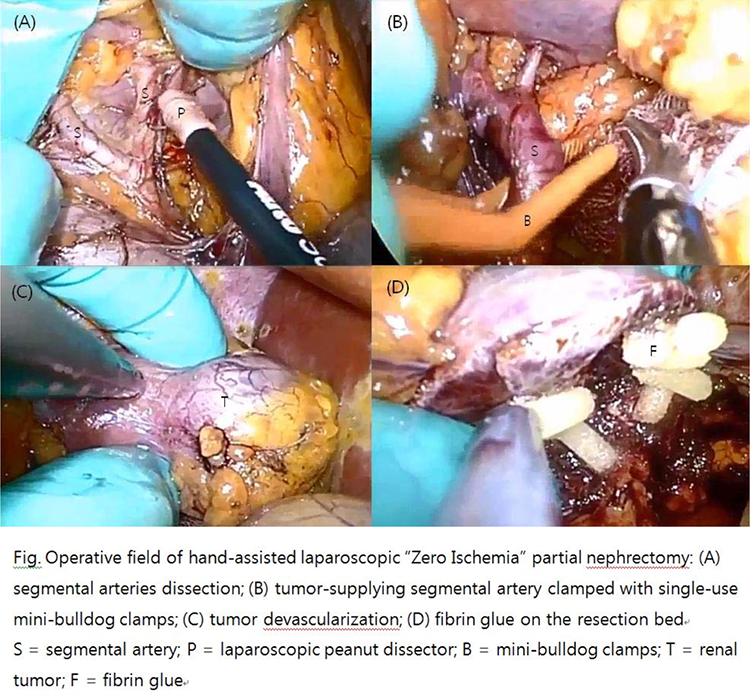
MP16: Ureteral Stents
Metallic ureteral stent in the management of benign and malignant ureteric obstructions: Six years experience
Complete Intraperitoneal Misplacement of a Double J Stent: Laparoscopic Removal
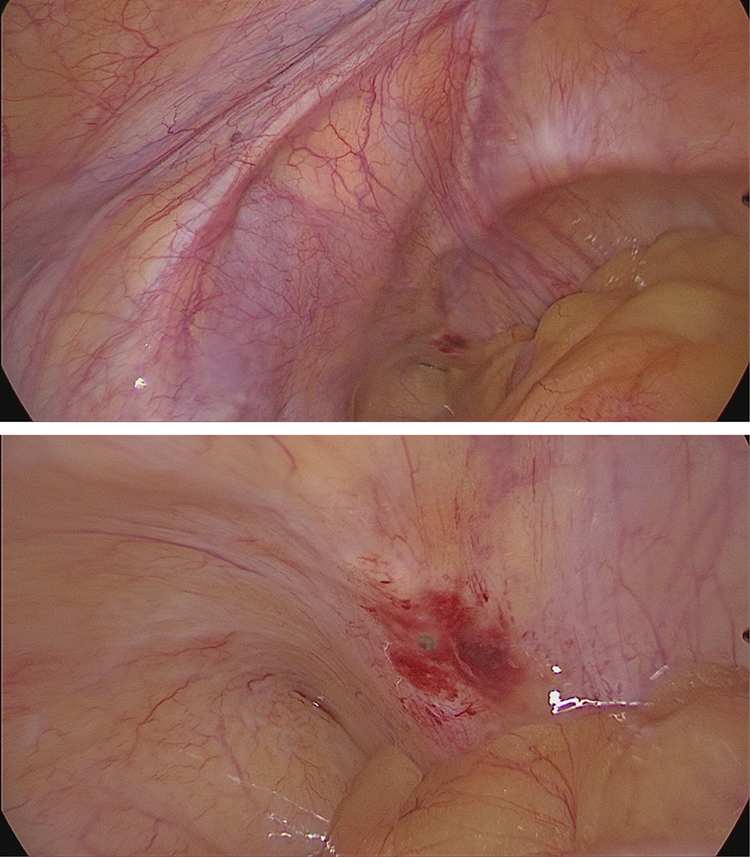
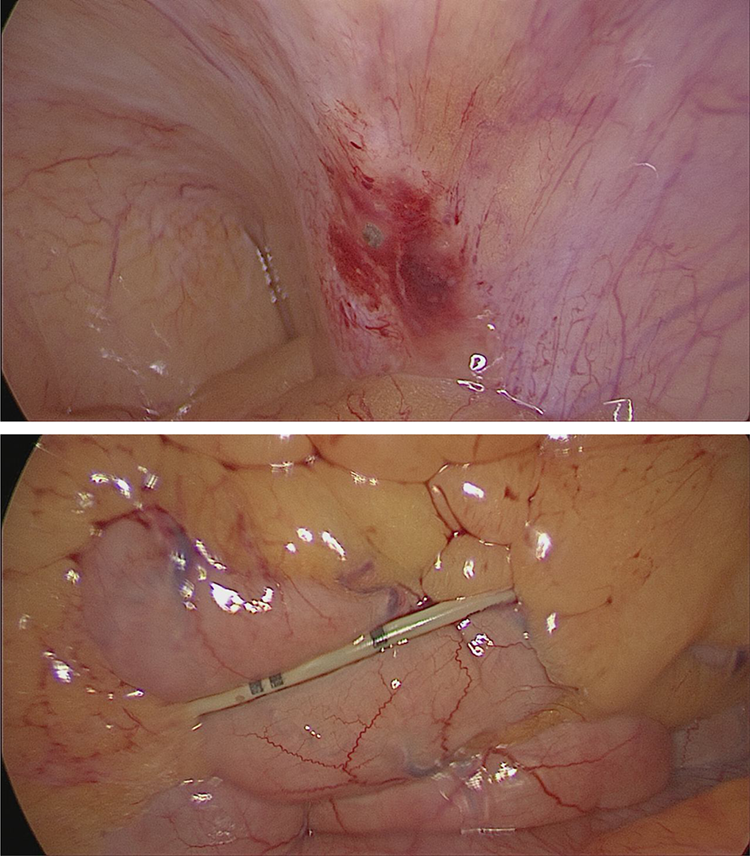
Incidence of double loop ureteral stents encrustation according to indwelling time: first results of a large multicentric study
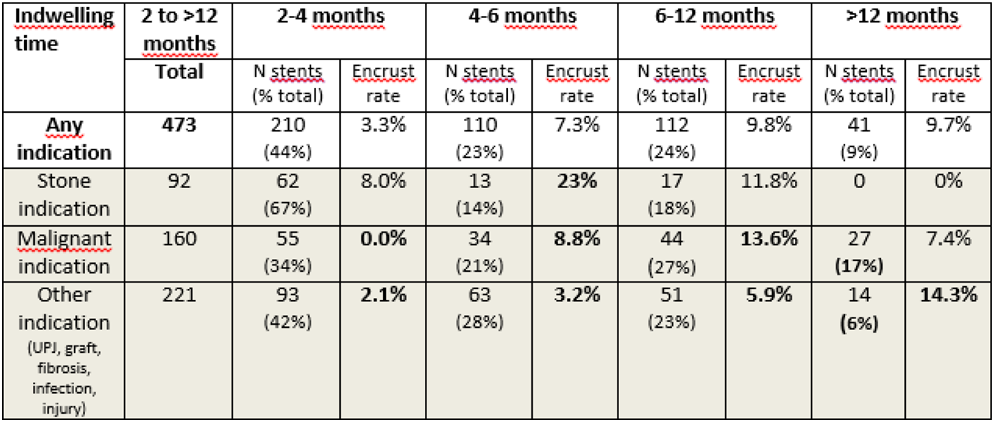
Long-term Results of self-expandable covered metallic stent (UVENTA) for benign and malignant ureteral obstruction
Variation in inpatient readmission rates for septicemia following ureteral stent placement by hospital volume in New York State between 2006–2012
Use of metallic ureteral stents in the treatment of benign and malignant ureteral stenosis
Fungal Colonization Increases with Increased Ureteral Stent Duration

Metallic Ureteral Stent in Extrinsic Ureter Obstruction. Results and Failure Risk Factors
Retained Ureteral Stents: A Study of Patient Characteristics and Outcomes
A 3rd Party independent retrospective review of the use of Memokath stents to manage ureteric strictures in a high-volume tertiary referral centre
Dual Ureteral Stenting for Recurrent Hydronephrosis in Patients with Abdominal Wall Diversion
Does Pretreatment with Tolterodine and Tamsulosin Improve Ureteral Stent Discomfort? A Double-Blind, Randomized Controlled Trial: A Follow-up Study
Patients are administered the Urinary Stent Symptom Questionnaire (USSQ) at various points throughout the survey to assess patient symptoms. These time frames are designated Q1, Q2, Q3, Q4, and Q5. Stents are removed approximately 7 days after ureteroscopy.
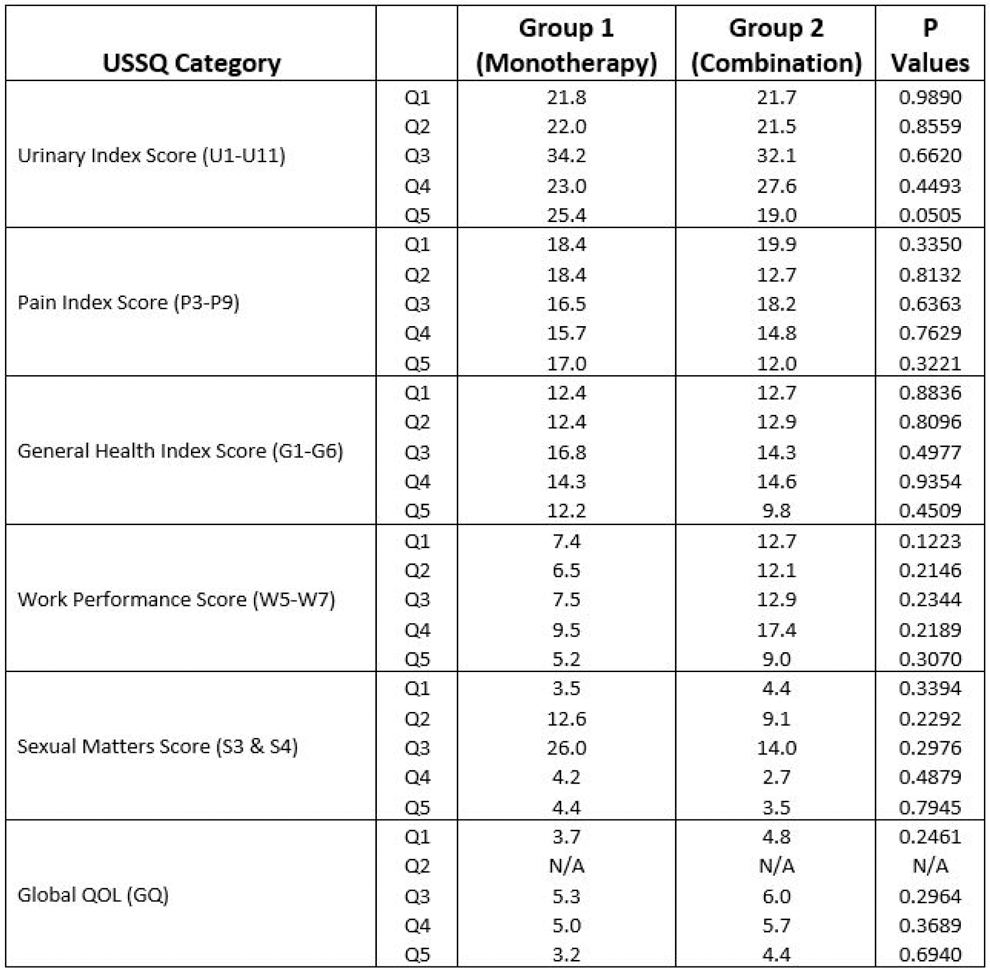
Effects of naftopidil on double-J stent-related discomfort: a multicenter, randomized, double-blinded, placebo-controlled study

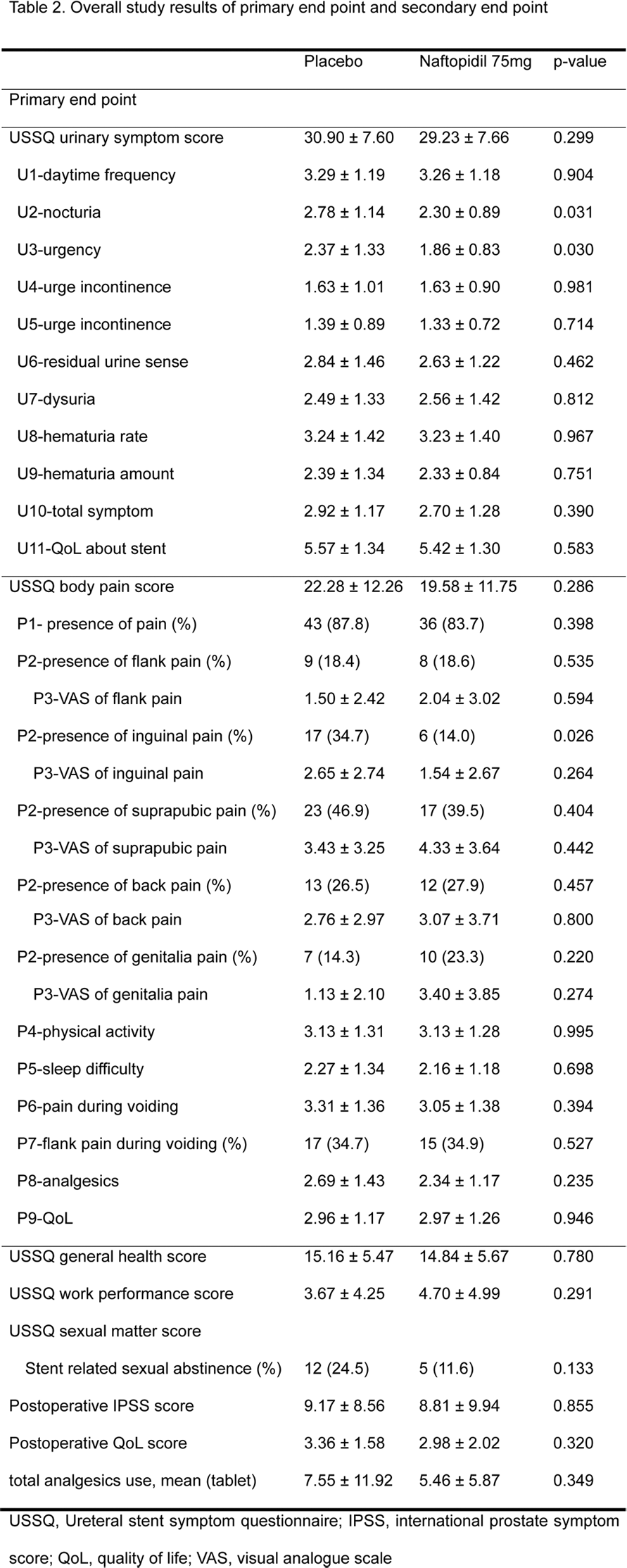
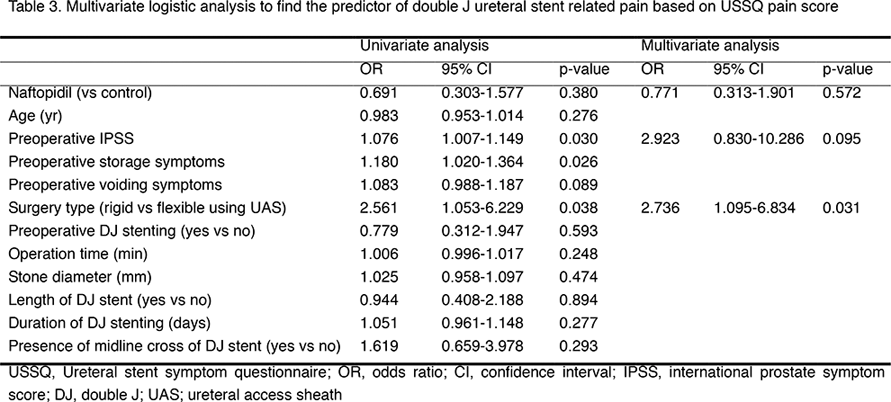
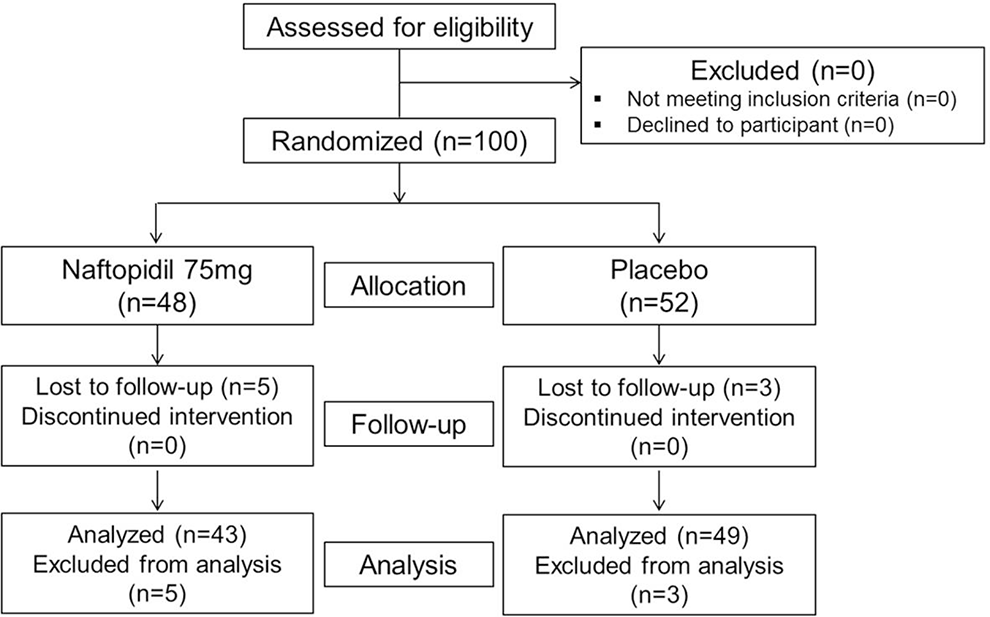
Effect of highly concentrated hyaluronic acid and chondroitin sulphate to relieve ureteral stent discomfort: Randomized, placebo, controlled study: A Double-Blind, Randomized, Controlled Trial
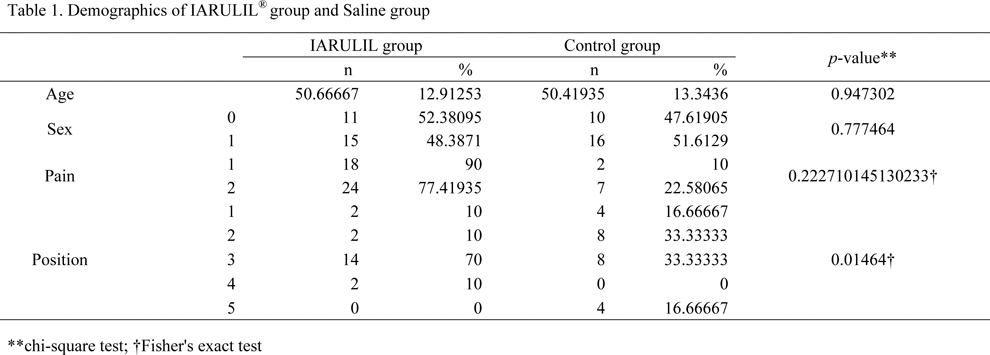
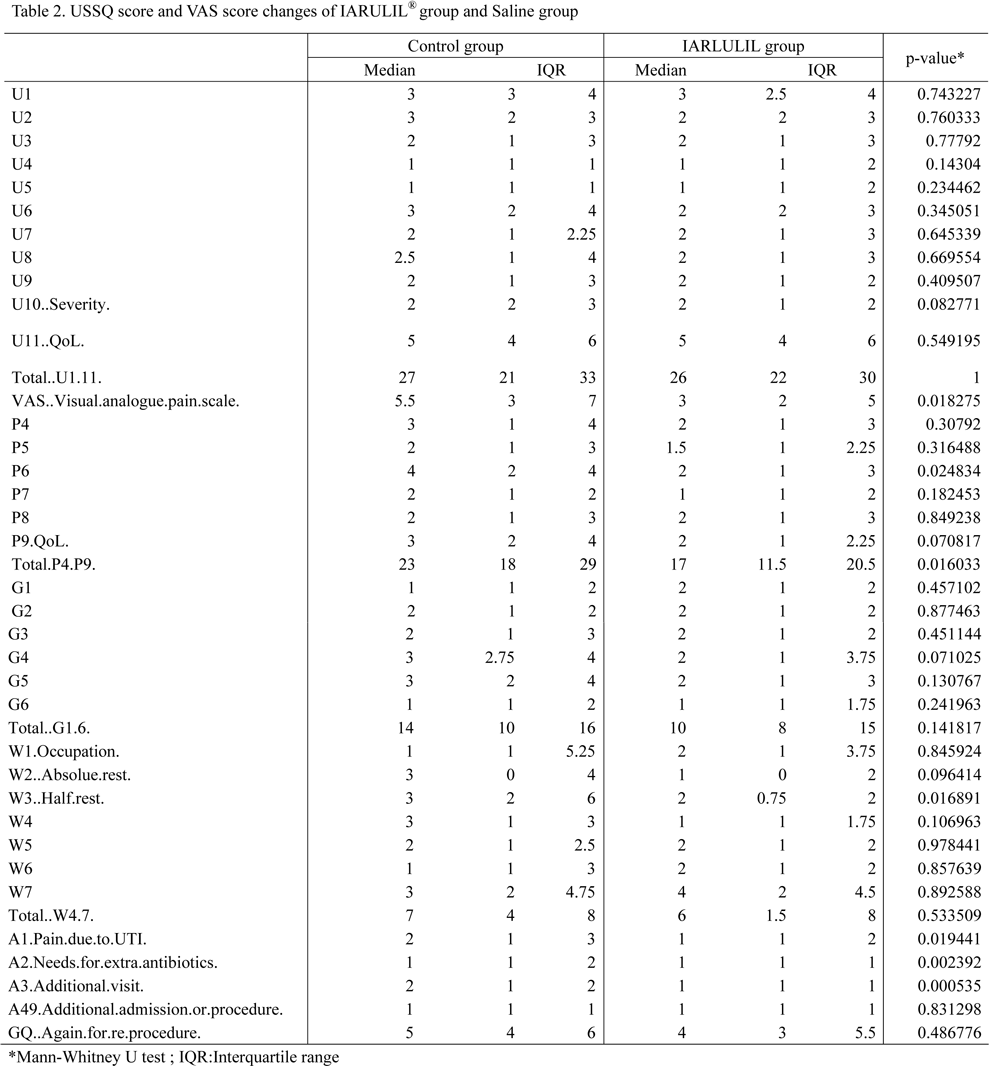
A Mobile Point-of-Care Application for Ureteral Stent Tracking
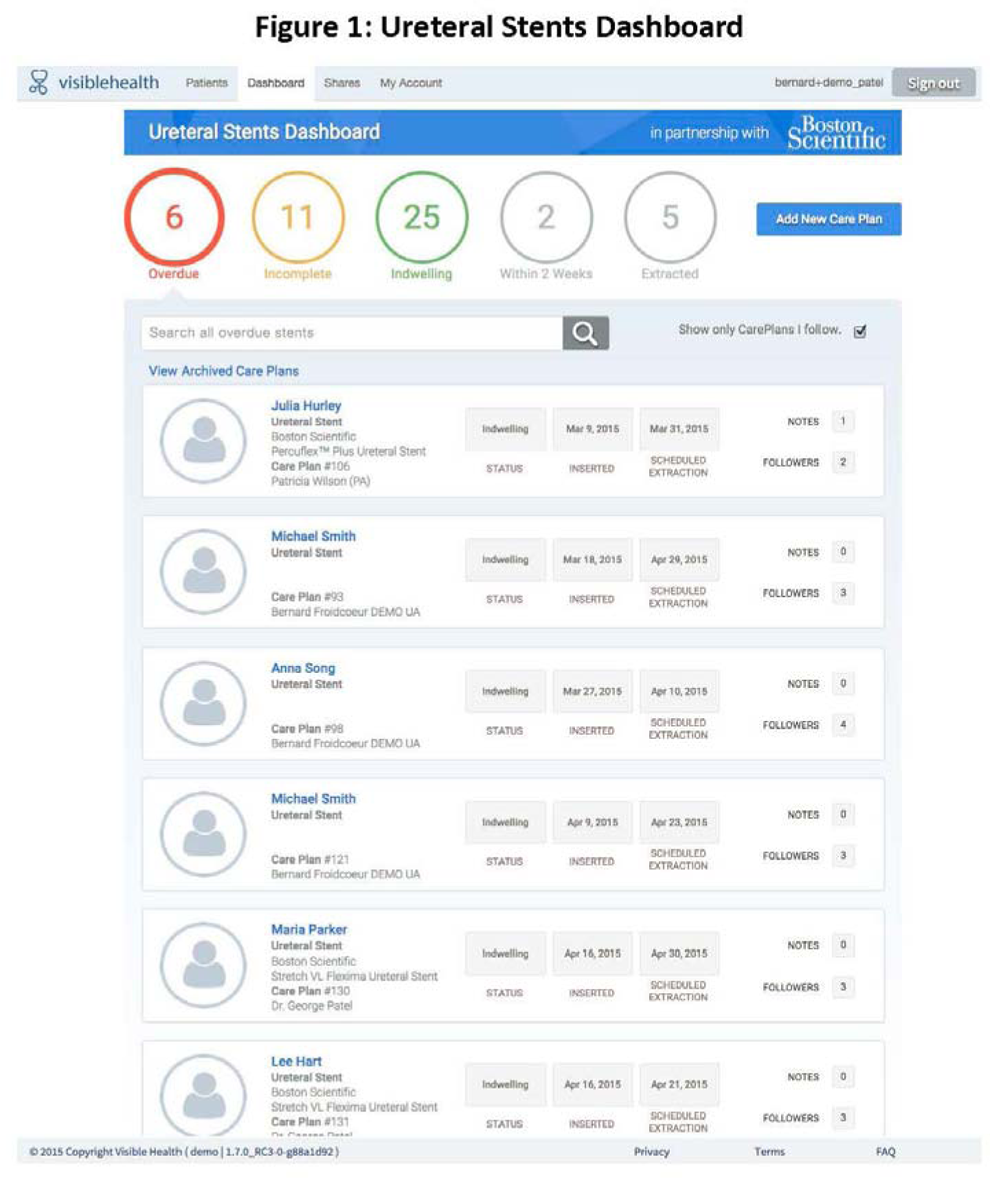
Ureteral Stenting Practice Patterns and Inappropriate Utilization of Nomenclature
Memokath 051 Stent in Benign Ureteric Strictures: Long-term Follow-up
A knotted ureteral stent: a case report and literature review
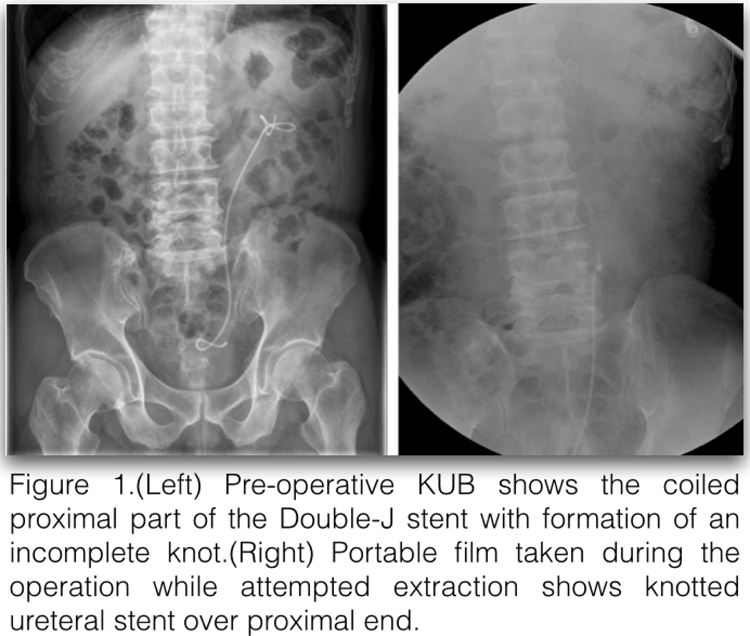
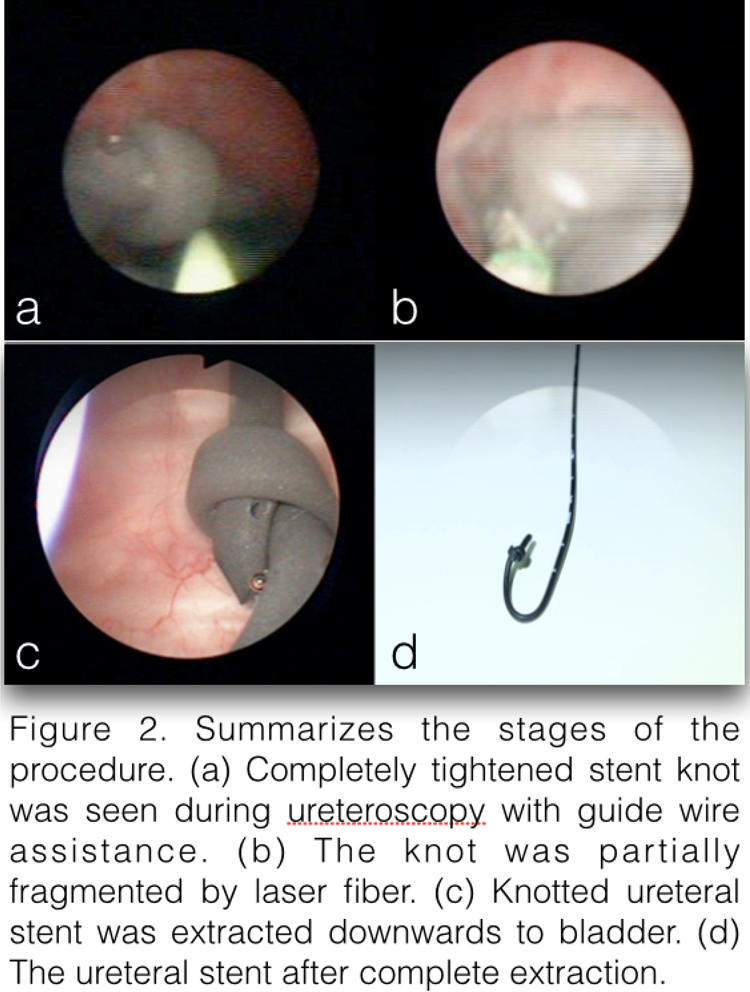
Endo-urologically deployed extra-anatomical stents (EAS) - Experience in a tertiary referral centre in the U.K.
MP17: Urolithiasis: Epidemiology, Quality of Life and Outcome Analysis
Evaluation of Missed Clinic Visits at an Academic Multi-Provider Urology Clinic
Developing a disease specific Cambridge Ureteric Stone Patient (CUSP) reported outcome measure
Global Trends and Variation in Urolithiasis Morbidity and Mortality
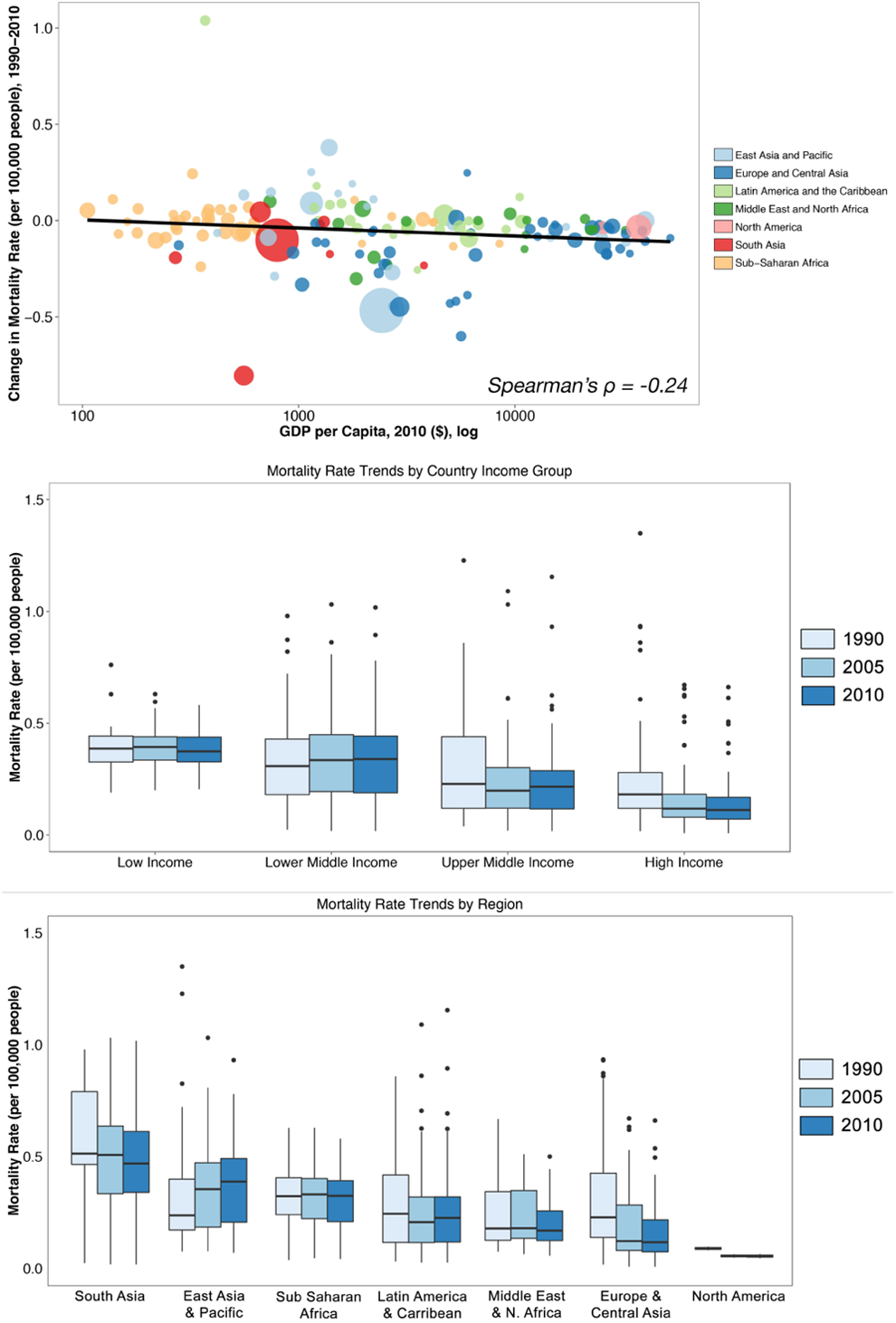
The History of Endourology in Canada
Identifying “At Risk” Pediatric Populations: Contemporary Trends in Children with Stones Observed in the SPARCS Database
Over the 10-year study period, there was no change in the gender ratio (p = 0.54) or in the proportion of patients identified as white versus black (p = 0.14). There was a statistically significant decrease in the average age at admission over time (p = 0.002, r2 = 0.002, see figure). There was also a statistically significant decrease in the age of female patients over the period studied (p < 0.001, r2 = 0.009): the average age of girls at the start of the study was 15.2 versus 13.7 years at the end.
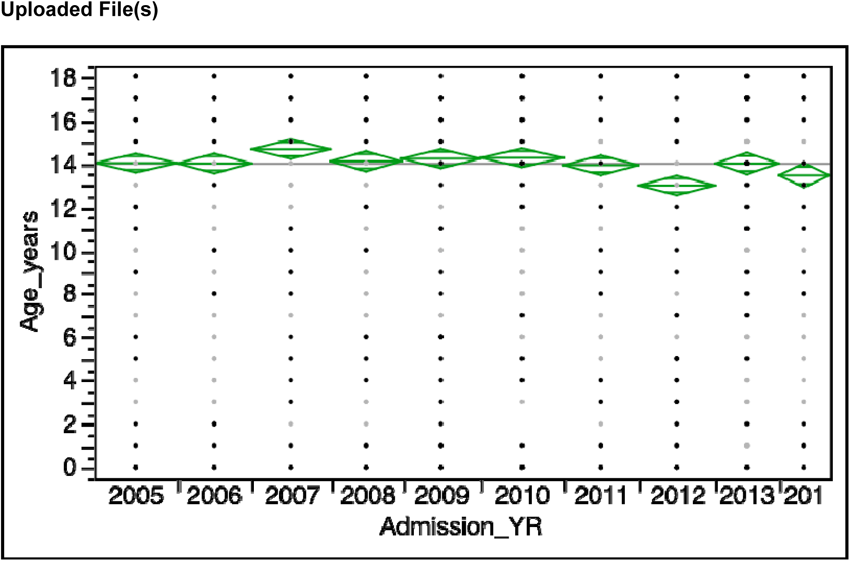
Impact of education on nephrolithiasis presentation in China: Results from the Registry for Stones of the Kidney and Ureter (ReSKU)
Incidence Patterns and Trends of Nephrolithiasis in the US Military: A 10-year population based epidemiologic study
1. Curhan GC, Willett WC, Rimm EB, Speizer FE, Stampfer MJ NEJM 1993: 328 (12): 833–838
2. Curhan GC, Willett WC, Rimm EB, Speizer FE, Stampfer MJ J Am Soc Nephrol. 1998;9:1645–1652.
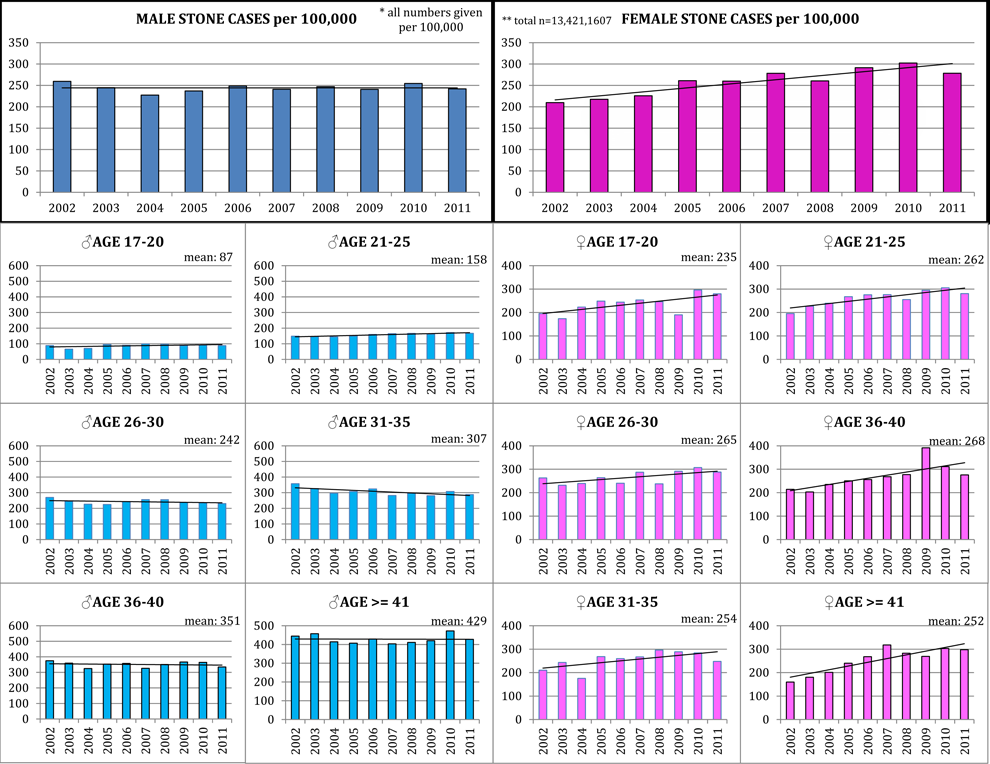
Ambulatory Stone Surgery in Wisconsin, Comparison of Charges Between Race, Age, and Gender: A Population Study
There is little data regarding the charges based on variables such as age, race and gender for outpatient stone surgery. We sought to study these variables as they relate to outpatient stone surgery charges throughout the state of Wisconsin using a large population based database.
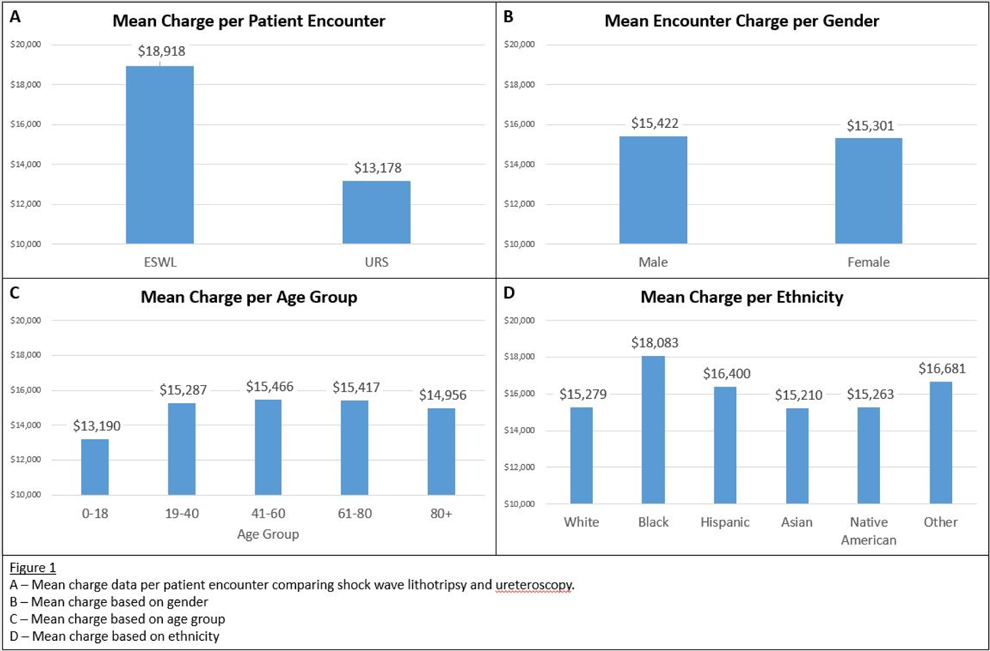
A novel disease-specific patient-reported outcome measure for patients with urolithiasis: The Urinary Stone and Intervention Quality of Life Measure (USI-QoL)
Comparing the utilization of ureteroscopy, ureteral catetherization, percutaneous nephrostomy and observation during management of Nephrolithiasis in New York State between 1995 to 2012

Development and Implementation of an Electronic Medical Record-Based Prospective Urinary Stone Registry: ReSKU - The Registry for Stones of the Kidney & Ureter
Quality of life in patients in with kidney stone disease (KSD): Results of a systematic review
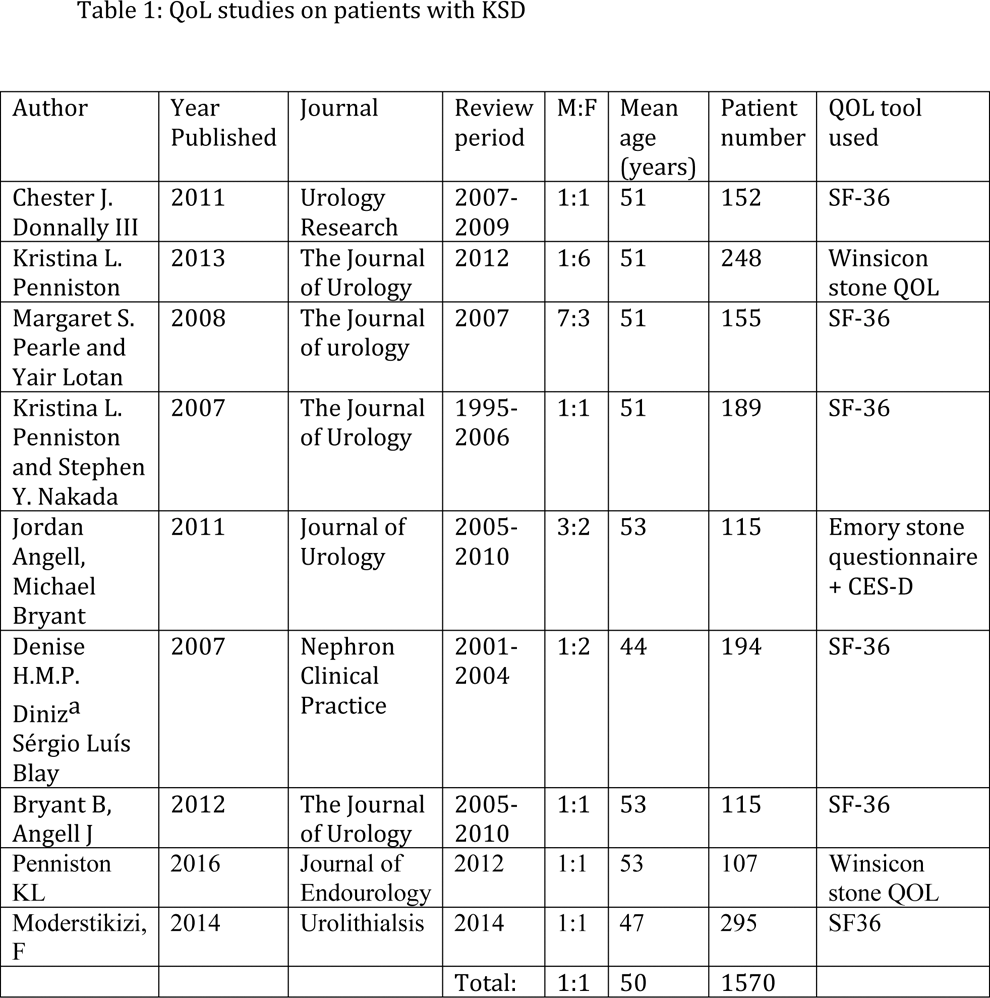
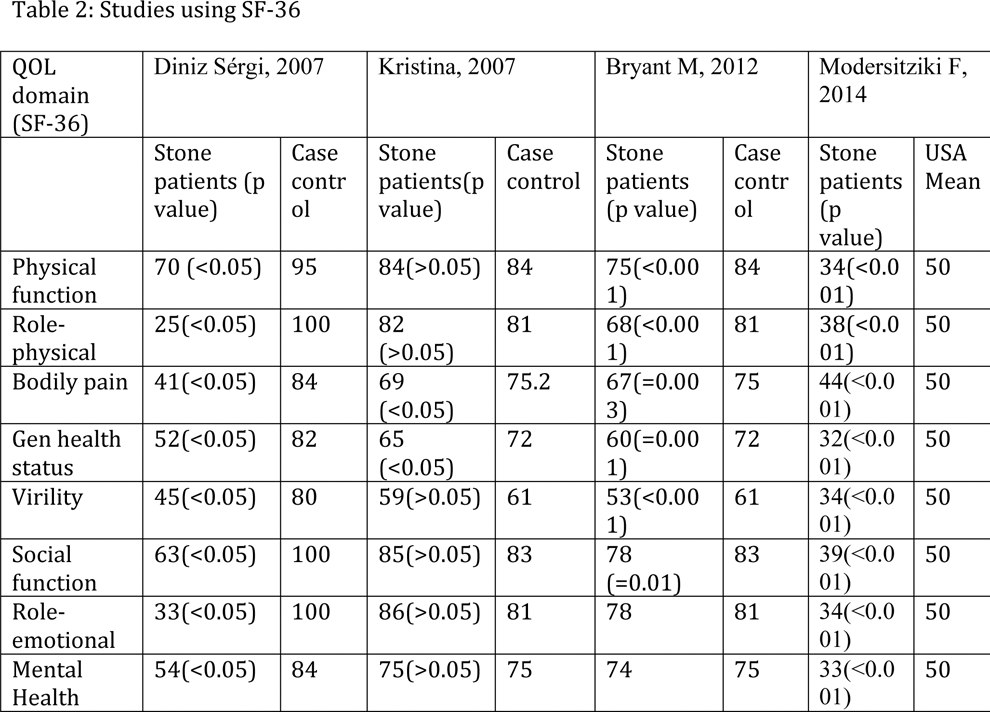
Current trends in percutaneous nephrolithotomy (PCNL) in the middle east


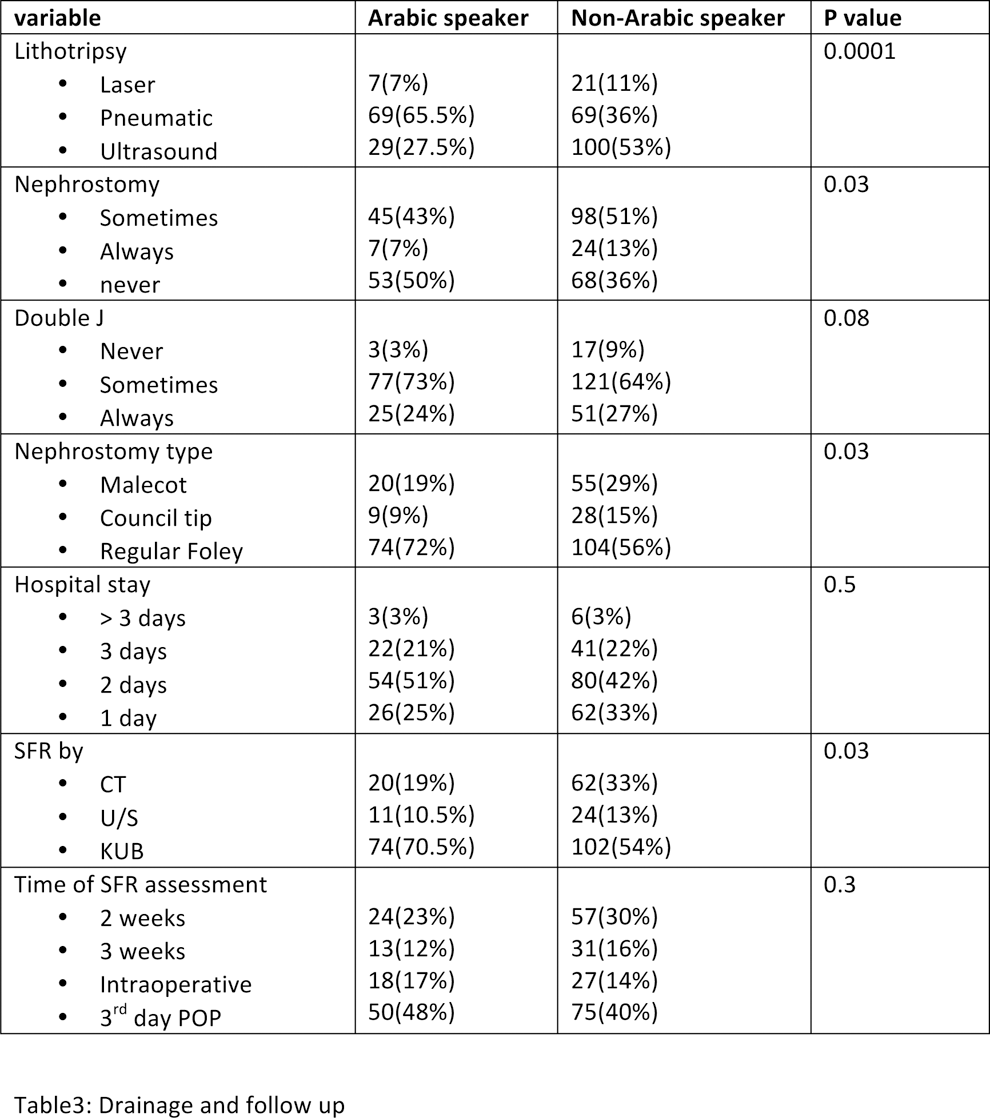

Pediatric cystine stones: A single tertiary center experience in China
Four decades of stone disease at SIUT, Pakistan
Analysis of the incidence and prevalence of urolithiasis in Korea for recent 10 years by using National Health Insurance - Standard Cohort Data


Developing a Renal Stone Patient Reported Outcome Measure: stage 1, 2 & 3
Stones in the elderly population: A new challenge
In four patients undergoing PCNL, complete stone clearance was obtained in three. In the remaining 26 patients undergoing URS, complete stone clearance was obtained in all after an average of 1.5 procedures (range 1–3). There were no post-operative complications (Clavien-Dindo grade III or above). The average number of co-morbidities was 3 (range 0–6). Over half of all patients (16) were taking warfarin, novel anticoagulants or an anti-platelet agent. The median LOS was 2 days (0 to 4). Follow up (2 – 16months) suggests these patients have recovered well and are leading a normal life. A formal protocol has been designed for managing stone patients aged over 75. Co-morbidities are assessed by a senior member of the Urology team. An extended anaesthetic evaluation includes cardio-respiratory evaluation and frailty index (FI). Emergency intervention followed by definitive treatment is planned. Peri-operative and discharge planning is fast tracked and bridging anti-coagulation plans are made.
Changing Lithogenic Trends in Patients with Neurological Derived Musculoskeletal Deficiencies
Validation and reliability of the Wisconsin Stone Quality of Life Questionnaire: results from a prospective, multi-center study in stone formers
Disproportionate Use of Inpatient Care by Older Adults with Urinary Stones
MP18: New Technology: Endourology (I)
Clinical Curative Effect Comparison of Pipe Extractor of Improved Collar Style and Traditional Foreign Body Forceps in the Extubation of the Double-J Stent
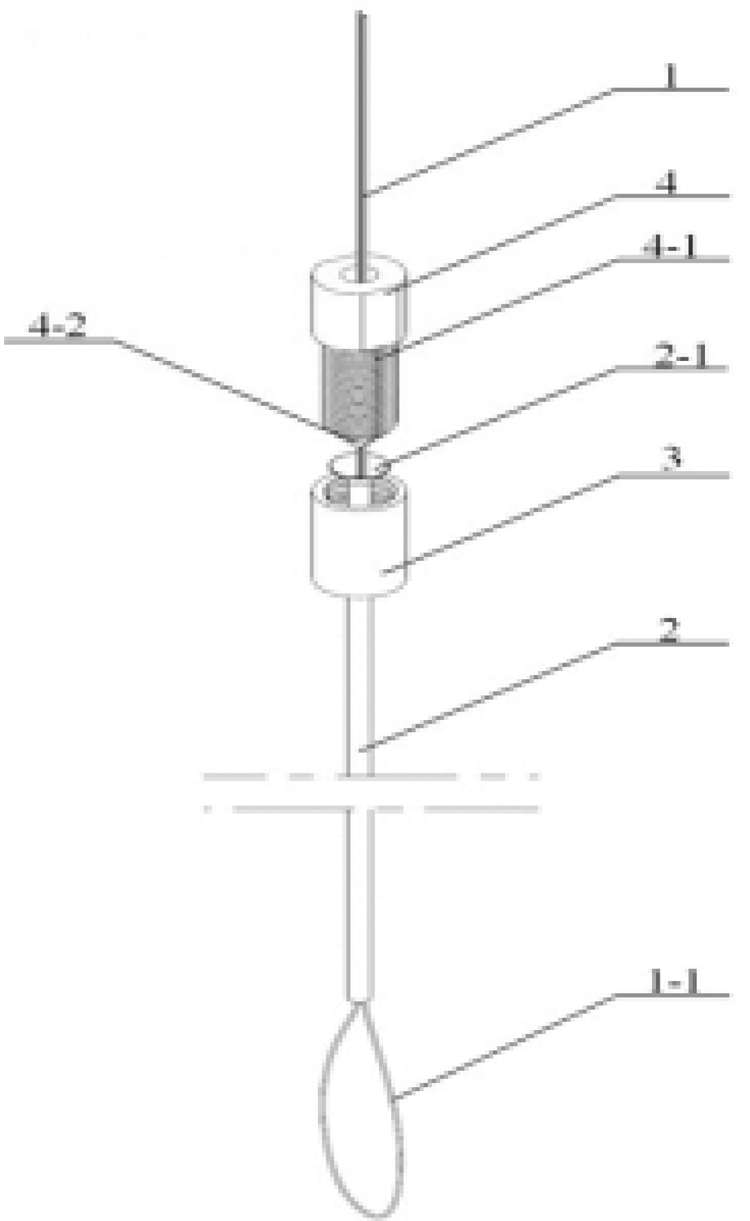
Initial UK multicentre experience with the ISIRIS single-use stent removal device
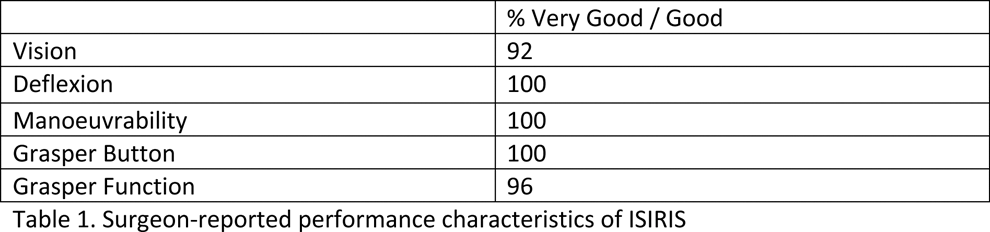
Broadly Focused Beam For Improved Ultrasonic Propulsion of Multiple Stone Fragments
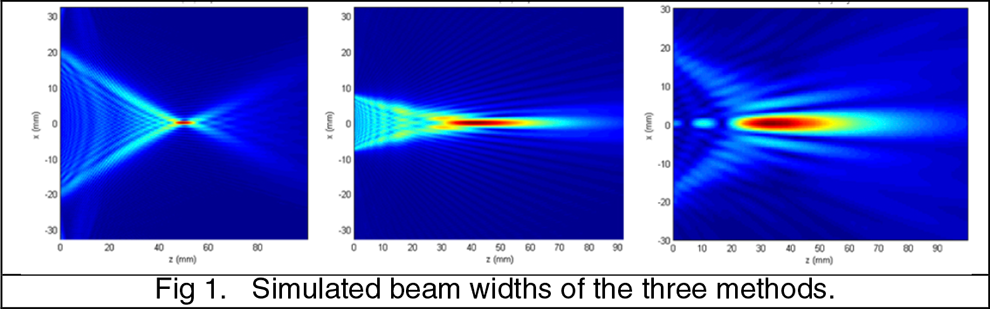
Improving the diagnosis of upper urinary tract tumors: NBI technology
Evaluating Durability of LithoVueTM, a Single-Use Flexible Disposable Ureteroscope
An in vitro study of the new device: Evaluation of new wide-angle lens flexible cystoscopy using bladder model
Initial clinical experience with a single-use digital flexible ureteroscope
Systematic Evaluation Of New Technology In Ureteroscopy: A Preliminary Comparison Of Digital, Fiberoptic, And Disposable Digital Ureteroscopes

Smartphone application reminder: an efficient tool for ureteric stents removing
Comparison of the Versatility and Efficacy of N-Gage and Novel Dakota Baskets in Stone Capture and Release
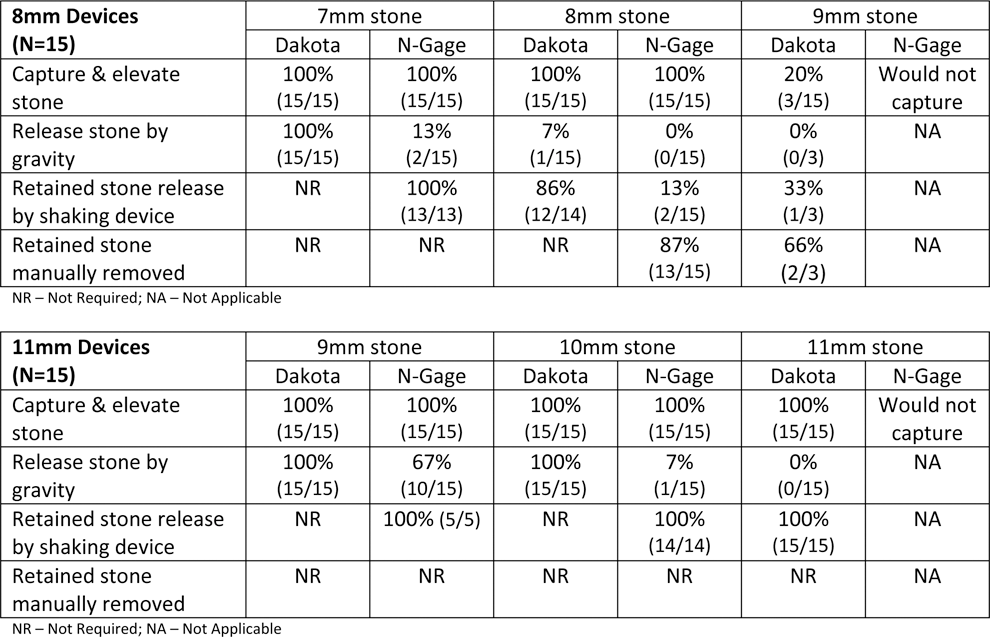
Head-to-head Durability Trial Comparing the N-Gage and Novel Dakota Stone Retrieval Baskets
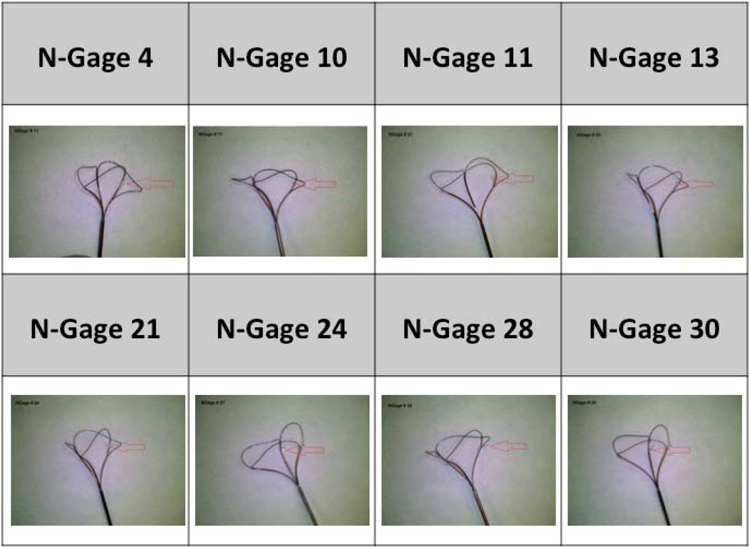
A novel flexible and rigid nephroscope: the future of PCNL?
Metallic ureteral stent in the management of ureteric obstruction secondary to ketamine induced strictures
Robot Assisted PCNL using a gelatin model - a preliminary step in making percutaneous access easier during the procedure
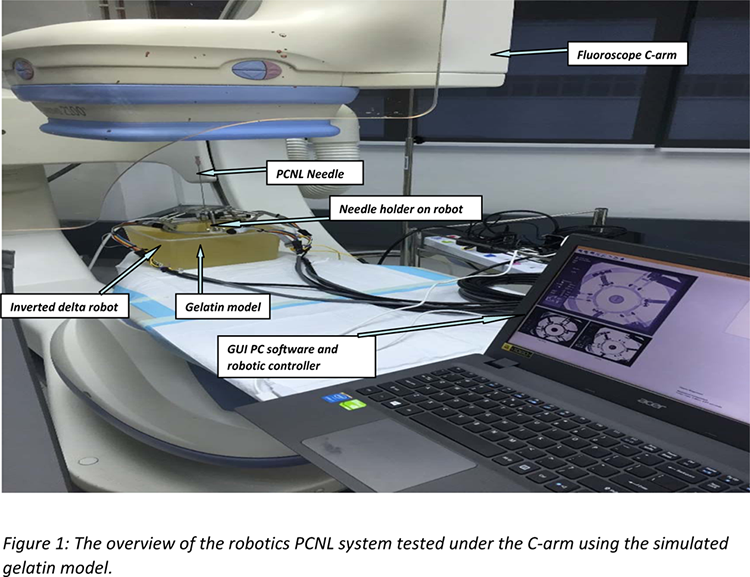
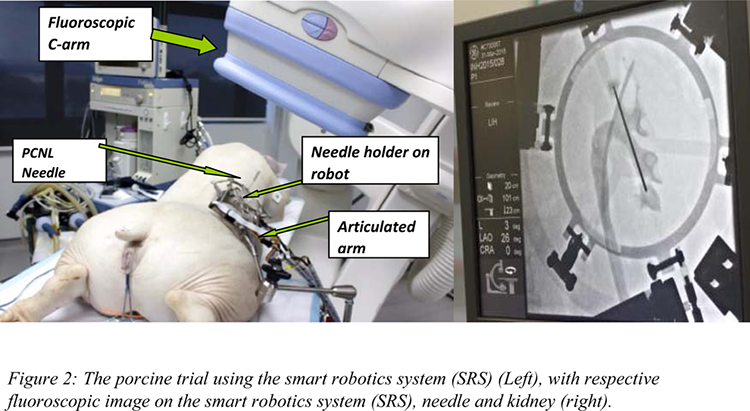
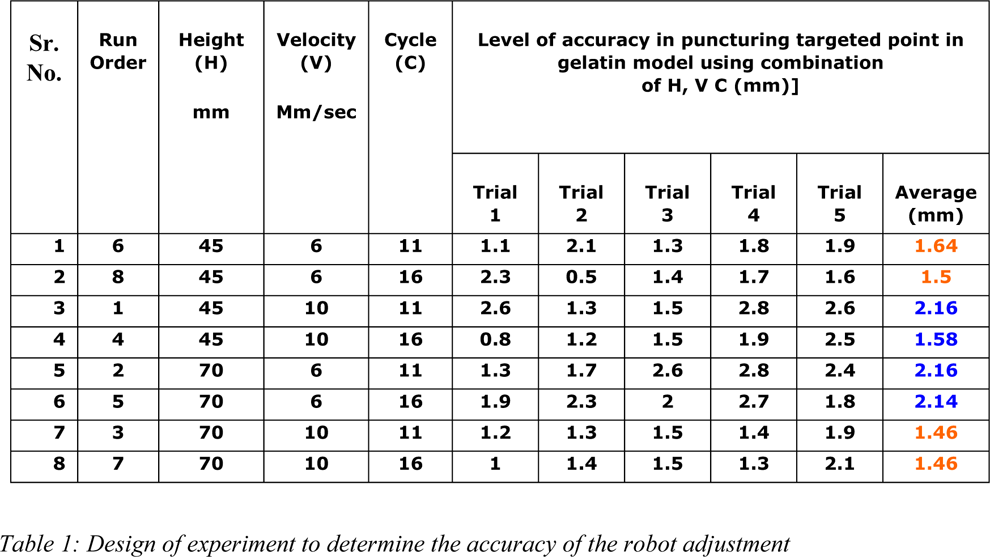
MP19: PCNL: Outcomes (I)
Percutaneous Nephrolithotomy in Patients with Spina Bifida and Spinal Injury: A Comparative Analysis of Over 4000 Patients, from the BAUS Registry
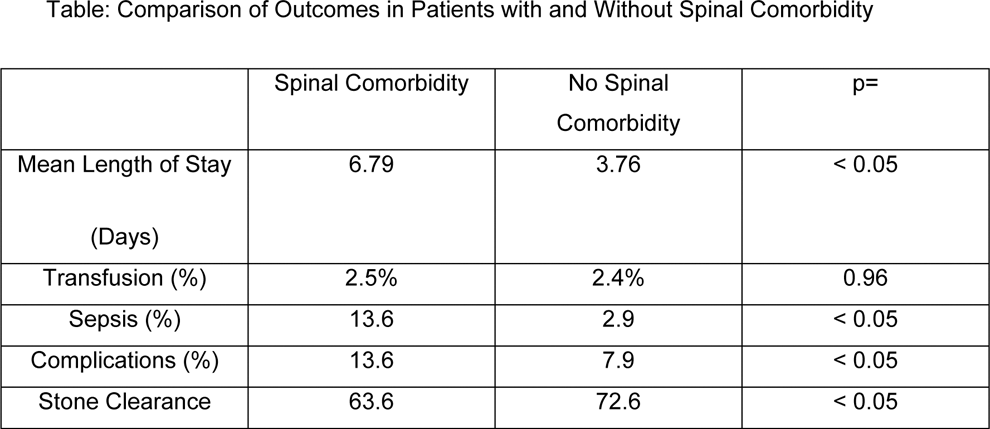
Is PCNL a safe and effective option for Octogenarian patients? Analysis of over 4000 cases from a national database
There were significantly fewer complex stones (Guys stone score (GSS) 3 or 4) in the older patient (OP) group (OP:YP 82:3739 p < 0.05) yet stone dimension differences (2 cms) between the 2 populations was not significantly different.
Complications both intraoperative (OP:YP, 22:314 p < 0.05) and postoperative (OP:YP 21:285 p < 0.05) were more common in the older patient group. However there was no difference comparing the incidence of Clavien Dindo (CD) 2 or less (OP:YP 14:188) to CD3b and above (OP:YP 7:92) between the 2 groups. Transfusion rates were commoner in the older age group (OP:YP 8:49 p < 0.05) relating to more complex stones (GSS 3–4). Sepsis was not significantly more common in the older patient group by either stone size or complexity.
Older patients length of stay (LOS) was significantly longer (5.06 vs 3.24 days 95% CI) for stones of lower complexity (GSS 1–2). There was no difference in LOS for more complex stones (GSS 3–4).
There were no significant differences in stone clearance rates by stone complexity between the 2 groups either prior to discharge or at follow up.
There were no differences in follow up rates between the 2 populations.
Percutaneous nephrolithotomy in high-risk immunocompromised patients
Percutaneous Nephrolithotomy (PCNL) In Patients With Solitary Kidney: Outcome, Complications and Recovery of Renal Functions
Serum creatinine at presentation was 4.39 ± 3.73 mg%. Urinary diversion was done in 9 patients, 36%. S. Creatinine improved from 2.29 ± 1.36 mg% to 1.84 ± 1.14 mg% (p = 0.01). Creatinine clearance also improved significantly from 48.42 ± 32.38 ml/min to 56.83 ± 31.15 ml/min (p = 0.01).
Complications occured in 7 patients, 28%. Bleeding requiring transfusion occured in 5 patients, 20%. Long term followup was available for 24 patients. With mean follow up of 25.09 ± 21.91 months 23 (95.83%) patients had stable or improved renal functions. One patient developed ESRD.
Experience and Outcomes of Percutaneous Nephrolithotomy in Relation to Obesity Severity
Current Trends of Percutaneous Nephrolithotomy in a Developing Country


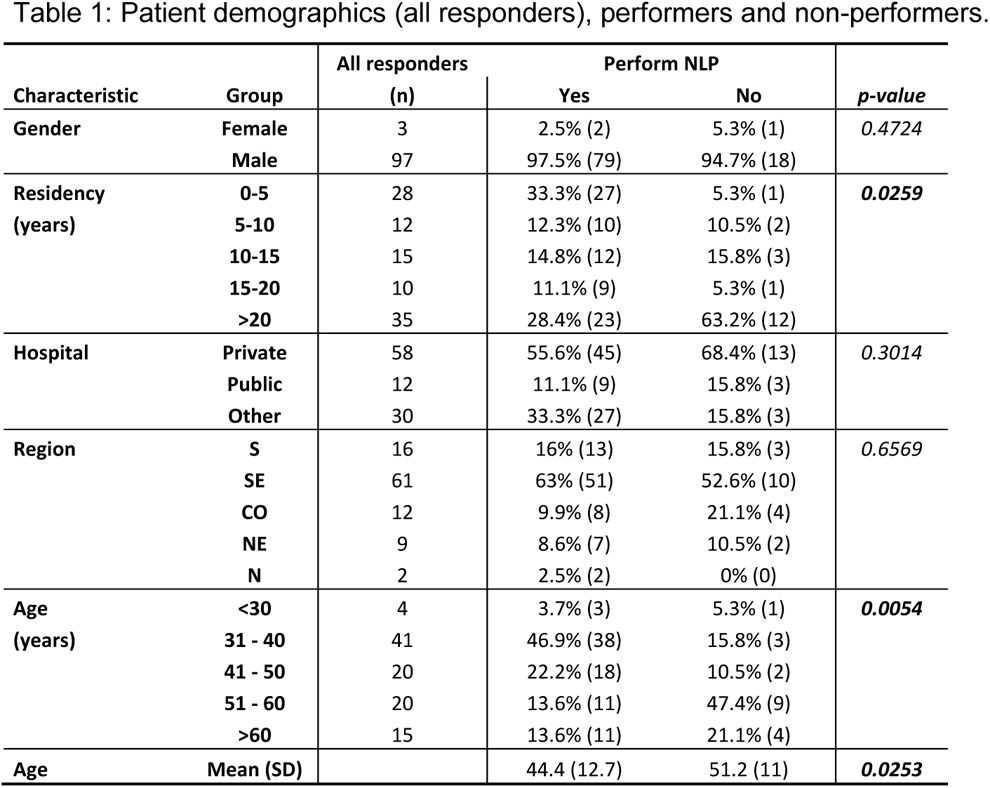
Analyzing Multiple Samples Taken From the Same Stone at Percutaneous Nephrolithotomy Can Yield Different Results
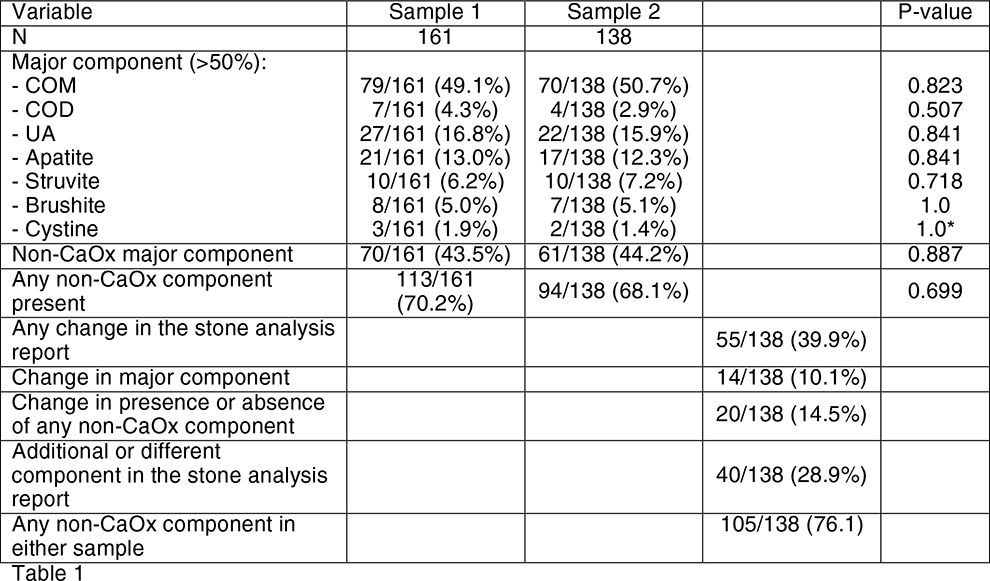
Trends in Outpatient Percutaneous Nephrolithotomy
Safety and outcome of Percutaneous Nephrolithotomy in solitary kidneys: a critical appraisal
A review of Percutaneous nephrolithotomy for small
Stone <1 cm were less likely to have a post-operative nephrostomy tube (57% vs 72%, p < 0.01).
Overall post-operative complications were lower in the <1 cm stone group compared to larger stones (p < 0.05) although there was no difference in the post-operative sepsis rates no transfusion rates.
LOS was significantly shorter for stones <1 cm (mean LOS 3.09 days) compared to other stones (mean LOS 3.72 days) with the difference between the means of 0.63 days (estimated 95% C.I. 0.14 to 1.12). Stone free rates were higher for smaller stones (<1 cm) on both fluoroscopic imaging intra-operatively (overall 86% vs 78% for all other stone sizes) and post-op imaging (overall 78% vs 68% for all other stone sizes) (both p < 0.01).
Percutaneous Nephrolithotomy in Patients with Spinal Cord Neuropathy : A Contemporary Series
Percutaneous nephrolithotomy for kidney stones greater than 2 cm in elderly patients, a safe and efficient procedure

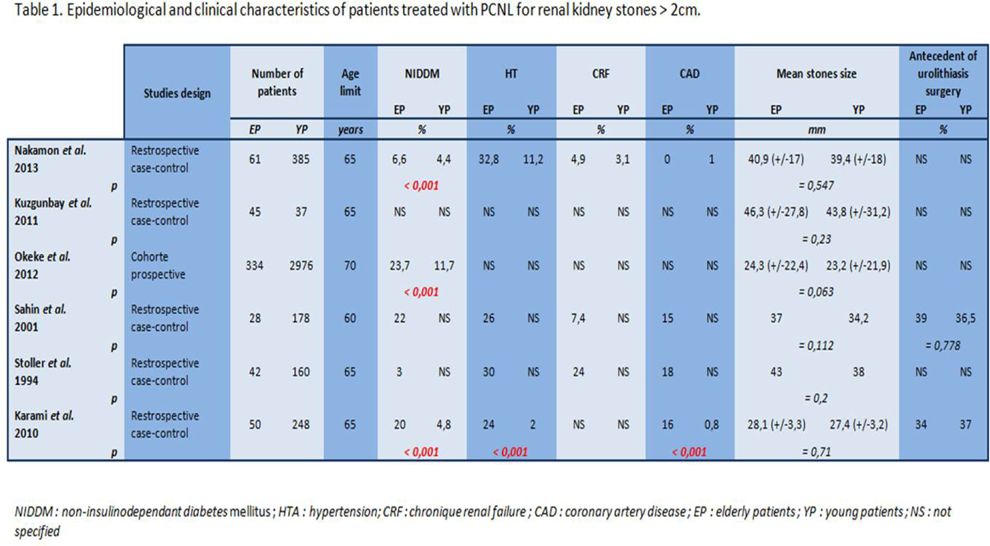
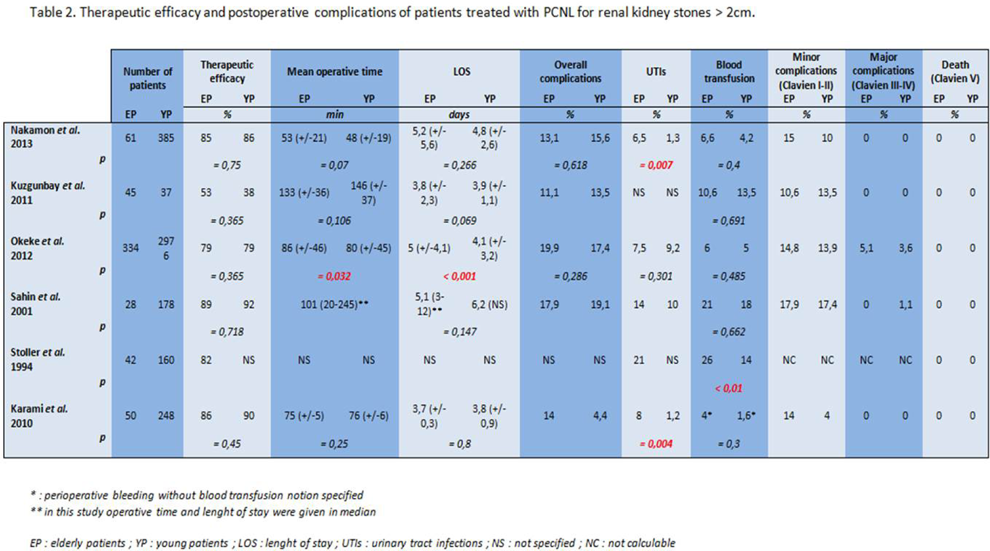
Percutaneous nephrolithotomy (PCNL) for stones in solitary kidney: Evidence from a systematic review
Outcomes of patients with xanthogranulomatous pyelonephritis managed with percutaneous nephrolithotomy
Percutaneous Nephrolithotomy in the Super-Obese: A Comparison of Outcomes Based on Body Mass Index
The impact of obesity on PCNL outcome: Analysis of a UK national database
1,…2,…3 encrusted JJ stents in the same ureter: an Endourology nightmare!
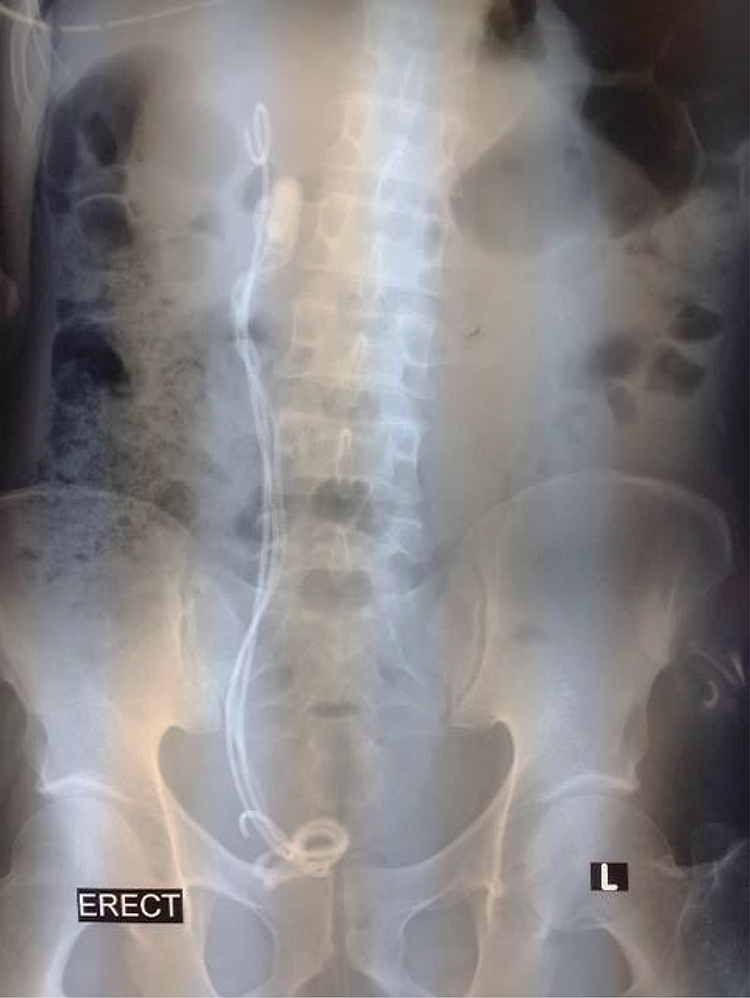

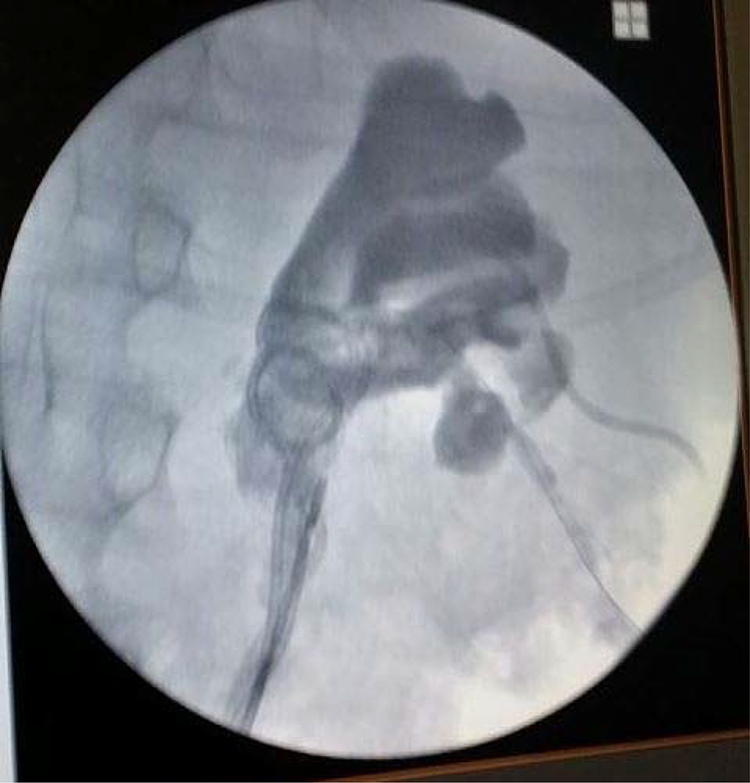

Decreased Kidney Function after Transparenchymal Surgery in Patients with Stones Larger than 4 cm or Stones in Multiple Locations
External Validation Of Guy Stone Score in Children Treated with PCNL for Renal Stones
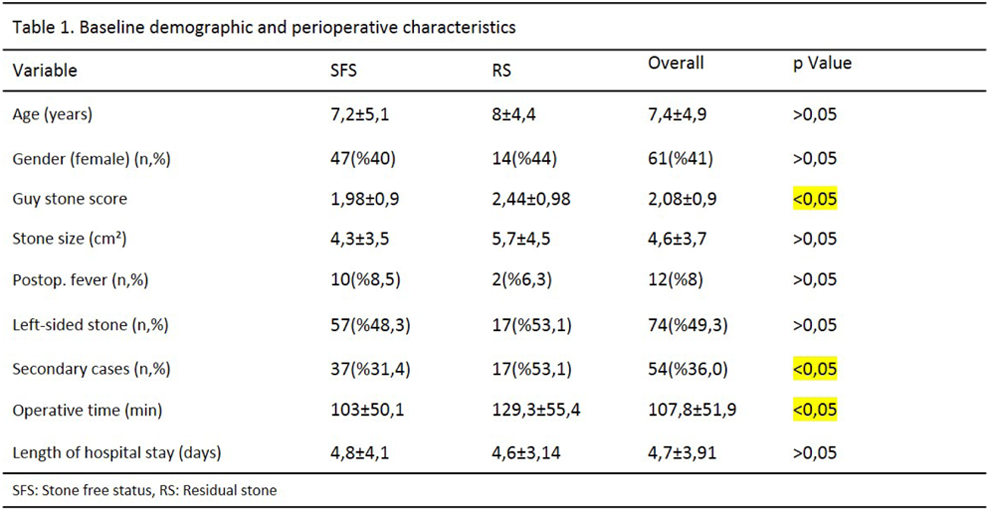
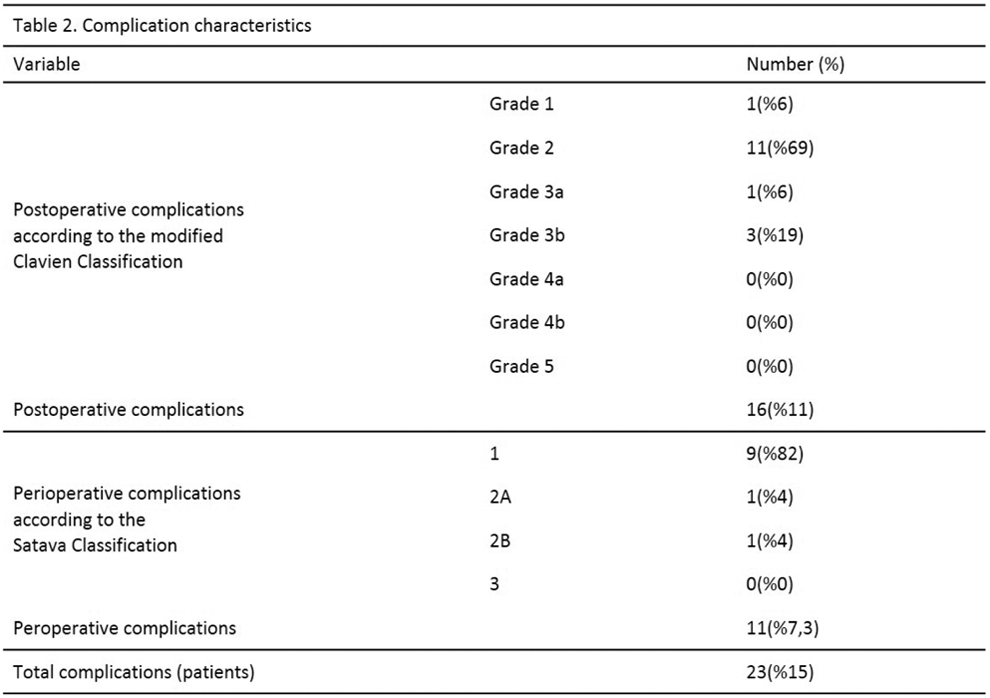
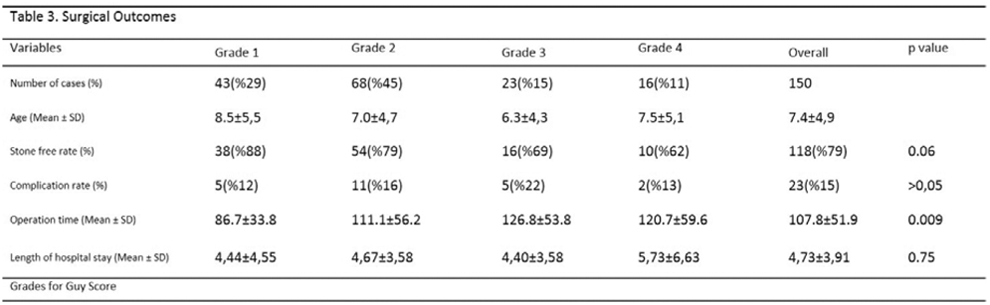
Effectiveness and Safety of Minimally Invasive Percutaneous Nephrolithotomy in Management of Lower Pole Renal Stones 2cm or Less: A Comparison with Flexible Ureterorenoscopy and Shockwave Lithotripsy
Surgical Outcomes and Long-term Follow-up of Percutaneous Nephrolithotomy in Pediatric Patients
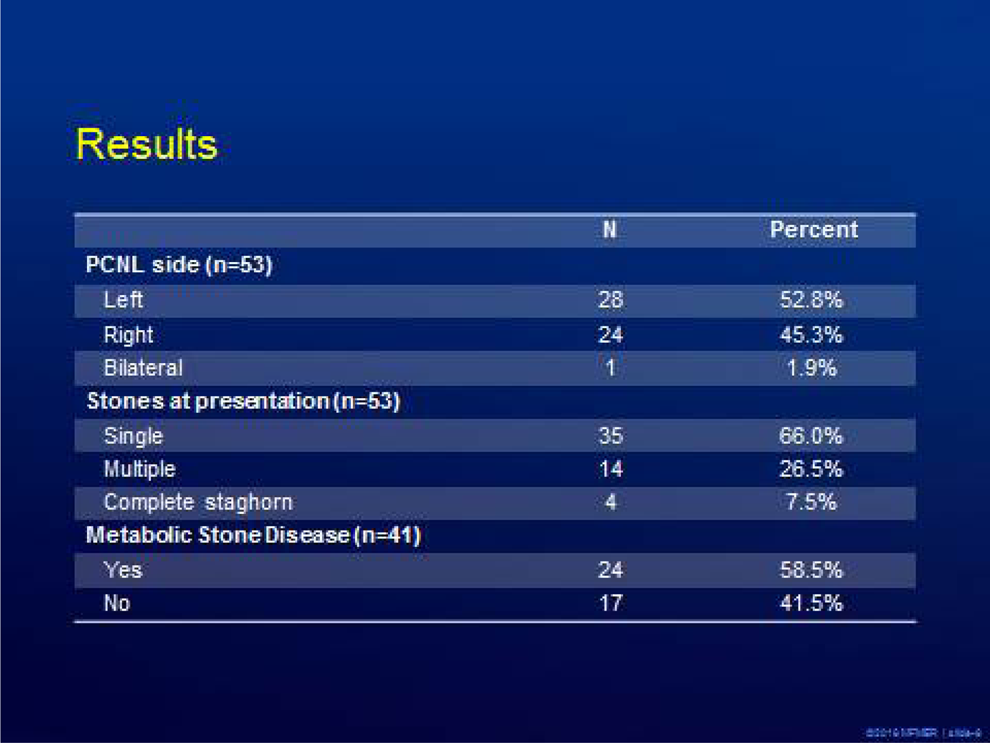
Percutaneus nephrolitotomy for renal stones larger than 50 mm
MP20: Metabolic Stone Disease and Medical Management (I)
Daily mean temperature and clinical urolihtiasis presentation in 6 Korean metropolitan areas: a time-series analysis and meta-analysis
Alpha Blockers in the Management of Ureteric Lithiasis: A Meta-Analysis
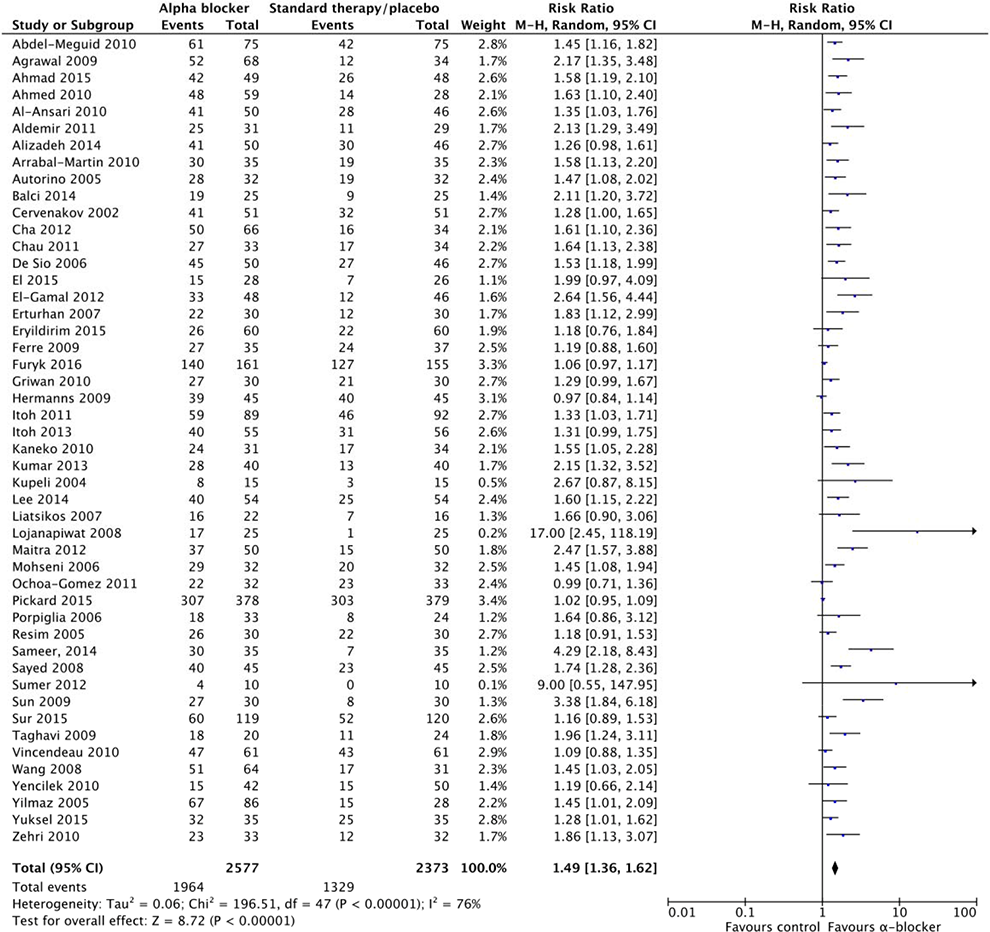
Hyperoxalur&a-induced tubular ischemia: the effects of verapamil* on the antioxidant capacity of the affected kidneys
Kidney Stone Composition in the Kingdom of Saudi Arabia

Association between stone type and lithogenic factors in patients with nephrolithiasis
Is urinary metabolic risk increasing over the time in patients with urolithiasis?
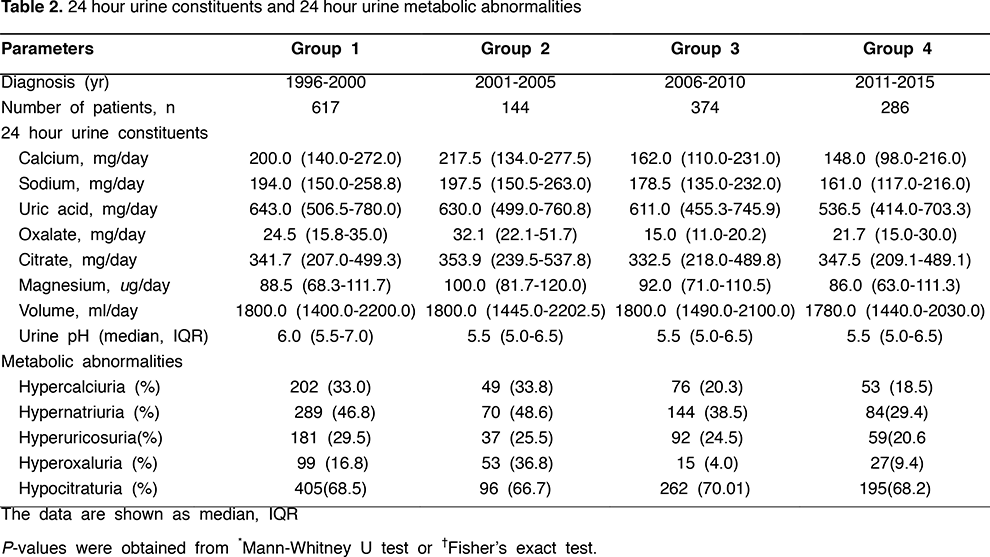
Should We Still Prescribe Alpha Blockers for Ureteric Stones? A Systematic Review and Meta-Analysis
Is Medical Expulsive Therapy Preferred Following the SUSPEND Trial Results? A Patient Survey


Why do some patients make primarily calcium oxalate monohydrate versus dihydrate stones?
Real practice results of medical expulsive therapy for symptomatic ureteral stones at 2 weeks after stone attack
Deep Cave Scuba Diving and Risk of Infectious Kidney Stones

A rare cause of bilateral urolithiasis in children: xanthinuria

Medical Expulsive Therapy: the evidence is clear
Factors predicting spontaneous passage of ureteric caliculi
Comparison of tamsulosin and Lithorex B on renal colic and the expulsion of urinary stones after extracorporeal shock wave lithotripsy (ESWL)
Variability in stone composition between kidneys in patients with bilateral nephrolithiasis
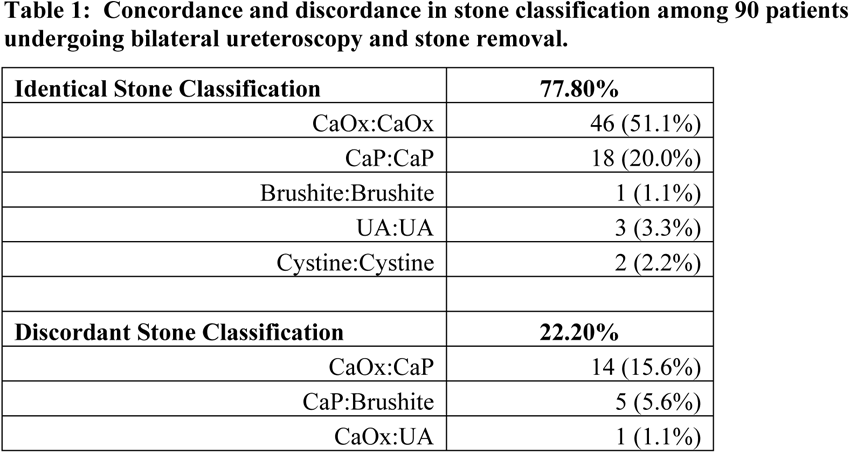
Compliance of the recurrent renal stone former with current best practice guidelines
The Association of Body Mass index and Urinary Oaxalate in Stone Formers

MP21: Oncology: Miscellaneous
Bladder Recurrence after Nephroureterectomy: Who is at RisK?
Nephron Sparing Surgery for Larger Renal Tumors: Outcome and Initial Experience
Nephron sparing surgery for tumor size greater than 4 cm (T1b) is increasingly being used as the surgical standard at many centers. We present our operative, perioperative, and surgical outcomes for patients undergoing partial nephrectomy for stage T1b or greater renal cell carcinoma at a single institution. Our study demoonstrates that minimally invasive or open partial nephrectomy is efficacious for stageT1b renal cell carcinoma (tumor size >4.0 cm) with acceptable morbidity and recurrence risk in long-term follow-up for both approaches.
Preoperative nutritional assessment as a predictor of postoperative complications and mortality after nephroureterectomy for upper tract urothelial carcinoma
Medium-Term Oncological Outcomes of Active Surveillance for Low-Risk Prostate Cancer – Experience from a UK District General Hospital
Fluorescence in situ hybridization as predictor of tumour recurrence for bladder cancer patients treated with Bacillus Calmette-Guérin

Demographic and Socioeconomic Predictors of Pathologic Stage and Survival Among Patients with Penile Cancer: A Report from the National Cancer Database
The Association Between Bladder Cancer and Metabolic Syndrome
The purpose of this study is to identify the relationship between metabolic syndrome and components of metabolic syndrome with stage, grade and degree of bladder cancer, existence of CIS and number of recurrence.
Upper tract urothelial carcinoma – paradigm shift in recurrence and treatment modalities
Experience of partial cystectomy in bladder urothelial cancer
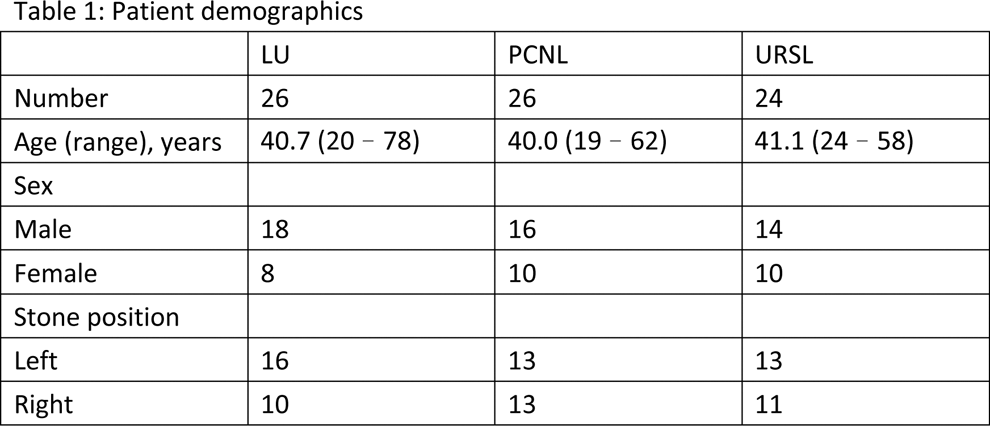
Difference in Washed Urine Cytology between Rigid and Flexible Cystoscopy
The Use of an Amniotic Tissue Allograft for Erectile and Urinary Function Recovery Post Radical Prostatectomy

• 80% of dAMA group were pad-free within 6 weeks of catheter removal.
• 20% were using 1–2 pads/day at 6 weeks; all were pad-free by 3 months
• Erection rigidity at 6 weeks was superior in dAMA patients compared to standard control prostatectomy cohort
• In dAMA group, 67% achieved morning erections by 6 weeks, most of whom had SHIM score >19
• Incidentally, while overall pain scores were low in both groups, pain scores were also lower in the dAMA cohort

Salvage HIFU for prostate cancer recurrence after radiotherapy; Factors associated with biochemical failure
Contemporary management of sporadic angiomyolipomas of the kidney, does size matter? Surveillance guidelines and review of management
Robotic Inguinal Lymph Node Dissection (RILND) and the Effect of its Learning Curve on Outcomes
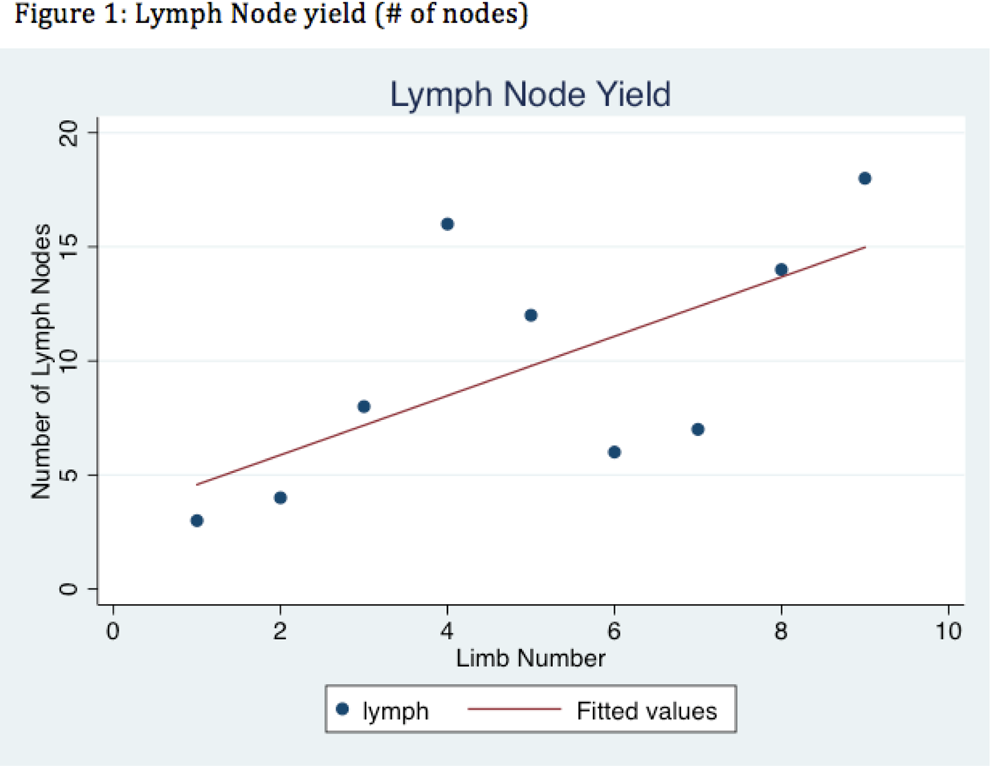
Management of penile cancer in Singapore
Effects of treatment with separate LHRH agonists on serum testosteron level and disease progression in patients with locally-advanced or metastatic prostate cancer
Disease progression was detected in 25% and 32,1% of the patients in leuprolide treatment group and goserelin treatment group, respectively (p = 0.423).
Primary Ewing Sarcoma/Peripheral Primitive Neuroectodermal Tumor Arising from the Adrenal Gland: A Case Report and a Review of the Literature
To explore the clinical manifestations, diagnosis and treatment of Ewing Sarcoma/Peripheral Primitive Neuroectodermal Tumor (ES/PNET)for a better understanding of the disease.
Prostate cancer screening in a Saudi population
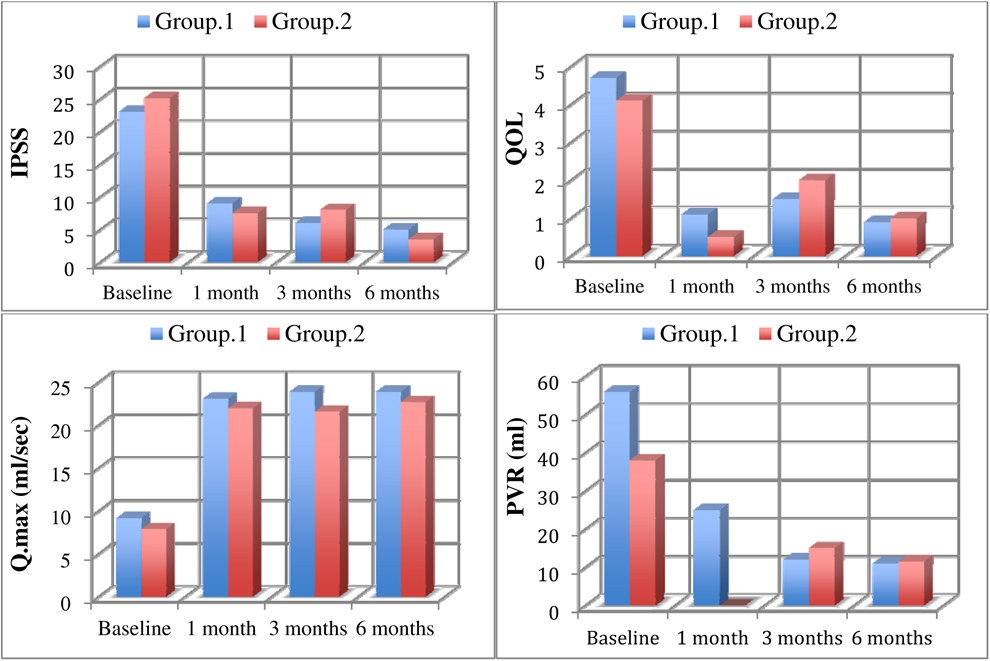
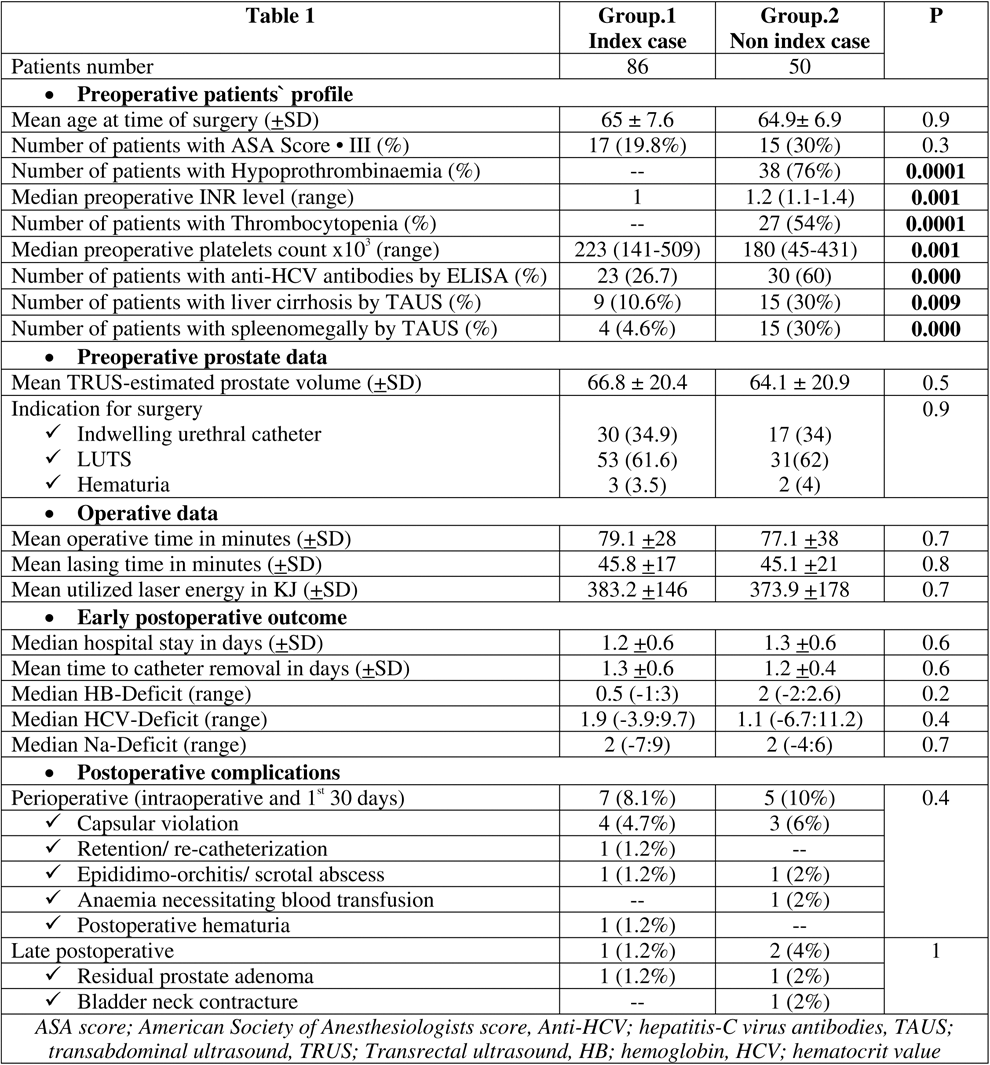
A Nomogram for Prediction of Prostate Cancer on Multi-Core Biopsy using Age, Serum PSA, Prostate Volume and Digital Rectal Examination in Singapore
Nd:YAG interstitial laser coagulation on patients with localized prostate cancer
MP22: BPH/LUTS/Female Incontinence (iii)
Pelvic organ prolapse surgery in older women : a comparison of procedures
The purpose of this study was to assess treatment-related complications of various pelvic floor repairs in female aged from 70 to 80 years old to see which procedure, if any, provided more benefit or risk in this age group.
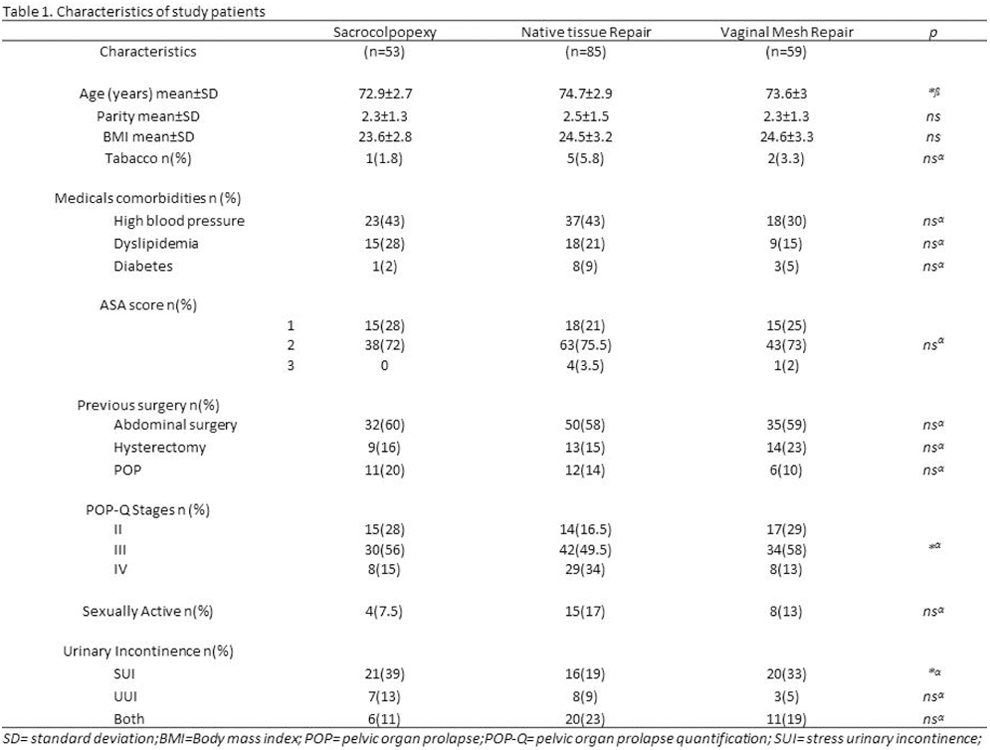
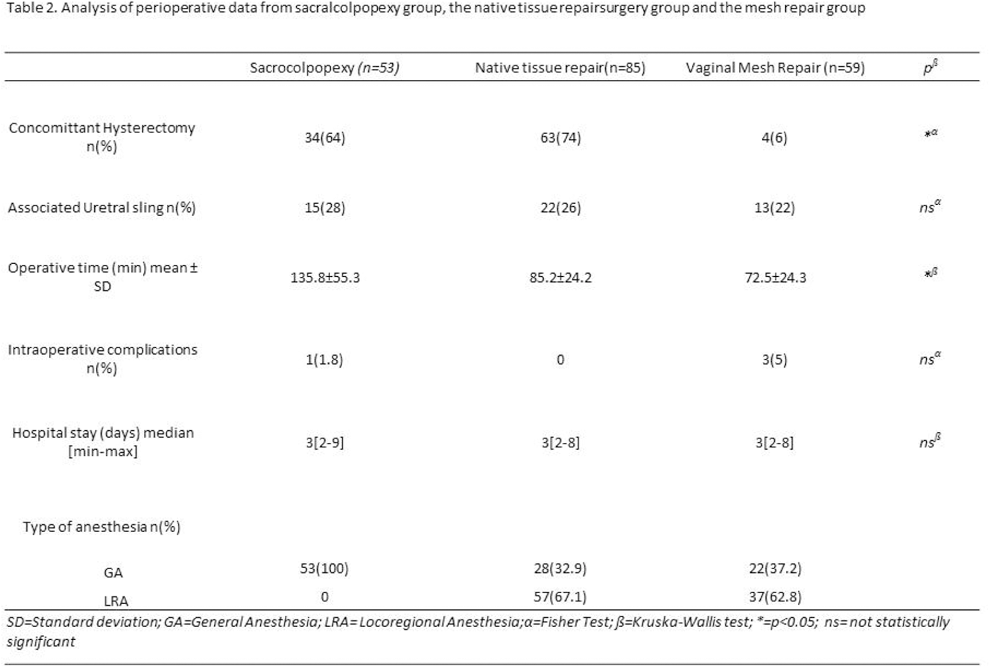
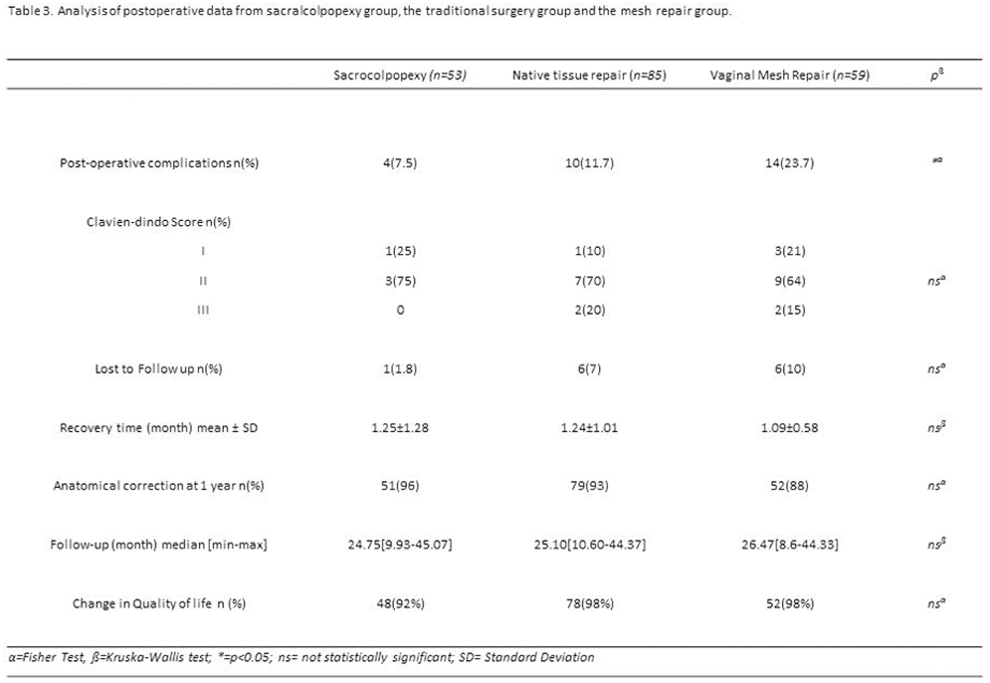
Usefulness of flexible cystoscopic classification of the prostate in benign prostate hyperplasia
Association of body mass index with prostate volume and serum prostate specific antigen in patients with lower urinary tract symptoms: An observational study from India with review of literature
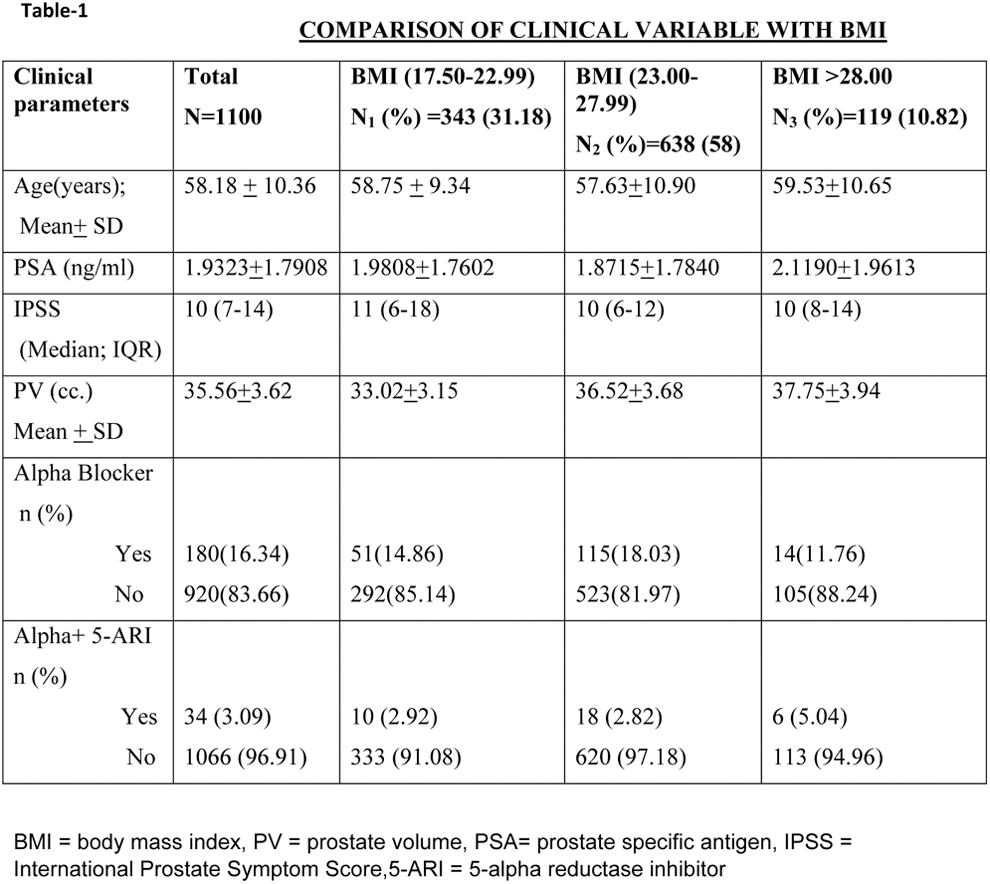
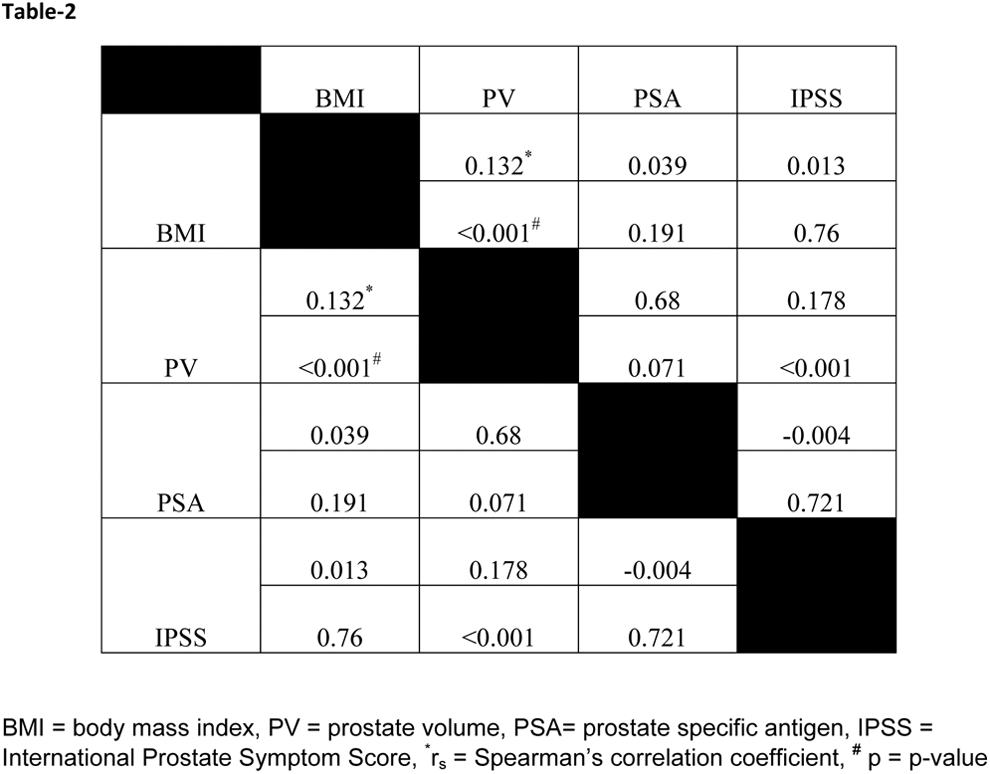
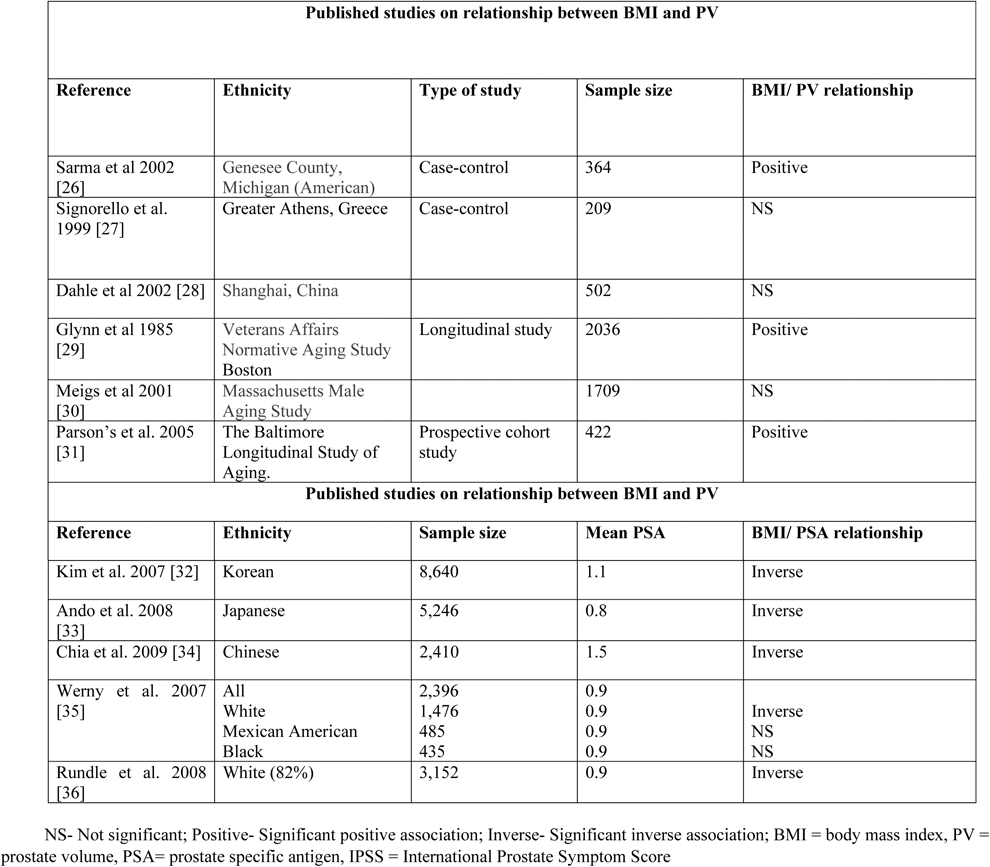
Effects of altering fluid intake time on nocturia
Predicting Time to Recovery of Urinary Retention
Surgery for Benign Prostatic Obstruction – Perioperative course of 2648 consecutive patients

Efficacy of Bladder Neck Injection to Achieve Continence After Failed Bladder Neck Repair in Exstrophy Patients
Promising outcomes in treatment of lower urinary tract symptoms
A promising minimally-invasive solution to the troubling stress urinary incontinence: Bladder neck injection with bulking agents
Intra detrusor Botulinum Toxin A injection in children: is it feasible and safe without general anaesthesia?
Is REMEEX® system safe and effective in old stress urinary incontinence patients?
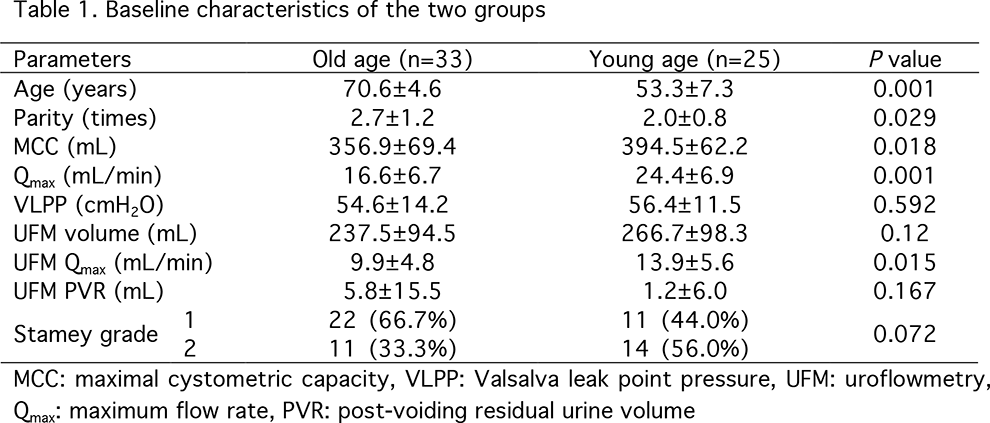

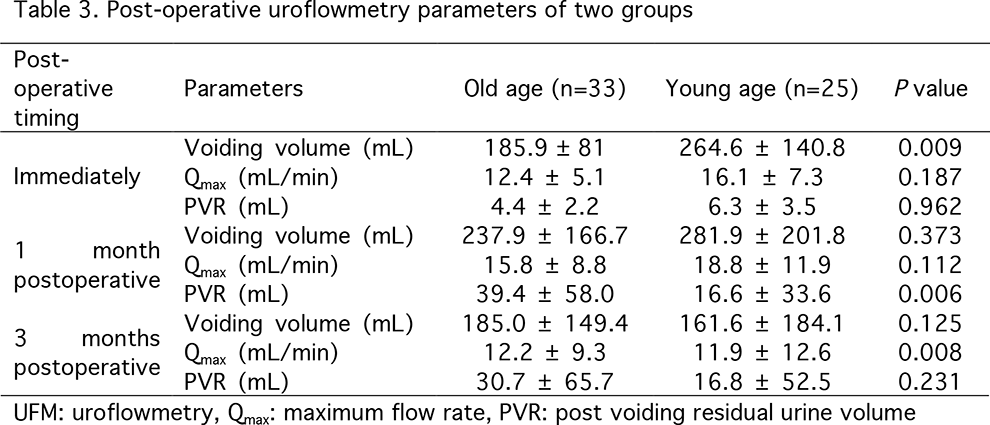
Clinical efficacy and safety of full dose antimuscarinic treatment on unsatisfactory improvement of symptoms after low dose antimuscarinic treatment in male patients with overactive bladder: a retrospective multicenter study
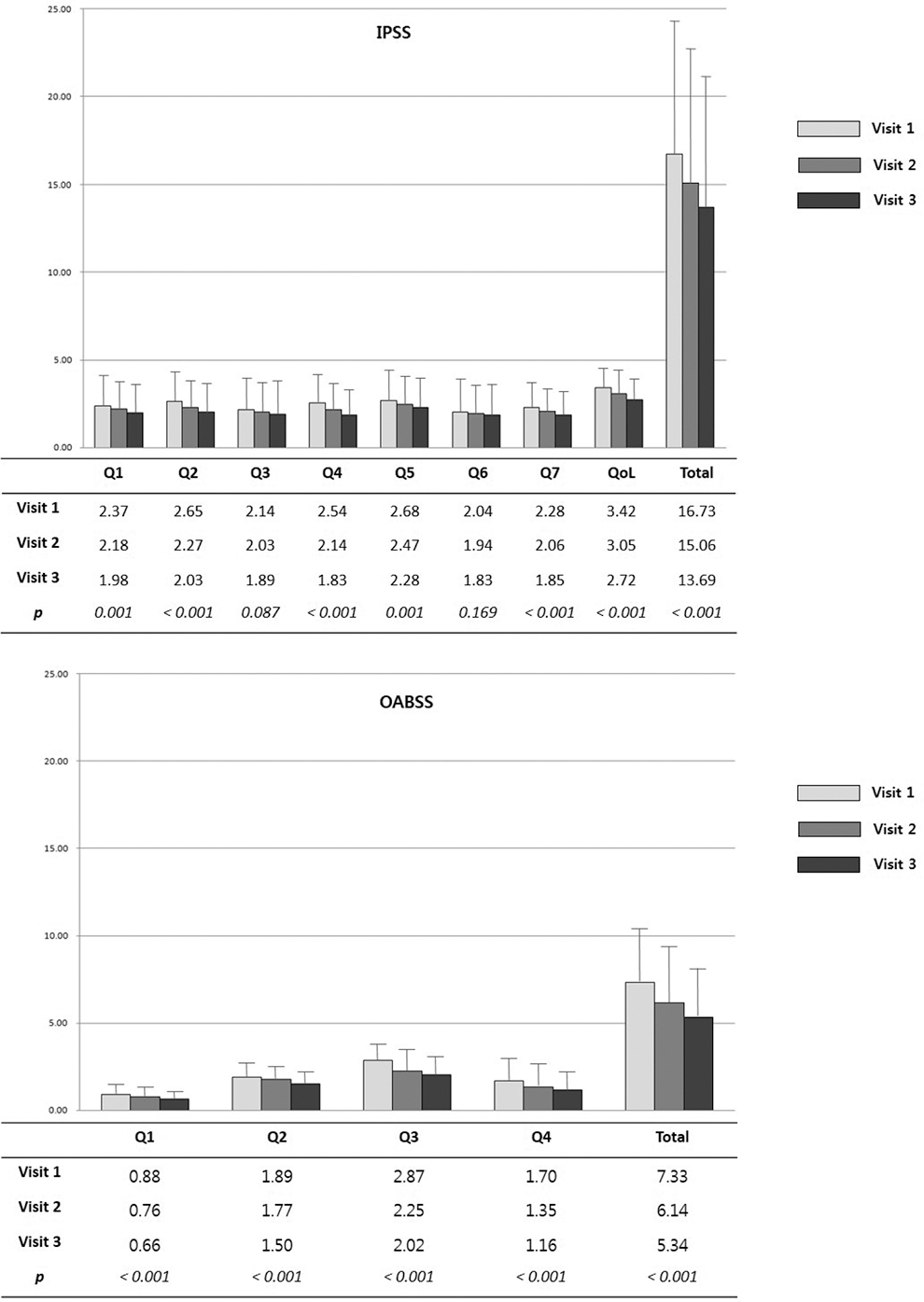
Safety and efficacy of REMEEX sling system for female urinary incontinence and feasibility of re-adjustment
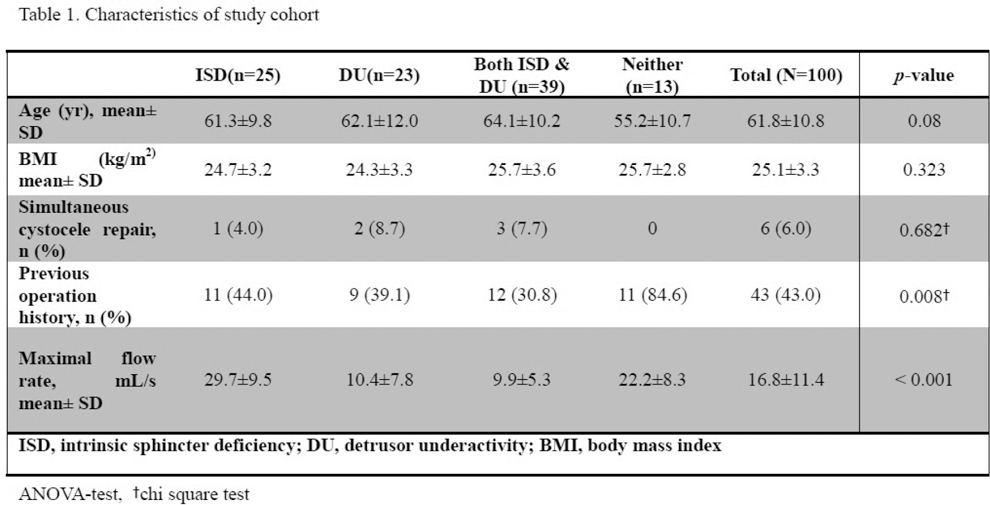

Response of Botulinum Toxin in Refractory Idiopathic Overactive Bladder– Our Experience
Simultaneous laparoscopic surgery for benign prostatic hyperplasia of large volumes
Patients with Small Prostates and Low-grade Intravesical Prostatic Protrusion – A Urodynamic Evaluation
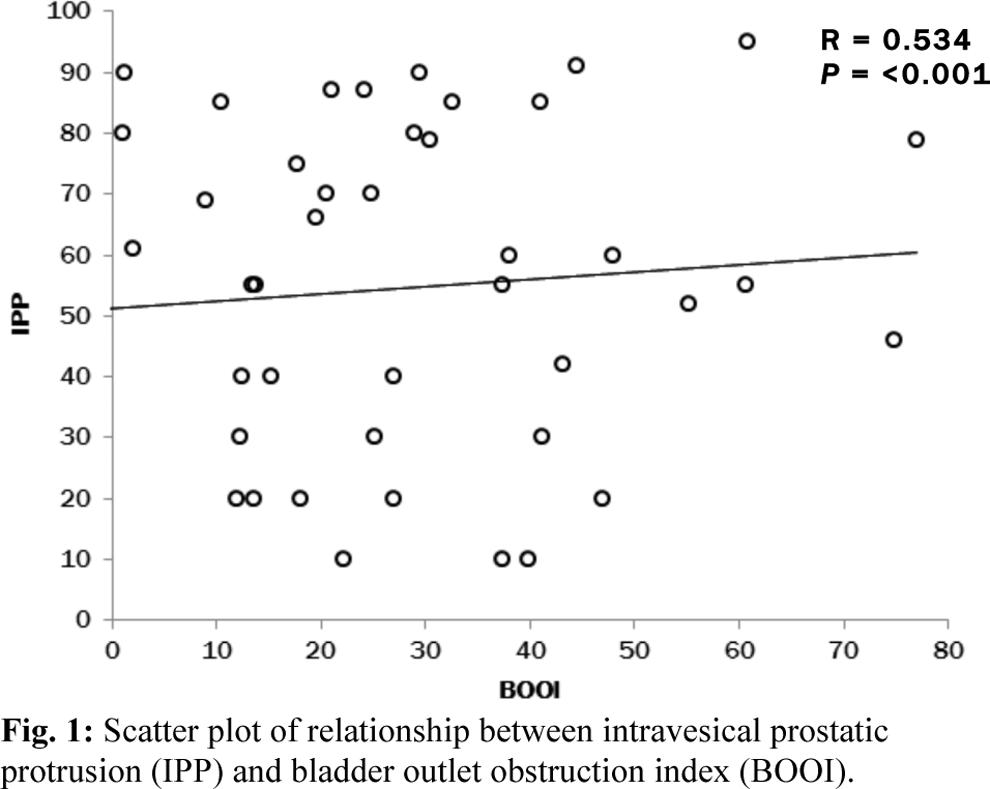
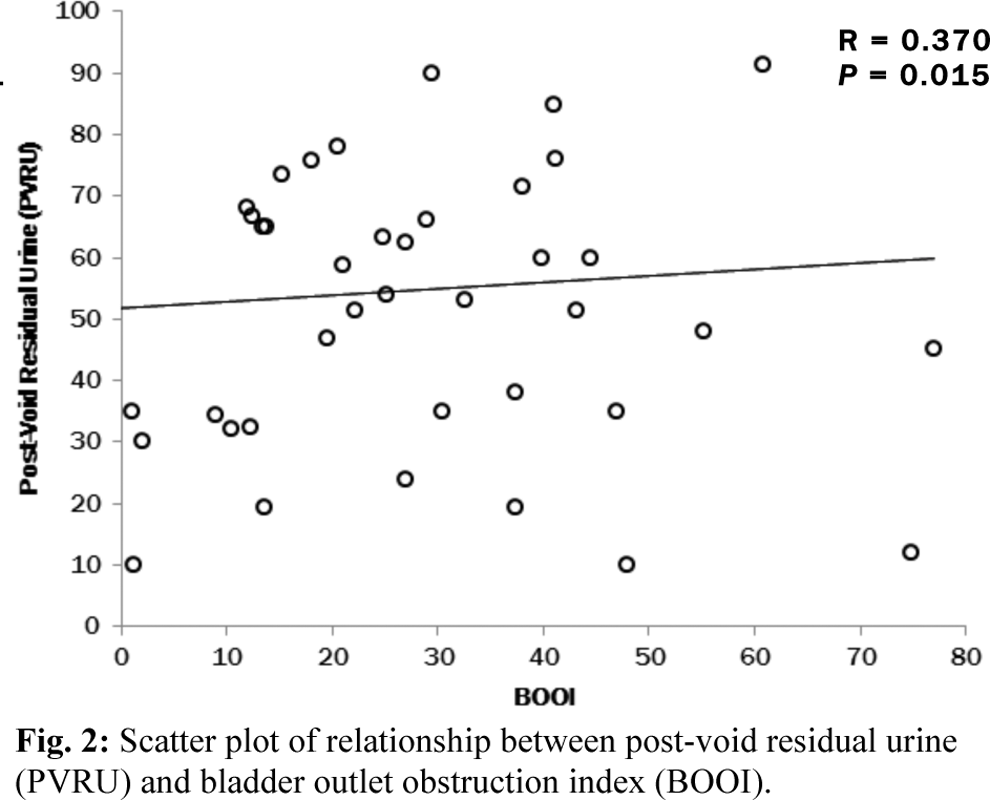
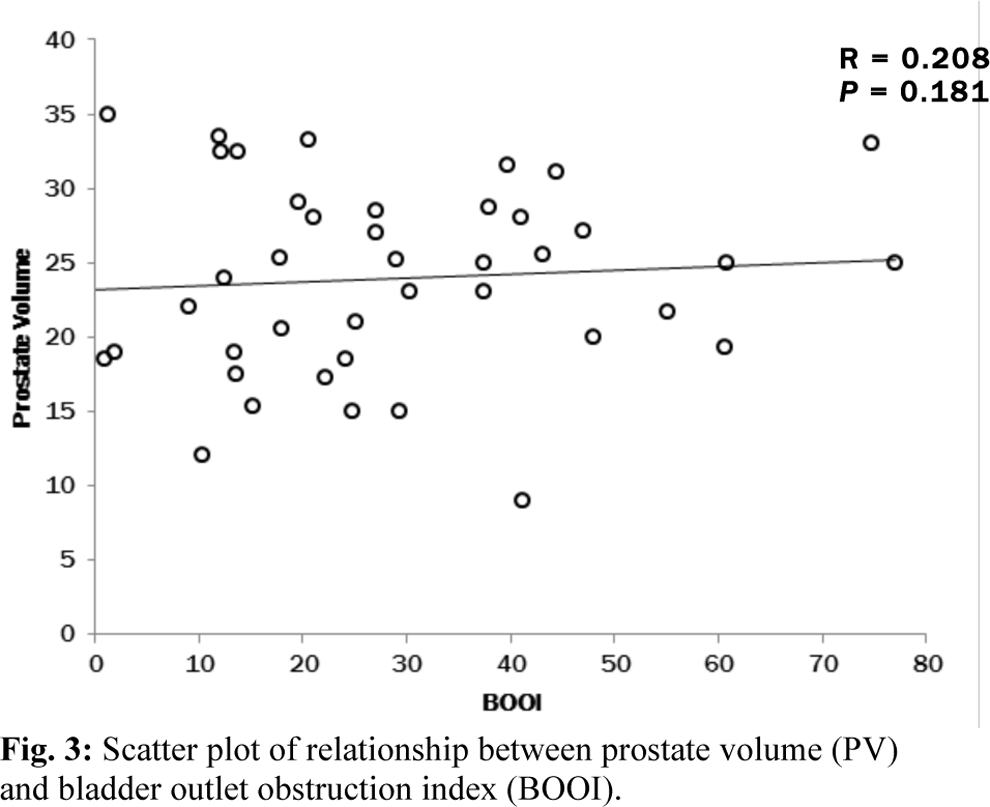
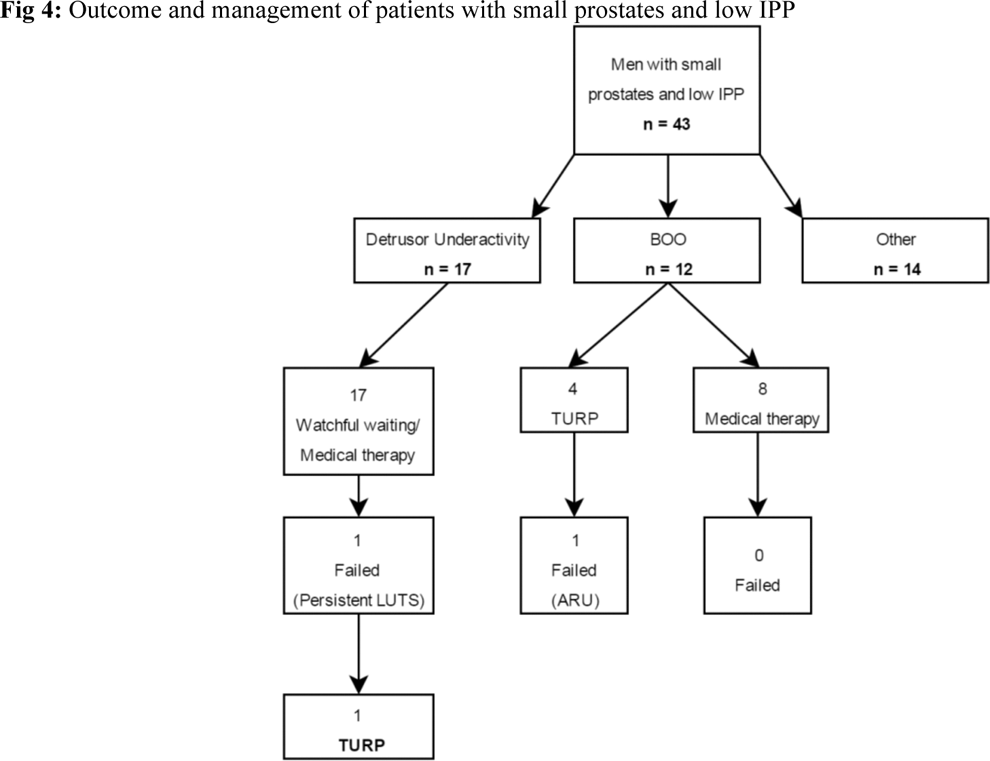
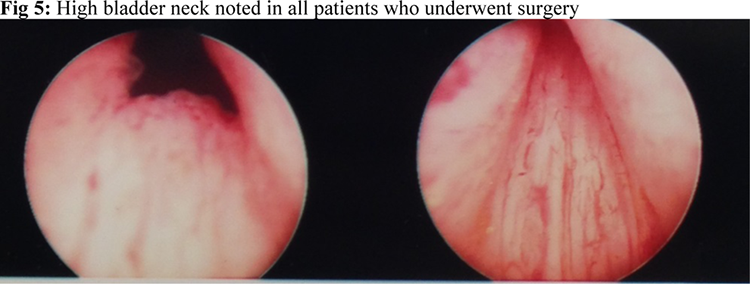
Endoscopic Treatment as a Therapeutic Alternative for Large Bladder Diverticula
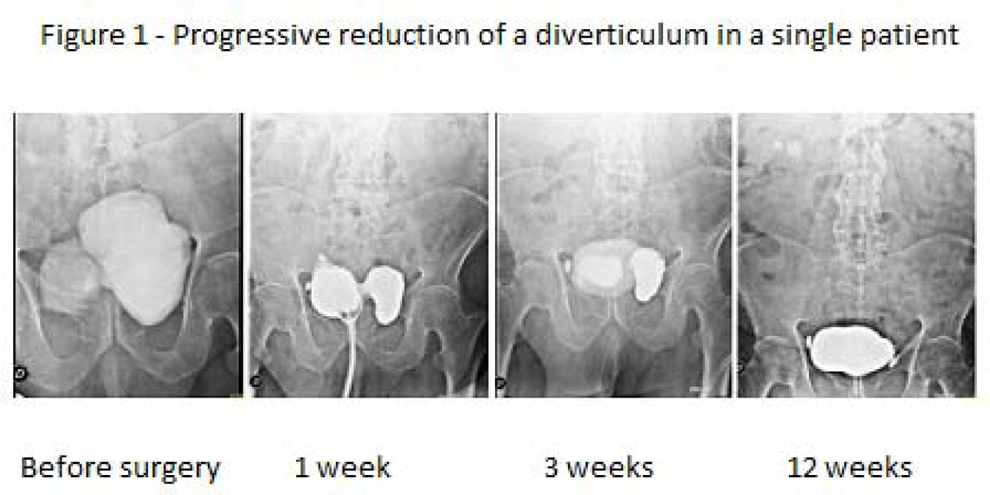
Nomogram for detecting bladder outlet obstruction in male patients with non-neurogenic bladder storage symptoms

Is increased prostatic urethral angle a cause of lower urinary tract symptoms in benign prostatic hyperplasia/lower urinary tract symptom in male?
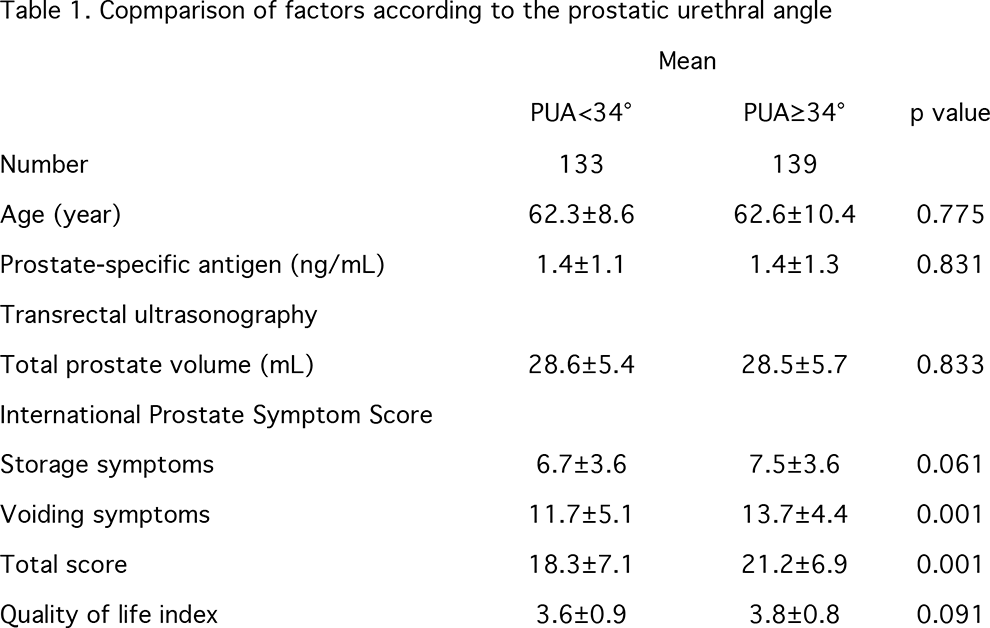
Endoscopic removal of Memotherm® using holmium YAG laser: A report of 3 cases
A prospective randomized controlled trial of Botulinum Toxin type A (BoNT-A) for the treatment of interstitial cystitis/bladder pain syndrome (IC/BPS)
The primary endpoint was the decrease of the patients' pain scores using the visual analog scale (VAS) between the two groups compared to baseline scores. The secondary endpoint was the improvement of cystometric capacity of their bladders post BoNT-A injections. For statistical analysis, Mann-Whitney tests were used.
Comparison of perioperative outcomes between holmium laser enucleation of the prostate and robotic assisted simple prostatectomy
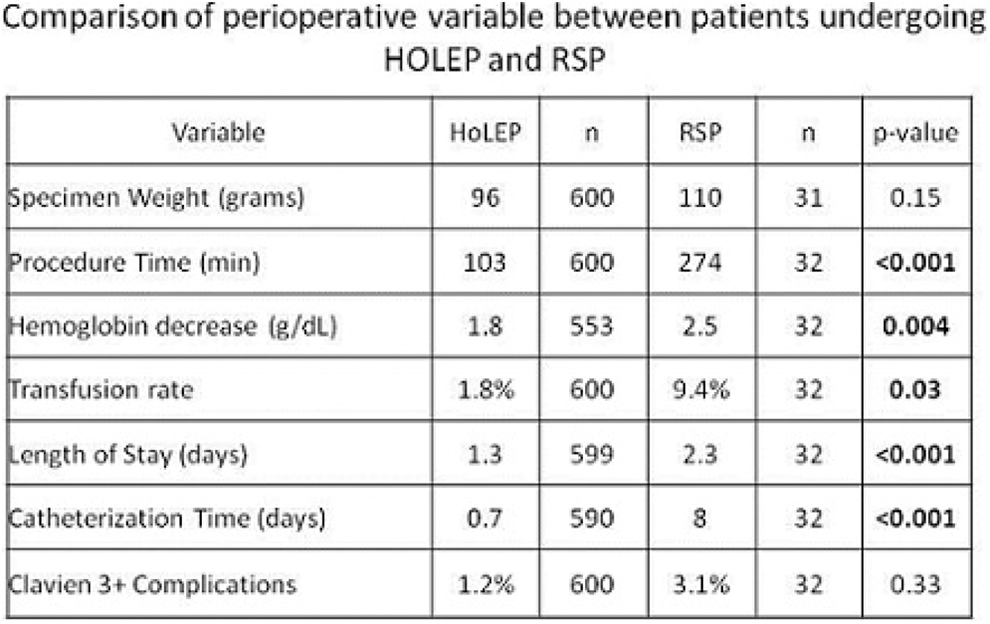
Intraprostatic transrectal injection of botulinum toxin A in patients with lower urinary tract symptoms caused by benign prostatic hyperplasia
IPSS showed 44% reduction in the mean IPSS at the week 12 (P value 0.000). Mean Q max showed 20% improvement at week 12 (P value 0.002). Statistical analysis showed also significant reduction in PVR, from mean PVR at baseline 53 (±15) ml to PVR at 12 week 28 (±13)ml (P value 0.01). At 12th week, statistically insignificant reduction in mean Prostate Volume (PV) was found, with mean PV at 12th week 38.8 ml. (P value 0.32).
MP23: New Technology: Endourology (ii)
SabreSource: a novel percutaneous nephrolithotomy apparatus to aid collecting system puncture - a preliminary report
Objective assessment was obtained by in vitro testing using simulated PCNL puncture of a kidney phantom with and without using the SabreSource. Fluroscopy screening time (FST) and amount of radiation (mGy) used to achieve successful puncture was assessed.
Clinical analysis of mini percutaneous nephrolithotomy with intelligent pressure controlled perfusion and aspiration system
Jose Reyes Urology – Percutaneous Renal Access Clay (JRU – PRAC) Model for training in Percutaneous Nephrolithotomy and its Accuracy in Simulating the Human Renal Collecting system
The objective of this study is to develop a cost-effective, anatomically accurate, non-biologic training model for simulated PCNL access under fluoroscopy. This study also aims to determine the accuracy of the training model in simulating the human renal collecting system.

Efficiency of Transurethral Cystolitholapaxy with AH −1 Stone Removal System to Large Volume Bladder Stones
Do Illuminated Foot Pedals Improve the Speed and Accuracy of Pedal Activation During Endoscopic Procedures?
Efficacy and Safety of Transurethral Seminal Vesiculoscopy Combined with Ultrasonic Lithotripter for Severe, Persistent Hemospermia: Initial Experience with a Maximum of 5-Year Follow-Up
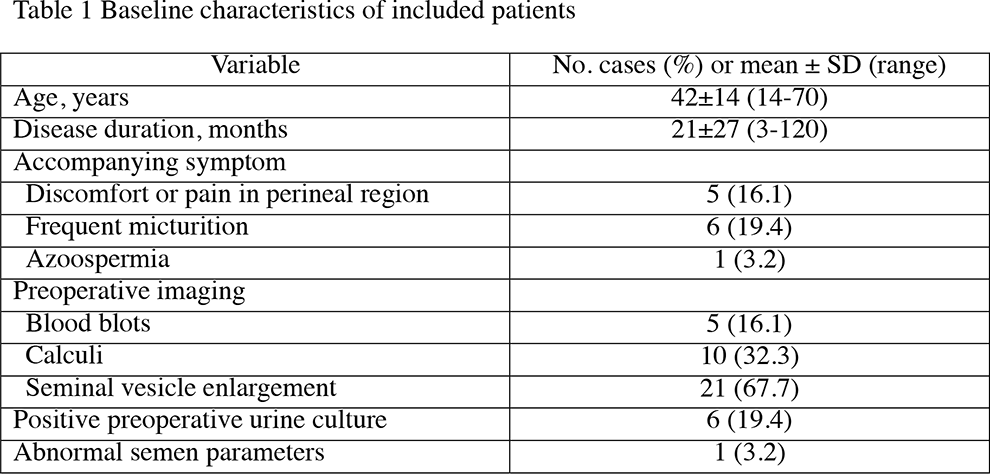
The Lotus Catheter: A Preliminary Report on a Novel Bladder Catheter

A 3D software versus ellipsoid formula for stone volume determination
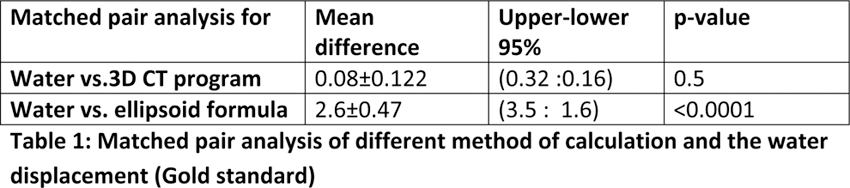
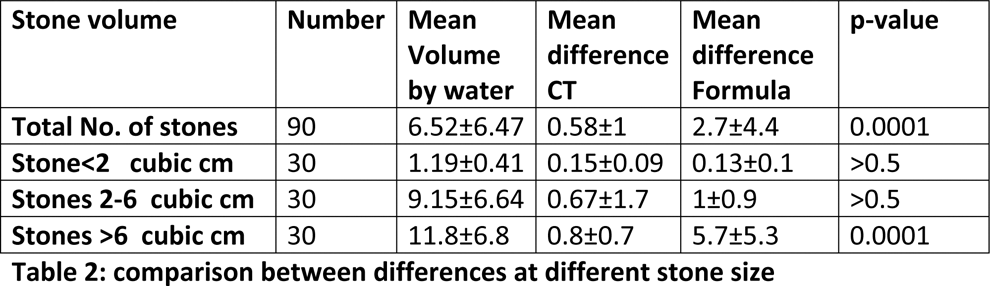
Endoscopic management of Recto-Urethral Fistula with Fibrin Sealant, using a visualized ‘double injection’ [supra-pubic and colonic] method


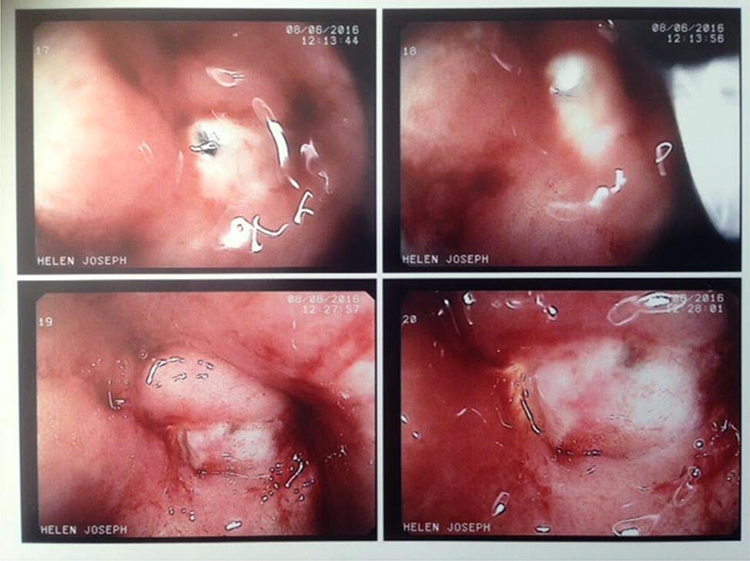
Endoscopic Treatment for Persistent Hematospermia: A Novel Technique Using a Holmium Laser
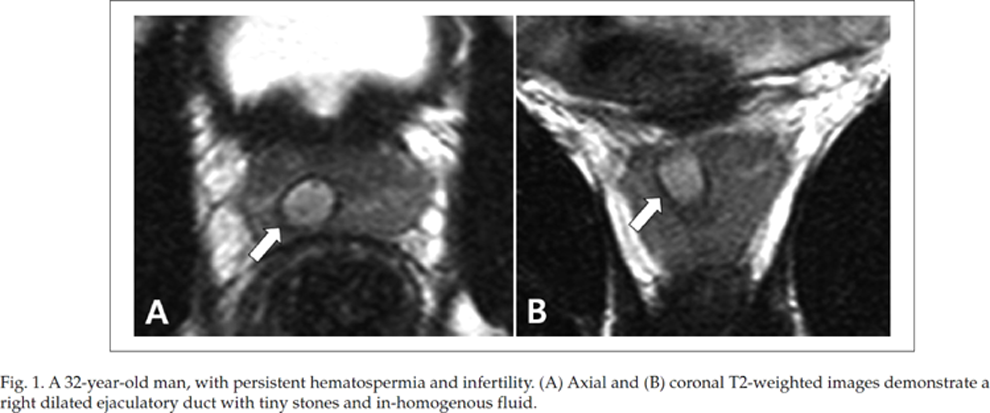
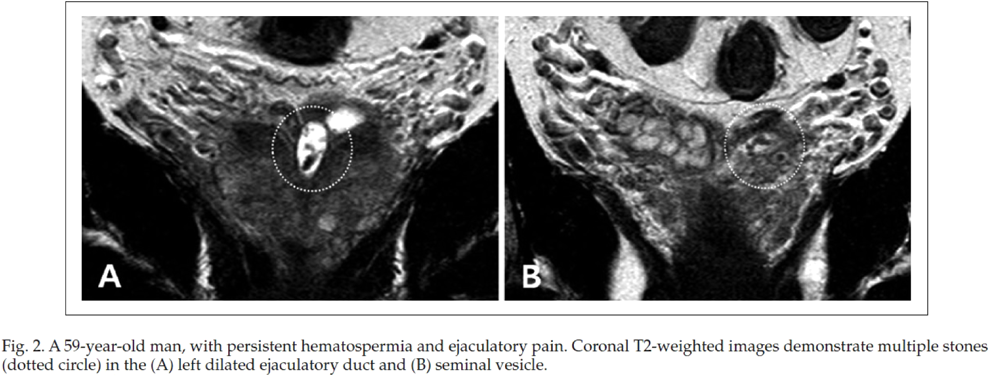
A Novel Technique For Access During Percutaneous Nephrolithotomy In An Ex-vivo Model
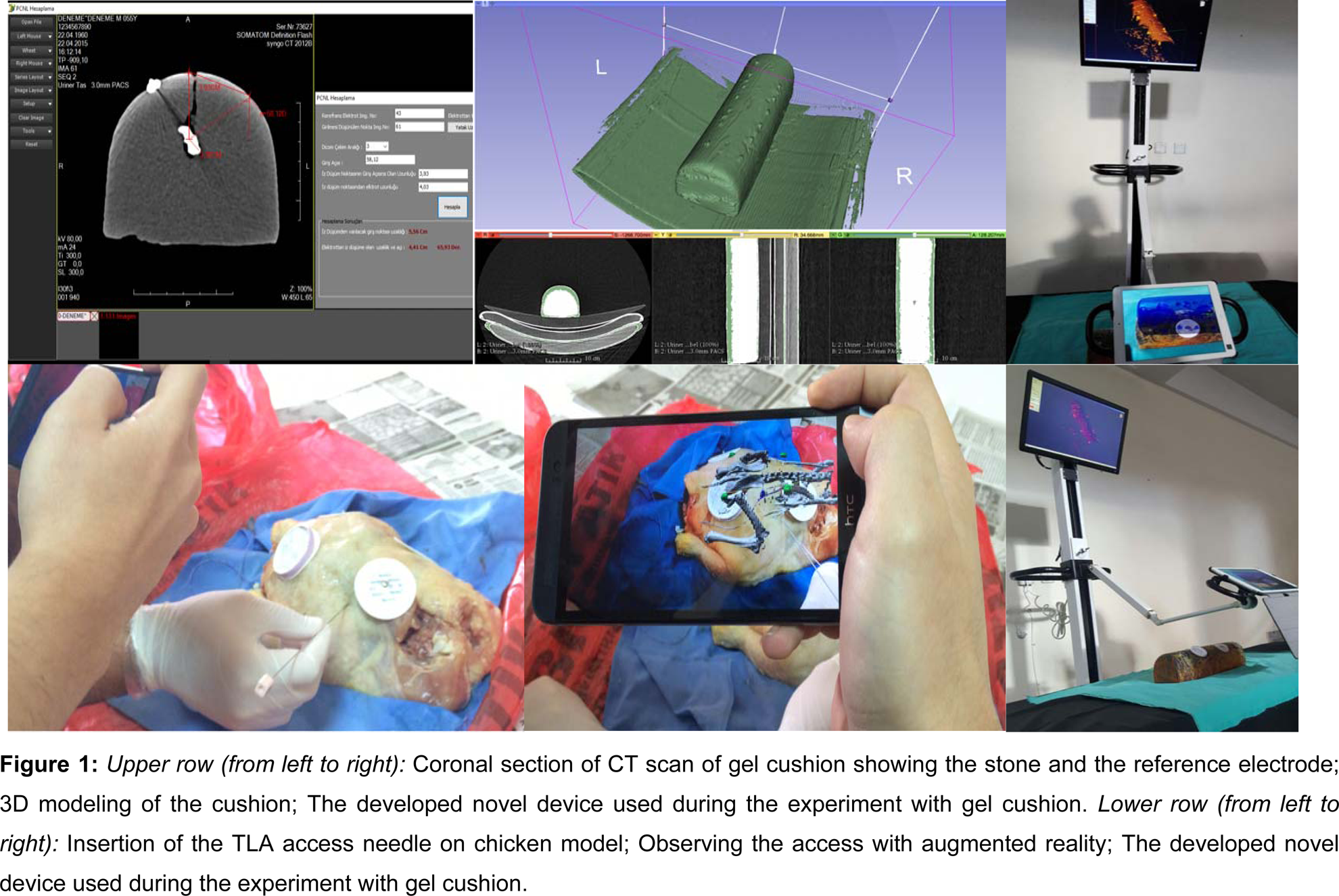
By using the DICOM objects generated from CT scans, mathematical and software functions were developed to measure the distance of the stone from the reference electrodes. Afterwards, vectoral 3-dimensional (3D) modeling was performed to calculate the access point and angle. Conversion of the files into FBX/OBJ format provided the data to be used in augmented reality (AR) technology. With the specific programs and AR, the 3D modeling was placed onto the real object, and calculated access point and angle as well as a virtual access needle were marked and placed on the object.
The developed system was tested on two different models. Firstly, a real kidney stone was placed in a gel cushion. After receiving a CT scan of the cushion, the calculations and 3D modeling were performed. The second experimental model was made by inserting a urinary stone was in a bovine kidney which was placed in a chicken.
The effect of GUARDIX-SL instillation to prevent urethral stricture after transurethral bladder surgery


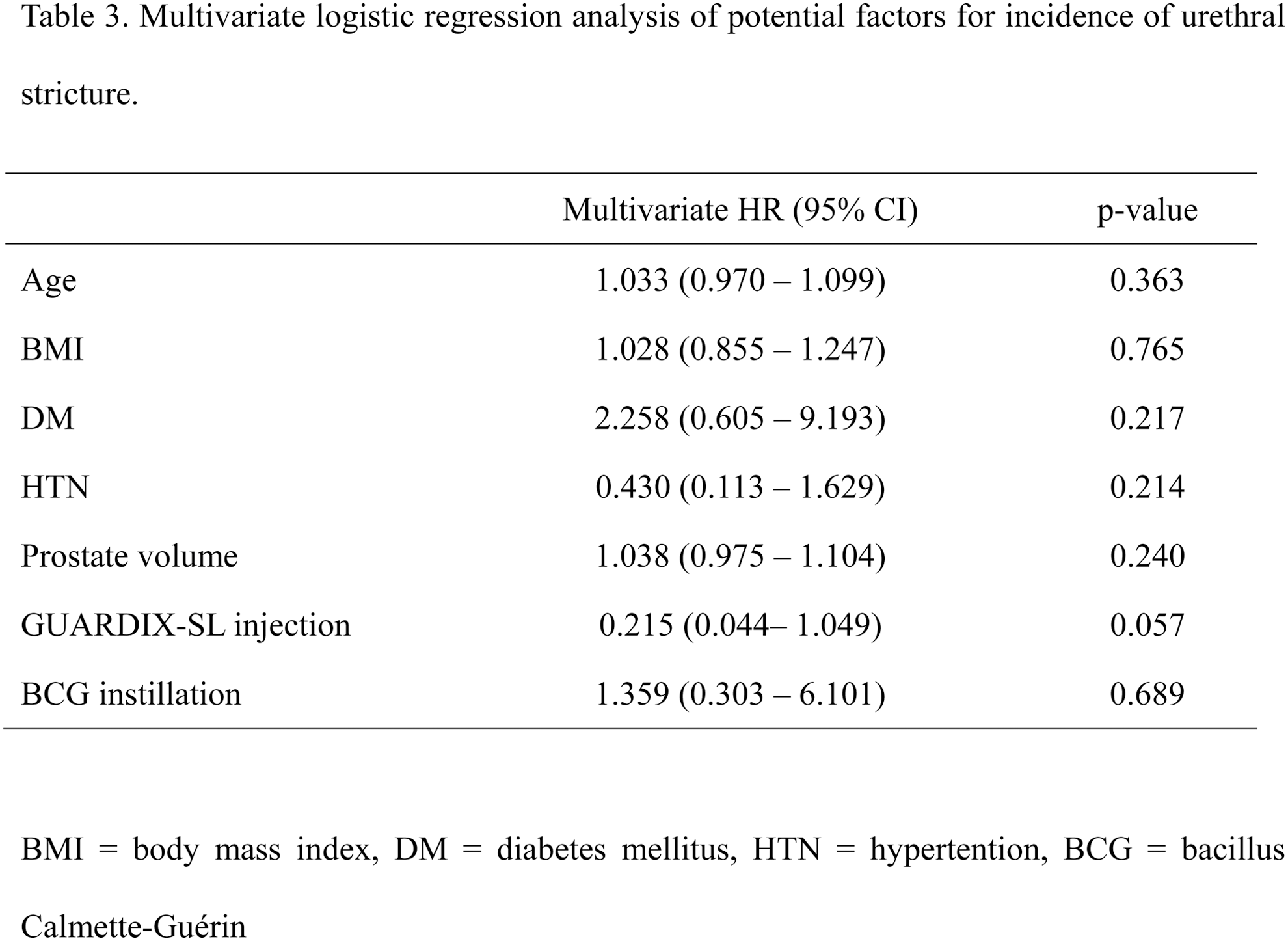
Impact of Personalized Three-Dimensional (3D) Printed Pelvicalyceal System Models on Patient Information in Percutaneous Nephrolithotripsy Surgery: A Pilot Study
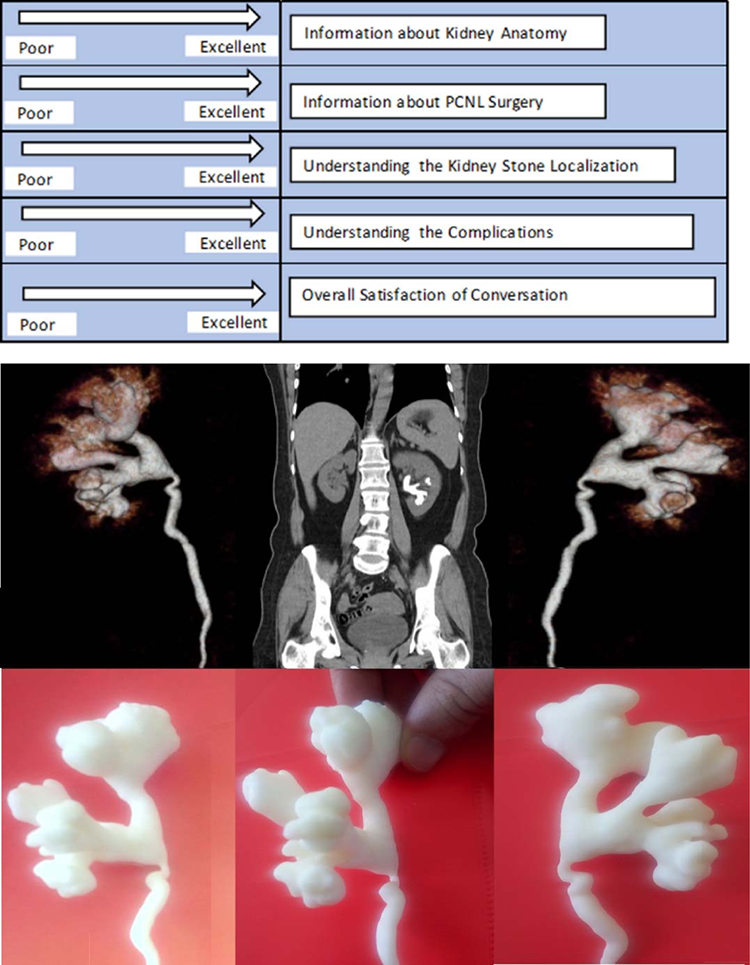

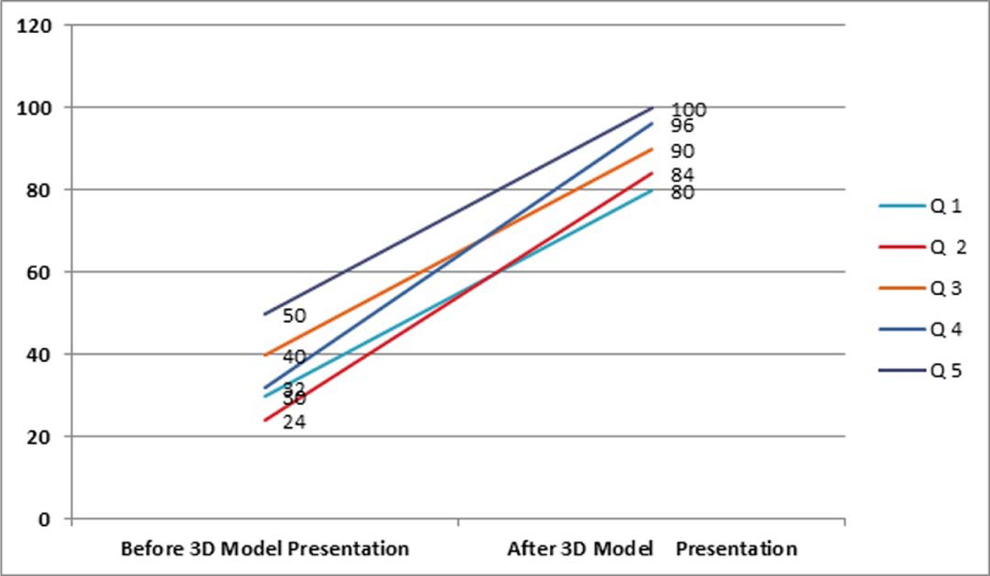
The effectiveness of clinical research of extracorporeal physical vibration lithecbole (EPVL) after Retrograde Intrarenal Surgery (RIRS)
MP 24: PCNL: Outcomes (ii)
Results Of Our Percutaneous Nephrolitotomy
Factors predicting pleural complication following upper pole access percutaneous nephrolithotomy
What is the Most Efficient Scoring System to Predict Percutaneous Nephrolithotomy Outcomes? A Comparative Study Among S.T.O.N.E Score, Guy's Stone Score and Croes Nomogram

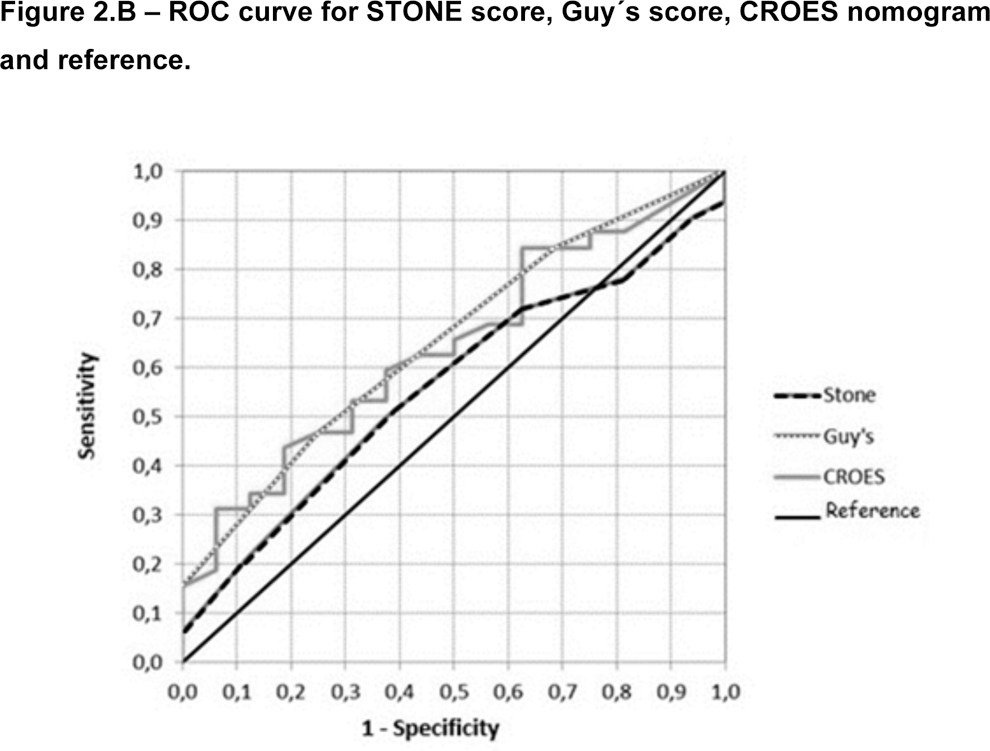
Minimally-invasive Percutaneous Nephrolithotomy versus Retrograde Intrarenal Surgery for treatment of medium sized (10–20 mm) renal calculi-a prospective study
The role of minimally invasive percutaneous nephrolithotomy (PCNL) techniques: a systematic review of the literature
PCNL in Adults- A single center experience of 3402 patients from Pakistan
Is stone size the sole factor leading to longer operative time in minimally invasive percutaneous nephrolithotomy?
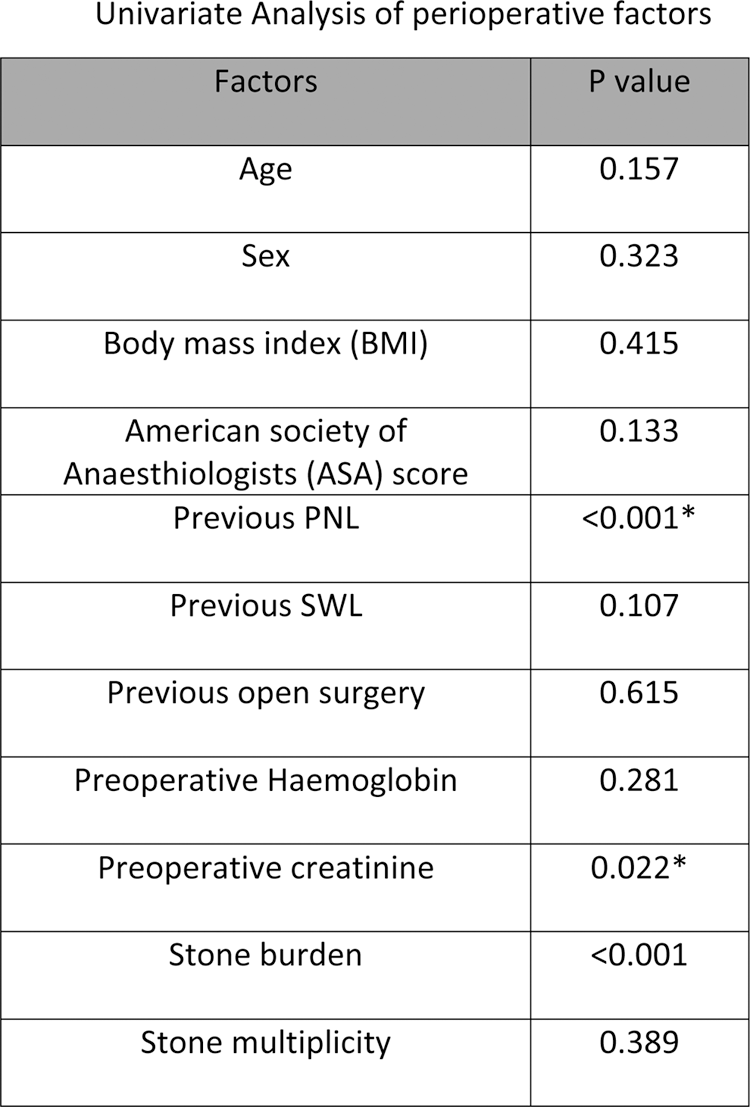
Do intraoperative ventilatory changes during percutaneous nephrolithotomy predict hydropneumothorax?
Super-mini percutaneous nephrolithotomy combined with flexible ureteroscopy versus the Chinese minimally invasive percutaneous nephrolithotomy: an efficacy analysis in patients with renal stones 2.5–4.0 cm
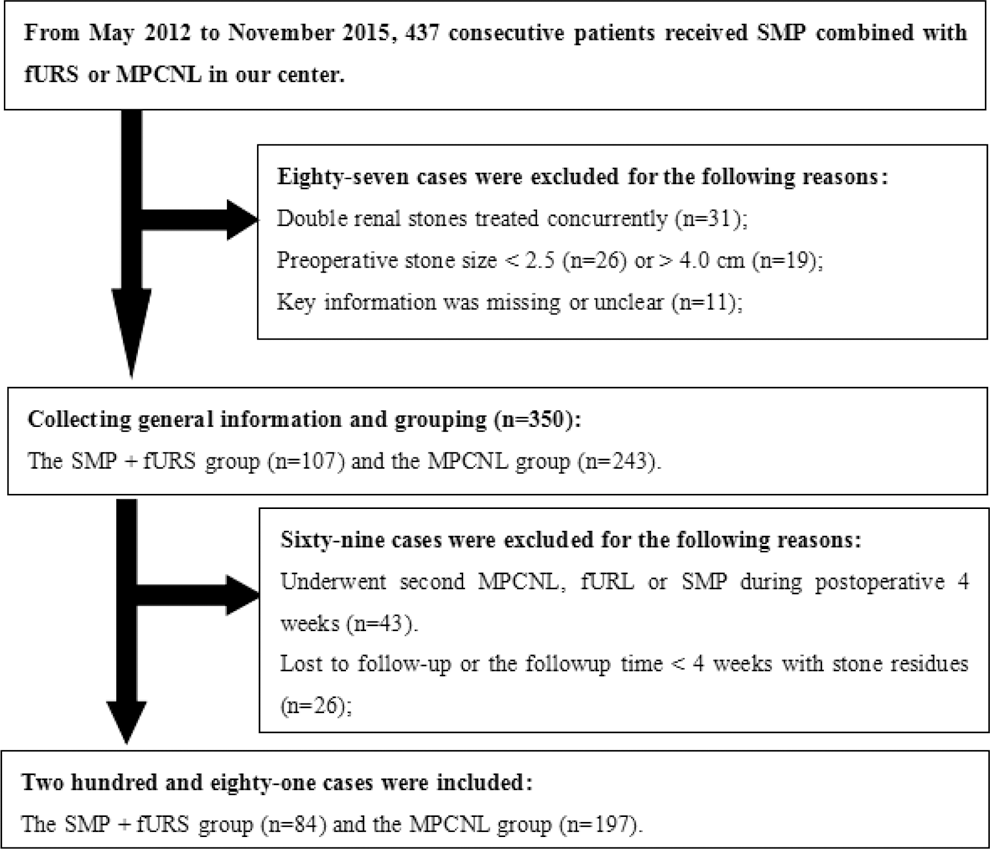
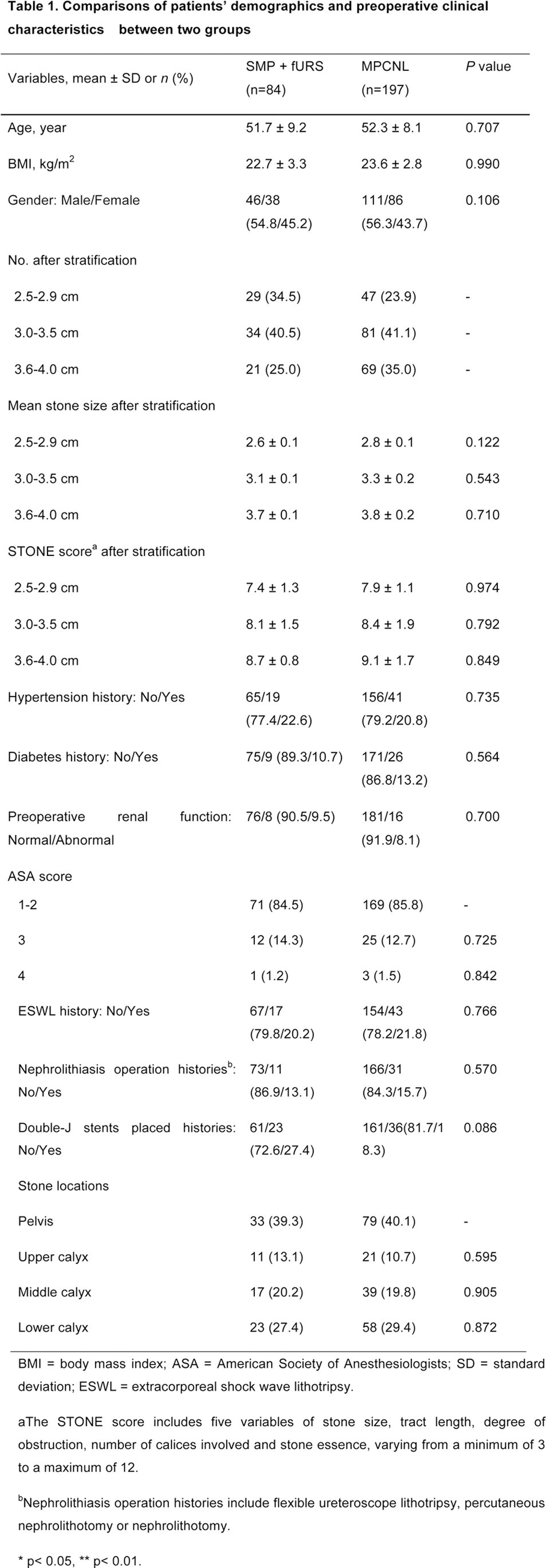
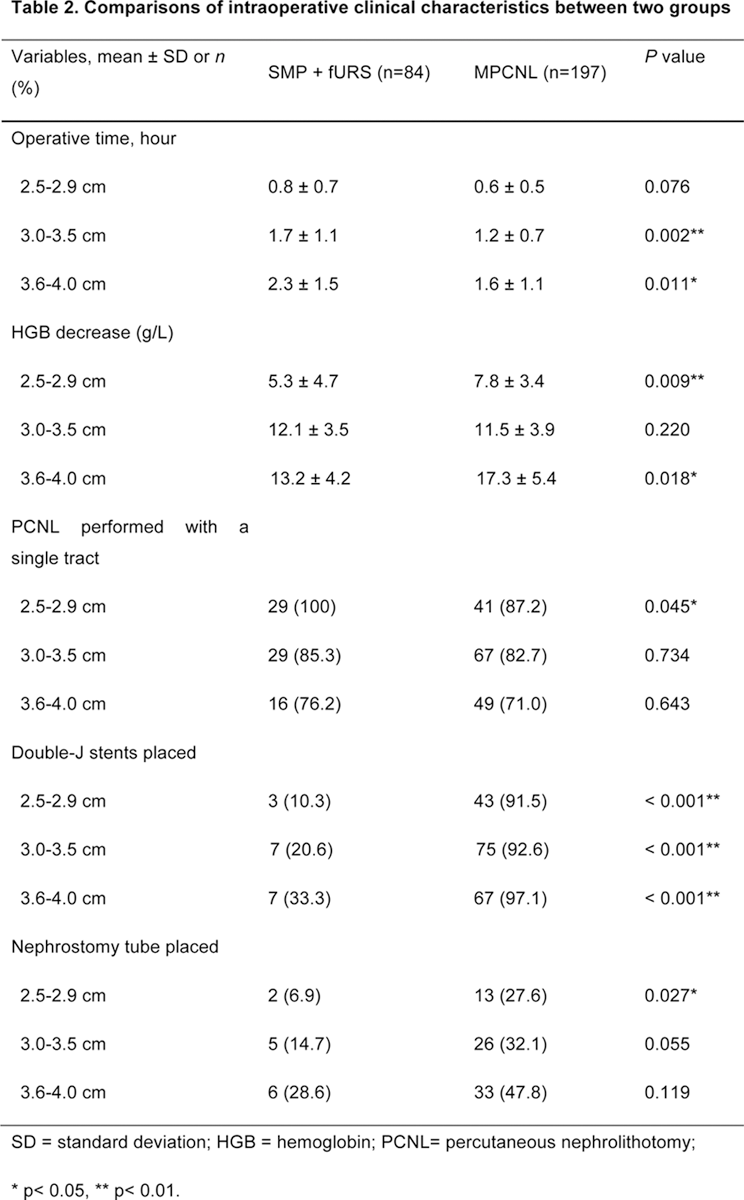
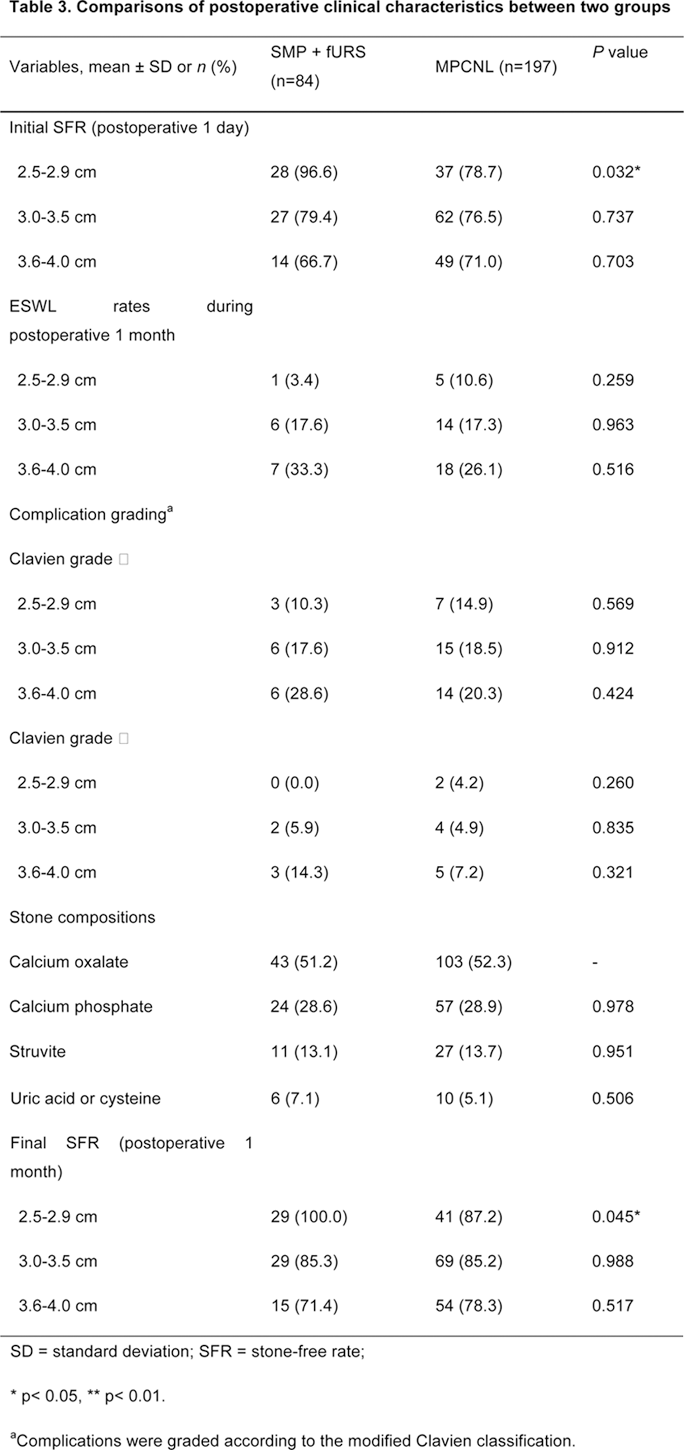
The efficiency of micropercutaneous nephrolithotripsy
Comparison of Costs and Outcomes of Percutaneous Nephrolithotomy based on Percutaneous Access

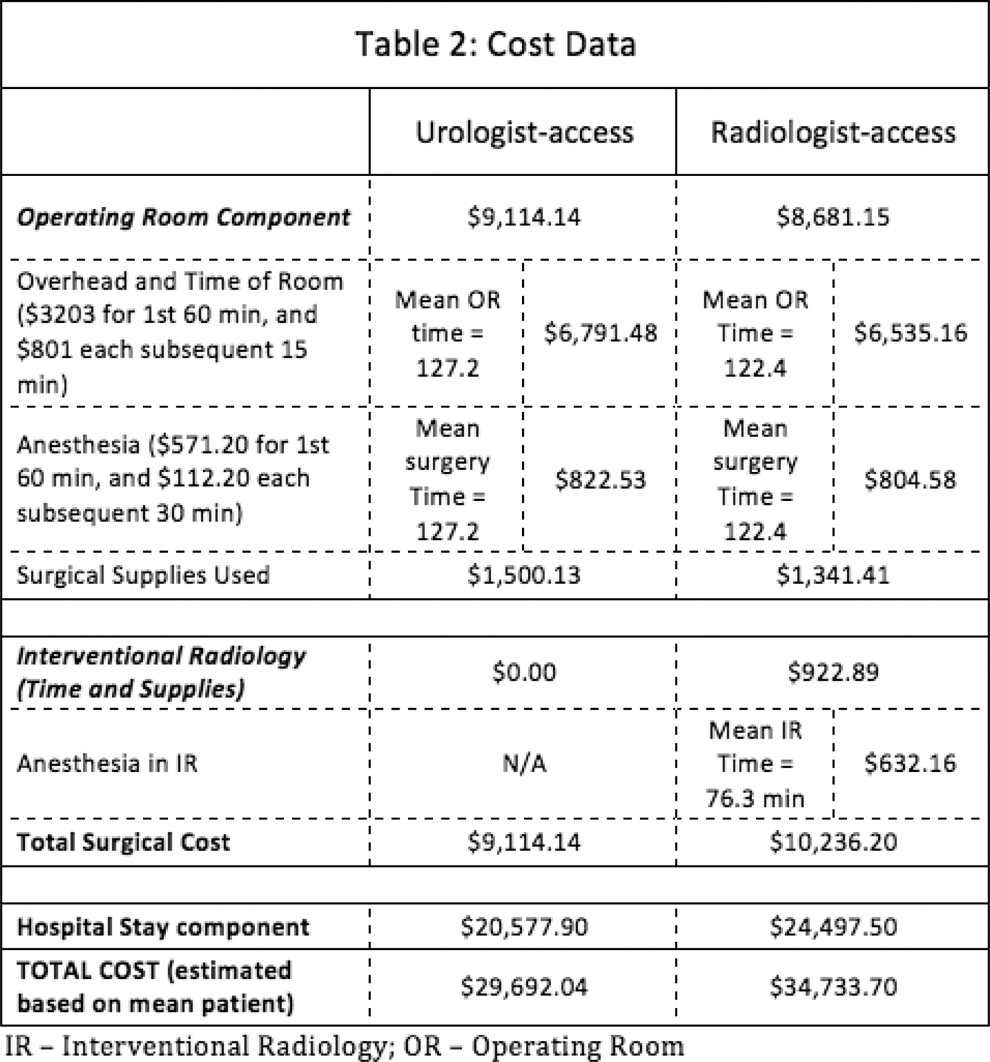
Factors affecting blood loss during percutaneous nephrolithotomy
A review of PCNL for staghorn renal stones outcomes from the UK national data registry
Comparison of Mini-Percutaneous Nephrolithotomy and Retrograde Intrarenal Surgery in Pre-school Age Children
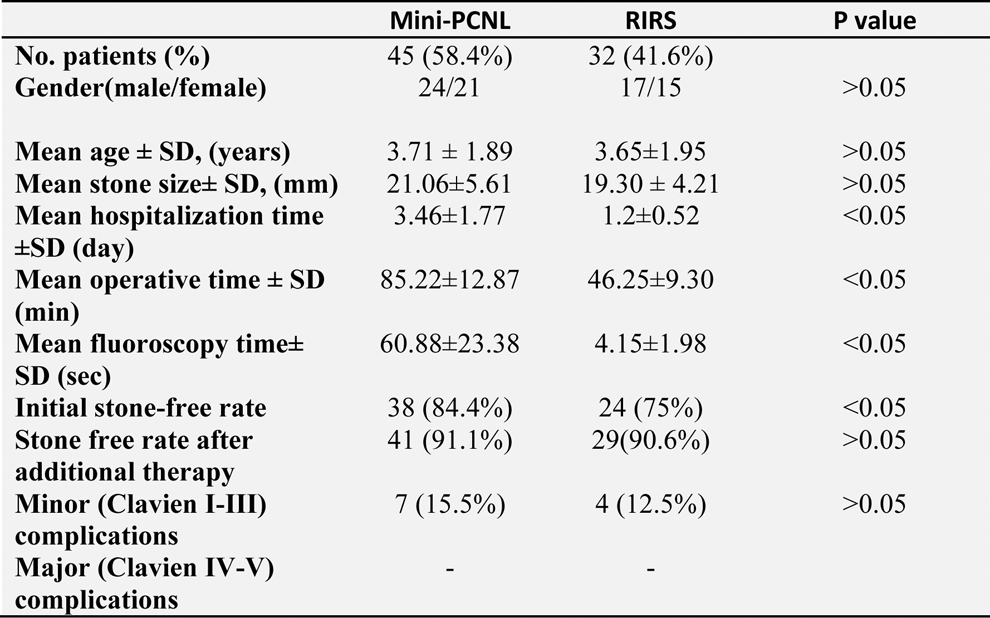
Combined minimal percutaneous nephrolithotomy and retrograde flexible ureteroscopy to eliminate residual renal calculi in Phase II
Radiation exposure during Percutaneous Nephrolithotomy and measures taken at various steps to decrease it as low as possible
Assessing the Volume-Outcome Relationship for PCNL in 2014 and 2015 - Analysis using BAUS Registry Data of over 4000 Cases
A series of comparisons of outcomes was then made between the ‘high volume’ and the ‘low volume’ groups. These outcomes included clearance on imaging at day one, blood transfusion, sepsis, complcations and post-operative length of stay. These comparisons were made for all stones accoridng to their Guys Stone Score (GSS) complexity, graded from 1–4. Comparisons were carried out using Fisher's exact test.
Pulmonary Complications Following Percutaneous Nephrolithotomy in the Tubeless vs. Tubed Eras
The first cases of Percutaneous Nephrolithotomy (PNL) in Albania and Kosovo
Does percutaneous tract size through intercostal space affect pulmonary complications following percutaneous nephrolithotomy?

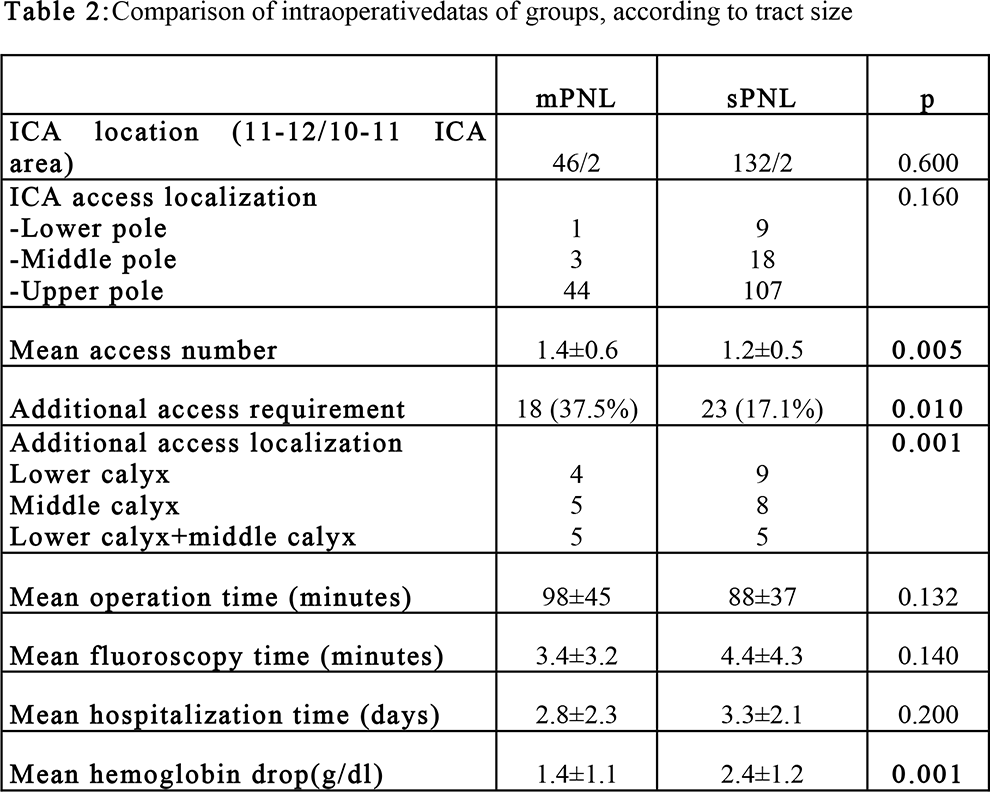
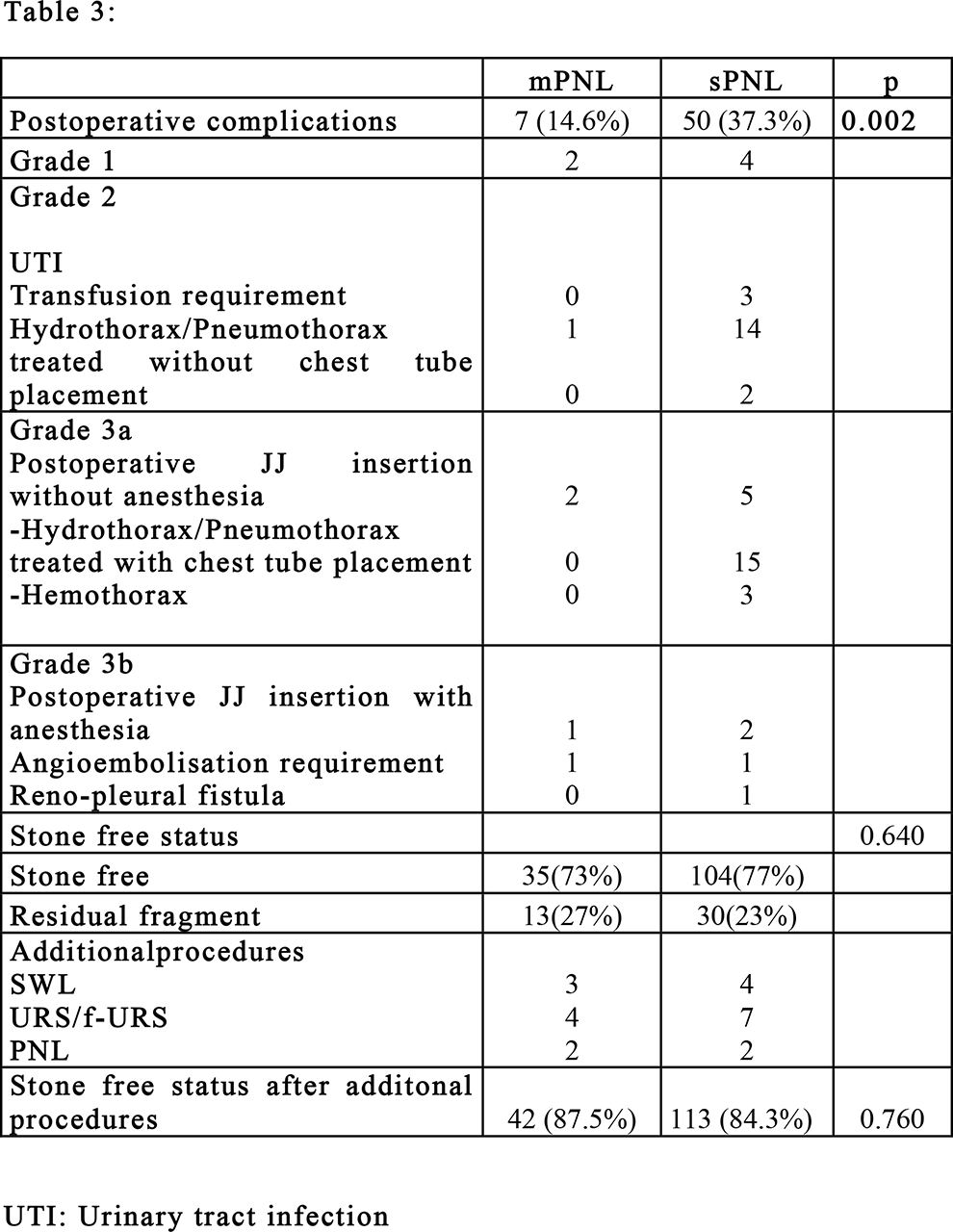
Is distance from skin to calyx have a predictive value to foresee miniaturized percutaneous nephrolithotomy outcomes?
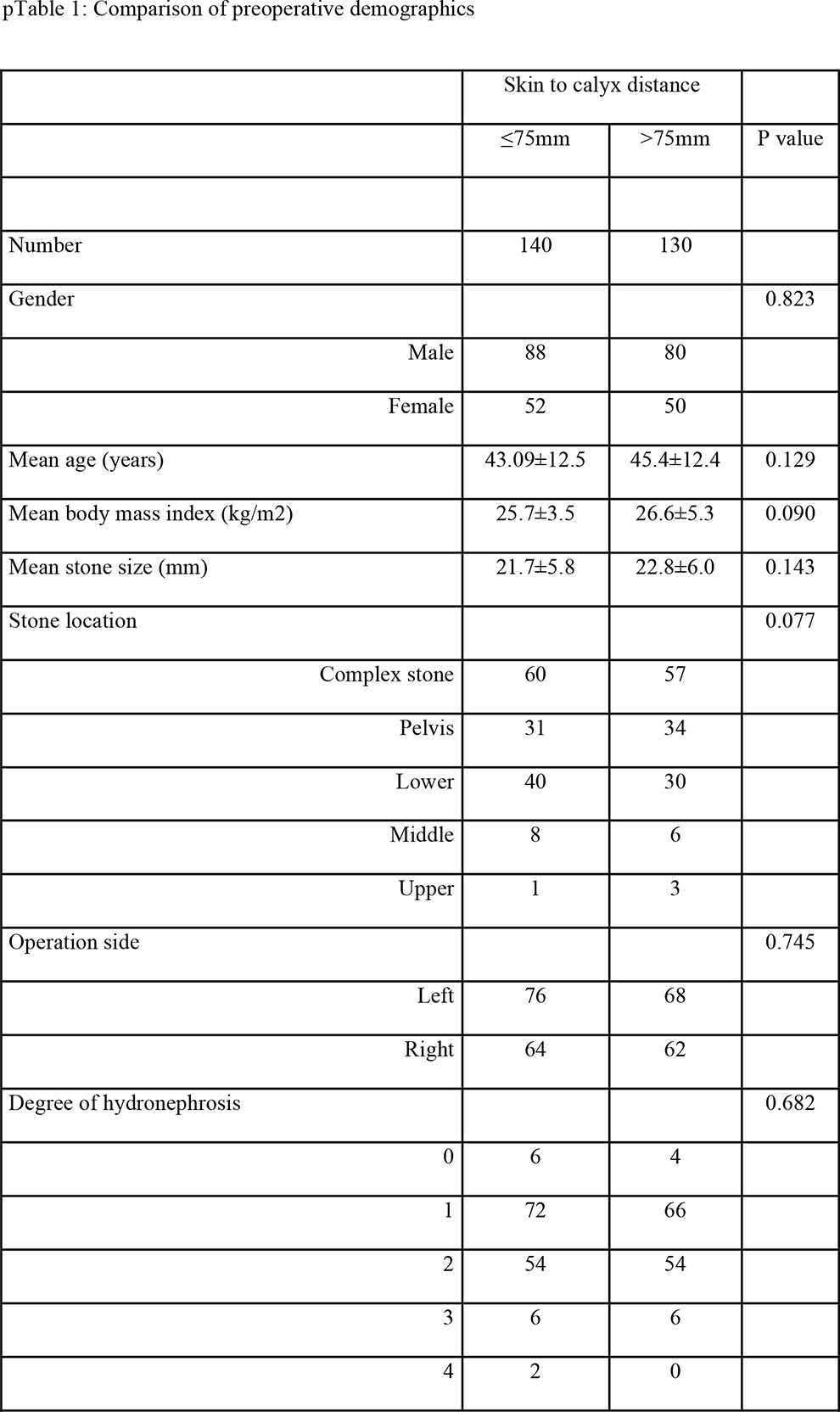
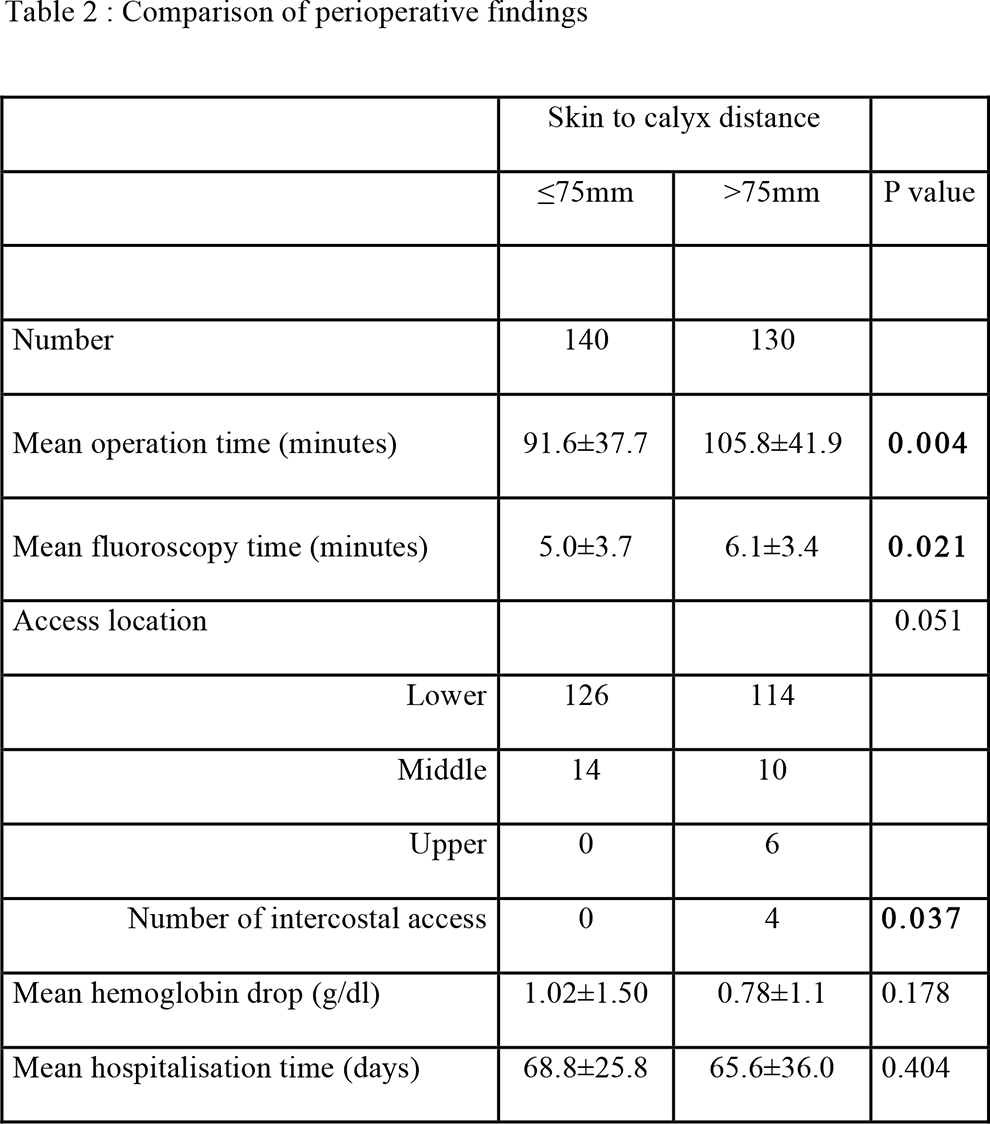

Ambulatory Percutaneous Nephrolithotomy in an Ambulatory Surgery Center: First Year Case Series Review
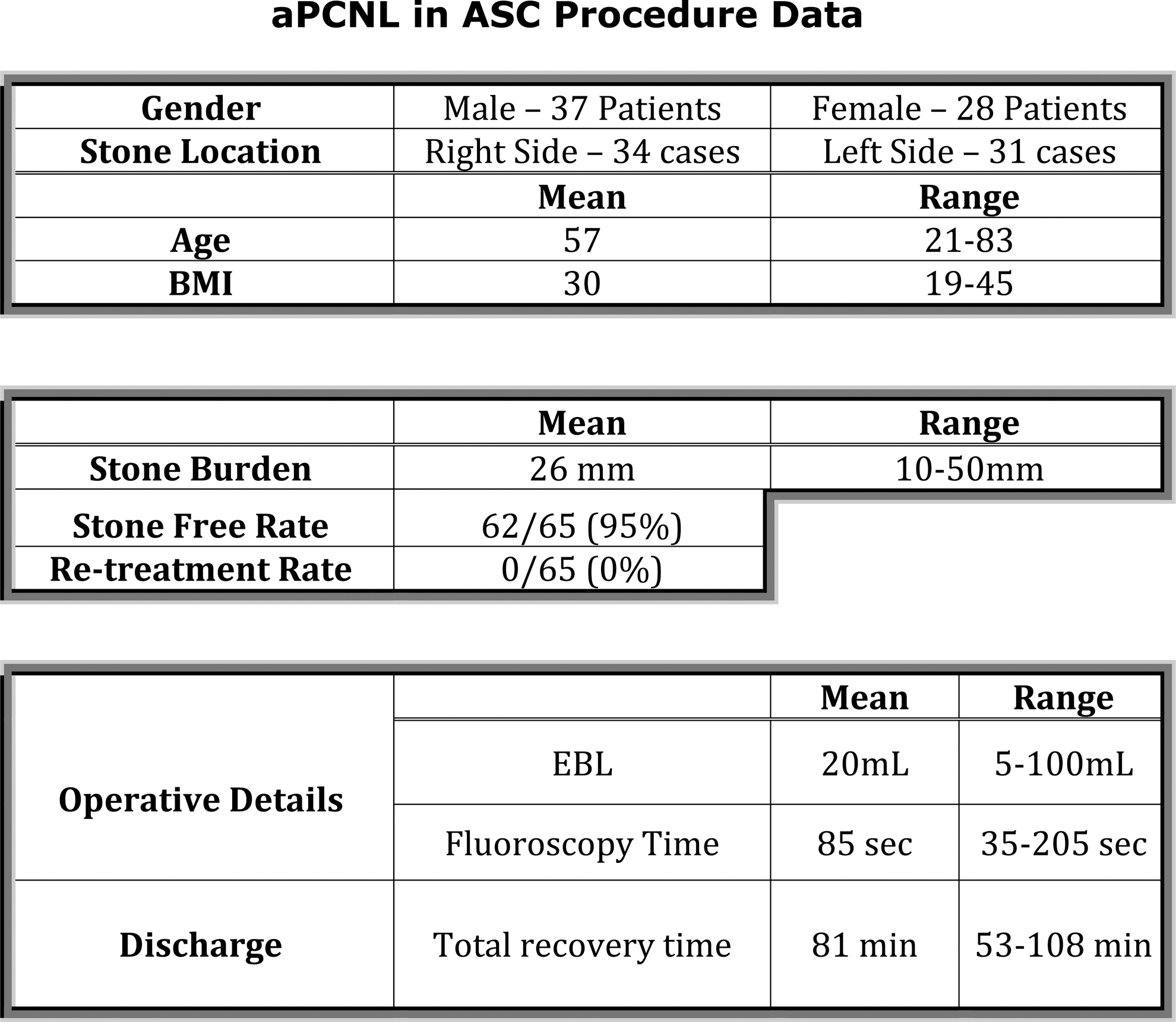
Correlation between S.T.O.N.E Nephrolithometry Scoring in predicting Free-stone Rate after Percutaneous Nephrolithotomy
MP 25: Metabolic Stone Disease and Medical Management (ii)
The Use of Smartphone Apps to Encourage and Monitor Fluid Intake in recurrent kidney Stone former
Pre-counseling Urine Volume (L) Average Daily Fluid Intake (L) Post-counseling % Of Targeted Intake (2.5 L) Urine Volume Post-counseling (L) Group 1 1.23 2.3 92% 1.89 Group 2 1.25 1.8 72% 1.48.

Outcomes of serum parameters from dedicated Metabolic stone screening for high-risk patients: Experience from a University teaching hospital

Dietary habits in urinary stone formation within Singapore local population–a single centre experience
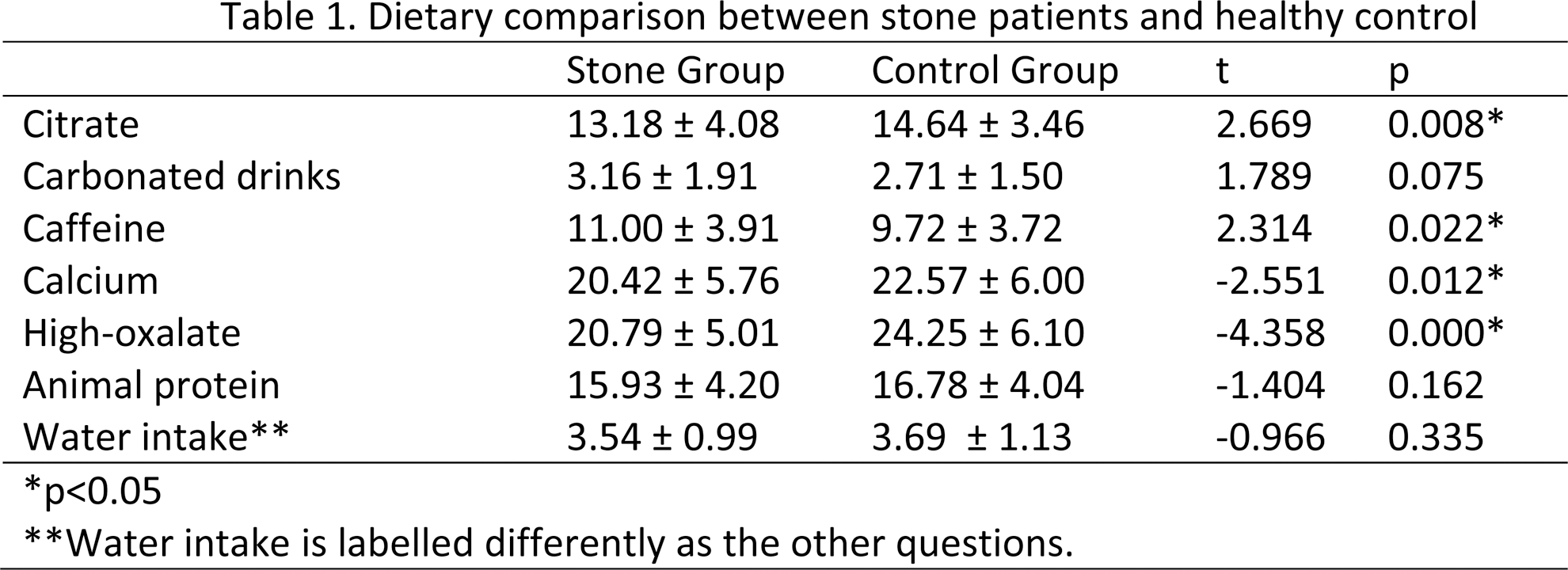
Toward a greater understanding of the Randall's plaque/renal stone interface
Investigation of a smart water bottle as a tool to accurately assess fluid intake in stone formers
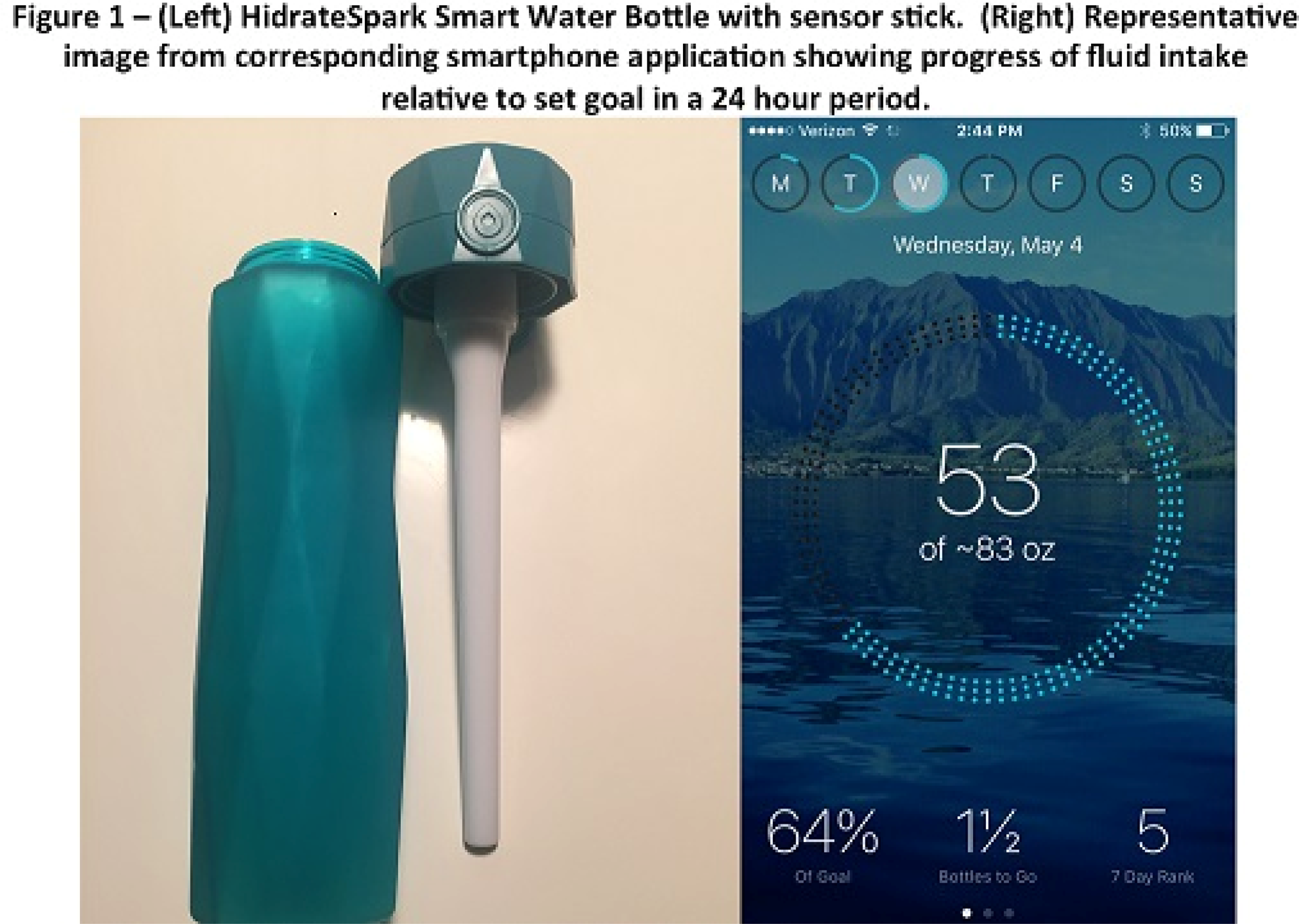
Validation and application of an endoscopic renal papillary grading system to patients with nephrolithiasis
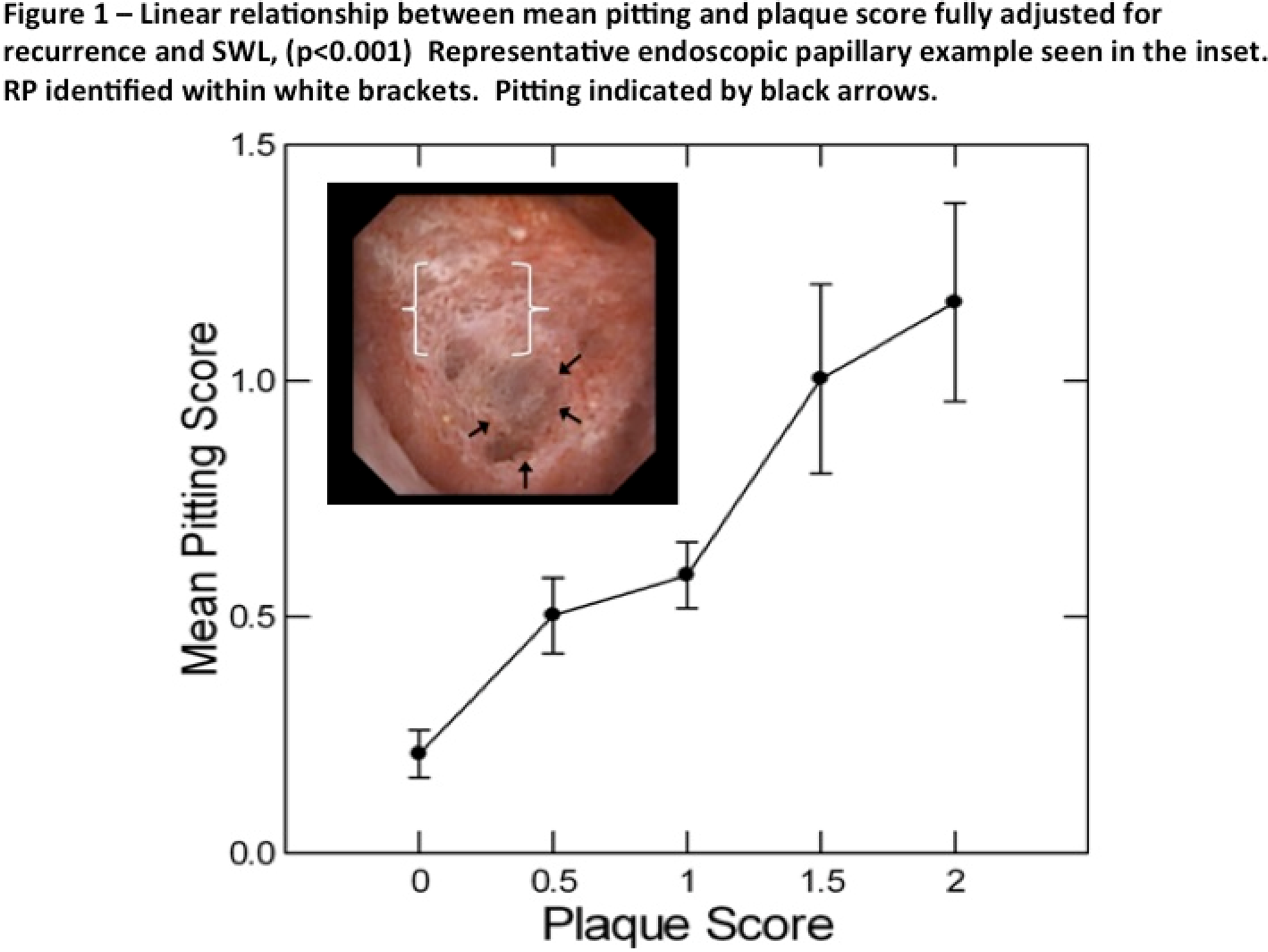
Effect of Ramadan Fasting In The Longest And Hottest Days Of Summer In The Patients With History Of Urolithiasis And Renal Stones In A Desert Climate
Mineral water in the prevention of urinary stones (MINERVA)
Falling Short on Urine Volumes: Predictive Factors for Achieving the American Urologic Association Recommended Daily Urine Volume Goal
Evaluation of Behavior Change Techniques in Commercially Available Mobile Applications to Promote Fluid Consumption in Patients with Urolithiasis
Risk Factors for Recurrent Stone Disease: A Large Cohort Study
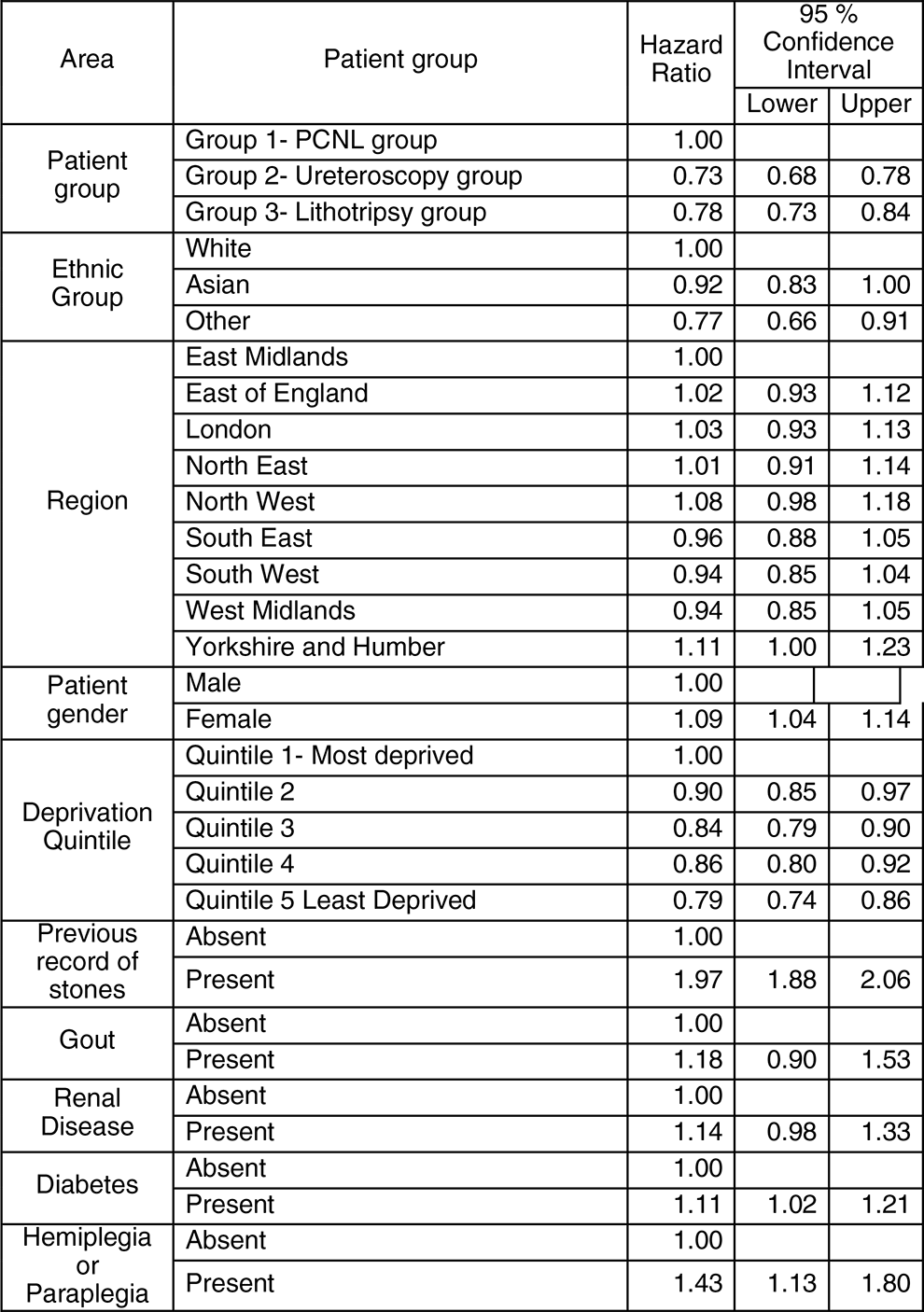
To what extent does early specialist medical intervention decrease recurrence rates in cystinurics? Results from a Specialist Stone Centre

Evaluation of Student Athlete Kidney Stone Risk via 24 Hour Urine Collection
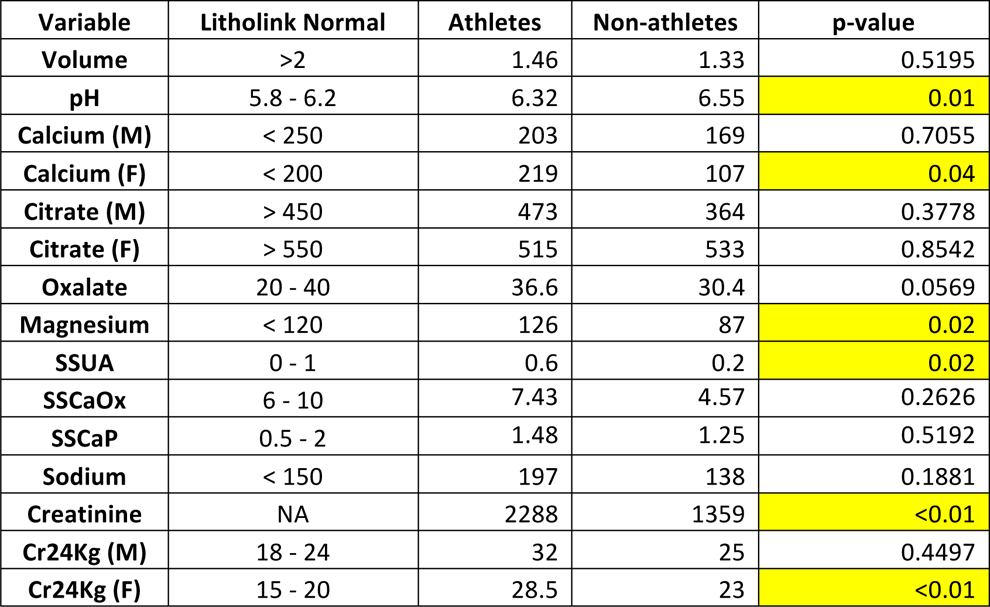
Compliance and Predictors of Increased Fluid Intake in Patients with Urolithiasis based on 24-hour Urine Volume
An In-Depth Analysis of Smartphone-Based Applications for the Prevention and Treatment of Urolithiasis
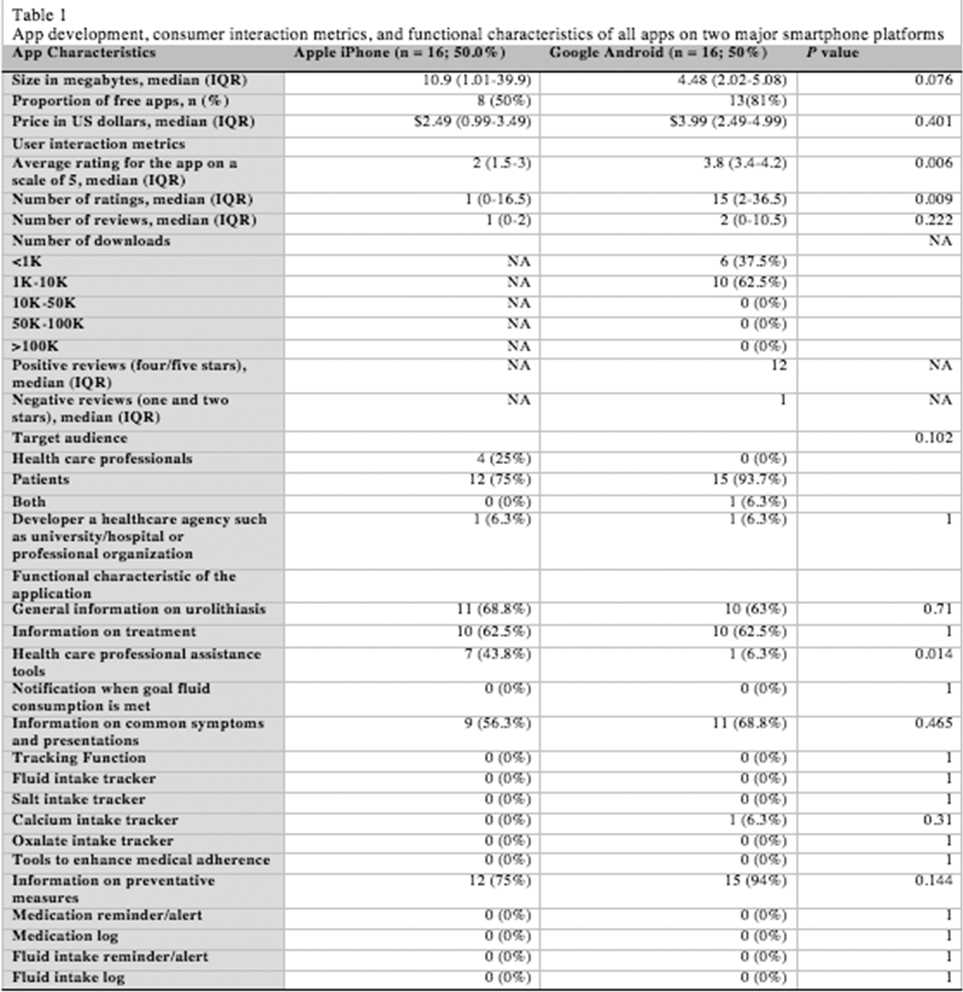
Does the timing of magnesium supplementation affect urinary oxalate levels in patients with nephrolithiasis?
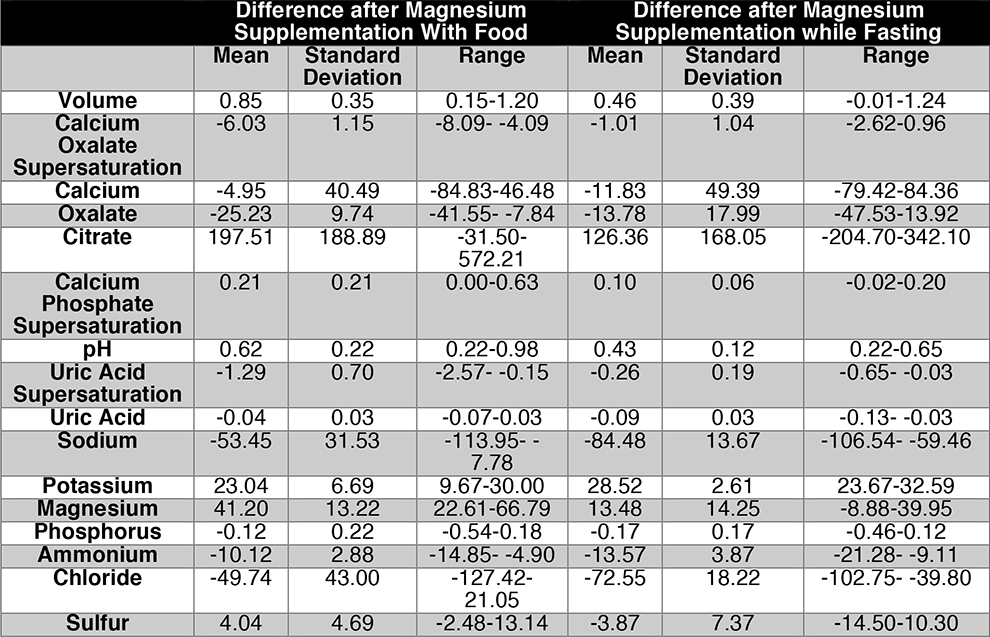
Does potassium citrate have equivalent therapeutic effect in patients with diabetes?
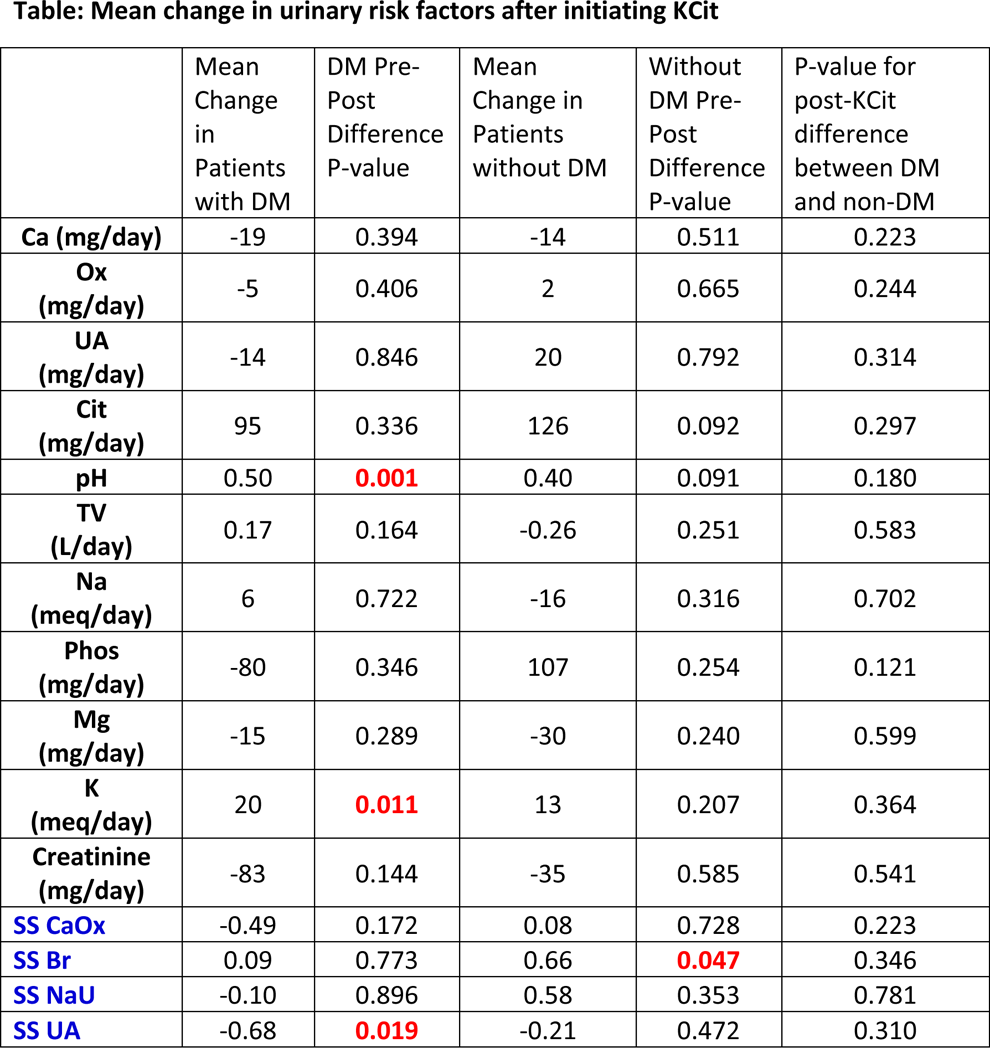
Difference in the reported oxalate content of foods: implications for designing research studies and for counseling calcium oxalate stone formers
The salt shaker provides less than 15% of total sodium intake in stone formers: food-baesd strategies to reduce sodium are needed
Primary Hyperparathyroidism: A Sometimes Elusive Diagnosis
Compliance in Patients with Nephrolithiasis: Where is the Barrier?
Fasting versus 24-h urinary pH in lithiasic patients using potassium citrate
MP 26: Infection and Hematuria
Etiology of recurrent hematuria: Urinary system pathology or a complication of antiplatelet/anticoagulant treatment
Cumulative Risk Of Preoperative Positive Urine Cultures In Urolithiasis Patients With Urinary Tract Surgery History Recently

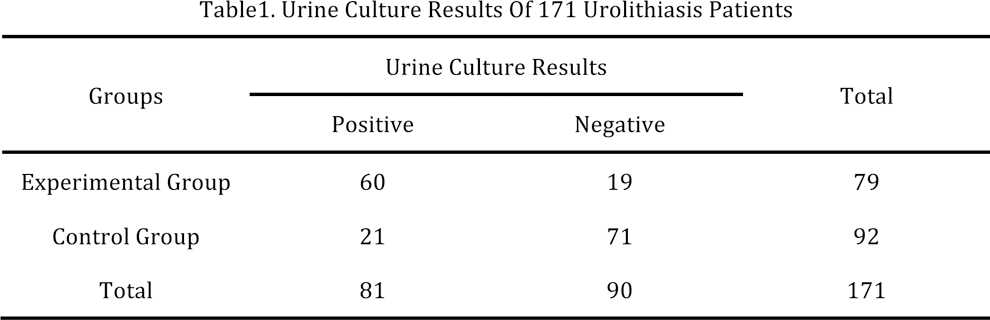
Audit Title: The Quality of GP Referrals to the One-Stop Haematuria Clinic
This audit aims to identify if these were adhered to correctly
Changes will be implemented by contacting each GP practice by email. Re-audit planned.
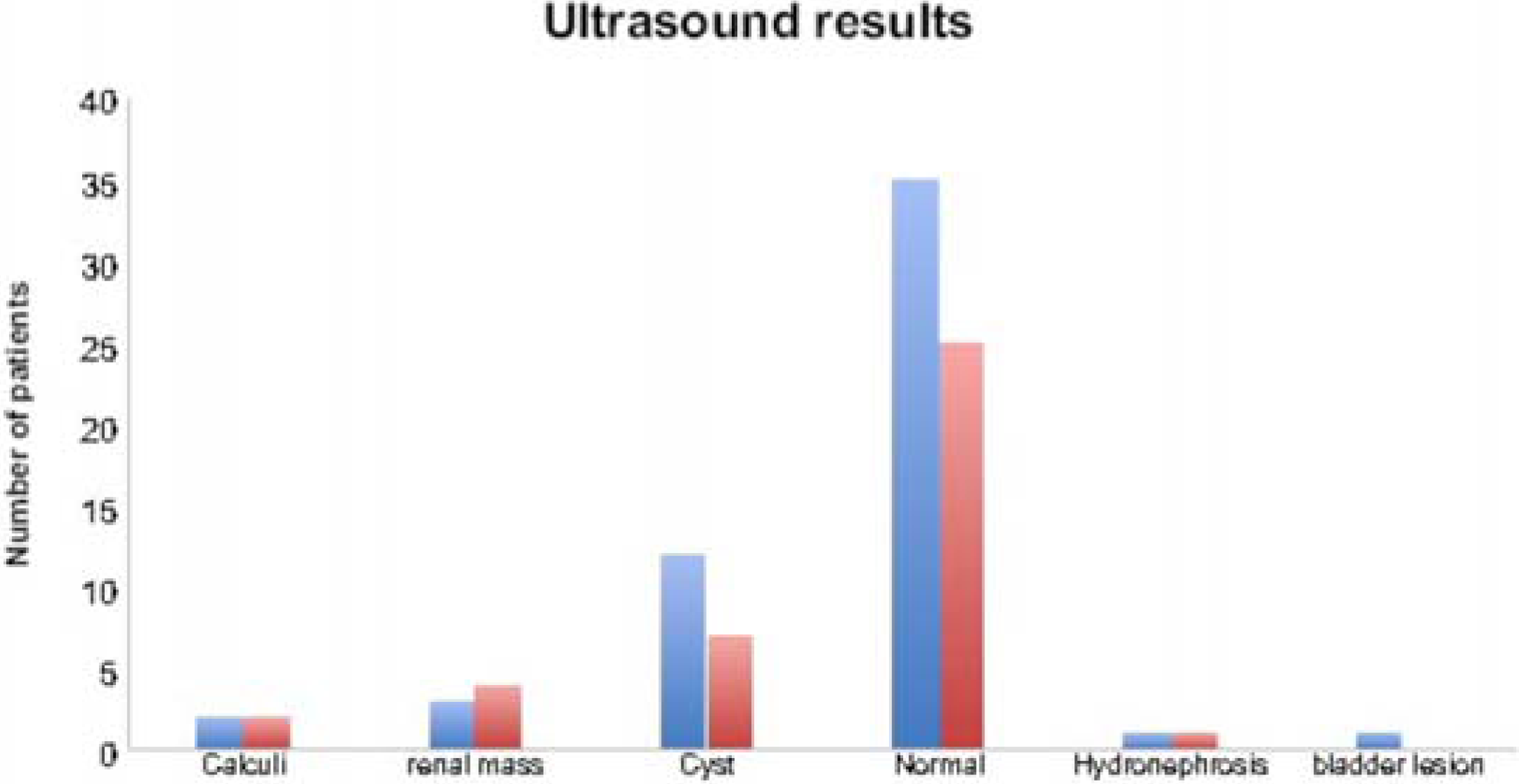
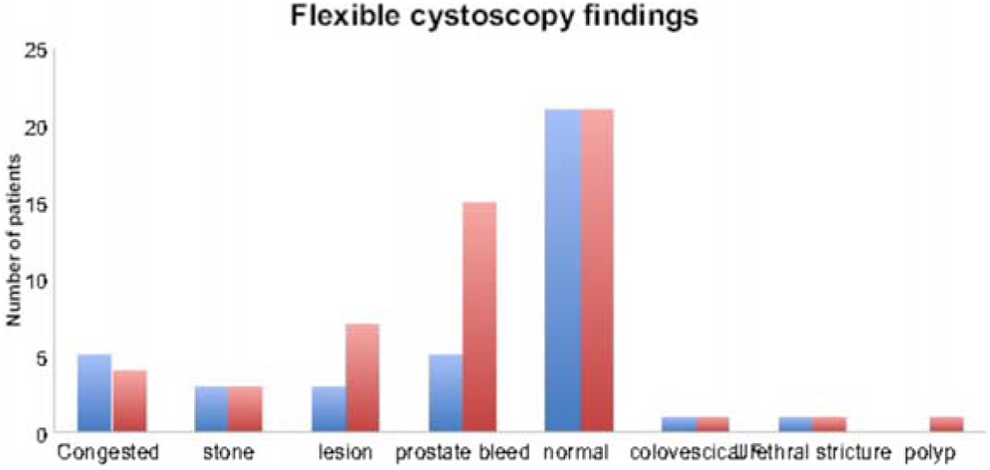
2) Blood tests done (both groups)
3) Patient with NVH should have renal bloods and urinary creatinine for ACR performed prior to referral. NB they should also have a BP reading done – although we were not able to gain data on this.
Data have been collected from eSearcher using our online system. ESearcher results system provided information on investigation results as well as clinic letters Data from 93 patients referred by GP to both hospitals of the Trust were collected and analyzed from a period of September 2015 to December 2015.
93 patients were analyzed that were referred as a 2 week referral to OSH clinic from GPs. 54 patients were referred with VH of which 38 patients (70%) had MSUs sent and 16 patients (30%) had blood tests including renal profile taken. 39 patient were referred with NVH of which 30 patients (77%) had MSUs sent and 11 patients (28%) had bloods taken prior to attendance.
Of the patients with NVH blood pressure, renal function blood tests and urine ACR should be performed prior to referral. None of the patients in either group had creatinine measured on MSU therefore ACR could not be calculated. The blood test figures have already been noted and we are unable to make inferences about blood pressures, as we did not have access to the referral letters from the GPs.
2. All patients referred to OSH should have MSU sent.
3. All patients with NVH should have urinary creatinine sent with the MSU sample for ACR to be calculated.
Infective complications after Retrograde Intrarenal Surgery: a new standardized method of classification
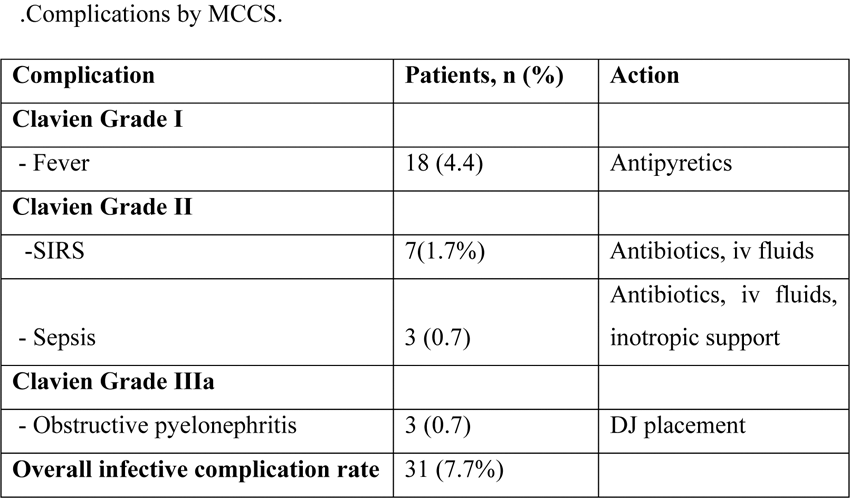
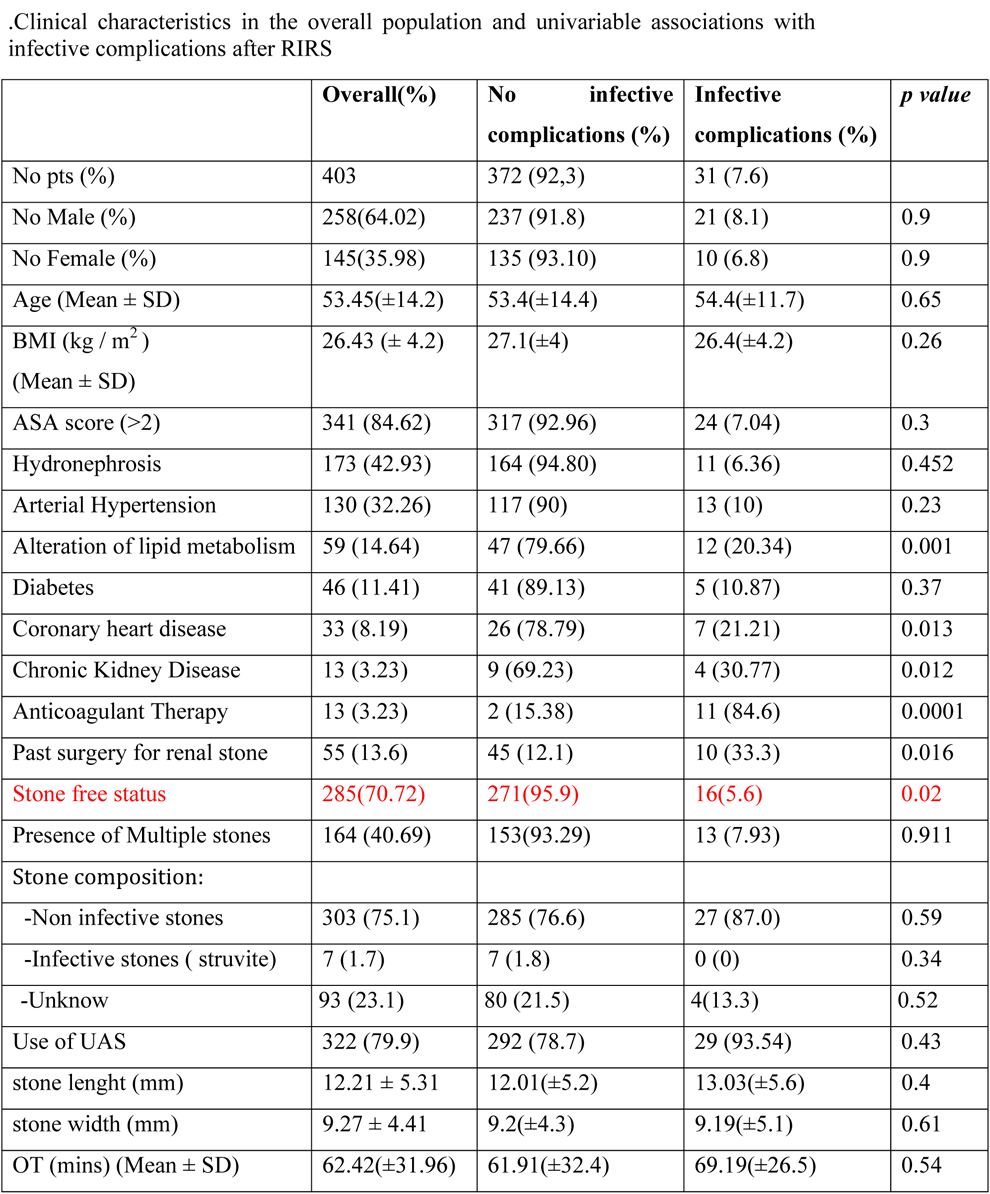
The impact of surgical masks on the rate of postoperative urinary tract infection after cystoscopic urologic surgery
A Review of 10000 Mid-Stream Urine Samples Around East Surrey Region in the UK
Preventing infectious complications after transrectal ultrasound (TRUS) guided biopsy of prostate - Is pre-procedural combination of intramuscular gentamicin and oral ciprofloxacin prophylaxis superior to either alone?
Is the presence of non-visible haematuria predictive of urinary tract stones?
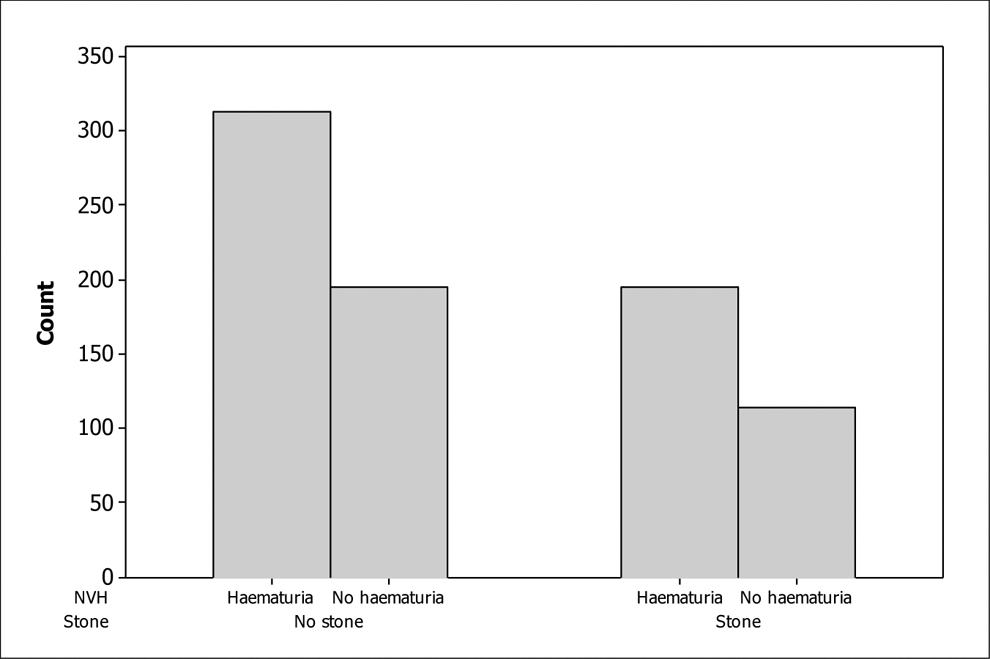
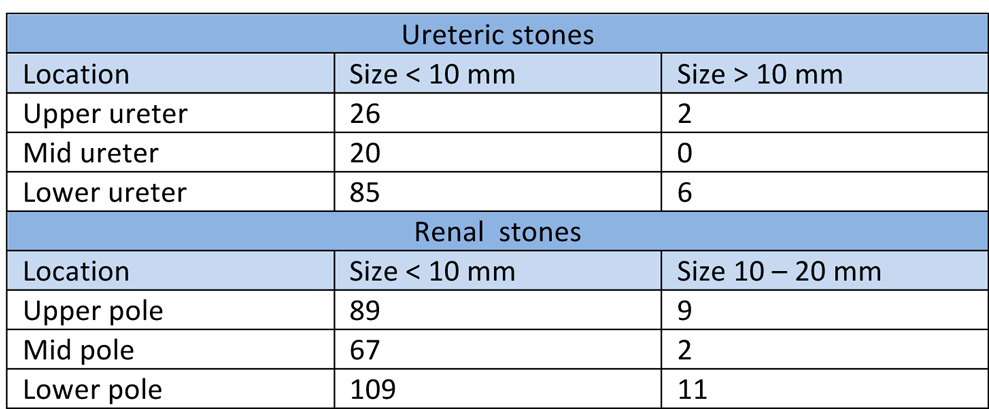
A Rare cause of anuria: Bilateral renal fungal balls in an adult male
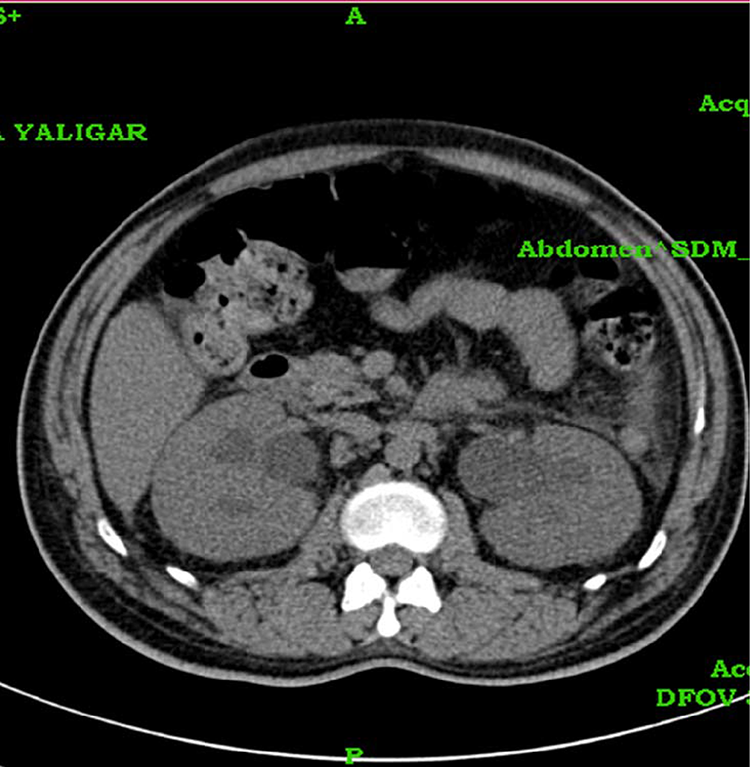
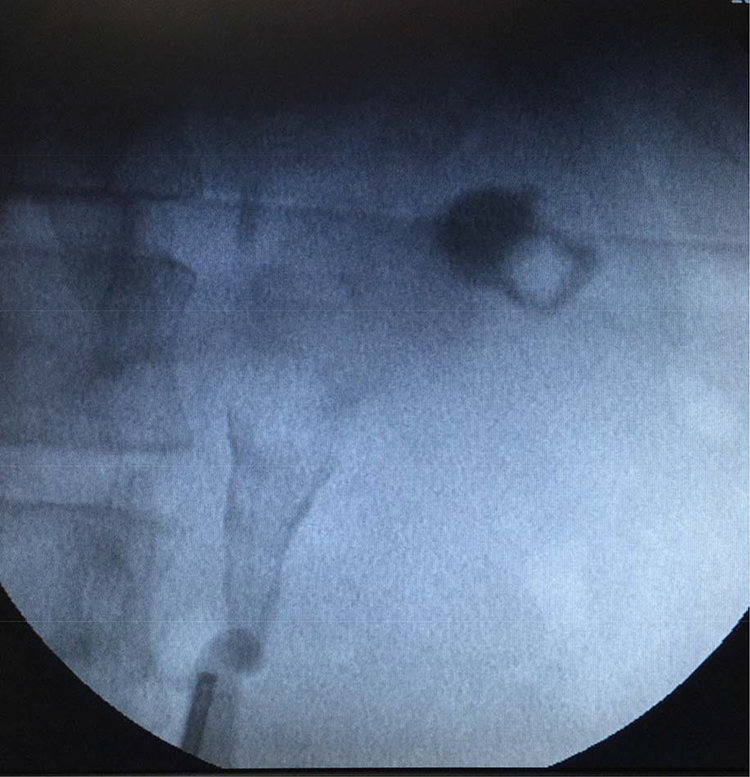
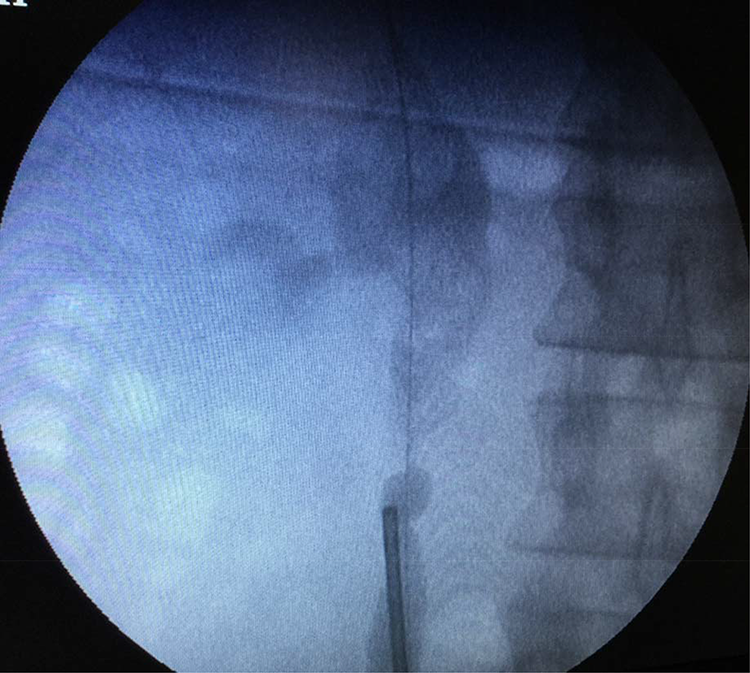
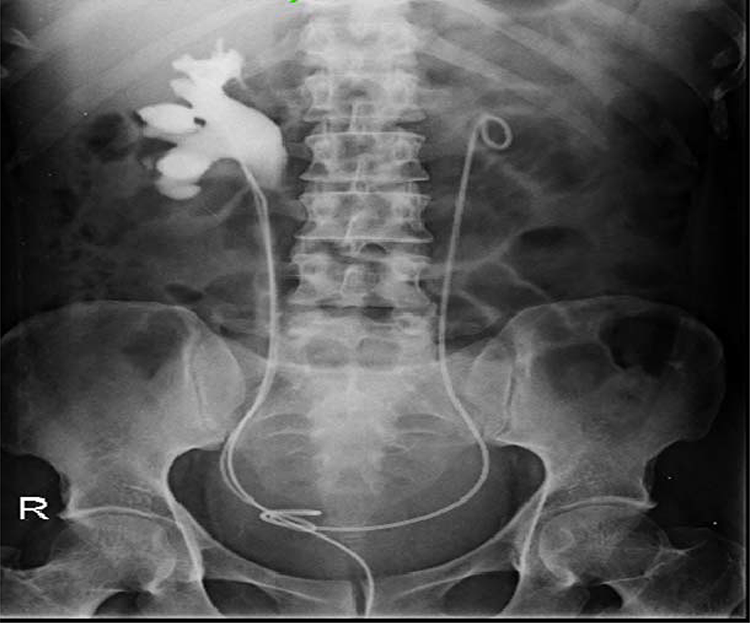
Rare Cause of Recurrent UTI
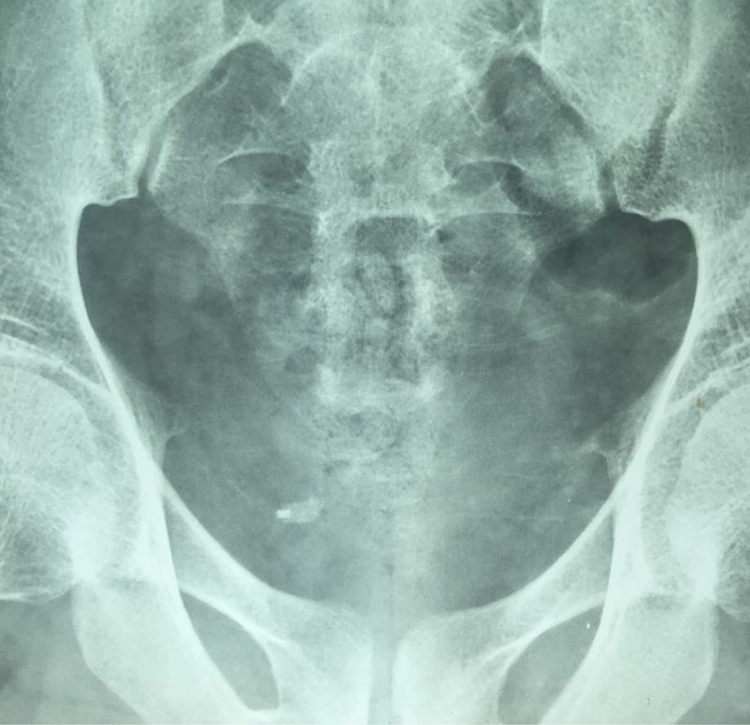
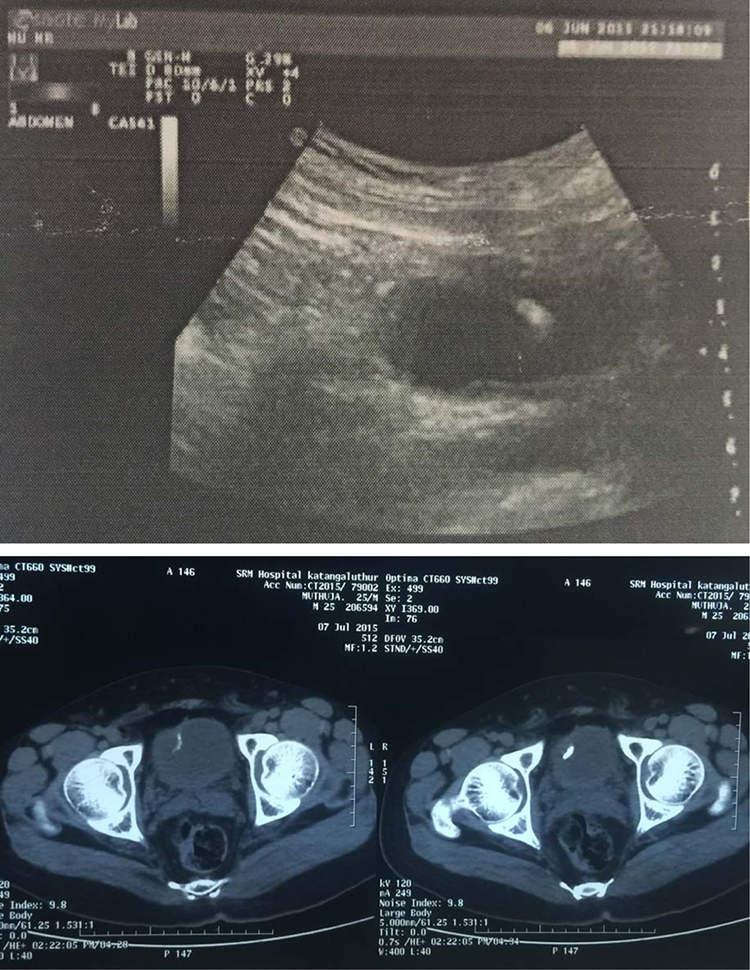
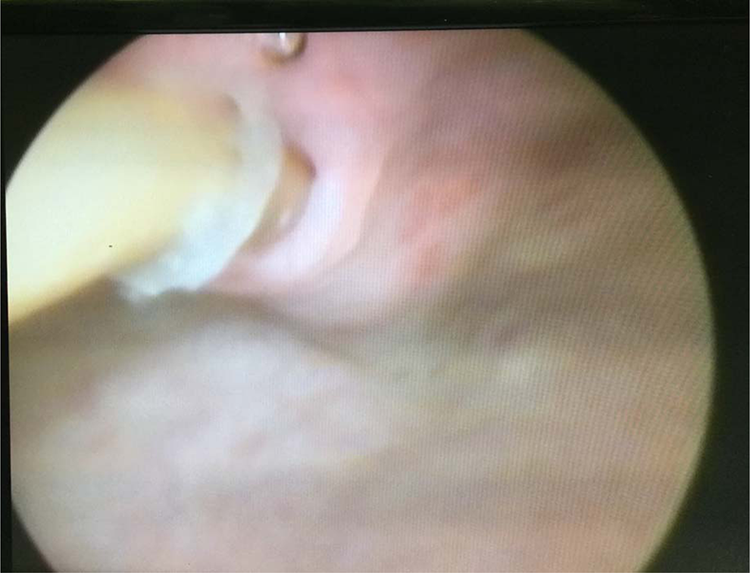
One-stop haematuria clinic: a retrospective assessment of the diagnostic value of macroscopic haematuria in predicting urological malignancies
Wound infections in patients undergoing major upper urinary tract surgery: UK survey of the antimicrobial prophylaxis and audit of surgical outcomes
Xanthogranulomathous Pyelonephritis: Predictors of Surgical Complications According To Clavien-Dindo Classification

Primary fungal emphysematous pyelonephritis- a case report
Melioidosis Of Prostate: A Rare Case
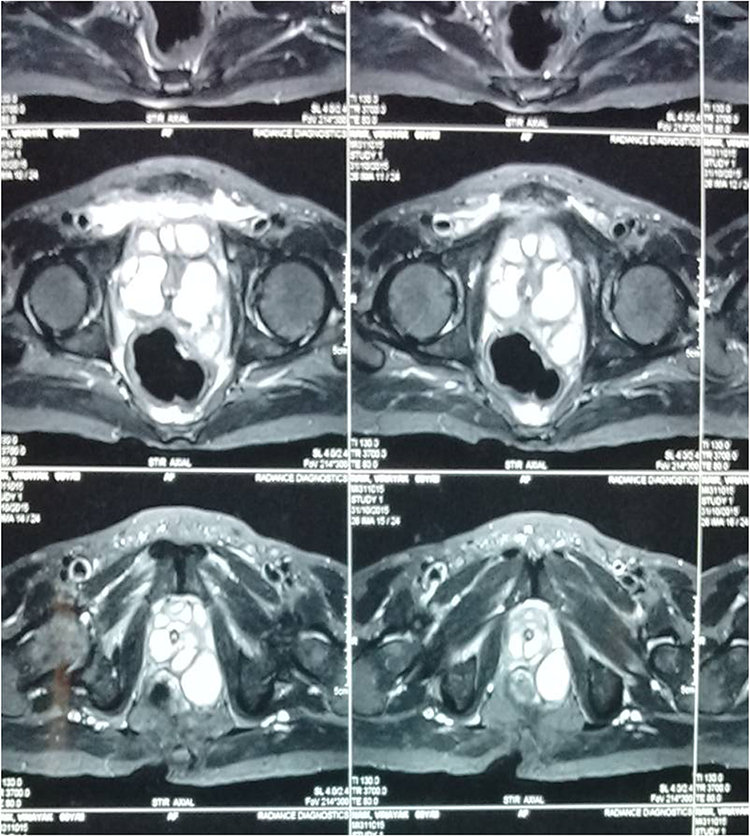
MP 27: Robotic Surgery: Lower Tract - Malignant and Benign Prostate
Salvage radiotherapy as secondary curative treatment for the pathologically advanced prostate cancer patients with biochemical recurrence after robot-assisted radical prostatectomy
Feasibility of robot-assisted radical prostatectomy in elderly patients. Comparative analysis of the peri-surgical / oncological outcomes with younger patients
Contemporary analysis of the first 100 robotic radical prostatectomies of a single surgeon as it pertains to operating time; blood loss; post-operative hospital stay; continence at 6 months; & pathological outcomes
To determine the incidence of pathological upgrading of prostate cancer in a contemporary analysis of 81 pts who underwent radical robotic prostatectomy & weather this upstaging, when present, would have affected choice of treatment
Sociodemographic Disparities in Access for Robot-Assisted Radical Prostatectomy versus Open Prostatectomy: Results from the New York Statewide Database
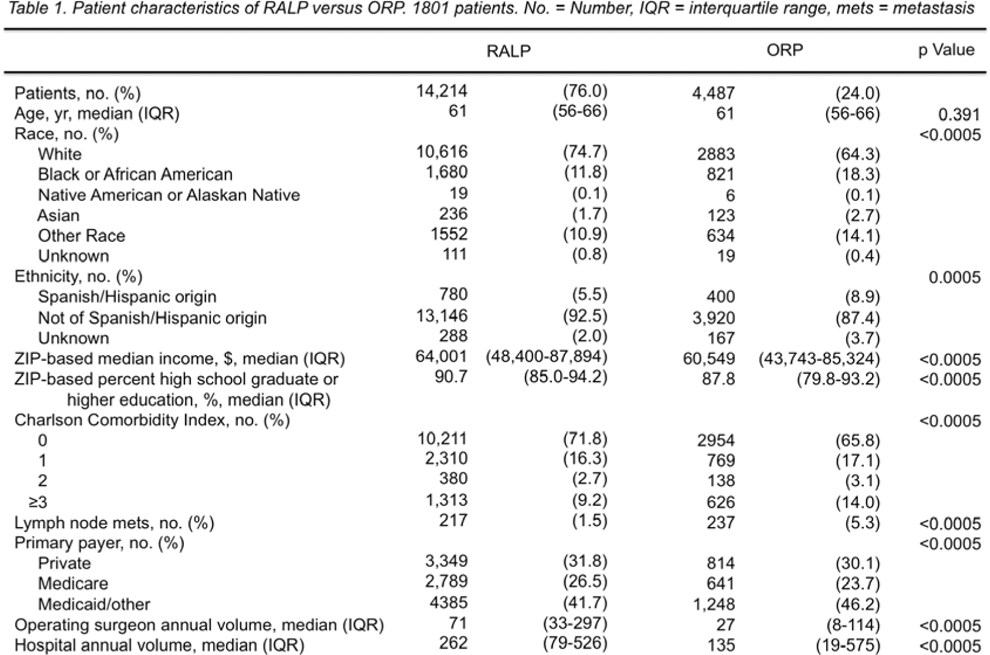

Utilization trends and peri-operative outcomes in robot-assisted radical prostatectomy versus open prostatectomy: Results from the New York State-wide Database
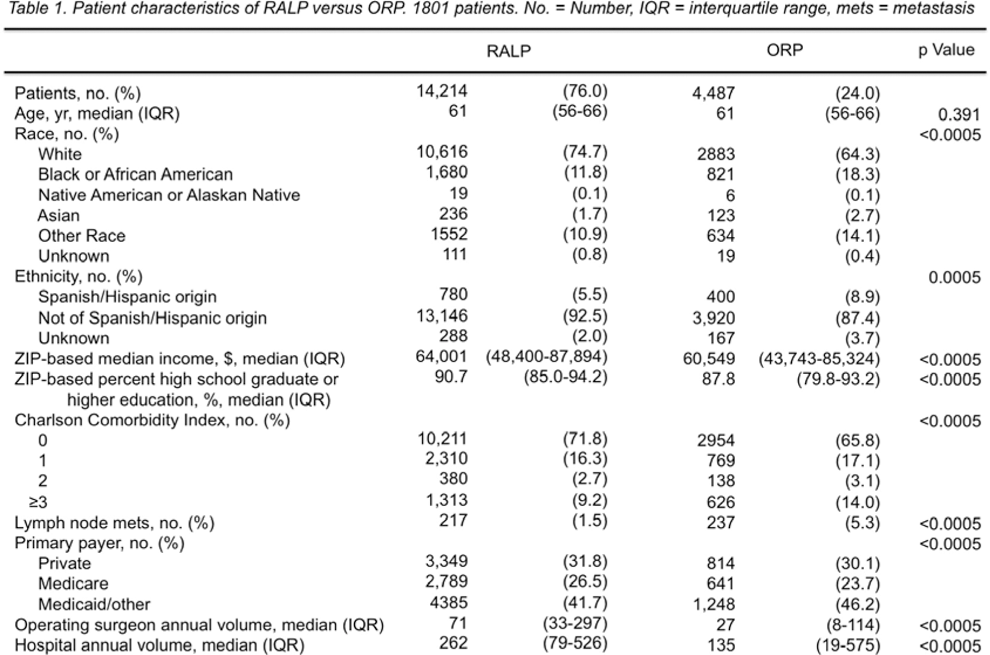
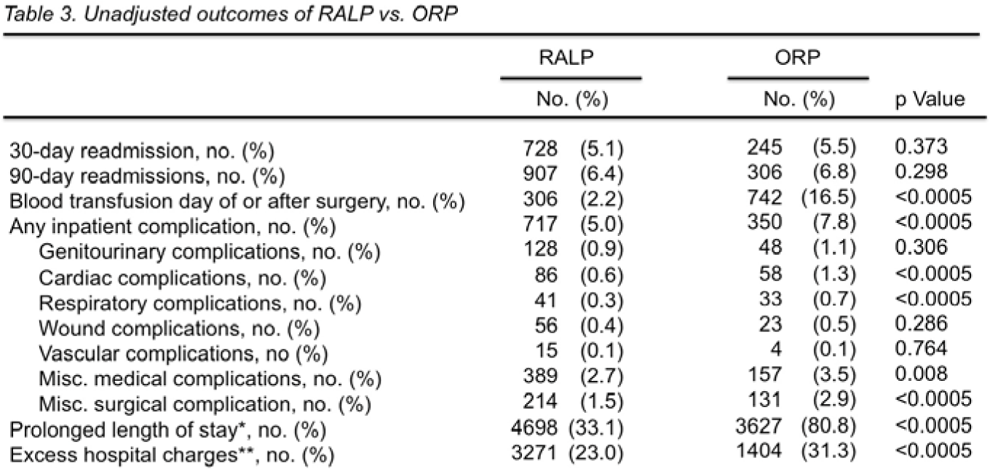

Perioperative Outcomes of Robotic Assisted Simple Prostatectomy for Benign Prostatic Hyperplasia
Prognostic Significance of Vas Deferens Invasion after Robot Assisted Radical Prostatectomy in Patients with Pathological Stage T3b Prostate Cancer
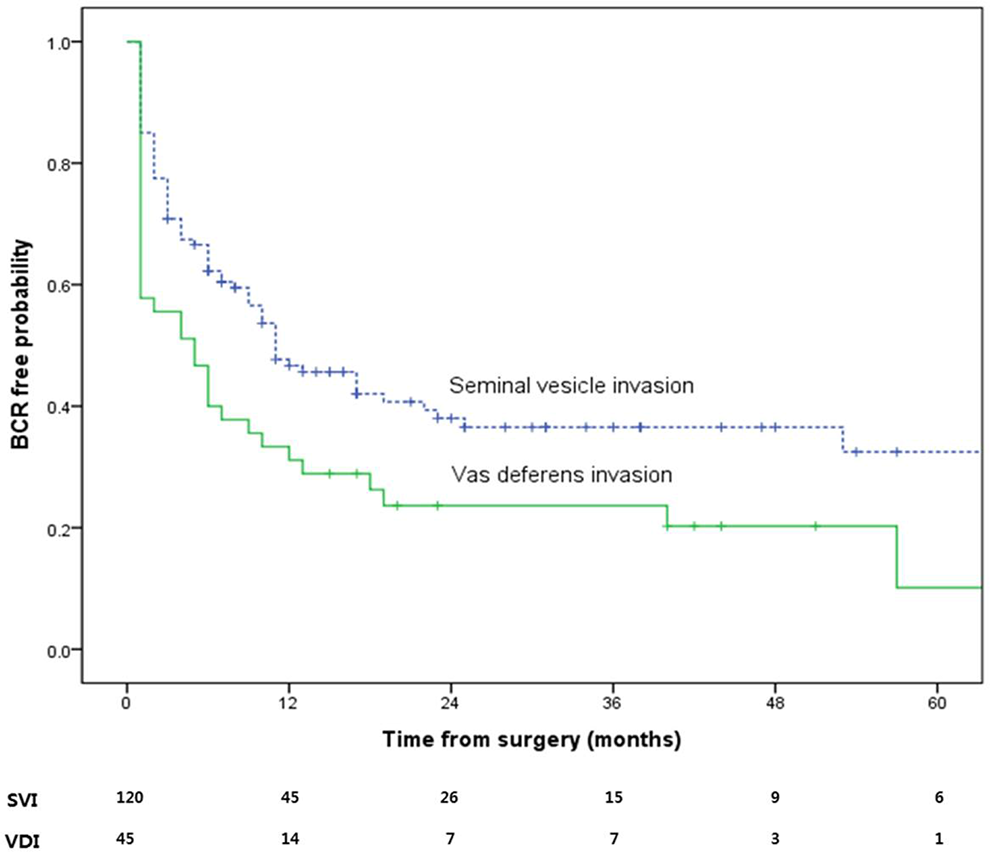
Robotic-assisted radical prostatectomy-single site plus two model
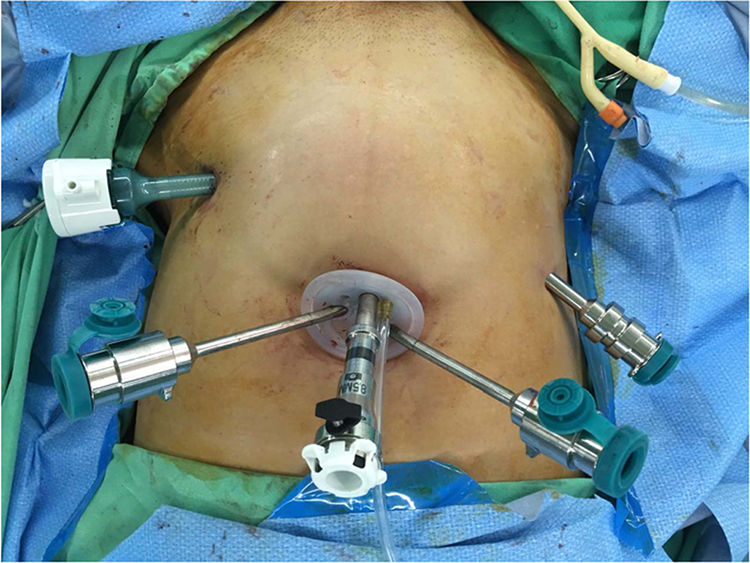
Shorter time to biochemical recurrence is a predictor of metastasis in patients with high-risk prostate cancer who achieved undetectable prostate-specific antigen following robot-assisted radical prostatectomy
The clinical outcome of prostate ductal adenocarcinoma following robotic assisted radical prostatectomy; a matched cohort comparative study
Robot Assisted Adenomectomy for BPH

Management of large prostates: Is robot assisted simple prostatectomy effective?
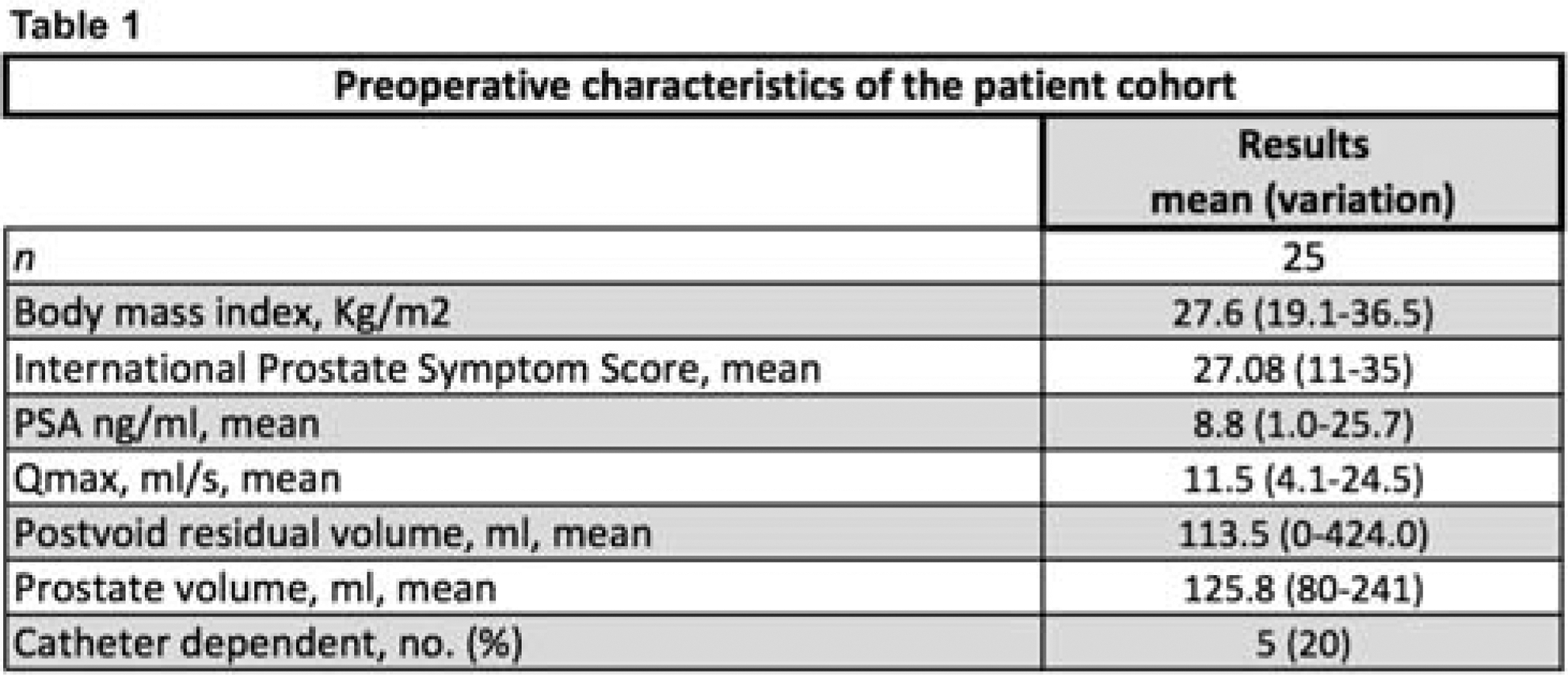
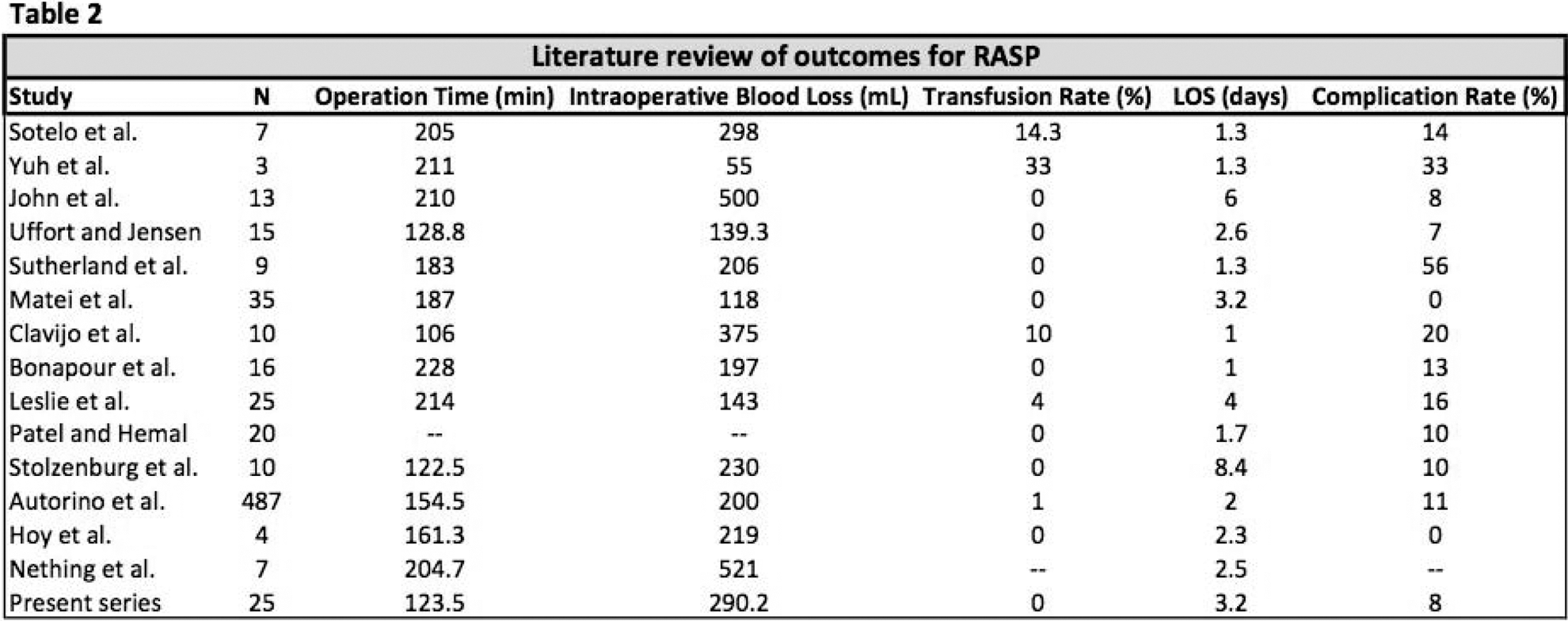

The Therapeutic Outcomes of Robot-assisted Radical Prostatectomy (RARP) Following Neoadjuvant Chemohormonal Therapy for High-risk Prostate Cancer
The cause of hematuria after Robot Assisted Laparoscopic radical Prostatectomy (RALP) using a rigid cystscope
In this study, we perform cystoscopy just after RALP in an attempt to investigate the causes of hematuria.
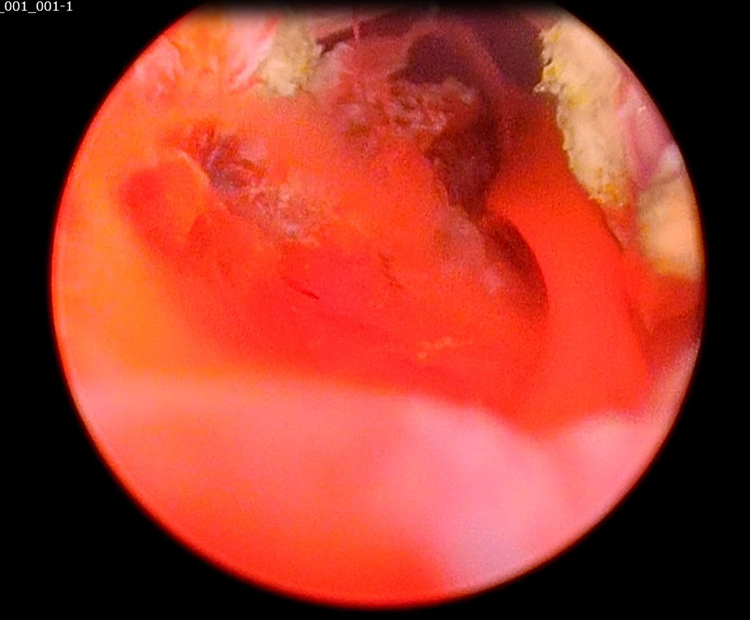
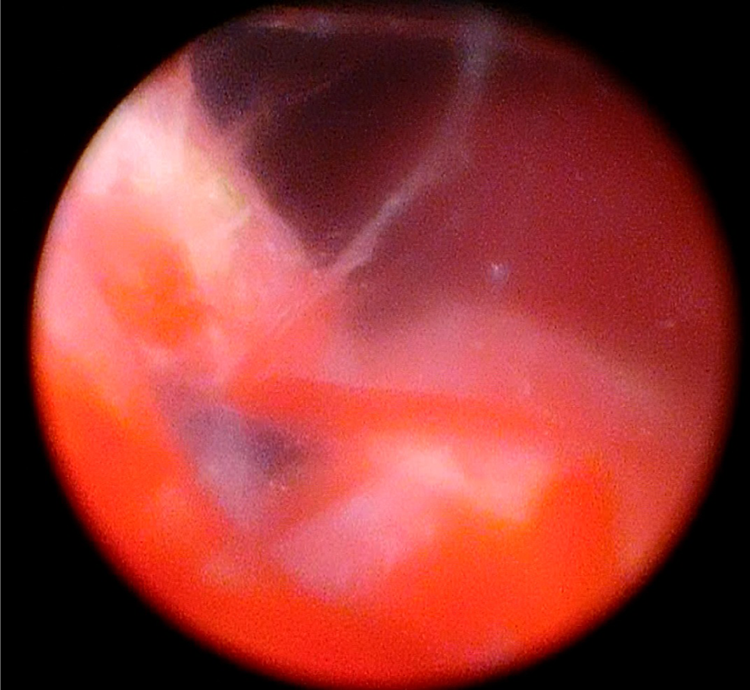
Analysis of factors predicting recovery of erectile function after laparoscopic radical prostatectomy
Comparison of functional outcomes between pure laparoscopic radical prostatectomy and robot-assisted laparoscopic radical prostatectomy : a propensity score-matched comparison study

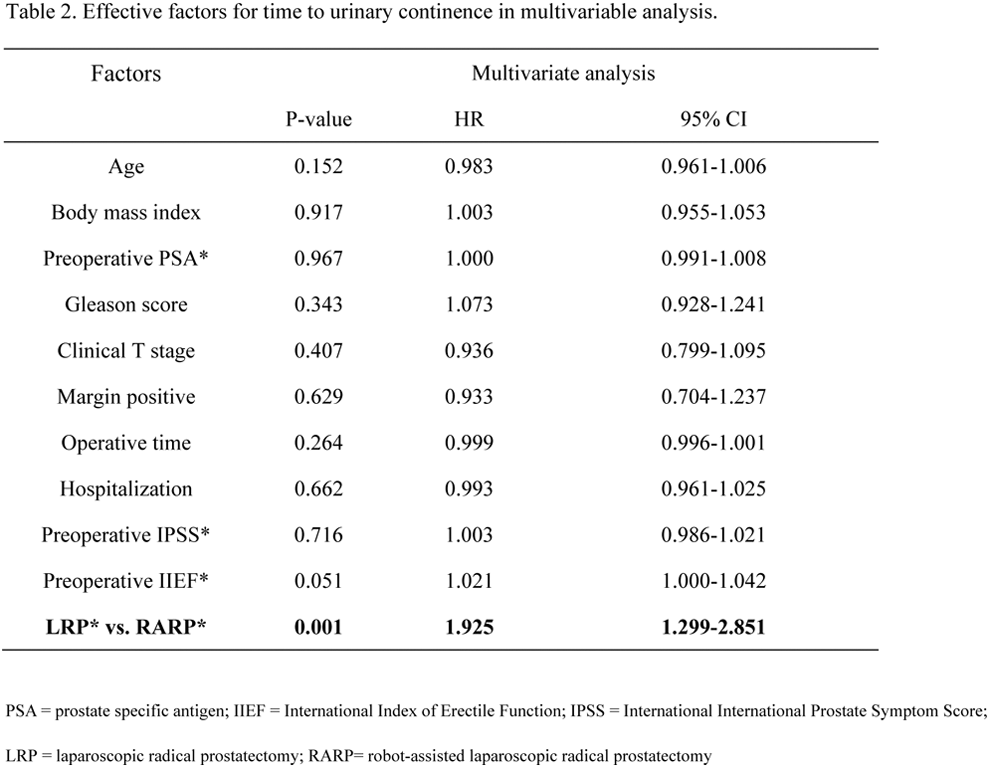
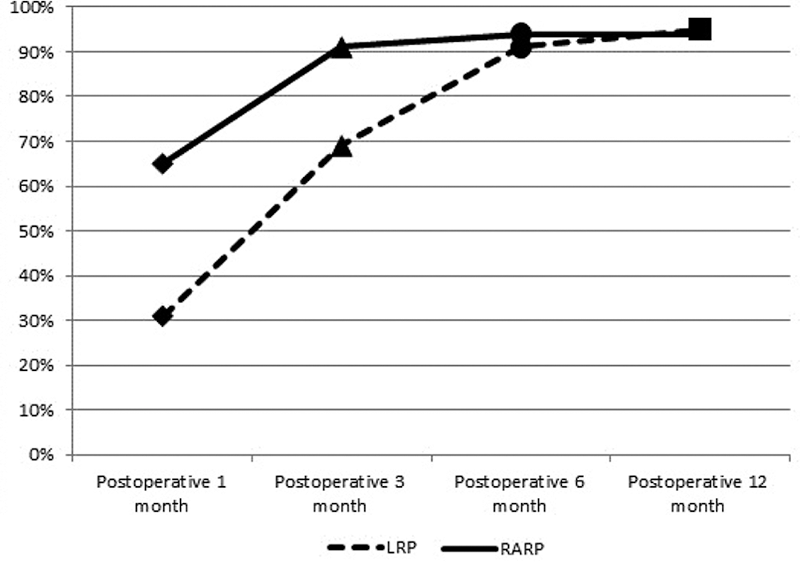

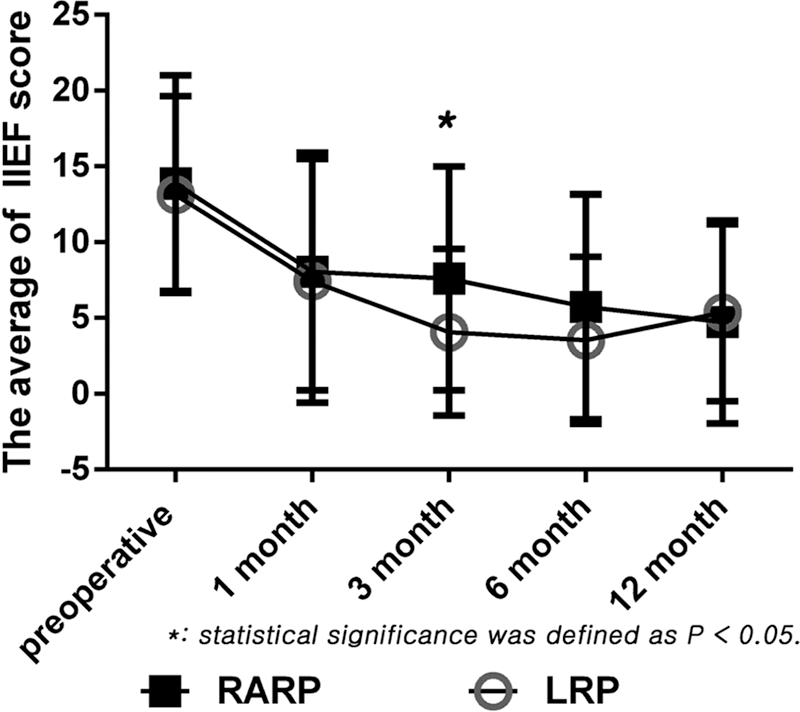
Is vas deferens positivity important in radical prostatectomy specimens?

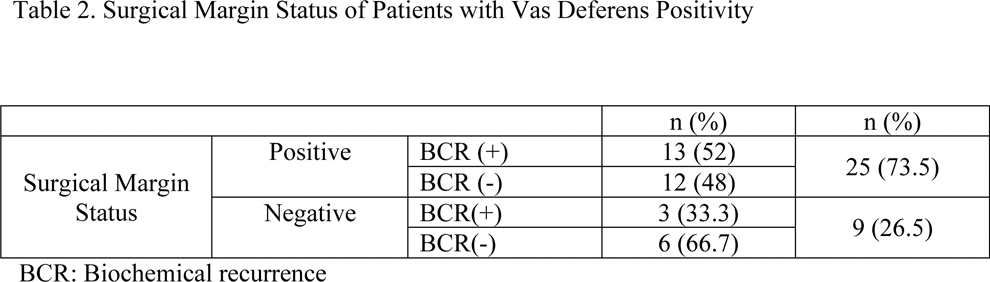
MP28: Robotic Surgery: Upper Tract - Malignant (iii) and Ablation
Preoperative and operative variables predict which patients can be discharged without admission after percutaneous ablation of RCC
14 (6%) of patients were retrospectively judged to benefit from hospital admission. Factors associated with this include tumor ≥3 cm (OR 4.4, p = 0.152), RENAL score >8 (OR 7.2, p = 0.0012), post-op CT hematoma (OR 5.6, p = 0.0029), and using ≥3 probes (OR 7.2, p = 0.0007). High grade complications were rare (3.4%) and no patient factors associated with these were identified, possibly because 5/8 complications occurred more than a week after surgery.
Endovascular treatment of renal artery pseudoaneurysms and arterio-venous fistulas following partial nephrectomy
Minimally Invasive Renal Ablative Therapy – Experience with Cryotherapy from A Dual Tertiary Referral Center (DTRC) Study in the United Kingdom
Irreversible Electroporation of Small Renal Masses: Initial Clinical and Oncologic Outcomes
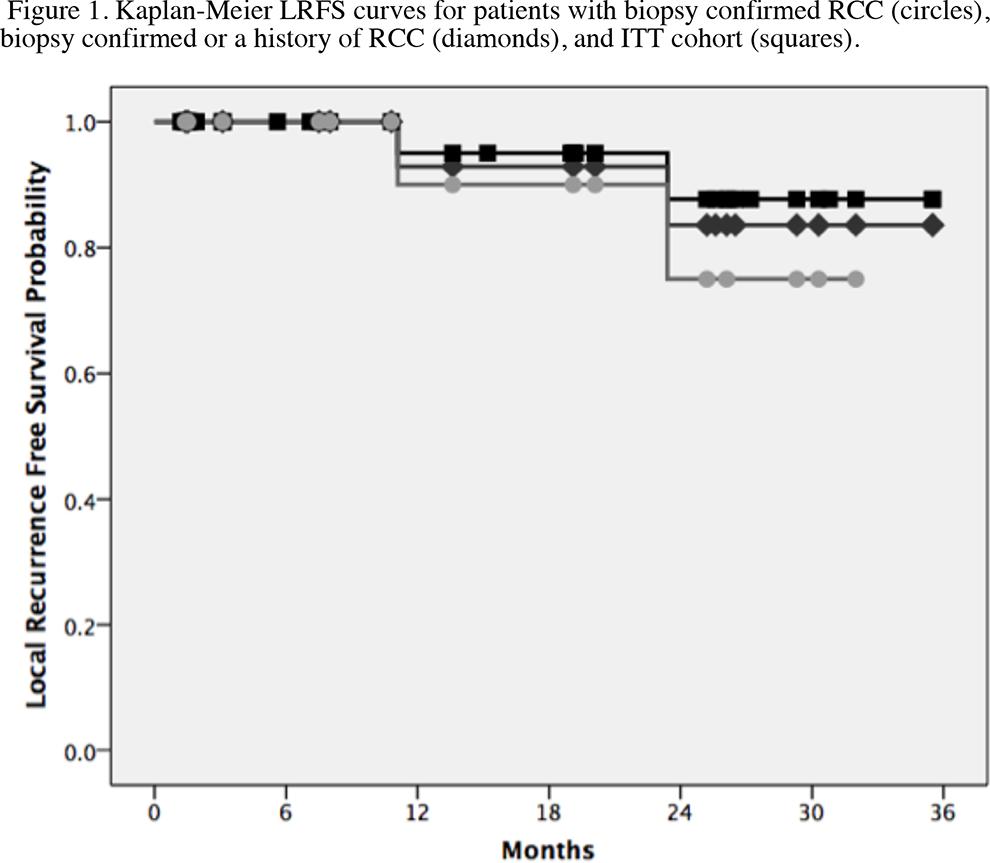
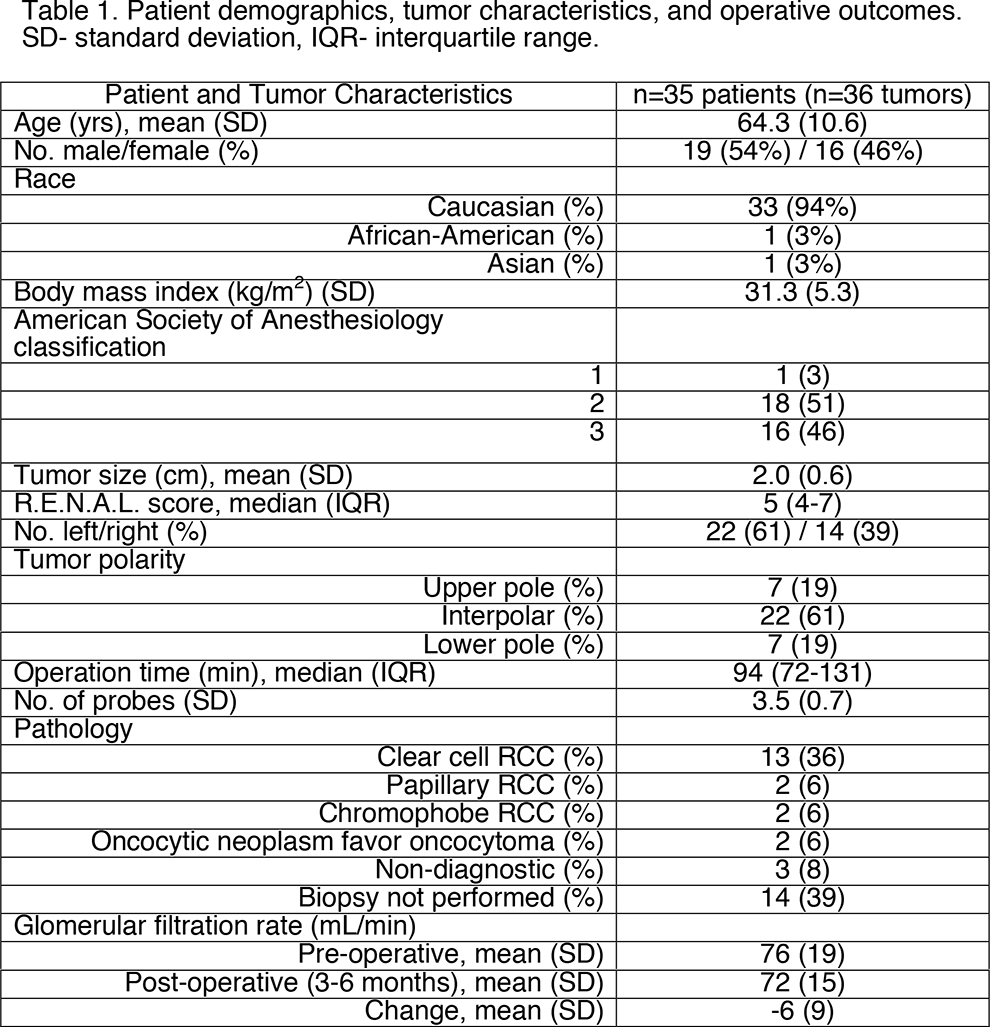
Robotic partial nephrectomy for T1b renal masses: Favorable functional and oncological outcomes at short term follow-up
Oncological outcomes following laparoscopic-assisted cryoablation of T1a renal cell carcinoma: a EuRECA multi-institutional study
This session provides oncological outcomes on laparoscopic-assisted cryoablation of T1a renal tumors. The data originates from eight European centres, covering a 10-year period, and with more than 500 patients this is the most comprehensive multicentre study yet to be presented with respect to cryoablation outcome.
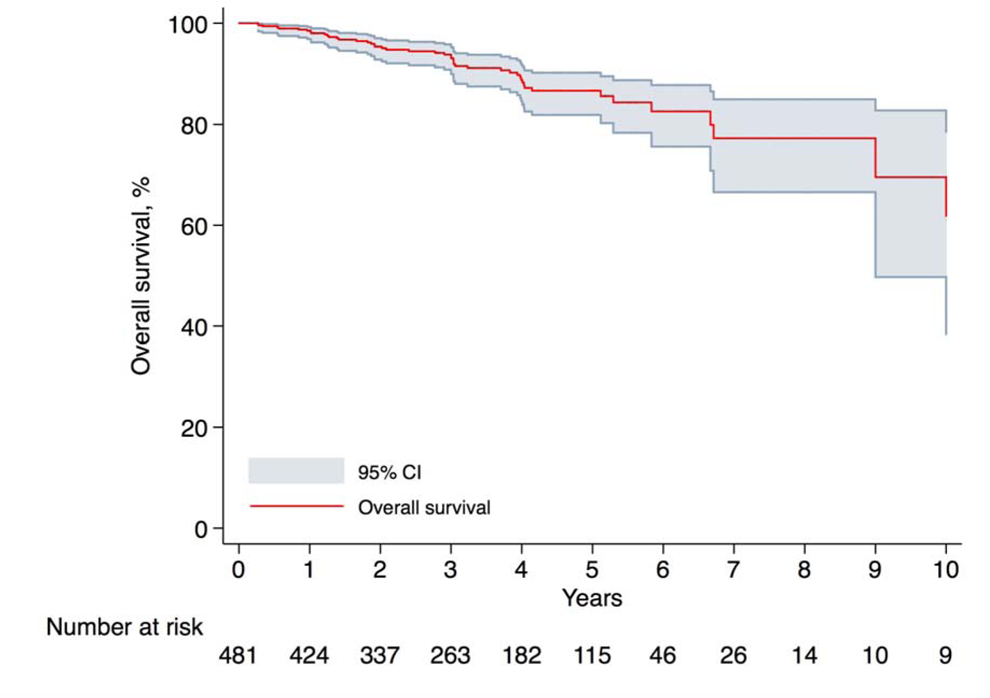
Hybrid robotic and laparoscopic partial nephrectomy versus pure robotic partial nephrectomy: comparison of perioperative outcomes from a single institution
Percutaneous Treatment of Small Renal Tumors by Thermal Ablation
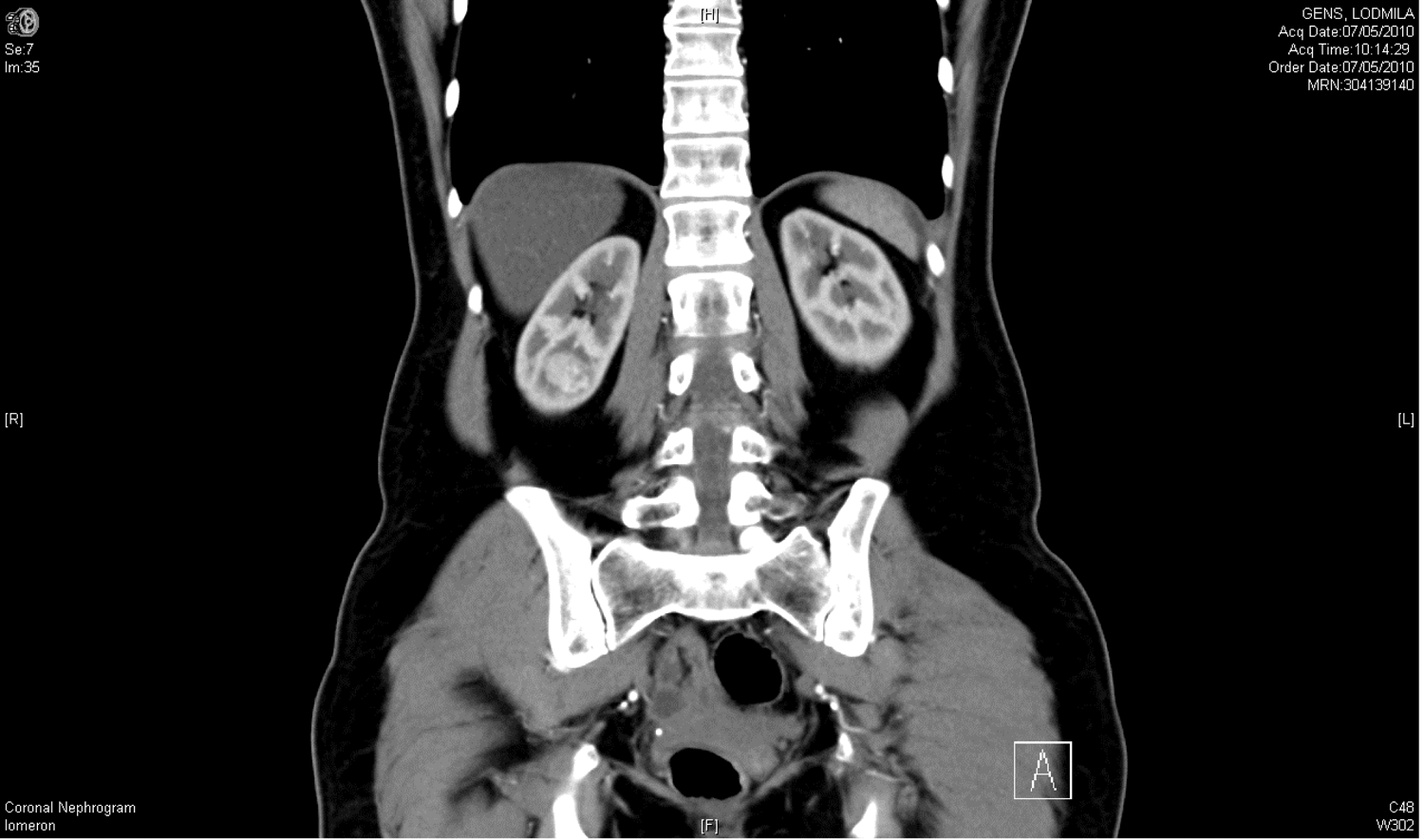
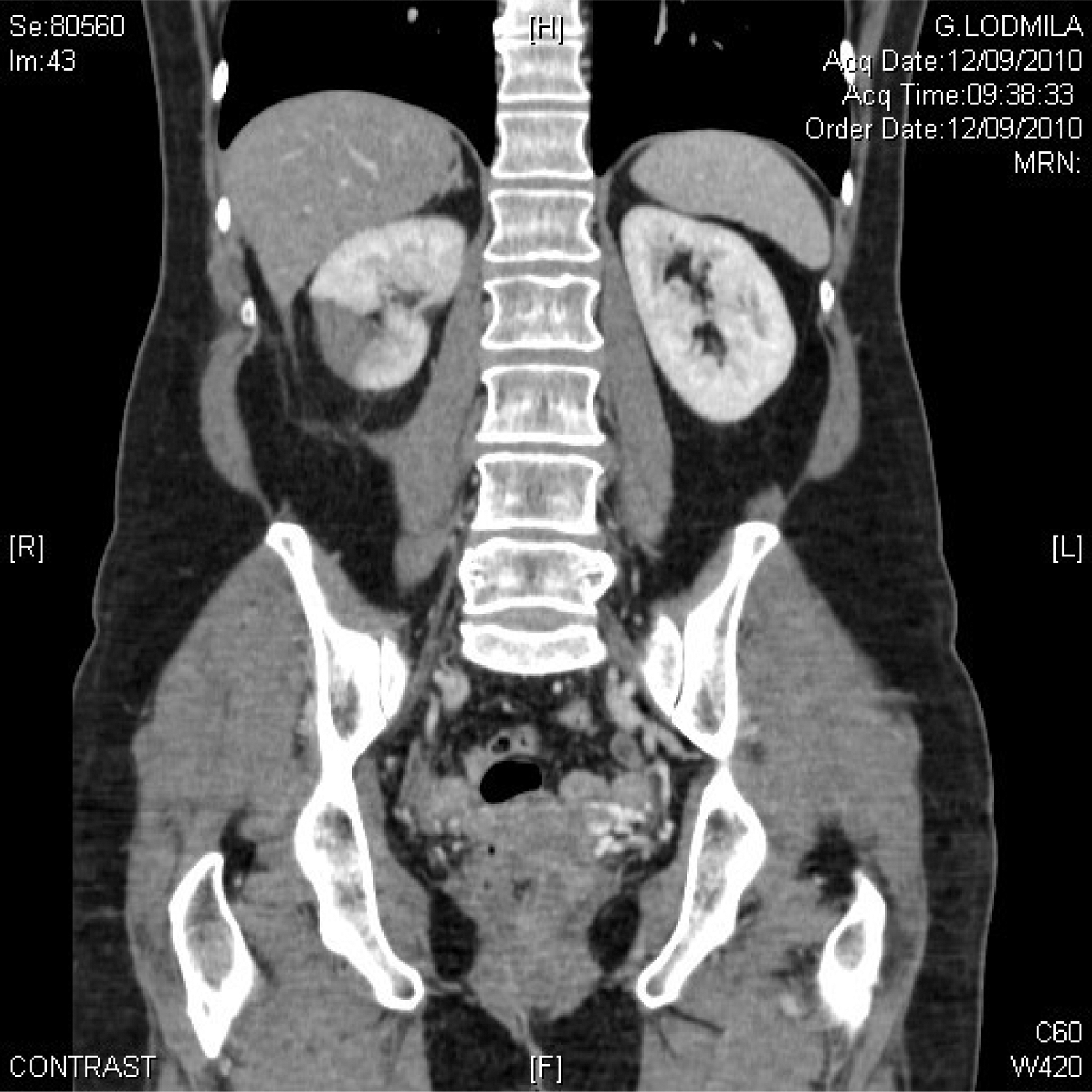
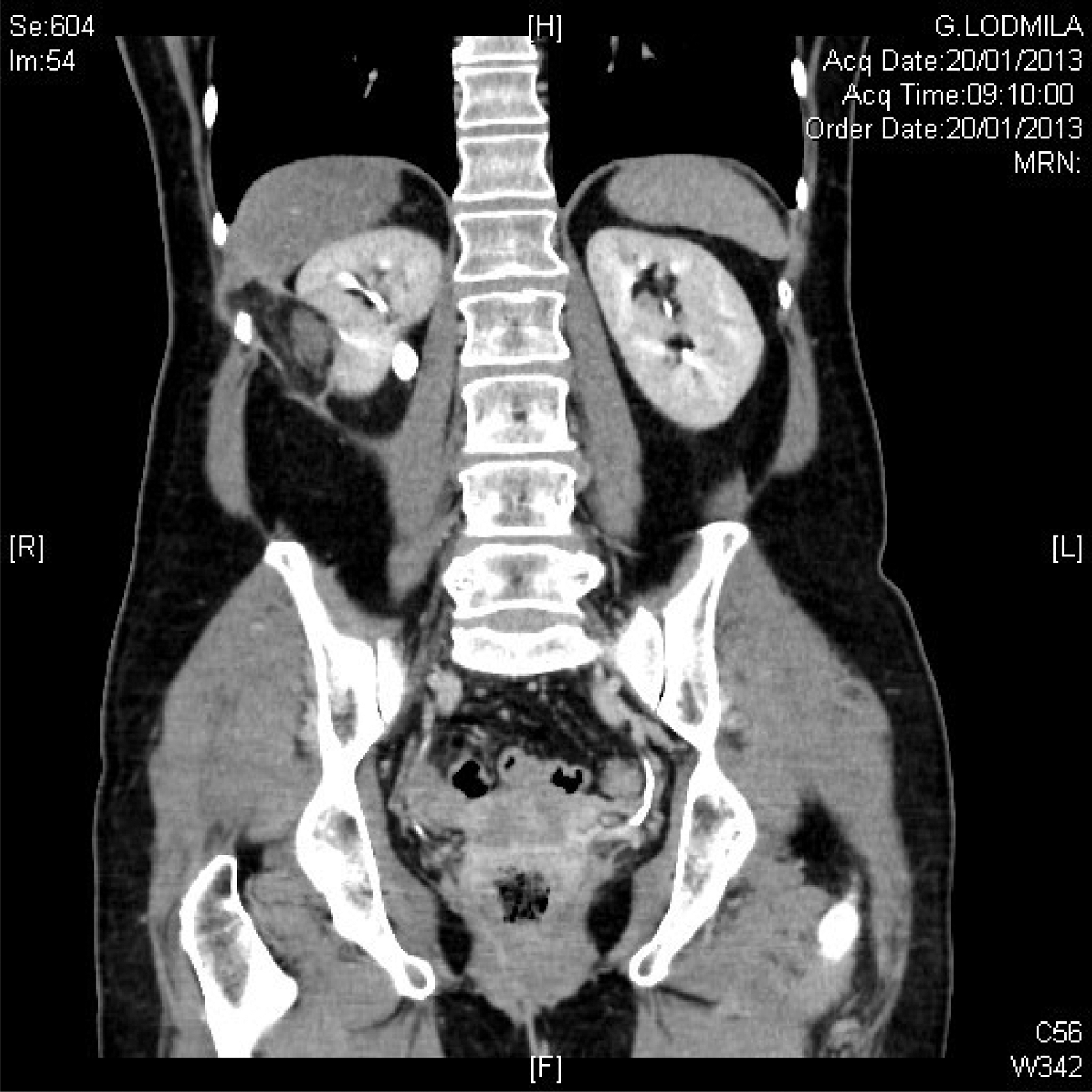
Comparison of Oncological Outcomes Following Cryoablation Using Multi-Point Temperature Sensors

Are cryoablation a feasible and safe treatment modality for renal angiomyolipoma?
This session will provide insights to how cryoablation can be applied in the treatment of renal angiomyolipomas.
Ureteropelvic Junction Obstruction After Ablative Therapy for Small Renal Masses
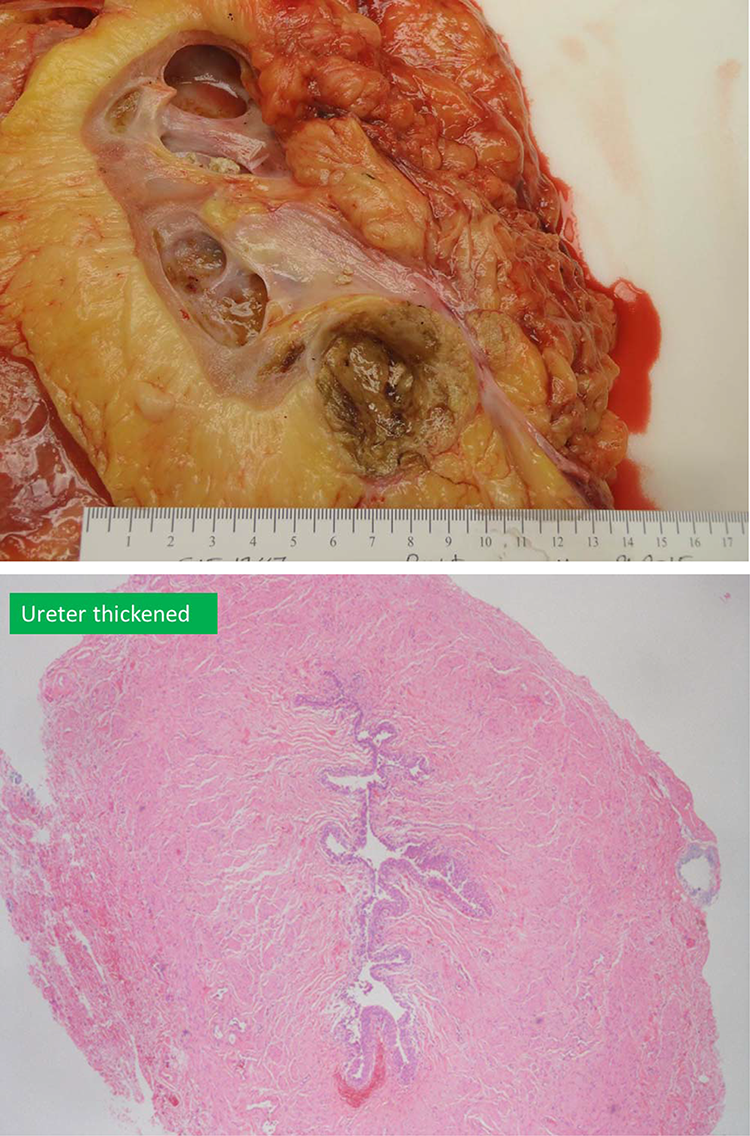
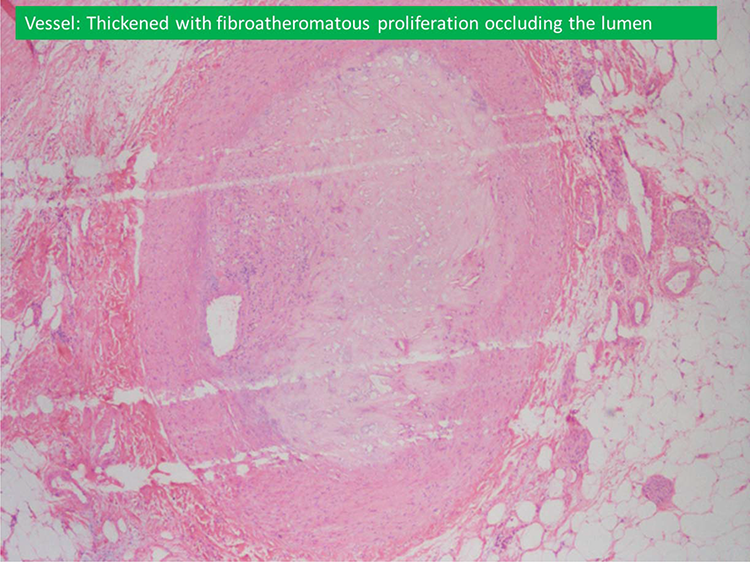
Zero ischemia peri-tumoral radiofrequency ablation-assisted robotic laparoscopic partial nephrectomy – long term oncologic outcomes in 49 patients

A 12 year experience of laparoscopic and percutaneous cryoablation of small renal masses
A Matched Comparison of Perioperative and Oncologic Outcomes in the Management of the Distal Ureter for Upper Tract Urothelial Carcinoma Using the Robotic Versus Open Approach
Is protection with ambient air during thermal destruction by radiofrequency for renal cell carcinoma T1a safe?
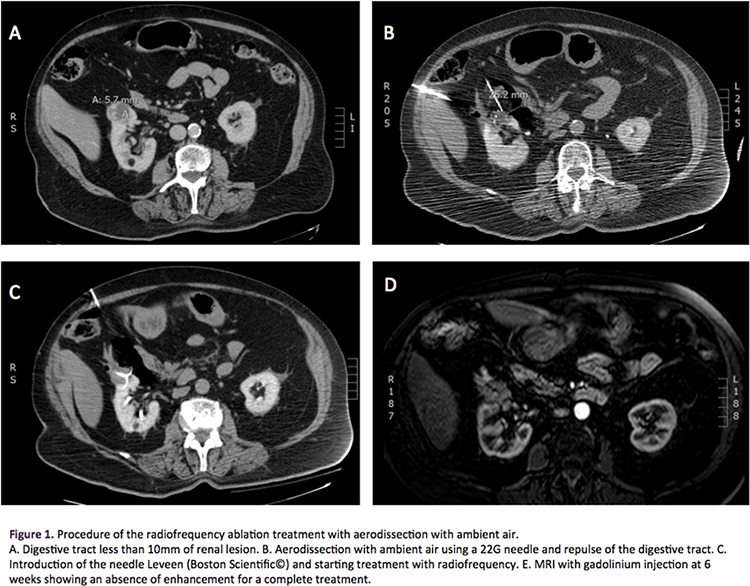
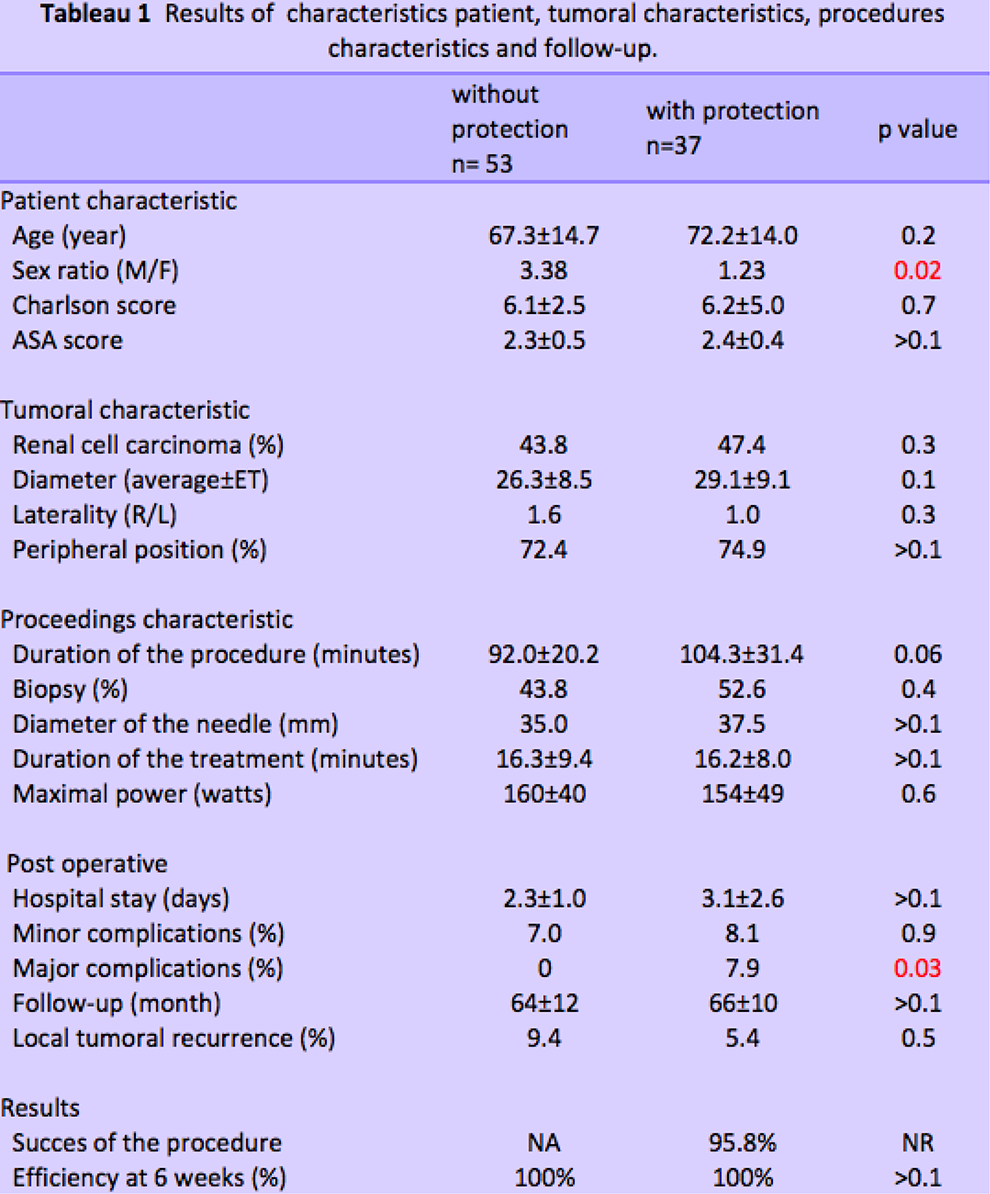
Impact of Tumor Histology and Grade on Treatment Success of Percutaneous Renal Cryoablation
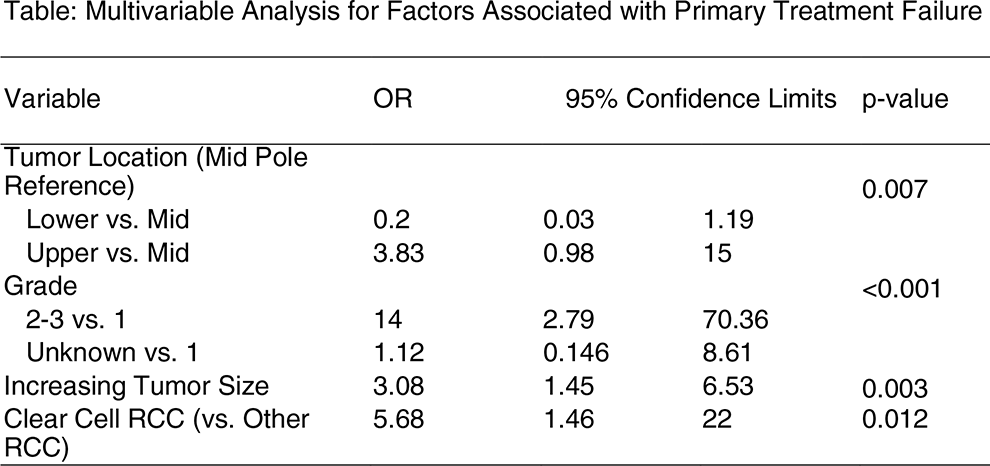
MP 29: PCNL: Access and Positioning
Minimal percutaneous nephrolithotomy in lateral position: single center 10 year's experience
Multiple tracks in percutaneous nephrolithotomy and early versus later creation
Comparison of Patient Radiation Exposure During Percutaneous Nephrostolithotomy Using 3 Different Access Techniques: A Cadaver Study
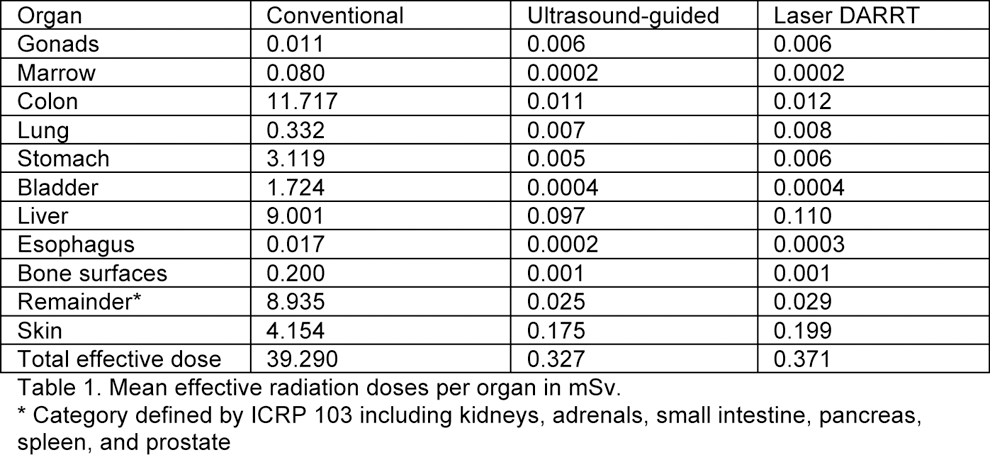
Micrbox white light PCNL Puncture trainer
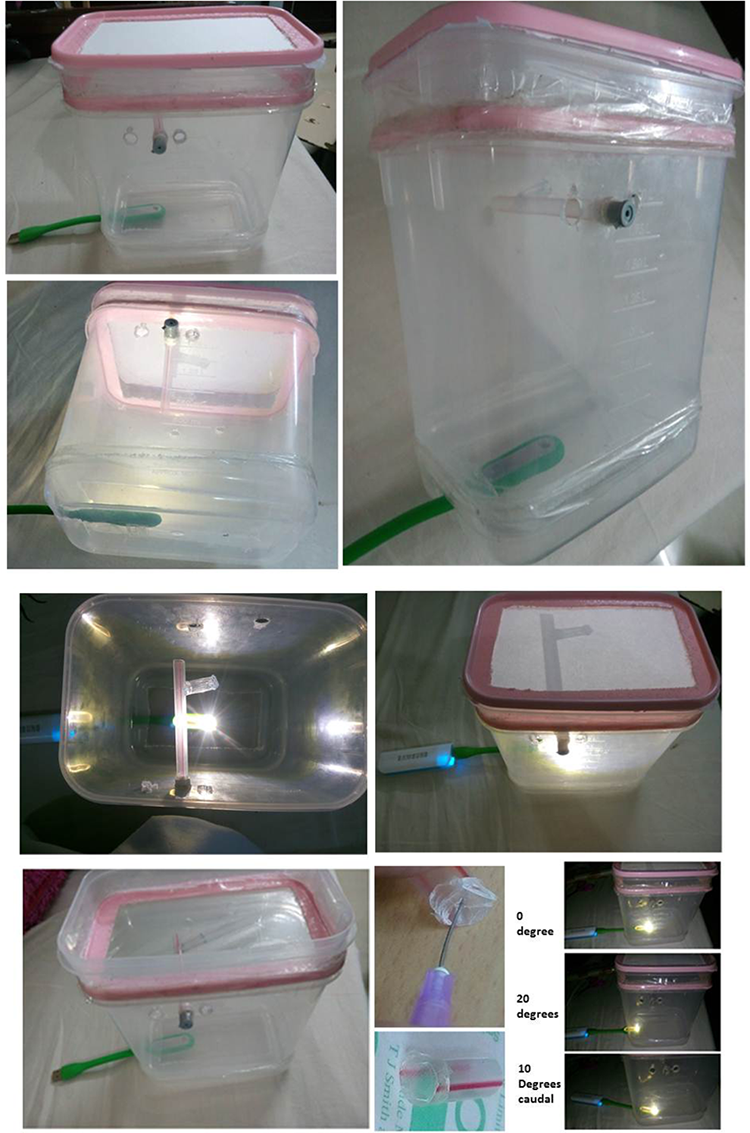
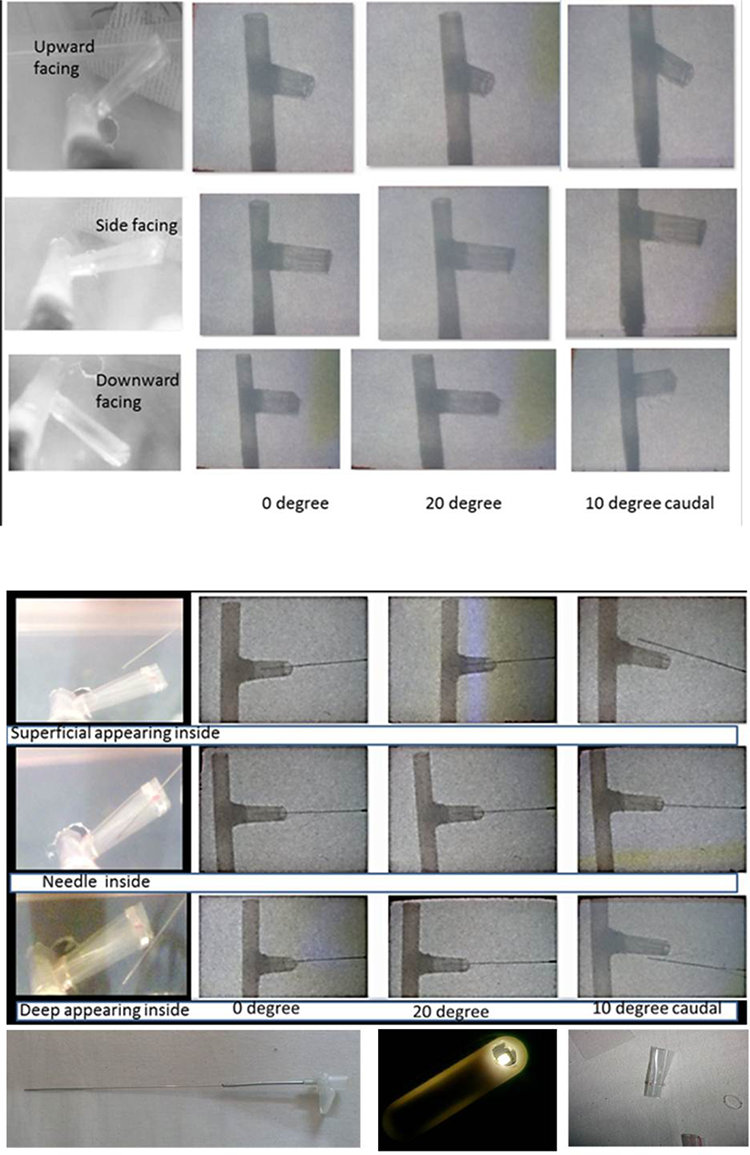
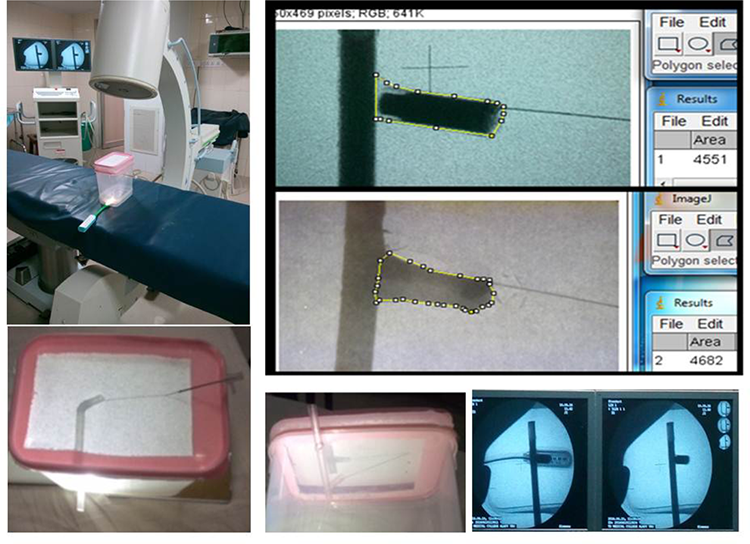
Does Prone positioning for Percutaneous Nephrolithotomy(PCNL) affect cardio-respiratory parameters? A prospective study
Parameters collected were Age, BMI, BSA, Heart Rate, Non Invasive Blood Pressure (NIBP). Respiratory parameters collected were: Sp02, Respiratory Rate, Ppeak (cmH2O), PEEPtot (cmH2O), TVexp (ml), End tidal oxygen and Carbon dioxide concentration. Data were paired by the time before and after prone positioning –10 mins and +10, +60 and +90 mins. Comparison was performed using Paired sample T Test.

Ultrasound Guidance Reduces Percutaneous Nephrolithotomy Cost Compared to Fluoroscopy
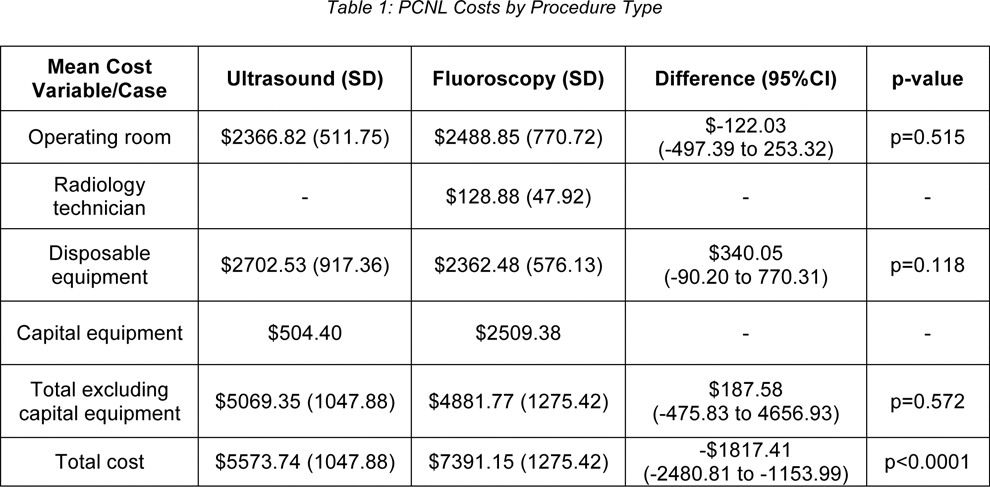
Comparison of Ultrasound-Guided, Conventional Fluoroscopic, and a Novel Laser Direct Alignment Radiation Reduction Technique for Percutaneous Nephrolithotomy

Is upper pole access, safe and effective approach for pediatric PCNL?
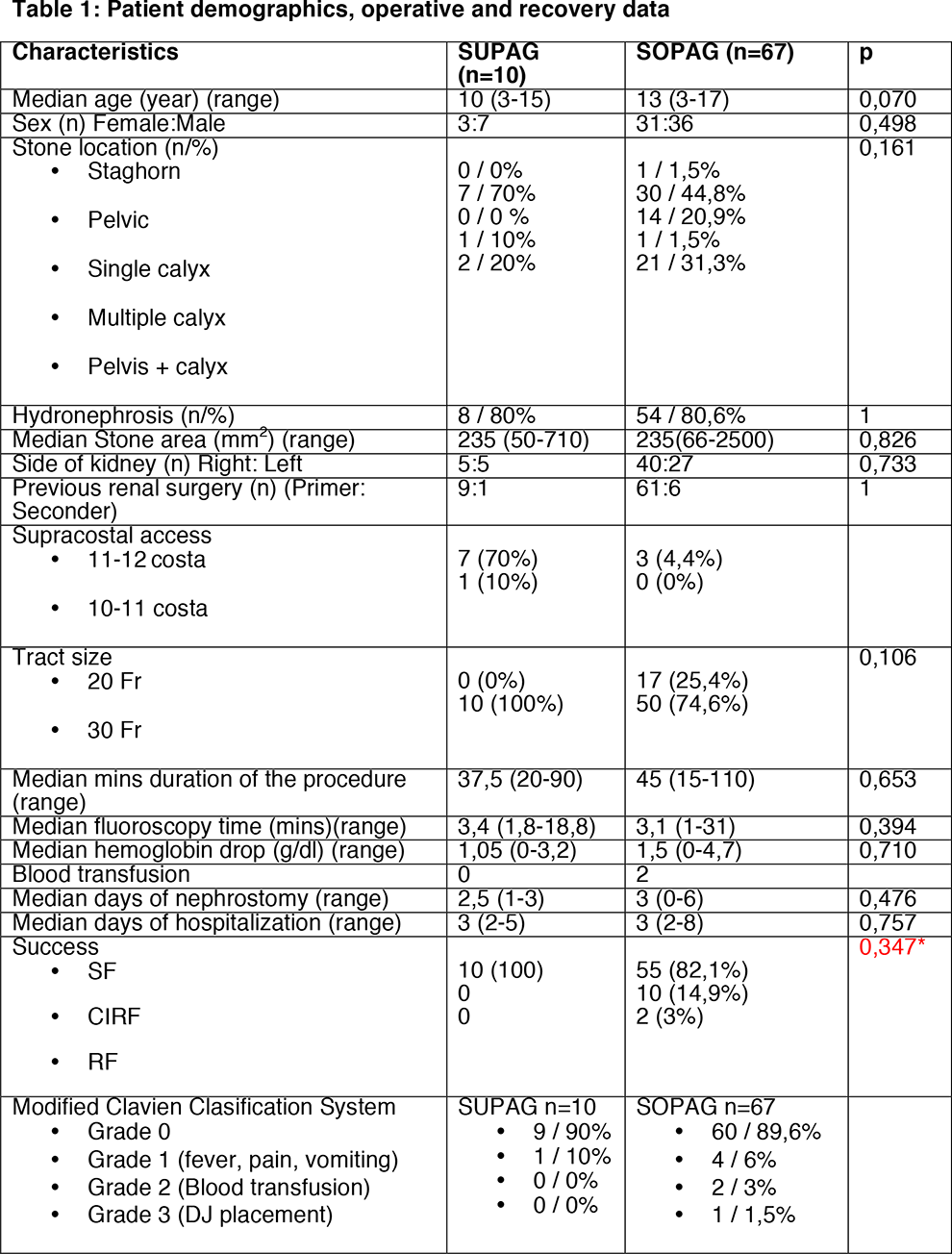
New Technique of Single Tract Lower Pole Access for Staghorn Calculi: Is it Feasible without Compromising Success?
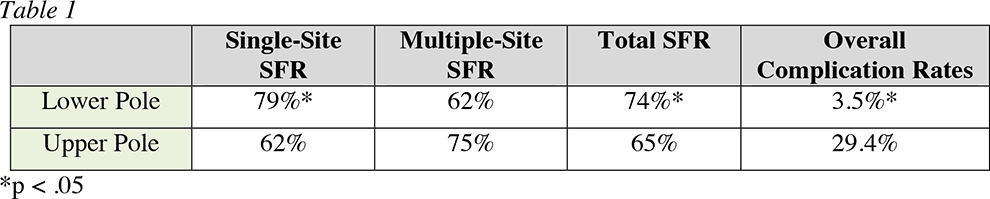
Totally Doppler ultrasound guided percutaneous nephrolithotomy: more than 18,000 cases experience from China
Comparative study of conventional Pcnl (24 Fr) by serial metallic dilators vs one step Amplatz dilatation for simple (2–4 cms) renal calculus - A single surgeon experience
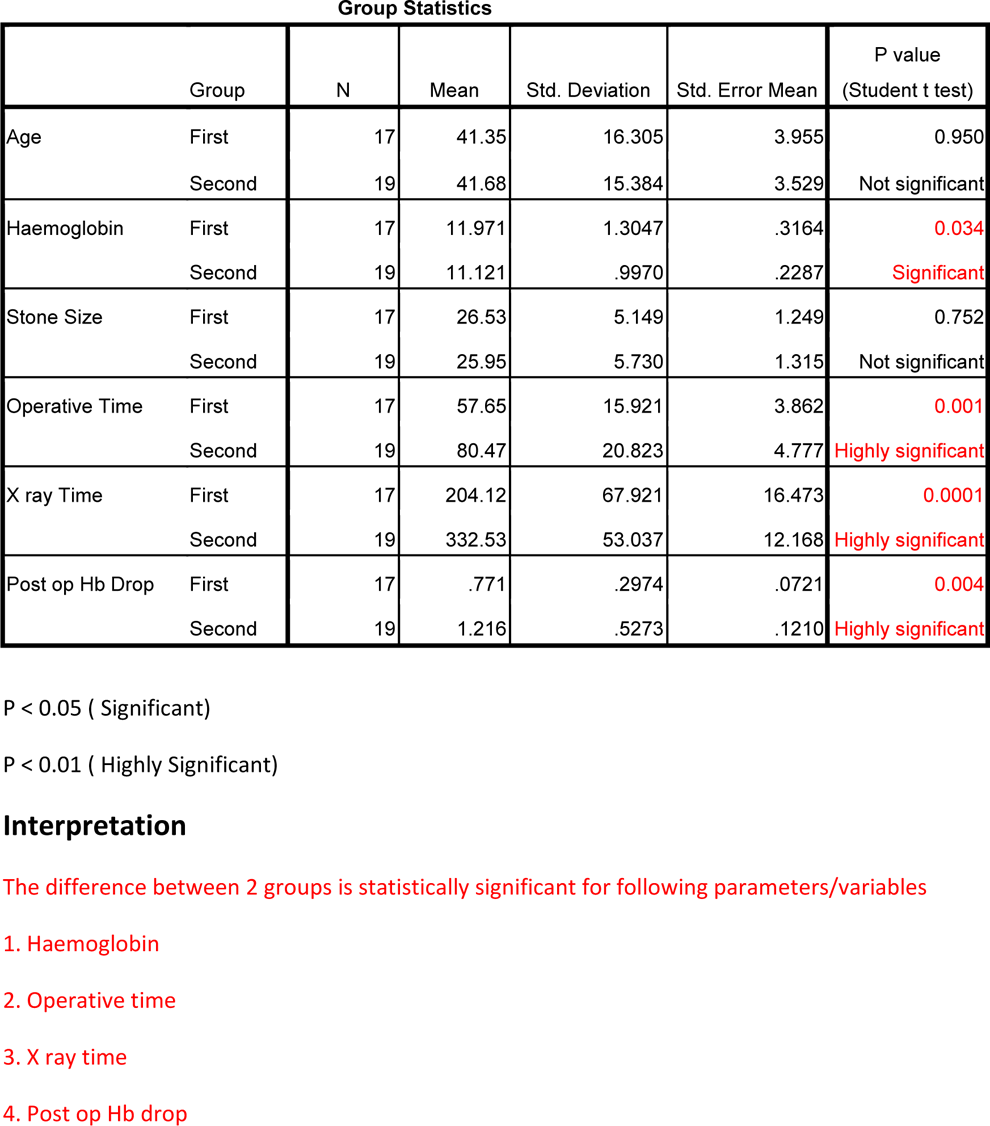
Intercostal Versus Subcostal Access in Percutaneous Nephrolithotomy: Higher Efficacy and Less Complications
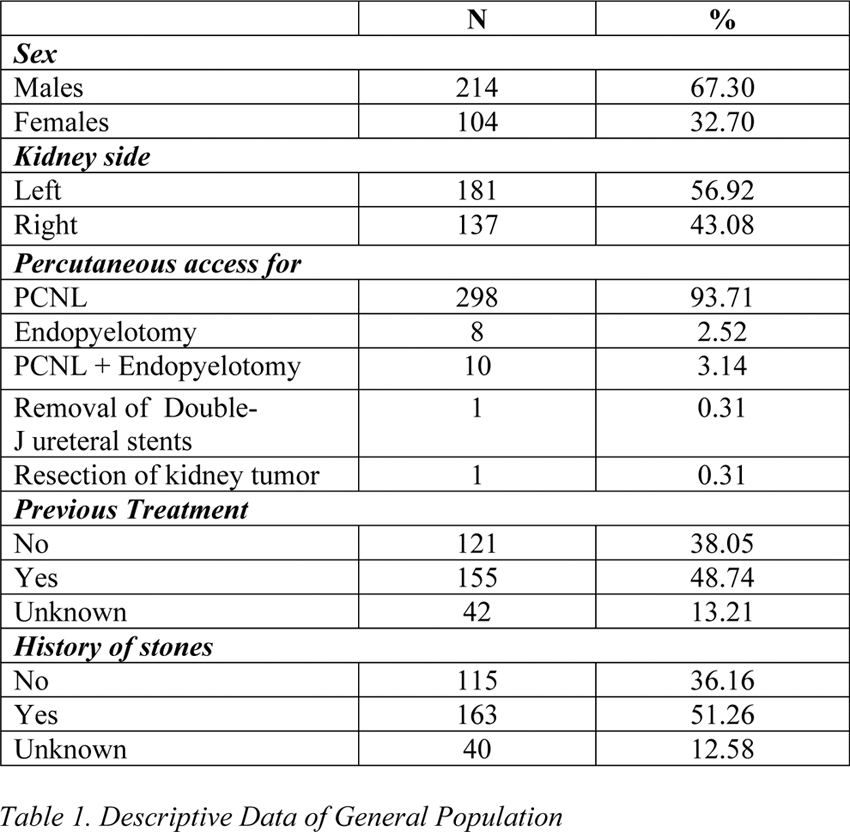

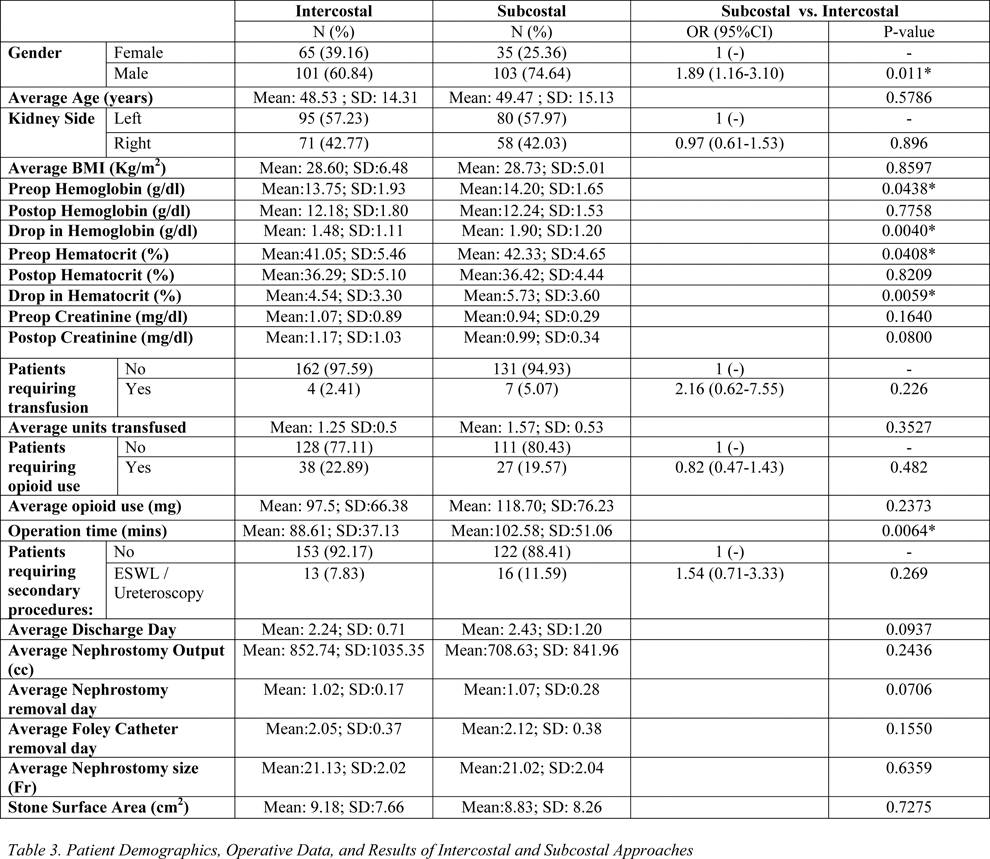

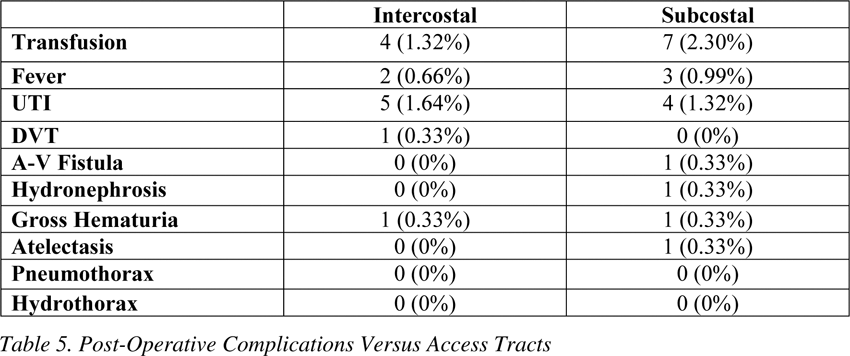
Initial Experience with Computed Tomography-Ultrasound Image Fusion Guided Percutaneous Nephrolithotomy (CT-US PCNL)

Success of Calyceal Stone Removal in Relation to the Angle between the Nephrostomy Track and Renal Calyx in Percutaneous Nephrolithotomy
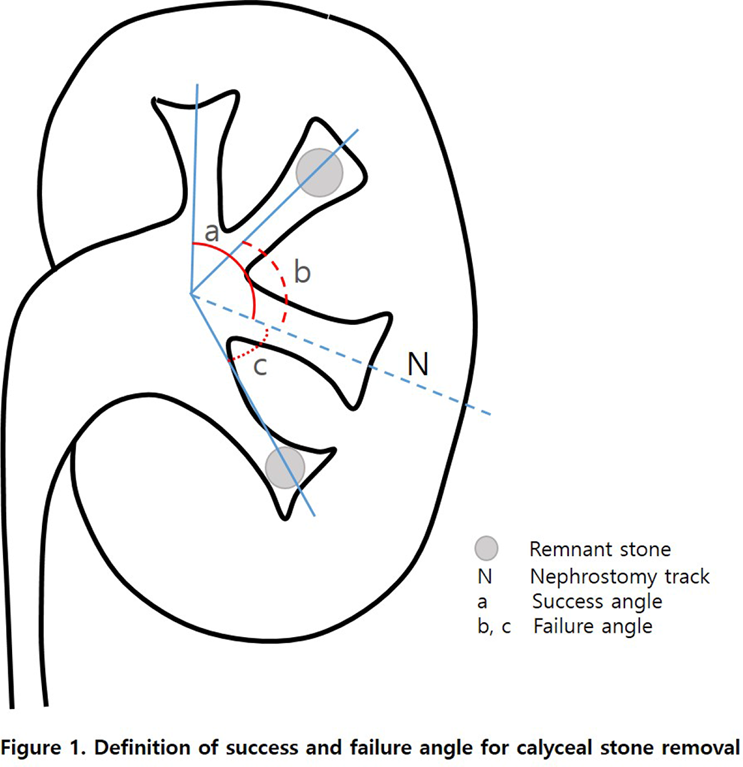
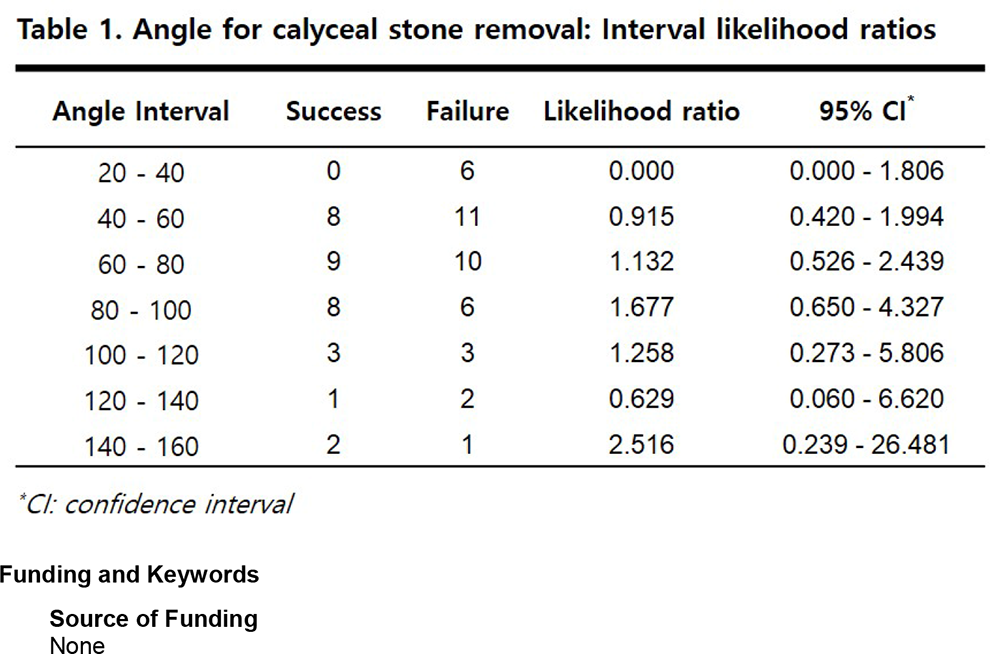
Totally X-ray free ultrasound-guided percutaneous nephrolithotomy: how to select the right patient?
Intraoperatively, fluoroscopic screening was required for renal puncture in 27 cases (28.1%), tract dilation in 38 cases (39.6%), and nephrostomy tube placement in 80 (83.3%). Among these procedures, 24 cases (25.0%) required fluoroscopy for both renal puncture and tract dilation. Postoperative complication was found in 7 cases (7.4%) and were primarily Clavien-Dindo class 1 or 2. Stone free was achieved in 87.5% and secondary procedure was required in 2.1% of patients. Multivariate analysis demonstrated that successful ultrasound guidance was significantly associated with the presence of hydronephrosis for renal access and the absence of staghorn calculi for tract dilation. Ultrasound guided nephrostomy tube placement appeared linked to surgeon experience.
Percutaneous Nephrolithotomy (PCNL) in the United Kingdom (UK) - Prone or Supine
This study determined outcomes for patients undergoing PCNL using either a prone or supine approach over a two-year period in the United Kingdom (UK).
Comparisons were made in relation to technique, outcome measures and complication rates for either the prone or supine approach for percutaneous renal access.
Patient position for renal access was recorded in 3981 procedures (95.6%).
Where recorded, percutaneous access was performed by a radiologist in 2537 (63%) and a urologist in 1406 (35%) procedures. Of the 3981 PCNL cases access was performed using a prone approach in 3041 (76%) and supine in 940 (24%).
A nephrostomy drain was inserted in 70% of patients having a prone and 66% a supine PCNL.
Mean length of stay was 3.7 days in both the prone and supine groups. Post-operative complications were recorded in 7.6% of the prone group and 7.2% supine (p = 0.10). Post-operative fever was reported in 9.2% of the prone group and 9.8% supine (p = 0.89). Post-operative sepsis was reported in 3.5% of the prone group and 2.3% supine (p = 0.059). A blood transfusion was given following PCNL in 2.6% of the prone group and 2.1% supine (p = 0.46). Stone free rates at follow up were 71% in the prone group and 79% supine (p = 0.0093).
Surgeons performing PCNL in the UK still appear to prefer to use the prone approach. The mean length of stay is the same for PCNL using either approach and there appears to be no difference in the overall reported complication rates.
Whilst there is no difference in the rate of post-operative fever or transfusion with either prone or supine access there is a trend towards an increase in the risk of sepsis with the prone approach and lastly stone free rates are significantly better in patients having a PCNL using the supine approach.
Multivariate analysis will help us determine if case selection or co-morbidity coild have influenced these results.
Development of the all-seeing needle and 5 Fr micro PCNL with the High Definition Image Guide system
A randomized double-blinded sham controlled study of electro-acupuncture for the management of post-operative pain after percutaneous nephrolithotomy

‘All-Seeing-Needle’ micro percutaneous nephrolithotomy: initial experience of using visual puncture system confirming access for solitary kidney
Initial experience with Supine Percutaneous Nephrolithotomy and Endoscopic Combined Intra Renal Surgery suggest a new standard of care in the management of complex renal calculi with better stone free rates and safety profile
The anatomy of collecting system and PCNL in renal staghorn stones
Which access is suitable for renal pelvis stones during percutaneous nephrolithotomy procedures
The Use of an Occlusion Balloon Device and PCNL Outcomes: Single Center Experience
MP 30: Robotic Surgery: Lower Tract - Malignant Bladder
Clinico-pathological outcome of robot-assisted radical cystectomy after neoadjuvant chemotherapy in patients with muscle-invasive bladder cancer
U-shaped ileal neobladder with totally intracorporeal robotic procedure in patients with muscle-invasive bladder cancer
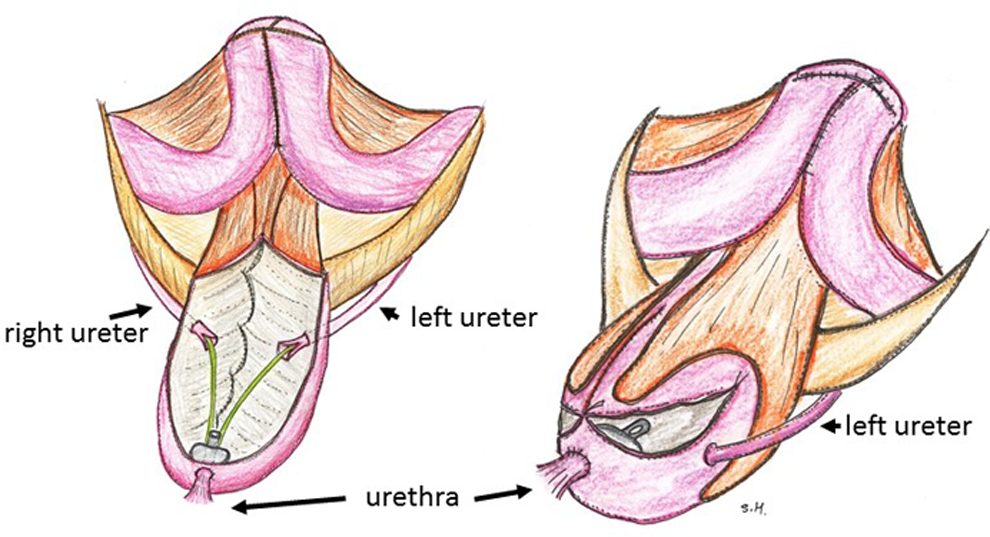
Comparative Perioperative Outcomes In Septuagenarians and Octogenarians Undergoing Radical Cystectomy for Bladder Cancer - Do Outcomes Differ?
Robotic intracorporeal vescica ileale padovana: perioperative, functional and oncologic outcomes of first 45 single center cases
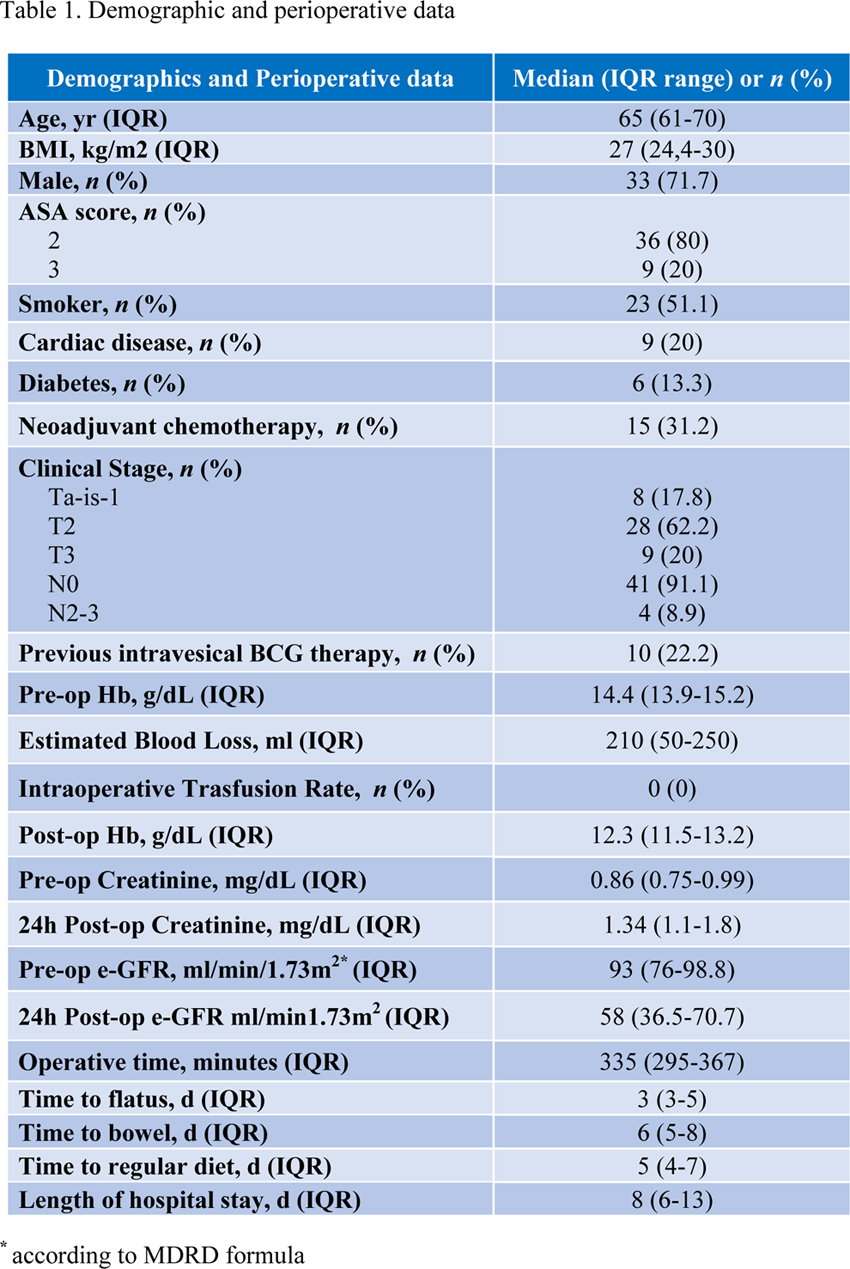
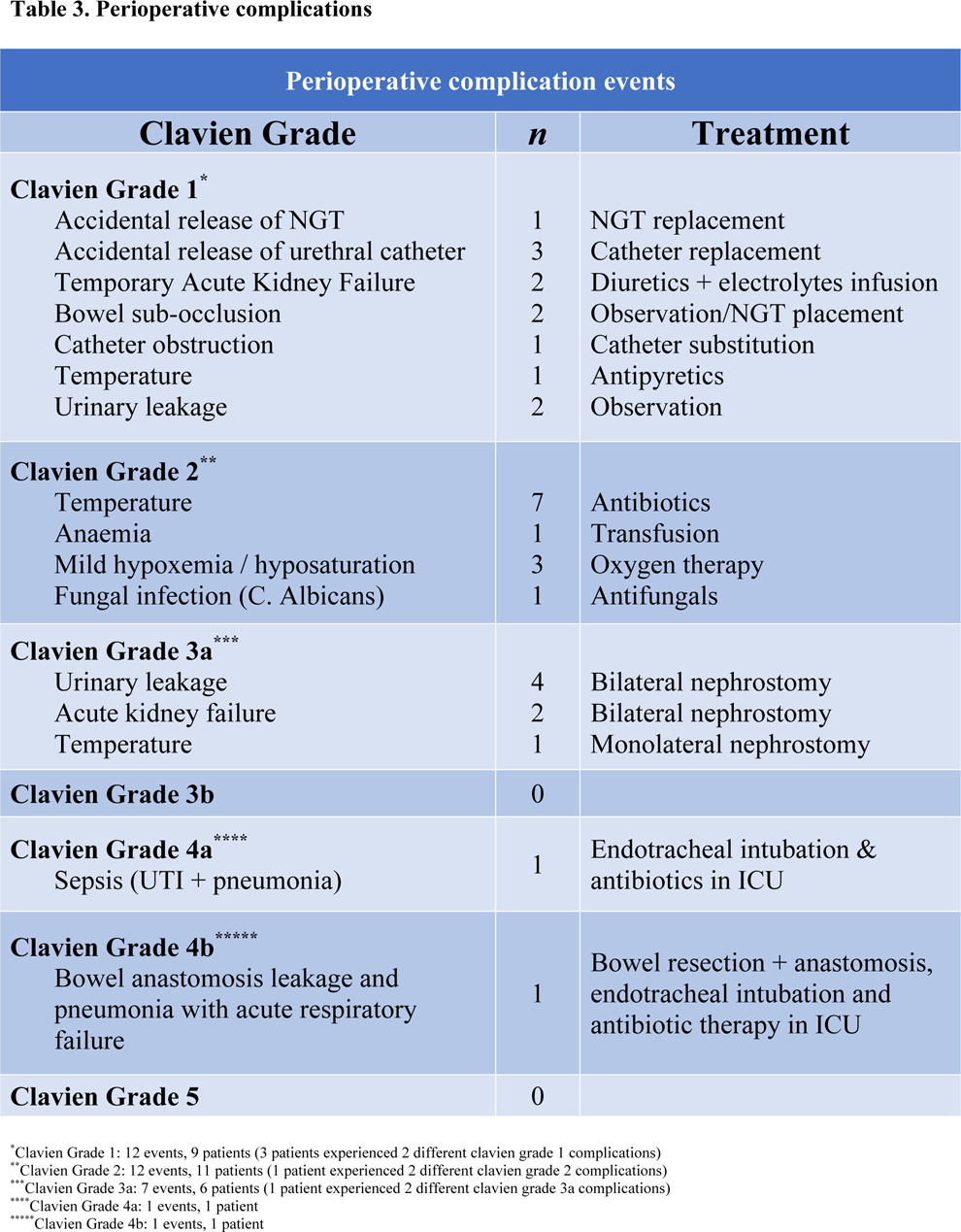
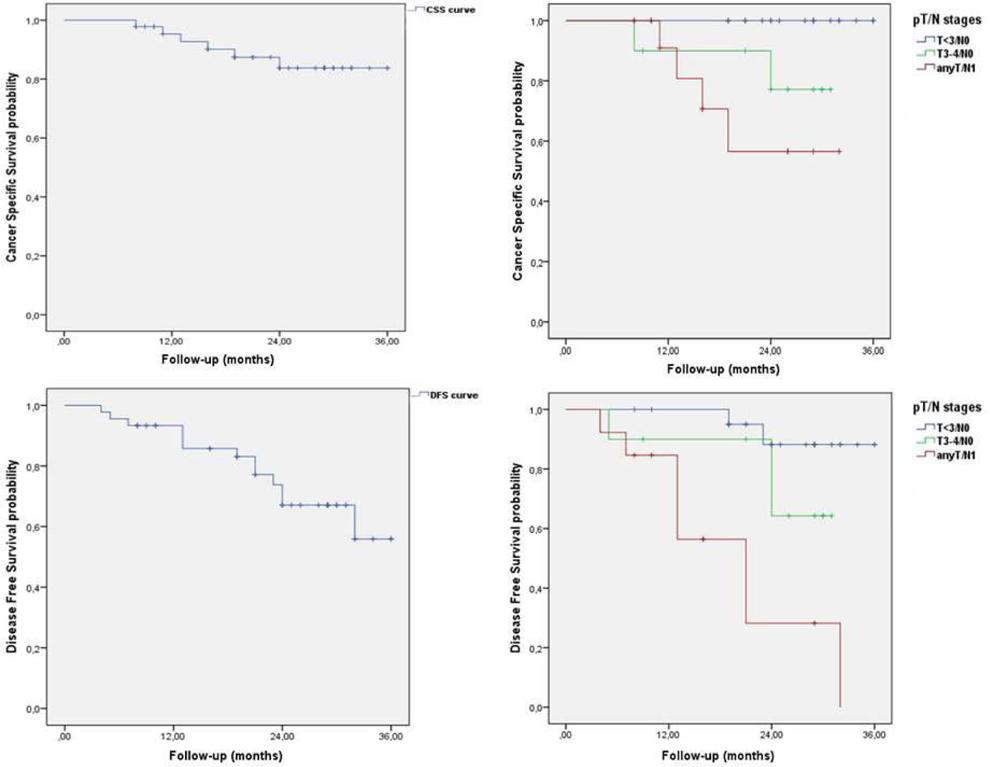
Oncologic outcomes of robotic cystectomy with totally intracorporeal neobladder: single center propensity score matched comparison with open cohort
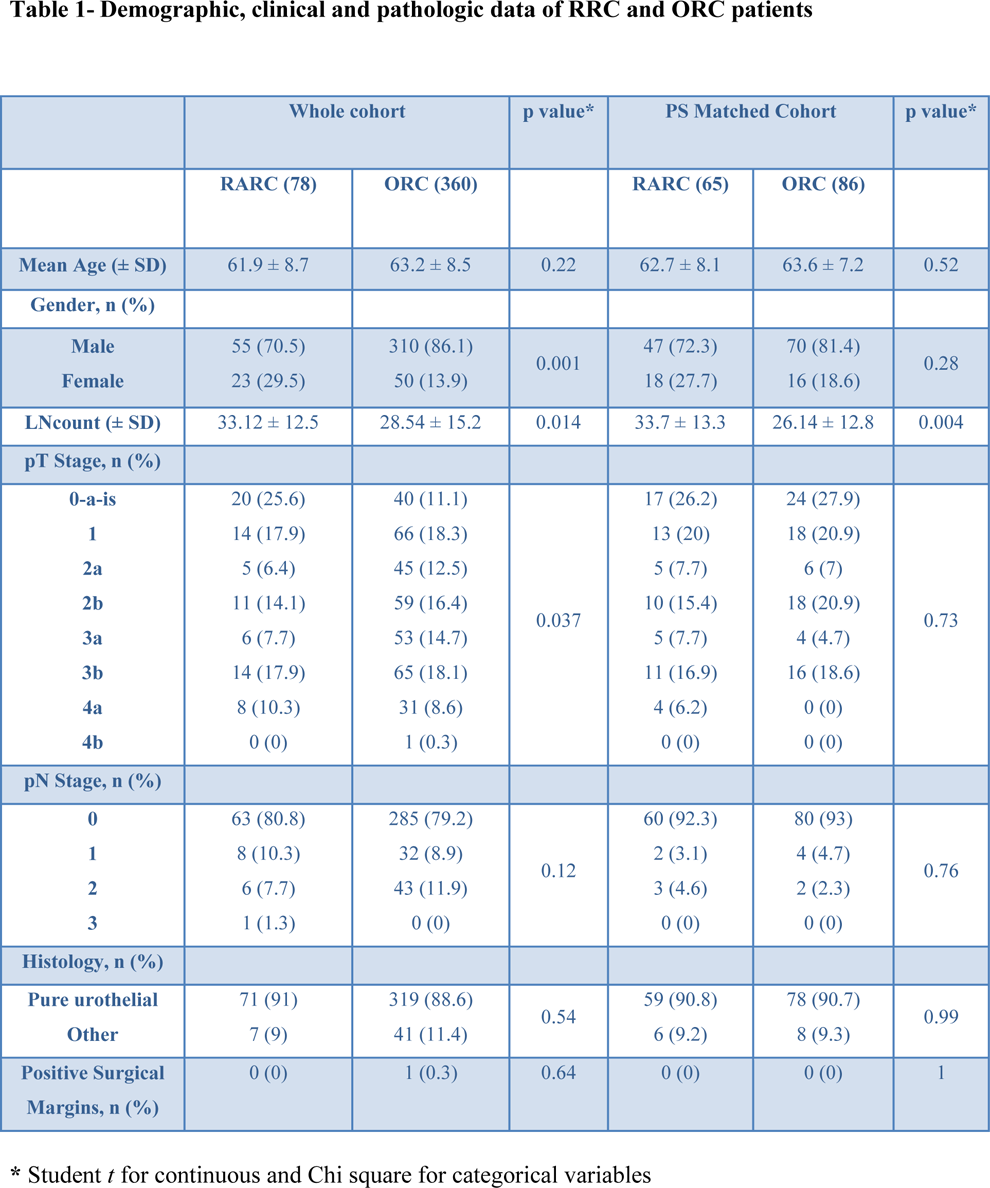
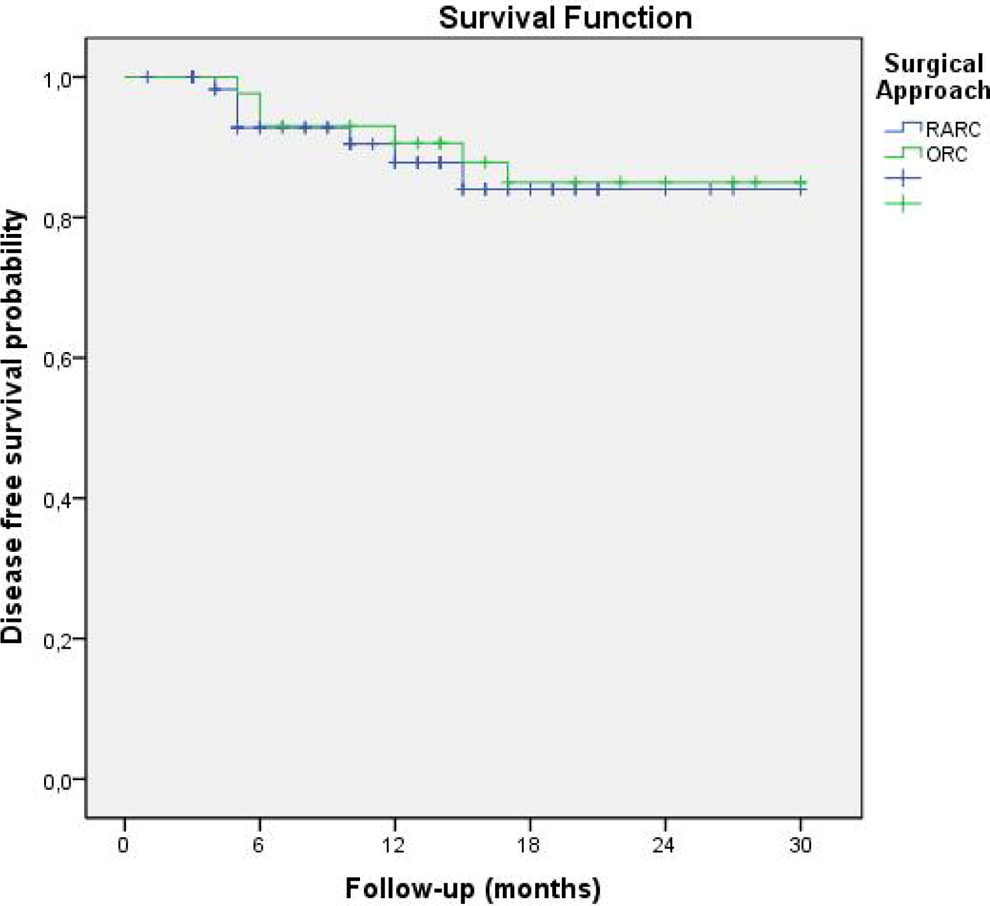
Learning curve for robotic radical cystectomy with total intracorporeal urinary diversion: analysis of benchmarks for surgeons
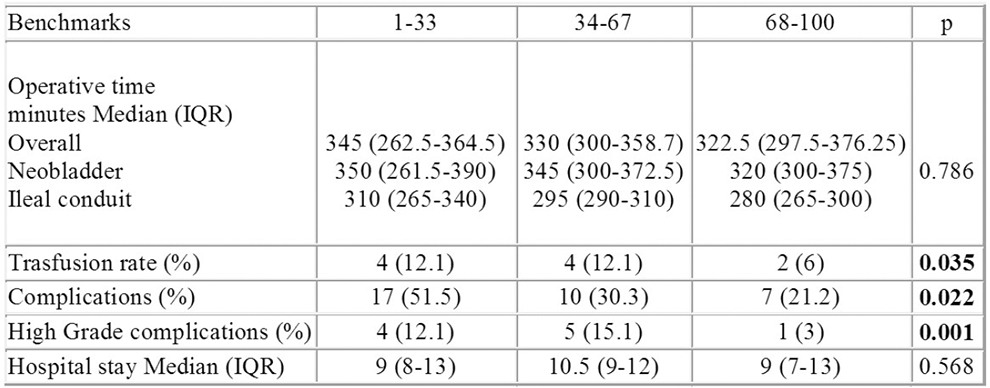
Predictors of Incisional hernia after robotic radical cystectomy with intracorporeal urinary diversion
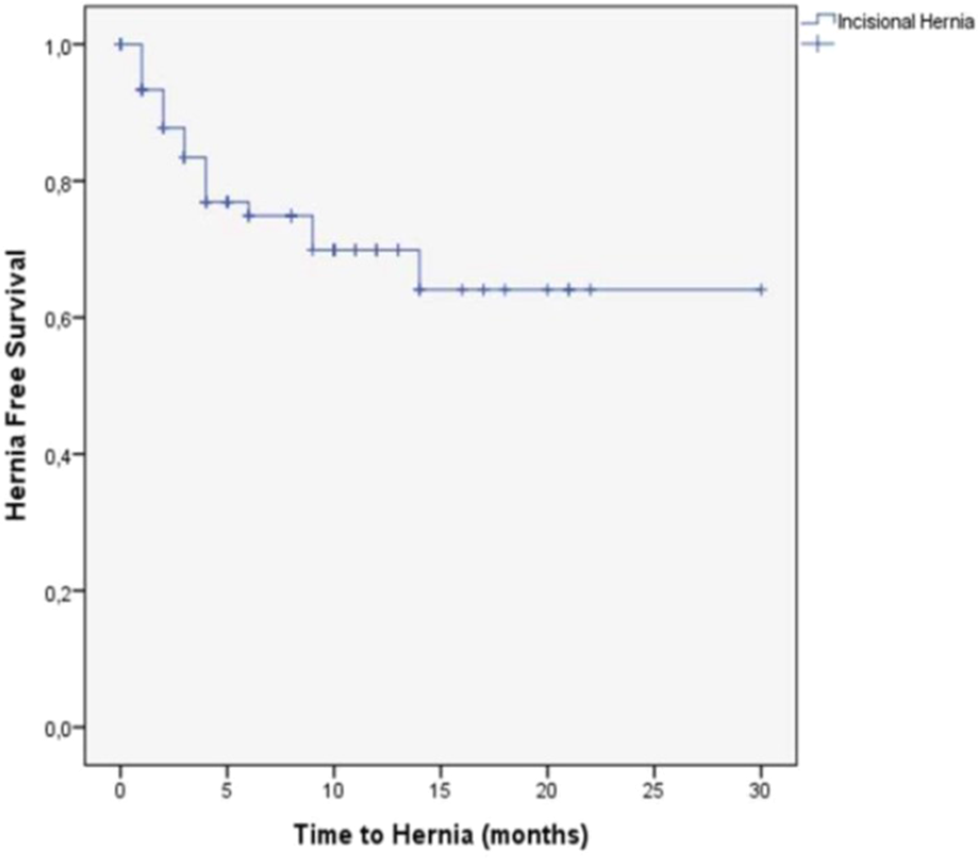
Three-yr experience with robotic radical cystectomy and intracorporeal urinary diversion: perioperative, functional and oncological outcomes
(62 male and 23 female), while 20 patients received an ileal conduit. Median hospital-stay was 10 days (IQR 9–14). Thirty-seven (35,2%) patients experienced any kind of complications, while high grade (clavien 3–5) complication rate was 9.5%. At a median follow-up of 10 months (IQR 6–15) day-time and night-time continence rate were 75.3% and 62.3%, respectively. Ureteral and urethral anastomosis strictures occurred in 7.6% and 3.2% of patients, respectively. (Table 1) Two-yr DFS rate was 84% in patients with organ confined disease (pTPatients with extra vesical disease (pT >2 N0) and those with nodal metastasis had significantly worse DFS and CSS probabilities (log rank 0.041 and 0.013, respectively (Figure 1).
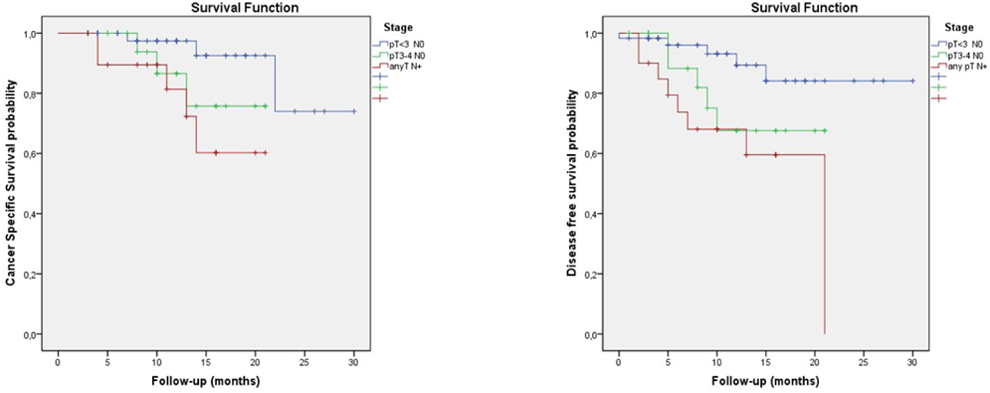
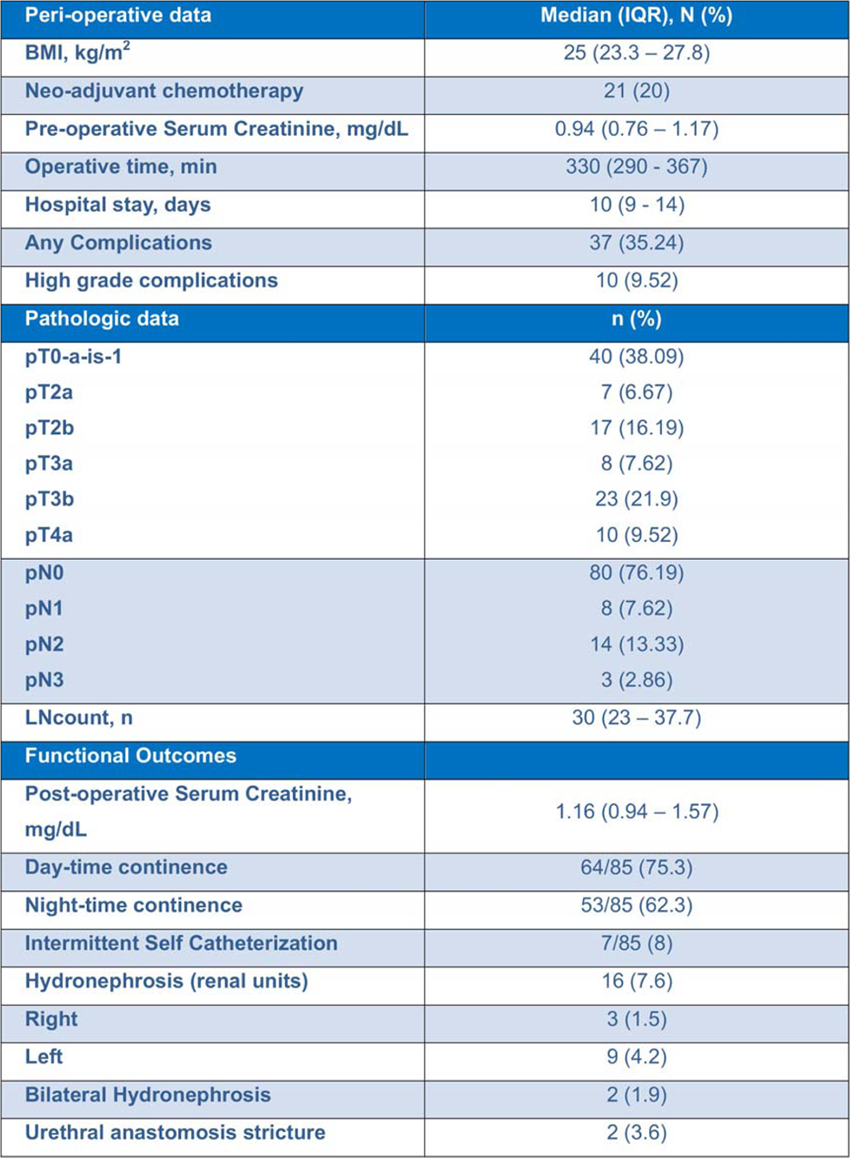
Preservation of the internal genital organs during robot-assisted laparoscopic radical cystectomy for female bladder cancer patients: functional and oncological outcomes
Comparison of surgical invasiveness between open and robot-assisted radical cystectomies: differences in the systemic inflammatory cytokine level
Robot assisted radical cystectomy. A prospective analysis of 38 cases with a medium follow up of 15 months
Tubeless, Drainless, No-Bowel Prep Robotic Assisted Laparoscopic Radical Cystectomy is Safe and Feasible
Perioperative outcome of Robotic radical cystectomy : Initial experience from a tertiary care centre
A Single Center Comparison of Initial Experience of Robotic Assisted Radical Cystectomy with Intracorporeal Urinary Diversion to Robotic Assisted Radical Cystectomy with Ex Vivo Urinary Diversion
MP 31: Robotic Surgery: Lower Tract - Malignant Prostate (ii)
Positive surgical margin rates during the robotic-assisted laparoscopic radical prostatectomy: examination of the learning curve of an experienced laparoscopic surgeon
The Effficacy and Utilisation of Preoperative Multiparametric Magnetic Resonance Imaging in Robotic Radical Prostatectomy: Does it Change the Surgical Dissection Plan?
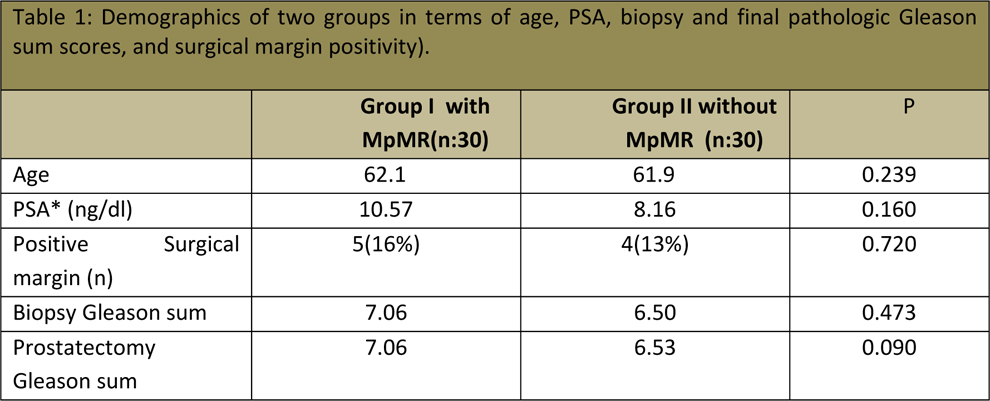


Robotic-assisted (DaVinci) prostatectomy: Presentation of postoperative outcomes. A retrospective study based on a series of 806 cases
Operative time, blood loss, duration of catheterization and positive surgical margins had been compared. Complications were classified according to the Clavien-Dildo classification system. Patients with inadequate data were excluded.
The histological report showed that 66 of the patients (8.18%) had pT2a disease, 26 patients (3.22%) had pT2b and 395 patients (49%) had pT2c disease. 155 and 151 patients had respectively pT3a (19.23%) and pT3b (18.73%) disease. 10 patients (1.24%) had pT4 disease.
We had 240 cases of positive surgical margins (29.78%). The most frequent pathological stage was T2c (27.91%), T3a (25.41%) and T3b (42.91%). The positive surgical margins rate dropped significantly for T2a, T2b and T4 stage (0.83%, 0.41%, 2.08% respectively).
According to the Clavien-Dildo classification, there were reported 190 complications. The overall complication rate was 23.57%.
The overall complication rate for minor complications was 13.52% (Clavien I 3.56%, Clavien II 4.96%). Complications that required of intervention without (IIIa) or with (IIIb) anaesthesia were 5.46% and 2.86%. Life-treating complications were 1.11% (IVa) and 0.62% (IVb). The transfusion rate was 0.74%.
Impact of posterior urethrovesical reconstruction on return to continence after robotic prostatectomy: A randomized controlled trial
The analysis of short-term outcomes of initial 100 robot-assisted laparoscopic radical prostatectomy by an experienced surgeon more than 200 cases of laparoscopic radical prostatectomy considering learning curve
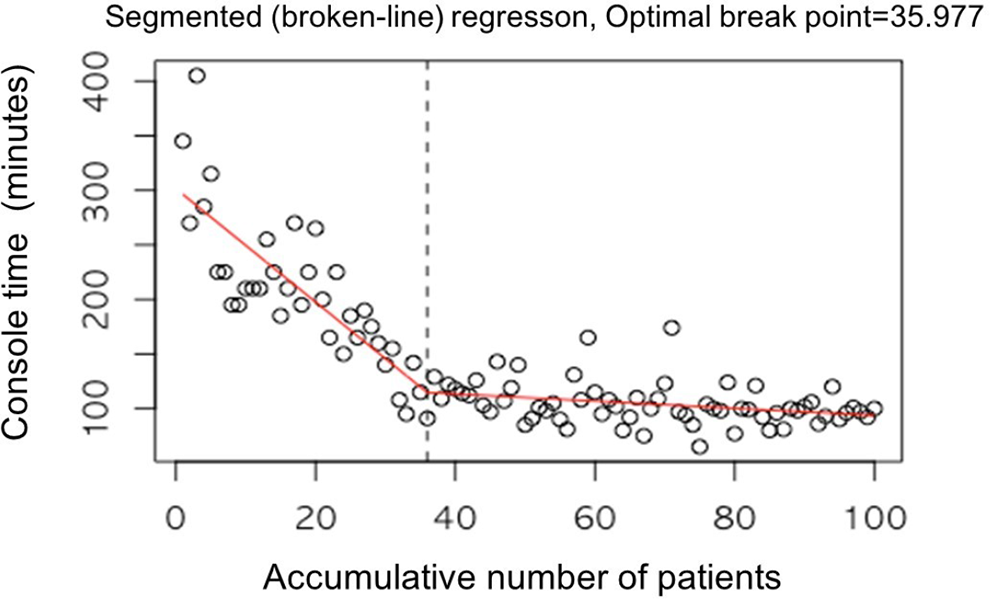
Posterior Urethral Suspension During Robot-Assisted Radical Prostatectomy Improves Early Urinary Control: A Prospective Cohort Study
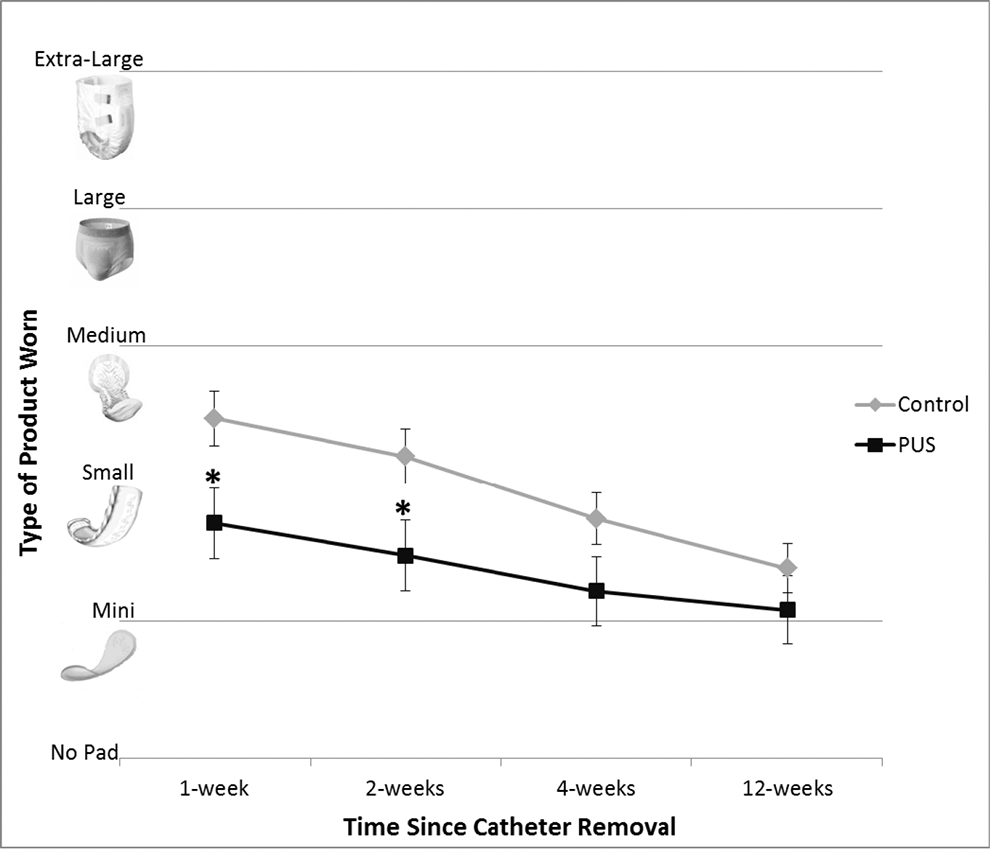

An Update on the Efficacy of the Transversus Abdominal Plane Block During Robotic Assisted Radical Prostatectomy
An Evaluation of the Functional Outcomes after Stapling of the DVC versus Sharp Dissection and Oversewing during RARP
Preoperative variables predicting challenging surgery and prolonged hospitalization after robotic-assisted radical prostatectomy
BMI was the only significant predictor in correlation with the amount of BL, positively associated in a dose response manner (adjusted OR of 3.1 and 4.8 for blood loss of 300 ml and over, for BMI 25–30 and >30 respectively, compared to BMI Median OT was 2.8 hours (IQR 2.4–3.4). Predictors of long OT (>3.5 hours) were order in the surgeon learning curve (first 50 patients, second 50 patients and the rest), and prostate weight (adjusted OR = 2.8 (95% CI 1.1–7.2) for weight >80 gr). Increased DS was associated with D'Amico risk groups (adjusted OR 4.2 (95% CI 1.6–10.9) p = 0.003 for highest score) and with prostate weight OR 2.8 (95% CI 1.1–7.4) (p = 0.03).
Factors predicting positive surgical margins at robotic-assisted radical prostatectomy
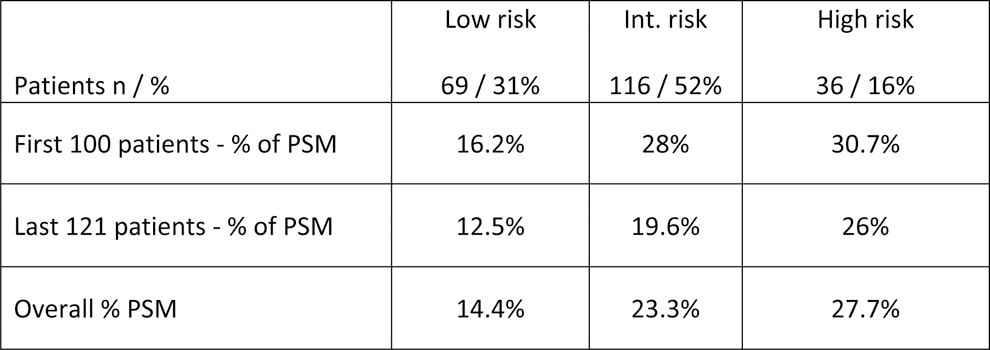
Comparison between robot-assisted radical prostatectomy and minimum incision endoscopic radical prostatectomy for high-risk prostate cancer following neoadjuvant therapy : A propensity score-matched analysis
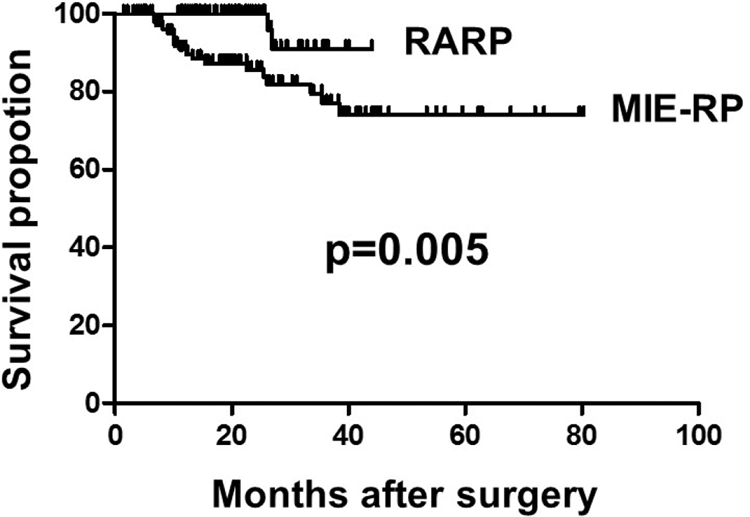
Outcome evaluation of Robot-assisted laparoscopic radical prostatectomy performed at Juntendo and Teikyo University hospital - analysis of cancer curability and postoperative continence
Intraoperative Fluorescence Imaging for Detection of Sentinel Lymph Nodes and Lymphatic Vessels during da Vinci Xi Prostatectomy using Indocyanine Green
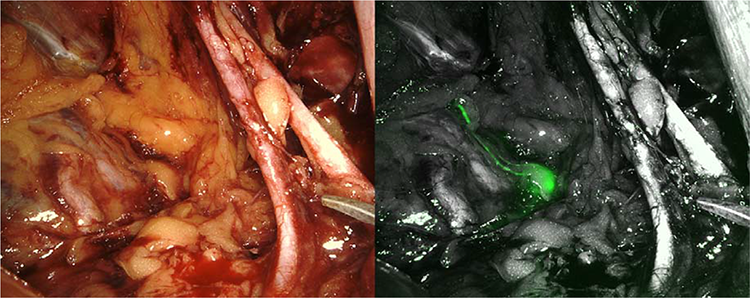
MP32: New Technology: Laparoscopy/Robotics
Novel Percutaneous Externally Assembled Laparoscopic (PEAL) Instruments for Fowler-Stephens Orchiopexy: A New Clinical Paradigm
The use of Google GLASS in the Surgical Setting
All candidates preformed prostatectomy on the Green Light Simulator within a surgical setting with a standard vital signs monitor and then the next with the Google GLASS. The time taken to respond to the abnormal vital signs during both sessions was recorded. A quantitative survey was used to assess the usability and acceptability of the Google GLASS surgery.
Percutaneous Externally Assembled Laparoscopic (PEAL) versus Laparoendoscopic Single-Site (LESS) nephrectomy in a porcine model: A prospective, randomized comparison
CO2 Laser Dissection (COLD) Knife Robotic Partial Nephrectomy for Solid Renal Pseudotumors in a Porcine Model: Idea, Development, Exploration, Assessment, Long-term monitoring (IDEAL) Stage 0 Study
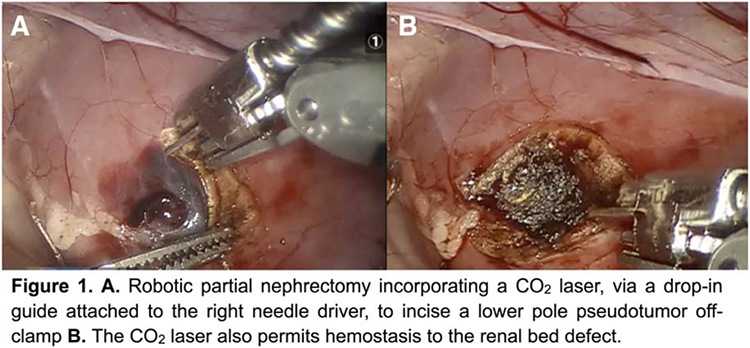
Comparative Assessment of Core Biopsy Needles

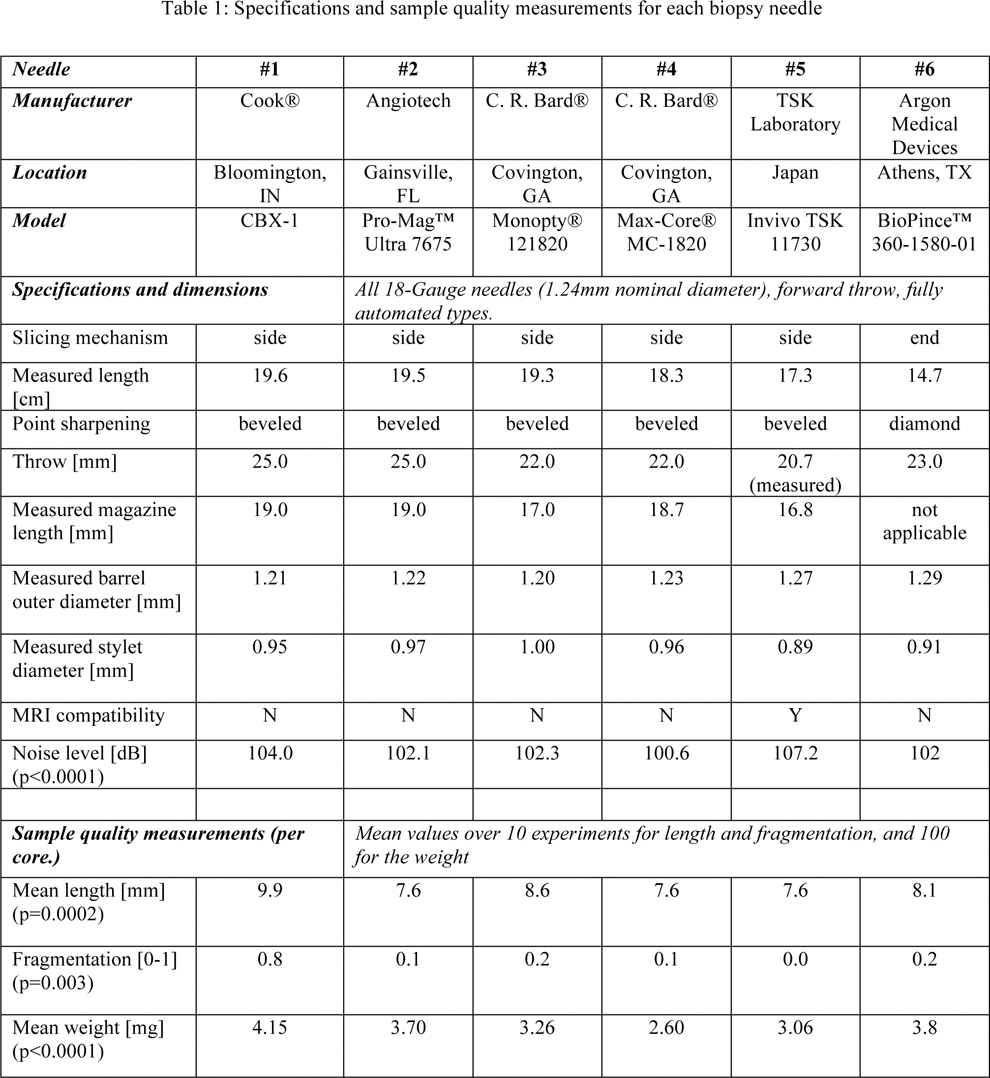
Impact of Articulating Laparoscopic Devices with Three-Dimension Visualizing System: A Pilot Study
The Use Of Transillumination To Facilitate Precise Identification Of Anatomic Structures During Robot-Assisted Surgery
The UroLift system as a replacement for fiducial markers in patients with obstructive benign prostatic hyperplasia undergoing external beam radiotherapy for moderate to high risk prostate cancer

A Novel Method for the Development and Dissemination of a Low Cost Three-Dimensionally Printed Laparoscopic Trainer
Development of Convective Water Vapor Energy for Treating Localized Prostate Cancer: First-In-Man Early Clinical Experiences
Predicting aggressiveness in very low risk asian prostate cancer on biopsy with a novel multiphoton microscopy imaging tool (HISTOINDEX®)
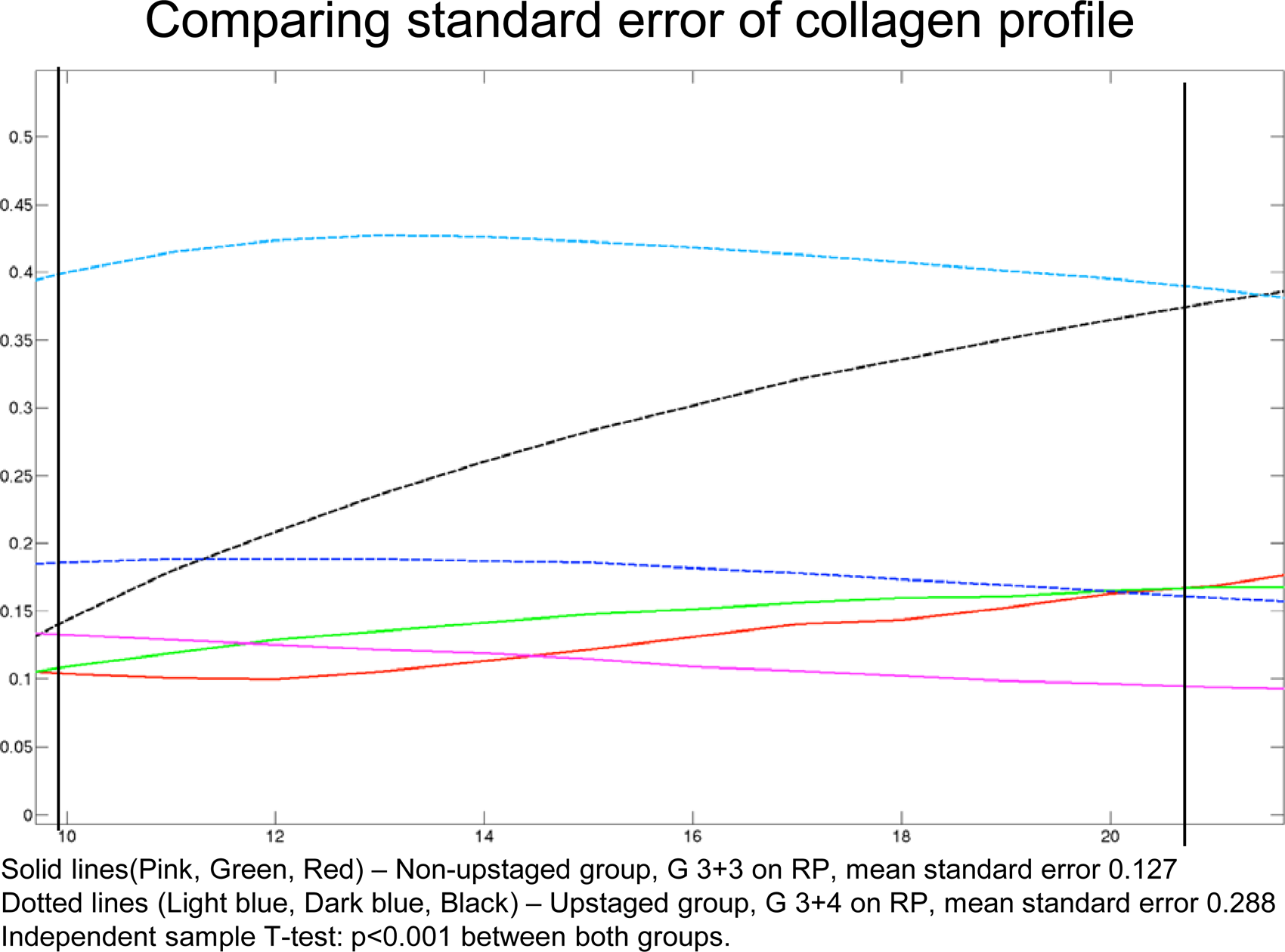
Percutaneous Needle Based Optical Coherence Tomography for the Differentiation of Renal Masses
The aim of this study is to assess the diagnostic accuracy of percutaneous needle based OCT in the diagnosis of kidney cancer, utilizing the attenuation coefficient (μOCT, mm−1) for the differentiation between benign and malignant tumours.

Laparoscopic Transcutaneous Extraperitoneal repair of Hydrocele in Children by using J shaped bended spinal needle; modified new technique
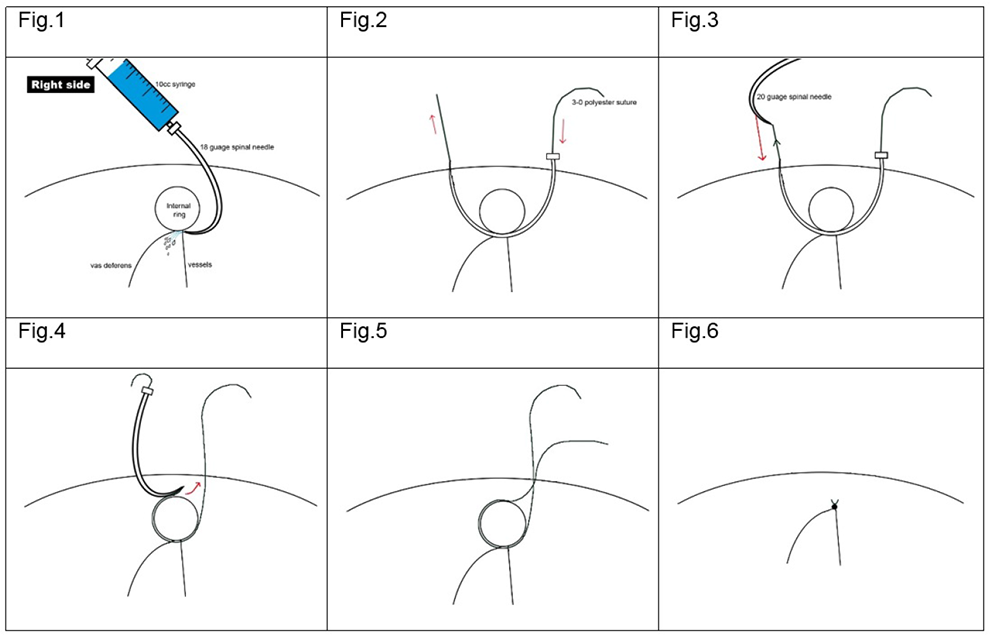
Transvesicle laparoendoscopic single-site surgery for repair of vesicovaginal fistula with a homemade single-port device: initial experience in 22 patients
A Novel Method of Evaluating the Safety of Trocar Insertion During Laparoscopic Surgery
Effect of Varying Parameters on Irreversible Electroporation in a Porcine Model
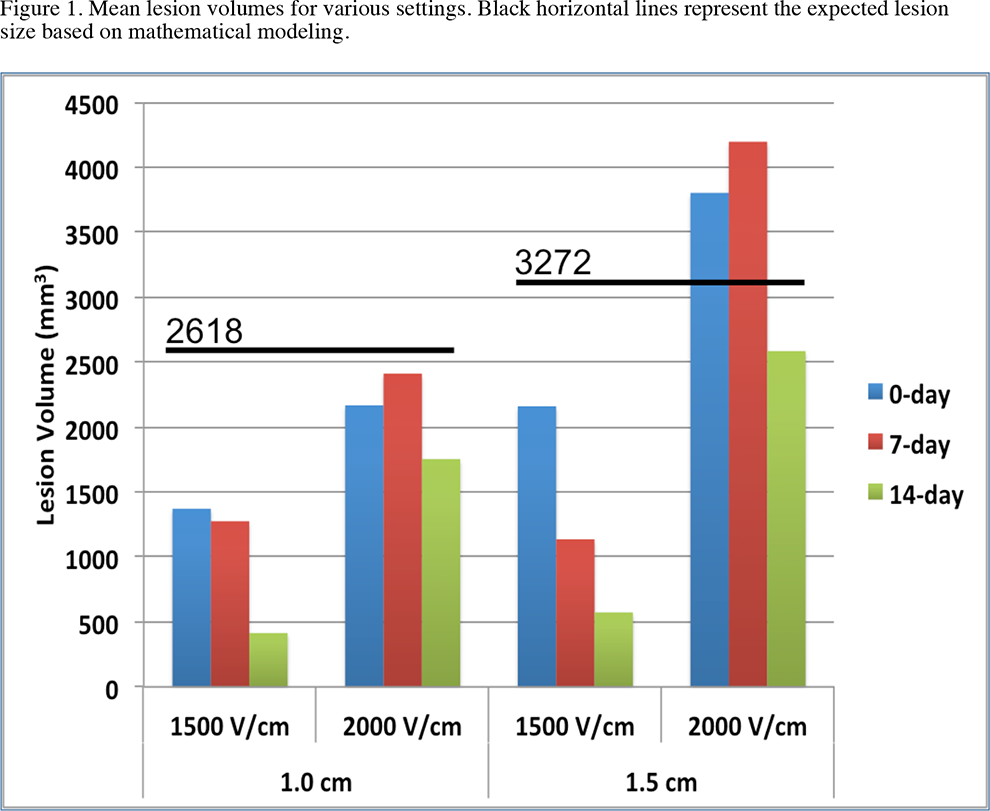
The Novel Use of Indocyanin Green for Surgical Margin Demarcation in Urachal Tumour Surgery
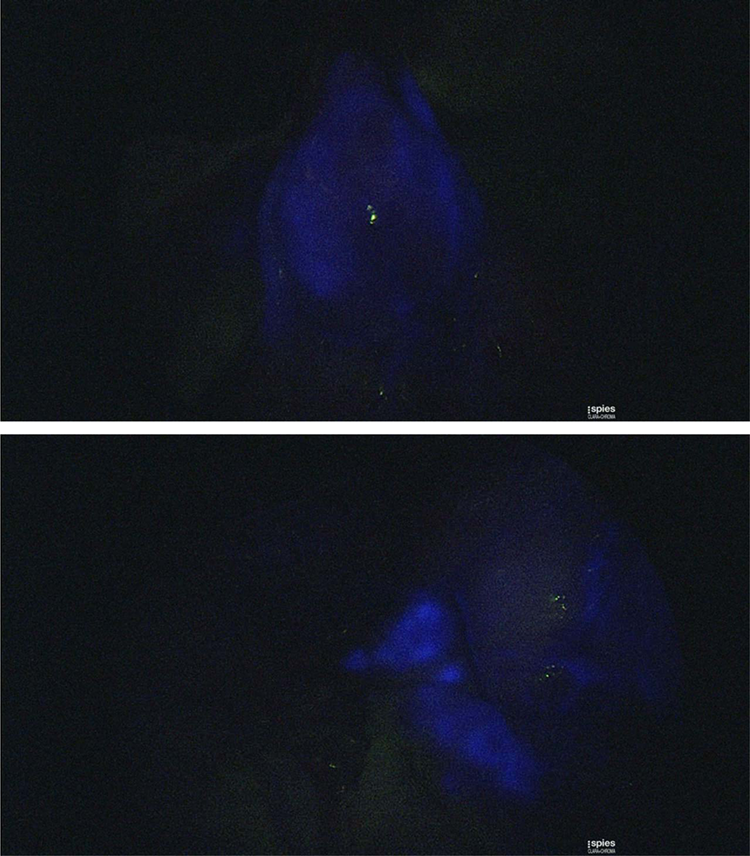
Evaluation and Comparison of Contemporary Energy-based Surgical Vessel Sealing Devices
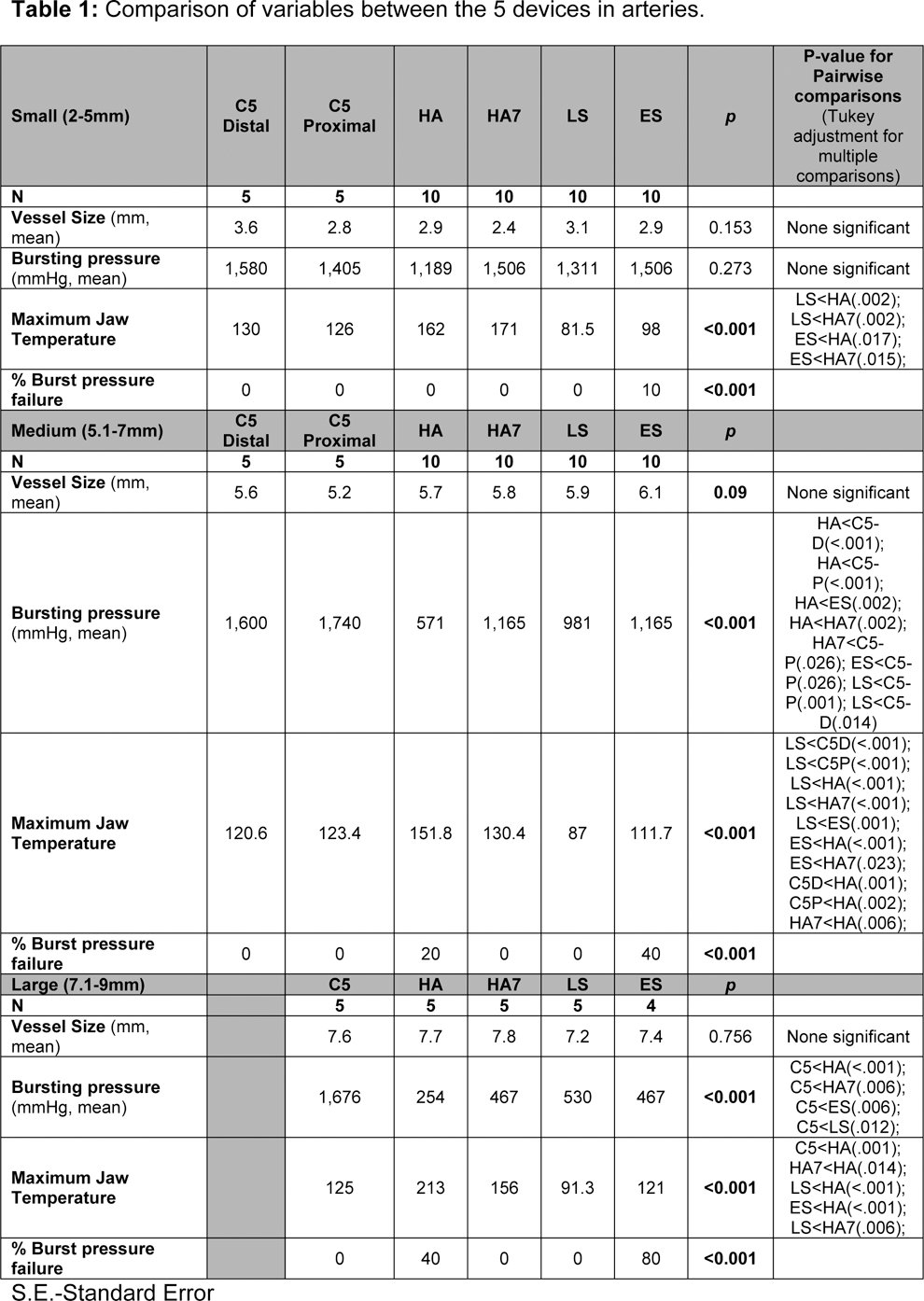
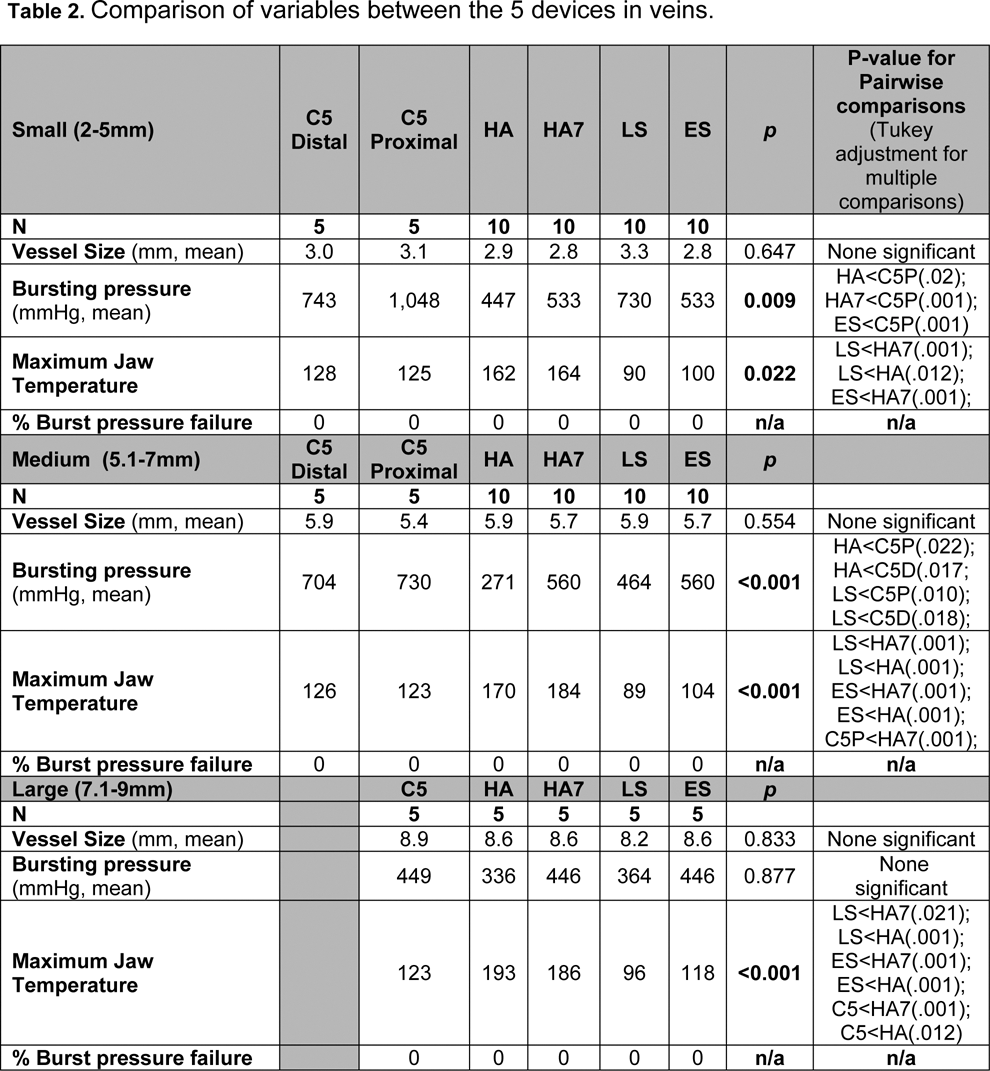
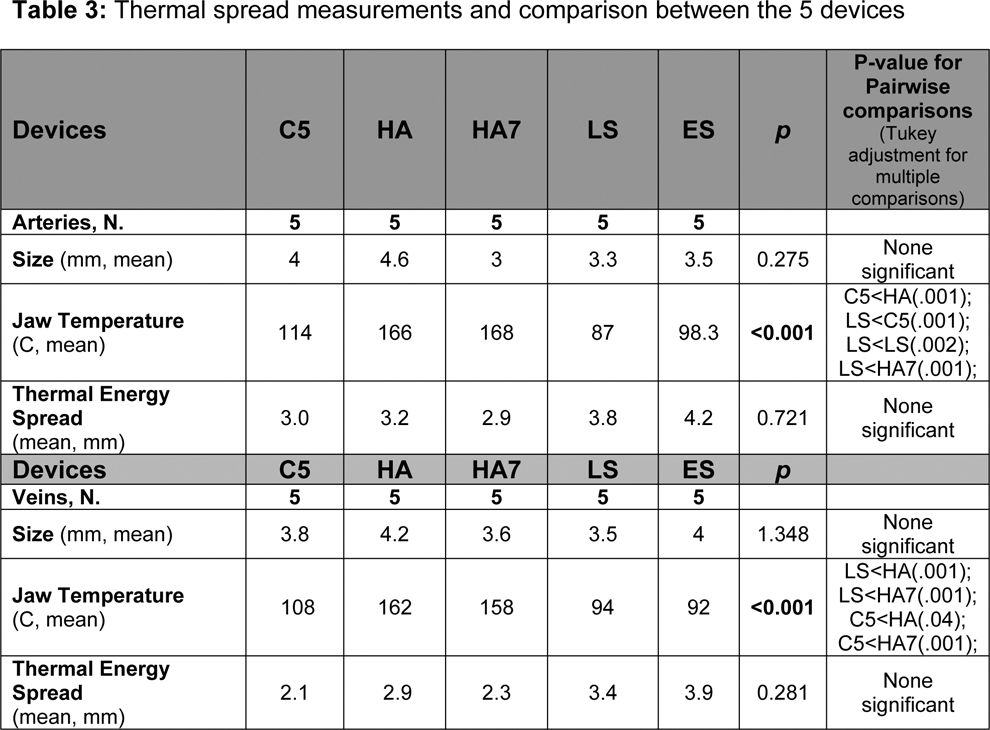
Office-Based Ultrasound Guided Percutaneous Renal Mass Biopsy

MP 33: Epidemiology, Socioeconomics and Quality
Healthcare Disparities: Longer wait times to see urologists who accept Medicaid
Trend of online attitude towards prostate cancer screening in the post-USPSTF era
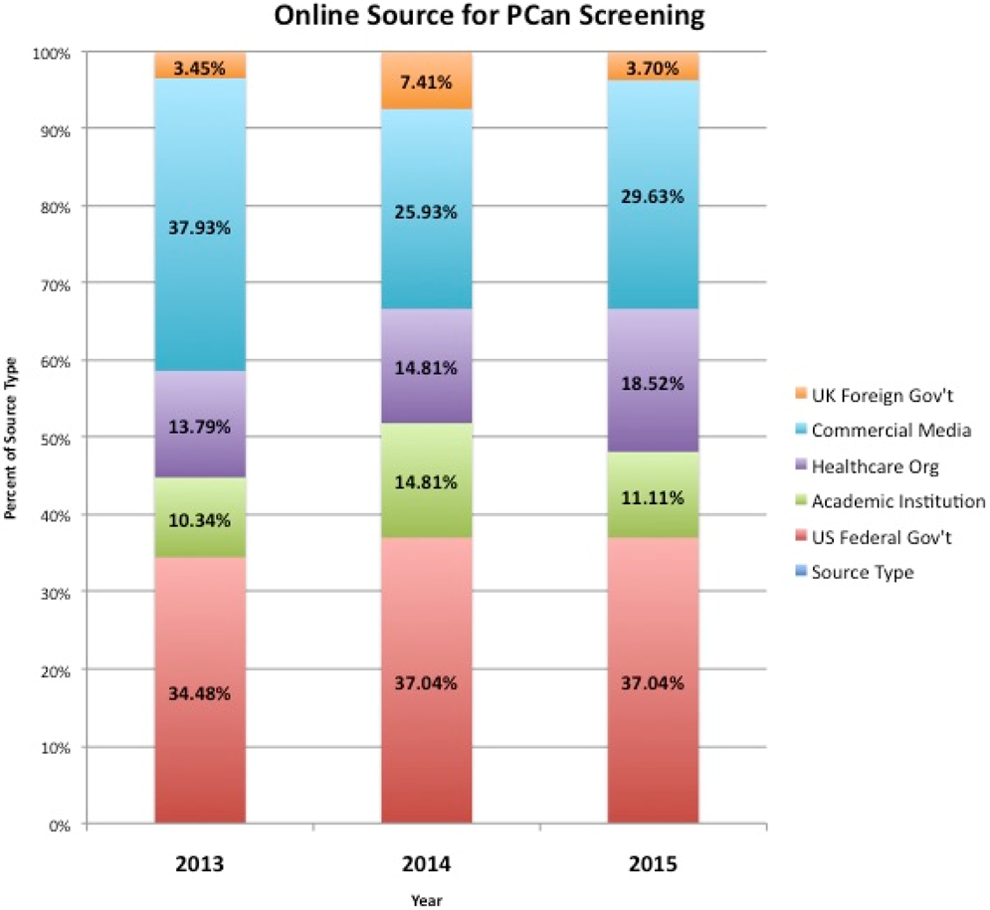

Patient satisfaction in ambulatory urological surgery
Holding Hands during Cystoscopy Decreases Anxiety, Pain and Dissatisfaction in Patients: A Pilot Randomized Controlled Trial
Patient Knowledge of Urethral Stricture Disease in a state sector South African Academic Hospital
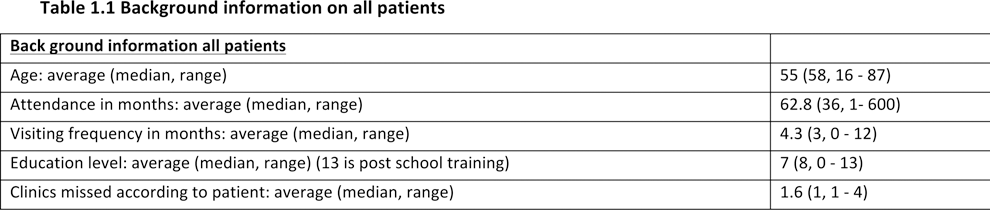
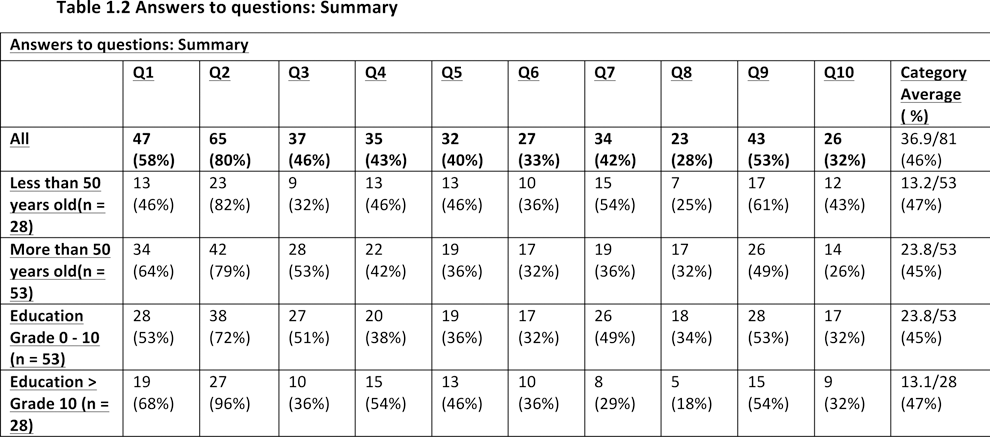
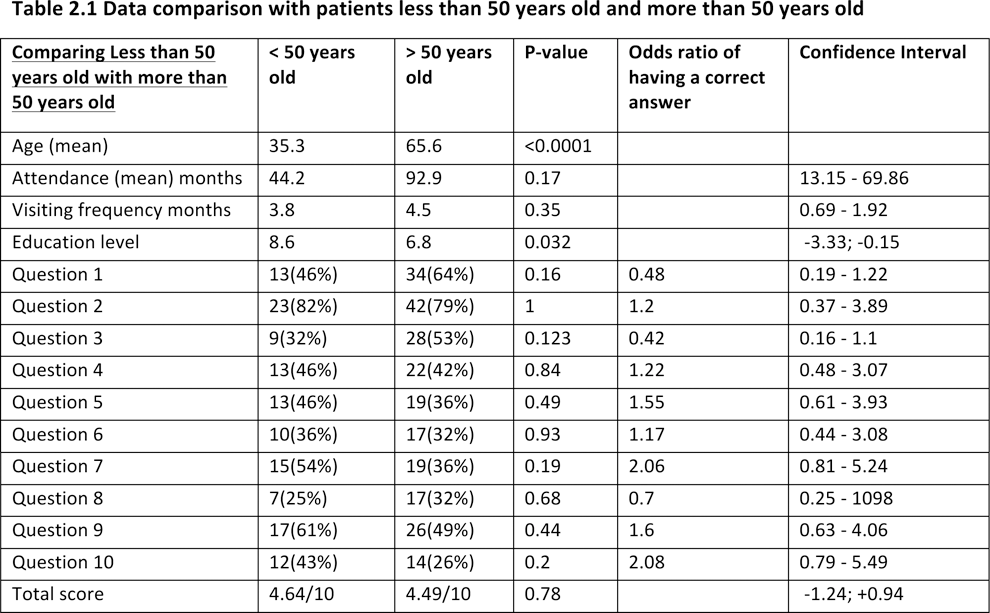


UK Doctors' Views on Performing routine PSA Testing
76.2% urology consultants and 61.1% urology trainees would advocate routine PSA tests while 73.2% GPs were against it.

Optimizing Case and Cost Standardization in Robotic Surgery

Using Prostate Health Index to predict pathological outcomes in patients undergoing radical prostatectomy for prostate cancer
New biomarkers for prostate cancer are on the rise such as Prostate Health Index or PHI. Its role in the management of prostate cancer is still yet to be defined. In this study, PHI is shown to have a role in predicting pathological outcomes in patients undergoing radical prostatectomy and can aid the clinician in pre-operative counselling of patients.
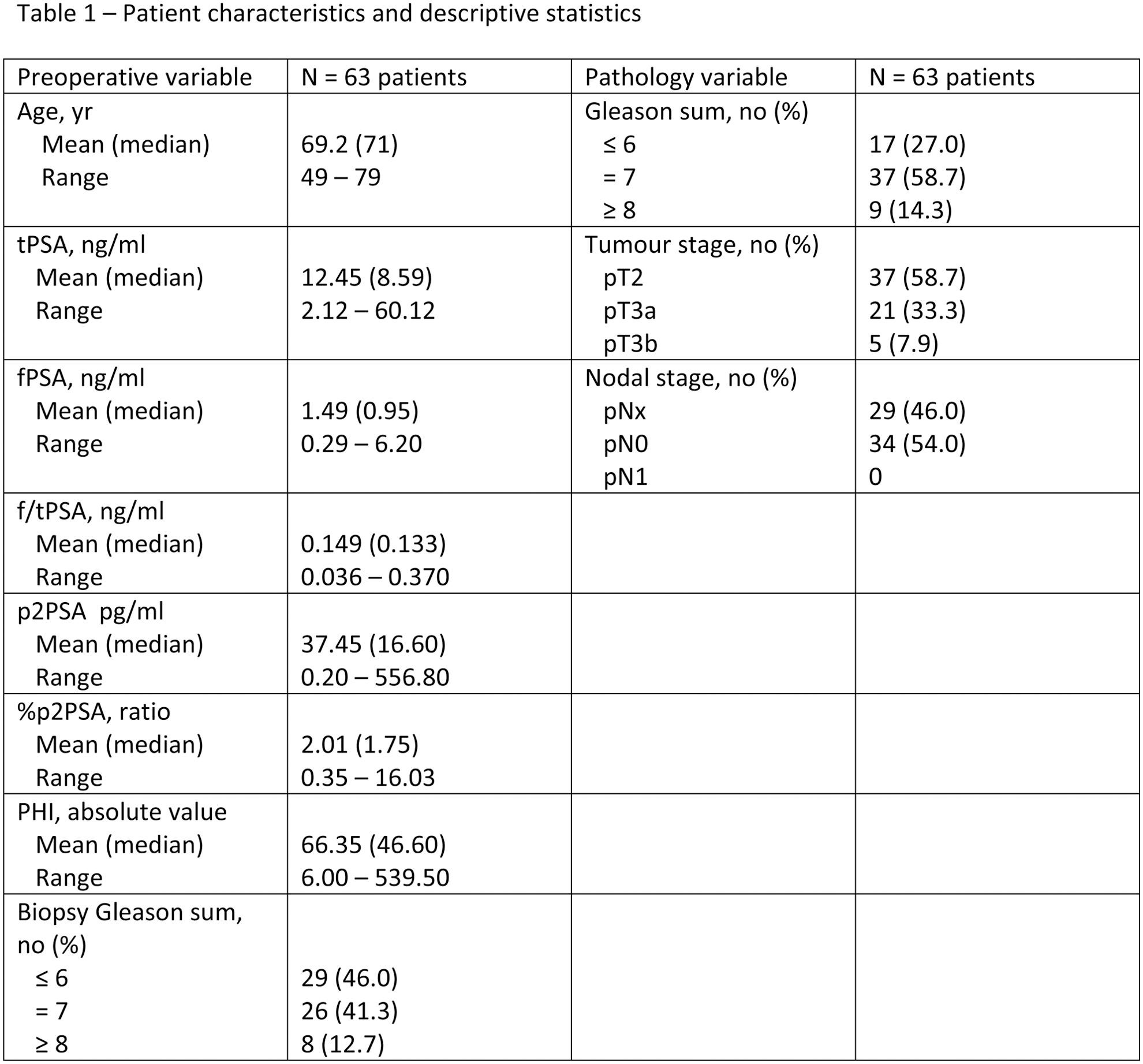
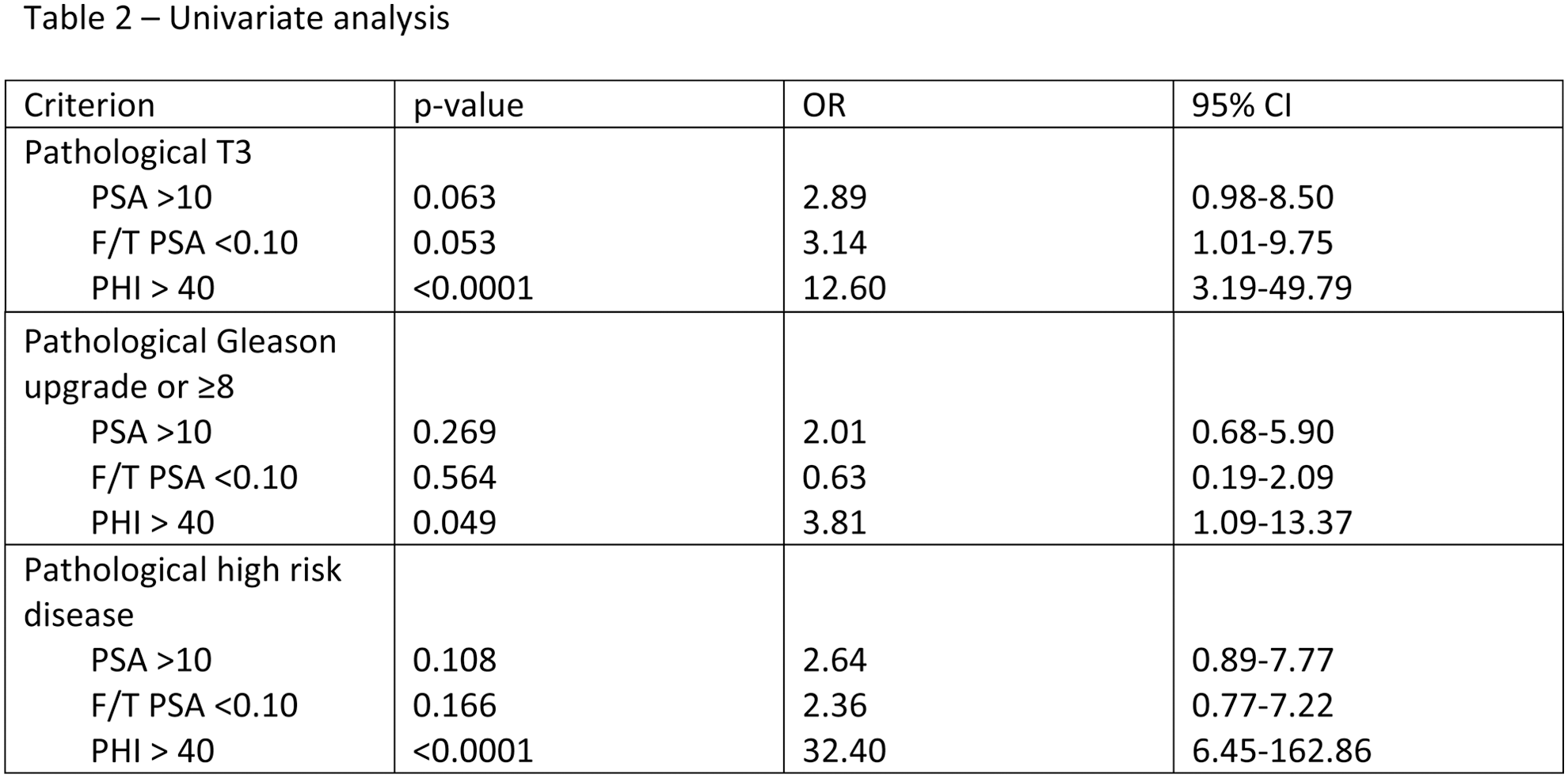
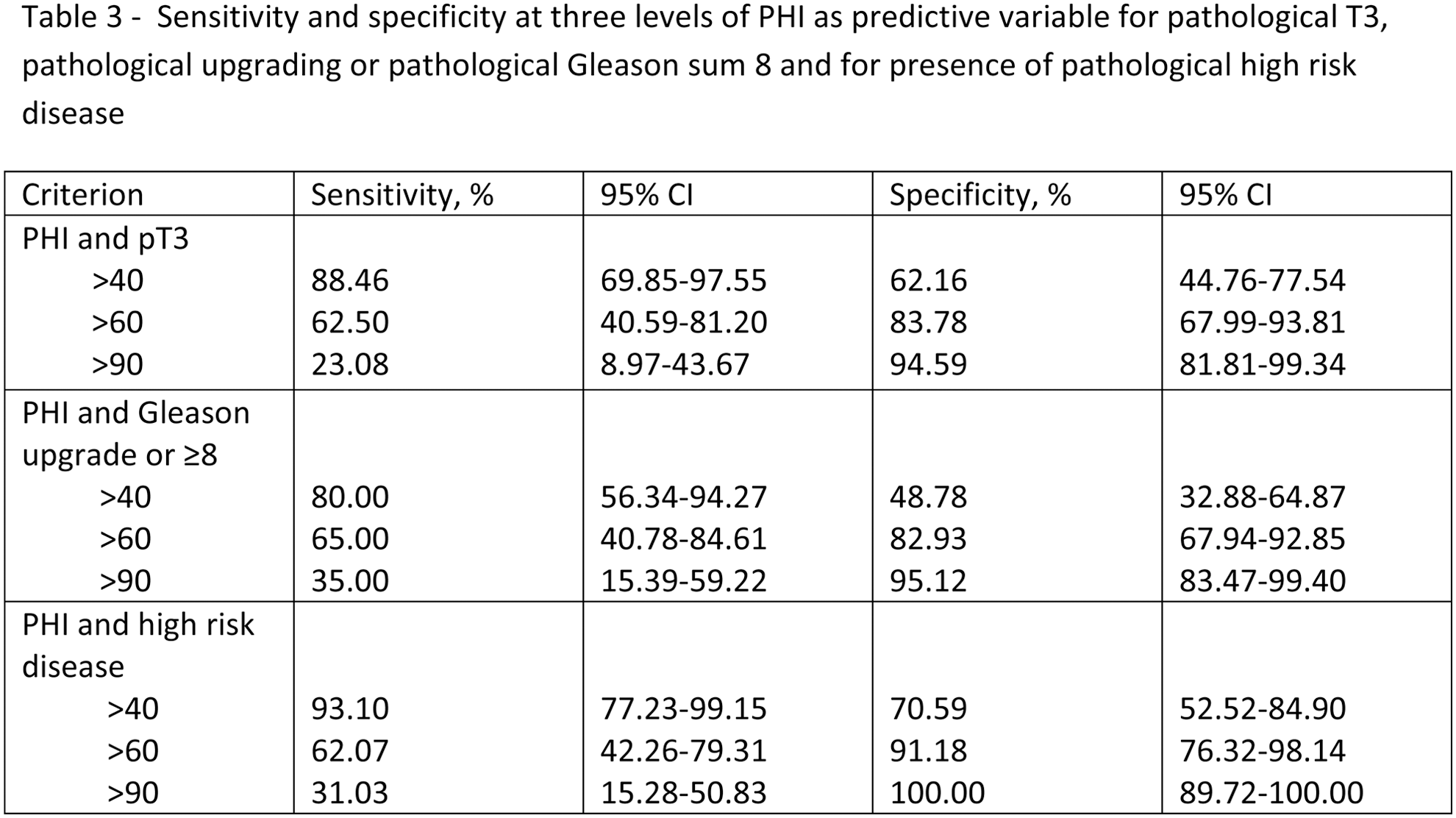
How racist is prostate cancer in Britain?
Comparison of post-treatment change in lower urinary tract symptoms and health-related quality of life between low-dose rate brachytherpy and robotic-assisted laparoscopic radical prostatectomy: a longitudinal study

The F.R.I.D.AY.S Checklist – Improving Patient Safety at the Weekend – A Quality Improvement Project
Surgical tool for auditing records (STAR): A review of quality of record keeping
Socioeconomic Trends in Urologic Robot-Assisted Surgery
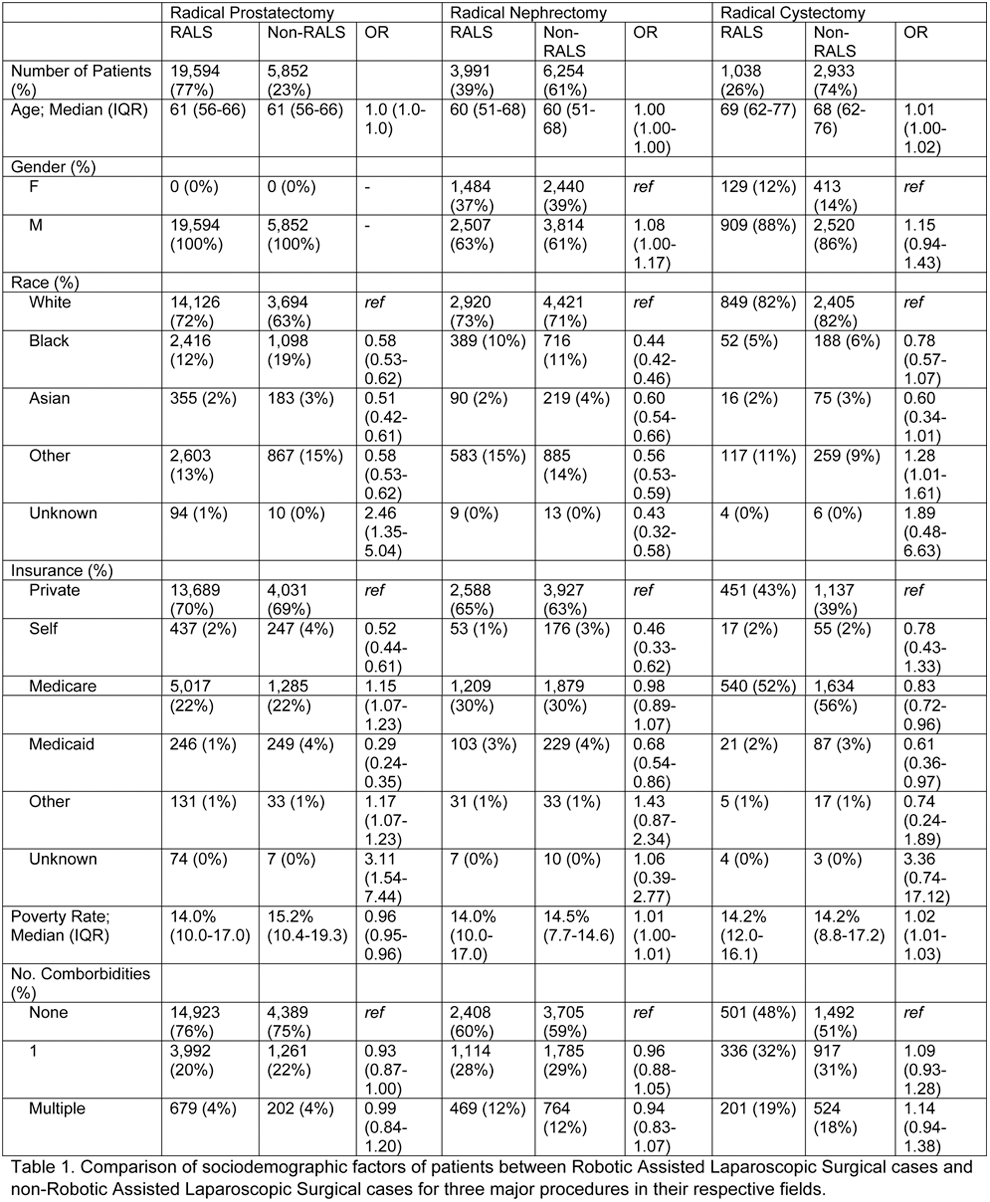
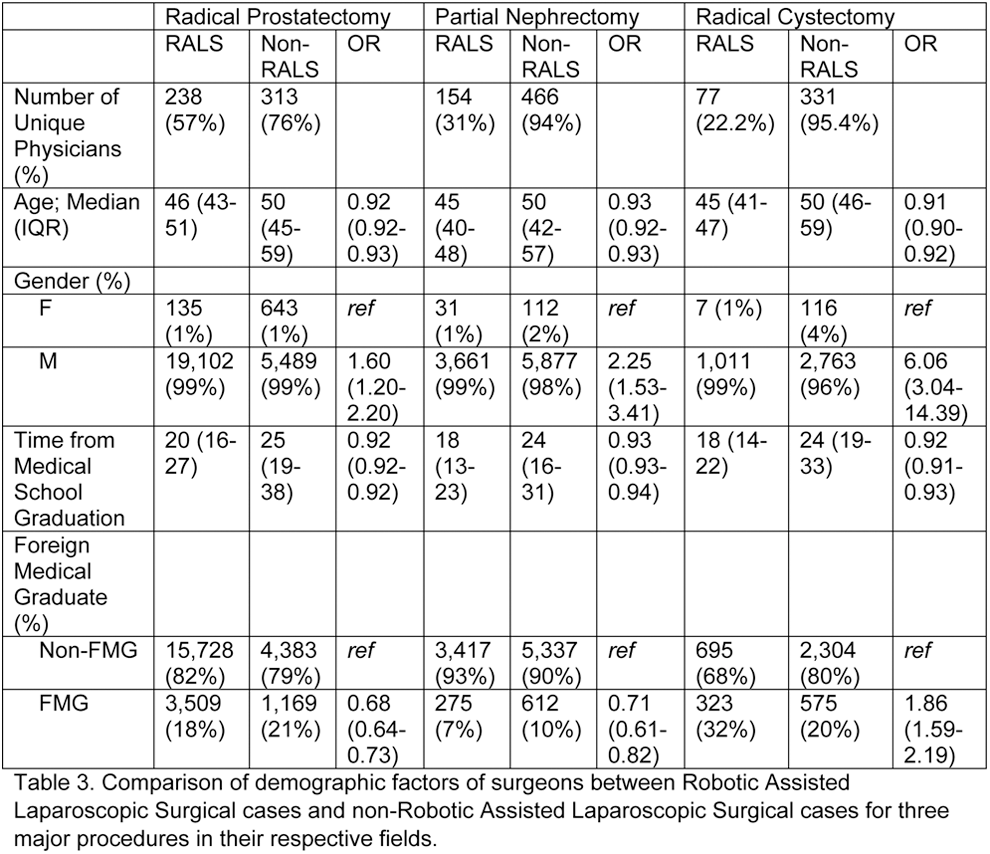
Decreased Postoperative Length of Stay and Direct Hospital Costs Following Implementation of a Perioperative Surgical Home: A Pilot Study
Videotaping of surgical procedures and complications following extraperitoneal laparoscopic radical prostatectomy for clinically localised prostate cancer
Reducing healthcare costs by reducing facetime: patient perspective
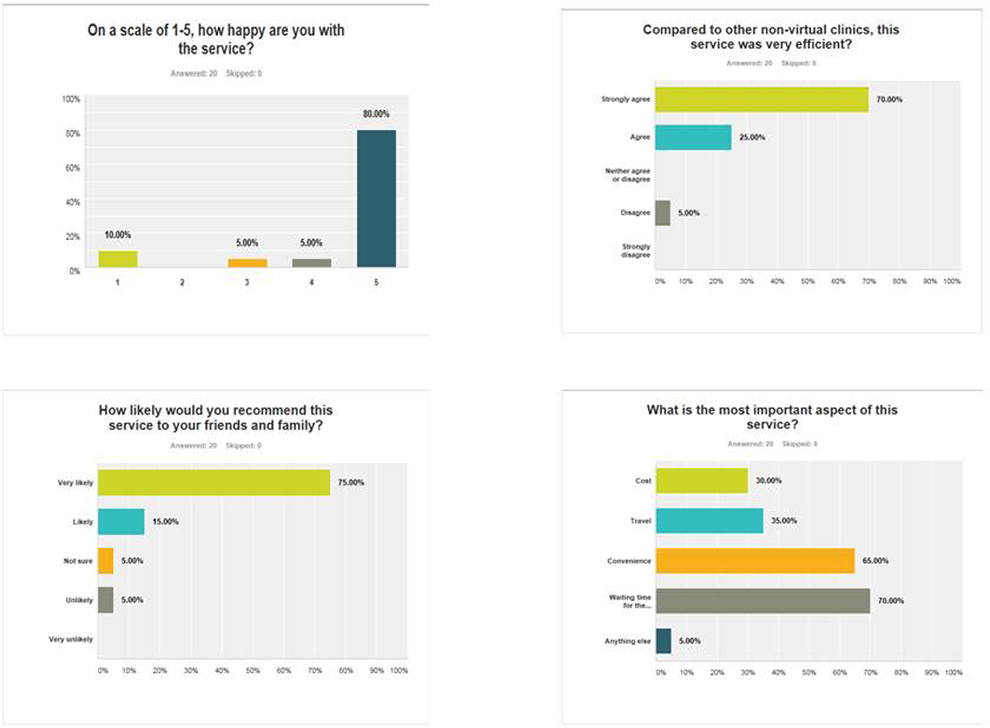
The pathway: eligible patients with a diagnosis of urinary calculus (who don't not require an acute admission) are placed on the Virtual Clinic (VC) pathway after being discharged from the Emergency Department. The outcome of these VCs range from discharge, medical therapy, outpatient follow up, or directly to intervention. The aim of this survey was to assess the VC from the patients' perspective.
The majority (85%) were happy with this service setting and 95% said it was very efficient.
The majority (90%) are likely to recommend this service to their family and friends
Convenience and shorter waiting time to get reviewed were the most important aspects according to the respondent's views. “Efficiency and effectiveness with all related aspects of the patient care and service delivery” (Respondent 16)
The results are illustrated in the figure below.
MP 34: Upper Tract Urinary Obstruction
Left Ureterohydronephrosis Rising After Total Abdominal Hysterectomy and Right-sided Salpingo oophorectomy

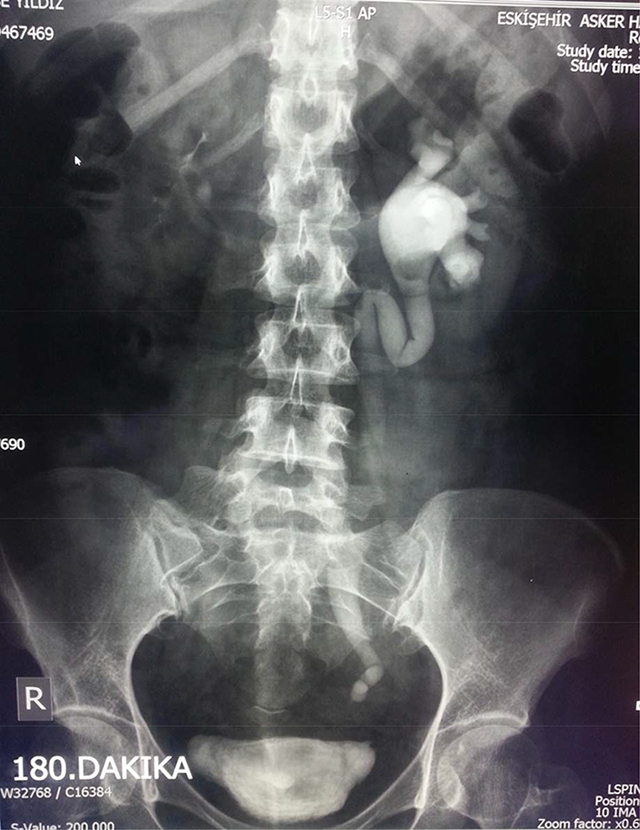

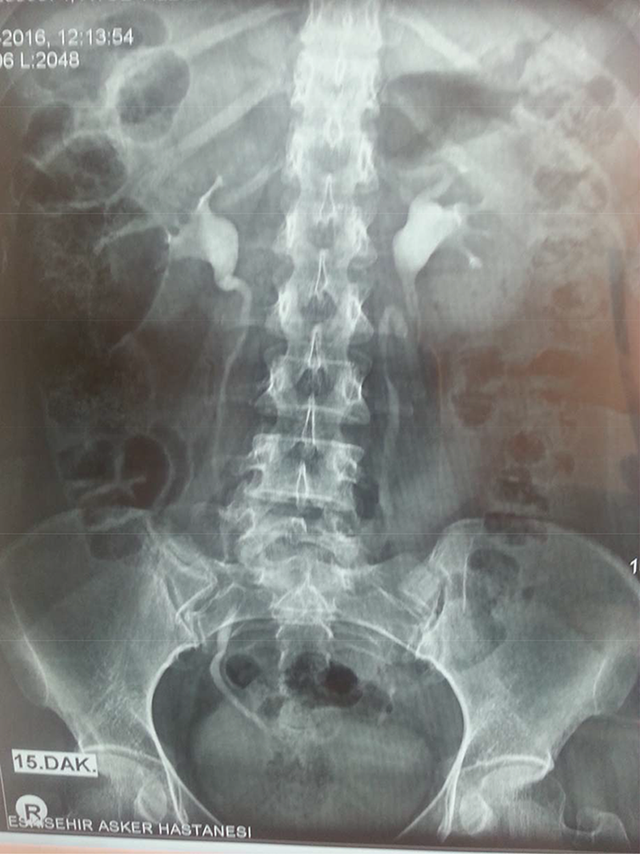
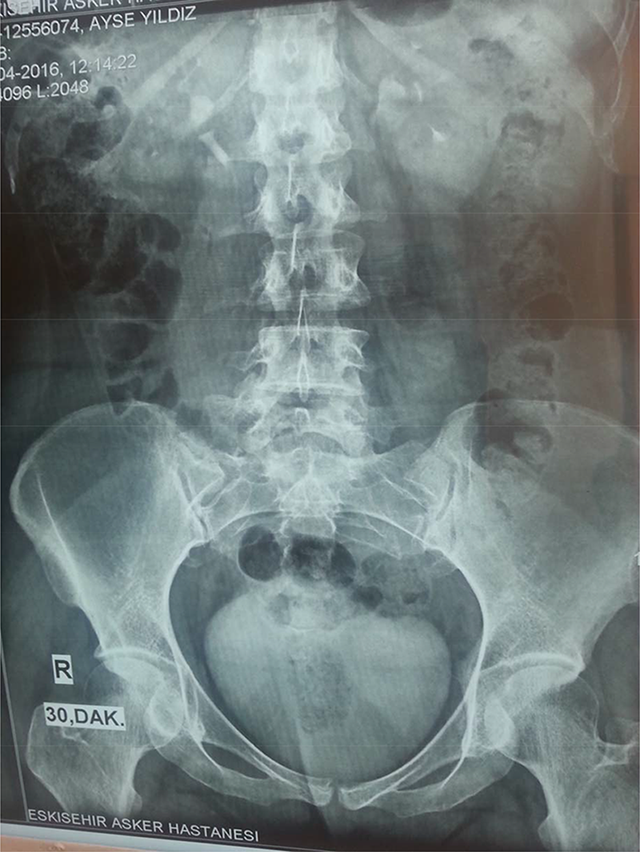
Urinoma Due to Left Ureter Injury Rising After Total Abdominal Hysterectomy and Bilateral Salpingo oophorectomy

Intervention for pyeonephrosis due to obstructing ureteric calculi
Percutaneous Nephrostomy in Malignant Ureteric Obstruction: Who benefits?
Salivary Neutrophil Gelatinase-Associated Lipocalin (NGAL) and Cortisol measurement in acute Renal Colic
Urinary extravasations and forniceal rupture due to acute obstructive ureteral stone
Our experience in patients with postrenal obstruction and drainage with Nephrostomies
Assessment of clinical features and management outcomes in patients presenting with a forniceal rupture
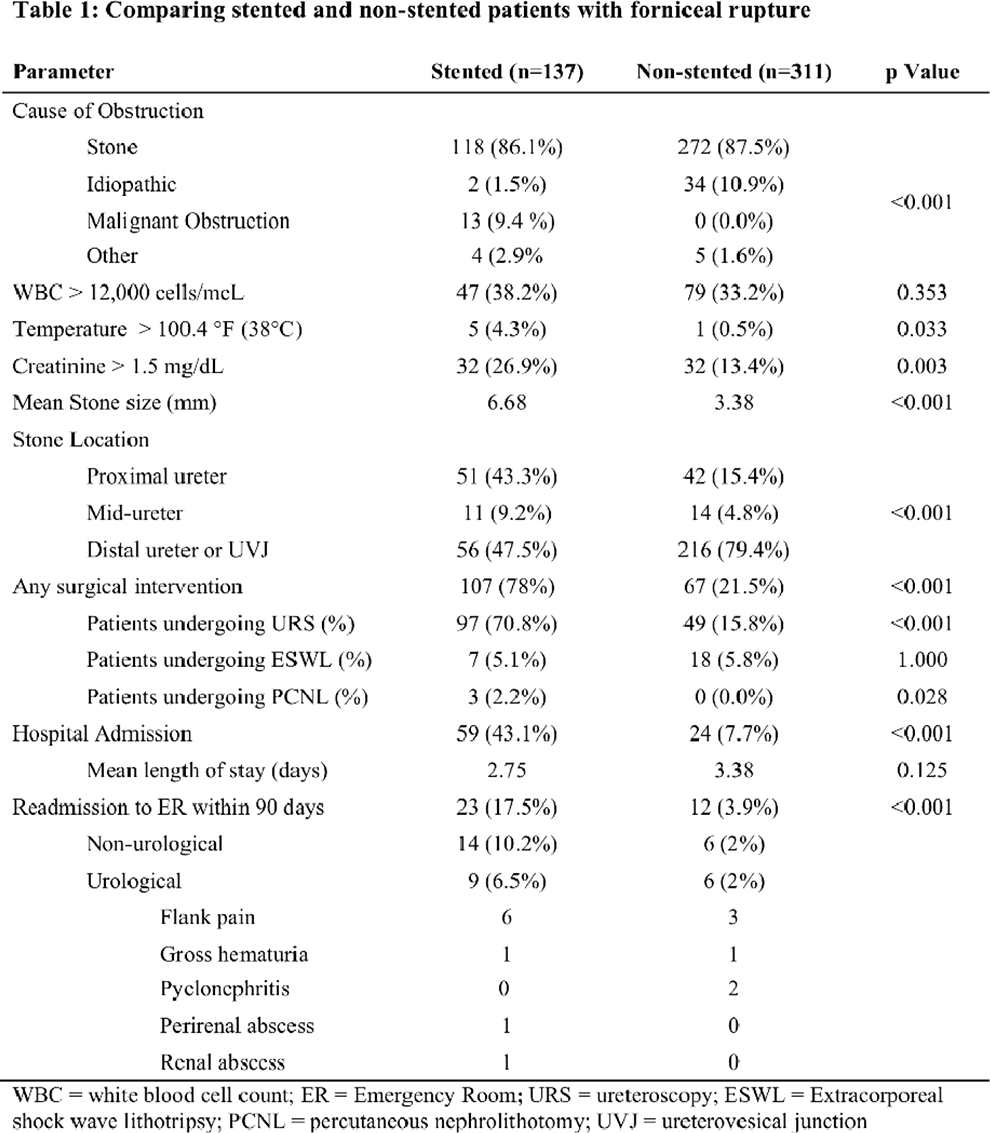
Acute unilateral ureteric obstruction with high serum creatinine: is it true or false renal impairment?
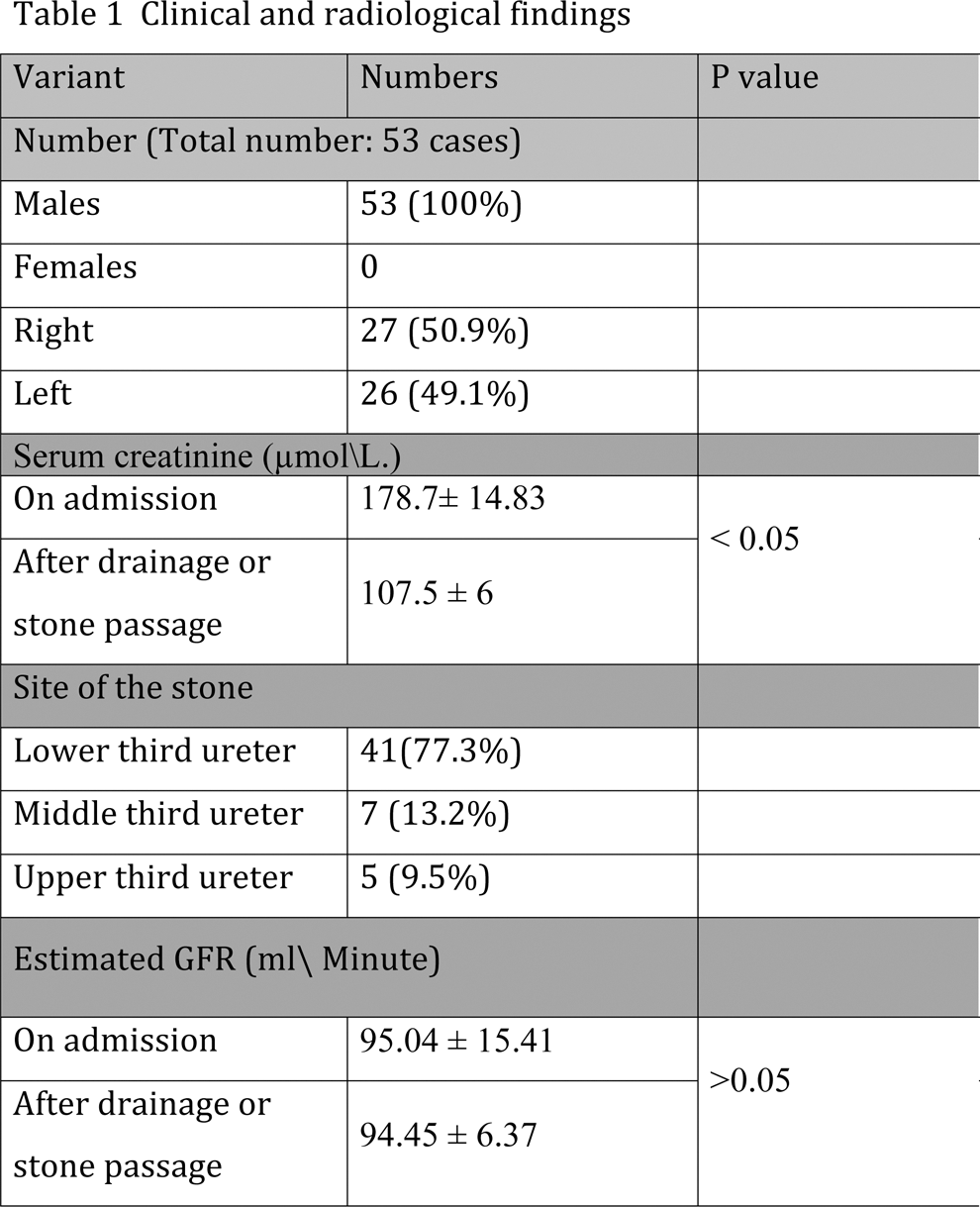
KIM-1 is a potential urinary biomarker of obstruction: Results from a prospective cohort study in urological patients
Retrograde Ureteral Stent Preforms Better Than Percutaneous Nephrostomy in Septic Patients with Obstructing Stones
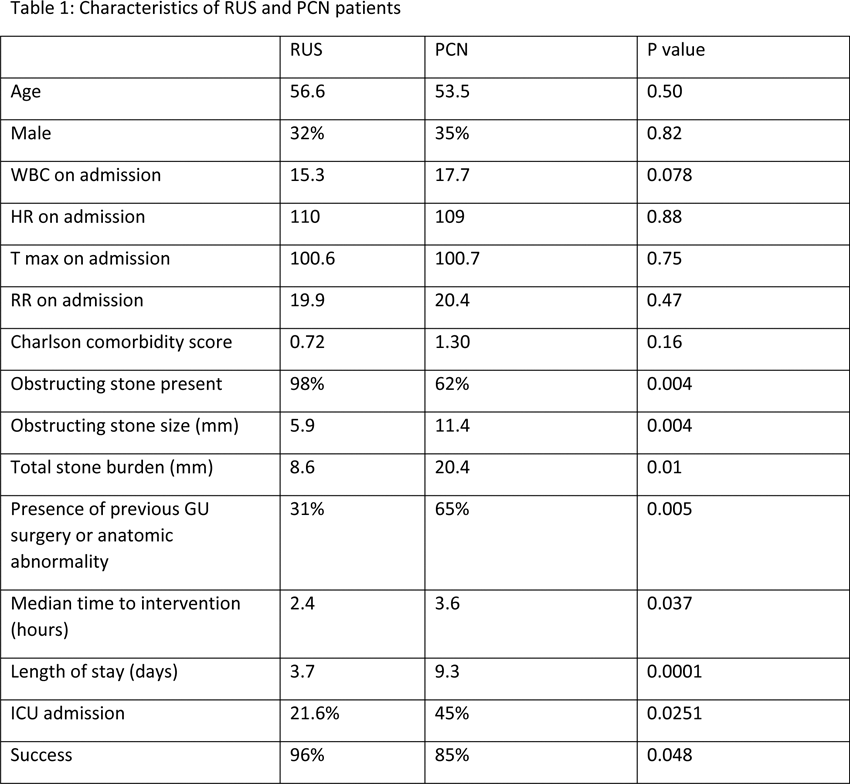
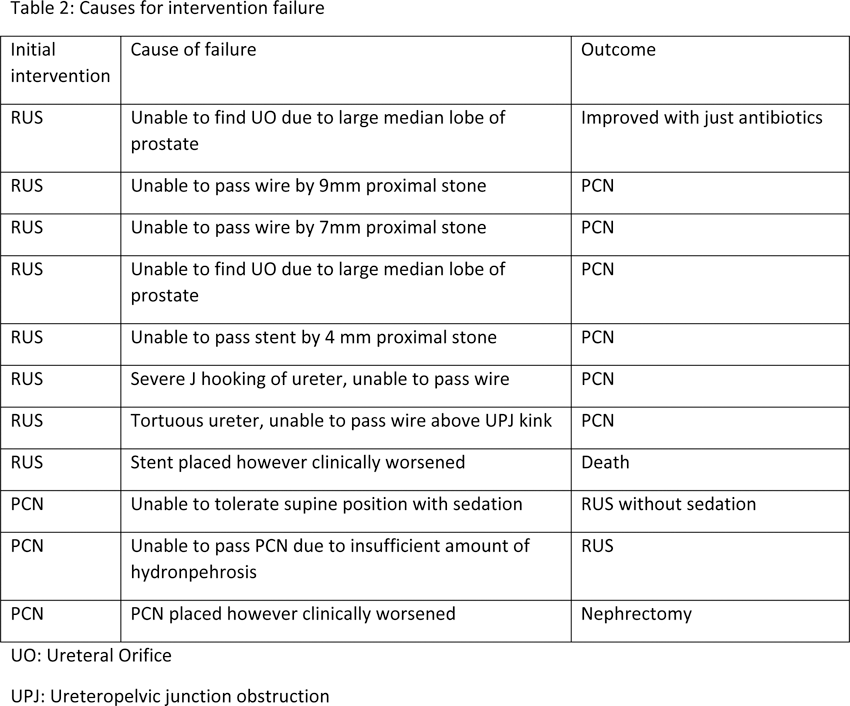
Incidence of crossing vessels in association with ureteropelvic junction obstruction increases after age four
Outcomes of corrective therapeutic procedures in obstructed poorly functioning kidneys secondary to benign conditions
MP35: LESS AND NOTES
Impact of an additional trocar on clinical outcomes, inflammatory cytokines, and cosmetic satisfaction in laparoendoscopic single-site donor nephrectomy

Transvaginal natural orifice transluminal endoscopic surgery (NOTES) in urology: report of 261 cases in a single center
Transvaginal Natural Orifice Transluminal Endoscopic Surgery (NOTES)-Assisted Laparoscopic Partial Nephrectomy: Report of the First Thirteen Human Cases
A new technique of totally suprapubic-assisted laparoendoscopic single-site surgery (SA-LESS) with transvaginal natural orifice specimen extraction (NOSE) for nephroureterectomy: report of initial 4 Cases
Chinese Patient Perceptions of Transvaginal Natural Orifice Transluminal Endoscopic Surgery: A Single-Center Survey
Hybrid Transvaginal NOTES Nephrectomy Versus Conventional Laparoscopic Nephrectomy: A Prospective, Nonrandomised Trial at a Single Center
Application of Multi-channel Port (ZOU-port) in Pure Transvaginal NOTES
Prospective Randomized Comparison of Transumbilical Two-port Laparoscopic and Conventional Laparoscopic Varicocele Ligation
Pure Transvaginal Natural Orifice Transluminal Endoscopic Surgery (NOTES) in Urology: Report of 23 Cases in our center
Complications of transvaginal natural orifice transluminal endoscopic surgery (NOTES) in urology
Pure Transurethral Natural Orifice Transluminal Endoscopic Surgery (NOTES) for fenestration and drainage treatment of renal cyst
A novel laparoscopic adrenalectomy via transumbilical approach: Focus on technique
Suprapubic-assisted laparoendoscopic single-site surgery (SA-LESS): The innovation of LESS
Learning curve of transvaginal natural orifice transluminal endoscopic surgery (NOTES)-assisted laparoscopic simple nephrectomy: our experience
Transvaginal Natural Orifice Transluminal Endoscopic Surgery (NOTES)-Assisted Laparoscopic Heminephrectomy in Duplex Kidney: Report of 4 Cases
Transabdominal scar-assisted transumbilical laparoendoscopic single-site surgery (U-LESS) in urology: A report of 42 cases
Matched-Pair Comparison of Robotic Laparo-Endoscopic Single Site (R-LESS) and Multiport Robotic Nephrectomy and Partial Nephrectomy Utilizing the Da Vinci-XI Platform
Simultaneous laparoendoscopic single-site surgery (LESS) for surgical treatment of intra-abdominal pathologies in two different organs
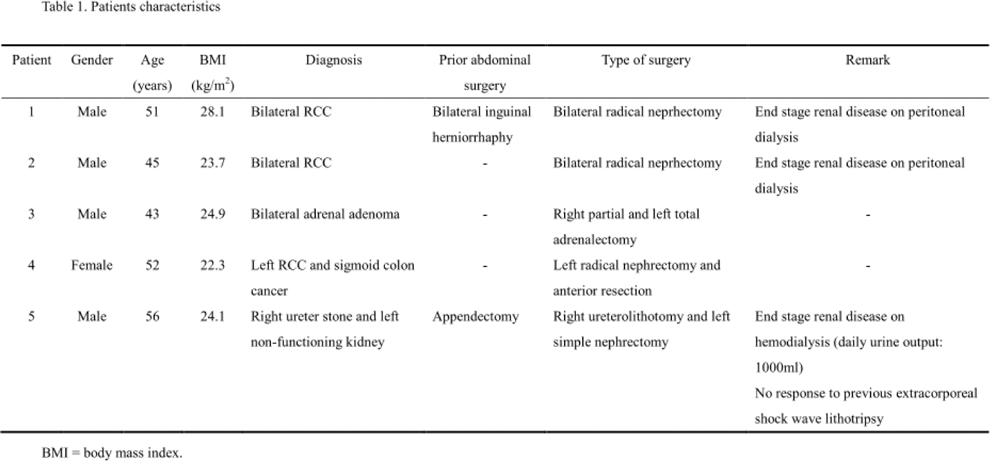
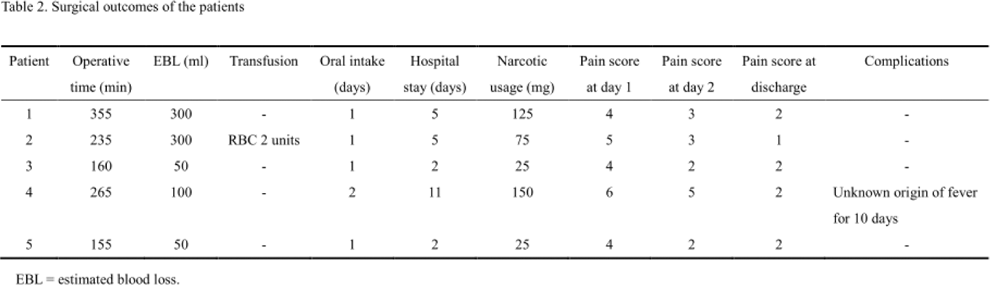
Transvesical laparoendoscopic single-site surgery (T-LESS) for removal of an unusual foreign body from the bladder
Transvesical laparoendoscopic single-site surgery (T-LESS) to remove intact, medium-size or multiple bladder stones: First clinical experience
MP 36: URS Outcomes (I)
An Analysis of Infectious Risk From Endoscopic Valve Backflow During Ureterorenoscopy
Hydronephrosis Following Ureterorenoscopy In Pediatric Patients: Incidence And Associated Factors
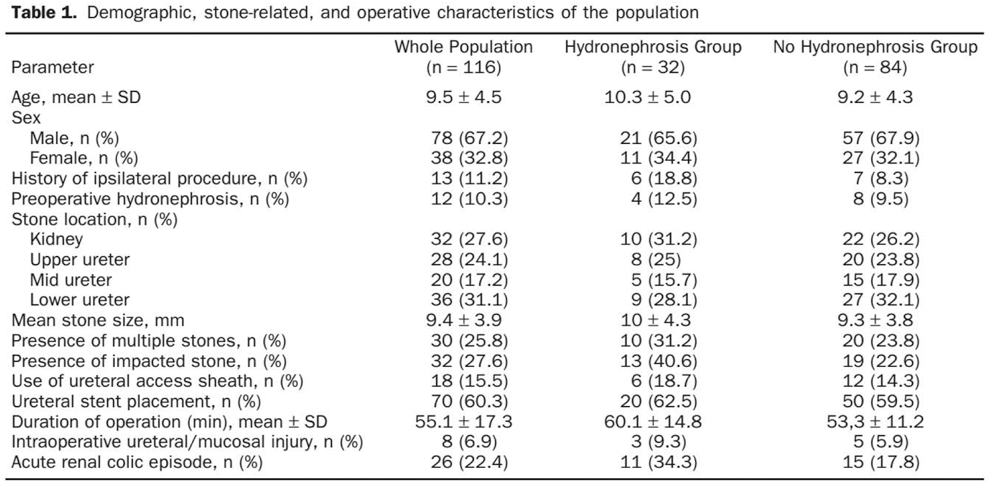
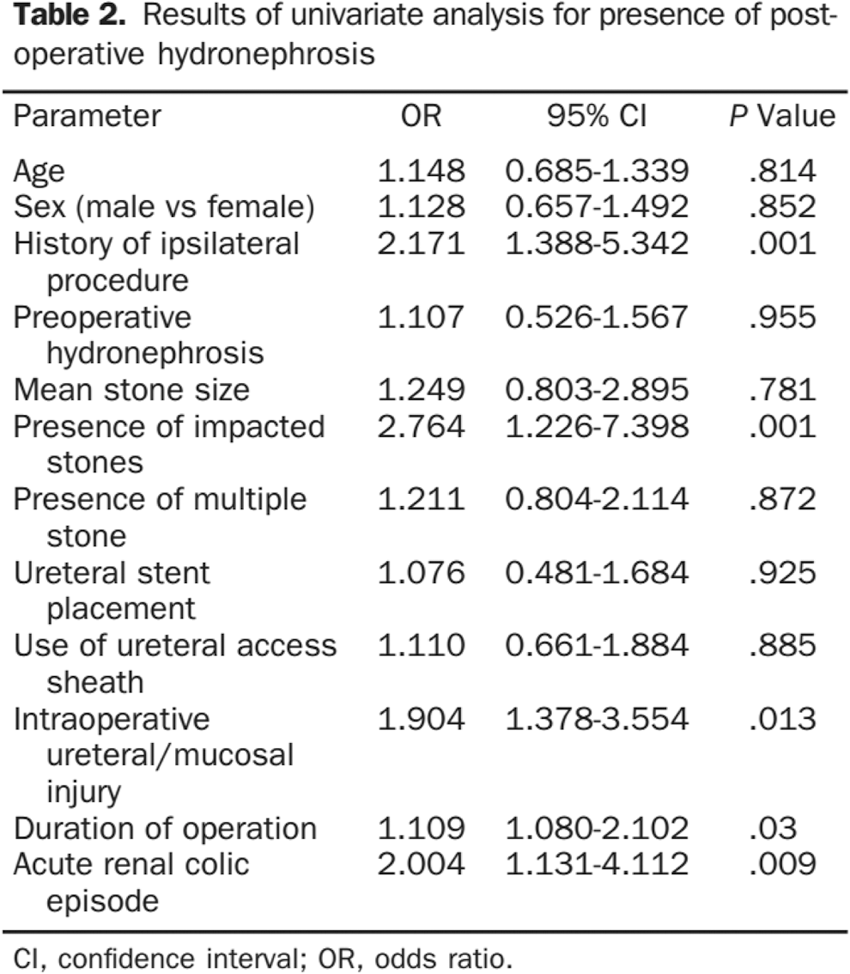
Active Versus Passive Ureteric Dilatation Before Ureteroscopy For Ureteric Stones: Comparative Prospective Randomised Study
Minimal invasive surgery ureterolithotomy (MISU) vs ureteroscopic lithotripsy (URS) for large ureteric stone: a systematic review and metaanalysis of the literature
Ureteral avulsion – a severe complication of retrograde ureteroscopy
Negative Ureteroscopy At A Single Institution: Appropriate Care Or Wasted Care?

Beginning of the End
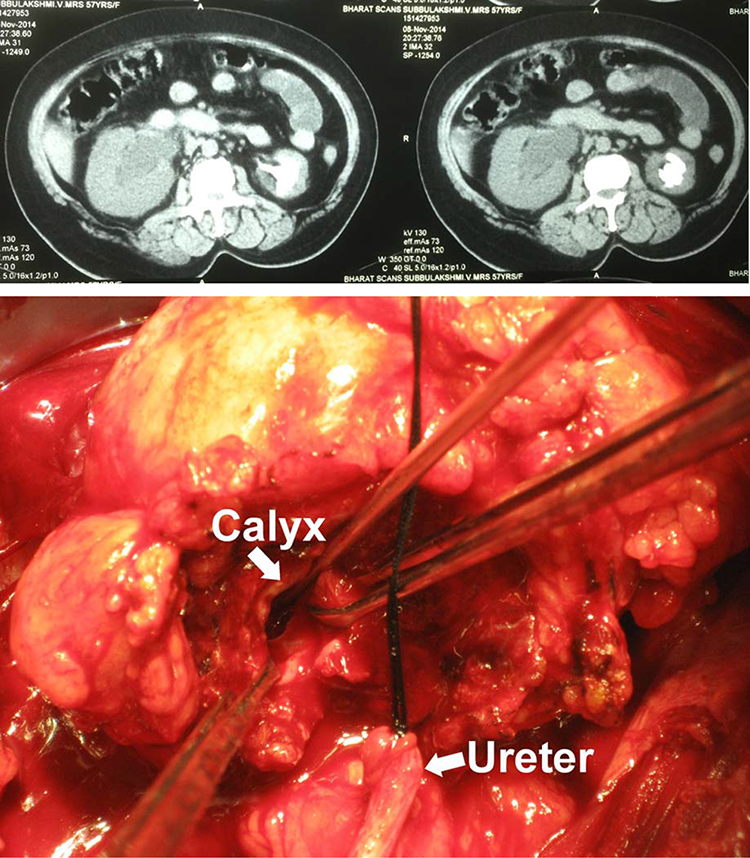
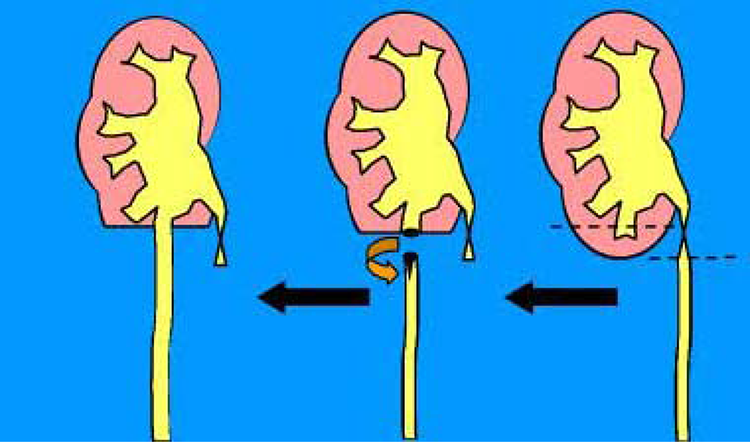

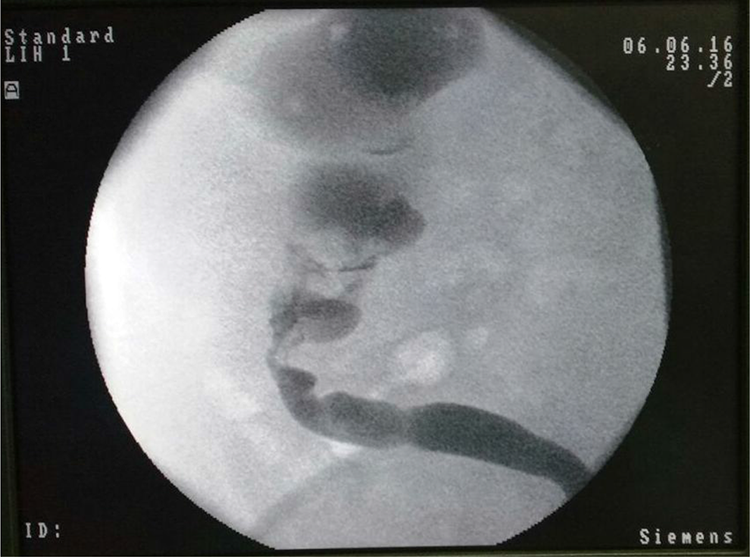
Predictors of ED Visits Following Ureteroscopy
The management of distal ureteral stones greater than 10 mm in size
Ergonomics influences stone free rate for retrograde intrarenal surgery: A prospective single center study with Modified Ergonomic Lithotripsy position to outline “Tips, tricks and technique for best outcomes”
Ureteroscopy- is the risk of Erectile Dysfunction a Consideration?
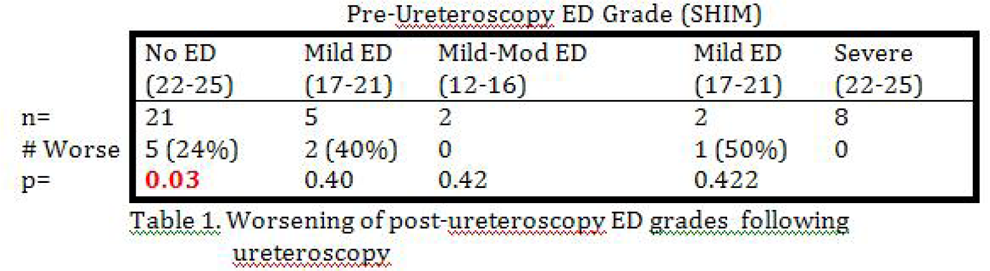
Routine Stenting is not Necessary After Uncomplicated Ureterorenoscopy
Correlation between pyuria and post-operative urinary tract infection after ureteroscopic lithotripsy for patients with pyuria before the operation
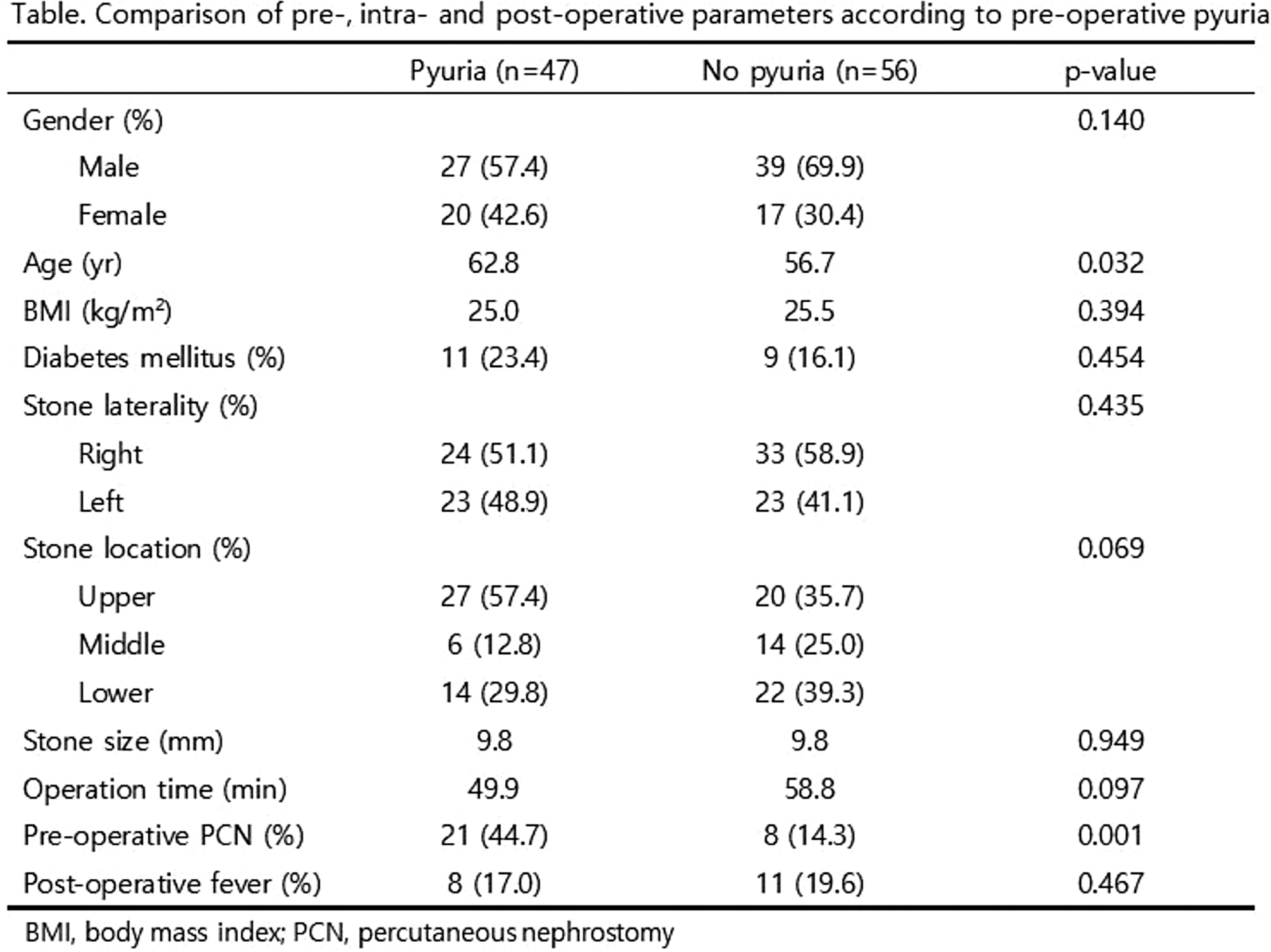
Emergency ureteroscopy vs elective ureteroscopy for stone management - outcomes and costs analysis
Flexible ureteroscopic lithotripsy for the treatment of upper urinary tract calculi in infants: Experiences from a tertiary hospital in China
Hounsfield Unit Can Be Affect The Succession Rate Of Flexible Ureteroscopy In The Kidney Stones
The Effect of Anticoagulation on Bleeding Related Complications Following Ureteroscopy
Use of N-Trap® to improve the outcome of ureteroscopic lithotripsy for proximal ureteric stones
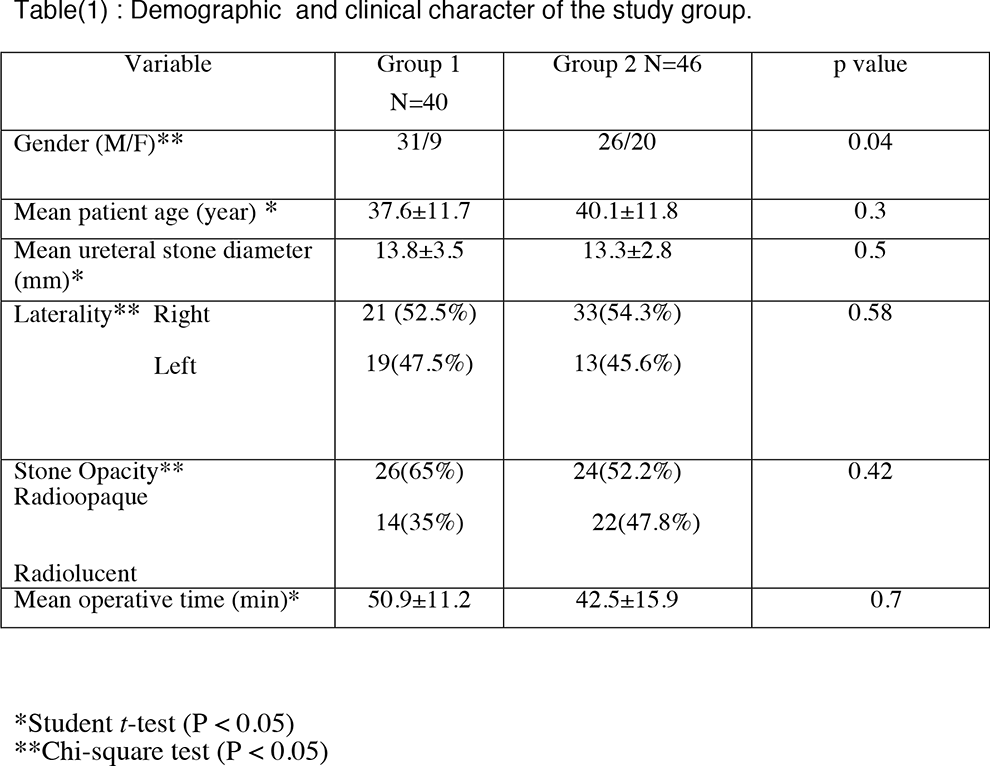
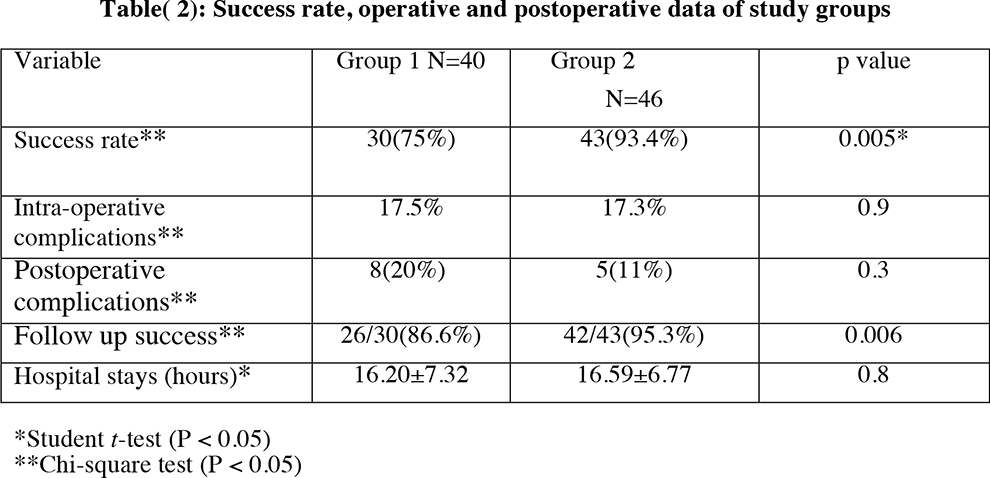
Impact of renal anatomy on flexible ureterorenoscopy with holmium laser lithotripsy. Outcomes for lower pole kidney stones
Patients with more than one calculus, urinary tract anomalies or without regular-dose NCCT were excluded. One urologist blinded to flexible ureterorenoscopy outcomes measured stone size and density, infundibular length, width and height, and infundibulopelvic angle based on regular-dose NCCT. Fragmentation, success (defined as residual fragments less than 4 mm in asymptomatic patients) and the stone-free rate were evaluated by noncontrast computerized tomography 13.5 weeks later (95% Cl 8.6 – 16.8 p 0.64). Univariate and multivariate analysis was performed.
Overall fragmentation, success and stone-free rates were 10%, 26% and 64%, respectively. Complications had 11% of patients (Clavien grade II 8%, Clavien grade IIIb 3%).
On logistic regression infundibulopelvic angle (OR 1.95; 95% CI 1.23–3.10; p 0.005) significantly impacted fragmentation. Stone size (OR 1.64, 95% CI 1.37–1.72, p 0.0039) and infundibular length (OR 1.0011, 95% CI 1.0005–1.0037, p 0.022) impacted the success rate while stone size (OR 1.24, 95% CI 1.04– 1.50, p 0.029), infundibulopelvic angle (OR 1.78, 95% CI 1.24− 1.98, p 0.0016) and infundibular length (OR 1.0025, 95% CI 1.015–1.0217, p 0.013) impacted the stone-free rate.
The best outcomes were found in patients with a stones 10 mm or less, infundibulopelvic angle 23 degree or more and an infundibular length of 22 mm or less. The coexistence of significant unfavourable variables led to a stone-free rate of less than 15%.
Supported by MH CZ - DRO (Faculty Hospital in Pilsen - FNPl, 00669806), by the Charles University Research Fund (project number P36)
Predictors for post-ureteroscopy sepsis in patient with pre placed ureteral stents
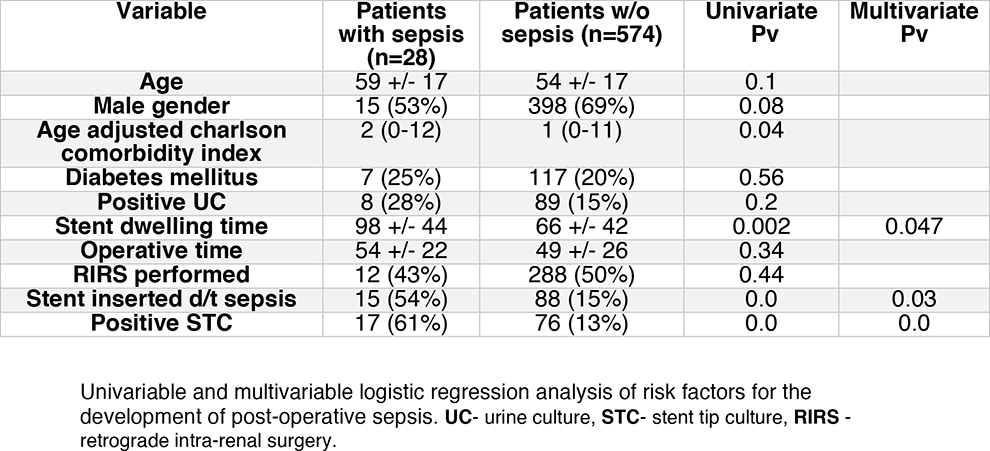
Preliminary study of flexible ureteroscope combined with holmium laser lithotripsy for complicated renal calculi
Nephrocalcinosis: a rare pathology and a modern retrograde approach
MP37: URS Outcomes (ii)
An Analysis of 192 Paediatric Cases from the CROES Ureteroscopy Global Study
Clinical Experience of Ureteroscopic Lithotripsy with Swiss Lithoclast
Lessons learned from failure were, (1) ureteral dilation may be applied depending on individual ureteral anatomy, but in most cases it is not necessary, (2) a hydrophilic guide wire is very helpful to reach the ureteral calculi without pushing upward, (3) two guide wire system (one within the ureter, the other within the ureteroscope) is helpful to advance URS by spacing the ureteral lumen, (4) stone basket is useful to hold the stones during lithotripsy with lithoclast especially in hydroureter, (5) irrigation flow rate should be in control during the entire operation process to secure visual field and to hold the stone in place as it was, (6) double pig-tail stent is recommended in most cases except in cases of minimal manipulation.

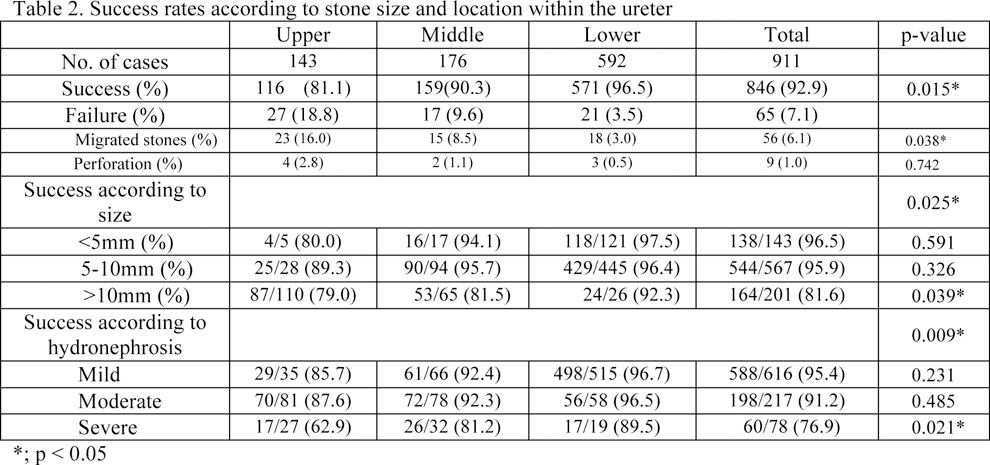
Single Center Experience with Sepsis after Ureteroscopy

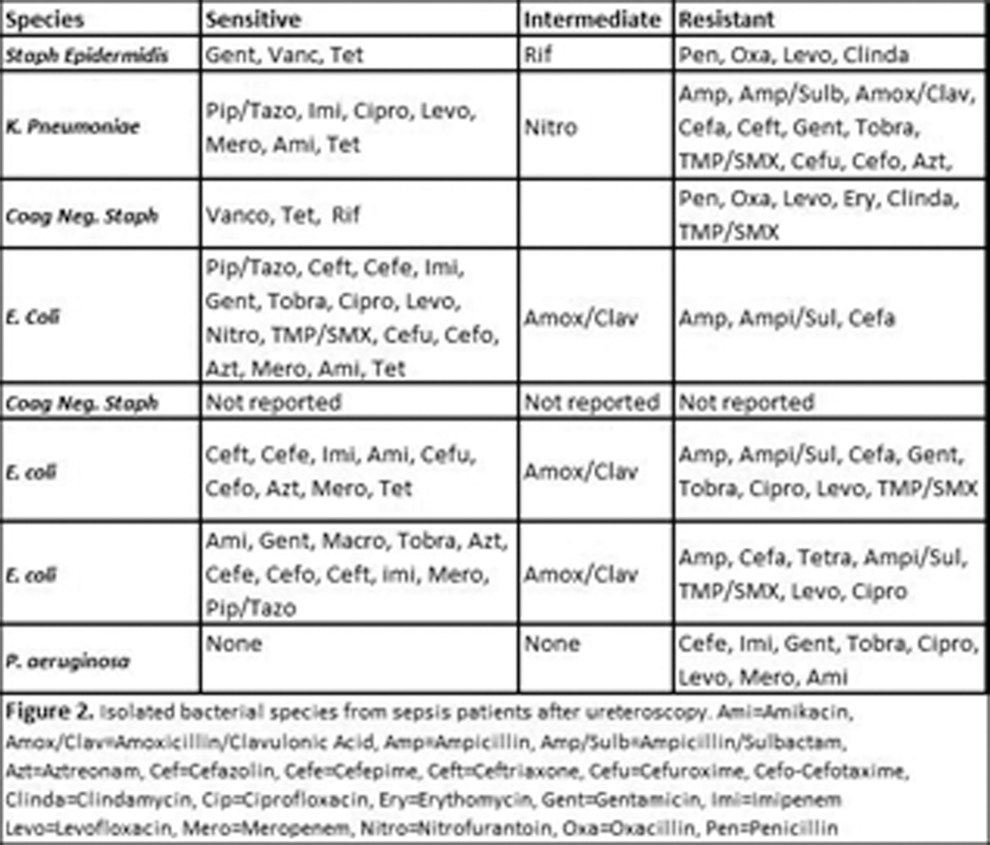
Minimally Endoscopic Combined Intrarenal Surgery for Staghorn Calculi in Patients with Solitary Kidney
Radiation exposure in flexible and rigid urescopy (URS) : minimizing radiation exposure to patients and surgeons

Ureteroscopy for Ureteral Stones: A Multivariate Analysis of Adverse Events
The Role of Retrograde Intrarenal Surgery in The Management of Kidney Stones
The surgical experience influences the safety of retrograde intrarenal surgery for kidney stones: a propensity score analysis

Prospective evaluation of stone free rates by CT after aggressive ureteroscopy
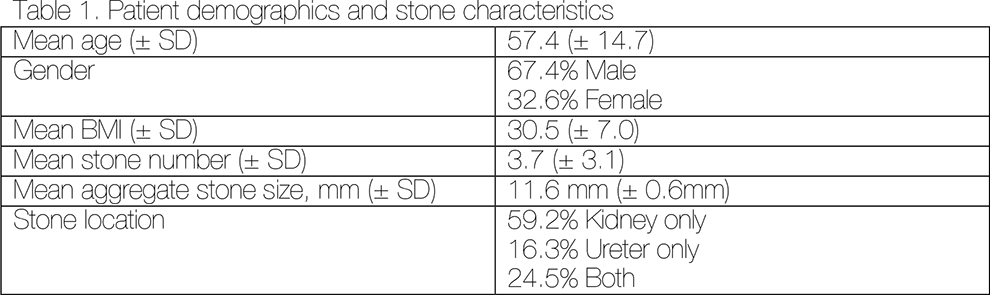
Outcomes of Geriatric Patients Undergoing Ureteroscopy for Stone Disease
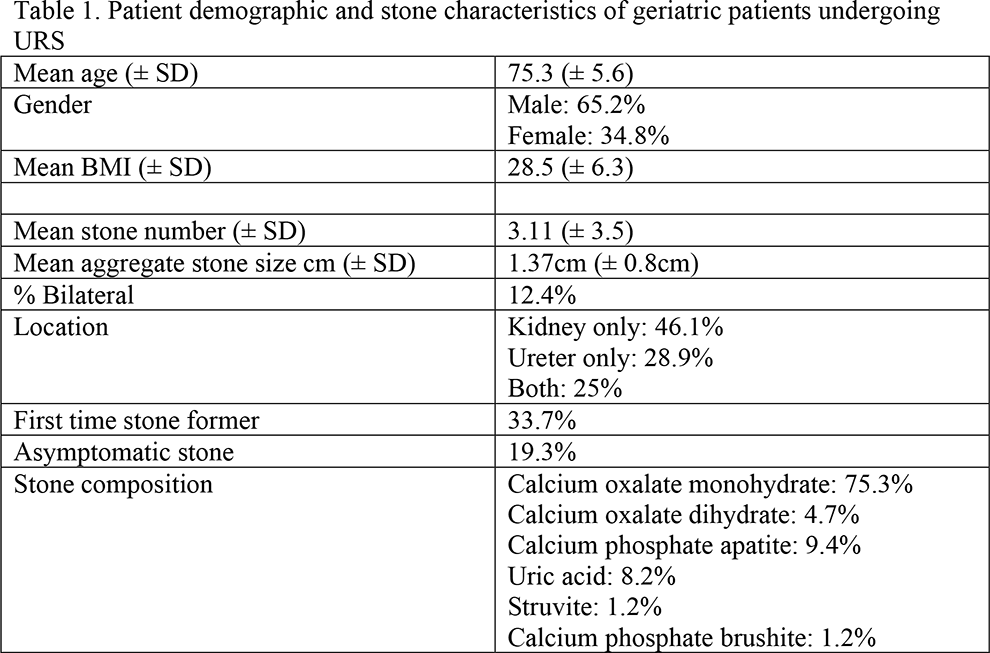
Disposable Item Use and Cost in Ureteroscopy
The Types Of Pelvicalyceal Anotomy can be predictive the succession rate of flexible urs
Transurethral Lithotripsy in Patients with Urosepsis; a Comparison Study between Patients with Obstructive Stones Accompanied with Urosepsis and without Urosepsis
Retrograde intra renal surgery by a modified ergonomic position in calculi 1.5 cm and above: A prospective outcome analysis in Asian ureter in a single institution
To overcome this drawback, we used a modified ergonomic lithotripsy (MEL) position to assess stone free outcomes.
Inclusion criteria:
Calculi >1.5cm
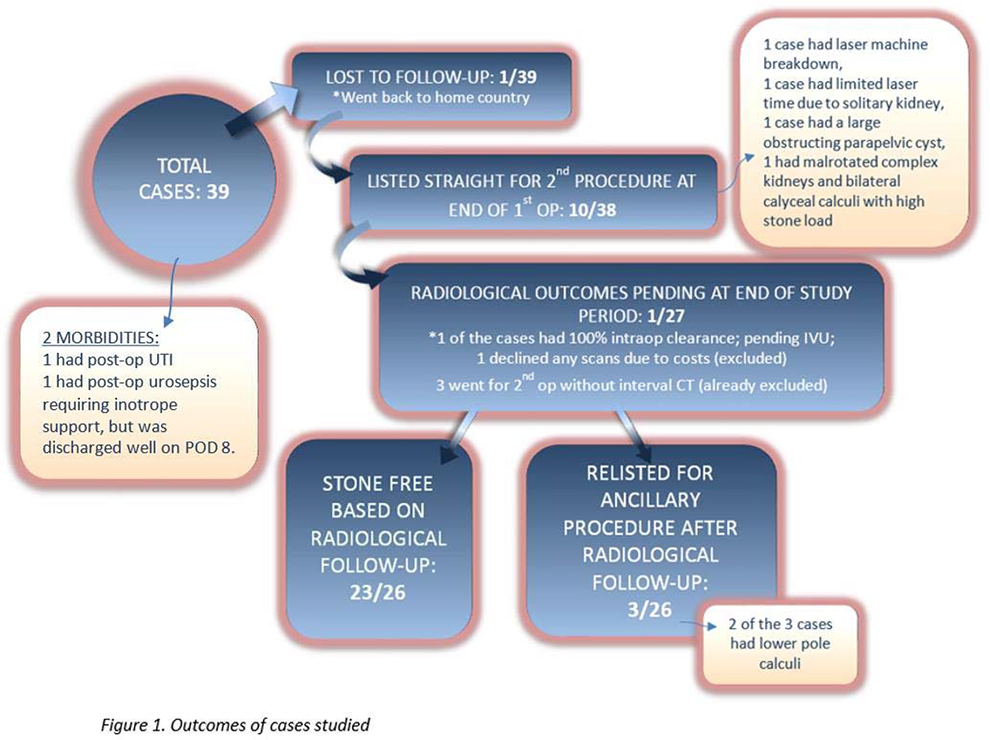

Multiple calculi - each calculus at least 1 cm in size
Calculi in complex anatomy
Stone free rate (SFR) defined as residual fragments less than 3 mm was determined by CT scan 1 month/3 months after surgery
Mean operative time 90.8 min with mean laser time 53.6 min.
Access was successful in all 39 cases
26/38 cases had clearance in 1 stage
SFR of 0.9 and low morbidity rate of 0.05 was demonstrated in our study.
Dusting was our preferred method albeit requiring relatively longer operating times with a low power laser. With the surgeon sitting, minimal fatigue with equally good maneuverability and intra-op vision as when standing allowed a longer laser time. No difference in access or the use of additional instruments was noted. There was no loss of scope functionality by virtue of handling the scope in sitting position. Inclining the patient with addition of diuretic 20 min before completion of surgery enabled a effective gravity assisted wash out of fragments
RIRS is an even more attractive option in management of cases of large stone loads or complex anatomy with this modification, with possible prospects of external validation to certify its reproducibiity.
Ureteroscopic management of calculus disease in patients with “uncorrected” coagulopathy secondary to chronic liver disease (CLD): myths and facts
Therapeutic results and complications of ureteroscopic lithotripsy
Ureteroscopic management of lower ureteral calculi in children: pneumatic versus holmium laser lithotripsy
The Impacted Ureteral Stone: Factors Predicting for Successful Outcome with Endoscopic Management
Success rates after retrograde intrarenal surgery for renal calculi more than two centimeters
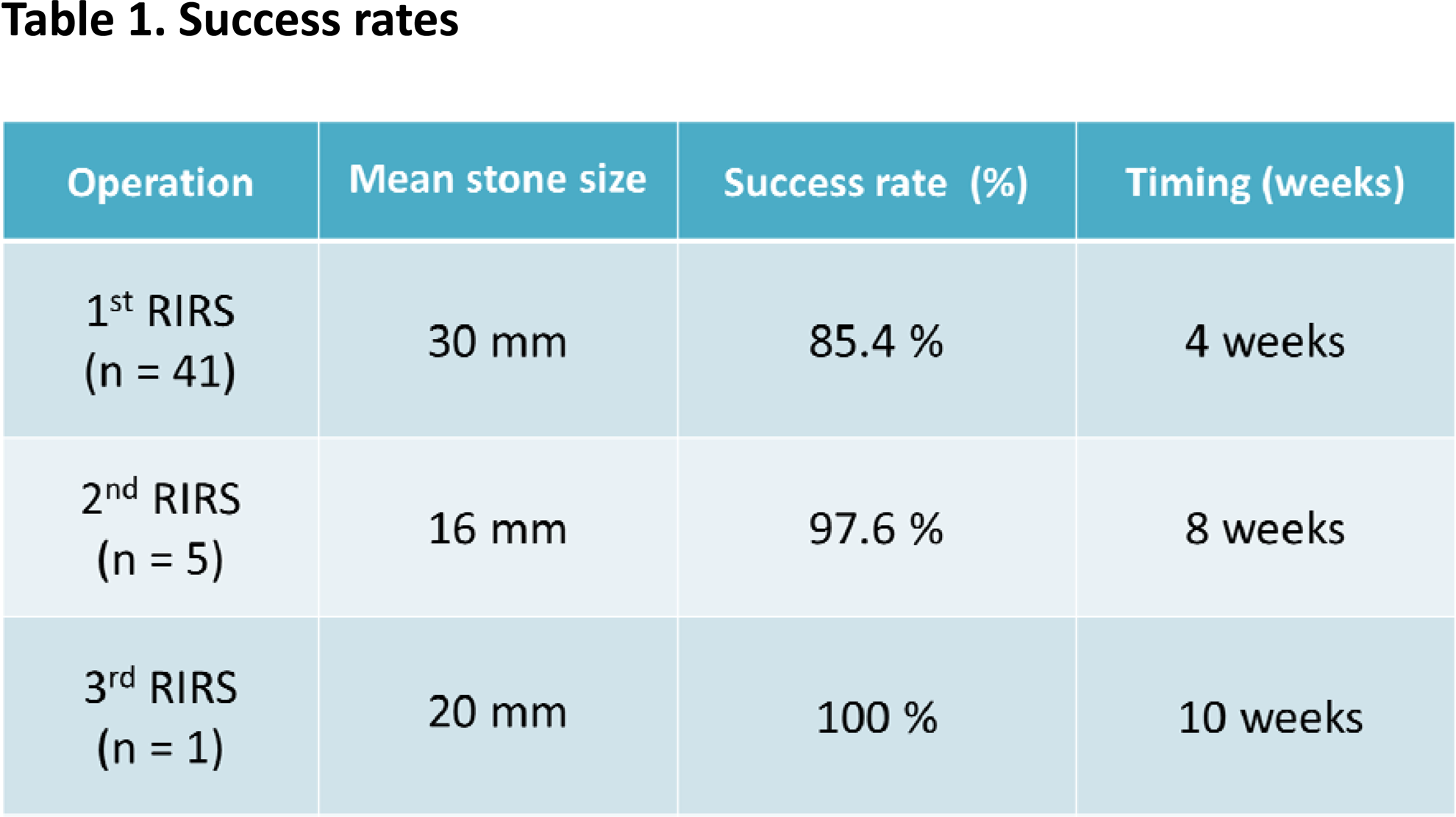
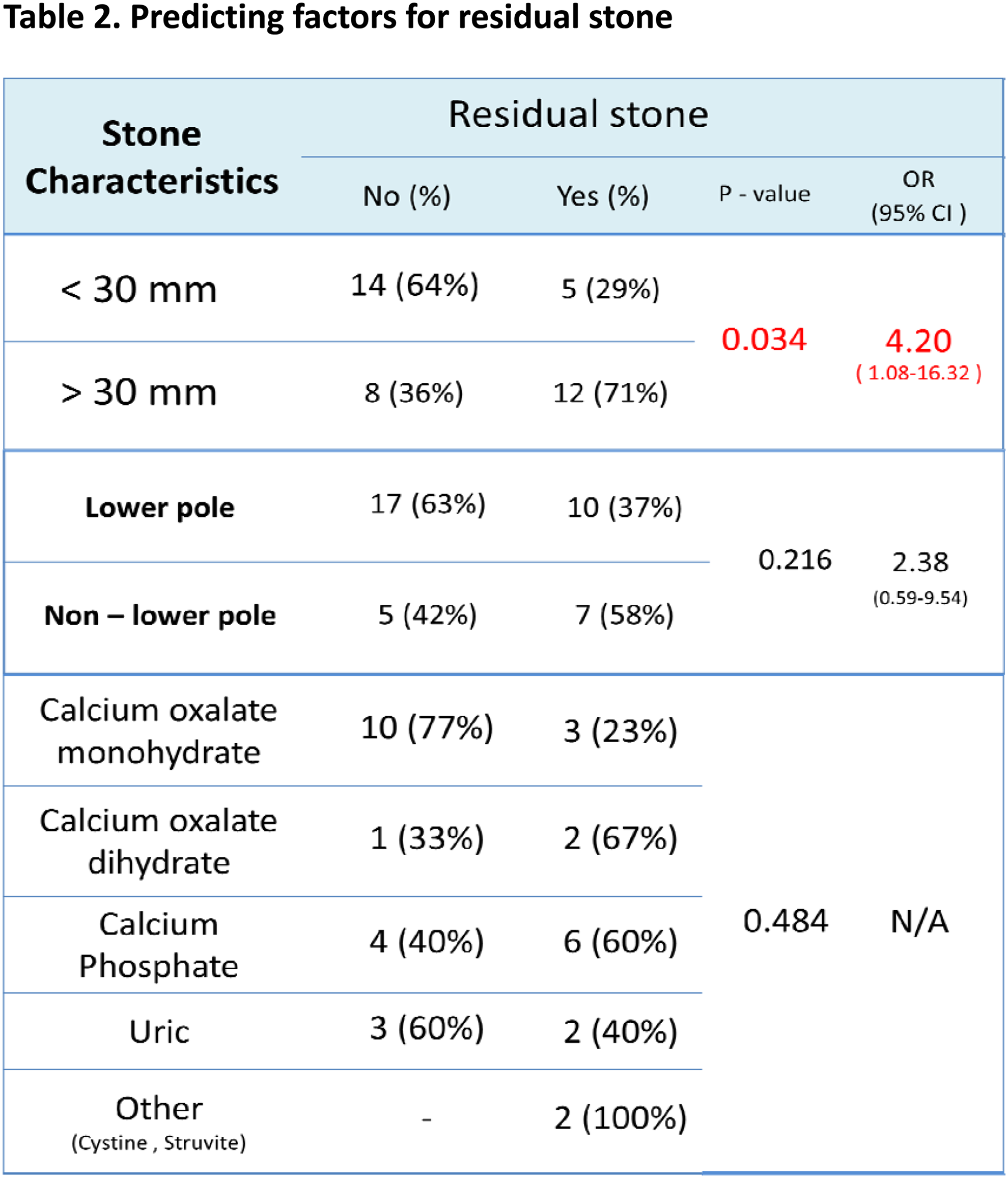
Upper Tract Endoscopic Surgery For Urolithiasis: Can Infectious Complications Be Avoided?
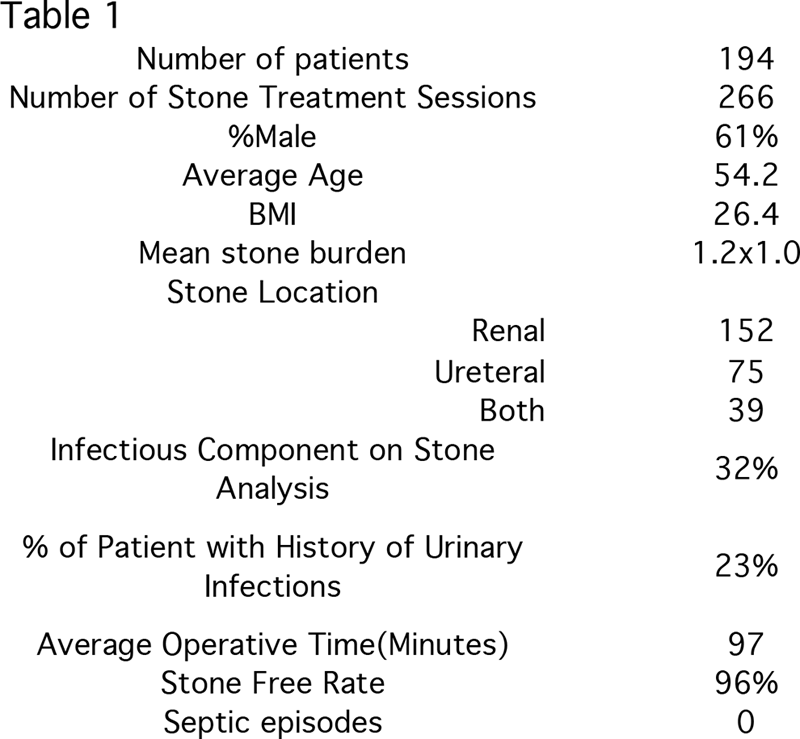
Are urologists performing semi-rigid ureteroscopic lithotripsy safe from radiation exposure? A guidance to reduce the radiation dose
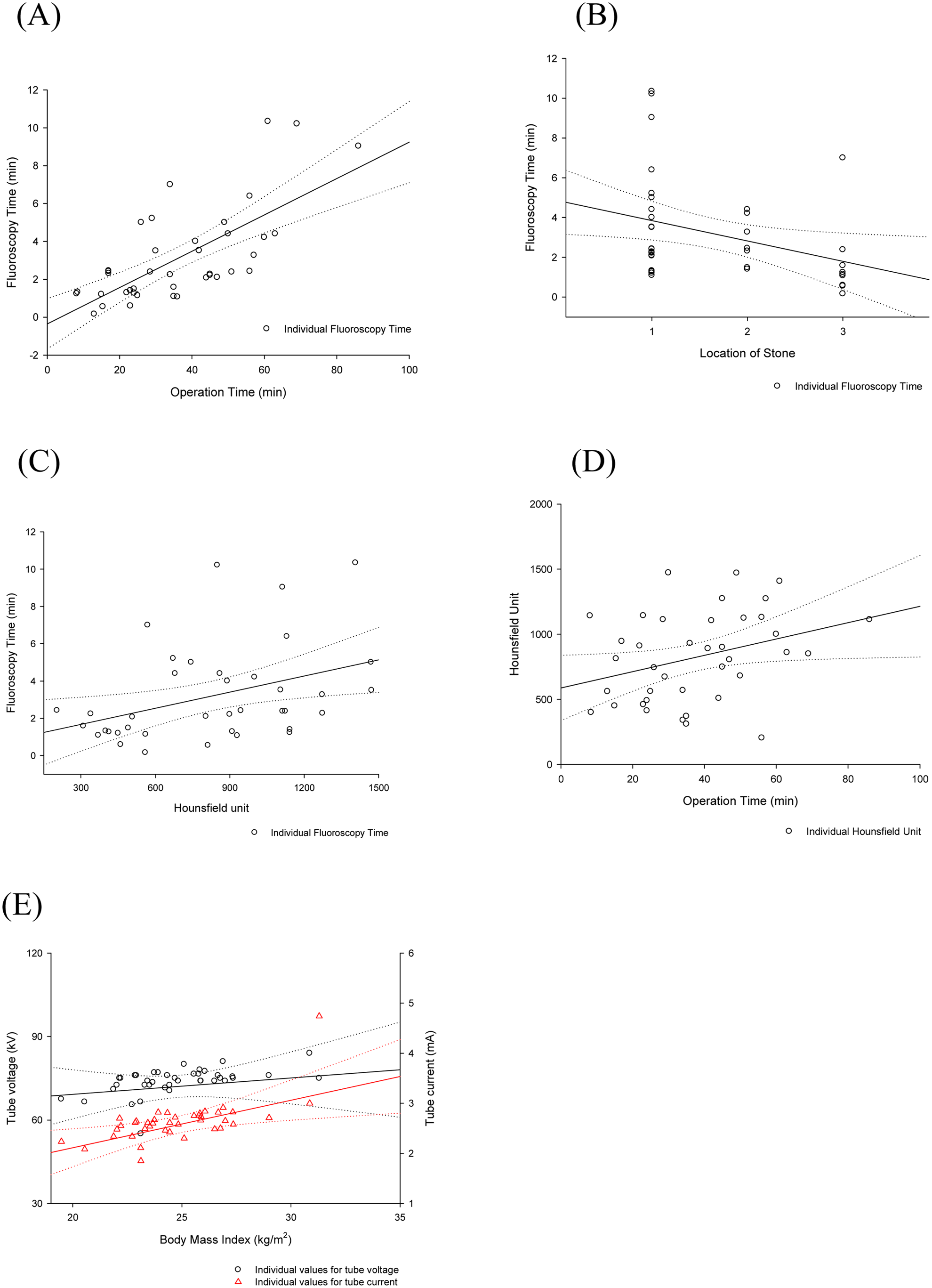
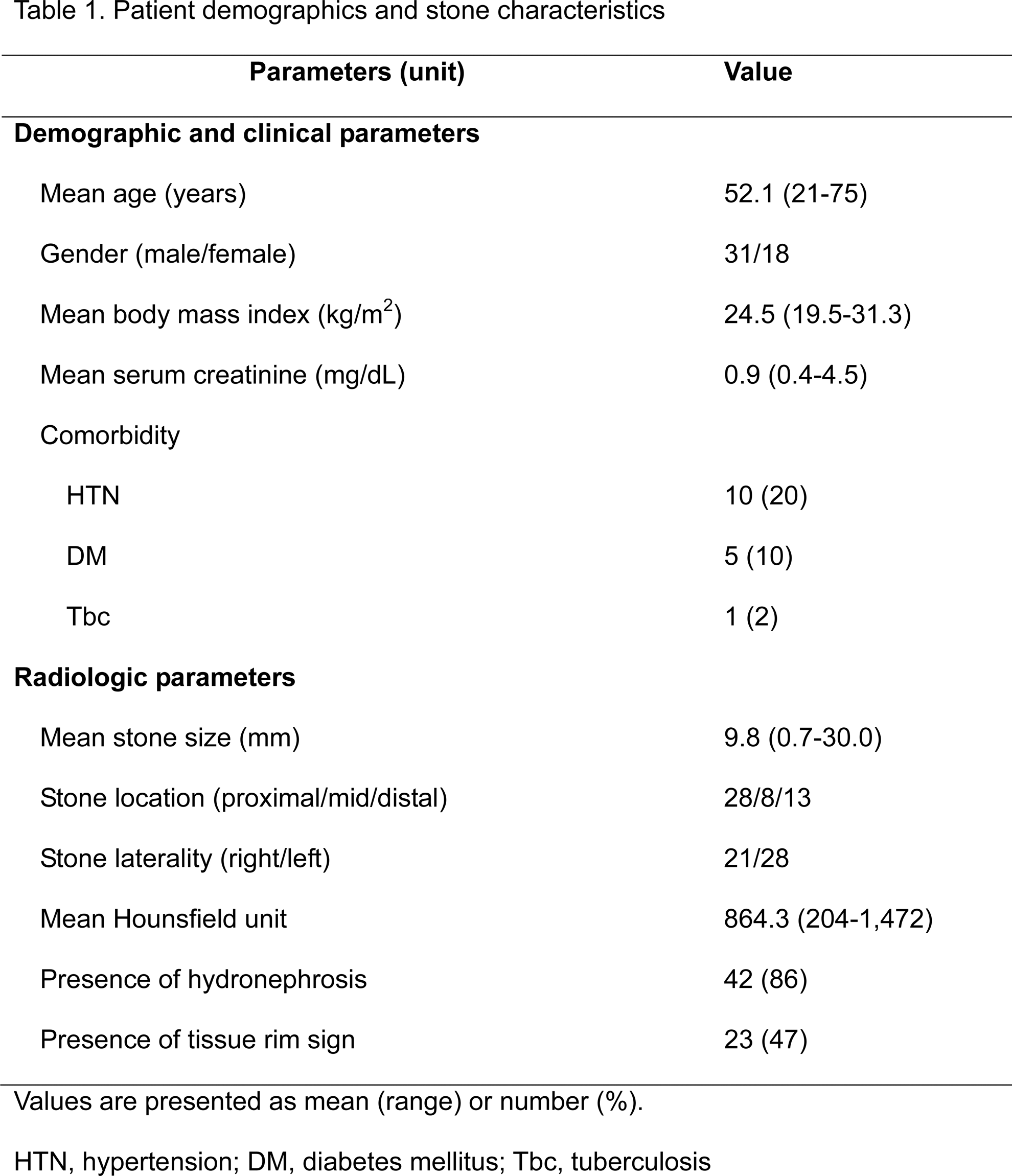

MP38: Endoscopic Management of Upper and Lower Urinary Tract Urothelial Cancer, Stones and Stricture
Comparison between nephroureterectomy and conservative endourological treatment in management of low grade, mono/multifocal ≥1 cm transitional cells carcinoma of the upper urinary tract
Long-term Endoscopic Management of Upper Tract Urothelial Carcinoma
Patients with ureteral obstruction who achieved stent-free state following balloon dilation: Are they OK?
Immunohistochemical staining of Ureteroscopic biopsies of Upper Tract Urothelial Carcinoma can aid in identifying patients with Lynch Syndrome
Ureteroscopic Biopsy for Suspected Upper Tract Urothelial Carcinoma is associated with increased intravesical recurrences at short follow-up: A multi institutional SUTURE group study
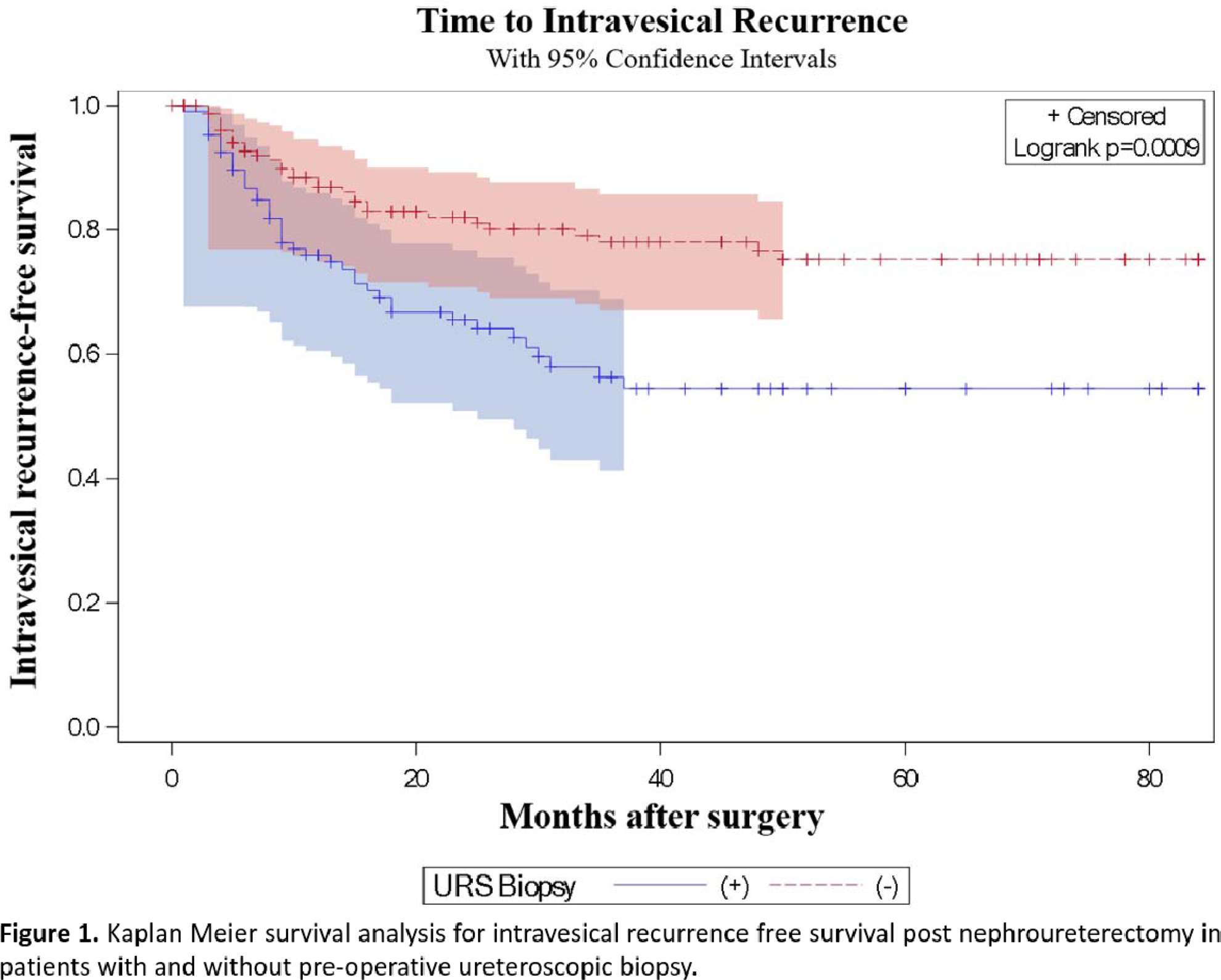
Trends in pyeloplasty procedures: NSQIP analysis
Is length of stay of patients undergoing trans-urethral resection of bladder tumor increased by antiplatelet therapy?
Impact of de novo vesicoureteral reflux on transurethral surgery outcomes in pediatric patients with ureteroceles
Is it safe for patients having a nephro-ureterectomy to be diagnosed with uretero-renoscopy first?
The Efficiency of Transurethral Resection and Degeneration of Bladder Tumor to Treat Bladder Cancer: A 10 Year Review
The predictive value of ureteroscopic biopsy to final pathological stage in upper tract urothelial carcinoma
EN BLOCK TURB: our preliminary experience
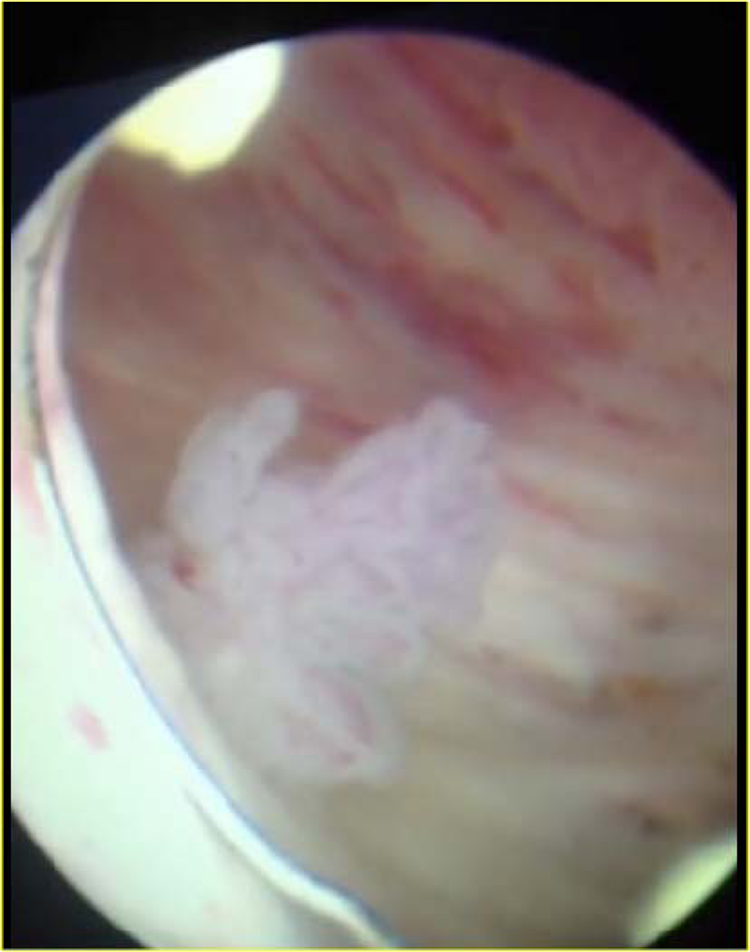
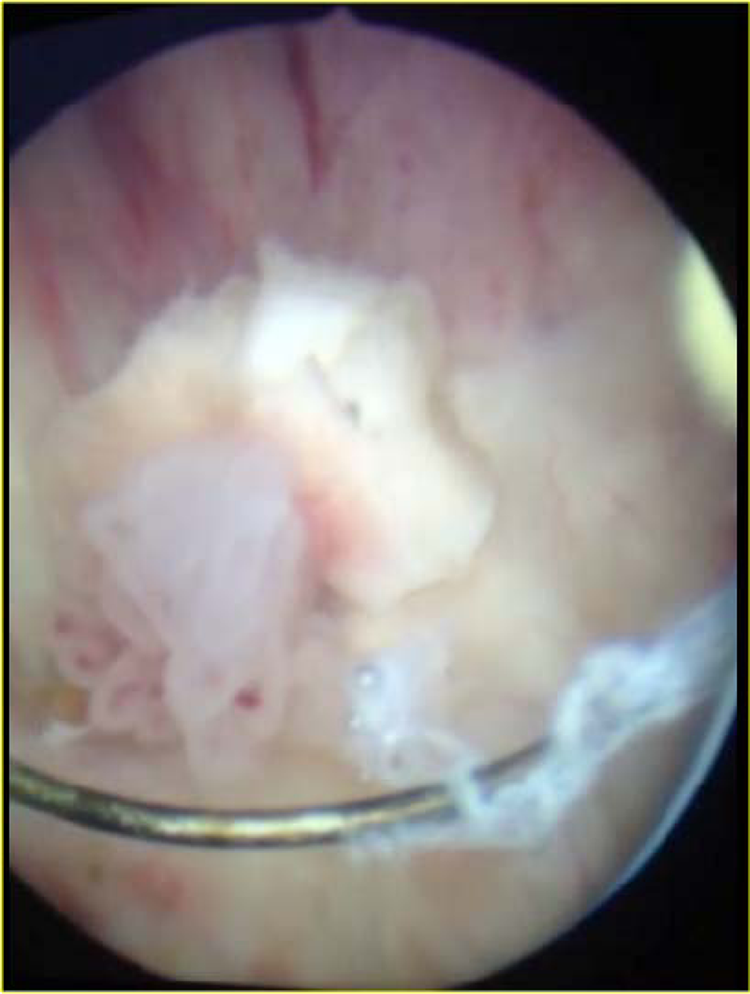
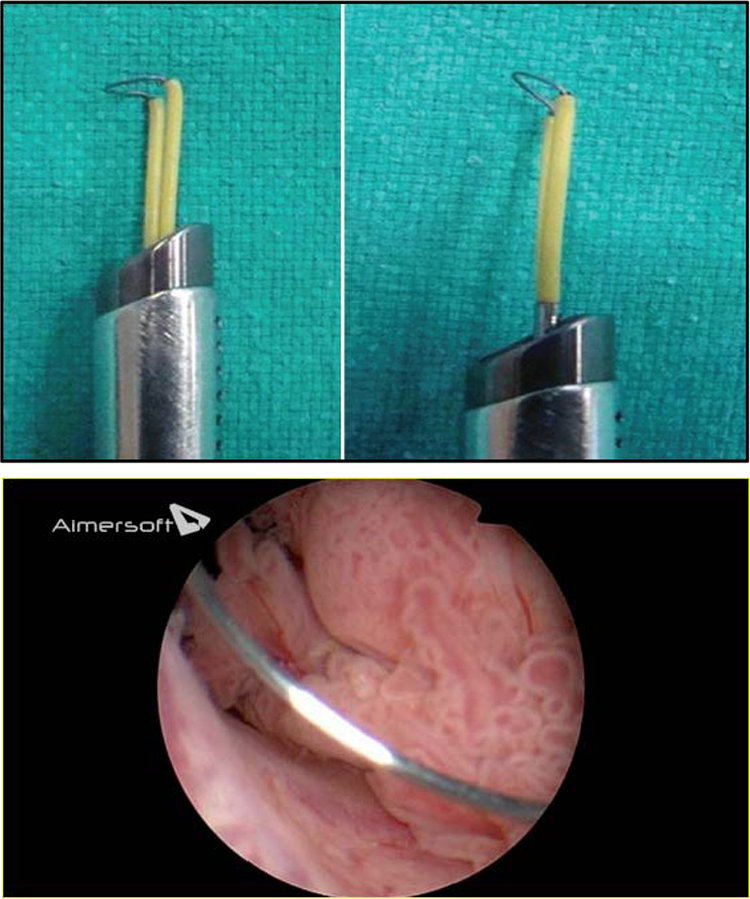
Long term results of pyeloplasty in poorly functioning kidneys (a multi-centre study)
Detrusor Muscle Sampling Rate After Monopolar versus Bipolar Transurethral Resection of Bladder Tumour: A Randomised Controlled Trial
Scissor Ureterocele unRoofing Endoscopic Technique: a novel technique for minimally invasive ureterocele treatment
Drug Eluting Balloon in the management of benign ureteral strictures
Holmium Laser urethrotomy for treatment of stricture urethra: A review of 107 Patients
Percutaneous retropelvic endopyelotomy for treatment of ureteropelvic junction obstruction
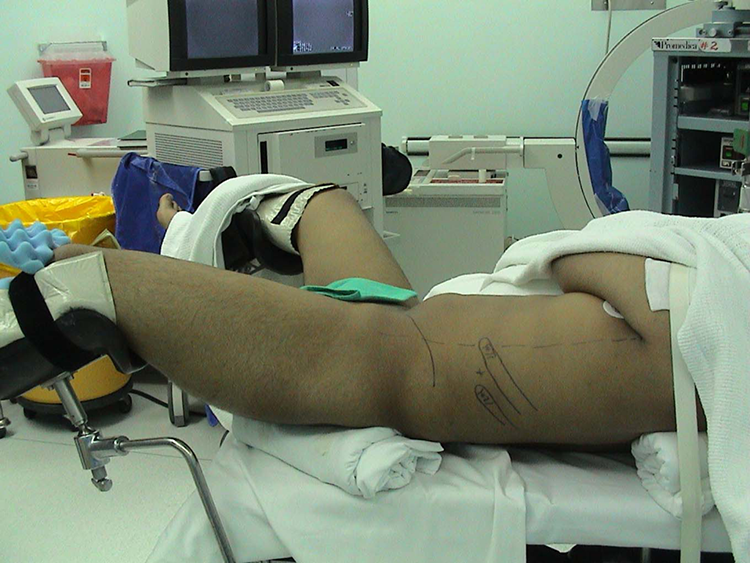
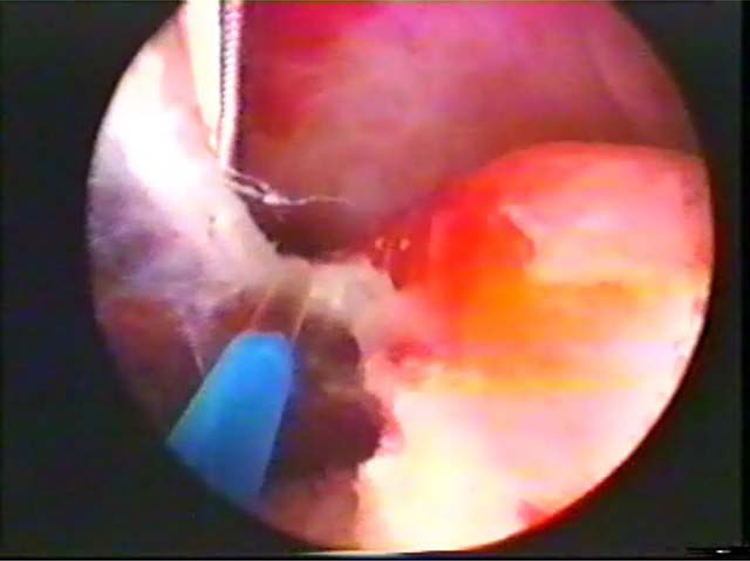
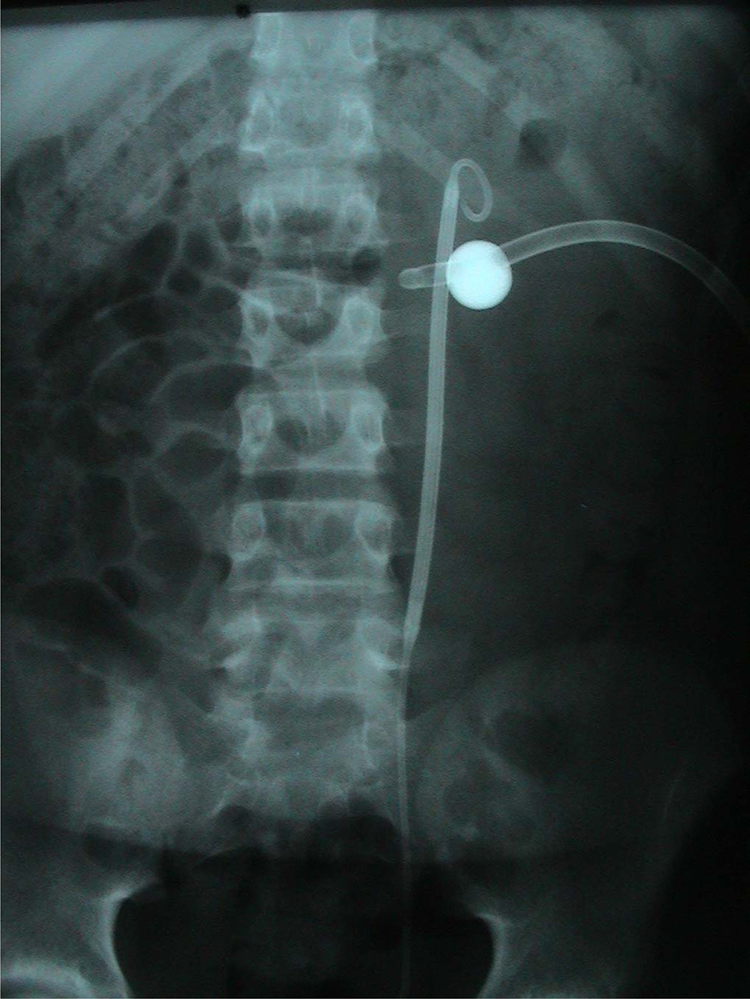
Preliminary outcomes of balloon dilation for postoperative ureteral strictures
Minimally Endoscopic Combined Intrarenal Surgery for Ureteropelvic Junction Atresia
Bipolar approach in ureteral stenosis
Narrow Band Imaging (NBI) cystoscopy and assisted bipolar TURBT: a preliminary experience in a single centre
A retrospective study of repeat transurethral resection of bladder surgery in patients with non-muscle invasive bladder cancer: Incidence and predictive factors for residual tumors with upstaging rate
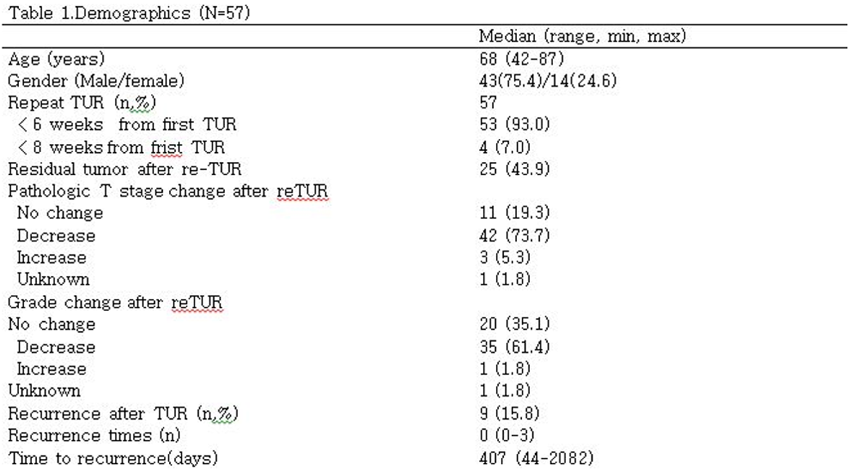
Endourological management of upper tract urothelial carcinoma: preliminary results
MP39: Ureteroscopy: Scopes and Lasers
“I have used my laser for many years and it still works fine”
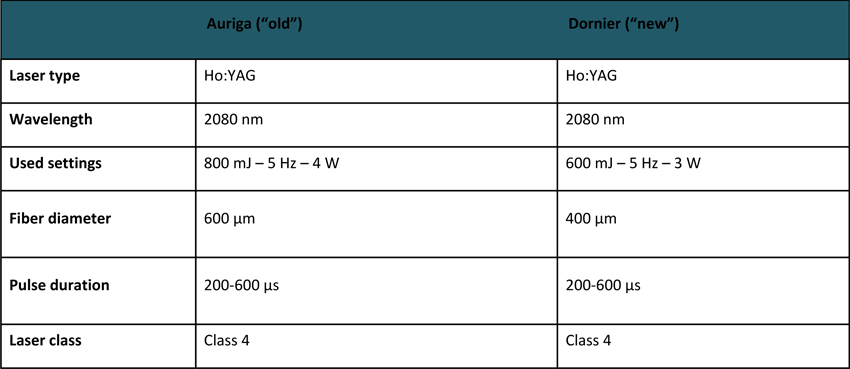

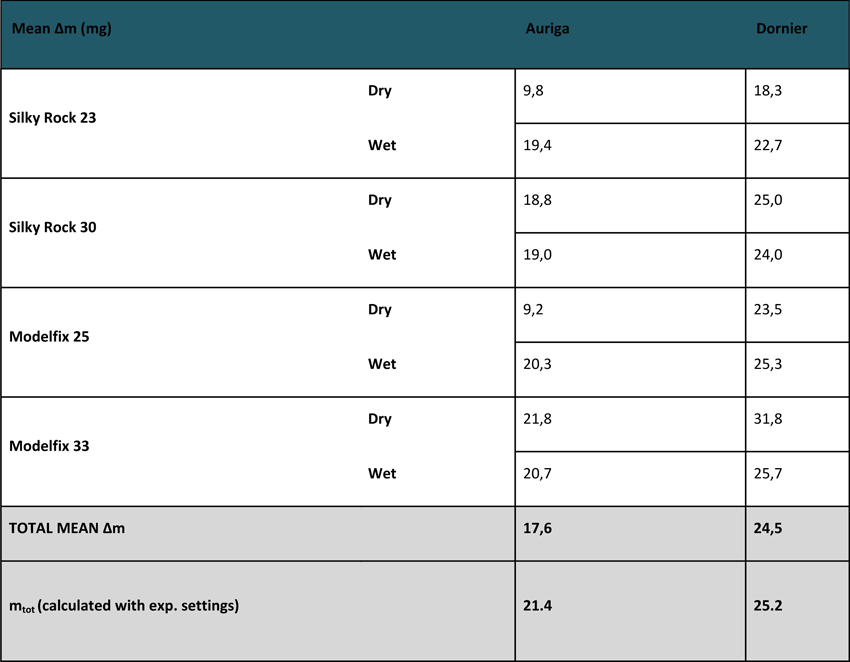

Stone Retropulsion with Ho:yag and Tm:yag Lasers: a Clinical Practice Oriented Experimental Study
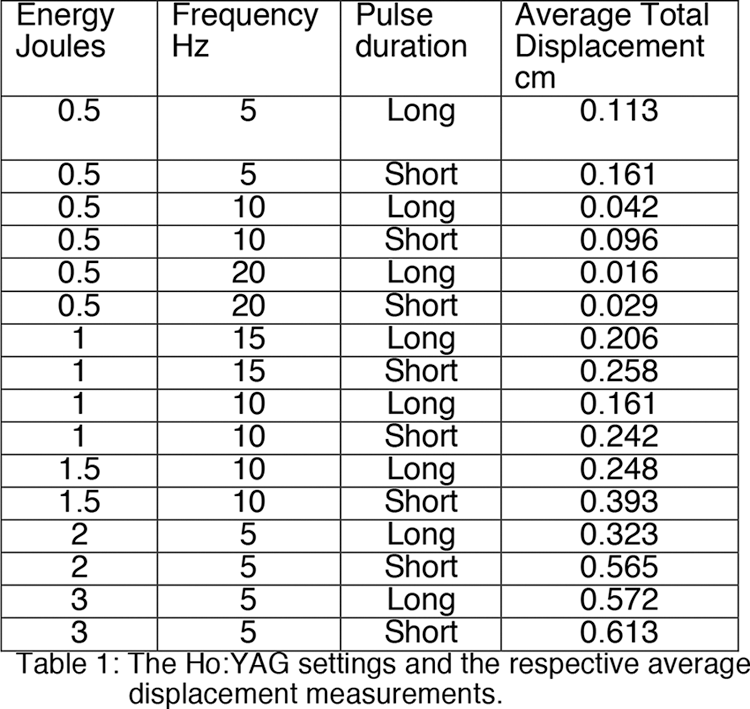
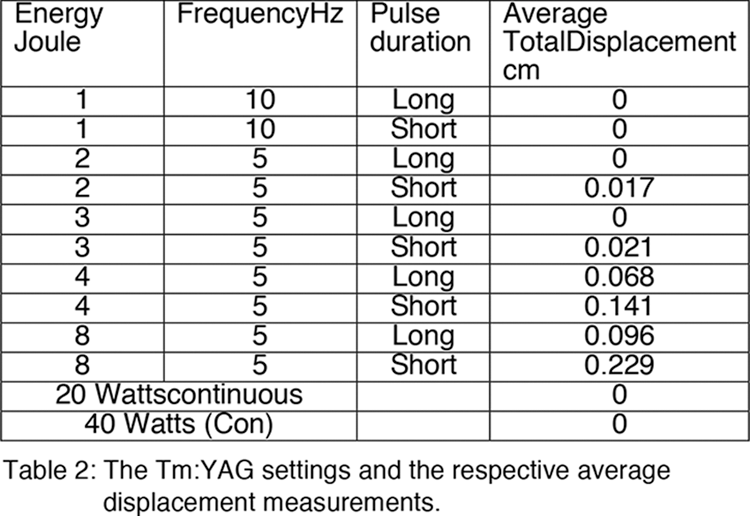
Fragmentation efficiency and safety of variant wave-length Nd:YAG laser on urinary calculus
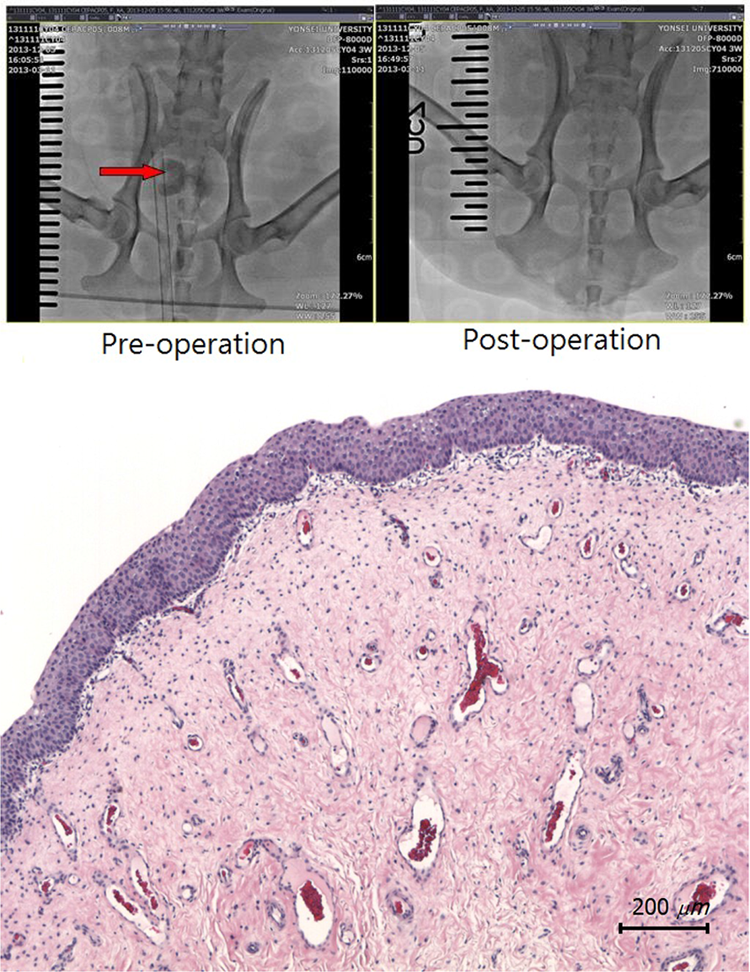
The optimal settings for non-contact Holmium-YAG stone fragmentation “pop corn” technique
Flexible Ureteroscopy durability in the hands of UK surgeons: a snapshot
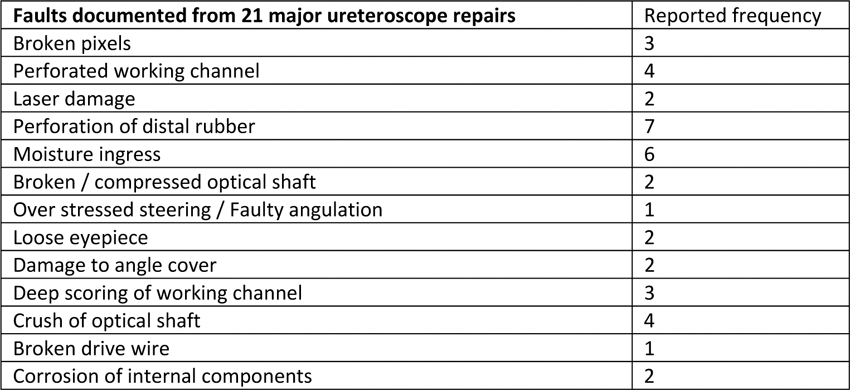
Single Pulse-Per-Second Setting Significantly Reduces Fluoroscopy Time During Ureteroscopy
Initial experience of using high power Holmium laser for Dusting of large bulk renal stones by RIRS
Cost comparative analysis between fibreoptic flexible ureteroscopes, Single-use digital flexible ureteroscopes and a Digital flexible ureteroscopes Managed Service Contract in a large-volume teaching university hospital
An average caseload of 400 cases/annum was used in this analysis based on our endourology department caseload within the last year. All running costs associated with the current used service and that of the other 2 options were included in the cost analysis as detailed in the table below.
Taking cost savings alone, it is estimated that there would be savings of £169,304 and £155,304 using lithvue and MaSeCo respectively making the MaSeCo more cost effective in saving an average of £47,104/annum. However, the overall cost of running the same service with the single use D-FURS remains higher by £143,896 compared to the current service.
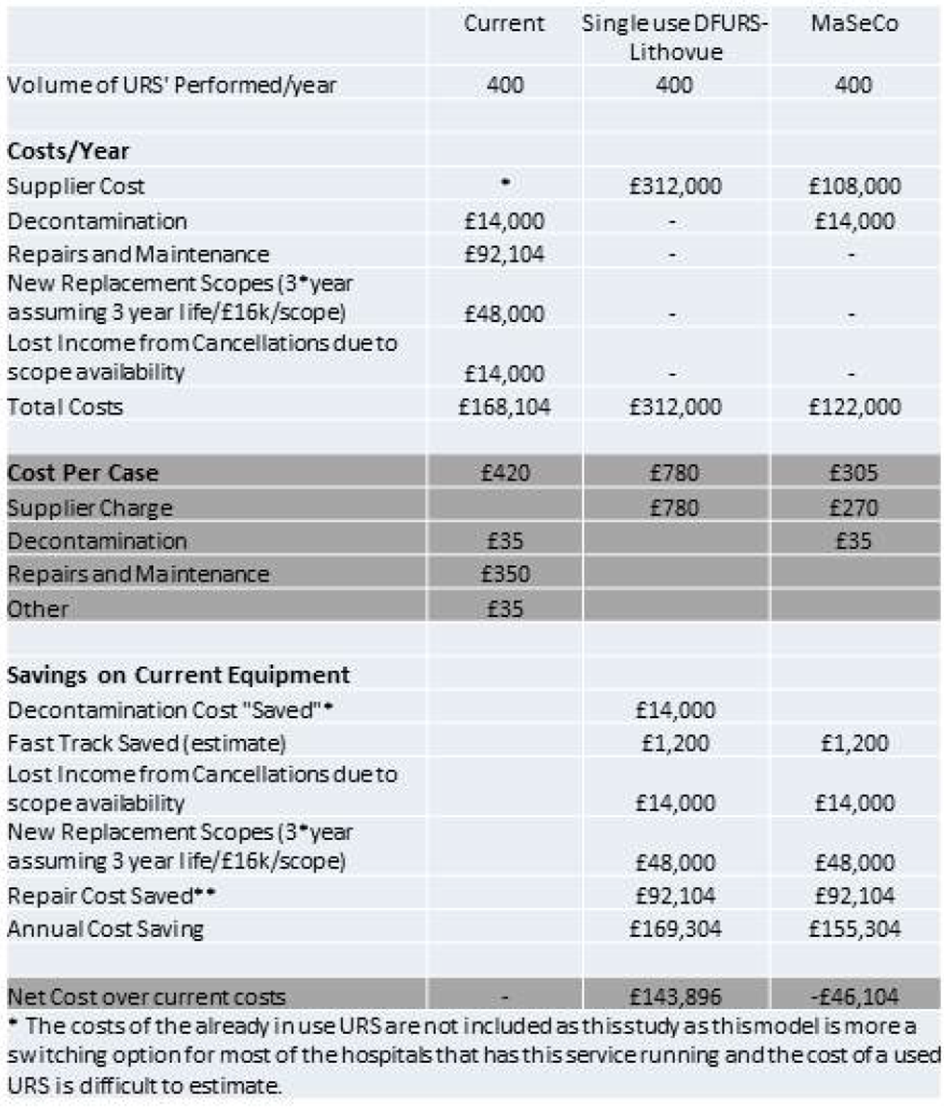
Singe use D-FURS comes at an extra cost but serves the purposes of ensuring scopes availability and providing the superior D-FURS image quality.
MaSeCo provides a more cost effective and reliable service and avoids surgical cancellations due to scope damage, in addition to providing a superior D-FURS image quality. Contracts could also be negotiated to include a fixed number of repairs per year in addition to the valuable onsite weekly engineer visits.
Stone units may opt for any of those options depending on their service demand and affordability with patient centred care considered at all times.
Laser Fiber Stripping Has an Effect Upon Power Output and Stone Fragmentation
Correlation between the lithotripsy time using different settings of a Ho: YAG laser
The effect of ureteroscope size in the treatment of ureteral stone
Robotic flexible ureteroscopy in renal stones
Robotic flexible ureteroscopy versus classic flexible ureteroscopy in renal stones: experience on 132 cases
Ergonomy of robotic flexible ureteroscopy versus standard flexible ureteroscopy
An evaluation of URF-V2 flexible digital ureteroscope
International Holmium Laser Lithotripsy Settings: An International Survey of Endourologists
Laser, ultrasound or pneumatic? Which one will make you chase the stone during ureteroscopy?
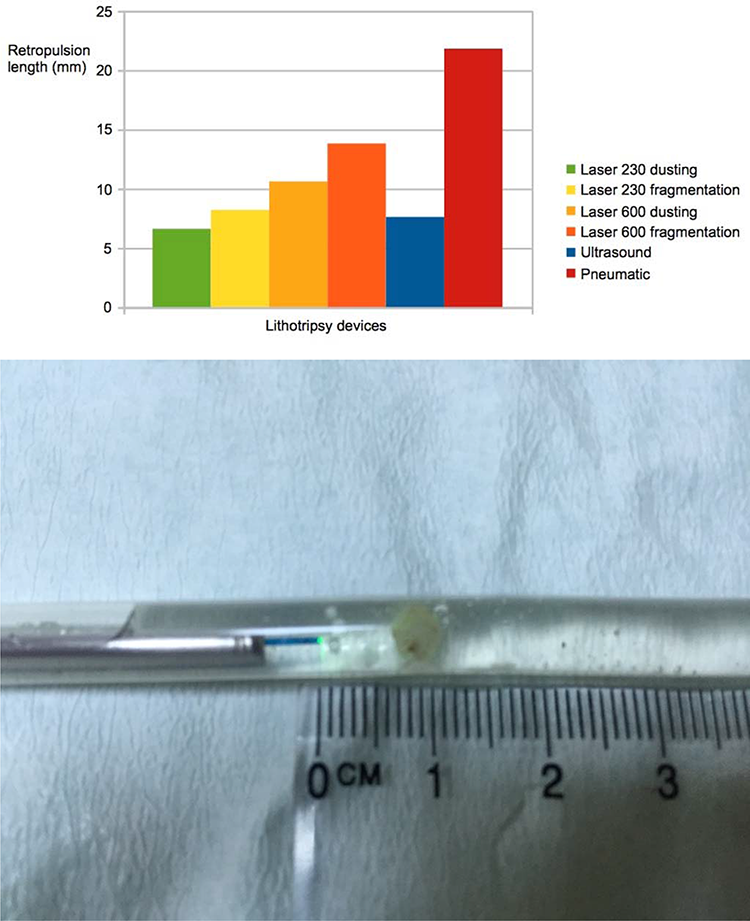
Ultrasonic probe had a lower retropulsion effect then the 600 μm laser fiber and even then the 230 μm laser fiber when “fragmentation” setting was used. The chart presents the median length of the stone retropulsion obtained with different devices.
Lasers in flexible ureterorenoscopy. Are they enough user friendly?
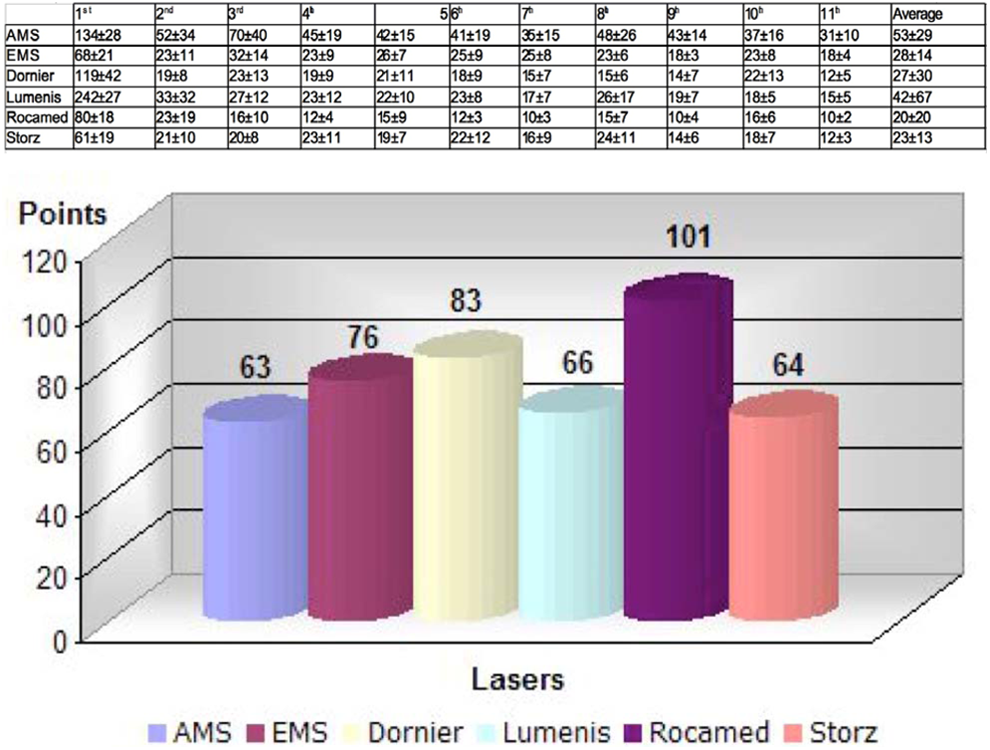
We used 6 holmium lasers: Stone Light (AMS), Swiss LaserClast (EMS), Medilas H Solvo (Dornier), Lumenis Pulse 120H, Rocamed and Calculase II (Storz). Only 3 of these lasers have the possibility of modulating the pulse duration (EMS, Lumenis, Rocamed).
The order of use for each laser was randomized. Videos of 5 different stones and 1 urothelial tumor were presented one by one in a randomized fashion. The participants had to choose the right settings and to activate the laser. On each stone, settings for “dusting” and “fragmentation” techniques were required, while for tumors only the settings for ablation were applied. Time from connecting the laser fiber until the first activation was recorded. Further on, we recorded the time needed for changing the settings in each situation. The correctitude of the setting selection was also evaluated. For each correct choice 1 point was attributed, for the wrong choice 0 points.
The summary for correctitude of choices is presented in the chart.
Dusting vs Fragmentation for Renal Stones - Prospective Study Using Different Laser Settings in One System Platform
Comparison of Insertion Characteristics and Scope Damage of Flat-Tip and Ball-Tip Holmium Laser Fibers
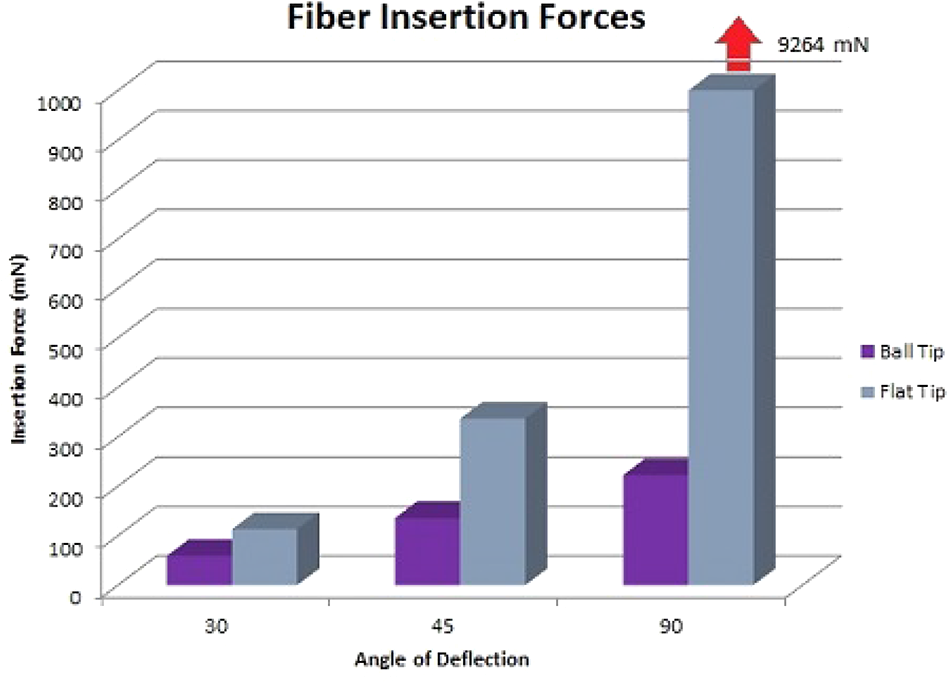
Comparison of Holmium: YAG lithotripsy pulse duration on stone dusting
Retrograde Intra Renal Surgery (RIRS): Not All Disposables are Disposables!!!


MP40: Robotic Surgery: Upper and Lower Tract – Benign
Robotic Ureterolysis and Ureteroureterostomy for Managing Ureteral Strictures
Robotic Boari Flap: Management of Complicated Ureteral Strictures
Robotic Ureteroneocystostomy: a Minimally Invasive Treatment Option
Robot-Assisted Surgery For The Management of Large Symptomatic Renal Cysts (≥ 20 cm)
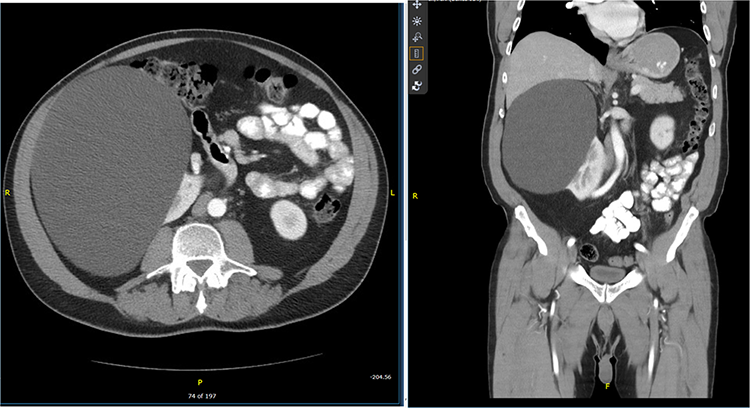
Robotic-assisted versus laparoscopic hand-assisted live donor nephrectomy
Robotic-assisted laparoscopic pyeloplasty: Our initial experience
Safety and Efficacy Various Robotic Assisted Laparoscopic Approaches In Pediatric Patients: The First Case Series From The Turkey
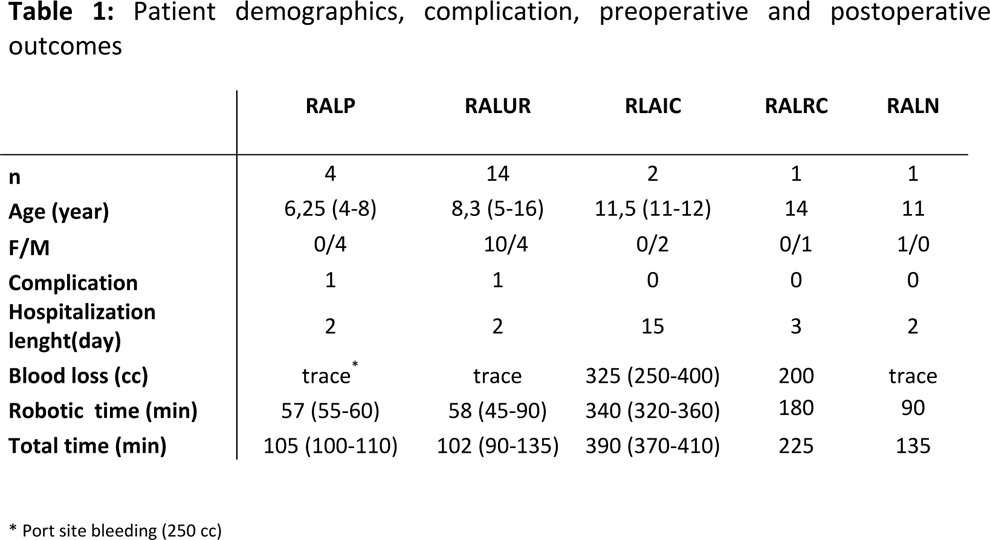
Robotic Assisted Laparoscopic Ureteroneocystostomy: A Single Center Experience
Robotic Repair of Vesicovaginal Fistula Using Fibrin Sealant
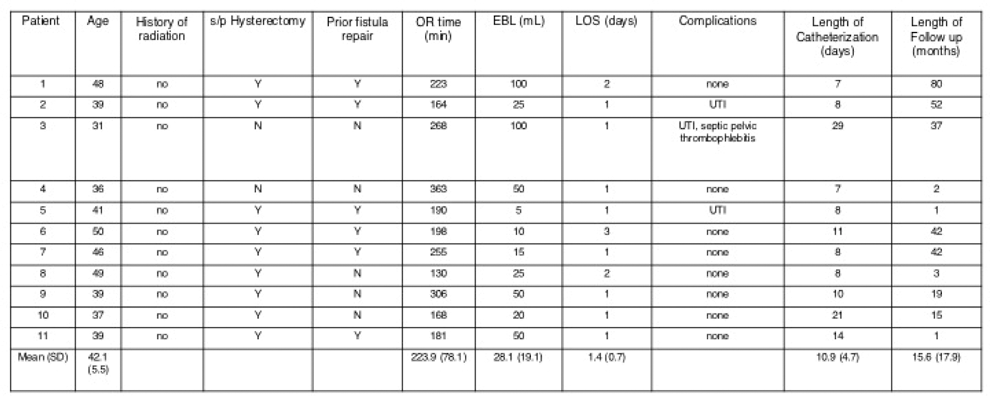
Robotic Ureteral Reimplantation and Psoas Hitch for Repair of a Rare Case of Salpingoureteral Fistula and Literature Review
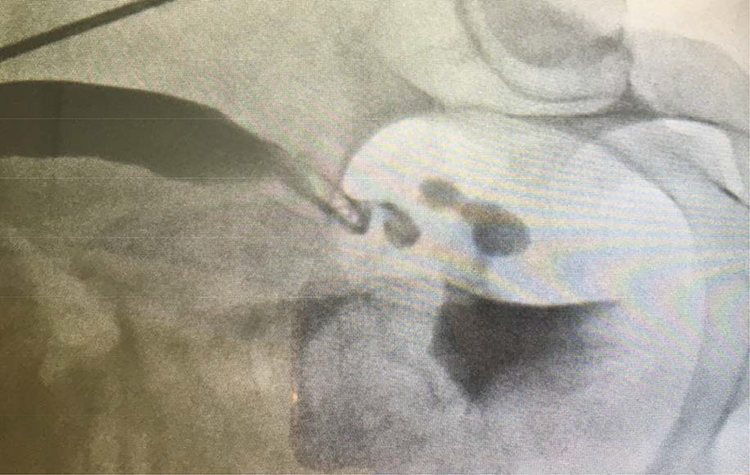
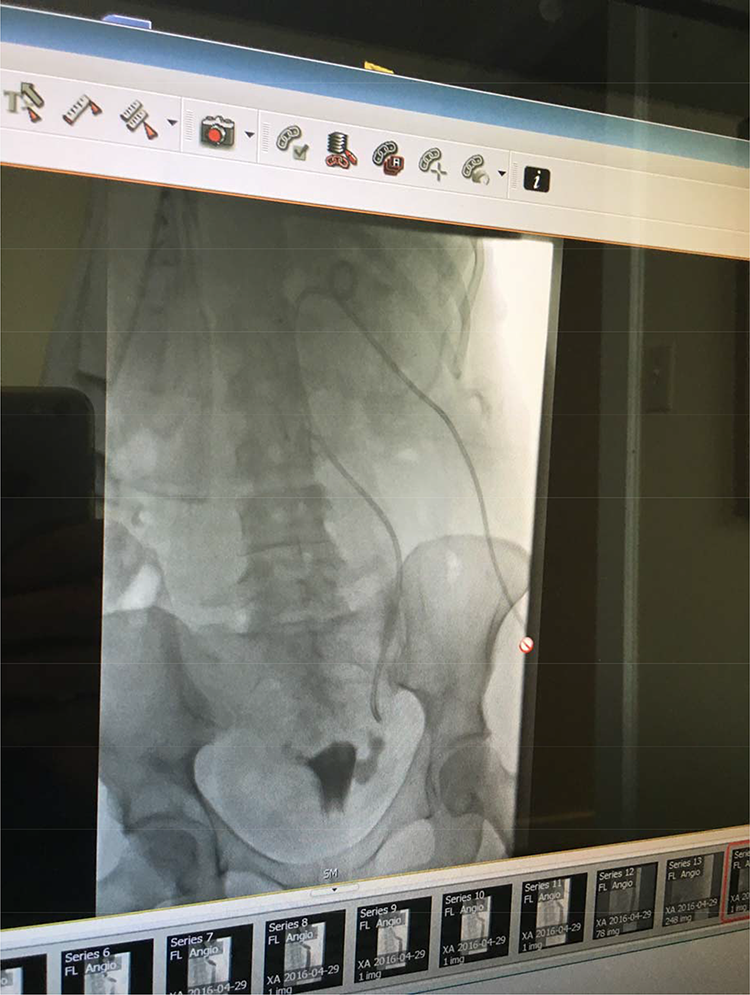
Hidden Incision Robotic-assisted Management of Ureteropelvic Junction Obstruction in Pediatric Horseshoe and Pelvic Kidneys
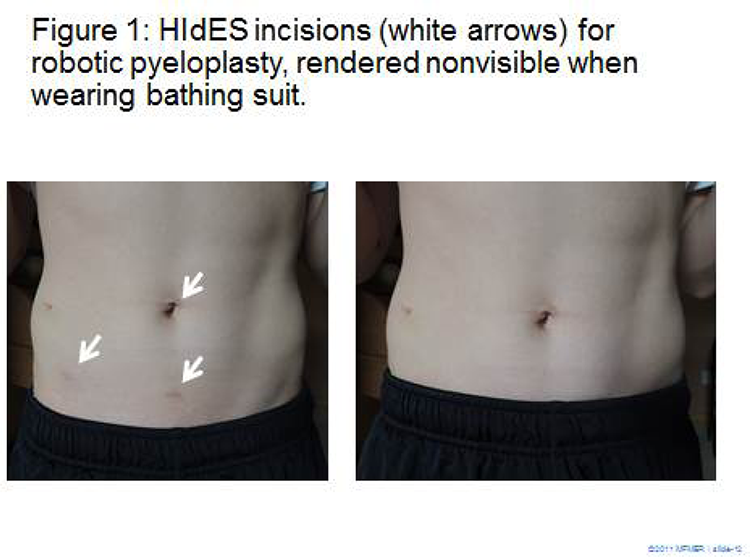

Robotic Repair of Vesicovaginal Fistula - Case Report
Robotic Kidney Transplantation: A Center's First Experience
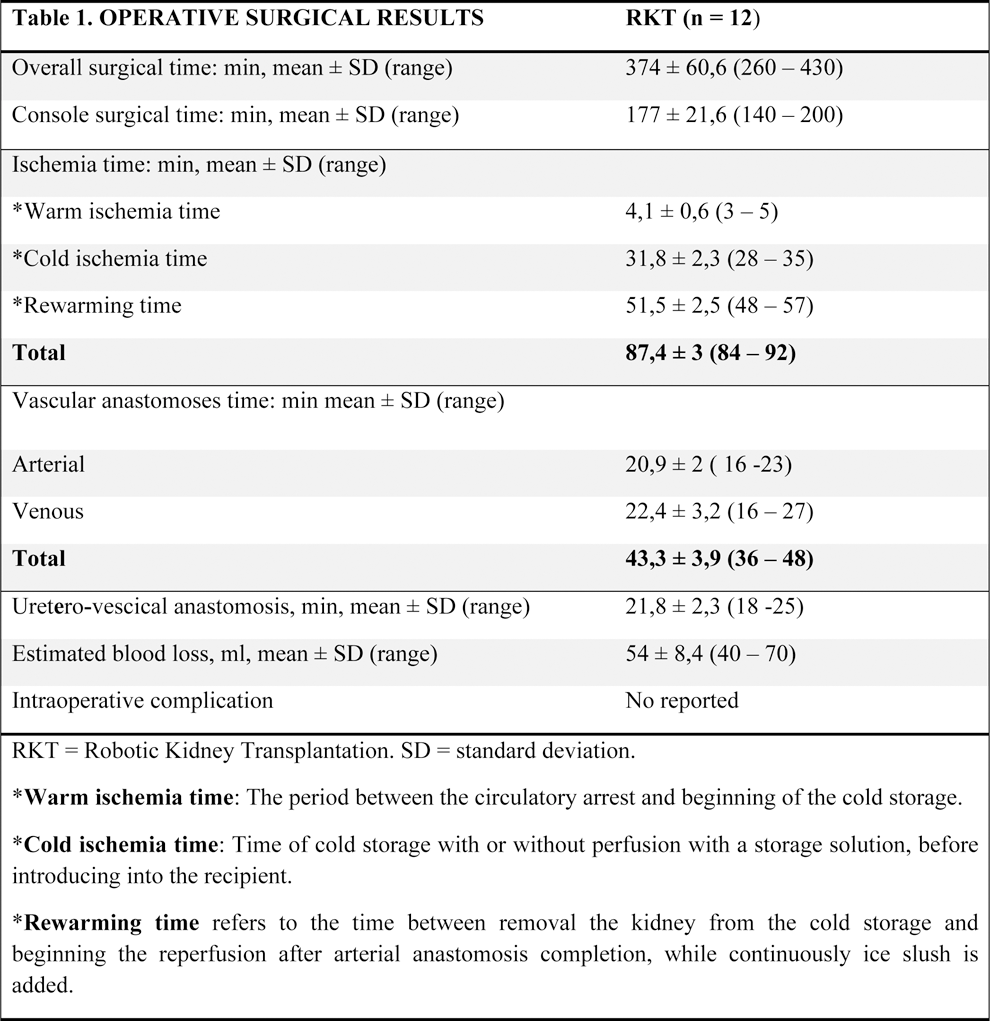
Robotic Kidney Transplantation: preliminary results
Initial experience of robotic versus conventional laparoscopic pyeloplasty
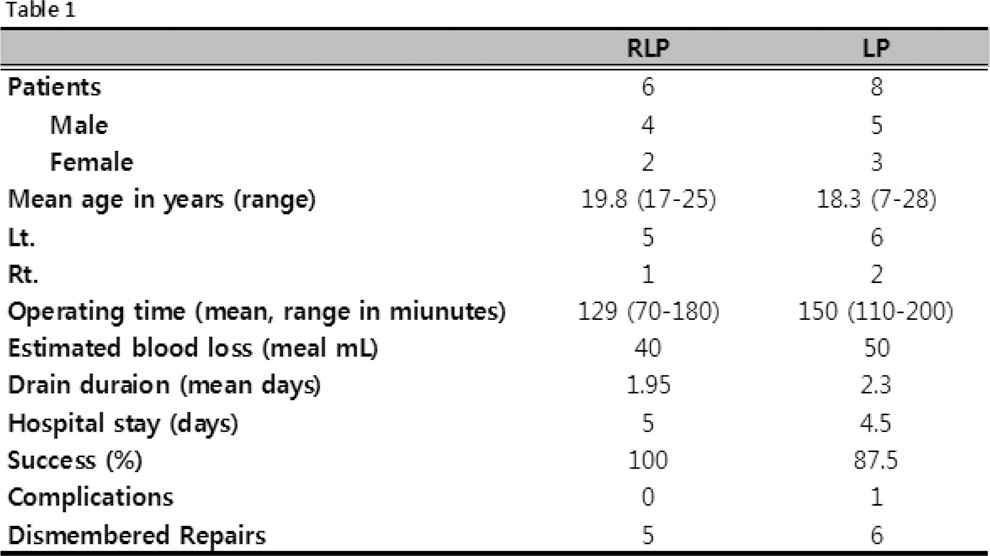
Hidden Incision Endoscopic Surgery in Infant Pyeloplasty
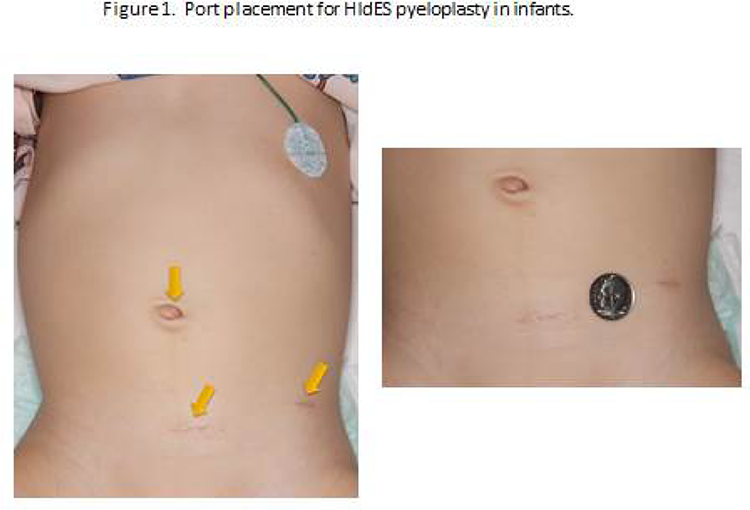
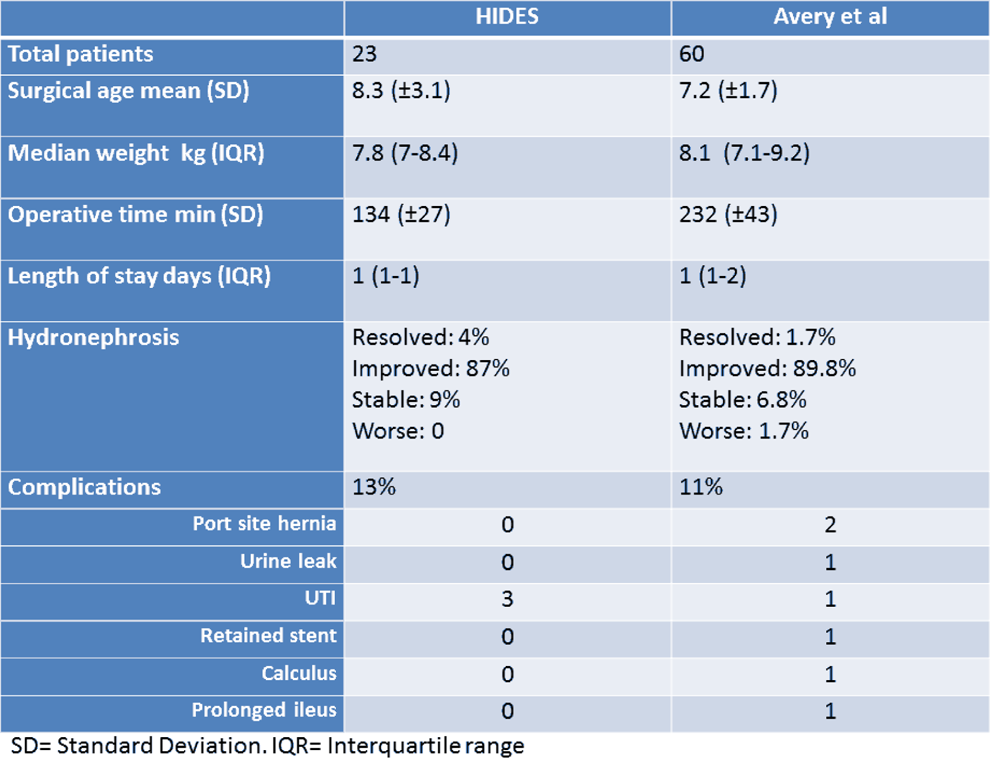
The Outcome of Robotic Boari Flap
Robotic ureteroplasty with buccal mucosa graft for the management of recurrent ureteropelvic junction obstruction after failed pyeloplasty
Comparison of Robotic and Open Pyeloplasty in Infants: A Single-Institution Experience
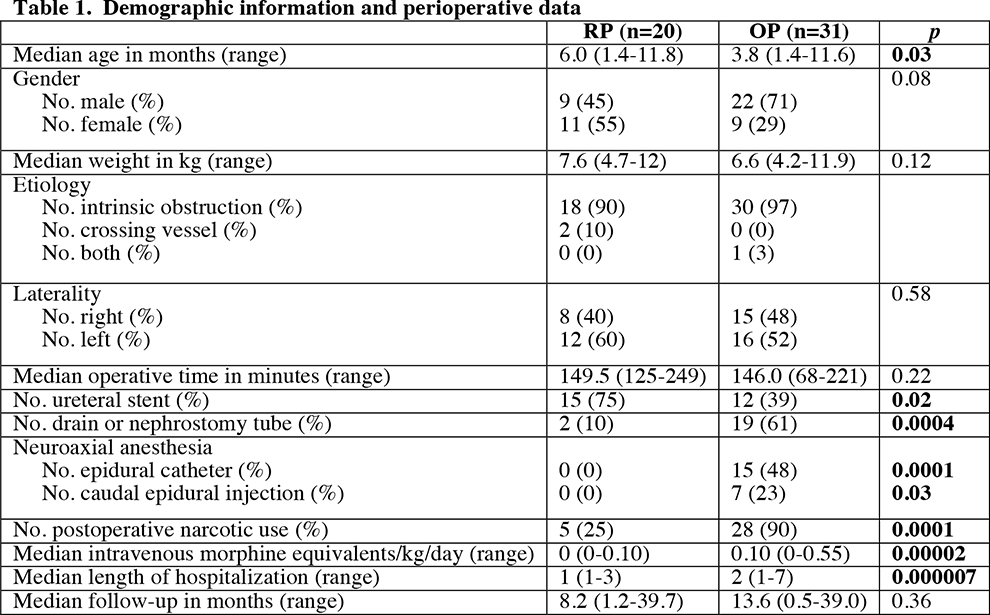
Comparison of Stentless and Stented Robotic Pyeloplasty in Children: A Single-Institution Experience

A non-narcotic pathway for the management of postoperative pain following pediatric robot-assisted laparoscopic pyeloplasty
Comparison of perioperative outcomes between infants and non-infants undergoing robot-assisted laparoscopic pyeloplasty
MP 41: Ureteroscopy: Access and Stents
Risks and Benefits of Postoperative Double-J Stent Placement After Ureteroscopy: Results From the Clinical Research Office of Endourological Society Ureteroscopy Global Study
Application of ureteral access sheath under direct visualization: Description of a technique and early results of patients

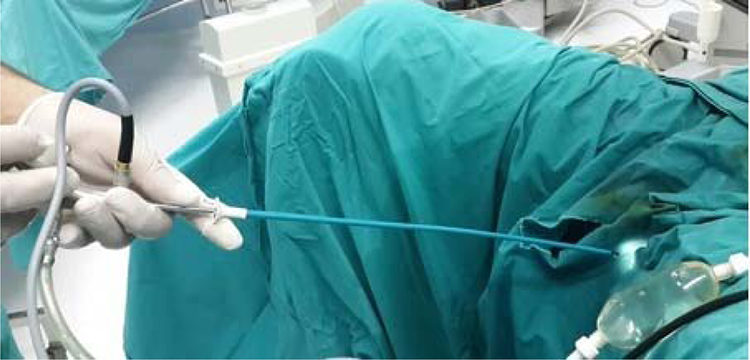
Solifenacin versus Trospium chloride in relief of stent-related symptoms following ureteroscopic lithotripsy: a prospective cohort study
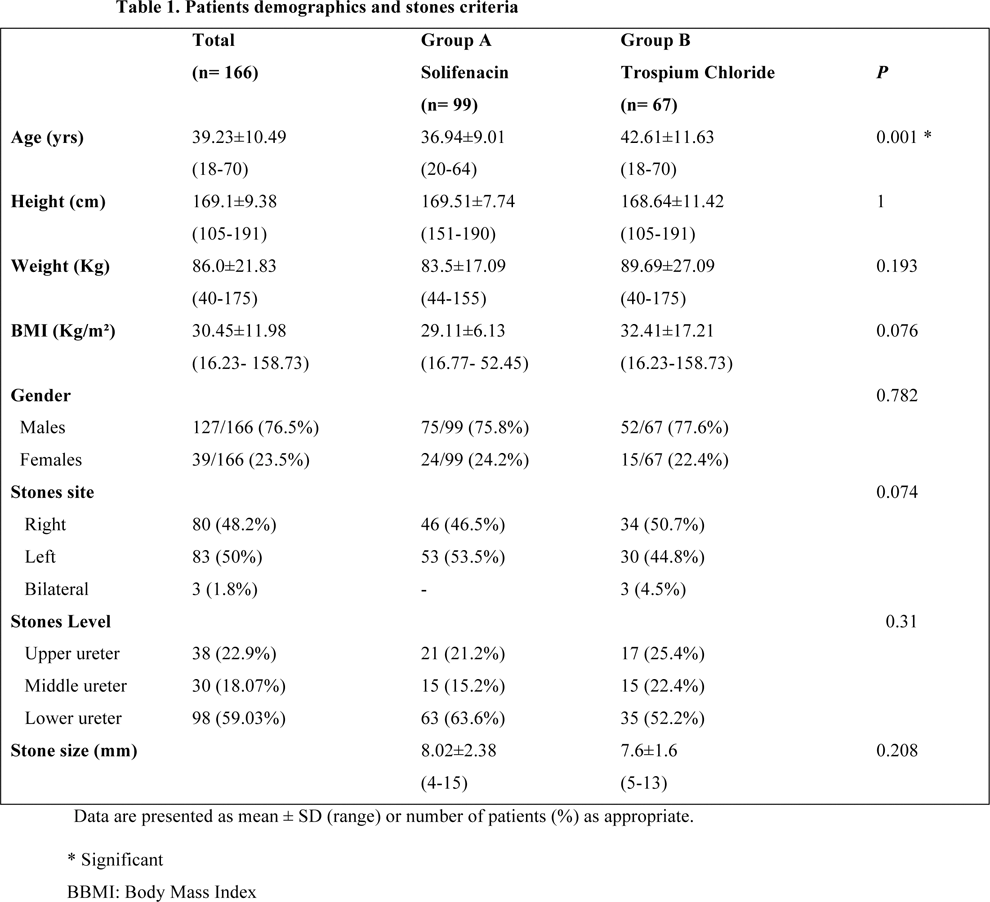
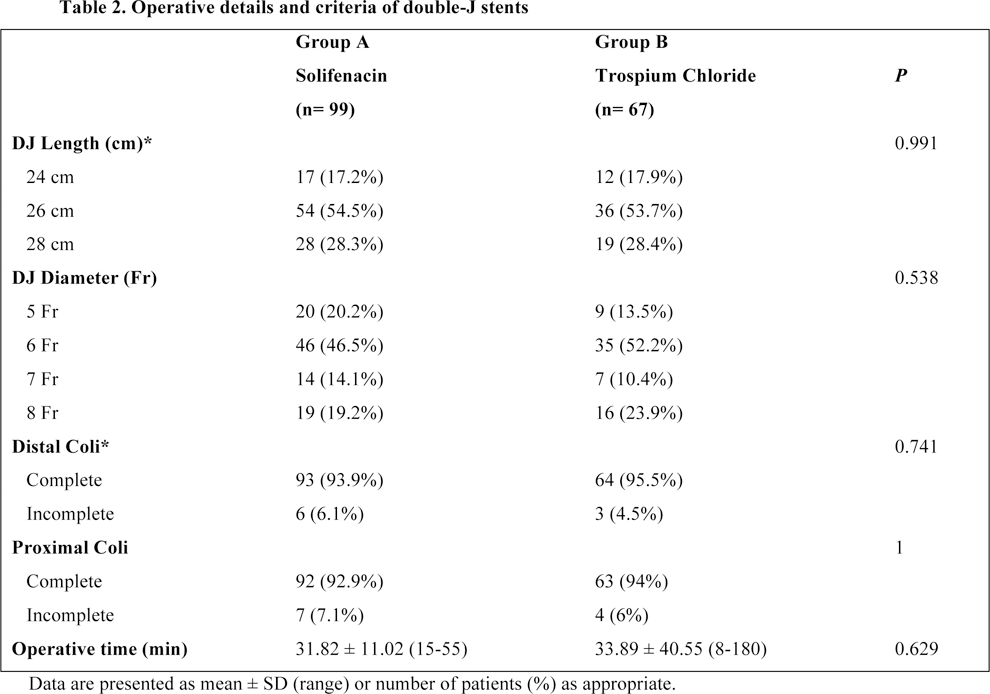

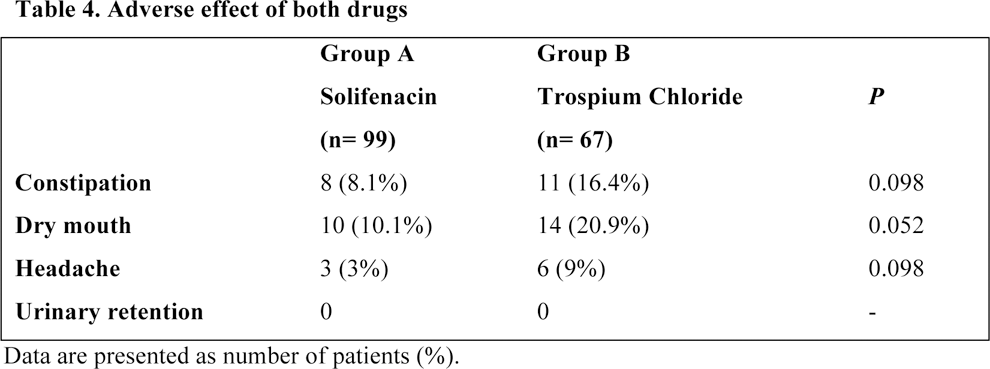
Based on the total score of lower urinary tract symptoms, the overall score (6.36 ± 1.16), urgency (0.35 ± 1.72), urge incontinence (0.06 ± 0.16), flank pain (0.85 ± 1.63), urethral pain (0.43 ± 1.16) and gross hematuria scores (0.9 ± 1.22) were significantly lower in Group A compared to Group B (p = 0.001, p < 0.001, p = 0.019, p = 0.012, p = 0.018, and p = 0.014), respectively. Concerning frequency, nocturea, and abdominal pain, there was no significant difference between mean scores of both groups.
Drug-related side effects constituting dry mouth, constipation, and headache were higher in Group B than Group A, with reported frequencies were (14, 11 and 6) in patients receiving trospium chloride.
A Survey and Comparison of the Prevalence Pain and Hematuria and Irritative Symptoms in Patients with Double-J Catheter and Without Double-J Catheter after Trans-Urethral Leitothrips
Advanced technologies today help us diagnose diseases much faster and more accurately and noninvasive treatment methods have replaced invasive methods in many cases. Percutaneous Nephro Lithotomy (PCNL) was introduced in 1976 which had some advantages compared to open surgery method, but it was still invasive. Ureteroscopy was introduced by the German doctor Castro in 1980. The early form of ureteroscopy was thick and bulky and had various side effects such as piercing theurether and causing uretheral stenosis. Modern ureteroscopes are flexible and result in less side effects and using them makes it possible to study various pathologies even in renal pelvis. Invention of stone crushers was a revolution in treatment of kidney stones all around the world.
Non-invasive methods are popular with both doctors and patients. One of the most common places for the stones to stop is distal ureter. This will result in renal colic and ureterohydronephrosis. If medical treatments fail, extracorporeal shock wave lithotripsy (ESWL) and transurethral lithotripsy (TUL) methods will be utilized. TUL is a selective method for treating middle and lower ureter stones; however it is sometimes used to treat upper ureter and renal stones. Besides the benefits of using TUL, a series of large and small scale side effects may be caused in the patients ranging from a slight hip paint and temporary hematuria to ureter piercing and infection. Some urologists recommend putting a double-j catheter inside the uterer after TUL in order to prevent ureteral stenosis and pains.
Double-j stents are used to treat ureteral stones and big renal stones in order to be assured of drainage and performance of kidneys during the treatment. Although utilizing those poses no danger, but early symptoms such as pain, irritative symptoms, hematuria, infection and even urosepsis have beenreported. Delayed side effects such as stent immigration, calcification, and forming fistula between ureter and Iliac artery have been reported various researches have reported the above mentioned side effects about 3 to 4 weeks after TUL among 15% of the patients, while 75% of the cases were reported 3 months after TUL. As urologists use double-j catheter frequently, the present research was conducted in order to study post TUL side effects in patients with and without double-j catheter. It was sought to see which group (patients with or without catheter) exhibits more side effects and if using double-j catheter is necessary for all patients afflicted with TUL.
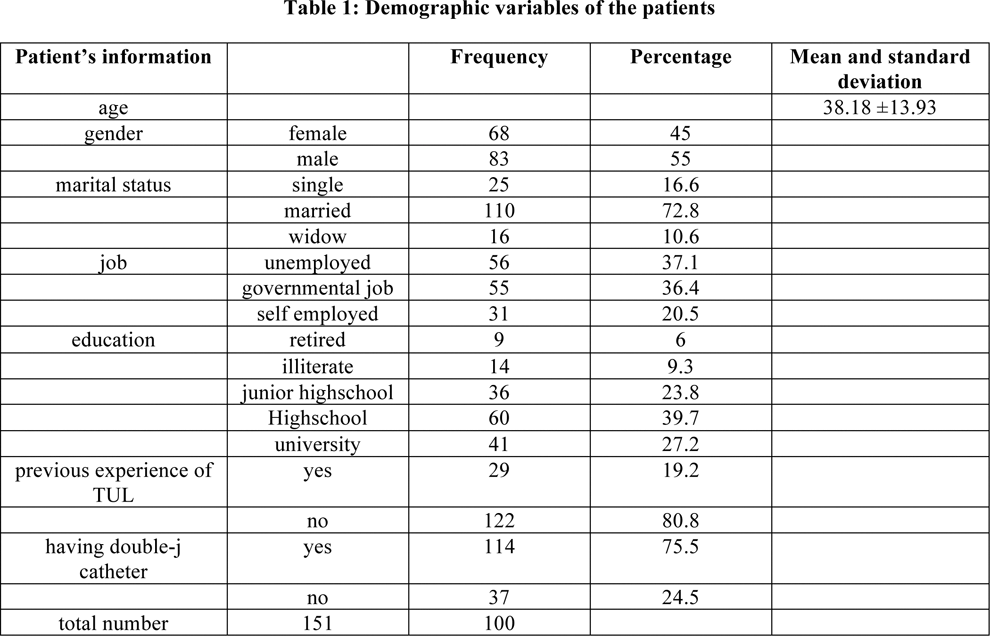

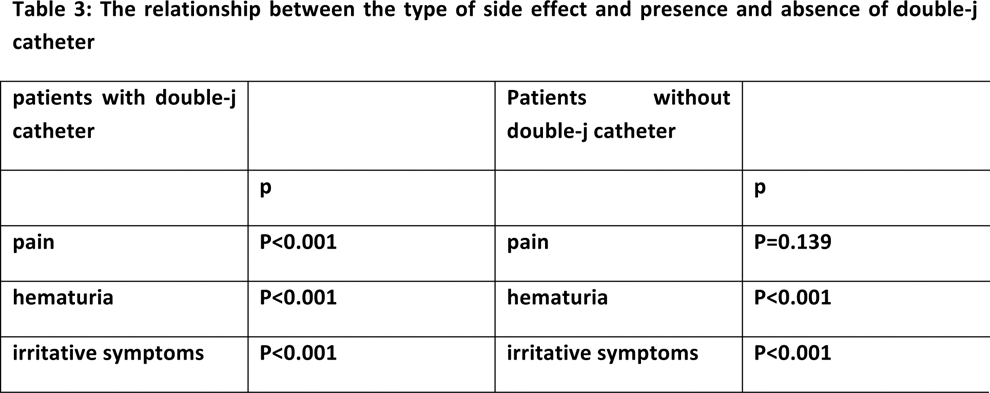
One-day ureteral catheterization following uncomplicated ureteroscopy for lower ureteric calculi: Is it really beneficial?
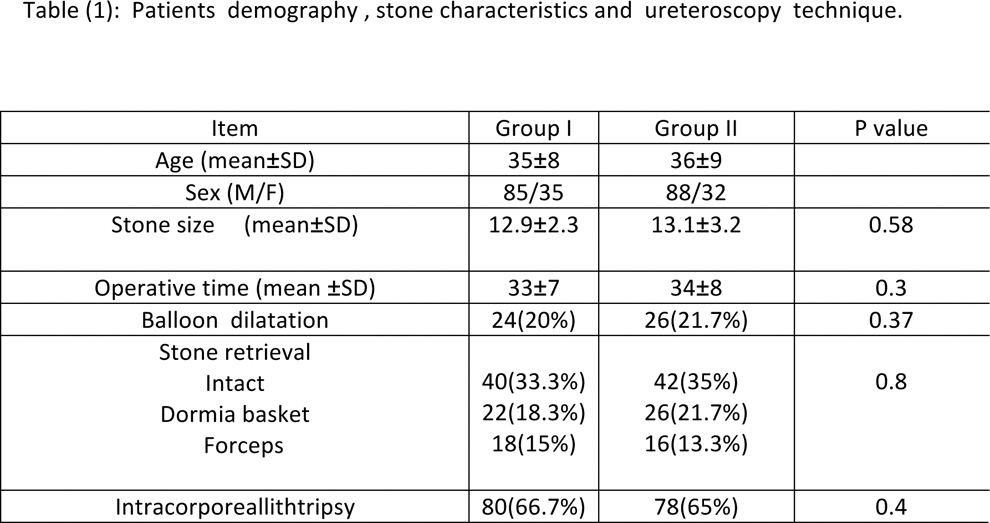
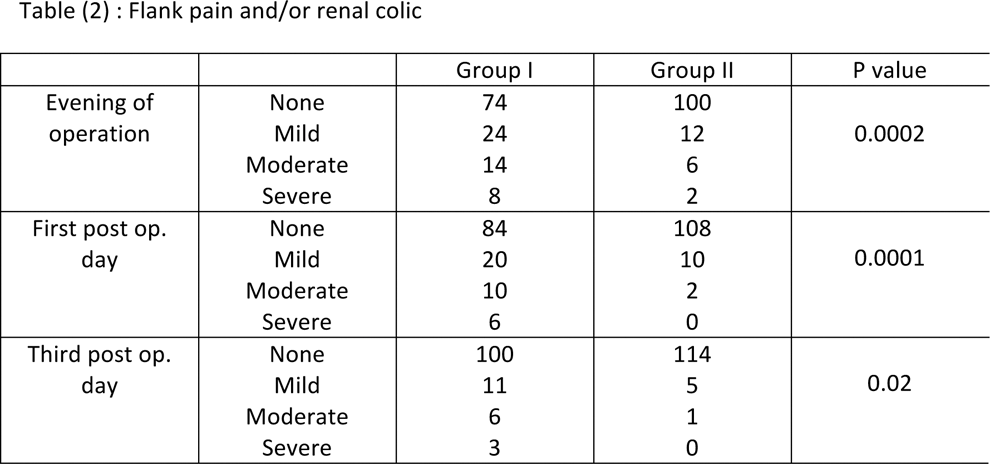
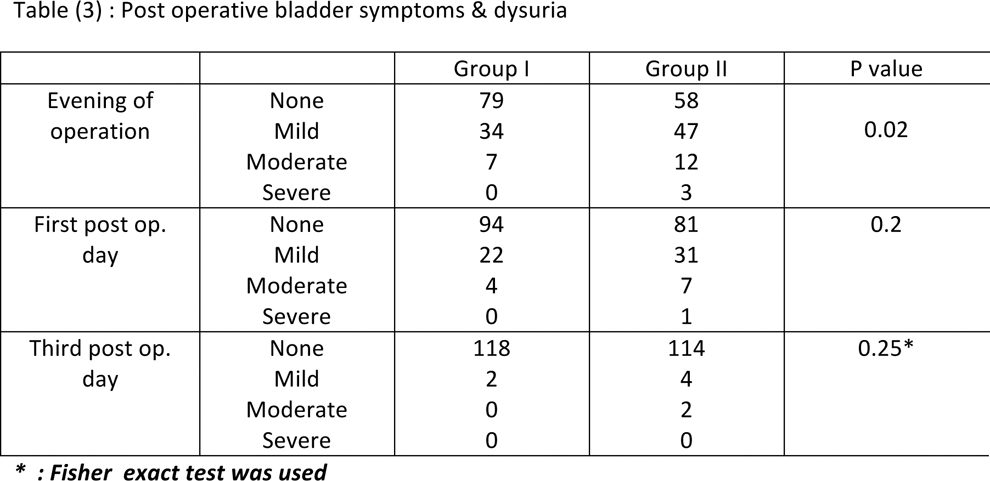
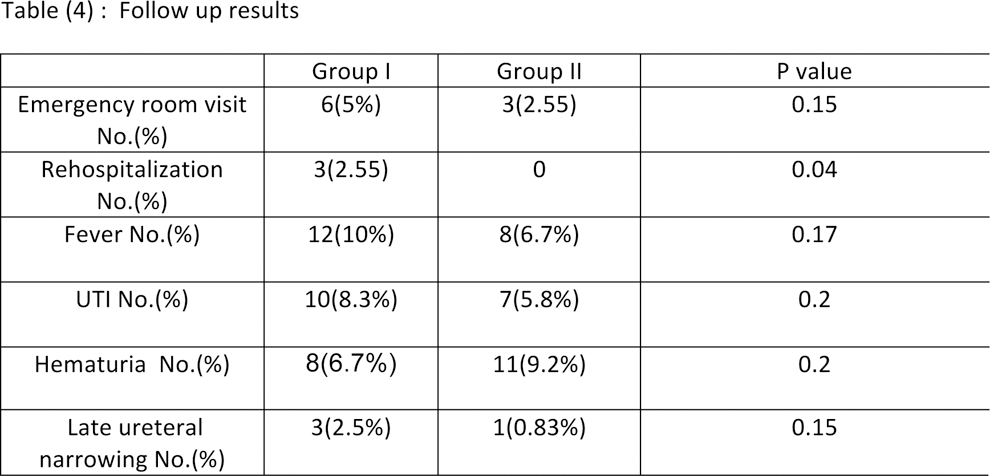
Comparison of tadalafil and tamsulosin in reliving stent related symptoms: prospective, randomized, double blind, placebo controlled study
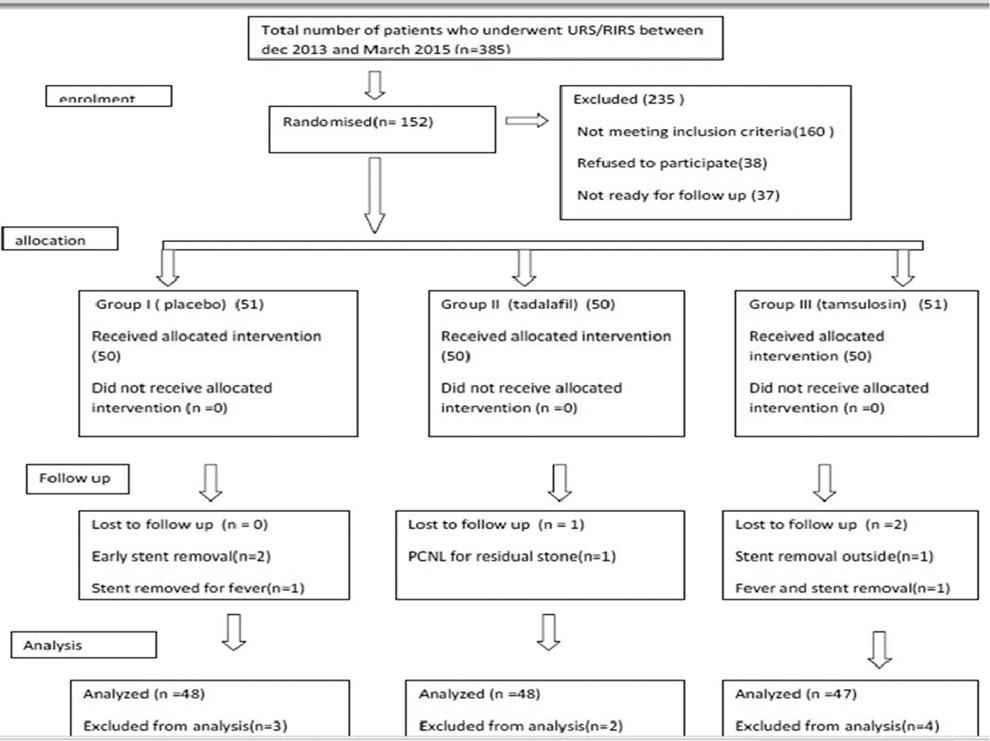
Feasibility of Ureteroscopy for nephrolithiasis With and Without a Safety Wire
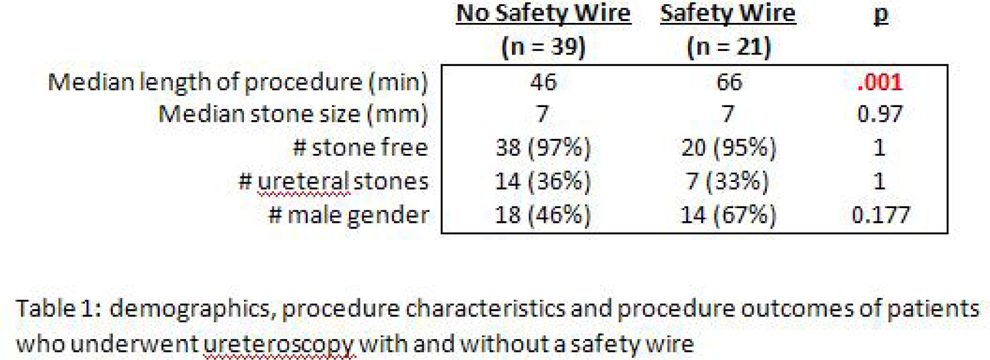
Pharmacological relaxation of the ureter in cases of renal access failure
The effect of small size ureteral access sheaths in retrograde intrarenal surgery on operating time, total radiation usage and endoscopic visibility
We aimed to investigate the effects of using UAS size 10/12 Fr. on operating time, total radiation and intra-operative endoscopic visibility.
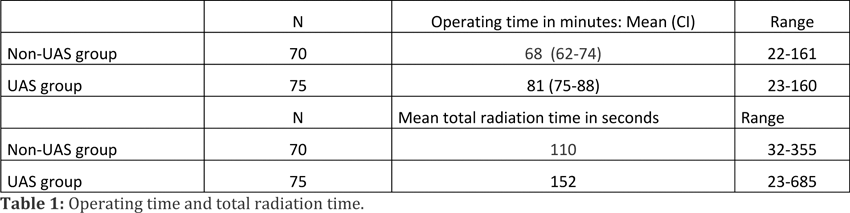
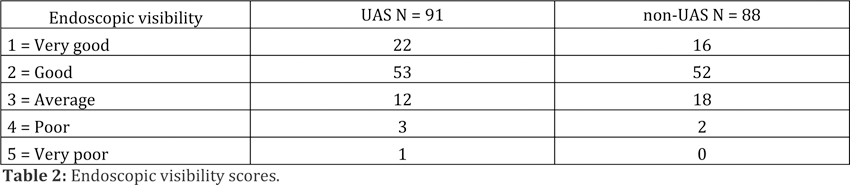
The total radiation time was significantly higher when using UAS with a mean radiation time of 110 seconds in the non-UAS group compared to 152 seconds in the UAS group (p < 0.05) (table 1).
The mean visibility score was 2.1 in the UAS group and 2.0 for the non-UAS group (p = 0.51) (table 2).
Intra-renal pressures during RA-RIRS (Robotic Assisted Retrograde Intra-renal Surgery): A critical evaluation based on ureteral access sheath (UAS) size and irrigation flow rate
Clinical significance of ureteral stent removal by flexible cystoscopy on pain and satisfaction in young male: a prospective randomised control trial

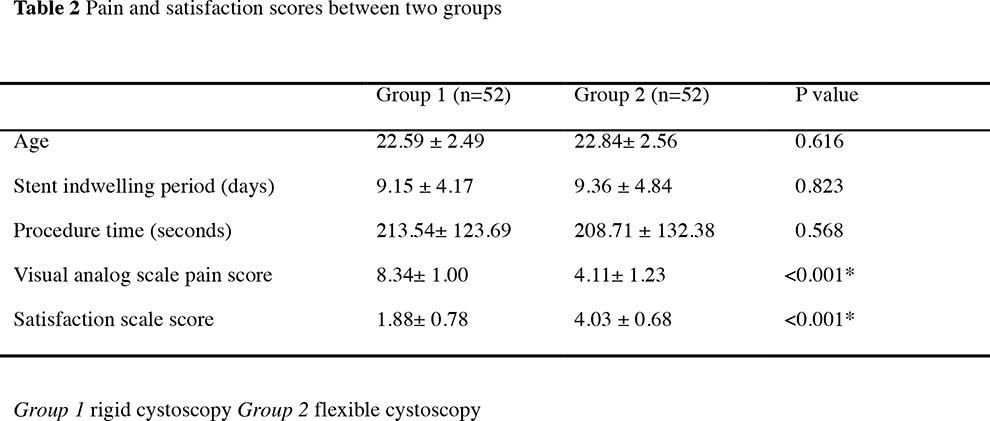
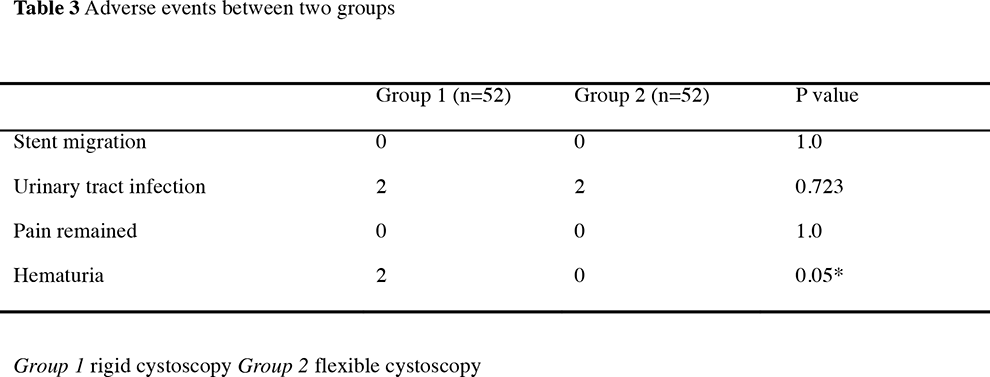
Evaluation of ureteral wall injury due to ureteral access sheath insertion during flexible ureteroscopy
A physical model of pressure changes during flexible ureteroscopy

“Optical Dilation” of the Ureter for Reliable and Safe Access to the Upper Urinary Tract
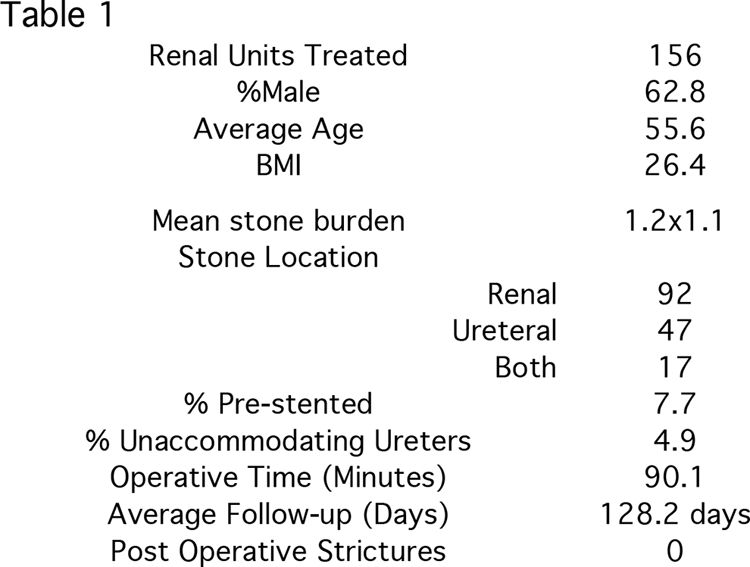
Silicon double-J stenting for ureteric calculi in pregnancy: it's safety and efficacy

External lower abdominal pressure to aid semirigid ureteroscopy in the proximal ureter: Opinion of modern era endourologists, is it safe and effective?
Out-Patient Based Flexiscope-Assisted Insertion of Ureteric Stents – The Groote Schuur Experience
Does it pass through the sheath? A fast empirical method of sizing the stone fragments during laser lithotripsy in digital flexible ureterorenoscopy
When a 12/14 Fr sheath is used, the fragment size must not be larger then 2/3 of the screen image in order to easily pass through the sheath.
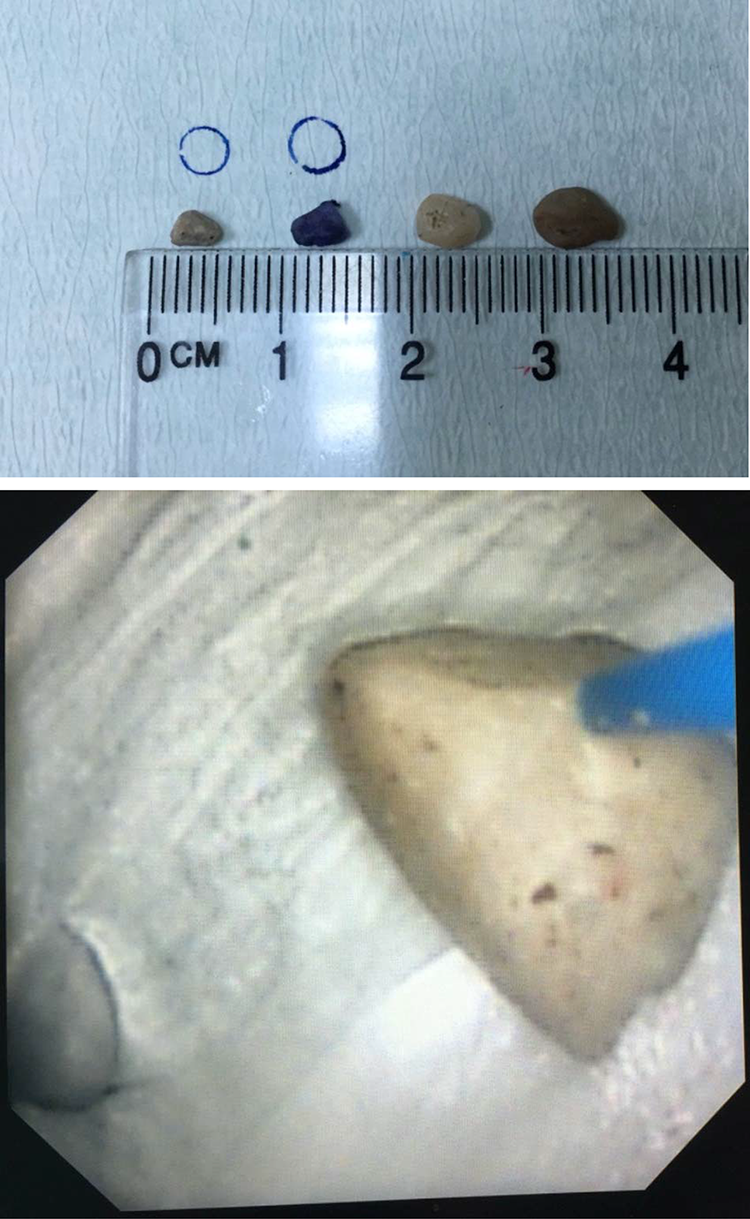

Is ureteral stent required after use of ureteral access sheath in prestented patients who undergo flexible ureteroscopy for kidney and ureteral stone management?
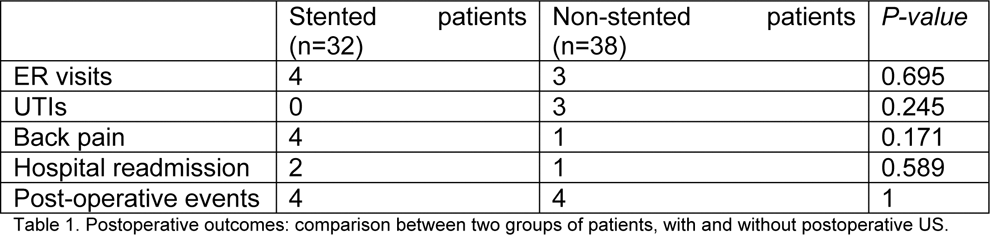
MP 42: URS Outcomes (iii)
Symptomatic Subcapsular Renal Hematoma After Ureteroscopy With Laser Lithotripsy: Initial Experience, Systematic Review, And Meta-Analysis
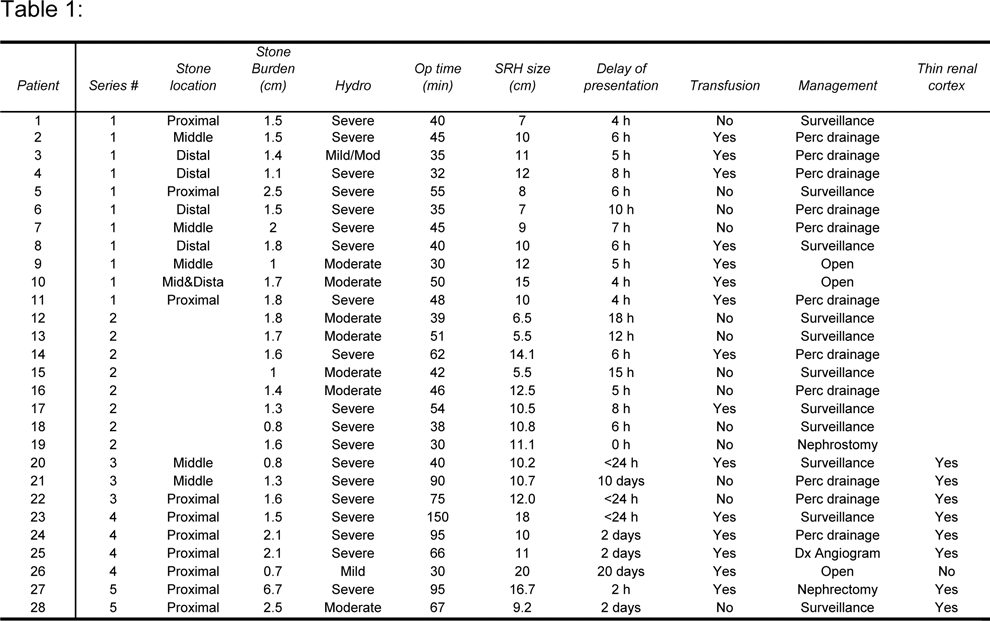
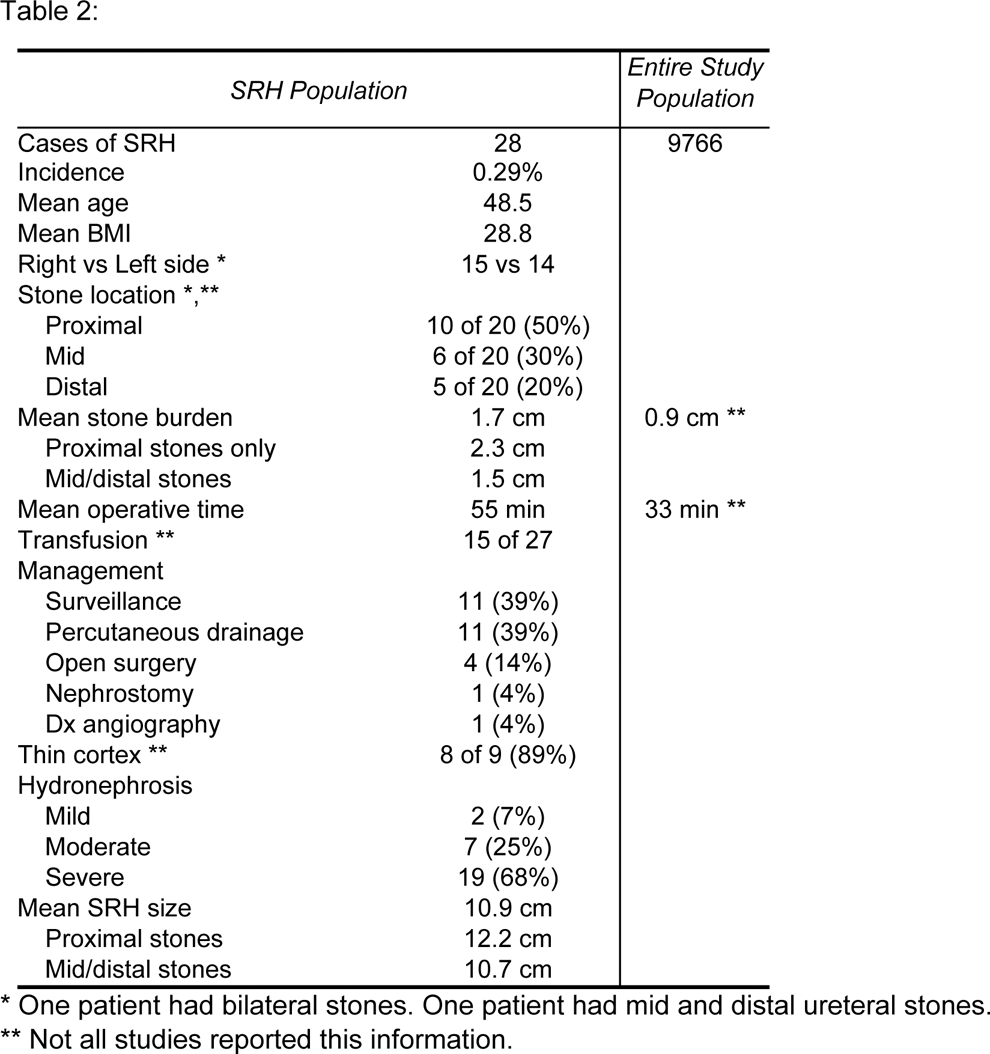
Flexible retrograde ureteroscopy and Ho:YAG lithotripsy in patients with renal stone associated with kidney abnormalities
The influence of BMI on Outcomes in Ureteroscopy: Results From the Clinical Research Office of Endourological Society Ureteroscopy Global Study
Preliminary Radiation Dose Evaluation of Patient and Medical Professionals in Robotic Assisted Retrograde Intra-Renal Surgery with Roboflex Avicenna
Combined Robotic Flexible Ureterorenoscopy and Mini Percutaneous Lithotripsy in Supine Position
Is retrograde intrarenal surgery a viable treatment option for renal stones in patients with transplant kidney?
Body Mass Index Can Be Affect The Succession Rate Of Flexible Urs


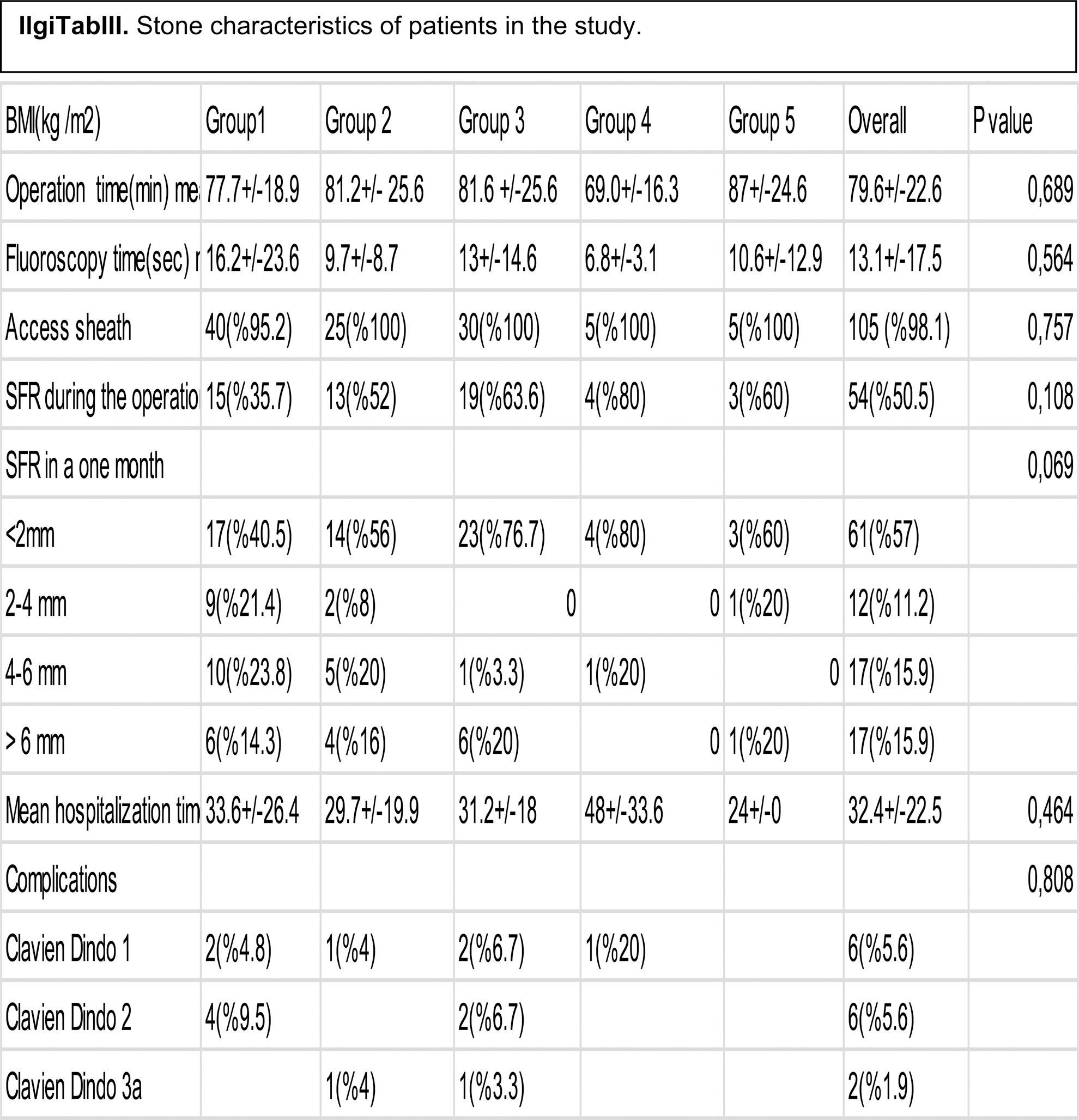
Clinical factors associated with ipsilateral hydronephrosis after ureteroscopic lithotripsy
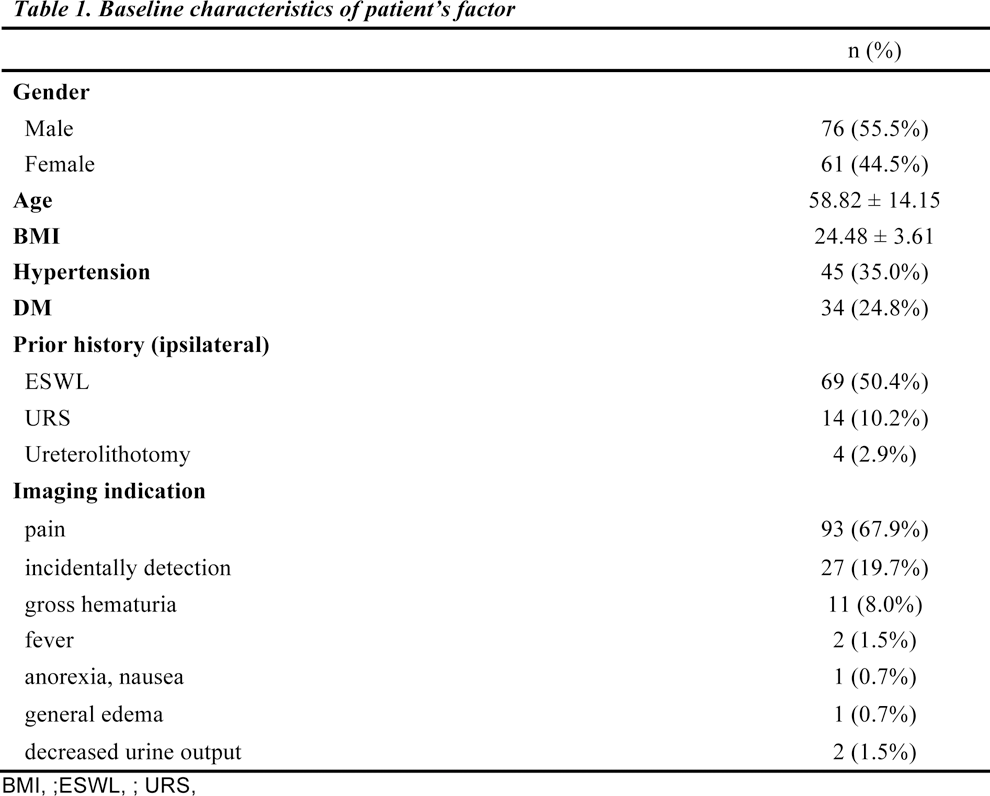
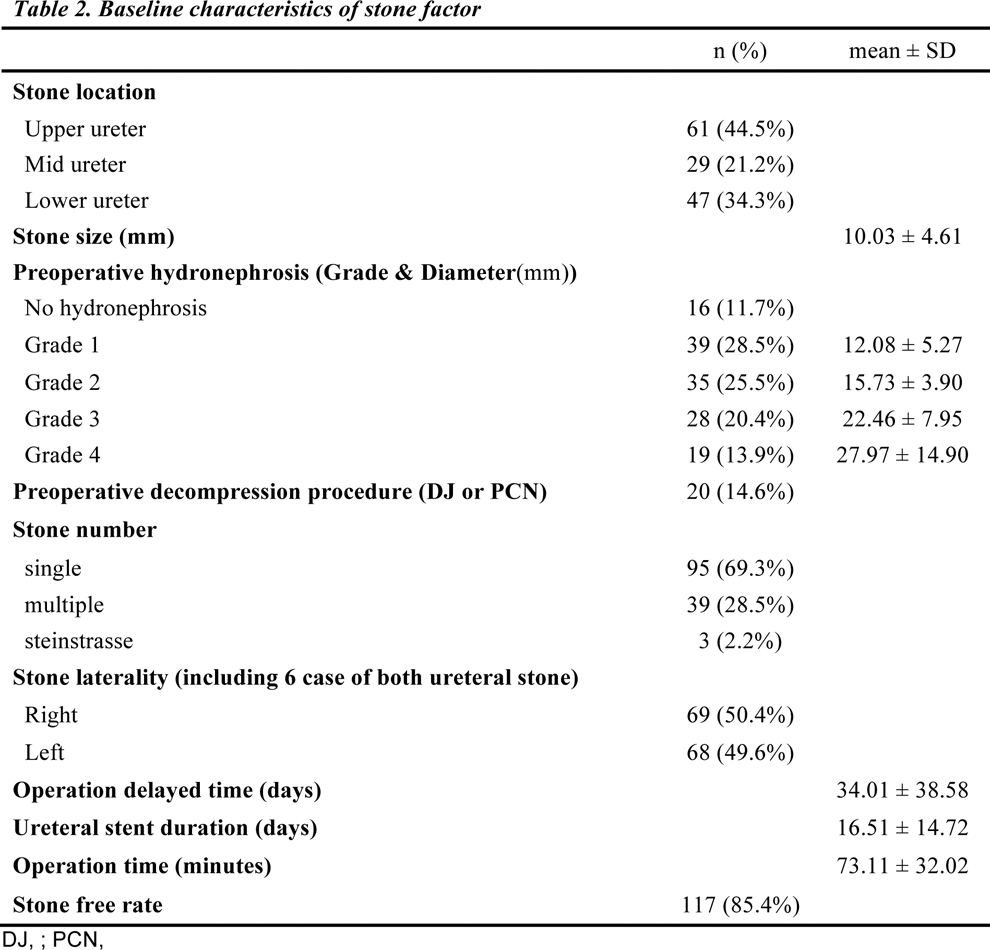
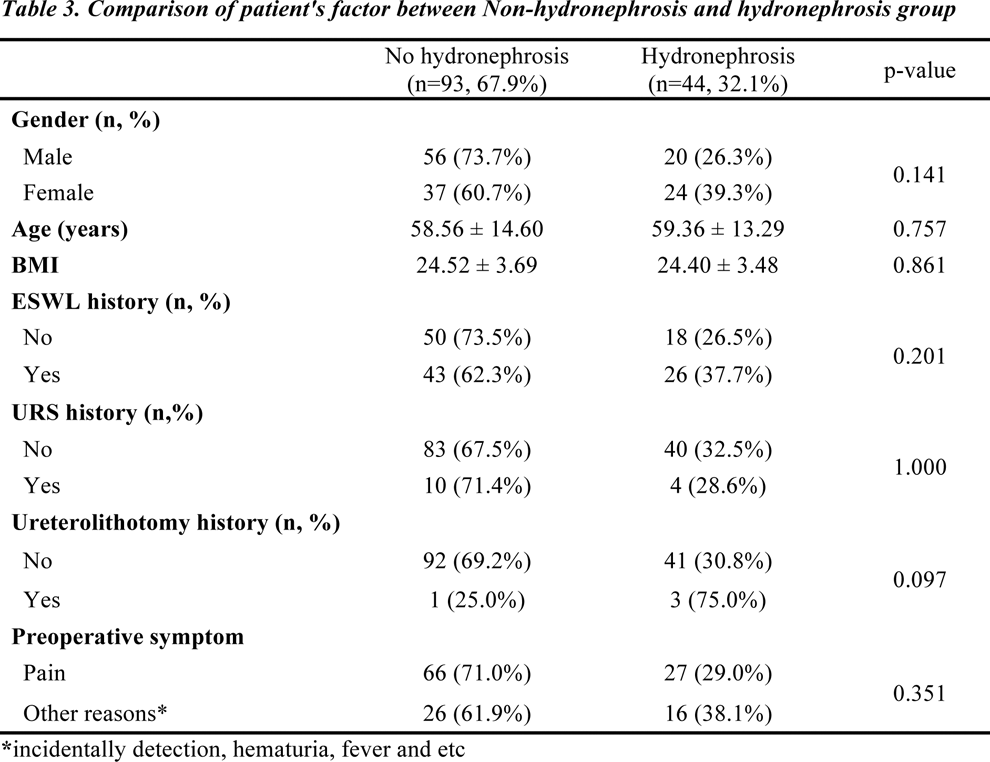
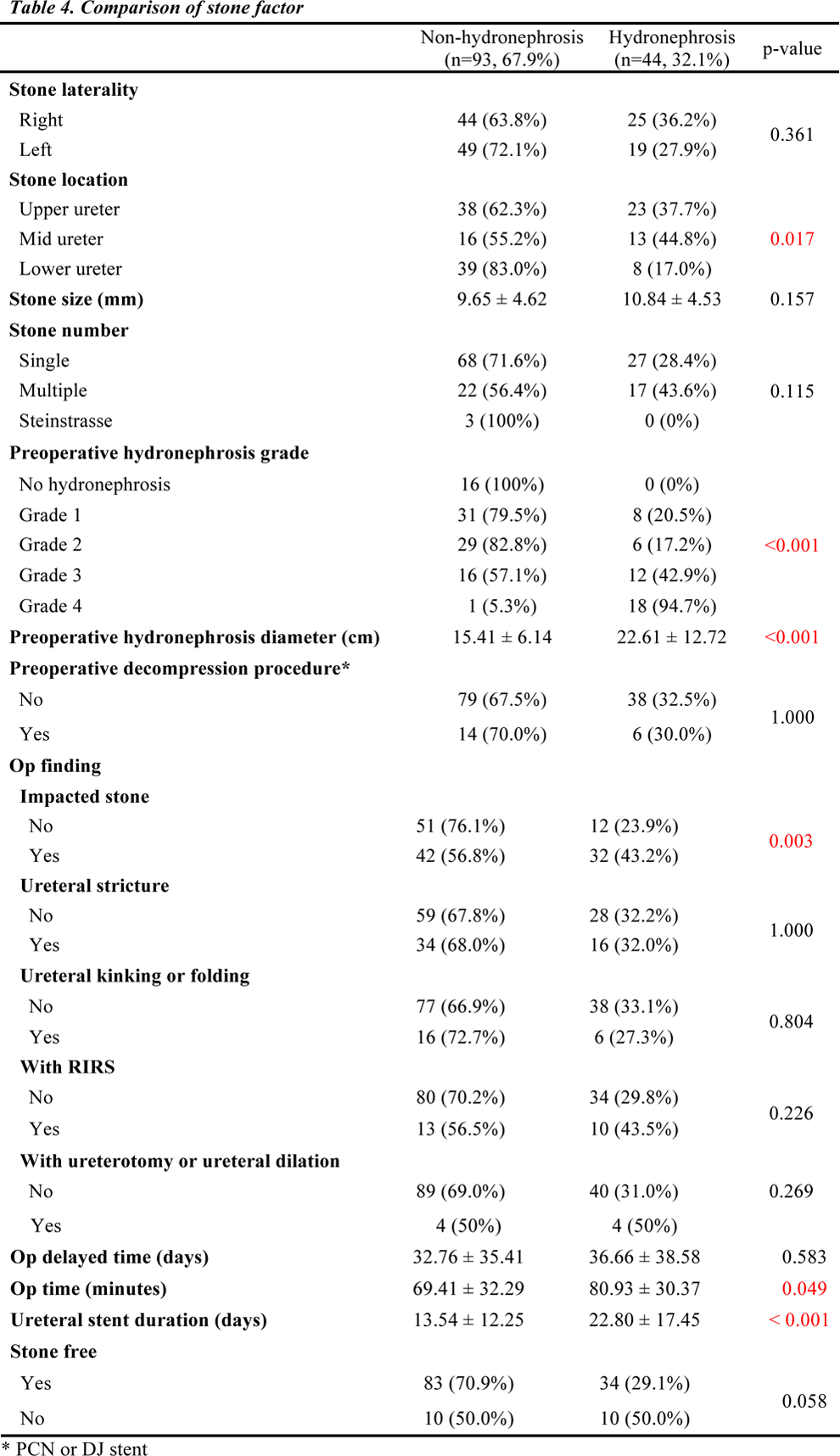
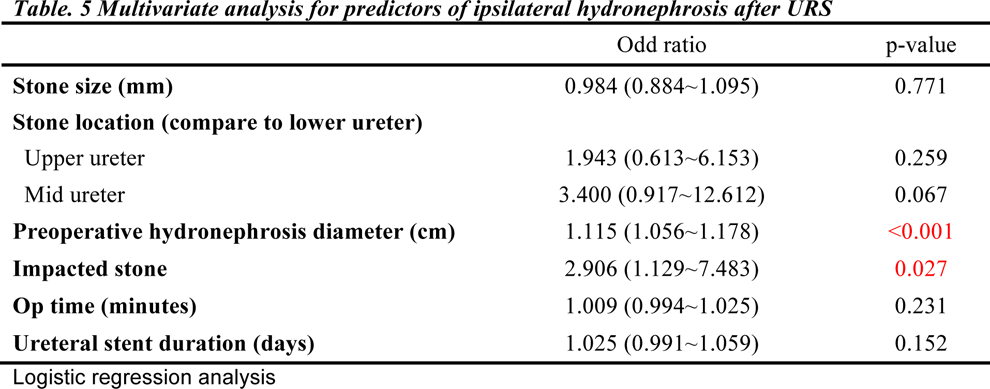
Flexible Ureterolithotripsy Experience In Triple System (Supernumerary) Horshoe Kidney Patient
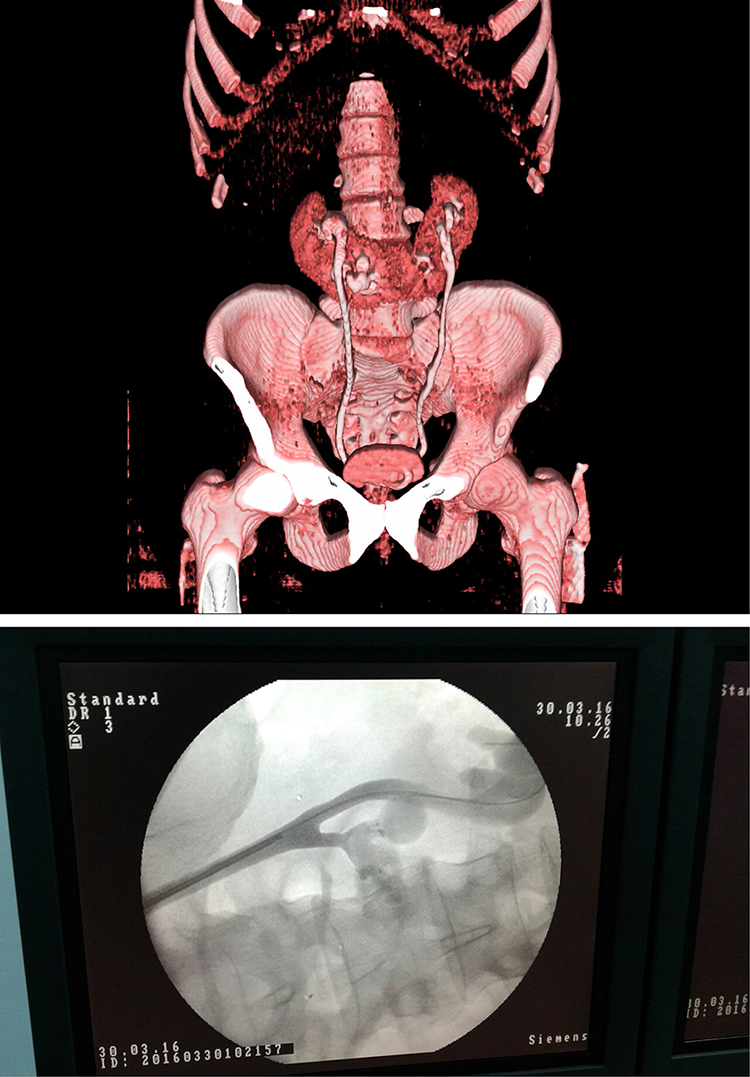


Definitive Ureteral Stone Treatment Score Predicts Stone Free Rates in Emergency Ureteroscopy for Ureterolithiasis: A Multi-Institution Report
A Prospective Comparison between Shockwave Lithotripsy and Flexible Ureterorenoscopy for upper ureteric stones less than 1.5cm:A single Center Experience
Effect of Early Retrograde Intrarenal Surgery After Preoperative Ureteral Stenting for Renal Stone
Management of Large Renal Stones (>4000 mm3) with Avicenna Roboflex Robotic Assisted Retrograde Intra-Renal Surgery (RA-RIRS) : A Critical Volume Based Evaluation
Comparison of Treatment of Large Proximal Ureteral Stones: Laparoscopic Ureterolithotomy Versus Percutaneous Nephrolithotomy Versus Ureteroscopic Lithotripsy


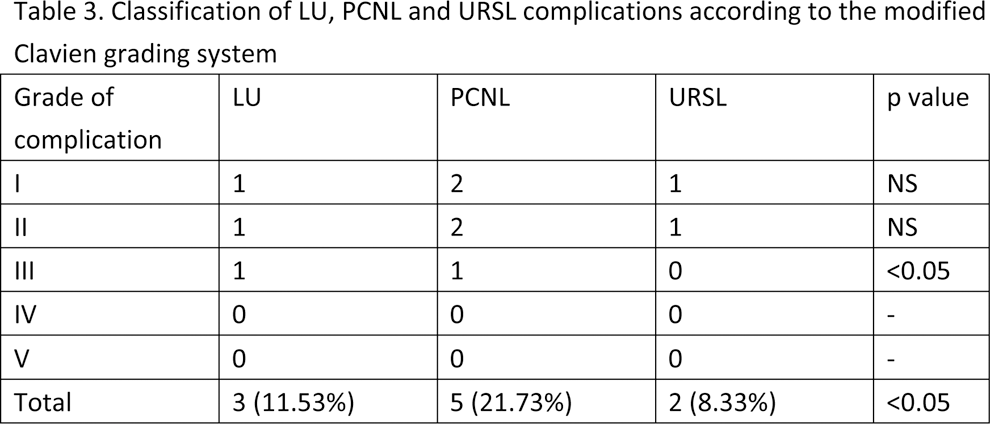
Ex Vivo Ureteroscopy in Deceased Donor Transplant Kidneys
A prospective, observational study on the feasibility of performing a single-session endoscopic combined intrarenal surgery for renal stones and retrograde intrarenal surgery for contralateral renal stones: initial experiences
A Novel approach - Antegrade Irrigation Technique to Facilitate Ureteroscopy for huge Ureteral Stone burden
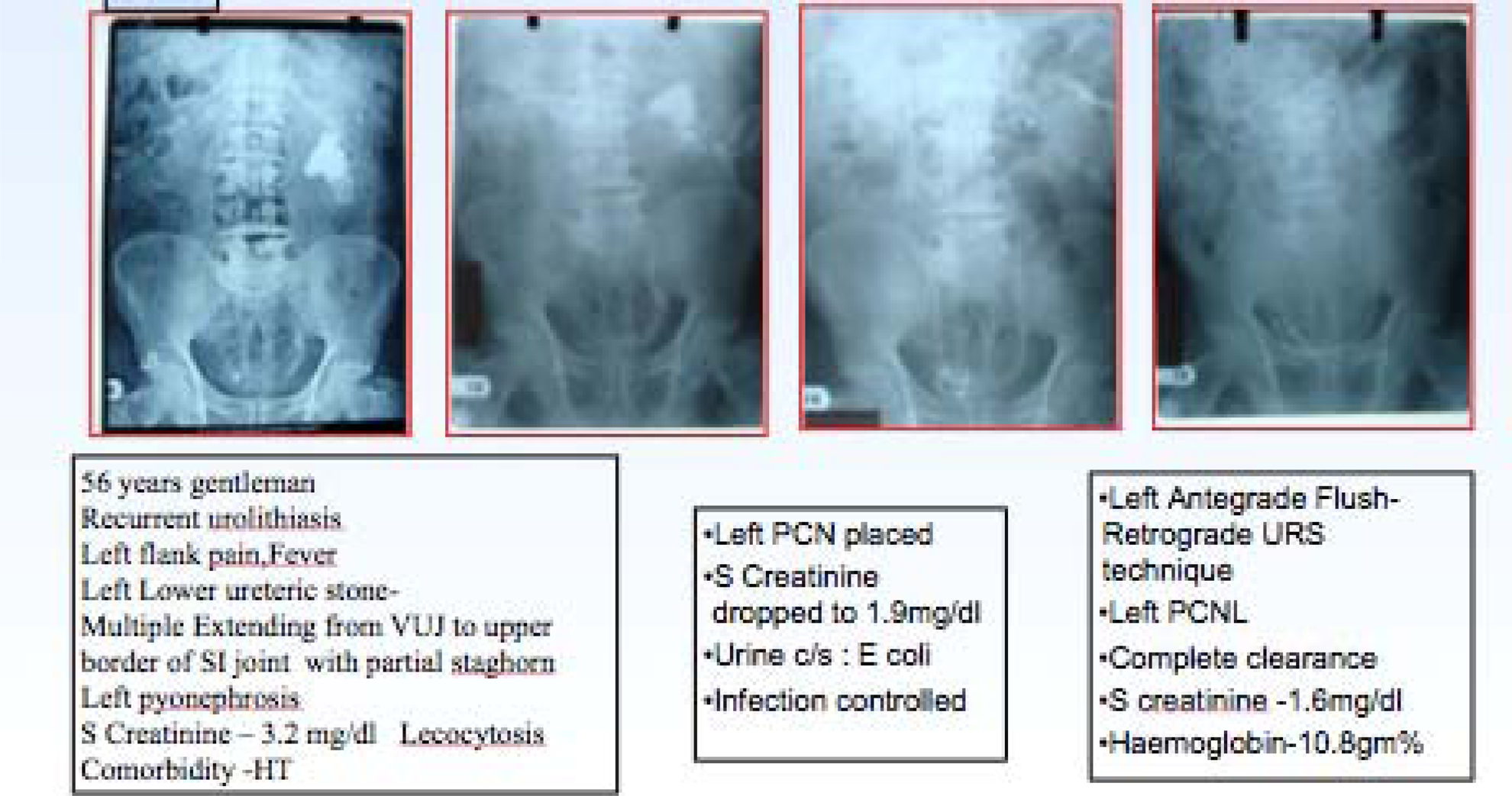
Fluoroless ureteroscopy: a single center experience
Costeffective RIRS-Extrarenal Manipulation to Facilitate Retrograde Intrarenal Surgery (RIRS) with Semirigid Ureteroscope and Pneumatic Lithotripter : Novel Techniques
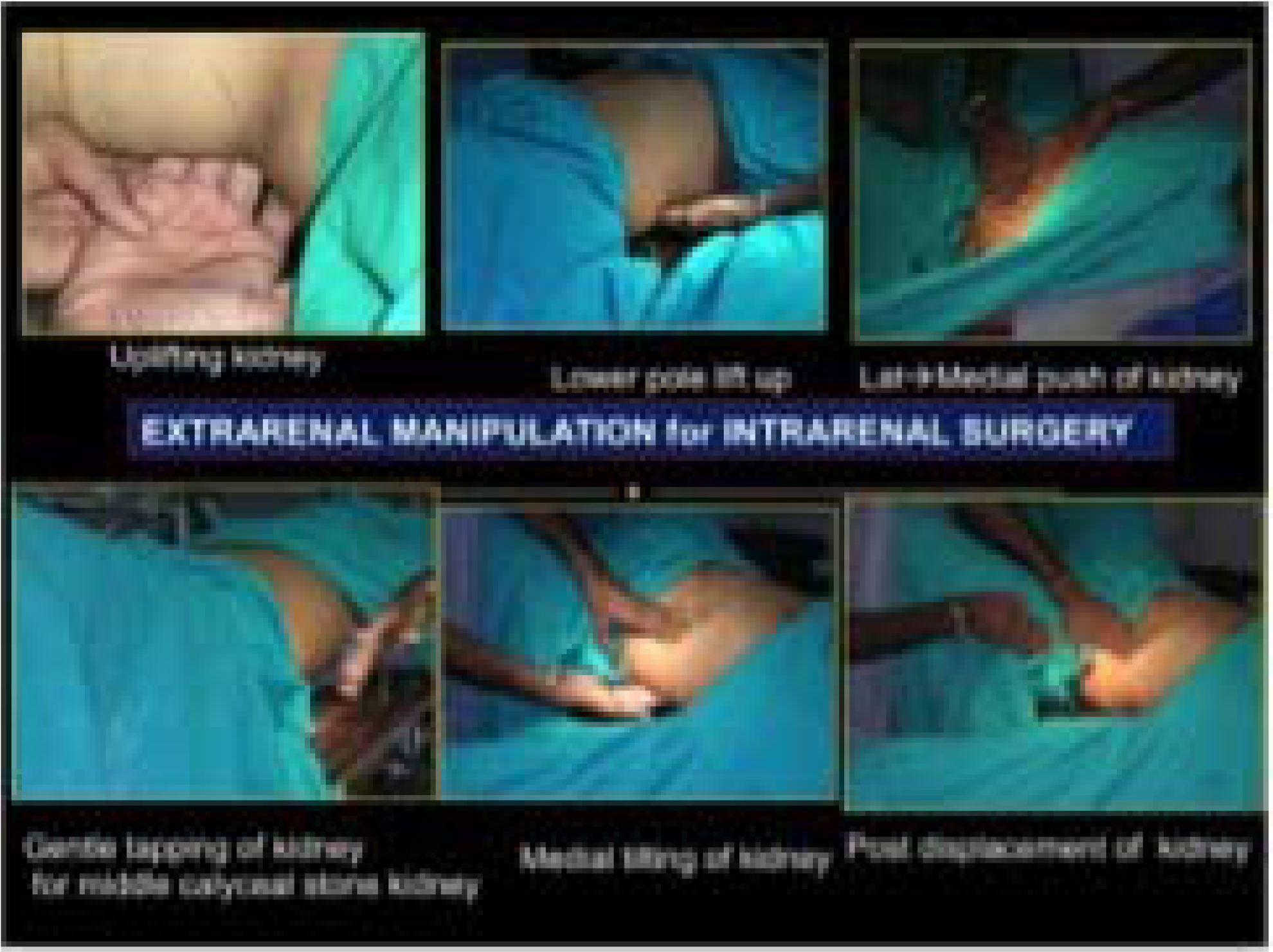
Role of Ureteroscopic Pneumatic Lithotripsy in the Current Management of Upper Ureteral Calculi
Holmium YAG Laser for the treatment of impacted ureteral stones- SIUT Experience
Semi-rigid ureteroscopic lithotripsy versus laparoscopic ureterolithotomy for large upper ureteral stones: a meta-analysis of randomized controlled trials
MP43: PCNL: Technique and Outcomes
Percutaneous Management of Calyceal Diverticula: Associated Factors and Outcomes
The Effect of Continued Aspirin Therapy in Patients Undergoing PCNL
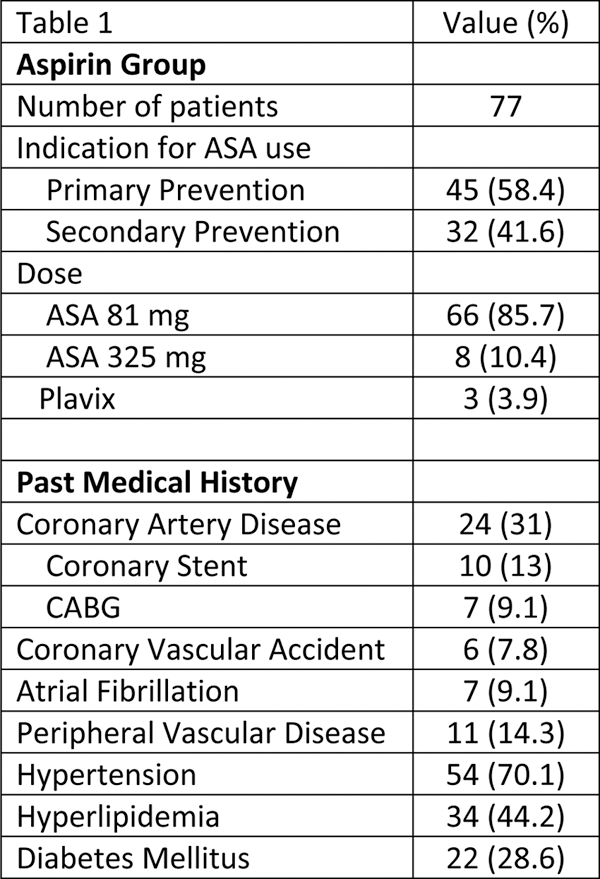
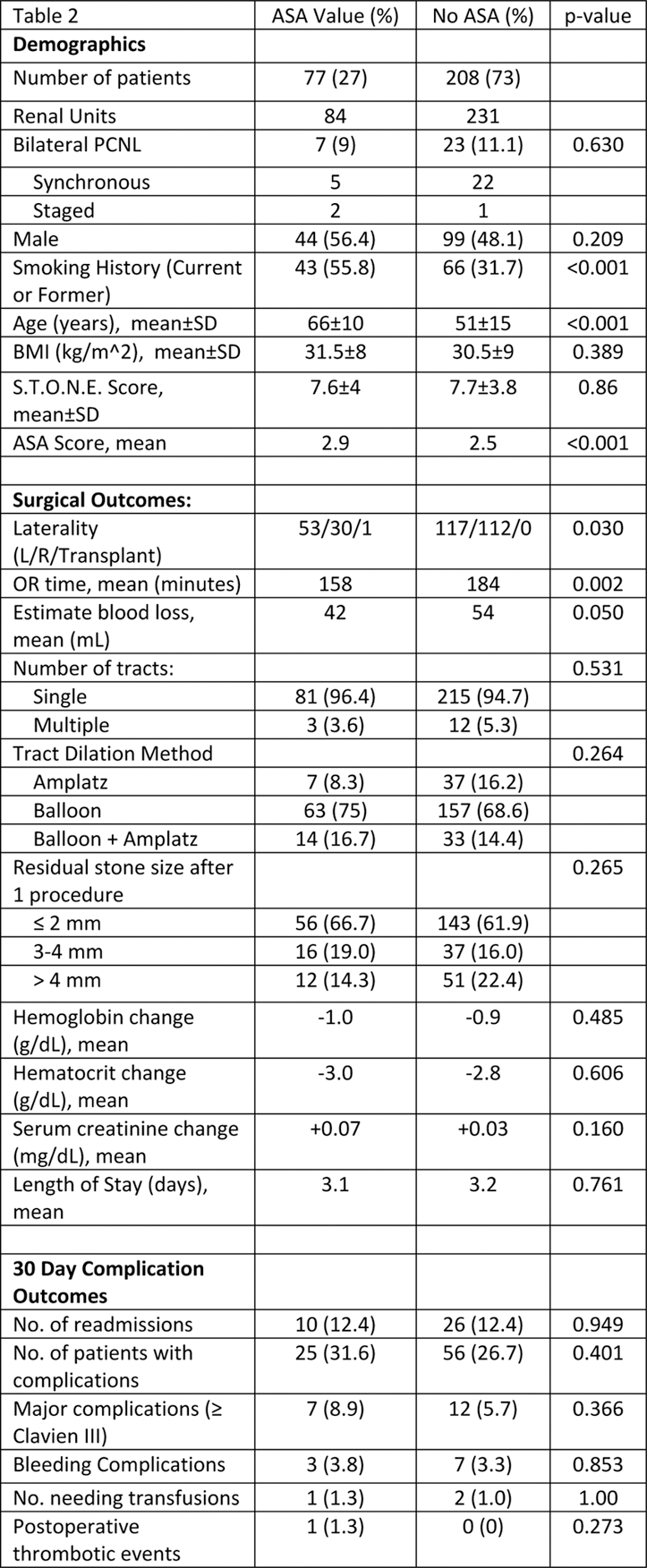
Transient cessation of antiplatelet medication before percutaneous stone surgery: does it have any safety concern on bleeding related problems?
Prospective Evaluation of the Safety and Efficacy of Spinal Anesthesia vs. General Anesthesia for Percutaneous Nephrolithotomy (PCNL)


Implementation of Extra Small Percutaneous Nephrolithotomy for Large Volume (>2 cm) Multiple Renal Calculi: A Prospective Analysis of Safety, Efficacy and Feasibility
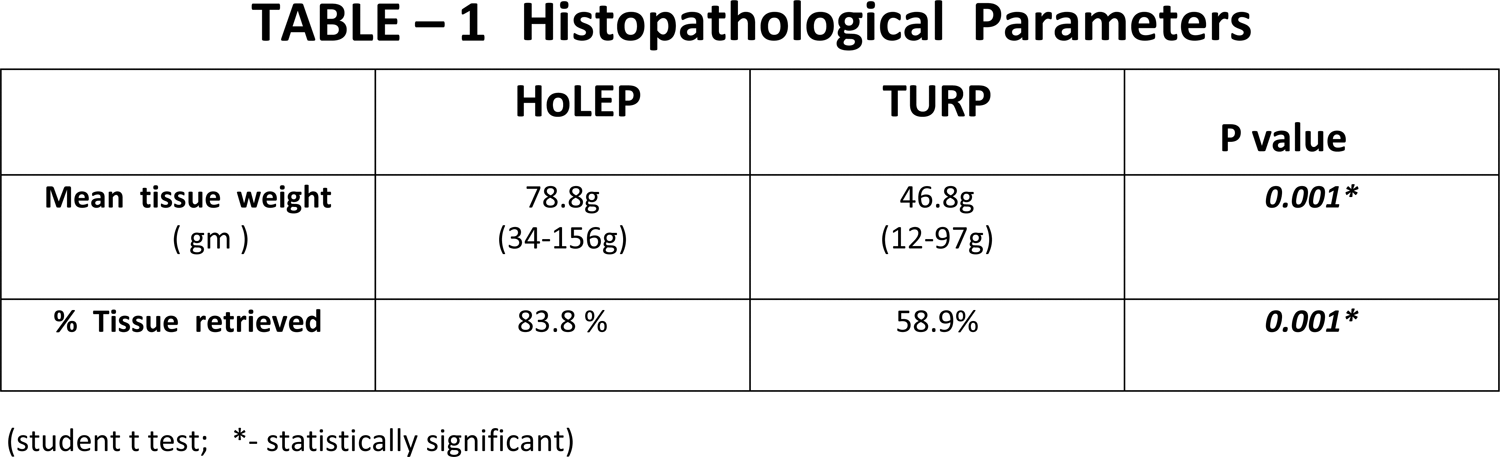

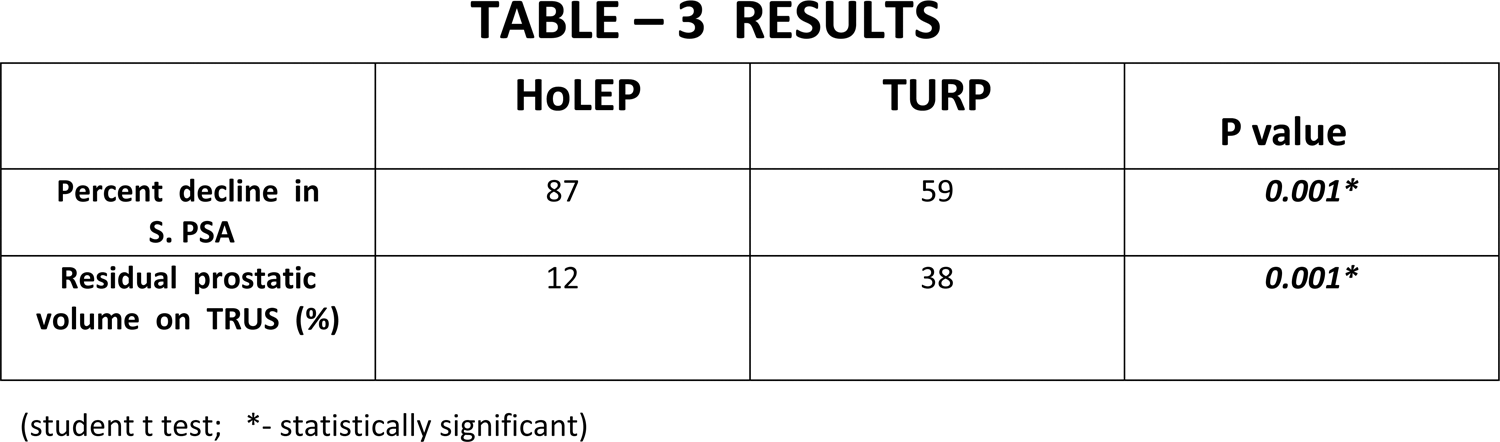
Failure of initial angiographic management for post renal intervention severe bleeding: Risk factors & practical guideline

Percutaneous stone-wash technique for large bulk complex stones comparing with piece-by-piece removal
•Efficacy and benefits of‘stone-wash’ technique for heavy or complex renal stone bulk removal and •comparing it with piece-by-piece removal of staghorn stone through percutaneous surgery.
•During the period of February 1993 and Dec. 2010, 2600 patients with staghorn or large stone bulk complex stones were treated. 2400 were treated with stone-wash technique •Mostly the patients were treated under local anaesthesia with complementary sedation (56%). •Multiple channels were created to wash the broken fragments out. •Stones of any consistency were crushed and removed using rigid nephroscope with percutaneous technique alone.
•Overall time span of operation was significantly reduced. •Complications faced were same as mentioned in literature consisting of infection, haemorrhage, pleural injury in high intercostal approach and abdominal visceral involvement and those were dealt with accordingly. •Infection ratio being the maximum (180 patients, 7.5%) while haemorrhage was counted as severe complication {transfusion 75 (3.1%), nephrectomy 1 (0.04%)}. •Insignificant radiolucent residual fragments of 3–4 mm were observed in 24 (1%) cases while one piece of >10 mm was left inside in an already twice operated lower calyx stone in a solitary kidney.
•Stone-wash technique was found to be effective in large, staghorn and complex stone patients compared with mostly used piece-by-piece technique. •Complications of general anaesthesia can be avoided if local anaesthesia can be used. •Time of operation, number of sessions and cost of surgery can be reduced causing less discomfort to the patient. •PCNL alone is a reliable method for heavy bulk and complex kidney stone removal using this technique.
Impacted Upper Ureteric (UU) calculi- which is better Antegrade Percutaneous Ureterolithotomy (PCUL) or Laparoscopic Ureterolithotomy (LU)?
Staghorn Calculus and ipsilateral flank (incisional) hernia: another indication for Mini-PCNL?
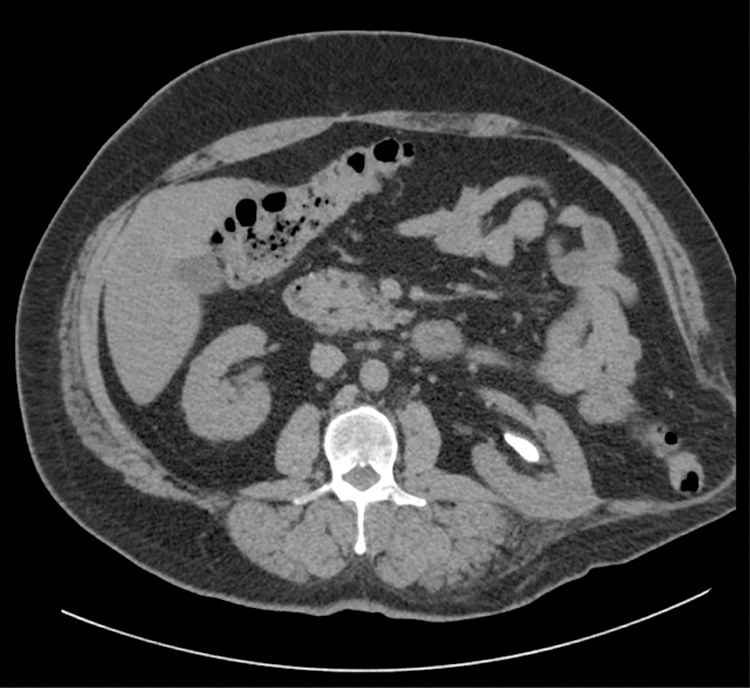
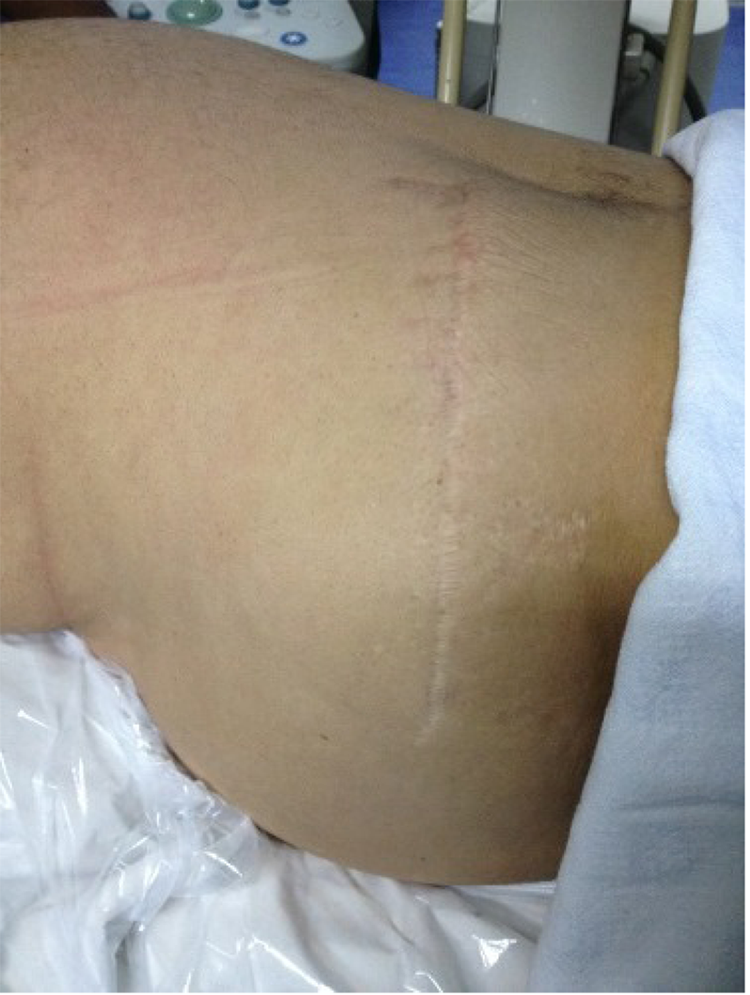
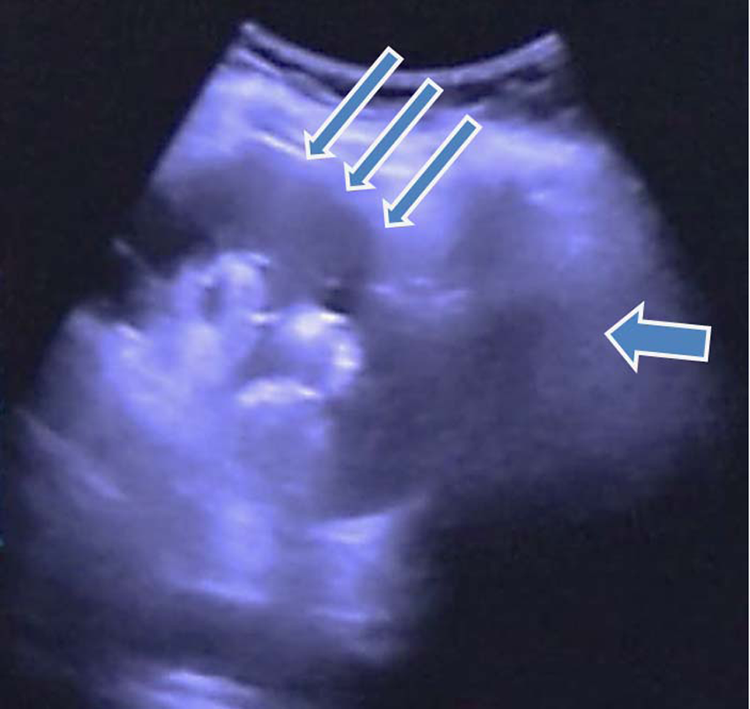
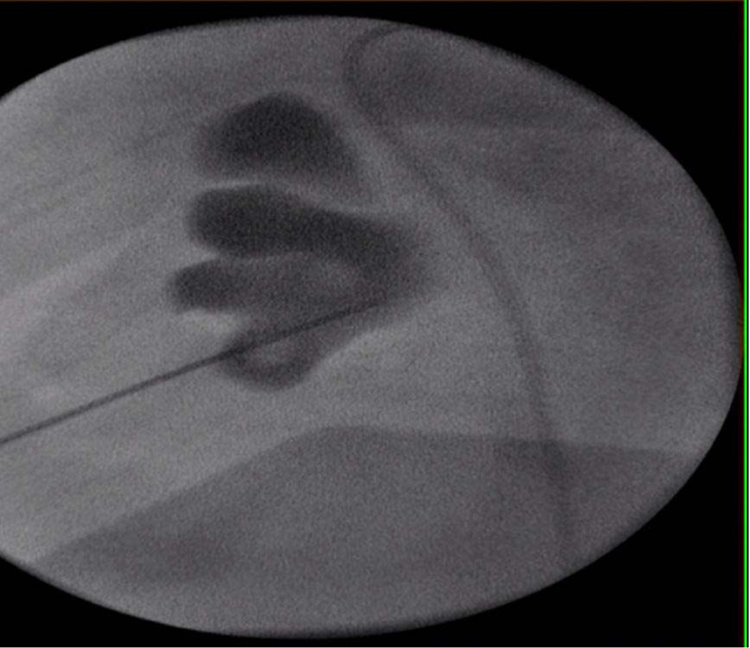
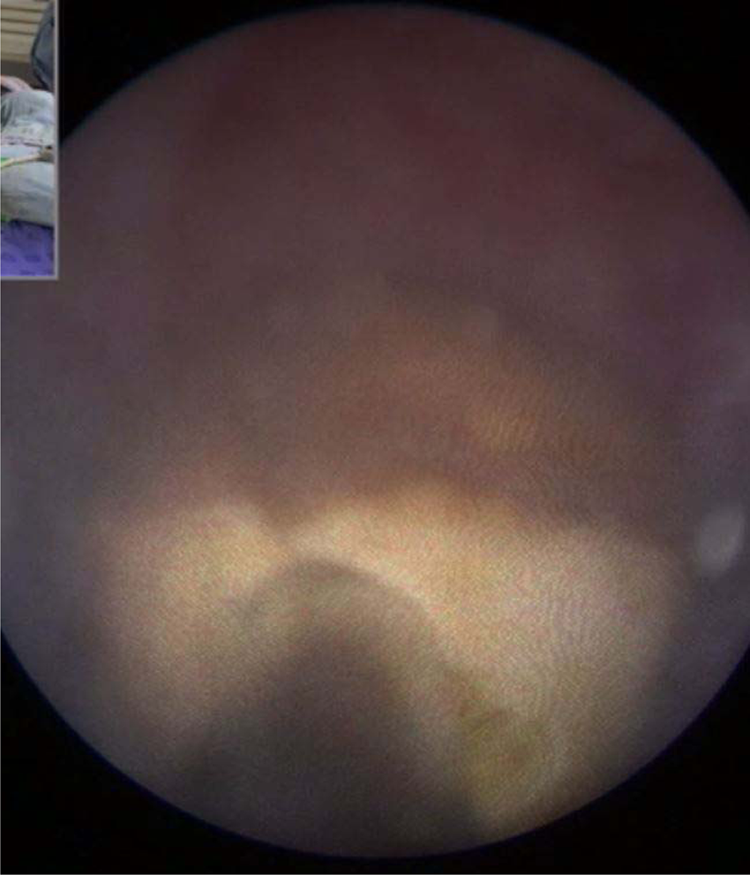
Surgeon's estimation of stone-free status after PCNL- a prospective study
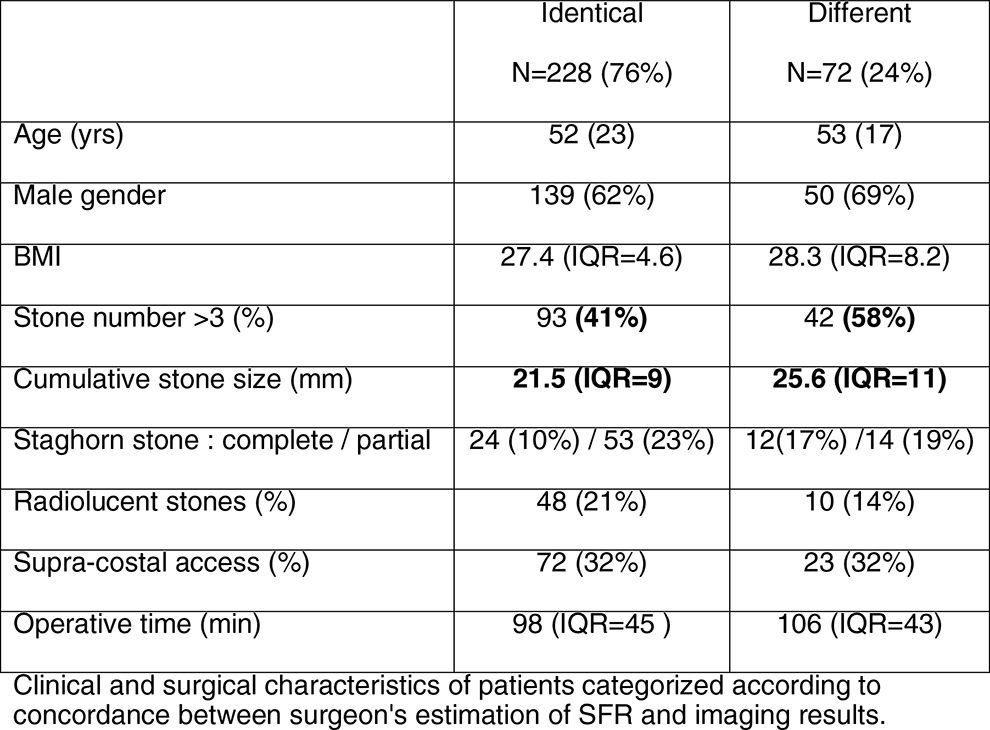
Reducing PCNL tract size in the UK - is smaller better? Results from a National registry
Effects of Continuous Peritubal Local Anesthetic Instillation on Postoperative Pain After Percutaneous Nephrolithotomy: A Prospective, Randomized Three-Arm Study
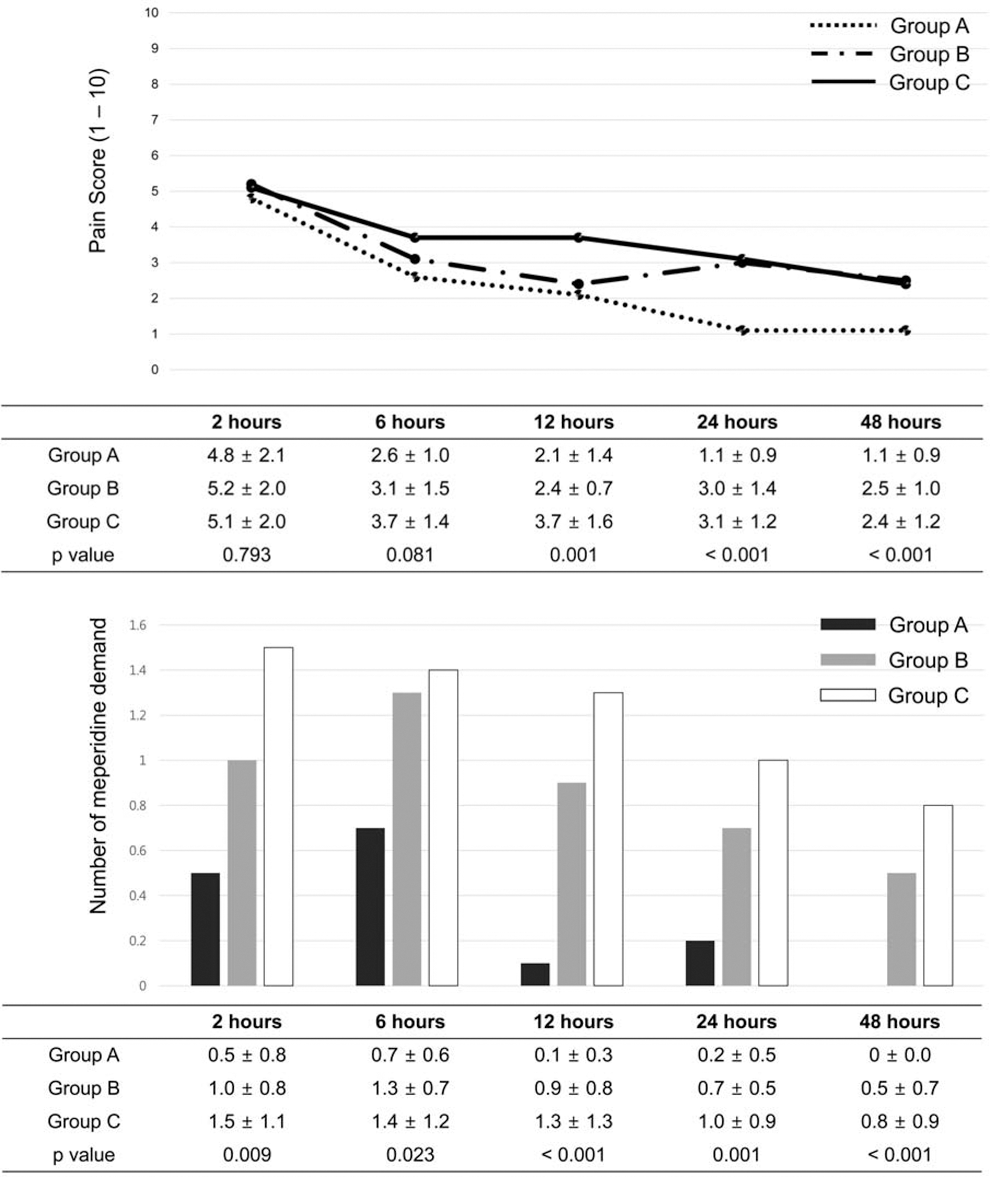

Is there any rationale of preferring ultraminiperc (MIP S) over miniperc(MIP M)? Prospective randomized study
Is reentry catheter still needed after percutaneous nephrolithotomy
Does preoperative percutaneous nephrostomy (PCN) prior to percutaneous nephrolithotomy (PCNL) reduce febrile complications?
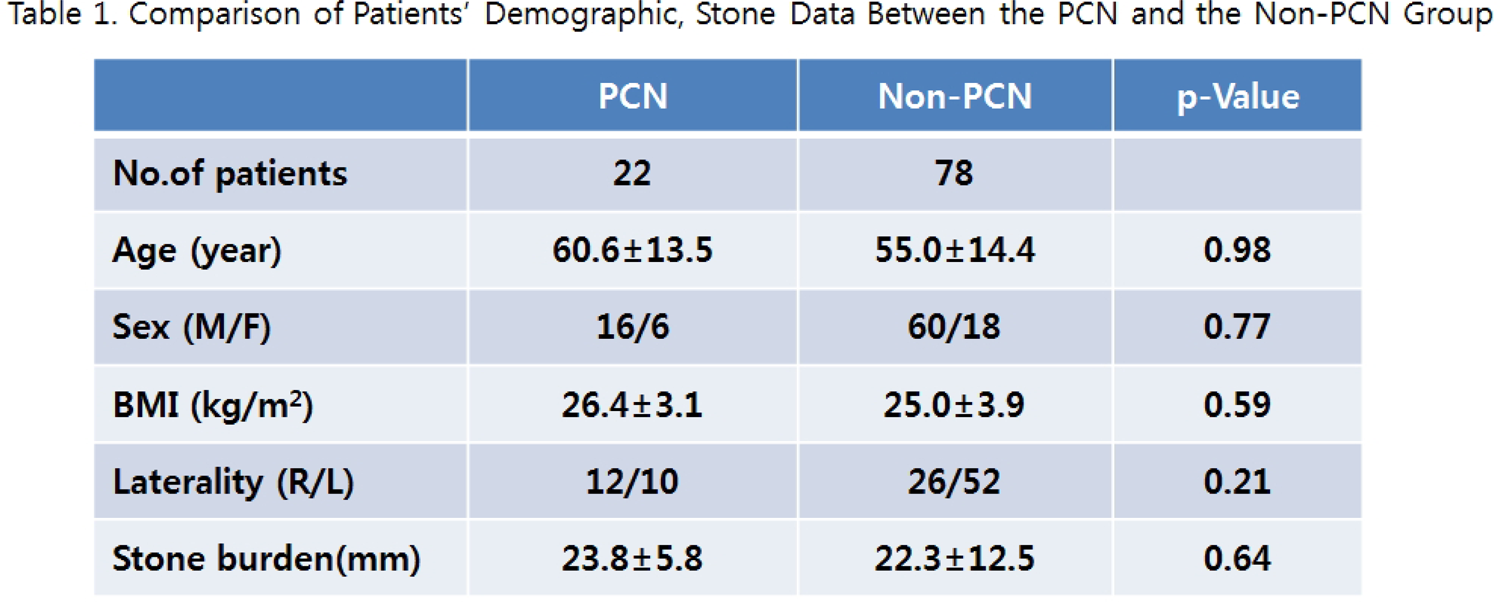
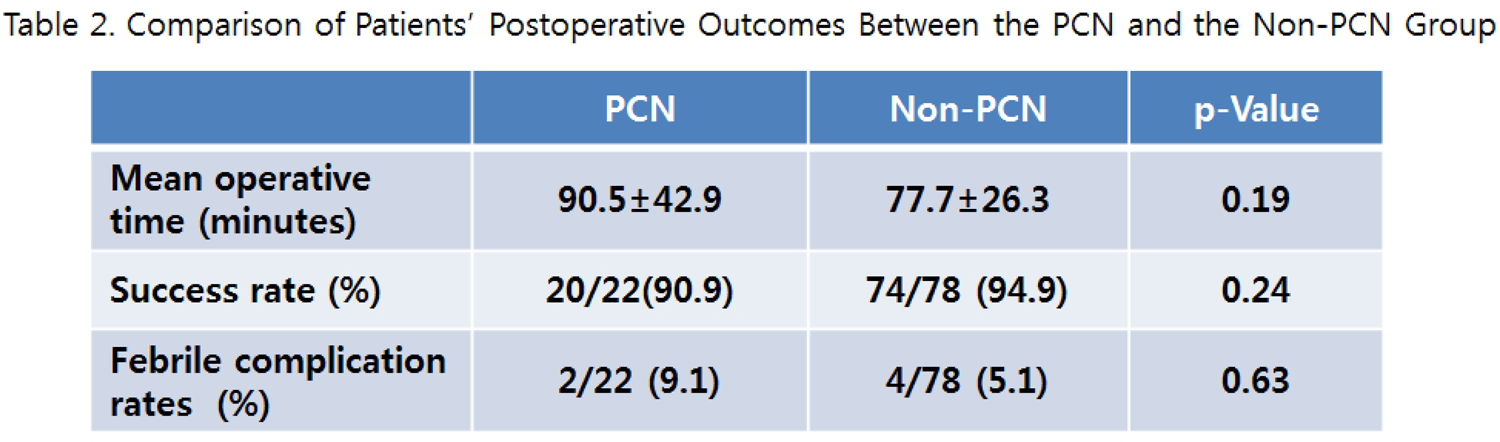
Chinese minimally invasive percutaneous nephrolithotomy: experience, standard and future
A matched-controlled comparison of Mini-PCNL with conventional percutaneous nephrolithotomy
A randomized controlled comparison of nephrostomy drainage versus ureteral stent following percutaneous nephrolithotomy using the Wisconsin StoneQOL
Impact of High energy laser for management of large renal stones (>2.5 cm) in minimally invasive Percutaneous Nephrolithotomy
Lithassist & Vue Assist COOK in the Ultraminiperc: a good marriage
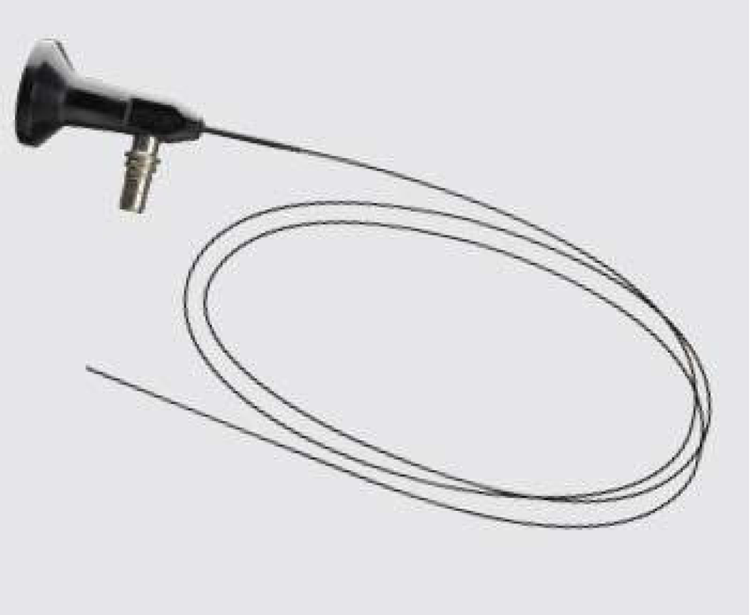
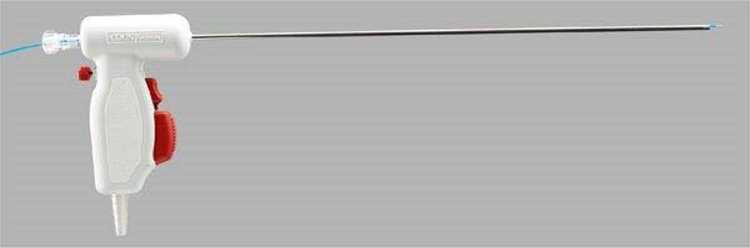
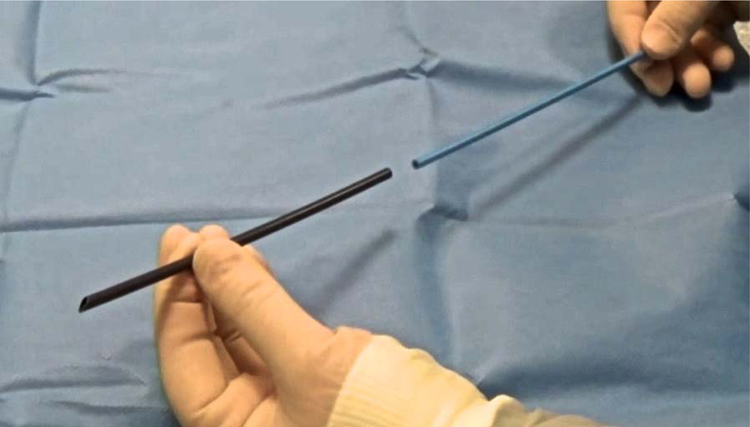
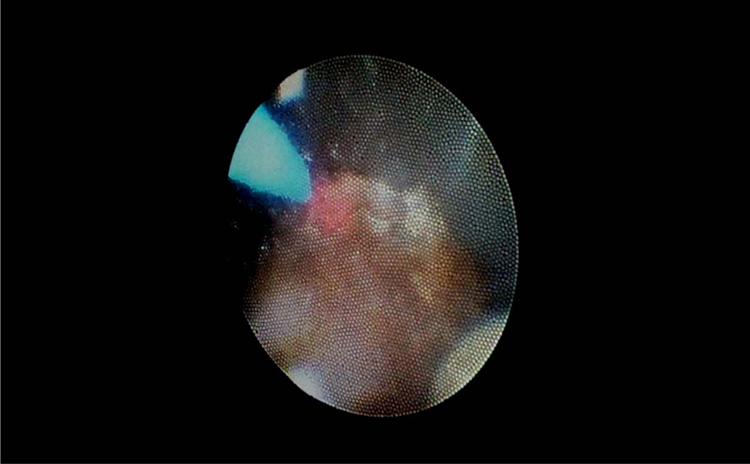
MP44: SWL
Ureteral stenting before shockwave lithotripsy for large pediatric renal stones: a prospective, comparative study
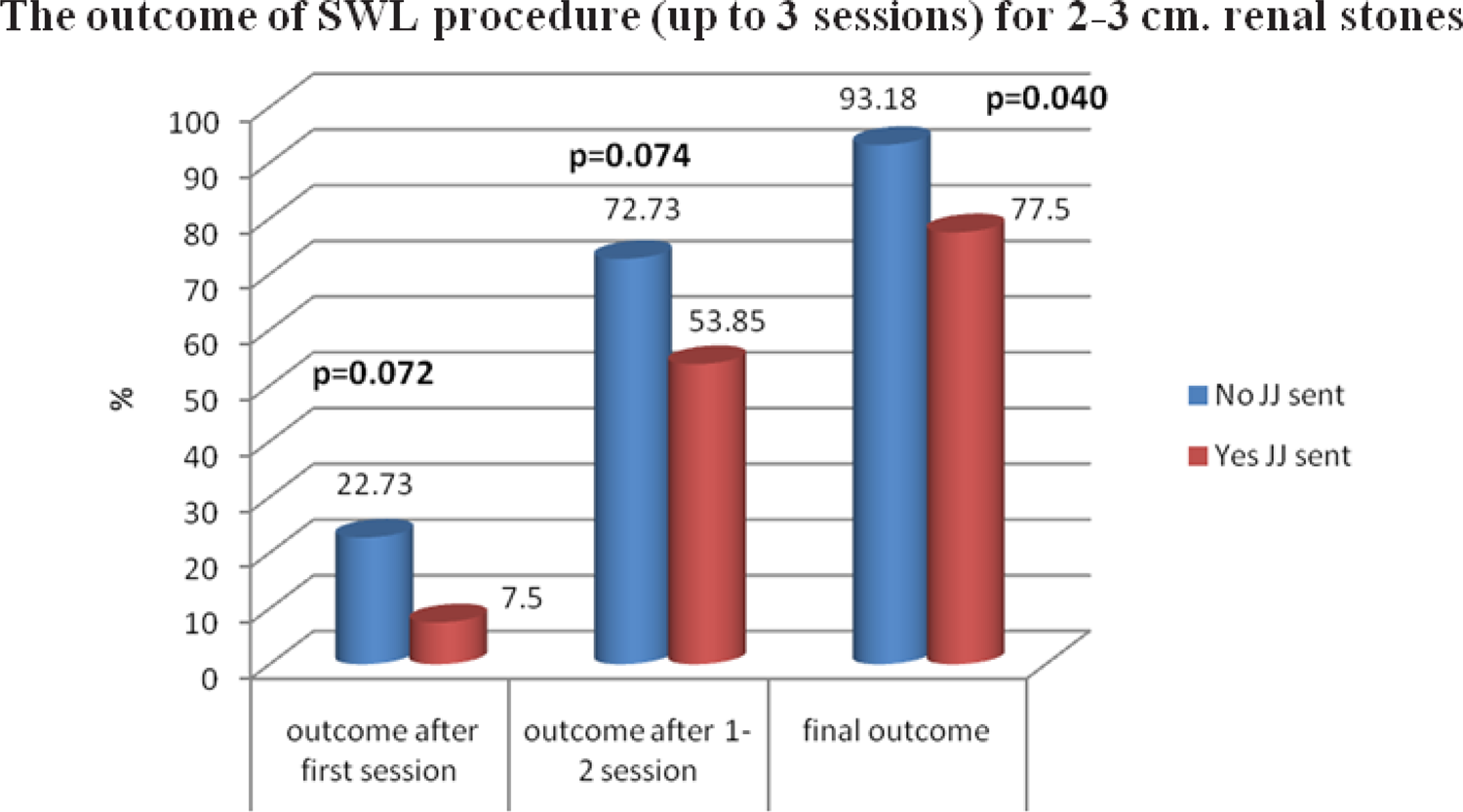
Extracorporeal Shock Wave Lithotripsy position for distal ureteric stone: transgluteal Vs transabdominal approach
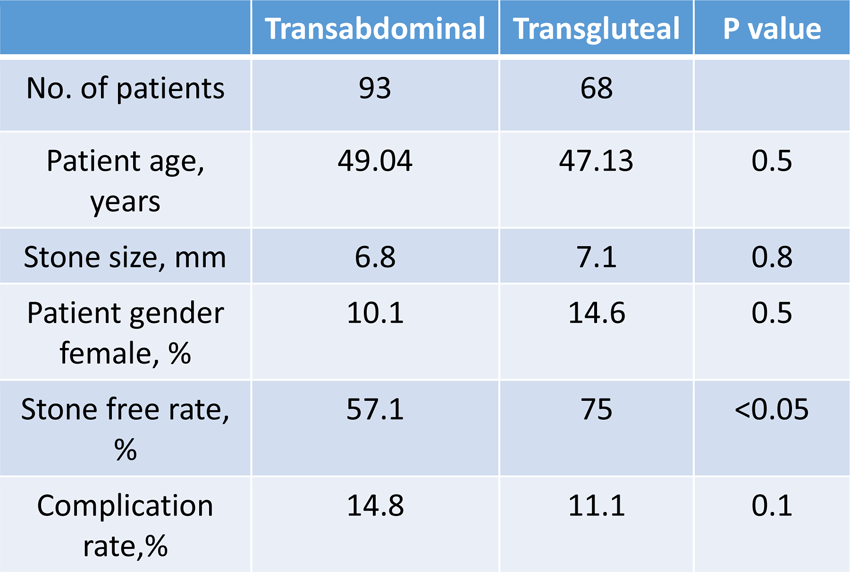
ESWL remain an important tool in the managing of distal ureteric calculi.
Management of Renal stones with SWL: Comparative analysis of success rate and patient anxeity
Success rate of expanded indications (non-adherence to guidelines) for SWL using semi-integrated lithotripter in a mid volume stone center
Effects of Stone Size on the Comminution Process and Efficiency in Shock Wave Lithotripsy
Cost Effectiveness of a Fixed Site Lithotripter in a Specialist Stone Unit: The Brighton Experience
Predictors of Success with a Fixed Site Lithotripter: Stone and Non Contrast Computer Tomography Characteristics
Analgesia for patients undergoing shockwave lithotripsy for urinary stones – a systematic review and meta-analysis
Routine preoperative electrocardiograms in patients at low risk for cardiovascular complications during shockwave lithotripsy: are they useful?
Randomized Control Trial Comparing Narrow versus Wide Focal Zones for Shock Wave Lithotripsy of Renal Calculi
Markers of renal injury during shock wave lithotripsy with narrow vs. wide focal zones
Shock wave lithotripsy (SWL) in multiple renal calculi is a cost-effective treatment
Efficacy of ESWL in two paediatric age groups: prospective randomised study
Is Shock wave lithotripsy (SWL) justified as first line treatment for an obstructing ureteral stone?
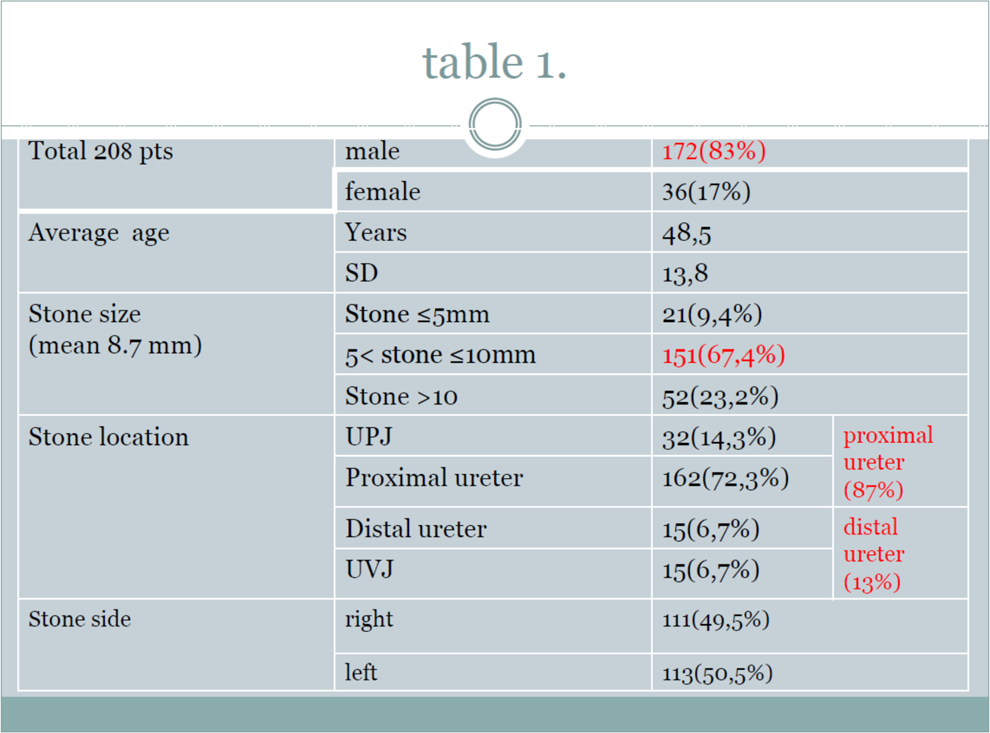

25 Years Experience with different machines of ESWL at SIUT-Pakistan
Extracorporeal Shockwave Lithotripsy For Management Of Distal Ureteric Calculi
Treatment efficacy and outcomes using a third generation shock wave lithotriptor
Factors predicting the need for ancillary procedures post SWL for renal and upper ureteric stones less than 20 mm in size

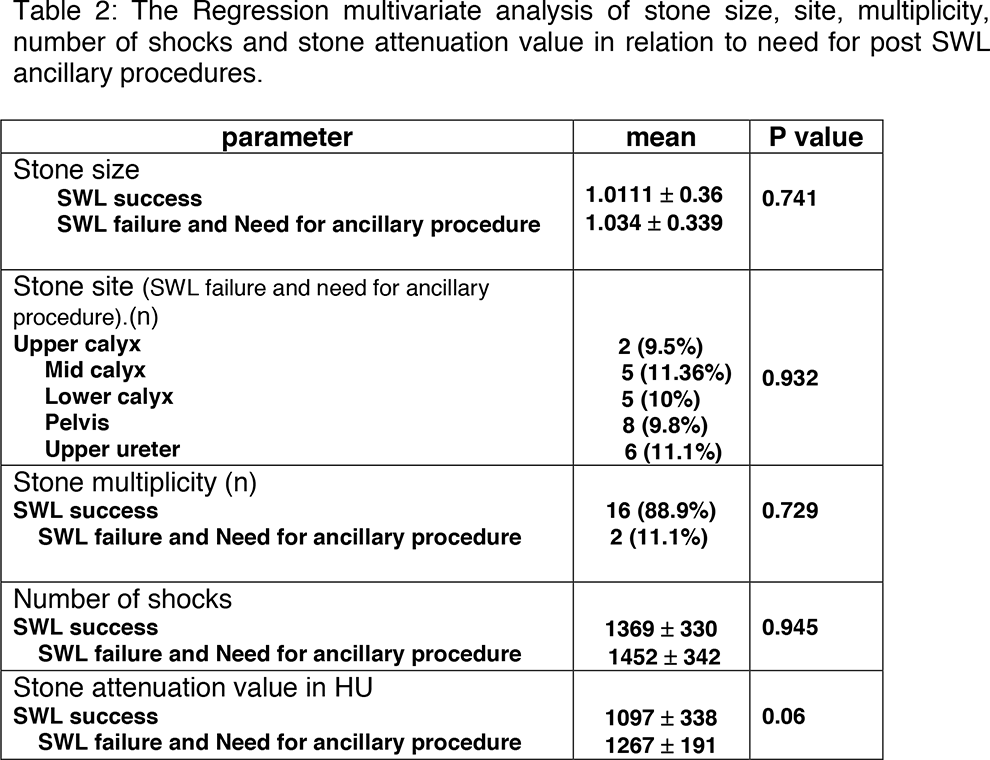
Optimal frequency of shock wave lithotripsy in urolithiasis treatment; prospective and randomized study
In-vitro comparison of two different ESWL concepts: “wide-focus, low-pressure” versus “small-focus, high-pressure”
Selection of patients for ESWL in the era of flexible ureteroscopy (FURS). Can Hounsfield units predict successful outcome?

Comparison of Two Different Distraction Methods Affecting the Level of Pain and Anxiety During Extracorporeal Shock Wave Lithotripsy: A Randomized Controlled Trial
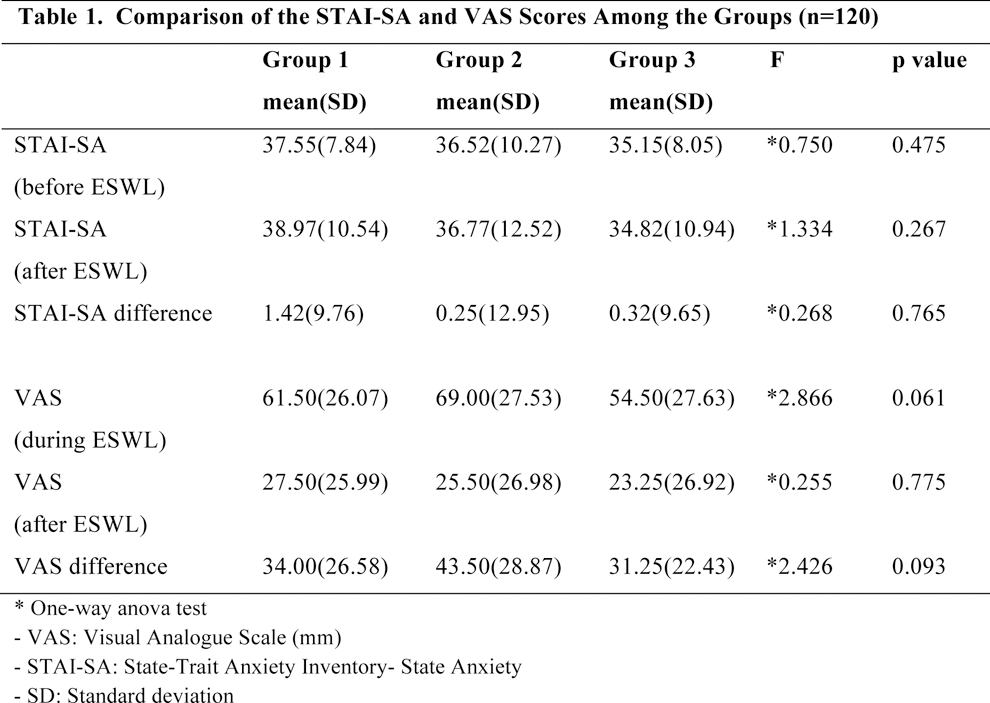
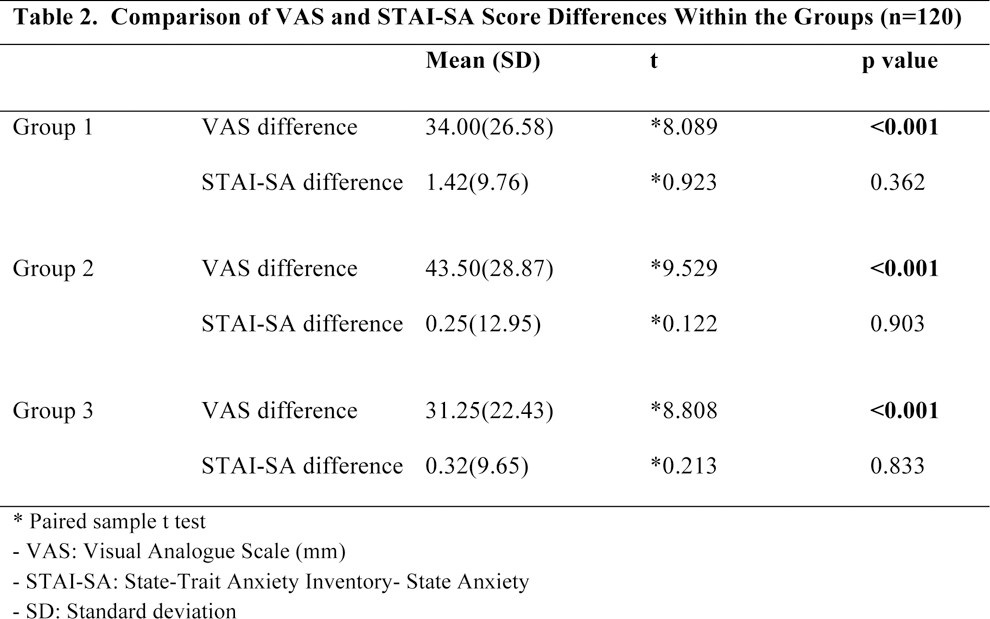
Outcomes of Shock wave lithotripsy in pediatric population: does the site and size of stone matter?
Our ESWL results for stone in childhood
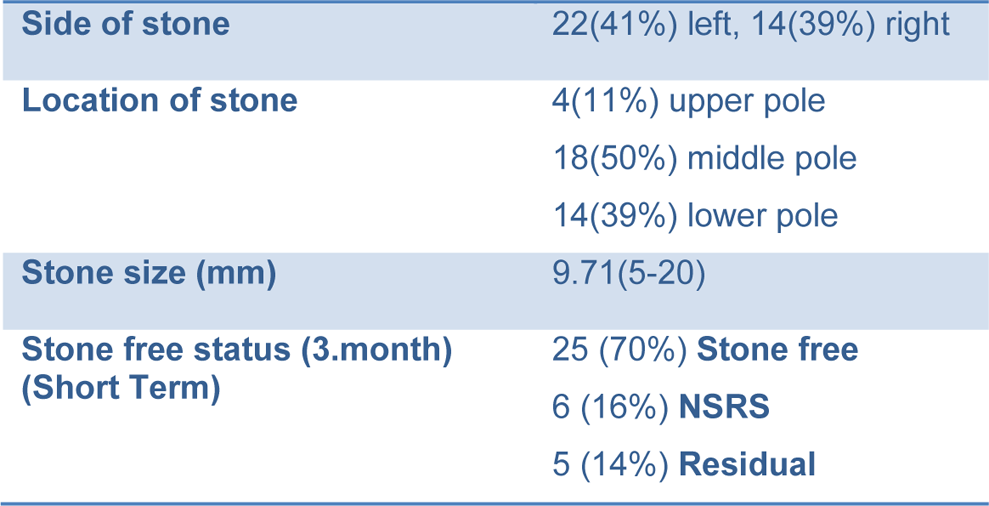
Comparison of Escalating, Constant and Reduction energy output in ESWL for renal stones: Multi-arm Prospective Randomized study
Ureteral stenting can be a negative predictor for successful outcome following shock wave lithotripsy in patients with ureteral stones
Optimal skin-to-stone distance is a positive predictor for successful outcomes in upper ureter calculi following extracorporeal shock wave lithotripsy: A Bayesian model averaging approach
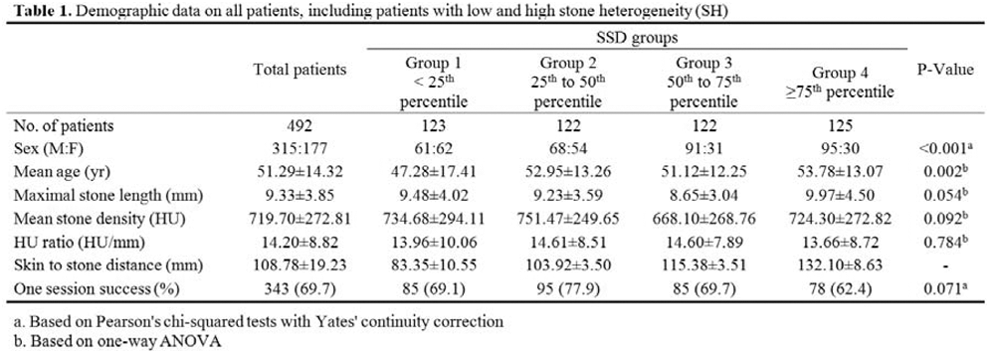
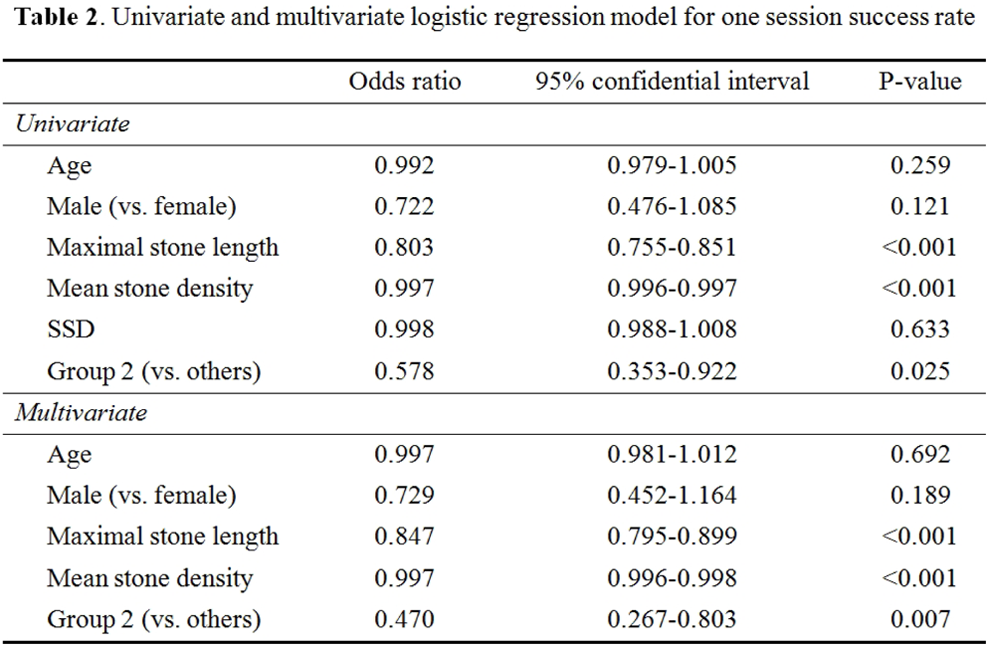
MP45: Robotic Surgery: Upper Tract - Malignant (ii)
The incidence of trocar site hernia following robotic renal surgery in obese patients: A comparison of classical fascial closure and closure with Surgicel® plugs
Impact of surgeon's experience on occurrence of renal artery pseudoaneurysm after robot-assisted laparoscopic partial nephrectomy
Simultaneous use of suction device and laparoscopic grasper via Airseal® system valveless trocar during robotic upper urinary tract surgery
Renal parenchyma volume loss after partial nephrectomy: comparing immediate postoperative to 6 month volume loss using three-dimensional modeling

Pure off-clamp robotic partial nephrectomy: preliminary 3-yr functional and oncologic outcomes
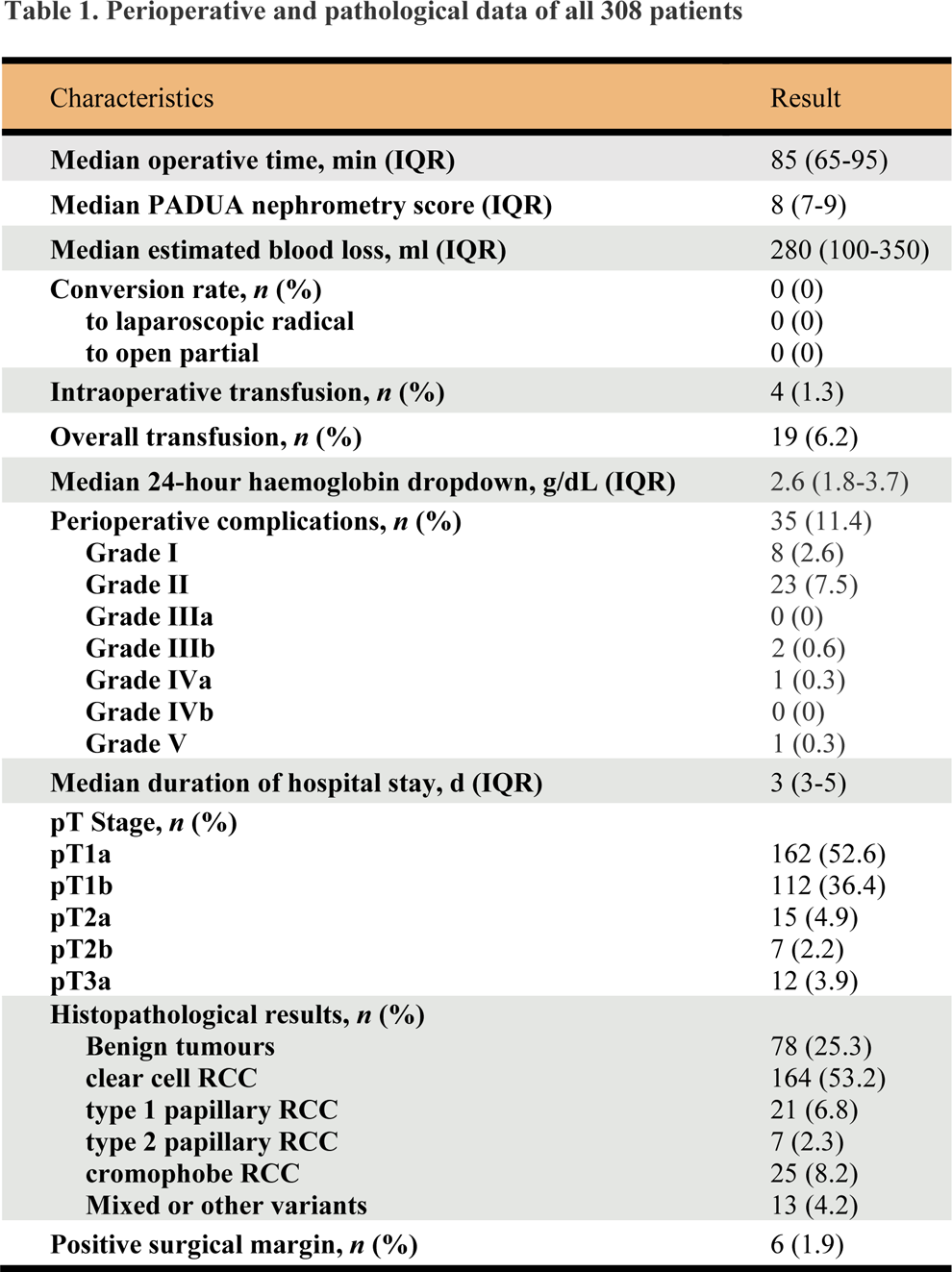
Patients were placed in an extended flank position and a 5-port access was performed for robotic approach. Hilar vessels were not clamped in any case; pure or hybrid tumour enucleation were the resection techniques used; renorraphy was omitted for small and exophytic masses and minimized with a “point specific haemostasis” for hilar tumours.

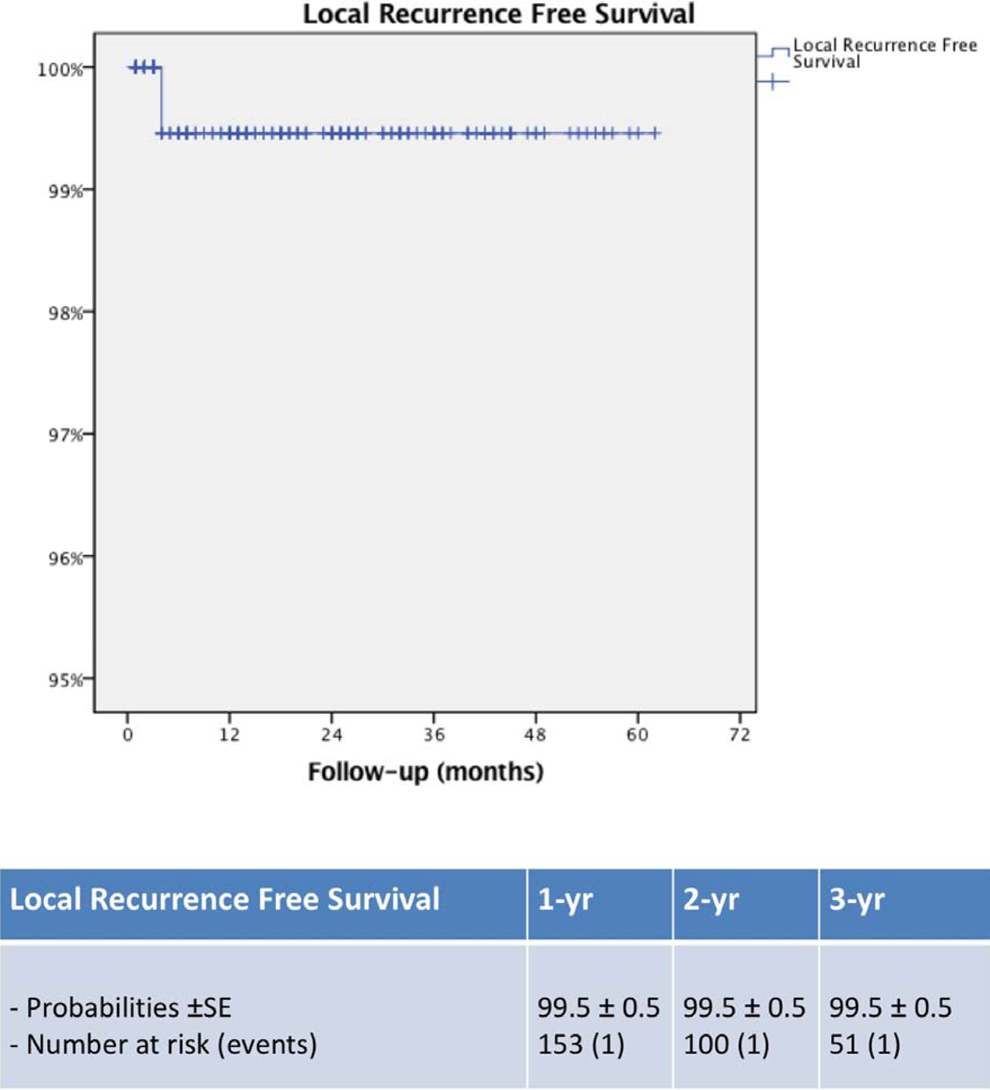

Perioperative complications, mid-term oncologic and functional outcomes were reported.
The 2-yr CKD-stage specific risk of developing severe RF deterioration (CKD stage 4) was 0%, 0%, 0% and 14.3% for patients with preoperative CKD stage 1, 2, 3A and 3B, respectively.
A Comparative Analysis of Complications in Patients with Small Renal Masses Undergoing Robotic Partial Nephrectomy: A Multicenter Trial
Trifecta and Pentafecta outcomes of robotic assisted partial nephrectomy based on experience of a single surgeon
Utilization Trends and Outcomes up to 90 Days of Open, Laparoscopic, and Robotic Partial Nephrectomy
Comparison of Robotic and Open Partial Nephrectomy for clinical T2a renal mass
A novel use of amniotic membrane allograft for partial nephrectomy
Feasibility of Laparoscopic And Robot-Assisted Radical Nephrectomy For Malignant Renal Masses ≥15 cm
Robot assisted radical nephrectomy for renal leiomyosarcoma after failed radio frequency ablation: Case report
Patient is free of recurrence 6 months postop.
Xp11 Translocation RCC: Progression Free Survival and Overall Survival by Tumor Stage and Grade
Does advancing technology impact perioperative outcomes: An outcomes analysis of open, laparoscopic and robotic nephroureterectomy
Correlation of preoperative risk factors with mortality after nephroureterctomy
Does Clamping Technique Really Effect Long Term Functional Outcomes During Robotic Partial Nephrectomy?
V1: BPH
The intermediate-term results of transurethral enucleation of the prostate (B-TUEP) using bipolar energy
Plasma-kinetic Vapo-enucleation of the prostate by Nesbit technique: a prospective comparison with bipolar resection
Bipolar VaoEnucleation of the Prostate (BipoVEP) - Step-by-step video and early outcome
Emptying The Bladder Organized Hematoma Using Morcellator
No touch bipolar enucleation of the prostate - BipolEP
Bipolar enucleation & Transurethral resection of prostate (TURP) using hybrid technique by conventional saline irrigation
Holmium laser enucleation of prostate after prior photoselective vaporization and selective angioembolization
Expdited XPS- An approach to manage large prostate glands using Greenlight XPS - a novel, easy and cost-eefective approach
‘Top-down’ HoLEP approach for BPH Rationale and technique
Holmium Laser Enucleation of the Prostate After Prostatic Urethral Lift
Holmium Laser Enucleation of the Prostate for Massive Benign Prostatic Hyperplasia: Technique for a 200 g Prostate
HoLEP was performed using Storz 28 French sheath and 550 micron Boston Scientific holmium laser fiber at 80 watts. The large volume prostate occupied the urethra, so enucleation of the left lateral lobe was unable to proceed to the bladder neck. The bladder was ultimately able to be entered from the right side. The right and left-sided dissections were joined, and the remainder of the gland was enucleated. Hemostasis was achieved at 40 watts. Morcellation was carried out using the Storz offset nephroscope and the Wolf Piranha morcellator.
Simultaneous Holmium Laser Enucleation of the Prostate and Robot-Assisted Laparoscopic Bladder Diverticulectomy
Bladder Clot Evacuation Using a Prostate Morcellation Device
Video Session 1: BPH
HOLEP ‘EN BLOC’: alternative technique for enucleation of Prostate Adenoma
HOLEP vs THULEP: Comparison of techniques in the same Patients
Holmium Laser Enucleation of the Prostate as Retreatment after UroLift Device: Feasibility and Technical Considerations
V2: Stones Ureteroscopy
Combined treatment with extracorporeal shock wave lithotripsy and retrograde intrarenal surgery for kidney stones
Applying Urolithiasis Techniques to Biliary Stones: Percutaneous Transhepatic Lithotripsy
Uretero-Pelvic Junction Complete Obstruction After Failed Pyeloplasty: Endoscopic Combined Recanalization with the “Cut to the Light” Technique
Ex-vivo Ureteroscopy for Renal Stone Removal in a Living Donor: A Video Presentation
Retrograde IntraRenal Surgery in transplanted Kidney
We performed CT scan and found stone in renal pelvis of transplanted kidney.
We identified neo-ureteral orifice using indigocarmine.
During operation, we fragmented stone using laser and extracted stone using stone basket.
After checking no rememant stone, we indwelled ureteral stent.
On follow-up CT scan, there was no rememant stone
It was successful removal of stone using flexible ureteroscope instead of percutaneous nephrostomy.
Endoscopic Resection of Ureteroceles in Adults
Laser Fiber and Flexible Ureterorenoscope: The “Safety Distance” Concept
How to Protect Your Flexible Ureteroscope
Flexible Ureteroscopic Management of Parapelvic Renal Cysts
Bilateral synchronous Renal pelvic Transitional cell carcinoma: Management Dilemma
Retrograde Intrarenal Surgery in A Patient with Horseshoe Kidney: Case Report
Treatment of Forgotten Double J Stent Using Laser Ureterorenoscopy
Lithovue™: The First Disposable Digital Ureteroscope. A Breakthrough in Modern Endourology
Endourological management of Upper Tract Urinary Cancer (UTUC)
V3: Laparoscopy: Upper Tract - Benign (I)
Laparoscopic Repair of a Diaphragmatic Injury
Pyeloplasty may not be Needed After Laparoscopic Pyelolithotomy for Giant Staghorn in a Horseshoe Kidney
Laparoscopic management of an unusual etiology of pelvi-ureteric junction obstruction
Total laparoscopic management of an unusual giant retroperitoneal mass
Laparoscopic Ureteral substitution and bladder augmentation with gastric flap
Laparoscopic nipple valve ureteric reimplantation in mega ureter
Laparoscopic Donor Nephrectomy:—–Point of technique in hilar dissection
Evaluating the risks associated with trocar insertion during laparoscopic surgery
Intraoperative complications in laparoscopic urology- do we need conversion?
Laparoscopic partial nephrectomy for giant hydatid cyst by retroperitoneal approach
First laparoscopic kidney transplantation in Turkey
Neuroblastoma: Laparoscopic Excision of Left Adrenal and Paraaortic Mass after Chemotherapy
Laparoscopic Retroperitoneal Adrenalectomy
Laparoscopic Retroperitoneal Adrenalectomy
Percutaneous Externally Assembled Laparoscopic (PEAL) Nephrectomy: Video Presentation
Percutaneous Externally Assembled Laparoscopic (PEAL) Surgery for Fowler-Stephens Orchiopexy: A Video Presentation
V4: Laparoscopy: Upper Tract - Benign (ii)
Lap management of upper pole nonfunctioning moiety in Lt duplex kidney
Laparoscopic heminephrectomy for an 18-year-old girl with urinary incontinence
The clinical outcome about laparoscopic pyelolithotomy combined with nephrolithotomyunder the renal pedicle blockage for treating the renal staghorn stone
Laparoscopic Nephrectomy of Infected Polycystic Kidney
Laparoscopic vascular complications
A survey of vascular injuries we had and how we resolve was made. Three cases are presented, the first being a vein cava injury during a complicated nephrectomy, which was solved with a figure of eight suture. The second case was a radical nephrectomy in which the artery ligation after its section led to bleeding an artery branch. We solved with the placement of a clip below. The third case was an iliac artery injury during vesicovaginal fistula repair that was solved with open surgery after laparoscopic vascular control.
Laparoscopic Pyelolithotomy in patients with renal pelvic stones
The mean hemoglobin drop was 0.42 g/dl, without any blood transfusion. No major complications were observed postoperatively, and the mean change in total GFR was +13.9 mL/min at 3 months postoperatively.
Large impacted Upper ureteric (UU) calculus-our technique of complete clearance
Retroperitoneoscopic Ureterolithotomy with simultaneous Flexible Ureteroscopic Renal Stone Removal
Laparoscopic Retroperitoneal Decortication of A Right Renal Cyst
Laparoscopic Retroperitoneal Decortication of Left Renal Cyst
Laparoscopic Retroperitoneal Left Nephrectomy For Hydronephrotic Kidney
Laparoscopic Heminephrectomy After Previous Unsuccessful Laparoscopic Surgery
Laparoscopic Pieloplasty and Stone Extraction in a morbid Obese Patient
Laparoscopy-Assisted Percutaneous Nephrolithotomy in Horseshoe Kidney
Laparoscopic partial nephrectomy concomitant with isthmusectomy for isthmus renal cell carcinoma in horseshoe kidney
V5: Laparoscopy: Lower Tract - Benign & Malignant
Excision of a giant seminal vesicle cyst associated with ipsilateral renal agenesis Zinner's Sendrom
Pure laparoscopic nephroureterectomy for renal pelvis carcinoma with transvaginal specimen extraction (TVSE)
Tent shape retroperitoneal access using the posterior parietal peritoneum for the resection of a pheocromocytoma with closed contact with vena cava, duodenum and superior mesenteric artery
Ressection of the pre caval mass was achieved after ligatures of one main and others minors vein draining to vena cava. Mass was dissected and isolated from the superior mesenteric artery and duodenum.
Intracorporeal Laparoscopic Y-Pouch Urinary Diversion
Laparoscopic Adrenal Metastasectomy
Laparoscopic Retroperitoneal Right Adrenalectomy
Urinary fistula repair: Laparoscopic - transurethral assisted surgical treatment
Robotic-Assisted Partial Adrenalectomy for Pheochromocytoma in a Solitary Adrenal Gland
Left-sided ureteroplasty with appendix
Role of GreenLight XPS™ laser in palliation of advanced bladder tumours
Robotic Surgical Options for Obstructed Upper-Pole Moiety in Adults
In cases of massively hydronephrosis or hydroureter upper pole heminephrectomy was undertaken. While it was felt that an unusually large mass could possibly be decompressed via ureteroureterostomy, to leave an enormous potential space likely invited long-term complication. When simple “garden variety” hydronephrosis was encountered as in the other case, distal ureteroureterostomy was offered as illustrated.
V6: Laparoscopy: Lower Tract – Malignant
Laparoscopic partial nephrectomy for multiple (four) tumors
The Complete Retroperitoneal Laparoscopic Nephroureterectomy for the Treatment of Upper Tract Urothelial Cancer: the Initial Experience of Peking University First Hospital
Transurethral Enucleation in The Treatment of Intradiverticular Bladder Tumor: A Case Report
Application of the left and right hand suture technique in laparoscopic radical prostatectomy (LRP)
Robotic assisted Laparoscopic Partial Cystectomy and extended Bilateral Pelvic Lymph Node Dissection for invasive bladder cance
A prospective evaluation of surgical outcomes of laparoscopic transperitoneal radical prostatectomy in obese patients: our experience
A prospective evaluation of surgical outcomes of laparoscopic transperitoneal radical cystectomy/anterior pelvic exenteration :our surgical technique and experience
Total laparoscopic ileocystoplasty in neurogenic bladder
Laparoscopic omental flap reinforcement in anastomotic urethroplasty - A novel technique
Laparoscopic transureteroureterostomy and simultaneous ureterocystoplasty in poor compliance bladder
Partial nephrectomy with zero ischemia and no renorrhaphy for T1b renal carcinoma
Real-Time Image Guided Focal Surgical Resection for Prostate Cancer: A Feasibility Study
Laparoscopic partial nephrecyomy for a small renal mass on an allograft kidney
V7: Stones: PCNL
Percutaneous resection of upper tract urothelial carcinoma: the role for palliation
Minimally invasive PCNL in Infant: a Video demonstration
Technical difficulties of Flexible ureteroscopy in ADPKD renal units
Advanced wire techniques for complex percutaneous nephrolithotomy
Renal parenchyma injury after percutaneous nephrolithotomy tract dilatation; evaluation in pig and cadaveric kidney models. Does 24 fr is enough?
Pig kidneys had sinificantly larger tract diameters, specially with the balloon and Amplatz dilators.
Ultrasound-guided renal access and tract dilation
Bilateral simultaneous Percutaneous Nephrolithotomy (PCNL) under regional anaesthesia- how we do it ?
Percutaneous Antegrade Endopyelotomy in patients with failed open pyeloplasty
Laparoscopic guided percutaneous nephrolithotomy - a minimally invasive approach for the staghorn calculus in pelvic kidney
Micro-PNL procedure to an 11 month boy with a distal ureter and kidney stone; Can Micro-PNL tools be used as a Pediatric ureterenoscope?
Percutaneous treatment of bladder lithiasis in a patient with Mitrofanoff conduit
After the completion of the procedure the fascia of the 30 ch access was closed and a catheter was placed through the 24 ch and Mitrofanoff's access.
Suprapubic approach for treatment of high volume vesical lithiasis - the technique and preliminary results
V8: Laparoscopy: Upper & Lower Tract -Benign & Malignant/Stones: Ureteroscopy
Laparoscopic excision of recurrent adrenal carcinoma with partial nephrectomy in a patient with a history of open adrenal cancer surgery
Laparoscopic Retroperitoneal Pyeloplasty
Laparoscopic Transperitoneal Pyeloplasty With Crossing Vessel
Retroperitoneoscopic Partial Nephrectomy For Vascular Renal Tumors
A complex RIRS: first chapter
An Alternative Approach of Laparoendoscopic Single Site Surgery Nephroureterectomy for Upper Urinary Tract Urothelial Carcinoma
Modified Ergonomic Lithotripsy : A novel way forward for flexible ureterorenoscopic surgery
More cases and possible external validation will add strength in adopting this procedure.
Three dimensional high definition imaging system compared to standard two-dimensional system in laparoscopic radical prostatectomy
Is laparoscopic nephron sparring surgery feasible in complex renal tumours?
Pure laparoscopic nephroureterectomy and bladder cuff excision: single medical center experience
Zero-ischemia laparoscopic partial nephrectomy with hydrodissection: early experience and results from a multicentre study
Preliminary Experience with the Novel Laparoendoscopic Single-Site Extraperitoneal (LESS-EP) Varicocelectomy
Experience with a Single Use Digital Flexible Ureteroscope
Novel technique of laparoscopic single port cystolithotomy using pneumovesicum
Latest Evolution of the Avicenna Roboflex in Robotic Assisted Retrograde Intra-renal Surgery (RA-RIRS) for Renal Stones and Urothelial Cancer
V9: Robotic Surgery: Lower Tract - Benign
Robotic Suprapubic Prostatectomy & Management of Postoperative Hematoma
The patient developed postoperative hemorrhage resulting in clot retention. Robotic pelvic exploration was performed through existing incision sites. Approximately 500 ml of clot was evacuated from the bladder and the fossa was fulgurated.
We matched the 25 consecutive patients in our RASP database with patients from our OSP database based on preoperative prostate size (±10 cc), age (±10 years), BMI (±5), and ASA score (±1). EBL was significantly less in the RASP group (319 ml vs 592, p = 0.02). Operative time was significantly greater in the RASP group (202 mins vs 119 mins, p = < 0.01). A trend toward shorter length of stay (LOS) (3 days vs 5 days, p = 0.19) and less narcotic use (20.2 vs 31.4 p = 0.33) was noted. There were a total of 8 complications in the RASP group (highest Clavien grade 4) versus 5 in the OSP group (highest Clavien grade 4).
Robot assisted preperitoneal simple prostatectomy for large benign prostate: Revisiting Retropubic Simple Prostatectomy–Initial experience
Robotic Transvesical Diverticulectomy and Simple Prostatectomy
Robot Assisted Laparoscopic Repair of Vesicovaginal Fistula Secondary to a Large Retained Foreign Body
Robotic-assisted laparoscopic excision of a leiomyoma on an adult
Robot assisted bladder diverticulectomy combined with transurethral resection of the prostate: a case report
Robot assisted transvesical simple prostatectomy
First Reported Case of Cotyledonoid Leiomyoma After Hysterectomy Involving the Ureter
Robot Assisted Laparoscopic Right Ureteral Reimplantation In A Child With Ventriculoperitoneal Shunt
Robotic Hutch Diverticulectomy and Ureteral Reimplantation in Twelve Steps
Surgical correction is indicated for larger, clinically significant diverticula that result in lower urinary tract symptoms, recurrent urinary tract infections, bladder calculi, large postvoid residual urine volumes or cancer arising from the diverticulum. Robot-assisted bladder diverticulectomy (RABD) has been shown to be as safe and effective as the open and laparoscopic approaches, and associated with advantages in long term functional outcomes such as improved post-operative voiding symptoms.
V10: Robotic Surgery: New Techniques - Malignant (I)
Use of Remotely Operated Suction Irrigation (ROSI) During Robotic Surgery
Robotic Simple Suprapubic Prostatectomy
Multiparametric magnetic resonance imaging in fusion with transrectal ultrasound for targeted prostate biopsy by BioJet™ System. Technical details and results
Transperitoneal robot assisted partial nephrectomy with modified port configuration (Retrorenal approach to the renal hilum)
Robotic Partial Nephrectomy in a Horseshoe Kidney
Vaginal sparing robotic assisted laparoscopic anterior pelvic exenteration (APE) and neo-bladder (NB) construction. A new technique
Robot Assisted Partial Nephrectomies – 12 Tumors, 1 Kidney
Robotic Spiral Flap Dismembered Pyeloplasty for a Large Proximal Ureteral Stricture
Step by Step Robotic Radical Prostatectomy
En bloc transurethral resection of bladder lesions with Collins loop
V11: Robotic Surgery: New Techniques - Malignant (iii)
Extraperitoneal Access for Robot Assisted Radical Prostatectomy Using the Xi System
Robotic Inguinal Lymph Node Dissection for Penile Squamous Cell Carcinoma
A Video Evaluation of the Functional Outcomes after Stapling of the DVC versus Sharp Dissection and Oversewing during RARP
Robotic Assisted Radical Cystectomy with an Intracorporeal Continent Catheterizable Reservoir (Indiana Pouch)
An alternative access to robot-assisted retroperitoneal lymphadenectomy for post-chemo residual mass
Percutaneous stiches pulling the posterior peritoneum toward the abdominal wall, creating a tent shaped access to the retroperitoneal space, with full access to the pre caval mass.
Residual lesion surrounded by intense desmoplastic tissue (due to chemotherapy). Resection of the residual mass and lymph nodes template (pre caval, inter aorto caval and pre aortic).
A Novel Transmesenteric Approach to Recurrent Renal Cell Carcinoma in a Horseshoe Kidney
Sexual sparing robot assisted radical cystectomy in female: Technique Step-by-Step
Treatment of T2a Renal Tumor by Robot Assisted Partial Nephrectomy with Segmental Renal Artery Control
Robot Assisted Laparoscopic Radical Cystectomy with Intracorporeal Ileal Conduit Urinary Diversion in a Male who Underwent Prior Robotic Prostatectomy for Prostate Cancer
Robotic Assisted Laparoscopic Radical Cystoprostatectomy with en bloc Urethrectomy, en bloc Penectomy and Intracorporeal Ileal Conduit
V12: Robotic Surgery: New Techniques – Benign (I)
Robotic Renal transplant recipient operation with complete extraperitonealisation of the graft
Three simultaneous robotic surgeries, with minimal port: Radical prostatectomy, Rt. adrenalectomy, Lt. retroperitoneal mass excision
Robotic-assisted laparoscopic pyelopyelostomy with pyeloureterostomy for ureteropelvic junction obstruction in a duplicated collecting system
Robot Asisted Laparascopic Blind Ending Ureterectomy, Partial Nephrectomy to the Dysplastic Part of the Left Kidney and Menagement with Transurethral Incision of Multipl Calculi in a Ureterocele
Robotic Renal Transplantation – Our Initial Experience and Point of Technique
Robotic Assisted Laparoscopic Donor Nephrectomy: Point of Technique
A new surgical area opened in renal transplantation : a pure robot-assisted approach for both living donor nephrectomy and kidney transplantation using transvaginal route
Robotic assisted partial nephrectomy for large angiomyolipoma (non-clamping technique)
A Robot Assisted Left Renal Hydatid Cyst Excision
Robotic Kidney Transplantation: our first case
Robotic Assisted Kidney Transplantation with Right Donor Kidney
Robotic Assisted Kidney Transplantation
Robot assisted laparoscopic rotational flap pyeloplasty: procedure and outcomes
V13: Robotic Surgery: New Techniques - Malignant (ii)
Magnetic Resonance Imaging-Guided Transurethral Ultrasound Ablation in Patients with Localized Prostate Cancer: Primary Outcomes of a Prospective Phase I Study
Robotic radical prostatectomy in patient with previous abdominoperineal resection
Salvage Robot-Assisted Radical Prostatectomy After Radiation and Inflatable Penile Prosthesis Implantation
Robotic Partial Nephrectomy of T2 Renal Mass Utilizing Intracorporeal Cold Ischemia
Evolution of technique from minimally ischemic to pure off-clamp partial nephrectomy: 15-yr learning curve and outcomes of 1083 patients
Distal Ureterectomy Using the Da Vinci Xi Robotic System: Initial Experience
OTL 38 Guided Fluorescent Imaging in Renal Cell Cancer Robotic Partial Nephrectomy
Initial posterior dissection during the robot assisted laparoscopic radical prostatectomy for large prostate and previous BPH surgery
Salvage robotic radical prostatectomy with pelvic lymph node dissection
A five trocar access and docking were performed. A bilateral extended pelvic lymph node dissection was completed. The Retzius space was developed and the endopelvic fascia bilaterally incised. After sealing Dorsal Vein complex with Ligasure, urethral stamp was transected and the apex retrogradely dissected. The distal edge of Denonvilliers fascia was identified and dissected out from the apex before moving to bladder neck isolation. Bladder neck was isolated and sectioned. Seminal vescicles were isolated. Bilateral extra fascial radical prostatectomy was accomplished. A Van Velthoven anastomosis with posterior reconstruction was performed.
Trans-peritoneal Chest Tube for the Management of Iatrogenic Tension Pneumothorax during Robotic Right Partial Nephrectomy
The Use of Intravenous Indocyanine Green to Assess Tumor Perfusion During Robotic Right Partial Nephrectomy in a Horseshoe Kidney
V14: Robotic Surgery: Upper Tract - Malignant/New Techniques: Benign
Distal Ureterectomy and Vaginal Injury Repair with Peritoneal Flap
Robotic Cytoreductive Nephrectomy and IVC Thrombectomy In a Jehovah Witness - Optimization For Reduced Blood Loss
Intraoperative Assessment of Need for IVC Control During Robotic Radical Nephrectomy of Renal Tumors with Renal Vein Involvement
Robot assisted “En Bloc” Radical Nephrectomy, Splenectomy, and Distal Pancreatectomy for Metastatic Renal Cell Carcinoma
Salvage Robotic Partial Nephrectomy after Cryoablation
Pure off-clamp robotic partial nephrectomy: preliminary 3-yr functional and oncologic outcomes
Key points of surgical technique include a straight access to the tumor without isolating hilar vessels, a pure or hybrid enucleation, the omission or minimization of renorraphy, and a “point specific haemostasis” for hilar tumours. The video shows two RPNs performed in high nephrometry score totally endophytic renal tumors. Perioperative complications, mid-term oncologic and functional outcomes were reported.
The 2-yr CKD-stage specific risk of developing severe RF deterioration (CKD stage 4) was 0%, 0%, 0% and 14.3% for patients with preoperative CKD stage 1, 2, 3A and 3B, respectively.
Robot assisted nephron sparing surgery for a case of bilateral multiple renal masses
steps:
In right lateral position four ports (two 12 mm and two 8 mm) kept. Right colon reflected Ureter identified and cranially lifted up along with gonadal vein. Dissection proceeded slowly towards the hilum. Hilum dissected en mass. USG was used for tumour localization satinsky applied over the hilum3 tumour enucleated and renal bed sutured for hemostasis. flosseal and surgicell applied over the raw area. The warm ischemia time was 25 minuites. On inspection 2 more tumours found in the middle and lower pole which were resected without clamp application. Specimen placed in the endocathch bag.
Retroperitoneal Approach to Robotic-Assisted Laparoscopic Partial Nephrectomy of a Complex, Posterior Hilar Tumor
Robotic-Assisted Partial Nephrectomy with Non-Renorrhaphy
Robotic Partial Nephrectomy and Radical Nephrectomy via Retroperitoneal Access
Robot-assisted Laparoscopic Inflatable Penile Prosthesis Removal and Re-insertion
Robotic-assisted ureteroureterostomy/ureteroneocystostomy for the treatment of intrinsic ureteral endometriosis related obstructive uropathy - a preliminary experience of a single academic center
Robotic Radical Nephrectomy with IVC Thrombectomy: Tips and Tricks
Zero Ischemia Robotic Partial Nephrectomy of an Endophytic Renal Tumour with using Drop-in Ultrasound Transducer
Developing Radical Nephrectomy: from Laparoscopic to Robot-Assisted Multiport and Singleport Procedures
V15: Robotic Surgery: New Techniques – Benign (ii)
Robotic Boari Flap: Technical Modifications to Enhance Success
Symptomatic Renal Cysts: a Step-by-Step Robotic Management Approach
Uretero-ureteral donor-receiver robotic anastomosis: localizing the graft ureter with a luminescent ureteral catheter and infra-red light
Initial experience with the EMARO pneumatic laparoscopic holder robot in laparoscopic urological surgery
Novel Technique for the Reconstruction of Complex Posterior and Prostatic Urethral Disease following Brachytherapy
Firefly™ Visualization with Ureteroscopy in Complex Robot-Assisted Ureteral Reconstruction
Robot Assisted Ureteral Reconstruction aided by simultaneous antegrade ureteroscopy for Ureteroenteric Anastomotic Stricture
Robot Assisted Penile Inversion Vaginoplasty: A Novel Technique
Robot Assisted Laparoscopic Extravesical Ureteral Re-implantation In A Pediatric Patient With Duplicate Ureter
Robot Assisted Laparoscopic Right Pyeloplasty In A One-Year-Old Patient
Robotic Ureterolysis in 12 Steps
Creation of a Robot-Assisted Boari Flap for Total Ureteral Replacement
The Management of Ureteric Injury during Robotic Partial Nephrectomy
Reconstruction of Two Concurrent Ipsilateral Ureteral Strictures with Appendiceal Onlay and Non-Transecting Ureteral Reimplant
Robotic-assisted Heminephrectomy of a Horseshoe Kidney in 12 Steps
Transperitoneal Robot Assisted Inferior Vena Cava Filter Extraction: You Already Know How to Do This!
Late-Breaking Abstracts
Robotic Surgery: Upper Tract – Malignant (III) and Ablation
Comparison of peri-operative outcomes of open, laparoscopic and robotic partial nephrectomy: Experience of a tertiary care centre
URS Outcomes (I)
Retrograde intrarenal surgery of symptomatic parapelvic renal cysts