




Abstract
Background:
The objective of this study was to explore the perioperative outcomes of single-plane posterior retroperitoneoscopic adrenalectomy (SPRA) guided by indocyanine green dye (ICG) fluorescence imaging.
Methods:
A retrospective analysis of patients who underwent SPRA from April to September 2023 in our center was conducted. Patients were divided into the ICG group and the non-ICG group, based on whether they received intraoperative ICG fluorescence guided or not. Baseline and perioperative data were recorded and analyzed by R software (R 4.3.1).
Results:
A total of 23 patients were enrolled in the study, with 12 in the ICG group and 11 in the non-ICG group. The demographics including age, gender, body mass index, or American Society of Anesthesiologists classification showed no significant differences between groups. There were obvious advantages in shortening adrenal gland localization time and total operative time, as well as reducing estimated blood loss in the ICG group compared with the non-ICG group (5.58 ± 0.36 minutes vs 7.55 ± 0.62 minutes, p < 0.001; 27.50 ± 5.46 minutes vs 45.00 ± 10.99 minutes, p < 0.001; 22.91 ± 7.57 mL vs 54.54 ± 18.90 mL, p < 0.001; respectively). Furthermore, patients in the ICG group exhibited significantly lower visual analog pain scale scores at 24 hours postoperatively and at discharge (p = 0.001 and p = 0.006, respectively). The oral intake intervals, hospital stays, and perioperative complications were comparable between groups.
Conclusions:
ICG-guided SPRA could be a safe and effective procedure for patients with adrenal tumors. This technique improves the accuracy and efficacy of adrenal gland localization and has shown benefits in perioperative outcomes. The use of ICG fluorescence guidance represents a promising clinical application.
Introduction
The posterior retroperitoneoscopic adrenalectomy (PRA) technique, initially proposed by Walz et al., has shown equivalent safety, and shorter operation time, less blood loss, faster recovery from postoperative pain compared with the transperitoneal approach. 1 –3 It was widely adopted and continually developed in China. Professor Xu Zhang's three-plane PRA, in particular, has been widely recognized as a representative approach. 4 Anatomically, the adrenal gland is located in the retroperitoneal space, making the avascular plane between the perirenal fat and the anterior renal fascia located on the superomedial side of the upper kidney pole as an optimal surgical access for adrenalectomy. It is called the first dissection plane. And the second dissection plane is between the perirenal fat and the posterior renal fascia on the lateral side of the upper kidney pole, meeting upward in a medial manner with the first plane. The third plane dissection progresses immediately adjacent to the parenchymal surface of the upper kidney pole.
Recently, single-plane posterior retroperitoneoscopic adrenalectomy (SPRA), just dissecting the first plane to expose the working space, has also been reported as a safe and feasible option. This technique may reduce surgical dissection and interference with surrounding tissues and has clear advantages over PRA, including shorter operation time and better control of postoperative pain. 5 But limited operative space means more challenging, particularly in cases of obese patients, larger tumors, or peritoneal injury. Therefore, precise location and excision of the gland tumor would be helpful for reducing complications.
Indocyanine green dye (ICG) is a nontoxic and nonradioactive soluble dye that binds specifically to blood hemoglobin (HBG). It was approved by the U.S. Food and Drug Administration (FDA) in 1959 and has become the most widely used near-infrared fluorescence contrast agent. 6,7 Numerous studies have reported the benefits of ICG fluorescence imaging in urologic surgeries, including partial nephrectomy, radical prostatectomy, and lymph node mapping. 8 Due to its enriched vascular supply, the adrenal gland may be an ideal candidate for the application of fluorescence imaging methods. 6 However, fluorescence imaging methods have rarely been reported on the adrenal gland. Limited studies have revealed that ICG fluorescence imaging could effectively provide real-time guidance for robotic adrenal surgery by distinguishing the adrenal gland from surrounding retroperitoneal fat or organs, such as the liver, pancreas, and spleen. Potentially, this method saved time, reduced surgical trauma, and prevented associated complications. 6,9
Our preliminary investigation showed that ICG fluorescence visualization of the adrenal gland and tumor was satisfactory and was similar to previous results. It facilitated rapid identification of the adrenal gland and tumor, and anatomic adrenalectomy. The purpose of this study was to investigate the impact of ICG-guided adrenalectomy on perioperative outcomes and to explore the safety and efficacy of ICG-guided SPRA.
Methods
Patients' selection
Our study was approved by the ethics committee of Beijing Friendship Hospital, Capital Medical University, Beijing, China. After exclusion, 10 of 12 patients who underwent SPRA in our center, from January to March 2023, were selected into preliminary study. Then, 23 of 36 patients, from April to September 2023, were enrolled into the retrospective study, in which cohorts were divided into the ICG group (n = 11) and the non-ICG group (n = 12) according to if fluorescence imaging applied or not. Patients' preoperative evaluation was performed by CT or MRI, and informed consent was obtained. The demographic and clinical data including age, sex, body mass index (BMI), blood pressure, heart rate, and American Society of Anesthesiologists (ASA) classification, as well as tumor-related data were collected and analyzed. The exclusion criteria are as follows: (1) age younger than 18 years or older than 75 years; (2) adrenal tumor size of >5 cm; (3) suspicion of malignant adrenal tumor; (4) adrenal gland nodular hyperplasia or multiply gland nodule; (5) incomplete clinical data (Fig. 1).

Flowchart of patient selection.
Operation procedure
Patient's position and three ports' sites are delineated in Figure 2. Initially, the preliminary experiment was conducted to determine the efficacy and safety of ICG fluorescence imaging in SPRA. After exposing the adrenal gland and tumor, we intravenously injected 2.5 mg of ICG and recorded the optimal imaging time when the best visualization contrast of the adrenal gland or tumor from the surrounding tissue was observed. Any ICG-related complication and adverse effect were also analyzed (Supplementary Video S1).
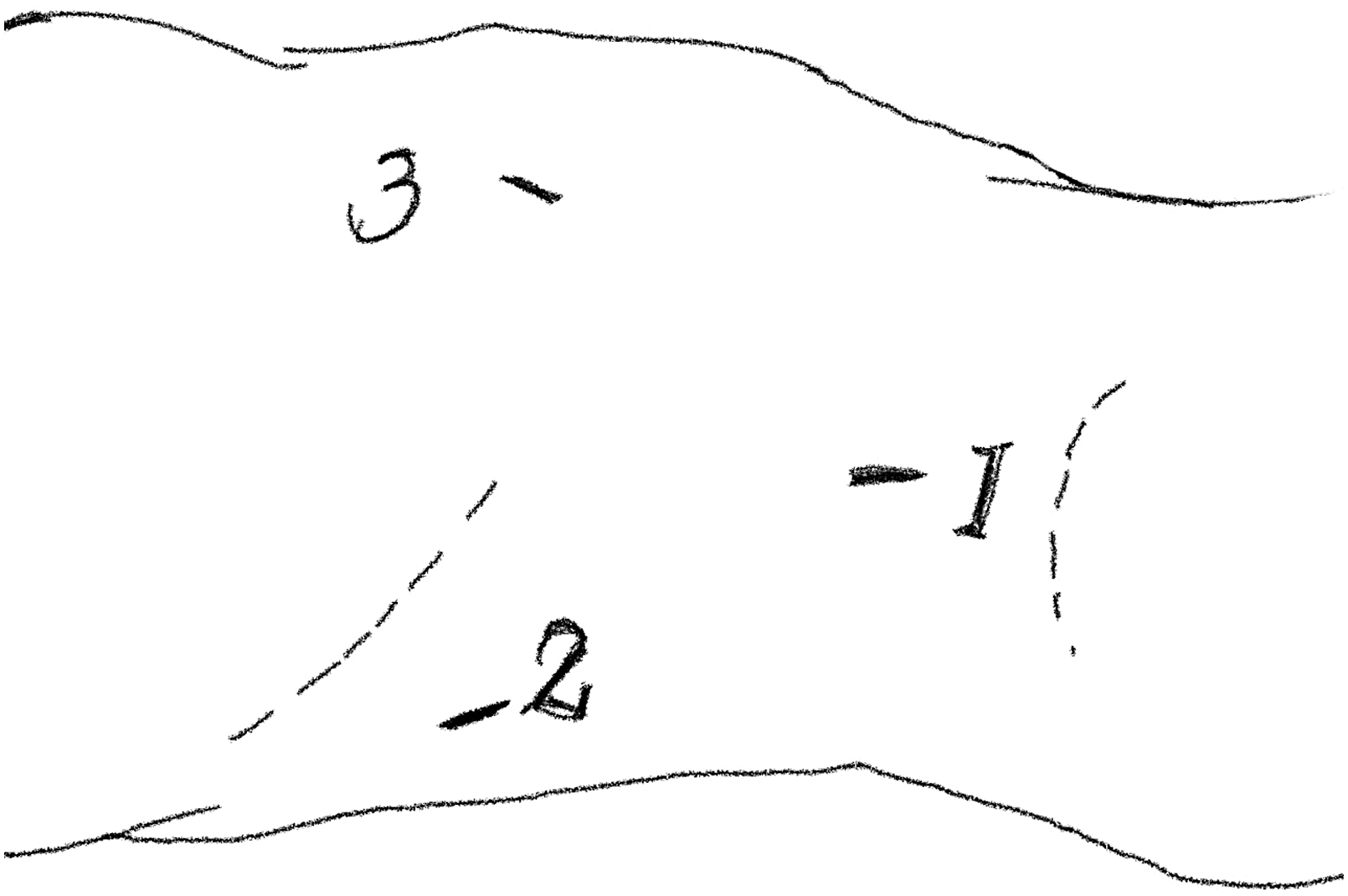
Patient's position and three ports' sites: 1. A 10-mm port is positioned above the iliac crest along the midaxillary line for the laparoscope. 2. A 12-mm port for the left side or a 5-mm port for the right side is situated beneath the 12th rib in the posterior axillary line. 3. A 12-mm port for the right side or a 5-mm port for the left side is installed below the subcostal margin on the anterior axillary line.
Next, the ICG-guided SPRA proceeded. After removing the retroperitoneal fat, a dose of 2.5 mg of ICG was injected intravenously. With the help of a 4K fluorescence imaging system (Zhejiang Healnoc Technology Co., Ltd.), the surgery was implemented by the following steps: (1) incised the Gerota's fascia longitudinally about 1 cm below the junction of retroperitoneal fold and Gerota's fascia; (2) dissecting the plane between the perirenal fat and the anterior renal fascia on the retroperitoneal superomedial side of the upper kidney pole to expose the working space; (3) the adrenal gland and tumor were located accurately and precisely by the guidance of ICG fluorescence imaging; (4) dissected anatomically the adrenal and completely excised the tumor with Hem-o-Lok clipping applied (Fig. 3). The locating time of the adrenal gland, representing the duration from incising Gerota's fascia to locate the adrenal gland, and the excision time, representing the duration from locating the tumor to complete removal, as well as the total operative time were recorded (Supplementary Video S2).

Intraoperative photos of ICG-guided single-plane PRA.
Statistical analysis
Statistical analysis was performed using the R software package (R 4.3.1). The t-test or chi-square test was used to compare the differences between the ICG group and the non-ICG group. The p-values less than 0.05 were considered statistically significant.
Results
The preliminary results showed that an obvious visualization contrast between the adrenal gland or tumor and the surrounding tissue was observed in the fluorescence imaging after the intravenous injection of 2.5 mg ICG (Fig. 4). After the tumor was removed out of body at operation completed, it was still fluorescence visualized (Supplementary Fig. S1). The mean optimal imaging time was 32 ± 5.1 seconds for the gland tumor and 69.9 ± 10.7 seconds for the adrenal gland separately (Supplementary Fig. S2).

In the retrospective cohort study, the demographic variables were comparable including age, gender, BMI, blood pressure, heart rate, or ASA classification, the perioperative and postoperative HGB levels between groups. In addition, no significant difference was found in term of tumor size and side, as well as perioperative platelet (PLT), albumin (ALB), and potassium levels (Table 1).
Patient Characteristics
Data are presented as n or mean ± standard deviation.
ALB = albumin; ASA = American Society of Anesthesiologists; BMI = body mass index; HGB = hemoglobin; PLT = platelets.
In the ICG group, the locating time and the total operative time were significantly shorter compared with the non-ICG group (5.58 ± 0.36 minutes vs 7.55 ± 0.62 minutes, p < 0.001; 27.50 ± 5.46 minutes vs 45.00 ± 10.99 minutes, p < 0.001), but the excision time showed no difference (10.66 ± 1.13 minutes vs 11.21 ± 0.85 minutes, p = 0.206). In addition, compared with the non-ICG group, the blood loss was significantly reduced (22.91 ± 7.57 mL vs 54.54 ± 18.90 mL, p < 0.001) in the ICG group, and the visual analog pain scale (VAPS) at 24 hours and at discharge was significantly lower (5.33 ± 0.88 vs 6.73 ± 0.90, p = 0.001; 3.08 ± 0.66 vs 4.00 ± 0.77, p = 0.006) as well. There was no significant difference in terms of hospital stay or oral intake interval. The histologic type of the tumors was similar between the two groups. Regarding complications, two cases present peritoneal injury in the non-ICG group, but no significant difference was observed regarding subcutaneous emphysema, wound infection, and fever between the two groups. One patient in each group required an additional analgesia after surgery (Table 2).
Perioperative Results
Locating time, the time to locate the adrenal gland from opening Gerota's fascia. Excision time, the duration of adrenal tumor excision from locating the tumor to complete removal.
VAPS = visual analog pain scale.
Discussion
The retroperitoneal approach is ideal for locating and surgically resecting most adrenal tumors due to the anatomical features of the adrenal gland. SPRA can reduce interference to surrounding structures, with potential benefits such as less blooding and shorter operative time. However, locating the adrenal gland precisely can be challenging in a context of abundant retroperitoneal adiposity. This is a common issue in adrenal pathology, caused by hypercortisolism, as well as in obesity. 5
ICG fluorescence imaging has achieved significant attention in terms of the advantage of real-time guidance in the fields of urologic surgery. 8,10 In ICG-guided nephron-sparing surgery, it can accurately display the location and boundary of the tumor, guide precise surgical excision, and preserve more renal function. 11 In prostate cancer surgery, ICG fluorescence imaging can assist with the preservation of the urethral sphincter and neurovascular bundle to regain urinary continence and erectile function. 12,13 Sound et al. 6 and Palomba et al. 14 reported that the application of ICG can provide clear visualization of the adrenal gland and help precision resection of adrenal tumors. However, there is limited evidence on the application of ICG for the adrenal gland.
In the preliminary experiment, we confirmed an enhanced visibility and demarcation of the adrenal gland and tumor contours through ICG fluorescence imaging. The visualization time for the adrenal gland was rapid, taking ∼69 seconds, and prolonged for more than 20 minutes. This finding was consistent with previous studies, which demonstrated that the time interval of visualization of adrenal fluorescence varies from 30 to 60 seconds with a dose of 5 mg of ICG intravenously injected. 15 It is worth noting that the ICG dose used in our study was 2.5 mg, which is lower than prior studies. These findings suggest that the application of ICG can play a role in rapid localization and precision resection in SPRA surgery.
Based on the rapid and persistent visual fluorescence enhancement, our subsequent retrospective cohort study showed that there were significant advantages in terms of adrenal gland localization time and total operative time in the ICG group, but there was no difference in the excision time. The reason may be that the visualization difference between the adrenal gland and the tumor was very brief after the intravenous injection of ICG. By the time the adrenal gland was located with the aid of ICG during the ICG-guided SPRA, the fluorescence contrast between the adrenal gland and the tumor had vanished, resulting in a homogeneous fluorescence imaging that no provided noticeable assistance in removing the tumor. Undoubtedly, a small sample size could also be an important influencing factor. In addition, two cases of peritoneal injury in the non-ICG group, with extended total operation time of 72 and 51 minutes, respectively, could bias the total operative time.
Very interestingly, after the intravenous injection of ICG, a visualization contrast between the retroperitoneal fold and Gerota's fascia can be clearly visualized, lasting for ∼5–10 seconds, which was an important landmark to incise and expose the avascular plane. In addition, a preclinical model study demonstrated that ICG fluorescence imaging first enabled enhanced visualization of the regional arteries and then highlighted the adrenal gland and subsequently the inferior vena cava. 16 It seems to be consistent with our visual observations in the preliminary study, is that ICG fluorescence imaging of gland tumor maybe begin in subtle branching arteries. Detailed mechanisms need to be followed in the future study.
To the best of our knowledge, this is the first report about ICG-guided SPRA. Although the sample size was relatively small, we achieved interesting and consistent findings with previous studies. First, enhanced fluorescence contrast between the adrenal gland and the surrounding structures was helpful for more precise location and anatomical dissociation of the adrenal gland, thus avoiding aimless manipulation of adjacent structures and reducing the total operative time and blood loss. 14,17 Second, ICG fluorescence imaging can identify tumor or lesion boundaries more accurately. This approach maximizes the preservation of normal adrenal tissue, potentially favors to lower dosages and shorter durations of postoperative hormone replacement therapy. 18,19
Third, the postoperative VAPS scores at 24 hours and at discharge for patients in the ICG group were notably lower than those in the non-ICG group, which was never reported before. Finally, the presence of peritoneal injuries was reported in two patients in the non-ICG group. It was supposed to compromise the integrity of the retroperitoneal space and resulted in prolonged operative time. 20,21 We assumed that the implementation of ICG might be responsible for avoidance of such injuries in the ICG group. Overall, the use of ICG fluorescence imaging in adrenal surgery shows promise in improving surgical outcomes and reducing blood loss.
This study has certain limitations. The small sample size may have limited the statistical power and generalizability of the study findings. In addition, the retrospective design may have introduced selection bias and potential confounding factors. Therefore, caution should be exercised when interpreting and applying the results of this study. Future studies with larger sample sizes and prospective study designs are warranted to confirm our findings and better understand the efficacy and safety of ICG fluorescence imaging in the SPRA, or robotic SPRA.
Conclusions
ICG-guided SPRA could be a safe and effective procedure for patients with adrenal tumors. This technique improves the accuracy and efficacy of tumor localization and has shown benefits in perioperative outcomes. The use of ICG fluorescence guidance in PRA represents a promising clinical application.
Footnotes
Authors' Contributions
Author contributions for this medical article are as follows: J.-X.L. and Z.-B.C. are responsible for study design, data analysis and interpretation, and article writing. M.-H.W., H.-C.S., Y.D., M.-J.S., and B.-Y.Y. contributed to data collection. M.-J.S., J.S., and X.-H.L. are responsible for study conception and design, critical revision of the article, and overall supervision of the project. All authors approved the final version of the article.
Ethics Statement
This study was approved by the ethics committee of Beijing Friendship Hospital and was carried out in accordance with the ethical principles outlined in the Declaration of Helsinki. All patients provided written informed consent before participation in the study. The confidentiality of patient information was maintained throughout the study, and all personal identifiers were removed from the data to protect patient privacy. The study was conducted with the highest level of integrity and adherence to ethical standards.
Author Disclosure Statement
No competing financial interests exist.
Funding Information
Dr. Xuan-Hao Li was supported by Beijing Hospitals Authority’ Foster Talent program (PX20200106).
Supplementary Material
Supplementary Figure S1
Supplementary Figure S2
Supplementary Video S1
Supplementary Video S2
Abbreviations Used
References
Supplementary Material
Please find the following supplemental material available below.
For Open Access articles published under a Creative Commons License, all supplemental material carries the same license as the article it is associated with.
For non-Open Access articles published, all supplemental material carries a non-exclusive license, and permission requests for re-use of supplemental material or any part of supplemental material shall be sent directly to the copyright owner as specified in the copyright notice associated with the article.
