




Abstract
Bacterial pathogens may survive and regrow in finished compost due to incomplete thermal inactivation during or recontamination after composting. Twenty-nine finished composts were obtained from 19 U.S. states and were separated into three broad feedstock categories: biosolids (n=10), manure (n=4), and yard waste (n=15). Three replicates of each compost were inoculated with ≈1–2 log CFU/g of nonpathogenic Escherichia coli, Salmonella spp., and E. coli O157:H7. The U.S. Environmental Protection Agency's (EPA) protocols and U.S. Composting Council's (USCC) Test Methods for the Examination of Composting and Compost (TMECC) were compared to determine which method recovered higher percentages of inoculated E. coli (representing fecal coliforms) and Salmonella spp. from 400-g samples of finished composts. Populations of Salmonella spp. and E. coli O157:H7 were determined over 3 days while stored at 25°C and compared to physicochemical parameters to predict their respective regrowth potentials. EPA Method 1680 recovered significantly (p=0.0003) more inoculated E. coli (68.7%) than TMECC 07.01 (48.1%) due to the EPA method using more compost in the initial homogenate, larger transfer dilutions, and a larger most probable number scheme compared to TMECC 07.01. The recoveries of inoculated Salmonella spp. by Environmental Protection Agency Method 1682 (89.1%) and TMECC 07.02 (72.4%) were not statistically significant (p=0.44). The statistically similar recovery percentages may be explained by the use of a nonselective pre-enrichment step used in both methods. No physicochemical parameter (C:N, moisture content, total organic carbon) was able to serve as a sole predictor of regrowth of Salmonella spp. or E. coli O157:H7 in finished compost. However, statistical analysis revealed that the C:N ratio, total organic carbon, and moisture content all contributed to pathogen regrowth potential in finished composts. It is recommended that the USCC modify TMECC protocols to test larger amounts of compost in the initial homogenate to facilitate greater recovery of target organisms.
Introduction
T
Compost is organic material that has been degraded into a nutrient-stabilized, humus-like substance through microbial activity that generates sufficiently high (thermophilic) temperatures (≥55°C) to kill enteric bacterial pathogens originally present in the feedstocks, assuming that proper carbon:nitrogen ratios (C:N), moisture, and aeration levels are maintained. To ensure sufficient pathogen inactivation within a compost pile, the U.S. Environmental Protection Agency (EPA) and United States Department of Agriculture National Organic Program recommend maintaining the pile at >55°C for at least 3 consecutive days for static and aerated piles, or at >55°C for 15 days for windrow composting.
Several studies have found human pathogens in finished compost that has achieved >55°C (Wichuk and McCartney, 2007; Ingram, 2009; Brinton et al., 2009; Shepherd et al., 2010). Cross-contamination within the composting facility can occur from machinery used on multiple compost piles, run-off from contaminated piles, and blending of composts. Even if compost piles are properly maintained and achieve thermophilic temperatures, finished compost can become recontaminated from environmental sources, such as wild animals and birds, which can carry Salmonella spp. and E. coli O157:H7 (Stephens et al., 2007; Mandrell, 2009; Gorski et al., 2011; Teplitski et al., 2012). Proper vector reduction measures, such as compost coverings and turning, can reduce the likelihood of transferring enteric pathogens from wildlife to composts.
Salmonella spp. and E. coli can regrow in finished compost (Zaleski et al., 2005; Wichuk and McCartney, 2007). Finished compost containing few indigenous microorganisms, through purposeful sterilization or overheating, is susceptible to regrowth of Salmonella spp. and E. coli O157:H7 (Millner et al., 1987; Sidhu et al., 2001; Zaleski et al., 2005; Kim et al., 2011). The potential for pathogen regrowth in finished compost presents a risk for produce contamination when spread or applied to agricultural fields. Identifying nonmicrobiological indicators (physicochemical factors) that could predict the regrowth of Salmonella spp. and E. coli O157:H7 in compost would aid composting operations in selecting feedstocks, composting methods, as well as growers in determining the suitability of using compost as fertilizer.
The U.S. EPA created microbiological standards through the Part 503 rule for biosolids (human waste), stating that biosolids must contain <1000 most probable number (MPN)/g for fecal coliforms or <3 MPN/4g for Salmonella spp. Compost made from biosolids must comply with these standards as well (US EPA, 1993). EPA methods 1680 and 1682 were designed to test biosolids for fecal coliforms and Salmonella, respectively. Microbiological standards pertaining to compost made from nonbiosolids feedstocks vary from state to state. The U.S. Composting Council (USCC) established the voluntary Seal of Testing Assurance (STA) program employing the Testing Methods for the Examination of Composting and Compost (TMECC), using the same microbiological standards as the EPA Part 503 rule. As of summer 2013, approximately 200 composting facilities in the United States participate in the STA program (USCC, 2014). Many states use the Part 503 standards but do not specify the pathogen testing method, and therefore, both EPA and TMECC methods are currently being used to test finished compost. No direct comparison between EPA and TMECC has been performed to determine which method is more sensitive in recovery of the target organism.
The first objective of our study was to compare recoveries of inoculated generic E. coli (as a surrogate for fecal coliforms) and Salmonella spp. from finished, point-of-sale composts made from different feedstocks using EPA and TMECC methods. The second objective was to evaluate whether physicochemical characteristics of compost can be used to predict the regrowth of Salmonella spp. and E. coli O157:H7 in compost.
Materials and Methods
Study design
Finished, point-of-sale composts from 29 composting facilities from 19 states were obtained (Table 1). Twenty-four of the 29 facilities participated in the STA program. Composite compost samples were collected at the composting site and brought back or shipped to the Environmental Microbial and Food Safety Laboratory in Beltsville, MD and stored at 4°C until analyses. A geographically diverse set of composts was used to limit bias based on collection location.
Compost code numbers represent the numerical order in which they were processed.
Indicates that the composting facility was not participating in the US Composting Council's voluntary Seal of Testing Assurance (STA) program. All other composting facilities were participating in the STA program at the time of compost collection.
Compost number 12 was processed twice during this experiment. This compost sample is both number 12 and number 26. Thus, though the numbering goes up to 30, only 29 compost samples were actually processed.
TOC, total organic carbon.
Each compost sample was categorized based on the feedstock used into one of three broad categories: biosolids (n=10), manure (n=4), or yard waste (n=15). Any compost in which any portion of the feedstock was biosolids or animal manure was classified as biosolids or manure, respectively.
Bacterial strains used and culture conditions
Table 2 details the nonpathogenic E. coli, E. coli O157:H7, and Salmonella spp. strains and serotypes used in this experiment. Prior to compost inoculation, each strain of nonpathogenic E. coli, Salmonella spp., and E. coli O157:H7 was isolated on MACR (MacConkey agar [Neogen, Lansing, MI] with 80 μg/mL rifampicin [Sigma-Aldrich, St. Louis, MO]), XLDN (Xylose Lysine Desoxycholate [Neogen] agar with 50 μg/mL nalidixic acid [Sigma-Aldrich]) or CHROMN (CHROMagar O157; [DRG, Springfield, NJ] with 50 μg/mL nalidixic acid), respectively, and incubated at 37°C for 24 h. A single colony of each bacterial isolate from the selective medium was deposited into 20 mL of a Milorganite (Milorganite, Milwaukee, WI) extract, incubated at 37°C with agitation at 250 rpm for 48 h to achieve a population of 108–9 colony-forming units (CFU)/mL for each individual culture. Each culture was diluted 1:10000 in buffered peptone water (BPW) (Neogen) and 1 mL of each culture was used in a multistrain inocula that was added to compost samples. Cultures of individual strains were spiral plated (Don Whitley, Microbiology International, Frederick, MD) onto appropriate selective media (50 μL, in duplicate) and incubated at 37°C for 24±2 h to determine the initial population of each inoculum.
Environmental Microbial Food Safety Laboratory at the Beltsville Agriculture Research Center in Beltsville, MD 20705.
Inoculation of compost
Each compost sample was sieved to 9.51 mm (The W. S. Tyler Company, Cleveland, OH) and homogenized in a sterile bin. Three 400-g replicates of each compost sample were placed into Ziploc (SC Johnson & Sons, Racine, WI) bags and inoculated with 7 mL of the multistrain inoculum of E. coli, Salmonella spp., and E. coli O157:H7, yielding an approximate population of 101–2 CFU/g per organism. Immediately after adding inocula to the compost sample, the bag was sealed and the sample was manually homogenized for 5 min. Each compost replicate was then processed according to the protocols as described in Figures 1 –4.
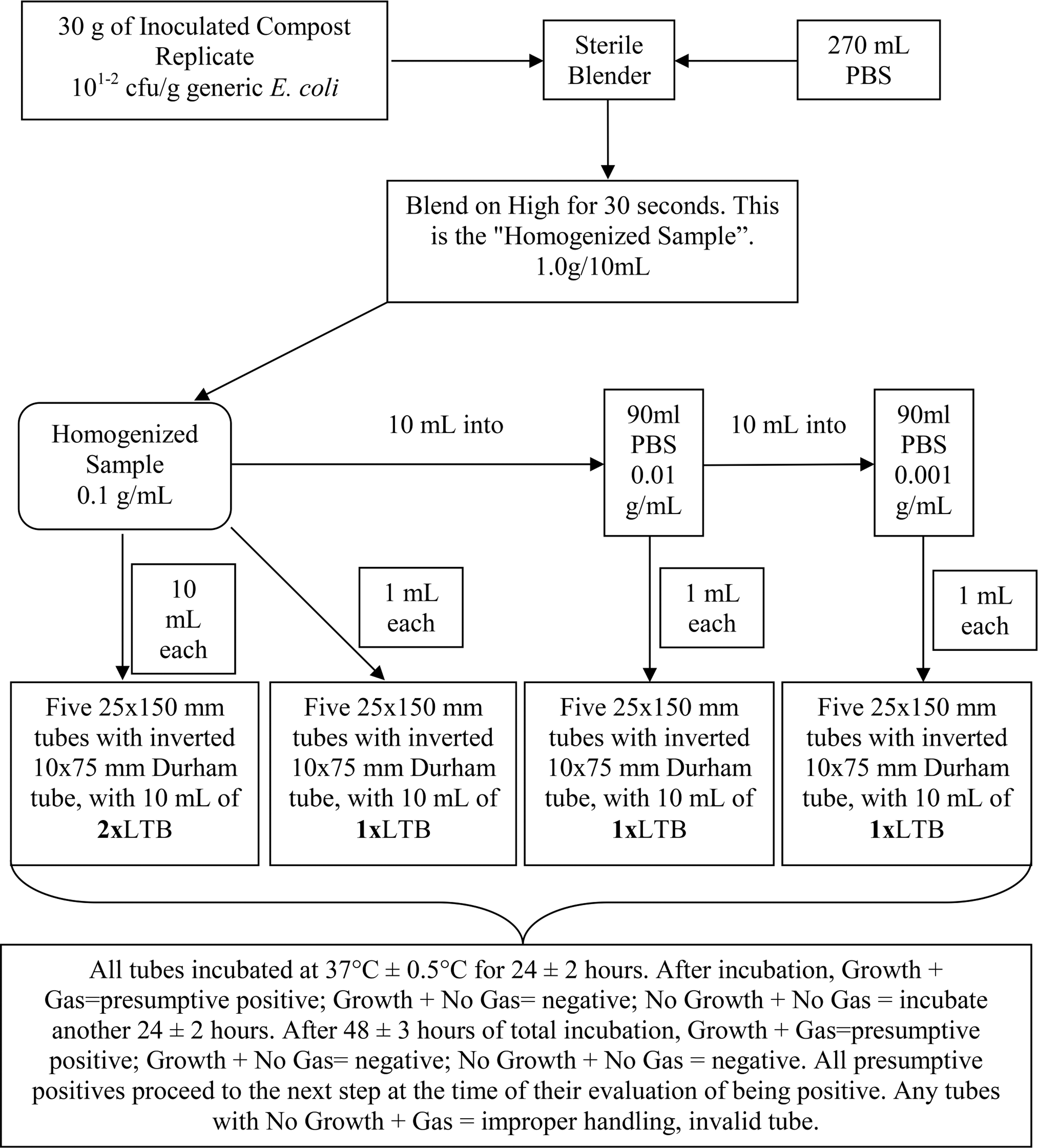
A flowchart describing EPA Method 1680 for recovery of fecal coliforms from biosolids used to recover inoculated Escherichia coli from 29 finished composts, and the isolation of rifampicin-resistant E. coli from enrichment broths. PBS, phosphate-buffered saline; LTB, lauryl tryptose broth; EC, Escherichia coli medium; MAC, MacConkey agar; MPN, most probable number.

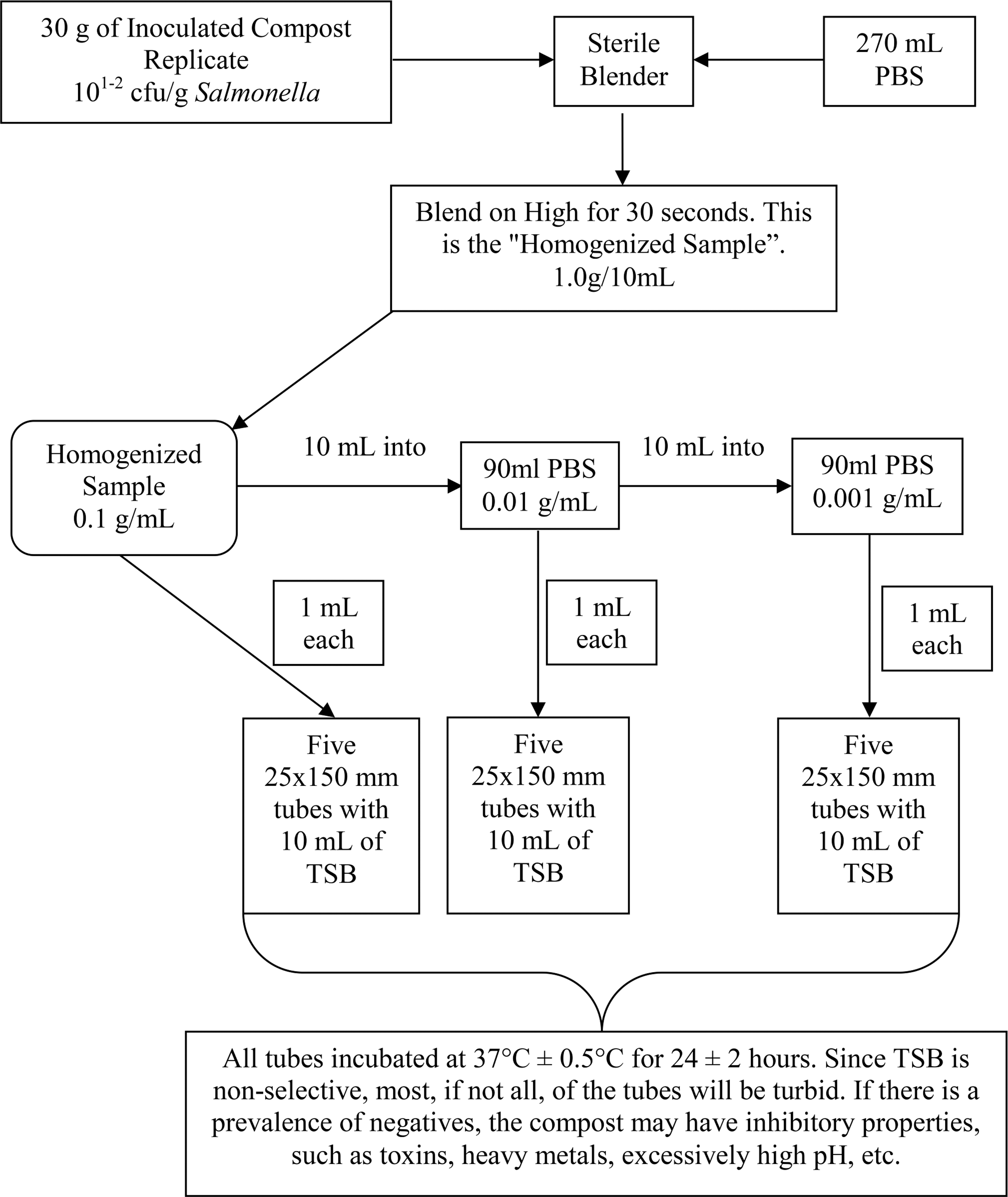
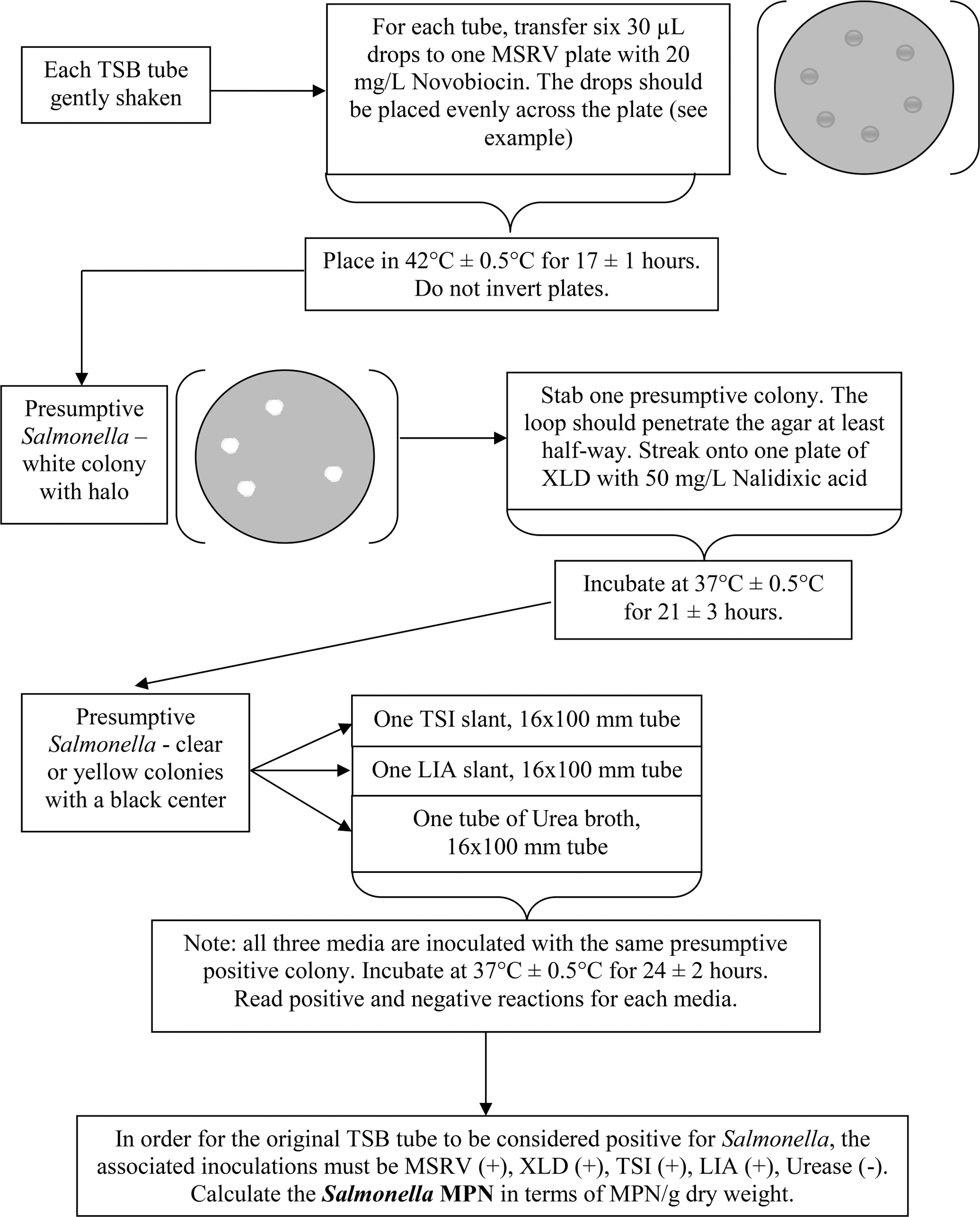
A flowchart describing EPA Method 1682 for the recovery of Salmonella spp. from biosolids used to recover inoculated Salmonella spp. from 29 finished composts. PBS, phosphate-buffered saline; TSB, tryptic soy broth; MSRV, modified semisolid Rappaport-Vassiliadis agar; XLD, xylose-lysine desoxycholate agar; TSI, triple sugar iron; LIA, lysine iron agar; MPN, most probable number.
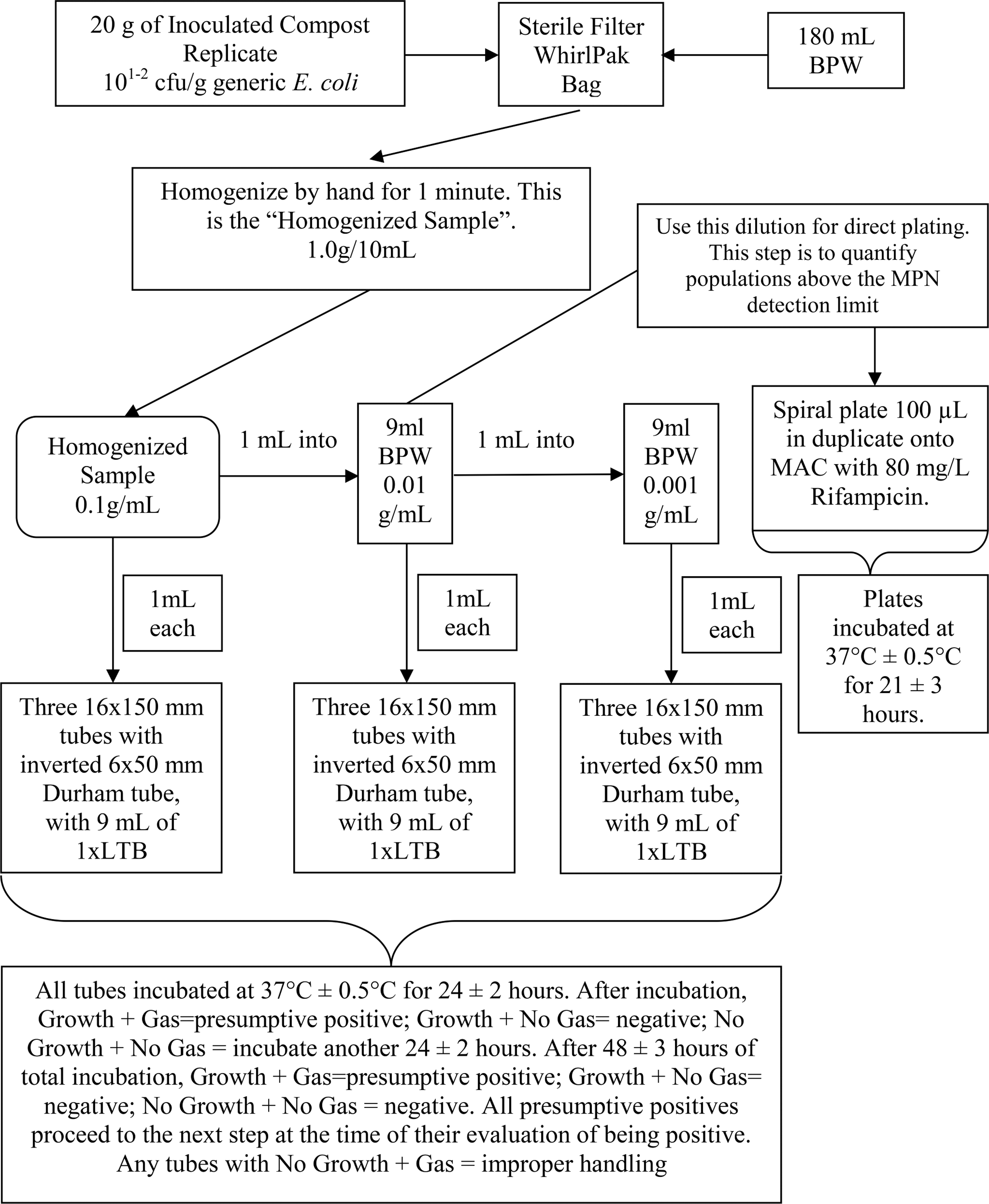
A flowchart describing Test Methods for the Examination of Composting and Compost (TMECC) 07.01 A, B, C for the recovery of total coliforms, total fecal coliforms, and total Escherichia coli from 29 finished composts. BPW, buffered peptone water; MAC, MacConkey agar; LTB, lauryl tryptose broth; MPN, most probable number; ECMUG, Escherichia coli medium with methylumbelliferyl glucuronidase (MUG); EMB, eosin–methylene blue agar; MIL, motility indole lysine agar; TSI, triple sugar iron.
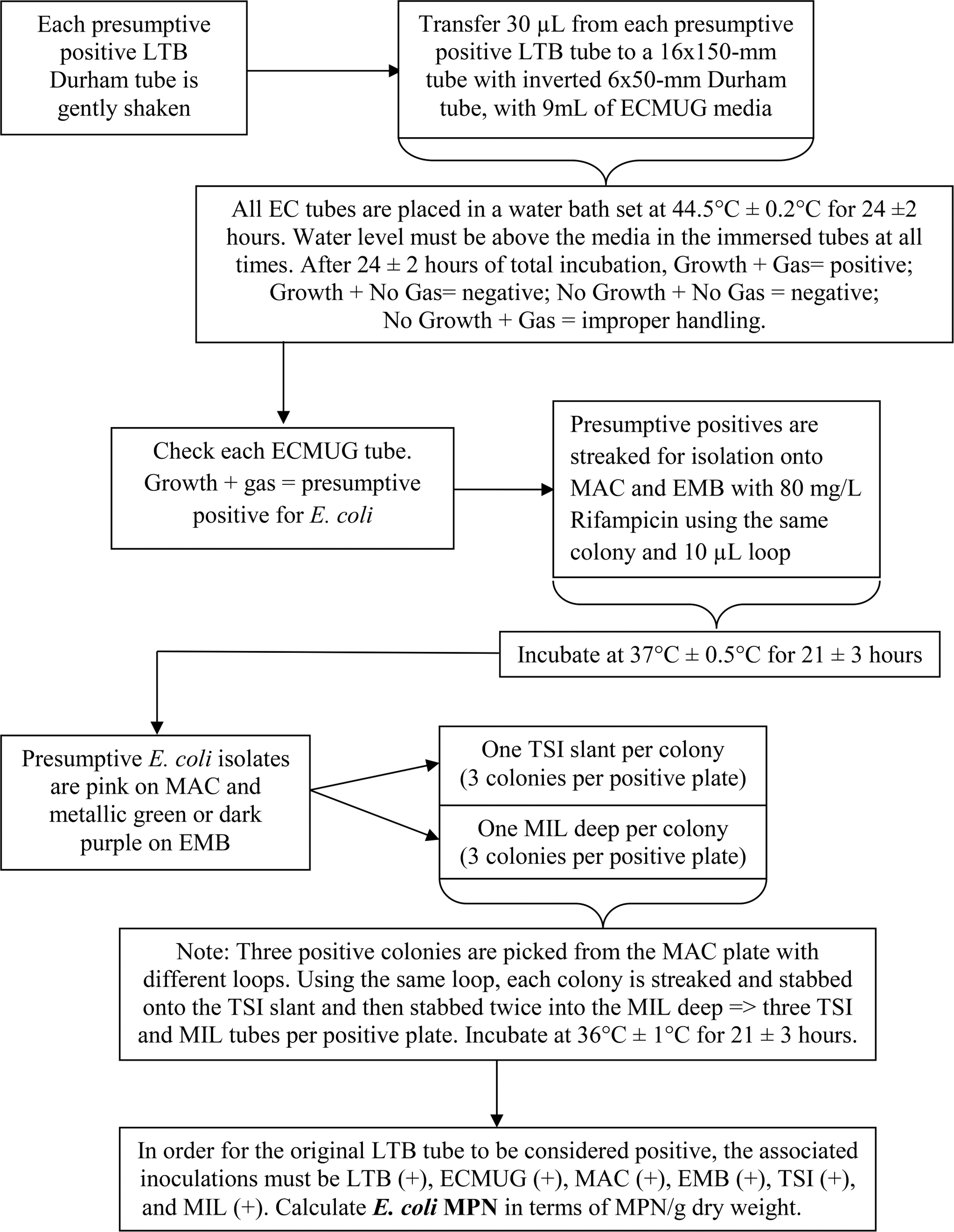
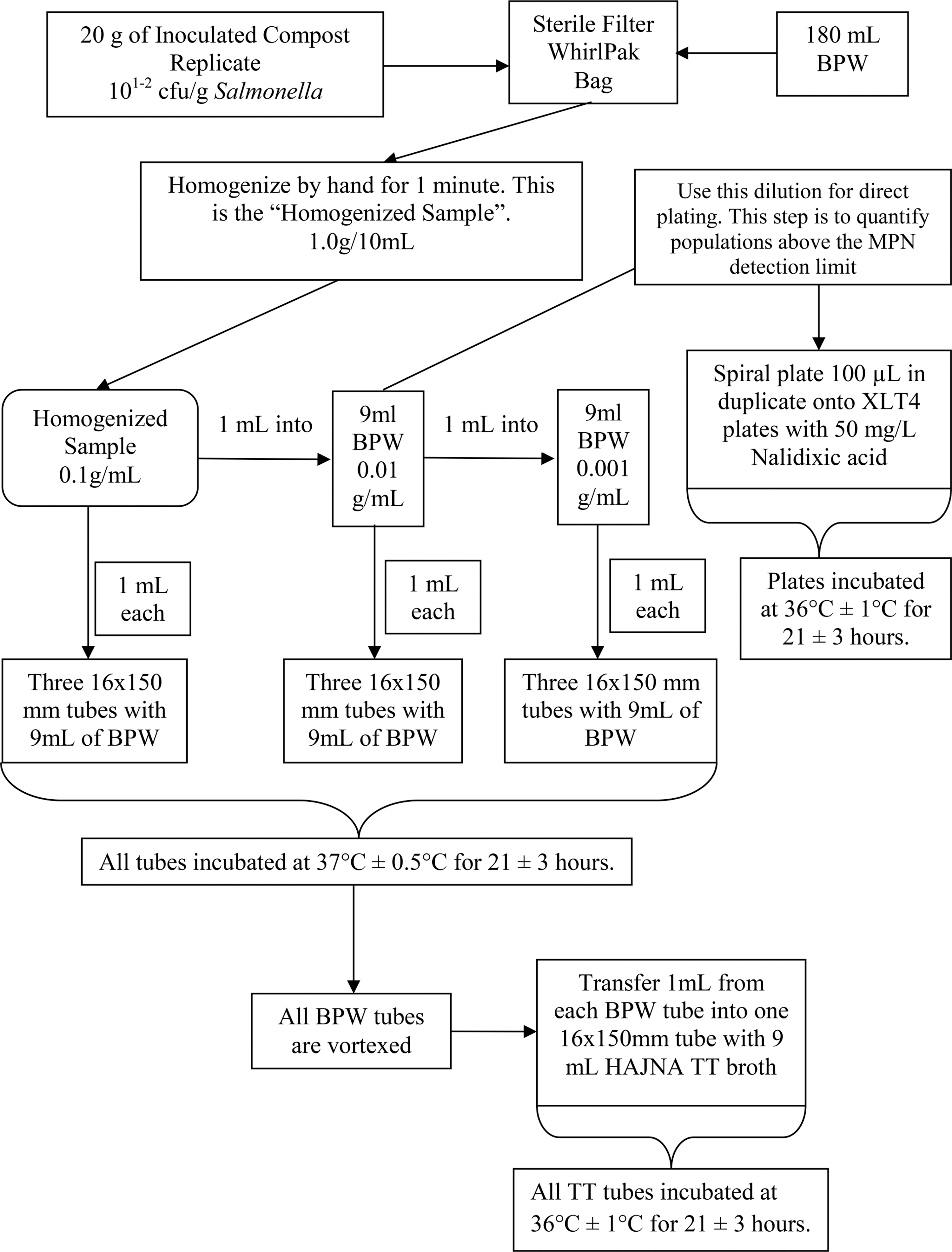
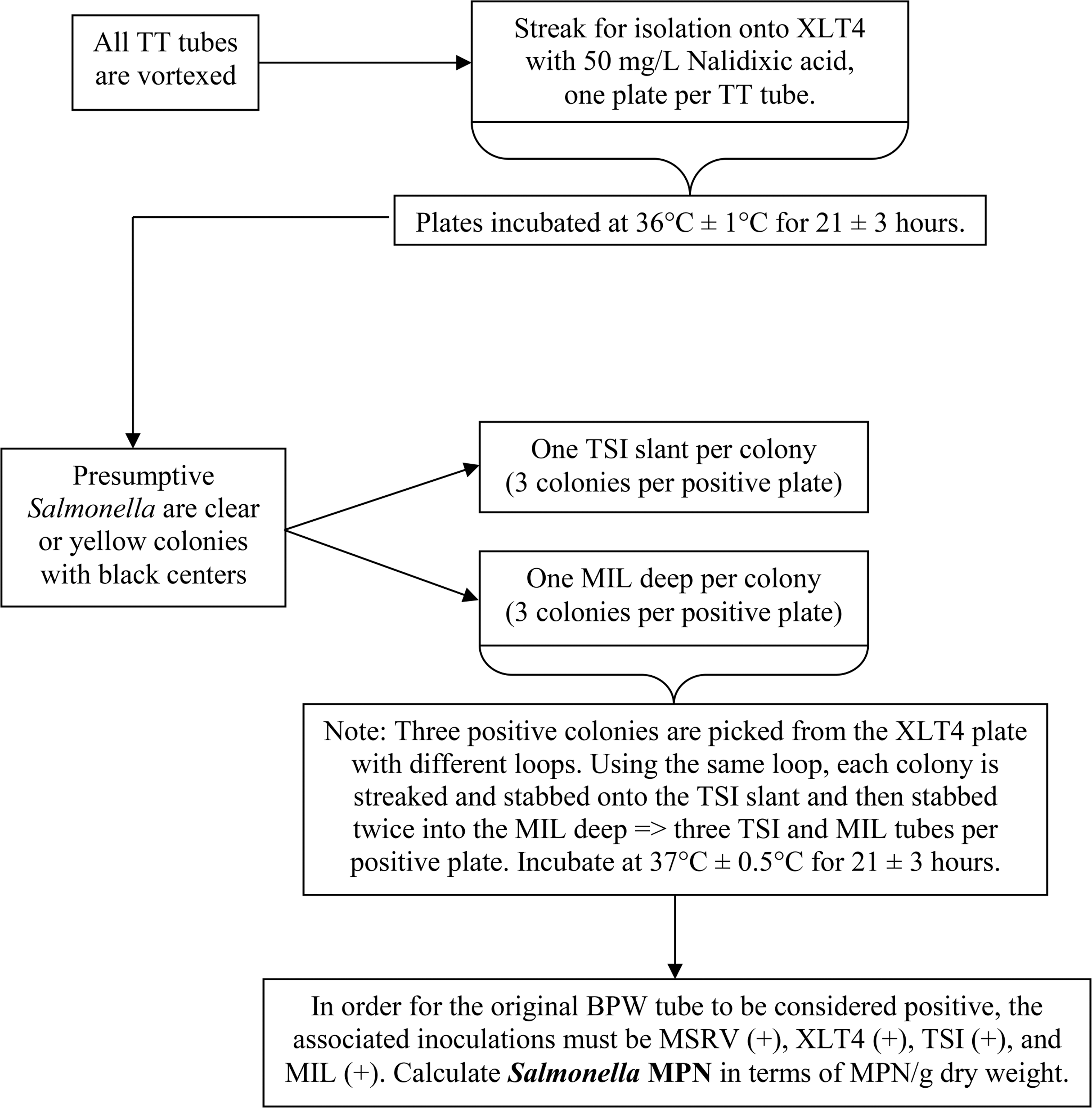
A flowchart describing Test Methods for the Examination of Composting and Compost (TMECC) 07.02 for the recovery of Salmonella spp. from compost used to recover inoculated Salmonella spp. from 29 finished composts. BPW, buffered peptone water; MPN, most probable number; HAJNA TT (tetrathionate broth); TSI, triple sugar iron; MIL, motility indole lysine agar; MSRV, modified semisolid Rappaport-Vassiliadis agar.
Microbiological recovery methods used
Figure 1 (EPA Method 1680) and Fig. 3 (TMECC 07.01) illustrate the recovery methods used for fecal coliforms. After EPA Method 1680 was completed, 10 μL of culture from EC tubes that were positive for fecal coliforms were isolated on MACR to recover the rifampicin-resistant nonpathogenic E. coli inoculated into the compost (to directly compare results to the TMECC 07.01 method). Figure 2 (EPA Method 1682) and Fig. 4 (TMECC 07.02 [B and C]) show the methods used for the recovery of Salmonella spp.
Evaluation of physicochemical parameters of finished point-of-sale compost
Uninoculated compost from each of the 29 samples were analyzed for the following characteristics using standard laboratory methods (Table 3): carbon:nitrogen ratio (C:N); total organic carbon (TOC); % moisture; % volatile solids; pH; electrical conductivity (EC); and maturity (tested by CO2 and NH3 tests and maturity index [Solvita, Mt. Vernon, ME]).
E. coli O157:H7 recovery method
Ten grams of inoculated compost were combined with 90 mL tryptic soy broth (TSB) in a filtered WhirlPak bag (Nasco, Ft. Atkinson, WI) and homogenized for at least 30 s. Homogenates were spiral-plated (200 μL, in duplicate) onto CHROMN, which were incubated at 37°C for 24±2 h before populations were determined and expressed in CFU per gram (dry weight) for analyses. All 29 (27 for E. coli O157:H7) inoculated compost samples were simultaneously assayed by all 5 described recovery methods in a completely randomized factorial design.
Microbial recovery and statistical analyses
The recovery percentages of E. coli and Salmonella determined by the EPA and TMECC methods were calculated using the following formula:
Where the MPN/g is the recovery of the pathogen by either EPA or TMECC methods (calculated using MPN Calculator Build 23 VB6 version,
The calculated recovery percentage values for E. coli and Salmonella spp. were divided by the largest recovery percentage from a single inoculated compost replicate so that the range of values used in the statistical analyses were rescaled to the (0, 1) proportion range as a Beta distribution. Statistical analysis was performed using Statistical Analysis Software (SAS, Cary, NC). Generalized linear mixed-effects models (using the PROC GLIMMIX function), using Beta distributions and the logit link functions, were fitted to the (0, 1) proportion of microbes recovered. A two-way analysis of variance model using compost (feedstock) type and microbiological method (EPA or TMECC) was fit to the data for each pathogen separately, specifying a compound symmetric covariance structure to model correlation between methods.
Regrowth potential of Salmonella spp. and E. coli O157:H7 in compost
To determine the regrowth potential of Salmonella spp. and E. coli O157:H7, three replicates of each inoculated compost sample were held at room temperature (25°C) in sealed Ziploc bags for 3 days after inoculation. Populations of Salmonella spp. and E. coli O157:H7 were determined by EPA Method 1682 and the E. coli O157:H7 plating method, respectively, for 3 days. To standardize growth curves to represent the change in population over the 4-day period, the average population recovered on day 0 was subtracted from the average populations on days 1, 2, and 3.
The Salmonella spp. and E. coli O157:H7 regrowth data were combined to increase the sample size and analyzed together using a boosted regression analysis of covariance model. Population changes from Day 0 to Day 1 were considered in the boosted regression model because most of the regrowth of pathogens in all compost samples was observed between day 0 and day 1. The regressors and predictors in the model were: C:N, TOC, % moisture, CO2, Solvita maturity index values, pH, EC, compost type, and pathogen (Salmonella spp. or E. coli O157:H7). To analyze these data, the generalized boosted models package in the statistical package R (GNU Operating System, Free Software Foundation) was used. J.H. Friedman's gradient boosting method was used to fit a boosted regression model to the data. The model-fitting process was performed a total of 30 times to check the stability of the model. The models were then compared to determine which physicochemical factors influenced regrowth of E. coli O157:H7 and Salmonella spp. populations.
A level of α=0.10 was used for all reports of statistical significance.
Results and Discussion
Comparison of EPA Method 1680 and TMECC 07.01 for recovery of fecal coliforms (E. coli)
Overall, EPA Method 1680 recovered significantly more generic E. coli inocula than TMECC 07.01 (p=0.0003) (Table 4). On average, EPA Method 1680 recovered 68.7%, while TMECC 07.01 recovered 48.1% of the inoculated E. coli in finished composts (Table 4). EPA Method 1680 recovered significantly more E. coli than TMECC 07.01 from both biosolids and manure composts, but not from yard-waste composts.
The p-values of the comparison of methods (EPA 1680 vs. TMECC 07.01) are shown in the “EPA vs. TMECC” column. Within each column (recovery method), mean percent recovery values of each method followed by the same capital letter are not significantly different based on compost type. Overall, EPA Method 1680 recovered a significantly higher percentage of E. coli from all compost samples compared to TMECC 07.01. All statistical significance levels are reported at p<0.10.
Procedural differences between the two methods (compost amount, serial dilutions volumes, and MPN scheme size) are the most likely explanations for the differences in recoveries of the generic E. coli inocula between EPA Method 1680 and TMECC 07.01. Both methods use similar techniques for the recovery of fecal coliforms (Figs. 1 and 3), following the same progression of steps with identical media, along with the same scale of dilutions (1:10 dilution of compost to diluent). However, EPA Method 1680 uses more compost (30 g) than TMECC 07.01 (20 g) in its initial homogenate and larger volumes in its serial dilutions (10 mL homogenate into 90 mL phosphate-buffered saline versus 1 mL homogenate into 9 mL lauryl tryptose broth in the TMECC method). Due to its larger MPN scheme, EPA Method 1680 enriched and tested a total of 5.555 g of compost while TMECC 07.01 only tested 0.333 g of compost. The larger amounts of compost used by EPA 1680 results in higher E. coli populations being recovered to TMECC 07.01, especially when testing compost, which may have low populations of E. coli or other fecal coliforms present.
Comparison of EPA Method 1682 and TMECC 07.02 for Salmonella recovery
There was no significant difference (p>0.10) between the recovery averages of Salmonella spp. using EPA Method 1682 (89.1%) and TMECC 07.02 (72.4%) of inoculated finished composts (Table 5). There was not a significant interaction between the method used (EPA or TMECC) and the compost type (p=0.27).
The p-values of the comparison of methods (EPA 1682 vs. TMECC 07.02) are shown in the “EPA vs. TMECC” column. Within each column (recovery method), mean percent recovery values of each method followed by the same capital letter are not significantly different based on compost type. Overall, EPA Method 1682 and TMECC 07.02 method did not recover a significantly different percentage of Salmonella spp. All statistical significance levels are reported at p<0.10.
The two recovery methods for Salmonella spp. used different media in addition to having similar procedural differences as the fecal coliform methods comparisons (EPA Method 1682 used more compost, larger dilution volumes, and a larger MPN scheme than TMECC 07.02) (Figs. 2 and 4). Both Salmonella spp. recovery methods used nonselective enrichment media (TSB and BPW) for pre-enrichments, which allowed for potentially physiologically injured populations of Salmonella spp. to recover and grow to higher populations before undergoing MPN analysis and culture confirmation. It is likely the pre-enrichment accounted for the higher average recovery percentages of Salmonella spp. as compared to the fecal coliform recovery methods (Tables 4 and 5). The use of the initial nonselective pre-enrichment step to increase the Salmonella populations also minimized the effect of the procedural differences between EPA Method 1682 and TMECC 07.02. This pre-enrichment step may also account for the increased variability in recovery of Salmonella populations observed between compost types (Table 4). Mesophilic and thermophilic bacteria present in finished compost samples grow well at 37°C in the enrichment broths used by EPA and TMECC methods and impact the recovery of Salmonella through microbial competition (Hussong et al., 1984; Millner et al., 1987; Pietronave et al., 2004; Novinscak et al., 2009; Kim et al., 2011). Other investigators have noted that methods incorporating a nonselective pre-enrichment step of BPW recovered significantly higher populations (MPN/g) of Salmonella spp. from biosolids than methods that did not include the non-selective pre-enrichment (Yanko et al., 1995).
Regrowth of Salmonella spp. and E. coli O157:H7 in finished composts
In most compost samples, both populations of Salmonella spp. and E. coli O157:H7 showed initial growth between Day 0 and Day 1 and then were static or decreased on Days 2 and/or 3 when stored at 25°C for 3 days (Figs. 5 and 6). No association between compost type and levels of regrowth could be ascertained (data not shown). No single characteristic was able to predict the potential for regrowth of either pathogen in finished compost (data not shown). The statistical model identified three physicochemical characteristics that contributed the most to the potential regrowth of these pathogens in compost: C:N, TOC, and % moisture (data not shown). Seven milliliters of BPW mixed into the compost as a carrier for the inocula was assumed to add a negligible amount of soluble carbon to the composts.
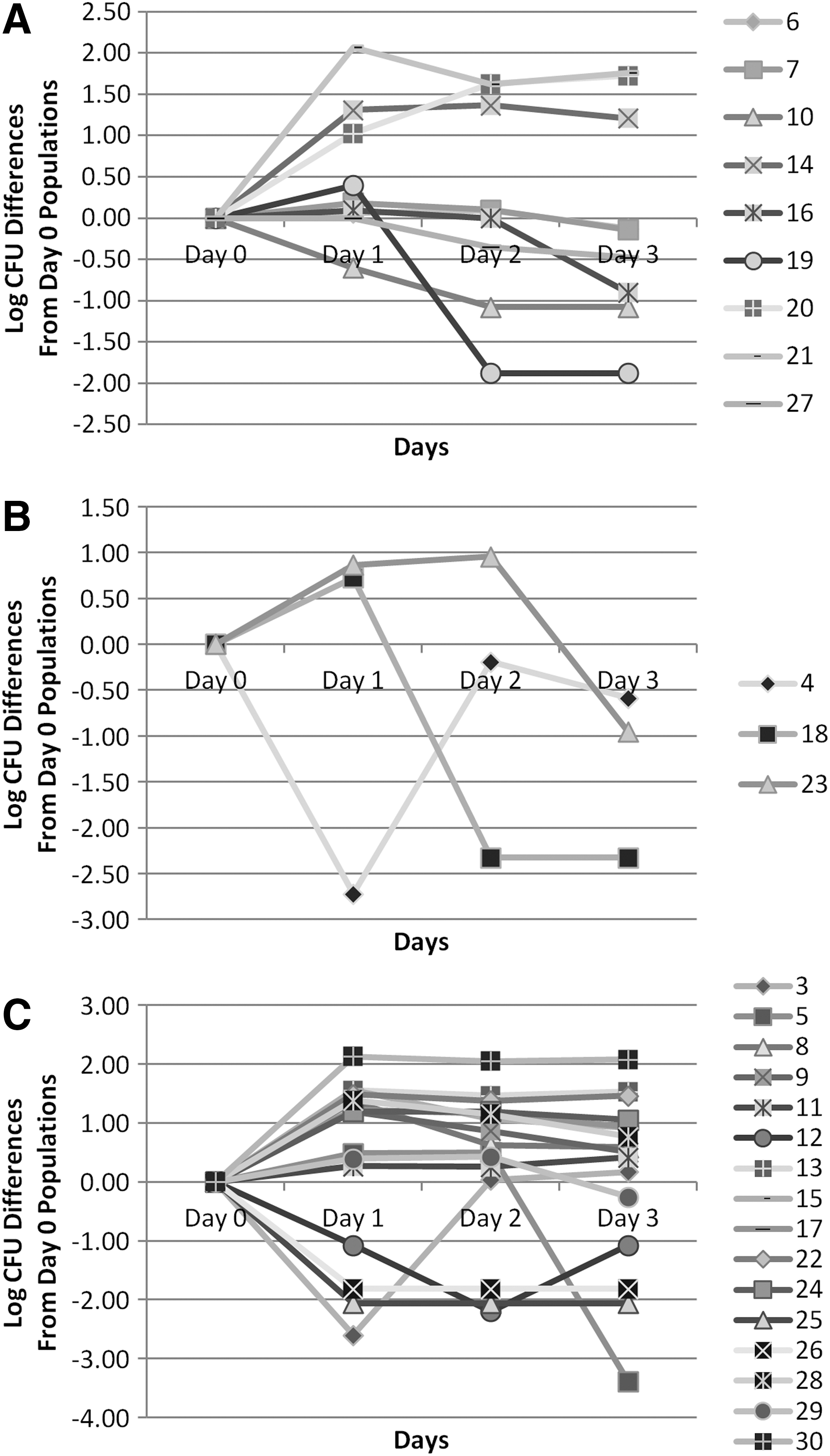
Changes in populations (log CFU/g dry weight) of E. coli O157:H7 relative to day 0, when reinoculated into 27 different commercial composts made from different feedstocks (
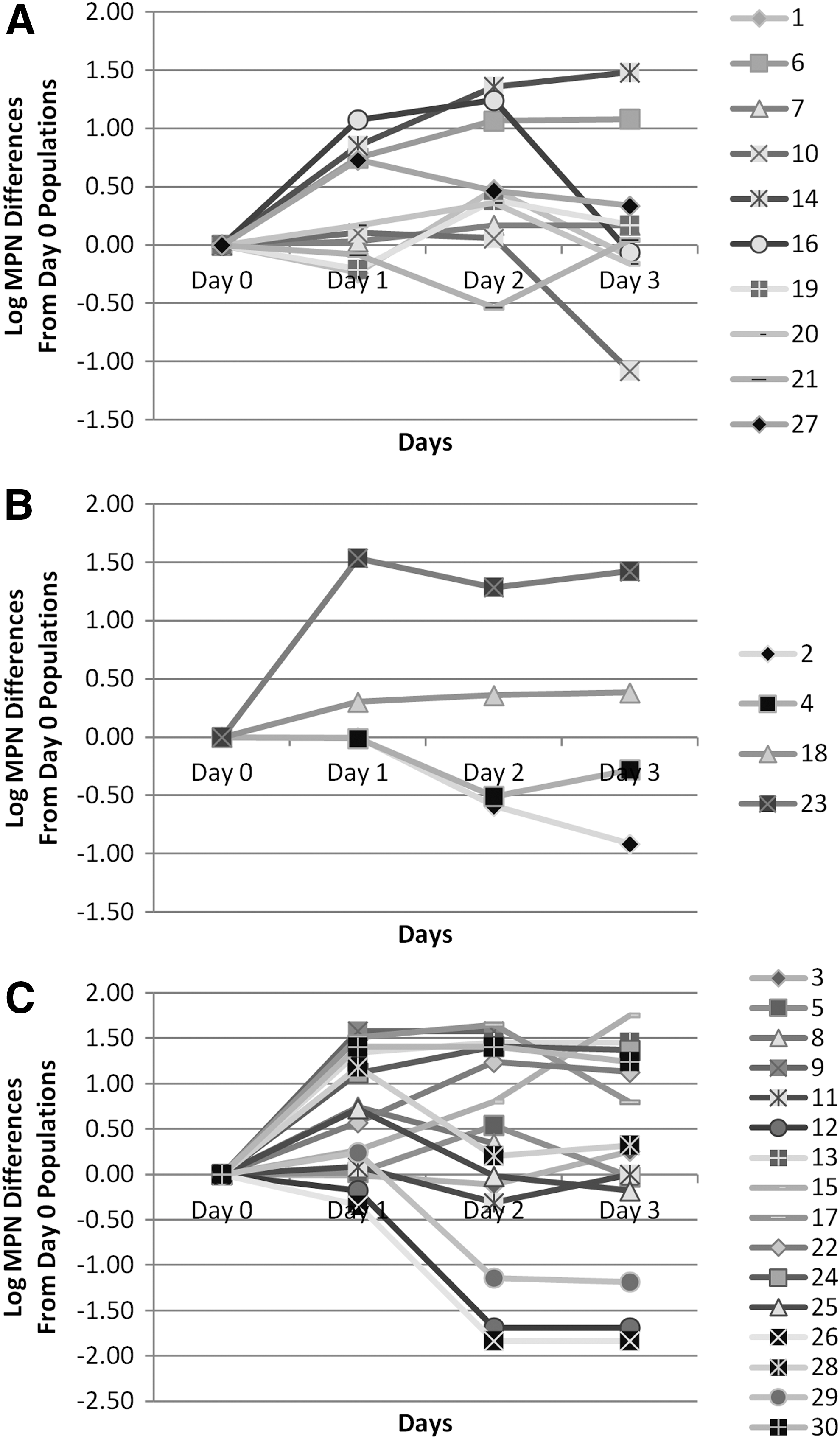
Changes in populations (log MPN/g dry weight) of Salmonella spp. relative to day 0, when reinoculated into 27 commercial composts sample made from different feedstocks (
Increased relative humidity (% moisture), has been shown to prolong bacterial survival in finished composts (Pietronave et al., 2004). Salmonella Arizonae and E. coli populations inoculated into finished compost were inactivated more slowly at 40% and 80% humidity than at 10% when stored at room temperature over a 30-day period (Pietronave et al., 2004). In our study, compost was held at 25°C in sealed Ziploc bags for 3 days. Moisture contents in our finished compost samples ranged from 21.0% to 60.0% (Table 1), and were sufficient to support pathogen survival; however, moisture content alone could not predict the regrowth of Salmonella spp. or E. coli O157:H7 in finished composts.
Our statistical analysis revealed that C:N ratio, total organic carbon, and moisture content all strongly contributed to the regrowth of pathogens in finished compost. In finished composts, the C:N ratio would be low since many of the carbon-based nutrients would be utilized by the indigenous bacteria present in the compost. The C:N ratio in our finished compost samples ranged between 6.6 and 14.2 (Table 1). These relatively low levels may not offer enough nutrients for sustained pathogen regrowth to occur. TOC levels for finished compost samples ranged between 15.6 and 290.4 ppm (Table 1), although it is unclear whether Salmonella and E. coli O157:H7 were able to use these organic carbon compounds to regrow in finished composts. Our results indicate that regrowth of enteric pathogens in finished compost is complex and impacted by multiple physicochemical factors.
In conclusion, EPA Method 1680 recovered significantly higher percentages of inoculated E. coli from the 29 finished composts tested than TMECC 07.01 due to the use of more compost, and larger transfer dilution volumes. The recovery percentages of inoculated Salmonella spp. obtained by EPA Method 1682 and TMECC 07.02 from finished composts were not statistically different, most likely because of the pre-enrichment step in both methods. The regrowth potentials of Salmonella spp. and E. coli O157:H7 populations in composts were unable to be predicted by any single physicochemical characteristic measured, indicating that pathogen regrowth in compost is influenced by multiple factors, though C:N, TOC, and % moisture were reconfirmed as major contributors. In conclusion, the USCC should consider modifying the TMECC 07.01 methods to include the procedural advantages employed by EPA 1680 to increase the recovery of fecal coliforms from compost.
Footnotes
Acknowledgments
The authors thank Dr. Yang Yang, Dr. Wilbert Long, Rishi Banerjee, Hannah Birnbaum, Mary Theresa Callahan, Nathalia Cancel Villamil, Cianni Dudley, Sean Ferguson, Natalia Macarisin, Isaac Onigbinde, and Ajay Singh for contributions to this project. Funding was provided by the Center for Produce Safety grant “Validation of testing methods for the detection and quantification of Escherichia coli O157:H7, Salmonella spp., fecal coliforms and non-pathogenic Escherichia coli in compost” and the USDA-ARS “Microbial Ecology & Safety of Fresh on-Farm Organically Grown Produce” project.
Disclosure Statement
No competing financial interests exist.