




Abstract
Foodborne gastroenteritis outbreaks owing to Salmonella enterica serovar Weltevreden (Salmonella Weltevreden) represent a significant global public health problem. In the past two decades, Salmonella Weltevreden has emerged as a dominant foodborne pathogen, especially in South-East Asian countries. This report describes a community foodborne outbreak of gastroenteritis caused by Salmonella Weltevreden in August 2022 following consumption of panipuri from a street vendor in the Polba block in Hooghly district, West Bengal, India. This food item was consumed by 185 people, of whom 129 had acute watery diarrhea with other clinical symptoms and 65 of them were admitted to different District hospitals for treatment. Stool specimens collected from hospitalized cases were positive for S. enterica, and further serotyped as Salmonella Weltevreden. All the Salmonella Weltevreden strains possessed the Salmonella pathogenicity islands associated genes (invA/E, orgA, ttrc, ssaQ, mgtC, misL, spi4D), the enterotoxin (stn), and hyperinvasive locus gene (hilA). Except erythromycin, all the strains were susceptible for commonly used antimicrobials in the treatment of diarrhea. The XbaI-based pulsed-field gel electrophoresis analysis indicated that all the isolates responsible for the recent outbreak were similar, but diverged from other Salmonella Weltevreden that were previously reported in West Bengal. This report indicates that foodborne infection is a major public health concern in India and demands to strengthen capacity-building measures at the local health care levels for linking causative agents of outbreaks.
Introduction
Foodborne illness continues to be a major cause of morbidity and mortality across countries. Approximately 600 million people worldwide are being affected by foodborne illnesses every year, and 420,000 of them die because of consumption of contaminated food. Children younger than 5 years of age bear the brunt of this burden, accounting for ∼40% of all the foodborne illnesses, leading to ∼125,000 deaths annually (World Health Organization, 2022). There is no common cause of foodborne diseases or organisms that lead to diarrhea, as they can vary depending on the region and type of foods. Within the South East Asian region, nontyphoidal Salmonella serovars, enteropathogenic Escherichia coli, enterotoxigenic E. coli, and Campylobacter spp. are significant contributors of foodborne infections (Bintsis, 2017). The National Centre for Disease Control, India reported that ∼60% of all outbreaks are related to foodborne infections (National Centre for Disease Control, 2013).
During 2009–2018, 2688 outbreaks of foodborne disease occurred in India, causing 153,745 illnesses and 572 deaths (Bisht et al., 2021). On average, the annual rate of the foodborne outbreak was 2.2 per 10,000,000 population. However, many outbreaks were not laboratory confirmed owing to a lack of infrastructure. The state of West Bengal in India reported the highest number of foodborne outbreaks during 2009–2018 (Bisht et al., 2021).
On August 10, 2022, a number of people from two adjacent villages of Polba block in Hooghly district were admitted to the district hospital with symptoms of acute gastroenteritis after having panipuri (fried puff/pastry balls with mashed potato, chopped onions, boiled lentils and spicy turmeric sour water), an Indian street food (Fig. 1) from a street vendor. An investigation was carried out to confirm the occurrence of foodborne outbreak; describe it in terms of time, place, and person; and identify the pathogen responsible for this outbreak. Our investigation showed that Salmonella enterica serovar Weltevreden was the primary pathogen causing this outbreak.
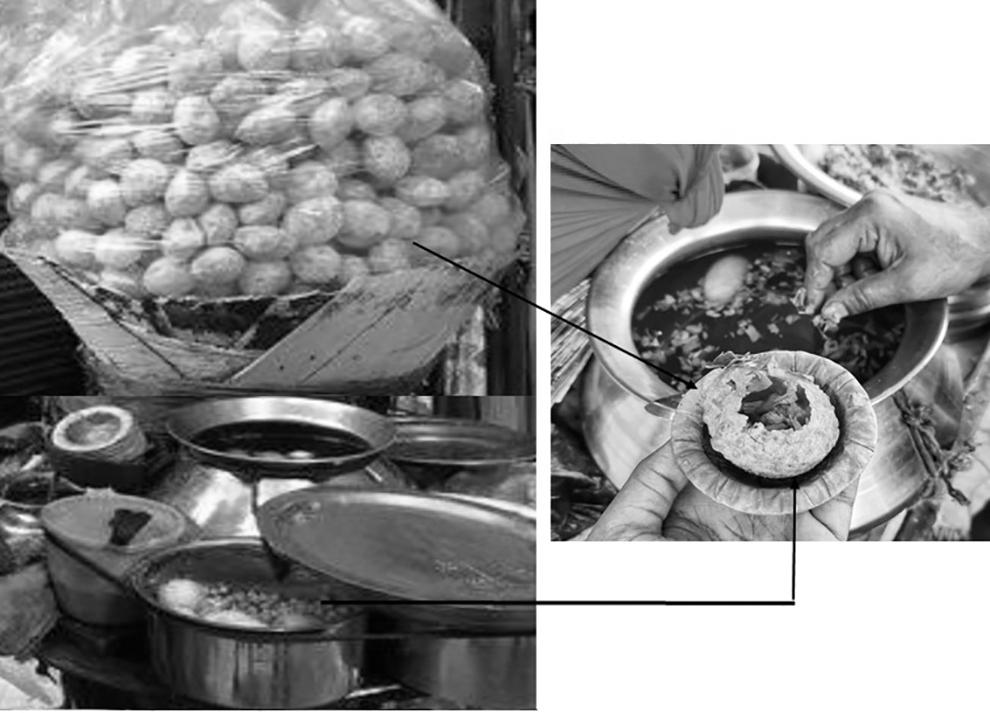
Panipuri stall along with the ingredients of panipuri (fried puff/pastry balls with mashed potato, chopped onions, boiled lentils and spicy turmeric sour water).
To date, Salmonella strains are classified into over 2500 serovars. Several serovars, such as Typhimurium, Enteritidis, and Kentucky, are well-known as the most typical human pathogens and the predominant serovars of human salmonellosis in developed countries. In contrast, Salmonella Weltevreden is gaining global importance as a significant pathogen causing nontyphoidal Salmonellosis in Southeast Asian countries. However, knowledge of the genomics and epidemiology of Salmonella Weltevreden associated with human diarrhea is still unclear. In this study, we report occurrence of Salmonella Weltevreden–associated foodborne gastroenteritis outbreak among the people of Polba block in Hooghly district, and characterization of the isolates by antimicrobial susceptibility pattern, virulence profiling and typing, by pulsed-field gel electrophoresis (PFGE) analysis. In this study, we examined to identify the source, causative agents, and risk factors associated with the outbreak, and provided recommendations to prevent similar outbreaks.
Materials and Methods
Background
On August 10, 2022, information about the outbreak was received after reporting the index case in a tertiary care subdivisional (SD) hospital in Chandannagar, Hooghly. Similar reports were also received from other nearest district hospitals in Imambara, Hooghly, and Polba block medical office of health, Hooghly on the same day. The index case presented with acute onset of vomiting, diarrhea, fever, and abdominal pain. A large number of individuals with similar complaints sought medical attention at the local hospital on a single day, leading health officials to suspect that the outbreak may have originated from a common source. There were 129 notified affected individuals from August 10 to August 13, 2022 with a history of eating panipuri from the same street vendor. Of the 129 cases, 65 were admitted at different district hospitals, and the others were treated as outpatients.
The preliminary investigation coordinated by the district public health authority of Hooghly indicated that only those who consumed panipuri from the local street stall had become sick. Immediately, the street panipuri stall was closed, as it was suspected to be the source of the outbreak. Sixteen stool samples, 14 rectal swabs, and one water sample were collected for testing on August 12, 2022. However, no food or served water was available for testing. The outbreak was declared over on August 12, 2022.
Confirmation of occurrence of foodborne outbreak
ICMR-National Institute of Cholera and Enteric Diseases (ICMR-NICED) received specimens from different places for laboratory testing. On August 11, 2022, 10 stool specimens and 6 rectal swabs from one hospital at Chandannagar with patient addresses of two adjacent villages were sent to NICED for identification of the pathogen. On receipt of those specimens, the district health authority of Hooghly was notified about the event, and a query was made to look for clustering of similar cases. District public health officials collected detailed clinical history of all the affected individuals.
Descriptive epidemiology
It was not feasible to trace all the villagers of Dogachia and Rangacha villages who consumed panipuri from that particular vendor on that day; however, all the affected individuals were enquired about the type of food exposure, including time and date, the onset of illness, symptoms and outcome. The street food vendor was also enquired about the water used in making panipuri on that day, any history of prior illness.
Laboratory investigations
The stool and rectal swabs were processed for common enteric pathogens such as pathogenic vibrios, salmonellae, shigellae, campylobacters, and diarrheagenic E. coli using enrichment and selective plating media (Panchalingam et al., 2012). The stool samples were inoculated on various culture plates, including—MacConkey Agar, Thiosulfate–Citrate–Bile Salts–Sucrose (TCBS), and xylose lysine deoxycholate (XLD), Hekton enteric agar (HEA), Campylobacter agar, and incubated for 24 h at 37°C. Subsequently, the stool samples were also inoculated in selenite broth and alkaline peptone water for selective enrichment and incubated for 24 h at 37°C. After overnight incubation at 37°C, all the plates were examined for colony morphology and lactose utilization. Strains with typical colony morphology on XLD and HEA were presumptively identified as Salmonella. Identification confirmation was carried out using Vitek kits (BioMérieux Inc., SA, France). Water sample was processed through member filtration (MF) technique with passage of water through 0.22 μm membrane (Millipore) and enrichment in different broths followed by inoculation on selective agar media.
Serotyping
Isolates of Salmonella were serotyped using a commercially available polyvalent grouping antisera and monovalent somatic “O” (Difco, BD Diagnostics) and flagellar “H” antisera (Denka Seiken Co., Ltd., Niigata, Japan) following the manufacturer's instructions.
Antimicrobial susceptibility testing
Antimicrobial susceptibility testing was performed using the disk diffusion method with commercially available disks such as ampicillin (10 μg), co-trimoxazole (25 μg), ciprofloxacin (5 μg), chloramphenicol (30 μg), doxycycline (30 μg), norfloxacin (10 μg), nalidixic acid (30 μg), ofloxacin (5 μg), meropenem (10 μg), (streptomycin (10 μg), tetracycline (30 μg), and erythromycin (15 μg) (Becton Dickinson, Sparks Glencoe, MD) in accordance with the criteria recommended by Clinical and Laboratory Standards Institute (CLSI, 2019). The breakpoints for Enterobacteriaceae were used to determine antimicrobial susceptibility. Escherichia coli ATCC 25922 was used as a quality control strain.
PCR assays for virulence determinants of Salmonella spp.
PCR assay was performed to detect the different virulence genes using the previously described primers (Soto et al., 2006). The presence of five Salmonella pathogenicity islands (SPIs) was investigated by targeting the invA and orgA gene for SPI-1 (helps in the invasion), the ssaQ and ttrc gene for SPI-2 (encodes type III secretion protein), the mgtC and misL gene for SPI-3 (mediates intramacrophage survival), the spi4D and spi4R gene for SPI-4 (encodes type I secretion protein), and the sopB and pipA gene for SPI-5 (mediates inflammation and chloride secretion). In addition, the plasmid-encoded fimbriae (pef), hyperinvasive locus (hilA), Salmonella enterotoxin (stn), and virulence plasmid gene (spvC) were also determined by PCR, using published primer sequences and PCR condition (Soto et al., 2006).
Pulsed-field gel electrophoresis
PFGE of genomic DNA of the study isolates was performed using CHEF DRIII (Bio-Rad), following the PulseNet standard protocol (CDC, 2018). DNA digestion with restriction endonuclease XbaI (NEB) was performed at 37°C overnight. The digested DNA of Salmonella Braenderup strain H9812 with XbaI was used as a molecular weight marker. The restriction fragments were resolved in 0.5 × Tris–borate–EDTA buffer. Gels were stained with ethidium bromide (25 min), destained in distilled water for 45 min, and photographed under ultraviolet light. The PFGE patterns were analyzed using the BioNumerics version 5.0 software (Applied Maths, Sint Martens Latem, Belgium) after normalization of the TIFF images with Salmonella Braenderup size standard. Clustering was performed using the unweighted pair group method and the Dice correlation coefficient with a position tolerance of 1.5%. The isolates with similar PFGE patterns were described as genetically indistinguishable; isolates with PFGE patterns differing by three or less bands (Dice coefficient of similarity of >80%) were designated as related and grouped under one cluster.
Result
On August 9 and 10, 2022, 185 people from two adjacent villages named Dogachiya and Rangachha of Polba block of Hooghly district (Fig. 2) consumed panipuri from a local street stall. Of them, 129 developed symptoms of food poisoning, including diarrhea, abdominal pain, vomiting, and fever after consumption of panipuri, along with other foods and water from the vendor. The panipuri comprises three different items, that is, puri (deep fried bread made from whole wheat flour), filling masala (mixture of spices), and spicy water. The filling masala and spicy water could be the major sources of foodborne pathogens. In most cases, street foods are made and sold without running water, wherein stored water in buckets was used.
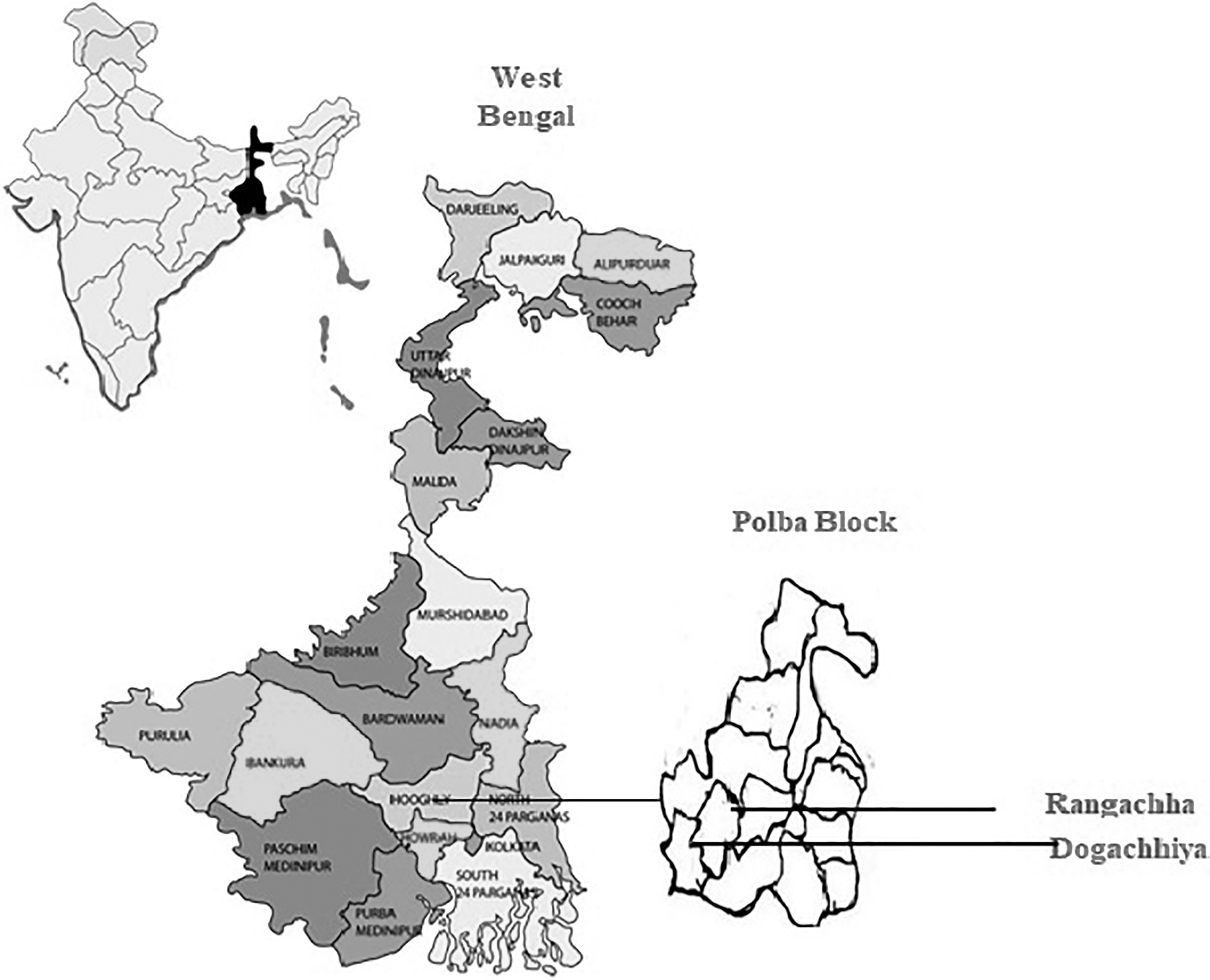
Area map of Polba block, foodborne outbreak, Hooghly district, West Bengal, India, August 10–13, 2022.
On August 10, 2022, 33 patients were admitted at Chandannagar SD Hospital with vomiting, diarrhea, and/or fever following consumption of panipuri from the street vendor from Dogachiya and Rangachha village of Polba block of Hooghly district. Another 15 patients with similar complaints attended the village subcenter and presented similar symptoms. All these 48 patients were residents of the Dogachiya and Rangachha villages. On the following day, another 71 residents from these two villages developed diarrhea, and 15 were admitted to the hospital. On August 13, 10 new cases of acute gastroenteritis with a similar clinical history from the mentioned villages attended the hospital outpatient department confirming a foodborne outbreak. We define an outbreak to be foodborne if ≥2 cases of a similar illness because of consumption of a common food (Bennett et al., 2018) (Fig. 3).
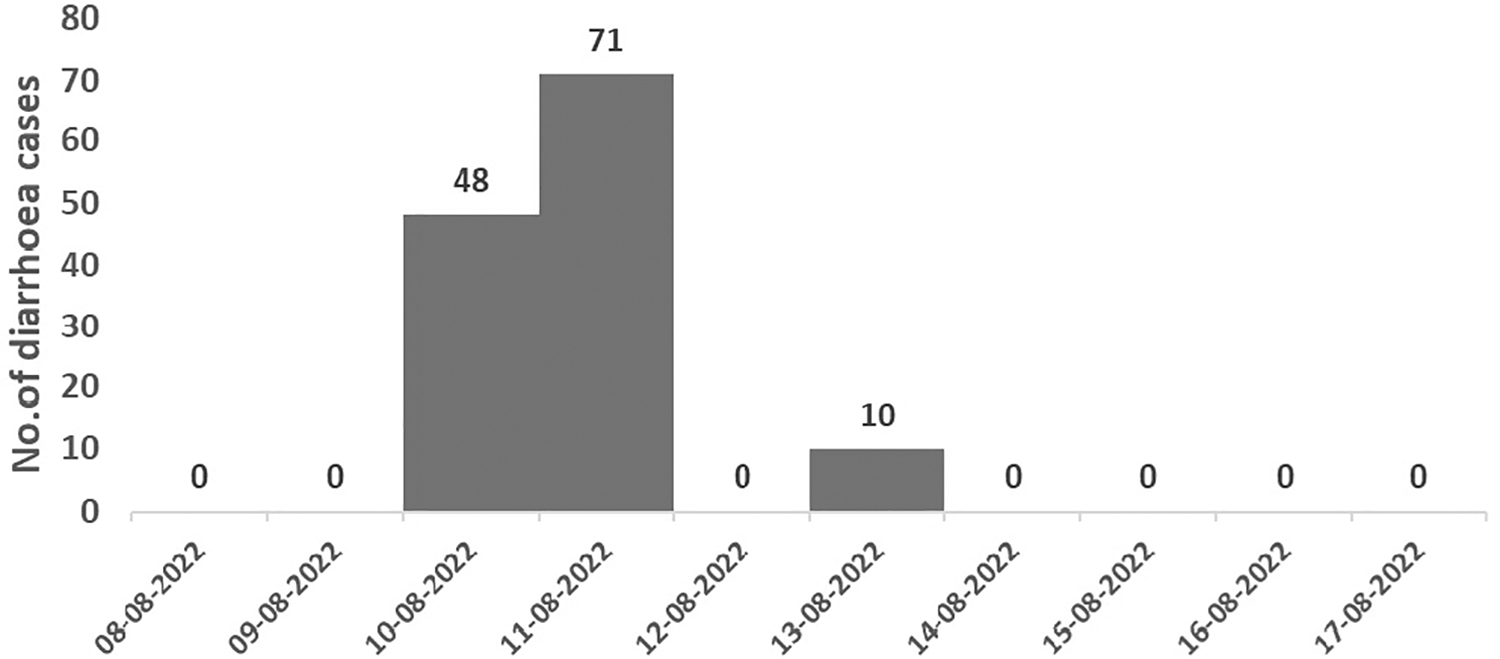
Distribution of acute gastroenteritis cases, foodborne outbreak, Polba block, Hooghly district, West Bengal, India, August 10–13, 2022.
All age groups were affected by this outbreak (Table 1). The foodborne outbreak started on August 10, 2022; the last case was reported on August 13, 2022. The attack rate was 64% (129/185) and almost half the affected individuals required hospitalization (50%, 65/129). The mean duration of hospital stay was 3.4 days (±1.13 days). The median age of the affected population was 25 years (interquartile range, 15.5–35.5). Most of the affected cases were women (54%, 69/129). All the affected individuals had diarrhea, vomiting, pain in the abdomen, and many had fever (48% 62/129) (Table 2).
Agewise Distribution of Salmonella enterica Serovar Weltevreden Isolated from Outbreak Samples
Characteristics of Diarrhea Patients, Foodborne Outbreak, Polba Block, Hooghly District, West Bengal, India, August 10–13, 2022
IQR, interquartile range; SD, standard deviation.
Sixteen stool specimens, 14 rectal swabs, and 1 water sample were sent to the bacteriology division of the ICMR-NICED on August 12, 2022. Microbiological analysis of 30 samples revealed that 8 (26.6%) were positive for Salmonella Weltevreden, and no other enteric pathogens could be detected in this outbreak. Water sample was negative for Salmonella spp. even after the concentration by MF technique and culture enrichment. Antimicrobial susceptibility testing of Salmonella Weltevreden showed that all the isolates displayed similar resistance profiles. Except for erythromycin, all Salmonella Weltevreden isolates were susceptible to fluoroquinolones, β-lactam, and tetracycline.
The virulence gene analysis of Salmonella Weltevreden isolates is given in Table 3. The virulence gene profile of all the isolates was found to be the same. All Salmonella Weltevreden strains had four types of SPIs, that is, SPI-1 (invA and orgA), SPI-2 (ssaQ and ttrc), SPI-3 (mgtC and misL), and SPI-4 (spi4D) but negative for SPI-5 gene. The other identified virulence genes are hyperinvasive locus (hilA) and Salmonella enterotoxin (stn) but lacked toxin-related genes, plasmid-encoded fimbriae (pef), and virulence plasmid gene (spvC).
Virulence Gene Profile of Salmonella Weltevreden Strains Isolated from Food Borne Outbreak
SPIs, Salmonella pathogenicity islands.
PFGE results of Salmonella Weltevreden strains confirmed that all eight outbreak strains had similar PFGE bands (Fig. 4). However, the three other Salmonella Weltevreden strains isolated during 2009, 2012, and 2013 in Kolkata were grouped together with the outbreak strains displaying a similarity of ∼70%.

Pulsed-field gel electrophoresis profiles of XbaI-digested DNA of Salmonella Weltevreden strains isolated from foodborne outbreak, Polba block, Hooghly district, West Bengal, India while IDH 2259, NT5521, IDH 5371 were the previous Salmonella Weltevreden isolated from Kolkata in 2009, 2012, and 2013, respectively. IDH, Infectious Disease Hospital.
Discussion
Foodborne infection owing to pathogens is a major public health concern worldwide. Outbreaks because of contaminated food are not uncommon. The most common pathogen associated with nontyphoidal salmonellosis is Salmonella enterica serovar Enteritidis, Typhimurium, and Weltevreden (Jackson et al., 2013; Pijnacker et al., 2019). In the last two decades, Salmonella Weltevreden has emerged as a dominant serovar, causing diarrheal disease in humans globally, especially in the Southeast Asian countries like Oman, Singapore, China, Thailand, Vietnam, and India (Al-Maqbali et al., 2021; Nguyen et al., 2021). Salmonella Weltevreden is also frequently found in seafood and aquatic environments in Asia (Li et al., 2017; Ponce et al., 2008). In India, Salmonella Weltevreden is mainly epidemic in regions of coastal areas, and it is emerging as an important pathogen in the context of public health, especially in foodborne infection (Chowdhury et al., 2013; Saikia et al., 2015).
Most community foodborne outbreaks occur because of asymptomatic food handlers and a lack of knowledge on food-handling practices at commercial food service establishments. For this reason, food may get contaminated before, during, and/or after preparation (Nikiema et al., 2021; Raza et al., 2021). This study highlights the epidemiological, clinical, laboratory, and environmental investigation of a community foodborne disease outbreak caused by the consumption of panipuri sold by a street vendor. In many countries, street food has been found to be responsible for Salmonella-associated infections (Mensah et al., 2002; Plessis et al., 2017; Vo et al., 2014; Vollaard et al., 2004).
Here, we found that the outbreak of gastroenteritis was caused by Salmonella Weltevreden and was epidemiologically linked to the consumption of contaminated panipuri from a street vendor. Panipuri and its ingredients were not available for testing and therefore we could not investigate the exact source of contamination. However, the preparation procedures for the panipuri and poor personal hygiene practices of the food handlers during preparation suggest that the panipuri and its ingredients may have been contaminated by Salmonella Weltevreden.
Salmonella Weltevreden is an emerging pathogen associated with human diarrhea. Worldwide, this serovar has been reported to cause severe gastroenteritis and outbreaks (Hounmanou et al., 2020; Zhang et al., 2023). In India, several foodborne outbreaks were caused by Salmonella Weltevreden with an acute, watery, diarrheal illness in the community and among tea garden workers (Chowdhury et al., 2013; Saikia et al., 2015). Salmonella Weltevreden sequence type 365 has been identified from contaminated food samples and human stools from Southern Coastal China (Li et al., 2018). In the United States, a multistate outbreak of gastroenteritis caused by Salmonella Weltevreden and Salmonella Paratyphi B was reported owing to the consumption of frozen raw tuna served in sushi (Hassan et al., 2018).
In this outbreak, the cases occurred among a range of ages, including children and adults. In the present investigation, we identified eight Salmonella Weltevreden isolates and the same serovar has caused an outbreak in Kolkata during 2013 (Chowdhury et al., 2013). In general, Salmonella Weltevreden is susceptible to most common antimicrobials used in the treatment of diarrhea. We observed that all the isolates were susceptible to the tested antimicrobials except for erythromycin. The patients administered with fluoroquinolone and probiotics responded to the treatment. We found that all outbreak isolates had SPI-1 to SPI-4, but negative for the SPI-5 encoding gene. The other identified virulence encoding genes include hyperinvasive locus (hilA) and Salmonella enterotoxin (stn). In our previous study, Salmonella Weltevreden and the other Salmonella spp. harbored same set of virulence encoding genes (Jain et al., 2020).
PFGE is the utmost frequently used molecular subtyping method for outbreak investigation and surveillance because PFGE has been used as the method of choice for bacterial “fingerprinting.” The results of PFGE analysis indicate that the eight isolates of Salmonella Weltevreden from patients with diarrhea, as described in this report, are part of a clonal group that is persisting and circulating in the region. However, Salmonella Weltevreden that was involved in the 2013 outbreak or isolated from diarrheal cases admitted during 2012 and 2019 at the Infectious Disease Hospital are different from those described in this report.
In conclusion, the finding described in this report shows that a large salmonellosis community outbreak was associated with a panipuri food purchased from a street vendor. The emergence and spread of these outbreak strains might necessitate the public health authorities to improve strategies for preventing and controlling Salmonella infections. It is important for individuals to exercise caution when consuming street foods such as panipuri from street vendors, shops, or other places where proper hygiene practices and sanitary conditions are not strictly followed.
Footnotes
Acknowledgments
Dr. Goutam Chowdhury acknowledges the support from Okayama University, Okayama, Japan.
Authors' Contributions
G.C., S.D., and A.K.M. conceived and designed the experiments. G.C. and M.B. performed the experiments. G.C., F.D., R.B., S.B., and K.M. analyzed the data. A.K.D., S.D., and A.K.M. contributed reagents, materials, and analysis tools. G.C. and F.D. wrote the original draft of the article. S.D. and A.K.M. reviewed and edited the article.
Ethical Approval
This study was approved by the “Institutional Ethics Committee (IEC) of the National Institute of Cholera and Enteric Diseases in Kolkata, India (registration number: A-1/2015-IEC).” Written consent was obtained from each adult patients or parent/guardian of the child patients enrolled in this study.
Disclosure Statement
There are no conflicts of interest for this article.
Funding Information
This study was supported in part by the Indian Council of Medical Research (ICMR), Government of India, New Delhi, India; the Japan Initiative for Global Research Network on Infectious Diseases (J-GRID), the Ministry of Education, Culture, Sports, Science and Technology in Japan, and the Japan Agency for Medical Research and Development (AMED; Grant No. JP23wm0125004 [to S.M.]).