




Abstract
Shiga toxin–producing Escherichia coli (STEC) is a significant pathogen that can cause foodborne illnesses and pose a serious public health problem. To date, no systematic evaluation or meta-analysis of STEC carriage in Chinese cattle has been conducted. Therefore, we conducted a systematic review and meta-analysis to assess the prevalence of STEC in cattle in China over the past decade. We retrieved 1868 articles from 6 databases (PubMed, Web of Science, CNKI, Wanfang, VIP, and Baidu). Based on criteria such as sample source, isolation time, and species, we selected 39 studies (comprising 16,437 samples from 14 provinces) for systematic review and meta-analysis. The analysis results indicated that the pooled prevalence of E. coli in cattle during the selected time period was 6% (95% CI: 0.03–0.09). Subgroup analysis revealed variations in STEC positivity rates across different sectors. The highest positivity rate was observed in the slaughter and processing sector (12%, 95% CI: 0.03–0.17), followed by the retail sector (6%, 95% CI: 0.01–0.13), with the breeding sector showing the lowest rate (5%, 95% CI: 0.03–0.17). Among the regions studied, Shandong exhibited the highest pooled prevalence (15%, 95% CI: 0.01–0.30), followed by Hebei (12%, 95% CI: 0.00–0.30) and Hubei (11%, 95% CI: 0.03–0.09). These findings indicate an uneven distribution of STEC in cattle across China. Our systematic evaluation of data over the past decade provides insights into the prevalence of STEC in cattle in China. These findings may assist in the prevention and control of STEC in cattle in the country. We recommend conducting further epidemiological investigations and establishing comprehensive surveillance programs to identify risk factors associated with STEC in cattle, thereby enhancing prevention and control strategies.
Keywords
Introduction
Escherichia coli is a common Gram-negative bacterium that naturally resides in the gastrointestinal tract of humans and animals (Croxen et al., 2013). However, certain pathogenic strains of E. coli can cause disease, leading to significant diarrhea and extraintestinal disorders (Alizade et al., 2019). These pathogenic strains have been classified into nine groups based on their pathogenic features and virulence factors (Pakbin et al., 2021). Among these pathotypes, Shiga toxin–producing Escherichia coli (STEC) is of particular concern as a foodborne pathogen, characterized by the presence of virulence genes such as Shiga toxin 1 (Stx1) and Shiga toxin 2 (Stx2). STEC encompasses over 400 serotypes and can cause severe diseases such as hemorrhagic colitis and hemolytic uremic syndrome (HUS) (Ryu et al., 2020; Zhang et al., 2022). Global data suggest approximately 2,801,000 cases of acute illness caused by STEC annually, with 3890 cases of HUS, 270 cases of permanent end-stage renal disease, and 230 deaths reported (Onyeka et al., 2020). In 2011, an outbreak of STEC infections in Germany was linked to the consumption of contaminated bean sprouts, resulting in a total of 3816 reported cases, including 845 cases of HUS and 54 fatalities (Bai et al., 2013). A trace-back analysis of 1183 human STEC cases in the Netherlands from 2010 to 2014 indicated that cattle-derived infections accounted for 48.6% (modified Dutch model) and 53.1% (modified Hald model) of the cases (Mughini Gras et al., 2018). By 2018, STEC infections had become the third most prevalent zoonotic illness in the United States and the European Union (Su et al., 2021).
A study highlights that 75% of human STEC infections stem from domesticated ruminants, and consuming beef and beef products poses a significant risk for human STEC infection (Awad et al., 2020; Hu et al., 2022). STEC can cause diarrhea in calves, ranging from watery to hemorrhagic, with severe cases potentially leading to death. Adult calves infected with STEC may not show clinical symptoms but act as reservoirs for STEC in the hindgut, excreting it in their feces (Awad et al., 2020). This discharged STEC can contaminate leafy greens directly or indirectly through irrigation water or dust containing fecal matter (Marshall et al., 2020). Human infections can result from consuming contaminated food, or during the preparation and transportation of beef products (Marozzi et al., 2016; Ray and Singh, 2022).
In 1999, China experienced STEC infections originating from ruminants, leading to 195 cases of HUS and 177 fatalities (Xiong et al., 2012). STEC has become a prominent pathogen in monitoring diarrheal diseases in China, prompting the establishment of 20 monitoring sites in 10 provinces nationwide (Wang, 2016). However, surveillance for ruminant STEC is primarily conducted on a province-by-province basis, focusing on specific areas without a comprehensive monitoring system.
Understanding the prevalence of STEC in ruminants is essential for enhancing surveillance programs and implementing effective preventive measures to reduce the risk of STEC infections in humans. Currently, there is a lack of nationwide investigations on the prevalence of STEC in cattle in China. To address this gap, we conducted a comprehensive examination and statistical analysis of the detection rate of STEC in cattle over the past decade. Our goal was to determine the extent of STEC incidence in cattle in China and to investigate regional variations in STEC incidence through subgroup analysis. This study aims to provide valuable insights for the prevention and management of STEC-related diseases.
Methods
The literature was meticulously reviewed and assessed following the guidelines of the Preferred Reporting Items for Systematic Reviews and Meta-Analyses (PRISMA) statement (Liberati et al., 2009). Our meta-analysis followed PRISMA’s procedures strictly but was not Cochrane registered.
Search strategy
This study conducted a comprehensive computer search across six databases to collect data on the prevalence of STEC-positive samples in cattle in China over the past decade. The databases included international sources such as PubMed (https://pubmed.ncbi.nlm.nih.gov/) and Web of Science (https://webofscience.clarivate.cn/), as well as domestic sources like CNKI (https://www-cnki-net-443.web.bisu.edu.cn/), Wan fang (https://www-wanfangdata-com-cn-s.web.bisu.edu.cn/), VIP (https://qikan.cqvip.com/), and Baidu (https://xueshu.baidu.com/). The search encompassed both English and Chinese journals and papers published from January 1, 2014, to December 31, 2023. The detailed search methodology and limitations are outlined in Table 1. Two independent researchers utilized Endnote software (version 20) to organize and assess the retrieved literature. To prevent potential data loss, all references were carefully examined, and any discrepancies were resolved through discussion to identify articles meeting the eligibility criteria.
Detailed Search Strategy and Restrictions
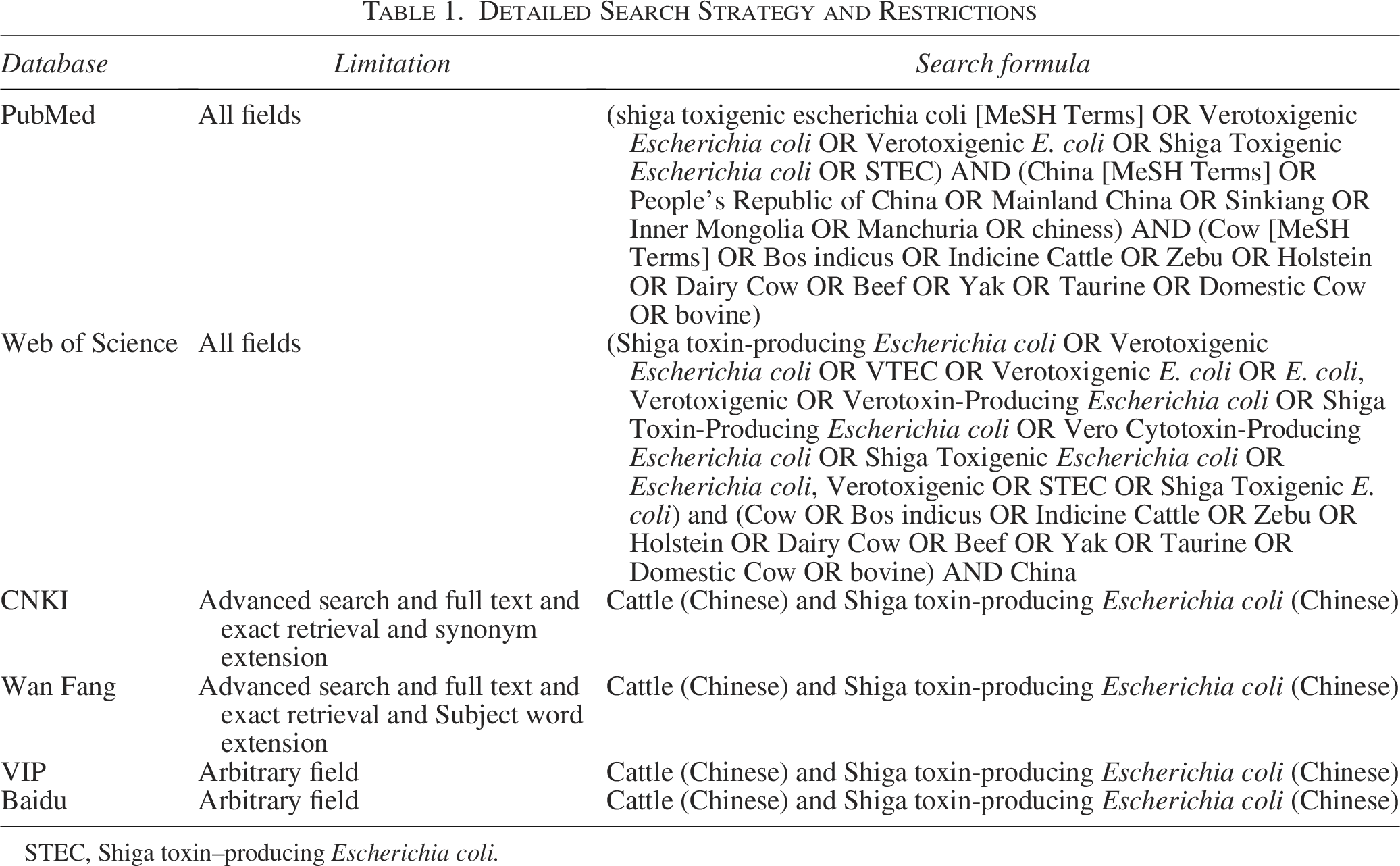
STEC, Shiga toxin–producing Escherichia coli.
Study selection
Duplicate articles were removed, and the remaining articles were assessed based on their title, abstract, and keywords. Eligible studies had to meet specific criteria, including: (1) the study must focus on cattle and related products (including milk, beef, and cattle farm environments); (2) the STEC must be accurately identified and described; (3) natural infection must be seen; (4) the samples must originate from China; and (5) indicate the quantity of samples.
Data extraction and analysis
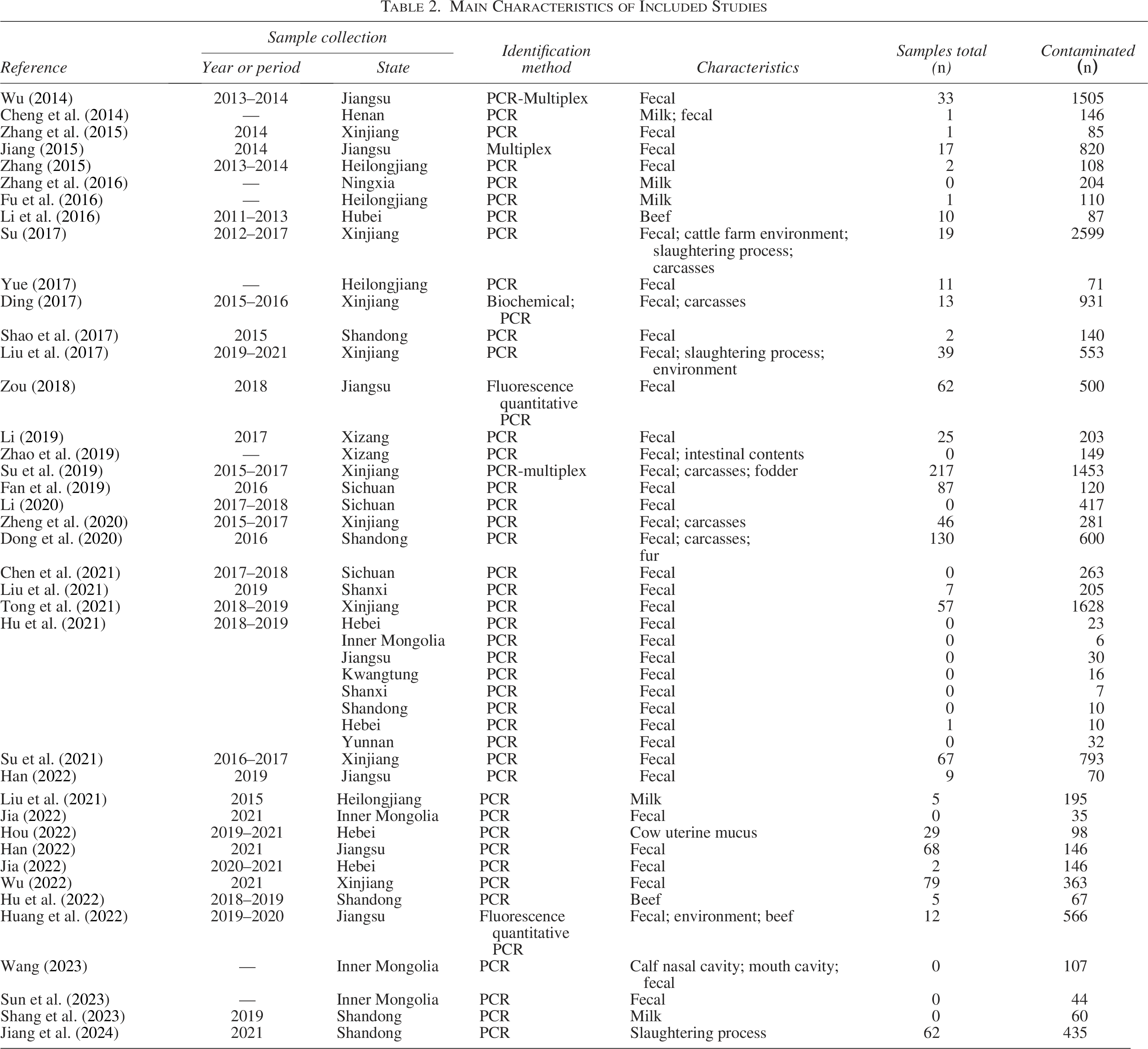
Articles meeting the criteria were summarized and the following information was documented: primary author, publication year, study location, number of samples found positive for STEC, total sample size, and additional details as outlined in Table 2.
Main Characteristics of Included Studies
Statistical analysis
Before conducting the meta-analysis, we assessed the normality of the data using the “meta” package (version 7.0-0) in the R software (version 4.3.2). We fit the data to a Gaussian distribution by the PFT (Freeman-Tukey double-arcsine transformation), PLN (Logarithmic conversion), PLOGIT (Logit transformation), and PAS (Arcsine transformation) methods (Liu et al., 2022), the specific methodology as outlined in Table 3. The analysis of STEC incidence in cattle sources in China was conducted using the metaprop tool in the R programming language. Forest plots were used to demonstrate the combined effect sizes of the included studies, the weights assigned to each study, and the heterogeneity among the studies. Heterogeneity was assessed using the I2 statistic, with values below 30.0% indicating moderate heterogeneity, values between 30% and 50.0% indicating substantial heterogeneity, and values above 50% indicating considerable heterogeneity (Migliavaca et al., 2022). In the presence of heterogeneity, a random effects model was utilized for data analysis, while in the absence of heterogeneity, a fixed effects model was applied (Stogiannis et al., 2024). Subgroup analysis was conducted to compare findings from different regions of China using the same methodology. The symmetry of the funnel plot, along with Egger’s and Begg’s tests, was further employed to assess the presence of publication bias or small sample study bias in the included literature. The reliability of the studies was then analyzed using the trim-and-fill method (Gong et al., 2020).
Normal Distribution Test for the Normal Rate and the Different Conversion of the Normal Rate
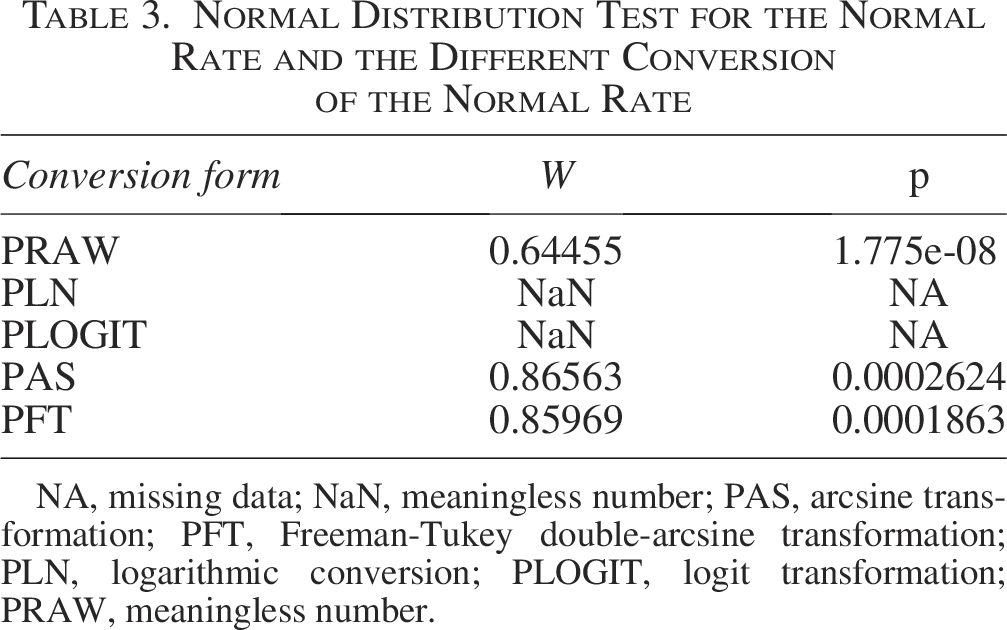
NA, missing data; NaN, meaningless number; PAS, arcsine transformation; PFT, Freeman-Tukey double-arcsine transformation; PLN, logarithmic conversion; PLOGIT, logit transformation; PRAW, meaningless number.
Results
Studies included
A total of 1868 articles from journals and papers written in Chinese or English were searched (97 from PubMed, 54 from Web of Science, 596 from CNKI, 1031 from Wan Fang, 18 from VIP, and 72 from Baidu), and 188 articles were identified. Out of these, 149 articles were excluded based on specific criteria: (1) they did not investigate the prevalence of STEC (n = 65); (2) the sample source was not from China (n = 3); (3) they did not focus on STEC in cattle (n = 21); (4) they used duplicate data (n = 14); and (5) they lacked available information (n = 46). A subsequent meta-analysis was conducted on the 39 publications that were reviewed (Fig. 1).

Flow diagram of literature search and selection.
Results of publication bias and sensitivity analyses
The PFT method was selected for data transformation due to its minimal inaccuracies and robust stability in the inverse sine transformation, in order to approximate a normal distribution (Ceban et al., 2022). Forest plot results demonstrated a high degree of heterogeneity among the included studies (I2 = 98%, p = 0.000; Fig. 2). Publication bias of the included studies was evaluated using funnel plots, which appeared asymmetrical, indicating potential small sample size bias or publication bias (Fig. 3). Further assessment of publication bias using the Begg and Egger tests yielded p values of 0.3999 and 0.44, respectively (p > 0.05), suggesting no significant publication bias was present in this study. The results of the trim-and-fill method showed that two studies were added and the combined estimate was changed (0.04) (Supplementary Fig. S1), and the results of the trim-and-fill method may be unstable due to the small sample bias among the studies and should be treated with caution.
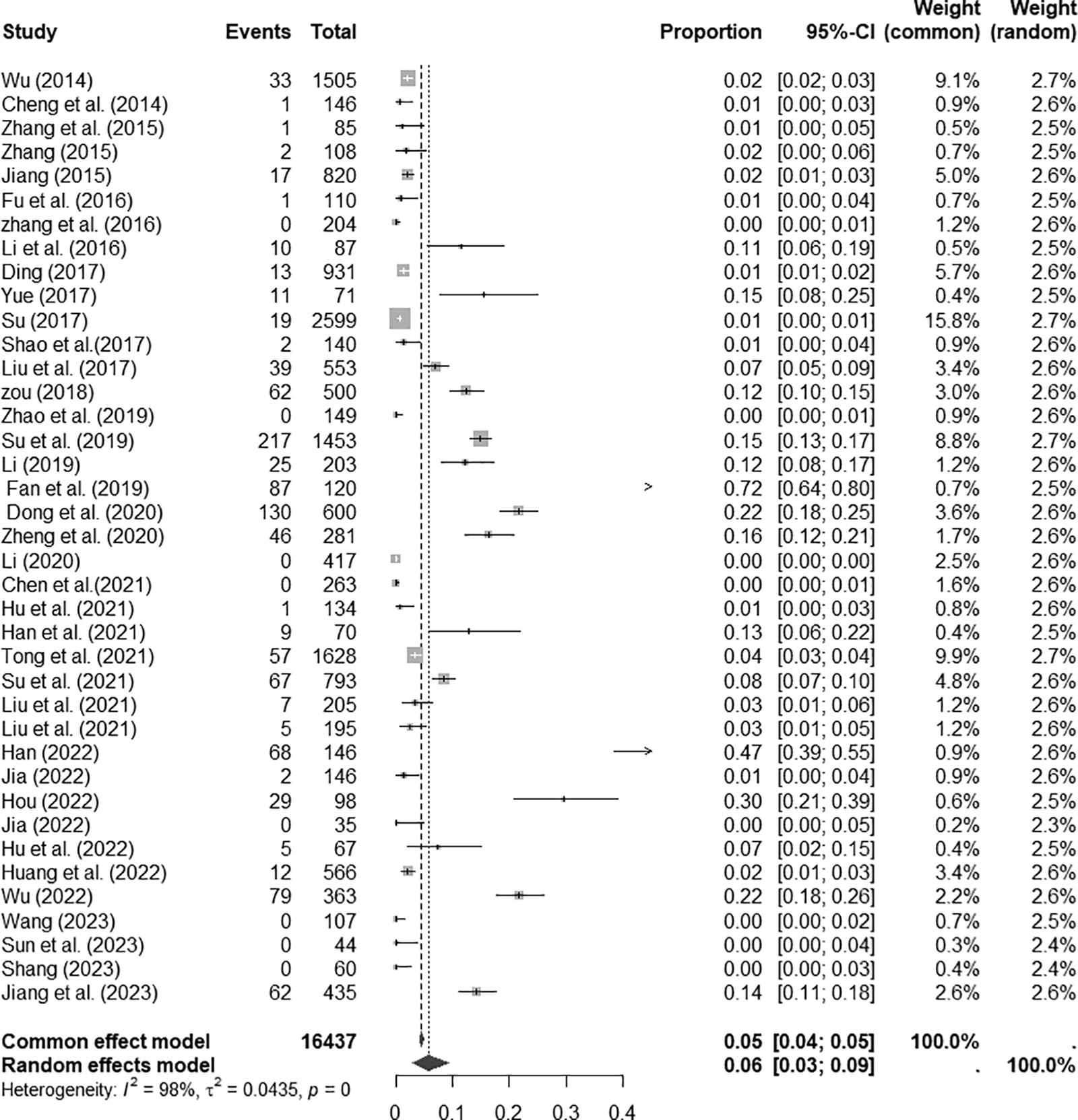
Forest plot of the epidemiological study of STEC of bovine origin in China in the last 10 years. STEC, Shiga toxin–producing Escherichia coli.
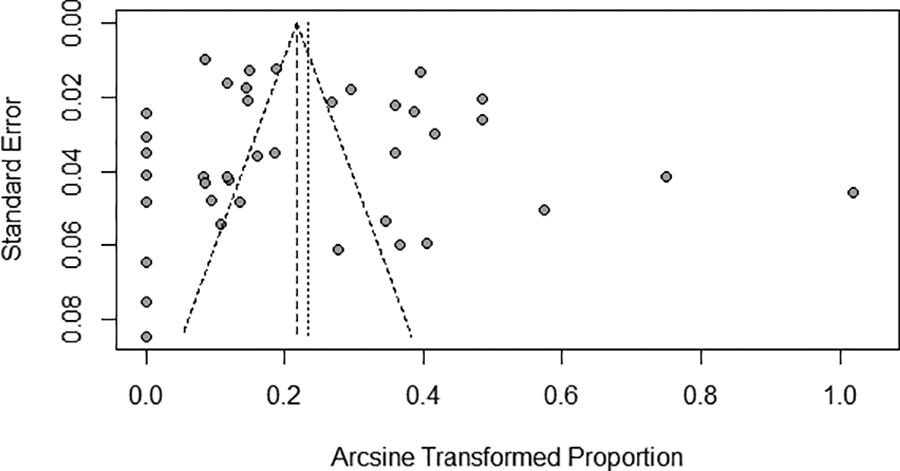
Funnel plot with pseudo 95% confidence limits intervals for the examination of publication bias.
Meta-analysis of STEC infection in cattle in China
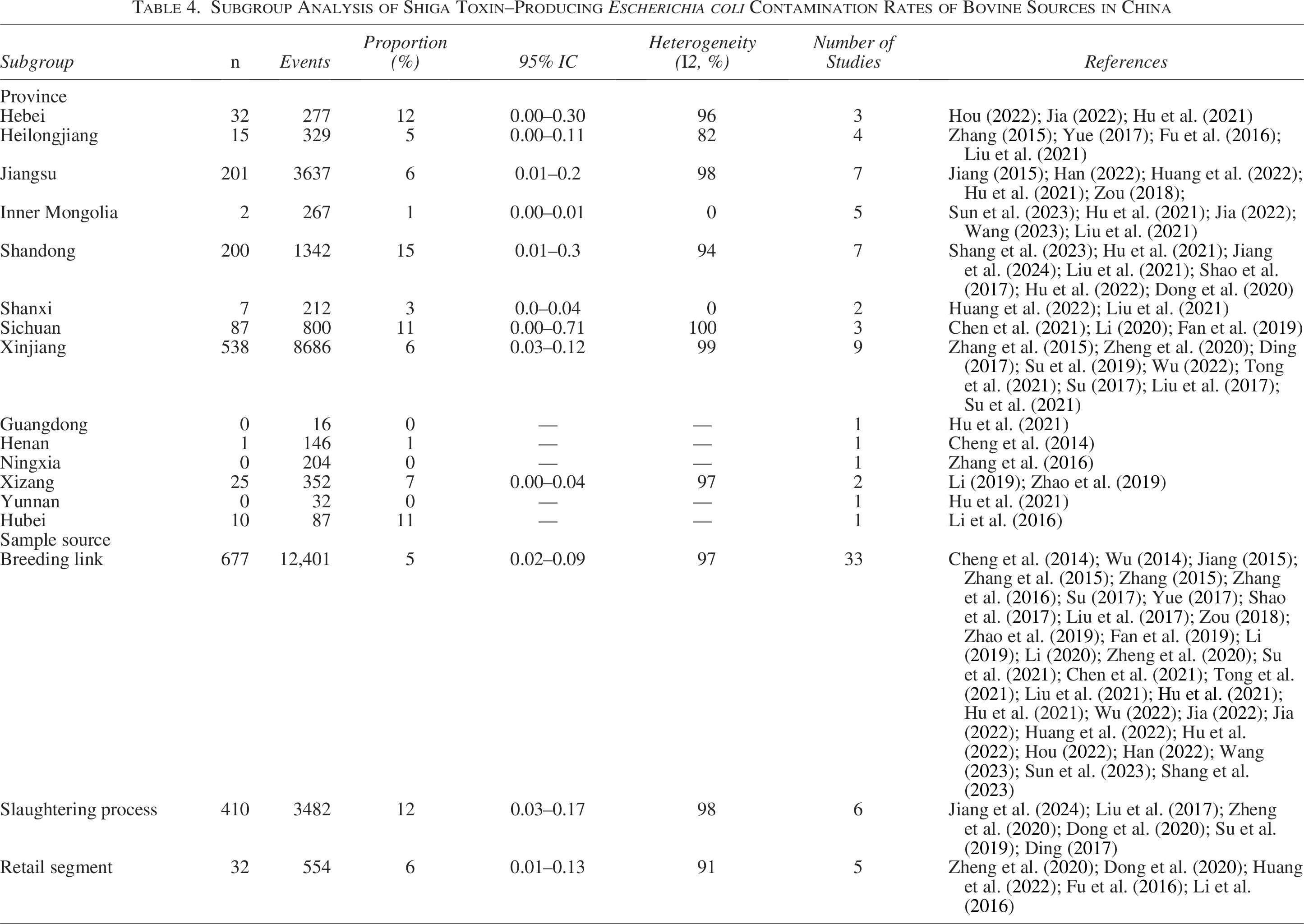
The study included a total of 16,437 samples, with 1119 samples testing positive for STEC. Detailed characteristics of each included study can be found in Table 2. The meta-analysis revealed significant variation across the studies (I2 = 98%). As a result, a random effects model was utilized for data analysis, as depicted in Figure 2. The overall pooled prevalence of STEC in cattle in China was 6% (95% CI: 0.03–0.09), with significant differences in the combined prevalence of STEC in cattle across studies. Our analysis included 39 studies conducted in a total of 14 provinces, with the majority of studies focusing on the Xinjiang Autonomous Region (9 studies). The remaining studies were distributed across Hebei, Henan, Heilongjiang, Hubei, Jiangsu, Inner Mongolia, Ningxia, Shandong, Shanxi, Sichuan, Guangdong, Yunnan, and Tibet. The results of subgroup analysis showed that the combined prevalence of STEC in cattle varied among Chinese provinces, with Shandong having the highest detection rate at 14% (95% CI: 0.01–0.13), followed by Hebei, Hubei, and Sichuan, with combined detection rate of 12% (95% CI: 0.00–0.3), 11%, and 11% (95% CI: 0.00–0.71), respectively (Fig. 4). Due to the limited availability of data, a subgroup analysis was not conducted for the detection of STEC in cattle in the provinces of Henan, Ningxia, Guangdong, Yunnan, and Hubei. This is indicated in Table 4.
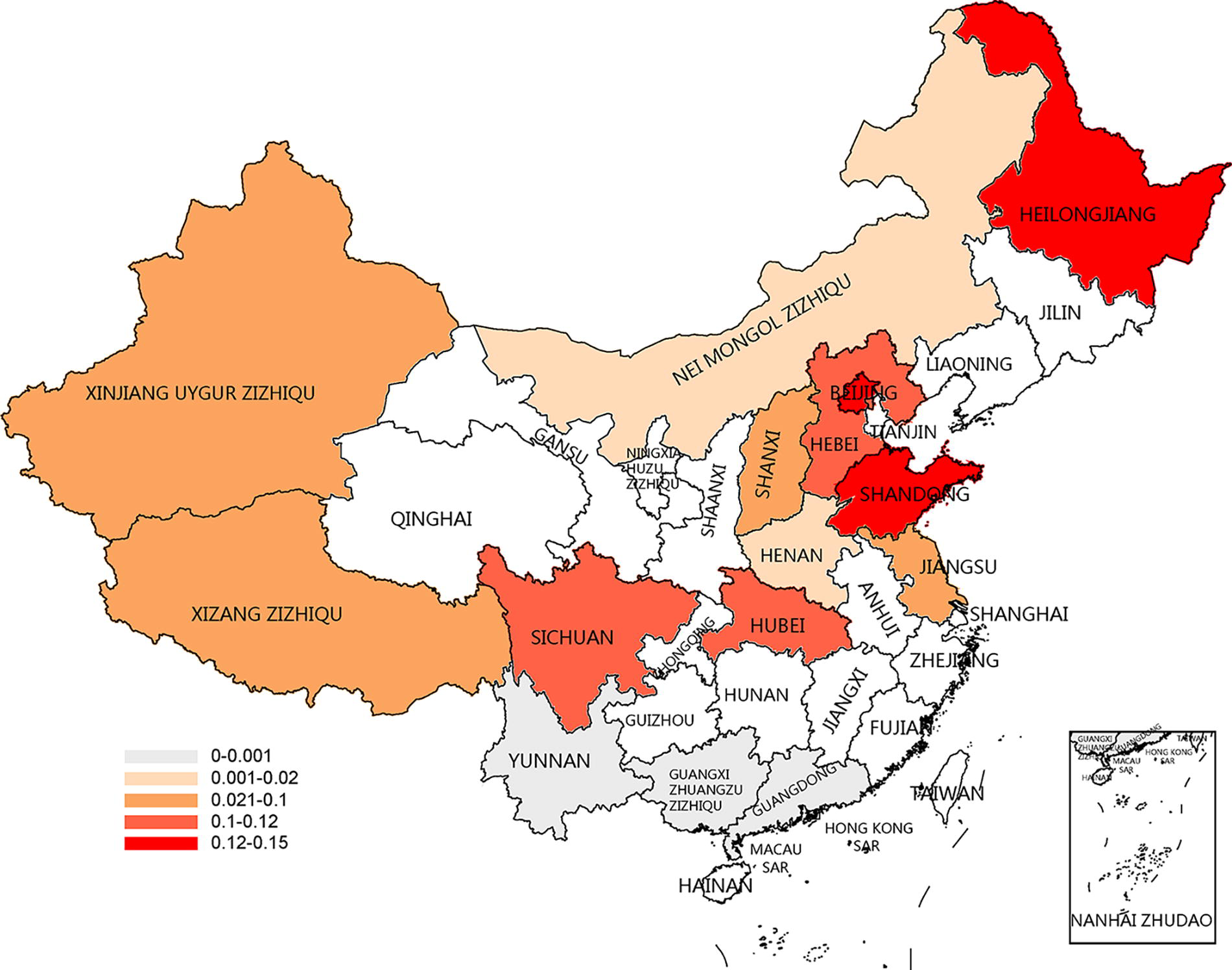
Distribution of STEC detection of bovine origin in mainland China. STEC, Shiga toxin–producing Escherichia coli.
Subgroup Analysis of Shiga Toxin–Producing Escherichia coli Contamination Rates of Bovine Sources in China
Discussion
This is, to the best of our knowledge, the first meta-analysis of STEC in cattle in China over the past decade. The Chinese beef industry has experienced rapid growth, with production surging from 30 tons in 1984 to 7.1 million tons in 2017 (Dong et al., 2020). This increase in production has led to a rise in food hygiene issues originating from cattle, with STEC being one of the primary pathogens posing a significant risk to human health (Hazards, 2013). The results of our analysis indicate that the combined prevalence of STEC in cattle in China over the past decade was 6% (95% CI: 0.03–0.09). In comparison, a 2019 study by Alizade examined STEC detection rates in Iran from 1990 to 2017, finding a combined prevalence of 9% (95% CI: 0.06–0.13) (Alizade et al., 2019). Another meta-analysis conducted by Débora Cristina Sampaio de Assis in 2020 assessed STEC contamination rates in beef and beef products in Brazil over a 15-year period from 2005 to 2020, reporting a combined prevalence of 1% (95% CI: 0.00–0.02) (De Assis et al., 2021). It is evident that the prevalence of STEC contamination in cattle varies across different countries. These differences may be attributed to factors such as research methodologies, climatic conditions, feeding environments, and existing prevention and control measures (Fan et al., 2019). The presence of STEC in cattle poses a substantial threat to public health, as it can be transmitted to humans through raw beef, dairy products, and contaminated agricultural goods (Beauvais et al., 2018). According to the U.S. Foodborne Disease Outbreak Surveillance System, there were 191 documented cases of STEC infections in the United States from 2009 to 2015 (Dewey-Mattia et al., 2018). The slaughter and processing stages of beef cattle play a crucial role in the prevention and management of foodborne illnesses associated with beef (Li et al., 2019). In 2020, Pengcheng Dong conducted tests for STEC contamination at two beef slaughter and processing plants in Shandong, China. The tests were carried out at six major stages: feces, hides, preslaughter carcasses, cleaned carcasses, chilled carcasses, and meat. The detection rates for STEC contamination were found to be 45.0%, 31.0%, 14.0%, 13.0%, 9.0%, and 18.0% at the respective stages (Dong et al., 2020). These results indicate that, despite the establishment of mandatory quality inspection regulations for beef and sheep slaughter products in China in 2001 (Ministry of Agriculture and Rural Affairs., 2001) and the introduction of specific slaughtering procedures for cattle in 2018 (National Technical Committee on Slaughtering and Processing Standardization., 2018), there remains a potential risk of E. coli contamination at various stages of processing. Therefore, it is essential to further enhance the legal and regulatory framework by revising and refining existing food safety laws to ensure comprehensive oversight throughout the entire production-to-consumption chain. Additionally, establishing and strengthening unified regulatory agencies is crucial to reducing the risk of cross-contamination by STEC in raw meat and meat products.
Through a meta-analysis of the prevalence of STEC in cattle in China over the past decade, it was found that research has primarily focused on regions such as Xinjiang, Shandong, and Jiangsu. Notably, there is a lack of studies on STEC contamination in provinces such as Liaoning, Jilin, and Qinghai. Consequently, it is imperative to conduct further research on STEC contamination across different regions to gain a more comprehensive understanding of the epidemiological status of STEC in cattle in China. Although studies on STEC in cattle in China over the past decade reveal a notable lack of research from certain provinces, no significant publication bias was detected. Subgroup analyses indicate that the number of samples found positive for STEC varies across different regions of China, with higher detection rates observed in Shandong, Hebei, and Hubei at 15%, 11%, and 11%, respectively, while provinces such as Yunnan, Ningxia, and Guangdong reported a detection rate of zero. These differences in prevalence may be attributable to variations in the level of agricultural development, economic conditions, cultural customs, and livestock husbandry practices across different provinces in China. This underscores the necessity of developing region-specific prevention and control strategies.
This review is crucial for understanding the prevalence of STEC in cattle in China, however, certain limitations remain. First, since this study focuses on STEC in cattle in China, most of the articles are sourced from the CNKI (29 articles), with a smaller number retrieved from international databases such as PubMed (7 articles) and Web of Science (1 article). This may lead to variations in research findings due to different geographic and cultural contexts. Second, the study exhibited a significant level of heterogeneity, reaching 98%. This heterogeneity could be influenced by various factors, including the sources of the samples and the technologies used for the assays. Third, some studies may have focused exclusively on specific serotypes of STEC in cattle, and potentially overlooking other serotypes of STEC. For example, in 2014, Huifang C. only isolated and identified O157:H7 STEC in Zhengzhou (Cheng et al., (2014)), whereas Zhanqiang Su investigated only non-O157 STECs in Xinjiang in 2021, this focus may have resulted in some STECs in cattle going undetected (Su et al., 2021). Fourth, the available data for analysis were constrained by the absence of detailed records regarding sampling years, cattle breeds, ages, rearing environments, and import information, all of which could impact the analysis outcomes. Despite these constraints, we assert that this meta-analysis accurately represents the actual prevalence of STEC in cattle in China. We advocate for more extensive surveys of STEC prevalence in cattle across different regions of China, with thorough documentation of sampling seasons, rearing methods, immunization protocols, and other pertinent factors. Further research into the determinants affecting STEC prevalence in Chinese cattle is warranted. Furthermore, prevention and control strategies should be specifically designed to align with the varied farming practices and geographical conditions of different regions.
Conclusion
This study assessed the contamination of STEC in cattle in China through systematic evaluation and meta-analysis. The results indicated that STEC in cattle is present at various stages, including breeding, slaughtering, and retail, posing a potential threat to human health. Additionally, the study revealed significant differences in the prevalence of STEC in cattle among different provinces in China. These findings underscore the need for continuous monitoring of cattle STEC to better prevent human STEC infections.
Authors’ Contributions
All authors contributed to the conception and design of the study. Data collection, analysis, and statistical evaluation were carried out by B.L.Z. and Y.L.C. The first draft of the article was written by B.L.Z. and Y.Y.L. has commented on previous versions of the article. All authors have read and approved the final article.
Footnotes
Acknowledgments
The authors would like to thank all participants in this study. Special thanks also go to Yingyu Liu, who contributed with their expertise to the preparation of the article and the analysis of the study.
Funding Information
This work was supported by the Major Science and Technology Projects in the Autonomous Region (2023A02007) and the Xinjiang Key Laboratory of New Drug Study and Creation for Herbivorous Animal (XJ-KLNDSCHA).
Ethical Approval
No ethical approval was deemed required for the experiments conducted in current study.
Disclosure Statement
The authors declare that they have no conflict of interest.