




Abstract


PTH—It Does a Body Good
page: 1344
Hypoparathyroidism is an endocrine disorder in which the parathyroid glands in the neck do not produce enough parathyroid hormone (PTH). Hypoparathyroidism can result in hypocalcemia, which is a serious medical condition. According to
Genetic Adjuvant Vaccines Shocked
page: 1269 and 1291

Certain antigens have proven refractory to classic vaccine strategies and have fueled research and discovery efforts on the part of both academia and industry to develop improved vaccine platforms and technologies. HIV and cancer, in particular, have moved the conventional vaccine field toward genetic and cell-based vaccines. One of the most elegant strategies for developing genetic vaccines stemmed from the groundbreaking paper by
To render DNA vaccines more immunogenic, several strategies have been tried. One way to boost the immunogenicity of inherently weaker or difficult antigens is to provide coexpression of a protein with properties that may enhance the immunogenicity and, in fact, serve as a genetically encoded adjuvant. In this issue of Human Gene Therapy, two groups report on advanced studies using genetic adjuvants in nonhuman primates ( Martinon et al. , p. 1291) and humans ( Low et al. , p. 1269).
A second focus of technological advance has been on the method of delivering a DNA vaccine to skin or muscle.
A Niche for Stem Cells in the Lung?
page: 1329
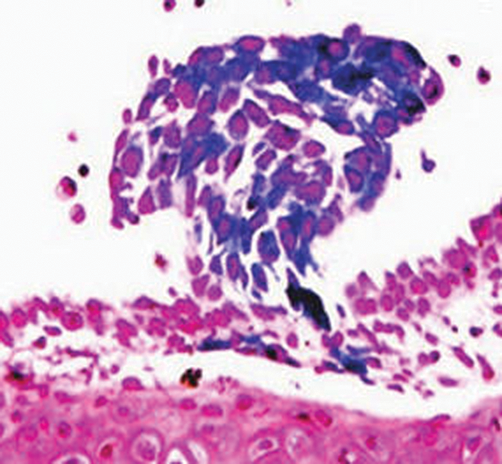
The clinical use of stem cells faces many obstacles. In a paper by Leblond et al. , several of these hurdles were encountered when developing a protocol for stem cell therapies in the lung. Not only does one need to identify and isolate the appropriate stem cell for the right application, genetic modification may be required to generate the appropriate cell, which is associated with its own risks. Ultimately, cells must be deposited in the appropriate locale and integrated into the target tissue in an ordered fashion. The potential, however, is significant and the technology may eventually provide new treatment options for respiratory disease.
Science wire
New Blood Vessels: Courtesy of Gene Therapy and Stem Cells

Angiogenesis is an essential process during development; growth of a vascular system is one of the earliest events in organogenesis. This process also occurs in adulthood, and is critical for wound healing and restoration of blood flow to injured tissues. Inadequate blood vessel growth leads to poor circulation and tissue death and underlies disease conditions such as coronary heart disease, stroke, and delayed wound healing. As such, controlled angiogenesis is considered an important component of tissue regeneration and the treatment of ischemic diseases.
Industry wire

Regulatory wire
Stimulating Research with ARRA

The American Recovery and Reinvestment Act of 2009 (ARRA) was enacted by the U.S. Congress and President Barack Obama in February 2009. This two-year plan is intended to provide a stimulus to the U.S. economy in the wake of the international economic downturn; its measures, nominally worth $787 billion, include a bevy of federal tax cuts, and domestic spending in education, health care, infrastructure, the energy sector, and scientific research. With respect to scientific research, $8.9 billion was allocated to organizations such as the National Science Foundation and NASA, while $10.4 billion was committed to health and biomedical research and construction of National Institutes of Health (NIH) facilities, of which $9 billion is earmarked for extramural funding. In a September 20, 2009 speech at the NIH main campus,
Extramural funding is being distributed by the NIH across four broad categories, including the following: (1) peer-reviewed, highly meritorious research grant applications (e.g., R01s and others) that can be accomplished in 2 years or less; (2) new research applications; (3) targeted supplements to current grants; and (4) new types of activities such as the
An in-depth search of the