




Abstract
With the growing interest in application of nonviral vectors for drug delivery, diagnosis, and imaging, progress has been made in the field of nonviral vector gene therapy in China. Nanobiotechnology studies are important to the development plan for China's research priorities in the 21st century; the National 973 Plan and “Strategic Priority Research Program” classify nanobiotechnology as a special project and give priority to supporting its development. From 2000 to 2017, many articles on nonviral vector gene therapy were published, and cancer gene therapy is one of the most active and important gene therapy research fields. Although the use of nonviral vectors for gene therapy faces enormous problems, Chinese scientists have also begun to realize both the challenges and opportunities that lie ahead. However, a nonviral gene therapy drug has yet to be approved for sale. Therefore, more work is needed in this field. The present review examines the progress and challenges of nonviral gene therapy in China. Efforts to optimize nonviral vectors with structural modifications and gene delivery systems are described, and clinical translation challenges are highlighted.
Introduction
G
With the emergence and vigorous development of nanotechnology, increasing attention has been paid to the research of gene vectors based on nanomaterials in China. 10,11 Nearly 100 Chinese research institutes, including universities, are working on nonviral vectors, and nearly 3,000 research papers are published each year. Of them, almost 60% concerned nonviral gene therapies according to PubMed. Nonviral gene carriers have the advantage of being relatively simple preparations, as their structures are readily modified, have good biocompatibility, are generally small in size, facilitating travel through target cells and higher gene transfer efficiency, and effectively protect exogenous gene cargo. 12
However, one major disadvantage to nonviral vectors is that their administration causes cationic polymers and liposomes to induce immune responses. 13 –15 This effect has drawn public attention, and the Chinese Food and Drug Administration has not yet approved any human gene therapy products for sale. Furthermore, success in clinical trials has been limited because of technical barriers. Although many problems have not been overcome, studies on nonviral carriers are still rapidly developing. 16 The present review focuses on the current research and challenges of using nonviral vectors for gene therapy in laboratory and clinical studies in China.
Types of Nonviral Vectors in Gene Delivery
Naked plasmid DNA is often weak due to its degradation by nucleases, inefficient delivery to cells, and lack of tissue specificity, all of which make it difficult to deliver genes effectively to target cells. 17 Thus, identifying safe and effective gene targeting vectors is key. Gene delivery vectors are broadly divided into four classes: plasmid, phage, viral, and nonviral vectors. 18 Nonviral vectors are simple in theory but complex in practice, and are widely used in gene therapy. 19 Nonviral vectors are divided by their species of origin, which include bacteria, bacteriophages, virus-like particles, erythrocyte ghosts, and exosomes. 20 Nanomaterials, such as calcium phosphates, lipids, and cationic polymers, including chitosan, polyethylenimine, polyamidoamine dendrimers, and poly(lactide-co-glycolide) (PLGA), have been widely used for in vivo and in vitro gene delivery. 8 The materials used as carriers for nucleic acid delivery include liposomes, polymers, micelles, and so on. 21 This article summarizes the progress related to nonviral gene delivery vectors in recent years in China.
Liposomes or lipid-based nanoparticles
Cationic lipids, such as 1,2-dioleoyl-3-trimethylammoniumpropane (DOTAP) and N-(1-[2,3-dioleyloxy] propyl)-N,N,N-trimethylammonium chloride, are widely used. Liposomes are formed by bilayers of phospholipids, which are amphiphilic molecules with a hydrophilic head group facing outward toward water and the hydrophobic tails facing inward, forming a spherical molecule ranging in diameter from 25 to 1,000 nm. 22,23 Liposomes can be used for transport of genes or drug preparations into target cells via membrane fusion. 24,25 Liposomes or lipid-based nanoparticles have been widely used in gene therapy and drug delivery systems because of their adaptability to cargo sizes. 26,27 However, due to the low transfection efficiency and toxicity of cationic lipids, their application has been limited. Many groups have conducted further investigations to increase gene transfection efficiency and reduce the toxicity of cationic lipid-based nanocarriers mainly through structural modification of the lipids. The surface properties of liposomes, including surface charge, polyethylene glycol (PEG)ylation, and ligand modification, can significantly affect gene delivery efficiency. 28 –30 In recent years, chemical modification has been widely used to improve targeting and reduce the toxicity of liposomes. For example, mannosylated and peptide-based liposomes have been used for targeted gene therapy, and the circulation time of PEGylated liposomes is prolonged. 28,31 –34 Modification by crosslinkers to conjugate bovine serum albumin protein to the surface of liposomes has also been reported. 35 Dual-modified liposomes with photolabile-caged cell-penetrating and asparagine-glycine-arginine peptide molecules attached to the liposome surface have bene shown to enhance tumor cell uptake of small interfering RNA (siRNA). 36 Cationic liposomes co-modified with ligands of the asialoglycoprotein receptor and β-sitosterol-β-D-glucoside resulted in more efficient transfection but no enhanced cytotoxicity. 37 There are many reports on the chemical modification of liposomes, and Chinese scientists have made many contributions to the development of high efficiency and low toxicity gene delivery vectors.
Cationic polymers
Cationic polymers have been used for gene delivery for at least five decades. 38 –41 Polymeric nanomaterials, such as polyethylenimine (PEI), 42 chitosan, 43 –45 poly(amino-co-ester)s, poly(L-lysine), poly(2-[dimethylamino]) ethyl methacrylate), 46,47 and polyamidoamine (PAMAM), have been widely used for gene delivery. PEI is one of the most widely used and effective nonviral vectors. PEI has a highly positive charge and can adsorb negatively charged DNA molecules. Chitosan is a natural polymer resulting from partially de-acetylated chitin after the formation of an amino polysaccharide. 48 PAMAM can combine with the DNA surface via electrostatic interactions, 49 and PLL is a cationic polypeptide. 50 Cationic polymers as gene vectors for transfection can enhance DNA stability and effectively protect against DNA degradation enzymes.
Although many studies have been conducted on the application of cationic polymers for gene therapy in mouse models, 51 –53 the toxicity of these materials is still a subject of public concern. Most cationic polymers have serious acute toxicity, such as cytotoxicity, necrosis, and erythrocyte aggregation, which is mainly due to their poor biocompatibility, 54 and are difficult to degrade under physiological conditions. 55 Due to toxicity and stability concerns, the potential application of nanocarrier systems in vivo, particularly cationic liposomes, has received considerable skepticism. 56 Chinese nanocarrier scientists have also conducted detailed studies of cationic polymer toxicity. The strong cell–cationic carrier interaction is an important inducer of nonspecific cytotoxicity. 57 For example, PAMAM nanoparticles have been shown to trigger acute lung failure in mice, 58,59 and PAMAM dendrimers have been shown to induce autophagy under neurotoxic and hepatotoxic conditions. 60 –62 Moreover, PLL–DNA complexes do not quickly release from endosomes, leading to low transfection efficiency and cytotoxicity.
PLGA
PLGA is able to deliver drugs and genes efficiently 63 and is expected to be used as a new tool for the treatment of many nervous system diseases, 64 –67 as well as in bone tissue engineering. 68 PLGA has also been used in microRNA (miRNA) and siRNA 69 delivery in hepatic carcinoma. 70 However, PLGA drug release and acid degradation products often limit its clinical application. 71 PLGA shows cytotoxicity 72 and lung toxicity in human bronchial Calu-3 cells. 73
Other nanomaterial-based therapeutic gene delivery systems
Other nanomaterials (e.g., inorganics), including silicon, 74 iron oxide, 75,76 calcium sulfate, 77,78 and nanogold particles, 79,80 are currently being used as gene vectors.
Nanoparticle–Nucleic Acid Complexes
Current gene therapy is not limited to DNA delivery. 1 Other nucleic acid materials, such as siRNA and miRNA, have also been incorporated into gene therapy programs. Oligonucleotide therapeutics are widely used in gene therapies and may have meaningful clinical productivity due to their advantages. 81 SiRNA are a powerful tool for gene silencing via RNA interference. 82 Nonviral miRNA delivery systems provide a perspective on the future of miRNA-based therapeutics. 83 In recent years, many nonviral vector-based gene therapies have been performed in China, and many animal model studies have demonstrated that nanomaterial-based gene therapy is extremely powerful.
Nonviral vectors have been used in gene delivery, and the complexes they form with nucleic acids are defined as “lipoplexes” or “polyplexes.” 84 The kinetics of the nanoparticle–nucleic acid complex formation process can be divided into three distinct stages: binding or adsorption, where the nucleic acid binds to the surface of the cationic vesicles; transport of the adsorbed nucleic acid aggregate by vesicles to form larger complexes; and adjustment of the nucleic acid–lipid organization. The rate of the process depends on the lipid characteristics, such as membrane fluidity and rigidity. 85 The different types of gene materials that can be complexed with nonviral vectors are summarized in Fig. 1.
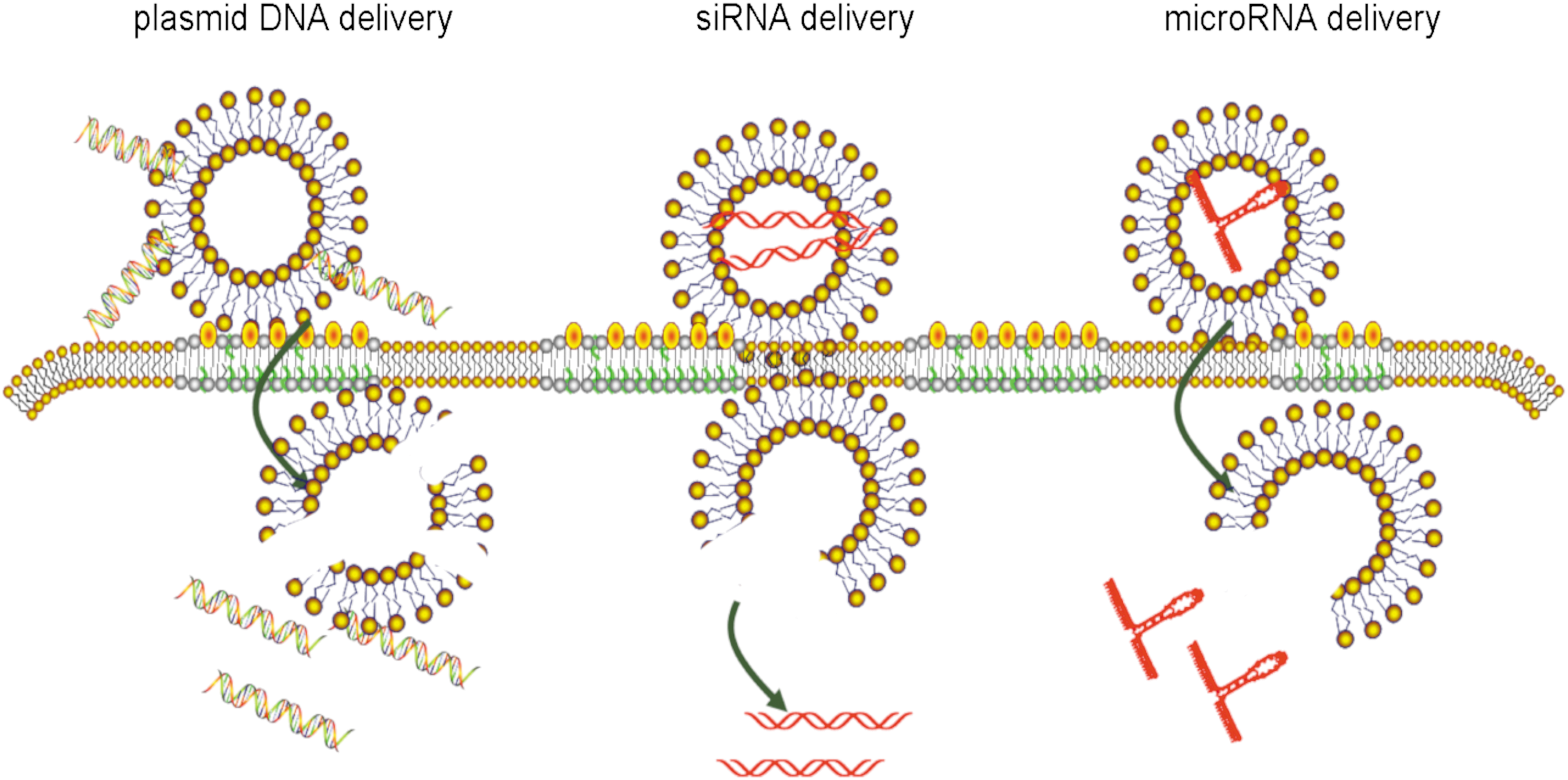
Nonviral delivery systems of gene delivery systems. Three examples of nonviral nucleic acid delivery are shown, each complexed to a cationic liposome: plasmid DNA, small interfering RNA, and microRNA.
Advances in Clustered Regularly Interspaced Short Palindromic Repeats/Caspase-9 Delivery
Recently, newly developed clustered regularly interspaced short palindromic repeats (CRISPR)/caspase-9 (Cas9) gene-editing technology has been demonstrated to be a powerful tool for targeted genetic modification, offering an alternative therapeutic strategy for genetic diseases. 86 By making double-stranded DNA breaks at targeted DNA sites, the CRISPR/Cas9 system specifically induces different types of insertions or deletions via non-homologous end joining or homology-directed repair, facilitating gene mutation, knock-in, deletion, inversion, and so on. 87,88 In particular, with exogenous templates, precise modifications at target loci could generate homology-directed repair, enabling the introduction of desired genomic changes. 89 This development suggests CRISPR/Cas9-mediated gene therapy may be a promising new approach, which aims to repair disease-causing alleles at precise chromosomal locations. 90 However, due to the relatively large size of the CRISPR/Cas9 encoding system (i.e., Cas9 encoding plasmids and their protein counterparts), the gene-editing efficiency of this technique is greatly limited, and related therapeutic efforts may be challenging. 91 As a result, developing an optimized CRISPR/Cas9 delivery system with high efficiency is greatly needed.
Compared to viral vectors, nonviral gene delivery systems share several advantages owing to their flexible backbone and adjustable surface (Fig. 2). In recent years, extensive efforts have been made by Chinese researchers to investigate lipid and/or polymeric nanovectors for CRISPR/Cas9 delivery. For example, inspired by viral vectors, Li et al. from Sichuan University (Chengdu, P.R. China) reported constructing a multifunctional polymer-based “core-shell” artificial virus (RRPHC) for delivery of the CRISPR/Cas9 system. 92 This Cas9-delivering artificial “virus” was comprised of a core of fluorinated polymer 33 bound with the CRISPR/Cas9 system and a versatile multifunctional RGD-R8-PEG-HA (RRPH) shell. The polymeric virus demonstrated strong transport ability of the CRISPR/Cas9-encoding plasmid system without an additional nuclear localization signal and was found to induce higher targeted gene disruption efficacy than Lipofectamine 3000. RRPHC delivered the Cas9-human mutT homolog 1 system successfully, showing effective disruption of the mutT homolog 1 gene in vivo with minimum side effects.
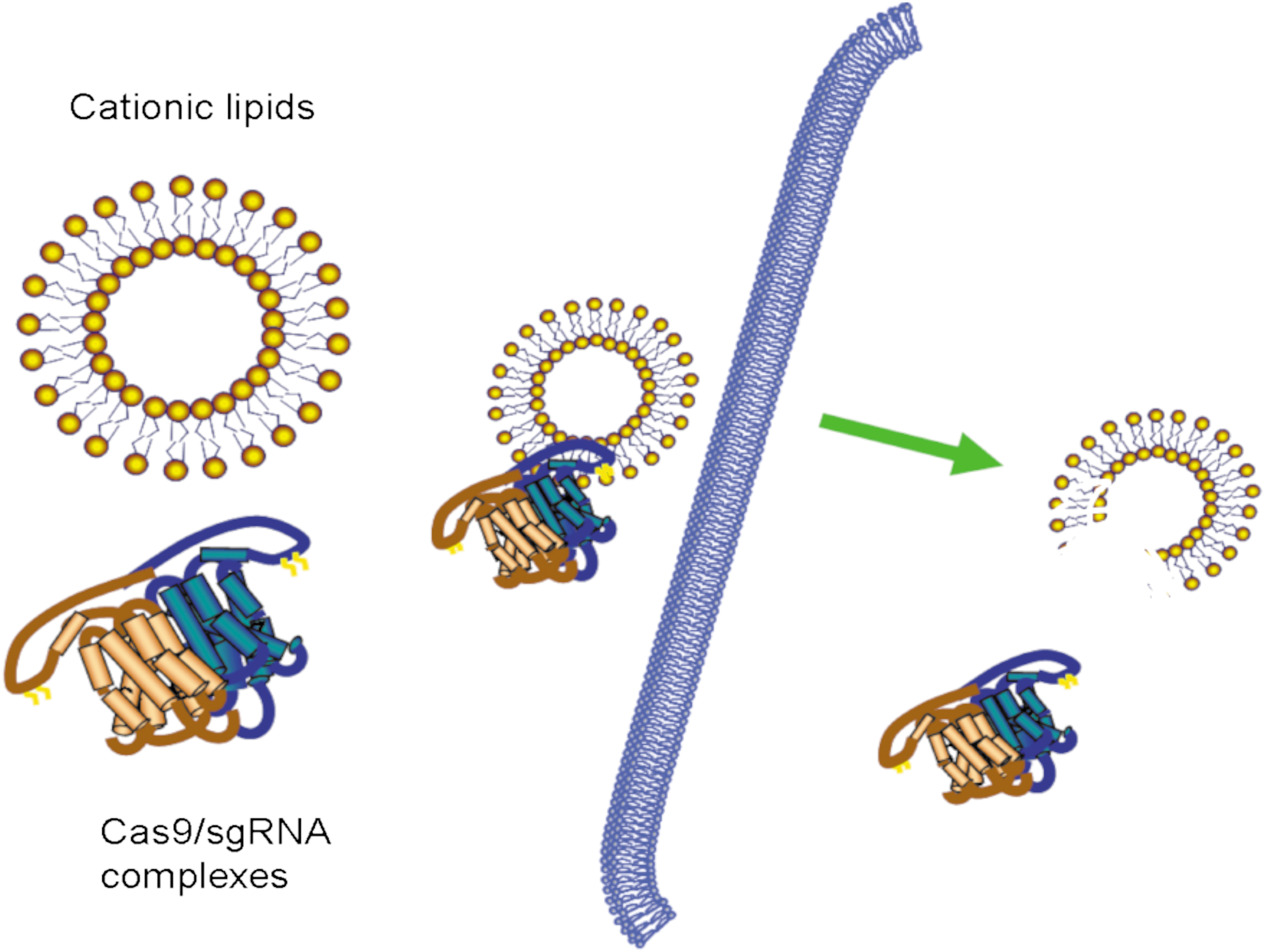
Nonviral gene delivery systems of clustered regularly interspaced short palindromic repeats (CRISPR)/caspase-9 (Cas9) gene-editing systems. The example shown depicts a preloaded ribonucleoprotein, consisting of the Cas9 enzyme with single-guide RNA (sgRNA_ already bound. This Cas9–sgRNA complex then interacts with cationic lipids, which facilitate cell entry.
To facilitate further clinical development of CRISPR/Cas9 therapeutics, Zhen et al. developed a flexible aptamer-liposome chimera vector for the delivery of the CRISPR/Cas9 system. 93 In their work, aptamer-liposome-CRISPR/Cas9 chimeras were prepared through post-insertion of aptamer-lipid conjugates into liposome-CRISPR/Cas9 complexes, which combined the advantageous properties of efficient delivery and increased flexibility. Within this system, the RNA aptamer specifically binds to prostate-specific membrane antigen (PSMA) on prostate cancer cells, and cationic liposomes are used to deliver the therapeutic CRISPR/Cas9 system that targets survival genes, such as polo-like kinase 1. The prepared aptamer-liposome-CRISPR/Cas9 chimeras showed significant cell type binding specificity with remarkable gene silencing ability, promoting conspicuous regression of prostate cancer both in vitro and in vivo. This work provided a universal strategy for cell type-specific CRISPR/Cas9 delivery, which is critical for safety issues during clinical application.
Aptamer-based, cell-specific CRISPR/Cas9 delivery systems have also been investigated for other cancer types. To apply CRISPR/Cas9-based therapy to highly aggressive pediatric osteosarcomas, Liang et al. developed an aptamer-functionalized PEG-PEI-cholesterol (PPC) lipopolymer based on an osteosarcoma cell-specific aptamer LC09. 94 In this system, the CRISPR/Cas9 plasmids targeting vascular endothelial growth factor A (VEGFA) were complexed with the PPC lipopolymer, forming a nano-sized delivery system. Facilitated by the LC09 aptamer, the prepared PPC lipopolymer selectively distributed CRISPR/Cas9 in both orthotopic and lung metastatic osteosarcomas, leading to effective VEGFA genomic editing. As a promising therapeutic target, VEGFA is highly expressed in osteosarcoma. 95 This protein not only contributes to angiogenesis within the tumor microenvironment, but also acts as an autocrine survival factor. 94 In their study, the PPC-mediated gene editing targeted by the CRISPR/Cas9 system efficiently decreased VEGFA expression and secretion, thereby inhibiting orthotopic osteosarcoma malignancy and lung metastasis with no detectable toxicity.
In addition to cancer therapy, nanocarrier-based CRISPR/Cas9 delivery has also been applied for the treatment of infectious disease. For example, hepatitis B virus (HBV) covalently closed circular DNA (cccDNA) is considered a major barrier to eradication of this virus and is resistant to currently available therapies. 96 Although previous attempts have been made to deliver CRISPR/Cas9 via hydrodynamic injection of the plasmids, vector-based in vivo delivery methods targeting HBV cccDNA are still lacking. For this issue, Jiang et al. developed lipid-like nanoparticles (LLNs) based on the previously characterized N 1 ,N 3 ,N 5 -tris(2-aminoethyl)benzene-1,3,5-tricarboxamide (TT) polymers. 97 These TT polymers are a class of N 1 ,N 3 ,N 5 -tris(2-aminoethyl)benzene-1,3,5-tricarboxamide derivatives with strong siRNA and mRNA delivery capacity. In their study, the TT-based LLNs demonstrated highly efficient Cas9 mRNA and single-guide RNA (sgRNA) delivery to liver tissue and successfully targeted HBV cccDNA and the proprotein convertase subtilisin/kexin type 9 gene in vivo, providing CRISPR/Cas9-based therapeutic strategies for treating HBV and hypercholesterolemia. Although Cas9 mRNA and sgRNA are rapidly degraded in mice, this work still provides a temporarily controllable strategy for in vivo genome editing, as well as a potential method for treating a wide range of liver-related diseases.
Additionally, other forms of nonviral delivery systems have also been evaluated for CRISPR/Cas9 system delivery. Genome-wide CRISPR libraries have played important roles in indicating critical genes associated with the growth and metastasis of human cancers. 98,99 However, in vivo applications are severely limited due to the use of lentiviral vectors for gene delivery. Xu et al. from China Agricultural University (Beijing, P.R. China) examined the piggyBac (PB) transposon as an alternative vehicle for delivering a guide RNA library for in vivo screening. 100 The PB transposon has been widely recognized as a natural nonviral gene vector that can induce stable chromosomal integration and persistent gene expression in vertebrate cells. By constructing CRISPR libraries in the PB transposon, these authors successfully conducted in vivo genome-wide screening in mice and identified several new genes that mediate liver tumorigenesis, suggesting a simple and nonviral choice for the in vivo delivery of CRISPR libraries.
Advances in Plasmid DNA Delivery
Folate receptor-α is overexpressed in most types of human colorectal and ovarian carcinoma, and has been developed and applied in novel target nanomaterials as a potential and effective cancer therapy target. He et al. developed folate-modified liposomes delivering interleukin (IL)-12, IL-15, or human telomerase reverse transcriptase promoter-driven matrix protein genes for the targeted immunotherapy of colon and ovarian cancer. 101 –103 In their study, compared to the normal liposome, all folate receptor-α-targeted lipoplexes loaded with various genes significantly suppressed tumor growth and production of malignant ascites, suggesting that folate receptor-α-modified liposomes may be safe and efficient nanomaterials for targeted colon and ovarian cancer therapy.
Gong et al. also developed a novel multifunctional “core-shell” ternary nanoparticle-based gene delivery system, which was extremely efficient in gene penetration and expression in the nucleus and highly effective in multiple tumor models. 92,104,105 This well-tailored ternary nanoparticle has a “shell” composed of RRPH, which can simultaneously target CD44 and integrin αvβ3 receptors overexpressed on most malignant tumors and tumor vascular endothelial cells, while the “core” is comprised of a mixture of the gene with fluorinated polymers, which facilitate the escape of the condensed gene from the endosome and promote gene penetration into the nucleus. This ternary nanoparticle has been demonstrated to be an efficient system for mutT homolog 1-Cas9 delivery in SKOV3 ovarian cancer, pro-apoptotic mouse tumor necrosis factor–related apoptosis inducing ligand gene-Cas9 delivery in B16-OVA melanoma, and tumor necrosis factor–related apoptosis inducing ligand gene delivery in HCT116 colorectal cancer. These antitumor results indicate that these novel RRPH ternary complex nanoparticles might be a promising gene delivery system for the targeted gene therapy of various tumors.
Carbon nanotubes are also used for gene delivery but are limited by their hydrophobic nature. Kong et al. 106 at Zhejiang University (Hangzhou, P.R. China) demonstrated a novel gene delivery vector through the noncovalent binding of chemically modified PEI-cholesterol to single-walled carbon nanotubes via a hydrophobic interaction, which enhanced the transfection efficiency and antitumor effect when combined with pTP53. PAMAM dendrimers have also been explored as nonviral gene carriers due to their specific size, shape, and surface characteristics, which are suitable for gene delivery. Yin et al. 107 developed a novel activated endothelial growth factor (EGF)-dendriplex system prepared via self-assembly by EGF and activated PAMAM dendrimer and plasmid DNA complexes. This system was demonstrated to be safe and effective in delivering genes to EGF receptor-positive cells in vitro and in vivo.
Advances in siRNA Delivery
Want et al. elaborated three types of hydrophobized PEG-blocked cationic polymers with different distributions of the hydrophobic segments in the polymer chains as siRNA vectors. These cationic polymers formed nano-sized micelles spontaneously and incorporated siRNA into complex micelles well. The polymer composed of PEG, the cationic monomer aminoethyl methacrylate, and 2-(diisopropylamino)ethyl methacrylate showed good siRNA binding capacity, formed stable siRNA-micelle complexes of <100 nm in diameter, mediated good gene silencing efficiency, had an inhibitory effect on tumor cell growth in vitro, and exhibited better liver gene silencing effects in vivo. Therefore, the distribution of the hydrophobic segments in the amphiphilic cationic polymer chains should be seriously considered in the design of siRNA vectors. 108 Liu et al. modified PAMAM with phospholipids and loaded siRNA targeting the multidrug resistance (MDR)-1 gene for reverse MDR in human breast cancer MCF-7/ADR cells. Phospholipid-modified PAMAM-siMDR1 dendriplexes enhanced the cellular uptake of siMDR1, exhibited higher gene silencing efficiency, decreased p-glycoprotein expression, increased cellular accumulation of doxorubicin, and inhibited tumor cell migration. Moreover, the phospholipid-modified PAMAM-siMDR1 dendriplexes worked synergistically with paclitaxel for treating MDR, leading to increased cellular apoptosis and cell phase regulation. Therefore, these phospholipid-modified dendriplexes show great promise in reversing drug-resistance in vitro. 109 In addition, anti-EGF receptor antibody-modified PAMAM has also been shown to deliver siMDR1 to overcome MDR. 110
Qian et al. developed M2-like tumor-associated macrophage (TAM) dual-targeting nanoparticles, which were utilized specifically to block the survival signal of M2-like TAMs and deplete cells from melanoma tumors by loading anti-colony stimulating factor-1 receptor siRNA. The dual-targeting fusion peptide displayed a synergistic effect between the two targeting units in vitro. The dual-targeting nanoparticle–siRNA complexes showed higher affinity for M2-like TAMs than tissue-resident macrophages in the liver, spleen, and lung after administration to tumor-bearing mice. Compared to control treatment groups, the dual-targeting nanoparticle–siRNA complexes resulted in dramatic elimination of M2-like TAMs (52%), decreased tumor size (87%), and prolonged survival. Additionally, immunosuppressive IL-10 and transforming growth factor-β production were inhibited, and expression of immunostimulatory cytokines (IL-12 and interferon-γ) was increased in the tumor microenvironment. Moreover, these dual-targeting complexes downregulated expression of exhaustion markers (programmed cell death protein-1 and T-cell immunoglobulin and mucin domain-containing-3) on infiltrating CD8+ T cells and stimulated their secretion of interferon-γ. Therefore, these dual-targeting nanoparticles with RNA interference provide a potential clinical strategy for molecular-targeted cancer immunotherapy. 111
Zhang et al. developed a targeting system involving dioleoyl trimethylammonium propane-based cationic liposomes attached to six repetitive sequences of aspartate, serine, and serine for delivering siRNAs specifically to bone formation surfaces. To manage metabolic skeletal disorders, an osteogenic siRNA that targets casein kinase-2 interacting protein-1 (encoded by pleckstrin homology domain-containing O1) was encapsulated into the targeting cationic liposomes. The in vivo systemic delivery of pleckstrin homology domain-containing O1 siRNA into rats using the liposome-siRNA system resulted in selective enrichment of the siRNAs in osteogenic cells and subsequent depletion of pleckstrin homology domain-containing O1. Furthermore, this approach markedly promoted bone formation, enhanced the bone microarchitecture, and increased bone mass in both healthy and osteoporotic rats according to bioimaging analysis. These results indicate that this liposome is a promising targeted delivery system for RNA interference-based bone anabolic therapy. 112
Advances in miRNA Delivery
An RNA aptamer targeting PSMA was used to modify atelocollagen to produce PSMA-targeting vectors, and miRNA (miR-15a and miR-16-1) was loaded onto the RNA aptamer–atelocollagen nanoparticles. The anticancer effect of nanoparticles in vivo was investigated using the survival times of a mouse model of human prostate cancer bone metastasis. The anticancer efficacy of miRNA–RNA aptamer–atelocollagen nanoparticles was superior to those of other treatments in vivo. This PSMA-targeted miRNA delivery system might allow for the selective killing of prostate cancer cells in bone metastatic foci. 113
In particular, miR-34a has been incorporated into a solid lipid nanoparticle for cancer stem cell therapy. This miR-34a–nanoparticle system has been shown to induce B16F10-CD44+ cell apoptosis and inhibit cell migration by negatively regulating the cell surface protein CD44. Moreover, this nanoparticle formulation increased miR-34a accumulation in the lungs in vivo and extended the persistence of miR-34a in tumor sites. Therefore, the miR-34a–nanoparticle system was also effective in inhibiting B16F10-CD44+ tumor development and tumorigenicity. Shi et al. developed a solid lipid nanoparticle that represents a promising vector for miRNA delivery. 114
Toxicity of Nonviral Vectors for Gene Therapy
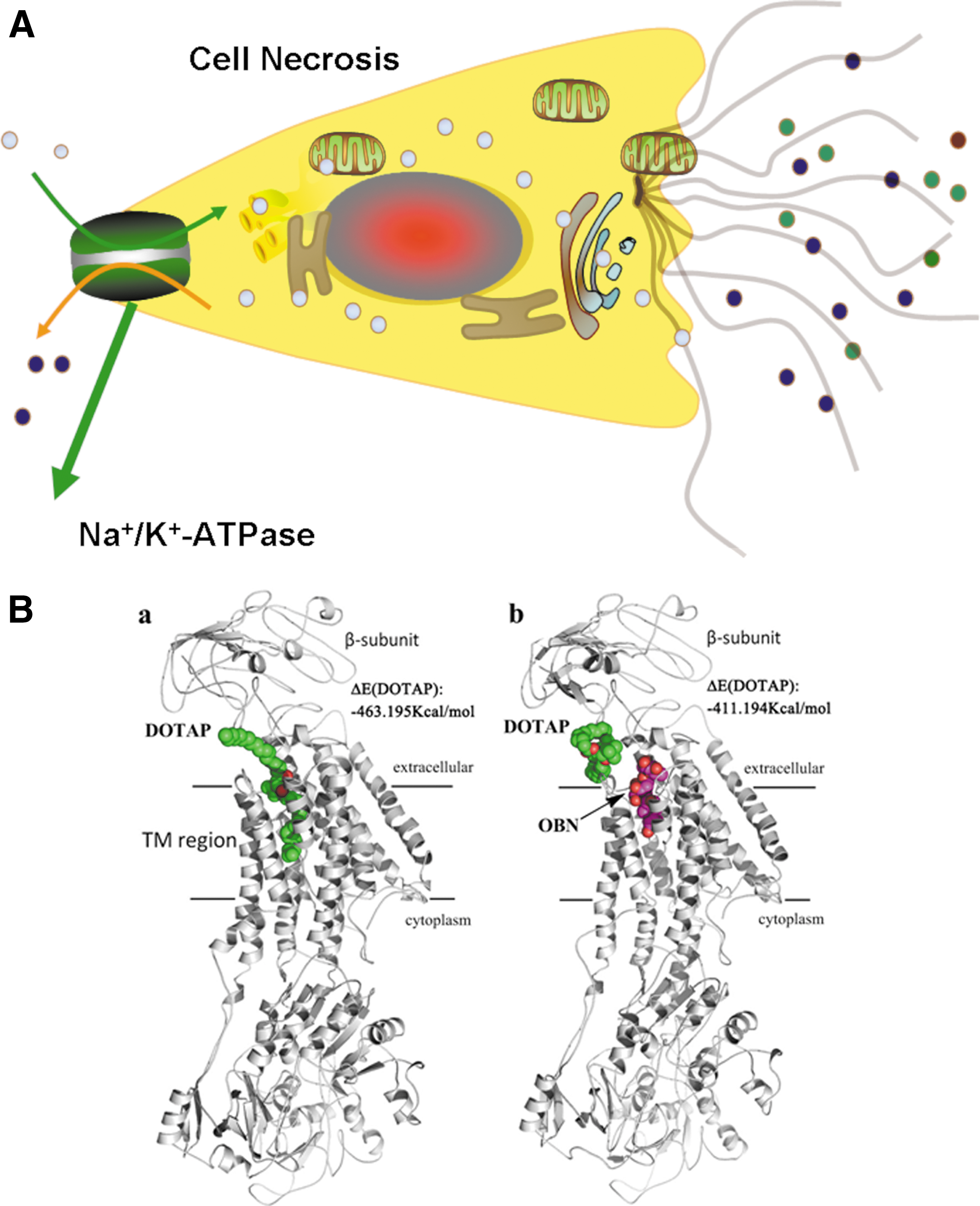
Here, the barriers and challenges to systemic delivery of exogenous nucleic acids are summarized, and strategies for overcoming obstacles in the in vivo delivery of nucleic acids by using nonviral vectors are discussed. First, the toxicity of cationic nanocarriers is a cause for public concern, 15,115 –118 as the toxicity of cationic liposomes has been made clear. 119 The toxicity of cationic liposome carriers mainly depends on their cationic properties, which have different effects on different structures. For cationic lipids, their cytotoxicity is mainly dependent on the structure of hydrophilic groups, such as quaternary ammonium molecules, which are more toxic than tertiary amines, and cationic polymers consistently induce immune responses. For example, chitosan has been shown to stimulate a dendritic cell immune response by activating cytoplasmic DNA sensors cyclic GMP–AMP synthase and stimulator of interferon genes and inducing type I interferons. 120 The authors' team has also reported on the release of damage-associated molecular pattern molecules after cellular necrosis induced by cationic liposomes, 13 as well as on immune responses and related regulatory mechanisms. Furthermore, Wei et al. focused on the mechanisms of cationic nanocarrier-induced cellular necrosis. They showed that cationic nanocarriers could interact with the cation-binding site of Na+/K+-ATPases, and cellular necrosis could be inhibited by ouabain, which occupied ouabain-binding sites at a markedly low concentration. The complex structures of Na+/K+-ATPase-DOTAP and Na+/K+-ATPase-ouabain-DOTAP were calculated and are shown in Fig. 3.
There are many barriers to overcome in the process of nonviral vector gene delivery. Complex biological barriers, such as mucus and blood–brain barriers, 121,122 are major obstacles to preventing and treating disease. 123 Most scholars have proposed that the main barriers to nanocarriers of gene transfer systems include (1) macrophages, which are widely distributed in tissues and body fluids and can rapidly identify and remove lesions, senescent cells, and foreign material invading the body; (2) nanoparticle–DNA complexes, which interact with the cell, leading to film nucleus formation and rapid lysosomal engulfment of the nucleus; and (3) lysosomes that can degrade gene materials in cells, thereby affecting gene expression. Surface modification of nanomaterials with antibodies, 124,125 peptides, 126,127 lactoferrin, 128 mannose acid, 129 and folic acid 130 has been shown to improve transfection efficiency and targeting, while reducing the side effects of other tissues. Furthermore, lipid PEGylation, other structural/chemical group modifications, and/or controlling the number of free liposomes can reduce toxicity and improve transfection efficiency of nonviral vector gene therapies. 131,132
Conclusion
Scientists face three major barriers to the use of nonviral vectors in gene delivery systems: (1) helping nonviral transporters escape the reticuloendothelial system, (2) avoiding the phagocytosis by lysosomes, and (3) preventing plasmid DNA degradation in the cytoplasm of target cells. In addition, avoiding induction of an immune response and acute toxicity when developing gene delivery systems is also a major challenge. Although there are still many problems associated with gene delivery systems, the prospect of applying nonviral vector gene therapy remains promising.
Footnotes
Acknowledgments
This work was supported through grants from the National Key Research and Development Program of China (No. 2016YFA0201402) and the Natural Science Foundation of China (No. 81602492).
Author Disclosure
The authors have no conflicts of interest to disclose.