




Abstract
A thermostable extracellular alkaline protease from a newly isolated Enterobacter sp. is reported. The enzyme acted optimally at pH 9 and 50°C and was found to be stable at these conditions, retaining 80–85% of its initial activity at the end of 1 h. The enzyme retained about 65–90% of its activity after a 30 min incubation at 30°C±2°C in the presence of detergents such as Rin, Tide, Ariel, Surf excel, and Wheel, indicating its suitability for application in the detergent industry. The reported protease also has potential applications in destaining of blood and degradation of gelatinous coating of x-ray films. The results show that Enterobacter sp. is a good producer of an extracellular protease(s) that can be beneficial for multiple applications.
Introduction
An interesting application of alkaline protease was developed by Fujiwara et al. 3 who reported the use of an alkaline protease to decompose the gelatinous coating of x-ray films, from which silver was recovered. Proteases are also important components of biopharmaceutical products such as enzyme-based contact lens cleaners and enzymatic debriders. 4
Though several microorganisms such as bacteria, fungi, and yeast as well as plant and animal tissues are known to produce alkaline proteases, increasing industrial demand for proteases makes it likely that genetically modified, hyperactive strains will emerge. Enzymes produced by these new microbial strains could be used as biocatalysts in the growing biotechnology industry. 5 Here we present potential applications of a protease isolated from mangrove and coastal habitats of Goa, India, for various industrial purposes.
Materials and Methods
All chemicals used were of analytical grade and obtained from Sigma Chemical Co. (St. Louis, MO) or Himedia/Merck/Qualigens (Mumbai, India). In all experiments measurements were carried out in duplicated parallel cultures. Each data point represents the mean of three independent measurements.
Screening for protease-producing bacteria
Soil samples were collected from mangroves and coastal habitats of Goa, spread on plates containing production medium (nutrient agar supplemented with 0.5% skimmed milk powder), and incubated at 37°C for 24-48 h after appropriate dilution. The production of protease was confirmed by the appearance of clearance zones on the plates (Figure 1).
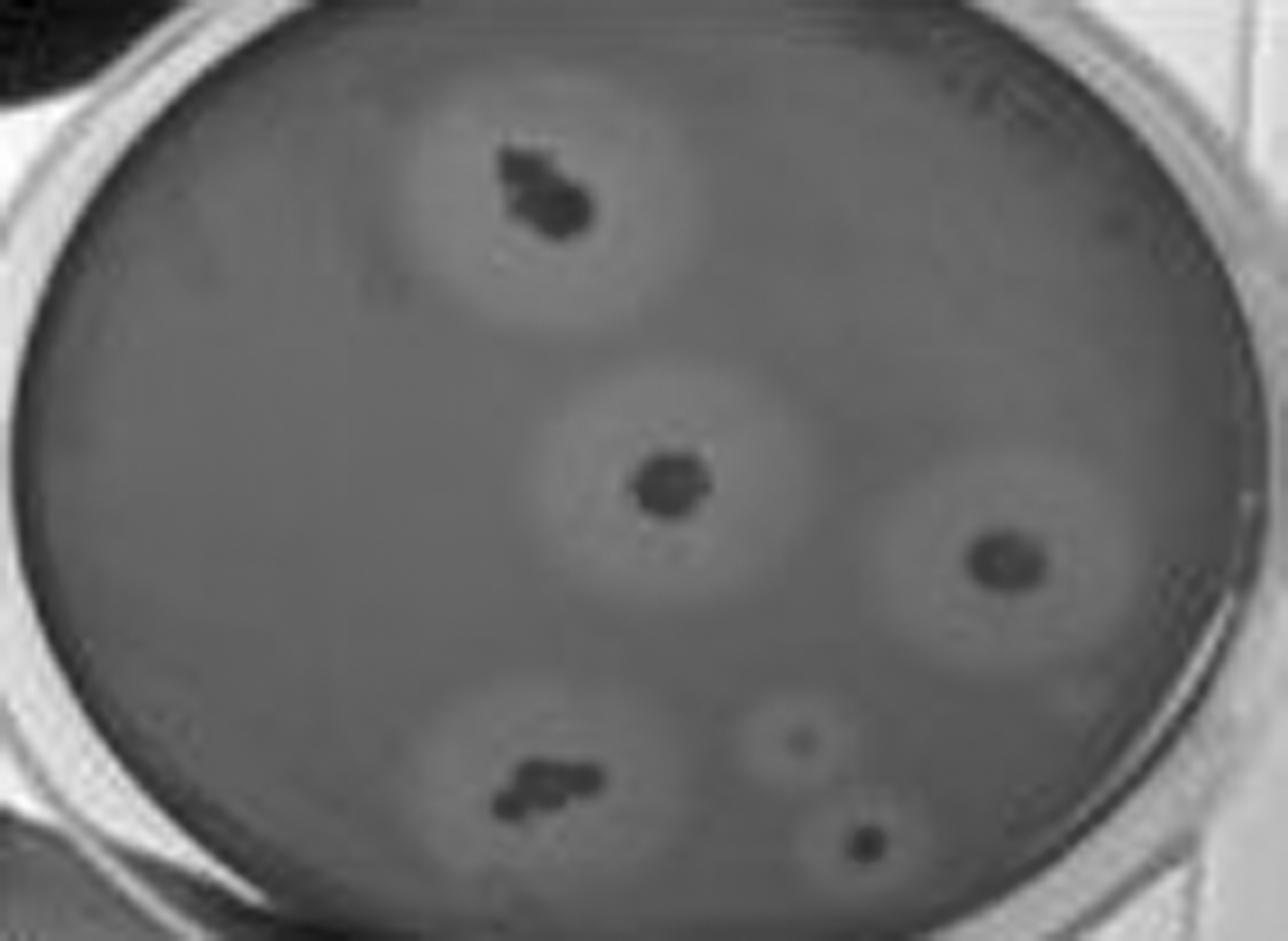
Screening of proteolytic bacteria: nutrient agar plate supplemented with 0.5% skimmed milk powder showing clearance zones due to proteolytic activity.
Preparation of crude culture supernatant
Isolates with detectable protease producing capability were transferred to flasks containing the production medium (without agar). The flasks were kept on an orbital shaker for 24 h at 30°C±2°C. Protease production could be observed by the clearance of the broth, which was then centrifuged. The culture filtrate obtained was stored at 4°C until further use.
Quantitative estimation of proteolytic activity
The level of enzyme activity was then determined in the crude enzyme preparations for the purpose of selecting the isolate with the highest enzyme activity. The alkaline protease activity was determined using casein as a substrate, as in Tsuchida et al. 6 One unit of alkaline protease was defined as the amount of enzyme that catalyzes the release of 1 μg tyrosine per mL per minute from casein under standard assay conditions. The protein content of the crude enzyme was estimated by Lowry's method 7 using bovine serum albumin as a standard.
The selected bacterial culture was identified up to the genus level based on cellular morphology, growth conditions, Gram stain, and biochemical tests.
Characterization of alkaline protease
pH and temperature tolerance/stability
Enzyme assays were carried out at different pH levels (7.0–10.0) and temperatures (30°C to 60°C), and optimum pH and temperature were determined by caseinolytic assay. The pH stability of the enzyme was determined by incubating the enzyme with buffer of optimum pH for 1 h at 50°C. Various activity buffers (0.05 M), such as phosphate buffer (pH 7–8) and glycine/NaOH buffer (pH 9–10), were used. Residual activity was calculated in each sample by caseinolytic assay against an enzyme control. Temperature stability of the enzyme was studied by incubating the enzyme at its optimum temperature for 1 h at pH 9.0.
Compatibility of alkaline protease activity with commercial detergents
Enzyme stability in the presence of different commercial detergents was studied in an effort to assess suitability of the enzyme for the detergent industry. The commercial laundry detergents used were Advanced Ariel & Tide (Procter & Gamble, Mumbai, India), Mr. White (Henkel India Ltd, Mumbai), Wheel, Rin Shakthi, and Surf excel (Hindustan Unilever, Mumbai, India). The concentrations of the various detergents used were determined by the recommended strengths given by the manufacturers. The detergent solutions were boiled for 10 min to destroy any protease already present. The enzyme was then incubated with the commercial detergents for 30 min at 30°C, and the residual activity was determined. Incubation of the enzyme extract without commercial detergent was used as a control.
Evaluation of other applications of alkaline protease
Destaining of blood
A clean piece of white cotton swatch (5x5 cm) was stained with blood and allowed to dry. Four such swatches were prepared for the experiment. Various combinations of tap water/detergent with or without enzyme (20 U) were added to petri dishes containing the stained swatches. After 30 min at room temperature, the swatches were gently washed under running water and dried. The extent of stain removal was then visually compared. The swatch washed with tap water only was used as a control.
Decomposition of gelatinous coating on used x-ray film
A piece of x-ray film (2x2 cm) was incubated with the crude protease (20 U/mL). The film was checked for decomposition of gelatinous coating after 1 h.
Results and Discussion
Screening for proteolytic bacteria
An extracellular protease-producing bacterium belonging to the genus Enterobacter was isolated from mangrove soil by an enrichment method that selected for the largest zone of clearance on nutrient agar plates supplemented with 0.5% skimmed milk powder. Isolate G1 was selected and had a proteolytic activity of 77 U/mL (Table 1). Details of the bacterial identification are given in Table 2.
Screening of proteolytic bacterial isolates
Morphological and biochemical characteristics of G1 isolate
Characterization of alkaline protease
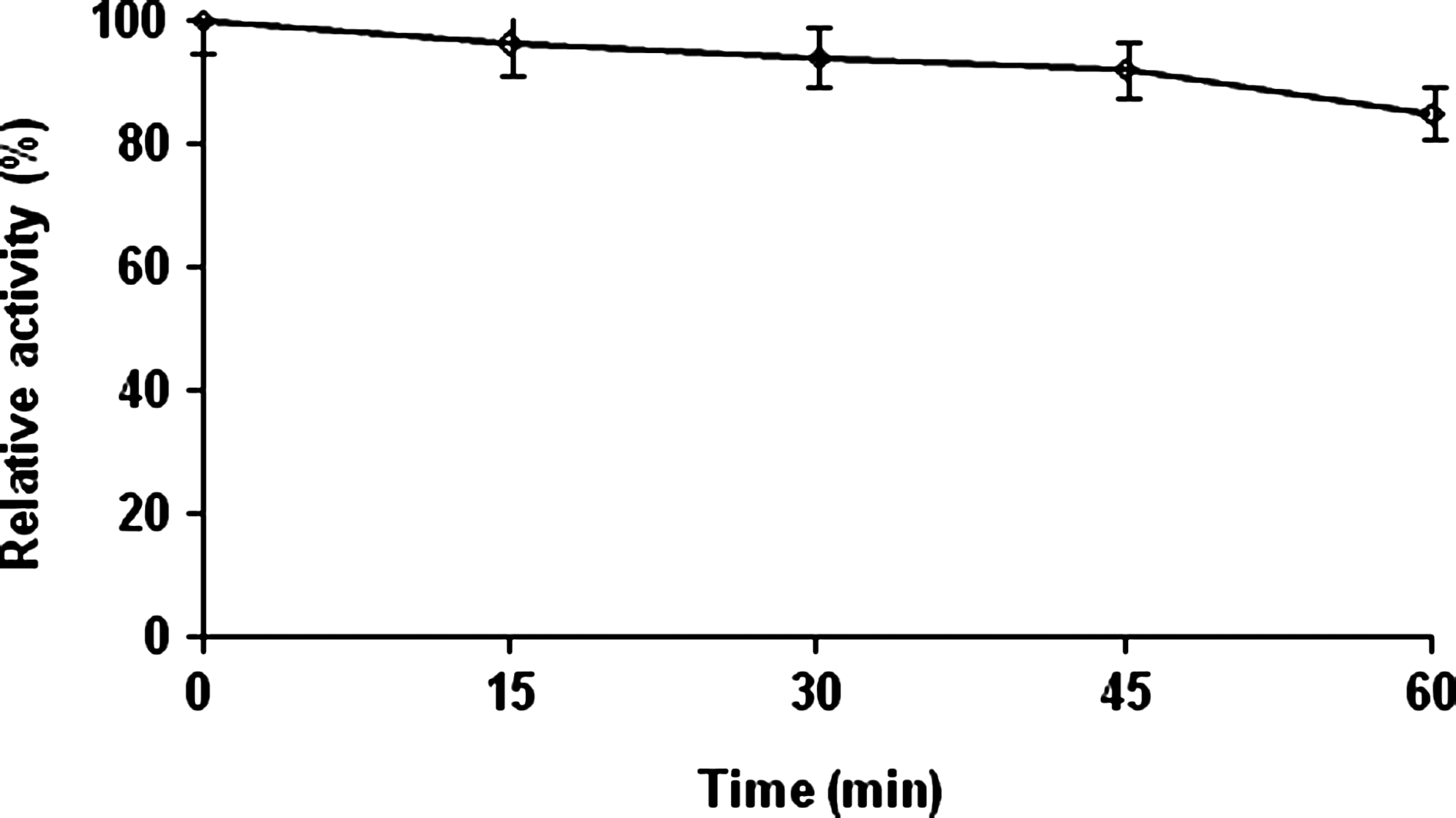
The reported protease is casein-inducible and has an optimal pH and temperature of 9.0 and 50°C, respectively (Figs. 2 and 3). These results are similar to those of Oberoi et al. 8 who described a protease from Bacillus sp. RGR-14 that was stable under alkaline conditions; the enzyme retained 85% activity at pH 9 after 1 h at 60°C. The present enzyme retains 80% activity in alkaline conditions (pH 9.0) after 1 h at 50°C (Figs. 4 and 5). In general, detergent-compatible enzymes are alkaline thermostable in nature and have a high optimal pH, because the pH of laundry detergents is generally in the range of 9–12 and varying thermostability is necessary at laundry temperatures of 50°C-60°C). 9,10
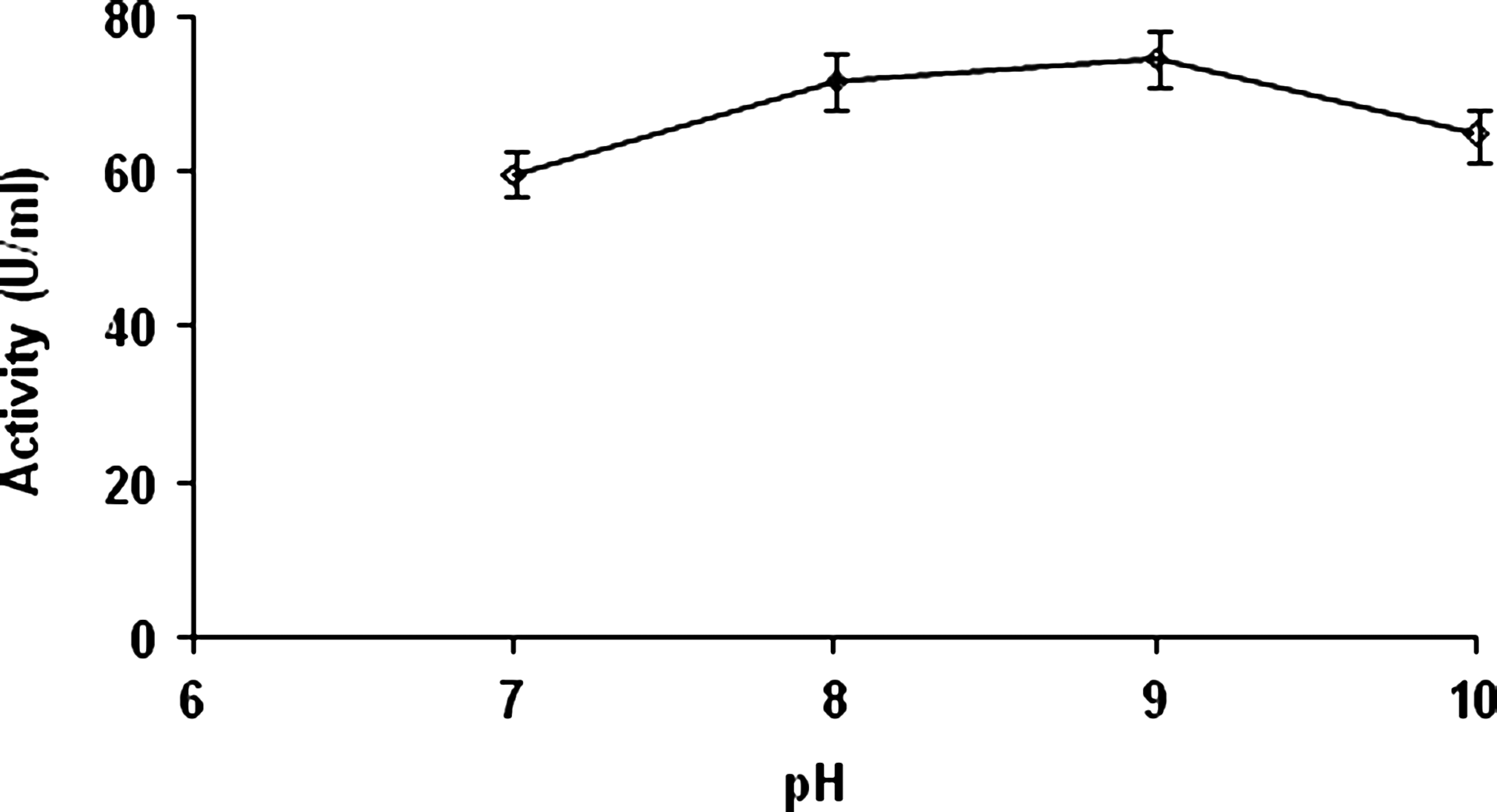
Effect of pH on enzyme activity: assay condition with varying pH range of 7.0-10.0 at 50°C.
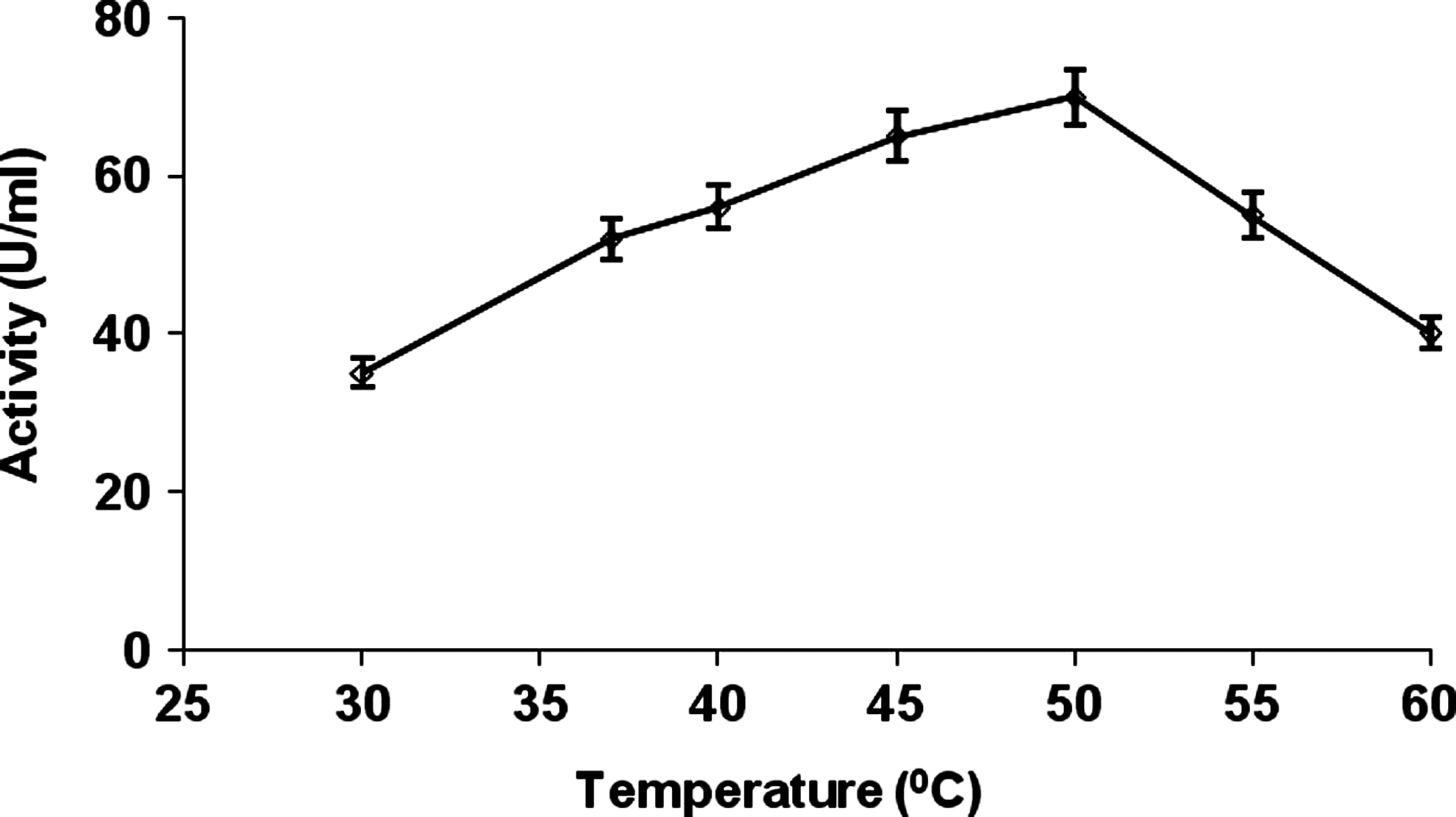
Effect of temperature on enzyme activity:
pH stability: crude enzyme extract was incubated in buffer of pH 9.0 for 1 h at 30°C±2°C to determine residual activity.
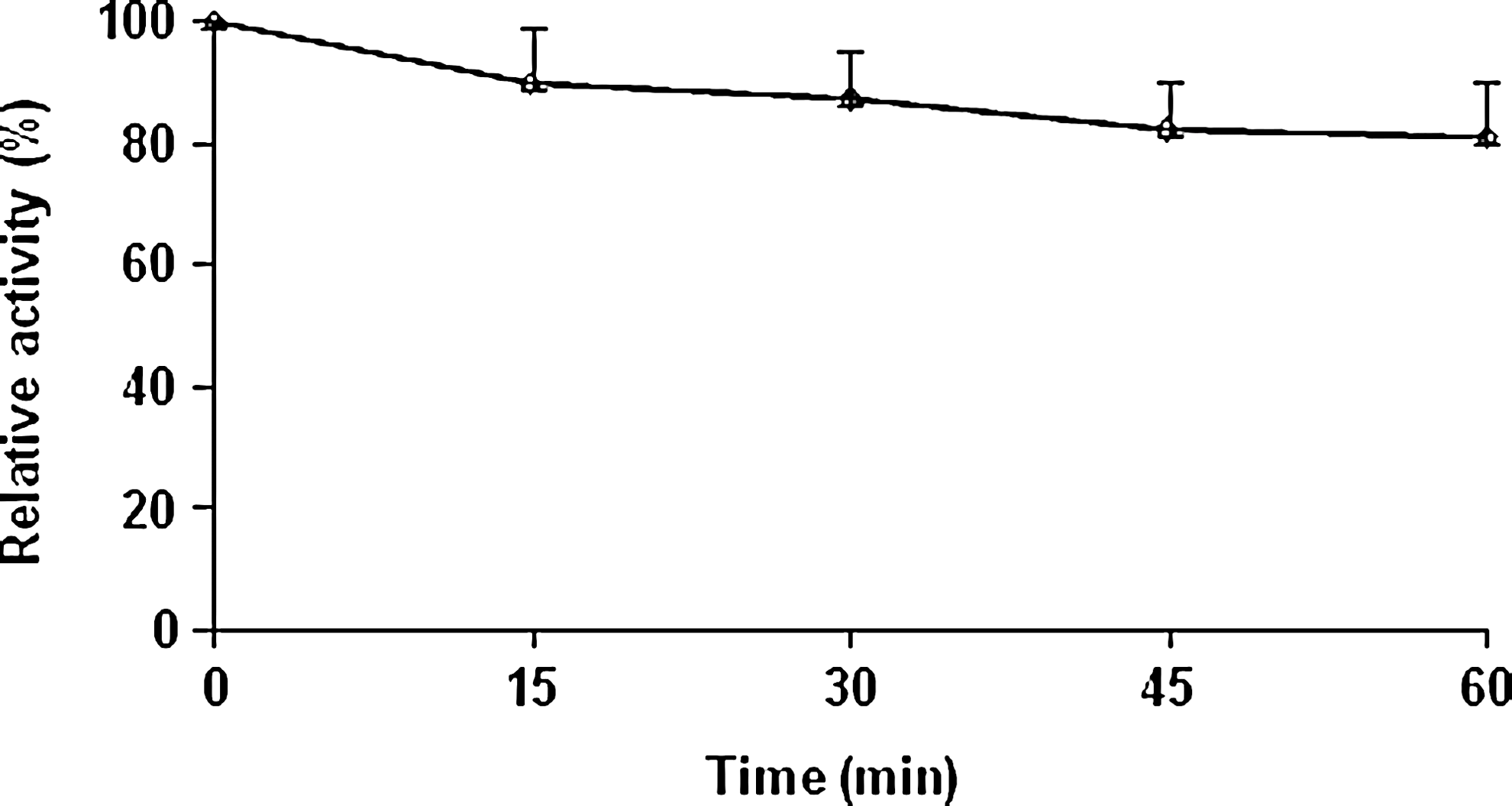
Thermal stability: crude enzyme extract was heat-treated at 50°C, at a pH of 9.0 for up to 60 min prior to the assay.
Compatibility with commercial detergents
Besides pH and temperature stability, a good detergent protease should also be stable in the presence of the surfactants and oxidizing agents present in laundry detergents. 11 Interestingly, in the present case, the enzymatic activity of the protease produced by the Enterobacter sp. showed excellent compatibility with commercial detergents such as Rin, Tide, Ariel, Surf excel, and Wheel. It retained 65-90% activity with respect to control after a 30 min incubation period (Fig. 6). The data obtained from these experiments indicate that this proteolytic enzyme has the potential to be used as a performance-enhancing laundry detergent additive.
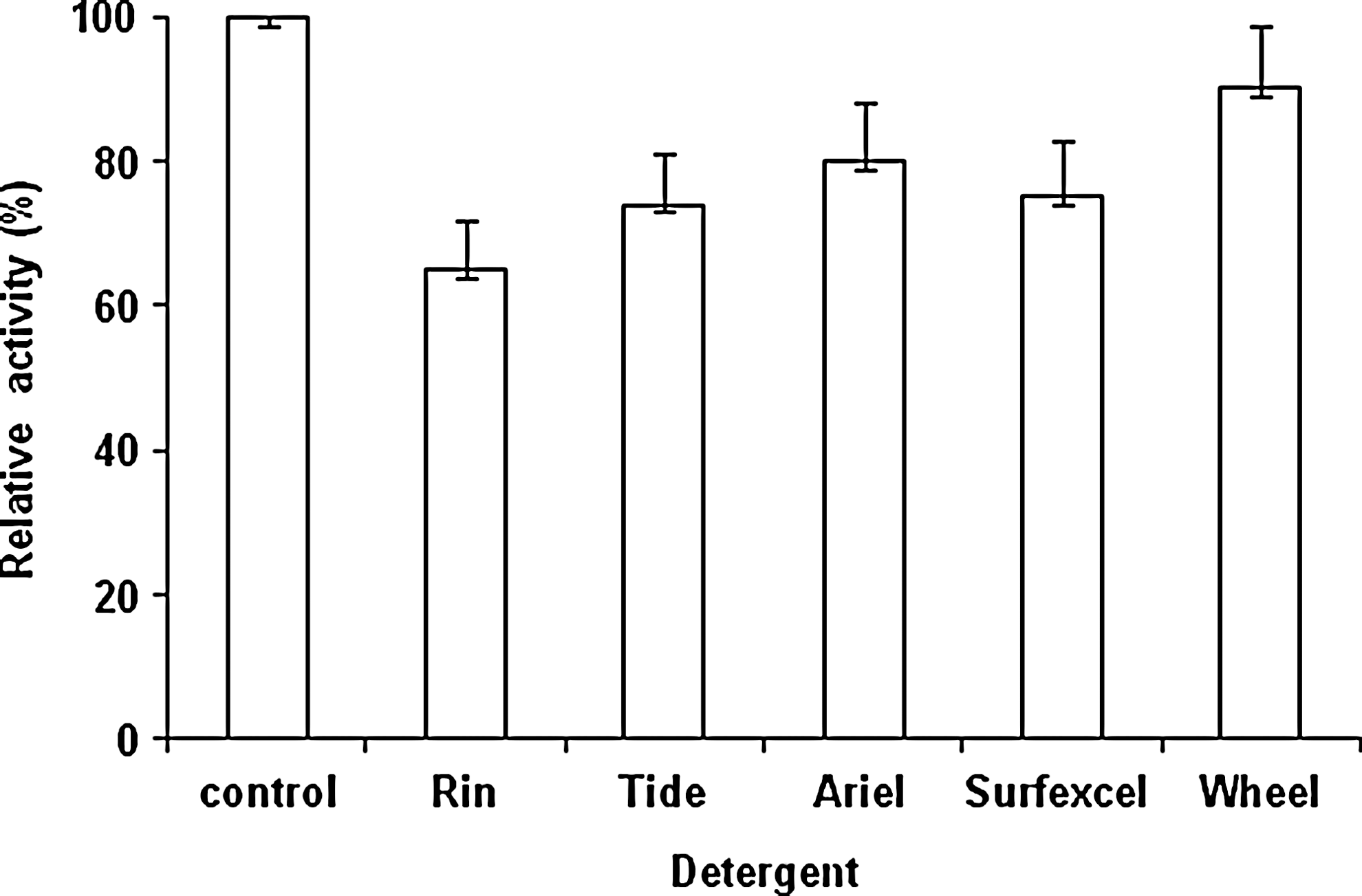
Stability of the enzyme in commercial detergents:crude enzyme extract was incubated in presence of various commercial detergents for 30 min at 30°C±2°C, and the residual activity was determined.
Destaining of blood from cloth
The alkaline protease described in this report was able to remove blood stains in the presence of detergent (Fig. 7). (This finding is supported by the results of spectrophotometric analysis, which are not included in this report.) The preliminary results reported here indicate that the current protease has the potential to increase the ability of detergent formulations to remove blood stains from laundry items, but further investigation is needed. A similar study showing the usefulness of protease in removing blood stains from cotton cloth was reported by Najafi et al. 12
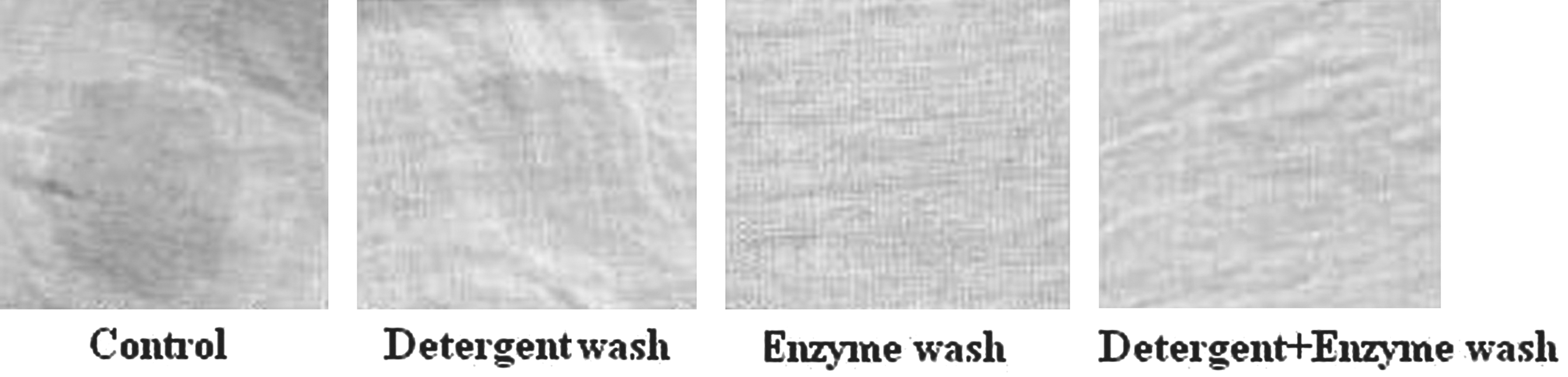
Wash performance of the enzyme in removing blood stain:cotton swatches stained with blood were incubated with enzyme and/or detergent for 30 min at 30°C±2°C, given a gentle wash with tap water, and dried. Swatch stained with blood (without wash) was used as control.
Decomposition of gelatinous coating from used x-ray film
The ability of the alkaline protease described here to affect the decomposition of the gelatinous coating of x-ray film, leaving behind the polyester base, during an incubation of 1 h is shown in Figure 8. Fujiwara et al. 3 also reported the use of an alkaline protease to decompose the gelatinous coating of x-ray films, from which silver was recovered.
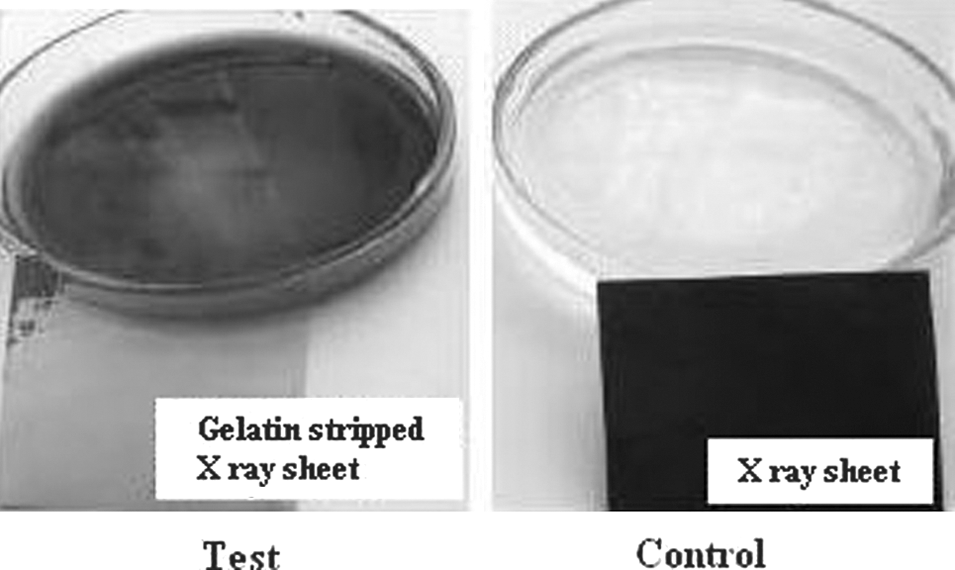
Gelatin stripping from used x-ray film: x-ray film piece was incubated with crude enzyme extract (test) for 1 h at 30°C. In the control, distilled water was used in the place of enzyme. Protease results in decomposition of the gelatinous coating of the x-ray film, exposing the polyester film base.
Conclusions
Alkaline proteases of microbial origin possess considerable industrial potential due to their diversity and wide range of applications, and thus have been the subject of considerable research aimed at exploiting their physiological and biotechnological applications. In this study, an attempt was made to isolate a bacterial strain that produces extracellular alkaline protease(s) and to explore its industrial applicability. Properties of protease(s), such as alkaline pH, thermostability, and detergent resistance, make it potentially useful for various applications. The results of this investigation suggest that the reported alkaline protease could be an alternative enzyme for use in industrial applications, but surely this will demand further testing and evaluation.
Footnotes
Disclosure Statement
No competing financial interests exist.