




Abstract
As fossil fuel resources become more difficult to find, the cost of extraction becomes inherently more expensive. Thus, alternative energy solutions must be explored to meet exponentially increasing energy demand due to population growth and industrial development. Solutions that derive energy from alternative resources, including sunlight, wind, tides, and biomass, are in various stages of maturity, ranging from theoretical concepts to commercially available commodities.
Power derived from biomass, for example, is widely promoted as an alternative to both transportation fuel and electricity for the national power grid. Before biomass-derived power can be realized on a wide scale, however, several technological and political hurdles need to be overcome. Current challenges include extending the sources of available biomass, optimizing conversion processes to increase yield, effectively utilizing land, and developing the infrastructure to accommodate the new industrial processes.
The following review addresses the 21st century techniques and challenges associated with growing and extracting power from biomass. The summary assesses challenges in three specific areas: 1) growing biomass, in regards to the energy available from a variety of sources; 2) engineering challenges associated with thermo-chemical conversion of biomass; and 3) management challenges associated with land and resource requirements necessary to create a sustainable biomass-to-energy industry. The information will be analyzed to determine the feasibility of biomass-based power as a solution to address dwindling conventional resources.
Introduction
Natural gas, coal, and oil still account for 95% of the world's energy consumption, so demand for alternatives, such as energy from biomass, is still relatively low. 7 Currently, plant biomass is primarily grown for food and some industrial purposes, such as paper production and insulation. In recent years, however, the trend has begun to shift, and land is now being utilized to grow crops specifically for energy production; e.g., exploiting the high starch and sugar content of corn and sugarcane for bio-ethanol production. 8 For large-scale biomass-derived energy to become a feasible technology, new sources of biomass materials must be identified and the processing optimized to utilize available resources effectively. 9 Currently, large-scale power plants produce electricity from the conversion of various types of biomass. 10,11 Many of these industrial processes utilize conventional energy production facilities—such as coal-fired power plants—and simply supplement the fuel source with locally available biomass. 12 In order to increase the effectiveness of biomass for energy production, efforts are underway to develop alternative methodologies or provide incremental improvements that will increase the yield of harvestable biomass and maximize the efficiency of energy extraction.
Herein, we discuss the potential of utilizing biomass as a feedstock for energy conversion processes, compare the technology areas that address this goal, and consider the comparative stages of technical maturity.
Biomass Resources
The use of biomass for energy production is certainly not new; wood burning was the primary source of energy long before the Industrial Revolution. In developing countries biomass derived from diverse natural resources remains a significant source of fuel. 13 Unlike fossil fuels, biomass is theoretically carbon-neutral; i.e., carbon dioxide is fixed by plants and used for growth and then returned to the environment upon combustion. Biomass energy sources are also remarkably diverse and can include wood, grasses, agricultural crops and the processing by-products of food crops, municipal and animal waste as well as aquatic plants and algae. The production of useful by-products from certain biomass species also enhances commercial applications. Waste wood from lumber production, for example, includes bark, sawdust, and wood off-cuts that provide a commodity product for energy production. 14 Predictably, there are inherent benefits and drawbacks to biomass production, such as variations in geographical climates and environmental conditions that affect growth rates, species diversity, and energy yields.
Throughout the United States, for example, there are defined regions capable of producing various biomass sources for commercial use, dictated by the regional climate and environmental conditions (Fig. 1). 15 In the Southeast and Central United States, the most cost-effective types of biomass materials come from grasses and small woody trees. In the cooler northern climates of the United States, vegetation shifts to slow growing, more energy-dense species of trees. 15 By comparison, much of the semiarid western United States has been deemed unsuitable for sustaining traditional biomass energy crops due to poor soil quality and arid conditions. 16 The West, however, may provide a unique growth environment for microbial biomass, such as algal growth. Algae are unicellular plants that assimilate carbon dioxide through photosynthesis in the same way as terrestrial plants, but do not require fertile soil or fresh water and can take advantage of high solar incidence. 17 Algal biomass, therefore, exhibits inherent advantages for energy conversion that will be considered herein, by comparison to conventional terrestrial resources.
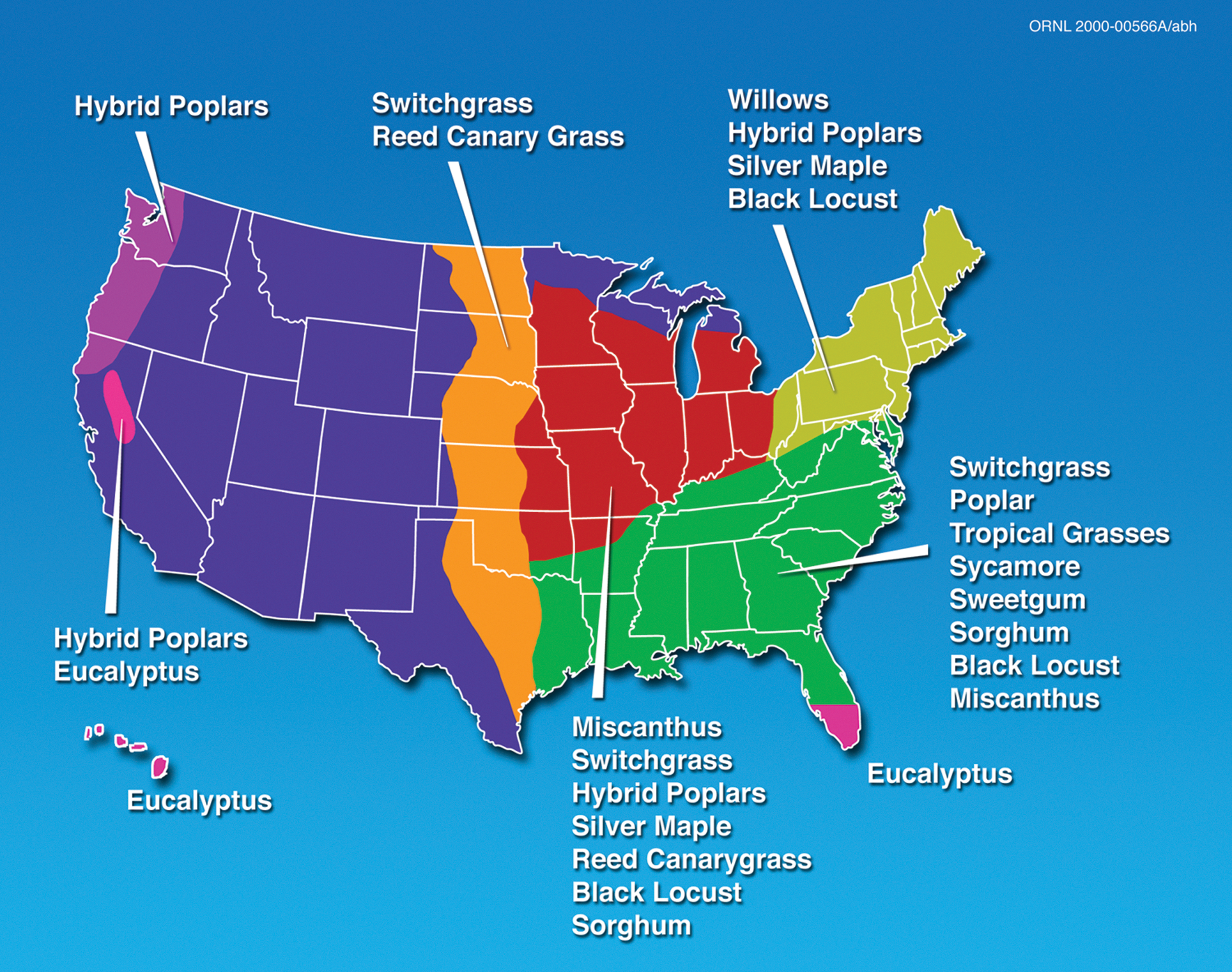
Proposed sources of biomass energy crops from selected regions. 12
Grasses and cellulosic material
Grasses and cellulosic materials (such as sugarcane and bamboo) are useful biomass energy crops due to rapid growth rates and high annual yield per acre. 18 The southern region of the United States, for example, is an ideal place to grow grasses due to the availability of fertile soil, a moderate climate and good year-round solar exposure. 19,20 These factors also provide opportunity for more than one growing season in a year by planting a smaller, but cold-tolerant grass that can be harvested through fall and winter. 21,22 Most grass species grow relatively quickly and have high cellulose content, which can be harvested for energy production. As cellulose can be digested and converted into sugars using relatively straightforward biological processes, grasses also make an ideal source for production of ethanol which can be used to supplement gasoline supplies or burned as a heat source. 23 Since storage polymers, such as starch, can be broken down easily into sugar monomers and fermented in one process such as simultaneous saccharification/fermentation, cellulose in grasses are also an ideal candidate for production of biogas (gas produced by anaerobic biological breakdown of organic matter) or other forms of biologically derived electricity. 20,24 Grasses can also be used as a fuel to supplement coal in coal-burning power plants. 19
Since the goal of producing biomass to create an energy source, it is beneficial to understand and then optimize the potential energy available. 19,21,23 The accessible yield of energy from biomass, however, is a complex issue that is dictated not only by the overall energy available, but by the accessibility of energy-rich components, such as carbohydrates and lipids. With a broad range of biomass sources available for conversion into energy, one caveat to consider is the chemical composition of biomass, as it directly affects the productivity of the conversion processes. 25 The content of celluloses, lignocelluloses, protein and ash, for example, can vary across grass species (Table 1) and determines the extractable by-products that are formed during the conversion process. 26 –31
Variations in the chemical composition (%) of selected species of grasses and trees
Woody biomass
Unlike cellulosic materials and grasses, trees are relatively slow growing, with harvest cycles that range from a few years to over a decade. 32 While wood requires a much longer time to reach a harvestable state, it is a high-yield, dense material. In addition, slower-growing species that do not demand the high sunlight exposure required by grasses can be grown in cooler climates. 32 And unlike grasses and other seasonal biomass, once these slower growing woods reach maturity they can be harvested when needed, thus reducing storage and maintenance costs. Woody biomass has been used for centuries in industrial applications such as pulp and paper processing, primarily because of the high lignocellulosic content (Table 1). 14 Industrial wood processing also generates a great deal of wasted biomass such as tree limbs, bark, and the brush associated with silviculture, which can provide a valuable resource for energy production. 33 –35 In addition to biomass from common industrial timber operations, a further resource may be derived from commercial wood crops, such as the residual fibrous materials that remain following the extraction of liquid oils from palms. 36,37
As with grasses, the composition of woody biomass differs amongst species, and can be substantially affected by harvest schedule and fertilizer regime (Table 1). The composition of biomass inherently dictates how well a particular species may be utilized for energy production. 33,38,39 Since the time between wood harvests is so much greater than between grass harvests, it is beneficial to fully characterize the genotypes and phenotypes of biomass to select the most favorable, energy-dense species to maximize yield. Przyborowski and Sulima, for example, conducted analyses of Polish willows to identify candidates suitable for cross breeding that would provide enhanced biomass yields. 40
Microalgal and bacterial biomass
Bacteria and microalgae are microscopic organisms that are geographically ubiquitous and can be cultivated without rich soil. Bacterial biomass requires only nutrients, water, and favorable environmental conditions to grow and reproduce. 2 As algae are similar in structure to terrestrial plants, they can be considered a source of lipids, carbohydrates, and other compounds useful in energy production (Table 2). 41 –43 In fact, one of the unique aspects of microbial biomass is the presence of energy-dense storage compounds, such as long-chain fatty acids, which can account for up to 80% of the cell weight of some algal species. 4,44,45
Variations in the chemical composition (%) of selected algal species
There are challenges and limitations inherent to the cultivation and processing of microbial biomass for power, however. Production of algae for oils and energy conversion has focused on microalgae, including species of diatoms and cyanobacteria (as opposed to macroalgae, such as seaweed), although production of biologically derived hydrogen and methane has been demonstrated from some bacterial species (such as Clostridium spp.). 46,47 A wealth of microbial biomass resources is also available as a by-product of industrial activities such as sewage treatment, brewing industries, and food processing. 48,49 Plant biomass is dependent on atmospheric carbon dioxide for a carbon source, with other nutrients coming typically from fertilization. Industrial microbial biomass, by comparison, is usually dependent on the addition of a carbon dioxide feed and fertilization to provide sufficient carbon for high levels of biomass growth. Growing microbial biomass without the addition of carbon is inefficient and, as such, not economically or technologically sustainable. The financial and energetic cost of separating algal biomass from water is also a hurdle. 2,4 Since most microbial biomass streams are in dilute aqueous suspensions, it is inefficient to convert biomass into a form that is dry enough for effective combustion. The primary focus of energy from microbial biomass, therefore, has been from either lipid extraction and subsequent conversion to biodiesel or processes that harvest hydrogen or methane during bacterial metabolism. 4,45 With a recent commercial push for biomass-derived energy, however, research assessing various methods to optimize the potential of thermal conversion processes is underway. 2,50
Microbial biomass has a number of advantages as a technology for energy production, particularly in respect to rapid growth and turnover rates, the ability to utilize a wide range of different nutrients for growth, and the scalability of the process (Fig. 2). Compared to grass and woody biomass, microbial growth is rapid, with monthly and even shorter harvest cycles. The high turnover rate of microbial biomass, therefore, allows for multiple harvests per year. Another significant advantage of microbial biomass is that culture techniques eliminate any requirement for fertile land. Algae, for example, can grow in diverse aqueous environments, including oceans, lakes, rivers, and wastewater streams. 2 Due to the ability of phototrophic algae to utilize trace amounts of nutrients such as nitrogen and phosphorus, it is possible for these species to survive in “treated” water sources (or contaminated water), which opens up an additional avenue for tertiary wastewater treatment operations combined with energy production. 51 Algae have also been considered for use as scrubber systems to remove carbon dioxide from industrial facilities, which would reduce greenhouse gases while providing an abundant source of carbon for biomass growth. 52,53
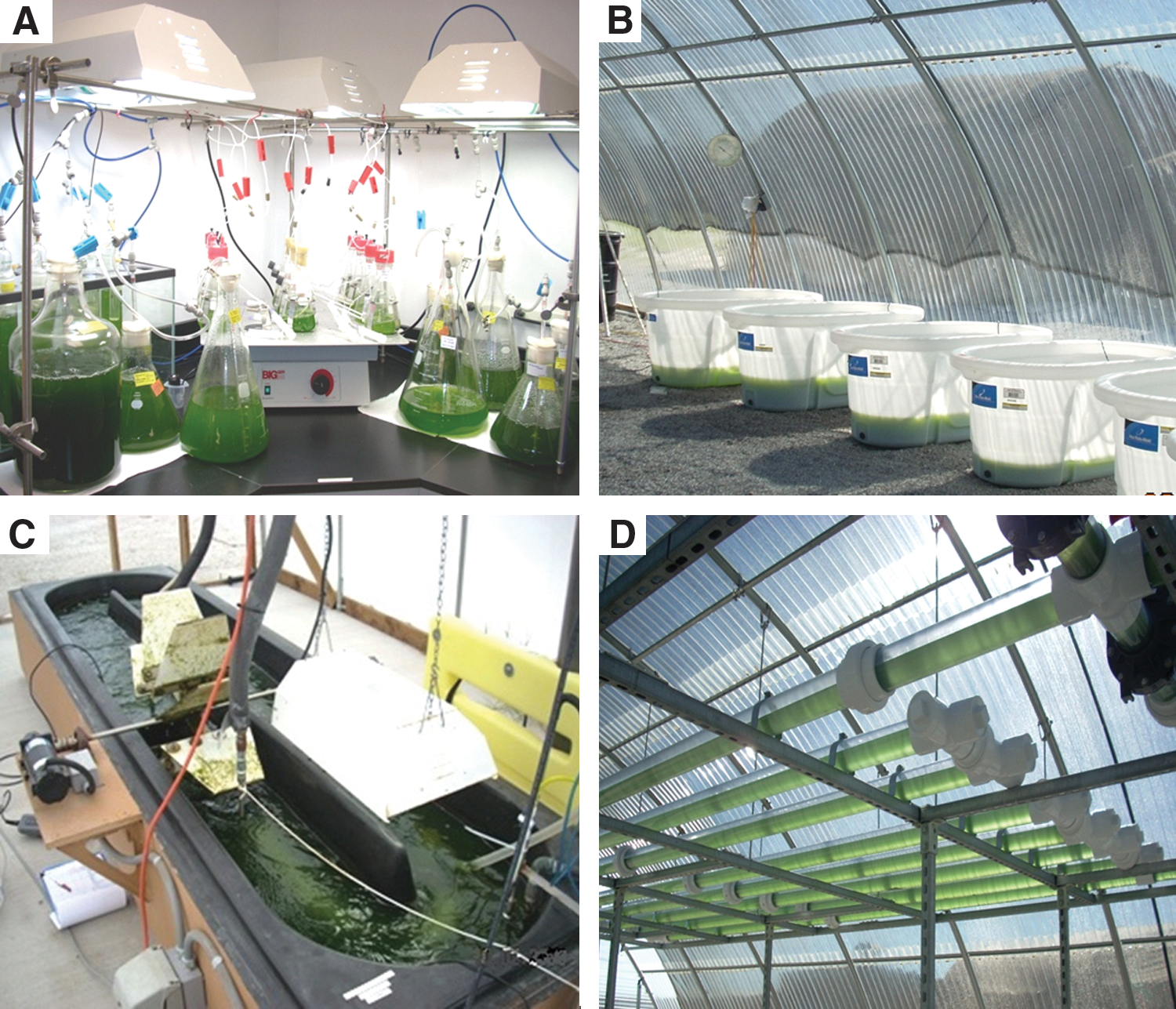
Aquatic and marine species of algae at various experimental culturing scales:
Comparison of biomass resources
Biomass does not need to be grown specifically for energy production. Several studies have been conducted using waste biomass materials such as weeds and leaves that are unwanted for other agricultural purposes, as well as residues from traditional farming and logging practices. 18,48 An example of biomass-derived energy production from by-products is the conversion of rice husks and residues such as bagasse (fibrous remnants) from sugarcane processing. 18,26,27,54
Each type of biomass available for energy production has inherent advantages and disadvantages. Studies of biomass content and theoretical energy yields have been conducted on both the micro (individual plant and smaller) and macro (acreage to regional) scale and provide valuable data that can be used to guide the design and development of commercial-scale operations. 24,56 Along with changes in chemical composition that occur under traditional farming practices, varying harvest times are known to alter biomass yield (and subsequent energy and biogas production) as land quality can affect moisture content and the ability of plants to extract and store energy. 57,58 Fertilization can also affect the composition and harvest cycle of various grasses. 56,59,60
The most significant variables in comparing different types of biomass are the amount of material obtained per harvest and the turnover rate. Trees, for example, grow slowly but yield a large quantity of biomass per crop. Grasses, in comparison, yield less biomass per unit mass, but can be repeatedly planted and harvested over many seasonal cycles. Annual production rates for terrestrial biomass are comparable on a per-acre basis. When considering the average biomass yield per acre and the average time before harvesting, the overall harvested yield per year is approximately equivalent for terrestrial biomass (wood and grass). In comparison, the rapid growth rates observed for algal biomass (and the fast turnover of subsequent harvests) provides a biomass source that on an annual basis is an order of magnitude more productive than terrestrial plant biomass (Fig. 3). 21,32
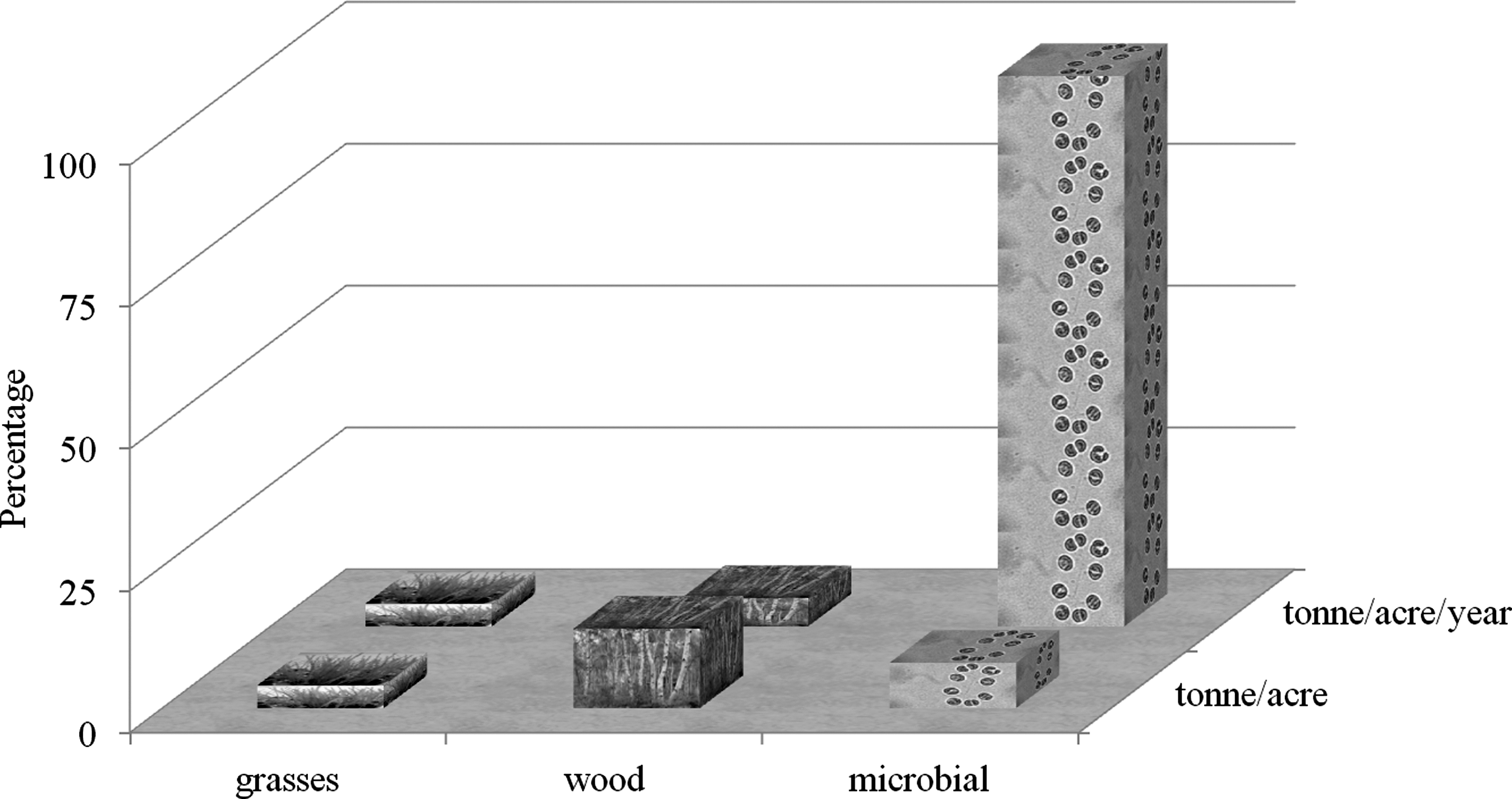
Typical harvest yields of biomass sources per harvest (tonne/acre) and per year (tonne/acre/year).
Microbial biomass provides vast amounts of material for energy production, but the high water content of the unprocessed material requires filtration, centrifugation, or separation processes that may be cost prohibitive depending on the technique as well as the cost of electricity. By comparison, grasses and woody biomass do not have such energy-intense requirements to harvest and process into useful products. The most influential criterion for comparison, however, may be geography; the need for fertile soil, adequate sunlight, and specific climates limits plant biomass growth to defined geographical locations. Microbial biomass, however, is far less constrained by such requirements.
Thermal Conversion of Biomass
The processes for engineered thermal conversion were developed during the Industrial Revolution to harvest power from petroleum and coal. Typically, thermal conversion methods such as gasification and pyrolysis generate heat and steam to produce electricity for a power grid. Due to the dense fibrous nature of wood, techniques such as pyrolysis and gasification are also applicable to burn biomass and produce electricity. 61 –63 Biomass can be used directly in existing co-fired fossil fuel power plants. Since biomass typically has a low energy density compared to fossil fuels, however, there are economic considerations, particularly in respect to the transportation of materials over long distances. This restricts the use of biomass to smaller regional facilities that generate power for local communities rather than for large-scale, mass distribution markets.
The thermal conversion of biomass is typically achieved by gasification, liquefaction, or pyrolysis, which all have inherent advantages and disadvantages in respect to efficiency, yield, and by-product formation (whether it be value-added products or waste streams). Accordingly, the process parameters required for each type of conversion scheme vary widely.
Gasification
Gasification is a process in which carbonaceous materials are exposed to heat and a sub-stoichiometric concentration of air to produce partially oxidized gaseous products that still have a high heating value. 64 This process creates a stream of gas that is rich in hydrogen, carbon monoxide, and methane, with relatively low concentrations of carbon dioxide compared to a typical combustion process. The resulting product stream is usually referred to as synthesis gas (syngas) and can be used directly in turbine or certain internal combustion engines. 61 Alternatively, syngas can be catalytically reformed into a liquid fuel through the Fischer–Tropsch process, which converts carbon monoxide and hydrogen into long-chain hydrocarbons. One benefit of producing liquid fuels from gasification products is the ability to utilize the products for blending or replacement of liquid petroleum fuels. 61,64 By-products of the process include ash (formed from alkali-metal promoters present in the original reaction), char, and tars created due to inefficiencies in mixing and heat distribution. Three main types of gasification reactors are commonly used in industry: fixed bed, fluidized bed, and moving bed. Each process has inherent advantages and drawbacks based on the complexity of the reactors, operating costs, and product quality. A more in-depth discussion of the design criteria and problems associated with using biomass as a fuel source for gasification reactors can be found in recent review articles. 61,65
Liquefaction
Liquefaction is a process of converting biomass into a “bio-oil” in the presence of a solvent—usually water, an alcohol, or acetone—and a catalyst. 66 Liquefaction operates at milder temperatures than gasification, but requires higher pressures. Liquefaction can be indirect, wherein biomass is first converted into gas and thence into liquid, or direct, in which biomass is converted directly into liquid fuel. 67 Direct liquefaction processes usually produce heavy oils with high heating values and value-added chemicals as by-products. Direct liquefaction also produces relatively little char compared to other thermochemical processes that do not utilize solvents. Liquefaction also has the advantage that the method is not hindered by the water content of the biomass. As a large portion of biomass waste is water (up to 95%), liquefaction eliminates the high drying costs associated with gasification reactions. The use of water as a solvent can significantly reduce operating costs, and recent studies with sub- and super-critical water have demonstrated increased process productivity by overcoming heat-transfer limitations. 68,69 Operating parameters and feed quality significantly influence the overall quality of the oil produced by these processes. A recent review presented an exhaustive comparison of the operational variables that affect the liquefaction of biomass and concluded that a well-defined temperature range is the most influential parameter for optimizing bio-oil yield and biomass conversion. 66 If the processing temperature is too low, biomass conversion efficiency is reduced. In contrast, if the processing temperature is too high, excessive gas formation inhibits oil production. Similarly, catalyst choice can alter the heating value of the final liquefaction product and reduce the quantity of solid residue. 69
Pyrolysis
Pyrolysis is a process in which organic matter is exposed to heat and pressure in the absence of oxygen. The primary components of this process are syngas molecules like those found in gasification, as well as bio-oils and charred solid residues. 65 These oils and solids are very high in combustible organic content and can be easily burned for heat and energy production. Pyrolysis methods are defined by the rate of heating, which directly affects the residence time of the reaction. 70 In slow pyrolysis, for example, the material is exposed to reactor conditions for five minutes; in fast pyrolysis, residence time is reduced to one to two minutes; and in flash pyrolysis to less than five seconds. The residence time of the pyrolysis reaction greatly influences the composition of oils, gases, and chars that are formed. 28,43,50,71,72 Several studies have identified the effect of operational variables—reactor conditions and variations in feedstock material—on the quality of the pyrolysis oils, gases, and chars. 70 –72 The oils typically produced during pyrolysis reactions are high in moisture content and corrosive due to low pH. Pyrolysis of biomass is typically constrained by the high water content of the raw material, and current pyrolysis methods for biomass conversion have not reached commercial development. Ongoing research, however, aims to maximize energy potential from biomass and optimize conversion methods to achieve commercialization at marketable levels. 33,37 Blasi, for example, modeled the chemical and physical processes of wood and biomass pyrolysis to measure the potential energy of the system, allowing a theoretical maximum energy output to be calculated. 73 Studies such as this identify engineering specifications that may ultimately lead to high process efficiency.
Comparison of Biomass Thermal Conversion Processes
Gasification, liquefaction, and pyrolysis conversion systems each produce a specific type of product for energy production, as well as by-products that may have added value. In addition, each process generates a specific waste stream. The process parameters required for each system vary widely, as do the requirements for feedstock pretreatment to ensure efficient conversion of biomass into energy (Table 3). 63,66,71 –74
Common traits of typical thermal conversion systems for biomass
Pressurized gasification, 2Atmospheric gasification
In most cases, the char and ash components that come from these conversion systems can be reapplied to crop lands as mineral-enriched fertilizers. Tars and cokes, however, must be removed and treated as waste. 75 Pyrolysis oils and heavy organic oils will vary in composition and energy content according to the type of biomass utilized. 50 The heating value gas produced as a by-product of pyrolysis would primarily be recycled and utilized in process heating to raise the overall system efficiency. Syngas produced during gasification also has a high heating value due to its low oxygen content and can be used either in direct combustion systems or be processed into liquid fuels through a Fischer–Tropsch process. 74 If air is used as the feed gas during the conversion process, the resulting syngas will have a lower heating value due to atmospheric nitrogen content. To increase the calorific value of the syngas, conversion would need to include a process that removes carbon dioxide (from the combustion reactions) and inert nitrogen (from the feed).
Land Use and Resource Analysis
The formation of fossil fuels historically required the transformation of decayed biomass, under immense heat and pressure for millions of years, into energy-dense hydrocarbons. To replace these energy-rich resources, large volumes of new-growth biomass are required. The resulting biomass is then similarly subjected to extreme conditions that in essence mimic the formation of fossil fuels. Biomass on this scale, however, necessitates a corresponding expanse of land with economic impacts dictated by the type of biomass and resources required for harvesting. The practicality of using biomass to produce energy will be dependent on the ability to provide necessary nutrients to maintain the biomass growth as well as effective processes to remove unwanted materials. 76 –78
The feasibility of using biomass as an energy source, therefore, requires consideration of current total energy demands and production rates to determine the scale of biomass-to-energy conversion that would be required to sustain current levels of electricity production. On average, less than 2% of the overall production of electricity across the continental United States comes from biomass production (Fig. 4). The bulk of the remaining power demand comes from coal, natural gas, oil, hydroelectric, and nuclear sources. 1 The exception is in the New England region, where ∼6% of energy is derived from biomass, and is attributed to energy from direct combustion of wood for heat and power.
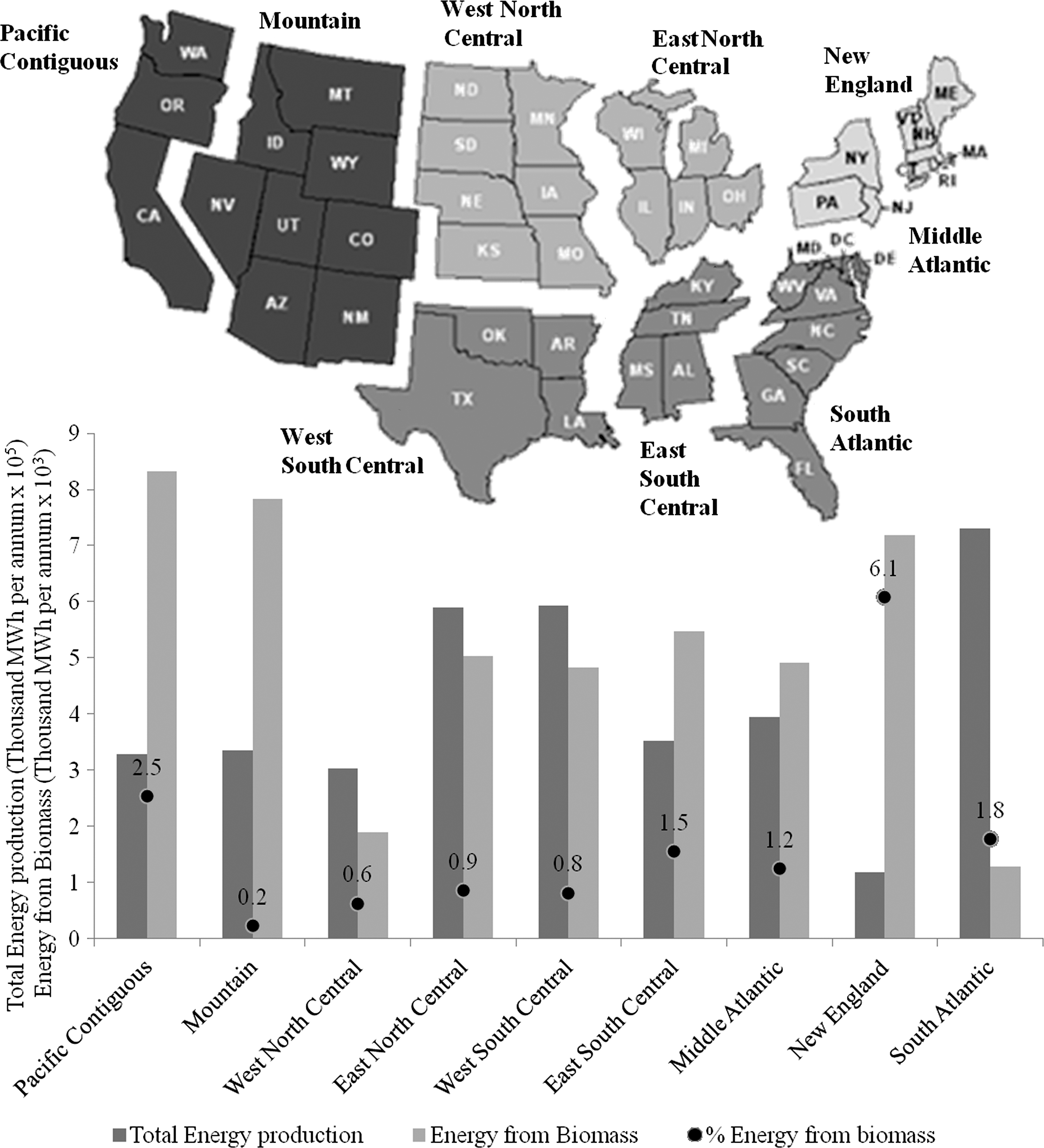
Total and biomass-derived energy production in the United States by region, 2008. (Source: U.S. Energy Information Administration, 2011). Note: For clarity, values for “total energy” and “energy from biomass” are expressed as thousand megawatt hours per annum x 105 and x 103respectively.
The average heat of combustion for grasses, woods, and algae can be estimated to be 8.7 MWh/t, 9.4 MWh/t, and 12.8 MWh/t respectively, with slight variations dependent on the specific makeup of the biomass as well as the conversion type. Using these numbers, however, an example scheme for the monthly requirements for biomass production can be determined (Fig. 5 and Supplementary Figure S1; Supplementary Data are available online at
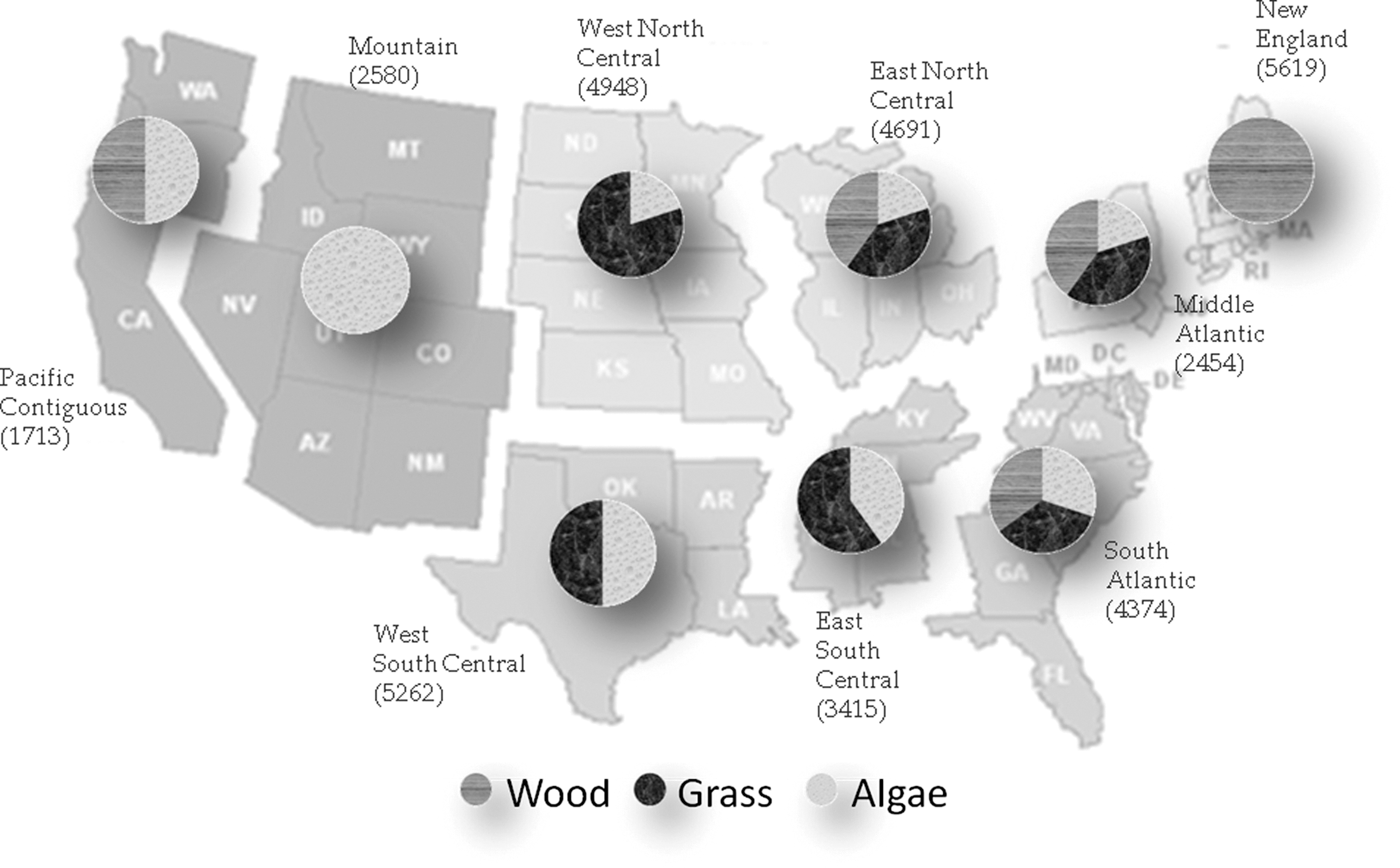
Theoretical calculation for biomass contributions by geographical region and monthly acreage requirements (shown in parenthesis).
Monthly regional biomass demands and residual material
A comparison of the bio-oil production capacity from algal biomass and oil crops provides some credence to this principle. Production of soybean oil, for example, yields approximately 1,050 L/acre annually. Using this metric, ∼1,500 million acres of cropland would be required to yield sufficient energy to displace 50% of the current demand for diesel; this land requirement, however, is >3 times the current area of existing cropland in the United States. 4 High-yielding oil crops such as coconut and oil palms reduce the land use significantly when grown in favorable locations (∼50% and 25%, respectively, of current existing cropland). By comparison, less than 3% of the current area devoted to cropland in the United States would be required to produce sufficient algal biomass to offset approximately half of the current fuel needs for transportation. 4 However, algae does not require displacement of useable cropland, meaning that less agriculturally valuable land can be utilized, saving fertile cropland for food crops.
For calculation purposes, the following conversions (1.0 kWh=3.6 kJ and 1,000,000 g=1 t) and assumptions have been made; conversion efficiency for gasification (43% with 14% solids remaining), pyrolysis (4% with 2% solids remaining) and liquefaction (35% with 3% solids remaining). Conversion systems for calculations are assumed to be gasification for grasses, pyrolysis for wood, and liquefaction for algal biomass.
In New England, for example, the electricity demand (5,593,000 MWh/month) can be met by supplying biomass totally from wood. The mass of wood required to satisfy demand is equivalent to ∼5,619 acres of land. This process will generate 328 t/month of residue that must also be removed. This acreage requirement, however, represents only a small percentage of the total acreage for this region. In comparison, if we consider the use of algal biomass in the mountain region, the electricity demand for this region is 22,305,000 MWh and requires a mass of biomass approaching 20,857 tonnes. The high-energy content of algal biomass (12.8 MWh/t), however, necessitates a comparatively low land requirement to meet this need (2,580 acres) but is offset somewhat by a higher ash/residue load (6,257 t/month). In general, increasing the percentage of algal biomass that contributes to the overall biomass tonnage significantly reduces the acreage required for land use (Table 4).
One important consideration in the growth of biomass for any purpose is the fertilizer requirement. Fertilizers contribute the fixed nitrogen required for biomass synthesis as well as many other nutrients necessary for the optimal growth and cellular function of these organisms. 79,80 Not only will the requirement for fertilizer greatly influence the cost of operating biomass-to-energy systems, it will affect the overall efficiency of the system. The use of fertilizers requires an infrastructure based on ground transportation of feed that adds to the energy consumption of the system and the overall carbon footprint.
Theoretical calculations of the impact that a bioenergy-based economy would have on the fertilizer industry indicated that fertilizer production would need to increase by a factor of 5.5 to sustain any significant benefit. 80 Algal biomass will also require heavy fertilization to sustain high growth yields, but sources such as wastewater treatment effluent may provide a viable source for the nutrients required. Algal biomass, therefore, does not necessarily require increased fertilizer production, and growth of algal biomass may actually be used to mitigate the unpolished discharge from wastewater treatment operations.
Impacts of conversion process techniques on land use
Another consideration in producing vast quantities of biomass for energy conversion is appropriate handling of residual materials that will be created during processing. If not managed correctly, the waste material alone can create substantial changes in land use due to requirements for landfills and additional treatment facilities. Some materials such as ash and char can be reutilized as a component of mineral/nutrient fertilizers. Other waste products such as tars and cokes presently have little commercial value and must be disposed of through conventional waste treatment methods. Alternativeuses for these waste products may develop in parallel with improvements in biomass conversion technologies. If a large-scale biomass-derived energy program is established, new markets may emerge that transform specific waste streams of tars, cokes, chars, and ashes into value-added products. 81
Conclusions
Given current technologies, there are logical conversion practices for various types of biomass. Due to the high water content of algae, liquefaction appears to be the logical choice because the need to remove large amounts of water is eliminated. By analogy, pyrolysis and gasification techniques seem advantageous for thermal conversion of wood and grass due to the lower water content and higher concentration of celluloses and proteins. The downside of this strategy is that algae will produce a much larger volume of waste material since liquefaction produces larger volumes of solid residue as well as liquid products that serve little commercial purpose. The char produced from liqeufaction, however, can be considered sequestered carbon and reused as a slow-release nutrient addition to amend soils. Understanding the fundamental principles of how living organisms convert carbon, nutrients, and energy into biomass can rapidly lead to effective strategies to enable the conversion of biomass to be realized as a practical source of renewable alternative energy. The identification of type-specific biomass processing parameters, in combination with land usage and treatment options required for specific waste streams, will reveal a sustainable and effective strategy to maximize biomass production and ultimately benefit the energy infrastructure. A bioenergy-derived electrical grid will require substantial capital, real estate, and infrastructure investments. To reach the magnitude of material required to sustain such a large electrical requirement, vast amounts of land must be utilized for growing and processing of biomass as well as disposing of waste components from conversion of biomass into energy. Steps must be taken to minimize this impact and understand how it will affect environmental quality and—most importantly—the ability of the nation to continue to sustain itself in terms of food and materials. If resources must be diverted from other processes to supplement the development of bioenergy, additional solutions such as other sources of alternative energy should be implemented to most effectively utilize the limited resources of the nation.
Further work must be done to increase energy yield from current biomass systems. Studies should include methods to increase the energy density of biomass while decreasing the need for fertilizers and other nutrients and the time between harvests. Further methods are needed to utilize wastes generated during the various steps of the energy process, not only to increase the overall efficiency of the system, but also to minimize the impact of land use change. With improvements in energy yield and growth requirements, bioenergy systems can have a great impact on the way the United States as well as the rest of the world produces energy.
Footnotes
Acknowledgments
The authors thank the Air Force Research Laboratory for providing funding to support this effort.
Author Disclosure Statement
No competing financial interests exist.
References
Supplementary Material
Please find the following supplemental material available below.
For Open Access articles published under a Creative Commons License, all supplemental material carries the same license as the article it is associated with.
For non-Open Access articles published, all supplemental material carries a non-exclusive license, and permission requests for re-use of supplemental material or any part of supplemental material shall be sent directly to the copyright owner as specified in the copyright notice associated with the article.
