




Abstract
This work aims to assess the influence of pressurized propane treatment on the enzymatic activity of immobilized inulinases. The effects of system pressure, exposure time, and depressurization rate on the enzymatic activity were evaluated through central composite designs. Propane treatment (3.5 h) increased the residual activity of the non-commercial inulinase from Klyveromyces marxianus NRRL Y-7571 by 176% at 150 bar and a depressurization rate of 60 bar/min. Propane treatment increased the residual activity of Aspergillus niger commercial inulinase by 178% at 270 bar during 6 h exposure at 100 bar/min, the highest depressurization rate. Enzymatic activities changed significantly depending on the enzyme source and the experimental treatment conditions investigated.
Introduction
In recent years, many studies regarding the utilization of alternative solvents for biocatalysis have been presented in the literature. 7–8 Considerable efforts have been reported toward green chemistry reactions, with an emphasis on enzymatic reactions carried out in ionic liquids and in sub- and supercritical fluids. 5 –13 The use of compressed fluids as solvents—normally in the gaseous state—for chemical reactions may be a promising route for the complete elimination of solvent traces from reaction products. In addition, manufacturing processes in compressed and near-critical fluids can be advantageous in terms of energy consumption, easier product recovery, adjustable solvation ability, and reduction of side reactions.
Conducting studies on enzyme activity in pressurized solvents may also allow the use of resuspended and free forms of enzymes, avoiding immobilization costs. The majority of reaction systems using free enzymes as catalysts require the use of resuspended enzymes in appropriate buffer solutions. Additionally, the use of a non-commercial enzyme obtained from relatively low-cost and renewable raw materials may also be of relevance to the development and establishment of enzyme-catalyzed processes. 14
Undoubtedly, understanding enzyme behavior in compressed fluids is of primary importance for conducting enzyme-catalyzed reactions at high pressures, since the loss of enzyme activity may lead to low reaction rates and low yields of target products. 15–16 Enzyme stability and activity may depend on the enzyme species; characteristics of the compressed fluid; the water content of the enzyme, support, and reaction mixture; and the process variables involved, which means that very distinct effects can be achieved. 17 –28
The main focus of this work is to investigate the enzymatic activity of inulinase in compressed propane using a commercial immobilized inulinase from Aspergillus niger and a homemade immobilized inulinase from Kluyveromyces marxianus NRRL Y-7571. The present report is part of a broader project and reflects our efforts to develop new enzyme-catalyzed processes in alternative fluid media. 29 –35
Materials and Methods
CHEMICALS AND ENZYMES
High purity propane (minimum purity of 99.5%) was purchased from White Martins S.A. (Danbury, CT). Commercial inulinase from Aspergillus niger was purchased from Sigma-Aldrich (St. Louis, MO). Non-commercial inulinases were produced from Kluyveromyces marxianus NRRL Y-7571. The extract containing extracellular inulinase was obtained by solid-state fermentation using sugarcane bagasse as substrate. The medium composition, optimized in previous work by our research group, was 2 kg of sugarcane bagasse supplemented with pretreated cane molasses 15 wt%, corn steep liquor 30 wt%, and soybean bran 20 wt%. The moisture content was set to 65 wt% and the medium was autoclaved at 121°C for 20 minutes. Fermentation runs were started with the inoculation of an optimized volume corresponding to a cell mass of 14 g. All experiments were carried out for 24 hours. 36 After fermentation, the enzyme was extracted from the sugarcane bagasse by adding sodium acetate buffer (0.1 mol/L, pH 4.8) in a solid:liquid ratio of 1:10, followed by incubation (50°C, 150 rpm) for 30 minutes. 37
INULINASE IMMOBILIZATION
Inulinase from both microorganisms were immobilized according to the methodology described by Risso et al. 3 Initially, a gel solution was prepared containing 16.5 g of distilled water and 0.75 g of sodium alginate, and was kept at mild heat. After complete dissolution of the alginate, 12.5 g of sucrose were added, followed by 5 mL of an enzymatic extract containing the recovered inulinase, 3.5 mL of glutaraldehyde, and 0.75 g of activated carbon.
For sphere formation, the gel solution was pumped into a 0.2 M calcium chloride solution in sodium acetate buffer (0.1 mol/L, pH 4.8) containing 3.5 wt% glutaraldehyde and stirred slowly at 10°C. The immobilized inulinase was maintained at 4°C for 24 h and then washed with sodium acetate buffer (0.1 mol/L, pH 4.8). To maintain the structure, the immobilized spheres (around 0.005 m in diameter) were immersed in a 0.2 mol/L calcium chloride solution in 0.1 mol/L sodium acetate buffer (pH 4.8).
HIGH-PRESSURE TREATMENT OF ENZYMES
The experiments involving the immobilized inulinases were performed in a laboratory-scale unit similar to that employed by Kuhn et al., which consists of a solvent (propane) reservoir, two thermostatic baths, a syringe pump (ISCO 260D, Teledyne Isco, Lincoln, NE), a stainless steel vessel (cell) with an internal volume of 3 mL, and an absolute pressure transducer (Smar, LD301, Smar Industrial Automation, Houston, TX) equipped with a portable programmer (Smar, HT201) with a precision of±0.37 bar, represented schematically in Fig. 1. 14 All lines of the experimental setup consisted of 1/16-inch outside diameter stainless steel tubing (HIP) and, between the pump and solvent reservoir, a check (one-way) valve (HIP 15-41AF1-T 316SS) was positioned to avoid pressurization solvent backflow to the head of the solvent cylinder. Two additional micrometering valves (HIP 15-11AF2 316SS)—one located after the syringe pump, at the entrance of the high-pressure cell to allow solvent loading, and the other just after the cell to perform solvent discharge—completed the experimental apparatus. The high-pressure cell, supported by a simple device, was submerged in a water bath, while the micrometering valves were located outside the bath.
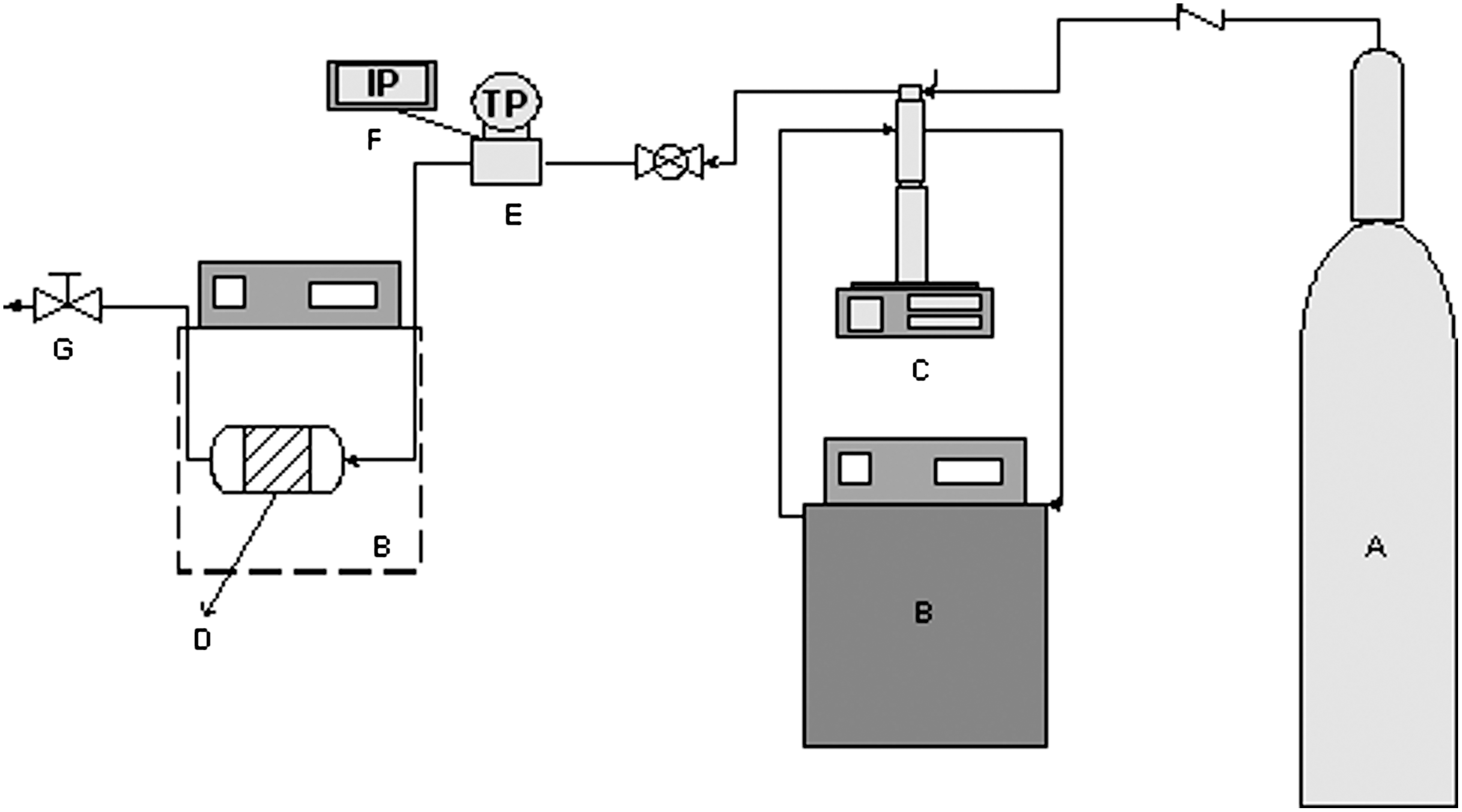
Schematic diagram of the apparatus for treatment of solid enzyme with compressed solvents.
The experimental procedure adopted for enzyme treatment in pressurized fluid consisted of three main steps. First, adjustment of the thermostatic bath to 40°C, the temperature established in the present work for all experimental runs. Enzymatic preparations (0.7 g) of enzyme in immobilized form were then loaded into the cell, and the system was submitted to pressurization under different exposure times, keeping a constant pressurization rate (10 bar/min). Finally, the system was depressurized at different rates, pre-established according to the experimental design, by a programmed syringe pump piston displacement and the micrometric valve used at lower pressures, near the solvent saturation pressure. The enzymatic activity was determined before (initial activity) and after (final activity) the treatment procedure using pressurized fluids, as previously described.
EXPERIMENTAL CONDITIONS
Central composite design (CCD) 23 was adopted to evaluate the effects of process variables on the activities of immobilized inulinase after treatment with pressurized fluid. 38–39 The experimental planning was conceived to cover, at the same time, the variable ranges commonly used for enzyme-catalyzed reactions in compressed fluids, the optimum range of activity of each enzyme, and the equipment operating limits. 25 –28 The evaluated variables for immobilized inulinases were pressure (30–275 bar), depressurization rate (10–200 bar/min), and exposure time (1–6 h). Each run was carried out randomly, including a central point condition performed in triplicate for experimental error evaluation. The analysis was performed using the software Statistica® 6.1 (Statsoft Inc, Tulsa, OK). After depressurization, the water content of the treated enzyme was measured immediately by Karl Fischer titration, and the activity was measured after storage in a freezer.
MEASUREMENT OF STABILITY AFTER COMPRESSED FLUID TREATMENT
After determining the conditions that led to the highest increase in enzyme activity, 40 g of enzyme were treated and incubated to −4°C for further determination of the storage stability. Samples were stored for 100 days, and the inulinase activity measured every 10 days using both sucrose and inulin as substrates. All experiments were carried out at least in duplicate. The mean experimental error was always below 5%.
INULINASE ACTIVITY ASSAY
An aliquot of 0.5 g of the enzyme source, softened, was incubated with 4.5 mL of 2 wt/v% sucrose solution in sodium acetate buffer (0.1 M, pH 5.5) at 50°C. Reducing sugar release was measured by the 3,5-dinitrosalicylic acid method. 40 A separate blank was set up for each sample to correct for non-enzymatic release of sugars. One unit of inulinase activity is defined as the amount of enzyme necessary to hydrolyze 1 μmol of sucrose per minute under the mentioned conditions, and results were expressed in terms of inulinase activity per gram of dry solids (U/gds). The residual activity was defined as the ratio between the activities after and before treatment with pressurized fluid.
SCANNING ELECTRON MICROSCOPY
Textural characterization of materials was accomplished by AUTOSORB-1 (Quantachrome; Boynton Beach, FL), while scanning electron microscopy (SEM) analysis was performed in SEM SSZ 550 Shimadzu (Kyoto, Japan).
STATISTICAL ANALYSIS
Experimental design was aimed at optimizing the levels of certain variables. In this specific study, the effects of system pressure, exposure time, and depressurization rate on the enzymatic activity were evaluated through CCD 23. This kind of planning uses coded values, such as −1, 0, and +1 to keep the orthogonality of the independent variables. The values between parentheses in Tables 1 and 2 are used in the experiments, since the coded values are used in the statistical analysis. 38–39
Relative Residual Activitya (%) of Non-Commercial Immobilized Inulinase of Kluyveromycesmarxianus NRRL Y−7571 after Treatment in Pressurized Propane at 40°C. (Initial Activity of the Immobilized Enzyme without Treatment was 66 U/g).
Residual activity defined as the absolute value of final activity/initial activity.
Relative Residual Activitya (%) of the Commercial Immobilized Inulinase from Aspergillus niger after Treatment in Pressurized Propane at 40°C. (Initial Activity of the Immobilized Enzyme without Treatment was 76 U/g.)
Residual activity defined as the absolute value of final activity/initial activity.
According to the CCD 23 tool, the reproducibility of the experiments could be evaluated based on the triplicate of the central points. The calculated standard error was used to build the Pareto chart of effects that presents the t-value, which is calculated by dividing the estimated effect by the standard error. 38–39 Considering the stability experiments, all runs were carried out at least in duplicate. The mean experimental error was always below 5%. 38–39 All analyses were performed using the software Statistica version 6.0 (Tulsa, OK).
Results and Discussion
Results obtained for the non-commercial inulinase from Kluyveromyces marxianus NRRL Y-7571 treated with pressurized propane are presented in Table 1. A clear increase in enzyme activity is demonstrated by the residual activity values. However, the highest increase (residual activity of 176%) was observed in the central point of the experimental design using 150 bar for 3.5 h and a depressurization rate of 60 bar/min. The increase in inulinase's potential to hydrolyze sucrose after treatment with pressurized propane, measured by enzyme activity, was verified. However, the mechanism for this improved activity is still not clear. Kamat et al. suggested that enzymes exposed to supercritical fluid conditions can suffer a change in molecular and conformational structure, and the interaction of the enzyme with the solvent could cause an increase in the activity originally presented by the enzyme. 18
Alternatively, depressurization is one of the factors known to affect enzymatic activity. 41 The pressurized fluid comes into contact with the tertiary structure of the enzyme in a slow way. When the system is depressurized quickly, there is a fast expansion of the fluid, causing a higher flowing pressure in the enzyme than in the system. This can cause a selective unfolding of the enzyme structure either increasing or reducing its activity and selectivity. 41
Protein denaturation induced by pressure has been an important research topic in recent years and, from some existing examples, appears to be a reversible process, unlike denaturation caused by temperature. 42 Conversely, some previous studies have shown that solvents with a low dielectric constant, such as propane, could keep or even enhance enzyme activity and stability. 8,25 –28 Since the solvent properties affect the specific interaction with the enzymes, different effects may be obtained depending on the enzyme studied. 15,28 Additionally, as propane has a relatively low solubility in water, one could speculate that it might be acting as a piston fluid, enhancing the pressure over the enzyme. Regarding the effect of hydrostatic pressure on enzyme stability, the literature has indicated that pressure values close to those used in this study have little impact on enzyme activity. 43
Statistical analysis of data presented in Table 1 indicates that, among the independent variables evaluated, only the exposure time had a significant positive effect (p<0.05). The Pareto chart shown in ( Fig. 2 ) demonstrates whether evaluated variables have positive or negative effects on the response evaluated, with a confidence level of 95% (p<0.05) demonstrated by the vertical line. From this figure, it can also be observed if the cross interaction between the variables had a significant effect on enzyme activity (p<0.05). All of the parameters show a linear regression or, in other words, a first order relation between response (enzyme activity) and coefficients of an empirical statistical model. The absolute value is calculated as the estimated effect for each variable divided by the standard error (obtained from the triplicates of the central point). 38,39
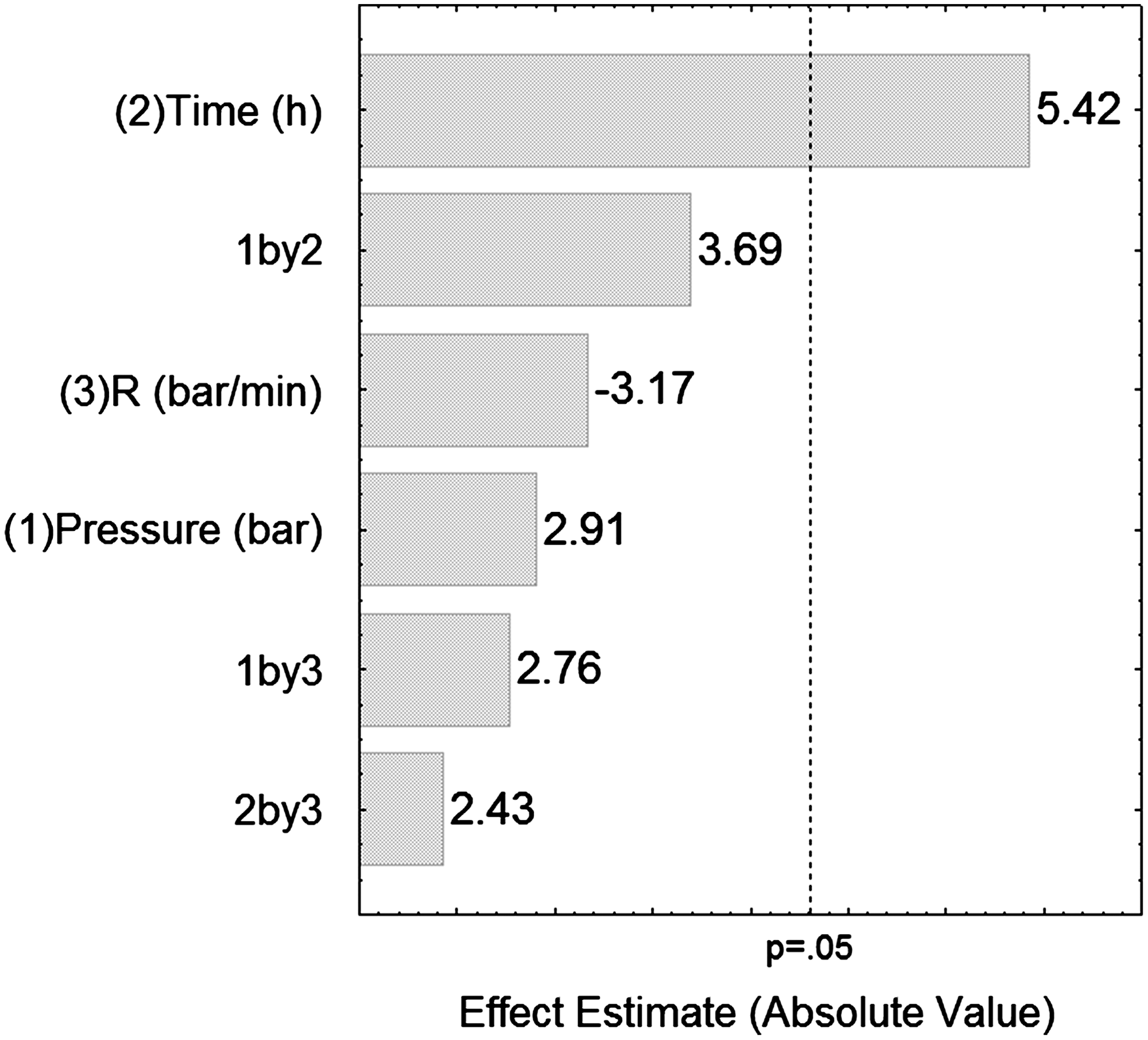
Pareto chart of effects of pressure, exposure time, and depressurization rate on residual activities of non-commercial inulinase from Kluyveromyces marxianus NRRL Y-7571 treated with propane.
Table 2 presents the residual enzymatic activity values obtained after treatment of the commercial inulinase from Aspergillus niger. Statistical treatment of this data verifies that only the depressurization rate showed a significant negative effect (p<0.05) in the treatment with propane (Fig. 3).
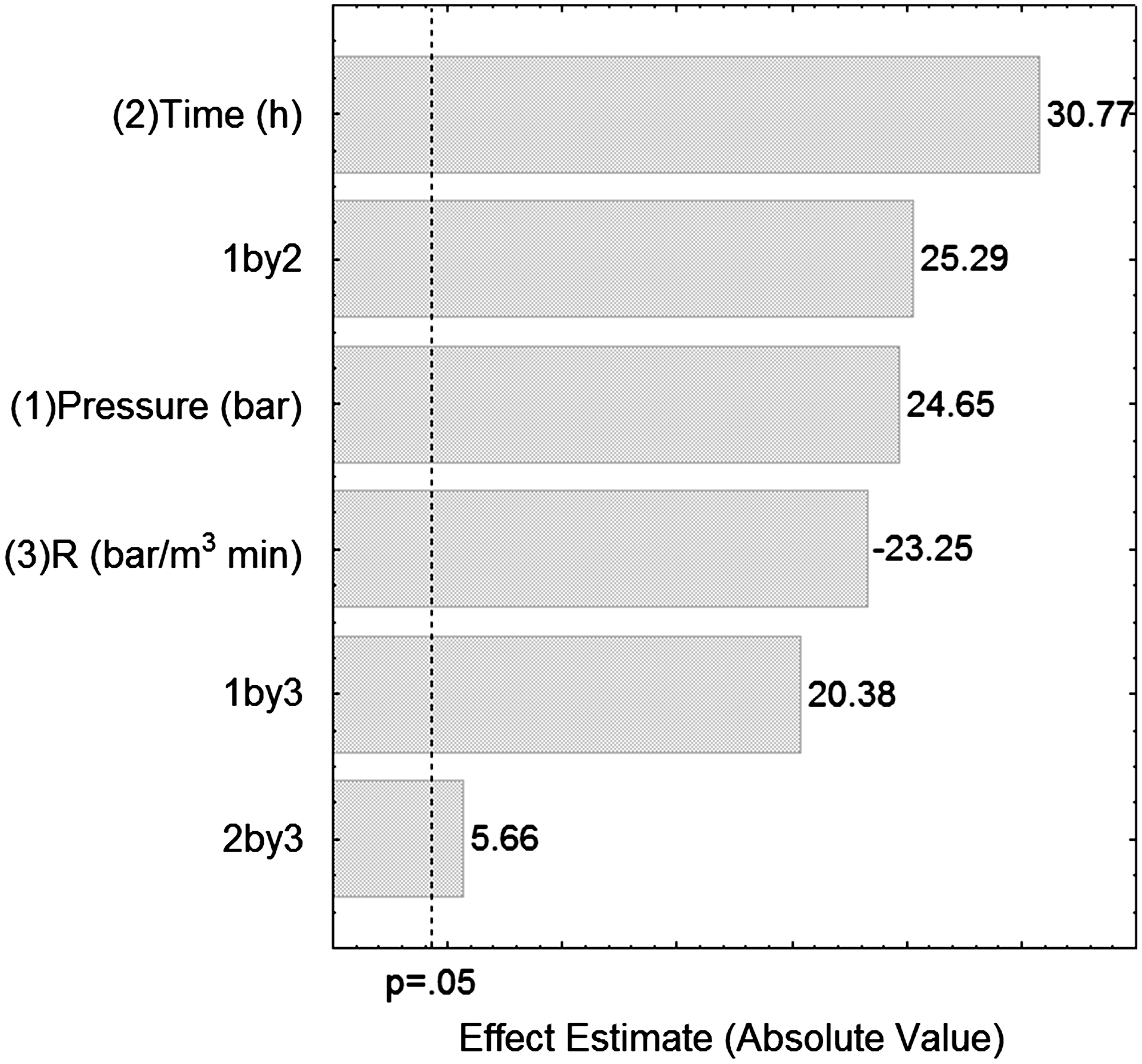
Pareto chart of effects of pressure, exposure time, and depressurization rate on residual activities of inulinase from Aspergillus niger treated with propane.
According to Kamat et al., the physical properties of pressurized fluids may affect the activity of the enzyme. 19 Activity of biocatalysts is strongly dependent on the dielectric constant of the solvent. Affleck et al. reported that the most dramatic change in protein flexibility occurs when the dielectric constant of the solvent increases from 1 to 10. The size of the enzyme particle varies by solvent, and different solvents promote grouping of enzyme particles to different degrees. 44 In pressurized fluids, the enzyme powders would suffer morphologic changes that depend on the solvent temperature and pressure. 45 However, internal mass transfer is dependent on the morphology of the enzyme powder, which would affect the water content. 45
Fig. 4 shows the storage stability of the immobilized inulinases from Kluyveromyces marxianus NRRL Y-7571 and Aspergillus niger submitted to the treatment in propane. Data analysis reveals that the Aspergillus niger enzyme kept its relative residual activity of 67% when inulin was used as substrate and 57% with sucrose. Figure 4 also shows that the best values of relative residual activity for the enzyme from K. marxianus NRRL Y-7571 were obtained when inulin was used as substrate (89%); however promising values were also obtained with sucrose (54%), indicating that even with reduced catalytic power the enzyme kept its stability during storage at low temperatures.
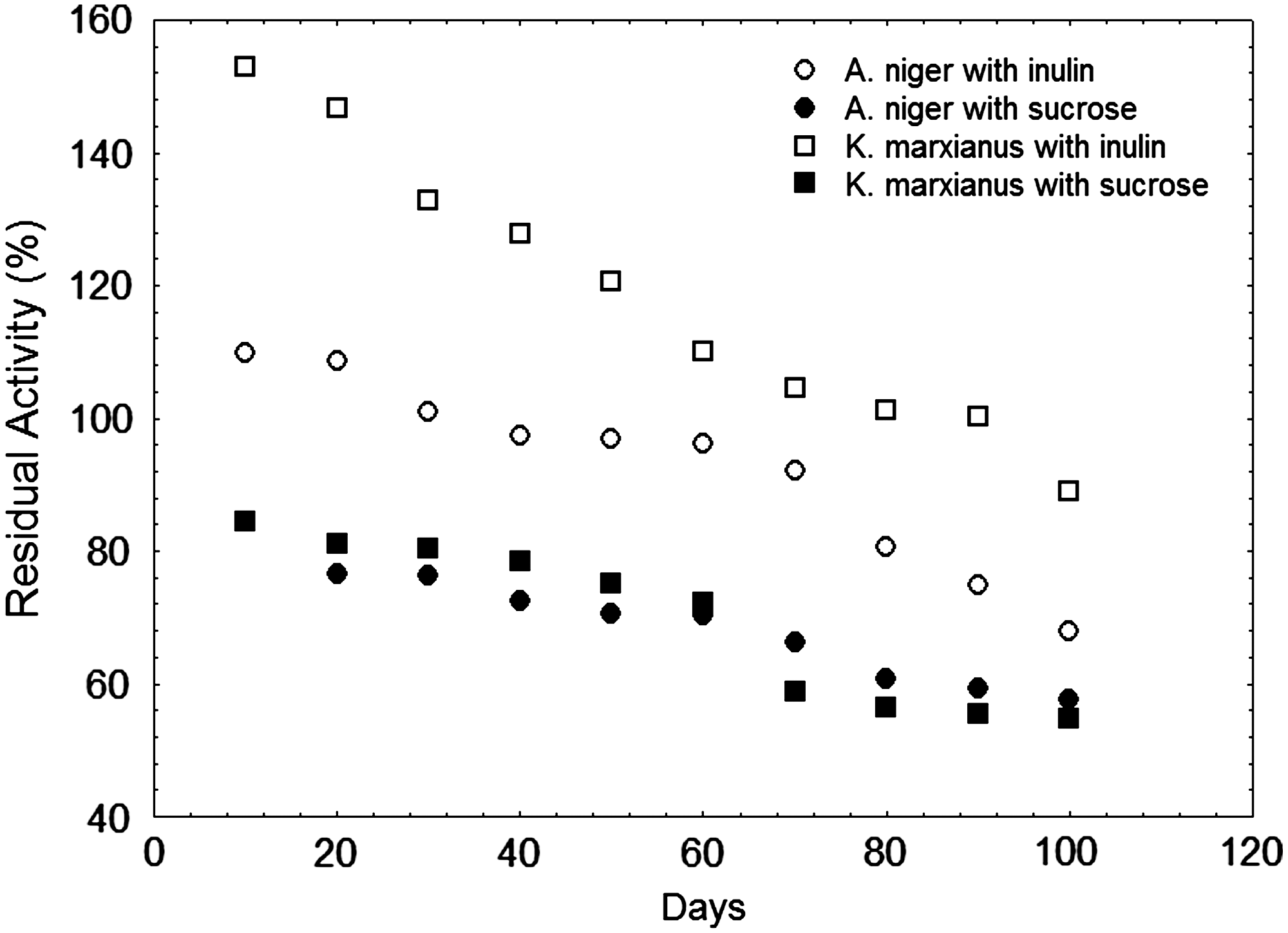
Storage stability of inulinase after submitted to the pressurized fluid using inulin and sucrose as substrate.
Pressure and temperature can also directly affect enzyme stability and reaction parameters, including the rate constant. 24,33 Pressure can affect the reaction rate by changing the concentrations of reactants and products in solution because the partitioning of reaction components between the two phases depends on pressure. 46 –48 Changes in pressure can progressively alter the enantioselectivity of enzymatic reactions. 33,49
In a study by Andrade et al., using D-hydantoinase treated with carbon dioxide and propane, the authors verified that loss of water (8.2%) after the high-pressure treatment did not influence the final activity of the enzyme. 29 A decrease in the reaction rate could occur, however, with high water contents in the reaction mixture. This can be caused by a direct effect of water on the enzyme at the pressurized conditions or by hydrolysis of a product. At high water activities, larger protein structural changes may occur, and even a small conformational change could have a major effect on activity. Water may also act as a competitive inhibitor. 50
Oliveira et al., for instance, studied the effect of pressure on the activity of immobilized commercial and non-commercial enzymes in compressed carbon dioxide, propane, and n-butane, and found that, after treatment, the enzymes investigated were much more active in propane and n-butane than in carbon dioxide. 25,26 As solvent properties directly affect the specific interaction of enzyme groups, distinct effects are obtained depending on the enzyme species. 28,29 It is thus very difficult to predict a priori the stability and activity of an enzyme in any supercritical fluid. An additional parameter that influences the long-term stability of enzymes in pressurized fluid is the effect of depressurization. Immobilization methods, be they physical or chemical, also influence enzyme stability and activity. Immobilized enzymes are expected to be more stable in sub- and supercritical media and retain their enzymatic activity. 51
Figs. 5 and 6 show the structure of the enzymes Aspergillus niger and Kluyveromyces marxianus NRRL Y-7571 before and after compressed propane treatment, respectively. Fig. 5A depicts a disordered structure; however, after being submitted to the pressurized fluid, the structure is organized (Fig. 5B). This modification can be responsible for the increase of the enzymatic activity of the inulinase. Similar behavior is seen in Figs. 6A and B.
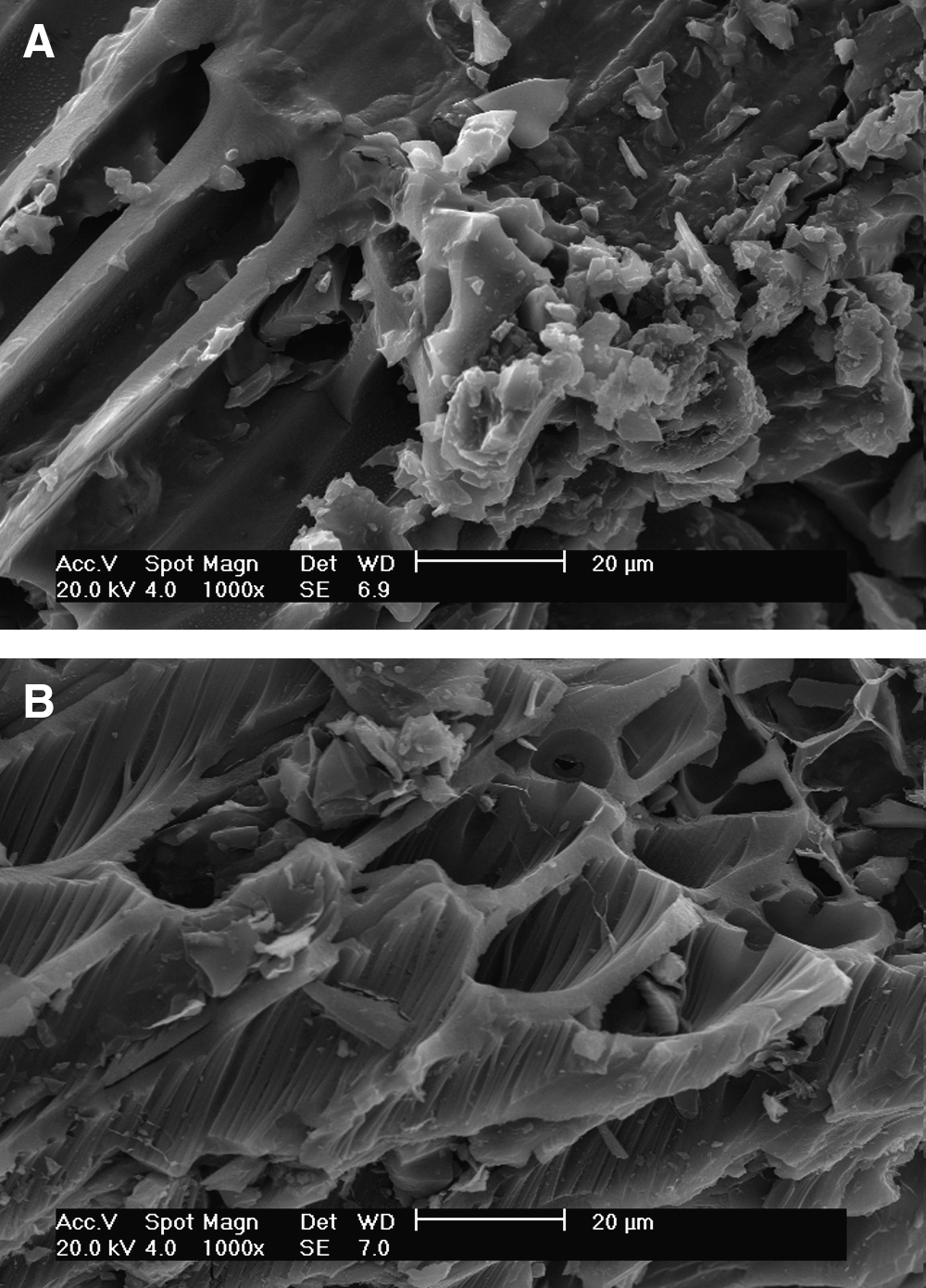
Scanning electron microscopy images of the structure of the obtained enzyme of Aspergillus niger, immobilized in sodium alginate and activated coal,
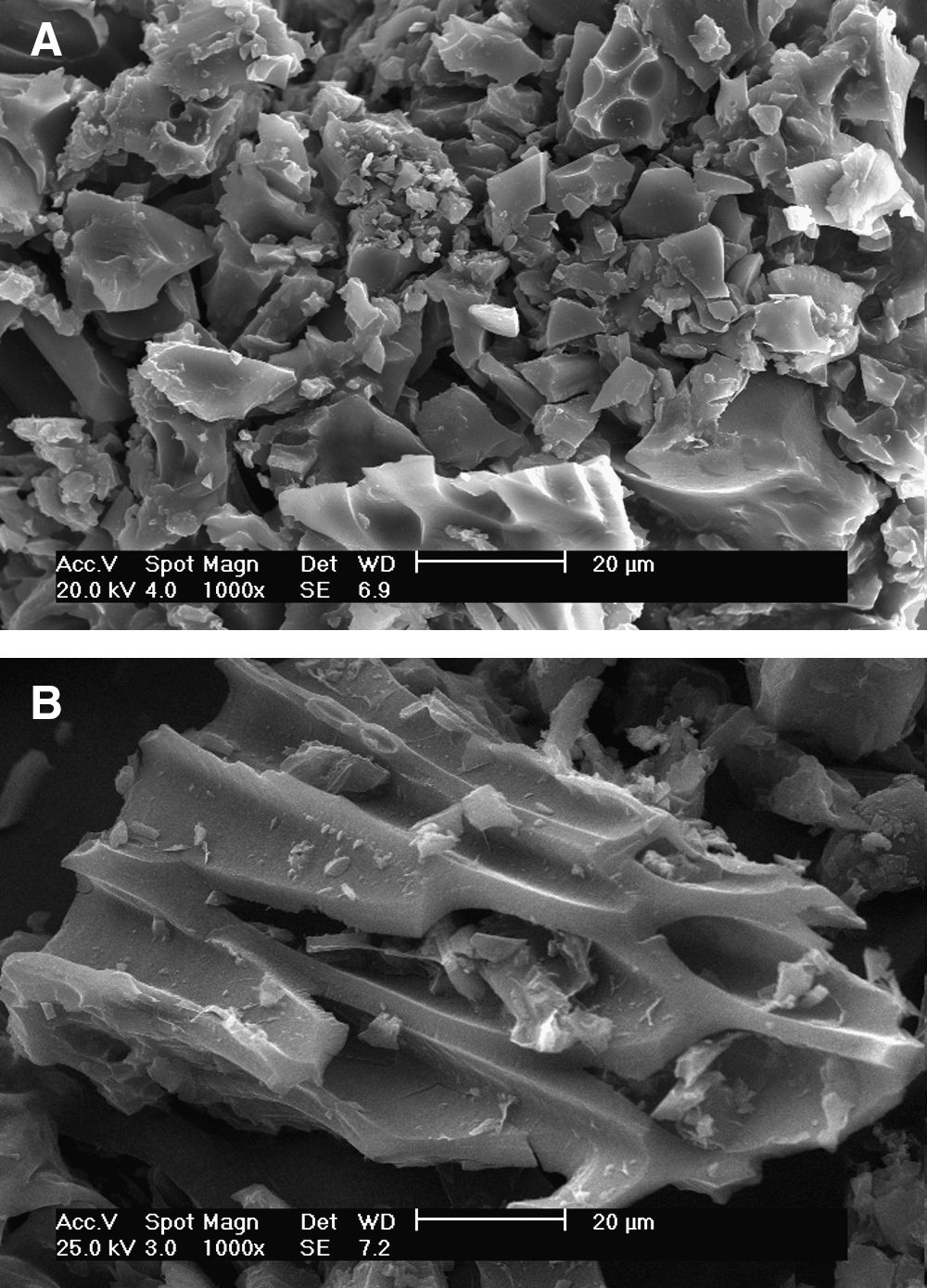
Scanning electron microscopy images of the structure of the obtained enzyme of Kluyveromyces marxianus NRRL Y-7571, immobilized in sodium alginate and activated coal,
Earlier studies suggested that application of high hydrostatic pressure resulted in stimulation of the activities of monomeric enzymes and inhibition of the activities of multimeric enzymes. 52 –54 However, at least 15 dimeric and tetrameric enzymes have been reported to be activated by pressure. 52,54 Therefore, pressure may increase conformational flexibility, thus improving reaction rate, as conformational flexibility is required for activation of enzymes that show interfacial activation in the presence of substrate. 52
Conclusions
The use of compressed fluids such as propane may be useful as a preceding preparation step to improve enzyme activity for a number of new biotransformation processes. Based on the results herein, it may be inferred that the enzyme activity after treatment with pressurized propane depends significantly on the structural nature of the enzyme and the experimental conditions investigated–i.e., exposure time, depressurization rate, and system pressure. Gains in the enzyme activities were observed for immobilized inulinase under several experimental conditions, allowing for the selection of optimal operating conditions for the advantageous application of these treated biocatalysts in many important reactions of food interest.
Footnotes
Acknowledgments
The authors thank Coordenação de Aperfeiçoamento de Pessoal de Nível Superior, Conselho Nacional de Desenvolvimento Científico e Tecnológico, and Fundação de Amparo a Pesquisa do Estado do Rio Grande do Sul for financial support of this work and scholarship support.
Author Disclosure Statement
No competing financial interests exist.