




Abstract
Phycocyanin is a non-toxic, water-soluble pigment protein from microalgae that exhibits antioxidant, anti-inflammatory, hepatoprotective, and neuroprotective effects. In addition to these health benefits, this pigment has been used in dietary nutritional supplements and natural colorant applications in the food, nutraceutical, cosmetic, and biotechnology industries. This paper highlights some functional properties and non-pharmaceutical industrial applications of phycocyanin, as well as the downstream processes required to obtain this biomolecule from microalgal biomass and potential future perspectives in the nanotechnology field.
Introduction
The search for isolated and purified microalgal compounds with nutraceutical and health properties has attracted the attention of the food and biotechnology industries and several researchers. 1 –3 Among these compounds, there is C-phycocyanin (C-PC), a photosynthetic pigment found in cyanobacteria, rhodophytes, cryptophytes, and glaucophytes. 4,5 C-PC is classified as a phycobiliprotein (PBP), as are other pigments such as allophycocyanin and phycoerythrin. C-PC is a highly fluorescent protein with linear prosthetic groups (bilins) that are linked to specific cysteine residues. 6
C-PC is widely studied and has several applications in the food, cosmetic, drug, medicine, and biotechnology industries. In the food industry, due to its blueness and functional properties, C-PC has been mainly used as a natural dye and a good alternative to highly toxic and carcinogenic artificial colorings. 7 Furthermore, C-PC is popular in food supplements for showing antitumor, anti-inflammatory, hepatoprotective, and other health-promoting properties. 8 –10
The use of some groups of microalgae to obtain C-PC is advantageous for a number of reasons, such as their high biomass production per area, the use of inhospitable places for their cultivation, a lack of crop shortfall, and the fact that they do not compete for intended for food production. 6 C-PC concentration usually reaches approximately 20% of the total protein present in the dry microalgae biomass. 11 However, changes in culture medium and/or cultivation conditions may be fine-tuned to accumulate higher concentrations of this pigment.
Parameters such as pH, temperature, isoelectric point, and light can denature C-PC structures, thus destabilizing this biomolecule and decreasing its bioavailability. 12 Nanoencapsulation of C-PC via immobilization in polyethylene oxide is one way to minimize the loss of pigment stability and thereby increase its shelf life. 13 This review describes some functional properties and non-pharmaceutical industrial applications of C-PC, the downstream processes required to obtain this biomolecule from microalgal biomass, and potential future perspectives in the nanotechnology field.
General Characteristics and Stability of C-PC
C-PC is characterized by being an accessory photosynthetic pigment identified by its intense blue color due to the presence of open-chain tetrapyrrole. C-PC is composed of an apoprotein and a non-protein component (corresponding to the chromophore moiety) known as phycocyanobilin (PCB). The apoprotein is connected to a PCB by a thioether bond, and the protein portion of C-PC is constituted of α and β subunits that have molecular weights in the range of 18 and 20 kDa, respectively, and form a heterodimer. 14,15
C-PC is extracted mainly from Spirulina species, 10,16 which at an industrial production scale may contain 14% (w/w) of this pigment within total cell protein. 17 The molecule is located in the thylakoid system or photosynthetic lamellae in the cytoplasmic membrane. When the cell envelope is broken, the thylakoid membrane with C-PC is released. 18 PBPs and other complex molecules are located at the thylakoid outer membrane, adjacent to the reaction center of photosystem II, which is the light-harvesting apparatus. The main cellular function of the C-PC is as a photosynthetic auxiliary pigment, since it is able to collect light energy efficiently, with a peak absorption at 495–650 nm and to distribute it into the chlorophyll in the thylakoid membrane. 3,19
The conformation of the C-PC structure is affected by pH. Maximum stability was observed in the pH range of 5.5–6.0. 12 C-PC retained its native structure at pH >5, and the protein was partially unfolded at pH <5.0. 18 Authors observed that strong, external heat had a detrimental effect on the color of C-PC solution at pH >5.0 or pH <3. The stability of C-PC increases at higher temperatures combined with lower pH levels. Thus, these factors are inversely related to the stability of the pigment. 20 C-PC was stable over a pH range of 5.0–7.5 at a temperature of 9°C, whereas temperatures above 40°C generated instability of C-PC. 21 Studies have demonstrated that adding preservatives such as sugar to C-PC solution can moderately increase the thermal stability of this pigment. 12,16 Sugars and polyhydric alcohols have been used as protein-stabilizing agents in both the food industry and pharmaceutical formulations because they are safe for consumption. 22 In addition to these compounds, citric acid has been shown to maintain the stability of C-PC at 35°C for 45 d, thus increasing its useful life. 23
Culture and Downstream Processes to Obtain C-PC
Cultivation of Spirulina to obtain C-PC is generally carried out in medium containing fresh water, sodium bicarbonate, nitrates, phosphates, sulfates, and microelements. The high alkalinity (due to the bicarbonate) of the culture—generally above pH 9.5—inhibits growth of possible contaminating microorganisms, facilitating large-scale production. 4 Industrially, cultures are maintained, in most of cases, in open lagoons under uncontrolled temperature and with pH control performed by adding bicarbonate or carbon dioxide, using sunlight as energy source. 24,25 In these conditions, C-PC usually reaches up to 14% cell protein. 17 In order to raise the C-PC cells content, studies have evaluated modifications in the cultures conditions, such as light quantity and quality, carbon and nitrogen sources, pH, and temperature. 26 –29
Light regulates enzymatic activities and influences microalgae cell growth rate and its C-PC production. 30 –32 The main function of C-PC in cells is to trap light energy (495–650 nm wavelength) and transfer it to other cell pigments during photosynthesis. However, high light intensity may result in a decrease in the number of chromophore proteins, thus reducing the amount of phycobilisomes per cell. 33 –35 In cultures of Spirulina platensis, it was observed that the lesser light intensity applied to the cultures resulted in the highest C-PC concentration. 24 For these species, the ideal light intensity for the production of C-PC is around 300 μmol m2/s. The photobioreactor (PBR) used to cultivate the Arthrospira platensis was a 1-L glass vessel (15.5 cm in length and 9.5 cm in diameter). 26 In addition to the intensities, the light wavelength used also influences the C-PC production by microalgae. 36 Red, white, yellow, green, and blue light-emitting diodes (LEDs) when used as an energy source in autotrophic cultures of Spirulina platensis photo-stimulated the C-PC production, obtaining concentrations up to 152 mg/gcell. 30 C-PC production also occurs in heterotrophic and mixotrophic cultures in the absence of light using, for example, glucose, fructose, or glycerol as the energy source. As an example, the Galdieria sulphuraria microalgae cultivated in the dark accumulated 8–12 mg/g dry weight C-PC during the stationary phase. 37
C-PC is a protein and, therefore, the nitrogen source is extremely important in cultures of microalgae that aim to produce this pigment. In nitrogen depletion, cells do not produce C-PC and can use this pigment as a protein source, thus reducing its productivity. 38,39 In this way, the ideal is to keep the nitrogen source of the culture medium always in non-limiting concentrations. Although the conventional sources of nitrogen used for the production of Spirulina are nitrates, it is possible to use alternative sources such as urea, ammonium chloride, ammonium sulphate, and acid ammonium phosphate. 40 Besides that, C-PC is sensitive to temperature and pH changes in the culture medium because of its polypeptide subunits. Thus, it is important the control of these parameters leads to higher productivities of this pigment. In Spirulina cultures, for example, the optimum temperature for C-PC production is around 30°C and pH between 10 and 10.5. 24,41
Isolation of microalgae phycocyanin is carried out with the following steps: biomass separation from the liquid medium (dewatering), drying (optional), cell disruption, extraction, and purification. 42 For dewatering, the relatively large size of Spirulina (100–200 microns) allows use of mesh filtration or gravity sedimentation, not possible for other smaller microalgae. The steps of cell disruption and phycocyanin extraction can be performed with wet paste or dehydrated biomass. 43 Use of drying may minimize contamination by other microorganisms, and reduce the weight and volume of biomass to minimize transport and product storage costs. 44 However, disadvantages of dehydration include the cost of the drying process (about 30% of the total operational cost), and the loss of pigment due to use of high temperatures. 45,46 The main drying methods used for the microalgae biomass source are convective drying, spray drying, and freeze drying. 47
The cell disruption, extraction and purification steps are critical to obtaining a satisfactory C-PC yield. 6 Regardless of the method applied for each of these steps, parameters such as temperature, pH, light, and isoelectric point should be properly adjusted during the process to maintain the biomolecule stability, avoiding denaturation. 12 The optimal values for each of these parameters vary with the species from which the C-PC is derived, as well as the concentration of pigment in the biomass.
The disruption step is to break the cell walls of microalgae to release C-PC to the extracellular medium. 48 The appropriate cell disruption method will depend on the cell wall characteristics of each species of microalgae. As an example, the cryptophyta cell walls are easily broken and, thus, milder methods can be applied. On the other hand, cyanobacteria have a rigid cell wall and thus more aggressive methods are required for a cell disruption. 49 A method's efficiency also depends on its operating conditions such as temperature, pressure, biomass conditions (concentration, dry or fresh, cell growth phase), and scale. The cell disruption may be performed by physical methods (freezing and thawing cycles, precipitation, sonication, osmotic chocks, nitrogen lysis, high-pressure homogenization, cavitation, supercritical fluids, etc.), chemical (acid, alkali, detergents, enzymes, etc.), or a combination of both. 50 –56
After cell wall rupture, one needs to perform the extraction of pigments present in the intra- and extracellular media. Since C-PC is water soluble, a solid-liquid extraction is carried out by adding water and buffers for the extraction of biomass. Water is widely used as a solvent extractor because, in addition to presenting a high performance in C-PC extraction, it is economically viable. 57 Other solvents are reported in the literature for C-PC extraction, such as phosphate buffers, TRIS and sodium acetate. 12,56,58,59 Several factors can influence the yield of C-PC extract from microalgae biomass, such as the cell disruption method, the solvent, pH, temperature, ratio biomass/solvent used, and the extraction time. 14,60 Table 1 shows methodologies used for cell disruption and C-PC extraction for different species of microalgae.
Methodologies Used by Different Authors for Cell Disruption and Phycocyanin (C-PC) Extraction
Arthrospira platensis; bC-PC concentration (mg/mL); cC-PC concentration (mg/g)
C-PC purification is accomplished through the application of different methods, combined or not, which are based on differences in physical, chemical, and functional properties of this pigment and as other phycobiliproteins and water-soluble compounds. The main properties used in methods for purification are C-PC charge, form, function, hydrophilicity, hydrophobicity, and size. 67 Currently, the purification step is a major challenge for industry due to the complexity of the structures and biological properties of different species of microalgae, besides the cost involved in obtaining purified pigment with high yield (which can reach 80% of total costs). 68 Methods for C-PC purification include precipitation with ammonium sulfate, biphasic aqueous system, membrane separation, and chromatographic methods in a fixed-bed or expanded-bed column. 12,69 –72 Table 2 presents the purity and recovery of C-PC from different microalgae and purification methods.
Methods of Purification of Phycocyanin (C-PC) Extracted from Microalgae
Arthrospira platensis; - not available.
Different degrees of purity are required for different C-PC applications. Purification is measured from the ratio of absorbance at the wavelengths of C-PC (620 nm) and total protein (280 nm). For use as a colorant, the purification C-PC degree must be greater than 0.7, while in reagent and analytical grades these values must be up to 3.9 and above 4.0, respectively. 73
Industrial applications of C-PC
C-PC is a pigment that has attracted the attention of the scientific community, and it is the target of studies by many researchers. Interest in C-PC is due to its nutritional value as a protein, and its therapeutic properties, which include antioxidant, anti-inflammatory, and hepatoprotective effects. 3,74 The antioxidant effect of C-PC is due to its ability to scavenge free radicals and react with other oxidants of pathological relevance. 67 Reactive oxygen species (ROS) are the major causes of important pathological processes, including inflammation, neurodegenerative diseases, atherosclerosis, diabetes, cancer, and aging processes. 8,75 Some mechanisms have been proposed to explain how C-PC stabilizes ROS and have demonstrated that α and β subunits of apoprotein and phycocyanobilin are involved in this process. 76
In the food industry, C-PC has been used mainly as a natural dye, replacing artificial dyes that are harmful to health. 77 A study has shown a relationship between Attention Deficit Disorder Association (ADHD) and artificial colorants consumed by humans. Thus, consumers have increasingly looked for food products based on natural colorants. 78 In 2013, C-PC was the first Food and Drug Administration-authorized natural dye in the United States to be used by the food industry. Since then, demand for this pigment has been increasing, especially in the Americas and Europe, because it is neither toxic nor carcinogenic and is biodegradable. 79 The cost of the C-PC dye can reach up to US$160–180 per kg. 17 Some foods that have been developed using C-PC in its formulation include alcoholic beverages, chewing gum, milk products, ice creams, and desserts. 6,80,81 Table 3 shows the main companies that produce C-PC for coloring different products. According to Chuner et al., the cost of highly purified phycobiliproteins ranges from US$5,000.00 to US$30,000.00 per g. Costs of C-PC from Spirulina sp. sold by companies such as Sigma (St. Louis, MO) and Prozyme (Hayward, CA) are approximately US$14,850.00 and US$25,000.00 per g, respectively. 82
Major Companies Selling C-PC for Different Applications
C-PC has also been used as a fluorescent label because of its characteristics, such as absorption and emission wavelength, high fluorescence quantum yield and photostability, large extinction coefficient, high solubility in water, and large Stoke's shift. 77,83 The cost of the fluorescent labels can reach up to US$152.50 per mg. 84 This molecule has many applications, for example, C-PC is conjugated with molecules containing biological specificity such as immunoglobulins, protein A, biotin, and avidin. An important use of this fluorescent protein is the analysis of single cells through fluorescence-activated cell sorter (FACS). 85 C-PC is also found to be useful in many other techniques due to its fluorescence characteristic, including markers in gel electrophoresis, isoelectric focusing and gel exclusion chromatography, fluorescence microscopy, fluorescence in situ hybridization (FISH), and labeling of proteins, antibodies, and nucleic acids.
Trends in Nanotechnology
Silver ions and silver-based compounds are known for their bactericidal potential. 86 With the advancement of nanotechnology, silver nanoparticles (Ag-NPs) are an alternative to the preservation of food. It has been shown that Ag-NPs can be synthesized by microalgae. 87,88 Moreover, C-PC extracted from Spirulina was used for Ag-NPs biosynthesis. 88
Photodynamic therapy (PDT) and photothermal therapy (PTT) using nanoparticles have received attention for cancer treatment. Bharathiraja et al. fabricated polypyrrole nanoparticles by employing bovine serum albumin-C-PC. The obtained nanoparticles effectively killed MDA-MB-231 cells in a dual way upon laser illumination; one is through C-PC propagated reactive oxygen species (PDT) upon laser illumination, and in the other, way, it eradicated the treated cells by converting optical energy into heat energy (PTT). In addition, the nanoparticles generated good amplitude of ultrasound signals under photoacoustic imaging system that facilitates imaging of treated cells. 89
Promising alternatives such as nanofibers (Fig. 1) have been reported for immobilizing proteins and pigments, contributing to the stability of these compounds. 13,90 Previous researchers 90 evaluated the influence of C-PC preservatives and found that highest half-life of C-PC was obtained when glucose (20%) was added to a solution of ultrafiltered C-PC, followed by the addition of sorbitol (50%) and nanofibers with an increase of 86%, 71%, and 66%, respectively, when compared to the initial extract. According these authors, the half-life values obtained after these treatments are very similar. Therefore, nanofibers can be an excellent strategy to increase C-PC thermal stability.
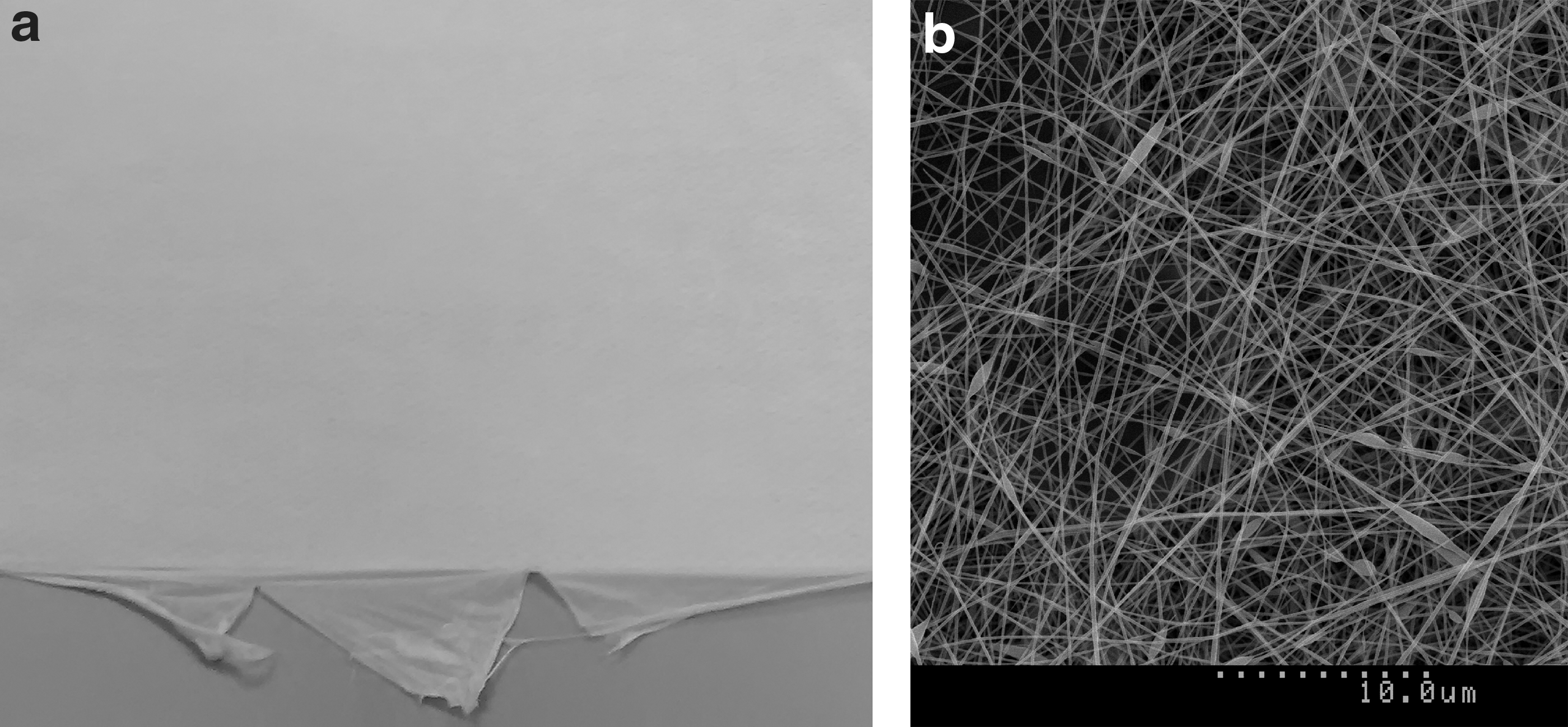
Researchers have developed bioactive nanofibers of polyethylene oxide with C-PC embedding (3%) and the addition of NaCl (1%). 13 Under these conditions, the nanofibers were developed with an average diameter of 295 nm. These nanofibers provide an alternative for protein release for therapeutic applications and tissue engineering because their large surface area increases the contact area between the encapsulated protein and the release medium. 91 In addition, the pores of these nanofibers facilitate the loading of active molecules and nutrient transport. 92
Hereditary diseases and many pathologies compromise the human body. 93 There is a rare inherited genetic pathology called lactate dehydrogenase deficiency that mainly affects the muscles of the body. 94 The current trend is the release of proteins through the transdermal route (administration characterized by adhesion to the skin and absorption by circulation). This route of administration for drugs promotes better patient compliance. 95 In this context, authors used lactate dehydrogenase (LDH) encapsulated in poly(vinyl alcohol) (PVA) electrospun nanofibers, as high molecular weight protein model of sustained release of proteins. The work has settled the principles for a posterior application in the controlled delivery of the enzyme LDH in the clinical treatment of LDH deficiency disease. 91
Purified C-PC also has nutraceutical and pharmaceutical potentials. A variety of impaired physiological conditions are reported to be relieved by C-PC administration. 3 It has also been observed that C-PC can inhibit cell proliferation 96 and induce apoptosis in cancerogenic cell lines. 97 Thus, since nanotechnology involves the control of matter, 98 the use of nanoparticles and nanofibers can improve the distribution of phytochemicals to improve therapeutic efficiency. 99 Many phytochemicals such as C-PC can be loaded into biocompatible and biodegradable nanoparticles, which can enhance their absorption and bioavailability, protect them from enzyme degradation, improve their stability, prolong their circulation time, exhibit high differential absorption efficiency in cancer cells compared to healthy cells, and lower toxicity—preventing them from premature interaction with the biological environment. 100
Conclusions
This review showed the main C-PC properties, potential applications, and nanotechnology perspectives to stabilize and increase the useful life of this pigment. The downstream processes for obtaining C-PC from microalgal biomass with a satisfactory performance are complex and depend on several factors. The application of nanoparticles and nanofibers in the stabilization and conservation of C-PC and its current applications have recently been investigated, but these needs to be researched more intensely. The use of microalgae biotechnology to obtain C-PC has the potential to be applied in the nutraceutical, cosmetics, and pharmaceutical fields, as well as in other areas of science.
Footnotes
Acknowledgments
The authors acknowledge CAPES (Coordination for the Improvement of Higher Education Personnel) and MCTIC (Ministry of Science Technology, Innovation and Communications) for support.
Author Disclosure Statement
No competing financial interests exist.