




Abstract
Microorganisms and microbial products have become increasingly important research topics because of the sustainability benefits of their industrially important products. Enzymes formed by fungus and bacteria are mainly used in industry to produce different types of products. Microbes are ubiquitous in nature and present with various strains. Detecting and isolating the best strain and achieving efficient product separation are required to achieve an economically viable process. Advancing microbial screening techniques requires a multidisciplinary approach, with input from chemists, engineers, and microbiologists. This paper provides an overview of industrially important microbes such as fungi, yeasts, and bacteria. It also focuses on microbial collection, selection strategies and techniques, culture storage, screening methods for microbial products, and future potential.
Introduction
Microorganisms are ubiquitous in the environment, having evolved to thrive in different habitats and producing products such as enzymes that can be useful for mankind. Microbial production of chemicals, solvents or products has less hazardous impact on the environment than synthetic counterparts. For instance, global energy demand is increasing, and fossil fuel, the main energy source, contributes to greenhouse gas effects and environmental toxicity. Fossil fuel can be replaced by eco-friendly synthesis of products via microbes. Microorganisms such as molds (mildews), bacteria, and yeasts have historically played a role in food microbiology. In early civilization, people used different methods to produce various types of foods via microorganisms without a scientific explanation of the process until Louis Pasteur. These products include alcoholic beverages around 700 BC; cheese, yogurt, and butter around 3000 BC; and textiles. This progression led to the development of biotechnology or biological technology. 1
To use microbes for new human benefits, knowledge of microorganisms' physiological functions and biochemical reactions and pathways is very important. 2 Some microbes are very difficult to culture using standard laboratory techniques and methods. For instance, some microbes live in a specific environment, including extreme environmental conditions or specific niches or habitats such as marine water, caves, glaciers, desert soils, and hypersaline areas. Such conditions can greatly impact cultivation of these specific microbes. From all of this microbial biodiversity, only about 1% can be cultivated and 99% of the characteristics and functions of the microbes have not yet been identified. 3 Thus, new methods for growing these microbes in a laboratory are needed.
Different techniques for microbial isolation, screening, and culturing, as well as use of different media types, have been developed for important products like antibiotics, enzymes, and specialty chemicals. Industrially important microorganisms have evolved gradually, through various techniques such as pure culture, enrichment, sheer labor, and mutagenesis. Immunological techniques, chemical analogs, membrane technology, coupled colorimetric reaction, and advances in instrumentation are modified classical methods that are now used most frequently. 1 For manufacturing industrial products, microbial screening mainly depends on the specific microbe being isolated and identified by chemists, engineers, and microbiologists. 1 In biotechnological processes and products, enzymes are involved in the production of cleaning supplies, pharmaceuticals, production of foods, beverages, monitoring devices, clothing, transportation fuels, and paper products.
Microorganisms are fast-growing and easily available, so that they are the first choice for enzymes to synthesize industrial products. For high yields of enzyme production, DNA manipulation is needed in the microbial cell. 4 The effectiveness of enzymes that work in different physical and chemical conditions make them the preferred choice in industrial processes. 5,6 Lipase, amylase, cellulase, proteases, keratinases, xylanases, chitinases, pectinase enzymes are produced in the three main industrially important microorganisms covered in this paper. Hydrolase enzymes that catalyze chemical decomposition are currently the first choice in the biotechnology field. 7
In this review paper, we discuss various methods of microbial collection, cultivation, isolation using different kinds of media, screening techniques, selection strategies, and products like enzymes for different industrial sectors and purposes. We also describe future potential for microbial screening programs.
Microbial Collection
Maintaining a collection of microorganisms, mainly in the production of strains, assay organisms, and related species, is important when considering the number and scale of industrial fermentations. Various studies have been conducted on maintaining cultures in vigorous and stable conditions. Mineral oil overlay, soil culture, lyophilization, and agar slants are currently the main methods of preserving industrially important microorganisms. The Agricultural Research Service (ARS), Peoria Institution, and Northern Utilization Research Branch (NURB) of the US Department of Agricultural focus on the acquisition, authentication, production, preservation, cataloguing and distribution of cultures for various purposes. 8 NURB is arranged into three sections. The first section contains more than 2,800 strains indicated in prefix “B” with the culture number and under the category of genera of Bacteria (pseudomonas, leuconostoc, Bacillus, and streptomyces). The second contains more than 2,200 and indicated by “Y” indicating they are under the category of yeasts and yeast-like organisms. The last category of the collection is filamentous fungi (Penicillium, Aspergillus, and the order Mucorales), including the economic importance of additional fungi.
Most lyophilized microorganisms have long viability. Wichkerham and Flickinger in 1946 first described the procedure and usage of lyophilization. 9 The three major industrially important microorganisms (bacteria, molds, and yeasts) follow the same method and procedure of lyophilization. 1 At the end of the 19th century, the first public culture collection (CC) was established at the University of Prague. The main purpose of the CC was information sharing and cross-pollination of ideas. The CC community includes 789 CCs that communicate and exchange ideas and information using the World Federation for Culture Collection (WFCC), which develops the efficiency and quality of the culture collection work and management. 2 CCs contribute greatly to management, preservation, and exploitation of microbial biodiversity and characterization through efficient delivery of microbial resources at high quality standards. This increases the reproducibility, acceptance, and validity of science. 10,11
Bacteria Collection
In bacterial culture collection, only strains that have unique characteristic uses for agriculture or industry are kept for preservation. Microorganisms good at producing amino acids and vitamins are included in this collection. For dextran formation, Leuconostoc mesentroides NRRL B512F and related strains are listed. NRRL B-6bs and sorbitol- synthesized sorbox can be produced via Acetobactor surboxydans and α ketoglutarate and 2 ketogluconate are produced during glucose oxidation by Pseudomonas spp. The current collection of microbial strains contains slant method and must be transferred every three months or less. Currently, lyophilized bacteria are safe as stocks kept in culture. Minimum cell population may not survive after lyophilization. High productivity of lyophilized microorganisms has been demonstrated in the same antecedent culture. To preserve microorganism activity with the same capacity, the microorganism is isolated and lyophilized again. Actinomycetes are currently used and kept in culture and requested by scholars and researchers. Anaerobic, spore-forming strains are kept in soil culture instead of being lyophilized. This includes Streptomycetes. Streptomyces, to survive lyophilization, must have conidia, which takes a minimum of fourteen days and more to mature. 8
Figure 1 shows the lyophilization process, which proceeds from the freezing or ice formation stage, to the primary drying or sublimation and secondary drying stage, desorption. After desorption, packing helps for accurate preservation to prevent contamination and for safe storing. This method helps to remove the liquid content of the culture and increase the survivability or long viability of the microorganisms for future use.
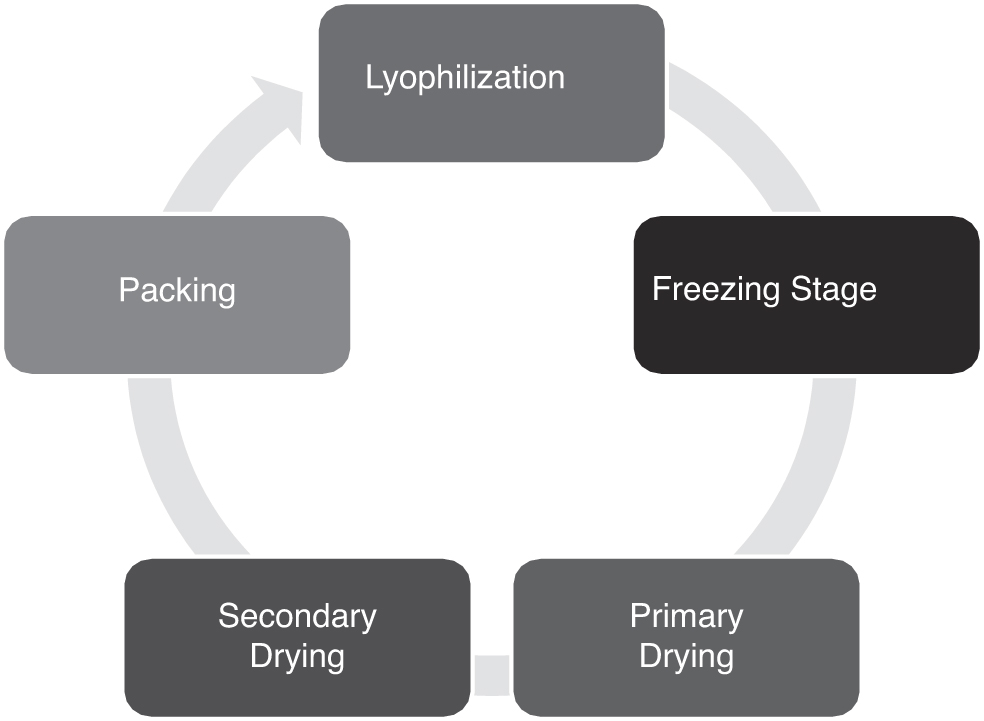
Lyophilization steps.
NURB uses different media for propagation and maintenance of molds, yeasts, and bacteria. It is not easy to find one culture medium to sporulate all species of Streptomyces and strains. It is necessary to search for at least one media suitable for a specific strain. Media includes yeast extract agar, Emerson's agar, starch agar, asparagine dextrose agar, oatmeal agar, Bennett's agar, Czapeak's solution agar, potato dextrose agar and corn steep agar. for Streptomyces sp. also often requires more than one medium. 8 Streptomyces culture is propagated by transfer of spores. In addition to the three major NURB groups, Actinomycetes, algae, and protozoa comprise the fourth category.
For most lyophile culture, a record of viability is done to specify the status of the culture during observation. While maintaining and preserving the culture bacteria, cautions are listed related to the sterility of the suspending agent. 8 Lyophilization of microorganisms at NURB use sterile bovine serum as the suspension medium. Using Seitz filtration serum, the suspension is sterilized and covered in a test tube. Each tube is then opened and 0.5 mL of serum is suspended and streaked on a duplicate plate containing nutrient agar. Each tube is then incubated at room temperature for many days to check serum sterility. A retest of each tube of serum is necessary before it is used. 8 For each kind of strain used, four lyophile tubes are put into a vial arranged in trays and refrigerated (5–10°C). The vials have the strain number on their cap to differentiate them easily. Strains that have specific importance use 10 or more lyophile tubes. 8 Two reasons can be given for not using oiled culture. First, in artificial culture media, bacteria survive relatively long periods for shorter-term availability. Second, techniques can be ineffective and the variation unlike what was seen during preservation.
One of the major obstacles to having various kinds of microorganisms is the difficulty of having almost similar media because of the nutritional status of the microorganisms. New strains which may be isolated or received require additional culture steps, such as purifying a mixed culture and adapting to new media. NRRL B-512 F for the synthesis of dextran is widely distributed and not that difficult for culturing the strain, but some may have difficulty producing dextran that meets the requirement for clinical use. 8
Lyophilization is a method for preserving microorganisms, but there are some organisms that cannot survive lyophilization. To survive this process, the microorganism must form conidia and also be matured. Two examples are Actinomycetes and Streptomycetes. By using different media and time intervals in microorganism propagation, spore formation can be increased. However, it can take 14 days or more for good sporulation and maturity (Table 1). No need of pH adjustment for Czapek's solution Agar to cultivate Aspergilli and penicellia.
Media used at the NURB for the cultivation of industrially important microorganisms 8
Czapek's solution agar media was prepared using three flasks for cultivation of Mucorales. The contents of flask III is brought momentarily to 121°C in an autoclave and cheesecloth is used as a filter and make up to original volume. Simultaneously, the agar in flask II is melted, and the solution in flask I is heated to boiling. The contents of three flasks are then mixed.
For Deep liver medium (7.4 pH) for bacteria propagation, a small number of dried liver particles is added to each tube before dispensing. The liver extract is formed by adding 2 L of distilled water to each pound of finely ground beef liver, followed by heating in a flowing steam until all the redness is gone from the liver. This will require about three hours, during which the mixture should be stirred frequently to break up clumps. When the supernatant becomes yellowish fluorescent, it is filtered through several layers of cheesecloth. The clear supernatant is then bottled and sterilized. The residue that remains after the extraction is spread on shallow trays and dried at 50⸰C. In acetobacter medium, dispense while stirring constantly to ensure equal distribution of CaCO3. Table 1 shows various media used by NURB to cultivate mold (penicillia and aspergilli, Chaetomium and Ascomycetes), yeasts and bacteria (to maintain most bacteria, especially acetic acid bacteria & propagate fastidious types in other genera, anaerobic spore former bacteria and lactic acid bacteria). Table 2 shows four different Media to cultivate and spore formation of Streptomyces genus. ADA (asparagine dextrose agar), Benett's agar, oatmeal agar and Emerson's agar media are the main media to cultivate for this specific type of genus.
Medium for Spore Formation of Streptomyces 8
Yeast Collection
All yeast strains have been preserved using lyophilization method and exhibit good viability. More than 2,200 specific yeasts are included in NURB, and 3,800 strains have been isolated from nature with spore formation checked after isolation and lyophilization. In almost 90% of cases, the yeasts are investigated taxonomically from the recorded data obtained during isolation from nature. Some yeast is grown in shake flask media like filamentous yeast, which don't form blastopores on solid media, but instead forms mycelium that can easily be lyophilized after centrifugation. 8 Studies indicate that the best method for preserving the characteristics of isolates as a control during the study of widely variable yeast is lyophilization. Lyophilized yeast may use as a standard by mixing the dried pellet and 1 mL or 2 mL of sterile mineral oil in a screw-top vial at equal time intervals. Maintaining a yeast culture under oil has shown good results. The main use of malt extract yeast agar is for the maintenance and cultivation of yeast. The solidified surface of the agar is inoculated and incubated at 25°C for 1 to 2 days. After the growth, sterile mineral oil is placed around 1 cm of the place, which is then stored at 5°C and transferred regularly every two years difference, and in some cases every six months. 8
Mold Collection
Mold collection begins with the purification and identification of molds either during isolation or when received as new. Even if it is difficult to differentiate, the culture's appearance is recorded under specific conditions. Methods for determining spore characteristics include color, reverse color, and presence of a soluble pigment at a specific age for future reference. Agar slants, lyophilization, and soil culture can be easily used for filamentous fungi, which do not lyophilize when mineral oil is used. The lyophile process has the advantage that it enables long-term storage of the culture because it is sealed from contamination and can be stored in a compact space. Lyophile culture is prepared for species with spores that fail the lyophilization process, and growth checks are performed in one or two weeks to ensure the preparation is adequate. This is not applicable for non-spore forming cultures. A huge number of cells might be killed by freeze-drying. Stock media for mold culture is stored as slants. Some species have their nutrient requirement for cultivation and growth and require specific media. 8
Some genera, like Syncephalis and Piptocephalis, require special methods for cultivation. Mucorales, for example, grow mainly in soil as an obligate saprophytic parasite and are difficult to cultivate without its host. In such cases, the host mycelium is isolated with the parasite and purified by repeated subculture to remove extraneous bacteria and molds. isolate sporangiospores from sporangium on the plate and inoculate at three points on nutrient medium agar. To inoculate parasite spores of sporangium at the same site of the agar medium also can be extract from a mixed pure culture. In a mixed pure culture, the host cannot overwhelm the parasite, which helps to differentiate with the naked eye. 8
Parasite mycelium and fruiting can be investigated without the host mycelium to study the criteria needed for parasitic growth. This method helps to prevent the loss of host-parasite combination. Using a dissecting microscope, growth and sporulation, contamination, reverse color, and morphology of the culture can easily be checked while it is prepared for storage. In a heavily sporulating culture, degeneration may occur; thus, this culture must be reisolated or changed to a more suitable culture medium. The cultures are stored at 5–7°C in a refrigerator or at room temperature with a registered culture number, the temperature of incubation, date of transfer, and culture medium. The culture must be sealed with a poisoned cotton plug to prevent contamination, the entrance of mites, or mold growth, and must be transferred in intervals of 6 to 8 months. For molds that have a dusty spore, the transfer needle must be moistened and sterilized in agar to prevent the spreading of the spores into the air. 8
Various Growth Media and Selection Strategy and Techniques
Biological resources such as archaea, fastidious bacteria, strict anaerobes, extremophiles, non-sporulating fungi, viruses, and newly discovered taxa require research to discover optimal cultivation and growth techniques. 12 For slow-growing microorganisms, nutrient-rich medium is used. If the media is poor in nutrients and requires a long incubation time, like 20–24 weeks, nutrient-rich media helps to induce high yield, especially for oligotrophic microbes (which are able to grow in low concentration or apparent absence of nutrients). 13 In the laboratory, using helper strains for co-cultivation releases specific growth- promoting factors or signaling molecules used to isolate some species at the laboratory level. For instance, from syntrophic species isolate a single strain and add molecules into the medium. 14 Cultivation methods include optical tweezers, micro bioreactors, trans well plates, laser microdissection, novel diffusion bioreactor, and micro bioreactors. Microorganisms are transferred from the environment into the inner channel, which contains the medium, via a diffusion chamber. 14 –16 Viruses that are difficult to grow easily are permitted to interact with their surroundings in three dimensions. 17 –20 The exact identification of microbial strain needs RNA, DNA, or their peptide sequence analysis, whereas few genera follow metabolites or extrolites assessment. In gene sequencing, 16s rRNA is the first choice for bacterial identification. 21
A taxonomy of filament forming fungi and yeasts that require gene sequencing can easily differentiate by the internal transcribed spacer region (ITS) and the general barcode. 22 –24 Genome wide-genotyping technique uses for differentiating the genetic makeup of the two. For instance, pulsed field gel electrophoresis (PFGE), multi-locus sequence typing (MLST) and amplified fragment length polymorphism (AFLP). D1 and D2 (domains 1&2) of the large subunit ribosomal ribonucleic acid integrated with the internal transcribed spacer part is used to easily identify the last hidden or unknown descent or lineages. 25 To characterize and identify yeast and bacteria strains, ribotyping and biolog techniques are the first choice (use of information from rRNA). 26,27
Figure 2 summarizes the selection strategy for industrially important microorganisms requires understanding the purpose of the application required, identification of the appropriate microbe, formulation of protocols for screening and enrichment methods, and an understanding of where new microorganisms and screening methods can be elucidated.
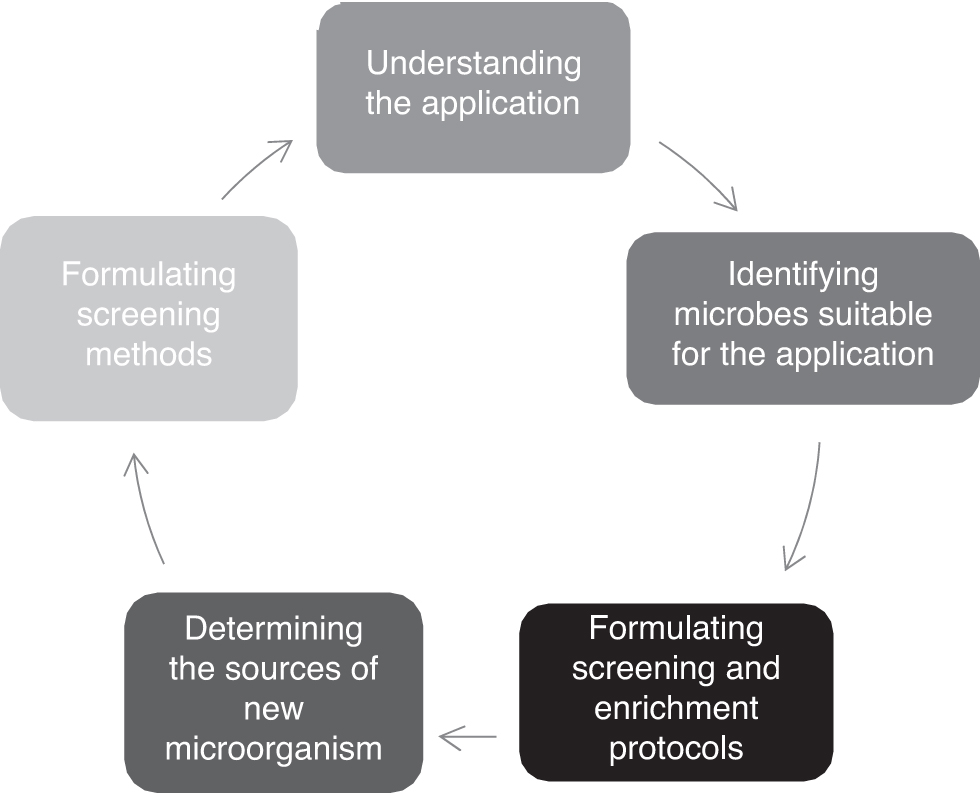
Selection strategy for industrially important microorganisms.
Screening methods fall into two main categories: primary and secondary (Fig. 3). In primary screening, a large population of microorganisms is screened qualitatively, either directly or indirectly, to investigate its specific activity in a population. Secondary screening involves both qualitative and quantitative methods to specify or determine the exact function of available compounds to confirm the degradation, production of various compounds, and also assess the production ability identified in the primary screening step. New screening techniques, which are modifications of classical chemical or enzymatic techniques, include enriched culture assay together with colorimetric reactions. To detect specific metabolic activity, gas chromatography-mass spectrometry (GC-MS) is the first choice due to its speed.
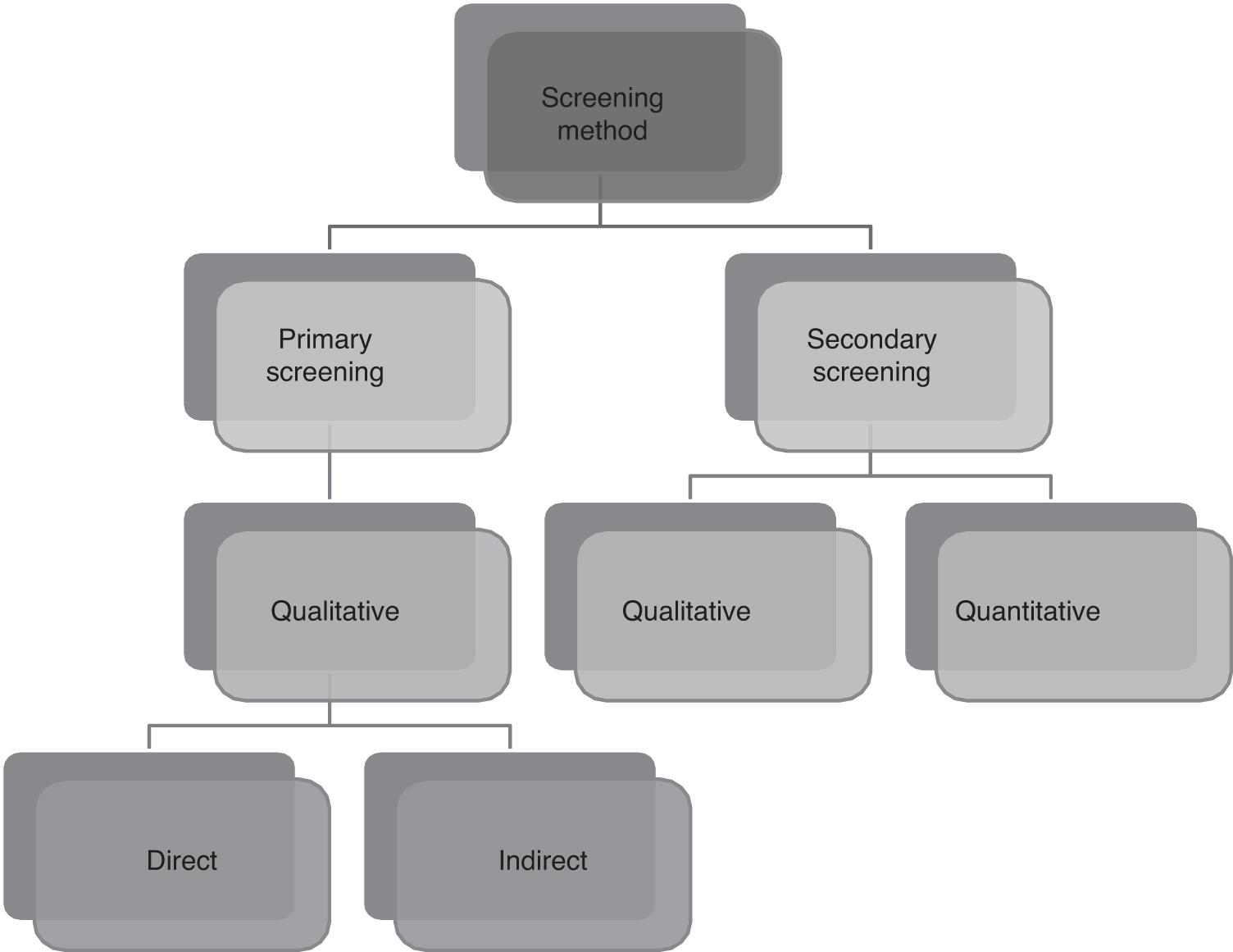
Microbial screening strategy.
Microorganism enrichment creates a suitable growth and reproduction environment for the desired microorganism and a hazardous environment for undesirable microorganisms. 28 –30 In many industrial products, ethylene diamine tetra-acetic (EDTA) is used as a metal chelator. Agrobacterium sp. can degrade ferric EDTA at 100 mM concentration 33 and also has been used as a treatment for nuclear waste materials by breaking down the EDTA that attaches to radionuclides, preventing the liberation of the compounds from the storage site. Recently, the method enrichment of benzene assimilator microorganisms by using benzene as a carbon source is applicable. 31,34 As Strotmann & Roschenthaler explained, chlorinated hydrocarbons are broken down during bacteria cultivation and protons will be released. 35 Bromthymol blue, a pH indicator in a growth medium, indicates the pH and proton release; if the pH is decreased, it implies degradation. Some organisms can easily be extracted in a batch culture, while others need special attention. Gradual adjustment to a continuous culture is applicable for slow supplementation to microorganisms not degraded by the compound or having low enzyme expression. This requires additional months of continuous culture to isolate a specific microbe that can grow in a certain herbicide. 36 Many researchers have used chemostatic culture and halogenated alkanes to isolate organisms that can grow in extreme pH and where changing the pH value has a great effect. 34,37,38, Alkaline media (pH <10) is used to isolate alkalophilic bacteria. 34,39,40 Different researchers use different environments to isolate alkalophilic organisms that give stable and alkaline active enzymes like proteases, 41,42 lipases, 43 amylases, 44 xylanases 45,46 and cellulases. 47,48 Penicillin-acylase, an immobilized thermoactive enzyme, is synthesized in large amounts. 49 The formation of a new solidifying agent other than agar (less active at high temperature <70°C) is the first choice to extract a bacterium from a harsh environment. 50
Primary Screening
The primary screening method is a selection strategy for a specific type of organism in a population. Simplicity, cost, speed, and specificity help to determine whether the screening program fails or succeeds. These methods are classified as either direct or indirect assays.
Direct detection
Direct detection is an accurate method of determination and identification of the sought-after product using fluorometric or colorimetric reaction. 1 Development of analytical instruments helps for the direct detection of specific organisms and microbial physiology understanding with chromogenic and fluorogenic enzyme substrates helps for the development of indirect detection. 1 Before production optimization and scale-up, false negatives (when organisms use free fatty acid) and false-positives must be removed. A secondary screening method is the best process for identification. Analytical and micro-instrumentation–such as nuclear magnetic resonance spectrometry (NMR), mass spectrometry (MS), gas chromatography (GC), high-performance liquid chromatography (HPLC), and others used for selective, sensitive, and rapid detection of metabolic products–is useful for screening. Micro-instrumentation is used for both primary and secondary detection. For instance, inductively coupled plasma detectors (ICP) integrated with ultrasonic nebulizers and ion chromatography is now used for different metal detection such as in 5–10 ppb and have maximum analysis and auto sampling capacity operates for 24 h. 1
Indirect detection
A hydrolytic clear zone is a zone having a colorimetric reaction to the breaking down of casein. The colorimetric reaction shows as purple in iodine and starch combination reaction. Temperature, pH change, and the effect of inhibitors are easier in the indirect detection method. Therefore, it helps to complete in a cost-effective way and in less time. 1 Lipase detection is not possible, and there is difficulty in distinguishing between lipases and esterase, thus tributyrin is the first option as an assay substrate because of its high dispersion characteristics in water. Cellulases 51 and uricase 52 enzymes are screened using hydrolytic activity on agar plates.
A substrate fine layer helps to study protease activity by spreading to the internal part of the petri-plate but prevent too much wetness of the agar plates. 53 The colorimetric and fluorescent assay is the first choice to identify microbial products on the plate and also in the fermentation broth. 1 An organism that has antibiotic and anti-tumor activity is selected using Bioassay. 54 It is also used for the detection of insecticidal agents like nikkomycins, milbemycin, tetranactin, and avermectins. 55 –58
Industrially Important Bacteria
Industrially useful bacteria, such as Corynobacterium glutamicum, Bacillus subtilis, Streptomyces spp., Lactococcus lactis, E. coli, and other lactic acid bacteria are the main producers of important products at the industrial level. Important classes of products that are produced by those microorganisms include amino acids, antibiotics, organic acids, proteins, and high-value metabolites for the food industry. They are also good producers of many therapeutically or industrially important chemicals. 59
Escherichia coli
E. coli is a gram-negative bacterium that is applied in various biotechnological processes, can be cultivated in minimal media, and is highly preferable due to its hexose and pentose metabolizing effect. 60 Many genetic modifying methods have been developed to synthesize foreign proteins using E. coli. E. coli is the most suitable for genetic modification and for expression of recombinant proteins to apply in industry, therapeutic, and diagnostic purposes. E. coli is also used to produce useful metabolites. 59
Bacillus subtilis
Bacterial species of Bacillus is used in enzyme synthesis at the industrial level. Some enzymes produced from this species are proteases, D-ribose, purine nucleotides, lipases, vitamins, amylases antibiotics, PHB, poly-γ-glutamic acid, and other metabolites. Also, for Carbohydrate formation such as monosaccharides like xylose, glucose, oligosaccharides such as cellodextrins, maltodextrins, and a polysaccharide starch except cellulose. 61,62
Corynobacterium glutamicum
C. glutamicum is a gram-positive bacterium that was extracted fifty years ago and was known as a natural producer of glutamate. Currently, it is used at the industrial level to produce amino acids like lysine, tryptophan, and glutamate at a scale of more than two million tons in a year. 63 Early on, its metabolism and potential for economic importance garnered research interest. 64 –67
Streptomyces spp
Actinomycin was discovered in the 1940s, and streptomycin quickly became one of the main antibiotic products from the genus streptomyces. Currently, two-thirds of microbial drugs are from Streptomycetes. For Streptomycetes strain manipulation, secondary metabolic pathways have been used for investigation. 59
Lactococcus lactis bacterium
Lactic acid bacteria have industrial applications in producing lactic acid, stereoisomers of lactic acid, high-value metabolites involved in flavor, antimicrobial peptides, health applications, probiotic products, and in the ripening of food products. For metabolic engineering, these bacteria are the most suitable and needed for their carbon metabolism because it does not require high energy and having small genome size. 59
Microbial Products
Many products can be produced through microbiology (Table 3). 7 Industrial enzymes are used in many industries for degradation purposes and hydrolytic action (Table 4). 68 –73 The global industrial enzymes market is expected to grow at a compound annual growth rate of over 5.5% during the period 2019–2025. Naturally produced microorganisms are the first choices for efficient and viable screening and more advantageous than genetically modified microorganisms. 1
Types of Products Manufactured by Microbiological Means 7
Common Enzymes Produces from Various Microbial species
Fungal Enzymes
In the food industry, fungi are the first choice for the production of different types of foods, and are also used for the production of secondary metabolites called antimicrobial agents crucial for medical treatment. 74,75 Enzymes produced by microbes have uses in different sectors like agriculture, medicine, chemicals, textiles, pharmaceuticals, leather, food, and paper. The advantages include low energy input, cost-effectiveness, reduced process time, nontoxicity, greater efficiency, eco-friendly characteristics, and higher-quality products. 7,76,77 Enzymes obtained from microbes are crucial for industrial purposes and are used in a varied range of physical and chemical conditions. 78 There are main fungal enzymes used in industrial processes. The most used enzymes in the food processing industry are proteases, glucose oxidase, lipase, xylanase. Lipases can be obtained from microorganisms, animals, and plants. Lipases obtained from microorganisms are more valuable than others because of their high yield production, absence of seasonal fluctuations, simplicity of genetic manipulation, variety of catalytic activities available, greater safety and stability, regular supply, high growth rates and more convenience. 79,80
Lipases
Fungal lipases have been investigated since the 1950s due to their substrate specificity, downstream processing, activity in organic solvents, and thermal and pH stability. 81 Lipases are used in the dairy industry to modify fatty acid chain lengths, boost the flavor of cheeses, and hydrolyse milk fat. 82,83 It is also used as a biosensor in the food industry, for tea processing, and in cosmetic and personal care products. 84 The beverage industry uses Pectinase, Glucose oxidase, Amylase, Cellulase, Protease, Naringinase (for Debittering). In the detergent industry, amylase, lipase protease, and cellulase are used. The leather industry uses neutral protease, amylase, and lipase, while Laccase and lipase are used for organic synthesis. In the dairy industry, protease, lipases, lactases, catalase, and rennet are all utilized. 78
Amylase
Mesophilic fungi are the major α amylase producers, and the best strains are used to produce these enzymes at commercial scale. Aspergillus species produces various types of extracellular enzymes. Of this species, the main two filamentous fungi are Aspergillus niger and Aspergillus oryzae. It also producer of organic acid like acetic and citric acid, for food production such as soy sauce and synthesize commercial enzymes including amylase. Aspergilus Niger is an efficient producer of α-amylase, is acid-tolerant, and demonstrates high hydrolytic ability that prevents contamination of bacteria in the culture. 85 Its Generally Recognized as Safe BioMed Research International status (GRAS) for fungal α-amylase indicates its safety and leads to acceptance in many food applications. 86
Bacterial Enzymes
Serratia marcescens and P. fuorescens are currently the best bacterial lipase enzyme synthesizers. Bacterial lipase formation has been studied and detected since 1901 on B. prodigiosus and B. fluorescence. 87 –90 Lipase enzymes obtained from bacteria are lipoprotein and glycoprotein, which are non-specific and constitutive substrate specificity. 91,92 Chromobacterium sp. Pseudomonas sp., Achromobacter sp., Staphylococcus sp. Arthrobacter sp. and Alcaligenes sp., are lipase enzyme producers. 93 Actenomycetes can synthsesizes industrially important enzymes such as cellulases, proteases, keratinases, xylanases, amylase, lipases, chitinase, and pectinase. 94 Cellulases transform cellulose to fermentable sugar to yield biofuel using Streptomyces spp. like S. lividans, S. rutgersensis, and S. ruber, which are highly thermostable. 95 Cellulase enzymes use mostly used in textiles, detergents, the pulp and paper industry, and animal additives. 96 Actinomycetes contain Streptomyces, Nocardiopsis, and Nocardia, which are sources of protease enzyme. 97 Proteases are very useful for their high tolerance ability to high pH, salinity temperature, and abiotic stresses. 98 An enzyme from Nocardiopsis spp. is used in baking, detergents, leather, cheese, brewing, dehairing, and textiles. 96
Actinomadura is responsible for the formation of a keratinase enzyme for hydrolysis of keratin as well as for the reuse of keratin wastes, nails, wool, and hairs and for converting unused chicken feathers to useful products. 99,100 Hemicelluloses contain xylan, which is applied in the bioleaching and pulp industry. 70 Streptomyces thermoviolaceus and Microbispora sp. synthesize chitinase enzyme, which is active at a wide range of pH and thermostable. 101 Oil pectinase enzymes are widely applicable for clarifying and extracting juices, for the preparation of linen fabrics, flavoring compounds wines, and the textile industry. 102 Polygalacturonase is a pectinase enzyme that is widely applied in different industries. A group of endoamylases and exoamylases secreted by Streptomyces erumpens and Thermobifida fusca can break down starch into high fructose, glucose, and maltose syrups. 103,104
Industrially Important Actinomycetes Enzymes
Cellulases
Cellulases are used in biofuel production for converting cellulose into fermentable sugars. They are also applicable in animal additives, paper and pulp industry, textile and supplement in detergents. 10,11 The main sources are Streptomyces spp. like S. lividans, S. rutgersensis, and S. ruber, which are temperature resistant or highly thermostable microbes. 94 Micromonospora and Thermobifida also produce cellulases. 105 When it is formed from extremophiles such as Thermobifida, which is stable at high pH and temperature, and can be used for avicel purpose. It is also used in rice, wheat, and other crops as substrates. 106,107
Proteases
Genera of Streptomyces, Nocardia, and Nocardiopsisar are some of the major protease enzyme producers from Actinomycetes. 97 To various abiotic stresses like high temperature, pH, and salinity, proteases exhibit high tolerance. 98 Agro-industrial wastes like hair, feathers, nails, and plant wastes used protease which is obtained from streptomyces spp. Nocardiopsis spp. can be processed. Proteases have great importance in baking, detergent, textile cheese, brewery, dehairing, and leather industry. 96
Keratinases
Numerous types of Actinomycetes like Streptomycetes spp. and Actinomadura can produce the industrially important keratinase enzyme for hydrolysis of keratin. 99 Mainly applicable to convert unused chicken feathers, wool to useful products, nails, hairs, and recycling keratic wastes. 100
Amylases
An enzyme that hydrolyses starch into high fructose, glucose, maltose, dextrose syrups, amylase enzyme is classified into endoamylases and exoamylases. Streptomyces erumpens and Thermobifida fusca release amylases extracellularly and digestion takes place. 103,104 Amylase enzyme (thermostable) has high importance in the pharmaceutical, pulp and paper industry, and baking. Amylase enzymes can also be obtained from Alkaliphilic Actinomycetes strain and are used in the soap and detergent industry. 108 For commercial use microorganisms such as Bacillus stearothermophilus, Bacillus licheniformis, and Bacillus amyloliquefaciens are used in fermentation, paper industries, textiles, and food industry. 109,110
Bacillus licheniformis, Bacillus stearothermophilus, Bacillus amyloliquefaciens, and Bacillus subtilis are the major producers of thermostable amylase. 7 Currently, in the starch processing industry, thermostable amylases enzymes obtained from Bacillus licheniformis or Bacillus stearothermophilus are used. 111 Enzymes produced from halophilic microorganisms having optimal activity at maximum saline condition and enzymes synthesized from these microorganisms help in sophisticated industrial processes. 112 Halobacteria enzymes are stable and thermotolerant at room temperatures 113 and include as Halobacillus sp., 114 Bacillus dipsosauri, 115 Haloarcula hispanica, 116 Chromohalobacter sp., 112 and Halomonas meridiana. 117
Xylanases
Among Actinomycetes, the genus streptomyces are the major producers of xylanases enzyme. Xylan, which is applied in the biobleaching and pulp industry, is mostly found in hemicelluloses. 69 Actinomadura, Thermoactinomyces, and Actinobacterial genera optimum at 70°C temperature are producers of Cellulases-free and thermostable xylanases enzyme. 118
Lipases
Hydrolytic enzyme lipase can catalyze lipids. 119 Nocardiopsis alba and Streptomyces exfoliates from Actinomycetes are major producers of lipase enzyme and can hydrolyze triglyceride bonds and produce fatty acids and glycerol. 120 They are mainly applicable in detergents, cosmetics, processing of oils and fat, and diagnosis. 121 Bacillus, Pseudomonas, and Burkholderia are also mentioned as lipid producing bacterial genera. Very limited commercially applicable lipase enzymes are formed by bacterial strains such as Alcaligenes, Bacillus, Arthrobacter, Chromobacterium, Achromobacter, Corynebacterium, Enterococcus, Burkholderia, and Pseudomonas. 122 Pseudomonas produces lipase enzymes and is widely used in biotechnology. 123,124
Chitinases
Chitinase enzyme, an industrially important enzyme active used to hydrolyze chitin, is thermostable at a high range of pH. 101 Streptomyces thermoviolaceus and Microbispora sp. Actinomycetes strains are the major producers of chitinase enzyme. Enzymes produced from strains of Actenomycetes are used as a potential antioxidant and chitibiose recovery mostly applied in the food industry and biomedicine. 125 Streptomyces also synthesize chitinase enzymes such as Nocardiopsis prasina which helps to breakdown chitin oligosaccharides uses for antimicrobial, anticoagulant, antitumor activity, antioxidant, and anticancer activity. 126
Pectinases
Several species of streptomyces can produce pectinase enzyme, which has great importance in the food industry to clarify and extract juices, wines in beverage industry, and in the hemp and textile industries. 127
Table 3 illustrates some enzymes such as cellulase, lipase, lactase, protease, amylase and Rennet and their products such as chemicals (ethanol, citric acid and dextran), vitamins and amino acids such as B-12 & L-lysine and some pharmaceutical products (antibiotic, steroid transformation and Insulin) that are produced by the enzymatic action of various industrially important microbes. 7 Table 4 lists the common enzymes produced by molds, yeasts and bacteria that are relevant for production of various industrial products that are mainly used by various industrial sectors for efficient and environmentally safe production. 68 –73
Future Potential
Protein and genetic engineering have a great influence on future microbial screening programs and high importance in industrial microbiology. Protease subtilisin is used for increasing stability and changes substrate specificity when it is modified or engineered. 58,128 Colony hybridization is used to identify the DNA arrangement or sequence.129 PCR (Polymerase Chain Reaction) may bring a great solution for future investigators by increasing the sensitivity in DNA hybridization taken from environmental samples and determination of DNA of a specific microbe. The first public culture collection (CC) will be in charge of the conservation of microbial consortia, microbiome samples, and uncultivable microorganisms to conserve and transfer to the next generation of the irreplaceable products 2 for investigations. Future research topics will include understanding the microbe's role in environment, origin, and diversity as well as how intriguing microbial enzymes can be used in factories and applied to medicine.
Another area of microbial utilization is in alternate energy. For example, the carbohydrates present in biomass, owing to structural complexity, cannot be utilized directly, as they have low energy content. This requires concentrating the energy content, for usage as a fuel. Microbes under certain conditions can produce commercially viable fuels such as bioethanol (which is a petrol substitute) efficiently, and accounts for an inexpensive supply of nutrients that can be utilized via the fermentation route. The only critical parameter in such research is that the production of synthetic fuels should have lower energy flow, throughout the production process. Anaerobic microbial fermentation can be used effectively with this route, to produce methane, bioethanol, and bioelectricity from biofuel cells. 4
Scientists across the spectrum believe that future prosperity of global communities will be inherently linked with the expansion of research in life sciences, through analysis performed with natural resources, medicinal plants, and microbes, with advances in genetics. There is a requirement to be aware of the prerequisites and procedures involved in each of these advances, with the invention being novel, involving innovation and finding an industrial application. The use of microbes in Industry has a well-defined history, through the early days of fermentation to produce alcohols, and other fermented foods, such as vinegar and soy sauce. The quality and productivity have significantly improved since the early days, with scientific screening and isolation methods allowing for developing pathways for naturally occurring microbes or microbes produced from selective mutation. Advances in understanding sterilization of culture media at large scales, adequate oxygen supply, and the homogeneity of culture systems have significantly improved fermentation yields. Common examples of large-scale production include the production of amino acids, citric acid and antibiotics, along with mass production of many enzymes, and products of biotransformation. Research into the diverse nature of catalytic activities performed by the microbes allow performing specific chemical reactions in a sustainable manner, for industrial production processes.
Conclusion
Screening industrially important microorganisms can reveal useful products for many industries. Having deep knowledge of microbe physiology has a great impact on the ability to cultivate various microbes. Many end markets, including the paper and pulp, polymer, textile, pharmaceutical, food processing, therapeutic, fine chemicals, biofuel, and detergent industries stand to benefit. Many media, including Czapek's solution agar, starch agar, Bennett's agar, potato dextrose agar, oatmeal agar, Asparagine dextrose agar, corn steep agar, Emerson's agar, and yeast extract are used for the cultivation of microorganisms. Biochemical features of enzymes such as pH stability, high specificity, multi-functionality, biodegradability, and thermostability help provide higher speed, higher yield, and better-quality product, while conserving enzyme's lower environmental effects and economic benefits compared to synthetic products.
The research into understanding microbes and their role in industrial processes through determination of genomic sequences, and advances in genomics, transcriptomics, and proteomics, has diversified their role and applications in agriculture, medicine, public health, organic chemistry, bioconversion, and industrial bioprocesses. DNA libraries available provide analytics on functional diversity of microbial colonies and opens routes to study potential function of new sequences. Complex cell functions coupled with coordinated regulation of multiple genes provides an insight into interdependent pathways of microbial metabolism, and to the integration of inputs that ensures efficient cell functioning, with respect to changes in environmental conditions. Growing human population with massive environmental changes through unsustainable demands of fossil fuels, can be addressed through the sophistication of microbial technologies, which can help produce sustainable chemicals through green chemistry and help in environmental bioremediation. The future of biomass usage with renewable energy is critically linked with progress in microbial conversions of complex mixtures and extent of its degradation, this will remain an important area for futuristic innovations.
Footnotes
Author Disclosure Statement
No competing financial interests exist.
Funding Information
No funding was received for this article.