




Abstract
Antimicrobial resistance or AMR in fungal species poses a significant risk to both the health of individuals and the environment. This has been seen as a slow-moving pandemic and as the severity of this issue continues to escalate, an increasing number of research has been conducted on the AMR. If not addressed, the shortage of effective antibiotics endangers everyday medical procedures and has the potential to cause millions of fatalities per year. Studies with antibiotics have been extensive; however, sparse literature is available when it comes to antifungal resistance. As Candida species continue to develop resistance to conventional drugs, it is of the utmost importance to conduct a comprehensive retracing of important research on this area that was published between the years 2015 and 2023. Current antifungal resistance research focuses on the mechanism through which these spreads. The research outputs have also highlighted the need to develop alternative therapy including synergism of phytochemicals derived from plants in combination with conventional drugs. This article examines the significant publications, authors, articles, nations, and keywords related to antifungal resistance in the context of AMR. This work also emphasizes the trends and advancements that have emerged because of these assessments during the past decade. The bibliometric analysis visualization was created using VOSViewer with publication data obtained from the SCOPUS database. The analysis will enhance comprehension of existing issues with antifungal resistance research data and assist new researchers in identifying prominent communities in this sector to gain essential insights. China, the United States, and India have the highest number of publications. The findings also indicated that the number of research that are associated with antifungal resistance is growing on an annual basis.'
Introduction
With a history of more than 80 years, medicines are now entering a point of time that is marked by the gradual and ubiquitous rise of drug-resistant organisms, which threaten to bring an end to this era. 1 There is a tendency for pathogenic microbes, such as fungi, to have rapid generation intervals, plastic genomes, and a tendency to thrive in habitats that include many toxic contaminants. 2 Shortly after the release of novel antifungal medications, resistant strains of fungus were discovered. 3 The evolution of fungi that can survive antifungal treatments that are intended to kill them is the cause of antifungal resistance. It is possible for this to occur when fungi modify their physiology, obtain mutations that are beneficial to them, or are exposed to antifungals over a period. 4 Treatment durations that are too short or dosages that are too low can both contribute to the development of resistance to antifungal medicines, even when the medications are provided correctly.
Fungi are responsible for a vast variety of diseases that impact humans. These diseases range from allergy syndromes to superficial, disfiguring, and life-threatening invasive fungal infections (IFDs), both of which collectively afflict more than one billion people all over the world. 5 Historically, the treatment of fungal infections has relied mainly on only four kinds of systemically active antifungal drugs: polyenes, azoles, echinocandins, and the pyrimidine analog 5-flucytosine. 6 On the other hand, fungi are quick to react to chemical assaults, and treatment failure is a regular consequence of this strategy. An interaction between underlying host immunological deficiencies, antifungal medication features (pharmacokinetics, pharmacodynamics, and drug–drug interactions), and fungal characteristics, such as varied cell morphologies, antifungal tolerance, and antifungal resistance, is responsible for this failure. Both factors are interrelated. In both space and time, the issue of antifungal drug resistance is becoming an increasingly pressing concern all over the world. This includes the emergence of novel resistant variants of previously susceptible pathogens, such as the ubiquitous mold Aspergillus fumigatus, as well as the emergence of entirely new species that are resistant to multiple antifungal drugs, such as the yeast Candida auris. 7,8 Given that both diseases have been included on the urgent antimicrobial resistance (AMR) danger list that was issued by the Centers for Disease Control and Prevention (CDC) in 2019, the growing burden on public health has been publicly acknowledged since then. 9
Even though new antifungals are now in the pipeline, one should predict that resistance will eventually develop once these medications are placed into clinical practice. This is the case unless mitigating methods are implemented. It is possible for antifungal resistance to spread through towns, hospitals, and the environment. This can happen when certain types of fungi get used to antifungals through treatment, contact to the environment, or changes that are favorable for growth. Figure 1 shows some of the common methods of transmission.
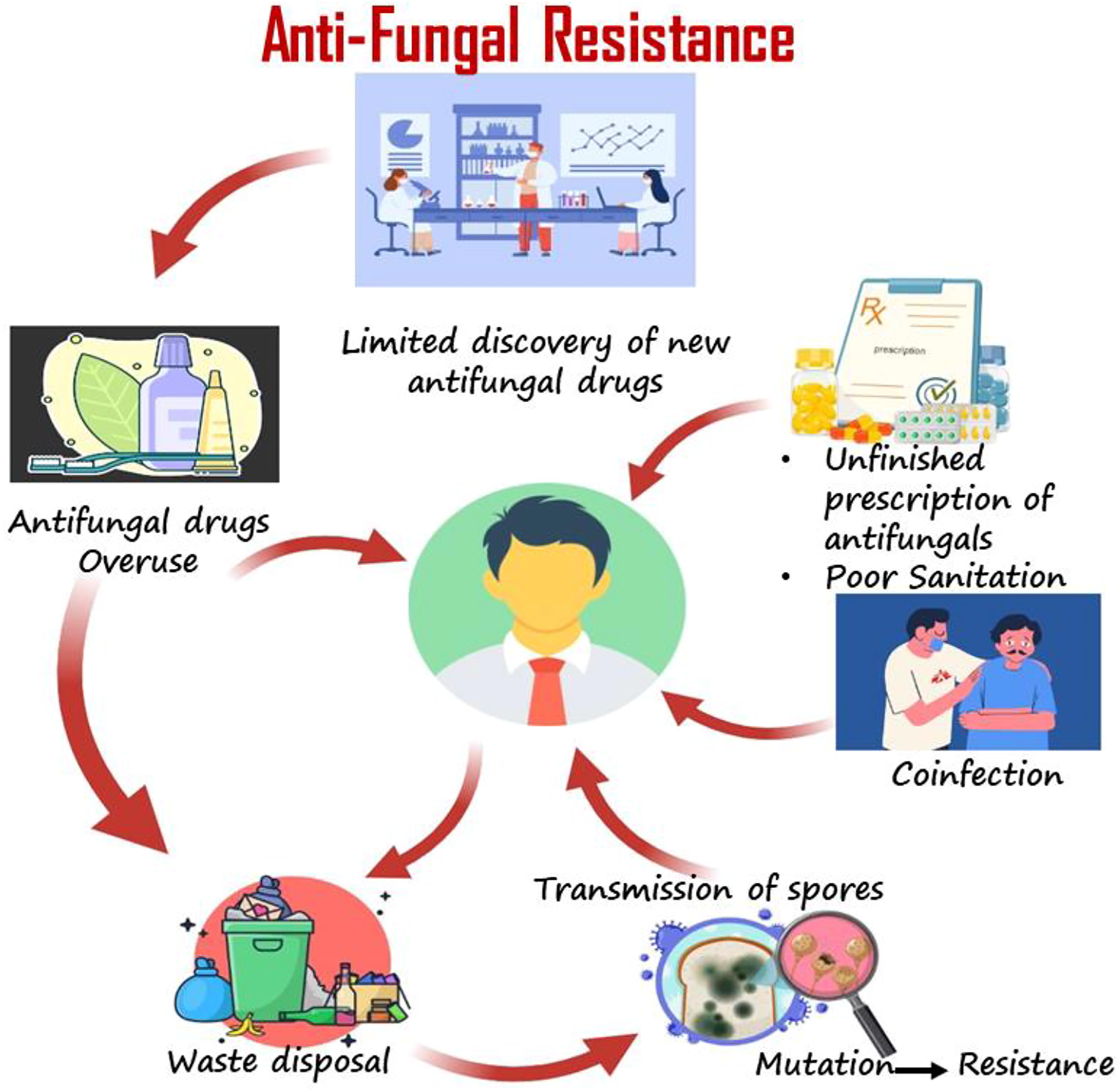
Common methods of transmission of antifungal resistance to humans.
Fungi are especially pathogenic due to their eukaryotic biochemistry, which results in a smaller number of selective pharmacological targets against which inhibitors can be developed. 11 These inhibitors are meant to be non-toxic to human, animal, and plant hosts. Furthermore, there are no therapeutic vaccinations or Supplementary Data S1 immunotherapies that are now accessible to support human health care. 12 As a result, it is necessary to rely on a restricted arsenal of antifungal drug classes to treat an increasing number of fungal infections. The advent of drug-resistant, drug-tolerant, or drug-insensitive organisms, as well as the growing number of vulnerable hosts, are all factors that make these challenges even more difficult to overcome. Since multiple fungal strains have developed resistance to various groups of antifungals throughout the course of time, the demand for novel antifungals has become an even more pressing issue. 13 –15 The same has been demonstrated in Figure 2.
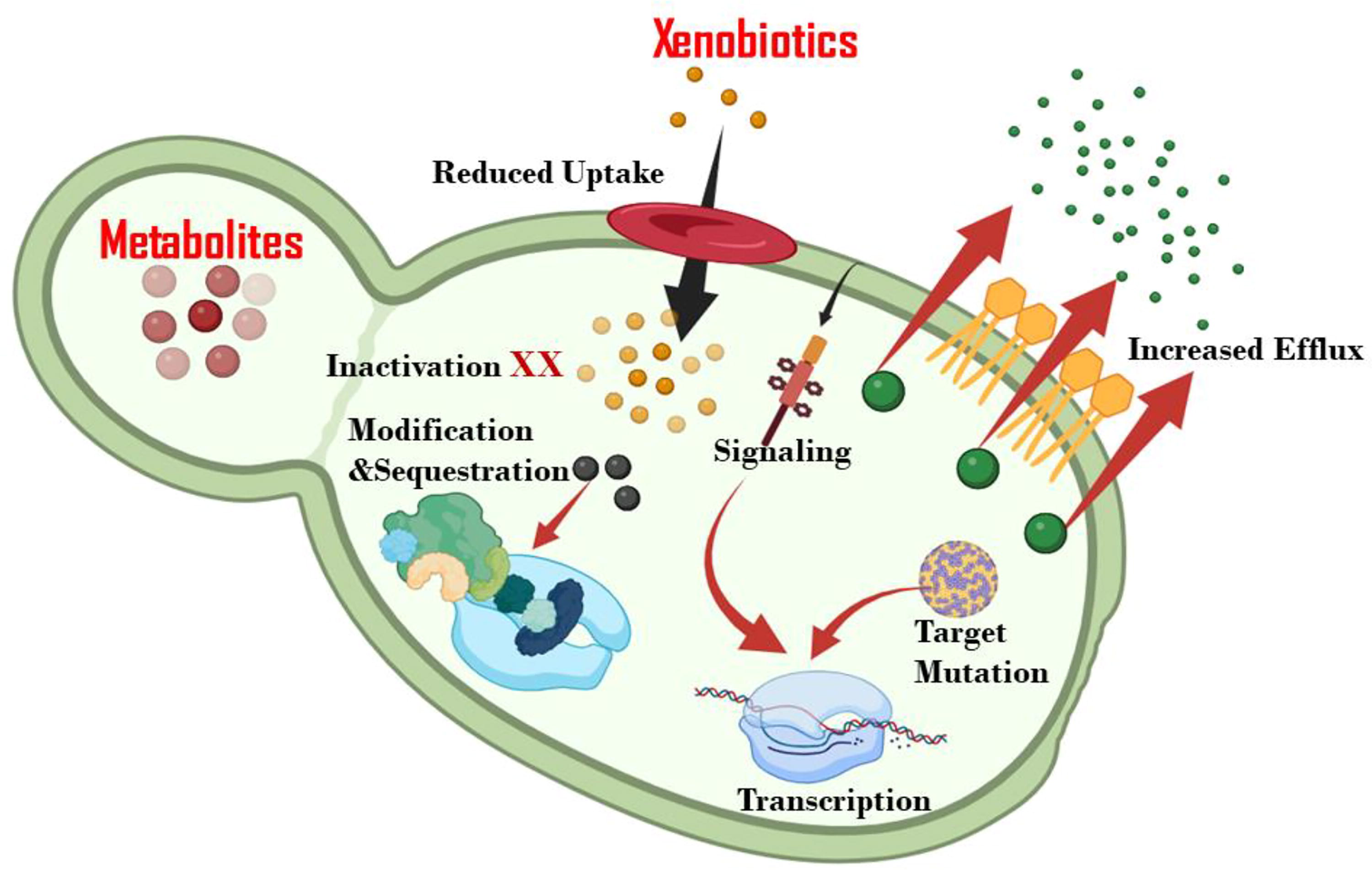
Mechanism of antifungal resistance.
The Sustainable Development Goals (SDGs) set a determined target to eradicate the widespread occurrences of several diseases, such HIV-AIDS, tuberculosis, and malaria, by the year 2030 under Goal 3 of the SDGs. 16 In 2020, the monitoring framework for Goal 3 added two new indicators which are related to AMR. These cover both bacterial and fungal resistance. 17 These are connected to the health objective 3.d. This target aims to enhance the ability of all nations, especially developing ones, to detect, mitigate, and manage health risks at both national and global levels. The World Health Organization estimates that by 2050, if no significant action is taken, AMR would cause 10 million deaths annually, making it the leading cause of mortality. 18,19 AMR is mostly referred to in relation to bacterial resistance; nonetheless, antifungal resistance continues to be an overlooked facet of AMR. It has been reported that fungal infections are responsible for the deaths of about 2 million individuals every year. 20 The process of evaluating and assessing research activity on AMR in fungal pathogens typically involves the utilization of bibliometric analysis, which can be defined as the quantitative examination of scientific data through the utilization of statistical tools and mapping techniques. 21 Systematic reviews and scoping reviews are two types of reviews that are distinct from bibliometric analysis.
An evaluation of bibliometrics involves retrieving documents from a single database and then doing quantitative and qualitative analyses of those documents for the purpose of identifying bibliometric markers. 22 Gray literature is not included in the scope of bibliometric study. The purpose of systematic reviews is to provide an answer to a research issue by utilizing a restricted number of publications chosen from a variety of databases, which may include gray literature. In systematic reviews, but not in bibliometric analysis, the papers that are originally retrieved contain a significant number of duplicate documents. By employing specific selection methods, these duplicate documents are eliminated from the pool of documents. One difference between the bibliometric analysis and the systematic review is that the former allows researchers to follow up with their findings and conduct meta-analysis, while the latter does not. 23
Scoping reviews are characterized as a preliminary assessment of the prospective quantity and scope of accessible research literature, which typically includes ongoing research. The purpose of this assessment is to determine the nature and extent of research evidence. There have been several bibliometric studies that have been published on various elements of AMR, including antimalarial drug resistance, carbapenem resistance, antituberculosis medication resistance, uropathogen resistance, and several other areas. 21,24 There have been no bibliometric studies published on global research trends in AMR for fungal species. Considering this, the current study was carried out with the purpose of evaluating and analyzing the global research effort on AMR in the environment. In the present investigation, the Scopus database was utilized as a resource for the purpose of retrieving the important research publications.
Methods
Quantifiable bibliometric maps were created for scientific data in this investigation. This study’s technique, which analyzes development of AMR over the last decade especially in the case of fungal infections has major developments. Common academic databases including Google Scholar, Mendeley, SCOPUS, and Web of Science were utilized for the metrics. 25 The distinction between a bibliometric analysis and review paper resides in their objectives. A review article focuses on recent accomplishments, challenges, and future investigation in a certain topic matter, while a bibliometric analysis paper takes a different approach. SCOPUS database was preferred over Web of Science due to its superior bibliometric data coverage, larger journal coverage, and faster indexing procedure.
The data extraction was performed in November 2023 using the search query “antifungal* resistance*” to retrieve information related to keywords, abstracts, and authors. Figure 3 displays the main outcomes of the search phrase used for all languages. A total of 9553 documents were discovered, including 7180 research papers, 1791 review articles, 132 editorials, 87 books, 2 conference proceedings, and other publications (not displayed here) in the initial findings. This is the cumulative number of publications published from 2015 to November 2023 that focus on the mechanism of antifungal resistance and how it spreads. This work only covers the spread of antifungal resistance, which is a subtopic of the broader AMR.

Data on publications for AMR from 2015 to 2023 (retrieved from SCOPUS on November 4, 2023). AMR, antimicrobial resistance.
Publication figures vary, but on average there are 250 publications per year with an incremental pattern. Antifungal resistance is a significant concern for doctors treating invasive fungal diseases because there are few effective antifungal medications available. Current medications may have restrictions due to interactions with other prescriptions and severe adverse effects that hinder their long-term usage or dose increase. 26 Several experimental antifungal drugs are being developed, some of which show promise in combating resistance to azoles and echinocandins. These drugs target ergosterol and β-glucan production, together with molecules with unique modes of action that could address the drawbacks of existing antifungal classes, such as resistance and side effects or toxicity. 27
The search string was then adjusted to meet a specific inclusion requirement for this study. This included research articles published in English. The search was restricted to the Sciences domain to visualize data indicating the potential for understanding the research of antifungal resistance as a major public health concern and a slow-moving pandemic. The search query produced 3401 publications. The data was extracted as comma-separated values files and examined using VOSViewer software (version 1.6.19). VOSViewer creates author, article, and journal maps based on citation data and provides a co-occurrence keyword map. VOSViewer may be used to construct networks comprising scientific articles, journals, researchers, institutions, countries, and concepts. 28 Additionally, it provides text mining capabilities for constructing and visualizing co-occurrence networks of significant phrases taken from a collection of scientific literature.
When compared to other bibliographic tools such as CitNetExplorer, Pajek, and Bibliometrix, it was observed that the visualizations produced by these software programs are inferior to those provided by VOSViewer. 29 VOSViewer can provide detailed bibliographic maps presented with clear graphical representations. This study utilized SCOPUS for data retrieval and VOSViewer for network mapping. This work uses bibliometric network analysis to examine many elements of AMR research (of the antifungals), such as yearly distribution and growth trends, keyword co-occurrence, top publication sources, authors, articles, and regions. Each aspect holds unique importance and value, including its emergence and investigation, proximity to current research, credible and valuable replication, communication and collaboration, insights and assessment, and significant contribution.
Results and Discussions
CONTRIBUTION OF PUBLICATION SOURCES
Mapping publishing sources is crucial for evaluating the expansion of research in the antifungal resistance field for AMR.
Table 1 displays the primary publication sources and journals for applied antifungal research with a minimum of 5 documents from January 2015 to November 2023. The top four journals in this ranking (in terms of research published) are Frontiers in Microbiology, Antibiotics, Journal of Applied Microbiology, and Letters in Applied Microbiology. The research shows results that offer the roadmap of how antifungals have become ineffective over the years. Researchers identifying the problems from here and developing novel solutions are likely to receive significant citations upon publication.
Publication Sources on AMR Based on Antifungals between 2015 and 2023 (excluding Self-Citations)
AMR, antimicrobial resistance.
This information is evident in the table from the top four sources which shows greater than 1000 citations in combination. It is important to remember that AMR is a slow-moving pandemic, which will reach its peak in the next ten years. 20 Research that is being published now to show its mechanism will be a key then to combat it. The Elsevier journal Microbial Pathogenesis shows interesting analytics with only 15 documents, having 639 citations. These publications are mostly after 2021. This shows the research in AMR has accelerated since the COVID-19 pandemic which exposed how unprepared the healthcare system is across the globe. 30 Similarly, the European Journal of Medicinal Chemistry has 12 documents having 604 citations.
To better comprehend the influence of these research outputs, the total citations of the research on antifungal resistance from these journals are calculated together with their link strength as shown in Table 1. The total link strength in VOSViewer as shown in Figure 4 for the journal indicates the overall strength of co-authorship connections between a researcher and other researchers. Components can possess many features such as the links attribute, total link strength attribute, and a custom weight attribute.
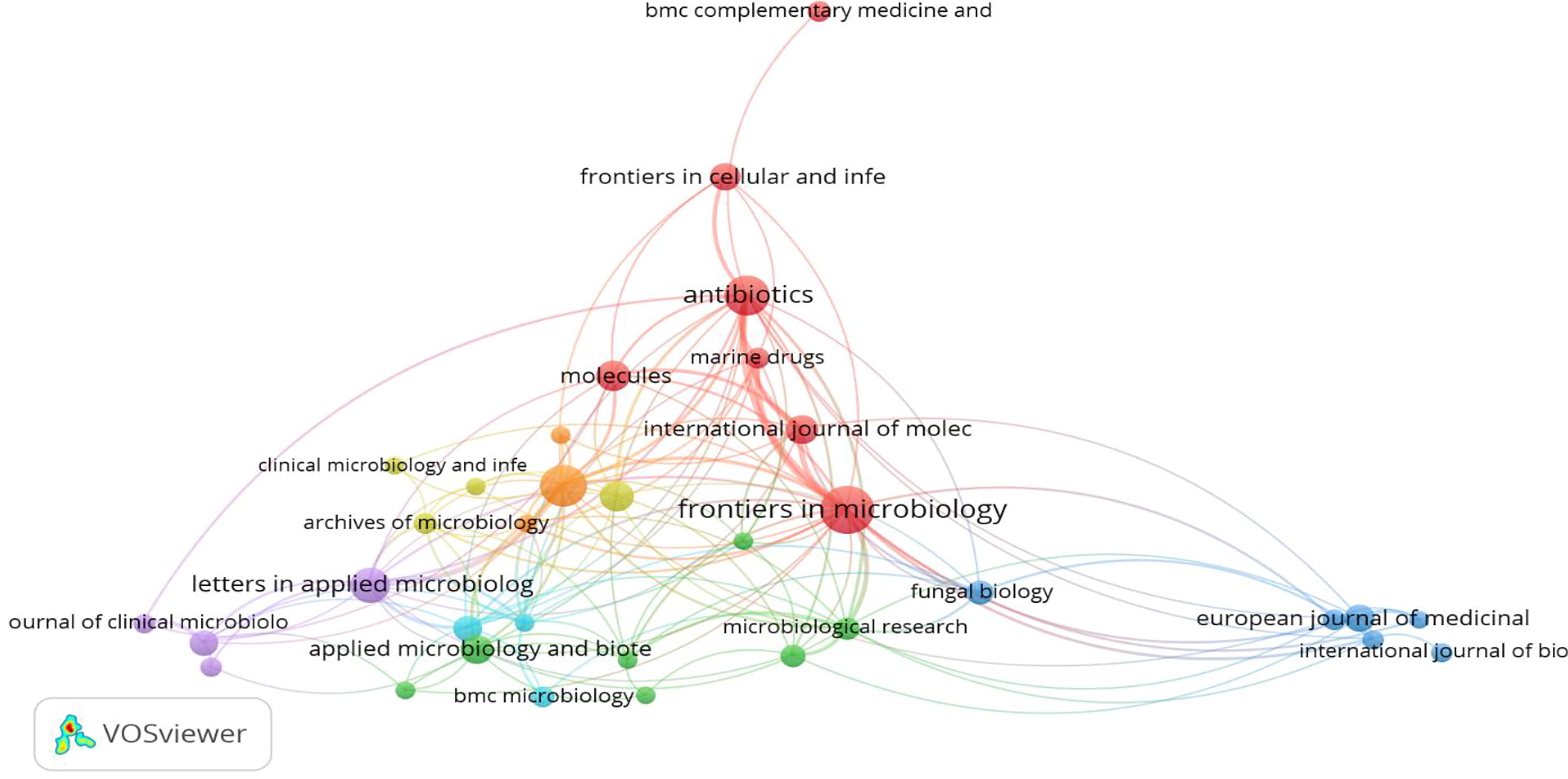
Bibliographic coupling of the most important sources for the purpose of publishing the spread of antifungal resistance and its mechanism.
These data solely pertain to research articles focused on the mechanism through which antifungal resistance has spread. The reduction of drug-target interactions (for example, through changes in drug affinity) and the reduction of intracellular drug levels (for example, using drug pumps) are both mechanisms that contribute to antifungal drug resistance. 31 These advancements are crucial for advancing AMR research settings to practical testing facilities. Some components of this have already begun to materialize.
TRENDS IN KEYWORDS
Indexers and search engines depend on keywords to help locate relevant publications. If database search engines can find a journal article, then anyone searching for it will also be able to do so. This will likely lead to more researchers reading manuscripts, resulting in an increase in citations and potentially leading to the creation of design patents for antifungal drugs which have combinations other than those of pharmaceutically active compounds. This could include the incorporation of essential oils and plant extract and studying synergism between conventional drug and the plant phytocompounds as novel drug delivery agent. This can help advance research, development, and demonstration. Figure 5 displays the top keywords searched in the context of antifungal resistance or the most used terms while searching for relevant material. The most frequently searched terms are displayed in a larger font size, including antimicrobials, antibiotic resistance, antifungal, and Candida albicans.
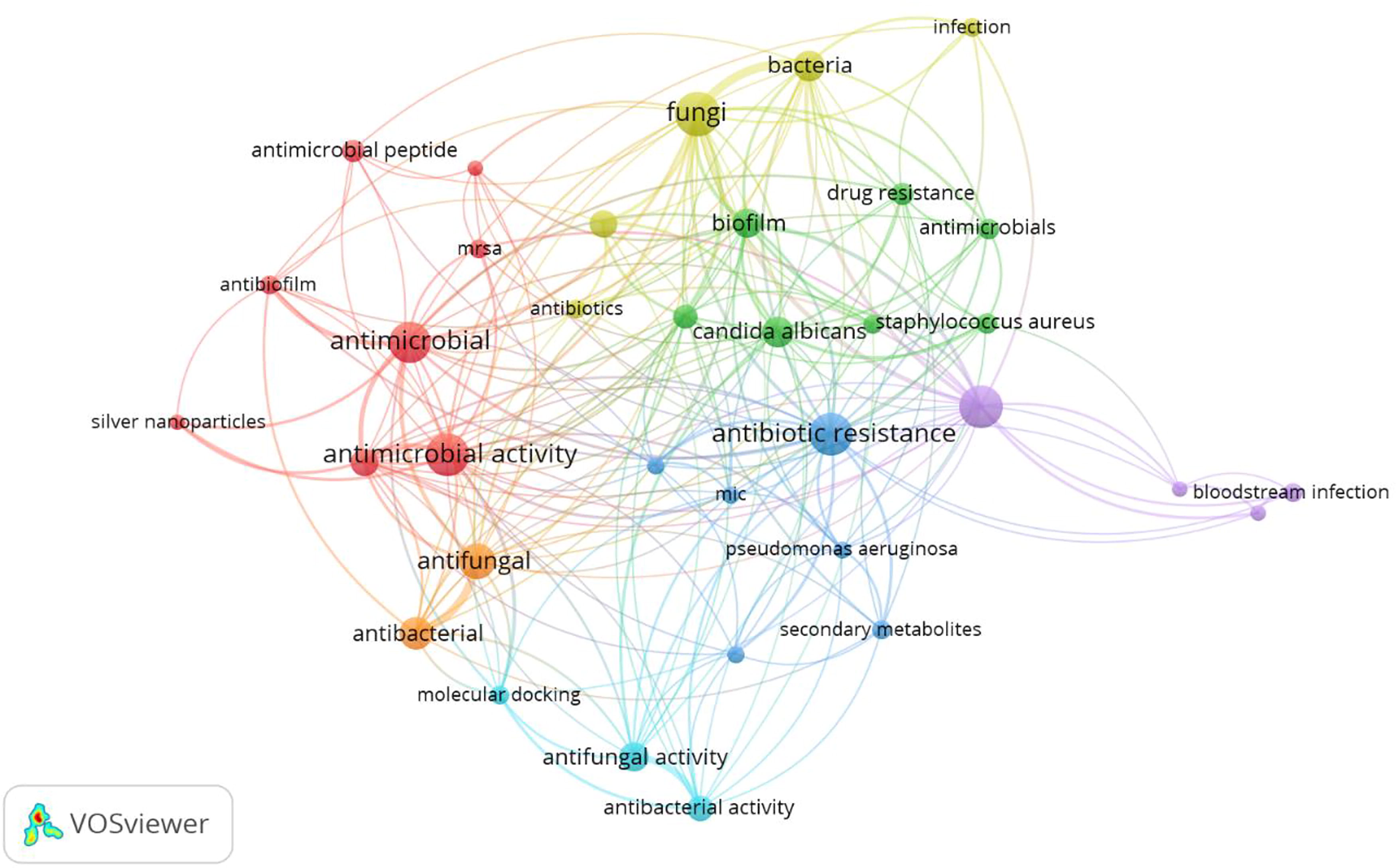
Search string showing the results for co-occurrence of keywords and its network visualization.
The network visualization method is effective to find keywords that have been searched at least 100 times in the SCOPUS database for antimicrobial research. A total of 25 keywords cooccurred. This displays the co-occurring network; further Figure 6 illustrates the overlay visualization for these keywords. The graphic depiction uses circles to show the frequency of term usage, where larger circles represent higher frequencies. The circles’ location indicates correlations identified in articles. Scopus data suggests that the term antifungal resistance has been searched at least 4319 times, with Candida albicans searched 3380 times in the database between 2015 and 2023.

Search string result of keywords overlay visualization; between the years 2015 and 2023, the Scopus database has been searched for antifungal resistance research a minimum of 100 times for each individual word that is included in this cluster.
TRENDS IN CONTRIBUTION OF AUTHORS
The author and co-author networks offer significant insights into research groups focusing on a particular mechanism of the spread of AMR. The significance of their research can be assessed by the number of citations they obtain. Increased citations suggest the impact of the work on a higher level. Authors who have published research on AMR related to the antifungals were analyzed for their citational data and visualized in Figure 7. This visualization displays the 18 highly cited writers whose works have been combinedly referenced at least 2000 times in scientific publications.
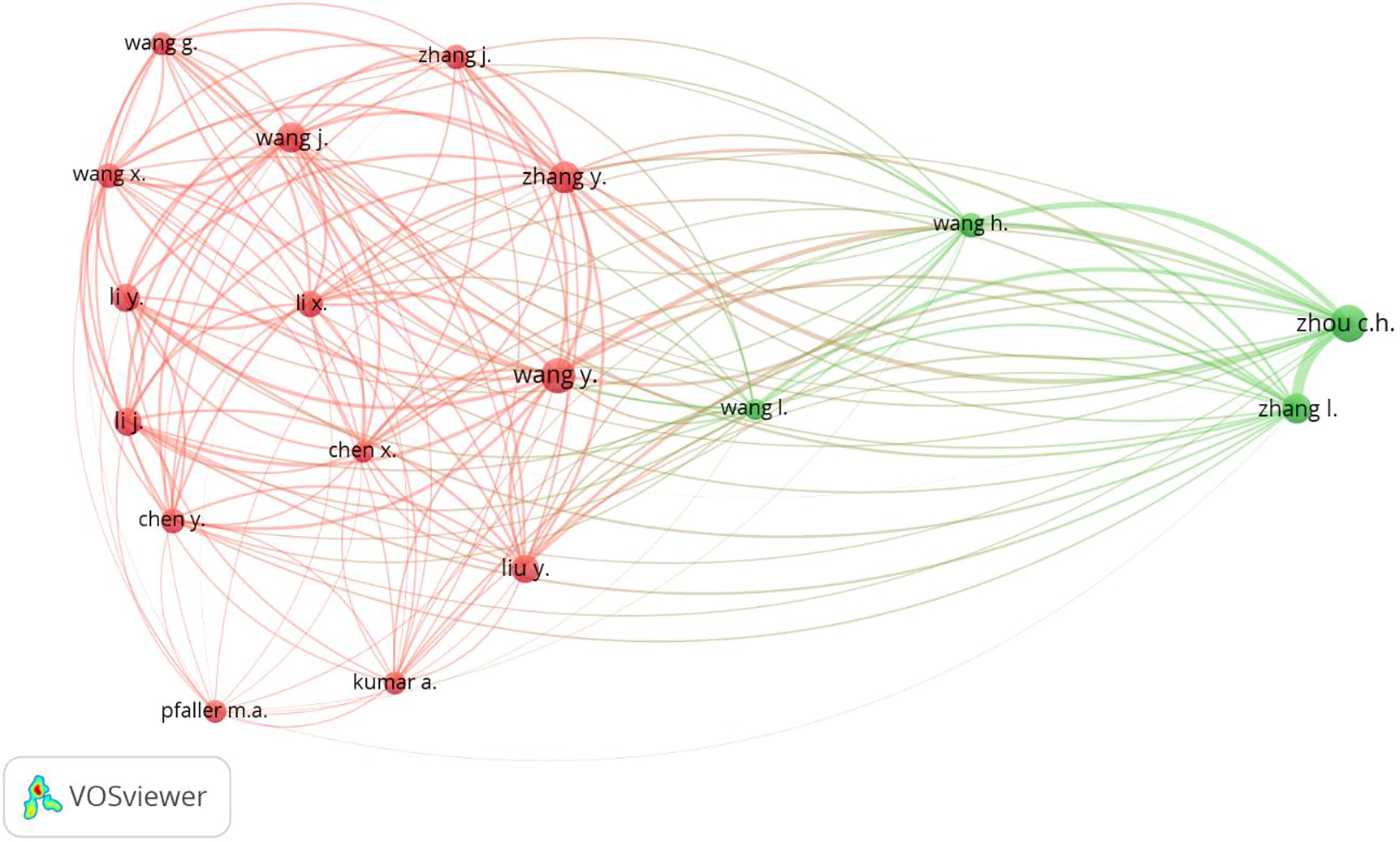
Highlighting author contributions by measuring the combined influence of co-citation connections with other author networks.
The bibliometric analysis for authors revealed that Cheng-He Zhou (written here as Zhou CH) is a major contributor in this field with more than 250 citations to their name their work is carried out primarily at the Institute of Bioorganic & Medicinal Chemistry, Southwest University, China. This is followed by Yulian Wang (Wang Y.) from the Huazhong Agricultural University, Wuhan, China with 258 citations for their documents specific to the mechanism of the spread of antifungal resistance. This is followed by Jing Wang (Wang J.) and Lei Zhang (Zhang L.). As shown in Table 2, it is interesting to note that most of the authors in this list are of Chinese origin. This goes back to 2005, when the China Antibiotic Resistance Surveillance System (CARSS) was established by the former Ministry of Health, now known as the National Health Commission (NHC), to monitor antibiotic resistance in hospitals. Since then, the country has observed high rates of microbes not responding to conventional drugs, leading researchers to investigate in this field.
List of Authors Working Actively to Understand the Mechanism of the Spread of Resistance to Fungal Medications and Their Bibliometric Link Strength
This data visualization illustrates that citations establish connections among scholars in different geographic areas. Authors and their institutions facilitate the possibility of doing research on AMR for developing remedies according to the mechanism that can either damage the cell wall or the cell membrane of the microbes. Overlay visualizations can be used to illustrate changes over time. Conversely, density visualizations provide a succinct overview of the key areas in a bibliometric network at a quick glance. 28 Density visualizations for these authors are shown in Figure 8. When generating a cluster density visualization, a point’s color is determined by averaging the hues of the surrounding clusters. Assigning importance to a cluster’s color is based on the proximity of additional items from that cluster to a specific location, which increases its influence.
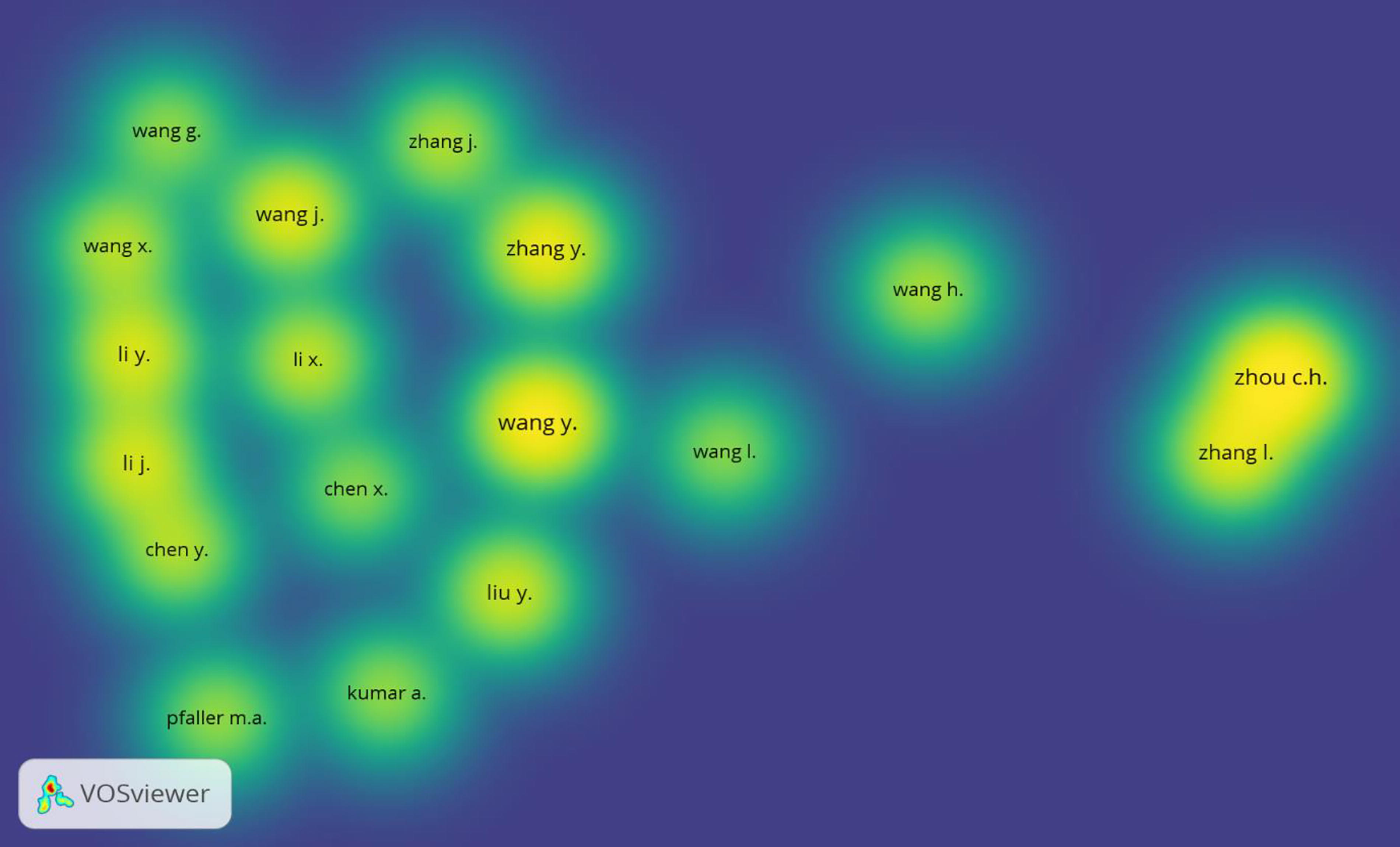
Visualizing the density of author contributions in AMR research with respect to the spread of antifungal resistance with its related citations and co-authorship. AMR, antimicrobial resistance.
Each cluster in this visualization represents a primary researcher and their research team whose work has garnered significant documents and citations in this evolving field. The correlation between the article and citation aids in pinpointing research with the highest impact. High early citations suggest works of quality that establish significant milestones in the healthcare research sector, making them more likely to be referenced by future scholars.
ANTIFUNGAL RESISTANCE RESEARCH BY COUNTRIES
From the initial AMR search string, it was seen that seven countries have more than 600 publications combined and lead the research in understanding the mechanism and spread of antifungal resistance. China leads the document list with 162 documents having 3165 citations, followed by the United States with 153 documents having 3982 citations. This was followed by India at the third place with 97 documents and 1844 citations, with Brazil at the fourth place with 76 documents and 1069 citations. Table 3 shows the full list of countries who have averaged at least 7 documents in this field with the corresponding document numbers and overall citations. The total citations in antifungal resistance research from these nations are calculated along with their link strength to better comprehend their impact.
Countries with a Minimum 7 Publications in the Applied Search String “AMR” Research with “Antifungal Resistance”
AMR, antimicrobial resistance.
The search query in VOSViewer resulted in the visualization shown in Figure 9, displaying the list of 30 nations that have published at least 5 documents on the spread of antifungal resistance and its mechanism during a specific timeframe. This statistic is generated by analyzing the bibliometric coupling of publications and their citations to assess the influence of these countries and their research. The total link strength in VOSViewer indicates the overall strength of coauthorship connections between a researcher and other researchers. Items can possess many features such as the links attribute, total link strength attribute, and a custom weight attribute. 32
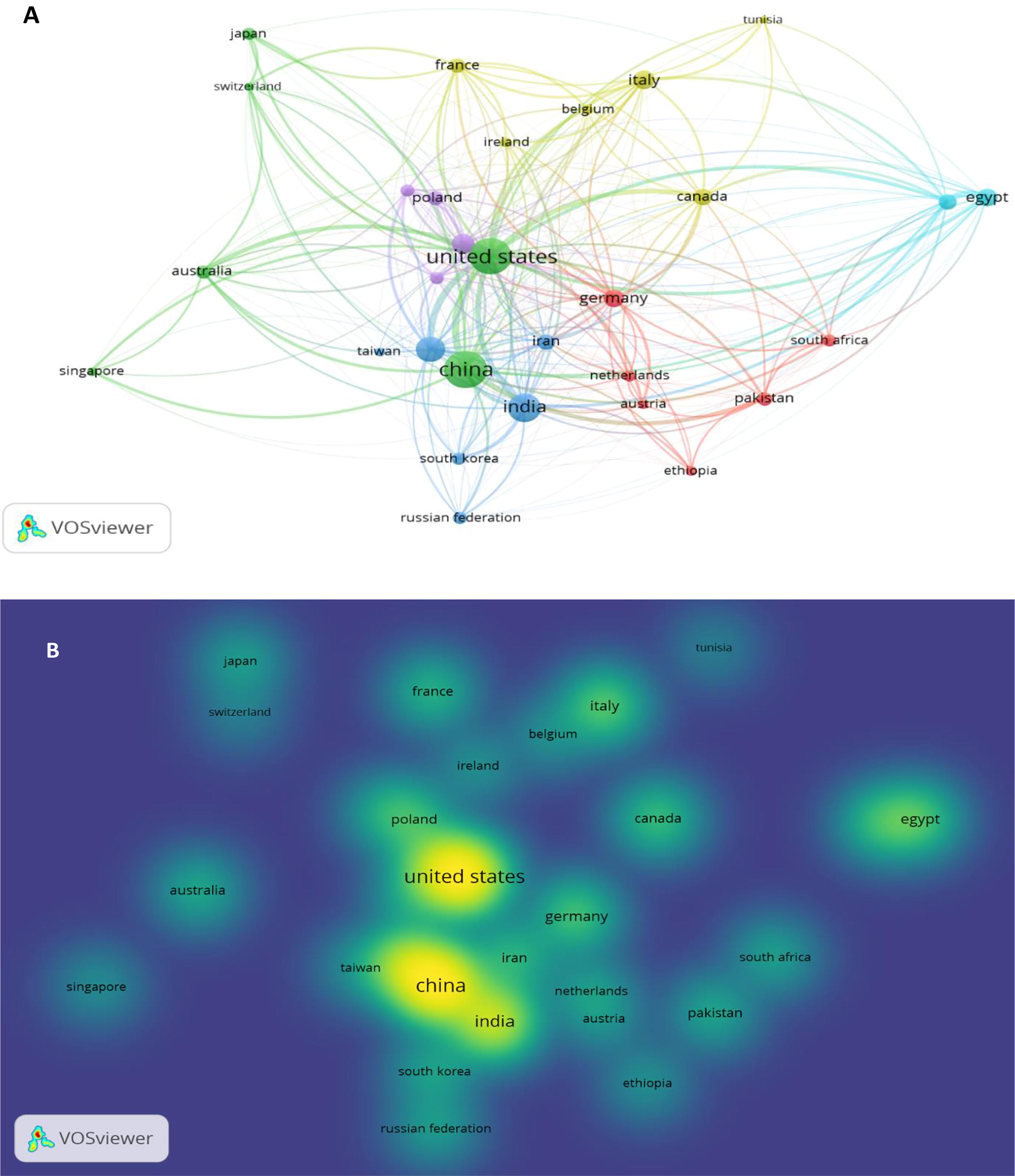
Countries with minimum 10 publications with their
These studies reveal that antifungal medication is a key aspect of treating patients with acute and chronic fungal infections. Treatment options are limited due to the scarcity of antifungal medication categories. The clinical treatment of fungal illnesses is made more difficult by the development of resistance to antifungal drugs, which reduces the effectiveness of current treatment choices. Antifungal drug resistance, once uncommon, is now increasing in numerous high-risk medical facilities. The most worrying issue is the development of multidrug-resistant organisms that are resistant to multiple types of antifungal drugs, particularly among common Candida species. 33
The processes responsible are largely common to both resistant strains with naturally decreased susceptibility and those developing resistance during treatment. The molecular mechanisms involve changes in drug binding and target quantity, decreased drug levels inside cells due to efflux pumps, and the development of biofilms. 34 The outcome of understanding research in this field for the last decade involves laying the foundation for a better understanding of the evolution of antifungal drug resistance, provided by new insights into genetic variables that regulate these pathways, as well as cellular components that are critical for stress adaptation.
There are several clinical consequences that can be triggered by antifungal resistance. These include poorer clinical outcomes, breakthrough infections, treatment failures, changes in the prevalence of disease-causing Candida species, and an increased incidence of previously infrequent species that have a low susceptibility to the antifungal agents. Additionally, in the broader context of AMR, there are four major clinical implications which can be summarized as follows: A wide variety of health disorders that are brought on by bacteria, fungi, and viruses are more difficult to treat effectively due to the presence of AMR. Without novel drugs to control AMR, various medical procedures, such as chemotherapy for cancer, organ transplantation, and even basic dental surgery, would have a lower chance of being successful. The development of new resistance mechanisms within microbes poses a threat to existing capacities to cure common diseases such as typhoid and influenza. Consequently, this will lead to prolonged illness and treatment, permanent impairment, or even death. Antibiotic-resistant individuals result in higher health care expenses than their counterparts because they are required to undergo treatment for a longer period and require more expensive medications.
Additionally, it is important to remember the advances in initiatives such as The One Health Approach, which acknowledges the interconnectedness between human health, animal health, and the health of the shared environment. 29 The concept of One Health is not novel, but its significance has escalated in recent years. This is due to the alteration of various elements that have impacted the relationships of individuals, animals, plants, and our surroundings. Effective public health initiatives necessitate collaboration among partners in human, animal, and environmental health. Professionals in the fields of human health (such as doctors, nurses, public health practitioners, and epidemiologists), animal health (including veterinarians, paraprofessionals, and agricultural workers), environment (such as ecologists and wildlife experts), and other specialized areas must engage in effective communication, collaboration, and coordination of their activities. Additional pertinent stakeholders in a One Health framework may encompass law enforcement, policymakers, agribusiness, communities, and even pet proprietors. 35 Addressing difficulties in the animal-human-environment interface requires collaboration from multiple individuals, organizations, and sectors.
Outlook
The current study conducted an extensive bibliometric analysis of AMR articles focused on antifungal resistance and its transmission. The data was obtained from SCOPUS between January 2015 and November 2023. This work’s implications will assist new researchers in developing novel drugs, which can have potency higher than conventional pharmaceutically active compounds. It will also aid academicians in locating the most optimal analytical data for synergism studies with plant extracts and essential oils which can enable policymakers to facilitate collaborative projects by identifying institutions and countries that have made significant contributions in this field. This would facilitate innovators in supporting researchers in various laboratories involved in interdisciplinary biotechnology initiatives. It will also aid governments and corporations in identifying investment opportunities and prioritizing specific areas of health technology development through comparison with past cooperation. Specific searches may yield limited data, including impactful work published in low-index journals, language bias, and delayed data availability. These factors might be seen as both challenges and opportunities.
Recent investigations show significant progress in antimicrobial research, although further exploration is required to produce economically and technically feasible drug design which can treat patients without significant side effects and have low toxicity. The main discoveries from the bibliometric analysis using the antifungal resistance search string are: The top four journals for publishing research on antifungal resistance have been: Frontiers in Microbiology, Antibiotics, Journal of Applied Microbiology, and Letters in Applied Microbiology. They belong to different publishers and have a minimum of 250 sources citing them. Common keywords in antifungal resistance research include antimicrobials, antibiotic resistance, antifungal, and Candida albicans. Bibliographic coupling showed that keywords within the research focus on finding alternatives to current drugs and how to control the spread of fungal infections from the Candida specie. This can aid future researchers in devising remedies for a particular issue within the AMR study field. China, the United States, and India have the highest number of publications. This analysis shows how papers and their citation metrics link research labs from various geographic regions. The same three countries have the highest number of citations per document, demonstrating a superior research impact compared to other geographic regions. The most notable citations for work related to mechanism of antifungal resistance are with Cheng-He Zhou, Yulian Wang, Jing Wang, and Lei Zhang. Published research by these authors represent larger network circles than those written by other authors, which indicates that they have a greater influence and impact in the same field.
Footnotes
Authors’ Contributions
R.B.: Conceptualization, Methodology, Writing—Original Draft, Resources. D.B.: Writing—Original Draft, Visualization, Validation, Formal analysis, Supervision. M.Z.: Resources. M.T.: Resources, Visualization.
Data Availability Statement
Data will be available from corresponding author upon reasonable request.
Ethical Approval Statement
Ethical approval is not needed as this study is a statistical analysis using VOSViewer.
Author Disclosure Statement
The authors declare no conflict of interests.
Funding Statement
No funding was received for this work.