




Abstract

1. World's first Microhub makes spatial context accessible for all
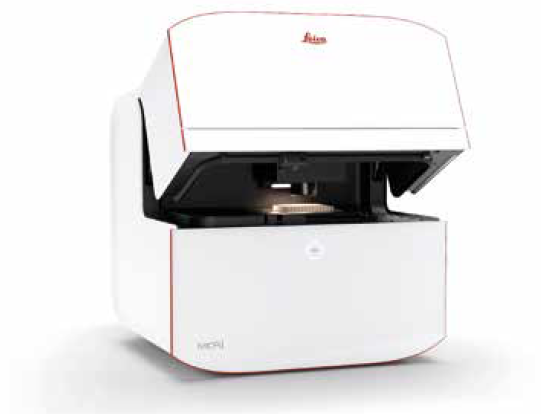
Leica Microsystems, a leader in microscopy and scientific instrumentation has launched Mica, the world's first Microhub. A Microhub is a new type of wholly integrated imaging solution that leverages machine learning software, automation tools and unique fluorescence unmixing techniques to automate the imaging workflow for researchers, regardless of their microscopy experience levels. The Microhub intelligently automates sample-finding, parameter-setting and focus constancy, replacing manual setup with just one push of a button. Mica eliminates over 85 percent of the tedious setup steps in the conventional imaging workflow. Users can visualize four labels simultaneously in widefield using Leica's patented FluoSync technology, which offers four times more data with 100% correlation compared to traditional fluorescence imaging methods. They can then switch seamlessly to confocal without moving the sample. All researchers, regardless of expertise, can now work in a single digital imaging platform, moving confidently from setup to beautifully visualized results.
2. Quantabio Launches Ultra-Fast RNA Library Prep Kit with Integrated Ribosomal RNA and Globin Depletion for Precision Oncology Applications

A leading provider of robust DNA and RNA amplification reagents for the most demanding molecular testing and life science research applications, today announced the commercial availability of the sparQ RNA-Seq HMR Kit, an ultra-fast RNA next-generation sequencing (NGS) library preparation tool with integrated ribosomal RNA (rRNA) and globin mRNA depletion. The new kit enables scientists to generate high-quality stranded transcriptome libraries from challenging FFPE or low-input human, mouse and rat (HMR) samples in five hours with minimal hands-on time.
RNA-seq technologies enable scientists to gain critical insights into the molecular and cellular basis of disease. Specifically, the ability to sequence the coding and non-coding regions of RNA provides oncology researchers with a complete view of the cancer transcriptome and a better understanding of tumor classification and progression. RNA-seq is particularly useful for identifying the oncogenic drivers, fusion genes and gene expression changes in tumors.
3. Tempus' EDGE Platform Leverages Data & AI to Identify Therapeutic Options for Patients Earlier in the Treatment Journey
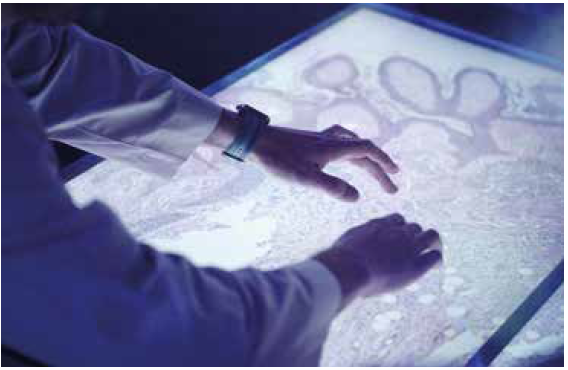
Tempus, a leader in artificial intelligence and precision medicine, today announced the launch of EDGE, an innovative platform that allows pathologists to access developing AI models intended to identify specimens with potentially actionable biomarkers using a single hematoxylin and eosin stain (H&E) slide. With access to over 50 petabytes of de-identified multimodal data, Tempus is developing AI models with the aim to identify patients who would benefit from additional testing and may qualify for targeted therapies, including those in clinical trials, earlier in their cancer care journey.
4. Element Biosciences Launches the AVITI™ System to Democratize Access to Genomics
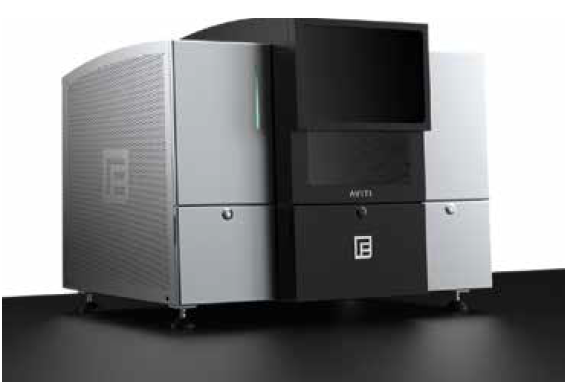
Element Biosciences Inc., developer of a new and disruptive DNA sequencing platform, today announced the commercial launch of the Element AVITI™ System, a benchtop sequencer offering an unrivaled combination of performance, cost, and flexibility. Element's proprietary Avidity Sequencing™ chemistries enables exceptional accuracy and cost efficiency that is unmatched by other benchtop systems. The AVITI System operates two random access flow cells that enable independent run start flexibility of each flow cell, and the AVITI operating software features tunable read throughput control for additional run time flexibility.
Contact us at