




Abstract

With an average of seven years to pinpoint a diagnosis, with less than 250 FDA approved treatments, patients with one of the over 7,000 different rare diseases are currently facing some of the highest unmet medical needs.
Simply put—rare diseases are often complex and present intricate disease pathways, with each person having a completely different genetic makeup. The solution: capturing complete clinical pictures—from different ethnic backgrounds to the varying omics.
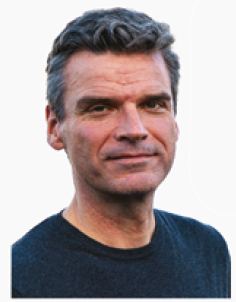
Professor Peter Bauer, CENTOGENE's chief medical and genomic officer, recently sat down with Inside Precision Medicine to discuss how a multi-ethnic and multiomic approach is key to accelerating personalized treatment options.
I often find myself surprised by the reality of—well, let's call it “European-centeredness”—in clinical practice. The result: missed diagnoses, discrimination of treatment options, and lack of accessibility to an entire medical infrastructure to almost everyone except for Caucasians.
Working in a company of over 400 employees from 60 nations, I can be quick to take for granted the culturally diverse and inclusive community that I find myself in every day. However, the reality is that beyond the walls of our offices, the field we work in is often characterized by the opposite of diversity.
In a global analysis (Popejoy, Fullerton, 2016), it was found that 81% of participants involved in genome-wide association studies were of European decent. Digging deeper into this, it quickly becomes apparent that not only does the majority of participants have European ancestry, but complete ethnic groups are almost entirely unrepresented.
Of the 19 non-European percent, 78% were from Japan, China, Korea, India, and other regions across east Asia, south Asia, and southeast Asia, while less than 5% were from African, Hispanic and Latin American, Pacific Island, Arab and Middle Eastern, and Indigenous decent put together.
There are several factors that contribute to this geographical disparity, such as failure to properly consider the varying ethnic differences, systematic bias, and a dark history of prior exploitation and unethical treatment. Only by understanding and acknowledging these, can we make changes. The first step is providing those underserved populations with access to genetic testing and multiomic research.
The diagnosis of many rare diseases is challenging due to often nonspecific clinical presentation or extreme rarity of the disease. Truly, each patient is different.
Molecular analysis has significantly advanced over the past decades—looking at phenomics, genomics, transcriptomics, epigenomics, proteomics, and metabolomics. To establish the most powerful and accurate diagnosis, one can take a combined look at the varying omics. By starting out with a complete clinical picture via such multiomic data, the process and precision of diagnosing and then treating rare diseases is being redefined. Working together with physicians and patients to collect this various data from the very beginning, we are now able to gain multilayer insights that help us provide the most accurate diagnosis, develop better disease models, and thus deliver more precise medicine alongside out partners.
While it may not always be the easiest, it is necessary to redefine the traditional approach. From the very beginning, you have to build an infrastructure that allows you to leverage such insights every step of the way—from diagnostics to drug discovery.
Over the past 15 years, CENTOGENE has strived to achieve just that. By offering rapid and reliable diagnosis alongside a network of approximately 30,000 active physicians, we have generated multiomic datasets. This multi-dimensional data is captured in our CENTOGENE Biodatabank, with nearly 700,000 patients represented from over 120 countries, over 70% of whom are of non-European descent. As a result, we have aggregated one of the most comprehensive rare and neurodegenerative disease biodatabanks in the world that goes beyond genetics and generates multi-ethnic and multiomic insights. In parallel, we have been able to launch MOx this year, one of the only commercially available portfolios of multiomic diagnostic tests, having already diagnosed patients in 48 countries.
But let me be clear. We don't think we are going above and beyond. We think this should be the norm. It is truly essential to establish a more inclusive and comprehensive approach to diagnostics and drug discovery, development, and commercialization. In the end, a lot of it comes down to making these changes and taking actionable steps as an organization and entire industry. It requires speaking out on the topic. It requires recognizing that we have to go beyond genetics and European descent if we want to deliver life-saving solutions to patients—combatting discrimination and reinforcing that anything less than this is just not enough. Are you willing to be the change?