




Abstract

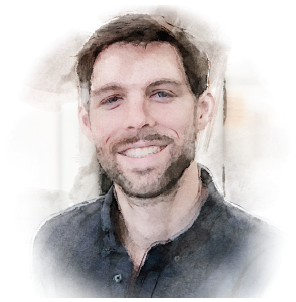
Patrick Short, CEO of Sano Genetics
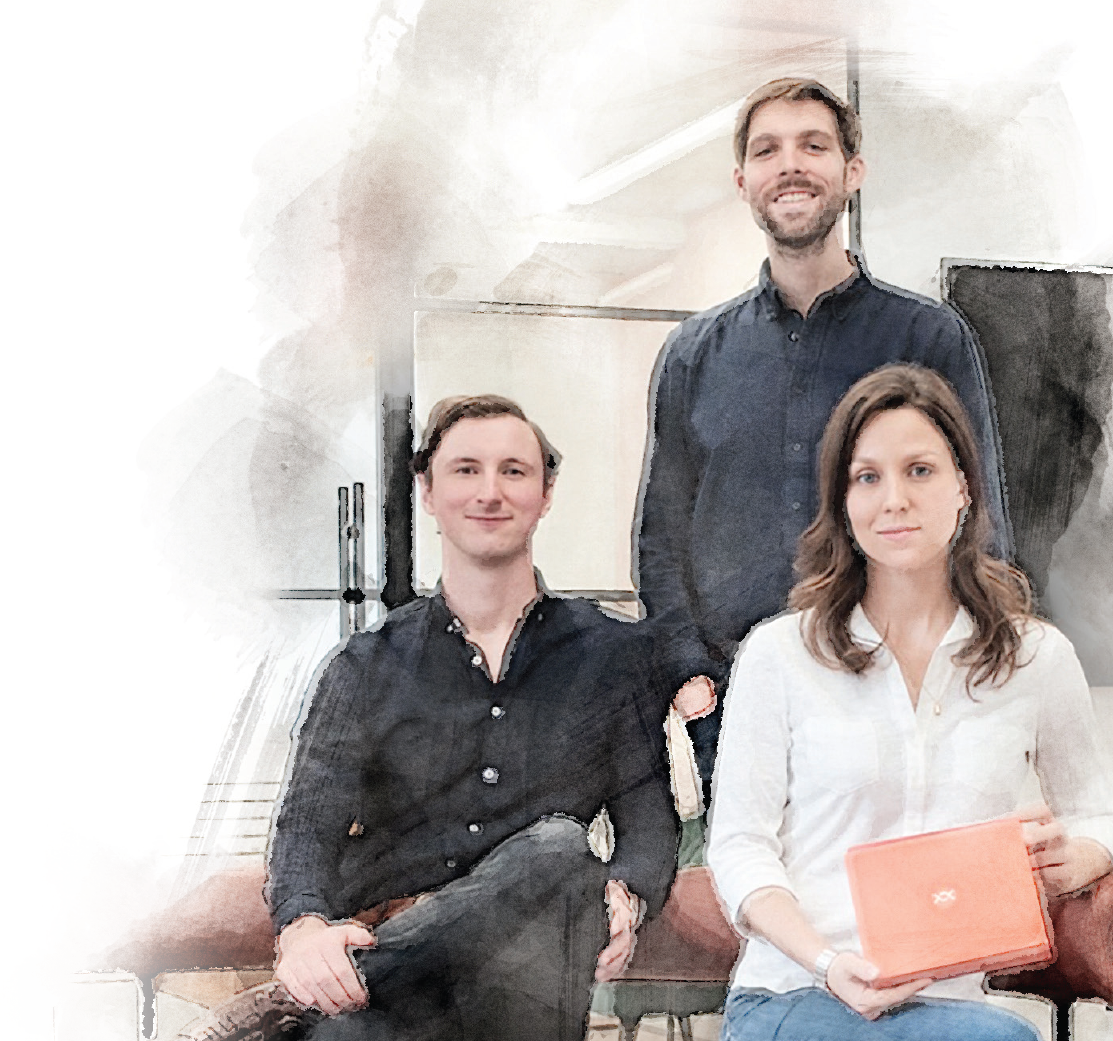
Sano Genetics' co-founders (L-R) William Jones, Patrick Short and Charlotte Guzzo
We quickly figured out that this was a problem, not just in the academic research world where we started, but it was also a big problem in the industry.… Researchers in pharma companies and biotechs have the same set of problems. We thought if we could provide an easy way for them to do it, then it would be a win-win for the participants and the researchers. So that was really the start of Sano back in 2017. We were still PhD students, and then when we finished, we started the company.
We began with a really simple website where participants who'd already joined a genetics research study could join and learn more about the research they were taking part in. It wasn't particularly complicated from a tech transfer perspective, because we weren't actually spinning out our research. We had a lot of discussions with the University of Cambridge and with the Sanger Institute, and they were all really supportive. The university actually ended up investing in every round through their seed fund.
I was an undergraduate with Joseph DeSimone at Stanford University. He spun a couple of companies out of his lab, and his lab was very much like a startup incubator. Then I worked with Matt Hurles at the Sanger Institute for about four years, and he spun out a company called Congenica while I was there. It's great to have role models that you can see doing that and making it work.
More practically, there were a lot of things that I was not exposed to as a PhD student that I had to learn and upskill on very quickly, the main one of which is people management and working as a team. I was fairly fortunate in Matt's group at the Sanger. It was a lot of team science … but you really don't have an experience as a PhD student of hiring 40 people over the course of three years or so and figuring out how to make an organization work.
I've had a lot of great support from our investors, advisors, and other kinds of people to just help me grow from that PhD student to the CEO role, which has been a lot of fun.
We think there are two solutions to this. One, there's a lot of genetic testing that's already being done through research, so why shouldn't that be made more accessible? If we think about large-scale genetic testing programs like the U.K. Biobank or others like that, there's no reason that we shouldn't be able to reconnect with patients who have already been tested for clinical trials.
The second piece is just making it easier for people to get tested in the first place, especially when the healthcare system won't pay for it. We're trying to break that negative cycle and turn it into a positive cycle where more testing leads to faster discoveries, which increases the value to the healthcare system of testing.
This is because scientifically we've realized a couple of things: First, you can never collect everything in the first questionnaire, so you need to be able to go back. Second, you can never collect enough samples; there's always going to be new types of 'omics. Finally, and this is a win for both patients and researchers, recontacting people to take part in research that will actually be potentially transformative for them in their families … there's an enormous value to science there.
It does have to be easy. What we're focused on is making it so when you set up one of these studies, you can have a participant portal where people can come and engage and you can be up and running within a week. You don't have to think about all the little pieces. It's just a press of a button.
There are a couple of companies in the U.S. that I'd considered to be competitors, but not necessarily direct competitors. Color is one of them; Invitae would be another. They run and own their own labs, which can be a good thing, but it also prevents them from really offering a global solution. We just focus on the software, and we partner with labs wherever the studies are running. As we expand, we also think it will help us to add new assay types more quickly.
It doesn't fully solve the problem. Just having a technology that says you can do it at home and online isn't a guarantee that your studies can be representative. The other really important thing we found is that you have to engage with marketing partners and community partners that actually have trust already built with communities that you're looking to engage with.
One of the things that's been a frustration for us is a lot of academic research funding doesn't really recognize this as a priority, in the sense of actually funding recruitment for diverse studies. When push comes to shove, a lot of the feedback from the grant funders is, “We can't fund recruitment. We'll fund the testing, we'll fund the scientists' time, but not recruitment.” If you really want to solve the problem, you need to pay people who know how to engage with underrepresented communities to help them to find their way to research.
We're also working a lot on the product side to make it faster and easier for somebody to set up one of these programs. By the end of the year, we expect that people will be able to set up a genetic testing study with us in less than a week and run it in multiple languages and multiple countries.
We want to ensure researchers don't have any reason why they couldn't have full longitudinal data and the ability to recontact participants and update consent baked into their study from the very beginning by using a platform like ours.