




Abstract

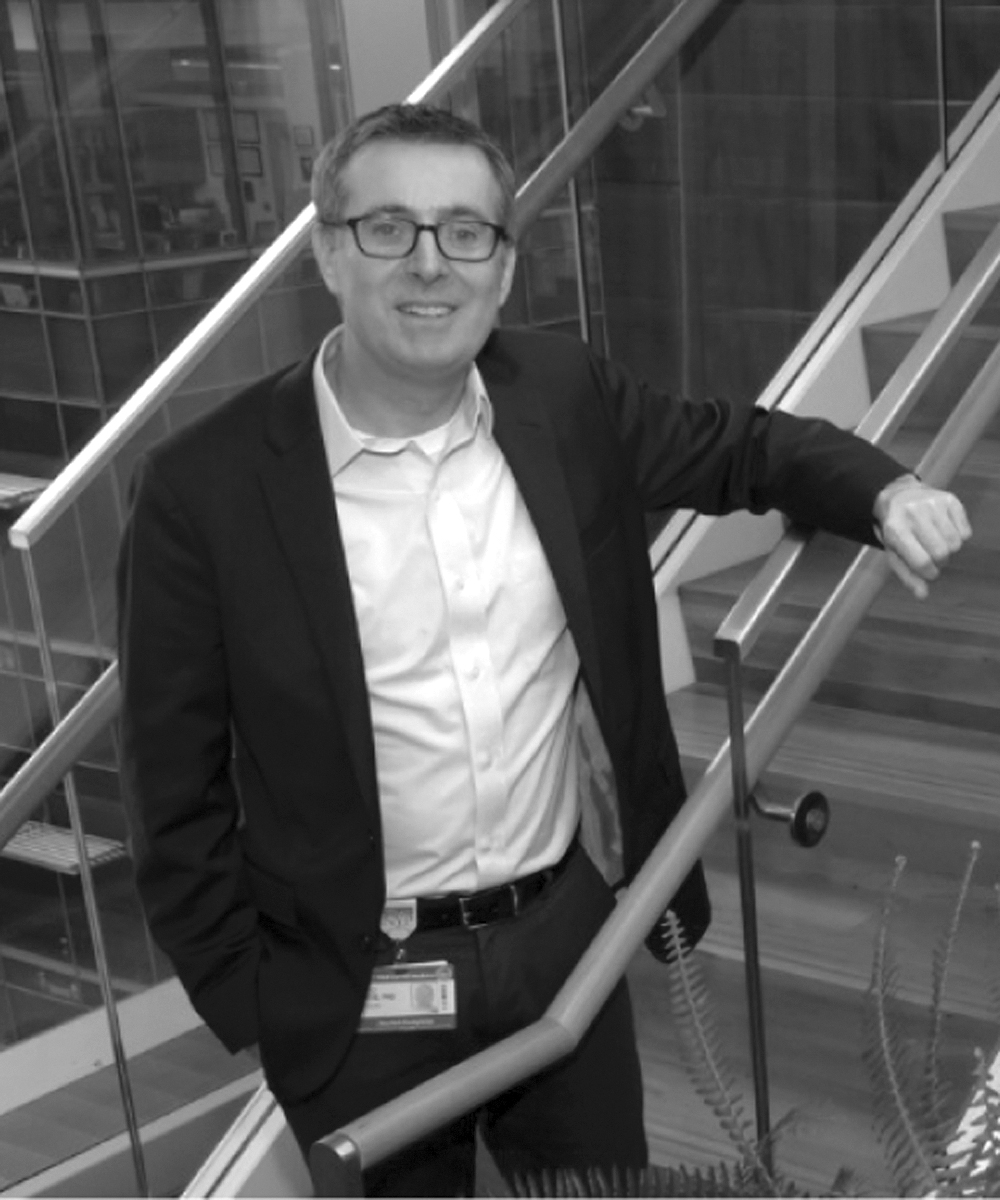
Dr. Artis completed his doctoral research training at the University of Manchester, United Kingdom, focusing on regulation of immunity and inflammation in the intestine. After receipt of a Wellcome Trust Prize Traveling Fellowship, he undertook his postdoctoral fellowship training at the University of Pennsylvania where he continued his research training in examining the regulation of immune responses at barrier surfaces. Dr. Artis joined the faculty at Penn in 2005 and became a professor of microbiology in 2014.
Dr. Artis moved to Cornell University and became the inaugural Michael Kors Professor of Immunology and director of the Jill Roberts Institute for IBD Research at Weill Cornell Medicine, Cornell University, in New York City in 2014. Dr. Artis subsequently assumed the launch of the Friedman Center for Nutrition and Inflammation at Weill Cornell Medical College.
Dr. Artis has developed a research program focused on dissecting the pathways that regulate innate and adaptive immune cell function and host–microbiota interactions at barrier surfaces in the context of health and disease. He has also pioneered multidisciplinary approaches to dissect cellular and molecular pathways that control the gut–brain axis, including single nucleus sequencing, untargeted metabolomics, CRISPR targeting of the microbiota, and chemo- and optogenetic tools to manipulate the nervous system.
His research program also encompasses a significant effort to translate research findings in preclinical models into patient-based studies of immune-mediated diseases. Dr. Artis is funded by National Institutes of Health (NIH), CCFA, and BWF, and has been the recipient of young investigator awards from AAI, CCFA, and ICIS, the Colyton Prize, the Stanley Cohen Prize, and the AAI-BD Biosciences Investigator Award.
The other thing I want to say before I get into my own work is that this award represents the product of the research of so many other people, past and present trainees, and collaborators all over the world. They have all had an enormous impact on the work we have been able to do and contribute to the field. This award is for all of them. I will be the person who collects the award, but this is a recognition of the enormous efforts of a large number of people who have worked together.
On a personal note, I also wanted to comment that I did know Bill personally. I knew him from when I was just beginning my own research career. I first met Bill at a conference when I was a graduate student and followed his work very closely. In those early days, my research program focused on the regulation of type 2 inflammation in the context of allergy and helminth infection, a topic closely linked to Bill's discovery of IL-4. I wanted to understand how nonimmune cells, particularly epithelial and stromal cells, and the cytokines they produced, shaped immune cell function.
In the course of those studies, I would meet Bill at many meetings over the years. He would contact me frequently, even though I was very junior, to discuss articles we were publishing, offer comments and feedback, ask questions, and share tools that they had made that might be useful for the research that we were doing. Just a remarkably generous and thoughtful individual, I am so happy the International Cytokine and Interferon Society is honoring Bill's legacy by giving an award like this.
I began my own laboratory in 2004 at the University of Pennsylvania. My program focused on understanding the pathways that regulate innate and adaptive immunity, particularly at the body's barrier surfaces. The study of mucosal immunology at that time was not as extensively studied as it is now, and it was hard because these tissues created unique anatomical and physiological challenges. They have different oxygen tensions and different exposures to dietary material, the microbiota, and other factors within those specific tissues, whether it is the skin, the lung, the intestine, or the urogenital tract.
Some of our early research focused on epithelial regulation of the immune system at barrier sites, which led us to the role of a number of cytokines, including cytokines such as TNF, IL-25, IL-33, and TSLP, among others. We now know that the epithelium, which in many textbooks was described as an inert barrier, is much more than that. It can influence innate and adaptive immunity of these barrier tissues.
I think that work reshaped our thinking in terms of barrier immunity, and I think that is where Bill had been thinking for some time before; it was just that the tools did not exist in terms of cell lineage-specific genetic targeting until the early 2000s for these particular cell types. These discoveries around cytokine regulation of the immune system led us to all sorts of unexpected discoveries around how epithelial cells could regulate immune cell development and function.
The second focus of the laboratory has been the impact of the microbiota that colonize these barrier surfaces on immunity and inflammation. Many laboratories have contributed to discoveries that have revolutionized the field of immunology over the past 15 to 20 years in this area. When I was studying for my PhD in an immunology laboratory in the United Kingdom, the word “microbiota” did not exist, and we were told “the symbionts” are not seen by the immune system and that they do not contribute. In such a short time, there has been an explosion in our understanding of how signals derived from the microbiota shape immune function. That has been the focus of our work, and, where possible, we have tried to bridge the work we can do in preclinical mouse models into human patient samples.
What intrigues me about innate lymphoid cells is that they have a common lymphoid origin. They arise from the same progenitors that adaptive lymphocytes do, but a major distinguishing feature being they lack antigen receptors. They are long-lived, enriched at barrier surfaces and share a lot of common transcription factors, cell-surface molecules, production of cytokines, and other functional characteristics shared with their adaptive lymphocyte counterparts. The key difference is that they do not have the same antigen specificity.
Some of the early genetically modified mice Bill Paul and others generated to report IL-4 production identified a lineage-negative cell type that we now know to be innate lymphoid cells. Nobody quite knew what they were at the time. The subsequent recognition of innate lymphoid cells has provoked a shift in our thinking about the degree of sophistication between the innate and adaptive immune systems.
There was a simplified view of how we think about host defense. We now know, for example, that ILC3s, those that express RORgt and IL-22, are essential for immunity to some extracellular bacterial and fungal infection, while ILC2s make IL-4, IL-5, and IL-13 and, among other things, are essential for immunity to helminth parasites and for driving allergic inflammation. Beyond that, ILCs can also regulate metabolic homeostasis, anticancer responses, and tissue protection. This has been a very exciting decade in how we think about these cellular components of the immune system.
Currently, there are Group 1, Group 2, and Group 3 innate lymphoid cells within this family, all derived from a common progenitor and all distinguished by lineage-specifying transcription factors that control their effector functions. They also tend to exhibit unusual anatomical locations within different tissues. Now, within each of those groups, does every cell type do the same thing? No. There is going to be heterogeneity and plasticity. These cells are being defined by their functional potential rather than solely by phenotype or transcription factor expression. Their function is what defines them.
Why is there a connection between the immune system, the nervous system, and gut microbiota, and how do these physiological systems work together to benefit the host?
A great question. As you know, there has been very exciting developments in the field of neuroimmune crosstalk. In the past 5 to 10 years, many laboratories have contributed. It is not a new idea that the immune and nervous systems speak of each other, but, like many discoveries, they were limited somewhat by the lack of tools. The development of new tools to artificially incite or inhibit neurons in vivo in a live animal and new ways to visualize immune cell-neuronal proximity have accelerated this field.
What excites me about this field is that innate lymphoid cells are in proximity to the innervation in barrier tissues. When we did some gene expression analyses, we observed expression of many genes encoding receptors and other factors that suggested functional crosstalk between the immune system and the nervous system. It was an unexpected observation initially. However, in the context of the shared functions of the immune and nervous systems: to sense the outside world, integrate complex systems, and form memories, an evolutionarily conserved crosstalk between them is perhaps to be predicted.
When we put neuroimmune interactions in the context of many of the chronic inflammatory diseases, we treat with anticytokine biologics, for example, psoriasis, atopic dermatitis, asthma, inflammatory bowel disease, and arthritis, many of the symptoms of these inflammatory diseases may be immune mediated, but they are neuronally controlled, whether it be itch, wheezing, coughing, cramping, or chronic pain.
That is where I think there may be real significance to our understanding of neuroimmune crosstalk and, potentially, new therapeutic opportunities. Many patients who suffer from chronic inflammatory diseases do not respond to the biologics, or they respond initially, and then they experience treatment failures. We do not know why their symptoms evolve over time. I think it may be that we are not capturing the full underlying pathophysiology yet. Maybe we need to consider therapies that combine neuronal and cytokine targeting. I think it will be a major area of interest in the years to come, both in basic science and therapeutically.
That was <20 years ago, and, in a short time, a transformation has occurred in our understanding of the composition of the microbiota, our coevolved relationships, how these change across lifespan, and how they change in different disease states, whether in patients or mouse models of disease. The pace of discovery is remarkable. But your question is, what is known about the underlying mechanisms? I still think that is one of our biggest challenges.
We are getting there as a field. My opinion is that some of the answers lie in immunologists better embracing our chemical biology colleagues because I think we need a better understanding of the microbiota-derived metabolites and other bioactive factors and how they are sensed by the immune and nervous systems. I think there is a lot more going on there, and I believe immunologists will only get to that resolution by embracing technologies outside our field. The next wave of discovery could be in our understanding of the dialogue between the microbiota, the epithelium, the immune system, and the innervation. I think there are great opportunities there.
I think, in terms of the microbiota, we can do all the tricks of taking the human microbiota, putting it into a mouse, and testing how it changes the immune system, or put it into a humanized mouse, another controlled setting, and understand how that is changing the human immune system in that kind of chimeric setting.
Those are all really useful hypothesis generators, but ultimately, my own opinion is that we have to get to the patient samples and understand the stratification of their disease, their response to therapies, why some patients flare, and some do not, and why some go into complete remission, and their disease never comes back. There are so many fascinating questions, but we need to apply serious science to those patient populations. That means getting human samples and having clinical colleagues who can educate scientists about the disease as much as the scientists can educate the clinicians.
They have transformed patients' lives. We may be on the cusp of learning much more about neuroimmune biology that will afford us that same quantum leap in new therapeutics that happened with the cytokine revolution several decades ago. Same thing for the microbiota. We need to get to molecular interactions and understand the targets for new therapeutics.
I would like to emphasize that everything I have been talking about is a huge global team effort. We all learn from each other's discoveries and articles, and we all complain in journal clubs, “I see a problem with this experiment or that specific conclusion,” but that is the data set or conclusion that provokes you to do the next experiment or make the next tool to address the next set of major questions to make the next discoveries in the field. That is what it is all about.