




Abstract
Dietary intake of berry fruits has been demonstrated to positively impact human health. Interest in exploring new and exotic types of berries has grown in recent years. This article provides botanical descriptions and reviews the chemistry, biological activities, and commercialization of berry-producing plants from South America, specifically Aristotelia chilensis, Euterpe oleracea, Malpighia emarginata, Ugni molinae, Fragaria chiloensis, Rubus glaucus, Rubus adenotrichus, and Vaccinium floribundum. These species possess a rich and diversified composition of bioactive compounds with health-promoting properties. The most significant health benefits have been attributed to phenolic compounds and vitamin C, potentially protective against cardiovascular disease and cancer. Although both traditional folk medicine and composition of these berries suggest significant health benefits, few studies to date have investigated these potentials.
Introduction
B
AristOtelia Chilensis
Ethnobotany and botanical description
A. chilensis is a dioecious fruit-bearing shrub that thrives in the temperate forests of central to southern Chile and western Argentina (Fig. 1A). 5 –8 It belongs to the Elaeocarpaceae family and is commonly known as “maqui,” “clon,” “queldron,” and “koelon.” 9 It is an evergreen shrub that may grow in “macales,” or dense thickets, reaching 3–5 m in height. 7 Maqui typically grows in moist, well-drained soils in either high or low light environments, but has consistently shown higher survival rates with exposure to high light. 10 A. chilensis yields a small edible purple/black berry averaging 5 mm in diameter and typically three or four seeds (Fig. 1B). 7 This fruit contains significantly more pulp than other berries of this region, 11 and its flavor is often described as “astringent but fresh.” 8 The leaves and fruits of A. chilensis have been used in folk medicine to treat a variety of ailments, including sore throat, kidney pains, ulcers, fever, hemorrhoids, inflammation, diarrhea, lesions, migraines, and scars. 6,7,12

Photographs showing (
Phytochemistry
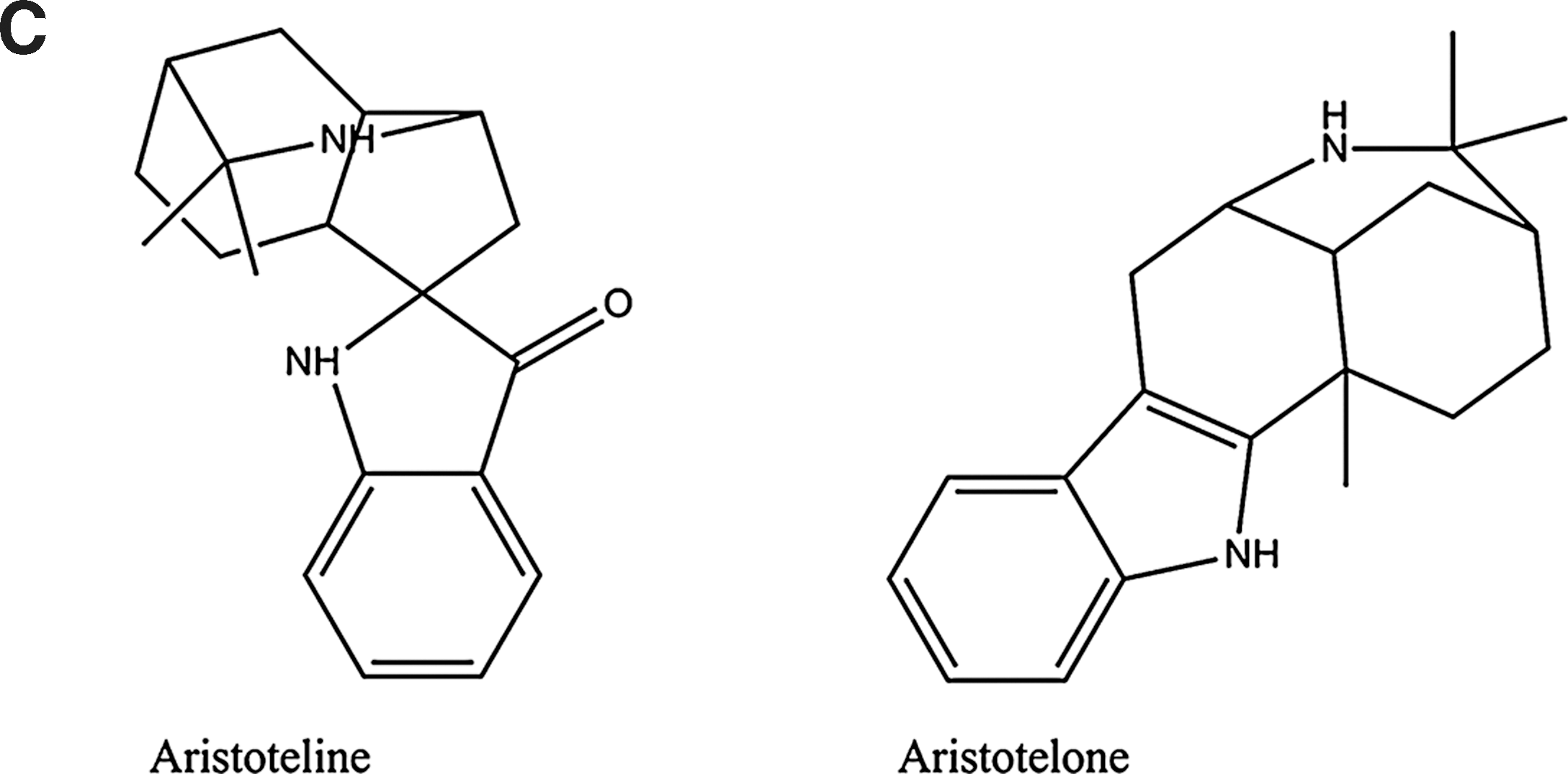
There are several reports concerning the chemical composition of A. chilensis (Table 1) that have indicated the presence of indole and quinoline alkaloids within leaf tissue (Fig. 1C) 17 –19 and high levels of polyphenols in the berry. 20,21 Among polyphenols, the maqui berry has been shown to have a relatively high anthocyanin content (137.6 ± 0.4 mg/100 g fresh weight [FW]), and analysis of anthocyanidin constituents has shown that delphinidin-3-sambubioside-5-glucoside is the principal anthocyanin, corresponding to 34% of total anthocyanins. 16
Biological activities and health effects
The berries and leaves of A. chilensis have demonstrated diverse biological properties that are mainly attributed to their rich phenolic content and antioxidant capacity. 20,21 For instance, the maqui berry juice inhibits low-density lipoprotein oxidation and protects human endothelial cells against intracellular oxidative stress, thus suggesting possible anti-atherogenic properties. 20 Methanol extracts of mature maqui berries have also exhibited a protective effect against acute isochemia/reperfusion when studies were performed in vivo in rat hearts. The fruit extracts likely prevented these harmful effects by reducing lipid oxidation and the concentration of thiobarbituric acid-reactive substances. 21 Extracts from the maqui leaves have also shown potential nematicidal 22 and antiviral 23 activities. Furthermore, aqueous extracts of A. chilensis leaves can induce alteration in human erythrocyte morphology by interacting with the membrane's outer phospholipid monolayer. These results suggest that the molecular mechanism of action of A. chilensis leaf extracts can be attributed to functional perturbation of cell membrane lipid bilayers (Table 2). 9 In addition, the A. chilensis berries exhibit relatively high mineral levels: 100 g of maqui berries yields 27% of the recommended daily allowance (RDA) for calcium 28% of the RDA for potassium, and 70% of the RDA for iron; in contrast, the plant exhibits low sodium levels. Thus, A. chilensis shows potential for use in dietary supplements or functional foods. 9
IC50, 50% inhibitory concentration; LDL, low-density lipoprotein; GAE, gallic acid equivalent.
Commercial use
A. chilensis is a widespread plant that is regionally collected and typically consumed fresh or used to make jam, tea, wine, and juice.
11,21
In addition, it is commonly used as a natural dye because of its high content of anthocyanin pigments.
7
Recently, the use of this plant has outgrown its traditional borders, reaching new areas of commercialization. For instance, a topical formulation containing maqui berry extracts, with a high oxygen radical absorbance capacity, has been developed and patented for the prevention and treatment of skin damage, particularly damage resulting from aging and sun exposure.
24
Furthermore, functional beverages and dietary supplements containing maqui berry extracts and featuring a patent-pending Maqui Superberry™ (Novelle International, Inc., Bradenton, FL, USA;
Euterpe Oleracea
Ethnobotany and botanical description
E. oleracea, more commonly referred to as açaí, is a fruit-bearing monoecious palm that flourishes in the inundated soils of the Amazon basin as well as other regions of Central and South America (Fig. 2A). 26 –28 E. oleracea typically thrives in warm, humid climates with slightly acidic (pH 4–6) wet soils. 29 The palms exhibit gray trunks 20–30 m in height 28 and have multiple stalks that bear between three and eight fruit clusters, each of which may contain up to 900 berries (Fig. 2B). 30
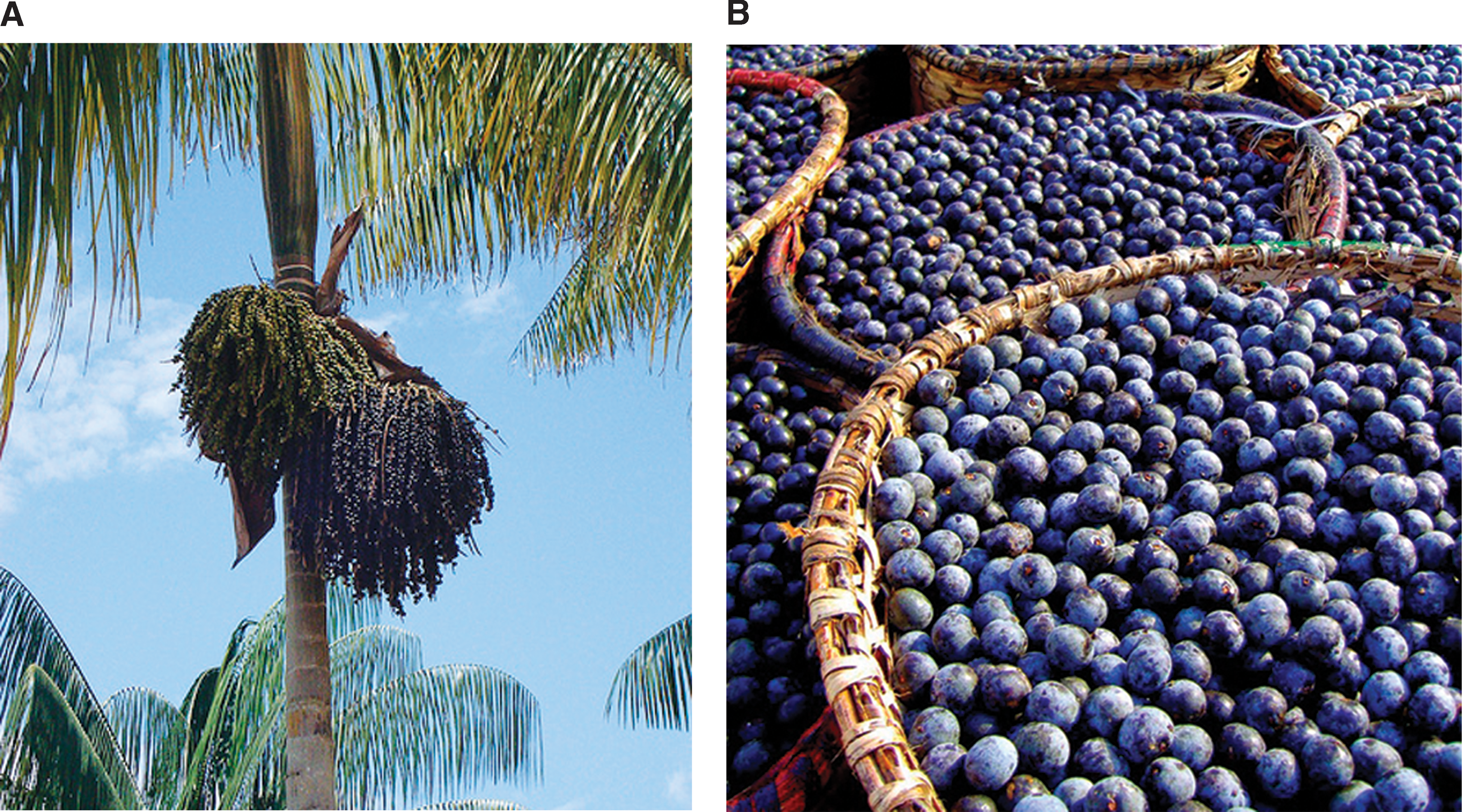
Photographs of (
Açaí fruit (also known as palm berries) is round and dark purple when mature with an average diameter of 2 cm. The berries are described as having a nutty flavor with lingering metallic undertones and a creamy, yet oily texture. 28 Two varieties of the berry exist and are regionally known in Brazil as “açaí preto” and “açaí branco.” “Açaí preto” exhibits a dark purple to black color, whereas “açaí branco” is olive green and yields a creamier juice. 31
Palm berries have been established as a regional staple in South America, with a rich history of traditional use among indigenous and rural inhabitants. 31 To this day, the açaí berry is fundamental to some indigenous groups, comprising up to 40% of their diets. 32,33 Similarly, some rural inhabitants consume açaí berry juice with nearly every meal, relying upon it for adequate caloric intake. 31 In addition, many indigenous tribes attribute healing powers to different parts of the plant. Palm berries and roots are used to cure gastrointestinal problems, whereas its leaves are crushed and used to aid blood clotting in wounds, and its sap may be used as an astringent. 34
Phytochemistry
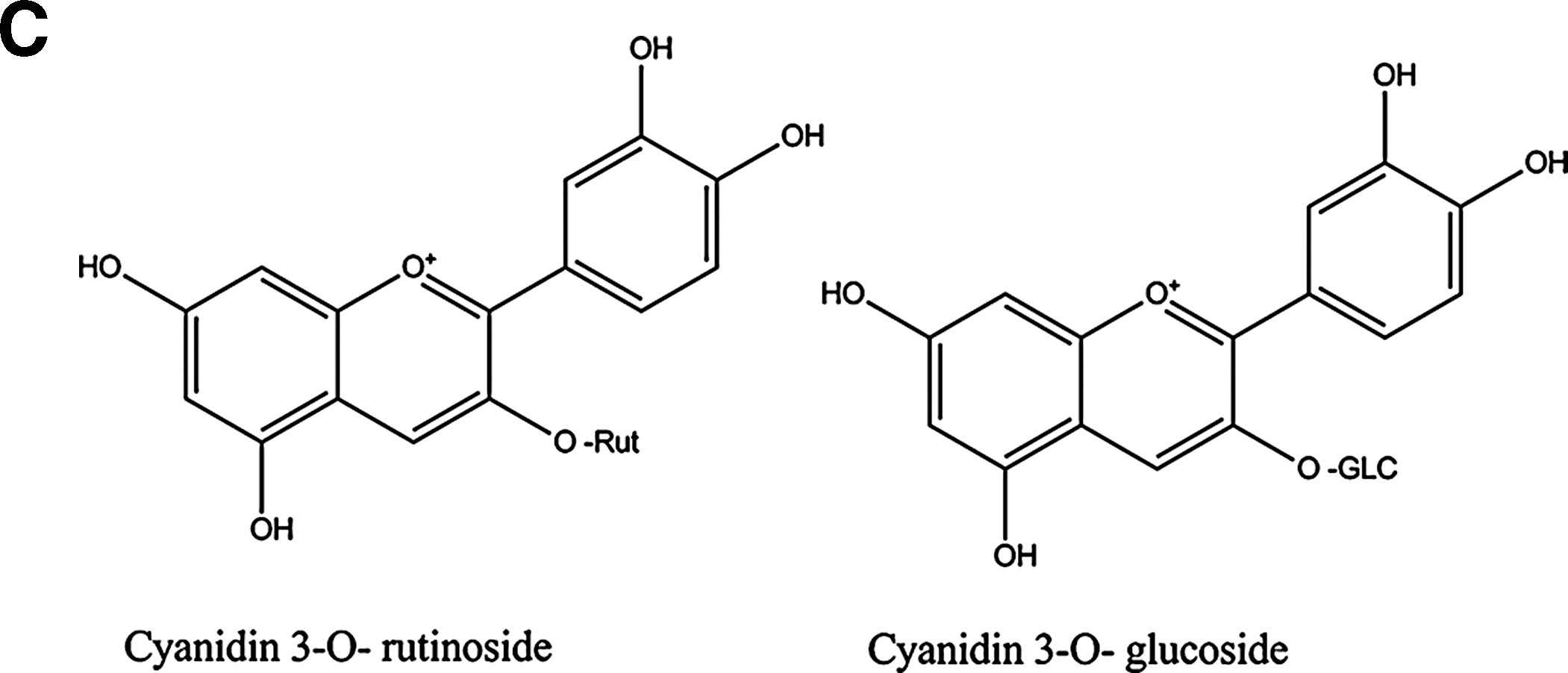
The phytochemical composition of the açaí fruit has been well characterized, revealing a variety of phenolic acids, anthocyanins, proanthocyanidins, and other flavonoids. Among the anthocyanins, cyanidin-3-O-rutinoside and cyanidin-O-glucoside have been reported as the major constituents (Fig. 2C). 27,35,36 In addition, lignans have been reported as constituents of this fruit and were found to be representative of the aryltetrahydronaphthalene, dihydrobenzofuran, furofuran, 8-O-4'-neolignan, and tetrahydrofuran structural types. 37 The polyphenolic compounds present in the seed of açaí's fruit have also been reported (Table 3). 40
Biological activities and health effects
Açaí has been shown to possess anti-inflammatory activity in vitro. Specifically, this palm berry inhibited the activity of cyclooxygenase (COX)-1 and -2 in vitro, with greater efficacy against COX-1. 35 Açaí extracts also inhibited lipopolysaccharide- and interferon-γ-induced nitric oxide production by reducing the expression of inducible nitric oxide synthase expression. 41 Consumption of MonaVie Active™ (South Jordan, UT, USA), a juice blend containing açaí as the main component, has demonstrated in vivo anti-inflammatory and antioxidant properties. 42 In addition, açaí skin and seed extracts induced an endothelium-dependent vasodilator effect in rats, which may suggest possible cardioprotective properties. 43 This berry has also shown to possess anticancer activity in vitro; various açaí phenolic extracts have exhibited the ability to reduce proliferation of leukemia 44 and human colon adecarcinoma cells. 45 Additionally, a clinical trial demonstrated the bioavailability of anthocyanins from açaí and an increase in the antioxidant capacity of human plasma, after the consumption of açaí juice and pulp in moderate amounts. 44 Lignans isolated from this fruit have demonstrated bioactive properties, specifically antioxidant and cytoprotective activities (Table 4). 37 Furthermore, açaí has been found to contain some vitamins (thiamin, riboflavin, niacin, vitamin E, vitamin C) and minerals (iron, potassium, phosphorus, calcium) and high levels of oleic acid, β-sitosterol, and dietary fiber, further supporting its potential as a medicinal and functional food. 35
CI, confidence interval; ED50, 50% effective dose; IC50, 50% inhibitory concentration; GAE, gallic acid equivalent.
Commercial use
E. oleracea is economically valuable because of the multifaceted uses that exist for multiple parts of the plant. Palm berries are incorporated into a variety of foods, including juices, smoothies, popsicles, ice cream, soda, and pastries. The fruit is also commonly mixed with cassava flour, rice, or tapioca and is frequently used in seafood dishes. 28,47 Recently, the commercial borders of this berry have expanded greatly, and currently companies are developing açaí products in novel forms such as tablets, juice, smoothies, and instant drink powders. In addition, açaí stalks may be harvested as palmito or as hearts of palm, whereas seeds may be ground up and used as livestock feed. 28,48 Furthermore, the anthocyanins present in E. oleracea have been used successfully as a functional food pigment 49 and as an alternative oral contrast agent in magnetic resonance imaging of the gastrointestinal system. 50 International interest is generally targeted towards the “açaí preto” variant because it is more commonly available. 33
MalpigHia Emarginata
Ethnobotany and botanical description
M. emarginata, most commonly referred to as “acerola,” is a widespread shrub of the Malpighiaceae family (Fig. 3A). 51 –53 It may also be referred to as “chercese,” “Barbados cherry,” “French cherry,” “garden cherry,” or “West Indian cherry.” 54,55 Acerola is thought to be native to the Caribbean Islands, Central America, or northern South America. Currently, it is cultivated in Puerto Rico, southern Florida, Hawaii, Barbados, the Windward Islands, Okinawa, Taiwan, the east Caribbean, and Brazil, which is the leading producer. M. emarginata thrives in warm, tropical climates close to sea level but has shown successful growth at elevations up to 150 m. In addition to this, it may grow at a variety of soil pHs, ranging from slightly acidic to slightly alkaline. 55,56
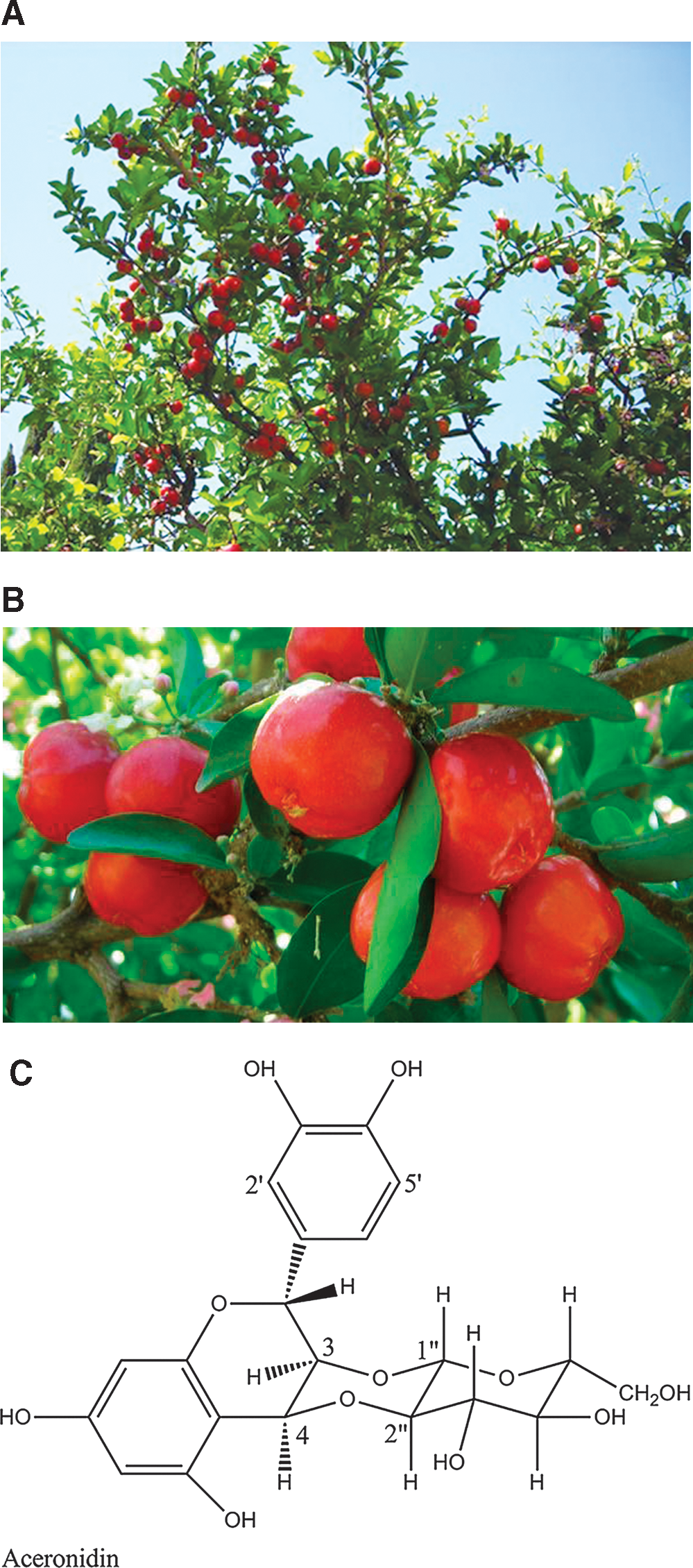
Photographs showing (
M. emarginata is a fruit-bearing shrub that averages 4.6 m in height and exhibits white to pink flowers. Its fruit experiences biphasic growth and develops as a three-carpellate drupaceous berry; otherwise, it looks like the common cherry (Fig. 3B). Each drupe ranges from 1 to 4 cm in diameter and weighs between 3 and 10 g. 55,56 Acerola cherries may exhibit a variety of colors, depending upon maturity and origin, spanning from green to orange-red to dark reddish-purple. 57 The fruit bears a thin, delicate skin that is susceptible to bruising and deterioration after harvest. 58 Acerola cherries are a staple at local marketplaces. They are typically sold for raw consumption but may also be used to make hot and cold pressed juices, compotes, and jellies. M. emarginata is also sold for medicinal purposes, and properties that have been attributed to it include curing the common cold and the flu, as well as pulmonary, liver, and gallbladder ailments. 59
Phytochemistry
The fruit of M. emarginata contains a wide variety of flavonoids, phenolic acids, and carotenoids. The main flavonoid subgroups present in this fruit are anthocyanins, proanthocyanins, flavonols, and catechins. The anthocyanin content can vary between 37 and 597.4 mg/kg
60
and consists mainly of cyanidin-3-α-O-rhamnoside (76–78%) and pelargonidin-3-α-rhamnoside (12–15%),
61,62
but malvidin-3,5-diglucoside has also been reported.
63
This fruit also contains flavonols (70–185 mg/kg)
64
such as quercitrin, hyperoside, and kaemperol glycosides.
53
Among the phenolic acids, caffeic acid, p-coumaric acid, and ferulic acid have been reported.
62
Recently, a novel flavonoid, leucocyanidin-3-O-β-
Biological activities and health effects
The fruit of M. emarginata has received much interest in past years due to potential health benefits associated with its antioxidant capacity and high levels of ascorbic acid, carotenoids, and polyphenols. Acerola's rich antioxidant capacity is mainly due to its content in vitamin C and polyphenolic content 70 ; among the latter, phenolic acids appear to be the main contributors to the antioxidant capacity of this fruit. 64 A crude polyphenol extract from acerola has been shown to lighten ultraviolet light-irradiated skin pigmentation in vivo; this effect was partially attributed to the inhibition of melanogenesis through the inhibition of tyrosine activity in melanocytes. 71 In addition, a crude acerola polyphenol fraction had a preventive effect against hyperglycemia in the postprandial state; the mechanism for this effect may involve the suppression of the intestinal glucose transport and the inhibition of α-glucosidase. However, the therapeutic effects of this acerola fraction on hyperglycemic mice were insignificant. 72 Aceronidin, the novel flavonoid present in acerola, demonstrated antioxidant activity as well as inhibitory activity against both α-glucosidase and α-amylase. 53 Anti-inflammatory activity has also been seen in acerola. Fruit extracts have been shown to inhibit nitric oxide production in mouse macrophages because of inhibition of inducible nitric oxide synthase expression and radical scavenging. 73 Furthermore, an acerola extract pretreatment inhibited the initiation of lung carcinogenesis in mice, showing both tumor-specific cytotoxic activity and multidrug resistance reversal activity, 74 suggesting the possible applications for cancer therapy. In addition, acerola also exhibits and antifungal properties. 75 The toxic effect of the polyphenol extract of acerola was evaluated in rats via oral toxicological assays, and these showed no significant risks associated with the oral administration of this extract (Table 6). 77
C-AP, a crude acerola polyphenol fraction; IC50, 50% inhibitory concentration.
Commercial use
M. emarginata is of commercial interest mainly due to its rich ascorbic acid content. Vitamin C extracts have been derived from this berry for use in dietary supplements, although more research on the bioavailability of acerola's ascorbic acid is needed. 78,79 A recent study developed an acerola ice cream suitable for the delivery of vitamin C and Bifidobacterium strains, while maintaining excellent viability and acceptable sensory characteristics. 80 These cherries have been incorporated into commercial fruit juices and energy drinks and are an increasingly attractive additive due to current interest in developing products with health-related properties. 61,81 Furthermore, at immature stages acerola can be used as a pectin source in confections or as an enriched source of dietary fiber. 82
Ugni Molinae
Ethnobotany and botanical description
U. molinae, also known as “murta,” “murtilla,” “uñi,” “myrtle berry,” “Chilean cranberry,” or “Chilean guava,” is a plant native to Chile, western Argentina, and certain regions of Bolivia. It is a wild shrub (∼1.8 m tall) of the Myrtaceae family that typically dwells near the coastal and pre-Andean mountains of South America; however, it can also thrive in subtropical regions, such as the Juan Fernández Islands (Fig. 4A). 83 –86 U. molinae also readily sprouts in relatively desolated areas, such as sites of old lava flows, indicating that it is versatile. 87,88 Murta is a well-known regional plant that bears aromatic red globular fruit. The berries typically possess a diameter of 0.7–1.3 cm and weigh between 0.25 and 0.40 g (Fig. 4B). 86,87 Murta fruit is said to combine the sweetness of a strawberry with the pungency of a guava and the texture of a dried blueberry. 89 Murta's leaves have been used in Chilean folk medicine to treat conditions such as diarrhea, dysentery, and urinary tract pain. 90 It is also used for its astringent and stimulant properties. 86
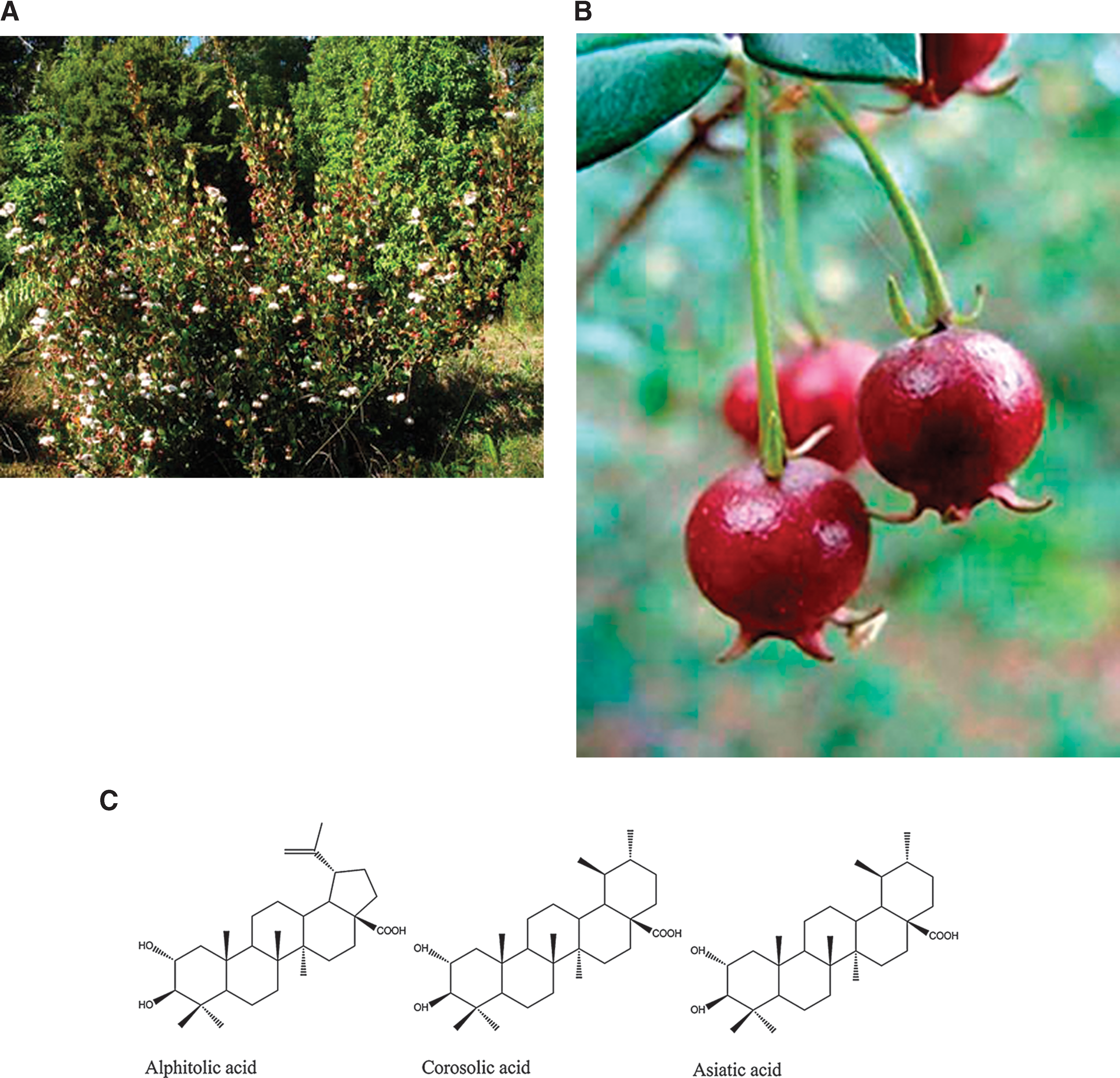
Photographs showing (
Phytochemistry
The phytochemical composition of U. molinae includes a wide variety of polyphenols in its leaves and fruits 91,92 and pentacyclic triterpene acids in its leaves (alphotolic, corosolic, and asiatic acid) (Fig. 4C). 85,91,92 It has been shown that the chemical composition of Murta can vary depending on the climatic conditions at which the plant is subjected to during its growth: an extreme climate is the condition that promotes polyphenol content in its leaves. 92 In addition, 24 volatile compounds of the murta fruit aroma have been elucidated, of which methyl 2-methyl butanoate, ethyl butanoate, ethyl 2-methyl butanoate, methyl hexanoate, ethyl hexanoate, methylbenzoate, and ethyl benzoate were the major components (Table 7). 94
Biological activities and health effects
U. molinae leaf extracts have shown a strong topical anti-inflammatory activity in mice, and this is principally due to the presence of several pentacyclic triterpene acids, including the 2-α-hydroxy derivatives alphitolic, asiatic, and corosolic acids. 85 Furthermore, murta leaf extracts have shown analgesic activity in thermal and chemical pain mice models in vivo 95 and also protective antioxidant properties in human erythrocytes exposed to the oxidative stress of hypochlorous acid. 96 Moreover, the consumption of the infusion of murta's leaves has shown to increase the antioxidant capacity of human serum. 97 The antioxidant activity and other properties that murta leaf extracts have been shown to possess are possibly related to their capacity to locate into the membrane bilayer, restrict its fluidity, hinder the diffusion of free radicals, and protect alteration of human erythrocyte. 96,98 In addition, the aqueous extracts from murta leaf have an inhibitory effect against the growth of Pseudomonas aeruginosa, Klebsiella pneumoniae, and Staphylococcus aureus with few deleterious effects on beneficial probiotic bacteria. 92 Murta dry leaf extracts have also shown a nematicidal effect against the rot-knot nematode, Meloidogyne hapla (Table 8). 99
ED50, 50% effective dose; GAE, gallic acid equivalent.
Commercial use
Use of U. molinae is primarily restricted to South America, and this plant does not currently exhibit widespread commercial use. Typically, it is gathered and sold in local marketplaces for raw consumption and small-scale processing. Juices, jams, jellies, and liquors are prepared from the berries, whereas a tea can be made from the leaves, and a coffee-like beverage may be derived from the seeds. 86,88 Although this plant and its derived products are primarily sold locally, it has shown promise for future commercial growth. Murta leaves have sparked interest in the cosmetic industry because of their antioxidant, phytoestrogenic, and polyphenolic content, which may help combat wrinkles and other signs of premature aging. 91 In addition, U. molinae may also be used in food processing as an environmentally friendly preservative. Recent studies have incorporated murta leaf extracts into gelatin-based edible films for a variety of foods, protecting food products from dehydration and from deterioration caused by ultraviolet light exposure. Gelatin-based films containing murta leaf extracts have shown potential for sustaining the quality and shelf life of certain foods, when compared to typical gelatin films. When incorporated into fish-based gelatin matrices, murta leaves have been shown to decrease the transparency of the films, thereby increasing the absorbance levels of ultraviolet light and impeding ultraviolet light-induced lipid oxidation. The high polyphenol content and antioxidant capacity of murta leaves also hinder rancidity of foods and lipid oxidation. 93,100 Murta leaves have also been used as a cross-linking agent in carboxymethylcellulose-based films. Their incorporation has been shown to decrease the water permeability of films while achieving selective gas permeability; this mechanism is attributed to the high polyphenol content of the leaves. 101 Thus, U. molinae shows great potential as a natural preservative for a variety of food products ranging from meats to fresh fruits and vegetables.
Other Berries
Studies concerning berries from South America have mainly focused on the species described above, with limited information about the chemistry and biological activities of other berry-producing species including R. glaucus, R. adenotrichus, F. chiloensis, and V. floribundum (Table 9). R. glaucus is a climbing perennial shrub belonging to the Rosaceae family and is native to the Andes in northern South America. The berry is appreciated for its attractive dark-red color, juiciness, and flavor in comparison to most cultivated blackberries. R. adenotrichus is also a perennial shrub belonging to the Rosaceae family. This species is found mainly in Mexico and Ecuador and is known as “Mora común.” 107 The phenolic compounds of R. glaucus and R. adenotrichus have been reported, showing that ellagitannins are the predominant compounds in both species, mainly sangiin H-6 and lambertianin. The major flavonol glycosides and hydroxycinnamic acid were quercetin glycosides and p-coumaric acid, respectively. These two species differ in their anthocyanin profile as well as in the presence or absence of kaempferol glucosides. As for anthocyanins, cyanidin-3-glucoside and cyanidin-3-malonyl glucoside were detected in R. adenotrichus, whereas cyanidin-3-glucoside and cyanidin-3-rutinoside were found in R. glaucus. 103 In a more recent study, cyanidin-3-sambubioside, cyanidin-3-xylorutinoside, pelargonidin-3-glucoside, and pelargonidin-3-rutinoside were also detected in R. glaucus, and the total anthocyanin content was reported to be 45 ± 7.07 mg/100 g FW; this species also contains significant amounts of ascorbic acid (10.1 mg/100 g FW) and total phenols (294 mg of gallic acid equivalents [GAE]/100 g FW) and exhibits high antioxidant activity. 102 In addition, the volatile constituents of R. glaucus have been reported from which 2-heptanol, ethyl benzoate, (E)-hex-2-enal, and 1-terpinen-4-ol were the major components. 108
F. chiloensis, a trioecious strawberry of the Rosaceae family, is native to Southern Chile but can also be found in some other parts of South America.
109
The plant bears small white flowers and red or white berries (depending on the subspecies) that may be as large as a walnut.
110
Three E-cinnamic acid glycosides [1-O-E-cinnamoyl-β-
V. floribundum is a deciduous, spreading shrub that belongs to the Ericaceae family (Fig. 5A). 111 It bears cylindrical pink flowers and round blue to nearly black edible berries (Fig. 5B). This species is native to Ecuador and Peru but is also found in other countries in South and Central America. 112 V. floribundum berries are widely consumed in Ecuador as the fresh fruit or as processed products. Local communities also have used this plant to treat various medical conditions such as diabetes and inflammation. 113 The chemical composition and the phenolic profile of V. floribundum have been reported, revealing predominantly quercetin, hydroxycinnamic acids, and cyanidin-3-glucosides. Anthocyanins were shown to account for ∼67% (345 mg of cyanidin/100 g FW) of the total phenolic compounds, with cyanidin derivatives being the major components (∼89%). Among the hydroxycinnamic acids, chlorogenic and neochlorogenic together with caffeic and ferrulic acids were the predominant components. In addition, the total soluble phenolic content and the antioxidant capacity were reported as 882 mg of GAE/100 g FW and 1,200 mg of Trolox equivalents/100 g FW, respectively. 106 A commercial powder of V. floribundum that is produced and sold in Ecuador has been evaluated for its anthocyanin content. In accordance with the reported data two cyanidin derivatives (cyanidin hexoside and cyanidin pentoside) were found as the main components. The total anthocyanin content was shown to be lower than that of the fresh fruit (108.9 mg of cyanidin equivalent g/100 g of raw powder); this might be due to the processing conditions to which this fruit is exposed during the manufacture of the powder (authors' unpublished data).
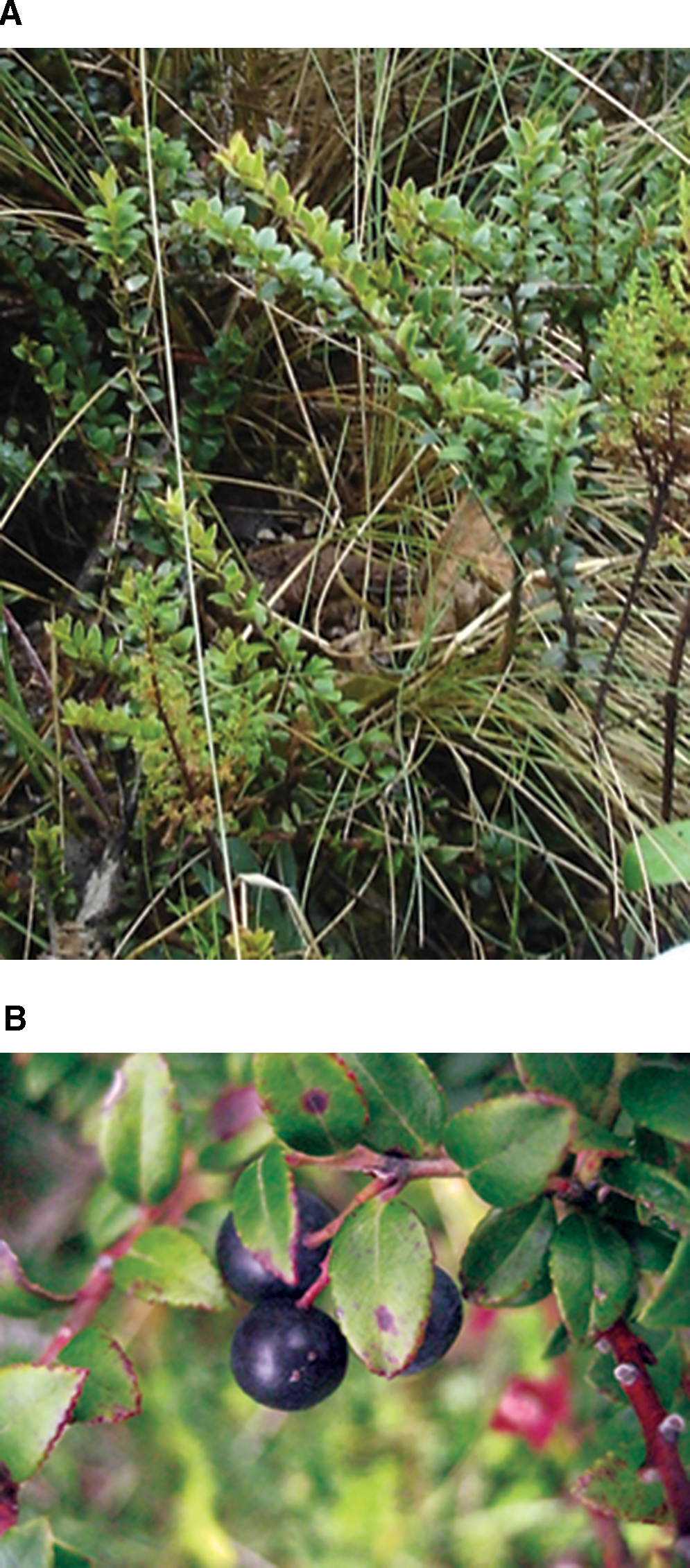
Photographs showing (
Final Remarks
The phytochemistry, health benefits, and commercial uses of several berry-producing plants native to South America have been reviewed. These plants possess a rich and diversified composition of bioactive compounds as well as health-promoting properties. Nevertheless, studies regarding their biological activities are limited, often lacking in vivo data. Future research is needed to better understand not only their efficacy but particularly their potential in regard to their use as supplements or as functional foods. The studies reviewed demonstrate the health potential of berries from South America; thus, greater attention should be given to native fruits from this region.
Footnotes
Acknowledgments
This work was funded by Global Institute for Bioexploration (
Author Disclosure Statement
No competing financial interests exist.