




Abstract
This study reports a pharmacological evaluation of anti-inflammatory and anti-ulcer activities of carvacrol, a phenolic monoterpene constituent of essential oils produced by oregano and other several aromatic plants and spices, in experimental models of edema induced by different phlogistic agents and gastric lesions induced by acetic acid. In models of paw edema induced by dextran or histamine, carvacrol was effective at 50 mg/kg (46% and 35%, respectively); in these models, cyproheptadine reduced edema formation (61% and 43%, respectively). In edema induced by substance P, carvacrol (100 mg/kg) and ruthenium red (3 mg/kg) also decreased the edema formation (46% and 40%, respectively). Carvacrol significantly reduced the ear edema induced by 12-O-tetradecanoylphorbol acetate and arachidonic acid at 0.1 mg per ear (43% and 33%, respectively), similar to indomethacin at 0.5 mg per ear or 2.0 mg per ear (55% and 57%, respectively). Carvacrol (at doses of 25, 50, and 100 mg/kg) showed a healing capacity on gastric lesions induced by acid acetic (60%, 91%, and 81%, respectively) after 14 days of treatment. These results suggest that carvacrol acts on different pharmacological targets, probably interfering in release and/or synthesis of inflammatory mediators, such as the prostanoids, and thus favoring the healing process for gastric ulcers.
Introduction
C
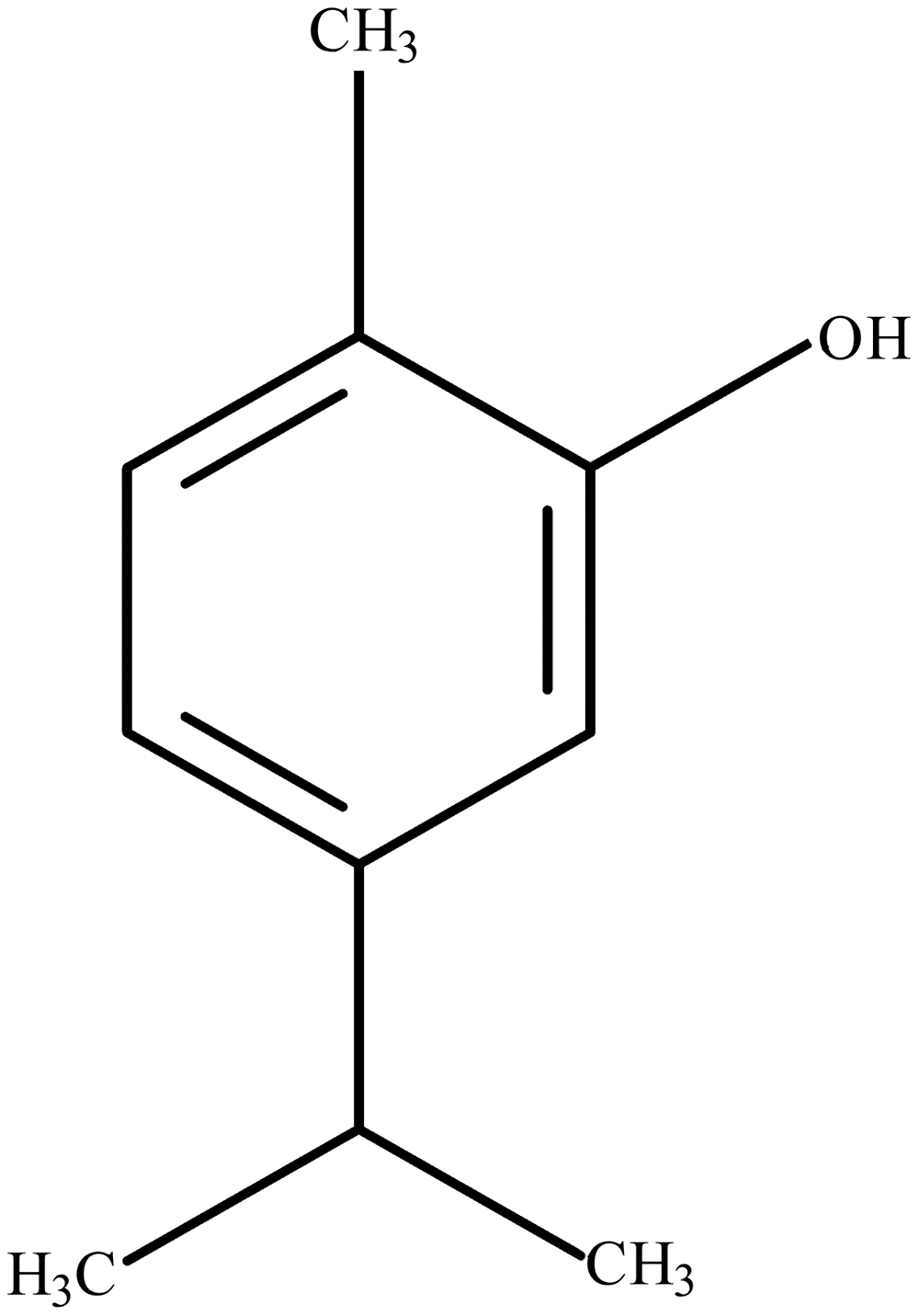
Chemical structure of carvacrol (5-isopropyl-2-methylphenol).
Carvacrol is generally considered safe for consumption, and it is approved by the Food and Drug Administration for food use and has been included by the Council of Europe in the list of chemical flavorings that may be added to foodstuffs at the 2 ppm level in beverages, 5 ppm in food, and 25 ppm in candies. 3 Likewise, oregano oil, whose major components include carvacrol and thymol, has been widely used as a dietary supplement for combating infections and relieving digestive and skin-related problems. 8
A recent study focused on carvacrol-induced anti-obesity effects in mice fed with a high-fat diet, an important model of obesity. These effects may include inhibition of visceral adipogenesis, possibly by suppressing bone morphogenetic protein-, fibroblast growth factor-1-, and galanin-mediated signaling cascades and attenuation of the production of pro-inflammatory cytokines in the visceral adipose tissues by inhibiting Toll-like receptor 2- and 4-mediated signaling pathways. These modes of action on modulating genes associated with adipogenesis and inflammation by carvacrol are considered relatively novel compared with the mechanisms reported for other anti-obesity phytochemicals. 9
Some of the biological activities of carvacrol, in particular its anti-inflammatory, analgesic, and antithrombotic effects, may also be partially caused by inhibition of one or both of the cyclooxygenase (COX) enzymes, which is suggested by previous results that show the inhibitory effect of carvacrol on COX-1 and COX-2. 10,11
In view of the various biological activities attributed to carvacrol, especially its inhibitory actions on COX enzymes, the objective of this study was to investigate pharmacological mechanisms underlying the anti-inflammatory and anti-ulcer effects of carvacrol using various models of inflammation and induced gastric ulcers in rodents.
Materials and Methods
Animals
Male and female Wistar rats (weighing 180–220 g) and Swiss mice (weighing 25–35 g) (n=6–7 per group) were kept under controlled conditions (24±1°C, 12-h light/dark cycle) with food and water ad libitum. They were fasted for 18 h and then acclimatized to the test environment for 2 h prior to each experiment. In the model of gastric lesions induced by acetic acid, animals were anesthetized with ketamine and xylazine chloride (60 and 7.5 mg/kg, i.p., respectively). After experimental procedures, animals were euthanized by sodium thiopental (100 mg/kg, i.p.). All experimental protocols were approved by the Ethics Committee for Animal Research at the Federal University of Piaui, Teresina, Brazil (CEEA-PI number 044/10).
Drugs
Indomethacin, histamine, cyproheptadine, dextran, 12-O-tetradecanoylphorbol acetate (TPA), arachidonic acid, Tween 80, and carvacrol (purity 98%) were obtained from Sigma-Aldrich, St. Louis, MO, USA. Cimetidine was purchased from Multilab, São Gerônimo, Brazil. Acetic acid was obtained from Dinâmica, Diadema, Brazil. Ketamine and xylazine were purchased from Syntec, Cotia, Brazil. Indomethacin was dissolved in 5% sodium bicarbonate. Carvacrol was dissolved in Tween 80 (1.0%) and then diluted in saline solution (0.9% NaCl) or distilled water. The carvacrol and other drug concentrations were adjusted for treatment to yield a volume of 10 mL/kg.
Paw edema induced by histamine or dextran
In the histamine- or dextran-induced paw edema model, mice were orally treated with vehicle, carvacrol (25, 50, and 100 mg/kg), or cyproheptadine (10 mg/kg). After 1 h of treatment the animals received an intraplantar injection of 0.05 mL per paw: saline in the left paw and histamine (10 mg/kg) or dextran (150 mg/kg) in the right paw. At 1 h after induction of edema by histamine or 2 h after induction by dextran, the animals were euthanized, and both hind paws were cut at the tibiotarsal joint and weighed. The edema was determined by the difference between right and left paw weights of each animal and was expressed in milligrams. 12
Paw edema induced by substance P
Paw edema was induced in mice by intraplantar injection of substance P (30 nmol, 20 μL) in the right hind paw. The contralateral paw received an equal volume of saline (vehicle). The animals were orally treated with vehicle, carvacrol (25, 50, and 100 mg/kg, p.o.), or ruthenium red (3 mg/kg) 1 h before edema of the substance. One hour after treatment the animals were euthanized, and both hind paws were cut at the tibiotarsal joint and weighed. The edema was determined by the difference between right and left paw weights of each animal and was expressed in milligrams. 13
Ear edema induced by TPA
Because carvacrol at 50 mg/kg (0.1 mg per ear) offered the best protective effect in the analyzed models, this dose was selected to investigate possible mechanisms involved in anti-inflammatory effects in TPA- or arachidonic acid-induced ear edema models.
The inside and outside of the right ears of mice were topically treated with 10 μL of TPA (2 μg/20 μL of acetone); the left ear received only acetone (20 μL). After 20 min, the animals were treated with vehicle, carvacrol (0.1 mg per ear), or indomethacin (0.5 mg per ear) in the right ear; the left ear received only vehicle (10 μL per side). Six hours after treatment, the animals were euthanized, and their ears were cut off (6 mm) and weighed. The edema was determined by the difference between right and left ear weights of each animal and was expressed in milligrams. 14
Ear edema induced by arachidonic acid
In the arachidonic acid-induced ear edema model, 15 the inside and outside of the right ears of mice were topically treated (10 μL per side) with vehicle, carvacrol (0.1 mg per ear), or indomethacin (2 mg per ear); the left ear received only saline. After 60 min, a inflammatory reaction was induced by topical application of arachidonic acid (0.1 mg/μL), 10 μL per side in the right ear, and the left ear received only acetone. One hour after induction of edema, the animals were euthanized, and their ears were cut off (6 mm) and weighed. The edema was determined by the difference between right and left ear weights of each animal and was expressed in milligrams.
Gastric lesions induced by acetic acid
Female Wistar rats (n=5) were fasted for 18 h and then anesthetized with ketamine and xylazine (60 and 7.5 mg/kg, i.p., respectively). The abdominal cavity was opened (an approximately 2-cm incision), and the stomach was exposed. To inducte a gastric ulcer, a glass tube 8 mm in diameter and 2 cm long was used, in contact with the serosa of the stomach to limit the area that would be injured. Seventy microliters of 80%acetic acid was added to the tube, which remained in contact with the serosa of the stomach for 1 min. After the acetic acid was removed with the help of an automatic pipette, the site was washed with saline solution. 16 The stomach was accommodated in the abdominal cavity, and the abdominal region was sutured. One day after ulcer induction, daily oral treatment was begun with vehicle, cimetidine (100 mg/kg), or carvacrol (25, 50, and 100 mg/kg) for 14 days. After the chronic treatment, the animals were euthanized, and the stomach was removed (opened at the greater curvature), washed with distilled water, and stretched to measure the ulcerated area (with the aid of a caliper). The calculation of the ulcerated area (in square millimeters) was performed by measuring the length×height; the ulcer volume (in cubic millimeters) was calculated by measuring the ulcerated area×depth of the ulcer.
Data analysis
The results were analyzed by analysis of variance followed by Tukey's test and expressed as mean±SEM values. The analysis of significance was considered for values of P<.05. All analyses were performed using GraphPad™ Prism software version 5.0 (GraphPad Software, Inc., USA).
RESULTS
Effect of carvacrol on paw edema induced by histamine and dextran
Figures 2 and 3 show that carvacrol significantly decreased the formation of paw edema induced by histamine or dextran only at 50 mg/kg (46% and 35%, respectively), compared with vehicle. In both inflammation models, cyproheptadine (10 mg/kg) was able to significantly decrease the edema formation (61% and 43%, respectively).
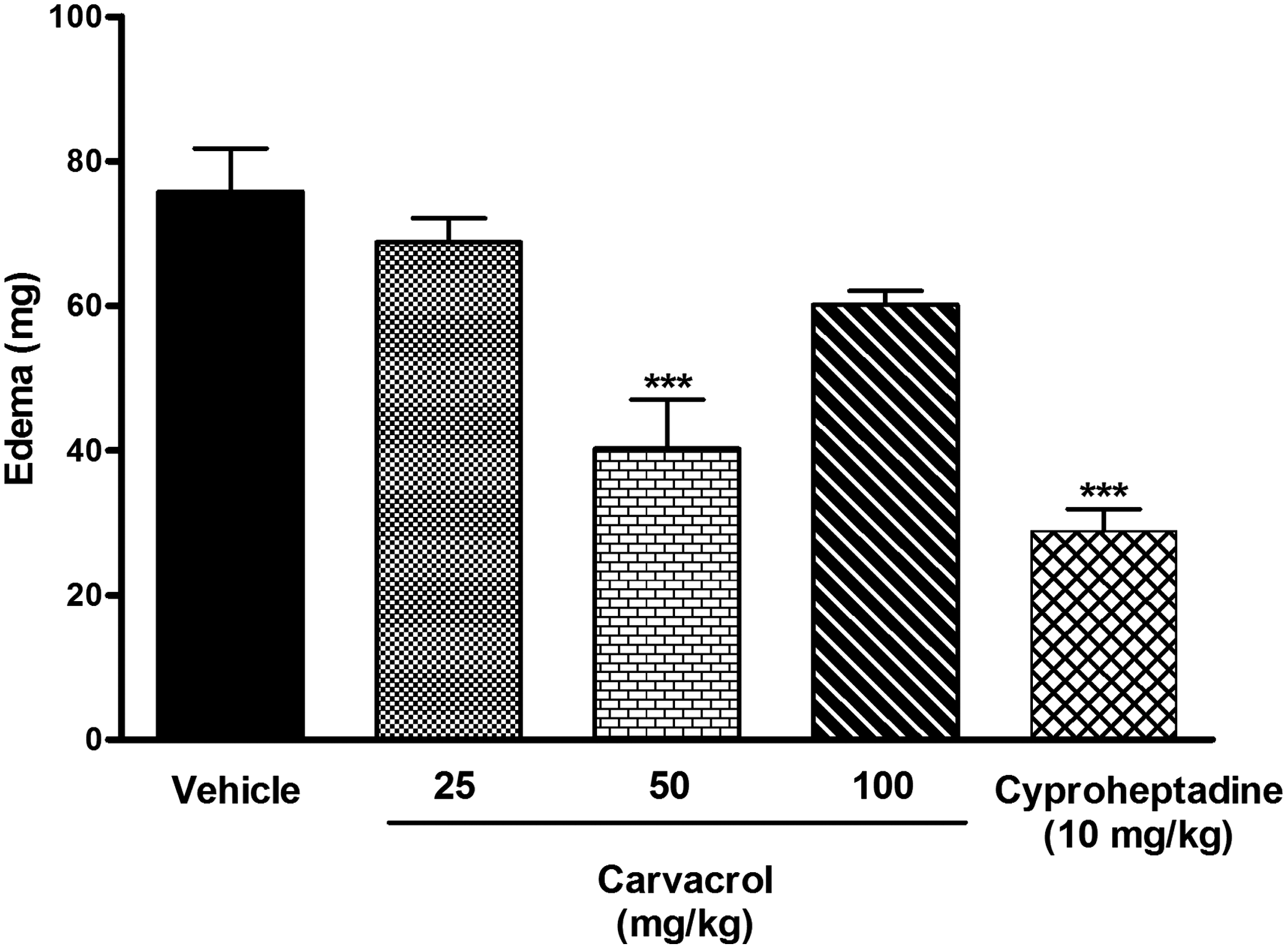
Effect of carvacrol (25, 50, and 100 mg/kg) and cyproheptadine (10 mg/kg) on paw edema induced by histamine (0.05 mL per paw, intraplantarly) in mice. Data are mean±SEM values. Statistical calculations were by one-way analysis of variance followed by Tukey's test. ***P<.001 compared with vehicle.
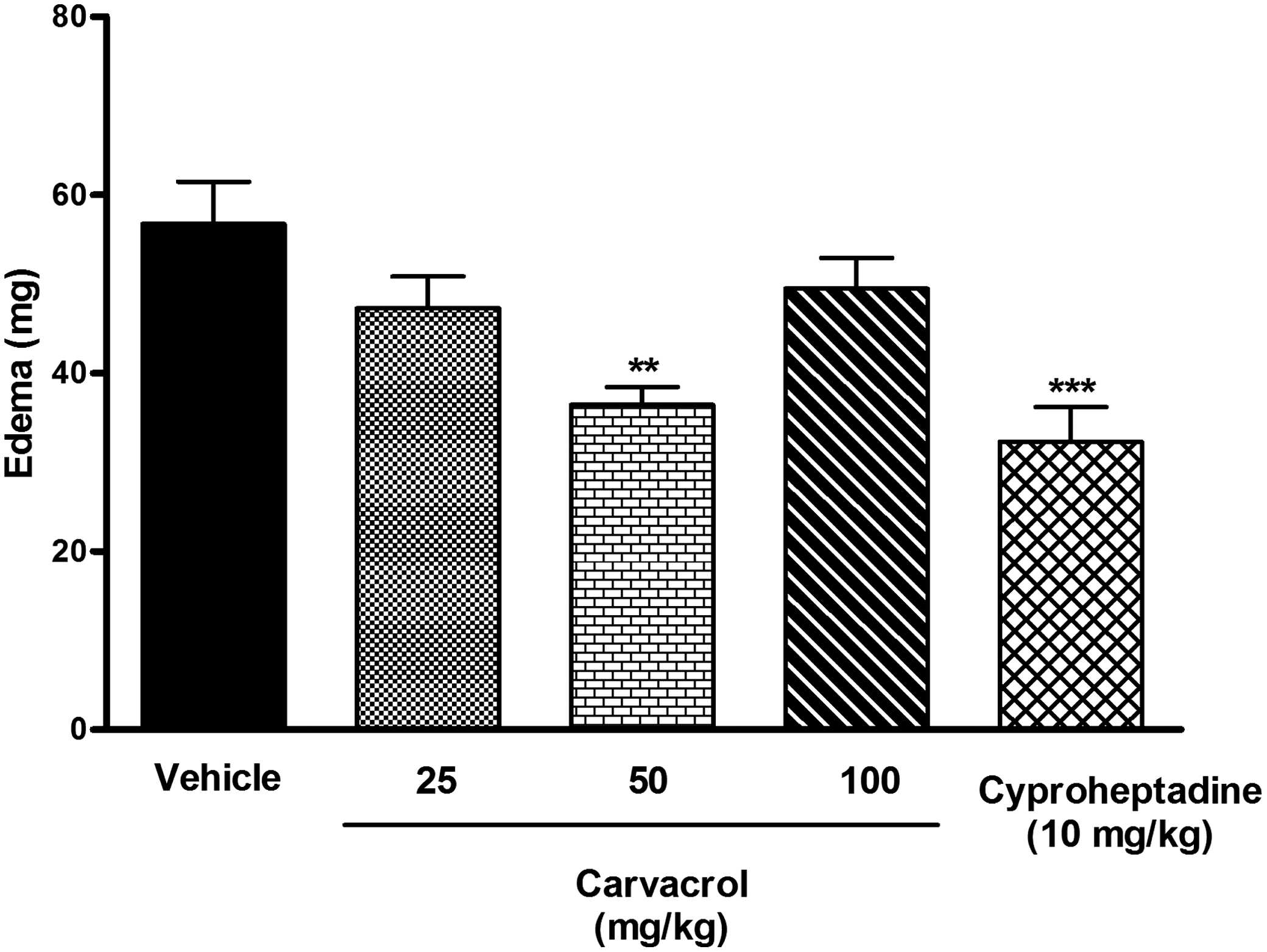
Effect of carvacrol (25, 50, and 100 mg/kg) and cyproheptadine (10 mg/kg) on paw edema induced by dextran (0.05 mL per paw, intraplantarly) in mice. Data are mean±SEM values. Statistical calculations were by one-way analysis of variance followed by Tukey's test. **P<.01, ***P<.001 compared with vehicle.
Effect of carvacrol on paw edema induced by substance P
The results of the paw edema induced by substance P are shown in Figure 4. Carvacrol was able to decrease the edema formation only at 100 mg/kg (46%). Ruthenium red (3 mg/kg) was effective in reducing edema formation (40%) when compared with vehicle.
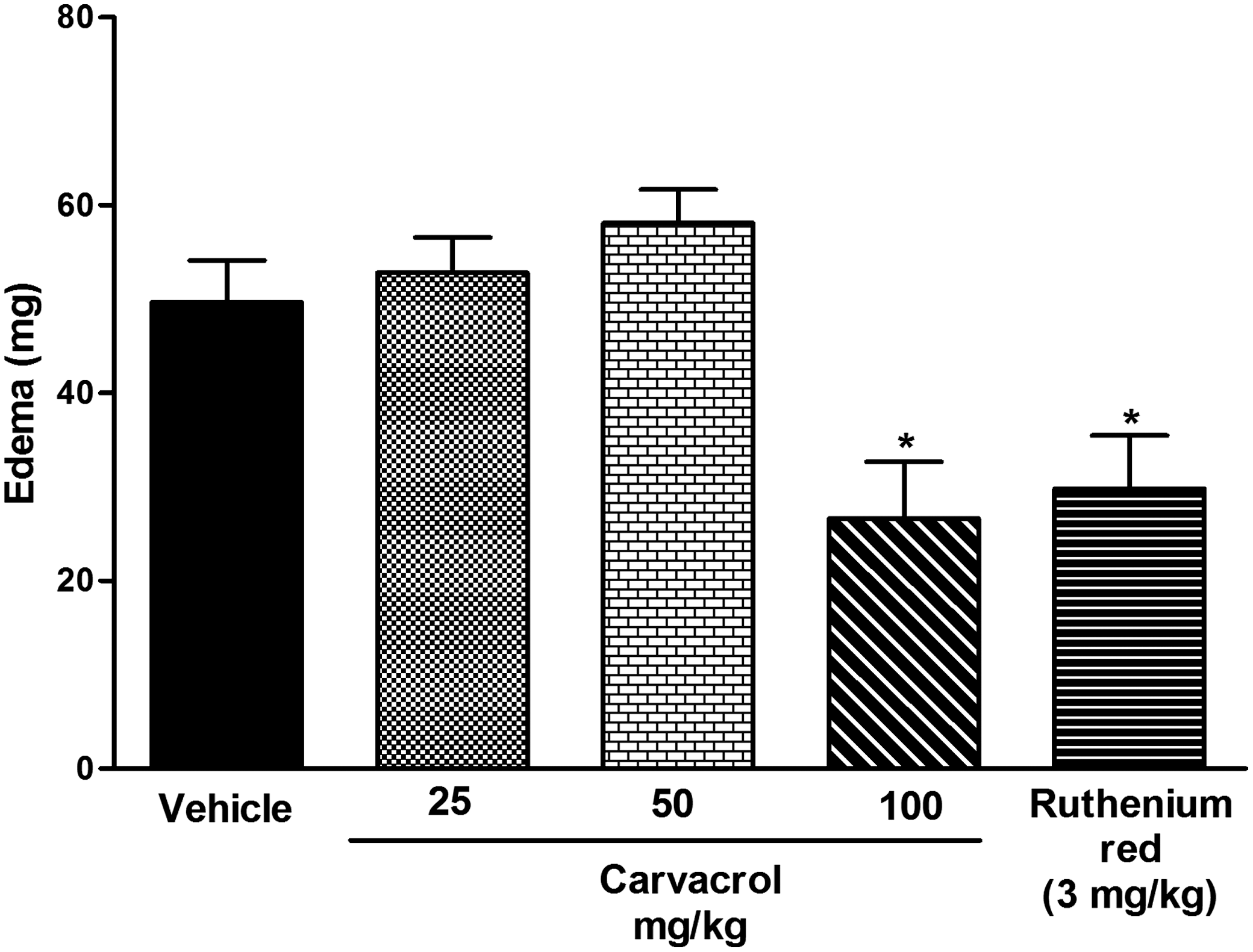
Effect of carvacrol (25, 50, and 100 mg/kg) and ruthenium red (3 mg/kg, s.c.) on paw edema induced by substance P (0.05 mL per paw, intraplantarly) in mice. Data are mean±SEM values. Statistical calculations were by one-way analysis of variance followed by Tukey's test. *P<.05 compared with vehicle.
Effect of carvacrol on ear edema induced by TPA
The administration of carvacrol (0.1 mg per ear) significantly reduced the formation of ear edema induced by TPA (43%). Indomethacin (0.5 mg per ear) also significantly inhibited edema formation (55%) compared with vehicle (Fig. 5).
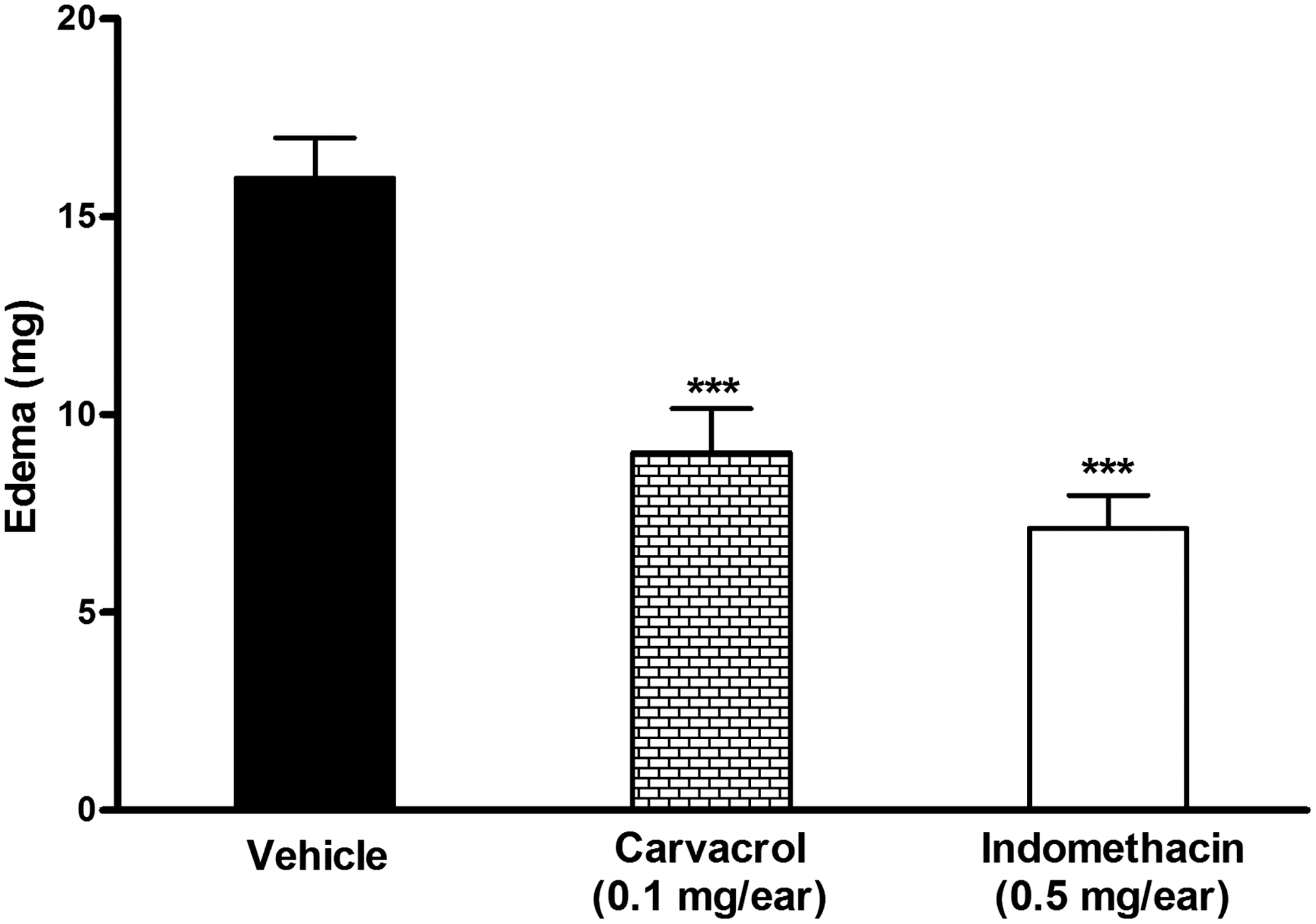
Effect of carvacrol (0.1 mg per ear) and indomethacin (0.5 mg per ear) on ear edema induced by 12-O-tetradecanoylphorbol acetate (2 μg/ear) in mice. Data are mean±SEM values. Statistical calculations were by one-way analysis of variance followed by Tukey's test. ***P<.001 compared with vehicle.
Effect of carvacrol on ear edema induced by arachidonic acid
In edema induced by arachidonic acid, carvacrol (0.1 mg per ear) significantly reduced the formation of edema (33%), and indomethacin (2 mg per ear) significantly inhibited edema (57%), compared with vehicle (Fig. 6).
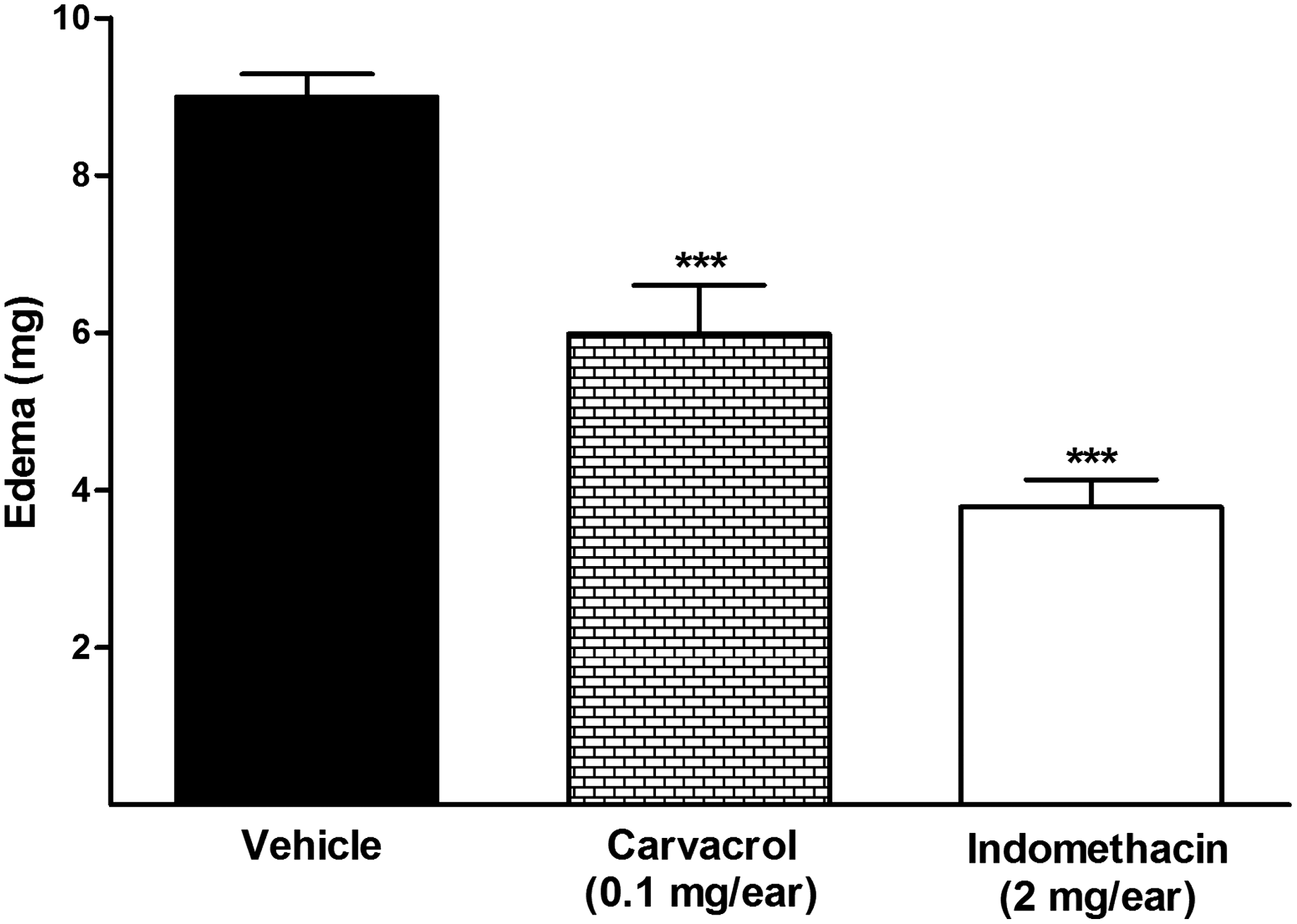
Effect of carvacrol (0.1 mg per ear) and indomethacin (2 mg per ear) on ear edema induced by arachidonic acid (0.1 mg/μL) in mice. Data are mean±SEM values. Statistical calculations were by one-way analysis of variance followed by Tukey's test. ***P<.001 compared with vehicle.
Effect of carvacrol on gastric lesions induced by acetic acid
Oral treatment for 14 consecutive days showed that carvacrol accelerates the healing of chronic gastric ulcers induced by acetic acid in rats, as shown in Figure 7 and Table 1. Carvacrol at 25, 50, and 100 mg/kg significantly reduced the area of the lesion (60%, 91%, and 81%, respectively) compared with vehicle (P<.001).
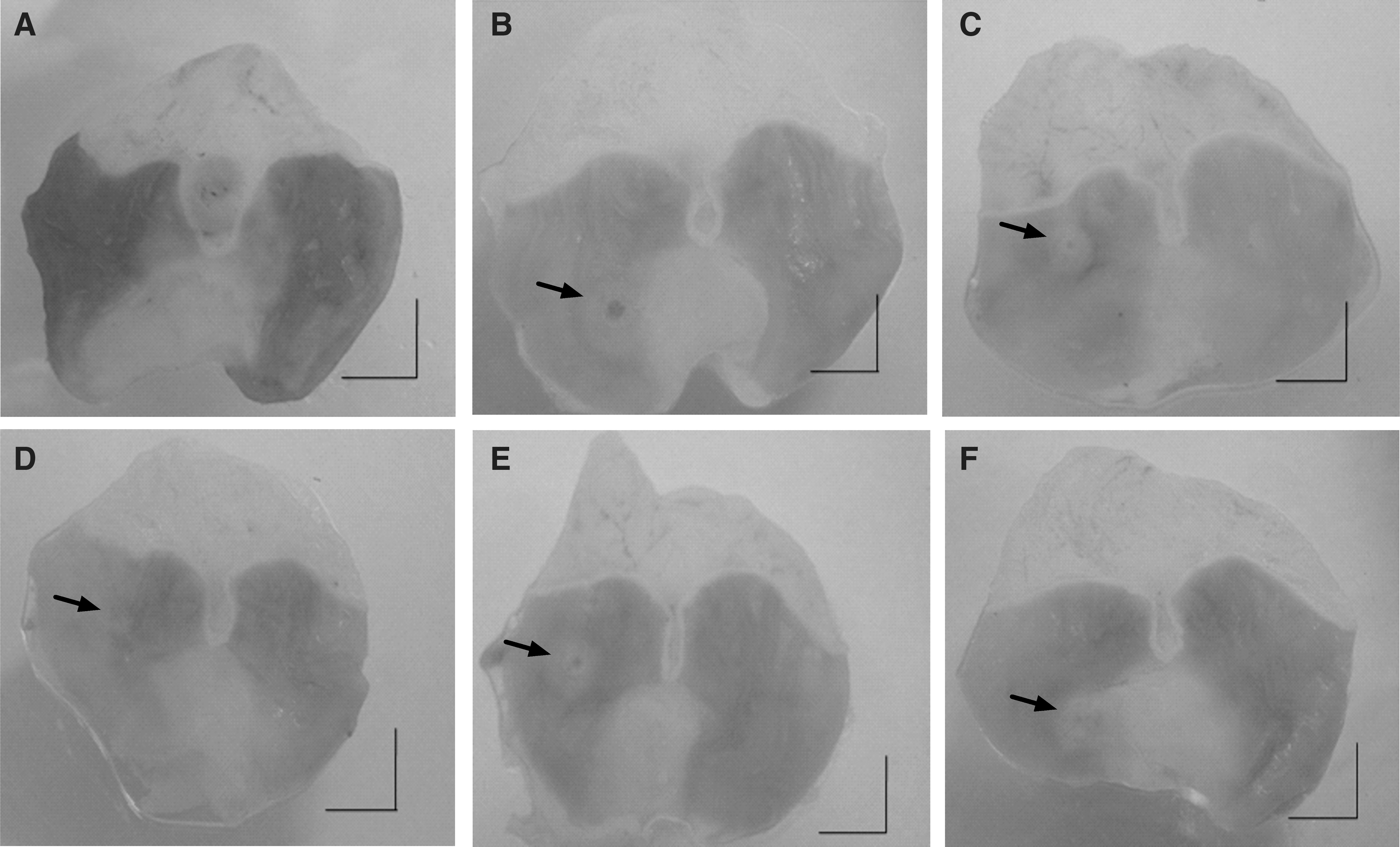
Illustrative photograhs of stomachs (arrows indicated the area of injury):
Data are mean±SEM values. Statistical calculations were by one-way analysis of variance followed by Tukey's test.
P<.001 compared with vehicle.
Discussion
Natural compounds with different mechanisms of action may be used to treat inflammatory diseases. 17 The importance of essential oils and their constituents, especially the monoterpenes, is supported by several studies with some reported pharmacological activities, such as anti-inflammatory, 18,19 antimicrobial, 20 antioxidant, and analgesic. 5,21 Therefore, the study of these substances is necessary for the discovery of new sources of medicines. 22
The inflammatory process is characterized by four classic signs: heat, erythema, edema, and pain. Thus, edema formation as an evaluation parameter allows the assessment of topical and systemic anti-inflammatory potentials of different agents, whether they are synthetic compounds, plant extracts, or isolated compounds. 16 The present study showed the anti-inflammatory and anti-ulcer properties of carvacrol, a phenolic monoterpene constituent of the essential oil produced by numerous aromatic plants and spices, in models of paw and ear edema by various phlogistic agents and anti-ulcer activity in the gastric injury model induced by acetic acid.
Studies show that local application of dental gel based on carvacrol has antimicrobial and anti-inflammatory effects and prevents alveolar bone resorption in experimental periodontitis, evaluated by a histopathological and topographical analysis using atomic force microscopy. 18,23 Plectranthus amboinicus (Lour.), whose main chemical compound is carvacrol, showed significant anti-inflammatory activity in the model of paw edema induced by carrageenan in mice, via inhibiting vascular permeability, which might be related to the reduction of COX-2 and tumor necrosis factor-α. 19 Additionally, the antimicrobial properties of the essential oil of Lippia sidoides and its major constituents (carvacrol and thymol) against important oral pathogens, as Streptococcus mutans and Candida albicans, were previously demonstrated. 20
The antinociceptive effect induced by carvacrol has also been reported in peripheral models of pain and seems to involve the inhibition of inflammatory mediators. 5 Furthermore, the topical anti-inflammatory activity of carvacrol has been reported on croton oil-induced ear edema 24 and carrageenan-induced paw edema, besides its antioxidant and free radical scavenger activities, which could reduce the oxidative stress and inflammation. 5,25 Likewise, some studies have shown that this compound possesses an inhibitory effect on COX. 7
Exposure to inflammatory mediators such as carrageenan, endotoxins, and cytokines leads to induction of both the COX and nitric oxide synthase enzymes. 26 This observation is also supported by several studies showing that the anti-inflammatory activities of natural products, such as monoterpenes (linalool and geranial), were the result of reducing the production of nitric oxide in the carrageenan-induced inflammation model. 27,28
Other mediators, such as histamine, serotonin, bradykinin, and substance P, in addition to the metabolites of arachidonic acid, are also involved in promoting edema formation in the inflammation process and act directly on specific receptors present in endothelial cells and postcapillary venules and also should be considered. 29 Aiming to investigate mechanisms involved in carvacrol-induced anti-inflammatory effect, we used other phlogistic agents, such as histamine, dextran, and substance P, that trigger acute inflammatory processes by distinct mechanisms.
Histamine promotes vasodilation and increases vascular permeability, promoting an edema response within minutes. 30 Dextran is a polysaccharide that promoted release of histamine and serotonin from mast cells during the formation of edema, 31,32 interacting with their respective receptors (H1/H2 and 5HT2) on endothelium of microvessels. Additionally, primary afferent fibers contribute to the inflammatory process by releasing neuropeptides such as substance P and calcitonin gene-related peptide. 33 Such chemical mediators act mainly by sensitizing the nociceptors. 34 Our results demonstrate that carvacrol was able to decrease the formation of paw edema induced by intraplantar injection of histamine or dextran in mice and reduced the edema induced by substance P, suggesting that carvacrol possesses an activity on vascular events of inflammation possibly by suppressing the release of histamine and serotonin from mast cells and/or by action on histamine receptors, as well as suppression of release or action of substance P. Corroborating studies have shown an inhibitory effect of Zataria multiflora Boiss (Labiatae) and its constituent carvacrol on histamine H1 receptors in guinea pig tracheal chains. 35
The dermal administration of TPA to the mouse ear is a well-characterized model to induce an inflammatory response mediated through up-regulation of COX-2 expression. 36 The ear edema model induced by TPA is a useful model for screening anti-inflammatory activity of compounds that act in the acute phase of inflammation as well as in hyperproliferative inflammatory processes. 37
Topical application of TPA induces a cutaneous inflammatory response characterized by vasodilation and erythema formation in the first 2 h, followed by increased thickness of the ear as a result of cell leakage, which reaches a peak at the sixth hour and then tends to decrease, reaching baseline after 24 h. The precise mechanism by which TPA exerts its effect is due to activation of protein kinase C, as well as the sequential activation of phospholipase A2, induction of COX-2 expression, and translocation/activation of lipooxygenase, which in turn culminate in synthesis and release of several pro-inflammatory mediators responsible for edema formation, leukocyte migration to the dermis, and cellular hyperproliferation, which are the characteristics of the inflammatory response induced by topical application of TPA. 38 Considering the inhibition of edema formation in this model, carvacrol is probably specifically interacting with some of these pathways described above and can, therefore, be an interesting target for the development of new therapeutic anti-inflammatory agents. 39 The inhibition of carvacrol-induced leukocyte migration possesses a great importance, whereas the increased number of neutrophils in skin is strongly associated with some cutaneous inflammatory diseases such as dermatitis. 40
Considering signaling pathways and pro-inflammatory mediators involved in inflammatory response in the model of ear edema induced by TPA, probably there are several pharmacological targets on which carvacrol may exert its pharmacological action. Additionally, the anti-inflammatory effect of this monoterpene might be partially mediated by an inhibitory action on synthesis of arachidonic acid metabolites or the blocking of their actions.
Topical application of arachidonic acid generates a rapid inflammatory response characterized by intense erythema and edema with a small accumulation of neutrophils, where the main mediators involved are eicosanoids such as prostaglandin E2 and leukotrienes (produced by the pathway of COX-1, COX-2, and lipooxygenase). Arachidonic acid can also act as a second messenger that regulates many cellular processes, including the formation of nitric oxide. 41 Carvacrol promoted a significant decrease in ear edema induced by arachidonic acid.
The model of ear edema induced by arachidonic acid is extremely useful in detecting possible in vivo inhibitors of COX/lipooxygenase. Thus, the results suggest the efficacy of carvacrol in inflammatory dermatoses and evidence that the anti-inflammatory effect of this monoterpene is probably associated with reduced levels of arachidonic acid metabolites in the skin tissue. Carvacrol showed an inhibitory effect on cell migration of neutrophils and mononuclear cells, without altering the morphological profile of these cells, as well as a reduction of tumor necrosis factor-α level in the pleural exudates. 21 A possible explanation for these findings may be the fact that carvacrol, underlying activation of peroxisome proliferator-activator receptor α and γ, inhibits the COX-2 expression and prostaglandin synthesis involved in exudate formation in the inflammatory process. 7 Another study shows in vivo up-regulation of heat shock protein 70 by carvacrol triggers heat shock protein 70–specific Treg cells that suppress inflammation in autoimmune arthritis. 42
The infiltration of leukocytes to the site of inflammation exacerbates the inflammatory reaction, producing excessive amounts of proteolytic enzymes, reactive oxygen species, eicosanoids, and cytokines, causing tissue damage 43 and thus preventing the healing of the injured area.
Agents that act by reducing the release of inflammatory mediators cause the microcirculation to recover its original hemodynamic state, and the fluid and exudated cells return to the bloodstream. If necrosis occurs, the damaged tissue is phagocytosed, and, soon after, the phenomenon of healing or regeneration arises, all depending on the extent of the lesion and the affected organ. 44 To evaluate a possible healing activity of carvacrol, which would corroborate the results obtained so far, we used the model of gastric lesions induced by acetic acid in rats.
Ulcer healing, a genetically programmed repair process, includes inflammation, cell proliferation, re-epithelialization, granulation tissue formation, angiogenesis, and tissue remodeling, all resulting in scar formation. The ability to accelerate the process of ulcer healing depends on many factors such as epidermal growth factor, fibroblast growth factor, vascular endothelial growth factor, trefoil peptides, and COX-2. 45 Although suppressors of acid secretion have been a pillar for the promotion of ulcer healing for three decades, there has been a growing interest in recent years in the mechanisms by which ulcers heal and in the possibility that the speed and quality of healing can be pharmacologically modulated. 46
The model of gastric lesions induced by acetic acid was developed to examine the healing process of peptic ulcers. This model closely resembles human ulcers in both pathological aspects and healing mechanisms because they are difficult to treat and require a long time to heal. 47 Carvacrol has been shown to accelerate healing of chronic gastric ulcers induced by acetic acid in rats (Table 1).
Carvacrol has shown a potential for the treatment of inflammatory skin diseases, considering that it is able to act effectively on two important events associated with the inflammatory process—edema and leukocyte infiltration—and seems to play a part in accelerating the healing process, suggesting a possible contribution of carvacrol-rich plants traditionally used for their anti-inflammatory and anti-ulcer activities.
Footnotes
Acknowledgments
This work was supported by the Federal University of Piauí, Brazil, the Federal University of Sergipe, Brazil, the Coordenação de Aperfeiçoamento de Pessoal de Nível Superior, Brazil, and the Conselho Nacional de Desenvolvimento Científico e Tecnológico, Brazil.
Author Disclosure Statement
The authors declare they have no competing financial interests.