




Abstract
Manilkara zapota is a tropical evergreen tree belonging to the Sapotaceae family; its parts are used in alternative medicine to treat coughs and colds and possess diuretic, antidiarrheal, antibiotic, antihyperglycemic, and hypocholesterolemic effects. There are no studies on metabolic profile after using the fruit, and this study aimed at evaluating the effects of the leaf and pulp of M. zapota fruit on the metabolic profile of Wistar rats. Male rats were treated for 50 days with M. zapota leaf juice or fruit juice, after which their biochemical and body composition profiles were analyzed (glycemia, triglycerides, high-density lipoprotein cholesterol (HDL-c), insulin, leptin, aspartate transaminase, alanine aminotransferase, Lee Index, and body mass index). Our results indicate significantly lower levels of glycemia, insulin, leptin, cholesterol, and triglycerides and augmented levels of HDL-c in animals treated with the leaves or fruit of this plant. The percentage of weight gain also declined in animals treated with M. zapota fruit pulp. The use of the M. zapota may be helpful in the prevention of obesity, diabetes, dyslipidemia, and their complications.
Introduction
I
In addition to hyperglycemia, insulin and leptin resistance, augmented total cholesterol and triacylglycerides, and low high-density lipoprotein cholesterol (HDL-c) levels, the accumulation of visceral fat is also associated with cardiovascular risk factors. 3
In recent years, the Brazilian flora has been extensively exploited due to its wealth of fruits with significant sensory qualities and nutritional appeal. Manilkara zapota L (sapodilla) (synonyms: Manilkara zapotilla, Manilkara achras, Achras zapota, and Achras sapota) is a tropical evergreen tree belonging to the Sapotaceae family, which originates from southern Mexico and Central America, but it can be found throughout most of Brazil and India. In Brazil, it is grown from the state of São Paulo till the Amazon region. Its fruit, which is considered exotic, succulent, sweet, and with a pleasant aroma, is known as sapodilla or naseberry. 4,5
Parts of the sapodilla tree are used in alternative medicine: its seeds have the ability to purge the digestive system, and are also considered diuretic and tonic. 6,7 The tree's bark has been imputed to possess antidiarrheal, astringent, and antibiotic effects. 7,8 The fruit is also used as an antidiarrheal and for the treatment of pulmonary diseases. 8 The leaves are used to treat coughs, colds, and diarrhea. Its seeds and leaves exhibit significant antibacterial activity. 7 –9 Fayek et al. 10 showed for the first time the antihyperglycemic and hypocholesterolemic activities of M. zapota leaves. They also showed that an aqueous and alcoholic extract of the leaves exhibits antioxidant activities.
The literature contains no studies that show the effects of the use of M. zapota fruit on the metabolic parameters. In view of this fact, the objective of this study was to evaluate and compare the effects of the consumption of the pulp and leaves of this plant on the levels of glycemia, lipemia, insulin, and leptin and the body weight of Wistar rats.
Materials and Methods
Groups of animals
This work was approved by the Animal Research Ethics Committee of the University of Marília (UNIMAR). The animals were treated according to the “Guide for the Care and Use of Experimental Animals” (that follows principles for the care of laboratory animals).
Thirty male Wistar rats were used, weighing ∼250 g and of the same age, which were kept in the vivarium at UNIMAR under a dark/light cycle of 12 h, a room temperature of 22°C±2°C, and relative air humidity of 60%±5%. Throughout the experiment, the animals of the treated groups were fed M. zapota leaf juice and pulp juice and rat food ad libitum.
After a period of 7 days of acclimation to the laboratory, the animals were divided randomly into three groups (n=10) and treated for 50 consecutive days, as follows (animals were housed in propylene boxes [40×30×17 cm] with five animals each):
G1 received water (in plastic drinkers) and commercial feed (Purina®) ad libitum;
G2 received commercial feed (Purina) and M. zapota pulp juice (in plastic drinkers) ad libitum instead of water;
G3 received commercial feed (Purina) and M. zapota leaf juice (in plastic drinkers) ad libitum instead of water.
Weight gain was monitored once a week on days 1, 8, 15, 23, 31, and 39 of the experiment. The animals were fed daily, and their consumption (of rat food and water) was recorded based on the leftovers found each day.
Collection of plant material
The species [M. zapota (L.) P. Royen; family: Sapotaceae] used in this study was collected in Marília, state of São Paulo, Brazil, and was identified at the Ribeirão Preto School of Philosophy, Sciences, and Literature of the University of São Paulo. Determined/confirmed by: M. Groppo X.2011. Collector and number: M. Groppo 2076. Registered in the Herbarium under no. SPFR 13138.
Preparation of M. zapota leaf juice
The juice was prepared from M. zapota leaves by grinding them with water in a blender, in a proportion of 1:5 (leaves:water). The juice was filtered through gauze, stored in 500 mL plastic bottles, and frozen (−18°C).
Preparation of M. zapota pulp juice
The pulp juice was prepared with ripe fruits that were blended with water in a blender, without removing the seeds, in a proportion of 1:5 (pulp:water). The juice was filtered through gauze, stored in 500 mL plastic bottles, and frozen (−18°C).
Collection of blood samples and determination of the biochemical profile
After 50 days of treatment, the animals were anesthetized with Hypnol® (sodium pentobarbital) until complete sedation, after which blood samples were drawn to determine their biochemical profile: glycemia, aspartate transaminase (AST), alanine aminotransferase (ALT), total cholesterol, HDL-c, triacylglycerides, leptin, and insulin. The glucose and lipid levels were measured in mg/dL, AST and ALT in U/L, insulin in IU, and leptin in ng/mL.
The blood analysis was performed at the Clinical Analysis Lab of the University Hospital of UNIMAR (Laboratório São Francisco), and the results were interpreted according to the ADA. 11
Collection of visceral fat
After death was confirmed, an incision was made in the abdominal region and the visceral fat was removed with scissors and tweezers and weighed.
Determination of body mass
At the end of the experimental period, all the rats were anesthetized before measuring their body length (nose-to-anus or nose–anus length). The body weight and length were used to determine the following parameters: body mass index (BMI)=body weight (g)/length 2 (cm2); Lee index=cube root of body weight (g)/nose-anus length (cm) and specific rate of body mass gain (g/kg)=dM/Mdt, where dM represents the gain of body weight during dt=t2−t1 and M is the rat body weight at t1. 12,13
Statistical analysis
The variables are presented as means±standard error. The data were analyzed by Tukey's t-test with a 5% level of significance.
Results
A comparison of the effects of M. zapota on the control group and treated groups and between the treated groups is given next.
Figure 1 indicates that the animals treated with leaves and those treated with juice of M. zapota showed significantly lower glycemic indices than the control animals, but there was no difference between the treated groups.

Values of glycemia in the control group (G1), the group treated with fruit (G2), and the group treated with leaves (G3) of M. zapota.
Significant reductions in the values of insulin were observed in the treated groups when compared with the control, but no difference was found between the two treatments (Fig. 2).
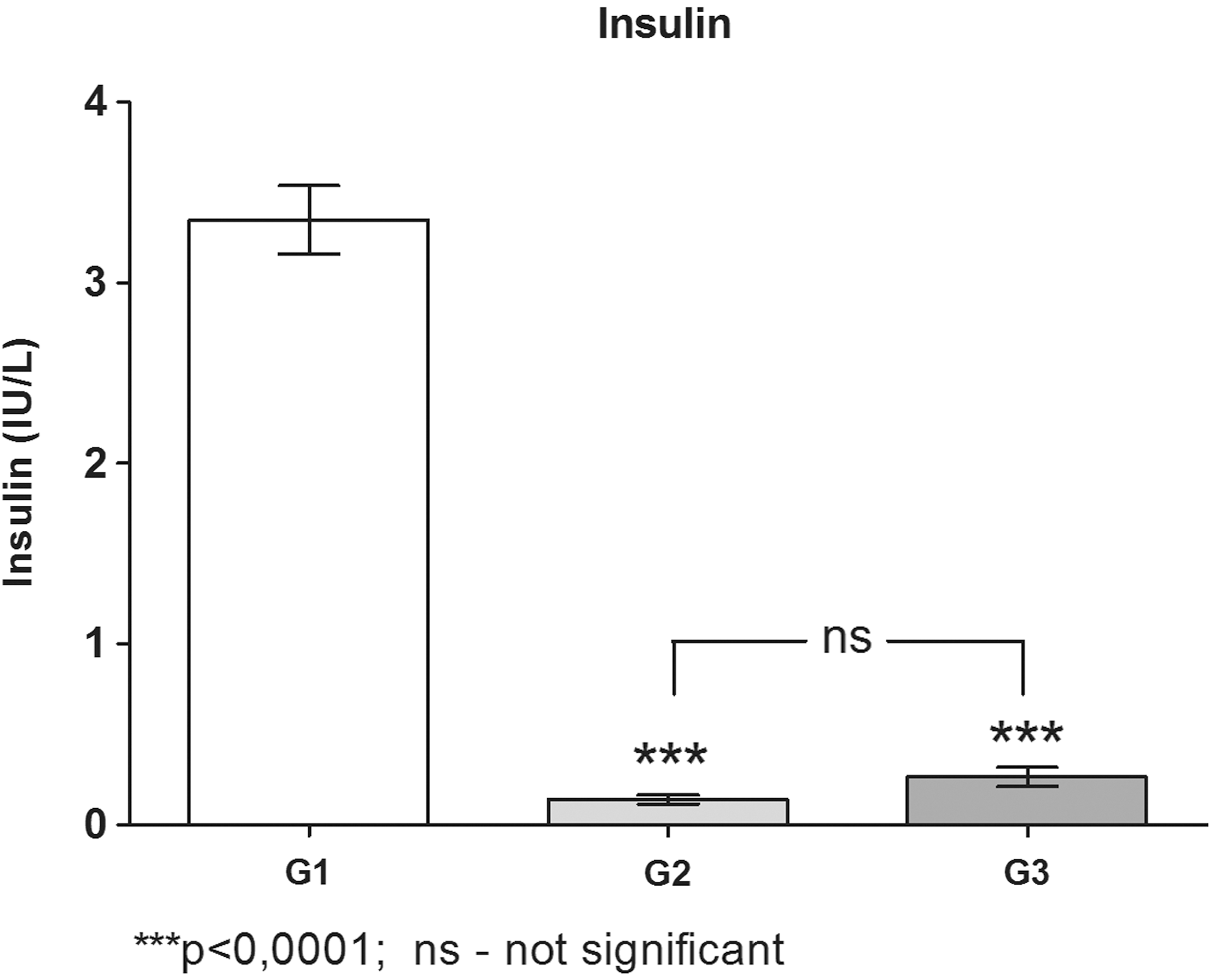
Values of insulin in the control group (G1), the group treated with fruit (G2), and the group treated with leaves (G3) of M. zapota.
The leptin levels were significantly lower in the group treated with fruit than in the control, but there was no difference between the treatments (Fig. 3).
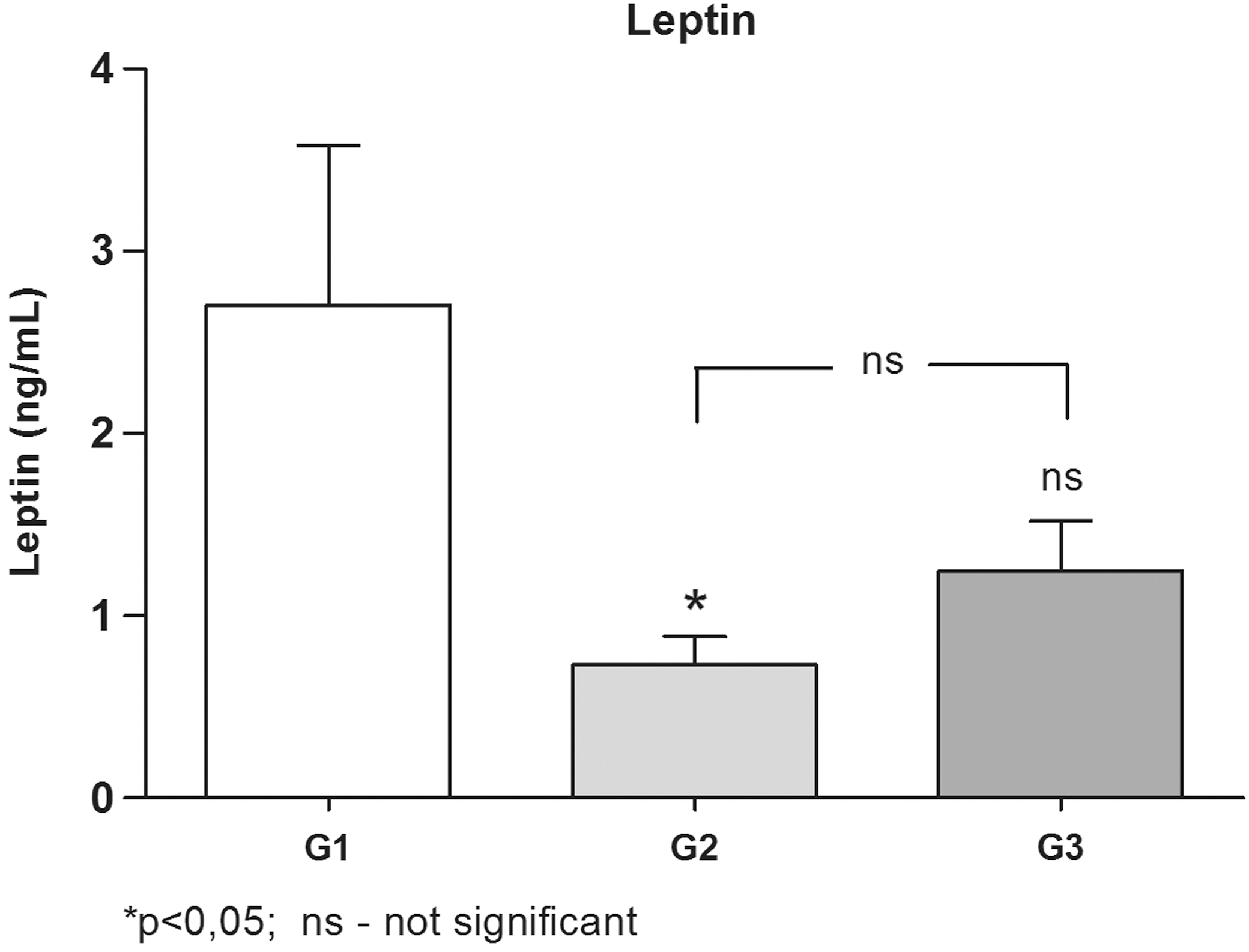
Values of leptin in the control group (G1), the group treated with fruit (G2), and the group treated with leaves (G3) of M. zapota.
Figure 4 shows that there was a significant reduction in the total cholesterol and triglycerides levels of the groups treated with M. zapota when compared with the control (the total cholesterol levels showed no difference between the treated groups, but the triglyceride levels were lower in the group treated with the fruit). There was a significant increase in the HDL-c levels of the treated groups when compared with the control (but no significant difference between the animals treated with fruit or leaves).
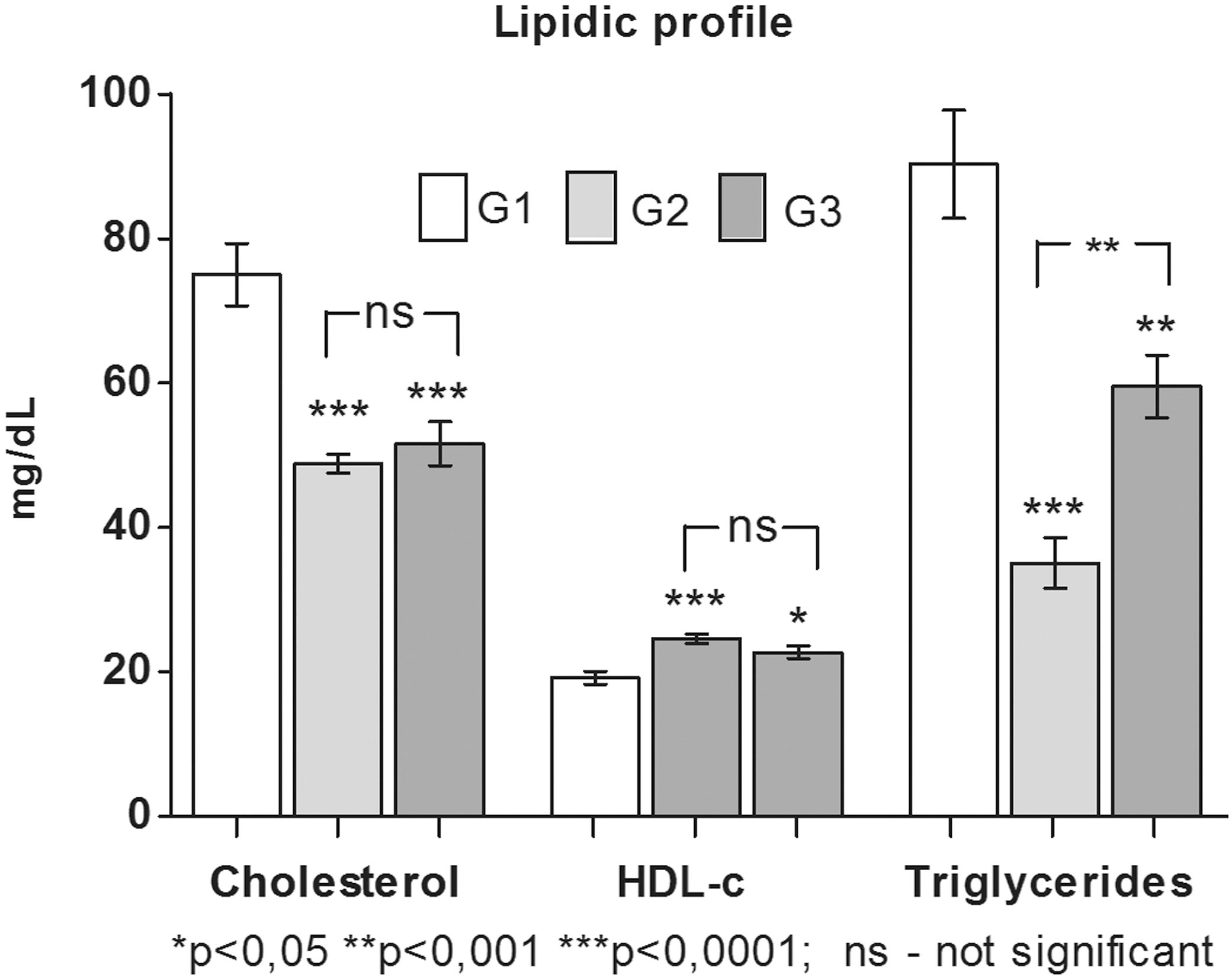
Lipid profile of the control group (G1), the group treated with fruit (G2), and the group treated with leaves (G3) of M. zapota.
A decrease in percent weight gain was found in G2 when compared with the control group (G1). No differences were found between G1 and G3 or between G2 and G3 (Fig. 5).
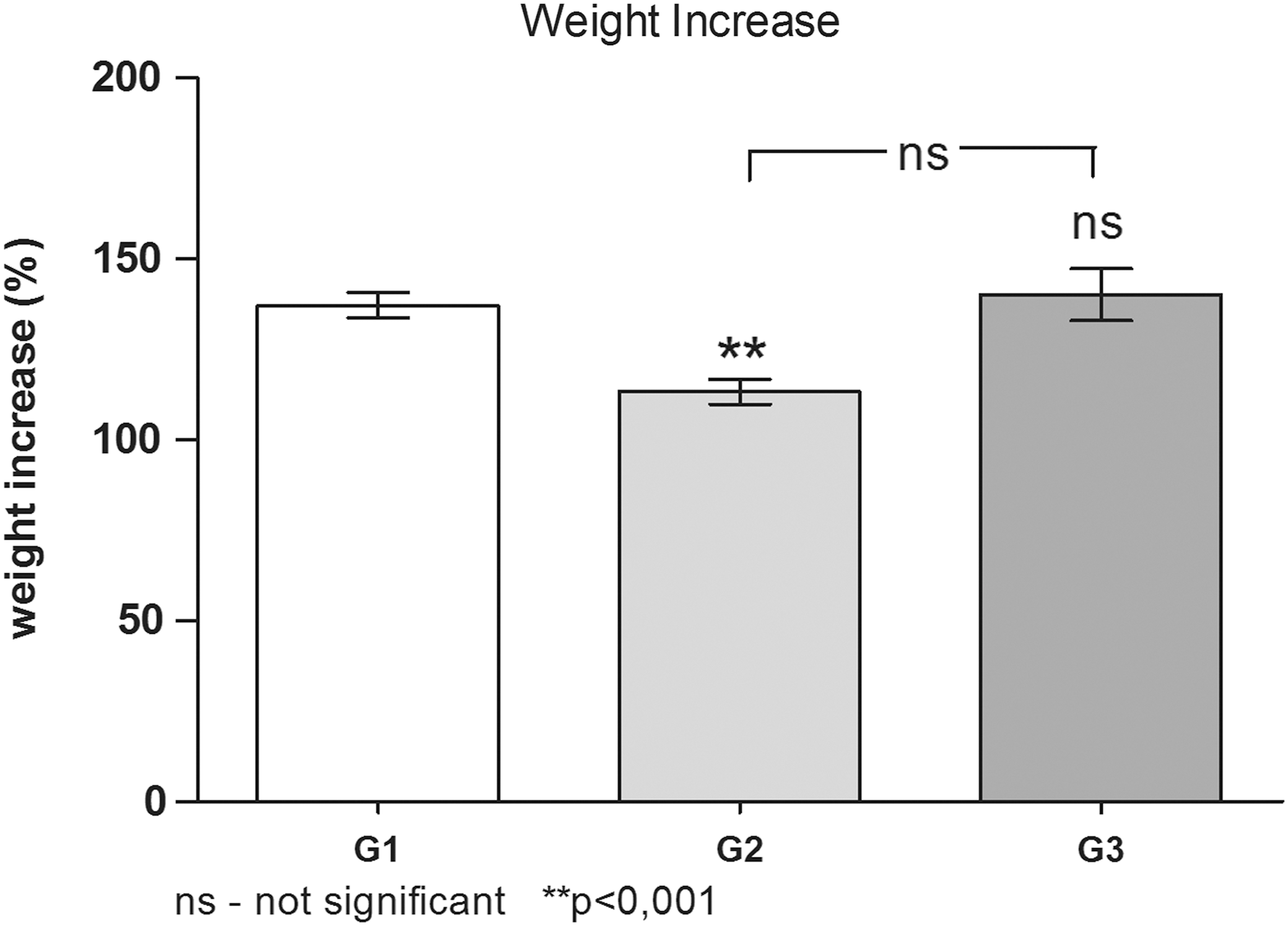
Percent weight gain of the animals of the control group (G1), the group treated with fruit (G2), and the group treated with leaves (G3) of M. zapota.
No significant differences were found among the groups with regard to the weight of visceral fat (Fig. 6), hepatic enzyme levels (ALT and AST) (Fig. 7), Lee index (Fig. 8), and BMI (Fig. 9).

Weight of visceral fat in the control group (G1), the group treated with fruit (G2), and the group treated with leaves (G3) of M. zapota.
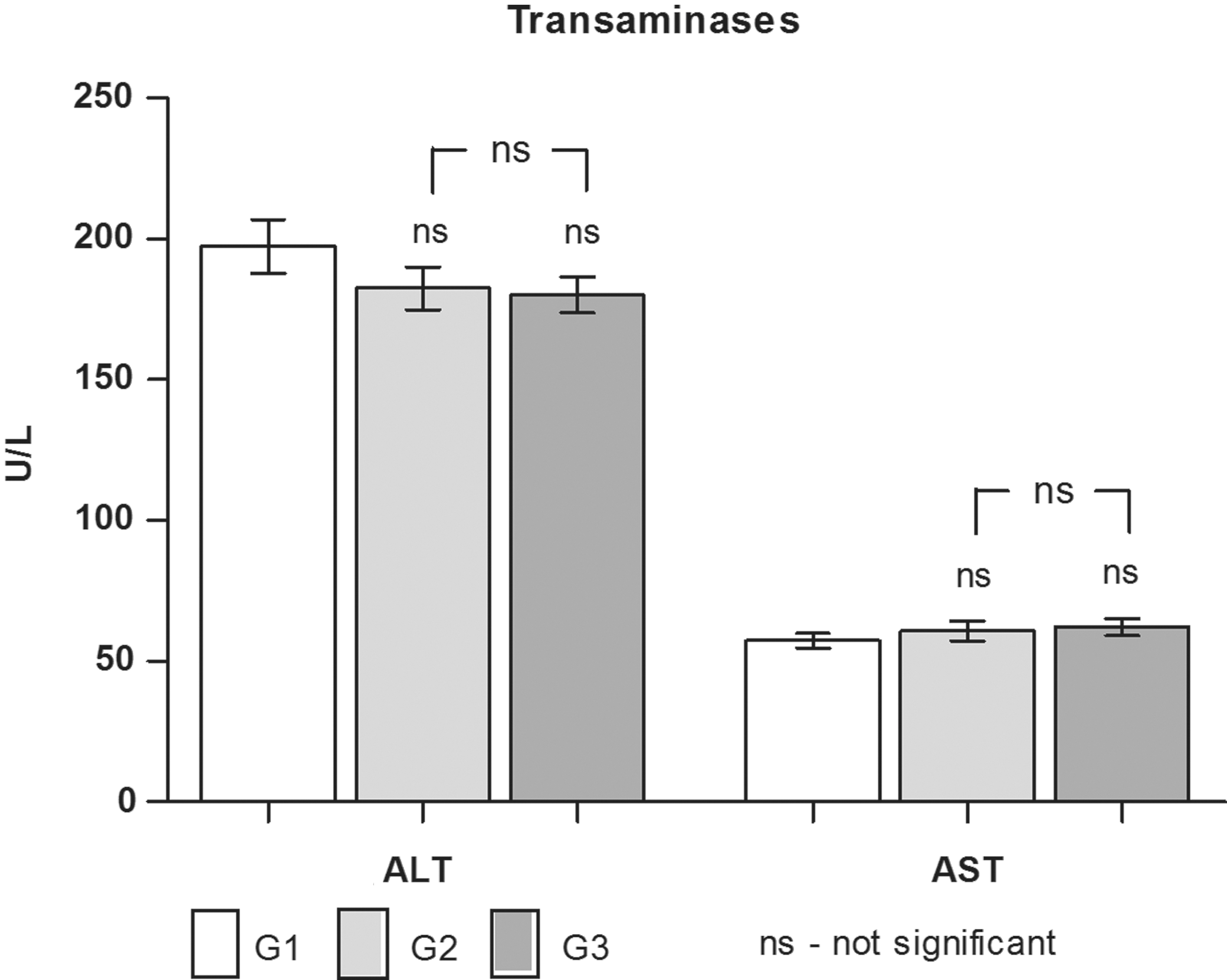
Values of alanine aminotransferase (ALT) and aspartate transaminase (AST) in the control group (G1), the group treated with fruit (G2), and the group treated with leaves (G3) of M. zapota.
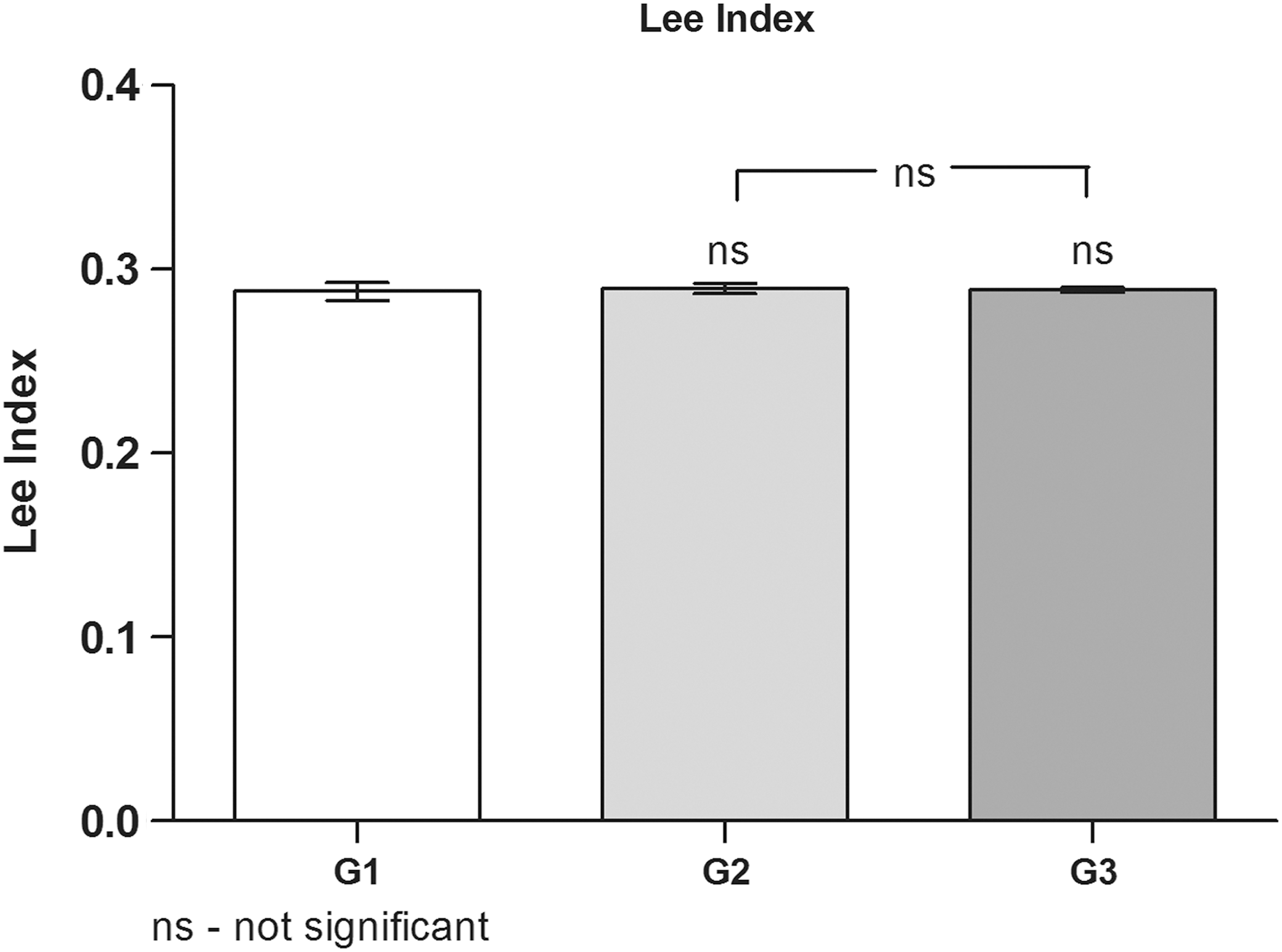
Lee index of the animals of the control group (G1), the group treated with fruit (G2), and the group treated with leaves (G3) of M. zapota.
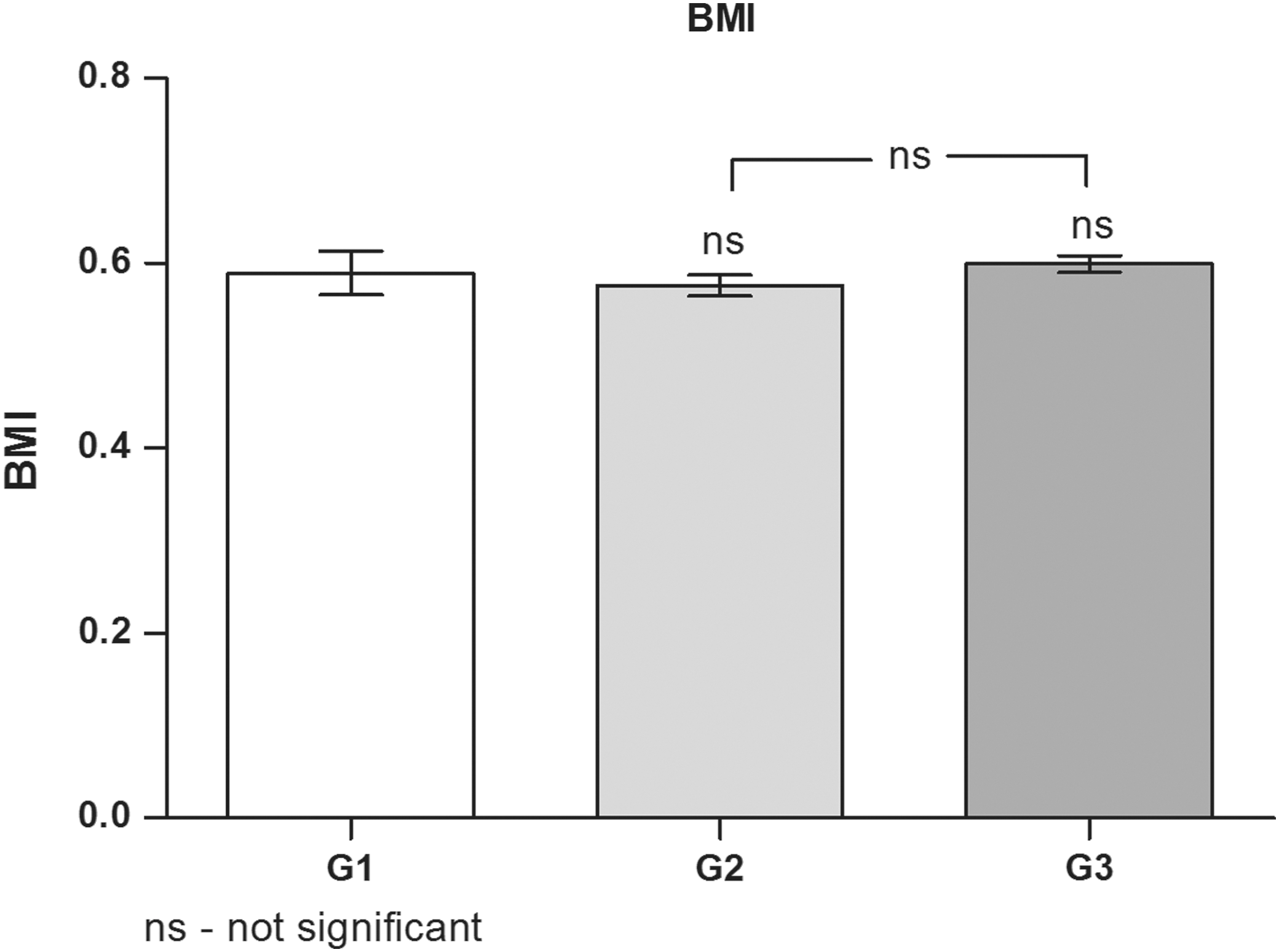
Body mass index (BMI) of the animals of the control group (G1), the group treated with fruit (G2), and the group treated with leaves (G3) of M. zapota.
Discussion
The results of this study indicate that the use of sapodilla (leaves and fruit) is beneficial in controlling glycemia and plasma lipids, as well as in influencing leptin and insulin levels. Many plants have effects on the glycemic and lipid profile of animals and humans due to the presence of active substances such as polyphenols. 1,2,14
According to Shui et al. 15 the extract of M. zapota fruit contains 24 antioxidant compounds, which include polyphenols, terpenes, flavonoids, and glycosides. The phenolic compounds include gallic acid, catechin, epicatechin, methyl chlorogenate, gallocatechin, dihydromyricetin, quercetin, myricetin, leucopelargonidin, leucocyanidin, leucodelphidin, galloyl chlorogenate, and galloyl chlorogenic acid. 9,16,17 Fayek et al. 10 reported for the first time the isolation of lupeol-3-acetate, oleanolic acid, apigenin-7-O-α-L-rhamnoside, and caffeic acid from M. zapota. They also reported the presence of myricetin-3-O-α-L-rhamnoside that was previously isolated from both the leaves and fruits. 16,18
Studies have shown that these substances are involved in the reduction of glycemia and plasma lipids. For example, gallic acid, catechin, and epicatechin inhibit pancreatic cholesterol esterase, which explains the decrease in cholesterol levels. 19,20 Epigallocatechin gallate is able to exert antidiabetic effects on animal models and may reduce vascular complications in diabetes. Park et al. 21 demonstrated that gallated catechins are important as a preventive treatment for diabetes type 2 and obesity. Quercetin has been linked to decreased mortality from heart disease and decreased incidence of stroke, exhibiting angioprotective properties and modulating proteasomal activity in rabbit models of cholesterol-induced atherosclerosis. Myricetin strongly inhibits low-density lipoprotein oxidation, which is helpful in the prevention of heart disease. Other authors have shown that leucopelargonidin and quercetin have hypocholesterolemic and antioxidant activity. Leucodelphinidin has been shown to have hypoglycemic effects. 21 –25 Geetha et al. 26 demonstrated that leucodelphinidin isolated from the bark of Ficus benghalensis has hypoglycemic effects on both normal and diabetic rats. These authors showed that its action is very similar to that of a dose of glibenclamide tested under the same conditions. Many other studies have shown hypoglycemic and hypolipidemic effects after using plants. 27
In addition to the compounds mentioned earlier, sapodilla is also a rich source of ascorbic acid, vitamin A, thiamine, riboflavin, and pantothenic acid, and it also contains fibers, calcium, phosphorus, iron, magnesium, and potassium. 16,28 The combination of isoflavones, phytosterols, polyphenols, flavonoids, ascorbic acid, and fibers has proved to be of great interest due to their role in lipid and antioxidant metabolism. Visavadiya, Narasimhacharya 29 showed that this combination has hypolipidemic effects on hypercholesterolemic rats. Muzáková et al. 30 showed that the presence of carotenoids, as well as of other vitamins, may be inversely related with the presence of interleukin-6, suggesting the potential protective effect of beta-carotene on atherosclerosis due to the inhibition of inflammatory processes. The use of thiamine may interfere in the glycemic profile and leptin levels, indicating that it may help in the prevention of hyperglycemia. Riboflavin may minimize vascular damage due to its relation with the reduction of oxidative stress. Pantothenic acid also has hypolipidemic effects, possibly by reducing insulin resistance and activating lipolysis in serum and adipose tissue. 31 –33
The use of sapodilla also promoted a decrease in the serum levels of leptin and insulin. Increased levels of leptin (hyperleptinemia) and insulin (hyperinsulinemia) may occur in the presence of obesity and dyslipidemia, indicating that in these conditions there is greater resistance to these hormones. 34 Kamalakkannan et al. 35 found increased levels of leptin after a cafeteria diet and found a significant reduction after the use of extract of Caralluma fimbriata. Azman et al. 36 demonstrated that leptin levels decreased after the use of Tamarindus indica. The use of Angelicae gigantis also reduces leptin levels in high-fat diet-induced obese rats. 37 Foucault et al. 38 also found lower insulin resistance after the use of an extract of Chenopodium quinoa. The use of the citrus limonoid nomilin in mice fed a high-fat diet also reduced leptin levels. 39 Bamosa et al. 40 observed lowered insulin resistance using Nigella sativa seeds. The presence of vitamins may also help reduce leptin and insulin levels. 23,24 Berberine (an isoquinoline derivative alkaloid isolated from many kinds of medicinal herbs) improves insulin sensitivity as shown by Yang et al. 41 These authors used human adipose tissue as material, focusing on “the proliferation, differentiation, and adipokine secretion of human preadipocytes.”
The elevation of transaminase levels in the blood indicates the destruction of hepatic cells. No such alterations were found in this study, indicating that the mixtures used here, at the concentrations in which they were administered to the animals, are safe for consumption. 42
Body weight gain and accumulation of visceral fat have been associated with augmented risk of cardiovascular events. 43–44 Chang et al. 45 investigated the antiobesity effects of myricetin and found a significant concentration-dependent decrease in the intracellular accumulation of triglyceride in adipocytes. Myricetin is found in sapodilla 15 but in this work, no variations were observed in visceral fat after treatment with sapodilla leaves and fruit, but the animals treated with the fruit's juice showed a lower percent weight gain than those of the control group. Figueiredo et al. 46 demonstrated that the use of linseeds reduced offspring adiposity. Other studies have shown that some plants, such as C. fimbriata, 47 apple pomace and juice, 48 Geranium thunbergii, 49 and mulberry, 50 can have anti-obesity effects.
Our findings corroborate those of many other studies, which have shown that plants can be used as alternatives or as adjuvants in conventional allopathic treatments for glycemic disorders and dyslipidemia, thus contributing toward minimizing the mortality and morbidity resulting from diabetes and its complications. This research shows that the use of M. zapota may be helpful in the prevention of obesity, diabetes, dyslipidemia, and their complications in animal models. Therefore, studies should be designed to meet the possible benefits of this plant in humans.
Footnotes
Authors' Contributions
S.M.B., D.P.C., M.S.S.S. and F.M.V.F.M. contributed substantially to the conception, design and interpretation of the data and drafted this article. A.C.A. and D.S.D. collected the plant, prepared it for identification, prepared the juice and treated the animals. P.C.S.B., C.G.M., and E.L.G collected the blood samples and analyzed the biochemical profile. M.G. identified the species utilized.
Author Disclosure Statement
No competing financial interests exist for any of the authors.