




Abstract
There is an exponential increase in dementia in old age at a global level because of increasing life expectancy. The prevalence of neurodegenerative diseases such as dementia and Alzheimer's disease (AD) will continue to rise steadily, and is expected to reach 42 million cases worldwide in 2020. Despite the advancement of medication, the management of these diseases remains largely ineffective. Therefore, it is vital to explore novel nature-based nutraceuticals to mitigate AD and other age-related neurodegenerative disorders. Mushrooms and their extracts appear to hold many health benefits, including immune-modulating effects. A number of edible mushrooms have been shown to contain rare and exotic compounds that exhibit positive effects on brain cells both in vitro and in vivo. In this review, we summarize the scientific information on edible and culinary mushrooms with regard to their antidementia/AD active compounds and/or pharmacological test results. The bioactive components in these mushrooms and the underlying mechanism of their activities are discussed. In short, these mushrooms may be regarded as functional foods for the mitigation of neurodegenerative diseases.
Introduction
M
The pathological hallmarks of AD and other forms of dementia are characterized by impairment of neurite outgrowth because of amyloidogenic processing and subsequent β-amyloid cascade, neuroinflammation, and free radical generation in the brain. 3 –5 Current drug therapy for neurodegenerative diseases is ineffective with many side effects, and it only provides a short-term delay in the progression of the disease. Furthermore, the drug development pipeline is drying up and the number of innovative drugs reaching the market has lagged behind the growing need for such drugs. It is, therefore, of utmost importance to find appropriate solutions to prevent or reduce the severity of neurodegenerative diseases associated with impaired neuritogenesis.
An alternative approach to mitigating such diseases is by using complementary health approaches, such as dietary supplementations and functional foods. Functional food is food that has a potentially positive effect on health beyond its basic nutrition. 6 Examples of functional food are oatmeal, for its high soluble fiber that can help lower cholesterol levels, and orange juice fortified with calcium for bone health. In general, functional food is considered to offer additional benefits that may reduce the risk of disease or promote optimal health. Turmeric, green tea, and gingko are examples of functional foods that demonstrate therapeutic effects on brain by exerting neuroprotective and antioxidant effects. 7 –9
Mushrooms might have the potential to be functional foods with neuroprotective and cognitive benefits. It is well documented that the polysaccharides found in mushrooms are effective immunomodulating agents. 10 Mushrooms contain diverse yet exclusive bioactive compounds that are not found in plants. It is very likely that a dietary intake of mushroom or mushroom-based extracts might have beneficial effects on human health and improve brain function. This review summarizes and discusses major in vitro/in vivo studies, demonstrating the neuroprotective effects of various mushroom species in the mitigation and/or treatment of neurodegenerative diseases.
Neurite Outgrowth in Neurodegenerative Diseases and Neuroregeneration
The principal morphological characteristics of neuritogenesis are branching of neurites followed by elongation of axons and dendritic arborization. 11,12 It is believed that pathogenesis of the nervous system may lead to neurite retraction, and AD has been described as a disease of synaptic failure because of brain tissue damage and lack of neurite outgrowth. 13 Therefore, it has been suggested that reconstruction of the neuronal and synaptic networks in the brains of those suffering from AD is necessary for the recovery of brain functions. Neuroregeneration describes the sprouting and outgrowth of injured or damaged axons over longer distances and the process is time consuming, usually taking weeks to years to produce functional improvements. 14
It was once believed that nerve regeneration in the mammalian central nervous system (CNS) was not possible. 15 However, it has become apparent that damaged neurons do regenerate under the presence of stimulatory substances such as nerve growth factor (NGF) and brain-derived neurotrophic factor (BDNF), lithium, and thyroid hormones. 16 –18 Peripheral nerve damage, in contrast, is believed to be reversible with many neurotrophic factors shown to promote neurite outgrowth by improving the microenvironment required for nerve regeneration. 19
Promoters of neurite regrowth are being identified and provide possible therapies to stimulate regeneration. These neuritogenic substances hold promise of therapeutic efficacy in the treatment of neuronal injuries by virtue of their ability to stimulate outgrowth of neurites from neuronal cells.
Edible Mushrooms for Neurite Outgrowth
Available evidence suggests that mushrooms exhibit antioxidant, antitumor, antivirus, anticancer, anti-inflammatory, immunomodulating, antimicrobial, and antidiabetic activities. 20 –22 Mushrooms with anti-inflammatory properties can be used as functional foods to suppress inflammation, which contributes to many age-related chronic diseases including neurodegenerative diseases. 23 Nevertheless, the brain and cognition health effects of mushrooms are in their early stages of research as compared with plant and herbal medicine, which is already widely explored and relatively more advanced. 24
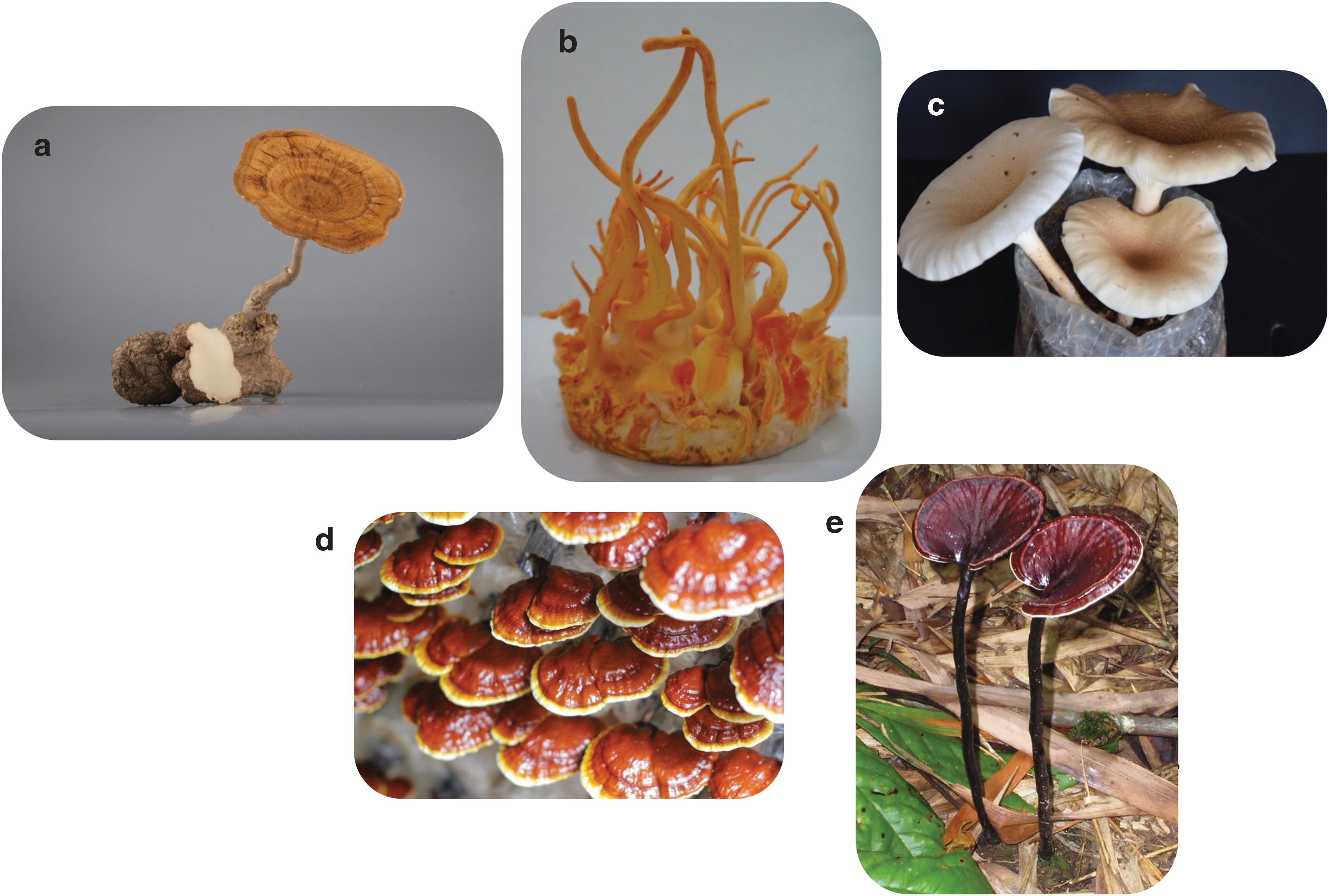
Selected mushrooms with potential to be explored as mitigators of neurodegeneration include Hericium erinaceus (Bull.: Fr.) Pers., Dictyophora indusiata (Vent.) Desv., Grifola frondosa (Dicks.: Fr.) S.F. Gray, Tremella fuciformis Berk, Tricholoma sp., Termitomyces albuminosus (Berk.) R. Heim, Lignosus rhinocerotis (Cooke) Ryvarden, Cordyceps militaris (L.:Fr.) Link, Pleurotus giganteus (Berk.) Karunarathna and K.D. Hyde, Ganoderma lucidum P. Karst, and Ganoderma neo-japonicum Imazeki (Figs. 1 and 2).

H. erinaceus (Bull.: Fr.) Pers.
H. erinaceus (Fig. 1a) is also called the lion's mane mushroom, monkey's head mushroom, hedgehog mushroom, satyr's beard, pom pom, bearded tooth, and Yamabushitake. 25 The basidiocarp is often white to creamy white with icicle-like projections that resemble the head of a monkey. H. erinaceus is commonly used in Chinese cuisine recipes. It has been used in traditional folk medicine in Korea, Japan, and China. Evidence has been adduced for a variety of physiological effects, including anticancer, antigastritis, and antimetabolic disease properties. 26 –28 However, it is the antiaging and brain health promoting effects of this mushroom that are embraced by the consumers.
The extract of H. erinaceus was reported to exert neurotrophic action and improve myelination process in the rat brain without affecting nerve cell growth and toxicity. 29 A polysaccharide with a molar ratio of glucose (1.5): galactose (1.7): xylose (1.2): mannose (0.6): fructose (0.9) was isolated from the mycelium of H. erinaceus and it was reported to enhance neurite outgrowth in PC12 cells. 30 In a study by Wong et al., 31 the hot water extract of H. erinaceus basidiocarp and mycelium induced neurite outgrowth in a neuroblastoma glioma hybrid cell line, NG108-15. Furthermore, the ethanol extract of H. erinaceus was found to promote neurite outgrowth of rat pheochromocytoma (PC12) cells, enhance NGF mRNA expression, and increase NGF secretion from 1321N1 human astrocytoma cells. 32
In animal studies, a crush injury was introduced by using a fine watchmaker forceps No. 4 for 10 sec on the peroneal nerve of Sprague-Dawley rats at 10 mm from the extensor digitorum longus muscle. Then, the functional recovery of the axonometric peroneal nerve injury in rats was assessed in vivo by walking-track analysis and toe-spreading reflex. 33 The peroneal functional index and toe-spreading reflex improved more rapidly in the animal group treated with daily administration of H. erinaceus extract. In another study, the functional assessment of sensory recovery (temperature sensitivity) was carried out by using a hot plate assay. 34 The test revealed acceleration of sensory recovery in the animal group receiving H. erinaceus polysaccharides. The study showed that protein kinase B (Akt) and P38 mitogen-activated protein kinases were upregulated in the dorsal root ganglion of the polysaccharide-treated group. These data suggested that H. erinaceus could promote the regeneration of damaged/injured nerves especially in the early stages of recovery. 35
Hericenones are the benzyl alcohol derivatives isolated from the basidiocarps of H. erinaceus. Hericenone E (Fig. 3) isolated from H. erinaceus cultivated under tropical conditions in Malaysia was able to stimulate NGF secretion, which was twofold higher than that of the positive control (50 ng/mL of NGF). 36 Hericenone E stimulated NGF production and NGF would bind to high-affinity tyrosine kinase receptor (Trk), followed by an increase in the phosphorylation of extracellular signal-regulated kinases (ERKs) and Akt responsible for neurite outgrowth activity. As NGF is unable to penetrate the blood–brain barrier, this study indicates that low-molecular weight hericenone E from the basidiocarps of H. erinaceus can be used to potentiate NGF-mediated neuritogenesis. Other hericenones including the hericenones C, D, E, F, G, and H were also found to exhibit stimulating activity for the biosynthesis of NGF in vitro (Table 1). 37,38 Figure 3 shows the chemical structures of hericenones C–H.

Chemical structures of hericenones C–H isolated from basidiocarps of H. erinaceus.
B, basidiocarp (fruiting body); CNS, central nervous system; M, mycelium; NGF, nerve growth factor.
Diterpenoid derivatives named erinacines were isolated from the mycelium of H. erinaceus. Figure 4 shows the chemical structures of erinacines A–I. In an animal study using rats, the effects of erinacine A (Fig. 4) on NGF production were examined. Rats treated with erinacine A had increased levels of NGF, noradrenaline (NA), and homovanillic acids in the locus coeruleus and hippocampus of the brain. 39 It is likely that NA regulates the NGF synthesis in the hippocampus. It is the neurotrophin (NGF) and neurotransmitter (NA) intersupportive system in the CNS that influences neuronal and glial growth, function, and sustainability. In addition, erinacines B–I were also found to significantly induce the synthesis of NGF in vitro 40 –43 and in vivo. 39 (Table 1).
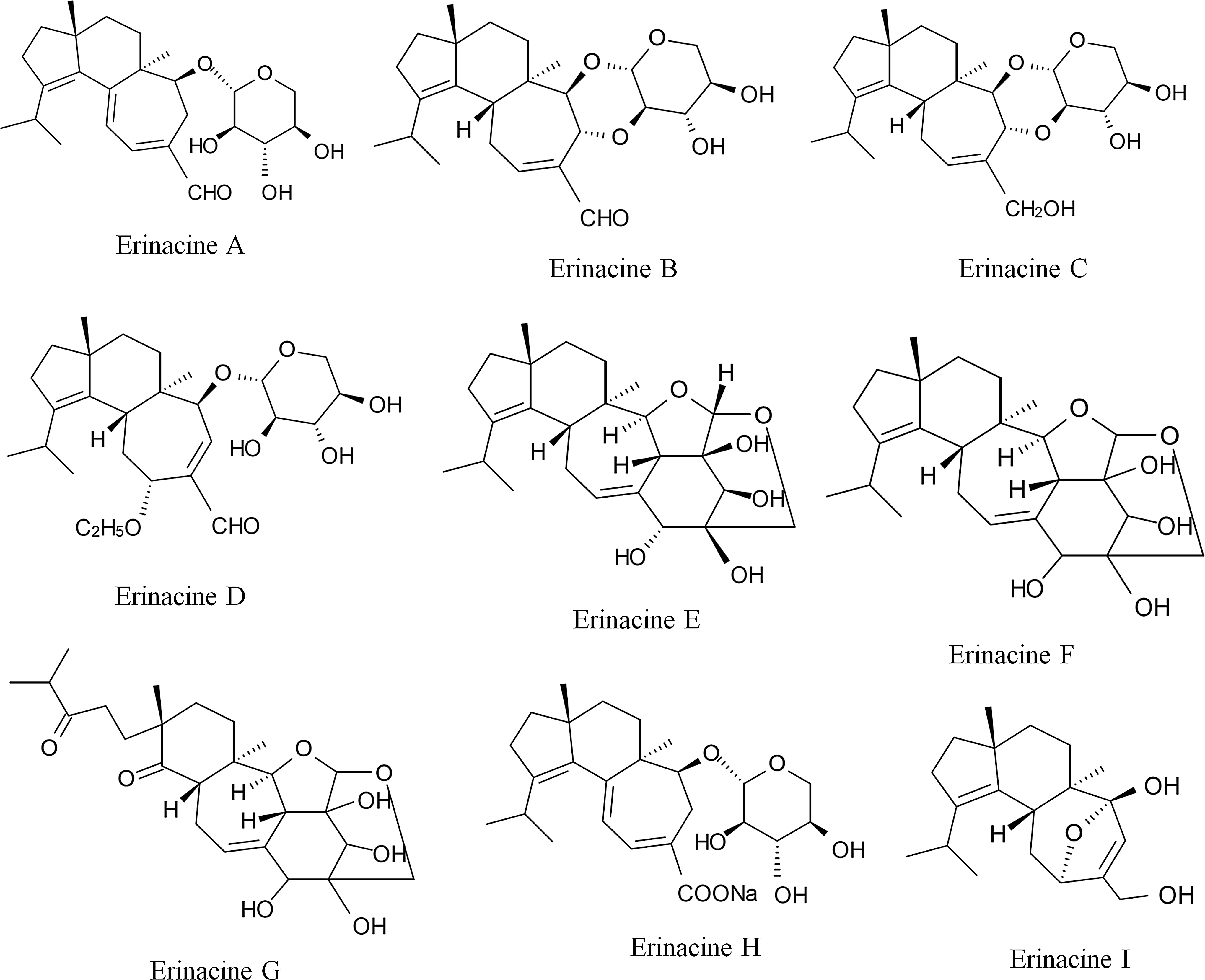
Chemical structures of erinacines A–I isolated from mycelium of H. erinaceus.
A human pilot study was carried out to evaluate the antianxiety and quality of sleep effects of a 4-week self-administration of H. erinaceus tablets (Amyloban® 3399) to undergraduate students in Japan. Each subject consumed six tablets of H. erinaceus per day and each tablet contained hericenone (0.5%) and amyloban (6%). Amyloban is a fat-soluble fraction of H. erinaceus containing dilinoleoyl-phosphatidylethanolamine and has been patented in Japan. The results revealed an increase in salivary free 3-methoxy-4-hydroxyphenylglycol, which corresponded to a decrease in anxiety and an improvement in quality of sleep. 44 Another pilot study was carried out in which 50–80-year-old Japanese men and women suffered with mild cognitive impairment. The subjects showed an improvement in cognitive functions after they consumed four H. erinaceus tablets (96% of H. erinaceus dry powder) three times a day for 16 weeks. 45
D. indusiata (Vent.) Desv.
D. indusiata is a famous edible mushroom used in Chinese cuisine and medicine despite its claimed unpleasant odor (Fig. 1b). Given the name “Queen of the mushrooms,” this mushroom bears a distinctive net-like head hence the name “veiled lady.” 46 It is also called the bamboo mushroom or Kinugasatake in Japanese. Two eudesmane-type sesquiterpenes, dictyophorines A and B (Fig. 5), were isolated from the mushroom and were found to promote NGF synthesis in rat astroglial cells. 47 The compounds are special as they consist of three isoprene units. According to the study done by Kawagishi et al., it was shown that the quantity of NGF secretion into the medium in the presence of 3.3 mM of dictyophorines A was four times higher than that of the control without treatment. 47 Three new neuroprotective compounds from D. indusiata were successfully synthesized and were named dictyoquinazol A, B, and C. 48
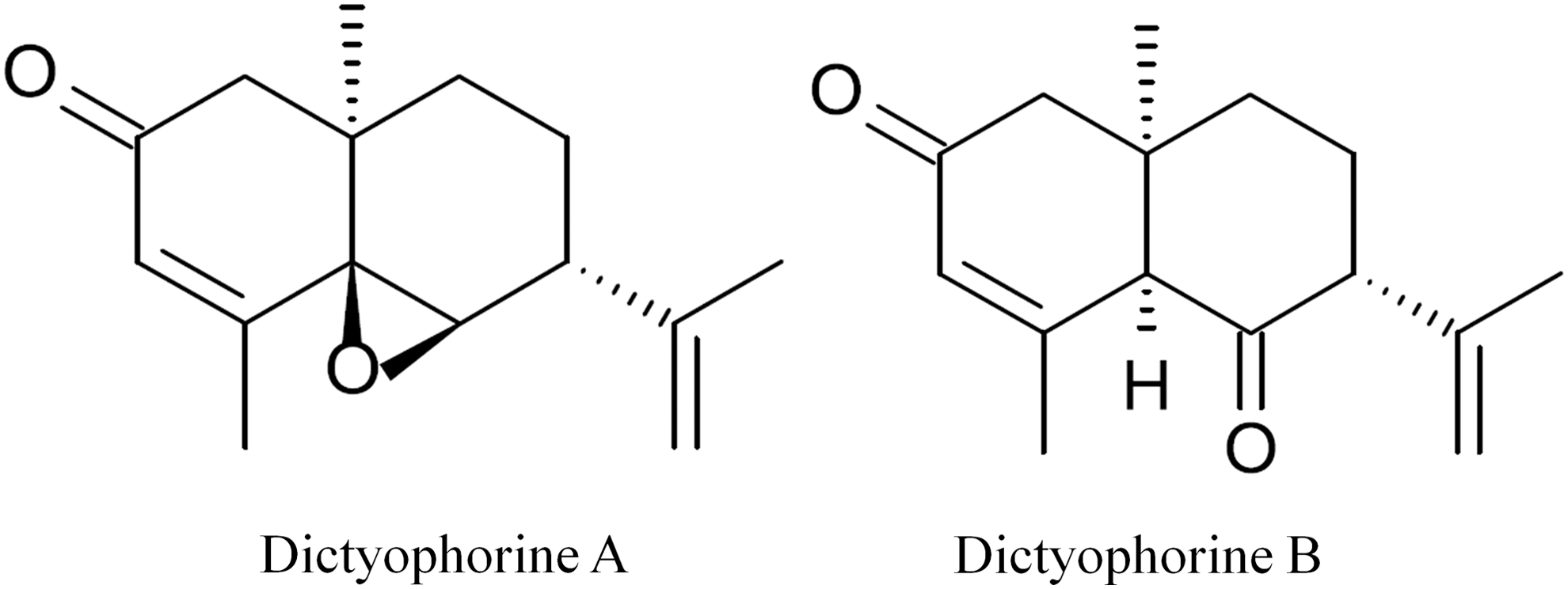
Chemical structures of dictyophorines A and B isolated from D. indusiata.
G. frondosa (Dicks.: Fr.) S.F. Gray
G. frondosa (hen of the woods, dancing mushroom, or Maitake) is a mushroom with manifold curled or spoon-shaped gray-brown caps (Fig. 1c). It also has a tuber-like sclerotium. Lysophosphatidylethanolamine (LPE) isolated from G. frondosa was found to induce neurite outgrowth in cultured PC12 cells as evidenced by the upregulated neurofilament M expression. 49 The study also showed that G. frondosa LPE suppresses serum deprivation-induced apoptosis of the PC12 cells. A recent study by Preuss et al. 50 further supported the antiaging effects of G. frondosa. The commercial extracts of Maitake mushroom (labeled as fractions SX and D) inhibited the progressive elevation of systolic blood pressure over time, enhanced insulin sensitivity, and lowered circulating levels of a proinflammatory cytokine (TNF-α) in aging female rats. Thus, Maitake mushroom may be further explored as a functional food for a longer and healthier life span.
T. fuciformis Berk
T. fuciformis is also known as “Yin Er,” white jelly fungus, silver ear mushroom, and snow mushroom (Fig. 1d). It has a white, frond-like, and gelatinous-textured basidiocarp that makes it suitable for making Chinese desserts. The aqueous extract of T. fuciformis promoted the neurite outgrowth of PC12 cells. 51 It also significantly reversed the scopolamine- and trimethyltin-induced memory deficit in rats, as revealed by the Morris water maze test and choline acetyltransferase (ChAT) immunohistochemistry, respectively. 52 Intoxication with trimethyltin results in severe behavioral and cognitive deficits in rats. In the in vivo study of Park et al., 52 using male Sprague-Dawley rats, the level of cyclic adenosine monophosphate (CAMP) responsive element binding protein (CREB), which is vital for neuronal health, decreased significantly after treatment with trimethyltin. The CREB reactivity, however, was significantly elevated by almost 134.8% after the rats were given hot water extract of T. fuciformis (100 mg/kg) when compared with the negative control.
Tricholoma sp.
Tricholoma or Matsutake is a mycorrhizal mushroom with a gilled cap and fleshy stem (Fig. 1e). Neuritogenic diterpenes named tricholomalides A–C (Fig. 6) were successfully isolated from Tricholoma sp., and neurite outgrowth in PC12 cells was significantly induced at concentrations of 100 μM. 53
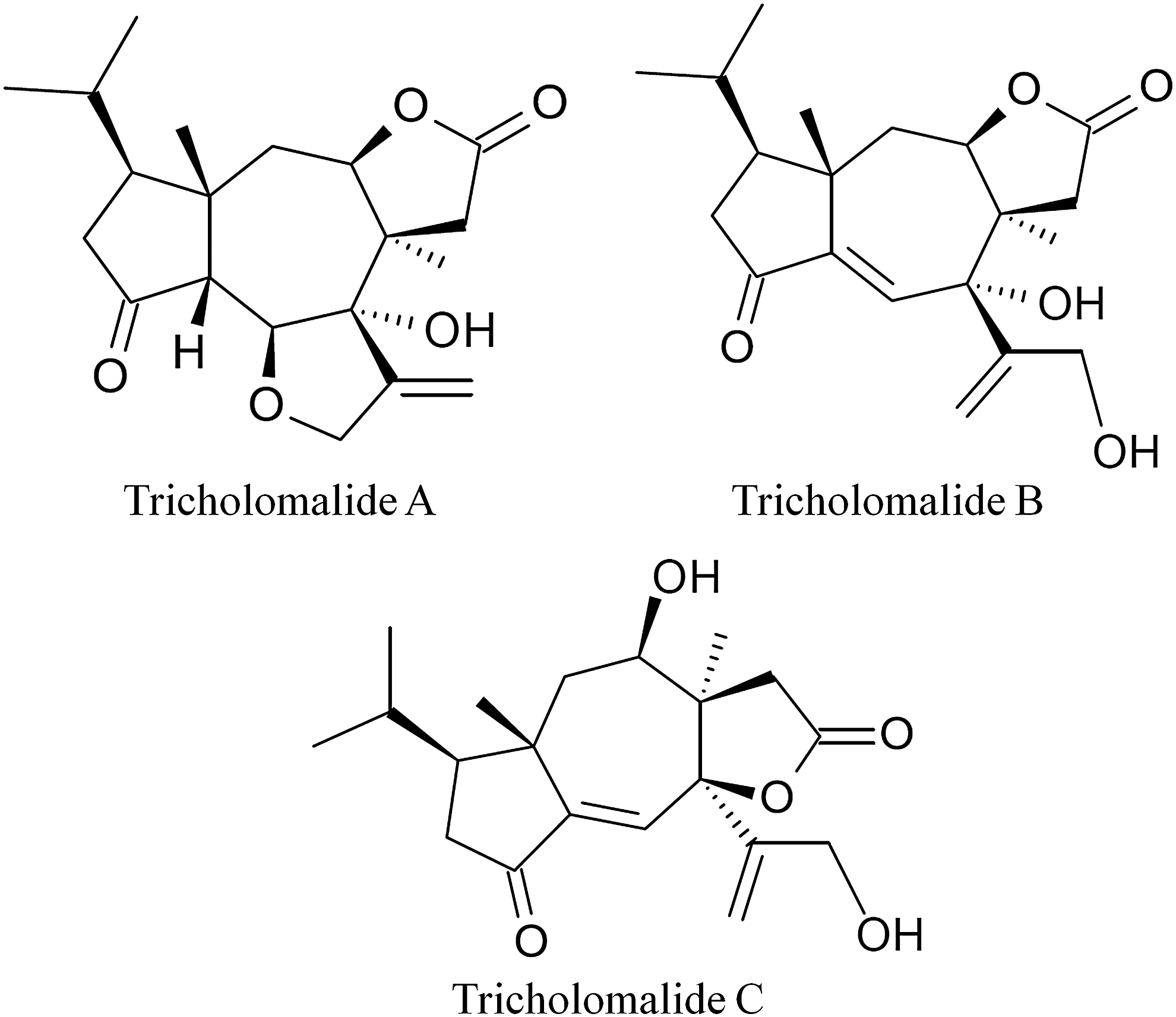
Chemical structures of tricholomalides A–C isolated from Tricholoma sp.
T. albuminosus (Berk.) R. Heim
T. albuminosus is a wild and edible mushroom with a long stem, and it often emerges from a termite nest (Fig. 1f). The cerebrosides named termitomycesphins A–F 54,55 and G–H 56 (Fig. 7) were identified as potentiators of neuritogenesis in PC12 cells. It is interesting that termitomycesphin with a 16-carbon-chain fatty acid (A, C, and G) showed a higher neuritogenic activity than that of termitomycesphin with an 18-carbon-chain fatty acid (B, D, and H), suggesting that the chain length of the fatty acyl moiety played a determining role in neuritogenesis.
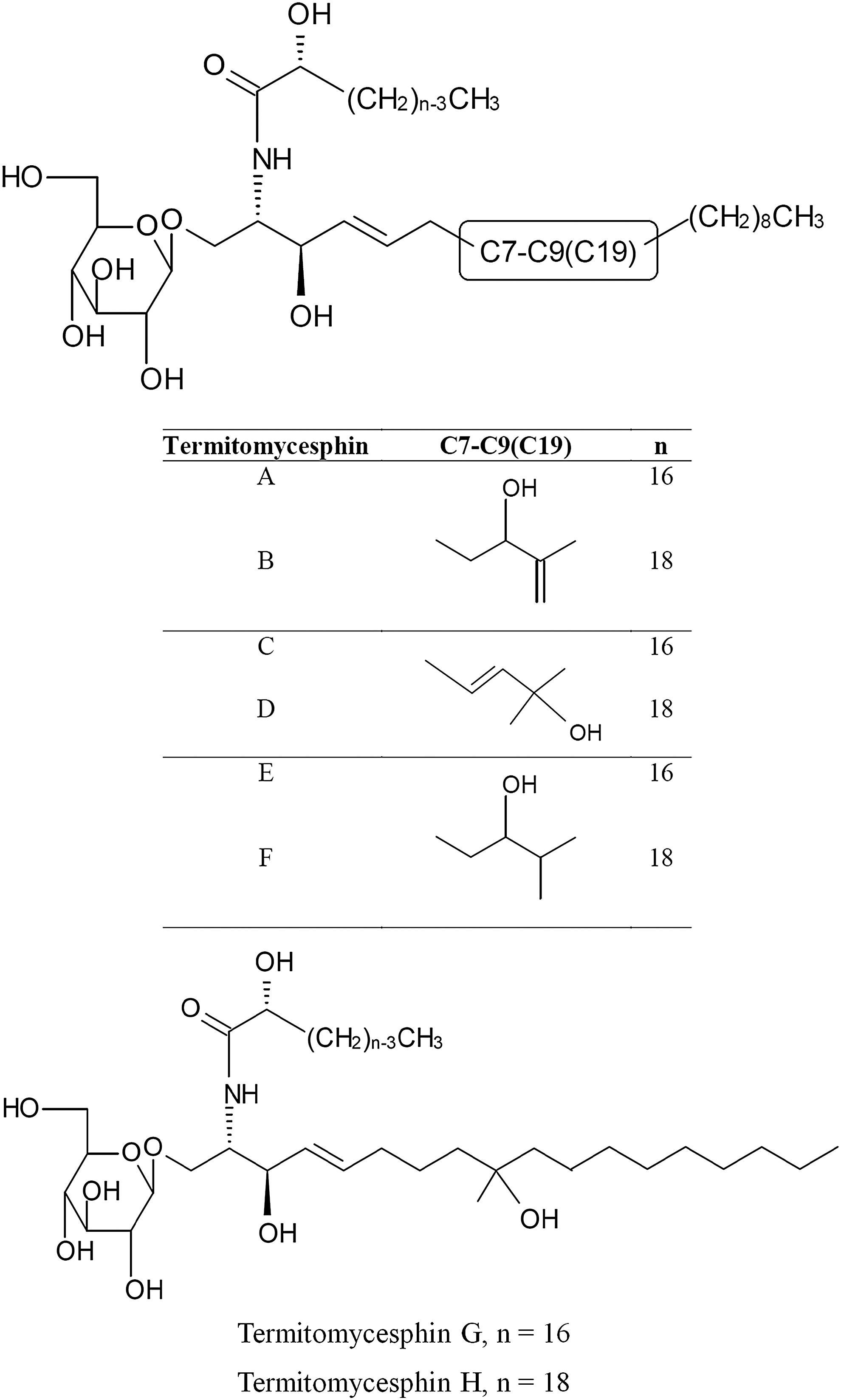
Chemical structures of termitomycesphins A–H and isolated from T. albuminosus.
L. rhinocerotis (Cooke) Ryvarden
Known as the tiger's milk mushroom, L. rhinocerotis possesses underground tuber-like sclerotium and has a solitary basidiocarp (Fig. 2a). The indigenous people in Malaysia claimed that L. rhinocerotis can be used as a medicine to relieve cough, asthma, fever, cancer, and even food poisoning. 57 The “medicine” is usually prepared by boiling sliced sclerotium of wild L. rhinocerotis and the resulting decoction is then consumed. 58
According to Seow et al., 59 the hot aqueous extract (25 μg/mL) stimulated neuritogenic activity in PC12 cells that was comparable to that of NGF (50 ng/mL). Interestingly, the mushroom extract and its crude polysaccharides stimulated neuritogenic activity without stimulating the production of NGF. Therefore, L. rhinocerotis sclerotium may contain neurotrophic molecules that mimic the NGF activity and induce neuritogenesis in PC12 cells through the NGF responsive pathway, TrkA-MEK1/2-ERK1/2 signaling pathway.
According to John et al., 60 when the hot water extract of L. rhinocerotis mycelium was combined with curcumin, a synergistic effect on neuritogenesis was observed. Combining L. rhinocerotis (20 μg/mL) with curcumin (1 μg/mL) yielded a 27.2% neurite extension and it was higher than that of L. rhinocerotis or curcumin alone in PC12 cells.
C. militaris (L.:Fr.) Link and C. ophioglossoides (Ehrh.) Link
The caterpillar fungus or “Dongchongxiacao” comprises the complex of the fungus Cordyceps sinensis and its infected moth larvae, Hepialus armoricamus (Fig. 2b). 61 This mushroom has been used as a health food and its high potency in treating various diseases has been extensively reviewed. 62 While C. sinensis exists only in the wild form and it is regarded as the most expensive mushroom, C. militaris (L.) Link is the domesticated and cultivated strain for the purpose of mass production.
Cordycepin (3′-deoxyadenosine) (Fig. 8) is a derivative of adenosine, differing from the latter by the absence of the hydroxyl group in the 3′ position of its ribose part. Cordycepin was first isolated from the Cordyceps genus and its functions are widely discussed. 63 A recent study reported that the anti-inflammatory properties of Cordyceps-derived cordycepin and its protective effects against the impairments of neural growth were caused by attenuation of lipopolysaccharide-induced microglial (BV2) cell activation in the brain. 64 The neuritogenic effects of methanol extract of C. militaris were studied in mouse neuroblastoma (N2a) cells and scopolamine-induced learning and memory deficits in rats. 65 Pretreatment with C. militaris ethanol extract (5–20 μg/mL) was found to stimulate primary neurite sprouting and extension of neurite outgrowth. C. militaris also increased the ChAT expression in differentiated N2a cells.

Chemical structure of cordycepin.
Furthermore, administration of C. militaris extract (300 mg/kg body weight) significantly reversed the scopolamine-induced memory deficit in rats as shown by the passive avoidance and Morris water maze test results. Another study also showed that the methanol extract of C. ophioglossoides (Ehrh.) Link mycelium (100 μg/mL) prevented Aβ25-35-induced cell death in human SK-N-SH neuronal cells. 66 The result was confirmed in vivo by using a rat model of AD. Intraperitoneal administration of C. ophioglossoides (100 mg/kg body weight) for 30 days significantly prevented Aβ25-35-induced spatial memory loss, which was assessed by a water maze test.
Pleurotus spp.
P. giganteus (Berk.) Karunarathna and K.D. Hyde is a saprobe and one of the largest edible mushrooms that grows on the ground (Fig. 2c). It is either solitary or can be found in groups, often around stumps, wood, and dead roots, in the open and in lowland and mountain forest up to 3000 m above sea level. 67 P. giganteus is gaining popularity for its organoleptic properties and commercial prospects. Consumption of this wild mushroom has long been a tradition in the indigenous villages in Peninsular Malaysia. 68 A variety of P. giganteus from China are now being cultivated in Malaysia and the common commercial name in the Malay language for P. giganteus is “seri pagi” (morning glory). 69 P. giganteus is referred as “Zhudugu” (swine's stomach) in the Chinese language.
Recently, the chemical compounds in the basidiocarp of this mushroom have been identified and tested for their neurotrophic activity in N2a cells. 70 The neuritogenic activities of the chemical compounds from P. giganteus extracts in descending order of activity were reported as uridine, aqueous extract, ethanol extract, linoleic acid, succinic acid, benzoic acid, cinnamic acid, caffeic acid, oleic acid, and p-coumaric acid. The findings of Phan et al. 71 demonstrated that uridine is the main bioactive compound in P. giganteus that is responsible for neuritogenesis as evidenced by the neurite-bearing cell scores (43.1% ± 4.9%). Uridine (1.7–1.80 g/100 g extract) in P. giganteus promoted neurite outgrowth in differentiating N2a cells in a dose-dependent manner. The results indicated that uridine- and P. giganteus extracts-induced neuritogenesis was regulated, at least, in part, by cross-talk between the MEK/ERKs and PI3K/Akt/mTOR pathways and required the activation of the transcription factor CREB. The neuronal biomarkers (GAP-43, tubulin α 4a, and tubulin β 4a) in N2a cells were also significantly increased when treated with uridine.
Recent studies have revealed neuroprotective and neuritogenic effects of ergothioneine, which is high in golden oyster mushroom, Pleurotus cornucopiae var. citrinopileatus (Singer) Ohira.
72
Ergothioneine (500 μM) arrested cellular proliferation and promoted differentiation of neural progenitor cells into neurons.
73
At 0.5 mg/kg (body weight) of mice, ergothioneine markedly decreased β-amyloid protein accumulation in the hippocampus of
G. lucidum (M.A. Curtis:Fr.) P. Karst and G. neo-japonicum Imazeki
G. lucidum (M.A. Curtis:Fr.) P. Karst (Reishi or Lingzhi) is a well-known mushroom used in the Chinese traditional medicine. An aqueous extract of G. lucidum (Fig. 2d) was found to attenuate Aβ-induced synaptotoxicity and apoptosis by preserving synaptophysin, a major presynaptic vesicle protein. 76 Senescence-accelerated mice, SAMP8, given a diet supplemented with G. lucidum extract (1.8 mg/g) exhibited significantly lower brain amyloid and higher antioxidant activities. The mycelium extract of G. lucidum also increased the nonamyloidogenic products (sAPPα) through α-secretase activation as mediated by Ras-ERK, phospholipase Cγ1 (PLCγ1), and phosphatidylinositol 3 kinase (PI3K) pathways. 77
Baby et al. 78 recently published a review that dealt with 431 secondary metabolites from various Ganoderma species. Among the metabolites, ganoderic acid is renowned for its anticancer properties. It is a member of highly oxygenated C30 lanostane-type triterpenoids, but its biological activity on the CNS is less known. Ganoderic acid S1, methyl ganoderic-A, and methyl ganoderic-B, as well as ganolucidic acid A isolated from G. lucidum, have been shown to exert NGF- and BDNF-like neuronal survival-promoting effects. 79 –81
A rare Ganoderma species, G. neo-japonicum, grows saprotrophically and annually on decaying bamboo (Schizostachyum brachycladium) clumps. Known as purple Reishi, or “cendawan senduk” in the Malay language, it is used by the indigenous people as a medicine and tonic, and has been successfully domesticated in Malaysia. 82 Seow et al. 83 reported that the hot aqueous extract of G. neo-japonicum possessed neuritogenic activity and had no cytotoxic effect on PC12 cells. The MEK/ERK1/2 and PI3K/Akt signaling pathways may play a role in the neuritogenic activity of the mushroom but the precise mechanism underlying this activity is yet to be uncovered.
Conclusion
Selected edible and medicinal mushrooms may effectively enhance neurite outgrowth in the brain by stimulating NGF production, mimicking the NGF reactivity, or by protecting neurons from neurotoxicants-induced cell death. These mushrooms may fulfill a preventive function against the development of AD by the underlying mechanisms of the mushroom's neurotrophic compounds. Regular consumption of the mushrooms may reduce or delay development of age-related neurodegeneration. However, extensive animal and human clinical trials are warranted, which may then lead to designing functional food or novel therapeutic drugs to prevent or mitigate the effects of neurodegenerative diseases.
Footnotes
Acknowledgment
The authors acknowledge University of Malaya High Impact Research MoE Grants, UM.C/625/1/HIR/MoE/SC/02 and UM.C/625/1/HIR/MOHE/ASH/01 (H-23001-G000008).
Author Disclosure Statement
No competing financial interests exist.