




Abstract

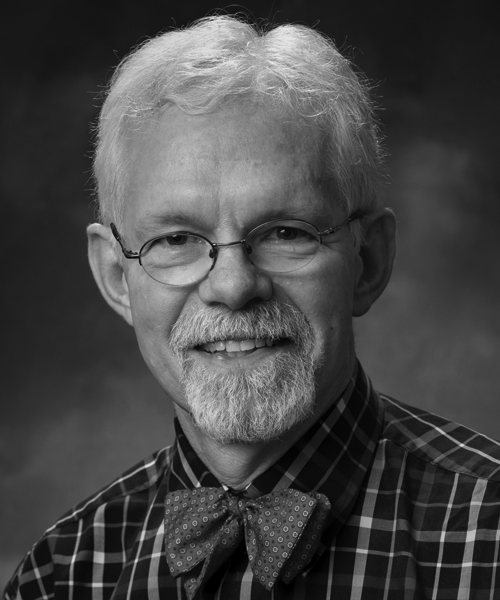
I trained in Pittsburgh in the mid-1970s, and very early in my residency training, I gravitated toward the care of chronically ill children—children and families with whom I could develop a meaningful, long-term relationship. Toward the end of my residency, I did not really have any clear aspirations, and I became a 4th-year Chief Resident. One of my responsibilities was to cover the children's cystic fibrosis service for Dr. Joan Rodnan, who was one of the first-generation cystic fibrosis physicians with some pulmonary training. In that era, Dr. Rodnan and her social worker partner represented one of the only models of a multidisciplinary approach to the care of chronically ill children. I loved the responsibility, even caring for the dying patients, and I loved the children, the medical problems, and the challenges faced by these children and their families.
When I finished my residency, I spent the next 2½ years in private practice in pediatrics in a rural location in central Pennsylvania while my wife completed her training in pediatric dermatology. I quickly decided that as much as I liked primary care—I was not at all “insulted” by well-child care, as subspecialists often think they might be—I found that I had a real heart for teaching, inquiry, and caring for chronically ill children. In those days, the best list of postresidency fellowship programs came out yearly in the Journal of Pediatrics, and I poured over that list and considered all the different subspecialties. A few of the fellowships offered training in the care of the chronically ill child and involved rotating to different clinics or institutions, but in the end, you ended up with no credential.
I decided that the model I really knew well was Dr. Rodnan's practice, and as far as I could tell, the best way to get involved in the care of patients with pediatric cystic fibrosis (CF) was by doing a pediatric pulmonology fellowship. In that era, pulmonology was a new specialty; there were a limited number of programs, and I only had a few interviews. I was delighted to find that the Children's Hospital of Pittsburgh was about to start a pediatric pulmonology fellowship program. I applied and became the first Fellow in that program in 1981.
How did I get from pulmonology to lung transplantation? My first extended position after the fellowship was at Arkansas Children's Hospital, where I worked with Robert Warren, developed expertise in flexible bronchoscopy, and gravitated to the care of the child with chronic respiratory failure, both in the hospital and at home by using mechanical ventilators. Home ventilation was relatively new at that time.
For a variety of reasons, I did not think that my career trajectory would advance the way I wanted it to in Little Rock, so my wife and I decided to be open to new opportunities. One day, I got a call from Bob Strunk, the director of the Pulmonary and Allergy Division at St. Louis Children's Hospital, inquiring whether I would be interested in starting the first dedicated pediatric lung transplant program. I told him that I had really no background in the area, and he said that nobody did. He said, “This will make your career,” and he was right. As it turned out, the hospital was also looking for a pediatric dermatologist, so, in 1990, we moved from Little Rock to St. Louis.
Initially with Dr. Tom Spray, and then with Dr. Chuck Huddleston, the two surgeons with whom I worked most closely, and with the encouragement and support of Dr. Joel Cooper and Dr. Alec Patterson—two foundational lung transplant surgeons who had come from Toronto to Barnes Hospital in St. Louis—and with the friendship and support of Dr. Bert Trulock, one of the deans of adult lung transplant pulmonologists, we started our program and built it up to be one of the most active and proactive programs in the world in a few short years. The work was very hard and we were short staffed, thus adding to the stress of that position.
In 1999, I resigned my position in St. Louis and took a 1-year position at the Great Ormond Street Hospital for Children, in London, where I was the director of the heart and lung transplant programs and got a very interesting education in healthcare in the United Kingdom during that year; our program did 13 heart transplants and only 1 heart-lung transplant. It was a little disappointing in terms of not getting as much experience as I had hoped from a pulmonary perspective, but I did see many patients who were referred to the program and cared for children who had undergone transplants in previous years.
During the year I was in London, I was invited by Dan Seilheimer to consider coming to Texas Children's Hospital and the Baylor College of Medicine. I interviewed, accepted the job, and started here in 2001. By then, I was already a confirmed “nut” about lung transplantation. This work definitely requires a certain amount of nuttiness.
What a career in pediatric lung transplantation has provided for me over the years is a very intense and long-term relationship with an incredible group of patients, ranging from early infancy to the late teenage years, with an amazing number of challenging acute and chronic medical, psychological, and immunologic problems. I am still learning and still fascinated by it all, and am still unsatisfied with the state of the field as it is. I have had an equally meaningful relationship with physicians, surgeons, nurses, and other caregivers, thus making for effective multi-disciplinary care.
In 1990, lung transplantation was still considered “experimental,” in both adults and children. Insurers would say that experimental therapies were not covered under their policies. This surgery itself is a very expensive undertaking. The procurement fee for donor lungs alone can cost more than $40,000! A transplant evaluation of an outpatient costs in the range of $10,000, and can be considerably higher if cardiac procedures need to be performed. The transplant hospitalization cost was probably not terribly dissimilar in 1990 from what it is today, and I would estimate that for an uncomplicated 10-day stay, it is about $200,000. No hospital can take on this kind of program without insurance payments.
So, one of the early challenges was financial, and this is where Dr. Cooper and Dr. Trulock really did most of the work. Dr. Cooper very carefully selected his early patients, provided the early encouraging results, and persuaded first private insurers and then Medicare; and finally Medicaid expressed that this procedure should no longer be considered experimental and should be a covered service, similar to heart, liver, and kidney transplants.
There was certainly a considerable learning curve for the pioneers in the field. When I think back to my first patient, a young boy with cystic fibrosis from Long Island, NY, I realize how little I knew about the most important immunosuppressant drug of that era, which was cyclosporine, and, frankly, how unaggressive our whole therapeutic and diagnostic program was at the time. We based our therapeutic program on the Barnes Hospital protocol with a few modifications. I still wrestle with our lack of knowledge in those days and the fact that those early patients were also pioneers and did not have the benefit that patients today do, with all we have learned about the complexity of care. I cannot think of any egregious single act that led to diminished survival of those early patients, but I am sure that some patients did not live as well or as long, at least in part because we were still learning about complications and medications.
One of the most fundamental challenges of lung transplantation is that the lung is the most easily and commonly infected of all transplanted organs. Since the lung receives 50% of the cardiac output, and white blood cells patrol the lung more assiduously than other organs, the lung is also more susceptible to graft rejection than other organs. That is a double whammy that continues today. As a result, 1 year after transplant, a lung transplant recipient will be on higher doses of immunosuppression than a comparable patients who have undergone liver, heart, or kidney transplant. Lung transplant paitents are comparable to patients undergoing small bowel transplants—another organ without “immunologic privilege.”
We now prefer tacrolimus as our lead immunosuppressant drug. Both tacrolimus and cyclosporine have narrow therapeutic indices, meaning that if you adjust the dose a little bit upward then you quickly run into toxicity, and if you adjust it a little bit downward then you risk losing clinical efficacy. Dosing is very tricky, but I think we have gotten pretty good at it. In the future, I think we will need a real breakthrough in therapy, and researchers in the field are exploring various mechanisms of inducing immune tolerance. Tolerance has been achieved in some animal models, but not in human lungs so far. Further, the idea of creating organs from stem cells seems many decades ahead, for the lung at least.
One of the fascinating epidemiologic aspects of this field is that we have dozens of great children's hospitals around the country, but only a handful in which pediatric lung transplantation has even been seriously considered. Using a conservative definition of transplant activity, five lung transplants per year for years in succession, there are no more than five children's hospitals in the United States in which this level of activity has ever been achieved. That is not for lack of children dying of cystic fibrosis, pulmonary hypertension (PH), or interstitial lung disease. I think that the critical reason for the paucity of pediatric lung transplant centers is that it is difficult to assemble all of the key ingredients in the same organization: a hospital administration that is really committed, financially and in other ways; pediatric-trained cardiothoracic surgeons who are willing to add lung and often heart transplantation to their baseline practices in congenital heart disease, meaning a lot of weekends and nights and doing very difficult operations; and pulmonologists who are willing to commit to making this an area of expertise. Although it is intellectually fascinating, pediatric lung transplantation can be an enormous emotional and spiritual challenge. I have watched children's hospitals try to develop a pediatric lung transplant program and fail, although the vast majority have never tried.
In my year at Great Ormond Street Hospital, I had the good fortune of being able to work with Jackson Wong, a young pulmonologist with aspirations in lung transplantation. He has been involved in starting the most recent new pediatric lung transplantation program at the University of Alberta in Edmonton. I have visited him and we stay in close touch. He is still battling to build a program; they are at the level of doing 2 to 3 transplants per year. That program could either expand and become a full-fledged player, with clinical research and real contributions to the field, or it could atrophy. It is hard to predict.
Immunosuppression has changed, as we discussed. In addition, the outcomes are modestly better. The greatest advances have been in getting very sick patients through the waiting period and the transplant operation and helping them survive the transplant hospitalization. Unfortunately, transplant graft rejection, which we know as bronchiolitis obliterans, was and remains the biggest barrier to long-term survival. It continues to be a therapeutic challenge.
The surgeons have learned a lot about optimal donor organ recovery. Our preservation solutions for donor lungs are better today than they were 20 years ago. Surgical techniques are fairly similar. In successful pediatric lung transplantation, surgeons have to be creative and smart and have the ability to solve problems in the middle of an operation.
Antimicrobial treatment, especially in cystic fibrosis, may be more challenging today, because there are more multiply antibiotic resistant organisms than there were 20 years ago, but we still try to keep the upper hand. This is an area in which collaboration is important, working with the cystic fibrosis clinicians, pharmaceutical companies, and colleagues in infectious disease. When it comes to antifungal therapies, we now have drugs such as voriconazole and posaconazole, which were not available 20 years ago, and we have a very effective oral medication, valganciclovir, for prophylaxis of cytomegalovirus (CMV). In the early 1990s, for CMV, we only had intravenous ganciclovir, so all patients at that time had to have a Broviac catheter and stayed on IV medication for weeks and weeks after transplantation, which was expensive and, I am sure, diminished quality of life. Today, most patients leave the hospital after about 10 or 11 days, off oxygen supplementation and intravenous (IV) medication, and most do not require rehospitalization in the first 3 months.
In 1990, when I started the transplant work, PH was one of the disease processes that was a common indication for lung transplantation in children. I had not had much experience with the disease up until that time, but I started attending sessions on PH at meetings of the American Thoracic Society and American College of Chest Physicians. I learned about epoprostenol therapy—the only therapy available in the early 1990s—and I learned a lot about cardiopulmonary interaction and how difficult it is to predict outcomes in patients with PH. As pharmacologic therapies expanded after the year 2000, the number of children with end-stage PH diminished, but it continued to be an important clinical area. Five years ago, I took over the directorship of the PH program at Texas Children's Hospital, during a time when many new PH medications were being introduced: sildenafil, bosentan, eventually ambrisentan, treprostinil, iloprost, and, most recently, tadalafil. I have come to love the challenge of fashioning treatment programs for infants and children with PH given this new range of medications.
Interestingly, in adult PH circles, two thirds of the PH doctors are pulmonologists, whereas in pediatric circles, 90% are pediatric cardiologists. It is also very interesting that there are a number of fairly prominent children's hospitals in the country that do not have a formal PH program, which leaves the patients in those facilities as therapeutic orphans. The care of these patients is complex enough that either a pediatric cardiologist or a pediatric pulmonologist cannot simply dabble successfully in this field, in my opinion.
We need even more new medications to treat PH, because the medications available at present only slow down the course of the disease. I am excited about the availability of NovaLung, a Food and Drug Administration-approved device that can get an older child, teenager, or adult with life-threatening PH through a crisis, and can serve as a bridge to lung transplantation. We are on the verge of starting a formal NovaLung program here at Texas Children's Hospital. It is an alternative to extracorporeal membrane oxygenation that does not require an extended intensive care unit stay, or mechanical ventilation.
Accurate and timely diagnosis of PH is a continuing challenge. Too often, physicians do not recognize the disease and do not appreciate the accentuated second heart sound. Further, patients do not complain of shortness of breath or difficulty in exercising until late in its development.
There have been amazing changes for the better in almost every aspect of the field. Whether steroids should be used to treat status asthmaticus was quite controversial when I started out. We have much better therapies today, although we still, rarely, have children who die from asthma.
The change in outlook in cystic fibrosis is one of the best stories in all of western medicine. When I started my career in the 1970s, the average life expectancy for CF was in the teens, and it is now pushing 40 years of age. More importantly, the vast majority of patients seen in a CF center in Europe, North America, or Australia are expected to finish high school, go to college, and enter adult life, with a reasonably good quality of living. Significant advances in the most well-to-do countries in South America have also occurred in the last 10 years.
We already talked about the improved outlook in PH, and I think it will get better. New classes of medications are being investigated and are likely to change the trajectory of the disease. Even if there were a significant breakthrough in the treatment of PH, or if someone were to solve the problem of gene therapy delivery in cystic fibrosis, I think the field of pediatric pulmonology will remain a very interesting and challenging career for young people thinking about pediatric subspecialties. There are a significant number of people of my generation who will be at least ratcheting down their activities, if not thinking of retirement, in the next 5 to 10 years, so there will be opportunities for advancement and accomplishment, and maybe even glory for the young and ambitious among us. Variety among patients in our field is one of its best virtues. I am amazed at how rich my pulmonary clinic is in its variety of patients, and I usually have the joy of watching those children grow up as their parents learn about their disease and play crucial roles in therapeutic partnership with me and my physician and nurse partners.
One of the most helpful tools for learning and networking has been the international list-serve developed and overseen by Dr. David Wensley at Vancouver Children's Hospital. Via Ped-lung, hundreds of pediatric pulmonologists and fellow travelers have regularly held fruitful discussions on all sorts of medical issues, difficult cases, and research findings. I have literally met dozens and dozens of individuals around the world through Ped-lung. Many of these individuals are now friends. I truly believe that the care of children with respiratory disease has been improved by this forum and by the honest, thoughtful contributions of many individuals. Ped-lung has been an important and largely unheralded advancement in our field.
I would like to mention John Brooks, who was a fellow at the University of California, San Francisco, when I did a rotation there as a medical student in 1973. I had no idea that I would follow him in his subspecialty. He was the Director of Pediatric Pulmonology at the University of Rochester when I interviewed there for a fellowship. Another role model was Etsuro Motoyama, a pediatric anesthesiologist who was the founder and director of the Pediatric Pulmonology Division at the Children's Hospital of Pittsburgh—even though he was not a pulmonologist and never pretended to be one. He taught me classical respiratory physiology, which became manifest in a real love for mechanics and lung function testing. He was also an incredible stickler for proper writing and word use, a tradition that I have strongly embraced. Dr. Motoyama introduced me to his friend and colleague, Dr. Lynn Taussig, who was at the University of Arizona during that period of time. I came to admire and look up to Dr. Taussig as well. I would like to mention one other person, a colleague and contemporary of mine, Dr. Leland Fan. Over the past 9 years, I have had the privilege of working with Dr. Fan. As brilliant as he is as a lecturer, and as well as he writes papers, his best virtue is as a person. He is as close to being a saint as anyone I know, not only in medicine but also in life. I had the great privilege of attending his father's and his mother's memorial services and gaining precious insights into his parents, first-generation Chinese immigrants, and the way they led their lives and raised and loved their children and grandchildren. I could see how Leland reflected many of the wonderful qualities of both of his parents.
I think that one of the real problems in academic pediatrics during my era, and I hope less so today, is that I was really not mentored after fellowship in any kind of consistent way. In the 1980s and 1990s, I was not yet mature enough to seek out mentors in the Departments of Pediatrics at the University of Arkansas for Medical Sciences and at Washington University School of Medicine. I was somewhat headstrong and at times “did my own thing” in ways that were not as supportive of my partners and colleagues as perhaps they should have been. I paid a certain personal price for this deficiency. In the last 10 years, I believe I have matured to the point that I have been able to learn from past mistakes. I have become a better listener and mentor to others. I have avoided most but not all of the problems that can be encountered by a strongly motivated and occasionally outspoken individual. Even when I ratchet down my activities at age 65, in 2 years, I hope to have the opportunity of continuing to share my opinions, the lessons I have learned, and general perspectives on life with colleagues near and far.