




Abstract
Introduction
T
Establishing a good bond with all-ceramic restorations improves their retention, reduces microleakages, and enhances fracture resistance. 13 Several conditioning methods, such as air-particle abrasion, acid etching, laser irradiation, and silica coating, are used to pretreat the ceramic surface to improve bond strength with resin cement. 14 –21 Medicine and dentistry practices widely use lasers to process biocompatible materials, and particularly to fuse dental materials on tooth surfaces. Laser irradiation is used for (1) modifying the surface of dental materials, (2) glazing ceramic surfaces, (3) removing filling materials, and (4) etching dental fillings and ceramic surfaces. 15,19,21,22 With a wavelength of 2940 nm, Er:YAG (EY) laser has a good interaction with dental structures and is used to repair ceramic restorations. The wavelength of this laser is consistent with the peak absorption band of water. 16 The Nd:YAG (NY) laser also is used widely in dentistry. 23,24 NY laser irradiation can create a suitable ceramic surface for improving the adhesive properties of resins because it roughens the surface by melting and creating random crystallization. 21,25
Femtosecond (FS) laser, with its ultrashort light pulses, is an innovative laser technology that can be used for multiple applications, such as industrial manufacturing, information and communication technologies, and life sciences. 26 The FS laser pulses create minimal thermal and mechanical damage to the surrounding area during laser imaging, drilling, and ablation. This quality make them a good candidate for use in dental practices. 27,28
A literature search yielded no reports on the performance of FS lasers in comparison with other conventional techniques for improving the bond strength of cements to ceramic surfaces.
There is little information available on the effects of FS lasers on restorative materials. The aim of this study was to examine the effect of NY, EY, and FS lasers on the roughness of zirconia ceramic surfaces and shear bond strength of resin cement to zirconia ceramics. The null hypothesis is that there are no changes in the roughness of zirconia ceramics surfaces and MPa of resin cements to zirconia ceramics irradiated with different laser systems.
Materials and Methods
Specimen preparation
Seventy-two Zirkonzahn and Zirkonzahn Prettau® (Zirkonzahn GmBh, Bruneck, Italy) ceramic discs (10 mm diameter and 2 mm thickness) were prepared according to the computer-aided design (CAD)-computer-aided manufacturing (CAM) technique recommended by the manufacturer instructions. The bonding surface of each disc was polished using silicon carbide paper (grits 300, 400, and 600). Surfaces were cleaned with ethanol and air-dried carefully before surface treatment. After the finishing procedures, specimens were subjected to ultrasonic treatment (Biosonic UC 50; Coltene Whaledent, Cuyahoga Falls, OH) for 10 min in distilled water to remove any surface residue. Then the specimens were dried. Thereafter, discs of each type of ceramic (n=36) were randomly divided into three groups (n=12), according to the surface treatments to be applied.
Surface treatments
FS laser
FS laser pulses from an amplifier (Integra-C-3.5; Quantronix, New York) were applied to a deglazed surface. FS laser parameters were as follows. The laser delivered a 400 mW/pulse and the wavelength of the laser beam was 800 nm, with pulses at 90 fs, and a 1 kHz repetition rate. The laser beam was delivered to the porcelain surface using a laser marker (Q-Mark, Quantronix, New York) system that had a back focal length of 11 cm (the distance between the cover glass of the f-theta lens of the marking system and the paraxial focal point) and that could scan the work plane at various scanning speeds, controlled by the software.
NY
A NY laser (Fotona; At Fidelis, Ljubljana, Slovenia) was used to irradiate ceramic surfaces. The laser optical fiber (300 mm diameter) was aligned perpendicularly to the ceramic surface at a 1 mm distance, and scanned the entire ceramic area. Laser parameters were 100 mJ pulse energy, 20 Hz pulse/sec, 2 W power setting, 141.54 J/cm2 energy density, and 150 μs pulse duration.
EY
An EY laser (Fotona; At Fidelis, Ljubljana, Slovenia) was used to irradiate ceramic surfaces. The laser was placed perpendicularly to the ceramic surface at 1 mm distance, and the entire ceramic area was scanned with water and air cooled using an adjustable air and water spray. Laser parameters were 300 mJ pulse energy, 20 Hz pulses/sec, 6 W power setting, and 75 μs pulse duration.
Scanning electron microscope analysis
To perform a qualitative micromorphologic examination of ceramic surfaces, one additional specimen from each group of all materials was sputter coated with gold and analyzed using a scanning electron microscope (SEM) (JSM-5310; JEOL, Peabody, MA) at 15 kV. Photomicrographs of representative areas of surface treatments applied on ceramic groups were obtained at 500× magnification.
Surface analysis
The average surface roughness (roughness, μm) of the ceramics before and after treatments were measured with the Surftest 402 Surface Roughness Tester (Surftest 402 Analyzer; Mitutoyo Corporation, Tokyo, Japan). Three traces were recorded for each specimen at three different locations in each direction (parallel, perpendicular, and oblique), giving nine tracings per sample. The average of these nine mean roughness measurements was used as the score for each sample.
Specimen bonding
The ceramic discs were embedded in acrylic resin (Meliodent; Bayer Dental Ltd., Newbury, UK), ensuring that the ceramic surface remained uncovered. Rely X U200 (3M ESPE, St. Paul, MN) resin cement was used, as well as Teflon tubes 3 mm in height and with an internal diameter of 4 mm. Bonding procedures were performed according to the manufacturer's recommendations. Curing light was applied to the top of the filled molds for 20 sec (Bluephase; Ivoclar Vivadent AG, Schaan, Liechtenstein). Teflon tubes were removed gently from the test specimens. Specimens were stored in distilled water at 37°C for 24 h and then thermal cycled in water at a temperature between 5 and 55°C for 5000 cycles, with dwell times of 30 sec in each bath, and a transfer time of 2 sec between baths.
Shear bond strength test
Shear bond strength was tested with a universal testing machine (TSTM 02500; Elista Ltd. Sti, Istanbul, Turkey) at a crosshead speed of 1 mm/min. A shear load was applied until failure occurred. The bond strength (s) values, expressed in MPa, were calculated using the following formula.
Statistical analysis
The results of testing were entered into a spreadsheet (Excel; Microsoft, Redmond, WA) for calculation of descriptive statistics. Statistical analysis was performed with SPSS 15.0 for Windows (SPSS Inc., Chicago, IL). Data was analyzed by analysis of variance (ANOVA), Tukey's honest significant difference (HSD) and Student t tests for pairwise comparisons among groups (p=0.05).
Results
Shear-bond strengths and surface roughness
In Table 1, two way ANOVA indicated that MPa and roughness were significantly affected by laser type (p<0.001). Table 2 shows the mean and standard deviation values for MPa and roughness of the three laser groups for both ceramic materials. Tukey's HSD test indicated that laser irradiation group FS had significantly higher roughness and MPa mean values (p<0.05) than other groups. No significant difference was found between the NY laser and EY laser groups (p>0.05) Student t test showed that there was no significant interaction between the two ceramic materials (p<0.05) (Table 3).
Two way ANOVA test.
p<0.01.
One way ANOVA test.
The same letter in a column indicates that there is no statistically significant difference between values; there are statistically significant differences between different letters.
p<0.05.
p<0.01.
Student t test.
p<0.05.
SEM analysis
In the SEM micrographs, the surfaces of the FS group were rougher than those of the NY and EY groups, and the peaks were higher and wider than those of the NY and EY surfaces (Figs. 1 and 2). NY and EY surfaces were nearly smooth except for some scratch-like traces and shallow pits made by abrasive polishing papers (Figs. 3 –6).
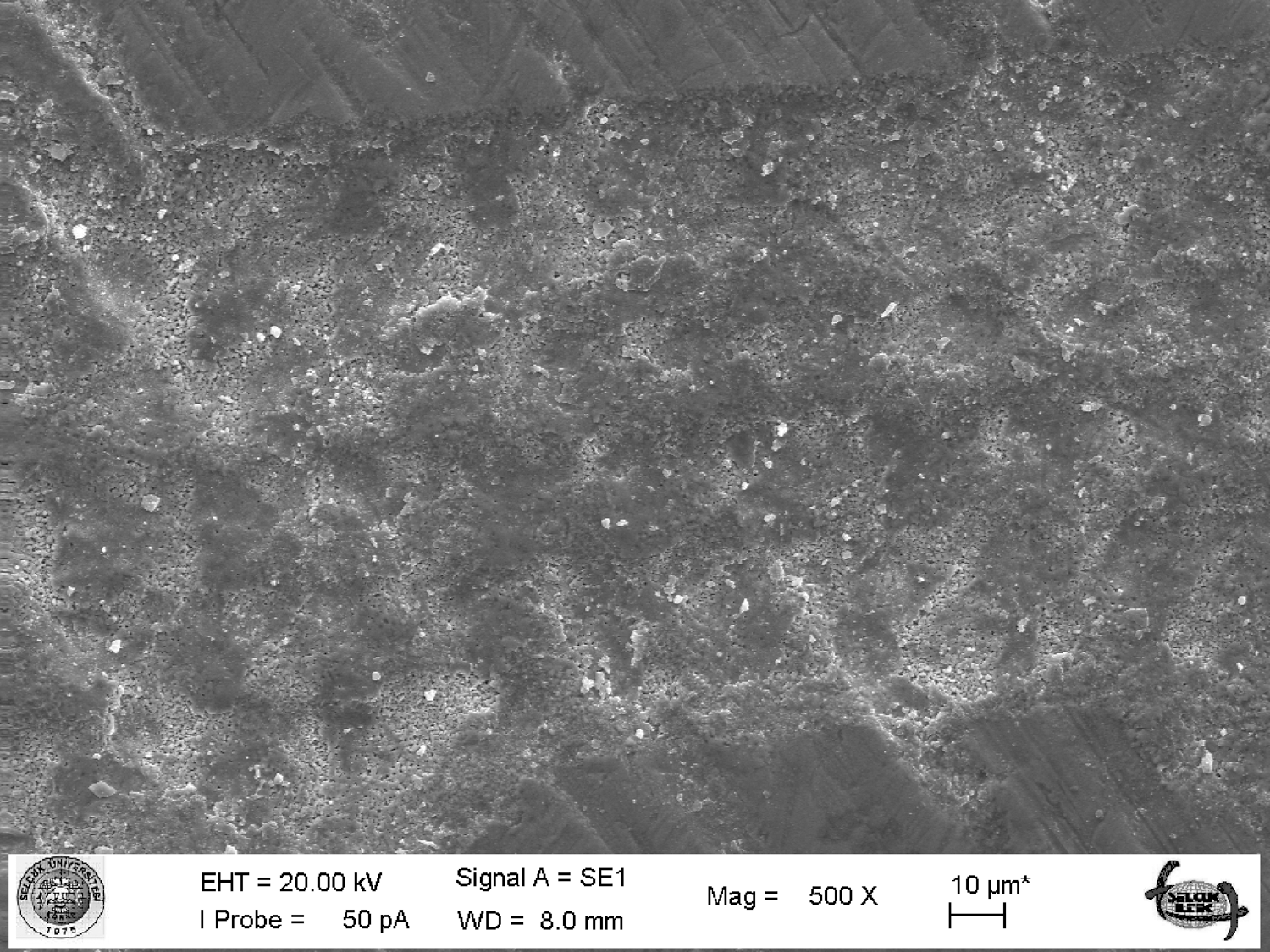
Scanning electron microscopic (SEM) evaluatıon of femtosecond (FS) laser irradiated Zirkonzahn Prettau®.
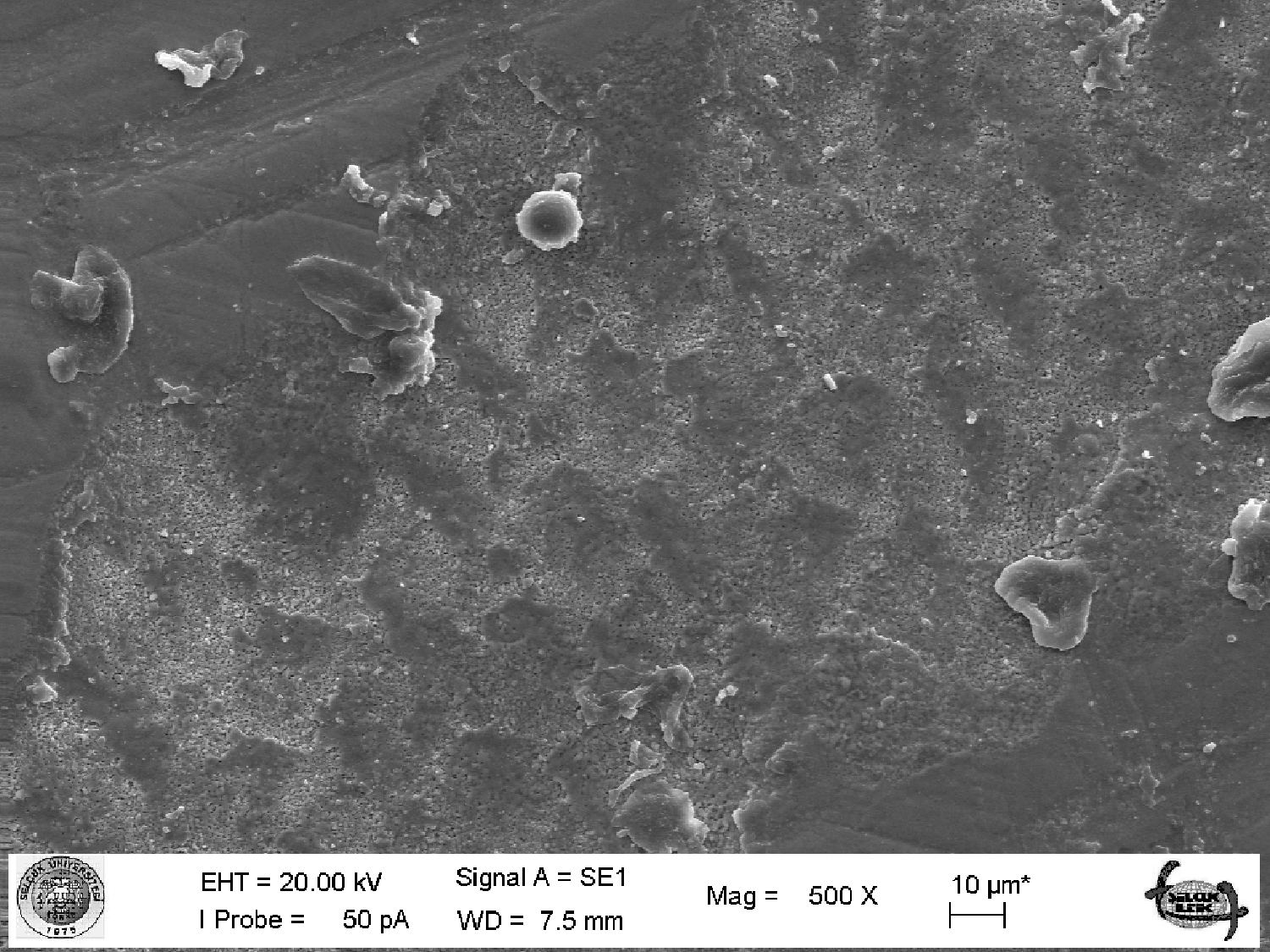
Scanning electron microscopic (SEM) evaluatıon of femtosecond (FS) laser irradiated Zirkonzahn.
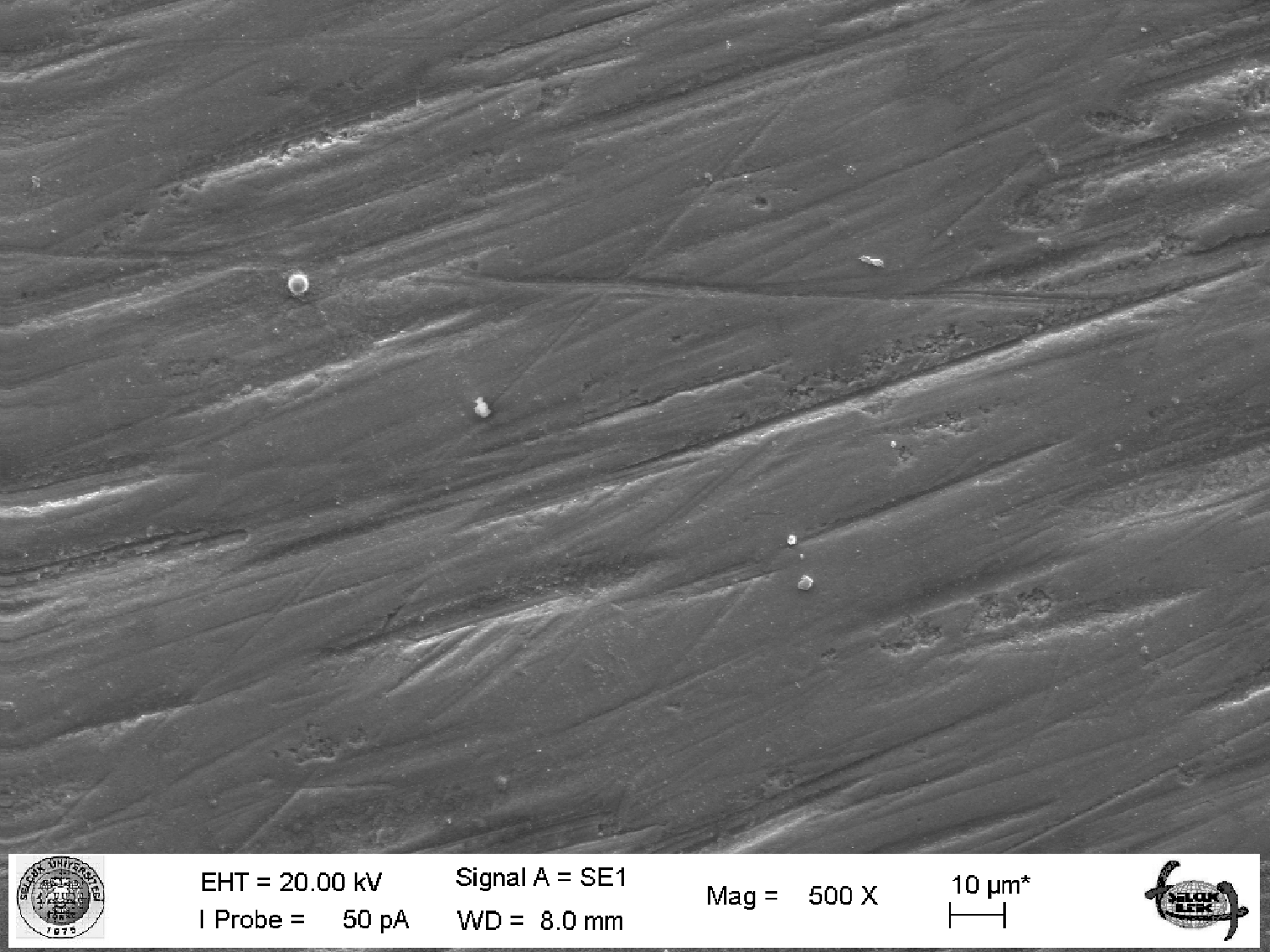
Scanning electron microscopic (SEM) evaluatıon of Nd:YAG (NY) laser irradiated Zirkonzahn Prettau®.
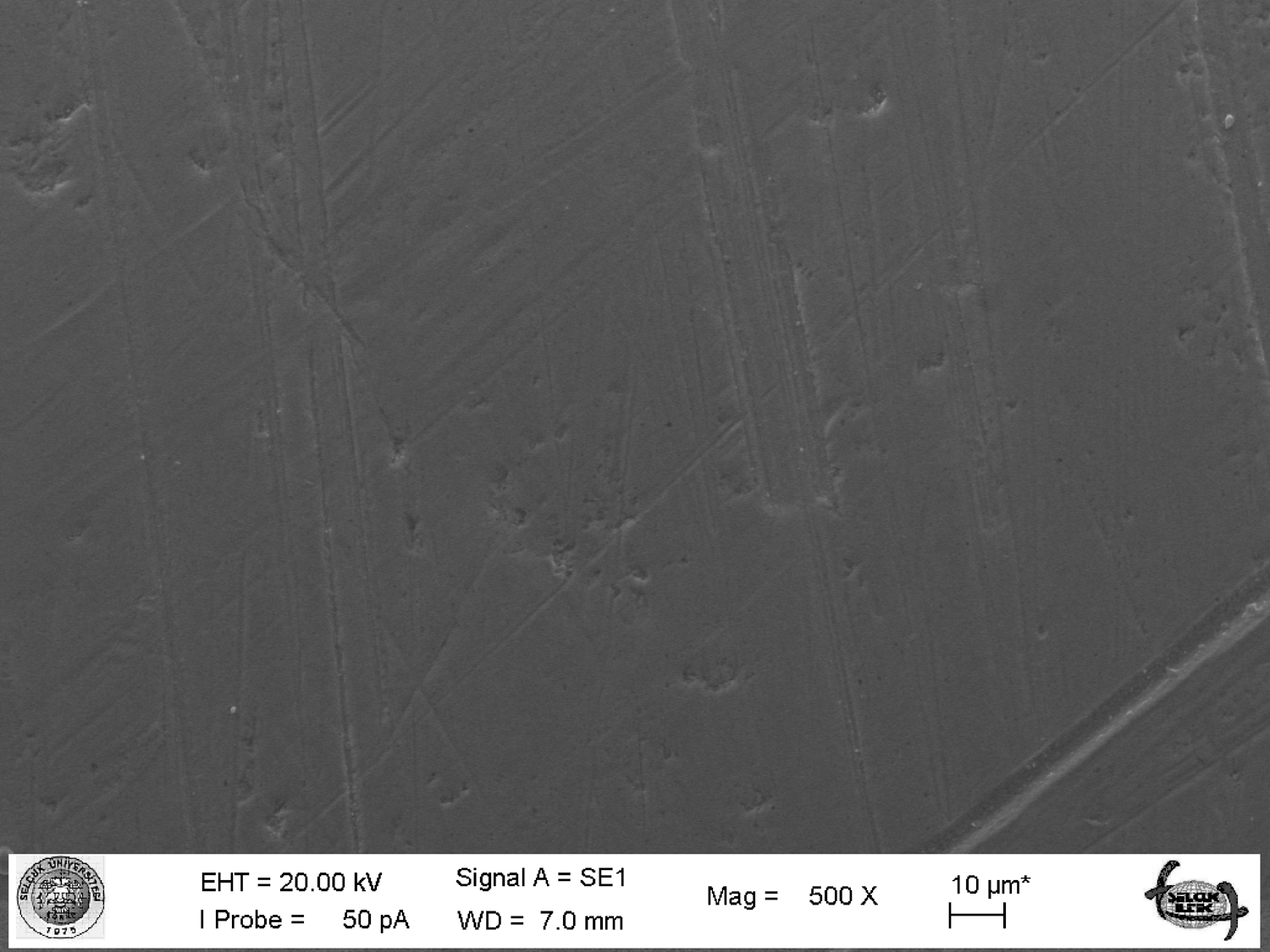
Scanning electron microscopic (SEM) evaluatıon of Nd:YAG (NY) laser irradiated Zirkonzahn.
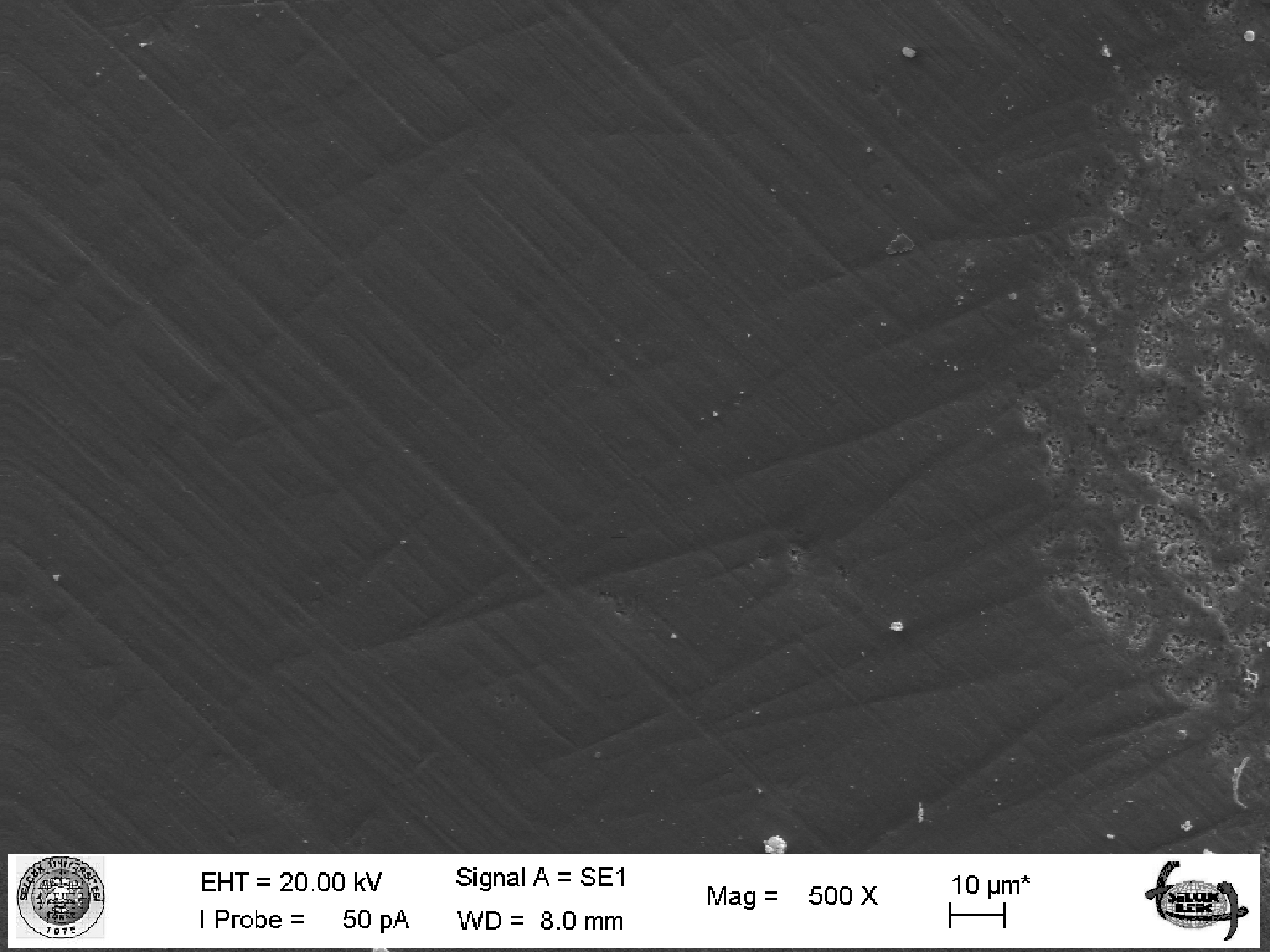
Scanning electron microscopic (SEM) evaluatıon of Er:YAG (EY) laser irradiated Zirkonzahn Prettau®.
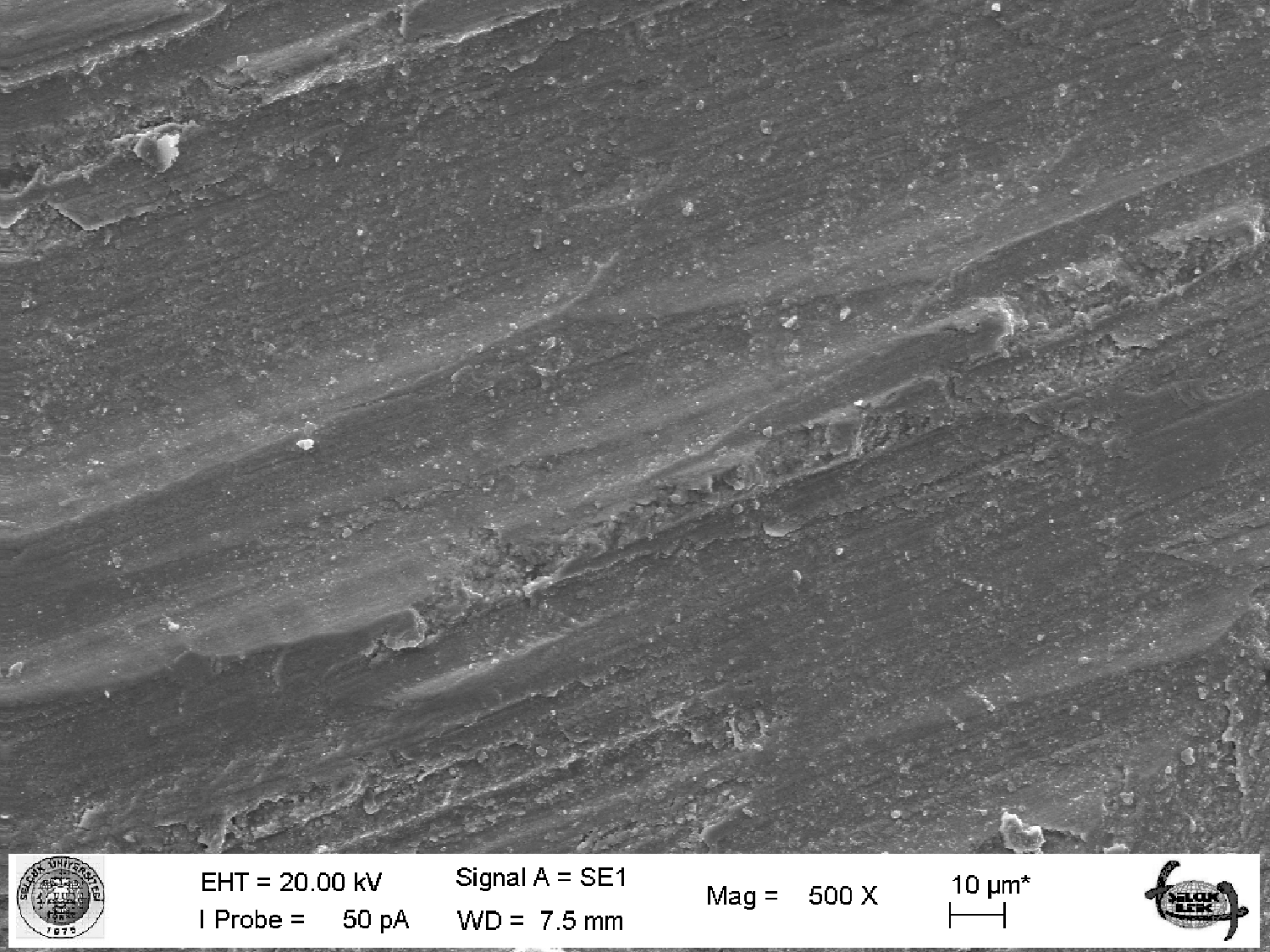
Scanning electron microscopic (SEM) evaluatıon of Er:YAG (EY) laser irradiated Zirkonzahn.
Discussion
Retention of ceramic restorations at an adequate level that allows penetration of resin or cement into the retentive surface requires building effective microroughness on ceramic surfaces. 25 Micromechanical retentive ceramic surfaces have been produced using a series of pretreatment techniques reported in literature, which have also been used clinically 19,29,30 This study evaluated the effects of laser treatment on the roughness of zirconia ceramics and on the MPa of resin cement to zirconia ceramics with various laser irradiations (NY, EY, and FS lasers). The null hypothesis is rejected, such that Nd:YAG and Er:YAG laser treatments did not increase roughness and MPa on any zirconia ceramic groups; however, the FS laser increased roughness and MPa on both types of zirconia ceramics.
Dentistry practices attempt to establish strong bonds between zirconium oxide ceramics and resin-based luting agents to produce durable prosthetic restorations and to achieve clinical success. 31 Zirconia ceramics are relatively resistant to the majority of conditioning treatments employed with conventional ceramics. Several studies have evaluated various combinations of surface treatments and resin cement types used in attempts to achieve optimal bonding to zirconia crowns and/or bridges. 32,33 Resin cements are a major part of today's clinical practice because of their high compressive and tensile strengths, low solubility, and favorable aesthetic qualities. Their major disadvantages include difficult removal of excess cement, technique sensitivity, time-consuming process, and relative expense. 34 –36 Rely X U200 cements provide good bond strengths to tooth structure without any pretreatment or bonding agents. As a result, the present study used Rely X U200 because its application is very simple and can be accomplished in a single clinical step, similar to the application procedures of conventional luting agents.
There is a growing interest in the use of lasers in dental practice over the last 35 years. Various types of lasers (NY, CO2, EY, and semiconductor diode lasers) with different parameters (pulse mode, irradiation time, frequency, and energy outputs) have been used in dental applications. 37 –39 Nd:YAG laser irradiation has been proposed for modifying the surface of ceramics by forming a glazed surface layer. 40 Akyil et al. 41 reported that surfaces irradiated with NY laser (1 W, 100 mJ/pulse at 10 Hz) were similar to the surface of an untreated feldspathic ceramic. Kara et al. 42 evaluated the effect of various surface treatments (sandblasting, NY laser irradiation, EY laser irradiation, and hydrofluoric [HF] acid) on lithium disilicate core ceramic roughness. In their atomic force microscopy (AFM) study, 2 W (100 mJ/pulse at 20 Hz) output power was selected for laser irradiation, and similar topographic AFM images were found for all surface treatments. Furthermore, in the present study, there was no significant difference after NY laser irradiation. This ceramic is manufactured with very small crystallites, and it has a polycrystalline microstructure and glass-free composition. 8,9 For this reason, the laser may not be able to produce the expected effect.
The extent of superficial changes on the ceramic surface depends on the energy density of the EY laser radiation, and on the type of irradiated ceramic. 15 Shiu et al. 15 reported that at 1 W output power (100 mJ/pulse at 10 Hz), EY laser irradiation of a feldspathic ceramic surface failed to produce sufficient roughening of the surface, because of its reflectance and composition of the ceramic. In another study, 43 EY laser irradiation was reported to produce the lowest MPa. EY laser irradiation using AFM caused erosion and melting; however, no cracks or fissures developed on the surface. In addition, this study observed that EY laser irradiation caused shallow erosions on the zirconia surface on SEM images. Based on these findings, this study concluded that irradiating a zirconia ceramic surface with a dental EY laser does not roughen the surface sufficiently to create a high-quality bond with a composite resin.
Laser radiation seems to cause thermal effects by melting a thin, superficial layer of ceramic. 44 This causes high amounts of radiation energy to deposit in a well-defined section of ceramic surface in an ultrashort period of time. A very high amount of energy accumulates as a result of this process. Temperature in a fine, superficial layer rises, and radiation energy is thermalized. 45 Ultrasmall crystallite content of these ceramics and their super-low porosity can cause scattering losses. 46 For these reasons, NY and EY lasers may not be capable of producing the expected effect. Their roughness and MPa values were similar. SEM imaging showed that roughness was similar in Nd:YAG and Er:YAG lasers.
Roughness and bond strength values of zirconia ceramic surfaces are enhanced by FS laser. FS laser pulses are increasingly being used in dental practice. 47,48 According to the results of this study, the FS laser treatment group showed the highest Ra (1,06; 1,05) ın Zirkonzahn and Zirkonzahn Prettau ceramics. The FS laser treatment group showed the highest MPa values (52,8; 51,18) ın Zirkonzahn and Zirkonzahn Prettau ceramics and can be a reliable and effective technique for roughening zircon ceramic surfaces. In contrast to the other groups, the FS surface treatment group produced extensive surface fissuring, and this fissuring was more homogenous and had more regular surface characteristics. When the SEM images of the groups were compared, the FS group showed the most roughness.
Conventional methods used for the treatment of ceramic surfaces can produce negative results such as surface heating and crack propagation. However, recent studies 47 –50 have revealed that a FS laser pulse is a promising approach in achieving surface machining more gently, precisely, and clearly, without producing any heating effect.
Differences in composition and structure of ceramic restorations might affect the surface texture and bond strength between the ceramics and resin cement. Zirconia could be veneered with glass ceramics. Zirkonzahn Prettau has been recently introduced also for monolithic applications in an attempt to decrease the possibility of chipping. 51 Monolithic zirconia ceramics are glazed superficially during laboratory procedures to improve their optical properties. In addition, glass particles, which are also used in glazing, infiltrated into zirconium oxide surfaces could enhance the adhesive bonding. 52 For this reason, in this study, the FS laser may be able to increase the bond strength of Zirkonzahn Prettau ceramic. Further studies are required to evaluate the effects of various power settings and laser applications on various ceramic surfaces, to obtain optimum bond strength and roughness values.
Conclusions
The results of this study showed that FS laser treatment produced the highest MPa of the processes assessed; therefore, it appears to be an effective method for bonding resin cement to zirconia ceramic surfaces.
Footnotes
Author Disclosure Statement
No competing financial interests exist.