




Abstract
Aging is an inevitable biological process that significantly impacts human health, leading to a decline in cellular function and an increase in cellular damage. This study elucidates the burgeoning potential of antiaging pharmaceuticals in mitigating the thriving burden of chronic conditions linked to advancing age. It underscores the pivotal role of these pharmacotherapeutic agents in fostering longevity free from debilitating age-related afflictions, notably cardiovascular disorders, neoplastic processes, and neurodegenerative pathologies. While commendable strides have been made evident in preclinical models, it is crucial to thoroughly investigate their effectiveness and safety in human groups. In addition, ethical concerns about fair access, societal impacts, and careful resource distribution are significant in discussions about developing and using antiaging medications. By approaching the development and utilization of antiaging medications with diligence and foresight, we can strive toward a future where individuals can enjoy extended lifespans free from the debilitating effects of age-related ailments.
Introduction
The quest for interventions capable of mitigating the deleterious effects of aging and extending human lifespan has long been a cornerstone of biomedical research. Recent advancements in molecular and cellular biology have unveiled intricate mechanisms underlying the aging process, illuminating potential targets for therapeutic intervention. 1 Since 2015, following the World Health Organization’s formal acknowledgment of aging as a pathological condition, there had been a marked upsurge in scientific inquiry into aging and its associated maladies, accompanied by the formulation of pertinent therapeutic modalities. In this pursuit, pharmacological compounds have emerged as promising candidates for modulating aging-related pathways and promoting healthy aging. Rapamycin and its analogs, including everolimus, have emerged as potent modulators of the mechanistic target of rapamycin (mTOR) pathway, a central regulator of cellular metabolism and aging. 2 Studies testing rapamycin and everolimus effects on older individuals, especially those with heart disease (CAD) and other age-related issues, have shown strong evidence of their ability to slow down aging and extend lifespan. 3 Resveratrol, a polyphenolic compound found in various plant species, has garnered significant attention for its purported antiaging properties. 4 Clinical trials investigating resveratrol-enriched wine consumption and supplementation have elucidated its potential biological effects, particularly in the context of obesity, sarcopenia, cardiovascular health, and reproductive aging. In addition, researchers have studied how resveratrol and exercise work together to find new ways to overcome age-related physical challenges. 5 Metformin, a widely prescribed antidiabetic agent, has recently garnered attention for its pleiotropic effects beyond glycemic control. 6 Clinical investigations into metformin’s impact on aging, insulin resistance, inflammation, and vaccine response have highlighted its potential as a geroprotective agent. 7 In addition, research on metformin’s effects on metabolism similar to dieting provides important information on how it works to promote healthy aging. Quercetin, a flavonoid abundant in various fruits and vegetables, has emerged as a promising nutraceutical with potential antiaging effects. 8 Clinical trials evaluating quercetin supplementation have explored its modulation of cerebral blood flow, safety in individuals at risk for Alzheimer’s disease, and effects on metabolic health and epigenetic aging. 9
In addition, investigations into the effects of taurine and nicotinamide mononucleotide (NMN) have shed light on novel strategies for combating oxidative stress and promoting longevity. 10,11 Collectively, these clinical trials represent a concerted effort to elucidate the potential of pharmacological interventions in modulating aging processes and extending human health span. By unraveling the complex interplay of molecular pathways underlying aging, these studies offer a glimpse into the future of personalized antiaging therapeutics tailored to individual needs and susceptibilities. The convergence of clinical trials investigating a diverse array of pharmacological compounds highlights the multifaceted nature of aging and the complexity of potential interventions. From resveratrol’s antioxidant properties to rapamycin’s modulation of cellular metabolism and from metformin’s pleiotropic effects to quercetin’s anti-inflammatory properties, each compound offers a unique avenue for exploring the intricacies of aging biology. As these trials progress and their findings accumulate, they pave the way for the development of personalized antiaging strategies that may ultimately redefine the landscape of health care for aging populations. By harnessing the power of pharmacological interventions to target age-related pathways at the molecular level, there is potential to unlock new frontiers in the pursuit of healthy aging and extended longevity demonstrated in Figure 1. Antiaging pharmaceuticals like rapamycin, resveratrol, metformin, and quercetin are in advanced stages of research, but their clinical integration faces challenges such as safety, ethical concerns, regulatory hurdles, translation from animal models, and bioavailability and dosage issues. These barriers highlight the need for continued research before they can be integrated into mainstream health care.
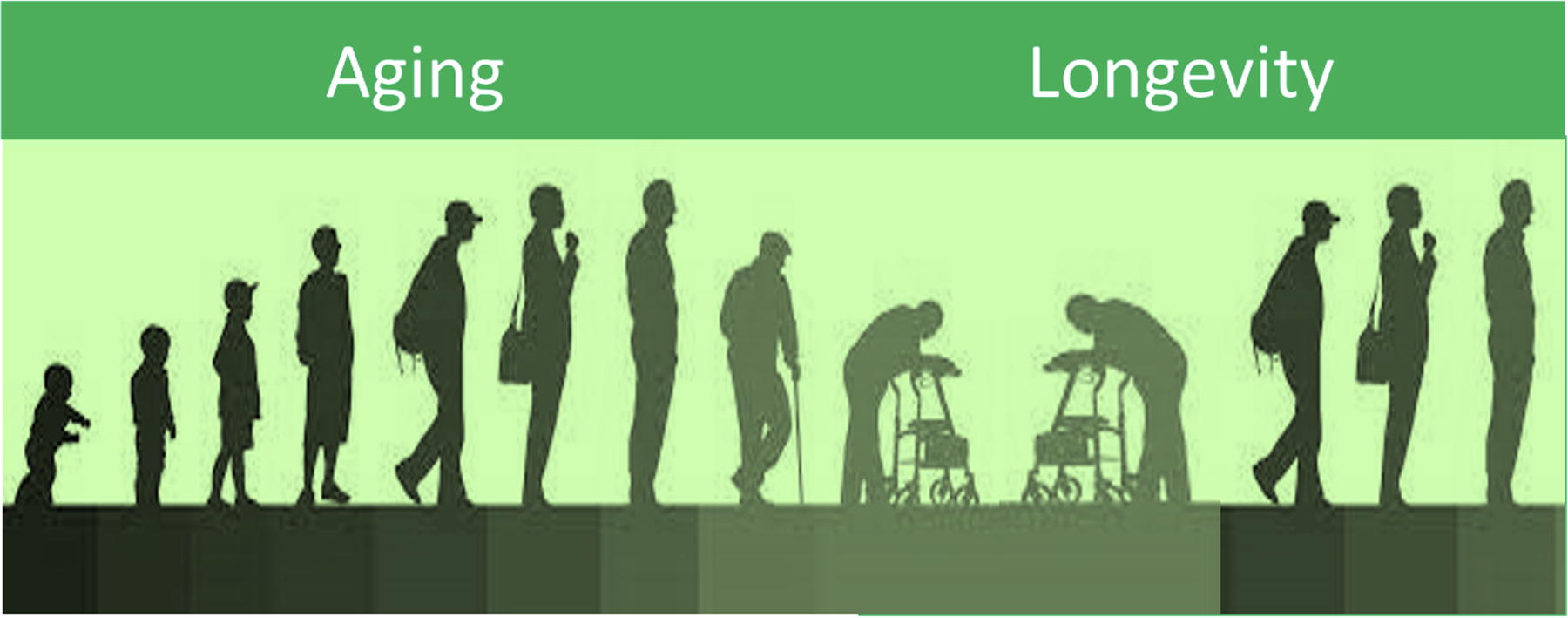
Illustrating the rejuvenating life’s essence and unveiling the potential of antiaging pharmaceuticals in aging reversal.
Investigating antiaging pharmaceuticals: A clinical trial overview
These studies delve into the realm of antiaging pharmaceuticals, exploring their potential effects on various aspects of aging and age-related conditions. A lot of different drugs are being tested, such as resveratrol, rapamycin, everolimus, metformin, quercetin, taurine, NMN, and other drugs like L-citrulline.
Rapamycin’s role in antiaging research
Rapamycin, an FDA-approved drug used to prevent organ rejection after transplant surgery, has emerged as a promising candidate in the fight against aging. Its potential to extend lifespan and improve health in various organisms has garnered significant interest in the scientific community. 12 Mechanisms of action: mTOR Inhibition: Rapamycin is known to inhibit the mTOR pathway, a key regulator of cell growth and metabolism. This inhibition may promote cellular repair mechanisms and enhance stress resistance. 13 Autophagy activation: Rapamycin can stimulate autophagy, a cellular housekeeping process that eliminates damaged cellular components. This can promote cellular rejuvenation and prevent the accumulation of harmful byproducts. 14 Rapamycin can cause common side effects like mouth sores, diarrhea, nausea, and increased cholesterol. Severe reactions include diabetes-like symptoms, lung toxicity, and cancer risk. Regular monitoring and adjustments are necessary for long-term treatment. 15
Rapamycin’s effects on aging on various models
Studies suggest that rapamycin can extend lifespan in various model organisms, including yeast, worms, flies, and rodents illustrated in Figure 3. Exploring rapamycin’s influence on TOR pathway dynamics in Caenorhabditis elegans: Rapamycin, which specifically targets the TOR pathway, plays a crucial role in regulating growth, development, metabolism, and aging in C. elegans. Loss of the TORC2 component RICTOR results in delayed development, reduced brood size, increased fat accumulation, and a shortened lifespan. 16 Notably, knockdown of the hedgehog-related morphogen grd-1 and its receptor ptr-11 rescues delayed development in TORC2 mutants, suggesting a novel role for these genes in modulating developmental rate downstream of nutrient sensing pathways. 17 The TOR pathway also works with the dosage compensation complex through DPY-21, which changes how C. elegans grows, reproduces, and controls epigenetics. 18 In summary, rapamycin’s influence on the TOR pathway in C. elegans underscores its importance in orchestrating various physiological processes crucial for the organism’s overall health and longevity. Effects of rapamycin on Drosophila melanogaster (DM): Rapamycin, an inhibitor of the TOR pathway, exerts varied effects on DM, influencing cell size, mortality rates, longevity, and stress tolerance, specifically in male flies. Treatment with rapamycin results in smaller cells and bodies in flies, impacting tissue-specific functions and overall body size. 19,20 It is the TOR pathway’s job to control metabolism and stem cell differentiation in the male germline. This changes the traits of germ cells and coordinates somatic differentiation. 21 Nonetheless, the impact of rapamycin on longevity is contingent upon sex, strain, and solvent, with observed variations in lifespan among different strains and sexes. 22 Although rapamycin may enhance stress tolerance and longevity, it could also diminish fecundity, underscoring the necessity for personalized treatment strategies and further exploration of potential side effects. 23 Impact of rapamycin’s effects in rodents: rapamycin exhibits pronounced effects on rodent lifespans across diverse investigations. Evidence suggests that rapamycin administration extends lifespan in mice, with outcomes influenced by variables such as timing and dosage. 24,25 Male mice exposed to rapamycin early in life have shown to have 10% longer median lifespans, as well as improvements in health metrics like frailty index and glucose tolerance. 26 Moreover, synergistic interactions between rapamycin and adjunctive medications like acarbose yield further longevity benefits in male mice. 27 These findings underscore rapamycin’s potential as a longevity intervention in rodents, offering insights into aging mechanisms and the development of antiaging interventions. Rapamycin and everolimus: Studies investigate the potential of rapamycin and everolimus in mitigating aging processes, particularly in individuals with conditions like CAD (coronary artery disease) and across broader populations of elderly individuals. These trials explore the effects of mTOR31 inhibition and metabolism-modulating interventions on aging and age-related diseases. Current clinical trials: Testing rapamycin in humans: While the preclinical data on rapamycin is promising, its effectiveness in humans remains under investigation.
Exploring rapamycin’s antiaging potential in human trials
Rapamycin, a promising compound investigated in human clinical trials targeting aging, has demonstrated efficacy in mitigating age-related processes. Studies have elucidated its capacity to reduce senescence markers, enhance skin appearance, and augment collagen levels in human subjects. 28 Furthermore early-life administration of rapamycin has been correlated with lifespan extension in animal models, aligning with the hyperfunction theory of aging and proposing potential therapeutic avenues for human longevity. 29 Large-scale clinical endeavors such as the Targeting Aging with Metformin (TAME) trial aim to assess interventions targeting the underlying biology of aging in humans, with the goal of postponing the onset of various age-related ailments. 30 Despite challenges associated with extrapolating findings from animal models to human subjects, rapamycin emerges as a promising candidate for antiaging therapy in clinical contexts, offering prospects for ameliorating age-associated conditions and extending health span. The inhibition of mTOR pathway by rapamycin has been correlated with promoting health, longevity, and potentially preventing age-related diseases across diverse model organisms. The concept of insulin resistance posits that constitutive activation of the mTOR complex 1 (mTORC1) pathway, mediated by rapamycin-sensitive mTOR signaling, 29 leads to feedback inhibition on insulin receptor substrate 1/2 through S6 kinase 1 (S6K1) and growth factor receptor-bound protein 10. 31 Rapamycin’s ability to traverse the blood–brain barrier and attenuate mTOR activity has been linked to the prevention and reversal of cognitive and cerebrovascular dysfunction in various models of Alzheimer’s disease and diet-induced vascular cognitive impairment, thereby mitigating the age-related risk of dementia. Studies have illustrated rapamycin’s capacity to diminish senescence markers, such as p16INK4A protein levels, and enhance collagen VII levels in human skin, suggesting potential antiaging effects. 29 The expression levels of FK506-binding protein 12 (FKBP12) and FKBP51 have been identified as critical determinants influencing cellular responsiveness to rapamycin, thereby modulating mTORC1 and mTORC2 inhibition, with implications for aging-related conditions such as neurodegeneration and cancer. Rapamycin is regarded as a prospective caloric restriction (CR) mimetic due to its capacity to inhibit mTOR signaling. Rapamycin is a drug that inhibits the mTOR pathway, a key kinase pathway involved in cell growth and proliferation. It effectively inhibits cell cycle progression, particularly the transition between the G1 and S phases. Studies have shown that rapamycin reduces the proliferation of various tumor cells, including those in oral cancer, by interfering with key growth effectors. Treatment with rapamycin decreases cell viability in various types of cancer cells, promoting antioxidant capacity and reducing oxidative stress. 32 Studies have indicated that rapamycin can counteract age-related muscle loss, implying its potential as a CR mimetic to attenuate 33 muscle aging. Consequently, rapamycin’s role as a small molecule CR mimetic and its capacity to extend lifespan in humans are bolstered by its actions on mTOR and its observed antiaging effects in various research investigations. 34 Partial TORC1 inhibition by rapamycin is crucial for counteracting aging effects without hampering cell growth. It enhances protein quality control and promotes autophagy, maintaining cellular homeostasis. Excessive TORC1 inhibition can negatively impact cell proliferation and function. Intermittent or low-dose regimens of rapamycin show increased lifespan and health span without side effects. The therapeutic application of rapamycin requires a balance in TORC1 inhibition to promote longevity and healthy cellular functions. 35 Rapamycin’s potential to reduce senescence markers and enhance skin appearance in human trials is promising, but not yet conclusive. Its mechanisms, such as mTOR inhibition and autophagy activation, contribute to cellular repair and stress resistance. However, extrapolating findings from animal models and conducting large-scale trials are necessary to confirm these findings. The authors appreciate the opportunity to clarify this aspect of our review and will ensure that the discussion reflects both the potential and the limitations of the current evidence. These collective findings underscore the multifaceted mechanisms through which rapamycin may exert antiaging effects in human clinical trials represented in Figure 2.

The proposed mechanism of action of drugs such as rapamycin, resveratrol, metformin, and quercetin on human aging pharmaceuticals in aging reversal.
Resveratrol’s promising effects on aging
Resveratrol: Several trials examine the biological effects of resveratrol-enriched wine consumption and supplementation on aging-related conditions such as obesity, sarcopenia, and cardiovascular health. 36 In addition, there’s a focus on the combination of resveratrol with exercise to address functional limitations in late life. 5 Resveratrol, a naturally occurring compound found in grapes, red wine, and some berries, has garnered significant interest for its potential antiaging properties. Mechanisms of action: sirtuin activation: resveratrol is believed to activate sirtuins, a class of proteins involved in regulating cellular health and lifespan. 37 Resveratrol demonstrates antioxidant properties, which could shield cells from free radical damage. Metabolic regulation: resveratrol may influence metabolic pathways, promoting healthy cellular function and preventing age-related decline.

The possible mechanisms of action of drugs such as rapamycin, resveratrol, metformin, and quercetin on different model species for aging reversal.
Resveratrol’s impact on aging across model organisms
Resveratrol, a flavonoid compound, has shown diverse effects on the lifespan of C. elegans depending on the context of administration. Studies have demonstrated that resveratrol can extend the lifespan of C. elegans by modulating oxidative stress and metabolic signaling pathways. 38 –40 It is interesting that resveratrol’s ability to protect against iron imbalance in C. elegans was found to work better after chronic iron treatment, lowering the production of reactive species and neuronal damage. 41 In addition, resveratrol’s ability to make C. elegans live longer is connected to the overexpression of SIR-2.1 and not the FOXO/DAF-16 pathway. 42 In addition, the dose–response relationship between reactive oxygen species (ROS) levels and lifespan reveals an inverted U-shaped curve, where resveratrol can both lengthen and shorten lifespan depending on concentration and genetic factors. Testing whether pharmacological concentrations of resveratrol and SRT1720 are capable of extending lifespan in a nematode model organism for aging processes, the roundworm C. elegans shows that resveratrol is capable of promoting longevity at a concentration that is pharmacologically relevant and 20 times lower than previously published doses. 43 The study explored maximizing the geroprotective potential of resveratrol in C. elegans. Resveratrol has shown significant effects on the lifespan of DM in various studies. Research indicates that resveratrol can extend the lifespan of fruit flies by improving survival rates, locomotor activity, and overall health. 44,45 In addition, resveratrol has been found to mitigate the negative impact of toxic elements like lead, copper, and iron on fruit flies, further enhancing their longevity. 46,47 However, it is essential to note that high doses of resveratrol may have adverse effects on the development and reproduction of invertebrates, potentially acting as an endocrine disruptor. Resveratrol, a polyphenol, has shown promising effects on aging rodents in various studies. Research indicates that resveratrol administration can alleviate aging-related issues in rodents by targeting different aspects of aging. Studies have shown that resveratrol treatment can improve cognitive functions, reduce oxidative stress, prevent cell loss in the brain, enhance antioxidant defenses, and decrease inflammatory pathways in aging rodents. 48 –51 Specifically, resveratrol has been found to enhance recognition memory, locomotor activity, and antioxidant capacity while reducing oxidative damage and cellular senescence. These findings suggest that resveratrol could be a valuable pharmacological option to mitigate age-related cognitive decline, oxidative stress, and neurodegeneration in aging rodents, highlighting its potential as an antiaging compound for improving overall health and longevity in rodents portrayed in Figure 3.
Deciphering resveratrol’s therapeutic effects on aging in human clinical trials
Research reveals that resveratrol activates specific longevity genes, such as sirtuins, which are crucial for promoting longevity. 36 However, the impact of resveratrol on human lifespan remains uncertain, with some studies indicating its positive effects on vascular function but not significantly influencing glucose metabolism or insulin sensitivity. The limited bioavailability of resveratrol has been identified as a potential obstacle hindering its ability to extend lifespan. Resveratrol exhibits antiaging effects through its regulatory activity on SIRT1 (sirtuin 1) and AMPK (AMP-activated protein kinase). 52 In addition, it can activate AMPK through cAMP (cyclic adenosine monophosphate) and calcium-dependent mechanisms, positively impacting aging and cellular senescence. Progeria syndrome, linked to a genetic mutation in the LMNA gene, illustrates how a single gene mutation can accelerate aging in humans. Research also suggests that resveratrol supplementation could benefit individuals with type 2 diabetes, with specific doses showing improvements in glucose levels, HbA1c, and insulin sensitivity. 53 –55 Notably, doses around 250 mg/day have demonstrated significant enhancements in fasting glucose levels, insulin resistance, and lipid profiles in diabetic patients. 55,56 However, assessing resveratrol’s clinical utility in cancer therapy has been challenging due to its low bioavailability. Research examining the impact of resveratrol on colon cancer found that there were slight decreases in cell growth and very few negative effects when participants took 4–8 g of resveratrol daily for a month. 54 Despite promising outcomes in certain model organisms, the efficacy of resveratrol in extending human lifespan remains uncertain, necessitating further investigation to uncover its true potential. In addition, while resveratrol shows promise in (Fig. 2) areas such as heart health and metabolism, its effectiveness in aging and cancer prevention requires more definitive evidence from clinical trials. Moreover, understanding the dose-dependent nature of resveratrol’s effects is crucial, as certain studies have shown positive outcomes at specific dosage levels. Further research is warranted to fully comprehend the benefits and limitations of resveratrol supplementation in promoting overall health and well-being.
Metformin: Promising impacts on aging
Metformin: clinical investigations into metformin’s role in longevity span various contexts, including its effects on aging, insulin resistance, prediabetes, inflammation, and vaccine response in older adults. Trials also explore its potential in inducing a dietary restriction-like state, augmenting strength training response, and impacting immunity in aging populations. 57 Mechanisms of action: AMPK Activation: Metformin is known to activate AMPK, a cellular energy sensor that regulates metabolism and promotes cellular repair mechanisms. 58 mTOR Inhibition: similar to rapamycin, metformin may indirectly inhibit the mTOR pathway, 59 which can influence lifespan. Reduced Insulin/IGF-1 Signaling: metformin can lower insulin and IGF-1 levels, which have been linked to aging in some model organisms. 60 Metformin’s effects on AMPK, mTOR, autophagy, inflammation reduction, gut microbiome modification, and SIRT1 pathway activation may contribute to its antiaging effects. 61 Metformin’s common side effects include gastrointestinal issues, including nausea, vomiting, diarrhea, and loss of appetite. Serious side effects include lactic acidosis and vitamin B12 deficiency. Recommended dosage is 500 mg daily, with potential benefits for aging populations. 62
Influence of metformin on aging on various model organisms
Metformin’s impact on C. elegans aging is multifaceted. Metformin can make C. elegans live longer if it is only given to adults, according to studies. 63 This might be because it lowers S-adenosylmethionine and changes the methylation of histones. However, the effects of metformin on C. elegans lifespan vary across different genetic backgrounds, with positive impacts on median survival in some strains but negative effects in others. 64 In addition, metformin can exacerbate aging-associated mitochondrial dysfunction in late-life C. elegans, leading to respiratory failure and ATP (Adenosine triphosphate) exhaustion, especially in aged worms, which questions its benefits for older individuals without diabetes. 65 Overall, while metformin shows promise in promoting healthy aging in C. elegans, its effects are influenced by factors like genetic variability and the timing of exposure. Metformin has shown antiaging effects in DM by extending lifespan and suppressing age-related muscle deterioration. It activates AMPK, downregulates TOR-mediated pathways, and induces autophagy, partially inhibiting protein synthesis in ribosomes. 66 However, the effects of metformin on lifespan are variable across different genetic backgrounds, with positive impacts in some strains but toxicity in others. 67,68 In contrast, inhibitors of TOR, such as rapamycin, have shown dose-dependent effects on lifespan, with high doses decreasing longevity significantly. 65 Combinations of inhibitors, like rapamycin and wortmannin, have demonstrated the greatest lifespan extension in Drosophila without compromising quality of life. 69 These findings highlight the complex interplay between metabolic pathways and genetic variability in determining the efficacy of antiaging interventions in Drosophila. Metformin’s effects on aging in rodents have been extensively studied with varying outcomes. Research indicates that metformin treatment in aged rats did not compromise mitochondrial DNA integrity, mortality, and may even offer cardiac benefits at appropriate doses. 70 In contrast, metformin demonstrated significant antiaging effects in rats by alleviating neurocognitive deficits induced by D-galactose, possibly through the activation of the AMPK/BDNF/PI3K pathway. 71 However, metformin did not significantly extend the lifespan in mice or C. elegans nematodes in laboratory experiments. 72 Furthermore, while metformin improved health span and lifespan in male mice, it failed to extend the lifespan in female mice, showing unexpected detrimental effects on cardiac homeostasis and longevity in females. 63 Metformin and rapamycin have potential for extending lifespan, but their effects vary depending on the model organism, dosage, and application context. In Drosophila, metformin does not extend lifespan at doses ranging from 1 to 10 mM, and at concentrations exceeding 10 mM, there is a dose-dependent decrease in survival. 73 In mice, metformin influences lifespan in a dose-dependent manner, with varying effects based on the dose and sex of the mice. 74 In C. elegans, metformin demonstrates a consistent ability to extend lifespan in a dose-dependent manner. However, compared with rapamycin, metformin does not yield similar lifespan extension in fruit flies. 75 A combination of metformin and rapamycin has been shown to yield more pronounced lifespan extensions in mice. Further research is needed to clarify optimal dosage and long-term impacts, especially within aging populations. Metformin has been found to improve health span and lifespan in male mice through activating AMPK-dependent metabolic signaling pathways, which enhance mitochondrial function and promote cellular health. 76 However, long-term treatment in aged female mice has been associated with a shortened lifespan due to metabolic dysregulation. Metformin also has detrimental effects on cardiac health in female mice, including impaired cardiac function and increased stress markers. 77 Sex differences play a significant role in the efficacy of aging treatments, with compounds often exhibiting varying responses between male and female subjects. Hormonal differences, particularly estrogen in females and testosterone in males, also contribute to the distinct responses observed in aging treatments. Future research should focus on exploring sex-specific biological mechanisms and responses to aging interventions, potentially leading to tailored therapies based on sex-based biological insights. Overall, metformin’s impact on aging in rodents is complex, with both positive and negative outcomes observed in different studies as shown in Figure 3.
Metformin: A versatile therapeutic approach for age-related diseases on humans
Metformin has been extensively studied in human clinical trials across various health conditions. Research indicates that metformin may not significantly impact the severity or outcomes of acute ischemic stroke in patients with diabetes mellitus type 2. 78 In nondiabetic patients with or without pre-existing cardiovascular disease, metformin has shown favorable effects on left ventricular mass index and left ventricular ejection fraction. 79 Moreover, metformin has been associated with a lower risk of major adverse cardiovascular events and a tendency toward lower all-cause mortality compared with other antihyperglycemic drugs or placebo. 80 In addition, metformin has demonstrated significant reductions in obesity indices such as BMI (Body Mass Index), waist circumference, body weight, and body fat mass in children and adolescents. 81 Metformin shows protective effects in clinical trials, reducing coronary events and heart failure progression, making it a crucial and cost-effective diabetes therapy. 82 It improves blood glucose control and lipid concentration in patients with noninsulin-dependent diabetes mellitus. 83,84 Metformin is associated with a lower risk of fracture. 85 It prevents against oxidative stress-induced senescence in human periodontal ligament cells. 86 The TAME trial, involving over 3,000 individuals aged 65–79, is underway at 14 leading research institutions, aiming to study Metformin’s effects on aging. This kind of research is crucial for understanding how certain medications might impact the aging process and overall health outcomes. In summary, observational studies and clinical trials suggest that metformin use in diabetic patients may lower the risk of death from age-related diseases like cardiovascular issues and cancer. 87
This effect that could be attributed to metformin’s ability to influence cellular processes associated with aging, such as enhancing insulin sensitivity and reducing oxidative stress, underscores its significance in promoting health span as depicted in Figure 2.
Quercetin: Potential benefits for aging
Quercetin: Studies examine quercetin’s modulation of cerebral blood flow, safety, and feasibility in adults at risk for Alzheimer’s disease and its effects on metabolic health and epigenetic aging. 88 Mechanisms of action: Insulin/IGF-1 signaling pathway: Quercetin may activate the insulin/IGF-1 signaling pathway, which is known to play a role in lifespan regulation. 89 Heat shock response: quercetin may increase the expression of heat shock proteins, which help to protect cells from stress. 90 Antioxidant activity: Quercetin’s potent antioxidant properties may help combat cellular damage caused by free radicals, a hallmark of aging. By neutralizing these damaging molecules, quercetin could protect cells and tissues, promoting healthy aging. 91 Stress resistance: quercetin may enhance the body’s ability to cope with various stressors, including oxidative stress, heat stress, and dietary restriction. This improved resilience could contribute to a longer lifespan. 92 Autophagy induction: quercetin might stimulate autophagy, a cellular housekeeping process that removes damaged components and promotes cellular renewal. By promoting this “clean-up” process, quercetin could help maintain cellular health and potentially slow down aging. 93 Modulation of signaling pathways: quercetin may influence various signaling pathways involved in metabolism, inflammation, and longevity. 94 By regulating these pathways, quercetin could potentially promote healthy aging at a cellular level.
Effects of quercetin on aging in different model species
Studies show that quercetin boosts stress resistance and slows down the aging process by influencing transcription factors like DAF-16, SKN-1, and HSF-1. Quercetin influences the insulin/IGF-1 signaling pathway by acting on genes such as age-1, akt-1, daf-18, and daf-2, leading to improved resistance to oxidative stress and potentially longer lifespan. Moreover, quercetin boosts the levels of heat shock proteins like hsp-16.2, which help organisms live longer and cope better with stress as they age. Likewise, Lycium barbarum glycopeptide activates pathways that promote cell longevity in C. elegans, including DAF-16/FOXO, SKN-1/Nrf2, HSF-1, and DAF-12. This activation causes genes related to longevity to be turned on and mitochondrial function to get better, which in turn increases lifespan and may help conditions like Parkinson’s disease in these organisms. 82 Quercetin, a natural polyphenol, significantly slows down the aging of adult stem cells in Drosophila. Studies show that adding quercetin to the diet prevents excessive growth of intestinal stem cells, maintaining gut balance, prolonging life, speeding up gut healing, and boosting stress resilience. These effects are achieved through various mechanisms, including the scavenging of ROS, inhibition of the insulin signaling pathway, and modulation of longevity-associated genes such as dFoxO and dTor. 85 Furthermore, quercetin’s antiaging properties are attributed to its capacity to counteract age-related functional deterioration of ISCs (intestinal stem cells), underscoring its potential as a geroprotective agent. 86 Quercetin shows encouraging results in enhancing rodents’ lifespan and counteracting aging, supported by multiple studies. Administration of quercetin has been associated with improved spatial learning and memory in aging mice, along with an increase in the expression of longevity factors, mitigation of neuroinflammation, and reduction of oxidative stress specifically in the hippocampus. 87 Low-dose quercetin treatment in rodents has been correlated with enhancements in health span, exercise endurance, and cardiac function, although a significant extension of lifespan was not observed. 88 Quercetin supplementation has been shown to reduce oxidative changes triggered by D-galactose in rats, indicating its potential as a natural protective substance against oxidative stress associated with aging. These findings collectively underscore quercetin’s potential as a therapeutic agent in addressing aging-related processes and its broader implications for promoting health and longevity (Fig. 3).
Unveiling quercetin’s antiaging potential: Insights from human clinical trials
Quercetin has shown promising effects on the aging process in human clinical trials. Studies have demonstrated that quercetin can increase Na+, K+-ATPase activity in red blood cells during aging, indicating potential antiaging properties. 95 In addition, quercetin, a potent antioxidant found in various plant products, has been linked to protective functions against aging-related diseases, such as neurodegeneration, diabetes, cancer, and inflammation. 96 Furthermore, quercetin’s interaction with SIRT1, a key enzyme involved in aging-related disorders, has been highlighted, showcasing its potential in attenuating aging-induced diseases through various cellular processes. 97 These findings collectively support the significant impact of quercetin in combating age-related issues in human clinical trials. Quercetin demonstrates notable efficacy in attenuating immunosenescence markers and alleviating lipo-oxidative stress within peripheral blood mononuclear cells. As such, it presents a prospective avenue as a dietary adjunct in vaccination for the elderly population. This implication stems from its ability to potentially ameliorate age-associated immune dysfunction and counteract oxidative damage, suggesting a capacity to enhance immune competence and mitigate the progression of age-related decline. 98 A study on 716 nonfrail individuals over 60 found that a daily intake of 10 mg of quercetin reduced the odds of frailty onset by 30% over a 12-year period, suggesting quercetin’s potential as a preventive measure in middle-aged and older adults. 98 Quercetin administration improves vascular function by normalizing responses in rats and improving microvascular endothelial function in elderly patients with metabolic syndrome. It also enhances vasomotor vascular endothelial function, suggesting potential for managing vascular dysfunction. 99 Quercetin demonstrated improvements in vascular function, including normalization of responses and enhancement of endothelial function, highlighting its therapeutic promise in managing vascular dysfunction in Figure 2, further solidifying its role in combating age-related issues.
Taurine and NMN
Trials assess taurine 100 potential as an antiaging therapy targeting oxidative stress, whereas others evaluate the efficacy and safety of NMN 101 supplementation in middle-aged and older adults. Taurine and NMN are two emerging compounds in the field of antiaging research.
Taurine: a conditionally essential amino acid, is naturally present in the body and found in various foods. Cellular protection: Taurine’s antioxidant properties might help guard cells against damage caused by free radicals, a key factor in aging. 102 Mitochondrial function: Studies suggest that Taurine can enhance mitochondrial function, the powerhouses of cells. Improved mitochondrial health is associated with increased longevity. 103 Cellular stress reduction: Taurine may help mitigate cellular stress caused by various factors, potentially promoting cellular resilience and healthy aging. 100 Taurine has been studied in various dosages across clinical studies, typically ranging from 500 mg to 6 grams per day, depending on the specific health outcomes being investigated. 104 Taurine has been tested at various dosages in clinical studies, including 1 to 6 grams per day for chronic hepatitis and hypertension. Antiaging benefits may be effective at 3 to 10 grams per day. 100 Adverse effects include gastrointestinal discomfort, dizziness, allergic reactions, and kidney damage. Long-term use remains uncertain. 105 Nicotinamide Mononucleotide (NMN): A precursor to cellular energy: NMN is a precursor to Nicotinamide Adenine Dinucleotide (NAD+), a critical coenzyme involved in cellular energy production and metabolism. 106 NAD+ Levels: As we age, NAD+ levels decline. NMN supplementation aims to increase NAD+ levels, potentially enhancing cellular energy production and promoting healthy aging. 107 Sirtuin activation: NAD+ plays a role in activating sirtuins and proteins associated with longevity and cellular repair mechanisms. 108 Improved Health span: Studies on mice suggest that NMN supplementation might improve health span and potentially extend lifespan. 109 Important Considerations: Both Taurine and NMN are relatively new areas of antiaging research. While preclinical studies show promise, more research is required to fully understand their long-term effects and optimal dosages in humans.
Miscellaneous agents
In addition, investigations into the effects of L-citrulline on vascular function and endothelial function in aging populations are underway, shedding light on its potential role in mitigating age-related changes in blood flow and vascular health. L-citrulline, 110 a nonessential amino acid found in watermelon and also produced in the body, has emerged as a curious candidate in the realm of antiaging research. Lifespan Extension: Studies in C. elegans (roundworm) suggest that L-citrulline supplementation may extend lifespan, potentially by mitigating the negative effects of iron overload, a common stressor in aging. 111 Improved Intestinal Barrier Function: Research indicates that L-citrulline might protect against age-related intestinal barrier dysfunction, potentially promoting overall gut health. 112 Enhanced physical performance: Studies in healthy elderly individuals suggest that L-citrulline supplementation may improve physical performance without affecting whole-body protein metabolism, blood flow, or microvascular circulation. 113 Potential mechanisms of action: The specific mechanisms by which L-citrulline might influence aging are still being elucidated. However, some potential pathways gleaned from the research include the following: Nitric oxide production: L-citrulline is converted to L-arginine, a precursor to nitric oxide, a molecule important for blood flow regulation and cellular communication. Improved nitric oxide production might benefit various age-related processes. 114 Antioxidant activity: L-citrulline may possess antioxidant properties, potentially helping to combat cellular damage associated with aging. 115 Improved protein synthesis: Studies suggest that L-citrulline might enhance muscle protein synthesis in some conditions, potentially contributing to muscle health and function as we age. 116 Important considerations: The research on L-citrulline and aging is still in its early stages. More robust studies with larger human populations are needed to confirm these preliminary findings. The long-term effects and optimal dosage of L-citrulline for promoting healthy aging remain unknown. Consulting a health care professional before starting L-citrulline supplementation is crucial to ensure its safety and suitability for your individual health profile. The future of L-citrulline in antiaging research: While preclinical studies offer some promise, further investigation is necessary to determine L-citrulline’s true potential as an antiaging strategy. Future research focusing on clinical trials in humans will be vital for evaluating its safety, efficacy, and ideal use cases in promoting healthy aging. These clinical trials collectively contribute to the growing body of research aimed at understanding and harnessing the potential of pharmaceutical interventions to promote healthy aging and extend longevity in diverse populations. Table 1 provides an overview of various ongoing clinical trials (Phases I–IV) assessing the efficacy of resveratrol, rapamycin, metformin, quercetin, and other pharmaceutical agents in modulating the aging process. L-citrulline has shown promise in enhancing exercise performance and recovery times, particularly in improving vascular function. 113 However, its effectiveness in improving muscle strength or physical function in regular seniors remains inconclusive. The compound may influence lifespan and performance through mechanisms such as increasing nitric oxide bioavailability, supporting better oxygen delivery during physical activity, and reversing age-related declines in muscular strength. In conclusion, while L-citrulline shows promise in improving physical performance in the elderly, further clinical studies are essential to explore its potential effects on lifespan and to establish comprehensive guidelines for its use in this population. Taurine, NMN, and L-citrulline are compounds that have been shown to counteract aging processes and enhance health span by improving physiological functions. Taurine, which reduces inflammation and oxidative stress, has been shown to increase lifespan by 10%–12%. NMN, a precursor to NAD+, improves metabolic functions and alleviates age-related health issues by boosting NAD+ levels. 11 L-citrulline, on the other hand, has protective effects against age-related declines by improving intestinal barrier function and glucose tolerance. These compounds exhibit distinct yet complementary mechanisms that collectively may promote health span and mitigate age-associated decline. While taurine shows the most robust evidence in terms of lifespan extension in animal studies, NMN and L-citrulline continue to show promising benefits for metabolic health and physical performance in older adults.
Current Ongoing Human Clinical Trials on Resveratrol, Rapamycin, Metformin, Quercetin, and Other Drugs on Antiaging
COMP, completed; NR, not recruiting; NYR, not yet recruiting; REC, Recruiting; SUSP, suspended; TER, terminated; WD, withdrawn.
Exploring the potential of rapamycin, resveratrol, and metformin in antiaging: Insights from clinical trials and ongoing research in elderly populations
Clinical trials for antiaging pharmaceuticals like rapamycin, resveratrol, and metformin, focusing on older individuals and broader elderly populations. It highlights the potential of rapamycin in extending lifespan and improving health in model organisms, but its effectiveness in humans is still under investigation. Resveratrol has shown promise in improving vascular function and glucose metabolism, but its overall impact on human lifespan is uncertain. Metformin, similar to rapamycin, has shown promise in preclinical models, but its role as an antiaging agent in humans is still being explored. The study highlights gaps in research on antiaging pharmaceuticals, including a lack of human clinical evidence, variability in outcomes, limited bioavailability, side effects and safety concerns, dose-dependent effects, mechanical understanding, and personalized medicine. It emphasizes the need for comprehensive clinical trials to establish safety and efficacy, as well as a deeper understanding of mechanisms of action and personalized medicine.
Conclusion
In conclusion, the exploration of antiaging pharmaceuticals represents a dynamic and promising area of research aimed at mitigating the effects of aging and age-related conditions. The investigations into various compounds such as rapamycin, resveratrol, metformin, quercetin, taurine, NMN, and L-citrulline have provided valuable insights into their potential roles in promoting healthy aging. Rapamycin has shown multifaceted effects on lifespan across different model organisms, indicating its potential as an antiaging intervention. Similarly, resveratrol exhibits promising effects on lifespan and age-related conditions, with ongoing trials exploring its efficacy in humans. Metformin’s diverse health benefits, including its potential to promote longevity through mechanisms such as AMPK activation and mTOR inhibition, highlight its significance in antiaging research. Quercetin and NMN also show promise in combating aging through various mechanisms such as antioxidant activity, stress resistance, and modulation of signaling pathways. Furthermore, emerging agents like taurine and L-citrulline offer new avenues for exploration in the fight against aging, although further clinical research is needed to fully understand their potential benefits. Overall, the comprehensive investigation into these antiaging pharmaceuticals underscores the importance of continued research to unlock their full therapeutic potential and pave the way for innovative strategies in promoting healthy aging and enhancing the quality of life in aging populations.
Footnotes
Authors’ Contributions
All of the authors made substantial contributions to all of the following: conception and design of the study, analysis and interpretation of the data, drafting of the article, or revising it critically for important intellectual content. All of the authors approved the final version of the submitted article.
Author Disclosure Statement
No competing financial interests exist.
Funding Information
No funding was received for this article.