




Abstract
This study assesses factors that influence access to and uptake of climate change adaptation information for awareness creation among smallholder tomato growers in selected rural parts of Tanzania. The study considers the demographic characteristics of smallholder tomato growers, finding that they are major factors in determining the acquisition and uptake of climate change information. The most needed information for climate change adaptation includes drought- and disease-tolerant tomato seeds and the application of pesticides and various types of fertilizers. Smallholder tomato growers prefer to acquire information on climate change adaptation from relatives, friends, neighbors, and sources like the radio and mobile phones.
Introduction
The tomato is one of the horticultural crops grown by smallholder farmers in various parts in Tanzania including the Iringa and Morogoro regions, among others. The tomato crop is very important for the country's agricultural sector because of its potential to generate profits for smallholder farmers. Thus, its potential to reduce poverty among smallholder rural farmers cannot be overstated (Mutayoba & Ngaruko, 2018). The crop is a source of food, a jobs creator, and a source of raw materials for rural-based companies such as Dabaga Tomato Sauce, which is located in the Kilolo District in the Iringa region. However, climate change poses many immediate challenges for tomato-growing agriculture in Tanzania and in the other parts of the world (Litskas et al., 2019).
Guodaar (2015) and Tshiala and Olwoch (2010) note that although climate change affects crops differently, tomatoes are among the most highly affected because of their high dependence on climatic conditions such as temperature, rainfall patterns, and water. Since agriculture is the prime source of livelihood in Tanzania, adaptation to the negative impacts of climate change for ensuring food security is of paramount importance (Bryan et al., 2009; Intergovernmental Panel on Climate Change, 2014). Successful adaptation measures should be in place at the local level to guarantee food security and safeguard rural sustenance from climate change impacts (Abid et al., 2015). Adverse impacts of climate change include warming and prolonged drought leading to insect infestations and water shortages. Other impacts include increasing severity and frequency of some extreme weather events and associated natural hazards such as floods, which affect economic activities, infrastructure, and health.
Adaptation to climate change entails the adjustment in natural or human systems to a new or changing environment that exploits beneficial opportunities or moderates negative effects (Intergovernmental Panel on Climate Change, 2007). Adaptation is also defined as the modification of agronomic practices, farming processes, and capital investments in response to observed or predicted climate change threats (Easterling et al., 2007).
Climate change adaptation information refers to knowledge, tools, and strategies that help individuals, communities, and organizations cope with the impacts of climate change (Intergovernmental Panel on Climate Change, 2007; Moser & Ekstrom, 2010). This information is essential for helping decision makers understand and develop effective strategies for addressing the challenges posed by climate change (Adger et al. 2007; Smit & Wandel, 2006) and includes: weather phenomenon, risk minimization, early warning systems for extreme weather events such as floods, technology options for climate change adaptation such as drought and disease-resistant crops, water harvesting and storage techniques, and water management information including drip irrigation, among others.
Access to proper climate change adaptation information is of paramount importance for ensuring awareness about climate change adaptation strategies among smallholder farmers, and enabling them to prepare to effectively cope and adapt to the negative impacts of climate change (Ajuang et al., 2016). Giorgil et al. (2009) posit that the acquisition and use of information about climate change adaptation is necessary for assessing the impacts of climate change on human and natural systems and in planning for climate change adaptation strategies. Muema et al. (2018) observe that climate change adaptation information is useful for addressing the threats posed by climate change when this information is accessed in a form that is easily understood by smallholder farmers.
Ageyo & Muchunku (2020) conclude that adaptation to climate change starts with access to the current and relevant information. Several other authors (Antwi-Agyei et al., 2020; Nkiaka et al., 2019; Singh et al., 2018; Vincent et al., 2017) also report that timely access to climate change adaptation information is important for effective decision making for addressing the shocks brought about by climate change in sub-Saharan African countries, including Tanzania.
Information uptake is described as the action of making use of available information to inform decision making. It is the process during which farmers recognize and use available information from identifiable sources to inform their adaptation and agricultural-related decisions and to subsequently undertake appropriate strategies (Chaplin, 2017). Uptake of climate change adaptation information and advisory services can help a great deal in improving the management of climate-related risks and help farmers to adapt to changes (Tall et al., 2014).
Use of climate change adaptation information has the potential to enhance agricultural resilience to climate change through improved agricultural decision making, for example, preparations for predicted adverse or favorable conditions (Pathak & Stoddard, 2018). Since climate change is a complex issue that is not observable in real time, many people are unable to comprehend its scope (Schäfer & Schlichting, 2014). People may receive conflicting climate change information from different sources such as newspapers, television, and radio, among others (Anderson, 2011; Arlt et al., 2011; Boykoff, 2011; Schäfer, 2012). Grabowski and Clark (2016) comment that potential users of information might not continue to see its value if they are not able to access or use it.
This study assesses factors that influence access to and uptake of climate change adaptation information and awareness creation among smallholder tomato growers in selected rural parts of Tanzania. The factors that contribute to optimum access to and uptake of climate change adaptation information by smallholder tomato growers in Iringa and Morogoro are not known. One goal of this study is to build adaptive capacity through awareness creation among smallholder tomato growers in the selected rural parts of Tanzania. Specifically, this study addresses the following research questions (RQs):
RQ1: What are the factors that influence access to and uptake of climate change adaptation information by smallholder tomato growers in Iringa and Morogoro regions?
RQ2: What types of climate change adaptation information are needed and used by smallholder tomato growers in Iringa and Morogoro regions?
RQ3: What sources are used by smallholder tomato growers to obtain information about climate change adaptation in the Iringa and Morogoro regions?
Literature Review
Access to and Uptake of Climate Change Adaptation Information
Several studies have examined factors that influence access to and uptake of climate change adaptation information. Kirui et al. (2014) indicate that climate services play a critical role in providing Early Warning Systems (EAS) as well as increasing awareness for building capacity and disaster preparedness for a changing climate. Choice of the dissemination channels can influence access to and use of climate information, helping vulnerable groups exposed to climate change hazards build adequate capacities. Ambani (2014) posits that appropriate communication channels would be effective for making climate change adaptation information accessible and usable.
Another factor that can encourage access to and uptake of climate change adaptation information is farmers' income. Better access to climate change adaptation information empowers farmers to proactively plan for adaptation measures to mitigate adverse impacts of climate change (Muema et al., 2018). Furthermore, farmers with more income can afford to buy and own devices for obtaining information, including mobile phones, radio, television, and print media. Additionally, Yocum et al., (2021) conclude that access to additional funding facilitates use of climate change information, whereas limited access to resources, such as credit, land, and inputs, can hinder the application of appropriate climate information services. Inability to access appropriate information about climate change adaptation will hinder smallholder tomato growers and prevent adoption of appropriate climate change adaptation strategies.
Sen et al. (2022) indicate that ownership of communication devices such as television, radio and smartphones is also a determining factor for both access to and use of climate information by farmers. Results of the study highlight that farmers who own such devices show greater propensity to access and use climate change adaptation information than those who do not own such communication tools.
It has also been acknowledged that uptake of climate change adaptation information is determined by demographic characteristics of the farmers, farm characteristics, and institutional characteristics (Vaughan & Dessai, 2014; Webber, 2019). Kirui et al. (2014) report that unlike younger farmers, older farmers prefer to utilize their indigenous knowledge rather than modern climate information services to address and counter climate change risks. Older farmers are less inclined to access climate information services because they can trust their indigenous skills to monitor climate and spread risk.
A study by Sanga and Elia (2020) suggests that education helps tomato growers to understand the extent of the climate change menace and seek adequate measures for ensuring harvest and increased production. Antwi-Agyei et al. (2021) suggest that uptake of climate change adaptation information is related to the level of education. This implies that educated farmers better appreciate the use of information for decision making than non-educated farmers. Informed decision making has been described as key to adaptive capacity (Adem et al., 2017).
Reliability of information is yet another factor that influences access to and uptake of climate change adaptation information. The findings of Mudombi et al. (2014) reveal that for climate change adaptation information to be used by farmers, it needs to be reliable, trusted, and understandable.
The language used for communication is also a factor that influences access and uptake of information. Language barriers can include a use of a nonnative language that is not accessible to smallholder tomato growers, or technical jargon that makes it difficult to understand (Luseno et al., 2003). Effective communication channels, such as local languages and extension services, can help to overcome such barriers.
Types of Climate Change Information
The importance of climate change adaptation information for smallholder farmers cannot be overstated—it helps increase the capacity of farmers to survive external shocks associated with climate change. Repackaging of climate change adaptation information in a form that is more easily understood by smallholder farmers can be useful in providing accessibility to climate services. Access to information is regarded as an important tool for managing a variety of risks posed by climate change (Codjoe et al., 2013; Muema et al., 2018). Antwi-Agyei et al. (2021) add that climate change adaptation information is useful for directing and guiding adaptation practices toward adverse impacts of climate change.
Smallholder tomato growers may require a range of climate change adaptation information to help them manage their crops and livelihoods in the face of changing weather patterns. For example, information about crop management techniques can help them adapt to changing climatic conditions such as using drought-resistant tomato varieties, adjusting planting dates, and improving soil management practices.
In their study of selected peri-urban areas in Tanzania, Siyao and Sife (2020) indicate that various types of climate change adaptation information is used by farmers for rational decision making, including ways to deal with the negative impacts of climate change and reduce vulnerability. Tizale (2007) notes that people make use of climate change adaptation information for changing their farming practices as a response to changing climatic conditions and to improve their livelihoods.
Sources of Climate Change Adaptation Information
It is of paramount importance that the generators of climate change information know which communication channels are reliable and accessible for smallholder farmers so that they can direct this information for further dissemination. As Siyao and Sife (2021) point out, knowledge of such sources improves communication of climate change information from the sources to the media and from media to the public, for greater awareness.
Gupta and De (2011) conclude that information sources play a key role in communicating innovative technologies to the end users, making them aware of the useful information and creating interest, promoting understanding, and ultimately motivating them to adopt the technology. Farmers in rural settings can access a variety of information sources and channels to obtain information that can help improve farm practices, for example, training, conferences, exhibitions, bulletins, seminars, radio, television, newspapers, friends, neighbors, Internet, research stations, and extension workers.
Other sources of climate change adaptation information include national climate change agencies, academic institutions such as universities and research institutions, government reports, and community-based organizations (CBOs) among others. For instance tomato farmers can use these sources to gain valuable information about improving their farming activities (Moranga, 2016). In rural areas radio is commonly used as a source of information. Authors like Laskar and Bhattacharyya, 2021; Prahmana et al., 2021; and Somanje et al., 2021 concur that community radio stations have potential for disseminating climate change adaptation measures for smallholder farmers. On the other hand, Ghatak (2007) reports that farmers who are poor have fewer available resources and are thus limited in their ability to use information and communication technologies for accessing information.
Materials and Methods
This study focuses on smallholder farmers in the Morogoro and Iringa regions of Tazmania. The study utilized a cross-sectional research design to enable data to be collected at a single point in time, which allows capture of important aspects of the variables through a questionnaire survey (Sedgwick, 2014). A multistage sampling technique was used. In the first stage, Iringa and Morogoro regions were purposively selected as were districts, one district from each region: Mvomero from the Morogoro region and Kilolo from the Iringa region. These districts were selected because of their prominence in smallholder tomato growing and their vulnerability to the adverse impacts of climate change, such as erratic and unreliable rainfalls, drought, floods, low food and crop production, outbreak of pests and diseases, among others (Jalango et al., 2020; Mutayoba & Ngaruko, 2018; Paavola, 2008; Sangeda et al., 2013; United Republic of Tanzania, 2012; United Republic of Tanzania, 2013).
From each district, one ward was selected: Mlali (Mvomero) and Image (Kilolo). From each ward, four villages were selected—from Mlali: Kipera, Kinyenzi, Majengo, and Vitemvu; from Image: Kijiji Namba Saba, Kijiji Namba Nane, Liasa, and Uhominyi. These villages were selected because they are among the areas where smallholder growers predominantly produce tomatoes, and a large proportion of the communities in these villages are engaged in small-scale tomato growing. To determine a sample size, smallholder tomato growers were randomly selected to give each of them an equal chance of being included in the study and to enhance generalization of results. The total population of smallholder tomato farmers in the study areas was 400. Sampling Frames were obtained from Image and Mlali Ward Agricultural Extension Officers (WAEOs). From this study population, the sample size of 200 smallholder tomato growers was obtained using Yamane's (1967) formula for sample size calculation as follows:
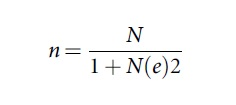
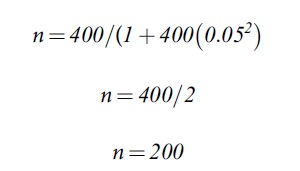
Where: n=sample size (200), N=total study population (400), and e=level of significance (5%).
After obtaining the sample size of 200, a representative sample per each ward was calculated to determination of the total number of questionnaires to distribute.
The representative sample per village was then calculated as:
This calculation was repeated for all of the villages. Table 1 shows the sample size of each selected village.
Questionnaire Data for Each Village
Source: Authors' field data, 2022
Data collection was conducted in March–April 2022 as part of a larger research project that assessed factors influencing smallholder tomato farmers' access to and uptake of climate change information in the selected rural parts of Tanzania. The study used questionnaires, an interview guide, and focus group discussions (FGDs) to gather specific data. The questionnaires were designed to contain both closed and open-ended questions and to enable simultaneous collection of quantitative and qualitative data. Questionnaires were administered to all selected smallholder tomato farmers where 100 percent response rate was obtained using Drop-Off and Pick-Up (DOPU), a method recommended by Allered and Ross-Davis (2011).
Interviews were conducted by four interviewers in the Kiswahili language. Two interviewers were familiar with the areas in which research was conducted and were fluent in local dialect languages (vernaculars). The two other interviewers (the authors of this article) are fluent Kiswahili speakers. Prior to the beginning of the interview process, two research assistants were trained on the interview protocol, which they used to administer the questionnaires to the smallholder tomato farmers. Face-to-face interview sessions were arranged for data collection.
Before starting the interview, a script to guide the process was developed. Interviewees were asked open-ended questions during the interview sessions, enabling the interviewees to express themselves to the fullest extent and to help the study obtain accurate and necessary information. The interviews lasted about an hour, with some being 30 minutes. Two FGDs were also conducted (one in each district) to supplement data collected through structured questionnaires. The FGDs conducted in the Kilolo District consisted of a group of six smallholder tomato farmers; the FDG in the Mvomero District consisted of seven smallholder tomato farmer participants.
Interviewees were not paid or induced in any way to participate in the research. Interviewees signed a consent form translated into Kiswahili and were given a copy to keep. Prior to their signing, the contents of the consent form were also verbally explained to each interviewee, with an emphasis placed on the voluntary nature of the interview, their right to end the interview at any point without repercussion, and the steps taken to ensure their anonymity.
The purposive sampling technique was also used to select one key informant (KI) from each village. KIs included experienced tomato farmers, agricultural extension officers, environmental officers, ward leaders, village leaders, and elderly people.
IBM Statistical Product and Service Solutions (SPSS) version 21 software was used to analyze quantitative data. Descriptive statistics such as frequencies and inferential statistics such as Chi-square tests were used in the data analysis. Qualitative data were analyzed using content analysis in which phrases and issues that commonly recurred during the discussions were sorted to establish themes that captured something important about data in relation to the research questions, as recommended by Braun and Clarke (2006).
Results and Discussion
Factors That Encourage Access to and Uptake of Climate Change Adaptation Information
Sociodemographic Profile of the Respondents
Demographic characteristics of the respondents in this study include sex, education, marital status, and age. Such characteristics are important as they influence access, use of information, and the choice of sources of information used by smallholder tomato growers to get information about climate change.
Findings in Table 2 indicate that of the total 183 respondents, the majority were males whereas far less than one-third of the respondents were females. This implies that tomatoes are a male-dominant commercial crop mostly grown by the smallholder growers. Male dominance in this crop indicates that high initial capital is needed to start the business venture, an undertaking that is not likely to be affordable for their female counterparts who generally have lower incomes. In addition, the largest portion of respondents were between 19 and 58 years old, a population that tends to be the most productive segment of the labor force of the study population (youth and middle-aged population).
Sociodemographic Profile of the Respondents (n=183)
Youth provide the bulk of the farm labor, including land preparation, planting, and harvesting (Mutayoba & Ngaruko, 2018). This means that smallholder growers start to engage in tomato cultivation from their early youth and they continue doing the same for a longer period—for almost 39 years—before they retire. Other studies (Muema et al., 2018; Sanga & Elia, 2020) have shown that young farmers are more reactive and responsive to the adverse effects caused by climate change. They are more likely to adopt new technologies aimed at responding to these adverse effects because of their capability and readiness to use multiple sources of climate change adaptation information. This may be related to current trends of the efforts of learning institutions in establishing curricula that incorporate environmental issues including climate change adaptation.
The longer period spent in tomato growing may help a farmer to gain more experience in accessing and uptaking climate change adaptation information, encouraging a rational decision-making process. These findings differ from the previous study by Guodaar and Asante (2018) who report that the farming population in the Offinso North District of Ghana, comprised of those between 31 and 40 years old, has a relatively greater potential for sustainable tomato cultivation.
To test the variables a Chi-square test was applied to test the relationship between the demographic characteristics, land ownership, and use of climate change information. Pertaining to age and use of climate change adaptation information, the Chi-square test produced:
Chi-Square Tests for the Relationship Between Age, Marital Status, Gender, Education Level, Income, Land Ownership, and Use of Climate Change Information (n=183)
This result indicates that there is a significant association between the use of information about climate change adaptation and age. The finding implies that smallholder tomato growers' use of climate change adaptation information is influenced by their age.
For the marital status variable, more than half (127; 69.3%) of the smallholder tomato growers in the study areas are married couples, and more than half (70; 38.3%) of the married smallholder tomato growers are from the Mlali ward. Farm work requires a large labor force as it includes the preparation of land, planting, cultivation, weeding, irrigation, fertilizer application, pesticide application, harvesting. and transportation of the products to the market (Kiros, 2008). Guodaar and Asante (2018) report that, generally, married respondents have family members who participate in their tomato growing activities, particularly children, since the work is so labor intensive.
A large family increases the chance of accessing climate change adaptation information because larger families can produce more crops. This increased productivity then increases the need for information to improve farming practices. Family size may also have a positive influence on the acquisition and uptake of climate change adaptation information among smallholder tomato growers in the study areas because there are more opportunities to create and share awareness. Deressa et al. (2009) posits that households with more members are more likely to adapt to climate change because their readily available labor force increases the demand for climate change adaptation information.
A Chi-square test involving farmers' marital status and the use of climate change adaptation information produced:
Reviewing the education variable, almost two-thirds (118; 64.5%) of respondents have a primary school level of education; those with secondary school education comprise less than one-fifth (31; 17%); and those with no formal education, roughly one-tenth (19; 10.4%). Those who have university education comprise the smallest group (2; 1%). These findings imply that most of the tomato growers in the study areas had primary school education, followed by those with secondary school level of education; only about one-tenth of the respondents comprised those who did not have a minimum level of education.
The low level of education may hinder smallholder tomato growers in acquiring and uptaking scientific climate change information. Level of education and use of climate change information was determined using the Chi-square test shown in Table 3:
This data implies that educated farmers are more likely to be able to cope and adapt to adverse impacts of climate change. Education seems to play a major role in creating awareness, which, in turn, will assist farmers to apply appropriate climate change adaptation measures. Abid et al. (2017) and Deressa et al. (2009) both conclude that educated people make better use of climate forecast information in their agricultural activities as their advanced education provides a more informed understanding of agronomic practices related to changing climatic conditions.
On the other hand, smallholder tomato growers with no formal education often get information about climate change adaptation from broadcast media through watching television and listening to the radio since neither activity involves reading and writing. As such, getting information from agricultural agents, agricultural input vendors, as well as from friends and neighbors through the word of mouth may be helpful to them. Thus information repackaging should take into consideration the literacy level of this group of farmers.
Climate Change Awareness
Smallholder tomato growers were asked to indicate whether or not they were aware of climate change. The majority (82.5%) of the respondents agreed that they were aware while only 17.5 percent of respondents were not (Table 4). A previous study conducted in the pre-urban areas of Morogoro indicate that a majority of the farmers were aware of climate change (Siyao & Sife, 2020). These findings imply that a majority of the smallholder tomato growers understand the concept of climate change, although understanding the concept does not necessarily lead to adaptative behaviors. Nevertheless, these findings suggest that perhaps those smallholder tomato growers who understand the concept of climate change will consider engaging in adaptation strategies. On the other hand, smallholder tomato growers may not recognize the relevance of climate change adaptation information to their farming practices, particularly if they have limited awareness of climate change impacts.
Climate Change Awareness Among Tomato Smallholder Farmers (n=183)
Furthermore, the findings of this study indicate that smallholder tomato growers became aware of climate change through various means (see Table 4). These findings suggest that seminars and trainings were significant ways of disseminating climate change information for these farmers, creating awareness among them. A much smaller number of the smallholder tomato growers indicated that they were made aware of climate change issues through broadcast media such as television and radio and even fewer indicated that they became aware of climate change issues through reading print media such as books and journal articles, among others. These findings are contrary to the facts that broadcast as well as print media are the most accessible sources of information and often the most influential means of raising public awareness about the impacts of climate change (Kapinga et al., 2020).
Media can also produce various educational programs on environmental issues that can influence public interest, commitment, and awareness of adaptation strategies and sensitize the public about the impacts of climate change (United Republic of Tanzania, 2012). Other researchers (see for example Chand, 2017) observe that broadcast media are important information channels for transmitting useful information about climate change to the public, thus they act as educational tools for raising awareness. Pearce et al. (2015) and Schäfer (2015) also view television and radio as important tools for raising awareness and motivating wide support for mitigating its impacts. This implies that smallholder tomato growers can counter the negative impacts associated with climate change if they are aware of them and become knowledgeable about the potential of the impacts.
Smallholder tomato growers were asked to indicate their view of the causes of climate change. The majority (122 or 67%) said that climate change is caused by anthropogenic activities whereas less than one-third (55 or 30.5%) indicated that climate change is a natural phenomenon (Table 5). These findings are similar to observations of other authors (Gadzekpo et al., 2018; Lund, 2019) who report that in the least-developing countries, climate change is attributed to natural and anthropogenic factors. Smallholder tomato growers who are knowledgeable about the causes of climate change could stimulate the future use of climate change adaptation strategies in their localities.
Farmers' Views About the Causes of Climate Change (n=183)
Smallholder Tomato Growers' Level of Income
Findings indicate that a majority (63%) of the smallholder tomato growers are low income followed by those considered medium income (30%); those who are high income are only 7 percent of the population (see Figure 1).
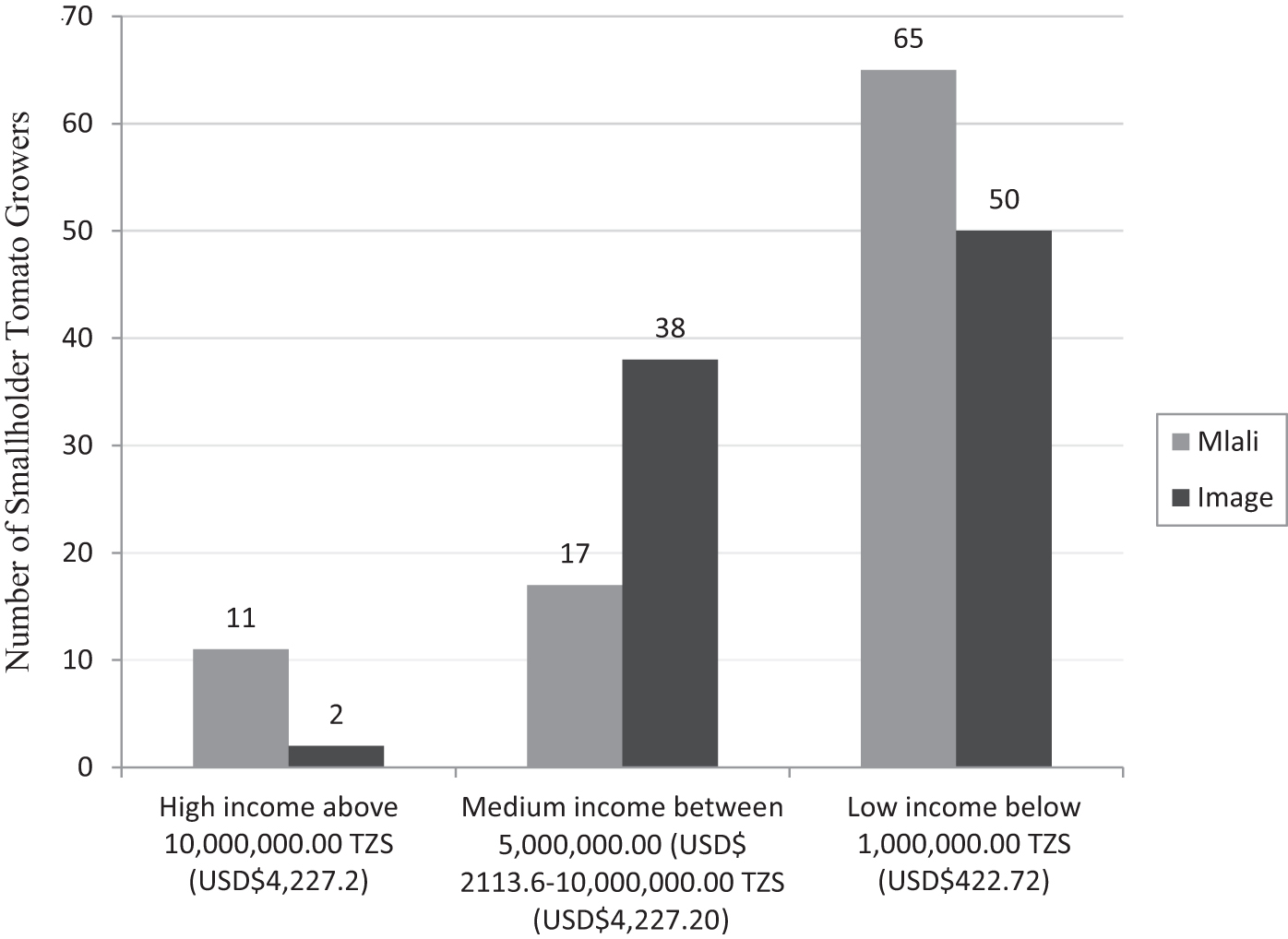
Annual income of smallholder tomato growers
Efforts to adapt to climate change correlate with income. Farmers who are financially stable tend to be more committed to adapting new techniques (Nor Diana, 2021). According to Muema et al. (2018) and Dang et al. (2019) income affects access to and use of climate change information. This study employed a Chi-square test to determine the relationship between income and use of climate change information by smallholder farmers (
Communication tools are of significant importance for accessing and uptaking information on climate change adaptation. Findings shown in Table 6 indicate that 78 (42.6%) of smallholder tomato growers owned mobile phones, 37 (20.2% owned a radio, 16 (8.7%) owned a television, but only (1; 0.54%) owned a computer with an Internet connection. Furthermore, the cross-tabulation of findings indicate that of the total smallholder tomato growers, only 50 (27.3%) owned a radio, television, and mobile phone.
Household-Owned Communication Assets (n=183)
Use of information and communication technology (ICT) tools such as mobile phones, radio, and television have been acknowledged to facilitate access to climate-change related information for enhancing adaptive capacities among rural communities in Tanzania (Kapinga et al., 2020). Authors like Sife (2010) show that in the changing climatic scenario, such ICT communication tools could provide access to information that could create awareness of adaptation strategies for countering the negative impacts of climate change.
The current study found that mobile phones are owned by less than half (43%) of the smallholder tomato growers—25.7 percent from Mlali ward and 17 percent from Image ward, limiting the use of mobile phones as one channel of obtaining information on climate change adaptation. In addition, low ownership of ICT communication assets such as radios, mobile phones, and TVs prevents most smallholder farmers from accessing useful scientific information communicated through such channels (Luseno et al., 2003; Kangalawe et al., 2017; Makwara, 2013; Mapfumo et al., 2016).
Land ownership in the sample group shows that 75 (41%) smallholder tomato growers rent the land they cultivate, less than one-third (52 or 28.4%) inherited or acquired land as a gift of deed, and 17 (9.3 percent) have freehold land (see Figure 2).
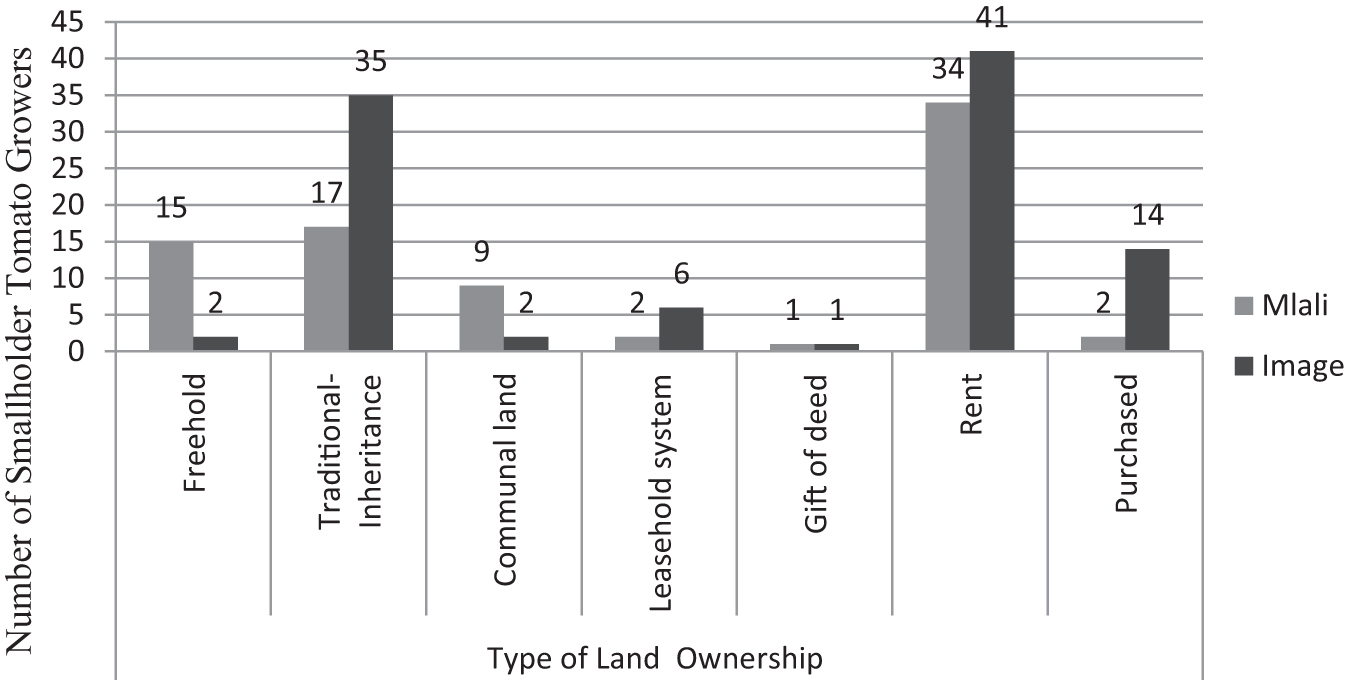
Land ownership of smallholder tomato growers
Position in landholding is also a factor in the extent of utilization of climate change adaptation strategies among smallholder tomato growers. For example, farmers who own their land can collateralize it to gain access to credit from financial institutions. Financial assistance can enable them to procure the requisite communication tools and farm inputs, which in turn boosts their information access and expands their adaptive capacities to include modern types of adaptation strategies. The opposite is also true: The farmers who use rented and freehold lands (Guodaar & Asante, 2018) have limited access to formal credit and adequate insurance (Domeher and Abdulai, 2012).
Findings indicate that more than half (97; 53%) of the smallholder tomato growers practice commercial farming, 55 (30.1%) use mixed farming, and 21 (11.5%) use subsistence farming (Figure 3).
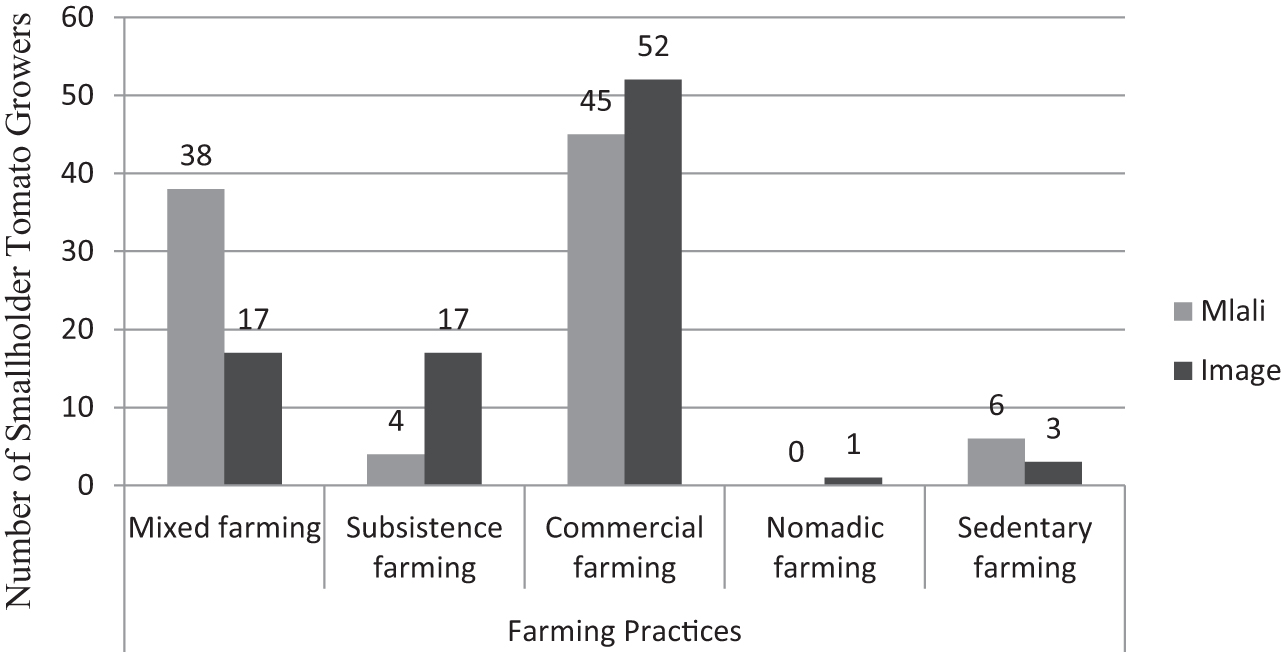
Types of farming practiced by smallholder tomato growers
The type of farming practiced is also relevant for smallholder tomato growers' access to and uptake of climate change adaptation information. Commercial farmers are more likely to have higher income, enabling them to acquire communications tools that, in turn, provide greater access to climate change adaptation information. Subsistence farmers and farmers who use mixed farming have lower incomes (Yaro, 2013). However in some parts of other sub-Saharan African countries, for example Zimbabwe, mixed farming has been identified as an important strategy that aids adaptation to climate change (Dube et al., 2021).
Types of Climate Change Adaptation Information Needed
Smallholder tomato growers were shown several methods of climate change adaptation and asked whether they agree or disagree that the information would be useful. The response indicates that a majority agreed that each of the methods would be useful: drought-tolerant tomato seeds (175; 95.6%), information about tomato disease-tolerant seeds (173; 94.5%), information about the application of pesticides (171; 93.4%), information about application of various fertilizers (170; 92.9%) and the least, though still a wide majority (124; 67.8%) agreed on the need for harvesting time information (see Table 7).
Climate Change Adaptation Information Mostly Needed by Smallholder Tomato Growers in the Study Areas (n=183)
The findings suggest that these farmers would use this information to make scientific decisions on how to carry out their farming activities, which would enable them to better manage opportunities as well as threats associated with climate change. An in-depth interview with one agricultural extension officer revealed:
There is a notable growing acceptance, recognition, and realization of the benefits accrued from the need and use of climate change adaptation information for making quick, informed decisions related to tomato production due to its perishability and sensitivity to the effects of climate change. Furthermore, better link to climate change adaptation information with decision making and better engagement between users and the providers of climate change adaptation information for addressing multiple farmers' needs as well as consistent projections of climate change at regional and local scales is critical for better adaptation and therefore increased tomato production. —Agricultural extension agent, Kipera village, March 2022
The need for climate change adaptation information on diseases and pests in tomato production cannot be overemphasized. As one FGD respondent articulated:
Tomato plants do normally suffer from pests such as leaf miner (tuta absoluta) and various diseases such as late blight, leaf curl, and black spot which are attributed to the effects of climate change. Despite the increase in number of pests and diseases, the productivity, however, has slightly increased due to proper use of pesticides. Additionally, plastic house technology, use of hybrid tomato seeds, and application of organic pesticides and fertilizers have increased tomato yield significantly. —Image ward FGD participant response, March 2022
Smallholder tomato growers need information on the use of improved and disease-tolerant seed varieties, changes in timing of farm operations, and use of pesticides. Findings indicate that this kind of information is useful for targeting increased tomato yields. The interview process revealed that farmers' need to adopt new technologies and select tomato varieties that are tolerant to disease, and drought propelled their need for climate change adaptation information. The need for climate change adaptation information became apparent during FGDs, as they expressed a need for information on early preparations of land, soil characteristics, changes in planting dates, and use of early maturing varieties. One FGD participant stated: “Climate change adaptation information needed is on crop diversification to counteract the effects of mono-cropping to our land.”
Climate Change Adaptation Information Adopted
Considering that access to information does not necessarily guarantee its use, this study sought to identify the climate change adaptation information actually used by tomato growers. The findings indicate that a majority (173; 94.5%) of the smallholder tomato growers used information about the selection of tomato seed varieties in their tomato growing and other farming activities, while the fewest participants (114; 62.3%) adopted information about the use of tomato storage (see Table 8). The responses also show that tomato growers use climate forecast information to decide when to prepare their fields for tomato growing. As the extension officer explained in the interview: “To my understanding and experience, tomato growers in this area use climate change adaptation information to decide on the planting dates and tomato seed varieties for better yields.”
Climate Change Adaptation Information Used by Smallholder Tomato Growers (n =183)
Similarly, one FGD participant stated that “forecast information is used to determine time to prepare land, adjust planting dates, and adopt drought-tolerant tomato seed varieties.” In addition, during the interview session in this study, the extension officer stressed the use of climate forecasts information. The officer said that “tomato crop is very sensitiv[e] even to minor changes in weather, thus reliable and timely accessed climate change adaptation information is highly needed by tomato growers.”
However, findings show that uptake of climate change adaptation information was limited by its untimely dissemination and unreliability, resulting in tomato growers being unlikely to perceive climate change adaptation information as useful. Mullins et al. (2018) conclude that perception creates individual behavioral responses to particular situations. In the case of farmers in Tanzania, they do not use climate forecast information when making their crop and animal husbandry decisions because they consider the forecasts to be unreliable (Ajuaye, 2010).
For farmers to use climate change adaptation information, the information needs to be understood; better understanding would drive demand and wider adoption in farm management decisions. During discussions, it was noted that although farmers in this study accessed climate and weather forecasts, few of them made effective use of it in their agricultural activities for decision making, thus missing out on the benefits (Iturriza et al., 2020; Komba & Muchapondwa, 2018; Muema et al., 2018).
Sources of Climate Change Adaptation Information
The most preferred sources of information about climate change adaptation used by smallholder tomato growers include relatives, friends, and neighbors (78.7%); radio (73.2%); personal observations (66.7%); mobile phones (62.3%); fellow farmers (60.7%); and television (55.2%). (See Table 9.)
Sources of Climate Change Information Used by Smallholder Tomato Growers (n=183)
These preferences can be attributed to the fact that they are the most trusted sources of information, mainly because the information is delivered through word of mouth. Because there is physical contact, there is room to ask questions and get clarification. These findings corroborate a study by Sen et al. (2022) who report that these informal channels (Chang'a et al., 2010; Egeru, 2016; United Republic of Tanzania, 2012) are important sources of information since they can raise awareness about successful adaptation options. Furthermore, these channels encourage interactions among smallholder farmers and sharing of information.
The interaction among participants of this study indicates that there is a network that makes it easier to share information, similar to what has been observed in other parts of world (Asadu et al., 2018; Eise et al., 2021). However there was no evidence that the study participants are part of an active tomato growers' association.
Radio is an effective medium through which rural farmers, such as smallholder tomato growers, can access information about climate change. Chand, 2017 and Nor Diana et al., 2021 report that broadcast media, such as radio, are important information channels that could quickly transmit useful and current information about climate change, which the farmers could use for decision making. This information would raise awareness and gradually bring changes in farming methods as farmers apply new agricultural technologies (Ango et al., 2013; Khanal, 2011). Farmers can prepare for climate change mitigation and adaption only if they understand the issues and they know its impacts (Farm Radio International, 2009).
Rural populations can have their own community radio stations, which are normally operated, owned, and financed by the communities they serve (Al-Hassan et al., 2011), enabling immediate and accurate dissemination of information on relevant climate change issues (Food and Agriculture Organization of the United Nations, 2010). Lwoga (2010) adds that community radio has been effective in reaching resource-poor farmers across Tanzania. In Morogoro and Iringa, there are FM radio stations like Abood and Planet FM, located in Morogoro Municipality; Furaha FM, Ebony FM, Country FM, and Nuru FM radio stations are located in the Iringa region. Others include: TBC FM, Radio One, and Radio Free Africa (RFA), located in Dar es Salaam and Mwanza regions respectively.
More than other media, radio enables rural communities to overcome problems of distance, illiteracy, and language diversity (United States Agency for International Development, 2009; United Republic of Tanzania, 2012). Radio can also be used by rural farmers with low literacy levels to easily access and understand the content of broadcasted information because local dialect languages are used, and low income farmers can usually afford to buy a radio (Food and Agriculture Organization of the United Nations, 2010). Furthermore, with advances in technology, people can use mobile phones to access FM radio frequencies, allowing them to access information at their convenience. These findings corroborate studies conducted in the rural parts of East Africa by Kirui et al. (2014) and Kapinga et al. (2020), which report that broadcast media such as radio are used to access climate change adaptation and mitigation related information by most rural dwellers, enabling them to respond appropriately to negative impacts of climate change. Popoola et al. (2020) posit that farmers tend to rely on mass media for in-depth understanding of climate change events and make decisions about the course of actions in response to these climate change events. Loy et al. (2020) argues that people's subjective ability to inform themselves adequately about climate change to determine accurate information regarding the issue predicts their exposure to information about climate change via the media.
In this study more than half (122; 67%) of smallholder tomato growers used personal observations as an important source of information about climate change adaptation. Personal observations are based on indigenous knowledge (IK) and participants indicated that through IK, they could, for example, predict the onset of the rainy season and adaptations that enabled them to prepare their farming activities during this period. Kirui et al. (2014) report that elderly people preferred IK for accessing climate change information.
Participants in the study (62.3%) use their mobile phones as a source of information about climate change adaptation. Singh et al. (2016) acknowledges that the use of mobile phones, especially smartphones, could enable farmers to receive timely and relevant climate change agro-advisory services to improve productivity. Farmers' preference for accessing information with mobile phones may be attributed to the fact that 78 (42.6%) of the smallholder tomato growers in the study areas were already in possession of mobile phones (Table 6) and understand how it can be used to access climate change adaptation information. In interviews with the smallholder tomato growers, one respondent posted:
I normally use my mobile phone to get information about availability of agricultural inputs from local vendors and information about the price of my tomato produce. I can also use my mobile phone to send short messages and photographs of affected tomato plants for more understanding of the problem. —Tomato grower, Image ward, March 2022
Results of this study indicate that experienced fellow farmers (60.7%) were a source of climate change adaptation information for smallholder tomato growers. The findings corroborate a study conducted in Tanzania (Mkonda, 2022) that shows farmers' communication with one another to be a significant mode of acquiring climate change knowledge. Their information-seeking behavior is attributed to the fact that some rural farmers have neither ICT tools nor access to extension services, thus consulting with more experienced fellow farmers helps them to acquire needed information.
In addition, interpersonal communications may be preferred because these sources are considered to be trustworthy in developing countries, are accessible, and have no cost attached. Interviews with tomato growers yielded responses like: “I like to seek information from my fellow tomato growers because I feel free to do so [without shy even] by using our own local dialect language for more understanding” (Tomato Grower, Kipera Village, Mlali ward, March 2022).
Another respondent was quoted as saying:
I like seeking information from my fellow tomato growers in this village because it is the cheapest method of gathering information, as it doesn't cost me even a single penny to get information from this source. I share many things with my fellow farmers, and thus they cannot charge me anything just for asking them questions for the things that I need clarifications. Tomato Grower, Image ward, March 2022
The study shows that slightly more than half (55.2%) of smallholder tomato growers cited television as an important communication channel. Kirui et al. (2014) found that television is preferred because it involves visual communication of location-specific information. Information that meets the needs of a targeted user community has a better chance that people will actually pay attention to it and make use of it (Moore, 2011).
Inadequately Used Sources of Climate Change Information
The findings shown in Table 9 indicate various sources of information that were not fully exploited by smallholder tomato growers, for example agricultural exhibitions (79.2%), the Mkulima library (63.9%); extension agents (61.7%); newspapers (61.7%), community groups/meetings (53%), researchers (48.6%), workshops and seminars (47%). Every year, the Tanzanian Ministry of Agriculture administers agricultural exhibitions in various parts of the United Republic of Tanzania (URT) for the sole purpose of enabling all agricultural stakeholders to have an opportunity to see and learn about modern agricultural practices, among other things. The event, commonly known as Nane Nane agricultural exhibitions, are conducted in different regions of Tanzania, such as Morogogo, Dodoma, Southern Highlands for Iringa, Njombe and Mbeya regions; and Northern Zone for Arusha, Kilimanjaro, Manyara, and Tanga regions.
Despite the importance of such exhibitions, the majority of smallholder tomato growers in the study areas indicated that they do not attend them. One smallholder farmer interviewee responded as follows:
Agricultural exhibitions for Northern Highland Regions are conducted in Mbeya region. We would like to attend but the location in which the exhibitions take place is very far from Iringa region and one needs money for transport fare, food, and accommodation for the completely scheduled period of the event. Thus only sponsored farmers can attend. —Respondent from Image ward, March 2022
Respondents from Kipera Village, Morogoro, stated that “Nane Nane agricultural exhibitions take place in Morogoro Municipality, a little bit far from here. Transport fare to attend the event is affordable, but time constraint is a major hindrance.” This response is an indication that smallholder tomato growers are willing to attend such event but they have both financial and time constraints.
Another source of information available to the smallholder tomato growers but not frequently used is the library. The Iringa region is endowed with Regional Public Library Services as well as Ilula Orphanage Programme Information Centre (IOPIC), and the Ilula telecenter, which has information about climate change.
However, study results indicate that most smallholder tomato growers in the evaluated communities do not utilize the available Public Library Services and information centers because these services are not available in their vicinity. To use this library, farmers would have to travel from Mvomero District to Morogoro CBA; Image ward farmers must travel more than 60 kilometers, from Kilolo District to Iringa CBA, to access the Iringa Regional Public Library Services. The cost and the time needed to go to the nearest library are barriers to acquiring the information services provided by the public libraries in both wards.
Additionally most people in these rural areas have poor reading skills and don't perceive of libraries as a viable means of getting information. Reading skills need to be cultivated to make reading a daily activity that can enhance lifelong learning. Such skills include learning how to think critically to solve problems (Wema, 2018). On the other hand, smallholder tomato growers explained that they did not use the IOPIC and Ilula telecentre because they were not aware of what these centers could offer them. An interview with an elderly and experienced tomato grower in Image ward captured the following comment:
Smallholder tomato growers do not have a tendency of visiting the available information centers because of the perception that the IOPIC have nothing to offer to the tomato growing business but it rather deals with orphanage issues. With regards to Ilula telecentre, the reality is that I have never visited the center and therefore I don't know anything about it. —Smallholder tomato grower, Image ward, March 2022
The role of agricultural extension centers has been acknowledged by authors like Anaeto et al., 2012, who conclude that a nation cannot achieve real growth in the agricultural sector if there are no effective agricultural extension services. Studies by Cyprian et al. (2014) and Debela et al. (2015) acknowledge that access to climate change information from government extension workers raises awareness of climate change and facilitates local-level adaptation. Opiyo et al. (2016) report that access to government extension centers significantly increases the likelihood that households perceive that climate change is real, and it influences their choice of adaptation strategies in Kenya.
In this study, however, results indicate that smallholder farmers did not adequately use extension agents (61.7%) as one of the sources of information about climate change adaptation; in fact, they indicated that they experienced limited contacts with extension agents, pointing to an inadequate number of extension workers in Tanzania. These findings are similar to that of Antwi-Agyei et al. (2021) who conclude that an inadequate number of extension agents in the rural areas makes it difficult to deliver information to smallholder farmers in a timely manner.
Mutayoba and Ngaruko (2018) report that tomato farmers receive weak extension support services in Tanzania. The extension officers are not motivated to perform their duties well because they lack a reliable means of transport to reach the farmers and have limited financial support for conducting demonstrations and field experiments on new technologies.
Newspapers are important sources of information for raising people's awareness and influencing behavioral changes about climate change (Falaki & Adegbija, 2013; Chand, 2017; Harris, 2017; Schmidt et al., 2013; Shrestha 2004). This study found that smallholder tomato growers do not use newspapers to acquire climate change adaptation information, partly because there is poor newspaper circulation in the rural areas.
In addition, there are no newspaper vending centers in the study areas, making access more cumbersome. Cost is yet another reason for newspapers not being circulated in the study areas. Lunyelele et al. (2016) conclude that lack of access to newspapers is a direct result of the cost, another barrier for low-income farmers' access to climate change adaptation information (Siyao & Sife, 2020). These findings comport with Yohanna et al. (2014) who report that most of the relevant climate change information in newspapers might not reach the intended audience because of the cost.
Seminars and training workshops are another important source of information for farmers' adaptation training to mitigate climate change. Such activities can strengthen the concerted efforts and actions of individuals and government support through awareness creation (Nor Diana, 2021). Nevertheless, the findings of this study indicate that smallholder tomato growers do not generally obtain information from seminars and training workshops. In an interview with a smallholder tomato grower in Image ward, the farmer said, “I don't remember the last time when I attended a training seminar or a workshop which was conducted in our village” (March 2022). This response indicates that the professionals who are equipped to train farmers in climate change adaptation-related practices do not visit rural farmers. Ajuang et al. (2016) states that creating awareness of climate change and its impacts among smallholder farmers would prepare them to effectively cope or adapt to the adverse impacts.
Conclusion and Recommendations
Based on the findings of this study, demographic characteristics of smallholder tomato growers are major factors that influence the acquisition and uptake of climate change information and adaptation methods for mitigation. Barriers for obtaining such information include: lack of resources for obtaining information, for example libraries and information centers; inadequate income to enable purchasing materials that would provide up-to-date information; an inadequate number of extension workers; and the unreliability of climate change information. Thus immediate efforts should be aimed at ensuring that all of these barriers are removed to help minimize or eliminate these problems.
This study recommends that the government employ an adequate number of extension workers and provide the resources necessary to facilitate their role. These actions will contribute to increased crop productivity of smallholder tomato growers. An increase in productivity will in turn lead to more income for the tomato growers, enabling these farmers to purchase better communication tools to access the needed information for climate change adaptation.
The government of Tanzania should establish community information centers, establish public libraries at district levels, and telecentres to provide climate change information; sponsor training, workshops, and seminars through government departments and nongovernmental organizations aimed at smallholder tomato growers' capacity building for access and uptake of climate change adaptation information. In addition, researchers, extension agents, and meteorologists should work in tandem with smallholder farmers, including tomato growers, for making climate change adaptation information easily accessible and usable.
There are also steps that could be taken by the smallholder tomato growers: They can establish their own associations which could facilitate interaction among farmers to disseminate information about climate change adaptation, promote information campaigns about adaptation processes in their areas and invite farmers to participate.
Footnotes
Acknowledgments
We are grateful to Research and Poverty Alleviation for financial support that made this work a reality. We also acknowledge with thanks all respondents for taking their precious time to participate in this study.
Funding Information
Researchers obtained funding support from Research and Poverty Alleviation (REPOA).
Author Disclosure Statement
The authors declared no potential conflicts of interest with respect to the research, authorship and/or publication of this research work. No competing financial interests exist.