




Abstract
This study investigates environmental beliefs of students at the School of Forestry and Natural Environment (SFNE), Aristotle University, Greece, to ascertain whether or not their environmental education program is successful in enabling students to fulfill the goals of sustainability. Questionnaires were given to two groups of students, those in their third and those in their fifth academic year of study. For the study, the chi-square test and decision trees are used to analyze the responses. The students' beliefs about the interaction between environment, society, and environmental education (EE) are clustered to form groups with common beliefs and create a sustainable consumer profile. This categorization can assist educators in organizing a specialized curriculum to enrich EE sustainability programs. Student data is evaluated together with indicators of sustainability. The data highlights the strengths and weaknesses of the current SFNE environmental education program and presents targeted suggestions for improvement. Findings of the study lead to the conclusion that the EE curriculum needs to be redesigned if it is to target real-world factors that influence students' consumer habits and attitudes toward sustainability. In general, consumer habits are not the focus of environmental education despite its importance in achieving a sustainable planet, yet they need to be a focus of discussion in higher education as they are crucial indicators of sustainability. Environmental education needs to be reoriented and reorganized to fulfill the goals of sustainability.
Introduction
Education plays a crucial role in achieving sustainable development goals (Global Education Monitoring Report Team, 2021) and environmental education (EE) is considered a very promising investment in combatting the immense environmental problems created by insensitive human behaviors (Shafiei & Maleksaeidi, 2020). An essential part of the pedagogical process is raising awareness and engaging society in environmental protection issues (Cherdymova et al., 2018). Thus, EE succeeds when it creates active citizens who promote social cohesion. Social cohesion, which requires equal opportunities, justice, and freedom, is founded on respect for all forms of life and the cultivation of awareness of what is necessary to achieve them. The outcome of social cohesion is sustainability as a conscious way of life, which is the ultimate goal of EE (Littledyke, 1994). Thus, for EE to be successful, sustainability must be an all-encompassing and unified pedagogical concept.
Because sustainability is always adapting and evolving, environmental education must constantly be re-evaluated and developed toward the goal of creating a common sustainability culture that regards the human–nature relationship as more of a spiritual–ethical issue that delineates human environmental rights and encourages the redefining of human needs (Karpan et al., 2020). Furthermore, EE can be used as a tool within the university to assess the relationship between human environmental boundaries and the institutional values, decisions, and actions that aim to transform them (Sherman, 2008). Given these goals, all educational entities, and especially higher education, must play a more central role in promoting transformative change so that current and future generations can refrain from degenerative patterns of environmental and social destruction and move toward a more socially just and environmentally renewed planet (McCann et al., 2021).
The challenge we face today is the evolution of societies as they undergo a profound reformation that includes advancing strong sustainability customs alongside the cultivation of skills such as empathy, both of which are components of successful sustainable development (Glavič, 2020). Amechi et al. (2021) highlight that empathy affects students' behavior, showing the importance of raising their awareness and appealing to their conscience to trigger moral behavior related to sustainability. EE in higher education thus must focus on students' consumer habits and beliefs as they relate to the relationship between the environment and society.
Efforts to effect such changes in higher education (Green Office Movement, n.d.) are still the exception to the rule. There is limited research that connects consumers' beliefs and ethics to their everyday habits and socioeconomic attitudes. While considerable progress has been made in certain educational fields, a holistic, unified educational approach to sustainable living is absent (Ronen & Kerret, 2020) along with a holistic understanding of the relationships between people, society, culture, and nature (Giroux, 2010). Wei et al. (2020) propose an educational framework in which a synthesis of these ideas forms the basis for socio-environmental problem solving that generates solutions.
Coleman and Danks (2016) and Ganatsios et al. (2021) emphasize that experiential service learning projects can empower students, build confidence, and result in behavioral change. As such, they provide examples of effective collaboration. Parente et al. (2021) strive to better understand the social component of sustainable actions by examining the perception and actual adoption of a diverse array of green behaviors within a university population.
The obligation of all scientific education is to reveal how the characteristics of nature and the universe are profoundly interwoven (Glavič, 2020). Although the curriculum of the School of Forestry and Natural Environment (SFNE) at Aristotle University aims to highlight the importance of sustainability, its emphasis on specialized studies along with the absence of a mandatory EE course illustrates the lack of cohesion. Eagan and Orr (1992) stress how modern teaching and its use of hard sciences that are fragmented throughout the university curriculum reflect qualities that denote an alienation from nature.
According to Zuk and Zuk (2018), educational and social systems discourage cooperation and communication. Rather, sustainability education at universities is characterized by a disconnect between environmental concern and action (Eagan & Orr, 1992), which is one of the reasons EE is ineffective and has failed to instill a deeper understanding of nature and convert ecologically sustainable behavior into permanent social change (Glavič, 2020). This failure leaves in its wake a need to cultivate social and personal awareness, enhance social criticism, and develop pedagogical methods that might help build the skills and efficacy needed for students to undertake transformative action for fostering systemic change (Eagan & Orr, 1992; Mudaliar et al., 2022; White, 1967).
Unfortunately, thus far, there is no prominent module of EE that illustrates how modern human societies have developed apathy in handling the vast emotional burden and mental strain created by the plethora of information and the resulting confusion about environmental issues. The vicious circle of confusion leads to despair, apathy, and further environmental decay (White, 1967). Lastly, although globally many educational systems are highly individualized, most students indicate that having an active peer community would motivate and enable them to take on transformative environmental actions (Frisk & Larson, 2011).
The struggle to overcome the environmental crisis is fundamentally internal. How can educators help students face the challenges of ethical environmental behavior and respect toward other beings and ecosystems if they do not recognize the conflicting desires and beliefs within other students and also in themselves? For this shift to occur, research tools are needed to identify and study those clusters of beliefs held by students. Such tools are also necessary for imparting environmental knowledge and facilitating a deeper understanding among teachers and students of EE (Ragou, 2015). Identification of these inner conflicts must be done in a way that is feasible in both time and budget.
Questionnaires can assist in investigating the practical needs and difficulties of students regarding consumption and sustainability and can easily be applied and analyzed with statistical methods such as decision trees. One of the most popular classification techniques in data mining, decision trees are algorithms that take a complex target variable and, by using a combination of data and computational techniques, break it down to its more easily interpreted factor-variables (Matzavela & Alepis, 2021; Wang et al., 2022). The resulting trees are very clear and highly accurate; no prior statistical knowledge is needed for them to be comprehensible. Furthermore, they do not require structured data or a pre-existing model to make a prediction; rather they build a model by utilizing the data given (Gomes & Almeida, 2017).
Given these advantages, decision tree analysis was employed in this study as it is a fitting method to analyze and evaluate students' sustainability behaviors. Through this method, common beliefs groups (CBGs) were formed in order to adjust the current academic EE curriculum to specifically target these groups and optimize the cultivation of their sustainable awareness. This process produced an initial suggested EE curriculum based on the research findings.
Methods
The objective of this study is to investigate what content a university needs to include in its EE program to raise students' awareness about their environmental beliefs. A questionnaire was designed to assess the level of environmental conscience-literacy of SFNE students. SFNE provides an integrated master's degree diploma (5-year program) in forestry and the natural environment based on sustainability principles. The School consists of five departments (Forest and Water Engineering; Harvesting and Technology of Forest Products; Planning and Development of Natural Resources; Forest Production - Forest Protection and Natural Environment; and Range Science, Wildlife and Freshwater Fisheries); each department consists of various laboratories. Although SFNE students are constantly exposed to a plethora of information and technical knowledge about the environment and its functions, knowledge synthesis is lacking and there are no topic-specific EE courses, except for one non-compulsory course that attracts very few students every year.
The questionnaire, a total of 56 questions, was administered to third-year and fifth-year students at the SFNE as of December 2019. In total, 145 valid questionnaires were collected, 75 from third-year and 70 from fifth-year students. The questionnaires were anonymous, and all participating, students consented to be part of a study that would be published. The SFNE approved and encouraged the study.
Descriptive statistics were conducted with IBS SPSS Statistics 21. The analysis was done in two directions and the sample included all students. Core questions—Q37, Q38, and Q49—on the survey represent a unique environmental belief (EB). To determine how these questions correlate with the other questions on a one-to-one correspondence, the chi-square test and t-test were used. This methodology is the most widely employed method of statistical analysis for questionnaires with categorical variables. Students' EBs were further organized according to their common beliefs and their sustainable-consumer profiles, which were arranged in common belief groups (CBGs). This categorization can assist educators in organizing a specialized curriculum to enrich EE sustainability programs. This data reveals indicators of sustainability, which illustrate the broader complexity of student attitudes. It also indicates that student behavior mirrors that of society in terms of their difficulty in adopting unified consumer habits that affect positive change toward the environment.
Decision trees (CHAID and C.5 algorithms) through IBM SPSS Modeler 18 were used to produce flowcharts depicting predictor variables in descending order of significance to predict a target variable.
Results and Discussion
Student Responses to the Study's Main Questions
Students' answers to the study's three main questions are shown in Figure 1 (A, B, and C). (The complete questionnaire is provided in the Appendix.)

Students' answers to the study's main questions, Q37 (A), Q38 (B), Q49 (C)
Half of the students (both third year and fifth year) responded that SFNE does not provide them with an adequate education for cultivating environmental consciousness (Q37). Koukouthaki (2004) reports that only 16 percent of EE teachers (ages 25 to 45), despite their reasonably high level of education, recognize the university as their source of environmental education, even though almost all of them hold advanced degrees in environmental education. As Zuk and Zuk (2018) mention, universities and the education provided are not putting enough effort toward teaching about sustainable development and rarely stray from the mandates of economic markets.
The vast majority of the students (91% - 93%) believe that EE programs contribute to the improvement of social cohesion (Q38); both third-year and fifth-year students had similar scores (91.3% and 93% for Yes; 8.7% and 7% for No), respectively. In addition, 90 percent of the students answered that solving environmental problems is unattainable in an uninvolved society (Q49). Both third-year and fifth-year student groups present similar percentages (89.9%/88.6% for No; 5.7%/5.8% for Sometimes), respectively. In general, for Q38 and Q49, the majority (> 90%) of the students of both years consider the participation of society to be of high importance in solving environmental problems and believe that EE is essential for improving social cohesion.
Statistical Analysis
To explain the disparate factors that affect the extent of students' environment education, this study employed chi-square tests and decision trees for statistical analysis of the data collected from student profiles. The profiles showcase students' characteristics, perceptions, and habits, which render the adoption or rejection of sustainable attitudes more probable. The data reveal correlations that can be interpreted as equivalent to each other, which were further validated by findings of student profiles.
Chi-Square tests
Chi-square tests were carried out to locate statistically significant correlations (p<.05, 95% confidence interval) between the answers given in Q37, Q38, and Q49, and those of every other questionnaire variable. The results reveal solid correlations between specific questions.
University provision of EE—The cultivation of environmental consciousness and found correlations
Student beliefs regarding the efficiency and adequacy of environmental education provided to them by the university were correlated with other related questions (Table 1). For example, important positive correlations were found between the core questions and students' consumer habits and the students' ability to identify products without palm oil and products with biodegradable packaging (Q37 with Q13; Q38 with Q12, Q16.6, Q35, and Q48; and Q49 with Q13, Q16.3, and Q48).
Chi-Square Analysis of Correlation Between Questions (p<0.05) a
Confidence Interval is 95 percent for all questions.
Another essential correlation was found between the belief of students that everybody must protect the environment (not only of those in power or of high financial status) (Q40) and students' acknowledgment of the importance of environmental education in their academic studies (Q37, Q38). Additionally, the percent of students who believe that ethical attitudes and behaviors can aid in overcoming this environmental and ethical crisis increased by 10 percent after completing an EE course, while 90 percent of them think the university does not provide adequate education regarding ethical issues (Ganatsios et al., 2019; Ganatsios et al., 2021). The results of the current study align with those of other research that shows students who have more environmental knowledge do not necessarily exhibit ethical environmental behavior (Kapitsakis et al., 2013).
A significant correlation was found between students' acknowledgment of the importance of EE provided by the university and their own adoption of pro-environmental habits with no repercussions in their social interactions. For example, the notion of purchasing products based on fashion trends is connected to the desire to not stand out, possibly attributable to fear of victimization and isolation. Students who decide to adopt everyday ecological habits state that they do not face substantial obstacles from their peers (irrespective of whether their peers hold the same beliefs). However, further research is needed to replicate these results.
Necessity of EE programs for improving social cohesion and the findings of the correlations
One of the main points of focus in the student survey is students' views regarding the necessity of EE to improve social cohesion. The most noticeable aspect of the data show correlations (p<0.05) between Q37 and Q38, and Q41, Q47, Q48, Q33, and Q49 (Table 1).
Students' responses on the questionnaire show recognition of the effects of consumer habits on the natural environment and acknowledge the necessity for its protection. This correlation shows a high significance level, leading to the inference that students connect the need for environmental protection to improving social coherence and the integration of EE in the university's curriculum. According to Lazari (2020), consumers who hold high ethical standards are well-educated, adopt pro-environmental values faster than consumers with lower ethical standards, arguably trust ethically produced products, and are interested in issues related to ethical consumption. Therefore, the more the educational system reinforces these concepts, the more social cohesion is strengthened because ethical behavior lies at its core. Individuals who have completed environmental courses develop twice as many environmentally friendly behaviors as those who have never been exposed to similar courses (Donmez-Turan & Kiliclar, 2021).
Students support the necessity of improving social cohesion and cultivating active citizens. Social cohesion is created by both individual and collective choices. Environmental protection depends on the actions of individuals to use environmental information to make informed choices and to participate in communal action (Chawla & Cushing, 2007). Such action depends on social cohesion. EE aims to help students understand and explore the interconnections between humans and nature, which lead to admiration, wonderment, empathy, and the cultivation of ecological relationships. This can, in turn, lead to sustainable environmental behaviors and the nurturing of nature, which can significantly contribute to social cohesion (Potter, 2009).
Data analysis also confirms students' belief that social cohesion can be strengthened through EE, which is correlated with 1.) the belief that many health problems are the result of environmental degradation, 2.) the advancement of technology and the quality of life it secures, and 3.) the interaction between distant ecosystems and the difficulty of adopting ecological habits. Although these correlations necessitate a certain level of environmental knowledge, this knowledge hasn't provoked students into everyday actions that generate a sustainable lifestyle.
Necessity of society's active participation in solving environmental problems and the relevant correlations
Students consider that to solve environmental problems, the entire society has to participate. Consequently, this issue is associated with several topics touched on in the other questions (Table 1). More specifically, important correlations were found between this issue and that of environmental protection. A positive correlation (p<0.05) was observed (in order of significance) between Q49 and Q33, Q39, Q48, Q38, Q36, Q47, Q13, Q16.3, Q40, Q51, and Q9.3.
The issue explored in Q49 is correlated with the priority given to environmental protection, the necessity of EE for strengthening social cohesion, and the ability and obligation of all people to take actions that will protect the environment. Q49 is also correlated with the need to protect every living being, and the rise of health problems caused by environmental degradation (Shafiei & Maleksaeidi, 2020).
The majority of students stated that for achieving environmental protection the participation of the whole society is needed, that is, it is not only the obligation of people with expertise/power/money (scientists, politicians, the affluent). Education, to be considered environmental, must contribute toward creating values, ethos, new social goals, and awareness about the relationships between people, and lead toward pro-environmental action on the political level, responsibility, and participation (Koukouthaki, 2004). People with higher incomes generally lead lives that have large ecological footprints (e.g., frequent airplane travel, increased meat consumption, and higher rates of consumerism) (Ivanova & Wood, 2020). On the other hand, this behavior may be offset by use of devices that are more energy efficient (and likely more expensive) (Thøgersen, 2021).
These correlations clearly indicate that students acknowledge the necessity of protecting the natural environment and they recognize that society gives a low priority to this issue. At the same time, they have not recognized their own contribution to the degradation of the environment, the extent of their personal responsibility, and the consequences of their personal choices. This became more evident when this specific issue was associated with questions regarding students' consumer habits and the way they affect the environment. Consumer habits are directly related to recognizing personal choices, as evidenced with questions involving the accessibility of biodegradable and palm oil-free products.
Since the production of palm oil is a major factor in large-scale deforestation, it is important that consumers are able to identify its various derivatives in order to avoid its consumption. Student responses to the questionnaire exhibit mediocre (less than 35% of the time for most palm oil derivatives) performance in identifying palm oil derivatives. Considering that EE awakens the consumers' consciousness, questionnaire items about students' search for local, quality products and examination of the ingredients and origin, would be expected to show rejection of selecting products based on brand names. However, students state they have trouble avoiding favorite products made by well-known multinational companies. The frequent selection of brand-name products indicates an inadequate understanding of the consequences of small daily actions on the environment.
Responses of some of the students verify a connection between the selection of products and their attractiveness and affordability. Although palm oil production is considered a crucial environmental problem and is responsible for the extensive deforestation of virgin tropical forests (Chew et al., 2021; Khatiwada et al., 2018), there seems to be a large gap between consumer behavior and sustainable behavior (Turunen & Halme, 2021). Despite the negative effects of palm oil on human health and the environment, many students in the sample, when asked why they still use it, answered that they detest the process of going through the ingredients label or that they cannot find a good reason for not purchasing products containing palm oil. These responses indicate apathy on the part of some students regarding the presence of palm oil in products in spite of the fact that many of the students are aware of its existence in products they purchase.
While the participants appeared to worry about the environment and the consequences of the production of technological products, they failed to understand them. Students believe being informed means acquiring information mainly through the Internet. On the other hand, according to Arik and Yilmaz (2020), kids get information about environmental issues through television, newspapers, books, and school curricula. Plank (2011) states that lack of information is the biggest obstacle to the formation of pro-environmental behavior and pro-environmental organizational culture. However, collecting data without discernment, awareness, and critical ability does not add up to knowledge, let alone understanding. Discernment—the ability to distinguish between relevant and irrelevant information, between necessities and ambitions, truth and falsehood—is essential for developing a mature mindset. It is necessary for acknowledging the relationship between the environment and our own lifestyle; we imbibe information about the environment only when we deeply understand that relationship (Ganatsios et al., 2021). Critical thinking is expected and often demanded from students, especially in EE courses—a necessity also for educators.
According to neuroscience, humans perceive and interpret the environment through their own perspective (Danezis & Theodosiou, 2012). Therefore, the environmental stimuli people receive are not effectively used without proper education and a willingness, awareness, desire, and need to exert effort. These missing factors result in an inability to develop an environmental consciousness. Recognizing this is fundamental to the importance of stimulating awareness of every person. The environment cannot be protected solely by an accumulation of knowledge; only by changing the ways of perceiving the environmental reality (Kuhn, 1983) and realizing our relationship with nature can these changes be realized. As Ralph Waldo Emerson wrote (1909), “perception is not whimsical, but fatal....” To conclude, many students do not understand the consequences of their actions and attribute most environmental problems to society at large.
Decision trees
Decision trees are often used to obtain a model for how decisions are made and their outcomes within a microcosm of society. This study used decision trees to analyze information about the common environmental perceptions of students at SNFE. Decision trees enabled the researchers to find the trend of correlations indicated by the chi-square tests, which pave the way for developing more efficient ways of teaching that could then be shared among educators. This methodology is made possible by targeting specific, identifiable beliefs.
Based on the results of the decision trees (Figures 2, 3, and 4), five methods of reinforcing EE (Figure 5) were proposed as well as ways of implementing targeted EE curricula (Tables 2, 3, and 4). The aim of the curricula is to change specific beliefs which correlate with consumer habits and attitudes that have a negative impact on the environment. Both third- and fifth-year student responses combined were categorized based on their common beliefs, attitudes, and perceptions. From these categories, 12 main common beliefs groups (CBGs) were created, four groups for each of the three main questions posed in the study.
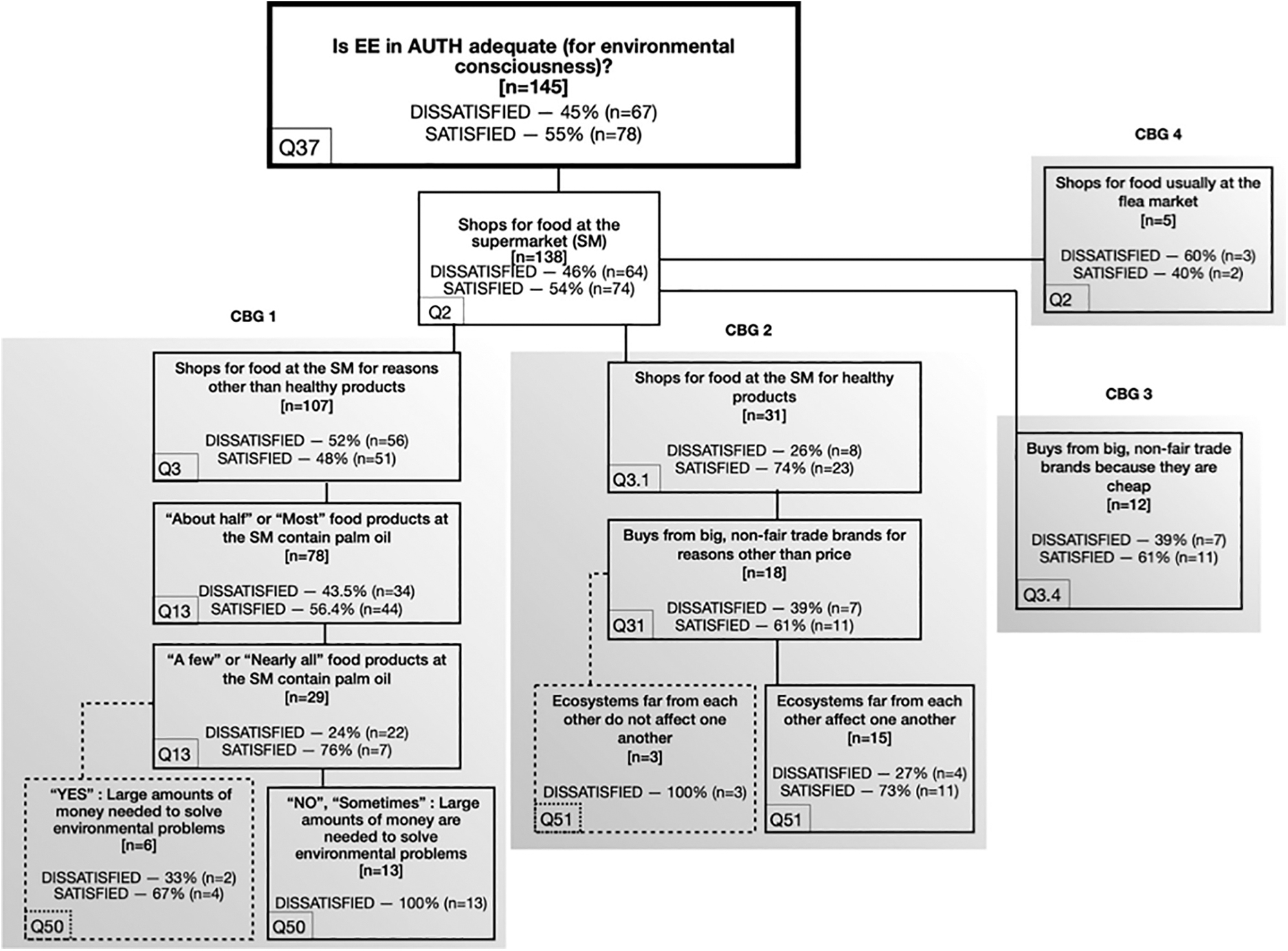
The four common belief groups (CBGs) for Q37

The four common belief groups (CBGs) for Q38

The four common belief groups (CBGs) for Q49
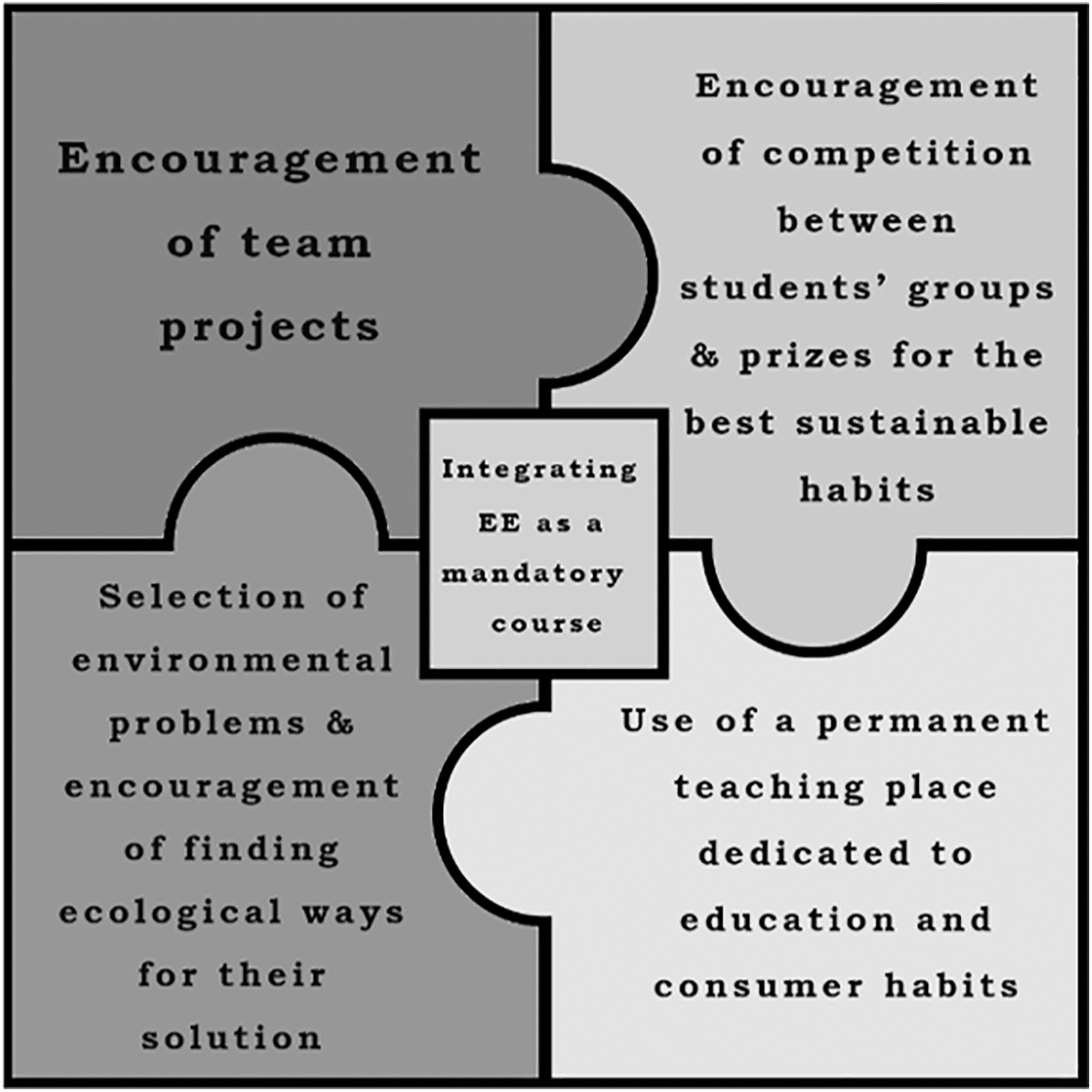
Proposed ways of reinforcing ΕΕ
Decision Tree Derived from Question 37 and Proposed Ways of Reinforcing EE Based on Students' Answers
The Decision Tree Derived from Question 38 and Proposed Ways of Reinforcing EE Based on Students' Answers
The Decision Tree Derived from Question 49 and Proposed Ways of Reinforcing EE Based on Students' Answers
The most important result is the positive correlation (p<0.05) between the belief that consumer choices do not contribute to the aggravation of environmental problems and the adoption of attractiveness, price, and accessibility as the most important criteria by which students select which products to purchase. These perceptions are crucial in shaping the consumer behavior of the students. Students who have these attitudes also believe that it is those who have power, resources, and knowledge that are responsible for environmental protection. Additionally, these students believe that technology can secure a high standard of living, irrespective of the well-being of the natural environment. Therefore, they do not feel guilty buying non-sustainable products; in some cases, they believe they lack a choice. Four students out of 86 believe that sustainable products have lower quality, spoil more quickly, and are usually more expensive and inconvenient to use than other comparable products. In addition, these students say they cannot afford to spend more money to buy ineffective products since their personal contribution to the environmental crisis is akin to a drop in the ocean.
Ways of Reinforcing Targeted EE Curriculums Based on the Results of Decision Trees
Based on the data and student interviews, the following are proposed ways of structuring an EE course curriculum based on the identified CBGs.
Highlight the importance of educating active citizens and the contribution of EE in improving social cohesion. Such a course should encourage volunteering and present examples of actions that do not require a lot of money and help of professionals. People's incomplete understanding of their interactions with the environment prevents them from connecting the responsibility that everyone carries for the protection of the natural environment to themselves. This can be improved through education with emphasis on the interconnection of all and on the benefits of active engagement.
Encourage the realization of the power of individual consumers. It is essential to become aware of the impact of everyday activities on the possibilities of improvement toward a more sustainable lifestyle. This goal is achieved by exploring the perceptions that drive daily choices and forging a path to transforming non-sustainable habits into sustainable ones.
Encourage identifying and researching the ingredients of the products one uses. This can include examples from the whole chain of production and analyzing the consequences on the environment, people, health, social cohesion, and sustainability in general.
Strengthen the will to search for and identify sustainable products.
Raise awareness about shops or places that sell sustainable products and highlight the importance of supporting flea market products (healthier, fresher, cheaper, without intermediaries).
Since this outline is based on the specific needs of each CBG, it can be individualized for specific student profiles. This capacity can be a powerful tool for changing behavior and working toward a more sustainable world.
Student Profiles
A sustainability profile was created for the third-year and fifth-year groups to allow educators to draw comparisons between them and assess the validity of the findings. The profiles identify the particular characteristics of the students. Indexes were used to distinguish those who adopted a more sustainable lifestyle, an indicator of the success of their education that includes study in an environmental discipline. This method can help locate and overcome weaknesses and obstacles. As indicated by Table 5 and Figures 6, 7, and 8, the fifth-year students have higher environmental consciousness (HEC), evidenced by their choosing the products they buy based on pivotal criteria (prefer local products, vegan, and cruelty-free and biodegradable packaging). The fifth-year group stated that they consciously make ecological choices and daily implement sustainable management into action (recycling, composting, conscious consumption, etc.), which indicates that they prioritize the protection of the environment. Also, they do not litter the facilities they operate in. However, they admit to having trouble adopting ecological habits.
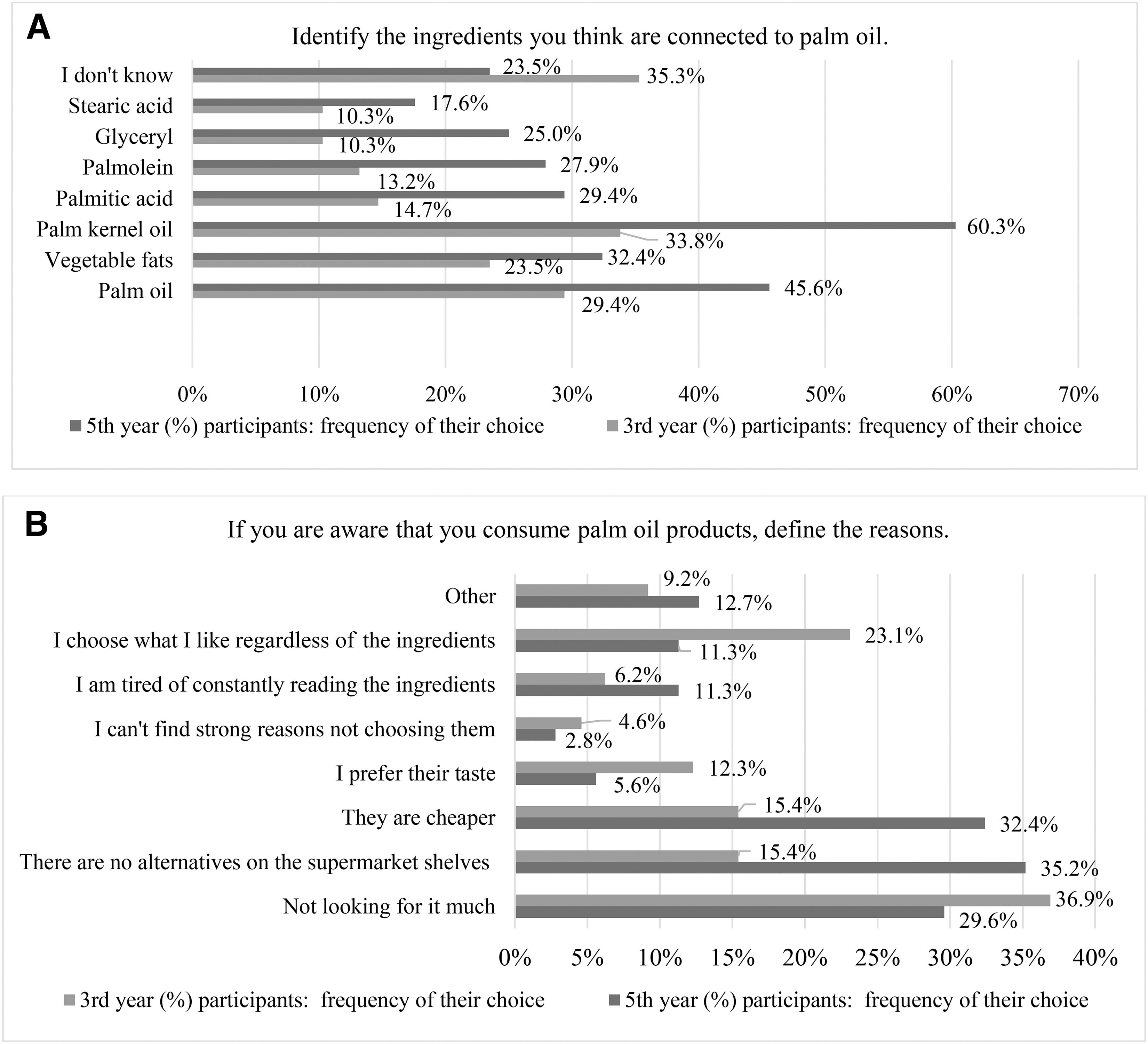
A. Students who identified the ingredients connected to palm oil, based on the frequency of their choice;
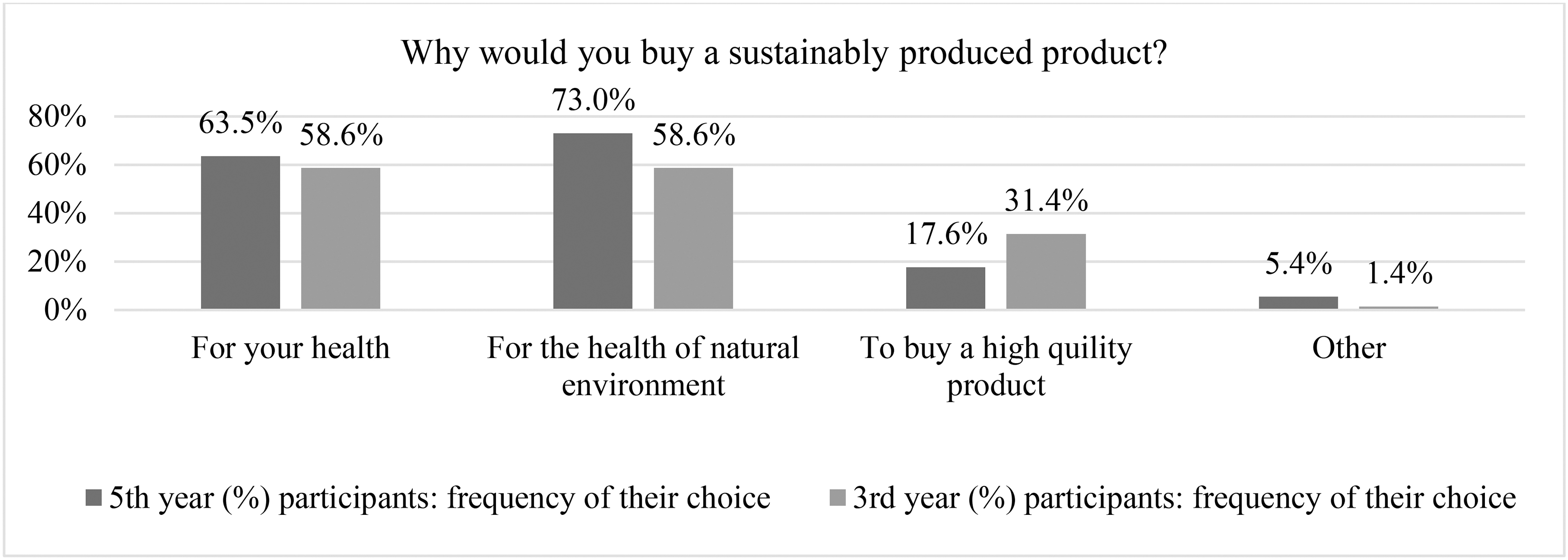
Students' reasons for choosing sustainably produced products, based on the frequency of their choice
Indicator to Evaluate Students' Consumption Habits
HEL: Higher Environmental Literacy
HEC: Higher Environmental Consciousness
The fifth-year students also seem to have higher environmental literacy (HEL) (Table 5, Figures 6, 7, and 8). In particular, they can identify palm oil, know that it exists in many supermarket products, and understand that consumer habits affect the natural environment. Despite this, a percentage of students state they consume palm oil products by choice because of the low cost or because they believe there are no alternatives.

Students' reasons for choosing fair trade (A) and non-fair trade (B) products, based on the frequency of their choice.
On the other hand, third-year students are more willing to spend more money on a sustainably produced product. They may consume palm oil products for several reasons: they are unaware of its existence in some products; they are disinterested or unaware of its production chain (even worse); they are aware of it yet still choose palm-oil products. (Note that in 2018, there was a pilot EE course at SFNE open as an elective for fifth-year students, but it was discontinued before third-year students were eligible; see Ganatsios et al., 2021.) Generally, the third-year group has considerable room for improving its eco-friendly behavior. They are disinterested in the environmental consequences of their consumer choices, often buy bottled water, and throw recyclable packaging in the general waste bin in the university cafeteria. In practice, these students state that it is difficult for them to adopt sustainable habits, which is why the role of EE is essential.
Individuals who have had courses in EE tend to possess social and environmental knowledge, sensitivity, and awareness that shape their consumer behavior (e.g., focusing on the quality of goods and services, checking labels and ingredients of products and where they are produced or distributed) within the frame of sustainability (Spirou & Miga, 2009). The strengthening of social cohesion is based on the cultivation of respect between members of society and this attitude extends to all living beings. This is evident in the purchase of fair-trade products, a choice that aims to improve the living conditions of producers and workers through conscious purchase of these products, or through boycott of products created by non-sustainable, unethical means (Toti & Moulins, 2016).
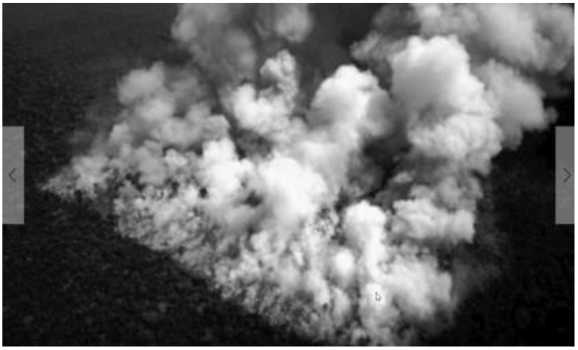
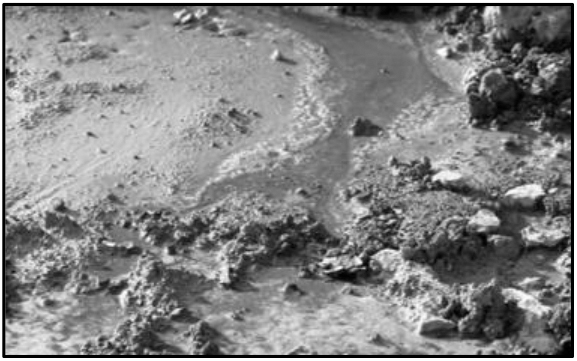
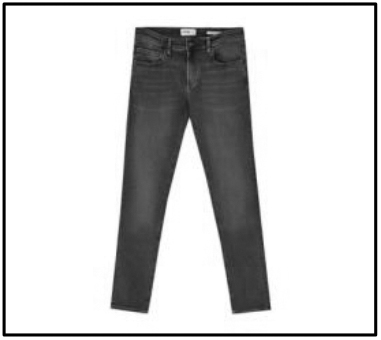
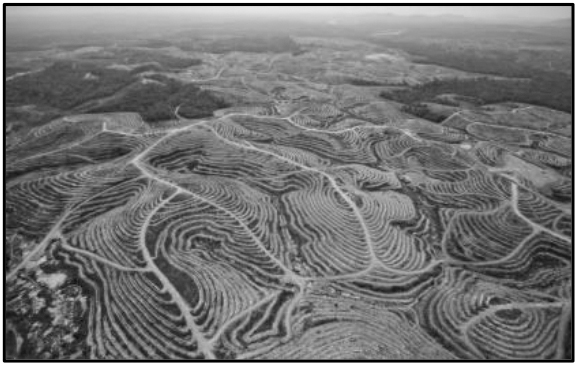
In a match-up exercise on the questionnaire, students were asked to match photos of common products to pictures showing the ecological destruction caused by their production or consumption and waste management. This exercise ascertains student awareness of the consequences of non-sustainable behaviors. Six images are shown in one column: plastic coffee cup, chocolate praline, clothes (jeans), cellphone, meat (representing soy cultivation and production), and pills. Column 2 images include: gases (smoke) from a forest fire, soil pollution, deforestation, child labor, plastic waste in the ocean, and polluted water.
The results of this exercise show that both third-year and fifth-year students are aware that the use of plastic coffee cups harms the oceans and that chocolate pralines require the deforestation of huge areas for cultivating the palm oil used in its production. In contrast, 70 percent of the students incorrectly matched clothes, cellphones, meat, and pills, indicating deficient knowledge. Nevertheless, some fifth-year students (30.4%) and some third-year students (18.6%), correctly matched the cellphone to child labor and meat to the deterioration of the atmosphere due to greenhouse gases resulting from burning extensive areas of tropical forests to convert them into land to produce soy crops. Third-year students more frequently matched the pills to soil pollution (29.5% versus 23.3%). Unfortunately, the majority of third-year students show no awareness of the cycles of production, consumption, and disposal of these four products (jeans, cellphone, meat, pills). Thus, regarding these issues, they show knowledge of an average level. Understanding of the consumption and disposal of these products is yet to be achieved (García et al., 2019).
Toward the end of the study, the students were asked to identify, in order of priority, their feelings inspired by their perceptions of environmental problems. Both groups report the most-frequently cited feeling as anxiety. The fifth-year students, who presumably have greater environmental knowledge and environmental consciousness, place anger and need for action as their next order of priority, implying feelings of frustration. In contrast, third-year students place fear second, but also place need for action in third place. This implies that as students advance toward graduation, their fear turns into anger. Only a small percentage (10.7%) of the fifth-year students and a slightly more significant percentage (15.7%) of the third-year students state that they are incapable of acting. Given the minor difference, it is feasible that the environmental knowledge of both groups contributes to the fact that many students feel capable of acting and are prepared to engage in environmental action.
Table 5 shows the profile of the two student groups through comparative evaluation indexes of their consumer habits. Environmental literacy [EL) is used as an index to represent the adoption of a sustainable lifestyle. However, since knowledge cannot be equated to EL because it is not always put into action, the index of environmental consciousness [EC] is included. The index, which is based on student responses, presents another way of living sustainably (Cherdymova et al., 2018). Fifth-year students show a higher index of environmental consciousness (HEC) and seem to adopt a sustainable way of life to a greater extent than the third-year students. This can be attributed to the fifth-year students completing more EE courses than the third-year students, but is also because 39 percent of the fifth-year students engaged in environmental actions that promote sustainability (Ganatsios et al., 2021). In a previous questionnaire given to fifth-year students, 70 percent chose the cultivation of environmental consciousness as the primary goal of EE. The focus of the present study is on comparing the performance of the two groups (year 2019), which builds on the previous study (Ganatsios et al., 2019), in which the focus was on comparing fourth- and fifth-year students who had received the same education.
Conclusion
This study set out to develop a model for educators and institutions to initiate or improve their environmental education courses. Some of the findings, which albeit may seem intuitive or common sensical, are not matters frequently discussed in academia, making it innovative in its inception.
The study examines three principal issues:
The adequacy of university EE programs to cultivate students' environmental consciousness. The necessity of EE to improve social cohesion. The need for society's active engagement in solving environmental problems.
Underlying these issues are students' beliefs, attitudes, and habits. Thus, the study used a targeted questionnaire the responses of which provide data for statistical analysis through use of chi-square tests and decision trees. Correlations were developed to determine the relationship between major environmental issues and students' everyday experiences, their intentions, their understanding of (or misconceptions or lack of knowledge) environmental issues, their willingness to act on their knowledge, and the probability of students adopting a more sustainable lifestyle.
Findings show that half of the students feel they are receiving inadequate EE concerning the development of environmental consciousness. Over 90 percent of the students assert that solving environmental problems requires the broad communal effort of society and the cultivation of active citizens. They acknowledge the importance (44% “medium importance” and 44% “high importance”) of environmental protection (which they recognize as not a priority for society), and they perceive EE as a means of evolving and developing social cohesion. Although the students in the study all were enrolled in an environmental discipline, they showed a minimal tendency toward a genuinely sustainable way of life. This finding strongly indicates that simply accumulating knowledge about the environment (especially on its technical functions) does not translate into environmental action. Students say they are worried about the environmental crisis, but they are unaware of their contribution to it, their level of personal responsibility, and the consequences of their consumer choices and behaviors.
Nearly 75 percent of the students in the study had no knowledge, or incomplete knowledge, about the cycle of production, consumption, and disposal of mass-produced goods. Comparing the third-year and fifth-year students, respectively, the fifth-year students evidence adopting or attempting to adopt more sustainable habits, attributed to their extended education.
A mandatory holistic EE course can provide the tools that enable opportunities for educators to design comprehensible, focused lessons, informed curricula based on the questionnaire responses, and straightforward statistically focused tools on two of the main issues. The first is social cohesion and its connection with EΕ through emphasizing the interactions of nature and the benefits of shaping active, responsible citizens. Hence, ethics and students' values must be included because they can improve social cohesion. Second is the realization of consumer power, emphasizing the awareness and conscious cultivation of daily choices that lead to a more sustainable life and planet.
Higher education institutions generally transmit common knowledge and lack awareness that this practice hinders the inclusion of education for sustainability. They also lack a strong will to make the necessary changes. Yet, these institutions are the most appropriate locations for such studies and could become the main agents of sustainability. In order to raise awareness, they should focus on the drivers of sustainable behavior, identify crucial educational weaknesses, and overcome them. Building on the results of previous studies (Ganatsios et al, 2019, Ganatsios et al., 2021) and the current study, the next step is to implement and measure the real-world effectiveness of the proposed curriculum and improve it.
Footnotes
Acknowledgments
Thanks to all the authors cited in this article for sharing their knowledge. The authors also thank the students who eagerly participated in our research; without them it would not have been possible to complete this study. We are especially thankful to the environmental group of students, the Active Bees, who are still working to raise environmental consciousness. This research and publication are a product of their long-term efforts.
Authors' Contributions
Conceptualization (ideas, formulation or evolution of overarching research goals and aims): Ganatsios, Mpekiri, Vlastara, Petaloudi, Valeta, and Megalonidou
Data curation (management activities to annotate and produce metadata; scrub data; and maintain research data, including software code, where necessary, for interpreting the data itself for initial use and later re-use): Mpekiri, Vlastara
Formal analysis (application of statistical, mathematical, computational, or other formal techniques to analyze or synthesize study data): Mpekiri, Valeta
Investigation (conducting the research and investigation process, specifically performing the experiments, or data/evidence collection): Ganatsios, Mpekiri, Vlastara, Petaloudi, Valeta, Megalonidou
Methodology (development or design of methodology, creation of models): Ganatsios, Mpekiri, Vlastara, Petaloudi, Valeta
Project administration (management and coordination responsibility for the research activity planning and execution): Ganatsios, Mpekiri, Vlastara
Resources (provision of study materials, reagents, materials, patients, laboratory samples, animals, instrumentation, computing resources/analysis tools): Ganatsios, Mpekiri, Vlastara, Petaloudi
Software (programming, software development, designing computer programs, implementation of computer code and supporting algorithms, testing of existing code components): Mpekiri, Valeta
Supervision (oversight and leadership responsibility for research activity planning and execution, including mentorship external to the core team): Ganatsios
Validation (verification, whether as a part of the activity or separate, of the overall replication/reproducibility of results/experiments and other research outputs): Ganatsios, Mpekiri, Vlastara, Petaloudi, Valeta
Visualization (preparation, creation and/or presentation of the published work, specifically visualization/data presentation): Ganatsios, Mpekiri, Vlastara, Petaloudi
Writing original draft (preparation, creation and/or presentation of the published work, specifically writing the initial draft, including substantive translation): Ganatsios
Writing review and editing (preparation, creation and/or presentation of the published work by those from the original research group, specifically critical review, commentary, or revision, including pre- or post-publication stages): Ganatsios, Mpekiri, Vlastara, Petaloudi, Valeta
Funding Information
The authors declare that they have no known competing financial interests or personal relationships that could appear to have influenced the work reported in this article.
Author Disclosure Statement
No competing financial interests exist.
Appendix
|
|
|
|---|---|

|
|

|
|
|
|

|

|

|
|

|
|